Written by Ari Mayzick · Go Travel Box
Published November 11, 2026 · Updated November 11, 2026
Some of the best travel days in the United States happen between destinations. A road bends toward the ocean, a mountain pass opens into a wide valley, or a small town gives you a good reason to stop for lunch. The scenery matters, but so does having enough time to enjoy it.
This guide to the best scenic drives in the United States compares ten very different routes. You will find coastal roads, mountain passes, autumn forests, and island scenery, with real photos, map links, suggested trip lengths, and practical booking advice. Choose one region that fits your dates and interests, then build a trip around it.
Planning Your First Scenic Road Trip? Start Here
Choose the road for your season, allow more time than the navigation estimate, and book accommodation that keeps the driving manageable. A short mountain route can occupy a whole day once you add viewpoints, meals, traffic, and parking.
These are separate trip ideas, not one continuous itinerary. A Maui drive requires its own island travel arrangements, while the mainland routes are spread across several regions. Pick a route you can enjoy within your available time instead of trying to collect several distant roads in one holiday.
Start with three priorities: the scenery you most want, the amount of driving you enjoy, and the activities you want outside the car. That makes the choice much easier.
Best Scenic Drives in the USA at a Glance
| Drive | Region | Best fit | Useful trip length | Seasonal consideration |
|---|---|---|---|---|
| Pacific Coast Highway | California | Ocean views and coastal towns | 3–7 days for a selected section | Check storms, work zones, and park access |
| Blue Ridge Parkway | Virginia and North Carolina | Mountain scenery and cultural stops | 7–10 days for the full corridor | Current closures require section-by-section planning |
| Going-to-the-Sun Road | Montana | A dramatic national park mountain road | A full day, within a longer Glacier stay | High road opens seasonally |
| Road to Hana | Maui, Hawaii | Tropical scenery and a slower island drive | A full day or an overnight plan | Rain, local access rules, and reservations matter |
| Overseas Highway | Florida Keys | Water views, island communities, and marine activities | 2–5 days or longer | Wind, storms, traffic, and boat conditions |
| Utah Scenic Byway 12 | Southern Utah | Red rock, plateaus, and nearby parks | 1–3 days, longer with park visits | Heat, snow at elevation, and exposed road sections |
| Million Dollar Highway | Colorado | High mountain scenery | A day within a regional stay | Snow, weather, and driving confidence |
| Beartooth Highway | Montana and Wyoming | Alpine views and a high pass | A full day when the through road is open | Seasonal closure and rapidly changing weather |
| Skyline Drive | Virginia | Overlooks and selected nature walks | 1–3 days | Fog, ice, and temporary road closures |
| Kancamagus Highway | New Hampshire | Forest scenery and autumn color | A day or a 2-night mountain stay | Foliage crowds, weather, and parking |
Planning details were checked November 10, 2026. Recheck road conditions, reservations, and seasonal opening information for your actual travel dates.
Table of Contents
- Planning Your First Scenic Road Trip? Start Here
- Best Scenic Drives in the USA at a Glance
- How to Choose the Right Scenic Drive
- 10 of the Best Scenic Drives in the United States
- Best Time for a Scenic Drive
- Three-Day, Five-Day, and Seven-Day Trip Ideas
- How Much Does a Scenic Road Trip Cost?
- Where to Stay and What to Book
- Choosing and Preparing Your Vehicle
- Food, Free Stops, and Budget-Friendly Days
- Trips for Families, Couples, Solo Travelers, and Accessible Travel
- Photography and Road Etiquette
- Weather Alternatives and Current Road Checks
- What to Pack
- Important Contacts and Travel Essentials
- Common Scenic Road Trip Mistakes
- Frequently Asked Questions About Scenic Drives
- Your Final Scenic Drive Checklist
- Reader Questions and Road Trip Experiences
- Explore More Travel Guides
How to Choose the Right Scenic Drive
Coast, Mountains, Forests, or Desert?
Choose the Pacific Coast Highway for a chain of coastal towns, the Overseas Highway for island time, or Hana for a tropical setting. Mountain travelers can compare Glacier, Colorado, Beartooth, and the Blue Ridge. Utah offers a different landscape of sandstone, plateaus, and open country, while New Hampshire suits a compact forest-and-mountain trip.
Match the Road to Your Comfort Level
Think about narrow lanes, sharp curves, exposed edges, weather, and long gaps between services. Choose a route and vehicle you can handle calmly. A famous road does not become the best choice for your group simply because it appears on many lists.
Plan Around the Time Outside the Car
Decide whether the day is mainly a drive, a hike, a museum visit, or beach time. A full scenic day usually works better with a few well-chosen stops than a reservation in every town. Keep the arrival and departure days lighter.
10 of the Best Scenic Drives in the United States
1. Pacific Coast Highway, California
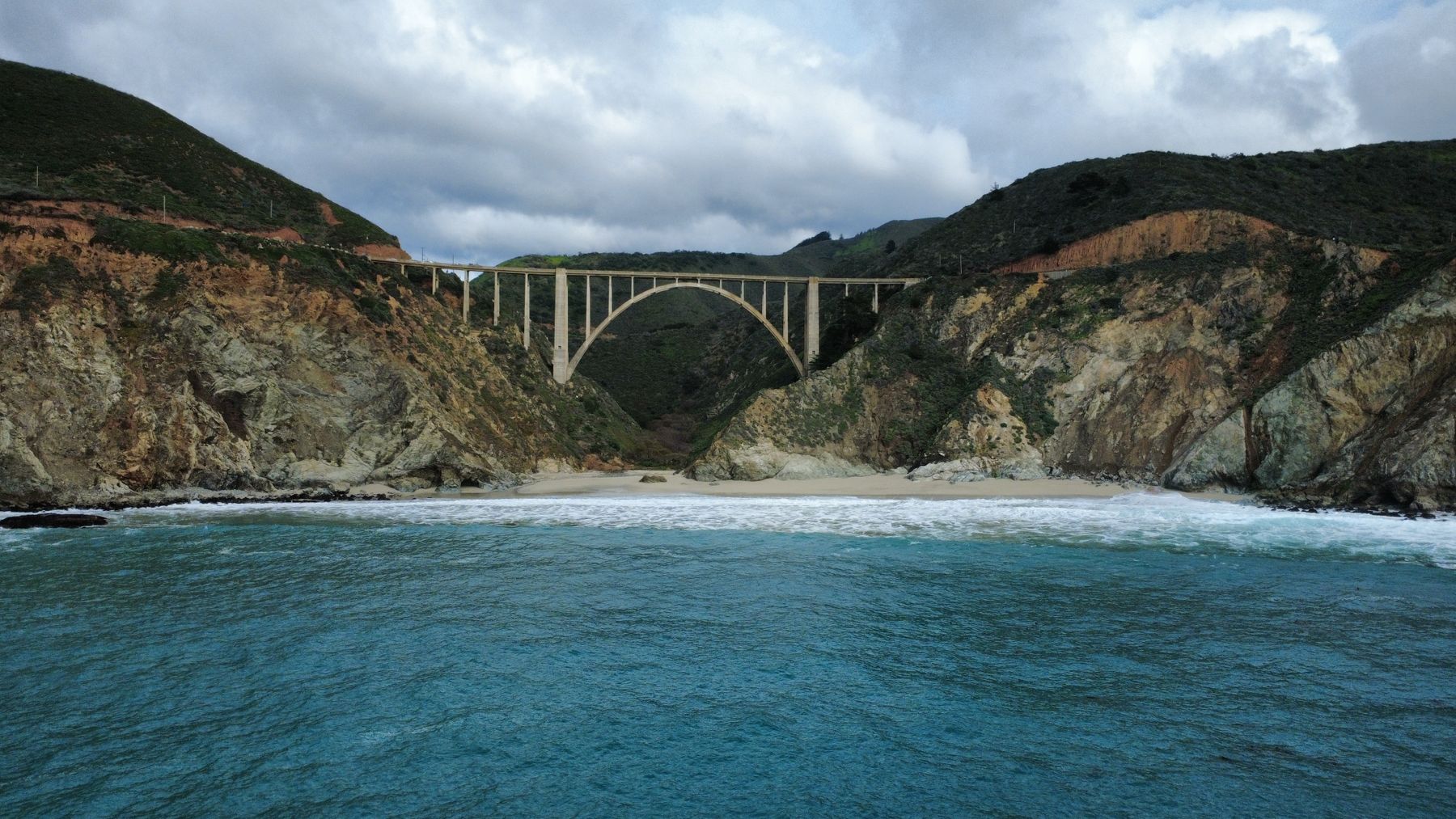
California’s coast combines ocean views with places where it is easy to spend a whole afternoon. Monterey, Carmel, Big Sur, Cambria, Morro Bay, Santa Barbara, and the Los Angeles coast offer different experiences. Choose a section for a short break or give the San Francisco-to-Los Angeles core about five days.
California State Route 1 and the broader coastal road-trip idea are not identical. A San Diego extension uses additional roads beyond Route 1’s southern end at Dana Point. Check the current route through Big Sur and the opening information for each park or beach you want to use.
| Detail | Planning notes |
|---|---|
| Best for | Coastal scenery, food, towns, couples, and families |
| Time | A selected 3-day break or a 5–7-day coastal trip |
| Map | San Francisco to Los Angeles via the coast |
| Costs and booking | Hotels, parking, rental terms, and chosen attractions; reserve busy coastal nights |
| Access | Confirm the actual beach path, viewpoint, parking, and any road or trail closure |
Planning tip: A few hours of moving time can become a full day once you stop. Read our Pacific Coast Highway stops guide for a more detailed plan.
2. Blue Ridge Parkway, Virginia and North Carolina
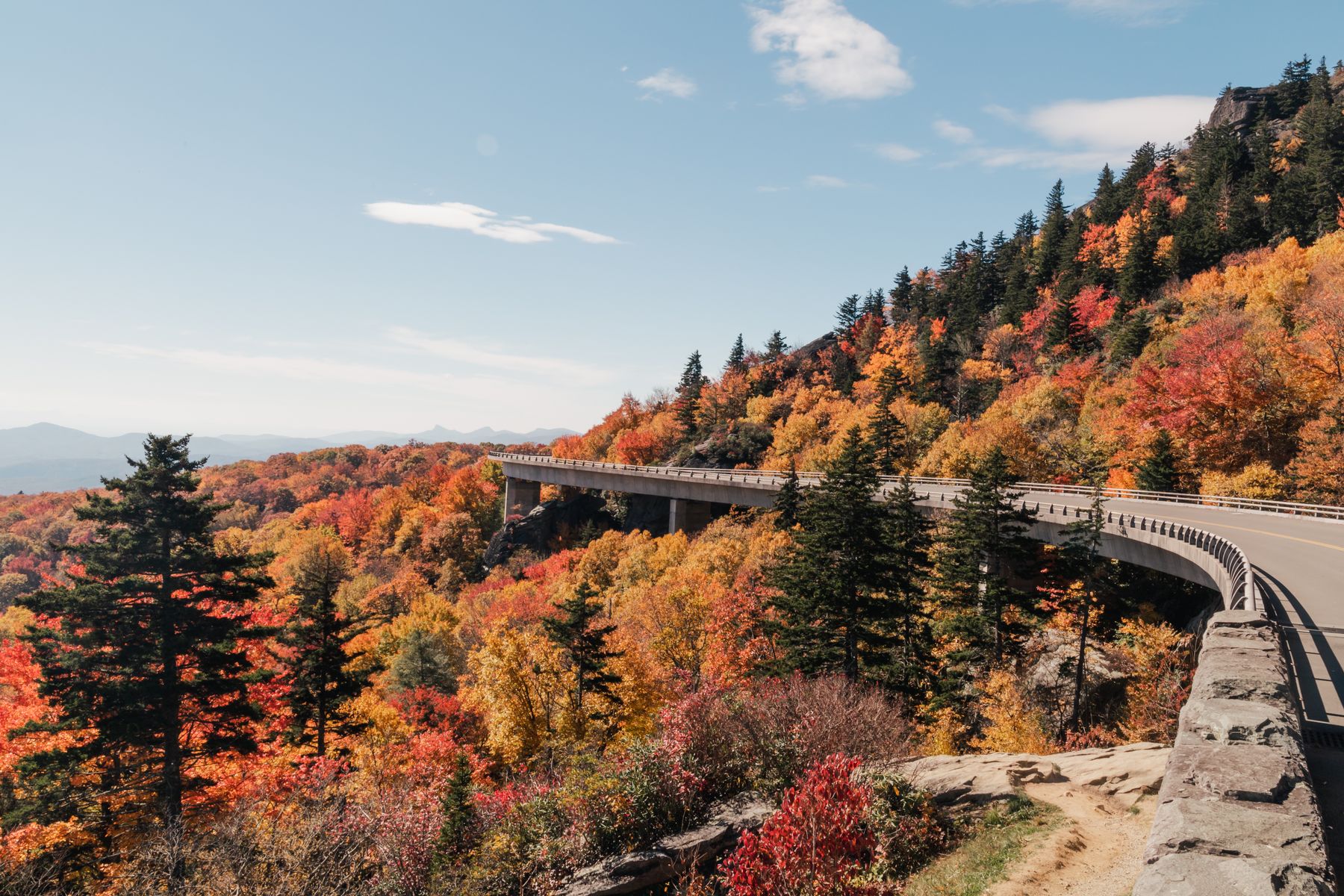
The 469-mile Parkway connects mountain landscapes, cultural stops, picnic areas, and nearby towns. It rewards a slow pace, with time for places such as Peaks of Otter, Mabry Mill, Linn Cove, and the Asheville region. The road is a visitor experience rather than a fast transfer.
Current repairs and recovery work mean the whole route should not be treated as an uninterrupted drive. Check the National Park Service’s current milepost closure list and official detours before choosing each day’s access points. Facilities can be closed even when a nearby road section is open.
| Detail | Planning notes |
|---|---|
| Best for | Mountain views, local culture, autumn trips, and relaxed exploring |
| Time | 7–10 days for the corridor, or a shorter regional section |
| Map | Waynesboro to Cherokee orientation |
| Costs and booking | No fee to drive the Parkway; lodging, camping, and other activities are separate |
| Access | Check road sections, seasonal buildings, trail conditions, and the specific facilities you need |
Planning tip: Use mileposts alongside live road information. Our complete Blue Ridge Parkway guide explains how to organize the route.
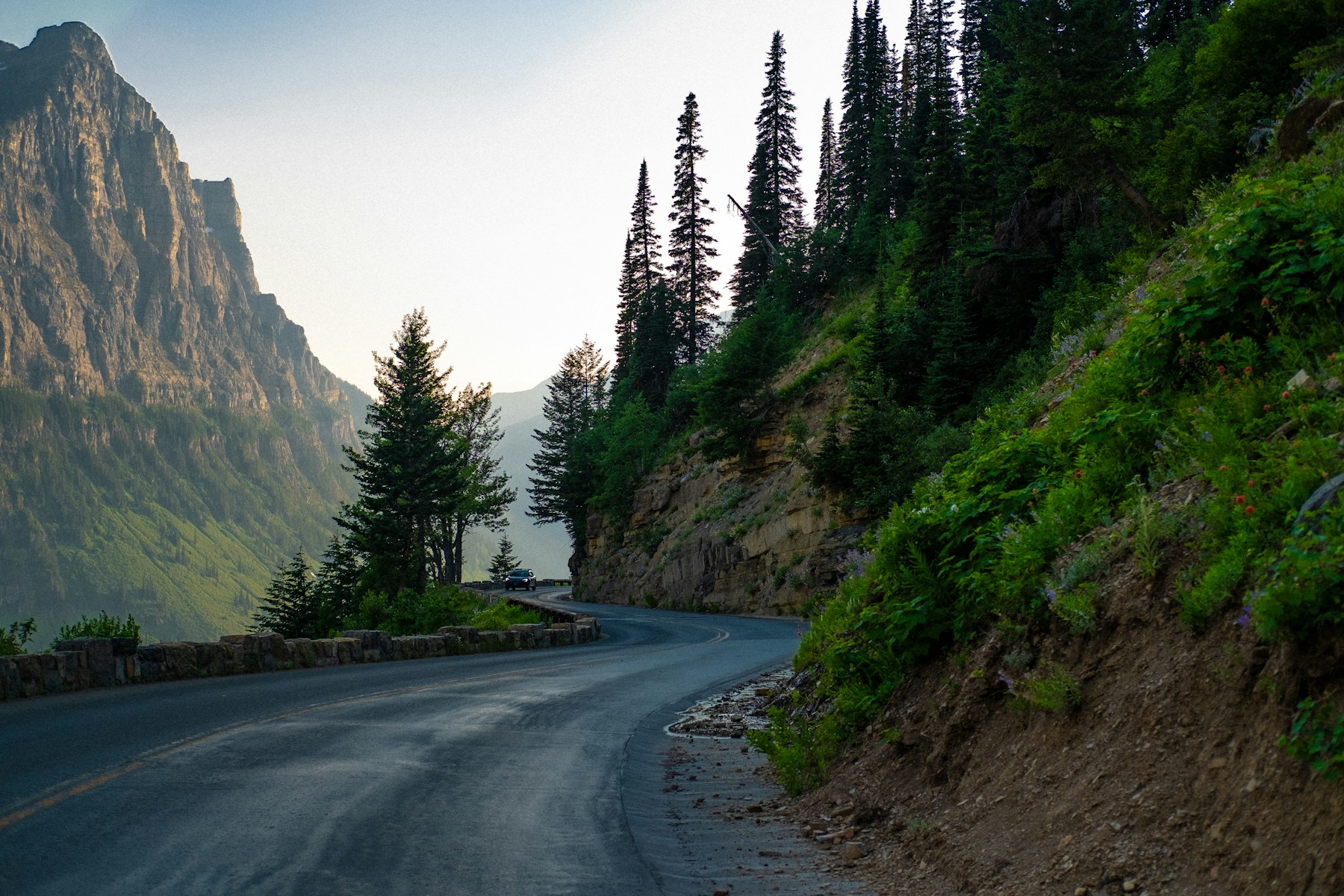
3. Going-to-the-Sun Road, Montana
Glacier National Park’s famous road brings a striking change from forested lower areas to high mountain scenery. The full road is about 50 miles, but that distance says little about the time you will want for stops. Give it a full day within a longer park visit when seasonal access allows.
Check the opening of the full high-road route, vehicle size limits, parking, and the shuttle arrangements for your year. In 2026, general vehicle reservations were not required, while Logan Pass parking and shuttle arrangements had separate rules. Future-year systems need a fresh check.
| Detail | Planning notes |
|---|---|
| Best for | High mountain scenery and a national park stay |
| Time | A full road day, with additional days for hiking or other park areas |
| Map | West Glacier to St. Mary via Logan Pass |
| Costs and booking | Park admission, possible additional nonresident charges, lodging, and any current shuttle arrangements |
| Access | Confirm high-road opening, vehicle dimensions, parking, weather, and suitable viewpoints |
Planning tip: Treat this as a seasonal mountain choice. A summer photograph does not establish that the through road is available during a winter visit.
4. Road to Hana, Maui
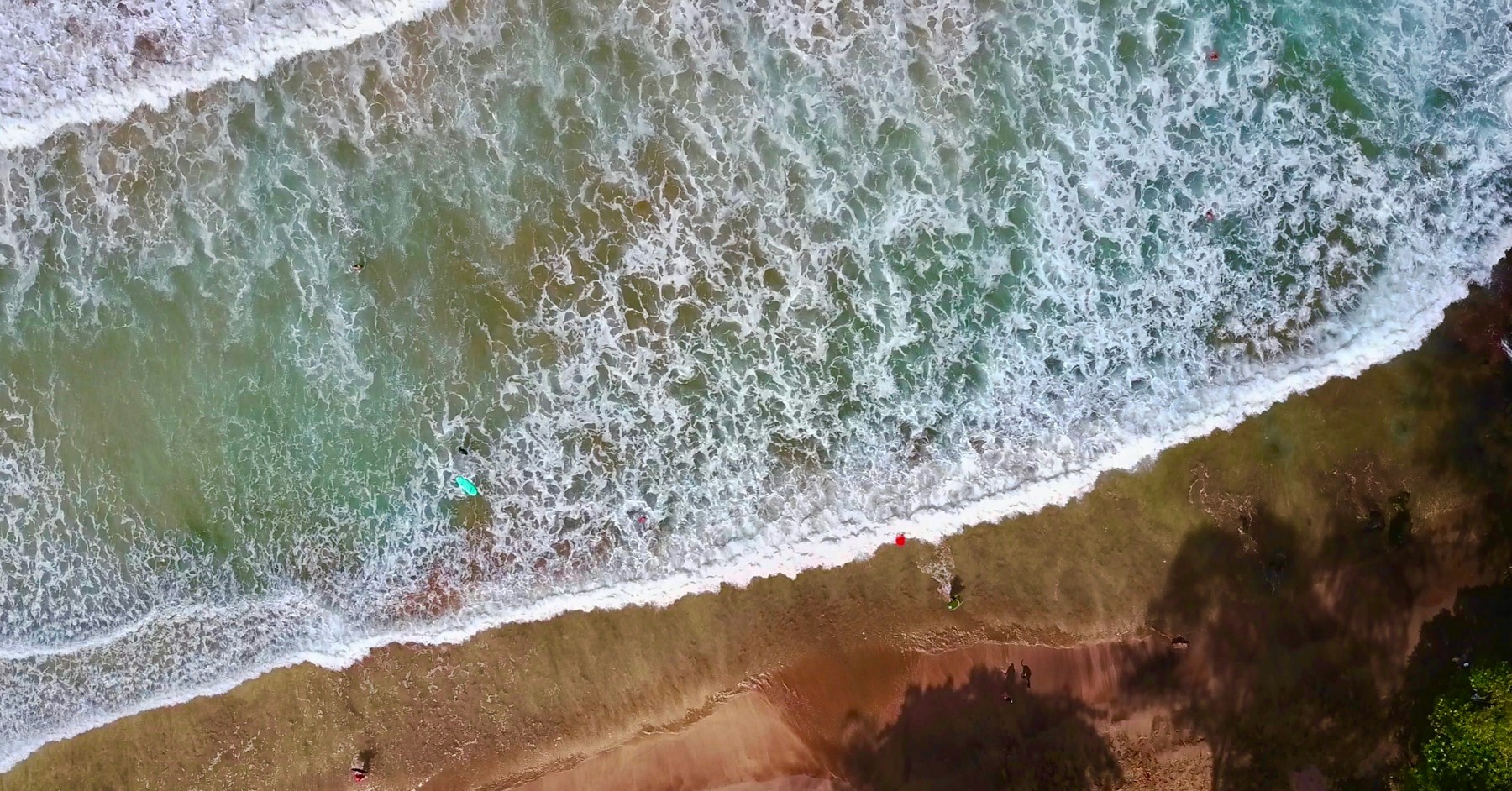
The Hana drive combines tropical vegetation, coastal views, small communities, and a road that asks you to slow down. Choose a few permitted stops, enjoy Hana itself, and consider an overnight when you want more time. The photograph shows the coast at Koki Beach in Hana.
Plan a suitable out-and-back route from the north shore and check your rental terms. A full drive around the island’s eastern side is a different undertaking. If Waiʻanapanapa State Park is a priority, review its current entry, parking, residency, and time-slot requirements before setting out.
| Detail | Planning notes |
|---|---|
| Best for | Tropical scenery, local communities, and a slower island outing |
| Time | A full day with selected stops, or a carefully planned overnight |
| Map | Paia to Hana |
| Costs and booking | Island vehicle arrangements, selected parks, food, and any accommodation |
| Access | Check legal parking, private-property boundaries, park reservations, and rain-related conditions |
Planning tip: Yield and park according to signs, respect residents, and keep the driver’s attention on the road. Choose safe public viewpoints rather than stopping wherever a photograph looks attractive.
5. Overseas Highway, Florida Keys
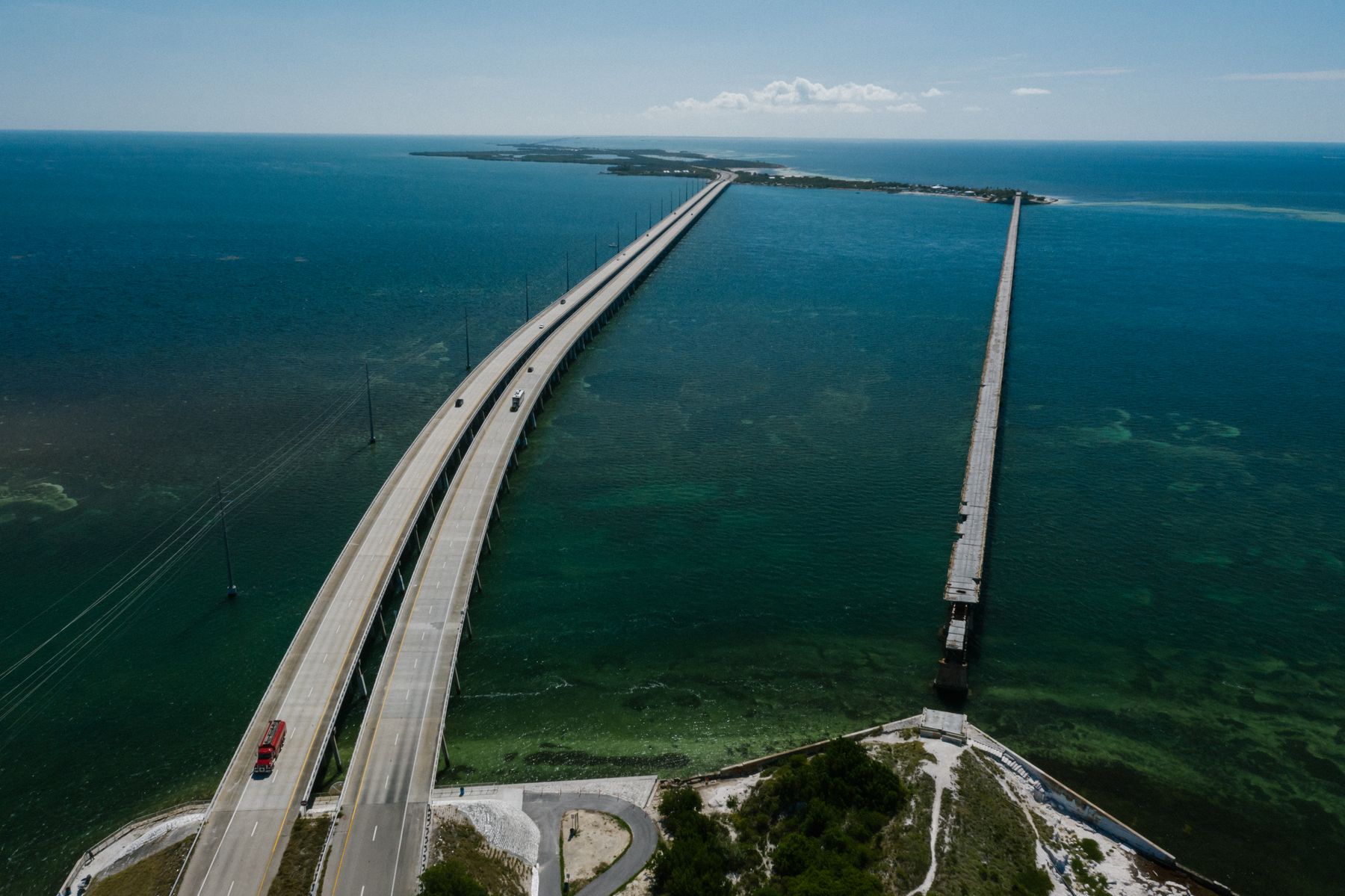
The Keys offer a road trip where water, bridges, and island communities shape the day. Key Largo, Islamorada, Marathon, and Key West make useful choices, but you do not need to change hotels at every stop. Two bases can give you a more relaxed experience.
Boat and water activities should fit the weather and your group’s comfort. Check the operator, boarding, cancellation rules, and actual departure point. Traffic or a road incident can affect the whole route, so leave room in the final return journey.
| Detail | Planning notes |
|---|---|
| Best for | Water views, island meals, marine interests, and a relaxed stay |
| Time | 2–5 days or longer, with Miami time added separately |
| Map | Key Largo to Key West via Marathon |
| Costs and booking | Island lodging, parking, boats, parks, and any one-way vehicle arrangement |
| Access | Confirm boat boarding, beach facilities, suitable paths, and current weather advisories |
Planning tip: View bridges from legal stopping areas and keep a land-based alternative for a windy boat day.
6. Utah Scenic Byway 12
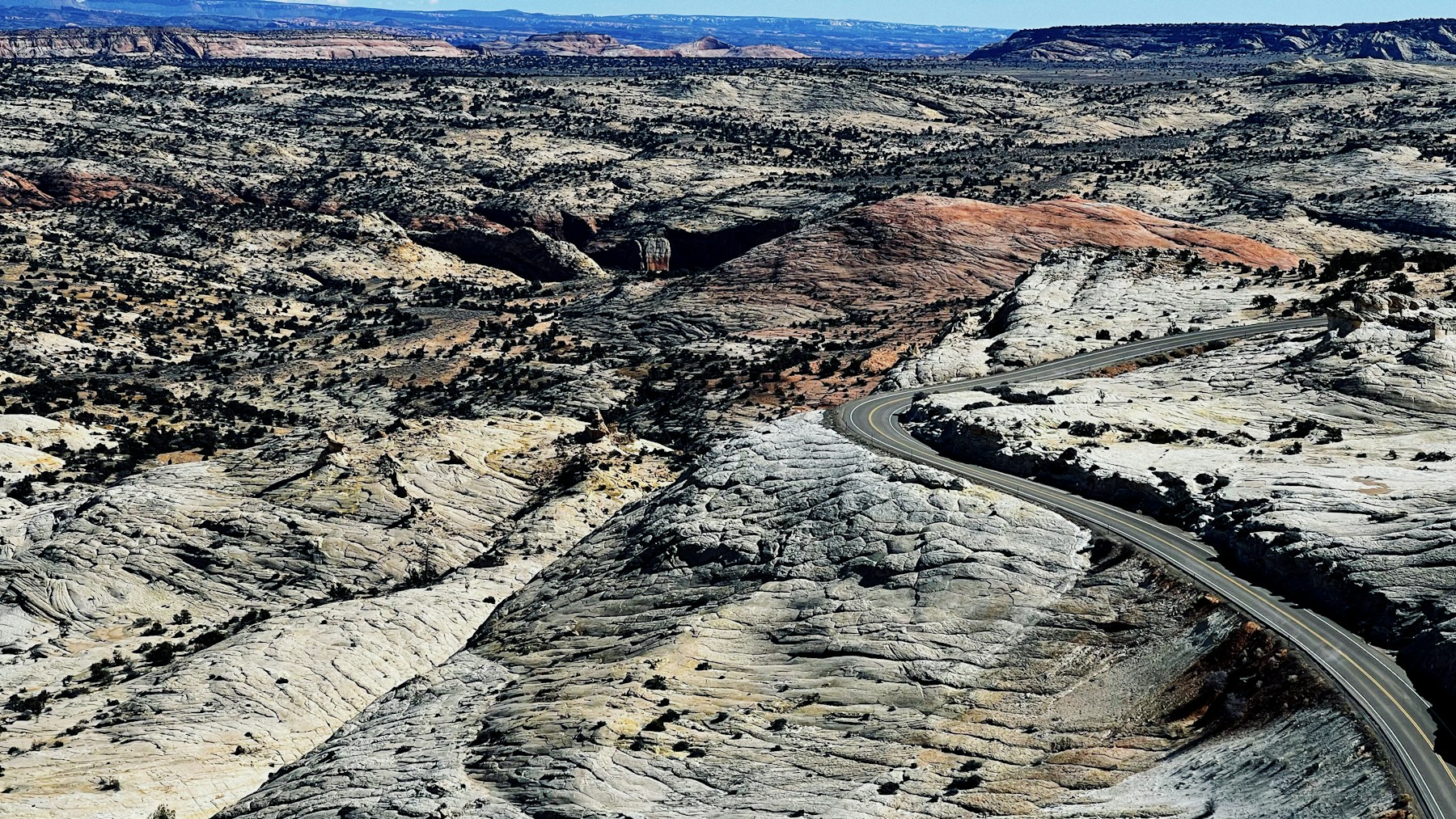
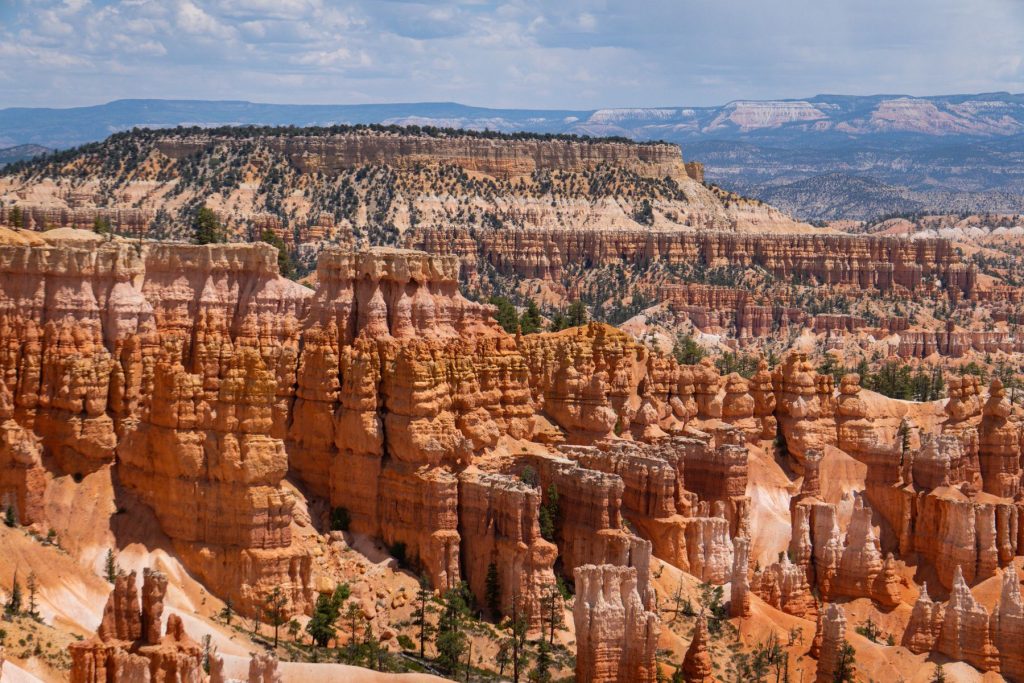
Byway 12 connects the Panguitch area with Torrey through roughly 124 miles of varied southern Utah scenery. Red rock, open plateaus, and changing elevation give the road a different character from the coastal and forest routes in this guide. Give it a full day, or add nights for nearby parks.
Check the weather at different elevations and choose legal, safe pullouts. Exposed and curving sections require attention. The road itself and nearby national parks, state parks, trails, and private activities have different fees and access arrangements.
| Detail | Planning notes |
|---|---|
| Best for | Sandstone scenery, photography, and a Utah park itinerary |
| Time | A full scenic day, or 2–3 days with selected activities |
| Map | Panguitch to Torrey via Escalante and Boulder |
| Costs and booking | Lodging, food, fuel, and separate park or activity charges |
| Access | Check vehicle suitability, weather, fuel or charging, and trail conditions |
Planning tip: Use our Utah Mighty Five itinerary if you want to connect the drive with the national parks.
7. Million Dollar Highway, Colorado
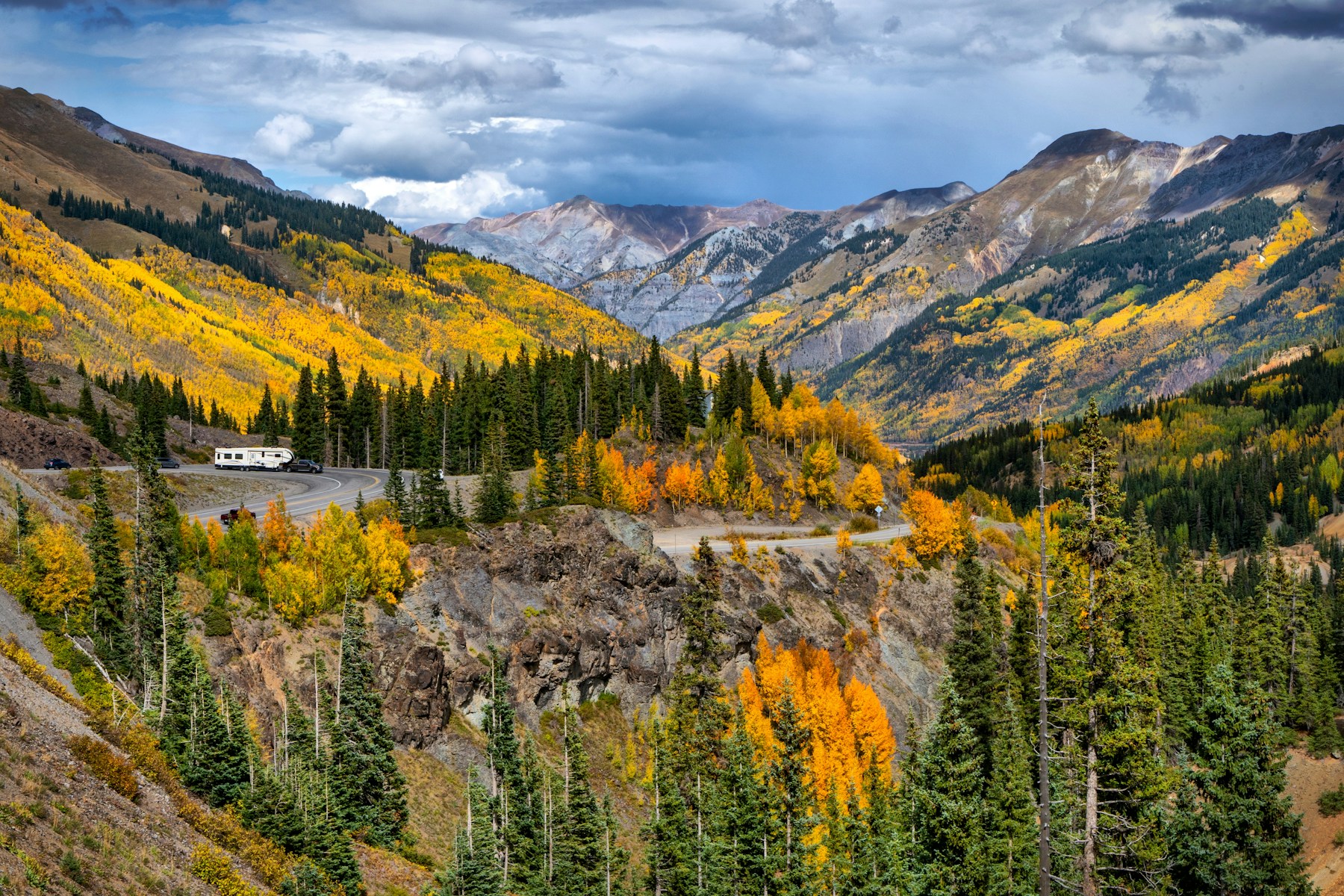
The US 550 section between Ouray and Silverton is a memorable mountain drive, with scenery that deserves your full attention. Choose a regional stay and give the road a daylight window rather than using it as a hurried shortcut between distant reservations.
This is a weather-sensitive mountain route. Check Colorado’s current road and traction information, your vehicle, and your own comfort with curves and exposed sections. Snow, maintenance, or a storm can change the plan quickly.
| Detail | Planning notes |
|---|---|
| Best for | Mountain landscapes and a southwestern Colorado stay |
| Time | A scenic day, longer with nearby towns and walks |
| Map | Ouray to Silverton |
| Costs and booking | Regional accommodation, fuel, food, and chosen activities |
| Access | Check current road, traction, weather, parking, and any larger-vehicle considerations |
Planning tip: The driver needs an appropriate route and conditions, not pressure to complete a famous road. Keep an alternative when the forecast does not suit the trip.
8. Beartooth Highway, Montana and Wyoming
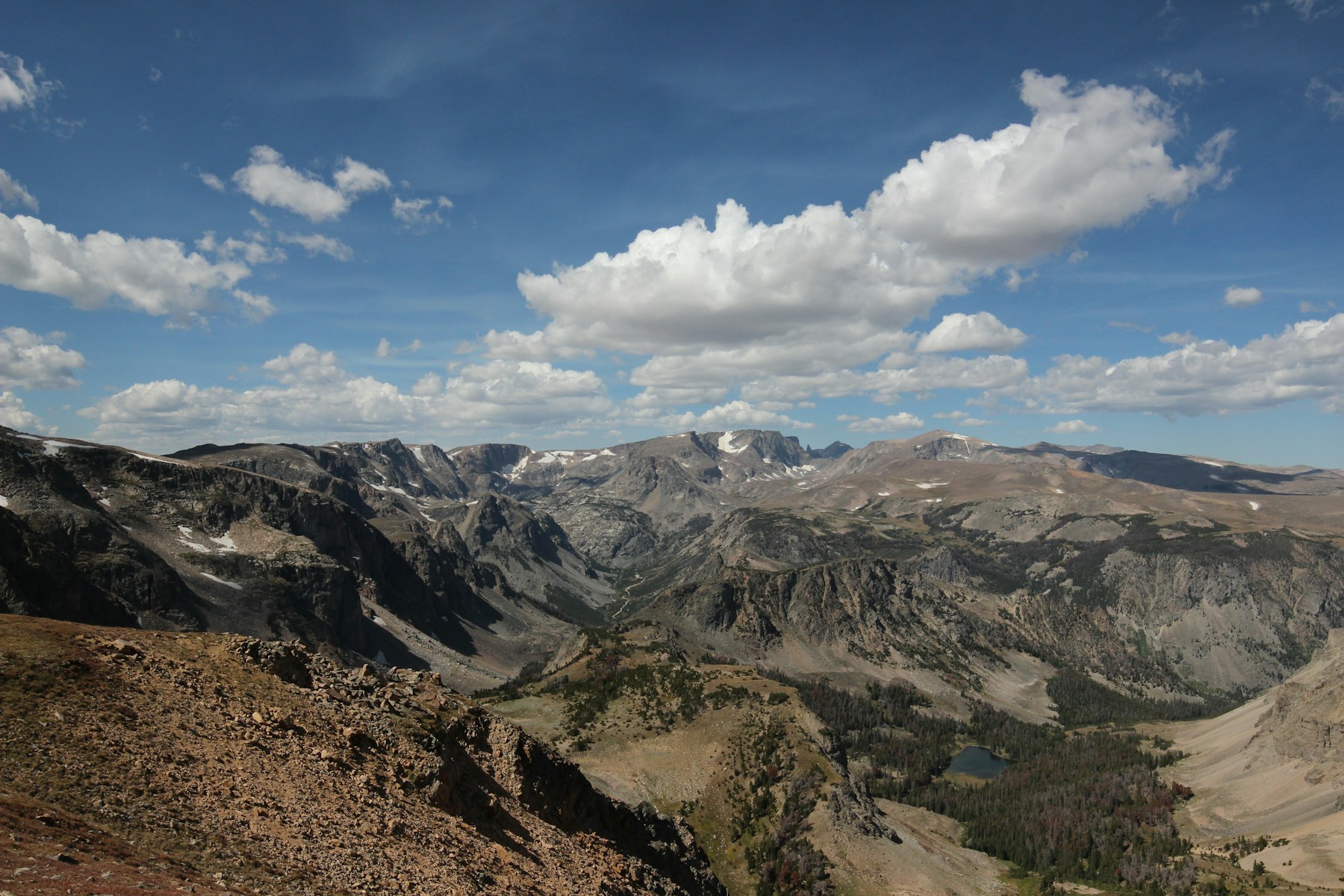
Beartooth is an alpine choice with a strong seasonal limit. High mountain terrain and changing weather make preparation part of the experience. Allow a full day when the through road is open, with warm layers and enough time to enjoy safe viewpoints.
As of the November 10, 2026 check, the National Park Service lists Beartooth Highway as closed for the season. Plan a future visit around confirmed opening information from the relevant road authorities rather than assuming last year’s dates will repeat.
| Detail | Planning notes |
|---|---|
| Best for | High pass scenery and a carefully planned summer mountain trip |
| Time | A full day within a wider regional stay |
| Map | Red Lodge to Cooke City orientation |
| Costs and booking | Fuel, food, accommodation, and any separate national park visits |
| Access | Confirm the actual through route, seasonal opening, weather, and vehicle suitability |
Planning tip: A map may select an alternative when the pass is closed. Inspect the road names and current notices before assuming it represents the scenic drive you intended.
9. Skyline Drive, Virginia
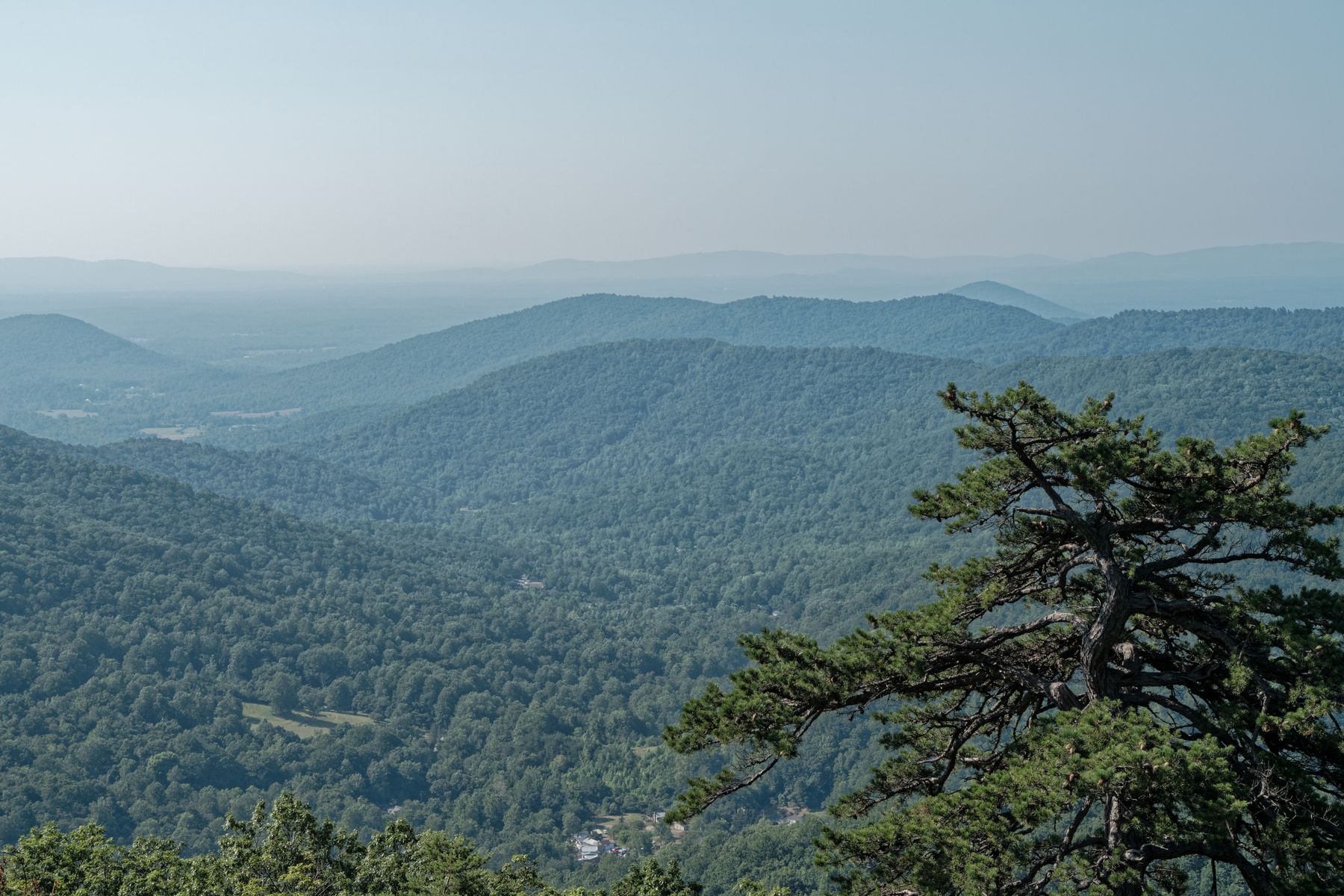
Shenandoah’s 105-mile road makes a good choice for a focused nature break. You can drive a selected section, enjoy overlooks, and choose an appropriate short walk. You do not need to travel the entire road to have a worthwhile visit.
Allow a full day if including many stops, and check fog, ice, weather closures, and seasonal facilities. The park road and nearby valley towns can be combined into a manageable stay with fewer hotel changes.
| Detail | Planning notes |
|---|---|
| Best for | Overlooks, selected walks, families, and a shorter mountain trip |
| Time | 1–3 days depending on the section and activities |
| Map | Front Royal to Rockfish Gap orientation |
| Costs and booking | Park admission, accommodation, and chosen extras |
| Access | Check the open road sections and the exact viewpoint or path you need |
Planning tip: Use a route appropriate to your group and check the actual park entry and exit points. A town-to-town map does not always follow the full scenic road.
10. Kancamagus Highway, New Hampshire
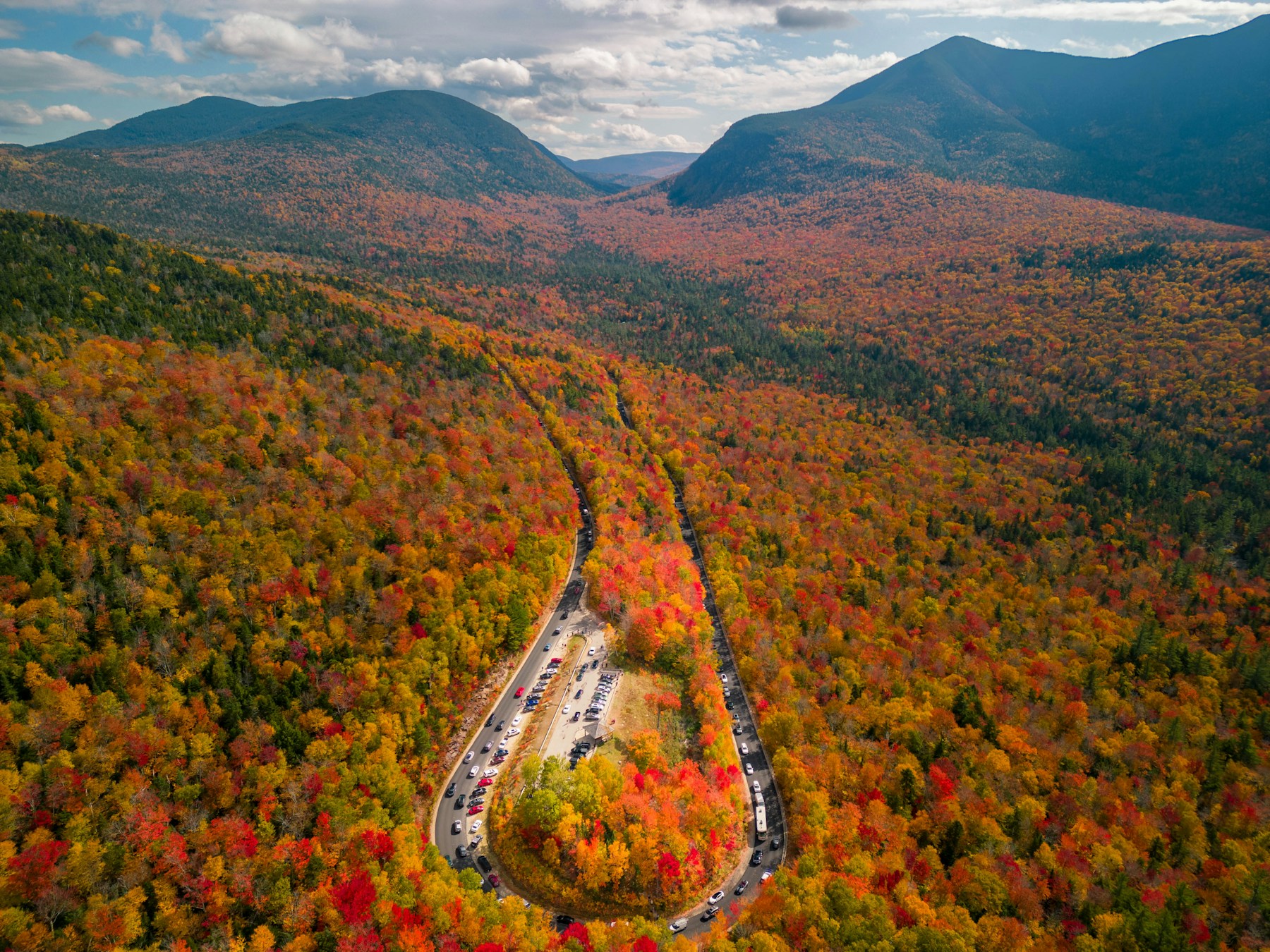
The Kancamagus links Lincoln and the Conway area through the White Mountains. It can be the main activity of a day, with a few viewpoints, a suitable walk, and a meal at either end. Autumn brings beautiful possibilities and significant demand.
Fill up before the scenic stretch, download maps, and allow time for parking and traffic. Some recreation areas require a day-use fee or an accepted pass. Check the specific stop rather than assuming every pullout has the same arrangements.
| Detail | Planning notes |
|---|---|
| Best for | Forest scenery, fall color, and a compact mountain stay |
| Time | A day, or 2 nights with more White Mountains exploring |
| Map | Lincoln to Conway via NH 112 |
| Costs and booking | Lodging, selected parking areas, food, and any booked attractions |
| Access | Confirm weather, parking, recreation-site rules, and seasonal connector roads |
Planning tip: Read our New England fall itinerary for a longer loop with sensible overnight bases.
Best Time for a Scenic Drive
Choose the season for the road, not for the departure airport. High passes and park roads can have snow or seasonal closures while a nearby city is mild. Desert drives need a heat-aware plan, while coastal and island routes can be affected by storms, wind, or fog.
For autumn, use current foliage reports and allow the route to respond to actual color. For mountain summer travel, wait for confirmed opening information before relying on a through pass. A shoulder-season hotel saving is useful only when the activities you want are available.
Three-Day, Five-Day, and Seven-Day Trip Ideas
Three Days
Choose one compact region: Monterey and northern Big Sur, a selected Skyline Drive stay, or the White Mountains. Use one or two bases and allow arrival and departure time separately.
Five Days
Build a coastal or regional route with a few overnight stops. A five-day California coastal core or a Keys stay can work well when you choose activities carefully and avoid overfilling the transfers.
Seven Days or More
Give a longer corridor such as the Blue Ridge Parkway enough time for access changes, towns, and rest. A Utah trip combining several parks also needs dedicated sightseeing days. The extra time is most useful when it improves the pace.
How Much Does a Scenic Road Trip Cost?
A Five-Day Example for Two Adults
This is an illustrative budget for one selected mainland region, with four hotel nights. It is not a quote or a combined trip through all ten drives. Hotel and rental assumptions include estimated taxes and the selected arrangements shown in your actual quote.
| Item | Assumption | Total |
|---|---|---|
| Hotels | 4 nights × $180 | $720 |
| Food | 2 adults × 5 days × $50 | $500 |
| Rental car | 5 days × $80, including assumed taxes and chosen protection | $400 |
| Fuel | Combined allowance | $180 |
| Parking and route or park charges | Combined allowance | $120 |
| Selected activities | Combined allowance | $80 |
| Subtotal | Before contingency | $2,000 |
| Contingency | 10% | $200 |
| Total for two | Five days and four nights | $2,200 |
Flights, island travel, shopping, extra nights, one-way charges, and additional non-U.S.-resident park fees are excluded. Coastal resorts, major city nights, premium tours, and peak-season lodging can change the total substantially.
Compare passes only against the parks or recreation sites you will actually use. Federal park passes do not replace state park, private attraction, camping, tour, or reservation charges.
Where to Stay and What to Book
Choose overnight bases that leave a comfortable next day. Check the exact address, reception hours, food options, parking, cancellation terms, and room setup. A property described as “near the park” may still add a long daily drive.
Reserve priority accommodation, special room requirements, timed attractions, and any required vehicle or activity reservation. Leave public viewpoints and casual meals flexible. For accessible travel, confirm the actual room, bathroom, entrance, parking surface, and route to facilities directly.
Choosing and Preparing Your Vehicle
Compare total rental costs, mileage, driver rules, coverage, roadside assistance, one-way return, tolls, and any restrictions. Large vehicles and trailers need separate route checks. Some park roads have specific size limits, and narrow or exposed sections may not suit every driver.
Check tires, lights, fluids, charging or fuel plans, and how to request assistance. Download maps, keep water and supplies available, and plan regular breaks. Change navigation while safely stopped or ask a passenger to help.
Food, Free Stops, and Budget-Friendly Days
Mix casual meals and picnic supplies with the dinners you most want. Check opening hours in smaller towns and avoid reaching a remote area with no meal plan. Confirm dietary needs and allergies directly, including preparation and cross-contact.
Public viewpoints, town walks, and suitable nature routes can be the main activities of a day. Parking and admission may still apply. Choose a few meaningful stops instead of assuming a paid attraction is needed at every overnight base.
Trips for Families, Couples, Solo Travelers, and Accessible Travel
Families can shorten driving blocks, choose a few activities together, and keep reliable meals and rest. Couples may prefer a scenic overnight and a slower dinner. Solo drivers should be conservative about fatigue and save clear arrival details before remote sections.
For accessible or relaxed travel, confirm the specific path, viewpoint, restroom, vehicle, and room. A short viewpoint walk can still involve steps or uneven ground. Plan around the group’s needs and keep a simple option for a lower-energy day.
Photography and Road Etiquette
Use designated legal pullouts and park completely clear of moving traffic. Keep the driver focused, do not enter closed areas, and ask before taking close portraits. Follow rules for private property, wildlife, drones, and commercial photography.
Let weather and daylight shape the photo plan. A good view is enjoyable even when the light differs from a published image. Stay behind barriers and give residents and working businesses room to carry on with their day.
Weather Alternatives and Current Road Checks
Save a suitable modern-road alternative and a nearby indoor activity where possible. Check state transport information, park notices, and local alerts before each day’s drive. A navigation app is useful but does not replace official closure and vehicle-restriction information.
If a route is unsuitable, choose a shorter open section, a town day, or another regional activity. Do not follow an unverified remote shortcut around a closed mountain or coastal road.
What to Pack

- Driving and travel documents, rental details, and saved accommodation addresses.
- Comfortable shoes, layers, rain protection, and clothing for the destination’s elevation.
- Sun protection, water, and an appropriate supply of food for remote stretches.
- Chargers, a power bank, offline maps, and a backup payment method.
- Personal medicines, accessibility equipment, and family essentials.
- Any vehicle equipment required for your actual route and season.
Keep daily essentials accessible. Check several local forecasts when the trip crosses coast, desert, and mountains.
Important Contacts and Travel Essentials
For an immediate police, fire, or medical emergency in the United States, call 911. Save your insurer, roadside-assistance provider, accommodation, and important personal contacts offline.
Use the relevant state transport department for road conditions and the land manager or attraction for access and booking rules. International visitors should verify U.S. entry documents and driving requirements for their situation. Payments use U.S. dollars; keep a backup card and some cash for small purchases.
Common Scenic Road Trip Mistakes
- Choosing a seasonal high road before confirming it is open.
- Treating a navigation estimate as the whole sightseeing day.
- Booking too many timed activities after a long transfer.
- Ignoring vehicle size, rental, fuel, or charging requirements.
- Assuming every road, trail, visitor building, and campground has the same opening dates.
- Forgetting parking, one-way charges, taxes, tips, and additional park fees.
- Making unsafe photo stops or following unverified detours.
Frequently Asked Questions About Scenic Drives
Which Scenic Drive Is Best for a First Road Trip?
Choose the route that matches your season, driving comfort, interests, and available time. A compact coastal section or a selected Skyline Drive stay can be easier to plan than a long, weather-sensitive mountain itinerary.
How Many Days Should I Allow?
Three days can suit one small region. Five to seven days allow a more complete coastal or regional trip. Longer corridors and multiple national parks benefit from additional days.
Are These Roads Open Year-Round?
No. Some have seasonal closures, and others can close temporarily for weather or repairs. Confirm the actual through route and each planned stop before traveling.
Do I Need a National Park Pass?
It depends on the route and parks you enter. Compare current individual fees, pass eligibility, and any nonresident charges. State parks, private attractions, camping, and special reservations have separate rules.
Can I Use an RV or Trailer?
Only after checking the specific road, vehicle dimensions, restrictions, parking, and your rental terms. A route suitable for an ordinary car may require a different plan for a larger vehicle.
How Much Should Two Adults Budget?
The five-day example totals $2,200, excluding flights and major extras. Your region, season, accommodation, and vehicle arrangement can change that considerably.
Your Final Scenic Drive Checklist
- Choose one region and a season suited to the road.
- Confirm access, vehicle requirements, and any reservations.
- Book sensible overnight bases and save check-in details.
- Download maps and plan fuel or charging, meals, and breaks.
- Allow time for stops, traffic, weather, and parking.
- Pack for the actual destination and elevation.
- Keep a suitable alternative and a contingency budget.
- Make the day enjoyable outside the car as well as behind the wheel.
Reader Questions and Road Trip Experiences
If you have driven one of these roads, share the season, direction, overnight bases, and how long the day really took with stops. Mention any access details with the date of your visit so other readers can judge their relevance.
The best practical tips often concern the ordinary parts of a trip: a useful meal stop, a manageable walk, or a hotel that made the next morning easier. Add your genuine experience in the reply section below.
Explore More Travel Guides
Plan in more detail with our Blue Ridge Parkway road trip, Utah Mighty Five itinerary, New England fall foliage loop, and road trips from Los Angeles. You can also explore the Route 66 itinerary.
What would you like to know before you go?
Send us your question, feedback, or a place you would like to see covered.
Ask a travel question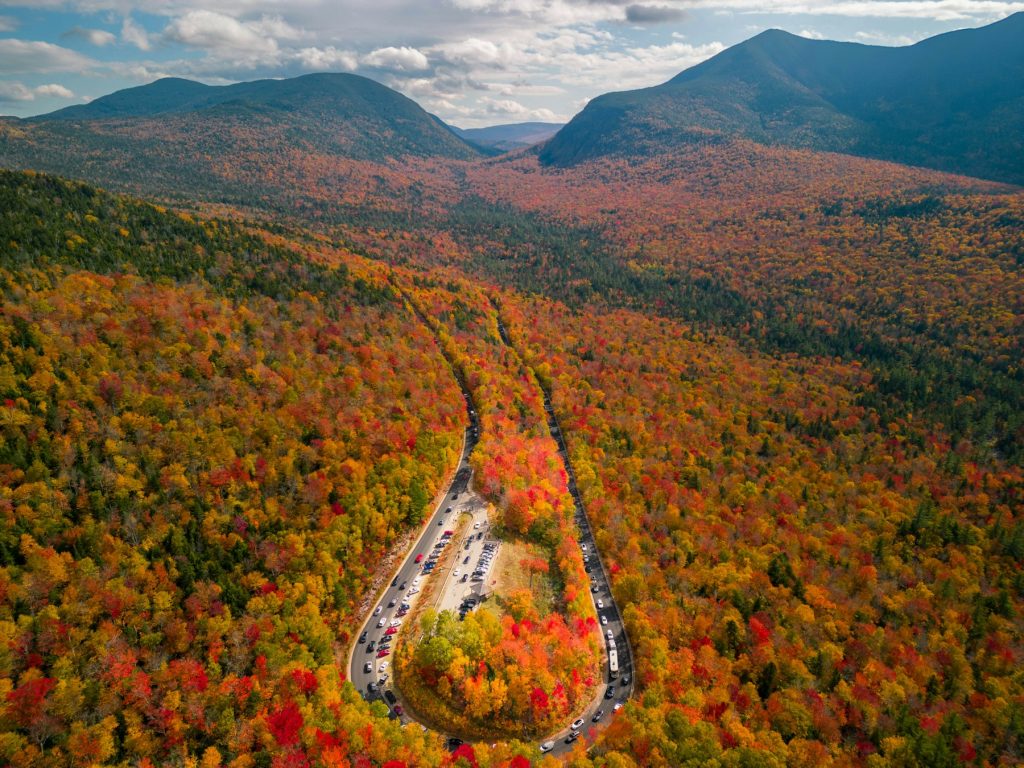
Leave a Reply