Written by Ari Mayzick · Go Travel Box
Published November 15, 2026 · Updated November 15, 2026
Fall color is a moving landscape rather than an appointment. A hillside may glow while the next valley is still green, and a windy night can change a scene before breakfast. That uncertainty is part of the appeal, but it is also why the best foliage trips combine beautiful places with enough flexibility to follow the conditions.
This guide compares 12 places to see fall colors in the United States, from New England villages and Appalachian overlooks to golden western mountains and the Ozarks. The suggestions include scenic drives, shorter outings, practical bases, and ways to build a trip that remains rewarding when a predicted peak shifts.
The timing windows below describe broad seasonal patterns, not a live forecast or a guarantee for a particular year. Many northern foliage destinations are past their main display by this guide's mid-November update. Use the article to plan a future trip, then consult current local color reports, park alerts, and weather close to departure.
First Fall Foliage Trip? Start Here
- Pick one region for a short break. Following color across the entire country creates more driving than leaf watching.
- Use elevation as well as latitude. Higher areas can change before nearby valleys, creating several different scenes within one region.
- Book a base with attractive towns, museums, food, or other scenery so the trip does not depend on one hillside reaching a particular stage.
- Check current reports in the final weeks before departure, then adjust day trips rather than repeatedly changing every hotel.
- Keep driving routes modest. A scenic road requires time for viewpoints, traffic, lunch, and the return journey.
- Treat autumn as a changeable outdoor season. Fog, frost, wet leaves, early snow, and shorter daylight can affect the outing.
Fall Color Planning at a Glance
| Planning question | Useful answer |
|---|---|
| Best strategy | One regional base, several possible outings, and a movable weather day |
| Early-season comparison | Higher western mountains, the Adirondacks, northern New England, and northern Michigan |
| Main October comparison | Much of New England and the Appalachians, depending on elevation and weather |
| Later-season comparison | Lower Appalachian valleys and parts of the Ozarks |
| Best time of day for an unhurried visit | A manageable morning outing before the busiest parking period |
| Most useful information | Current color reports, official road status, and the forecast for the specific elevation |
| Main booking pressure | Popular weekends, school breaks, special events, and limited small-town lodging |
Table of Contents
- First Fall Foliage Trip? Start Here
- Fall Color Planning at a Glance
- Compare the 12 Fall Color Destinations
- Twelve Places to See America's Fall Colors
- 1. Stowe and Northern Vermont
- 2. The White Mountains, New Hampshire
- 3. Acadia National Park, Maine
- 4. The Adirondacks, New York
- 5. The Berkshires, Massachusetts
- 6. Shenandoah National Park, Virginia
- 7. A Chosen Section of the Blue Ridge Parkway
- 8. Great Smoky Mountains, Tennessee and North Carolina
- 9. Michigan's Upper Peninsula and Pictured Rocks
- 10. The San Juan Mountains, Colorado
- 11. California's Eastern Sierra
- 12. The Arkansas Ozarks and Buffalo National River
- How to Plan Around Peak Color Without Chasing It
- Choose a Drive, a Walk, or a Town-Based Trip
- Where to Stay During Foliage Season
- Transport, Scenic Roads, and Photography Stops
- Three Realistic Fall Foliage Itineraries
- Four Nights in One New England Region
- Six Nights in the Appalachians
- Five Nights in a Western Aspen Region
- Illustrative Fall Foliage Budget for Two Adults
- Food, Free Activities, and a Comfortable Daily Rhythm
- Packing, Families, and Accessible Outings
- Common Fall Travel Mistakes
- Frequently Asked Questions
- What is the best place to see fall colors in the United States?
- When is the exact peak foliage date?
- Is a week-long New England trip enough?
- Where can I see fall color later in the season?
- Are scenic roads always open during foliage season?
- Do I have to hike to enjoy the leaves?
- Are fall trips cheaper than summer trips?
- Should I change hotels when the color forecast changes?
- Final Fall Foliage Checklist
- Share Your Fall Color Experience
- Explore More Go Travel Box Guides
- Leave a Reply
Compare the 12 Fall Color Destinations
| Region | Broad planning window | Strongest appeal | Suggested stay |
|---|---|---|---|
| Stowe and northern Vermont | Late September into October | Villages, mixed forest, and mountain views | 3–5 nights |
| White Mountains, New Hampshire | Late September into October | Scenic roads, forest, and varied elevations | 3–5 nights |
| Acadia, Maine | Often October | Autumn lakes beside a rocky coast | 3–5 nights |
| Adirondacks, New York | September into October | Lakes, forest, and mountain-town bases | 3–5 nights |
| Berkshires, Massachusetts | Often early to mid-October, with variation | Villages, art, food, and wooded hills | 3–4 nights |
| Shenandoah, Virginia | October across different elevations | Skyline Drive and ridge overlooks | 3–4 nights |
| Blue Ridge Parkway | Late September through October and into lower-elevation later color | A long range of mountain settings | 4–6 nights in one section |
| Great Smoky Mountains | October into early November at lower elevations | Broad elevation range and layered forest | 4–5 nights |
| Upper Peninsula, Michigan | Late September into October | Forest roads, waterfalls, and Lake Superior | 4–6 nights |
| San Juan Mountains, Colorado | Usually a September-focused trip into early October where conditions allow | Golden aspens and high mountain scenery | 4–5 nights |
| Eastern Sierra, California | Mid-to-late September through October across elevations | Aspen groves against rugged peaks | 4–5 nights |
| Arkansas Ozarks | Often late October into early November | River bluffs, wooded hills, and scenic roads | 3–5 nights |
These windows are intentionally broad. Species, exposure, rain, temperature, drought, and wind influence the display. A trip spanning several elevations is often more resilient than a single-date bet on one famous viewpoint.
Twelve Places to See America's Fall Colors
1. Stowe and Northern Vermont
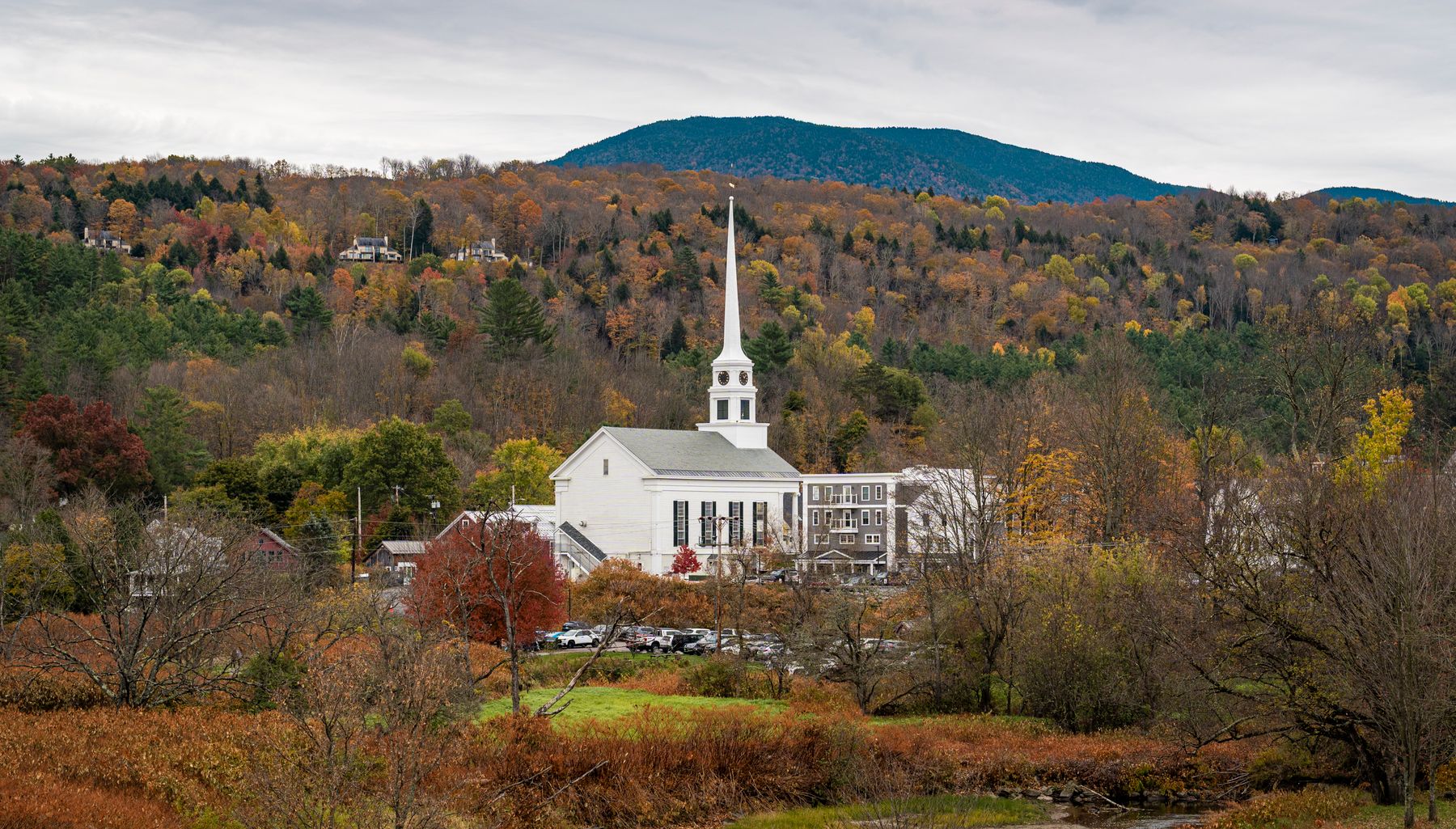
Northern Vermont combines the familiar foliage image of villages and white church steeples with wooded hills, farm scenery, and mountain roads. Stowe makes a useful base for travelers who want restaurants and accommodation alongside a range of possible outings. The region suits couples, photographers, and families who enjoy an outdoor morning followed by a small-town afternoon.
Keep the route selective. Spend one day near Stowe, another exploring a chosen valley or neighboring community, and another on an appropriate marked walk or viewpoint. A short loop with several places to stop can be more satisfying than driving a long scenic road in both directions while searching for the perfect photograph.
Private property and small residential roads deserve particular care in foliage season. Use legal parking, respect barriers and signs, and do not enter a farm or driveway because it appears in a photograph. Some celebrated viewpoints have become difficult for their communities to accommodate; current local access guidance should take precedence over an old route saved online.
| Planning detail | Practical approach |
|---|---|
| Base | Stowe or another northern Vermont community matched to your preferred outings |
| Arrival | Burlington plus onward travel, or a regional road trip |
| Time | Three to five nights with several possible elevations and valleys |
| Main cost | High-demand small-town accommodation and selected activities |
Useful tip: Choose a town you would enjoy on a rainy day. A good cafe, a museum, or a relaxed meal gives the trip value when cloud hides the ridgelines.
Location and map: Stowe Vermont
2. The White Mountains, New Hampshire
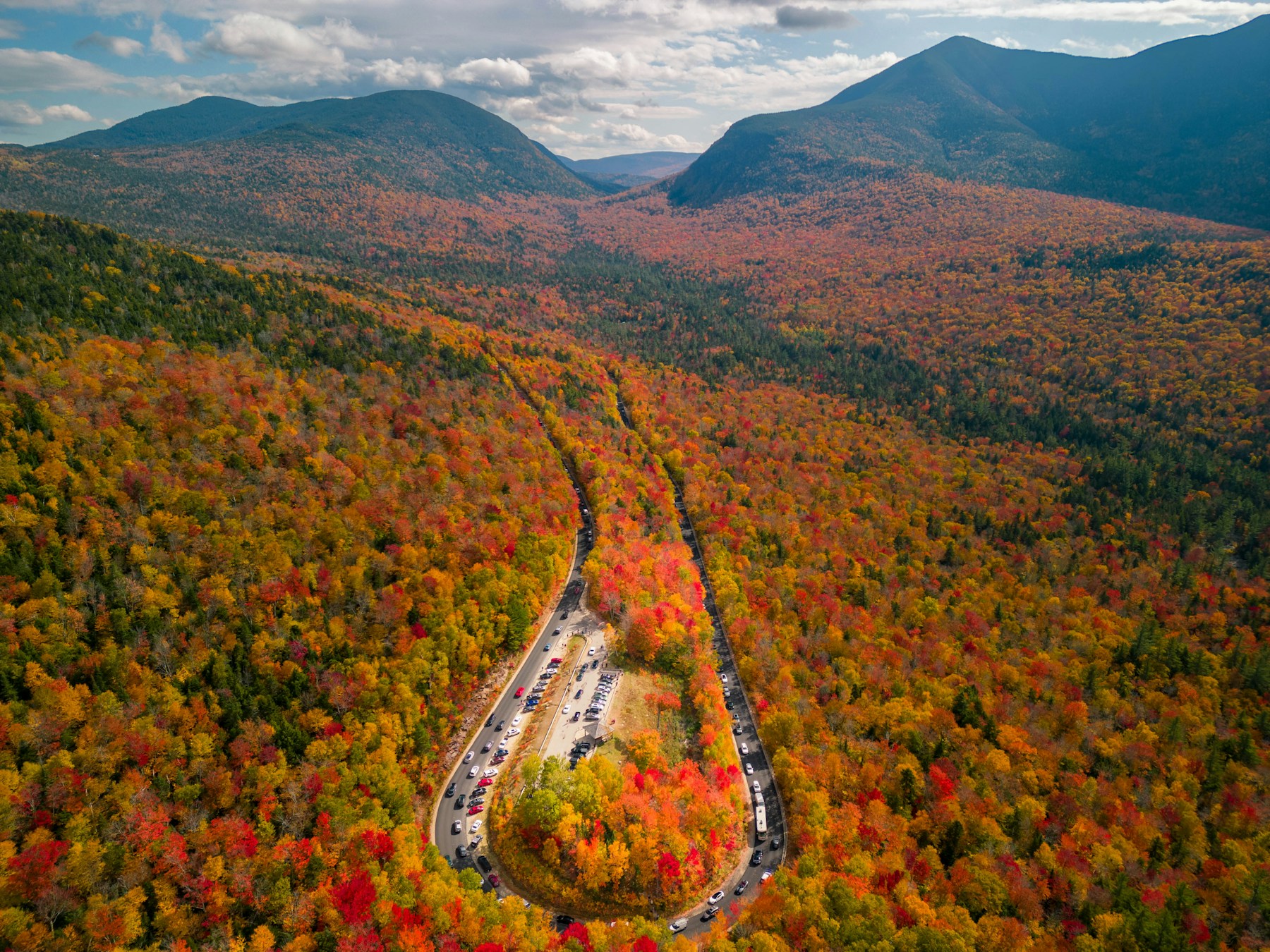
The White Mountains are a strong choice when you want the drive itself to be part of the experience. The Kancamagus Highway is a well-known foliage route, while the wider region offers villages, forest stops, and different elevations. North Conway and Lincoln support different sides of a trip; select the base with your main route in mind.
Plan one substantial scenic drive per day rather than stitching every named road into a single loop. Stop at legal pullouts, take an appropriate short walk, and leave enough time to return before dark. A photographer's dawn plan and a family's late breakfast can both work, but the itinerary should be designed for the group actually taking the trip.
Mountain weather matters even during a comfortable valley day. A high viewpoint can be windy, foggy, or significantly colder. Do not add an exposed hike because it appears close to the scenic road on a map. Use the current route description, forecast, and your group's ability to choose a walk, and have a lower-elevation alternative available.
| Planning detail | Practical approach |
|---|---|
| Base | North Conway for eastern access or Lincoln for a different regional focus |
| Arrival | A regional drive or a suitable Boston or Portland airport journey |
| Time | Three to five nights to avoid relying on one perfect-weather day |
| Main cost | Popular weekend lodging, meals, and any paid scenic transport |
Useful tip: Fuel the vehicle and carry lunch before beginning a longer scenic-road day. A planned picnic lets you stop at a suitable place without turning the outing into a search for an open restaurant.
Location and map: Kancamagus Highway New Hampshire
3. Acadia National Park, Maine
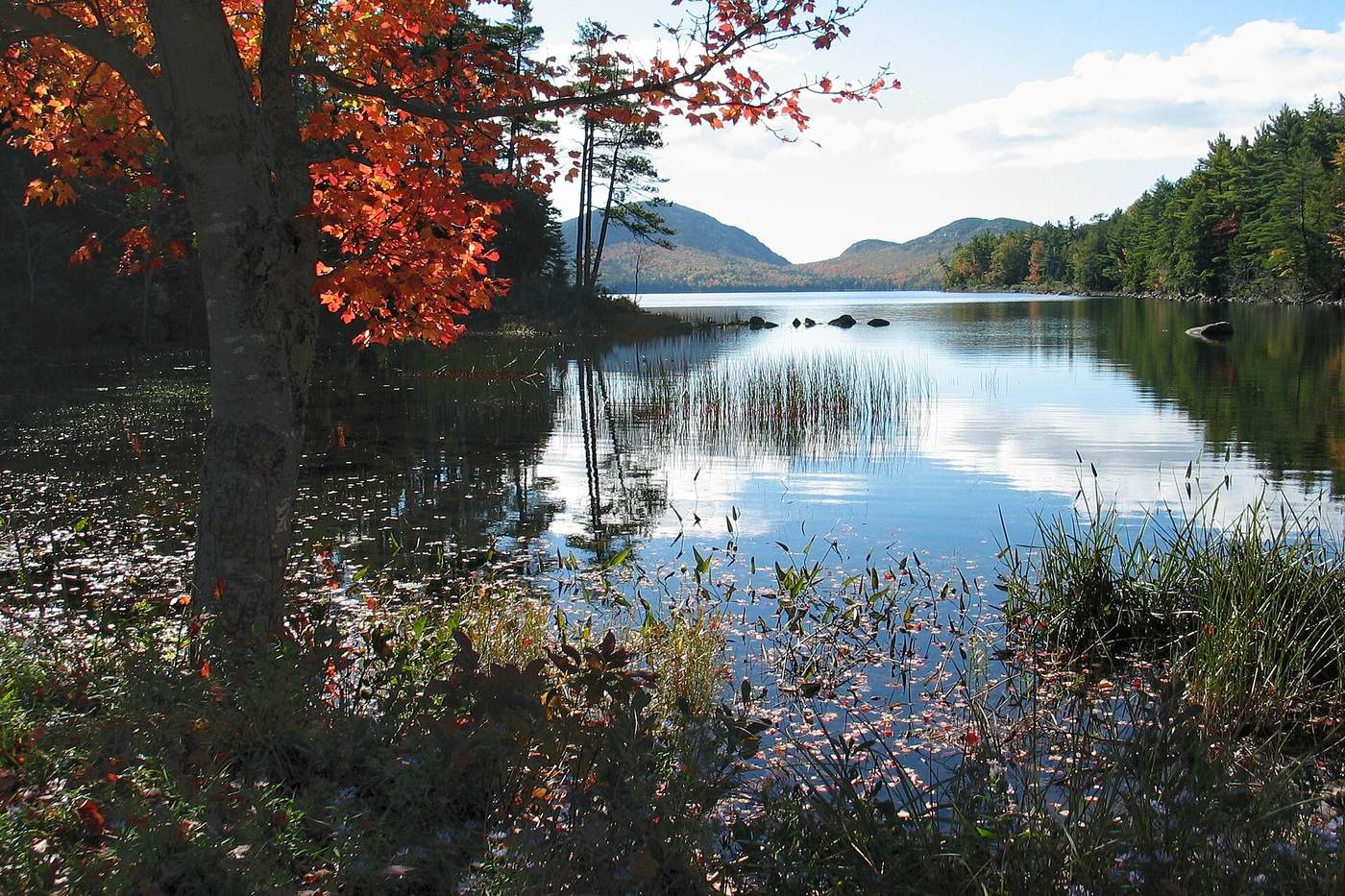
Acadia offers a different foliage experience from an inland mountain region: autumn trees reflected in lakes, wooded carriage roads, and rocky Atlantic scenery on the same trip. It is particularly appealing when you want fall color as one part of a varied coastal holiday rather than the only reason to travel.
Use a lake or woodland outing to enjoy the leaves, then leave time for the coast and a town evening. The areas around Eagle Lake, Jordan Pond, and other appropriate park routes offer different settings, but check the actual path and conditions before committing. A lakeside photograph does not mean the entire route is level or suitable for every mobility need.
Autumn also means changing services and daylight. Check restaurant, boat-trip, bus, and visitor-facility schedules for the dates you intend to visit. If Cadillac Mountain is part of the plan, read the current vehicle-reservation guidance for that season. Do not assume the requirements have ended simply because the main summer holidays are over.
| Planning detail | Practical approach |
|---|---|
| Base | Bar Harbor or another suitable Mount Desert Island community |
| Arrival | Bangor or Bar Harbor connections coordinated with the onward journey |
| Time | Three to five nights combining coast, lake, and woodland |
| Main cost | Well-positioned lodging and any selected water outing |
Useful tip: Put your most important lake or summit outing early enough in the stay that you can move it. Keep a coastal walk or town visit as the alternative when cloud changes the view.
Location and map: Acadia National Park Eagle Lake Maine
4. The Adirondacks, New York
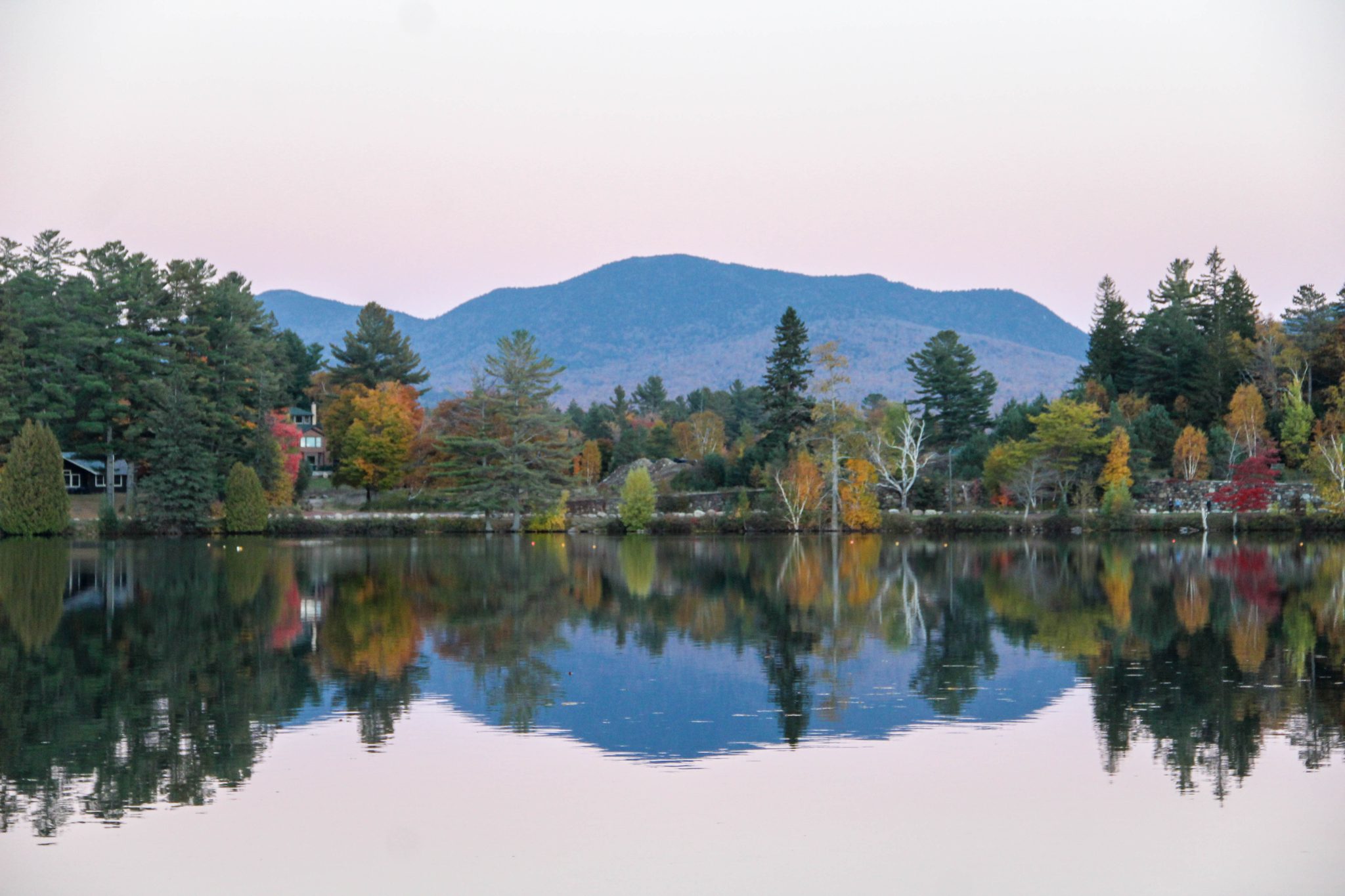
The Adirondacks are a substantial region rather than a single scenic stop. Lakes, forest, mountain communities, and varied elevations create several kinds of foliage trip. Lake Placid offers a convenient first comparison for travelers who want a recognizable town base, while other communities may better suit a quieter lakeside stay.
Choose a manageable sector and give it several nights. A lake walk, a scenic-road outing, a museum or local-history stop, and a suitable shorter trail can make a full long weekend. The region's more demanding mountain routes require their own experience, equipment, and conditions assessment; they are not necessary to enjoy the autumn landscape.
Higher and more northern areas can change early, while individual lakeshores and lower valleys vary. Watch current regional reports instead of treating a statewide color map as a detailed forecast for one lake. Allow extra driving time on winding roads, and check seasonal operating dates for any attraction essential to the trip.
| Planning detail | Practical approach |
|---|---|
| Base | Lake Placid or another community selected for a specific Adirondack sector |
| Arrival | A regional drive or an airport chosen with the final transfer included |
| Time | Three to five nights without crossing the entire region daily |
| Main cost | Lakeside or village lodging and any chosen guided activity |
Useful tip: A room with easy access to a pleasant lake walk can provide more daily value than an ambitious plan to drive to a different famous overlook every morning.
Location and map: Mirror Lake Lake Placid New York
5. The Berkshires, Massachusetts
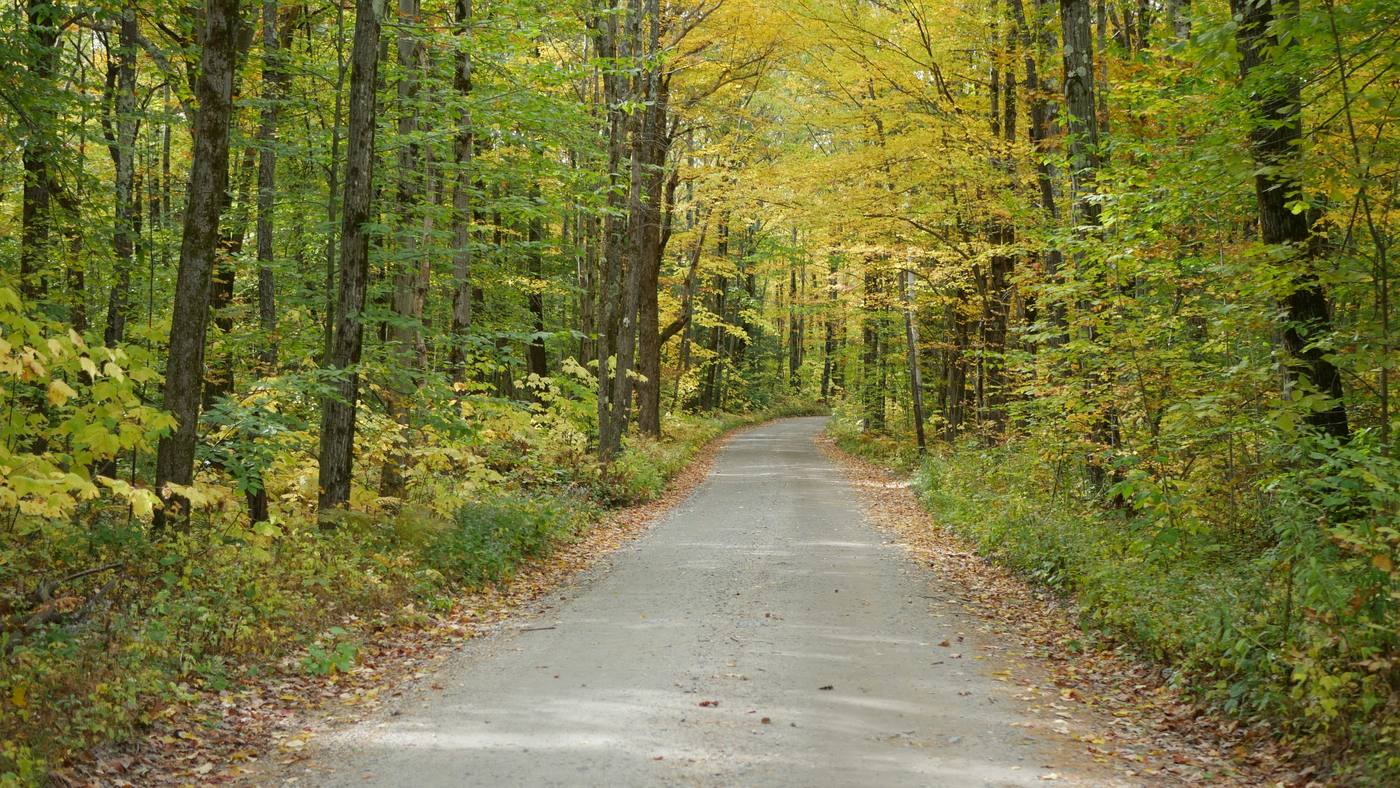
The Berkshires suit travelers who like foliage alongside art, historic houses, small-town browsing, and food. The wooded hills provide an attractive setting for a trip that can remain rewarding in mixed weather. Lenox, Stockbridge, Great Barrington, and other communities support different combinations of activities and accommodation.
Build each day around one main outing rather than assuming every cultural stop is a quick visit. A museum and a nearby walk can fill a relaxed day, especially when you leave time for lunch and the drive between them. Check operating hours and whether an institution uses advance tickets for the period you are visiting.
For the foliage itself, combine local roads and marked walking areas matched to your group. A forest road with modest views can be particularly enjoyable when cloud or mist changes the mood, while a high overlook may need a clearer forecast. Avoid treating a mountain drive as an all-weather activity; verify access, surfaces, and seasonal restrictions.
| Planning detail | Practical approach |
|---|---|
| Base | One town close to your preferred cultural and outdoor stops |
| Arrival | A regional drive or a practical Albany or Hartford-area arrival |
| Time | Three to four nights for a balanced cultural and foliage break |
| Main cost | Weekend lodging, museum admissions, and selected dining |
Useful tip: Make one indoor reservation you would enjoy anyway, then leave the outdoor half of the day adaptable. This avoids making rain feel like a lost vacation day.
Location and map: Stockbridge Massachusetts
6. Shenandoah National Park, Virginia

Shenandoah is a strong option for a ridge-and-valley foliage trip. Skyline Drive links overlooks along the mountains, and lower communities offer accommodation and meals outside the park. The contrast between elevations can create different color stages within the same visit.
Do not treat the full drive as a quick connector between two appointments. Choose a section, stop at appropriate overlooks, and add a walk that fits the day's conditions. A short outing with time to sit and look can be more rewarding than passing dozens of viewpoints behind the wheel. Check entrance points and the return route before setting off.
Fog can transform the experience, sometimes obscuring a distant view while making a woodland walk atmospheric. Keep both kinds of outing in mind. Read current park information for road status, facilities, trail closures, and any access restrictions attached to a specific popular hike. A general park entrance does not establish that every trail or parking area is available.
| Planning detail | Practical approach |
|---|---|
| Base | A gateway town matched to the chosen section of Skyline Drive |
| Arrival | A regional road trip or a Washington-area airport with onward driving |
| Time | Three to four nights rather than an all-day drive from a distant city |
| Main cost | Lodging, park entry, fuel, and time spent on slow scenic roads |
Useful tip: Compare the mountain forecast with conditions in the valley. If the ridge is hidden in cloud, a lower outing may be the better use of the morning.
Location and map: Shenandoah National Park Thornton Gap Virginia
7. A Chosen Section of the Blue Ridge Parkway
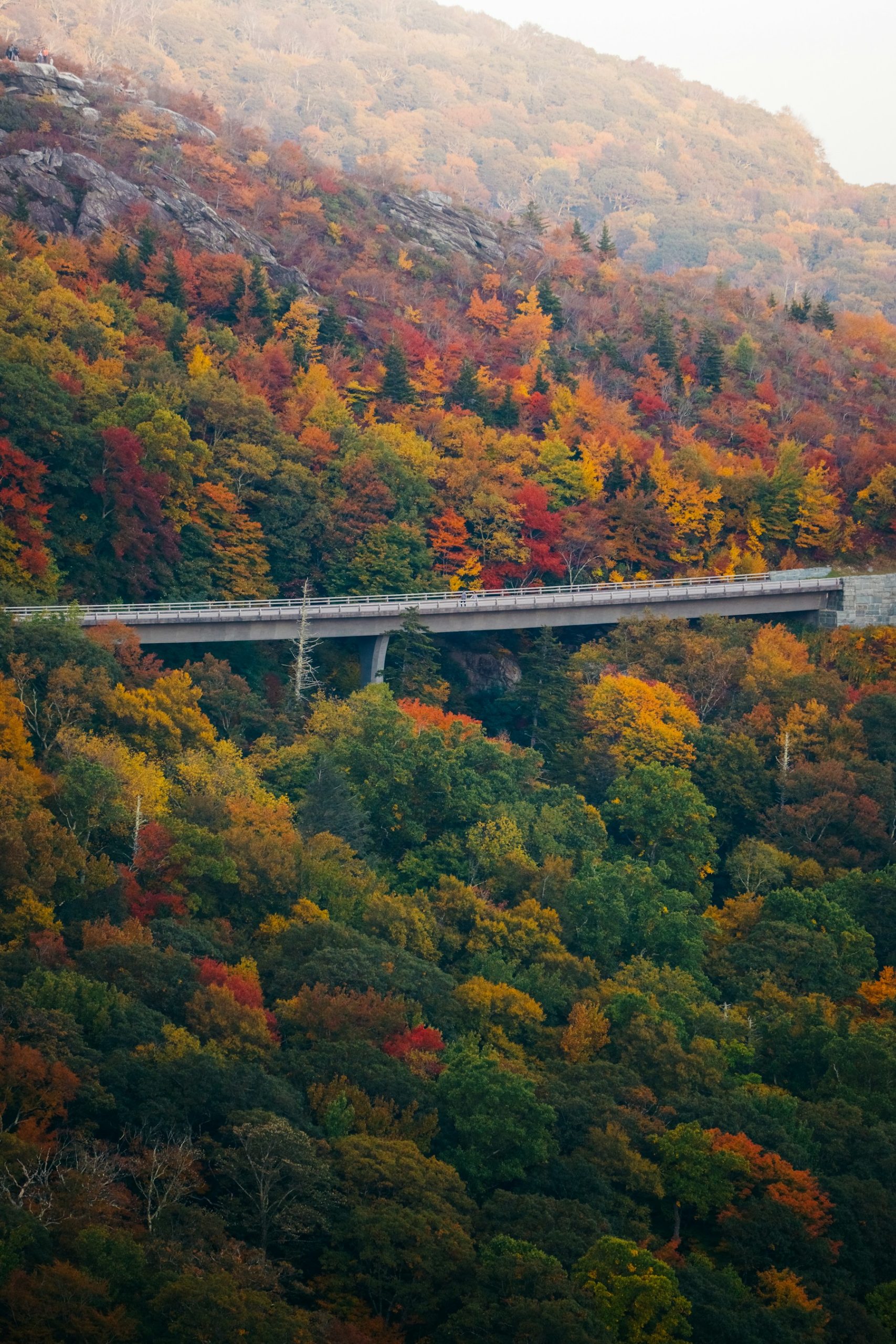
The Blue Ridge Parkway offers a long range of elevations and landscapes, which is why it is such a compelling fall destination. That same length makes it unsuitable for a hurried attempt to see everything. A first foliage trip works better when you choose one section and spend time in its nearby communities.
The area around Boone and Blowing Rock, a section near Asheville, or a Virginia-focused trip can each support several nights. Choose the segment according to current access and the activities you want. Pair a scenic drive with one appropriate walk and a town meal, leaving time for stops rather than planning a continuous day at the wheel.
Road status is essential. Helene recovery, construction, weather, and maintenance have affected sections of the Parkway, and access changes as work progresses. A navigation app drawing a continuous line is not evidence that the route is open. Consult the National Park Service's current closure map and segment information, then build the day's route around confirmed access rather than a historic end-to-end description.
| Planning detail | Practical approach |
|---|---|
| Base | One or two nearby communities serving a clearly defined Parkway section |
| Arrival | Match the airport or driving approach to that section |
| Time | Four to six nights in a limited area |
| Main cost | Convenient lodging, fuel, and realistic time for detours |
Useful tip: Check both the outward and return route before starting. A closed segment can change an apparent loop into a long backtrack through mountain roads.
Location and map: Blue Ridge Parkway Linn Cove Viaduct North Carolina
8. Great Smoky Mountains, Tennessee and North Carolina
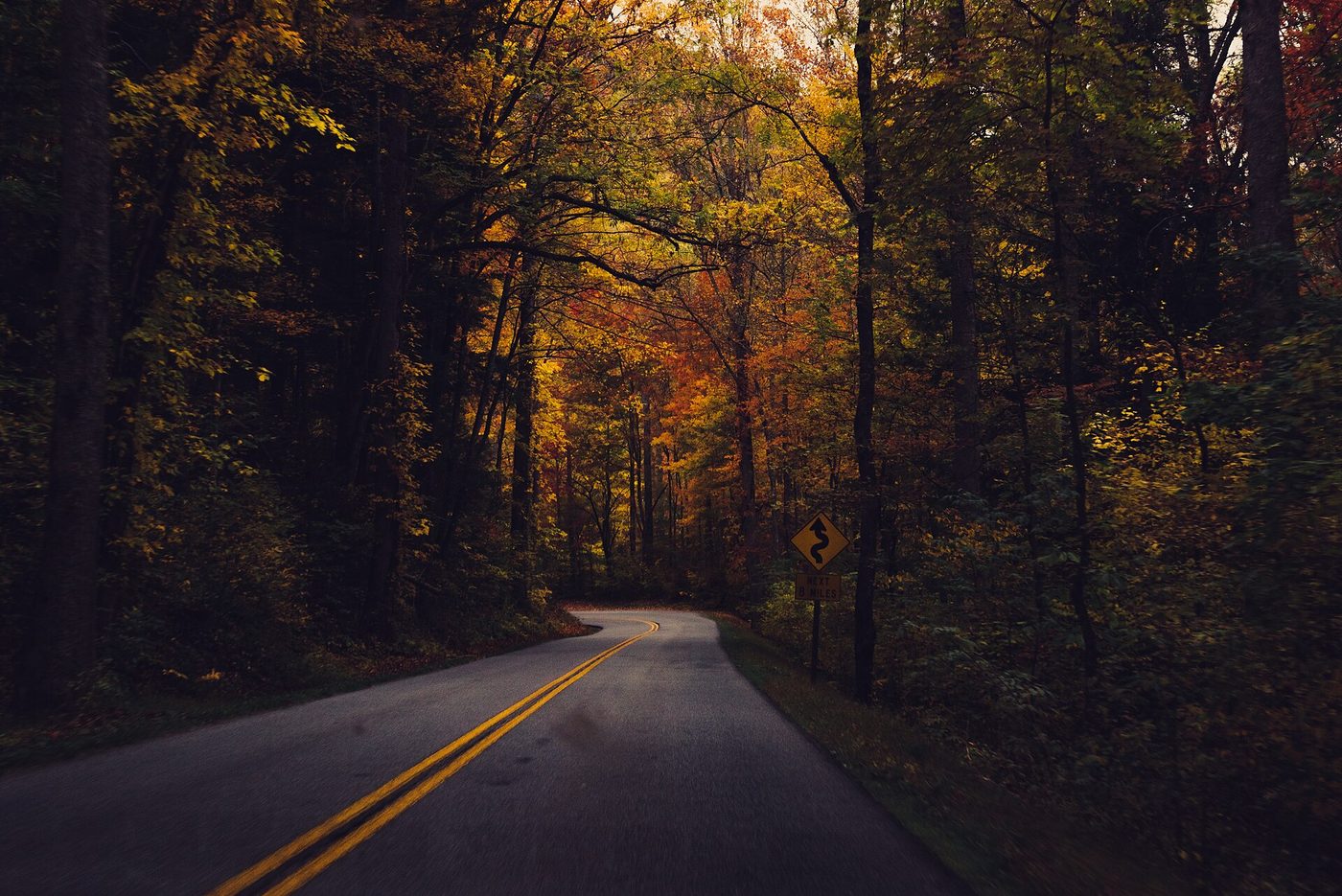
The Smokies provide a broad elevation range, which can extend the opportunities for seeing different color stages within one trip. Higher areas and lower valleys do not change together. The surrounding communities also offer a choice between a busier attraction-focused base and a quieter stay with a more outdoors-oriented routine.
Choose your side of the park and group outings accordingly. A Tennessee-side base and a North Carolina-side base create different driving patterns. Avoid crossing the mountains repeatedly just to collect a set of named stops. Keep a lower valley, a suitable woodland walk, and a scenic overlook as alternative plans rather than fixed appointments on consecutive days.
Parking is a practical constraint in popular areas. Great Smoky Mountains has a parking-tag program for vehicles parked longer than the short exemption period, and a tag does not reserve a space. Check the current rule and the actual parking arrangement for your outing. Use official pullouts and do not block traffic for photographs or wildlife sightings.
| Planning detail | Practical approach |
|---|---|
| Base | Choose a park side and town atmosphere suited to your group |
| Arrival | Compare Knoxville or another feasible route with the complete mountain journey |
| Time | Four to five nights with several elevations and a weather alternative |
| Main cost | Busy-season accommodation, parking arrangements, and selected attractions |
Useful tip: Keep a favorite valley outing available when a higher road is cloudy or closed. The variety of elevations is an advantage only when the itinerary can adapt to it.
Location and map: Great Smoky Mountains National Park Sugarlands Visitor Center Tennessee
9. Michigan's Upper Peninsula and Pictured Rocks
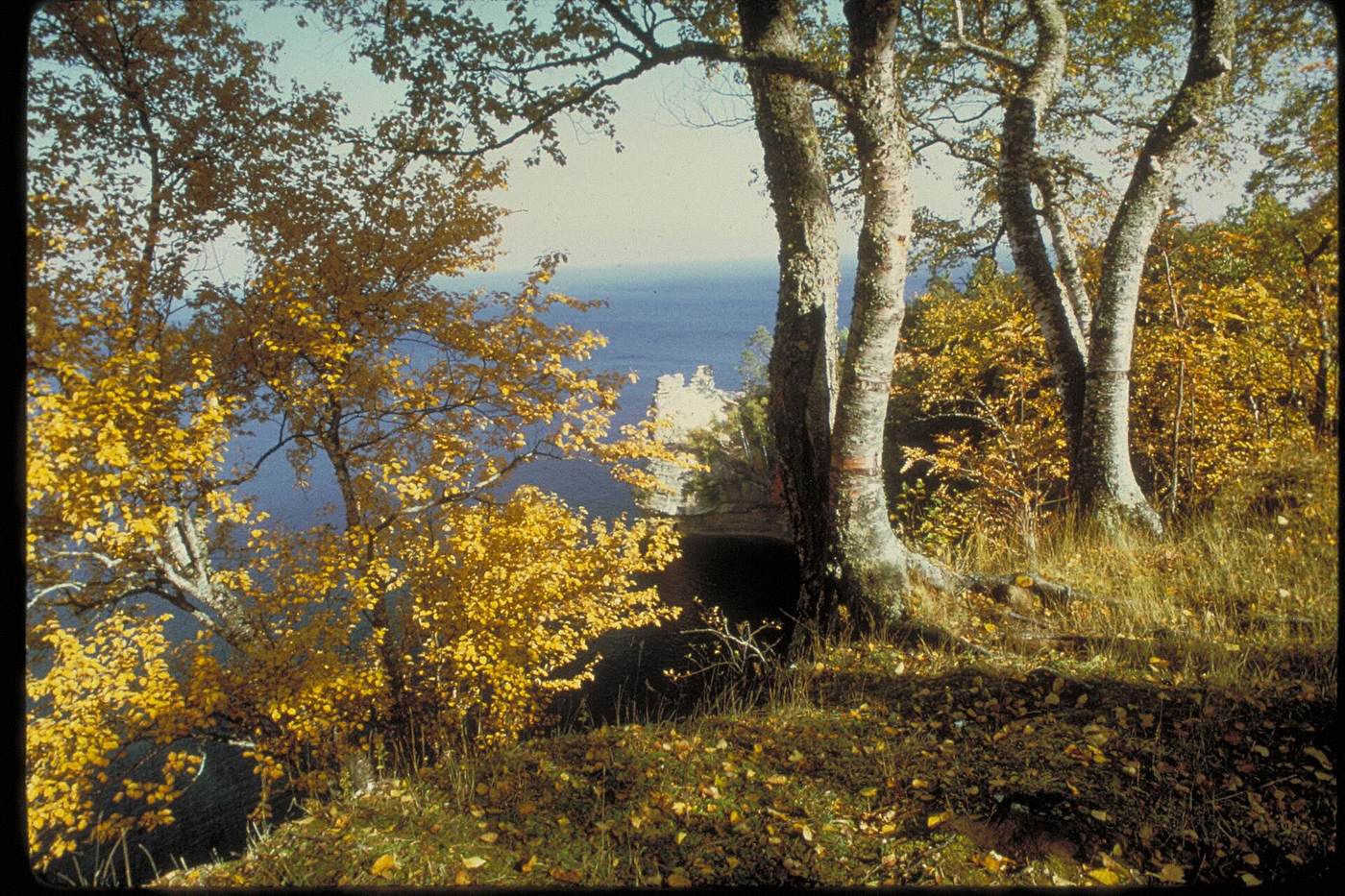
The Upper Peninsula suits travelers who like fall color with forest roads, waterfalls, and the scale of Lake Superior. Pictured Rocks National Lakeshore provides a useful anchor near Munising, while other parts of the peninsula offer different scenery. The distances are large enough that selecting one sector improves the trip considerably.
A Munising-based visit can combine an appropriate lakeshore walk, a waterfall outing, a scenic drive, and town time. Boat excursions depend on weather and seasonal operation, so treat one as an optional enhancement rather than the only way the holiday can succeed. Ask about the cancellation policy and the time of year the operator actually runs.
Use current regional color reports to decide which direction to explore. Inland forest and lakeshore areas can differ, and a single statewide forecast cannot describe every road. Pack for cold wind near Superior even when the inland afternoon feels comfortable. Check trail surfaces, daylight, and the return journey before adding several waterfalls to one day.
| Planning detail | Practical approach |
|---|---|
| Base | Munising for Pictured Rocks or another town for a separate Upper Peninsula sector |
| Arrival | A deliberate regional road trip or an airport with the full onward drive considered |
| Time | Four to six nights within a manageable area |
| Main cost | Lodging, substantial driving, and any weather-dependent boat trip |
Useful tip: Carry lunch and keep the fuel plan ahead of the route. A quiet scenic road can be wonderful, but it may not offer a convenient meal stop exactly when the group wants one.
Location and map: Pictured Rocks National Lakeshore Munising Michigan
10. The San Juan Mountains, Colorado
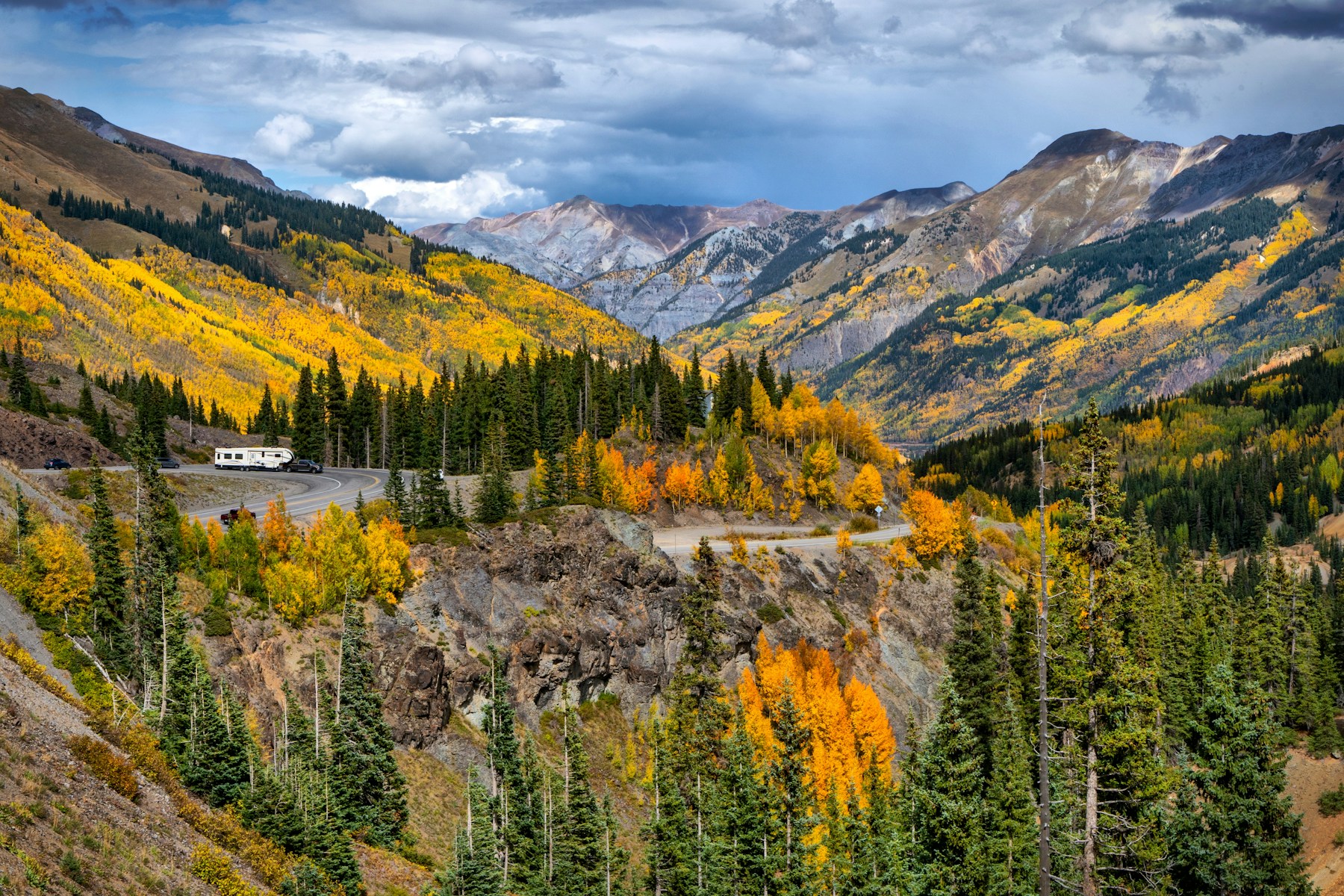
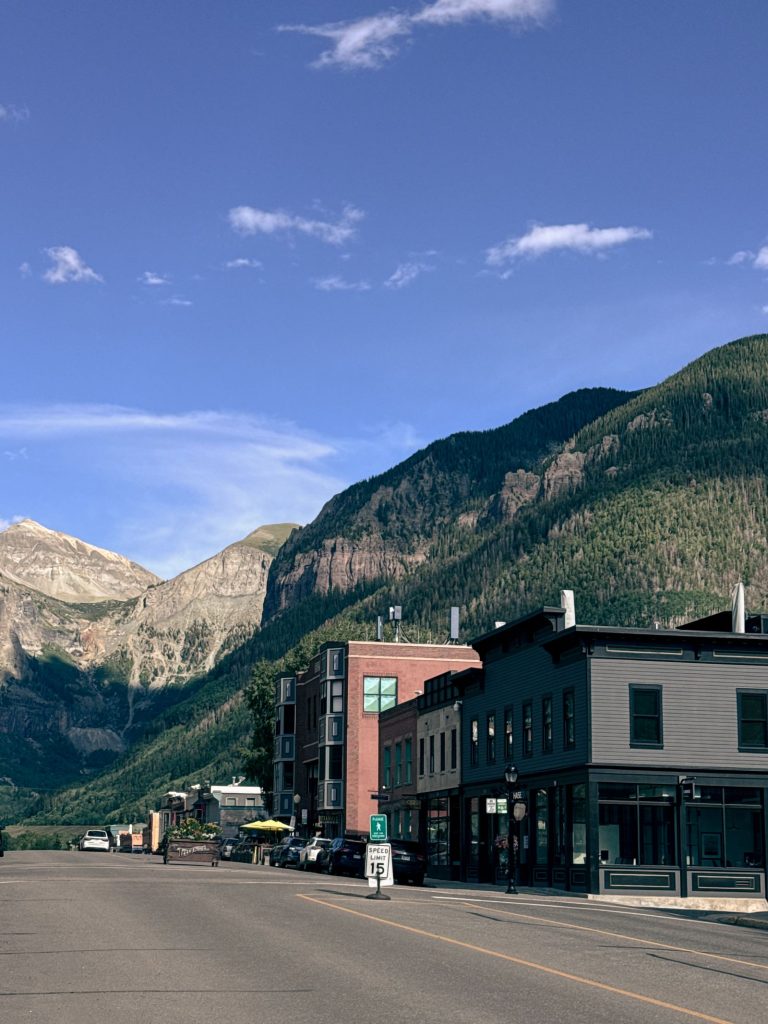
Southwestern Colorado offers a different foliage palette: golden aspens against dark evergreens and dramatic mountain terrain. Communities such as Ouray, Ridgway, Silverton, and Telluride can anchor different trips. Choose a base and a small number of practical outings rather than assuming every famous mountain road belongs in one long weekend.
A scenic drive on an open paved route, a marked lower-effort walk, and time in a mountain town can make a full day. The region's high passes and backcountry roads require separate judgment. A road that looks straightforward in a summer photograph may be unsuitable for your vehicle, experience, or autumn conditions.
Plan a September-focused trip using current local reports, with flexibility for elevation and weather. Early snow can affect higher routes and turn a foliage outing into a winter-driving problem. Check Colorado transportation information and local access guidance before leaving town. Avoid choosing a remote unpaved shortcut merely because a navigation app suggests it.
| Planning detail | Practical approach |
|---|---|
| Base | One San Juan community matched to the specific drives and walks you want |
| Arrival | Compare Montrose, Durango, or a regional road trip with the final mountain drive |
| Time | Four to five nights with an adjustable high-country day |
| Main cost | Mountain lodging, transport, and any specialist guided outing |
Useful tip: Choose the viewpoint and the road standard before choosing the rental vehicle. You do not need a challenging backcountry pass to enjoy the aspens.
Location and map: Ouray Colorado Million Dollar Highway
11. California's Eastern Sierra
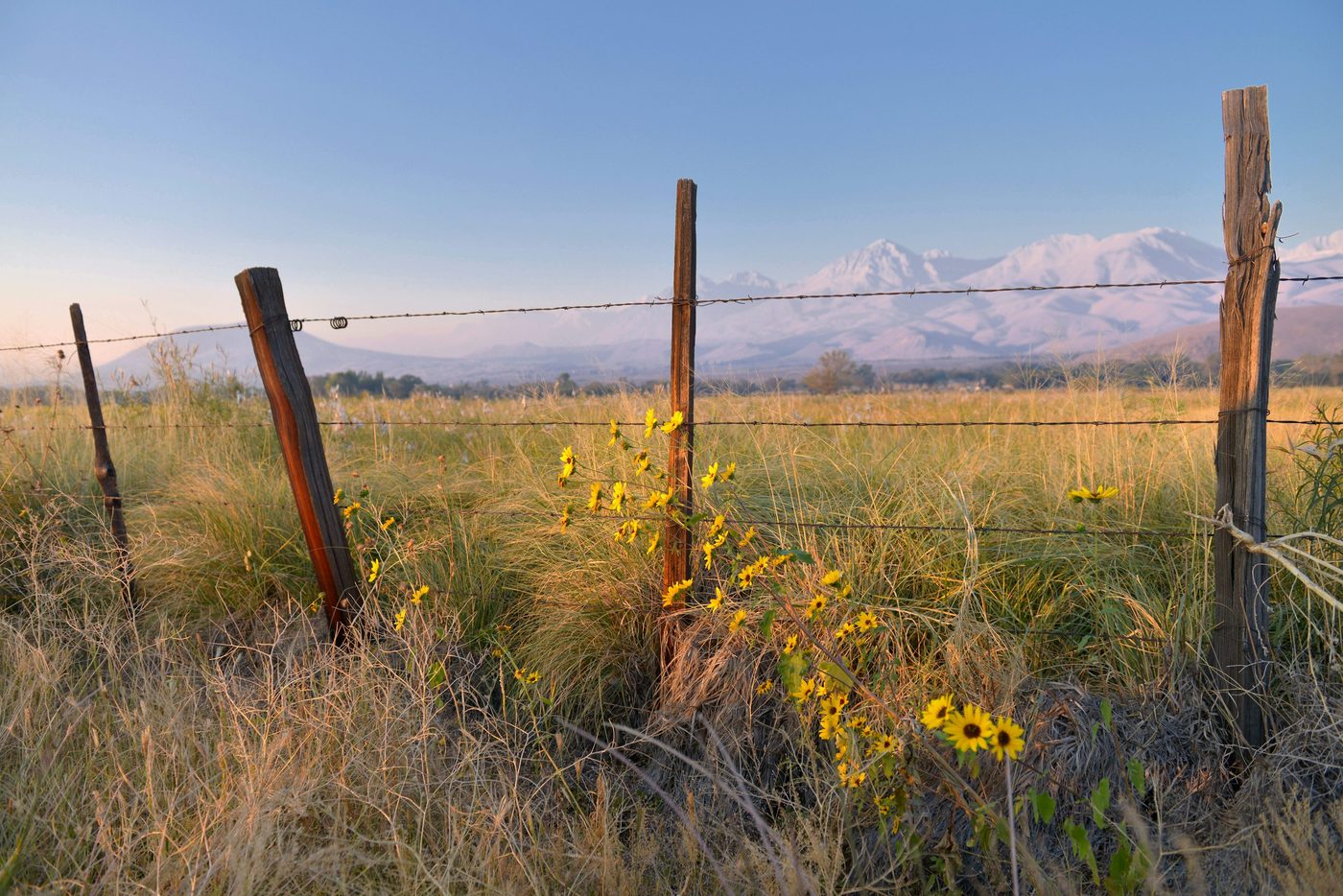
The Eastern Sierra offers pockets of bright aspen color beneath rugged peaks and around mountain lakes. It is a different kind of foliage trip from a continuous eastern hardwood forest. The satisfaction comes from finding a suitable grove, lake, or canyon at the right elevation and giving the scene time.
June Lake, Mammoth Lakes, and other communities along the wider U.S. 395 corridor support different outings. Choose the base around the canyons and lakes you intend to visit, then follow current local reports. Mono County's seasonal updates are particularly useful because color progresses through a substantial elevation range rather than peaking everywhere together.
High-elevation roads can be affected by cold and early storms, and small access roads may have limited parking or seasonal restrictions. Check the precise route and conditions before setting out. Stay on appropriate public access, protect the groves from trampling, and avoid blocking roads for a photograph. A short established walk can provide a better experience than searching for an unmarked social-media location.
| Planning detail | Practical approach |
|---|---|
| Base | June Lake, Mammoth Lakes, or another corridor community matched to current reports |
| Arrival | A regional road trip or a flight-and-drive combination with seasonal access checked |
| Time | Four to five nights for several possible elevations |
| Main cost | Lodging, driving, and the flexibility to alter outings |
Useful tip: Save the latest color report and a road map before leaving town. Phone reception and a general “peak fall” headline are poor substitutes for a named, accessible destination.
Location and map: June Lake Loop California Eastern Sierra
12. The Arkansas Ozarks and Buffalo National River
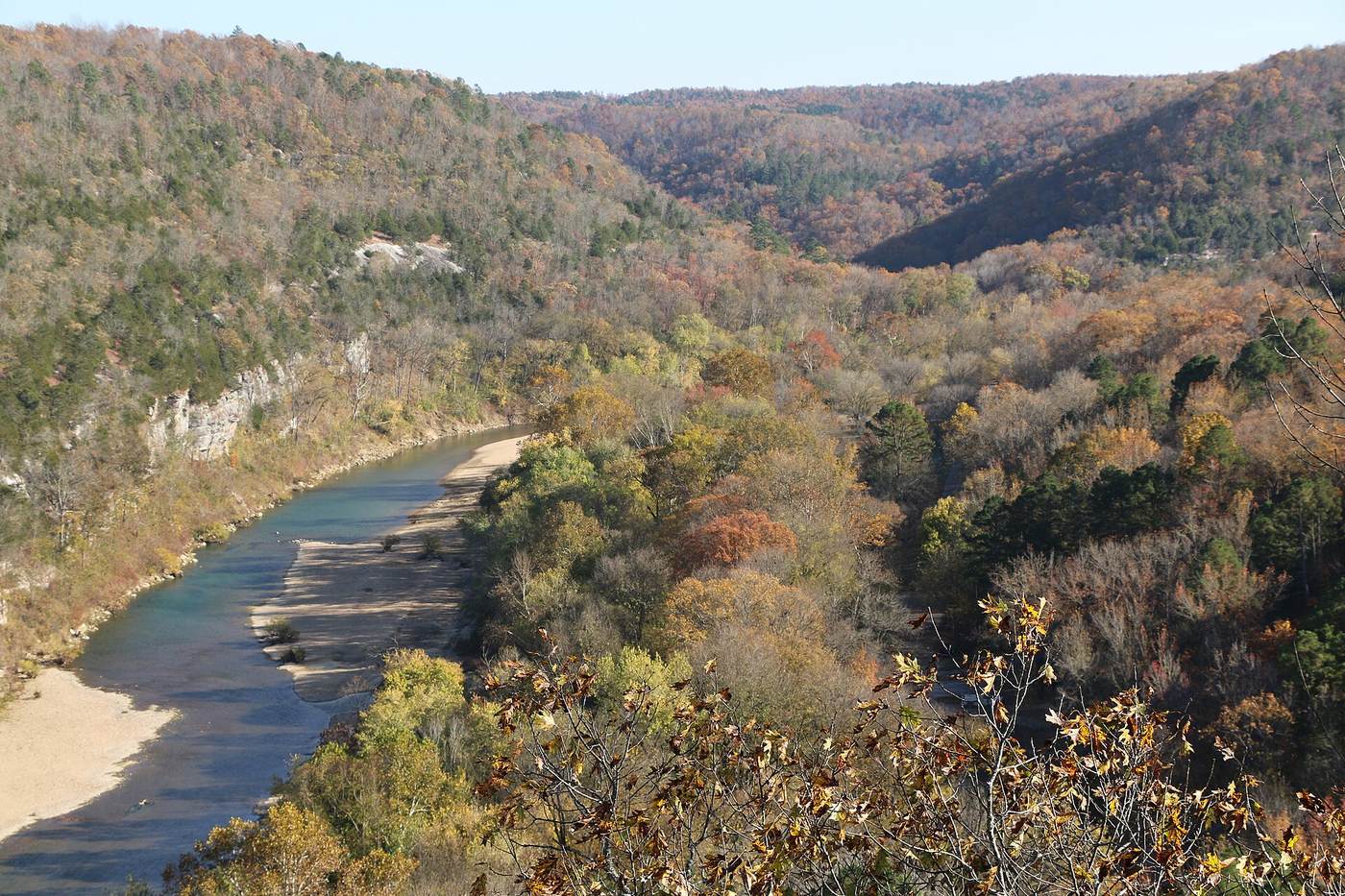
The Arkansas Ozarks are worth comparing when you want a later-season foliage trip with wooded hills, scenic roads, and river bluffs. Buffalo National River adds a distinctive landscape to the region, while surrounding communities provide different accommodation choices. It can make a good alternative when northern regions have moved beyond their main color display.
Choose a sector and a route that allows unhurried stops. A river overlook, a suitable marked walk, a picnic, and a scenic drive can fill a rewarding day. Do not assume that a foliage trip needs a paddling excursion: water levels, conditions, equipment, and experience determine whether that is an appropriate separate activity.
The river's upper, middle, and lower areas are not interchangeable bases. Look at the distances to your chosen trail or overlook before reserving accommodation. Use current park and state information for access and conditions, especially after heavy weather. For bluff views, stay on established safe routes and supervise children closely rather than following an informal path to an exposed edge.
| Planning detail | Practical approach |
|---|---|
| Base | A town or cabin serving the specific Buffalo River or Ozark sector you want |
| Arrival | A regional drive or a northwest Arkansas arrival with onward time included |
| Time | Three to five nights with a later-autumn focus |
| Main cost | Accommodation, driving, and any separately assessed guided activity |
Useful tip: Choose a trip with attractive river scenery and town stops as well as foliage. It remains enjoyable when the leaves are earlier or later than expected.
Location and map: Buffalo National River Buffalo Point Arkansas
How to Plan Around Peak Color Without Chasing It
Start with the region you want to experience and a broad period that fits its usual pattern. Then choose a base with outings at several elevations or exposures. That gives you choices within a reasonable drive instead of requiring a last-minute move across several states.
Read current reports in stages. Several weeks out, use them to understand whether the season is developing early or late. In the final week, identify a few promising sectors and check access. On the day, choose between a high overlook, a lakeside walk, or a woodland route according to weather and energy. A detailed forecast for one tree is neither necessary nor realistic.
Remember that green, changing, peak, and past-peak landscapes can overlap. A forest with mixed stages can be beautiful, and fallen leaves or mist can make a quiet walk memorable. Plan for a varied autumn trip rather than treating anything short of a postcard scene as failure.
Choose a Drive, a Walk, or a Town-Based Trip
| Trip style | Good starting comparisons | How to keep it manageable |
|---|---|---|
| Scenic driving | White Mountains, Shenandoah, Blue Ridge, San Juans | Choose a limited segment and budget time for stops and the return |
| Lakes and reflections | Acadia, Adirondacks, Eastern Sierra | Allow a calm-weather morning but retain another outing |
| Forest and waterfalls | Upper Peninsula, Smokies, Berkshires | Check surfaces, route effort, and seasonal daylight |
| Food and cultural stops | Vermont villages, Berkshires, mountain towns | Reserve one key attraction and leave the outdoor portion flexible |
| A later autumn break | Lower Smoky Mountain areas and Arkansas Ozarks | Use current reports rather than extending northern timing assumptions |
If someone in the group has limited walking tolerance, an overlook-based trip can be a good starting idea, but inspect the actual parking-to-view distance and surface. A site called an overlook may still have stairs or a steep path. Plan accessible stops individually rather than labeling an entire region easy.
Where to Stay During Foliage Season
Choose location over a long list of facilities. A room in a pleasant town or near several suitable outings reduces daily driving and provides an alternative when the weather turns. Check dinner availability as well as the view; some rural properties are far from an easy evening meal.
Weekend demand can be high in small communities. Compare complete midweek and weekend quotes, minimum stays, and cancellation terms. A lower room rate is less useful if the booking adds a large cleaning fee or requires nights you cannot use. Ask about heating, parking, and the route to the entrance after dark.
One base generally works for a long weekend. A longer trip may justify two bases when the move clearly reduces backtracking, such as a carefully planned New England route or a limited section of the Blue Ridge. Avoid changing hotels merely to make the itinerary look more extensive.
Transport, Scenic Roads, and Photography Stops
A car is useful in most of these regions, but the driving plan should fit the purpose. Leave the main scenic road with enough time to return in daylight. Add meals, fuel, viewpoint stops, and possible traffic to the map's moving time. When a route is closed, follow the official detour rather than a small road suggested as a shortcut.
Use legal pullouts and established paths. Do not stop in a travel lane, stand in a road for a photograph, block a farm entrance, or walk onto private land. The famous image may have been made from a place that is no longer open to visitors or under conditions unlike those on your travel day.
Keep the photography plan realistic. A short morning near the base lets you enjoy changing light without turning every dawn into a long drive. Protect cameras and phones from rain, carry spare power, and put the equipment away occasionally so the outing remains a vacation for everyone in the group.
Three Realistic Fall Foliage Itineraries
Four Nights in One New England Region
Choose northern Vermont, the White Mountains, Acadia, or the Berkshires for a focused break. Arrive and explore the town on the first afternoon. Use the next day for the most promising scenic route, then spend another day on a suitable walk and a cultural or food stop. Keep the final full day flexible for a repeat visit or the outing postponed by weather.
This structure is more resilient than a long weekend attempting Vermont, New Hampshire, and Maine together. If connecting two regions matters, add nights and treat the transfer as a travel day with perhaps one convenient stop.
Six Nights in the Appalachians
| Day | Suggested plan | Practical reason |
|---|---|---|
| 1 | Arrive in the selected gateway community | Keeps travel separate from a slow scenic road |
| 2 | Explore one confirmed-open ridge segment | Introduces the landscape and its elevations |
| 3 | A lower valley or woodland outing | Offers a different color stage and weather option |
| 4 | A town, museum, food, or rest day | Prevents the trip depending on uninterrupted clear weather |
| 5 | A second nearby scenic area | Adds variety without an unnecessary hotel move |
| 6 | Repeat the best area or use the weather backup | Leaves the main outdoor experience movable |
| 7 | Depart on a sensible direct route | Avoids a long scenic detour before a flight |
Select Shenandoah, a Blue Ridge section, or the Smokies as the main focus. Combining all three is a substantially longer road trip and should not be presented as the same relaxed week.
Five Nights in a Western Aspen Region
Choose the San Juans or the Eastern Sierra. Keep arrival day light, then alternate a scenic drive with a shorter walk or town day. Use current elevation-based reports to select outings within the region. Place a high road or exposed viewpoint in the middle of the stay so a storm can move it. Check the route again before departure rather than relying on the forecast made when the hotel was booked.
Illustrative Fall Foliage Budget for Two Adults
This example assumes two adults sharing a room for four nights in one mainland foliage region. It is a worksheet, not a live quote or a nationwide average. The accommodation and transport figures are assumed complete totals including applicable taxes and fees within the allowance; actual checkout totals must replace them.
| Item | Calculation | Allowance |
|---|---|---|
| Accommodation | 4 nights × $240 complete nightly cost | $960 |
| Food | 5 days × $100 for two | $500 |
| Rental car | 5 days × $80 complete daily cost | $400 |
| Fuel | Trip allowance | $110 |
| Parking and access | Trip allowance | $90 |
| Museums or other activities | Combined allowance | $160 |
| Small supplies | Trip allowance | $40 |
| Subtotal | Sum of the above | $2,260 |
| Contingency | 10% | $226 |
| Ground-trip total | Subtotal plus contingency | $2,486 |
Flights, insurance, shopping, specialist guiding, and major equipment purchases are excluded. A holiday weekend, a famous small town, or a premium room can require a much larger lodging allowance. If driving your own vehicle, replace the rental line with the costs appropriate to your journey rather than treating transport as free.
The most useful savings usually come from a focused region, fewer hotel changes, a nearby destination, and a mix of picnics and selected restaurant meals. A cheaper room an hour away can consume both fuel and the best daylight.
Food, Free Activities, and a Comfortable Daily Rhythm
Plan one easy meal option near the base and carry lunch on longer scenic-road days. An orchard, farm shop, or local bakery can be an appealing stop when it is open and on the route, but do not assume every rural business operates daily outside summer. Check seasonal hours for the stops that matter.
Town walks, appropriate public paths, viewpoints, and a lakeside picnic can provide much of a foliage trip's enjoyment. Access, parking, park passes, scenic lifts, and equipment may still cost money. Keep the budget honest about those parts of a seemingly free day.
For dietary needs, contact a few specific restaurants before arrival and ask about ingredients and preparation. Rural dining choice may be limited late in the evening. A small supply of suitable snacks helps when a slow scenic drive changes the lunch schedule.
Packing, Families, and Accessible Outings
Pack layers, a rain shell, walking shoes with suitable grip, sun protection, and dry spares for the activities planned. Carry water, portable food, a charged phone, and offline maps. Check daylight for the date; an itinerary that worked in July may leave you returning after dark in October.
Families should choose short outings with an obvious stopping point and room to change the plan. A picnic, a village stop, or a search for different leaf shapes can make the day engaging without a strenuous trail. Keep children away from road edges, fast water, and exposed viewpoints while adults take photographs.
For access needs, ask about the exact parking space, route surface, slope, benches, toilets, and seasonal operation. Wet leaves and frost can change a normally straightforward surface. Confirm the practical journey with the relevant park or venue rather than relying only on a broad accessibility label.
Check official park alerts, local road information, and the forecast before each main outing. For emergencies call 911. For operational questions use the relevant park office, state transportation agency, local tourism bureau, or attraction.
Common Fall Travel Mistakes
The main mistake is mistaking a prediction for a guarantee. A specific date can be a reasonable planning choice, but no forecast controls wind, rainfall, or the condition of a particular grove. Choose a trip with enough variety that a shifted peak changes the day rather than ruins the holiday.
Another is underestimating scenic-road time. Parking, slow traffic, short walks, photographs, and meals are the point of the trip, so they belong in the schedule. A long route with no time to stop is a transport plan, not a foliage outing.
Frequently Asked Questions
What is the best place to see fall colors in the United States?
Northern New England is a strong first comparison for villages and mixed forest, while the Appalachians offer a wide elevation range. The Upper Peninsula adds lake scenery, and Colorado and the Eastern Sierra offer golden aspens against mountains. Choose the landscape and travel effort you prefer.
When is the exact peak foliage date?
There is no single national date, and even one region contains different stages. Use broad historical windows to choose a trip, then follow current local reports. Plan several nearby outings so the day's route can adapt.
Is a week-long New England trip enough?
Yes, for a selective itinerary. One or two regional bases can provide a satisfying week. Trying to cover every northern New England state, several coastlines, and multiple mountain regions can create far more driving than useful time outside.
Where can I see fall color later in the season?
Lower-elevation Appalachian areas and parts of the Arkansas Ozarks are useful comparisons for later autumn. Check current reports before booking a foliage-focused late trip; the northern timing patterns should not be extended automatically into November.
Are scenic roads always open during foliage season?
No. Weather, recovery work, construction, and seasonal restrictions can affect them. Check official segment information for the Blue Ridge Parkway and current road guidance for mountain routes. A route on a map is not proof of current access.
Do I have to hike to enjoy the leaves?
No. Suitable overlooks, town walks, lake settings, and selected scenic drives can be rewarding. Check the actual access from parking, because a viewpoint or lakeside stop may still involve uneven ground, steps, or a gradient.
Are fall trips cheaper than summer trips?
Not necessarily. Famous foliage regions can have strong weekend demand and limited rooms. Compare complete quotes for exact dates, including minimum stays and fees, and assess the time and transport cost of a cheaper base.
Should I change hotels when the color forecast changes?
Usually it is more practical to adjust day trips within a well-chosen region. Read cancellation terms before moving any booking. A broad range of nearby elevations can provide flexibility without turning the vacation into a series of last-minute transfers.
Final Fall Foliage Checklist
- Choose one region and a broad timing window.
- Book a base with several attractive outings and a rainy-day alternative.
- Review current color reports close to departure.
- Check the exact road segments, park access, and attraction hours.
- Keep scenic drives short enough for stops and a daylight return.
- Pack for rain, cold, and possible high-elevation winter conditions.
- Use legal parking and respect private land and local communities.
Share Your Fall Color Experience
Which autumn setting do you prefer: a village, a lake reflection, a forest road, or golden aspens beneath high peaks? Share a region and the practical timing or access detail that helped your trip. Please distinguish the year you visited from a prediction for another season.
Explore More Go Travel Box Guides
- New England Fall Foliage Road Trip Itinerary
- A Complete Blue Ridge Parkway Road Trip
- Best Scenic Drives in the United States
- Most Beautiful Mountain Towns in America
- Most Beautiful Waterfalls in the United States
Leave a Reply
What would you like to know before you go?
Send us your question, feedback, or a place you would like to see covered.
Ask a travel question
Leave a Reply