Written by Ari Mayzick · Go Travel Box
Published November 11, 2026 · Updated November 11, 2026
Some national parks make you look up: at a mountain, a giant tree, or a cliff that seems to fill the sky. Others ask you to slow down and notice smaller things, such as a bird moving through the Everglades or moss hanging above a forest path in Olympic.
The best national parks to visit in the United States depend on the trip you want. A family looking for short walks needs a different plan from a couple hoping for mountain hikes. Your season matters just as much as the park’s reputation.
This guide compares 20 outstanding parks, with real photos, maps, suggested stays, entrance fees, booking advice, and regional itinerary ideas. Use it to choose your next park trip. You do not need to visit every famous place to have a great holiday.
First National Park Trip? Start Here
Choose one park or a small regional group, match the season to your activities, and book the important overnight stays first. National parks can be much larger than they appear on a phone screen. A visitor center, scenic viewpoint, and trailhead may be a substantial drive apart.
For a varied first trip, compare Yellowstone and Grand Teton, Zion and Bryce Canyon, or a longer stay in one park such as Olympic. For a shorter visit, choose a single area and leave time for the journey there and back.
An entrance pass, a timed-entry reservation, a campsite booking, and a hiking permit are different things. Confirm which ones your exact plan needs before making a nonrefundable booking.
Top 20 National Parks at a Glance
These suggested stays are useful starting points for a first visit, not enough time to see every part of each park. Seasons are broad planning windows, not guarantees of open roads, safe trails, or good weather.
| Park | State or states | Suggested park time | Season to compare | Best fit |
|---|---|---|---|---|
| Yellowstone | Wyoming, Montana, Idaho | 3–4 days | Late spring through early fall for ordinary road touring | Geysers, wildlife, and varied landscapes |
| Yosemite | California | 2–3 days | Spring for many waterfalls; summer for high-country access | Granite cliffs, waterfalls, and walks |
| Grand Canyon | Arizona | 1–2 days at the South Rim | Spring and fall; winter with weather preparation | Canyon viewpoints and selected rim outings |
| Zion | Utah | 2–3 days | Spring and fall, with condition checks | Canyon scenery and suitable hikes |
| Grand Teton | Wyoming | 2–3 days | Summer through early fall | Mountains, lakes, and wildlife |
| Glacier | Montana | 3–4 days | Summer into early fall, depending on road opening | Alpine scenery and scenic driving |
| Rocky Mountain | Colorado | 2–3 days | Summer into early fall for higher roads | Alpine views, lakes, and walks |
| Great Smoky Mountains | Tennessee, North Carolina | 2–3 days | Spring through fall, depending on activity | Forests, mountain views, and history |
| Acadia | Maine | 2–3 days | Late spring through fall | Rocky coast, carriage roads, and village stays |
| Olympic | Washington | 3–4 days or longer | Late spring through early fall for a varied first trip | Rainforest, coast, lakes, and mountains |
| Mount Rainier | Washington | 2–3 days | Summer into early fall for many higher areas | Mountain views and seasonal meadow walks |
| Arches | Utah | 1–2 days | Spring and fall | Sandstone formations and selected walks |
| Bryce Canyon | Utah | 1–2 days | Late spring through fall; winter with preparation | Hoodoos and viewpoints |
| Canyonlands | Utah | 1–2 days for Island in the Sky | Spring and fall | Canyon panoramas and quieter overlooks |
| Capitol Reef | Utah | 1–2 days or longer | Spring and fall | Cliffs, history, and scenic touring |
| Sequoia | California | 2 days or longer | Late spring through fall, depending on access | Giant trees and forest scenery |
| Joshua Tree | California | 1–2 days | Cooler months | Desert plants, boulders, and suitable walks |
| Death Valley | California, Nevada | 2 days or longer | Cooler months | Desert viewpoints and unusual geology |
| Everglades | Florida | 1–2 days for selected areas | Dry-season months, generally winter into spring | Wetlands, birds, and wildlife viewing |
| Hawaiʻi Volcanoes | Hawaiʻi | 1–2 days or longer | Year-round with weather and volcanic-condition checks | Volcanic landscapes and cultural learning |
Fees and important planning rules were checked November 11, 2026. Confirm the National Park Service information for your travel dates. Rules announced for 2026 should not be assumed to apply unchanged in 2027 or later.
Table of Contents
- First National Park Trip? Start Here
- Top 20 National Parks at a Glance
- How to Choose the Best National Park for Your Trip
- National Park Fees, Passes, and Reservation Rules
- 1. Yellowstone National Park
- 2. Yosemite National Park
- 3. Grand Canyon National Park
- 4. Zion National Park
- 5. Grand Teton National Park
- 6. Glacier National Park
- 7. Rocky Mountain National Park
- 8. Great Smoky Mountains National Park
- 9. Acadia National Park
- 10. Olympic National Park
- 11. Mount Rainier National Park
- 12. Arches National Park
- 13. Bryce Canyon National Park
- 14. Canyonlands National Park
- 15. Capitol Reef National Park
- 16. Sequoia National Park
- 17. Joshua Tree National Park
- 18. Death Valley National Park
- 19. Everglades National Park
- 20. Hawaiʻi Volcanoes National Park
- Best Time to Visit U.S. National Parks
- Where to Stay and How to Get Around
- National Park Itinerary Ideas
- How Much Does a National Park Trip Cost?
- Food, Dining, and Practical Ways to Save Money
- Experiences for Families, Couples, Solo Travelers, and Access Needs
- Wildlife, Photography, and Respect for the Parks
- Essential Things to Know and What to Pack
- Important Contacts and Official Resources
- Common Mistakes First-Time Park Visitors Make
- Frequently Asked Questions About U.S. National Parks
- Your Final National Park Planning Checklist
- Reader Questions and Travel Experiences
- Explore More Go Travel Box Guides
- Leave a Reply
How to Choose the Best National Park for Your Trip
Start With Your Season and Travel Time
A warm desert day and a snowy mountain road can exist on the same regional trip. Choose the activities you want first, then see whether your dates suit them. A park that is open year-round can still have closed roads, visitor facilities, or trails.
Count arrival and departure time separately from park time. Three nights do not automatically provide three full days, especially when the nearest practical airport is several hours away.
Match the Park to Your Travel Style
| Your priority | Parks worth comparing | A useful planning adjustment |
|---|---|---|
| A varied first national park visit | Yellowstone, Yosemite, Grand Canyon, Zion | Choose a small area for each day |
| Lakes and mountain scenery | Grand Teton, Glacier, Rocky Mountain, Mount Rainier | Check high-road opening dates and altitude |
| Forests and a slower pace | Olympic, Sequoia, Great Smoky Mountains | Keep time for walks and weather changes |
| Desert landscapes | Arches, Bryce, Canyonlands, Capitol Reef, Joshua Tree, Death Valley | Avoid building a strenuous plan around summer heat |
| Coast or wetlands | Acadia, Olympic, Everglades | Check tides, weather, seasonal services, and wildlife rules |
| A Hawaiʻi island holiday | Hawaiʻi Volcanoes | Make it part of a Hawaiʻi Island stay; allow separate island travel time |
What Should You Book in Advance?
Reserve flights, a suitable car, and important rooms or campsites first. Then check timed entry, specific trail permits, tours, and any special transport. Leave ordinary meals and extra viewpoints flexible where practical.
If you need an accessible vehicle, a particular room layout, or equipment for personal needs, arrange those early. They can affect the whole route more than a small difference in room price.
National Park Fees, Passes, and Reservation Rules
The park cards below give standard private-vehicle entrance prices checked November 11, 2026. They generally cover up to seven days, with the specific exceptions explained. They do not include camping, tours, parking charges, reservations, or additional nonresident fees where applicable.
For 2026, the annual America the Beautiful pass costs $80 for eligible U.S. residents and $250 for nonresidents. Compare the current coverage and your eligibility before buying. A pass can be useful across several parks, but individual entrance payments can cost less for a short trip.
Additional $100 nonresident fees for visitors aged 16 and older apply at 11 popular parks, unless covered by a qualifying pass or applicable exemption. In this guide those are Acadia, Bryce Canyon, Everglades, Glacier, Grand Canyon, Grand Teton, Rocky Mountain, Sequoia, Yellowstone, Yosemite, and Zion. Review the current rules for everyone in your vehicle or tour group.
| Requirement | What it does | What it does not do |
|---|---|---|
| Entrance payment or valid pass | Meets the applicable entrance-fee requirement | Reserve parking, a campsite, or a specific hike |
| Timed-entry reservation | Provides the particular access described by that reservation | Automatically replace an entrance payment |
| Campsite or lodging reservation | Holds the booked space under its terms | Guarantee every nearby road or trail will be open |
| Activity permit | Allows the named activity under its conditions | Make dangerous weather safe |
| Parking payment or tag | Meets the local parking requirement | Guarantee an available parking space |
Rocky Mountain used seasonal timed entry in 2026, with different access for the Bear Lake Road corridor. Acadia’s Cadillac Summit Road had its own seasonal vehicle reservation. Yosemite, Glacier, Arches, and Mount Rainier did not require a general timed-entry or park-wide vehicle reservation in 2026, but still had parking limits, closures, or separate activity arrangements. Always check the exact park and year.
1. Yellowstone National Park
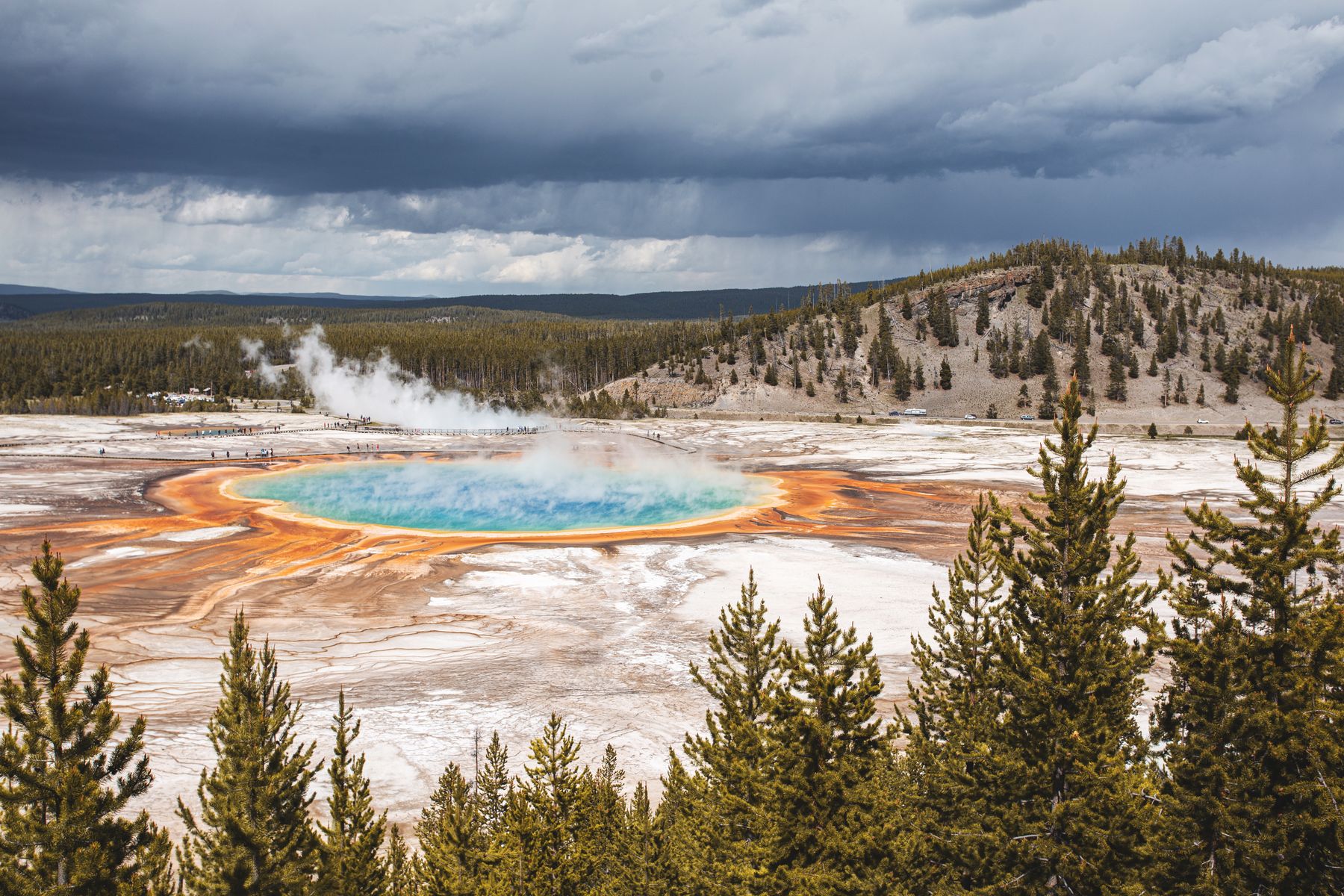
Yellowstone is a strong choice when you want a park that changes character throughout the day. Steam rises from thermal areas, rivers cut through the landscape, and wildlife can bring traffic to a halt. Give the park enough time that an unexpected delay does not spoil your whole schedule.
For a first visit, divide the park into manageable areas. Combine a thermal-basin outing with suitable nearby stops, then use a different day for another region. Old Faithful, Grand Prismatic Spring, and the Grand Canyon of the Yellowstone are separate outings rather than one short walk.
| Detail | First-visit advice |
|---|---|
| Location and base | Mainly Wyoming; compare in-park stays, West Yellowstone, Gardiner, or another base matched to your route |
| Suggested time | Three to four park days; add arrival and departure travel |
| Standard vehicle entry | $35; additional nonresident rules above |
| Map | Yellowstone National Park map |
| Booking priority | Rooms or campsites, then any specific tour or winter transport |
| Effort and access | Choose specific boardwalks and viewpoints using current accessibility information |
Stay on designated thermal-area paths and keep well away from wildlife. Winter is a different type of visit: most roads close to ordinary vehicles, and guided snow travel has separate arrangements. A summer driving plan should not be reused unchanged in winter.
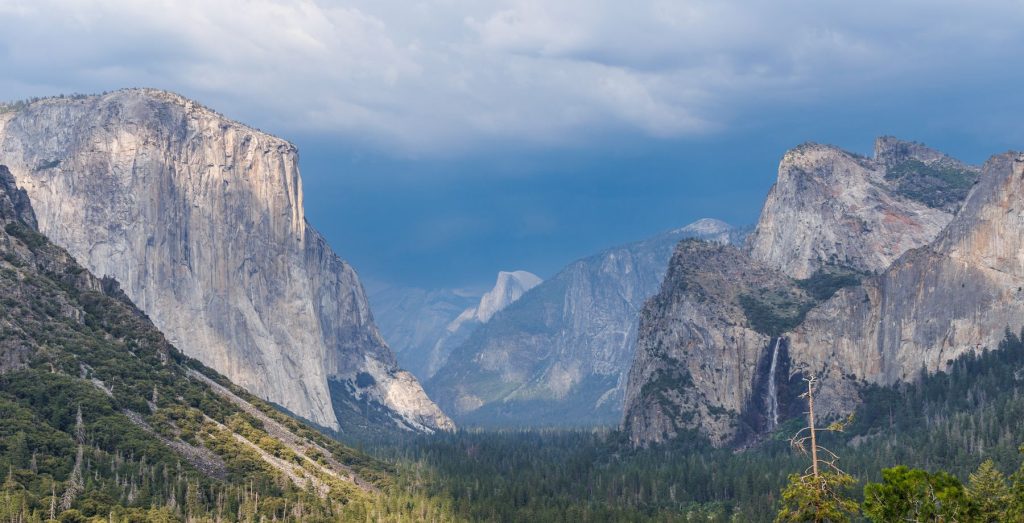
2. Yosemite National Park
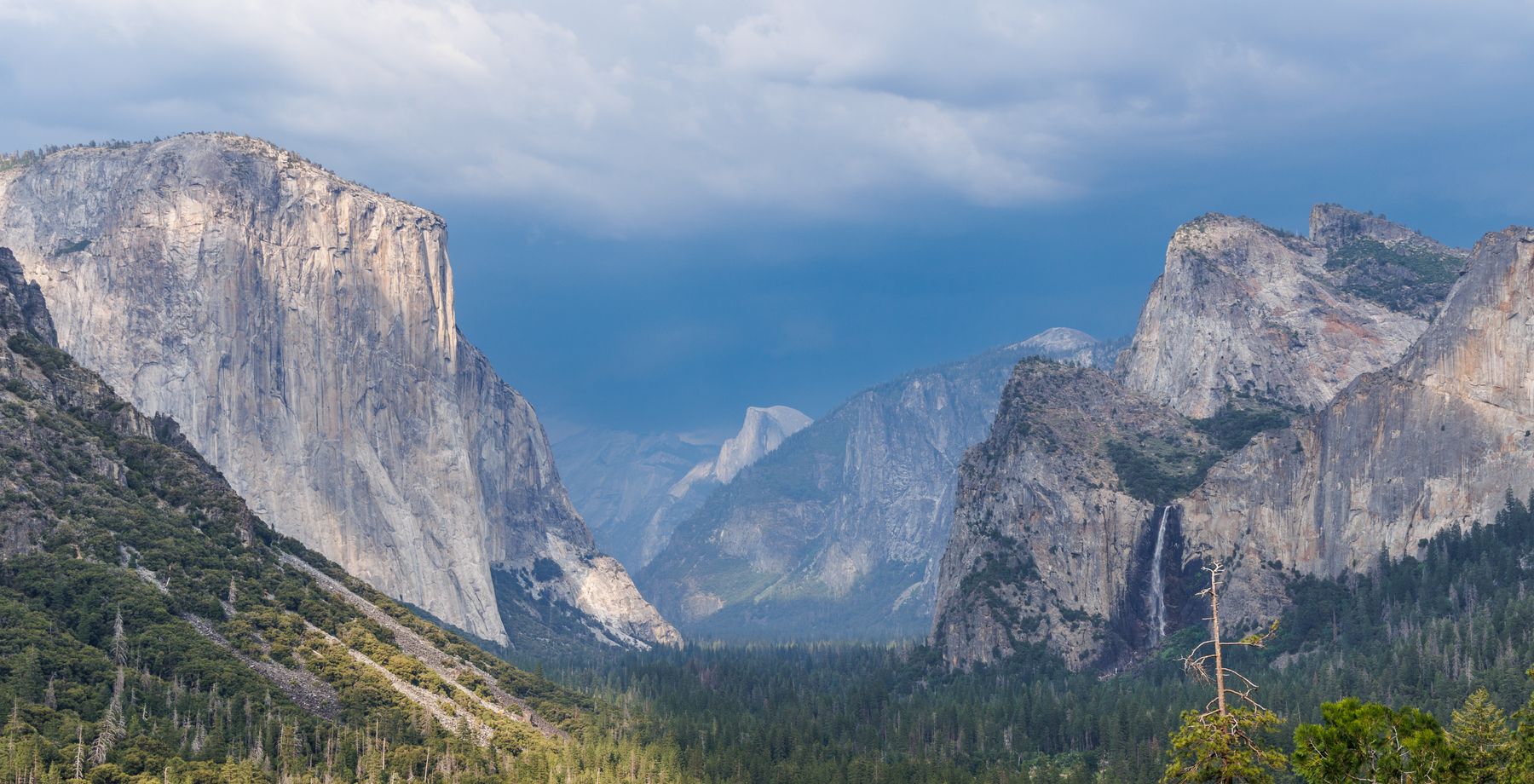
Yosemite is famous for its granite walls, but it also rewards a quiet pause beside a meadow or river. A first visit works best when you spend time in the valley and choose any extra area according to road access, season, and the energy of your group.
Spring can be appealing for waterfalls. Summer often opens more high-country possibilities, while fall can have much lower waterfall flows. There is something to enjoy in each season, but the same photograph and route cannot be promised throughout the year.
| Detail | First-visit advice |
|---|---|
| Location and base | California; compare valley accommodation and gateway areas against your chosen entrance |
| Suggested time | Two to three days, with more for substantial hikes |
| Standard vehicle entry | $35; additional nonresident rules above |
| Map | Yosemite Valley map |
| Booking priority | Accommodation or camping and any specific wilderness or hike permit |
| Effort and access | Distinguish a valley viewpoint from a steep mountain trail |
Tioga Road and Glacier Point Road have seasonal closures. Snow, smoke, storms, or local work can change a plan. Follow food-storage rules, use current transport information, and keep an alternative if a preferred parking area is full.
3. Grand Canyon National Park
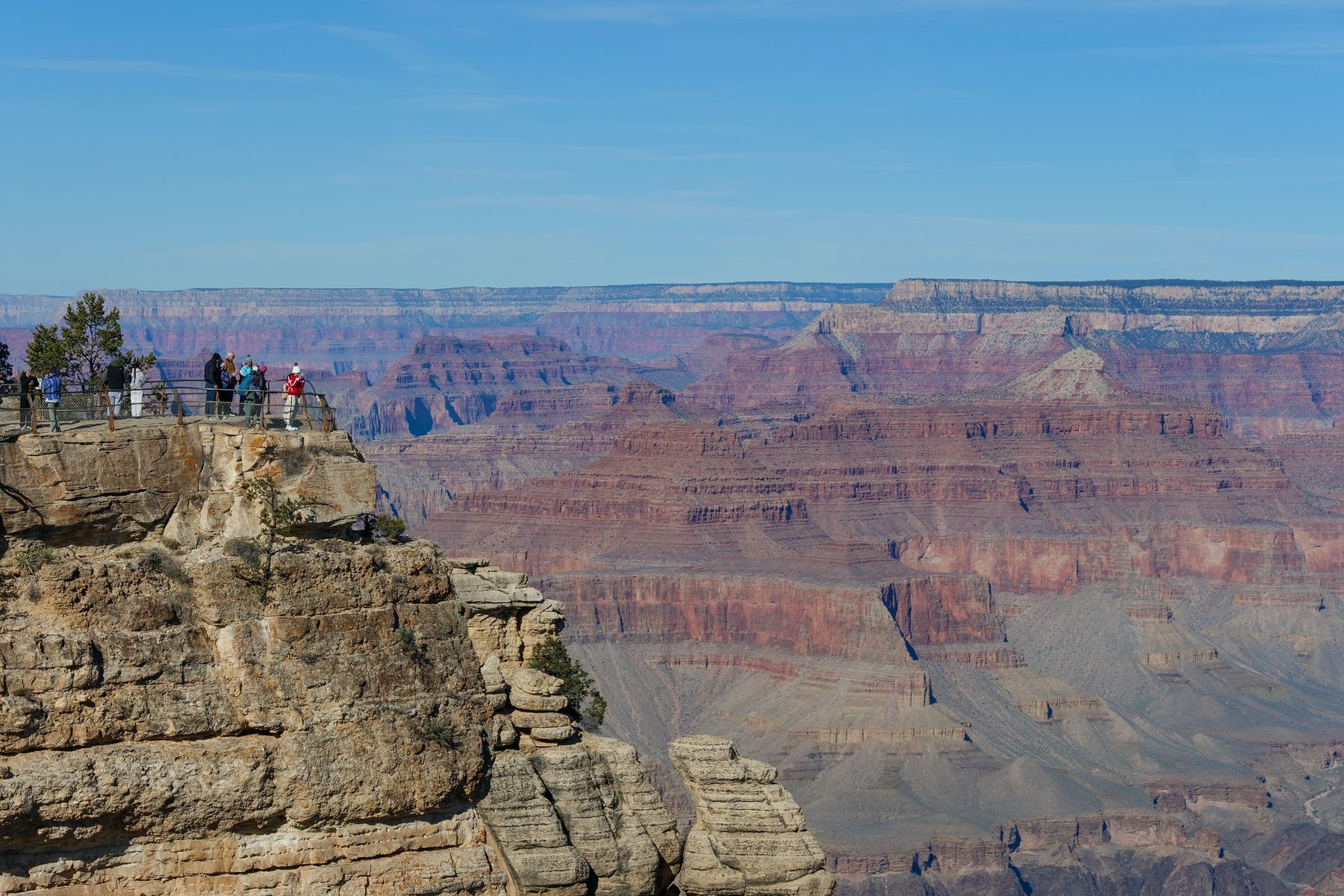
The Grand Canyon is a good reminder that a viewpoint can be a complete experience. Watch the light change, look for layers in the rock, and give yourself time to absorb the scale. You do not need to hike deep into the canyon to make the visit worthwhile.
The South Rim is the practical starting point for many first-time visitors. Choose a few suitable rim stops and check current shuttle arrangements. Grand Canyon West and its Skywalk are outside Grand Canyon National Park and have separate access and prices.
| Detail | First-visit advice |
|---|---|
| Location and base | Arizona; South Rim accommodation, Tusayan, or another base with a realistic drive |
| Suggested time | One to two days for a selected South Rim visit |
| Standard vehicle entry | $35; additional nonresident rules above |
| Map | Grand Canyon South Rim visitor center map |
| Booking priority | Convenient rooms, selected tours, and any required backcountry permit |
| Effort and access | Choose the specific rim route or viewpoint for your group’s needs |
The North Rim has its own seasonal access, services, and current restrictions. Do not substitute it casually for a South Rim booking. A downhill canyon walk also requires a climb back out; heat and effort can rise much faster than expected.
4. Zion National Park
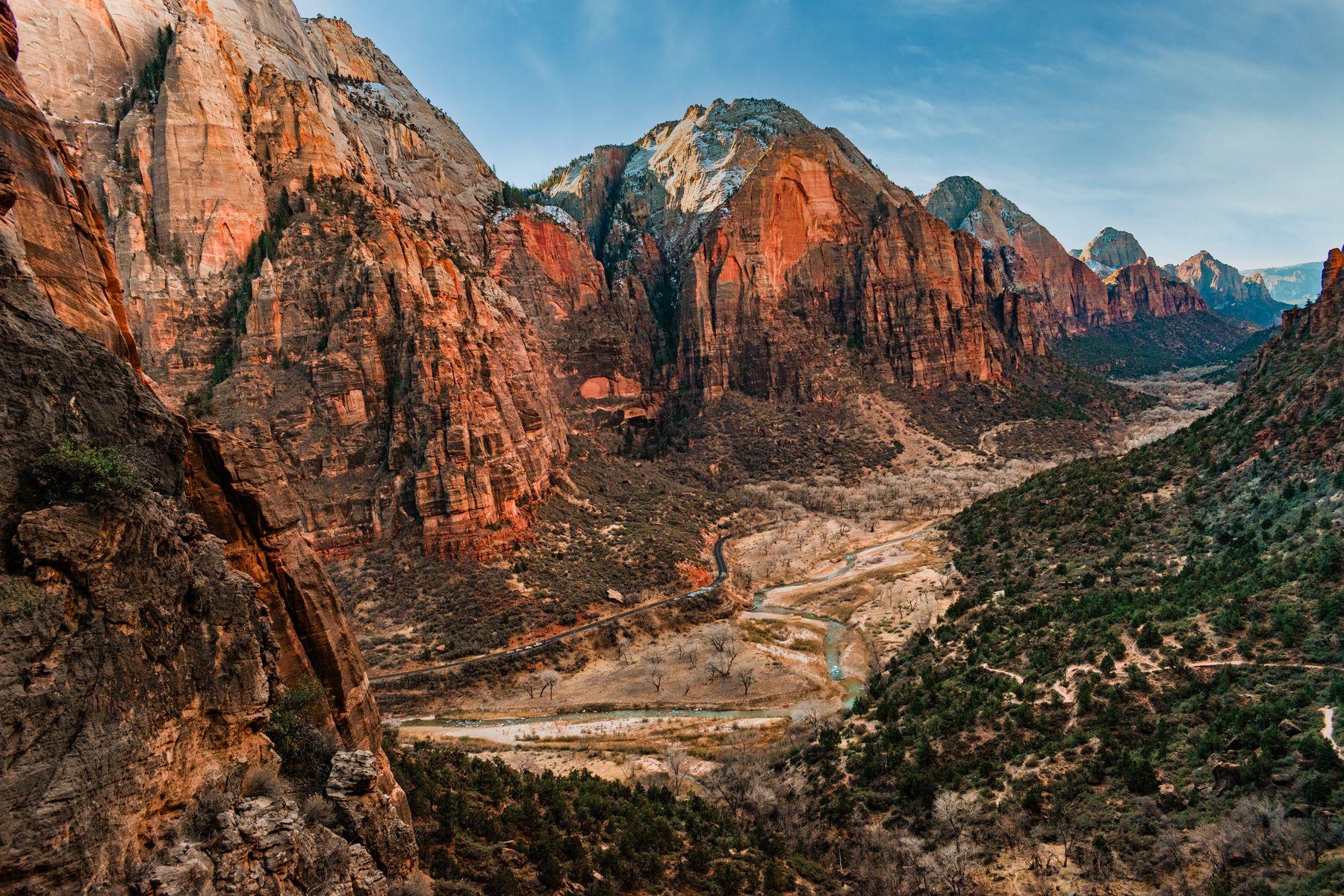
Zion surrounds you with tall canyon walls. A shuttle ride and a suitable walk can be enough to create a memorable day, especially if you allow time to stop instead of racing between famous trail names.
For a first visit, spend at least two nights nearby if your schedule allows. Use the arrival day for orientation and a full day for the canyon. Add demanding activities only when the conditions, permits, and ability of your group fit.
| Detail | First-visit advice |
|---|---|
| Location and base | Southwestern Utah; Springdale is a convenient canyon base |
| Suggested time | Two to three days |
| Standard vehicle entry | $35; additional nonresident rules above |
| Map | Zion National Park map |
| Booking priority | Accommodation and any specific hike or camping permit |
| Effort and access | Check shuttle arrangements and the actual surface and grade of each outing |
Zion Canyon Scenic Drive restricts private vehicles during park shuttle operations. Angels Landing requires a permit. The Narrows depends on river, weather, closure, and flash-flood conditions. Large vehicles also need to check current Zion–Mount Carmel Highway restrictions before choosing a route.
5. Grand Teton National Park
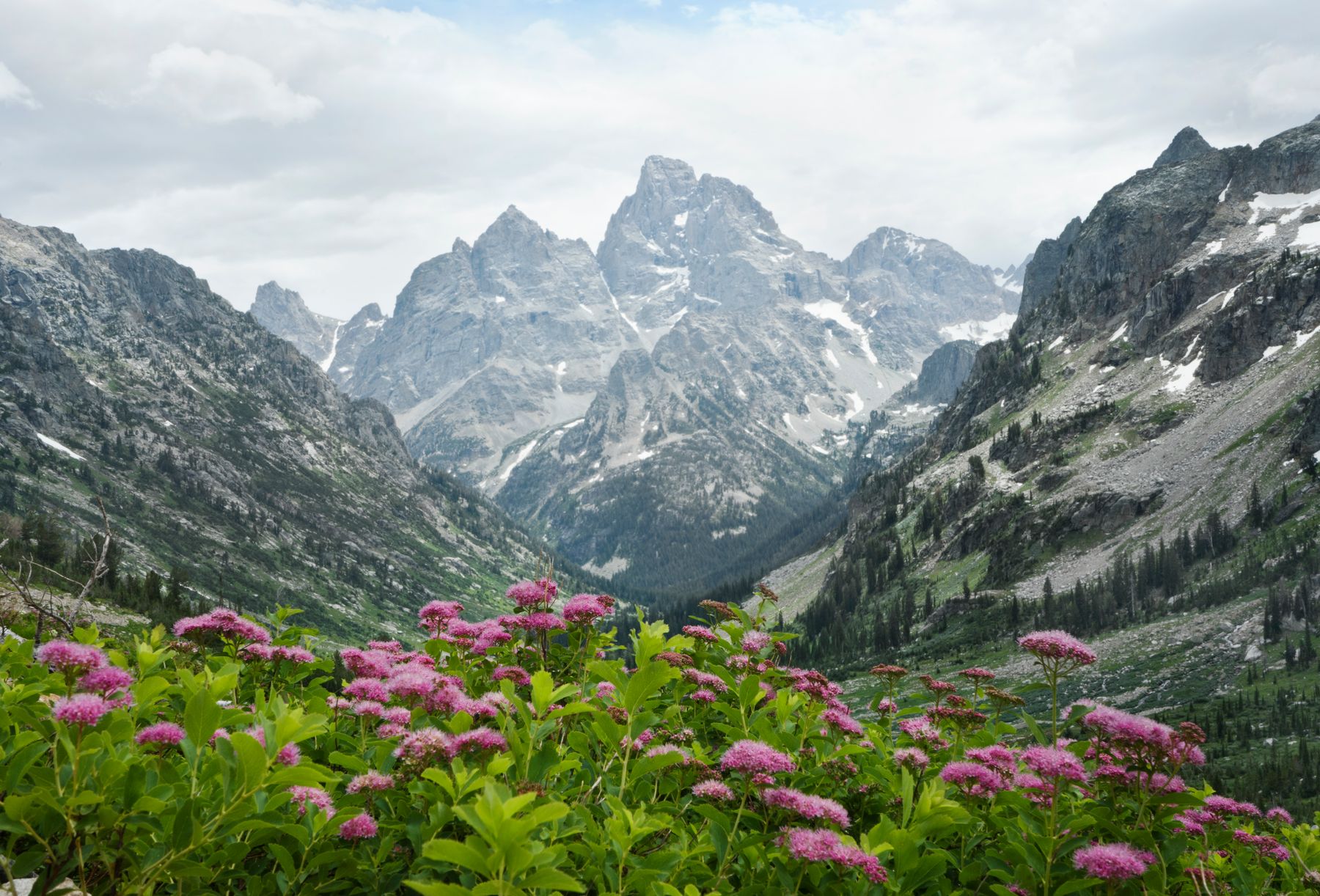
Grand Teton is a wonderful place to leave some room in the day. Mountain views, lakes, and quiet moments beside the water can be as satisfying as a longer hike. Wildlife sightings are possible, but they should always be a bonus rather than a guarantee.
Choose a few areas around the lakes and park roads, then take time to enjoy them. Jenny Lake is popular and needs realistic parking and activity planning. A boat service, when operating, has its own schedule and costs.
| Detail | First-visit advice |
|---|---|
| Location and base | Northwestern Wyoming; compare in-park accommodation, Jackson, and suitable nearby areas |
| Suggested time | Two to three days |
| Standard vehicle entry | $35; additional nonresident rules above |
| Map | Grand Teton National Park map |
| Booking priority | Rooms or campsites, plus any chosen boat or guided activity |
| Effort and access | Choose a specific lakeside facility or route and verify current access |
Seasonal road and service closures affect the experience. If combining Grand Teton with Yellowstone, allow for the actual transfer and the location of your next room. Keep wildlife distances required by the park and never feed animals.
6. Glacier National Park
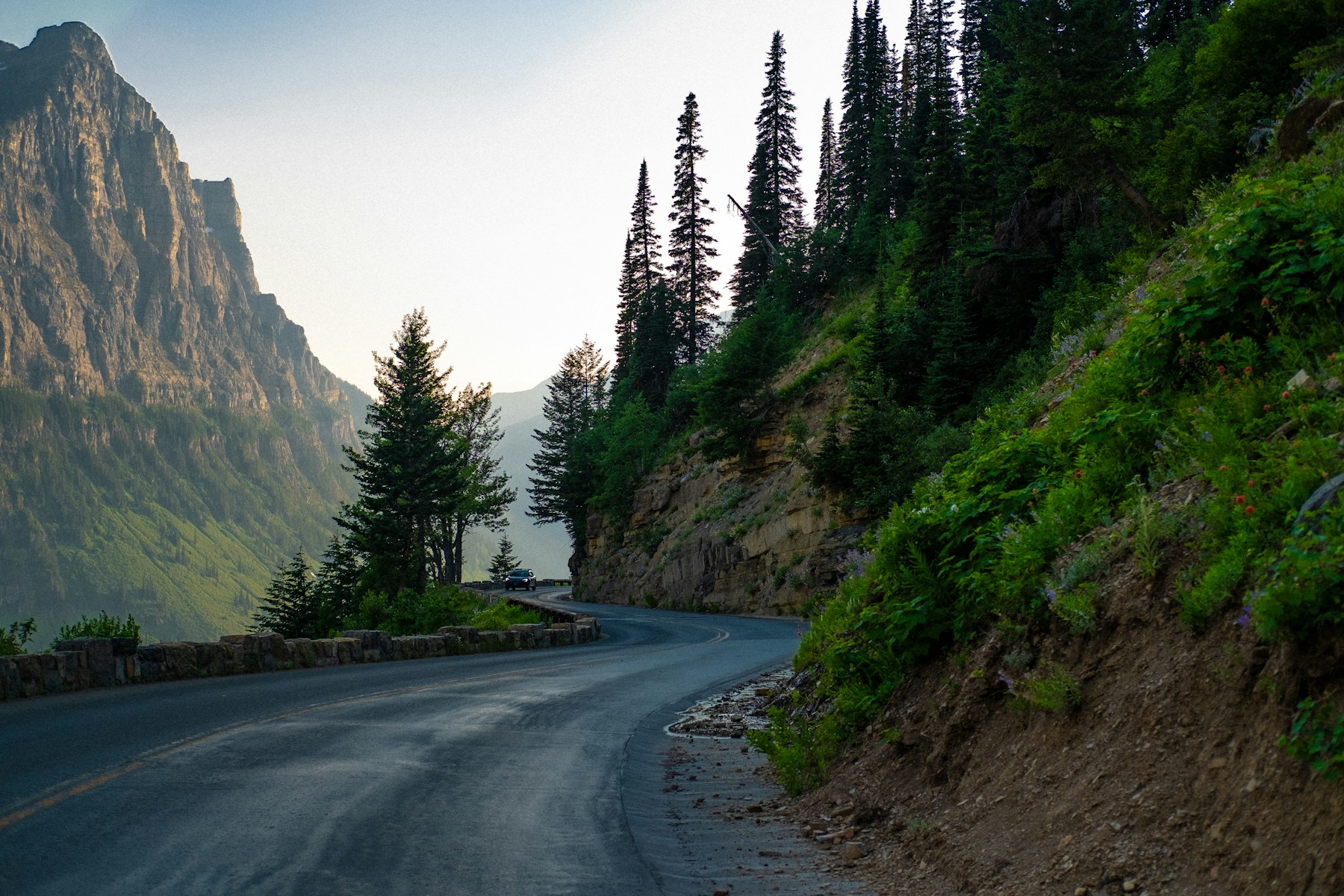
Glacier is for travelers who want mountain scenery on a grand scale. Going-to-the-Sun Road is a highlight when its full route is open, but the park also needs time beyond the windscreen. Choose suitable walks and lake visits rather than attempting every area in a short stay.
The season for a complete high-road drive is limited and changes with snow conditions. Booking a summer room does not itself guarantee that the road will have opened by your arrival.
| Detail | First-visit advice |
|---|---|
| Location and base | Montana; compare west-side and east-side bases against your planned outings |
| Suggested time | Three to four days |
| Standard vehicle entry | $35; winter vehicle rate $25 from November 1 through April 30; additional nonresident rules above |
| Map | Glacier National Park map |
| Booking priority | Accommodation or camping, then current transport and activity arrangements |
| Effort and access | Check the exact road, parking area, shuttle, and trail details |
No park-wide vehicle reservation was required in 2026, but parking management and other local rules still applied. Confirm your travel-year arrangements. Wildlife safety, changing mountain weather, and road access deserve more attention than fitting one extra stop into the day.
7. Rocky Mountain National Park
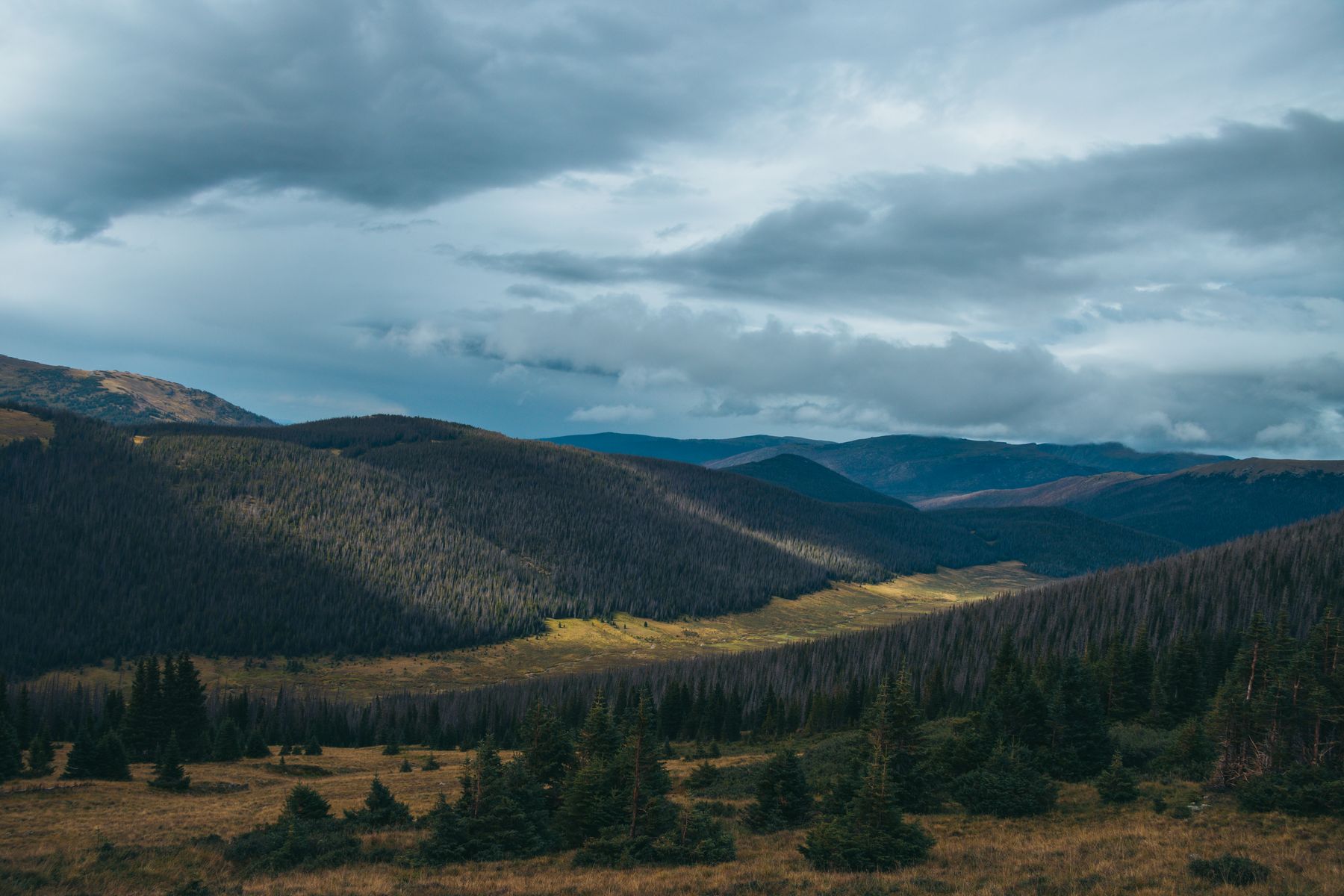
Rocky Mountain combines lakes, forests, open mountain views, and high roads. It can suit both a viewpoint-focused trip and a visit with carefully chosen hikes. The important step is to plan for elevation rather than assuming that your usual walking pace will feel the same.
For a first visit, compare a lake-area day with a separate scenic-road outing when roads are open. Avoid booking a demanding hike immediately after a long journey from a much lower elevation.
| Detail | First-visit advice |
|---|---|
| Location and base | Colorado; Estes Park and Grand Lake serve different sides of the park |
| Suggested time | Two to three days |
| Standard vehicle entry | $30 for one day or $35 for seven days; additional nonresident rules above |
| Map | Rocky Mountain National Park map |
| Booking priority | Rooms or camping and the correct seasonal timed-entry option |
| Effort and access | Check altitude, trail surfaces, transport, and current accessibility details |
The 2026 timed-entry system distinguished general park access from access including the Bear Lake Road corridor. Trail Ridge Road has a seasonal through-driving window. Check current conditions and change a plan if snow, storms, or altitude-related discomfort makes it unsuitable.
8. Great Smoky Mountains National Park
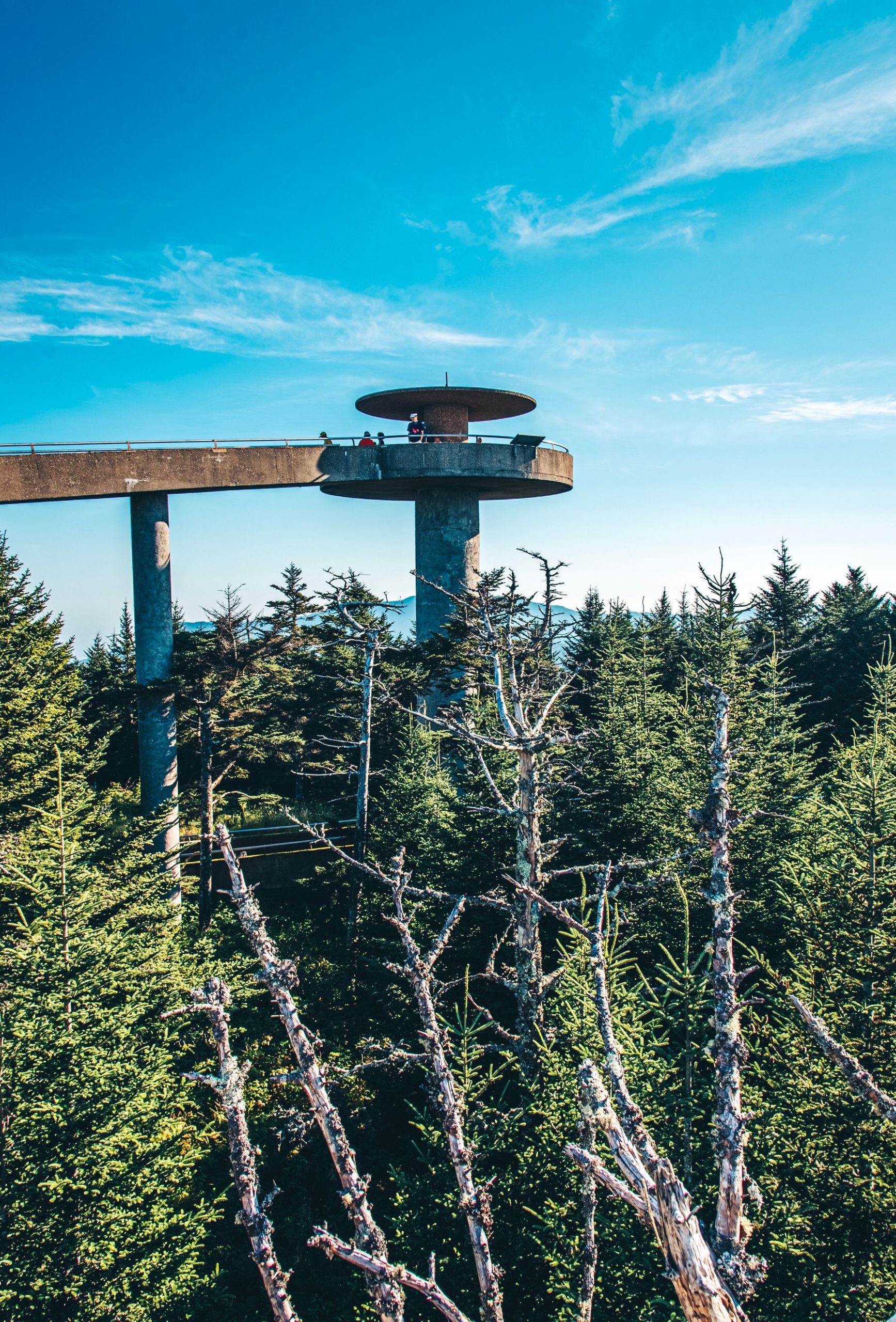
The Smokies offer forest walks, layered mountain views, historic places, and a wide choice of nearby accommodation. They can be a good first park for a family that wants shorter outings and evenings with plenty of food choices nearby.
Choose your main park area before choosing the room. A stay near one entrance does not make every stop a quick drive. Cades Cove, the Newfound Gap area, and Kuwohi each need their own time and current access checks.
| Detail | First-visit advice |
|---|---|
| Location and base | Tennessee and North Carolina; compare Gatlinburg, Townsend, Cherokee, and the actual routes you want |
| Suggested time | Two to three days |
| Standard vehicle entry | No entrance fee; a parking tag is generally required when parking longer than 15 minutes |
| Parking tag | $5 daily, $15 weekly, or $40 annually; ordinary America the Beautiful entrance passes do not replace it |
| Map | Great Smoky Mountains National Park map |
| Effort and access | Check grades and facilities; Kuwohi’s tower outing is not a flat roadside stop |
The observation tower pictured is at Kuwohi, formerly known as Clingmans Dome. Mountain roads and facilities have seasonal and weather limits. A parking tag meets the fee requirement but does not reserve a space, so have an alternative outing ready.
9. Acadia National Park
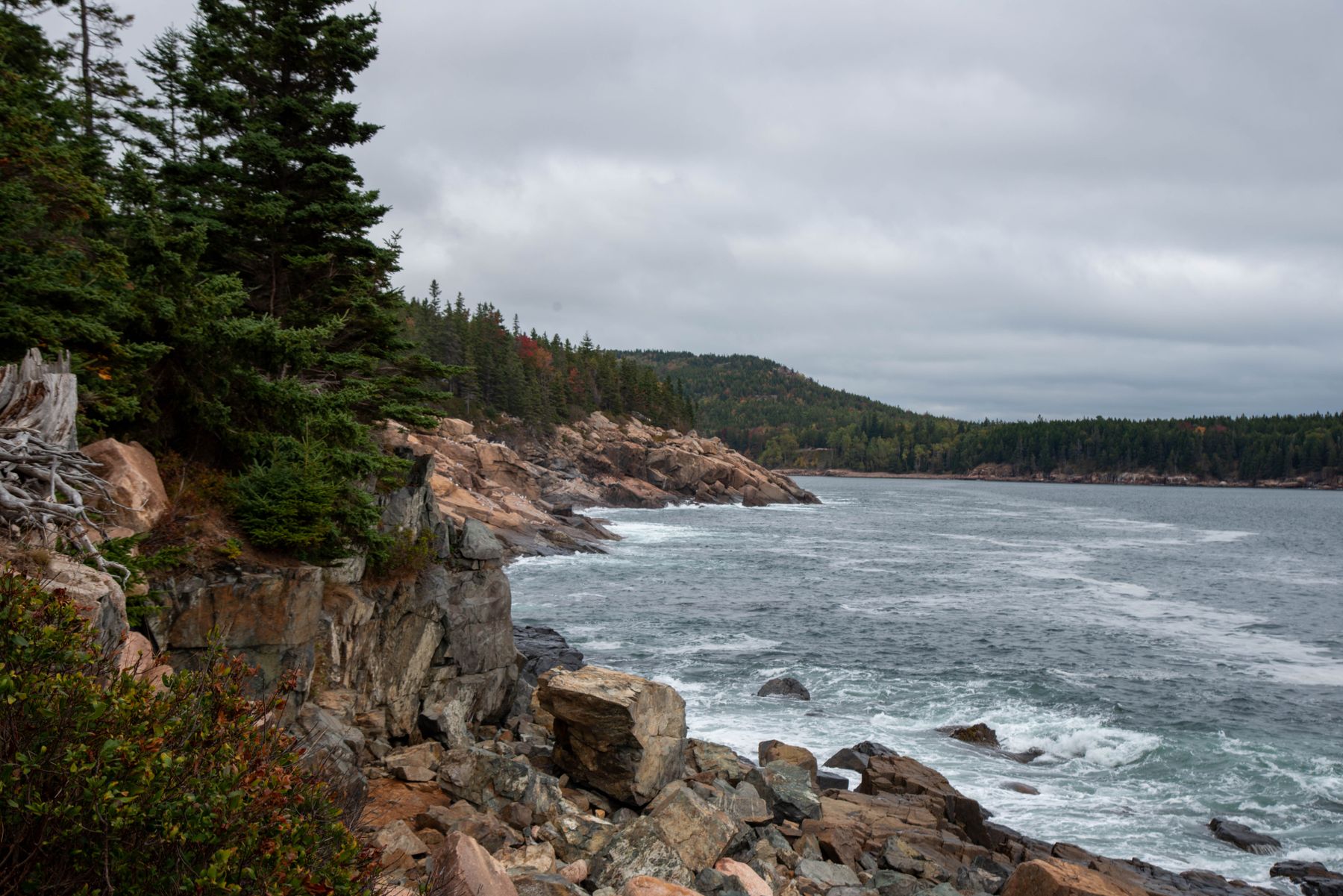
Acadia brings a different kind of park holiday: rocky shores, forested lakes, carriage roads, and nearby villages. It suits travelers who like a morning outdoors followed by a relaxed lunch and time near the coast.
Use a small number of areas each day. A coastal outing, a suitable carriage-road walk, and a selected viewpoint can be more enjoyable than a hurried circuit of every landmark.
| Detail | First-visit advice |
|---|---|
| Location and base | Maine; compare Bar Harbor and other Mount Desert Island bases |
| Suggested time | Two to three days |
| Standard vehicle entry | $35; additional nonresident rules above |
| Map | Acadia National Park map |
| Booking priority | Accommodation and any required Cadillac Summit Road vehicle reservation |
| Effort and access | Choose specific coastal paths and facilities; rocks can be slippery and uneven |
Cadillac Summit Road had a separate $6 seasonal vehicle reservation in 2026, in addition to park entry. The Island Explorer bus does not serve that summit road. Check the current season, transport, weather, and tide information before choosing an outing.
10. Olympic National Park
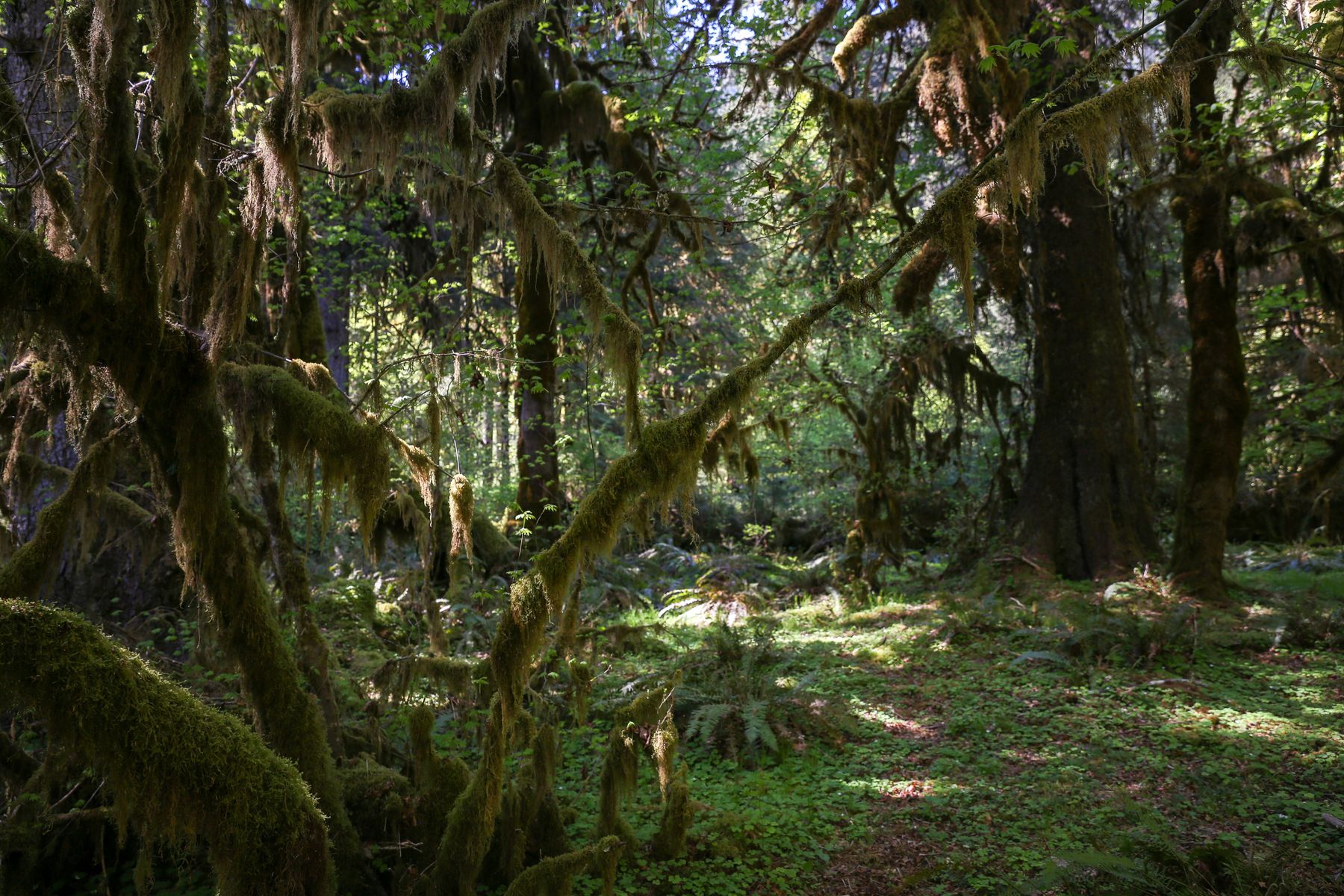
Olympic gives you several landscapes within one park: rainforest, coastline, lakes, and mountains. That variety is its attraction, but it also explains why a single day can feel rushed. There is no quick road through the middle connecting every area.
Choose a sensible sequence of bases. Port Angeles can work for northern areas, while a west-side stay can reduce repeated driving for rainforest and coastal outings. Match the rooms to the places you actually want to see.
| Detail | First-visit advice |
|---|---|
| Location and base | Washington’s Olympic Peninsula; compare northern and western gateway areas |
| Suggested time | Three to four days or longer |
| Standard vehicle entry | $30 |
| Map | Olympic National Park map |
| Booking priority | Rooms or campsites matched to the chosen park areas |
| Effort and access | Verify each road and path; a beach outing can involve logs, uneven ground, and tides |
Use current road and trail alerts before heading to the Hoh Rain Forest or another remote area. Storm damage can change access quickly. For a coastal outing, check tides and sea conditions, and never assume an exposed route is safe because other people are using it.
11. Mount Rainier National Park
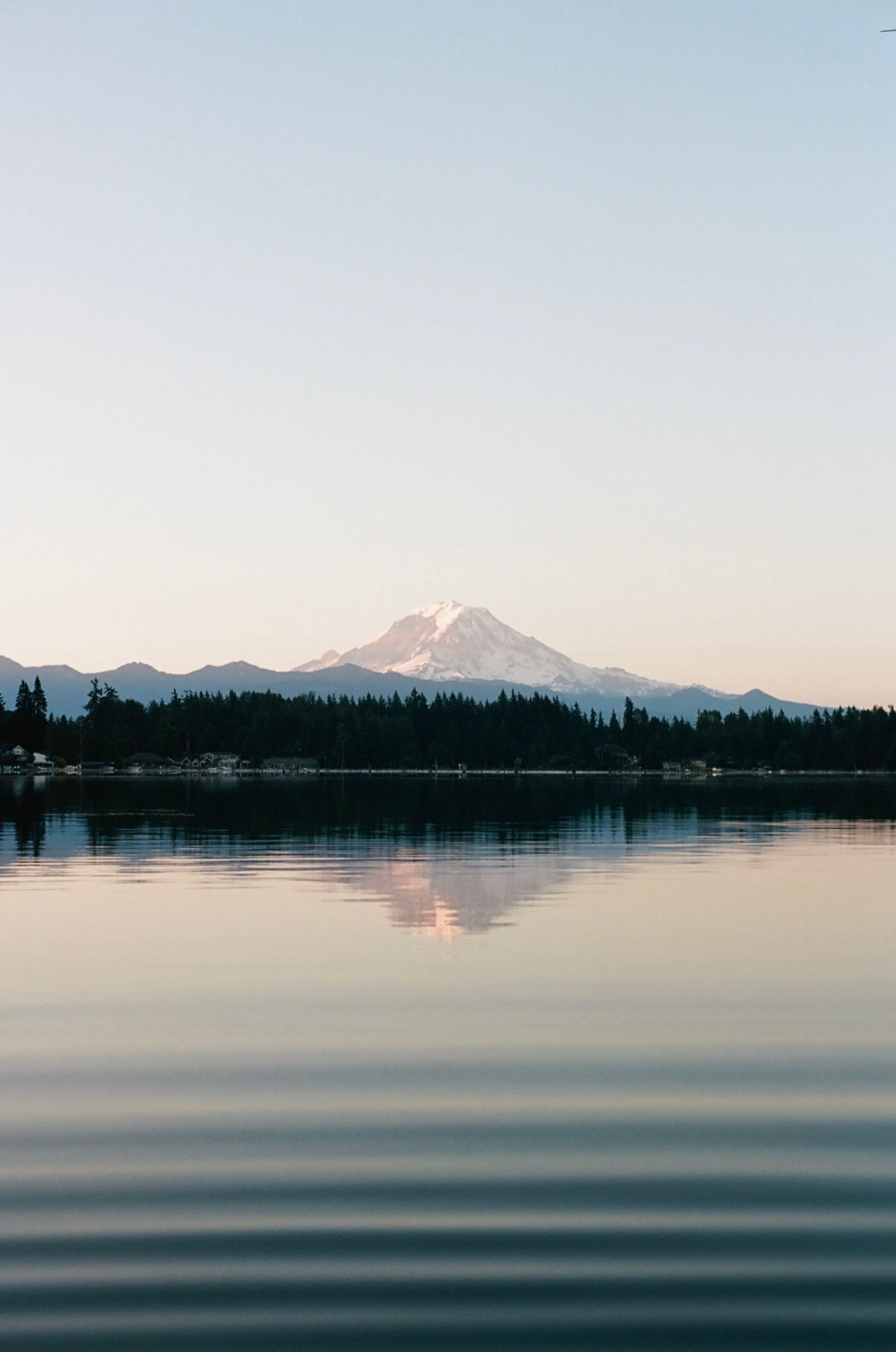
Mount Rainier can fill the view on a clear day, but a good trip also leaves room for cloud and changing weather. Forests, lakes, and suitable lower-elevation outings can help you enjoy the park even when the summit is hidden.
Paradise and Sunrise are different park areas with separate driving and seasonal considerations. Choose a focus rather than assuming that both will fit comfortably around a long transfer from Seattle.
| Detail | First-visit advice |
|---|---|
| Location and base | Washington; choose accommodation for the entrance and area you plan to use |
| Suggested time | Two to three days |
| Standard vehicle entry | $30 |
| Map | Mount Rainier National Park map |
| Booking priority | Rooms or camping and any specific wilderness arrangements |
| Effort and access | Check snow, grades, facilities, and the particular trail or viewpoint |
The park did not require timed entry in 2026, but parking capacity still mattered. Seasonal road closures and winter chain requirements need separate checks. Meadow flowers and clear mountain views depend on conditions, so treat both as possibilities rather than promises.
12. Arches National Park
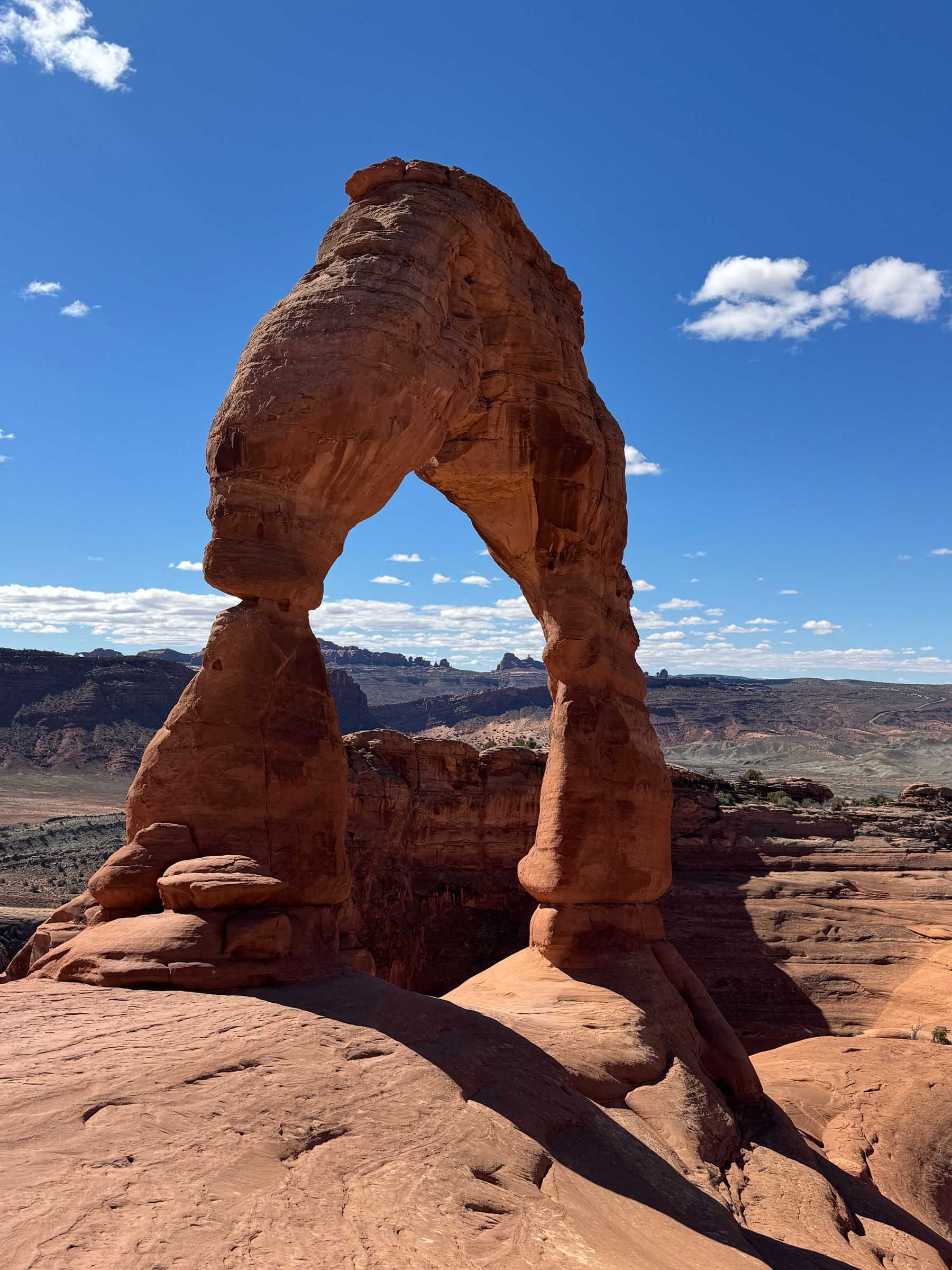
Arches is a good choice for travelers who enjoy stopping to look closely at rock formations. Give yourself time to notice the changing shapes and colors between the most famous stops. One carefully planned day can provide an introduction; a second day gives more flexibility.
Choose routes for the conditions and your group. A viewpoint toward Delicate Arch and the main Delicate Arch hike are different experiences with different demands.
| Detail | First-visit advice |
|---|---|
| Location and base | Eastern Utah; Moab is the main nearby base |
| Suggested time | One to two days |
| Standard vehicle entry | $30 |
| Map | Arches National Park map |
| Booking priority | Moab accommodation, camping, and any separate Fiery Furnace arrangement |
| Effort and access | Check the actual distance, exposed surfaces, shade, and facility information |
No general timed-entry reservation was required in 2026, but entrance and parking delays remained possible. Avoid strenuous plans in dangerous heat, bring enough water, and stay off arches and fragile ground.
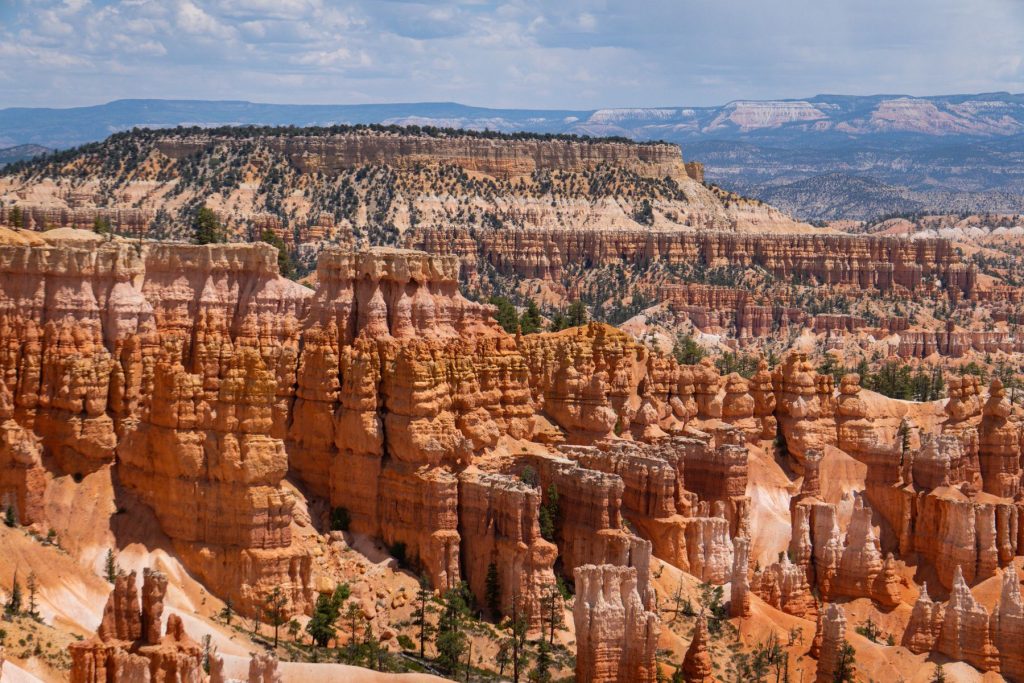
13. Bryce Canyon National Park
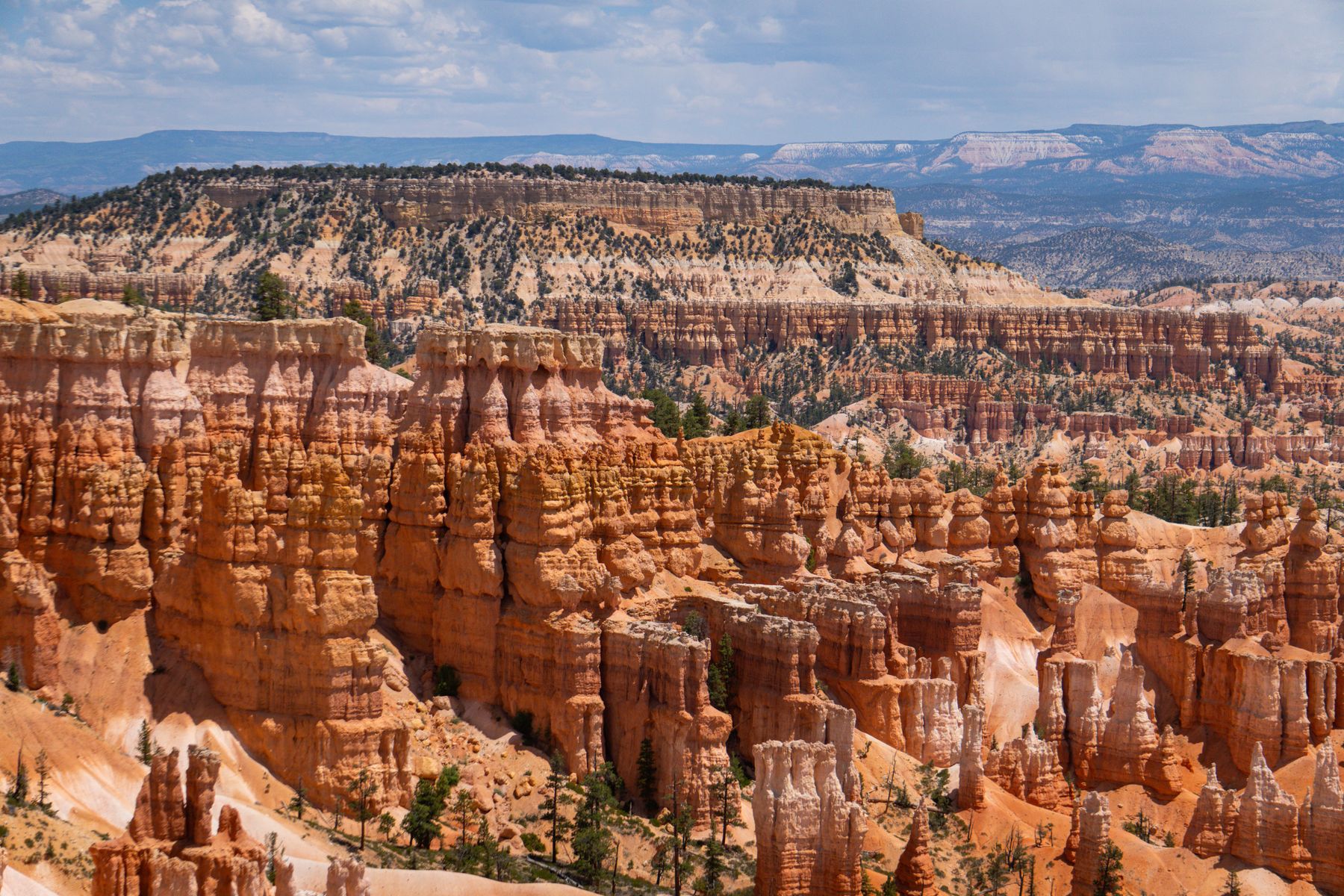
Bryce’s orange hoodoos make it one of the most distinctive landscapes in this list. Start with a suitable rim viewpoint, then decide whether a trail below the rim fits your time, the weather, and the whole group’s ability.
An overnight nearby gives you more flexibility with light and visiting time. You do not need to force both sunrise and sunset into a day that also includes a long road transfer.
| Detail | First-visit advice |
|---|---|
| Location and base | Southern Utah; compare Bryce Canyon City and nearby towns |
| Suggested time | One to two days |
| Standard vehicle entry | $35; additional nonresident rules above |
| Map | Bryce Canyon National Park map |
| Booking priority | Rooms or campsites close enough for your intended visit |
| Effort and access | Remember the climb back to the rim and check snow, ice, and viewpoint access |
Bryce’s elevation means temperatures can differ sharply from lower desert parks. Bring warm layers and use only open trails. Winter scenery can be beautiful, but it requires its own road and walking preparation.
14. Canyonlands National Park
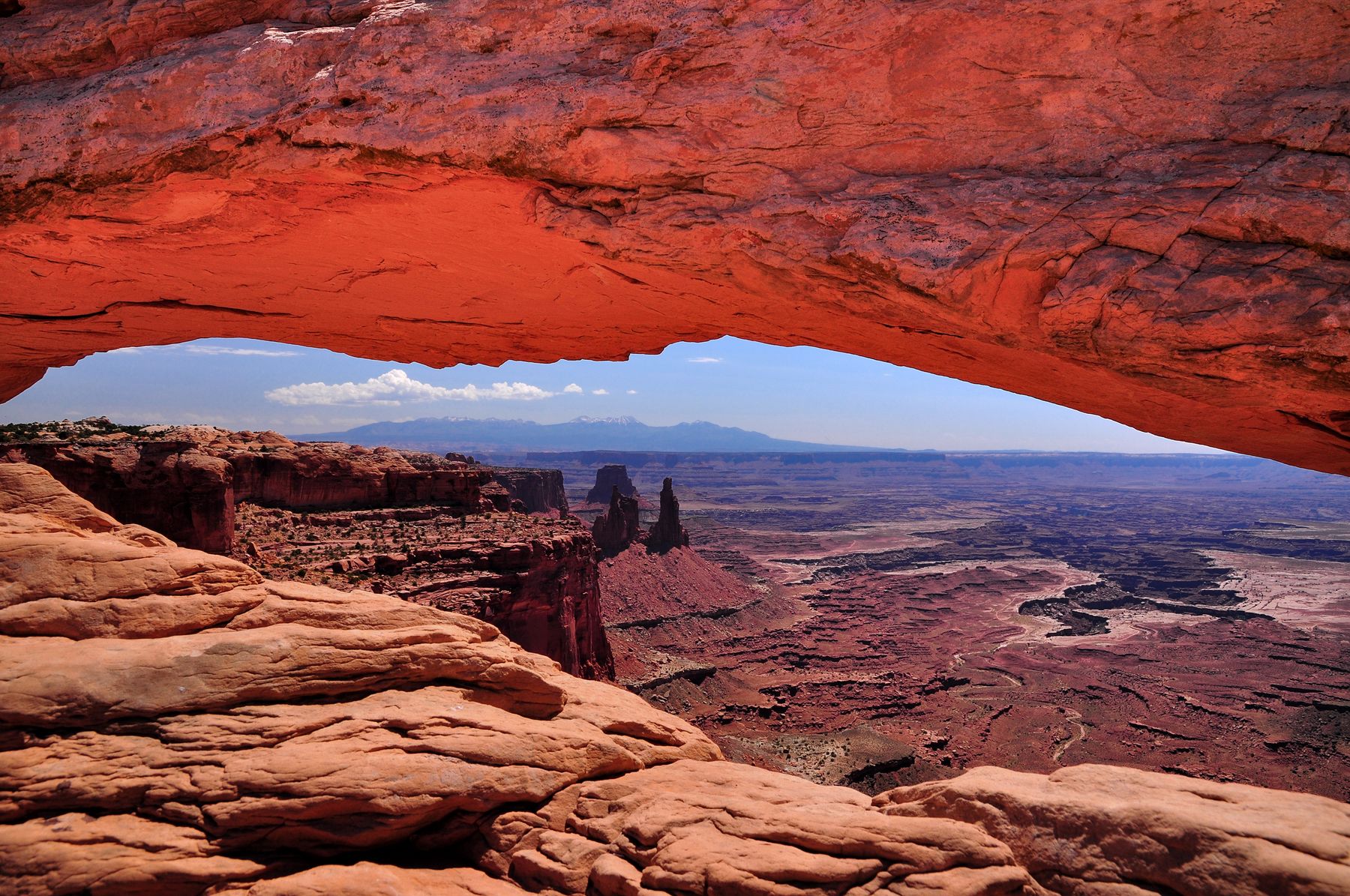
Canyonlands is a place for broad views and a slower pace. For a first trip based in Moab, Island in the Sky is the practical district to compare with Arches. Choose suitable overlooks and one or two outings instead of filling the day with distant stops.
Mesa Arch is popular, but it is not the only reason to come. A quieter legal viewpoint can give you more time to enjoy the landscape than waiting in a crowd for a particular photograph.
| Detail | First-visit advice |
|---|---|
| Location and base | Utah; Moab is useful for Island in the Sky |
| Suggested time | One to two days for that district; more for other districts |
| Standard vehicle entry | $30 |
| Map | Island in the Sky visitor center map |
| Booking priority | Accommodation and any separate camping or backcountry permits |
| Effort and access | Check individual overlooks and paths; stay well away from exposed edges |
The park’s districts are not connected by a quick through-road. The Needles needs a separate outing, while remote backcountry travel requires different preparation. Do not treat an ordinary rental car as permission to attempt rough park roads.
15. Capitol Reef National Park
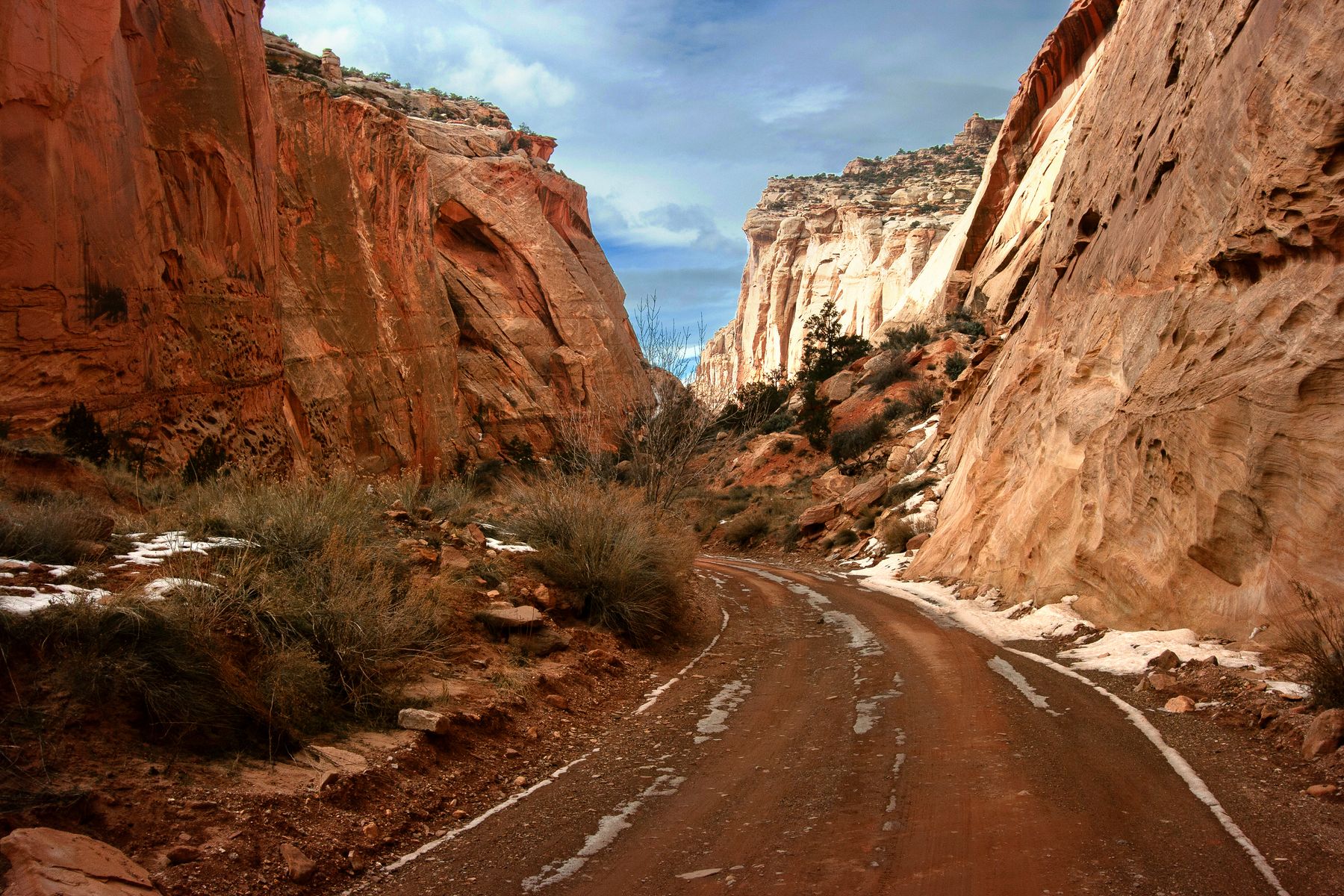
Capitol Reef is a good place to give a road trip some breathing space. Cliffs, the Fruita area, history, and suitable walks can fill a day without a long list of paid activities. A second night nearby makes it easier to enjoy the area at a comfortable pace.
Combine open scenic-road stops with a selected walk and time at the visitor center. Seasonal orchard access or food services should be checked before you build a day around them.
| Detail | First-visit advice |
|---|---|
| Location and base | South-central Utah; Torrey is a practical gateway |
| Suggested time | One to two days or longer |
| Standard vehicle entry | $20 for the applicable fee area |
| Map | Capitol Reef visitor center map |
| Booking priority | Accommodation, camping, and any chosen activity |
| Effort and access | Check the actual road, route surface, and current facility information |
Weather and flooding can affect roads and trails. The Scenic Drive and remote backcountry routes are different kinds of outings. Stay with roads suitable for both current conditions and your vehicle agreement.
16. Sequoia National Park
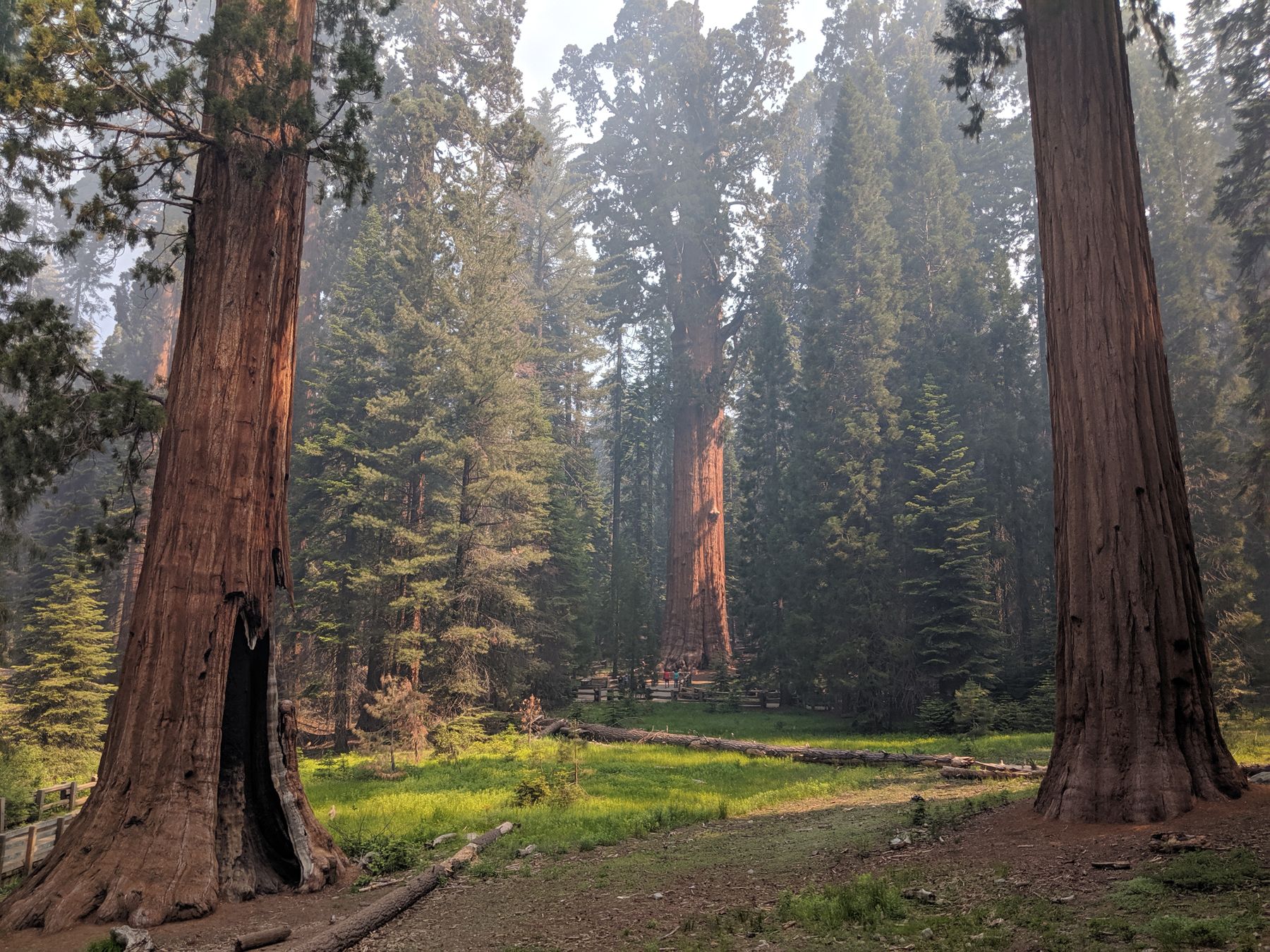
Sequoia is about scale, but it is also about taking your time in the forest. Leave room to look up, pause, and walk at a comfortable pace rather than turning the visit into a race between tree names.
Plan around the Giant Forest area and a small number of suitable stops for your first day. The drive into the mountains takes time, and the route to a famous tree can include slopes, steps, or seasonal surface changes.
| Detail | First-visit advice |
|---|---|
| Location and base | California; compare in-park stays, Three Rivers, and the actual drive to your chosen area |
| Suggested time | Two days or longer |
| Standard vehicle entry | $35; the pass also covers Kings Canyon under its terms; additional nonresident rules above |
| Map | Giant Forest, Sequoia National Park map |
| Booking priority | Convenient rooms or camping and any chosen guided activity |
| Effort and access | Use current information for accessible parking, shuttles, paths, and facilities |
Kings Canyon is a separate national park even though the two parks share management and an entrance pass. Add meaningful time if you want to explore it too. Snow, chain requirements, winding roads, and seasonal closures can change the connection between areas.
17. Joshua Tree National Park
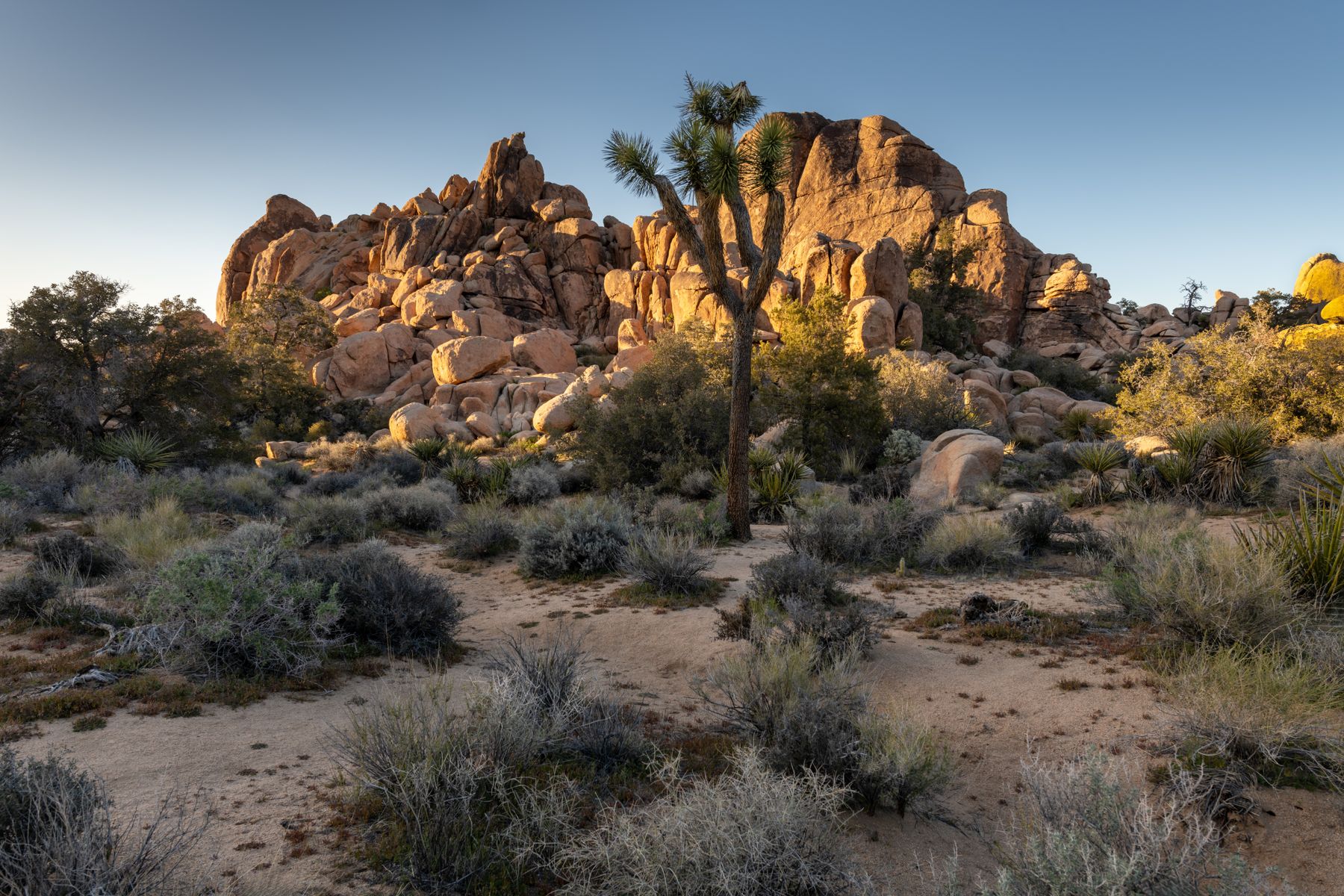
Joshua Tree combines unusual desert plants, boulder landscapes, and wide-open skies. It works well as a short cooler-season park visit when you choose the activities carefully and leave space for rest.
Use the Hidden Valley area or another suitable part of the park as a focus, then add a small number of stops. Towns around the park serve different entrances, so choose your accommodation after deciding which areas you want to visit.
| Detail | First-visit advice |
|---|---|
| Location and base | Southern California; compare Joshua Tree, Twentynine Palms, and other bases against your route |
| Suggested time | One to two days |
| Standard vehicle entry | $30 |
| Map | Joshua Tree National Park map |
| Booking priority | Rooms or campsites and any specific climbing or guided plans |
| Effort and access | Check exposed surfaces, shade, current trail conditions, and facility access |
Bring your own adequate water and supplies. Hot-season outdoor plans need great care, and a night-sky outing still needs safe parking, navigation, clothing, and a suitable return plan. Stay off fragile plants and do not create new paths between rocks.
18. Death Valley National Park
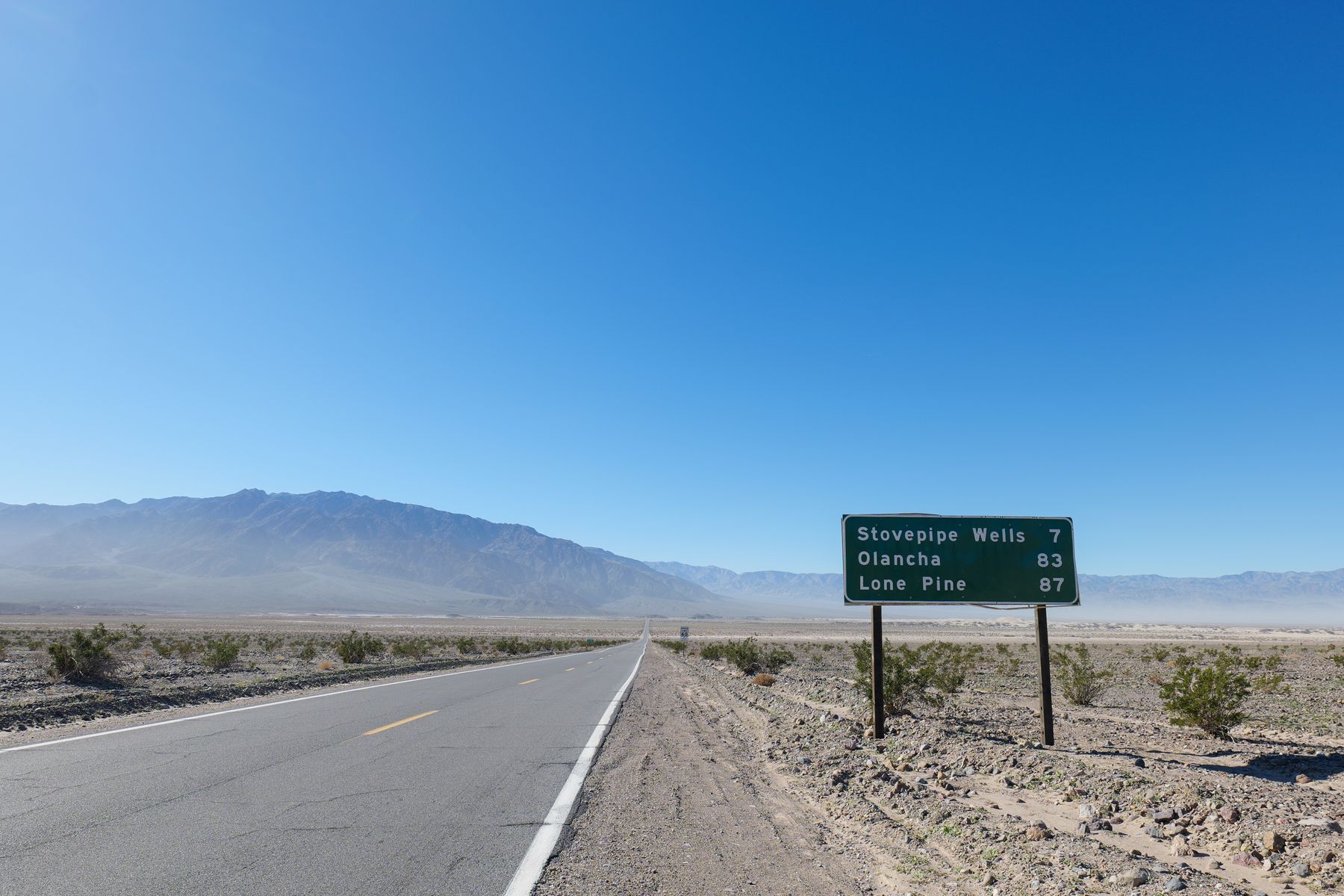
Death Valley’s wide spaces and changing geology are best enjoyed with a plan that respects its distances and conditions. A cooler-season visit can combine selected viewpoints and appropriate short outings without trying to drive every road.
Choose a small main area for each day and check the exact road status. Flood damage can close a road even when the weather at your hotel looks clear. Services are limited compared with a city road trip.
| Detail | First-visit advice |
|---|---|
| Location and base | California and Nevada; compare in-park stays and gateway towns using actual route times |
| Suggested time | Two days or longer |
| Standard vehicle entry | $30 |
| Map | Death Valley National Park map |
| Booking priority | Accommodation, suitable vehicle arrangements, and any chosen tour |
| Effort and access | Check heat, distances, road status, and the specific facility or outing |
Do not use a general sightseeing guide as a summer hiking plan. Carry sufficient water, fuel, food, and reliable navigation. Avoid unapproved rental roads and do not assume help or a mobile signal will be close by.
19. Everglades National Park

The Everglades reward patience. A bird beside a boardwalk, an alligator resting at a safe distance, or an open view across the wetlands can be the highlight. This is a different experience from a mountain-viewpoint road trip, and that is exactly why it belongs on the list.
Choose a particular entrance or visitor area. The Anhinga Trail area, Shark Valley, and other park gateways do not connect through one quick interior road. A suitable ranger program or authorized tour can add useful context.
| Detail | First-visit advice |
|---|---|
| Location and base | Southern Florida; compare Homestead, Florida City, Miami, or another base matched to the entrance |
| Suggested time | One to two days for selected areas |
| Standard vehicle entry | $35; additional nonresident rules above |
| Map | Everglades National Park map |
| Booking priority | Accommodation and any chosen tram, boat, or guided activity |
| Effort and access | Verify boardwalk, vehicle, boat, and restroom arrangements for your exact outing |
The dry season is generally a useful starting point for a first visit. Heat, humidity, mosquitoes, storms, and seasonal services affect the experience. Keep away from wildlife and use park-authorized activities; an airboat business near the Everglades is not automatically an activity inside the national park.
20. Hawaiʻi Volcanoes National Park
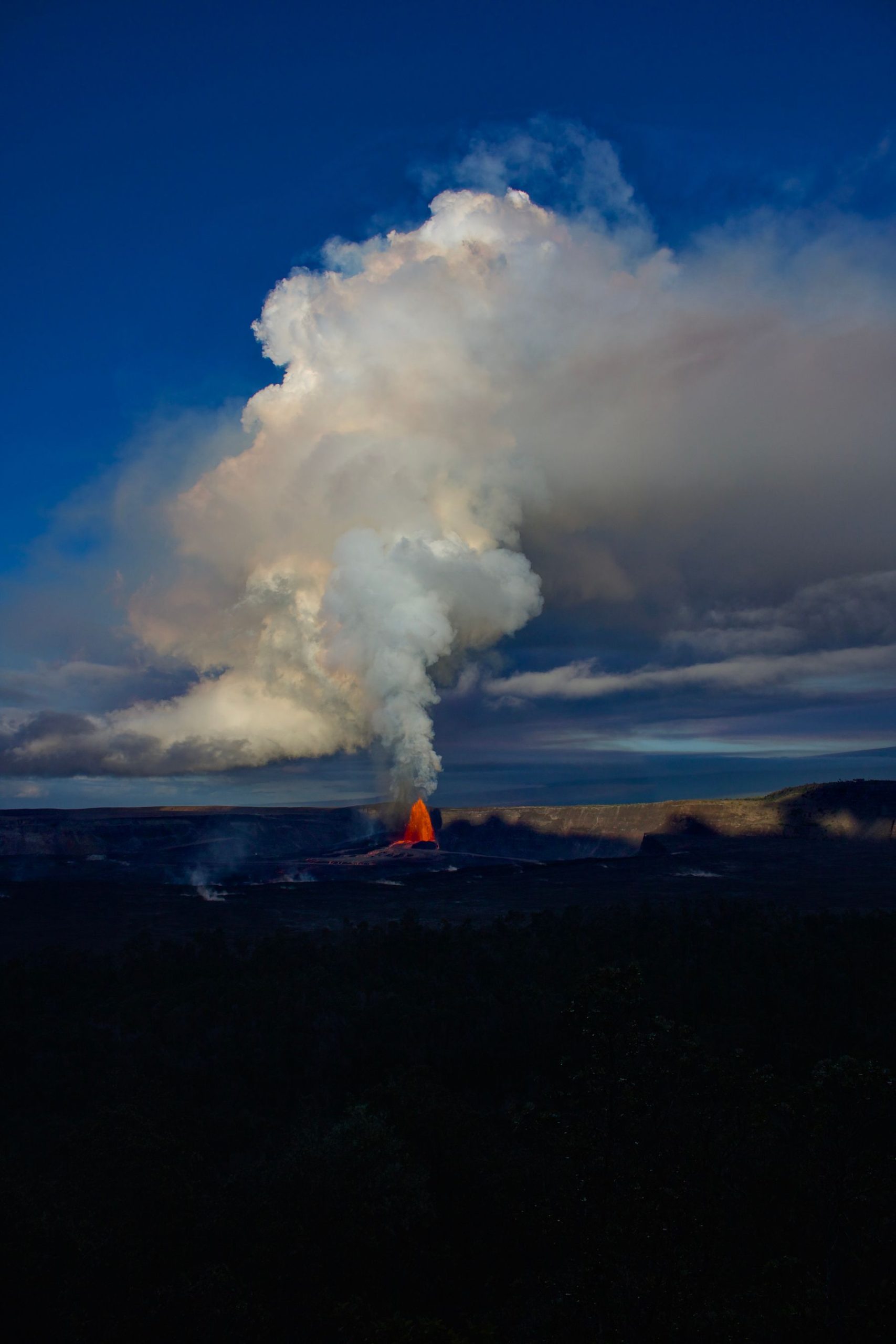
Hawaiʻi Volcanoes offers a chance to learn about a changing volcanic landscape and its cultural importance. Plan for open viewpoints, suitable walks, and a scenic-road outing according to the current conditions.
The photograph shows a past eruption. Visible lava is never a guaranteed part of a visit, and volcanic activity can change between making a booking and arriving. The park remains worthwhile as a place to understand the landscape rather than only as a place to seek an eruption photograph.
| Detail | First-visit advice |
|---|---|
| Location and base | Hawaiʻi Island, also called the Big Island; compare Volcano village, Hilo, and the actual travel time from your room |
| Suggested time | One to two park days or longer within an island stay |
| Standard vehicle entry | $30 |
| Map | Hawaiʻi Volcanoes National Park map |
| Booking priority | Island travel, accommodation, car, and any specific guided activity |
| Effort and access | Check volcanic alerts, air quality, road access, and the exact trail or viewpoint |
Use current National Park Service alerts and U.S. Geological Survey volcano information before and during your visit. Respect closed areas and cultural guidance. Conditions on the crater rim can be cool, wet, and windy, even when a coastal part of the island feels warm.
Best Time to Visit U.S. National Parks
Choose the season for the part of a park you want to use. The table below is a starting point for comparing trips, not a forecast or a promise of open facilities.
| Season | Useful parks to compare | Main checks |
|---|---|---|
| Spring | Yosemite for many waterfalls, suitable Utah outings, Joshua Tree, and Everglades before summer conditions | Snow at elevation, river conditions, heat, and current roads |
| Summer | Grand Teton, Glacier, Rocky Mountain, Mount Rainier, Acadia, and suitable Olympic areas | Road opening, crowds, thunderstorms, smoke, and parking |
| Fall | Utah parks, Grand Canyon, Great Smoky Mountains, Acadia, and selected western mountain visits | Shorter days, changing foliage, early snow, and seasonal services |
| Winter | Suitable cooler-season visits in Death Valley, Joshua Tree, Everglades, and Hawaiʻi Volcanoes | Local forecasts, storms, volcanic conditions, and reduced services elsewhere |
Peak periods can mean more available services and more competition for rooms and parking. Quieter dates may have lower prices but fewer open facilities. Compare the full experience rather than choosing a date from a room rate alone.
Where to Stay and How to Get Around
Park Lodging, Gateway Towns, and Camping
Inside-park accommodation can reduce daily travel but may be limited and book early. Gateway towns can offer more food choices, kitchens, or laundry. Check the drive to the actual trailhead or viewpoint, not only the drive to a park boundary.
Camping can be enjoyable, but it requires an appropriate site, equipment, food storage, and weather preparation. Do not assume a campsite is available without a booking or that sleeping in a car is permitted wherever you can park.
Families may value a kitchen and separate sleeping space. Couples may prefer a quiet room with an easy dinner nearby. Travelers with access needs should verify parking, steps, doorways, bathrooms, and the room’s actual layout before paying.
Airports, Cars, Shuttles, and Tours
Price the flight and car together. A lower airfare can be offset by a longer drive, an extra overnight, or a one-way rental fee. For Hawaiʻi Volcanoes, plan travel to Hawaiʻi Island; an Oʻahu hotel does not put you a short drive from this park.
A car is practical for many independent visits, but local shuttles and organized tours can help in particular places. Check current schedules and whether a service actually reaches your chosen stop. A shuttle inside one park does not connect an entire region.
Choose a vehicle that suits the route and rental agreement. Large campers face parking and road restrictions, and an SUV rental does not automatically permit off-road driving. Save offline maps and keep fuel, food, and water available before entering remote areas.
National Park Itinerary Ideas
Build a regional trip rather than trying to join all 20 parks. The plans below describe time for the parks and their transfers; flights and long journeys at either end may require additional days.
A Weekend: Choose One Park Area
Use an arrival evening, one full park day, and a flexible second outing. Grand Canyon’s South Rim, a suitable Joshua Tree visit, or a selected Acadia area can work when the journey and season suit. A weekend is less useful if both ends of the trip are dominated by long flights and drives.
Five Park Days: Yellowstone and Grand Teton
Allow roughly three days for selected Yellowstone areas and two days for Grand Teton, accounting for the transfer between them. Match the direction to airports, roads, and room availability. Add travel days where needed rather than squeezing airport collection into an already full sightseeing day.
Seven Days in the Pacific Northwest
Compare four days in selected Olympic areas, a realistic transfer day, and two days focused on a suitable Mount Rainier area. Choose bases carefully and check the seasonal road connections. Add Seattle time separately if the city is also a priority.
Nine Days Through Utah’s Mighty Five
Zion, Bryce Canyon, Capitol Reef, Arches, and Canyonlands make a logical regional journey with sensible overnight bases. Use our Utah Mighty Five road trip guide for the full nine-day route, driving allowances, and one-way rental considerations.
Two Park Days During a Hawaiʻi Island Stay
Give Hawaiʻi Volcanoes selected park time on two days if it suits your holiday. Keep the daily plan flexible for weather, access, and volcanic activity. Beach time, other island attractions, and the flight home need their own allowance.
For navigation, save individual park locations from the maps in the 20 park cards. Build driving directions between your actual accommodation addresses, then compare the result with current park road information. A map app’s shortest route is not always open or appropriate.
How Much Does a National Park Trip Cost?
This illustrative budget covers two adults sharing a car and room for five days and four nights in one region. It assumes eligibility for the $80 U.S.-resident annual pass. These are planning allowances, not live room or rental quotations.
| Item | Assumption | Total for two |
|---|---|---|
| Accommodation | Four nights averaging $180, including estimated room taxes | $720 |
| Food | $50 per person per day, with dining taxes and tips within the allowance | $500 |
| Rental car | Five days averaging $75, including estimated taxes and chosen protection | $375 |
| Fuel | Regional driving and local outings | $175 |
| Annual park pass | Eligible U.S.-resident pass | $80 |
| Parking and reservations | Illustrative local allowance | $50 |
| Selected activities | A modest paid-activity allowance | $100 |
| Subtotal | Before contingency | $2,000 |
| Contingency | Ten percent | $200 |
| Planning total | Five days for two adults | $2,200 |
The total excludes flights, inter-island travel, shopping, extra nights, one-way car charges, major guided adventures, and costs above the stated activity allowance. Nonresident pass prices or additional entrance charges require a different calculation. For only one or two parks, compare individual entrance fees with an annual pass before buying.
Simple accommodation, grocery meals, and fewer hotel changes can reduce costs. Convenient peak-season lodging, larger rooms, private tours, and luxury stays can increase them substantially. Compare the total quote, including taxes, cleaning fees, parking, and any resort charges.
Food, Dining, and Practical Ways to Save Money
Do not assume there will be a café at the next stop. Restaurants, groceries, drinking-water facilities, and visitor services vary by park and season. Use gateway towns to buy supplies, and check opening hours before a late arrival.
A simple breakfast, packed lunch, and relaxed dinner often work well. Bring a cooler when suitable, protect food from heat, and follow each park’s storage rules. Never leave food out for wildlife or keep it somewhere the park specifically prohibits.
Vegetarian, vegan, halal, and allergy-sensitive travelers should check actual options ahead of time. A menu label does not answer every preparation or cross-contact question. Carry a suitable backup meal and necessary prescribed medication.
Once your applicable entry is covered, many viewpoints, ordinary walks, and visitor-center exhibits do not need a separate tour ticket. A quiet afternoon with two or three good stops can cost less and feel better than a day filled with paid activities.
Experiences for Families, Couples, Solo Travelers, and Access Needs
| Traveler | A useful approach |
|---|---|
| Families | One main outing, regular snacks and restrooms, and time away from the car |
| Couples | A convenient base, a selected viewpoint, and a relaxed evening rather than constant hotel changes |
| Solo travelers | Share the plan with someone trusted, carry appropriate supplies, and choose routes conservatively |
| Groups | Agree on driving limits, food needs, start times, and meeting points |
| Travelers with access needs | Verify the exact room, transport, parking, path surface, grade, and restrooms |
| Visitors who prefer less walking | Build the trip around suitable overlooks, visitor centers, and verified short routes |
A paved path is not automatically easy or suitable for every wheelchair. Slopes, cross-slopes, snow, steps at an alternative entrance, and distance from parking can all matter. Use the park’s current accessibility information and ask specific questions before booking.
Pets also need a separate check. Many parks restrict where dogs can go, and leaving an animal in a hot vehicle is not a solution. Plan activities around the rules for the park you are actually visiting.
Wildlife, Photography, and Respect for the Parks
Keep the distance required by the specific park, even when an animal appears calm. Use a zoom lens or binoculars. Never feed wildlife, approach an animal for a photograph, or stop where your vehicle blocks traffic or emergency access.
Stay on permitted paths and surfaces. Thermal ground, fragile desert soil, mountain meadows, cliff edges, slippery rocks, and coastal routes all have different hazards. A photograph taken by someone else does not establish that the location is safe or legal to enter.
Use legal pullouts, leave room on paths, and check current drone and other photography restrictions. Follow cultural guidance and treat historic places, rock art, and sacred landscapes with respect. Leave natural objects where they belong.
Essential Things to Know and What to Pack

- Suitable footwear, layers, sun protection, and weather protection for your actual activities.
- Enough drinking water and food for the route and conditions, with a refill plan based on confirmed facilities.
- Offline maps, a charging cable, a power bank, and saved accommodation details.
- Identification, park passes, rental documents, and separate activity confirmations or permits.
- Necessary medicines, a small first-aid kit, and supplies for children or personal access needs.
- A realistic alternative for heat, snow, storms, smoke, poor air quality, or a closed road.
International visitors should check current U.S. entry and driving-document requirements through official services before travel. Prices are in U.S. dollars, and some facilities accept cards only. Confirm payment arrangements rather than assuming cash will work everywhere.
A general packing list does not prepare you for every activity. River hikes, climbing, exposed mountain routes, winter travel, and remote backcountry trips need specific skills, equipment, and condition checks. Choose an easier outing when that preparation is outside your plan.
Important Contacts and Official Resources
For an emergency in the United States, call 911 when you can connect. Give the park, road or trail, nearest identifiable location, and the nature of the problem. Save location details before entering an area with unreliable mobile coverage.
Use the National Park Service’s current park alerts, road information, fee pages, and accessibility details. Recreation.gov handles many federal reservations, but the exact park instructions should guide you to the correct booking. For Hawaiʻi Volcanoes, also check the U.S. Geological Survey’s current volcano information.
Save accommodation, rental, insurer, and airline assistance contacts from your own bookings. For international travel, keep the relevant embassy or consulate information offline if needed. Visitor centers are useful for planning, but emergency assistance should not depend on finding one open.
Common Mistakes First-Time Park Visitors Make
- Treating a park’s year-round opening as a promise that all roads and trails are open.
- Choosing a room near the boundary without checking the drive to the intended area.
- Confusing entry fees, timed entry, parking, camping, and activity permits.
- Packing too many distant park areas into one day.
- Underestimating heat, elevation, winter conditions, or the climb back from a canyon walk.
- Relying on a phone signal, one restaurant, or the last fuel stop being open.
- Expecting wildlife, fall color, waterfalls, clear mountain views, or visible lava on demand.
- Using an unofficial booking offer without checking what it actually includes.
Frequently Asked Questions About U.S. National Parks
Which National Park Is Best for a First Visit?
Choose according to your season and interests. Yellowstone offers variety, Grand Canyon offers major views without a deep canyon hike, and parks such as Acadia or Great Smoky Mountains can suit a trip with shorter outings. The most useful choice is one that fits your travel time and group.
How Many Parks Should You Visit in One Week?
One or two can provide a satisfying trip. A close regional group may allow more, but driving and hotel changes still take time. Avoid judging the route only by the number of parks visited.
Are the Parks Free to Enter?
Some are, including Great Smoky Mountains, which has a separate parking-tag requirement. Many charge entrance fees. Fee-free dates have eligibility rules, and other costs can still apply. Check the current arrangements rather than assuming a visit is completely free.
Is the America the Beautiful Pass Worth Buying?
Compare the parks on your actual trip, current pass coverage, and your eligibility. The resident and nonresident prices differ, and the pass does not replace reservations, campsites, or every parking charge.
Do You Need a Rental Car?
A car is practical for many independent trips. Some park areas have useful shuttles or guided tours, but they do not necessarily connect your hotel, airport, and every intended stop. Check the complete transport plan before deciding.
Can You Visit Without Doing Long Hikes?
Yes. Suitable overlooks, visitor-center exhibits, scenic drives, and verified short routes can form a worthwhile visit. Check exact access details and current conditions, particularly if slopes, steps, or walking distance affect your plans.
Can You Take Children or Pets?
Children can enjoy many park activities when the route suits their needs. Pets require a separate park-specific plan because many trails and facilities restrict them. Check rules before booking a room or activity.
What Should You Do if Weather Changes the Plan?
Use an appropriate visitor center, a suitable local activity, or a rest period when available. Do not replace a closed route with an unfamiliar remote shortcut. Severe conditions can mean canceling the outing entirely.
Your Final National Park Planning Checklist
- Choose the park areas and season that fit your interests and ability.
- Count flights, airport collection, road transfers, and departure time honestly.
- Confirm rooms or campsites and a suitable vehicle or tour arrangement.
- Check entrance fees, pass eligibility, timed entry, parking, and activity permits separately.
- Save current road, trail, weather, air-quality, and accessibility information.
- Carry appropriate water, food, clothing, medicines, and offline navigation.
- Keep a lower-effort alternative and leave space in the day to enjoy the park.
Reader Questions and Travel Experiences
Park staff can add context that a photograph cannot. In the National Park Service’s Everglades planning videos, Ranger Laurie explains how the dry season brings migratory birds and different wildlife-viewing opportunities around Shark Valley. A ranger talk can help you understand what you are seeing rather than simply moving to the next stop.
Which parks have you visited, and what helped your trip run smoothly? Share your travel month, overnight area, and lessons about pace, access, or family needs. Genuine reader experiences are welcome; leave personal booking details out of public comments.
Explore More Go Travel Box Guides
Continue planning with Utah’s Mighty Five road trip, Best Scenic Drives in the United States, and Best Road Trips from Los Angeles.
For more regional ideas, explore our Seattle guide, New England fall foliage itinerary, and 25 Best Places to Visit in the USA. You can also browse our National Parks guides.
Leave a Reply
Which national park is at the top of your list, and when are you hoping to visit? Add your planning question or genuine travel experience below.
What would you like to know before you go?
Send us your question, feedback, or a place you would like to see covered.
Ask a travel question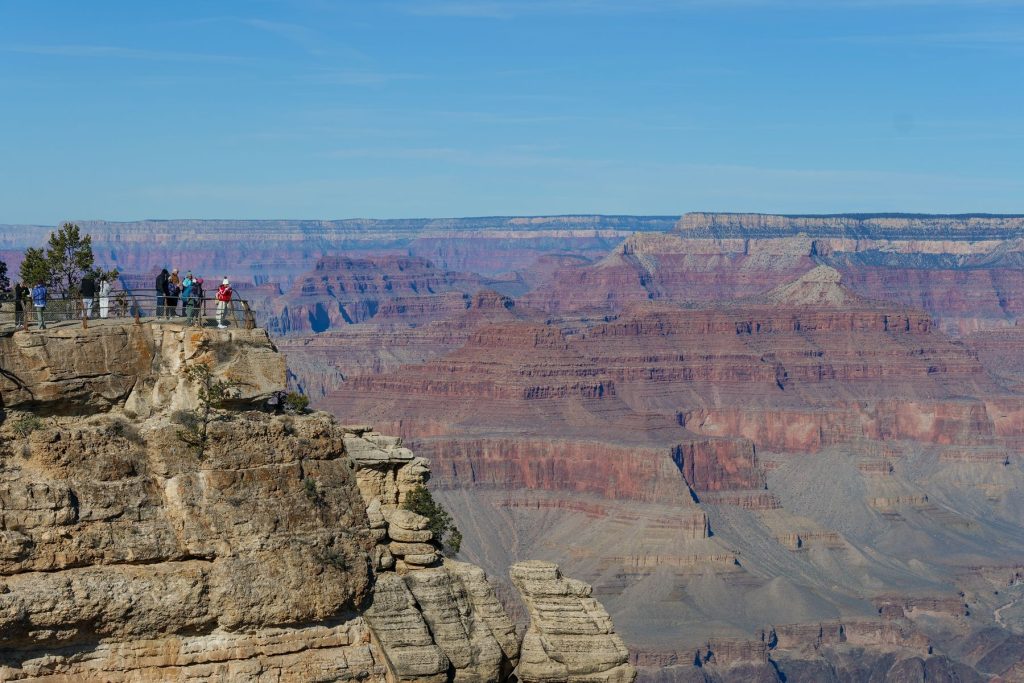
Leave a Reply