Written by Ari Mayzick · Go Travel Box
Published November 11, 2026 · Updated November 11, 2026
A Route 66 road trip is about the places between the big cities: a small-town diner, a weathered motel sign, a stretch of desert, and a conversation at a local museum. The road reaches its centennial in 2026, but its appeal is still wonderfully simple. You get in the car, take your time, and see how the country changes as you travel west.
This Route 66 road trip itinerary takes you from Chicago to Santa Monica in 14 days. It includes overnight bases, realistic driving allowances, memorable stops, map links, and a clear budget example. With extra time, you can turn it into a slower three-week journey.
First Route 66 Trip? Start Here
Allow at least two weeks for the full journey, use a dedicated historic-route guide alongside live navigation, and book a car that can be returned at your finish. Three weeks gives you more room for city time and detours. A seven-day holiday is better spent on a selected section.
Historic Route 66 is not one uninterrupted modern highway. Different alignments survive as local roads, city streets, frontage roads, and signed historic sections. Some parts need a modern-road bypass. A navigation app set to the fastest route will often put you on an interstate and skip the places you came to see.
Start with a few priorities: roadside history, food, photography, landscapes, or museums. Keep at least one unbooked hour in most days. The best small stop may be the one you did not know you wanted.
Route 66 at a Glance
| Question | Quick answer |
|---|---|
| Start and finish | Chicago, Illinois, to Santa Monica, California |
| Historic length | Commonly described as 2,448 miles; your actual mileage depends on alignments and detours |
| States | Illinois, Missouri, Kansas, Oklahoma, Texas, New Mexico, Arizona, and California |
| Suggested length | 14 days for this plan; 21 days for a more relaxed trip |
| Direction | Either works; this guide travels east to west |
| Best general periods | Spring and fall, with route-specific weather checks |
| Vehicle | A reliable car suits most first visits; RVs need additional route and parking checks |
| Booking priorities | One-way rental, first and last stays, favorite historic motels, and timed attractions |
| Main extra costs | One-way rental fee, fuel, hotel parking, taxes, and detours |
| Important distinction | Las Vegas and the Grand Canyon are optional side trips, not stops on the main route |
Planning information was checked November 10, 2026. Road access, attraction hours, and prices can change; check current conditions before each travel day.
Table of Contents
- First Route 66 Trip? Start Here
- Route 66 at a Glance
- What Route 66 Is Like Today
- How to Plan Your Route 66 Road Trip
- Best Time to Drive Route 66
- How Much Does a Route 66 Road Trip Cost?
- Choosing a Car and Preparing to Drive
- Where to Stay Along Route 66
- Getting to the Start and Leaving the Finish
- Route 66 Maps and Navigation
- A 14-Day Route 66 Road Trip Itinerary
- Best Places to Stop on Route 66
- Seven-Day and Three-Week Route 66 Options
- What and Where to Eat Along Route 66
- Free Stops, Paid Attractions, and Park Passes
- Route 66 for Families, Couples, Solo Travelers, and Accessible Trips
- Photography Tips and Local Etiquette
- Essential Things to Know Before You Go
- What to Pack for a Route 66 Road Trip
- Common Route 66 Mistakes to Avoid
- Frequently Asked Questions About Route 66
- Your Final Route 66 Planning Checklist
- Reader Questions and Road Trip Experiences
- Explore More USA Travel Guides
What Route 66 Is Like Today
Established in 1926 and removed from the federal highway system in 1985, Route 66 survives through historic roads, communities, and preservation work. You will find lively city districts, carefully restored businesses, quieter stretches, and places that have changed completely.
Choose legal, open roads and respect private property. An old alignment shown in a guide may be closed, unmaintained, or unsuitable for your vehicle. You can still enjoy the journey while using an interstate connection where necessary.
Avoid expecting constant scenery or a roadside attraction every few minutes. Some days are about towns and people; others are about the space between them. That variety is part of the trip.
How to Plan Your Route 66 Road Trip
How Many Days Do You Need?
Fourteen days provide a workable framework, especially if you arrive in Chicago before the first driving day. Twenty-one days allow more museums, longer meals, a rest day, and an optional national park visit. If you have one week, pick a region such as Chicago to Oklahoma or Albuquerque to Santa Monica.
A Step-by-Step Booking Checklist
- Choose dates and your east-to-west or west-to-east direction.
- Check one-way rental availability and the complete price.
- Plan arrival and departure travel, including extra nights at each end.
- Choose overnight bases with manageable driving days.
- Reserve the motels and attractions you would be disappointed to miss.
- Download maps and save a modern-road alternative for remote sections.
- Recheck weather and road conditions shortly before departure.
What to Book Before Arriving
Book your vehicle, major city hotels, special motel stays, and popular timed visits. Confirm late check-in if a small property closes its reception early. For an EV, plan actual charging locations, charging time, and backups along the route before committing to each overnight base.
What Can Stay Flexible?
Leave casual meals, public roadside viewing, small museums, and short town walks adjustable. Check opening hours the evening before. A small family business may have a different schedule from a large city attraction.
Best Time to Drive Route 66
| Season | Why consider it? | What needs care? |
|---|---|---|
| Spring | Milder periods and a fresh start to the travel season | Storms, cold snaps, and some higher-elevation snow |
| Summer | Long daylight and many operating visitor businesses | Desert heat, busy holiday dates, and higher demand |
| Fall | Comfortable periods across much of the route | Shorter days, early cold weather, and event weekends |
| Winter | Quieter stretches and possible room savings | Snow and ice in the Midwest and higher parts of the Southwest, plus reduced business hours |
There is no week that guarantees ideal weather across eight states. Check the Midwest forecast, Plains storm outlook, higher-elevation conditions, and desert temperatures as separate parts of the plan. In very hot weather, start earlier, carry water, and keep long outdoor stops short.
For centennial events in 2026 or any future festival, verify dates directly with the local organizer. Do not assume an anniversary means a particular business or attraction is open every day.
How Much Does a Route 66 Road Trip Cost?
Budget, Midrange, and Higher-End Trips
The biggest variables are accommodation, your car arrangement, and how often you eat in full-service restaurants. A one-way rental can cost more than the advertised daily rate once taxes, chosen protection, extra drivers, and a drop-off charge are included.
Check the total rather than comparing only base rates. An historic motel may be an important part of the trip, but review its room layout, parking, air-conditioning, and cancellation terms as carefully as any other hotel.
Sample Budget for Two Adults: 14 Days and 13 Nights
These are spending assumptions, not live quotes. The rental allowance assumes an appropriate all-in quote; confirm the actual coverage and charges you choose.
| Item | Assumption | Total |
|---|---|---|
| Accommodation | 13 nights × $160 including estimated taxes and mandatory fees | $2,080 |
| Food | 2 adults × 14 days × $50 | $1,400 |
| Rental car | 14 days × $100, assumed taxes and selected protection included | $1,400 |
| One-way drop-off charge | Separate example allowance | $500 |
| Fuel | Allowance including normal sightseeing mileage | $500 |
| Parking and tolls | Combined allowance | $150 |
| Selected attractions | Combined allowance | $250 |
| Subtotal | Before contingency | $6,280 |
| Contingency | 10% | $628 |
| Total for two | 14 road-trip days and 13 overnight stays | $6,908 |
This excludes flights, shopping, extra Chicago or Los Angeles nights, major detours, and premium activities. If your rental quote already includes the one-way charge, count it once. An extra end-of-trip hotel night is sensible if your final drive would otherwise connect tightly with a flight.
Ways to Save Without Rushing
Mix simple motels with a few special stays, choose casual breakfasts and lunches, and compare rental pickup locations. Skip a paid attraction you do not care about. Check restaurant bills for service charges and allow for taxes and tips. If using your own car, include maintenance and the cost of getting home, not just fuel along Route 66.
Choosing a Car and Preparing to Drive
Choose a vehicle with comfortable seats, enough luggage space, and air-conditioning that works well. Confirm who may drive, mileage terms, roadside assistance, fuel rules, toll arrangements, and one-way return requirements. Ask about restrictions on unpaved or poorly maintained roads.
Before leaving, check tires, lights, fluids, a spare or repair arrangement, and how to contact assistance. Keep water, snacks, charging cables, and downloaded maps available. Fill up before remote stretches instead of waiting for the warning light.
For RVs and trailers, check road width, curves, clearances, parking, and campground access separately. Older mountain sections may be a poor fit for a large vehicle. Use an approved modern-road alternative when the historic alignment does not suit your setup.
Take regular breaks and stop when tired. Hand navigation to a passenger or pull over safely to change the route. Never stop in a live traffic lane for a photograph.
Where to Stay Along Route 66
| Overnight base | Why it works in this plan |
|---|---|
| Springfield, Illinois | A first road day from Chicago with Illinois history |
| St. Louis, Missouri | A city stop and a chance for a shorter driving day |
| Springfield, Missouri | A practical break before Kansas and Oklahoma |
| Tulsa and Oklahoma City | Separate nights keep Oklahoma sightseeing manageable |
| Amarillo, Texas | A useful base for the Texas Panhandle |
| Tucumcari and Albuquerque, New Mexico | Roadside atmosphere followed by a larger city base |
| Gallup, New Mexico | A manageable approach to eastern Arizona |
| Holbrook and Williams, Arizona | Time for Petrified Forest and northern Arizona towns |
| Kingman, Arizona | A western Arizona base before the desert crossing |
| Barstow, California | A final overnight before the Los Angeles region |
Ask about parking close to the room, stairs, accessible bathrooms, reception hours, breakfast, and noise. For a genuine historic motel experience, reserve the property you actually want rather than assuming any roadside room has the same character.
If the suggested town is full or expensive, compare a nearby base without making the next day’s drive unreasonable. Keep a cancellation record and save each address offline.
Getting to the Start and Leaving the Finish
Chicago’s airports and rail connections offer several arrival options. Choose transport to your first accommodation before collecting a car; you may prefer a car-free Chicago visit before the road trip starts. Confirm the rental pickup address because an airport branch and a city branch can have different hours and prices.
At the other end, Santa Monica is part of the wider Los Angeles region. Allow time for traffic, returning the car, and reaching your departure terminal. The finish-line photo is more enjoyable when you do not have a tight flight connection immediately afterward.
For a reverse trip, reverse the overnight sequence and recheck each day’s opening hours and time zones. Reversing a route does not make all attraction schedules line up automatically.
Route 66 Maps and Navigation
Use these as town-to-town orientation maps, then consult a current historic Route 66 guide for the old-road alignments. A map app may select faster modern roads.
- Chicago to St. Louis via Springfield, Illinois.
- St. Louis to Tulsa via Springfield, Missouri, and Galena.
- Tulsa to Albuquerque via Oklahoma City and Amarillo.
- Albuquerque to Kingman via Holbrook and Williams.
- Kingman to Santa Monica via Barstow.
Download regional maps before remote sections. Confirm local time for timed bookings as you cross time zones. Keep a modern-road bypass available for weather, closures, or a tired afternoon.
A 14-Day Route 66 Road Trip Itinerary
Driving allowances below are broad estimates for choosing overnight bases. They exclude meals and substantial sightseeing and depend on the historic alignment, traffic, and current access. Let live conditions determine your actual departure time.
| Day | Route and overnight base | Driving allowance | Main focus |
|---|---|---|---|
| 1 | Chicago to Springfield, Illinois | 4–5 hours | Illinois towns and roadside history |
| 2 | Springfield to St. Louis | 2–3 hours | A shorter road day and St. Louis time |
| 3 | St. Louis to Springfield, Missouri | 4–5 hours | Missouri towns and a few selected stops |
| 4 | Springfield to Tulsa via Kansas | 4–5 hours | Joplin, the Kansas section, and Tulsa |
| 5 | Tulsa to Oklahoma City | 3–4 hours | A relaxed Oklahoma day with local stops |
| 6 | Oklahoma City to Amarillo | 5–6 hours | Western Oklahoma and the Texas Panhandle |
| 7 | Amarillo to Tucumcari | 2–3 hours | Cadillac Ranch area and New Mexico roadside atmosphere |
| 8 | Tucumcari to Albuquerque | 3–4 hours | A manageable transfer and city time |
| 9 | Albuquerque to Gallup | 3–4 hours | Western New Mexico and time for cultural stops |
| 10 | Gallup to Holbrook through Petrified Forest | 3–4 hours of driving | Reserve several additional hours for the park |
| 11 | Holbrook to Williams | 3–4 hours | Winslow, Flagstaff, and a Williams overnight |
| 12 | Williams to Kingman via Seligman | 3–4 hours | Historic towns and the selected old-road alignment |
| 13 | Kingman to Barstow | 4–6 hours on a suitable open route | Desert travel; optional old-road sections need extra time |
| 14 | Barstow to Santa Monica | 4–6+ hours | Los Angeles-area traffic, selected stops, and the Pacific finish |
How to Use the First Week
Arrive in Chicago before day one if you want to enjoy the city. The first week deliberately includes shorter days around St. Louis and Oklahoma so you can explore without driving from morning to night. Kansas is a short but meaningful part of the route; use a current guide to follow it instead of bypassing the state entirely.
On day six, keep the stop list modest because the transfer to Amarillo is longer. Day seven provides room to enjoy a Texas stop before moving into New Mexico. Reserve dinner and check-in expectations only after allowing for your actual road pace.
How to Use the Second Week
Keep day ten focused on Petrified Forest rather than squeezing it into the last hour before closing. Day eleven can include selected northern Arizona towns, but a Grand Canyon visit needs extra time. Choose the Williams-to-Kingman historic sections that suit your vehicle and current conditions.
For day thirteen, a route through Oatman or remote California alignments adds time and may require a different overnight plan. Check road access before committing. On the final day, leave room for Los Angeles traffic and enjoy reaching Santa Monica without a rush to the airport.
Best Places to Stop on Route 66
1. Chicago: Begin With Some City Time
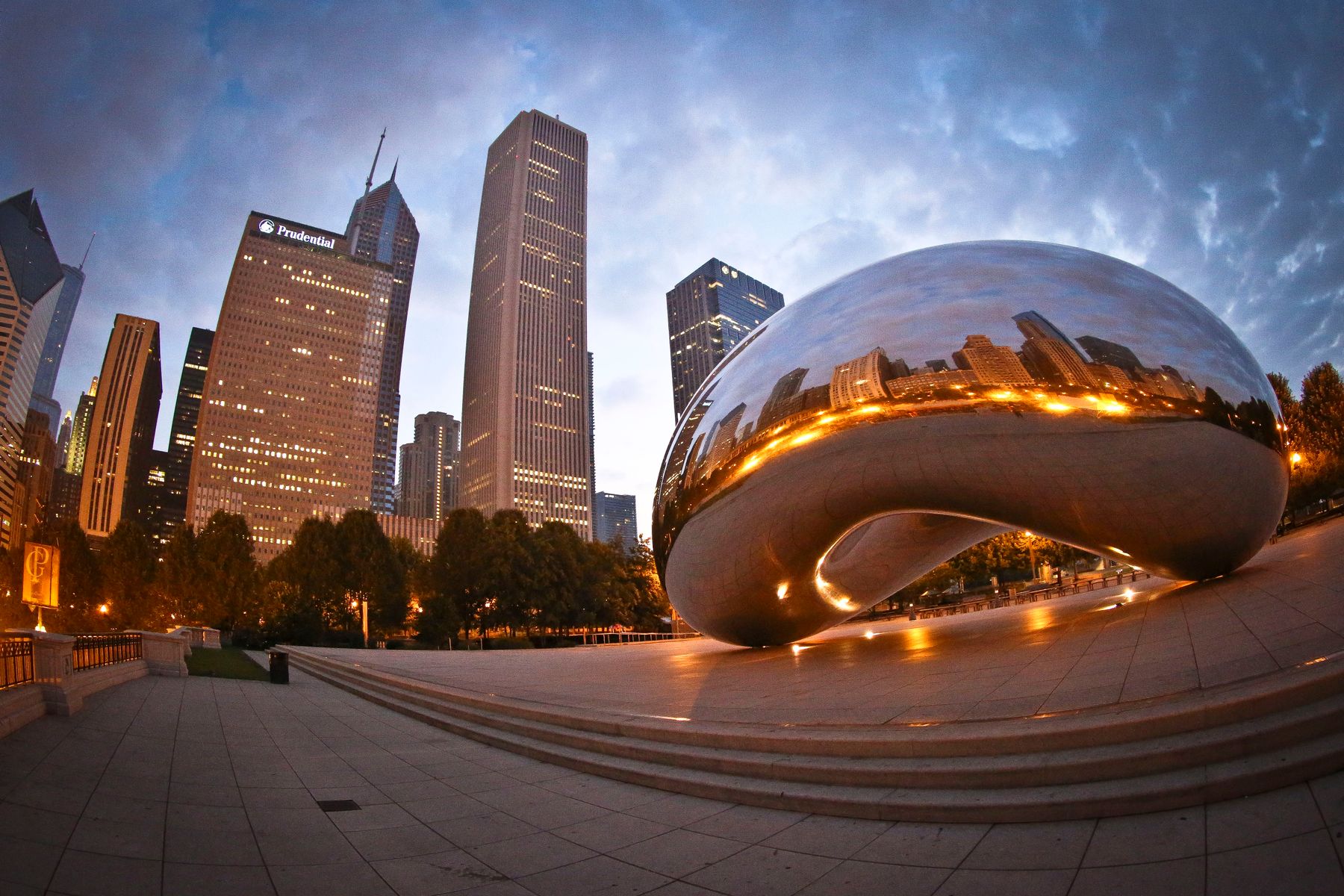
Chicago deserves an arrival day or two if you can add it. Walk part of the lakefront, choose a museum or architecture experience, and enjoy a proper meal before the driving begins. Confirm the historic start location and any current street restrictions before planning your photograph.
| Detail | Planning notes |
|---|---|
| Best for | Architecture, food, museums, and the start of the journey |
| Map | Chicago historic Route 66 starting area |
| Time | Add 1–2 days before the driving itinerary if possible |
| Costs and booking | City hotels, parking, and chosen attractions are separate; reserve priorities |
| Access and nearby stops | Check the route to each venue, parking, and step-free requirements |
2. St. Louis: A City Break Along the Way
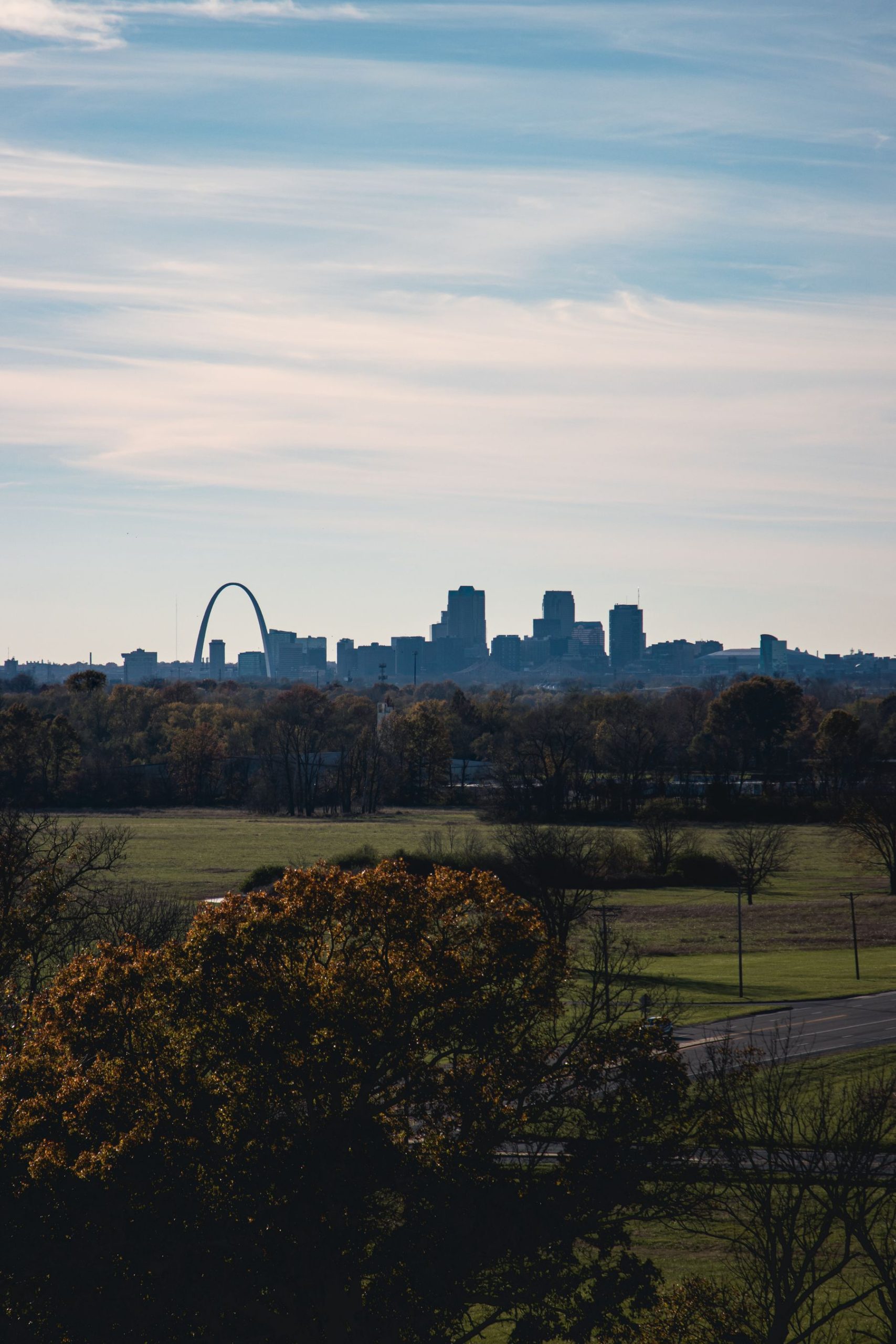
Use St. Louis to break up the road rhythm. The Gateway Arch area gives you a recognizable landmark and a river setting. An interior or tram experience is a separate, ticketed decision, so check the actual visit you want before building the day around it.
| Detail | Planning notes |
|---|---|
| Best for | A landmark, river views, and a slower city afternoon |
| Map | Gateway Arch area |
| Time | Half a day or longer |
| Costs and booking | Public outdoor viewing differs from paid experiences; check current tickets |
| Access and nearby stops | Confirm security, accessibility, parking, and the walk back to your hotel |
3. Tulsa: Architecture and a Neighborhood Evening
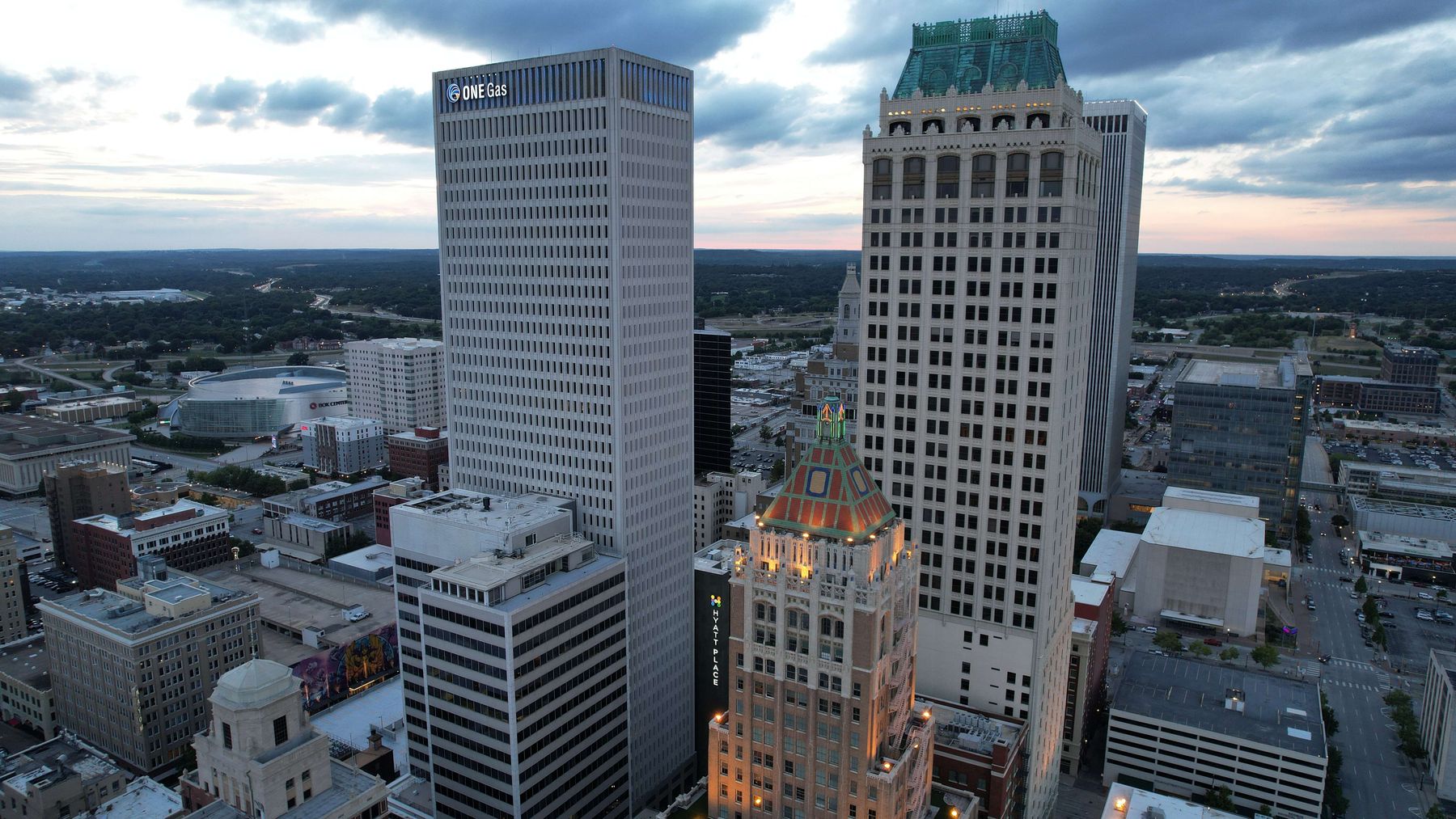
Tulsa is worth more than a fuel stop. Choose a compact architecture or neighborhood walk and a meal that gives you time out of the car. Keep the number of attractions realistic after the Kansas and Oklahoma portion of the day’s drive.
| Detail | Planning notes |
|---|---|
| Best for | Architecture, food, and an overnight city stop |
| Map | Downtown Tulsa |
| Time | An afternoon and evening, or an extra day |
| Costs and booking | Street exploring can be free; museums and tours have their own terms |
| Access and nearby stops | Choose a manageable route and confirm individual venue access |
4. Oklahoma City: Take a Proper Break
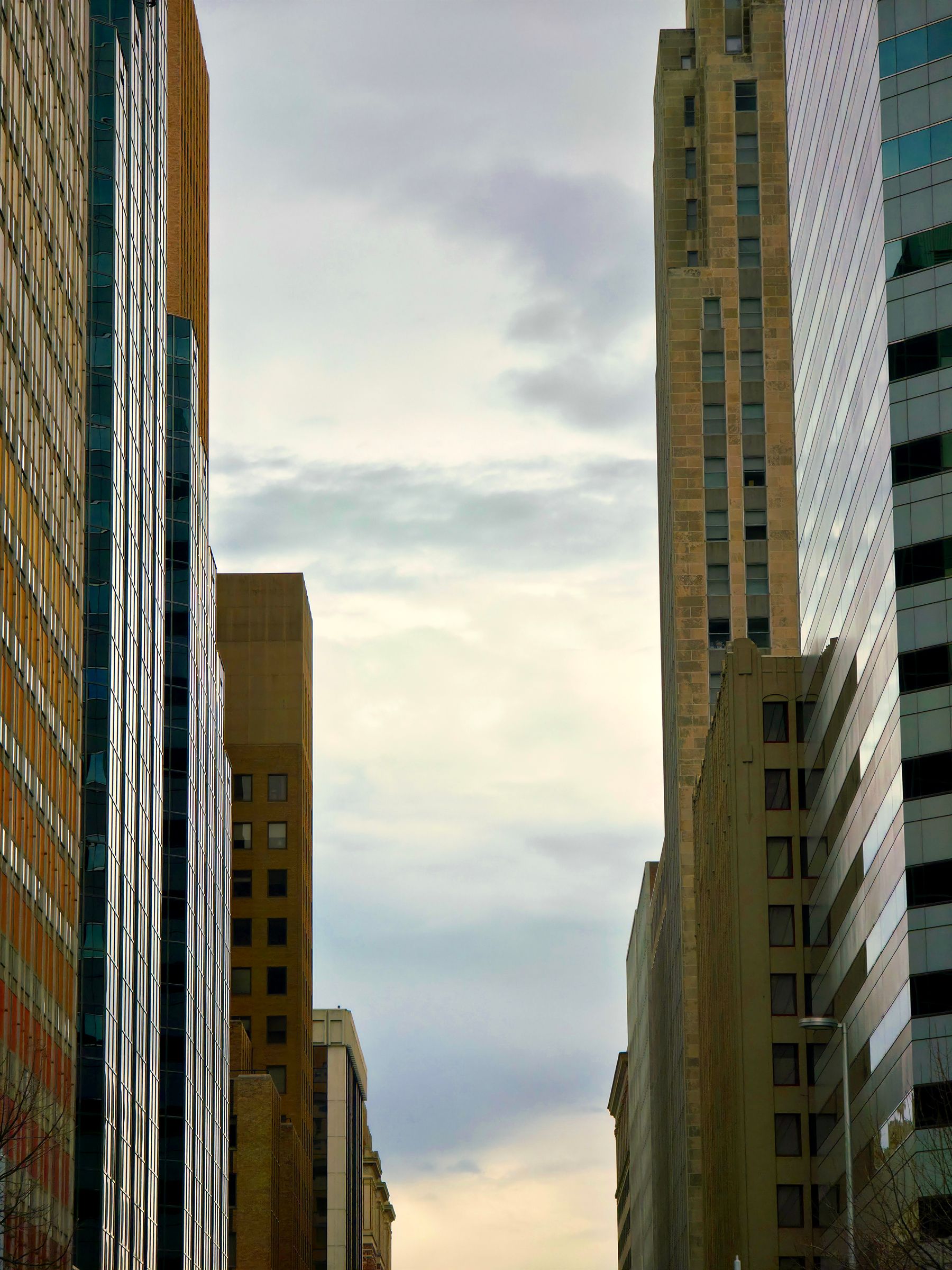
A shorter transfer from Tulsa leaves room for Oklahoma City. Pick a museum, a district walk, or another interest-led stop. If you visit a memorial or a reflective historic site, give it the time and behavior appropriate to the setting.
| Detail | Planning notes |
|---|---|
| Best for | History, museums, meals, and a less demanding road day |
| Map | Oklahoma City |
| Time | Half a day to a full day |
| Costs and booking | Check the specific museum or experience rather than assuming city-wide admission |
| Access and nearby stops | Confirm hotel parking and a suitable route between your chosen stops |
5. Amarillo and Cadillac Ranch
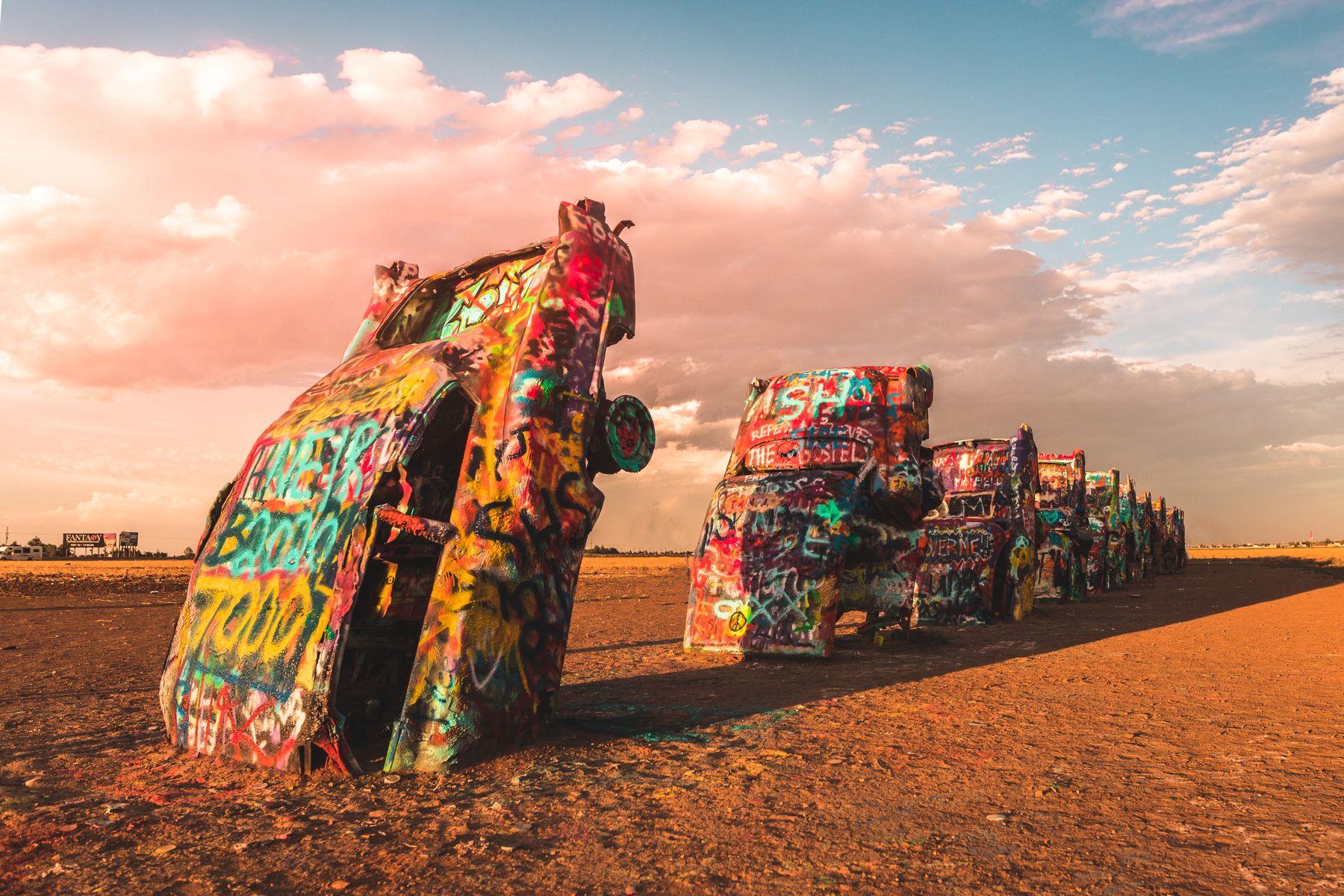
Cadillac Ranch is one of the road’s familiar images: painted cars set into the Texas landscape. Make it a short, respectful visit and check current property instructions. Amarillo also works as a practical place to eat, rest, and prepare for New Mexico.
| Detail | Planning notes |
|---|---|
| Best for | Roadside art and a memorable photo stop |
| Map | Cadillac Ranch |
| Time | Roughly 30–60 minutes, depending on conditions |
| Costs and booking | Check current visitor rules, parking, and any optional purchases |
| Access and nearby stops | Ground can be uneven or muddy; keep clear of road traffic and private areas |
6. Tucumcari and New Mexico Roadside History
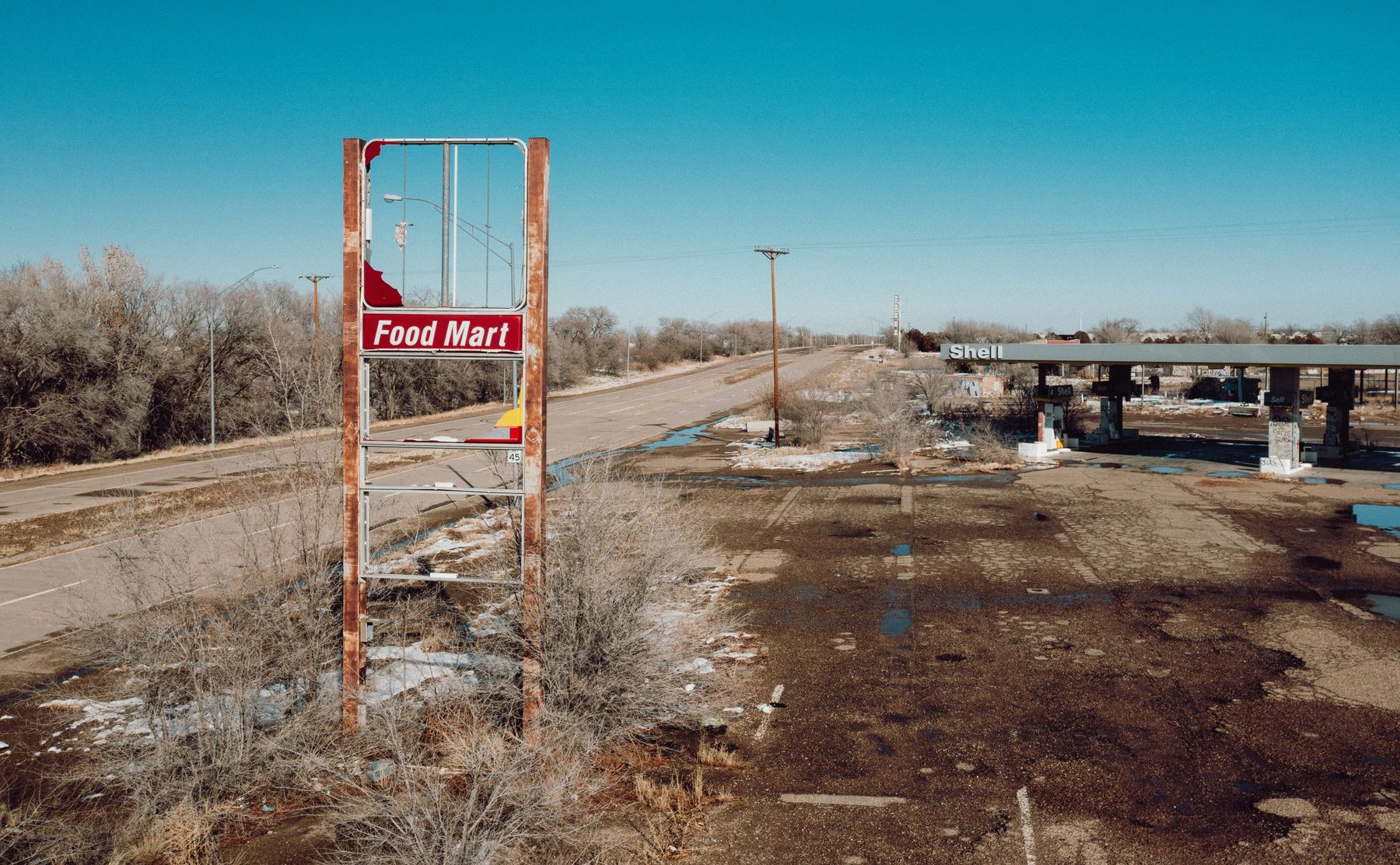
Tucumcari offers a different pace from a large city. Look at the signs, explore legally accessible public areas, and consider a carefully chosen motel stay. Weathered properties can be interesting from the road, but an old building is not automatically open for exploration.
| Detail | Planning notes |
|---|---|
| Best for | Roadside atmosphere, motel history, and a quieter overnight |
| Map | Tucumcari Route 66 area |
| Time | An afternoon and evening |
| Costs and booking | Reserve a particular motel if it matters to you; museums and businesses keep separate hours |
| Access and nearby stops | Stay on public routes and confirm accessible room and entrance details directly |
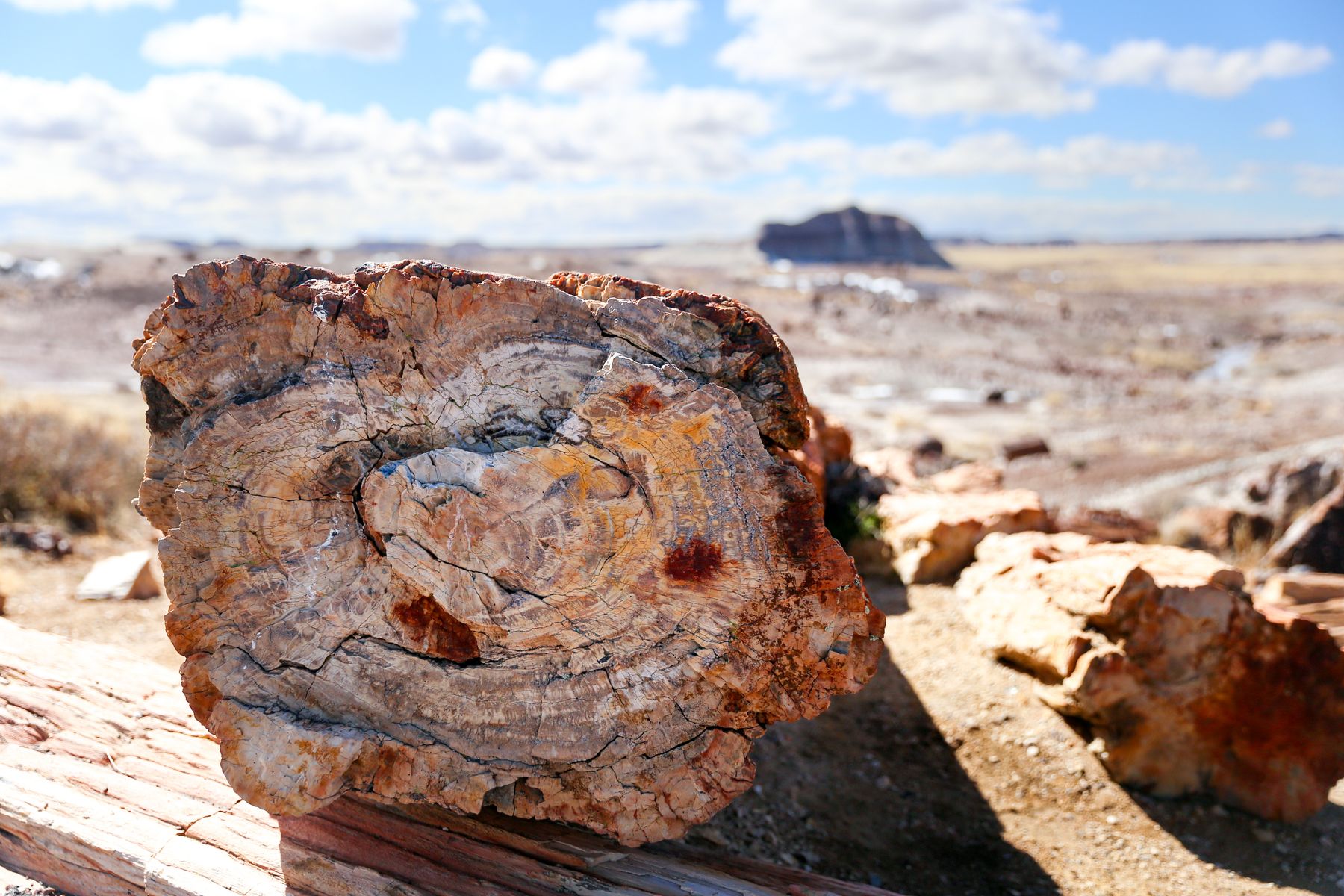
7. Petrified Forest and the Painted Desert
Petrified Forest is a rewarding nature stop in eastern Arizona. The main park road runs about 28 miles between its entrances, with viewpoints and short walks along the way. Give it several hours and choose a few stops that match your group’s energy.
| Detail | Planning notes |
|---|---|
| Best for | Geology, landscapes, and a break from town sightseeing |
| Map | Petrified Forest north entrance |
| Time | Half a day is useful for a first visit |
| Cost and booking | Current standard private-vehicle entry is $25; check pass eligibility and current operating hours |
| Driving route | Westbound travelers can enter from I-40, drive south through the park, and continue toward Holbrook via US 180 |
| Accessibility | Select suitable viewpoints and maintained paths; confirm current access and facilities |
Leave petrified wood and all other natural objects where you find them. The park road has operating hours and weather restrictions; it is not an unrestricted overnight shortcut.
8. The Mojave Desert and California Road Sections
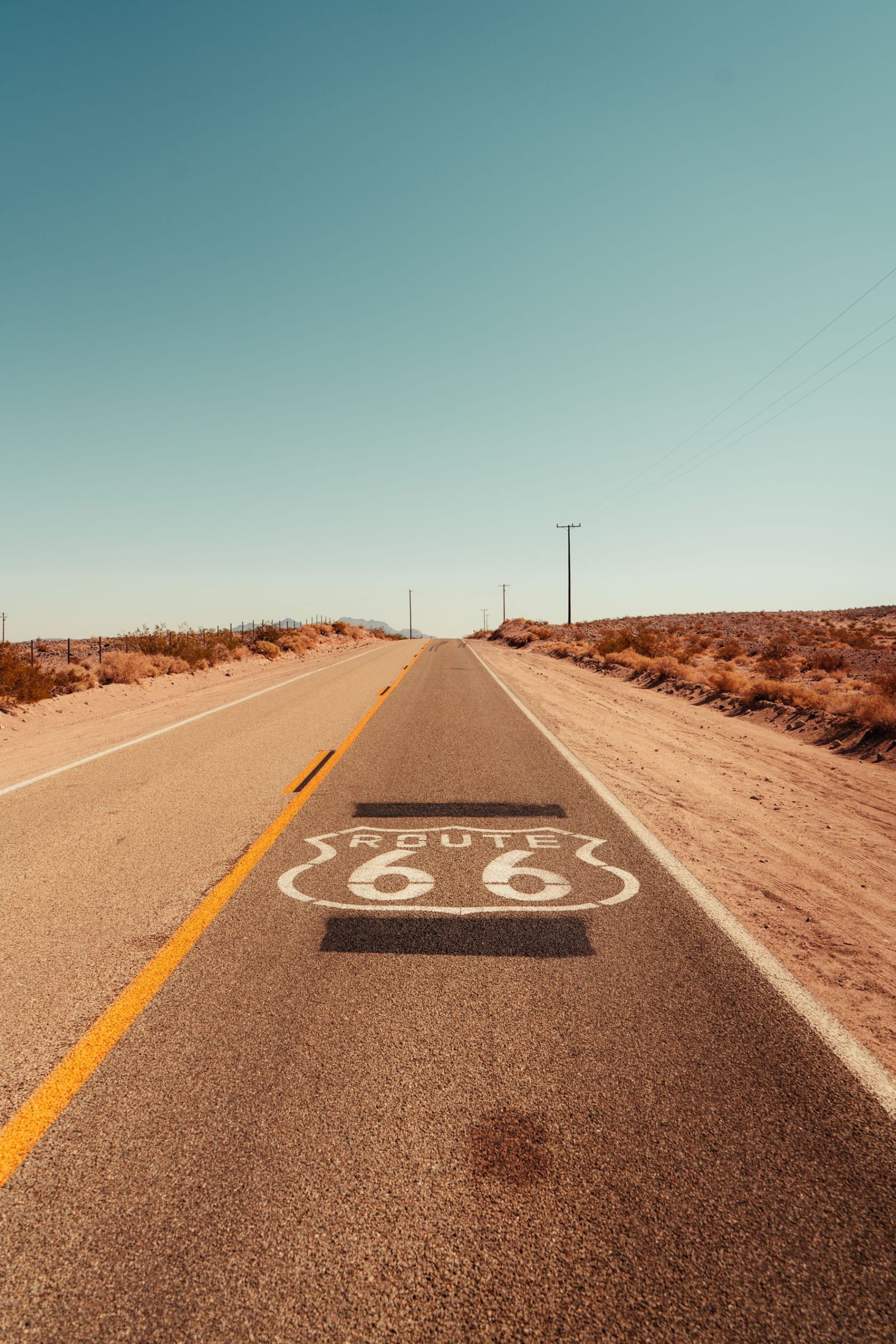
California’s desert sections bring open space and a strong sense of the final approach to the Pacific. They also need care: heat, limited services, closures, and long distances can change a day’s plan. The cover photograph shows a California desert stretch of historic Route 66.
| Detail | Planning notes |
|---|---|
| Best for | Desert scenery and historic-road atmosphere |
| Map | Amboy area |
| Time | A carefully planned part of a full driving day |
| Costs and booking | Fuel, food, and optional stops; verify that the services you need are operating |
| Access and nearby stops | Use only open legal roads; download maps and carry a suitable fuel or charging plan |
Check California road and county access information before taking a remote old alignment. Use the interstate alternative when conditions make it the sensible choice.
9. Santa Monica: Finish Beside the Pacific
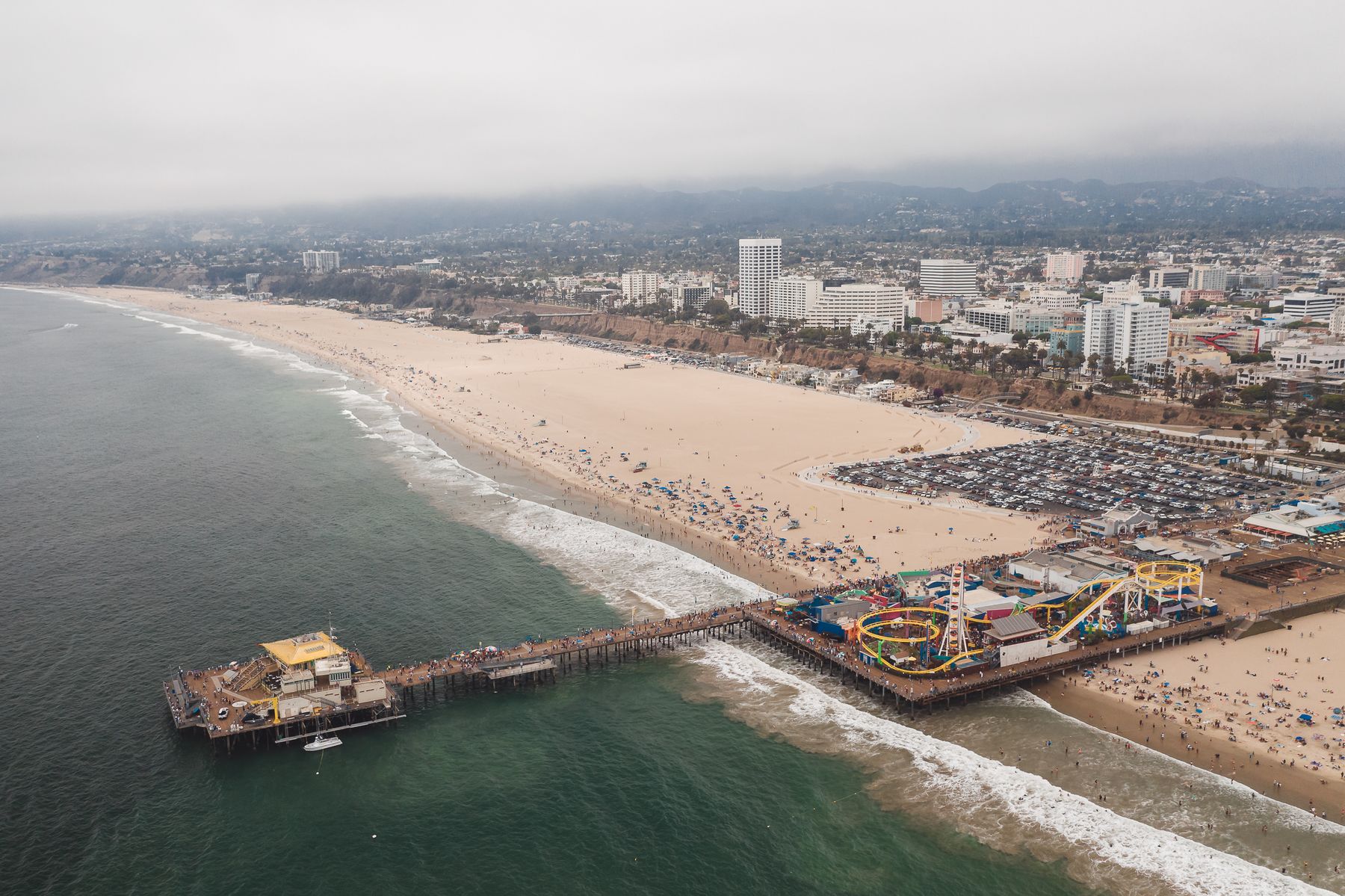
Reaching Santa Monica gives the road trip a satisfying final scene: the beach, the pier, and time out of the driver’s seat. Check the historic endpoint context and enjoy the visitor finish marker without assuming every sign marks the same historic alignment.
| Detail | Planning notes |
|---|---|
| Best for | The finish, beach time, and a celebratory meal |
| Map | Santa Monica Pier |
| Time | At least a relaxed afternoon; an extra overnight is helpful |
| Costs and booking | Public beach and pier walking differ from parking, rides, dining, and accommodation |
| Access and nearby stops | Check accessible routes, parking, and the onward journey to your hotel or airport |
Seven-Day and Three-Week Route 66 Options
For one week, choose a section and enjoy it properly. Chicago through Missouri suits history and towns. Oklahoma through New Mexico offers another character. Albuquerque to Santa Monica gives you the Southwest and desert approach, with enough time to select stops carefully.
For three weeks, add Chicago arrival time, a rest day, longer museum visits, and an extra Los Angeles-area night. A Grand Canyon side trip can use additional nights around northern Arizona. Las Vegas can be a separate detour from western Arizona, with the time and budget shown separately.
Santa Fe follows an older New Mexico alignment and changes the mileage and overnight plan. Choose the history you want to follow rather than adding every alternative to the same day.
What and Where to Eat Along Route 66
Look for local diners, bakeries, barbecue, regional Mexican and New Mexican food, and everyday neighborhood restaurants. A simple breakfast or a pie stop can be more memorable than a highly promoted meal challenge. Check recent opening information, especially in small towns.
For budget control, combine a modest breakfast, picnic supplies, and one meal you care about each day. Carry water and a few snacks before remote sections. Confirm dietary needs directly: sauces, stock, frying oil, and shared equipment can matter for vegetarian, vegan, halal, or allergy requirements.
Ask before photographing staff, diners, or private interiors. Treat a meal stop as a chance to enjoy a place, not an obligation to collect another social-media image.
Free Stops, Paid Attractions, and Park Passes
Public town walks, many roadside views, and selected historic signs can be low-cost stops. Museums, guided visits, national parks, and private attractions have separate rules. Do not assume a single Route 66 ticket covers the journey.
If adding national parks, compare the current pass rules with the parks you will actually enter. Some parks, including the Grand Canyon, have additional charges for certain non-U.S.-resident visitors aged 16 and over unless covered by a qualifying pass. Check the park’s current fee rules rather than extending one park’s prices to the whole route.
Route 66 for Families, Couples, Solo Travelers, and Accessible Trips
Families benefit from shorter driving blocks, reliable meal stops, and a few attractions chosen by the children. Couples may prefer special motel nights and relaxed dinners. Solo drivers should be conservative about fatigue and have a clear check-in plan with someone they trust.
Groups should agree on the day’s priorities and a realistic start time. For accessible travel, confirm the actual room, parking surface, entrance, restroom, and attraction route. Historic properties and roadside sites can vary widely. A standard car itinerary is not automatically suitable for every RV, trailer, or mobility requirement.
Photography Tips and Local Etiquette
Use safe public viewpoints, ask before photographing people, and respect private-property boundaries. Do not stand in the road for a painted-shield photo or park where passing traffic cannot see you. Desert light can be attractive early or late, but your accommodation and road conditions should still determine when you finish driving.
Check museum, tribal community, drone, and commercial photography rules separately. Buying a ticket does not grant unrestricted permission for every type of photography.
Essential Things to Know Before You Go
International visitors should verify U.S. entry documents, accepted driving documents, and rental requirements for their situation. Carry suitable identification and save secure copies. Currency is U.S. dollars; keep a backup payment method and some cash for small purchases.
Download maps and addresses, carry a charger, and confirm mobile coverage expectations for remote areas. Ask your accommodation about laundry and luggage arrangements. Plan restrooms, meals, fuel, and water before a long rural section.
For an immediate police, fire, or medical emergency, call 911. Save your rental company’s roadside-assistance details, insurer’s number, and the relevant state road-condition resources. Use current official contact directories for nonemergency help.
What to Pack for a Route 66 Road Trip
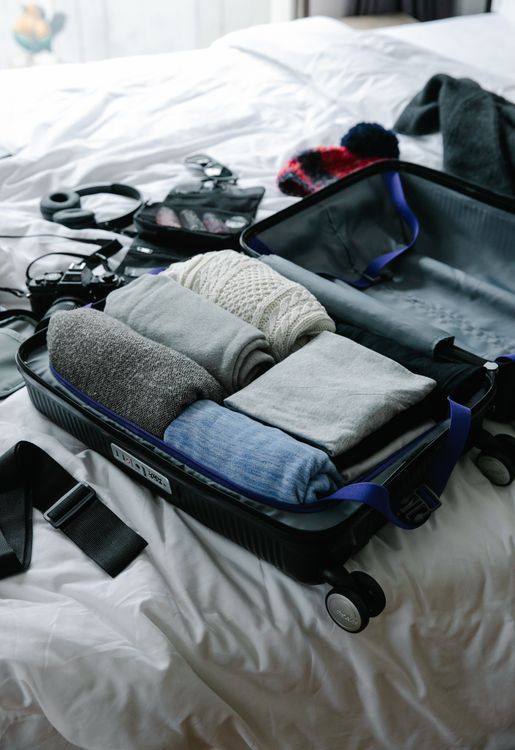
- Driving documents, rental agreement, tickets, and offline hotel details.
- Layers for different climates, comfortable shoes, and rain protection.
- Sun protection, refillable water bottles, and an appropriate water supply.
- Phone chargers, a power bank, and downloaded regional maps.
- A small cooler or snack bag where practical.
- Personal medication, accessibility equipment, and family essentials.
- The vehicle’s emergency and roadside-assistance information.
Check the forecast for several regions, not just the airport where you land. Keep daily essentials accessible instead of buried under all your luggage.
Common Route 66 Mistakes to Avoid
- Letting the fastest navigation route bypass most historic sections.
- Trying to finish the entire journey in a week while sightseeing extensively.
- Forgetting one-way rental charges and extra end-of-trip nights.
- Assuming every small business is open late or every day.
- Taking a remote alignment without checking road and vehicle suitability.
- Overfilling the Arizona park day or the final Los Angeles driving day.
- Treating every side trip as a free addition to the schedule.
Frequently Asked Questions About Route 66
Can You Still Drive All of Route 66?
You can follow much of the historic corridor using surviving roads and modern connections. It is not one continuous, unchanged highway. Use a current historic-route guide and obey closures and property restrictions.
Is Two Weeks Enough for Route 66?
Two weeks is a practical starting point for a full drive with selected stops. Three weeks is better for a slower pace, city visits, and detours. Add arrival and departure time separately.
Should I Drive East to West?
Either direction works. Chicago to Santa Monica gives you the traditional westward story and a Pacific finish. Choose based on weather, flights, rentals, and your wider travel plans.
Do I Need a Special Vehicle?
A reliable ordinary car suits most first visits on legal paved routes. Check old-road conditions, rental restrictions, and any larger-vehicle requirements before taking a particular alignment.
Does Route 66 Go Through Las Vegas or the Grand Canyon?
Both are side trips. Add time, accommodation, and costs if you want them rather than inserting them into an already full road day.
How Much Should Two Adults Budget?
The example here totals $6,908 for 14 driving days and 13 nights, excluding flights and major detours. Your rental arrangement and hotel choices can change that substantially.
Your Final Route 66 Planning Checklist
- Choose a manageable trip length and direction.
- Confirm vehicle terms, one-way return, and roadside assistance.
- Save each overnight address and late check-in instructions.
- Use a current historic-route guide with live road information.
- Check weather, local time, fuel or charging, meals, and restrooms.
- Reserve priority motels and timed visits.
- Keep time and money for delays or a changed route.
- Finish each day with enough energy to enjoy where you are staying.
Reader Questions and Road Trip Experiences
Route 66 rewards personal stories, but the details matter. If you have driven it, share the section, season, vehicle, trip length, and one stop you would recommend. A motel check-in tip or a realistic account of a long driving day can help another reader more than a rating alone.
This itinerary is an editorial route plan built from current visitor information and practical driving allowances. Add your own priorities and check each day’s live conditions before setting out.
Explore More USA Travel Guides
Start with our Chicago attractions guide and finish with the Los Angeles first-time guide. For another drive, explore our Pacific Coast Highway stops, seven-day California itinerary, or East Coast family road trips.
What would you like to know before you go?
Send us your question, feedback, or a place you would like to see covered.
Ask a travel question
Leave a Reply