Written by Ari Mayzick · Go Travel Box
Published November 11, 2026 Updated November 11, 2026
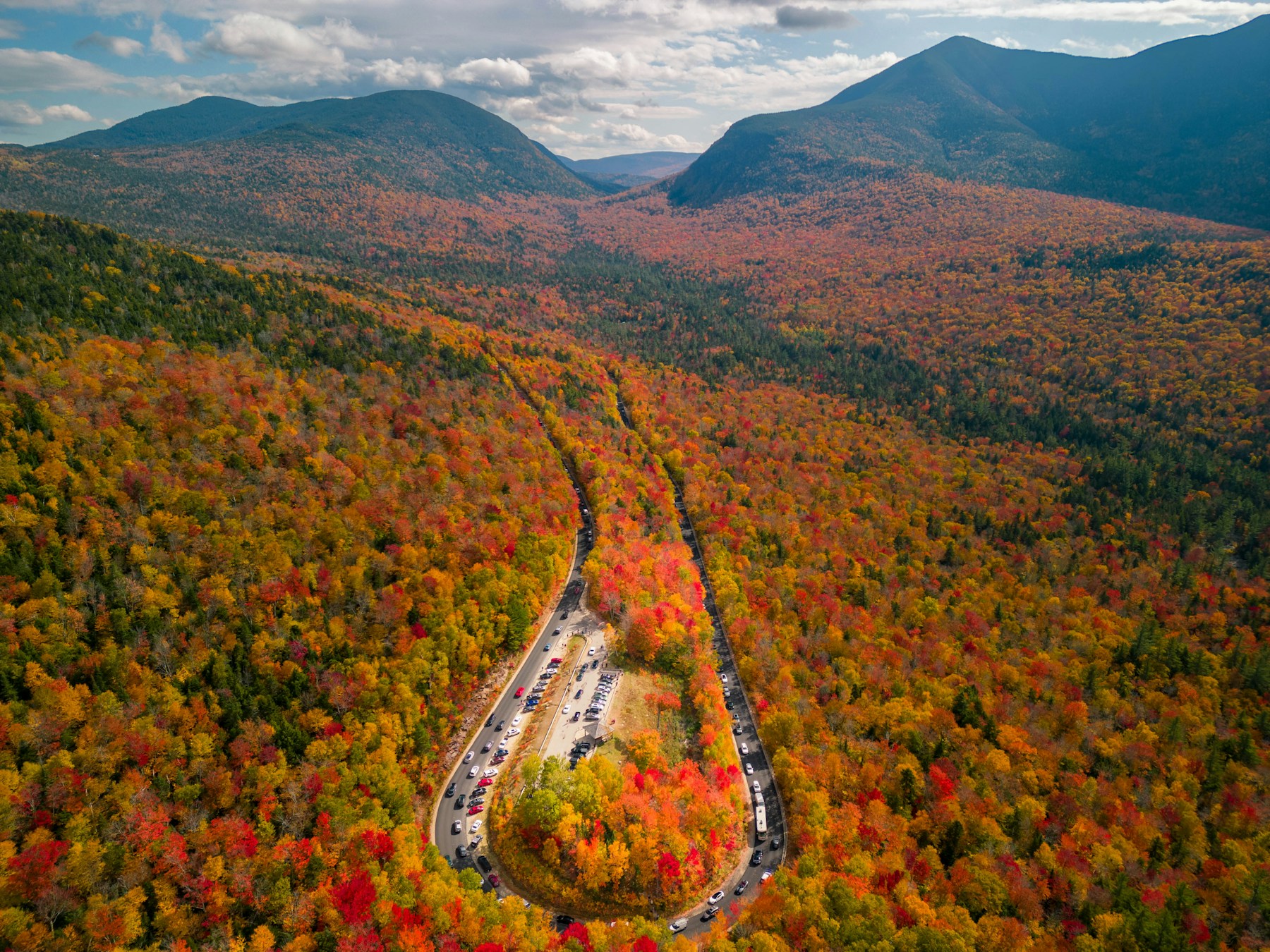
A New England fall road trip is about more than finding the brightest tree. It is a morning walk through a village, a winding road with room to stop safely, a warm lunch after a cool outing, and a coast that feels different from the mountains you left behind.
This New England fall foliage road trip itinerary follows a ten-day Boston loop through Vermont, New Hampshire, and southern Maine. It includes real photos, maps, a seven-day alternative, overnight ideas, a sample budget, and practical advice for choosing your dates. You cannot book a guarantee of peak color, but you can build a trip that is enjoyable when the leaves behave differently from the calendar.
First New England Fall Road Trip? Start Here
Choose a manageable loop, book the important overnight stays early, and leave room to adapt your daily outings. This guide favors time in a few places over touching every New England state.
The main plan starts and ends in Boston. It travels through Woodstock and Stowe in Vermont, crosses New Hampshire’s White Mountains, and finishes with Portland and the nearby Maine coast. It does not add Acadia National Park, Cape Cod, and the Berkshires to the same ten days. Those places deserve time of their own.
Use foliage reports as a guide to choosing a day’s route, rather than racing to a single photograph. A rainy afternoon, a small museum, or a good village lunch can still be part of a memorable autumn trip.
New England Fall Foliage Road Trip at a Glance
| Planning question | Practical starting point |
|---|---|
| Main route | Boston → Woodstock → Stowe → Lincoln → North Conway → Portland → Boston |
| States included | Massachusetts, Vermont, New Hampshire, and Maine |
| Suggested length | Ten days and nine nights; a shorter seven-day version follows |
| Broad foliage season | Late September through October, with substantial local and annual variation |
| Main transport | Rental car outside Boston; collect it when you are ready to leave the city |
| Sample budget for two | $4,840 for ten days, including contingency; assumptions below |
| First booking priorities | Flights, refundable rooms, car, and any specific timed activities |
| Main planning rule | Higher and more northern locations often change earlier than southern or coastal places |
Travel details and foliage-planning information were checked November 10, 2026. This is a guide for planning an autumn trip, not a live foliage forecast. By the November publication date, the main 2026 color season has passed in many of the areas covered.
Table of Contents
- First New England Fall Road Trip? Start Here
- New England Fall Foliage Road Trip at a Glance
- How to Plan Your New England Fall Road Trip
- Best Time for a New England Fall Foliage Road Trip
- How Much Does a New England Fall Road Trip Cost?
- Where to Stay on the Fall Foliage Loop
- Getting to Boston and Choosing a Rental Car
- Best Places to Visit on the Route
- A Ten-Day New England Fall Foliage Itinerary
- A Seven-Day Version and Slower-Paced Alternatives
- Route Maps and Driving Advice
- What and Where to Eat
- Free and Budget-Friendly Fall Experiences
- Experiences for Different Travelers
- Rainy-Day Alternatives and Seasonal Activities
- Best Photography Spots and Respectful Leaf Peeping
- Essential Things to Know Before You Go
- What to Pack for a New England Autumn Trip
- Important Contacts and Official Resources
- Common Mistakes on a New England Fall Road Trip
- Frequently Asked Questions About New England Fall Foliage
- Your Final Fall Road Trip Checklist
- Reader Questions and Travel Experiences
- Explore More Go Travel Box Guides
- Leave a Reply
How to Plan Your New England Fall Road Trip
How Many Days Do You Need?
Ten days lets you combine village stays, mountain scenery, and a coastal finish. It still involves several hotel changes. With a week, remove rest days and choose fewer activities. With three or four days, base yourself in one area rather than attempting this whole loop.
Count arrival and departure time honestly. A late Boston flight is not a full city day. An early flight home may mean sleeping near Boston the previous night instead of keeping the final Portland overnight.
A Step-by-Step Booking Checklist
- Decide your broad dates and the maximum driving time your group enjoys.
- Price flights and the full rental-car cost, including taxes, protection, toll arrangements, and parking.
- Reserve the main overnight bases, checking cancellation deadlines carefully.
- Book only the specific tours, restaurants, or attractions that matter to your group.
- Save offline maps, room addresses, and an alternative wet-weather plan.
- Use current state foliage reports and road information to adjust outings shortly before and during travel.
Keep ordinary village walks, many scenic stops, and meal choices flexible. If your trip depends on a seasonal farm, railway, lift, or boat outing, check its actual operating dates instead of assuming it runs throughout autumn.
Best Time for a New England Fall Foliage Road Trip
There is no exact peak week for the whole region. Weather, elevation, tree species, wind, and rain all affect the view. A place can have attractive color before or after the period described as peak.
| Area | Broad historical pattern | How to use it |
|---|---|---|
| Northern and higher-elevation areas | Often change earlier, from late September into early October | Keep a lower-elevation alternative if exposed areas are already past their best |
| Vermont villages and surrounding hills | Much depends on elevation and the year’s conditions | Use the state’s current reports rather than a fixed village date |
| New Hampshire’s White Mountains | Often strong color in the first part of October | Check current conditions and expect busy scenic roads |
| Southern and coastal Maine | Often later than northern inland Maine | A coastal finish adds variety even if the timing differs from Vermont |
| Boston and southern locations | Often later than northern mountain areas | Enjoy city parks without assuming they will match the mountains |
Vermont issues foliage reports during the season, and New Hampshire and Maine provide their own updates. Read the latest report date. A map from a previous year is useful background, not a forecast for your own trip.
Peak, Shoulder, and Quieter Periods
Popular October weekends can bring high room prices, traffic, and busy restaurants. Weekdays may be easier, though a lower rate is never assured. Late-season travel can offer quieter towns but also bare higher slopes and fewer operating hours.
Book a trip you would enjoy with mixed foliage. Choose villages, food, suitable walks, and the coast as part of the plan. That makes a weather change less disruptive than a holiday built around one expected view.
How Much Does a New England Fall Road Trip Cost?
This illustrative budget is for two adults sharing a room and car for ten days and nine nights. It assumes a Boston round trip and midrange choices. Fall rates can vary sharply by town and weekend; these figures are planning allowances, not hotel quotations.
| Item | Assumption | Total for two |
|---|---|---|
| Accommodation | Nine nights averaging $210, including estimated room taxes | $1,890 |
| Food | $55 per person per day, with dining taxes and tips within the allowance | $1,100 |
| Rental car | Ten days averaging $85, including estimated taxes and selected protection | $850 |
| Fuel | Main loop and local outings allowance | $220 |
| Parking and tolls | City, village, road, and activity allowance | $120 |
| Attractions and activities | A few selected paid visits | $220 |
| Subtotal | Before contingency | $4,400 |
| Contingency | Ten percent | $440 |
| Planning total | Ten days for two adults | $4,840 |
The total excludes flights, shopping, extra nights, premium experiences, and any unusual vehicle or insurance requirements. It assumes the car is returned to the agreed Boston location without a one-way charge. If you collect it after your first city night, you may pay for fewer rental days; use the actual quote rather than automatically keeping ten days in your calculation.
Budget travelers can compare simpler rooms and grocery lunches. Midrange travelers may pay more to stay within walking distance of dinner. Luxury inns, suites, and private excursions need their own budget. Check cleaning fees, resort charges, parking, and minimum stays before comparing nightly prices.
Where to Stay on the Fall Foliage Loop
| Base | Nights in this plan | Main advantage | What to check |
|---|---|---|---|
| Boston | One | A city arrival without immediately starting a long drive | Airport access, parking charges if relevant, and luggage storage |
| Woodstock, Vermont | One | A village stop on the way north | Actual room location, parking, and restaurant hours |
| Stowe area | Two | Time for local scenery without moving every morning | Minimum stays, breakfast, and access needs |
| Lincoln, New Hampshire | One | A convenient start for a Kancamagus day | Road access, dining, and check-in times |
| North Conway area | Two | A base for selected White Mountains outings | Traffic, parking, and the distance to your chosen activities |
| Portland, Maine | Two | Food, neighborhoods, and nearby coastal views | Overnight parking, room taxes, and distance from the waterfront |
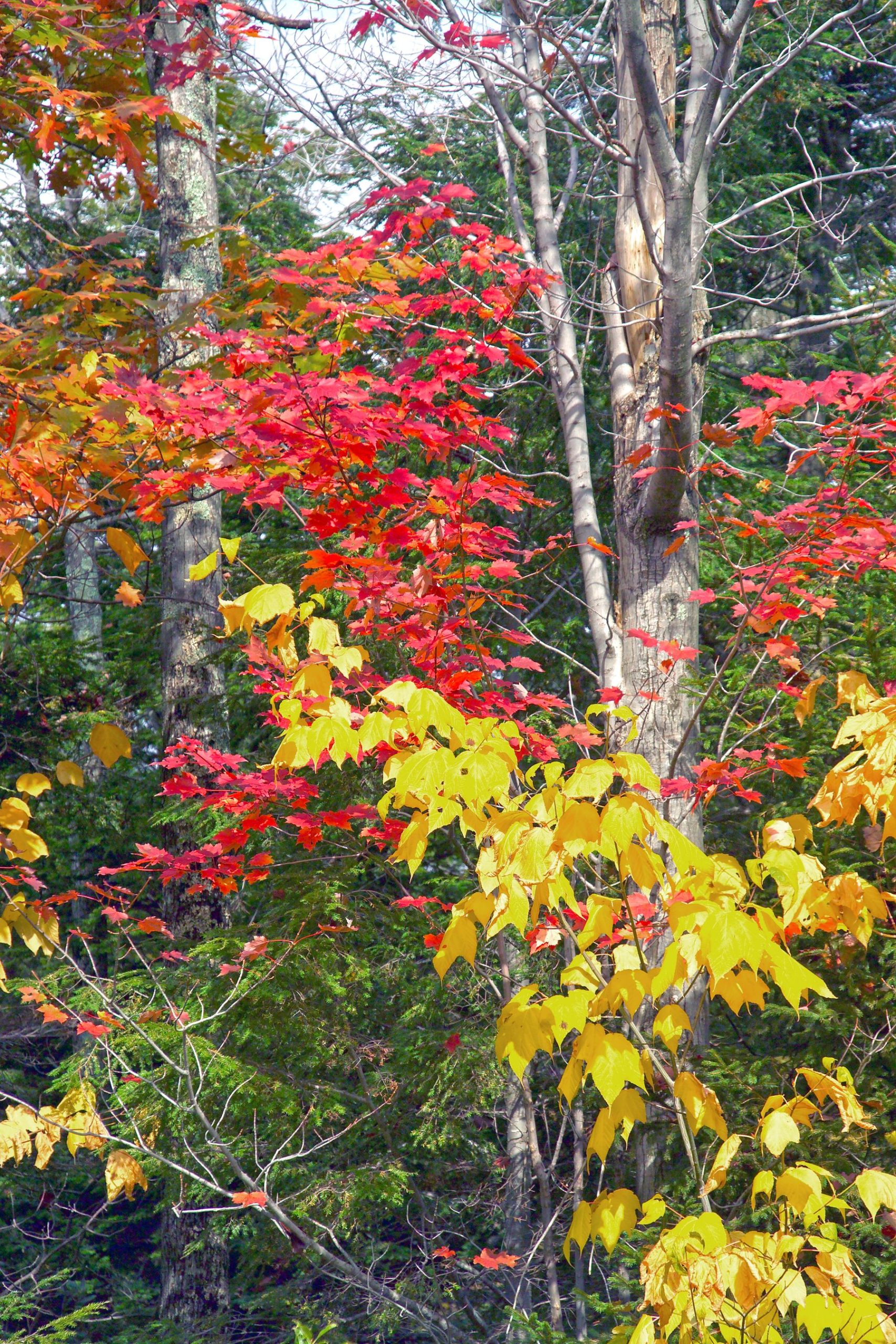
Families may value a kitchen and laundry. Couples may prefer a quiet inn with an easy walk to dinner. Budget travelers should calculate the fuel and time involved in staying farther away. A charming building can have stairs, small bathrooms, or no lift, so ask about practical access before booking.
Avoid changing several nonrefundable rooms in a last-minute chase for color. Refundable reservations provide options, but their cancellation deadlines still matter. Save those deadlines where everyone organizing the trip can see them.
Getting to Boston and Choosing a Rental Car
Boston is a practical starting point for this loop. Arriving by train can also work if the service and rental arrangements suit your plans. You do not need to keep a car beside you for a first city evening; collect it when you are ready to leave if that makes the quote and logistics simpler.
Choose a vehicle with enough luggage space, comfortable seating, and a clear toll-payment arrangement. Ask how the rental company handles electronic tolls and administrative fees. Return the car to the agreed location, which may differ from a convenient city collection office.
Compare the full price of an accessible vehicle before booking the rest of the route if you need one. A regular car is suitable for the normal paved-road version of this trip. Do not follow an app onto an unmaintained road simply because it saves a few minutes.
Best Places to Visit on the Route
1. Boston, Massachusetts
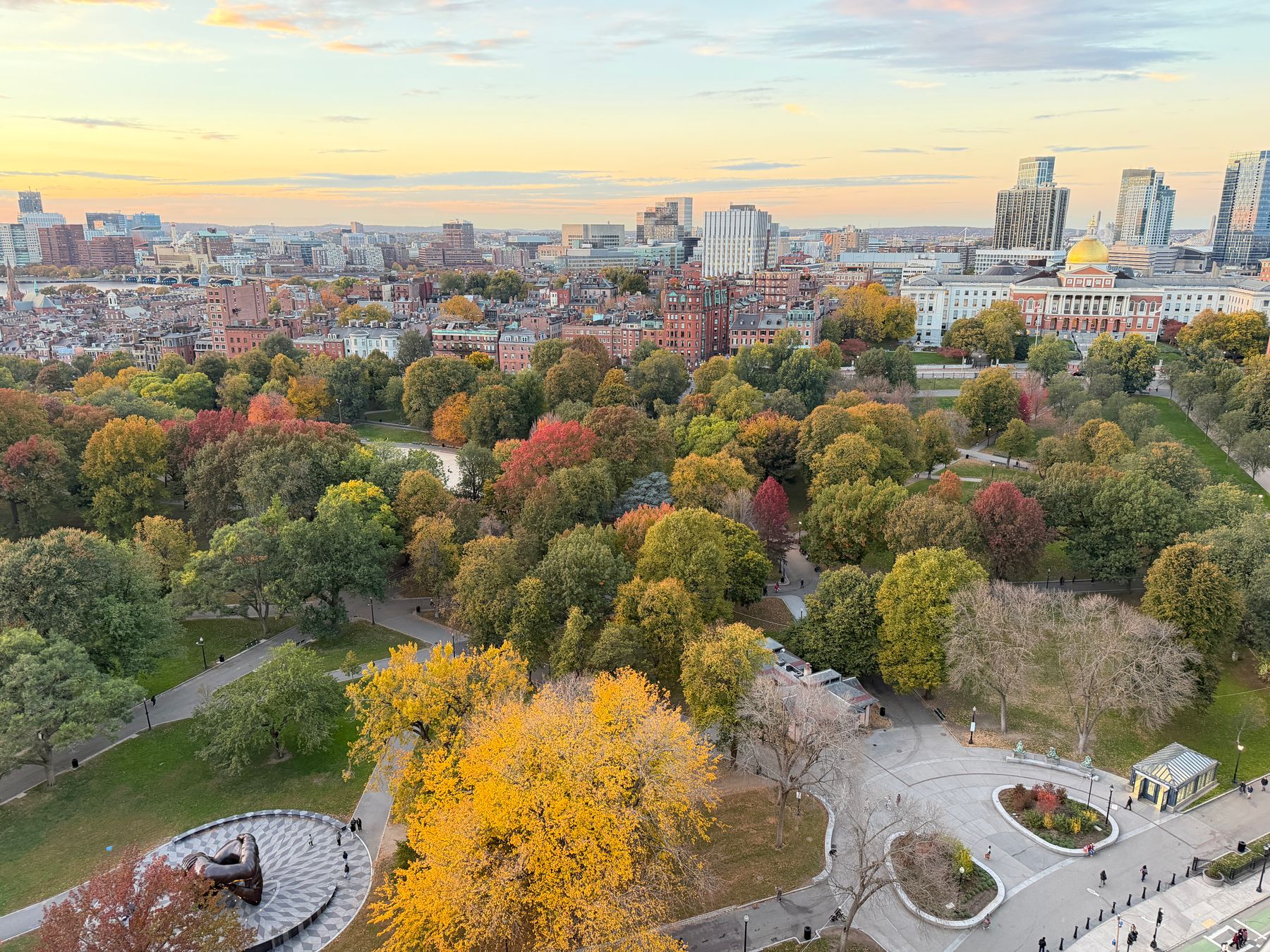
Begin with a walk that suits your arrival time. Boston Common and nearby neighborhoods can provide a gentle introduction without a schedule full of paid attractions. A good meal and an early night may be more valuable than trying to fit a whole city guide into one evening.
| Detail | First-visit advice |
|---|---|
| Best for | A city arrival, history, parks, and food |
| Location and map | Boston Common map |
| Time needed | An arrival evening here; add nights for a proper city visit |
| Cost and booking | Public walks and paid attractions have different arrangements; check any chosen visit |
| Getting around | Walking and public transport can be more convenient than city parking |
| Accessibility | Choose a specific route and check surfaces, station access, and accommodation details |
| Practical tip | Add time in Boston before or after the loop if the city is a priority |
2. Woodstock, Vermont
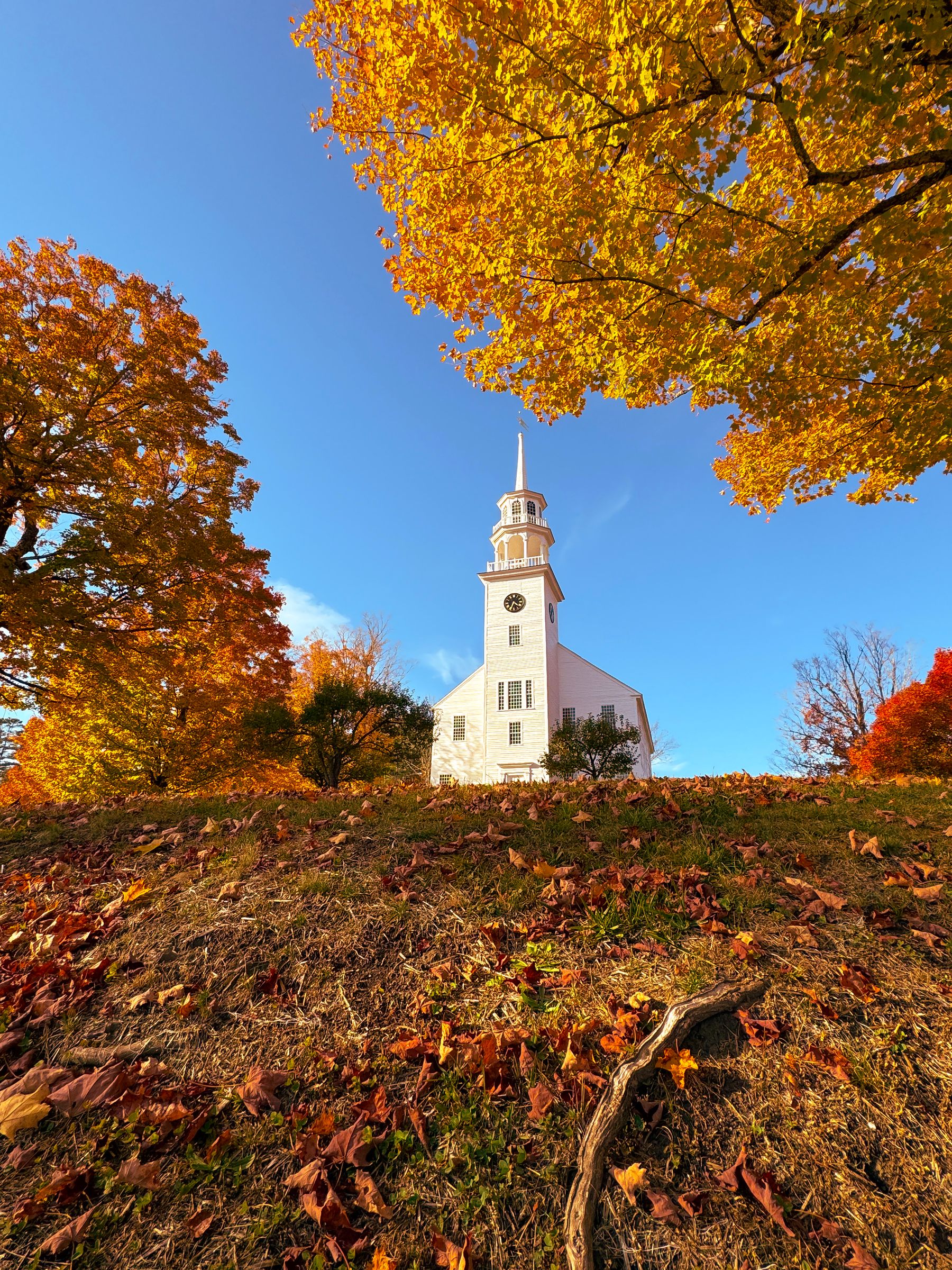
Woodstock is a good place to step out of the car and slow down. Enjoy the village and choose a nearby activity that matches your interests. A historic site or farm visit can add context to the landscape, but seasonal hours and admission arrangements need checking.
| Detail | First-visit advice |
|---|---|
| Best for | A walkable village stop, local history, and nearby rural scenery |
| Location and map | Woodstock, Vermont map |
| Time needed | A relaxed afternoon and overnight, with extra time for paid visits |
| Cost and booking | Village walks and privately operated attractions have separate costs and rules |
| Getting there | Drive from Boston with a meal break and arrival buffer |
| Accessibility | Ask about the precise village route and individual property access |
| Practical tip | Use public parking; a picturesque lane may still be a resident’s driveway |
3. Stowe and the Surrounding Vermont Hills
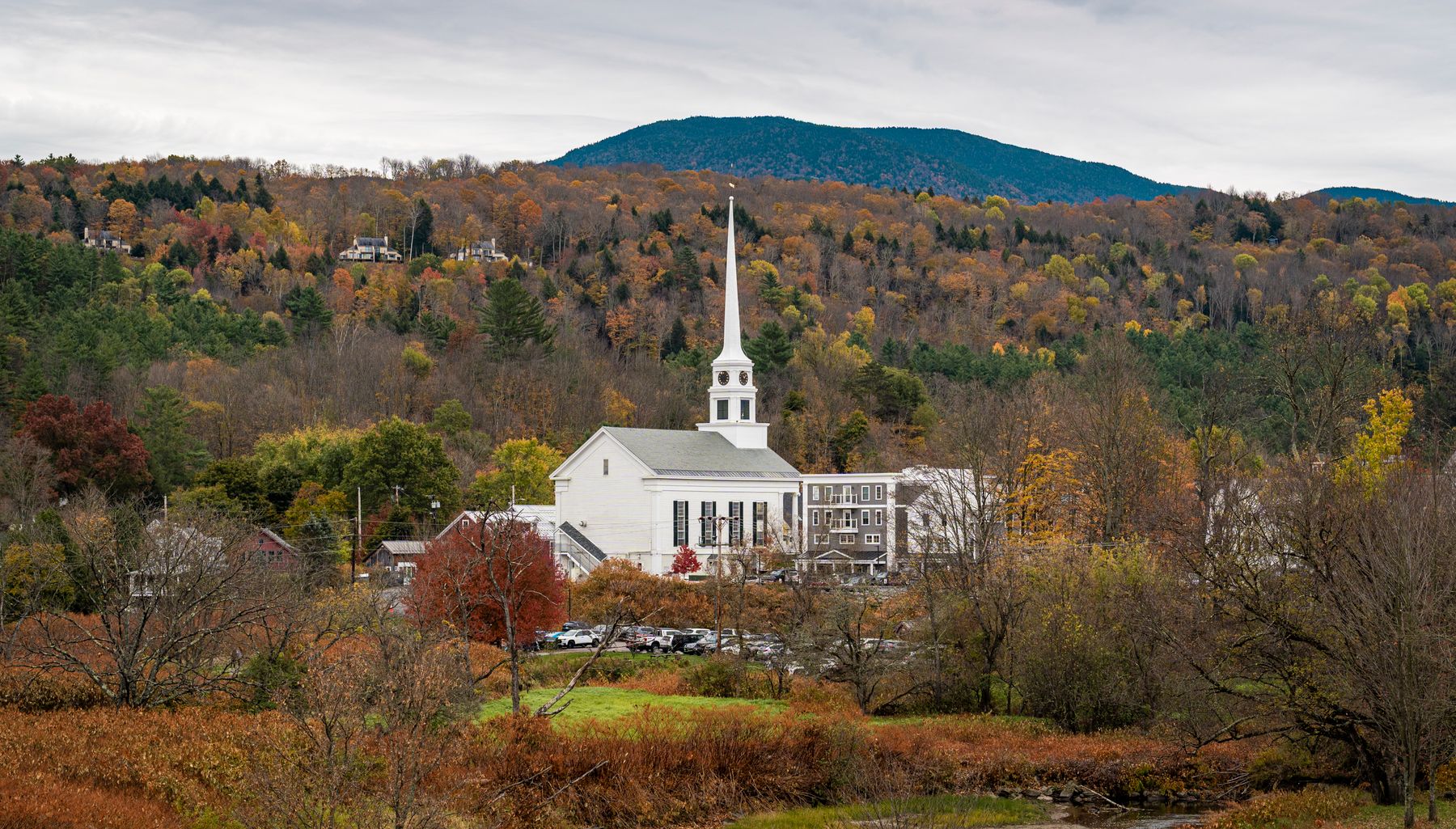
Two nights in the Stowe area let you choose a local outing after seeing the forecast. You might spend time in the village, take a suitable walk, visit a local business, or book a seasonal attraction. The point is to enjoy the area rather than collect an exhausting number of stops.
| Detail | First-visit advice |
|---|---|
| Best for | A two-night base, village time, and selected outdoor activities |
| Location and map | Stowe, Vermont map |
| Time needed | One full local day plus arrival and departure time |
| Cost and booking | Trails, parking areas, lifts, and attractions can have different rules |
| Getting there | Allow a substantial part of the day from Woodstock when adding stops |
| Accessibility | Verify the surface, gradient, and facilities of any proposed outing |
| Practical tip | Seasonal mountain roads and narrow routes need a separate vehicle and closure check |
Do not assume Smugglers’ Notch is an ordinary shortcut for every vehicle or every date. Check current road status and restrictions. A rental camper or larger vehicle needs particular care with narrow mountain roads.
4. Kancamagus Highway, New Hampshire
The Kancamagus is a scenic section of Route 112 between Lincoln and Conway, about 35 miles end to end. The enjoyment comes from allowing time for suitable stops, not from driving the distance as quickly as possible.
| Detail | First-visit advice |
|---|---|
| Best for | A scenic crossing with selected overlooks and forest stops |
| Location and map | Lincoln to Conway via Route 112 |
| Time needed | Much of a day when adding stops and a picnic |
| Cost and booking | Selected recreation sites have posted parking or use fees; check pass eligibility |
| Getting there | Start in Lincoln and finish in the North Conway area in this plan |
| Accessibility | Check each recreation area’s parking, surfaces, and restroom arrangements |
| Practical tip | Fill the tank and carry food before the scenic stretch; do not expect fuel stops along it |
Popular fall days bring congestion. If a lot is full, continue to another legal place. A nearby connector such as Bear Notch Road can be seasonal; do not build your essential route around an unchecked shortcut.
5. North Conway and the White Mountains
The wider White Mountains area offers more than one road. Use your extra North Conway night to choose a suitable walk, a local attraction, or a quieter outing rather than automatically adding another long loop.
| Detail | First-visit advice |
|---|---|
| Best for | A flexible mountain base and a second day without moving hotels |
| Location and map | North Conway, New Hampshire map |
| Time needed | One additional full day after the Kancamagus crossing |
| Cost and booking | Check selected attractions, trailhead parking, and seasonal operating dates |
| Getting there | Local outings vary considerably in drive time; pick a specific destination |
| Accessibility | Ask about actual routes and facilities rather than assuming a scenic destination is step-free |
| Practical tip | Mountain weather can be much colder and windier than conditions in town |
A summit outing is not simply an extension of a village stroll. Match the plan to the forecast, your equipment, and the whole group’s ability. In poor weather, a rest day can be a better decision than an exposed viewpoint.
6. Portland and the Nearby Maine Coast
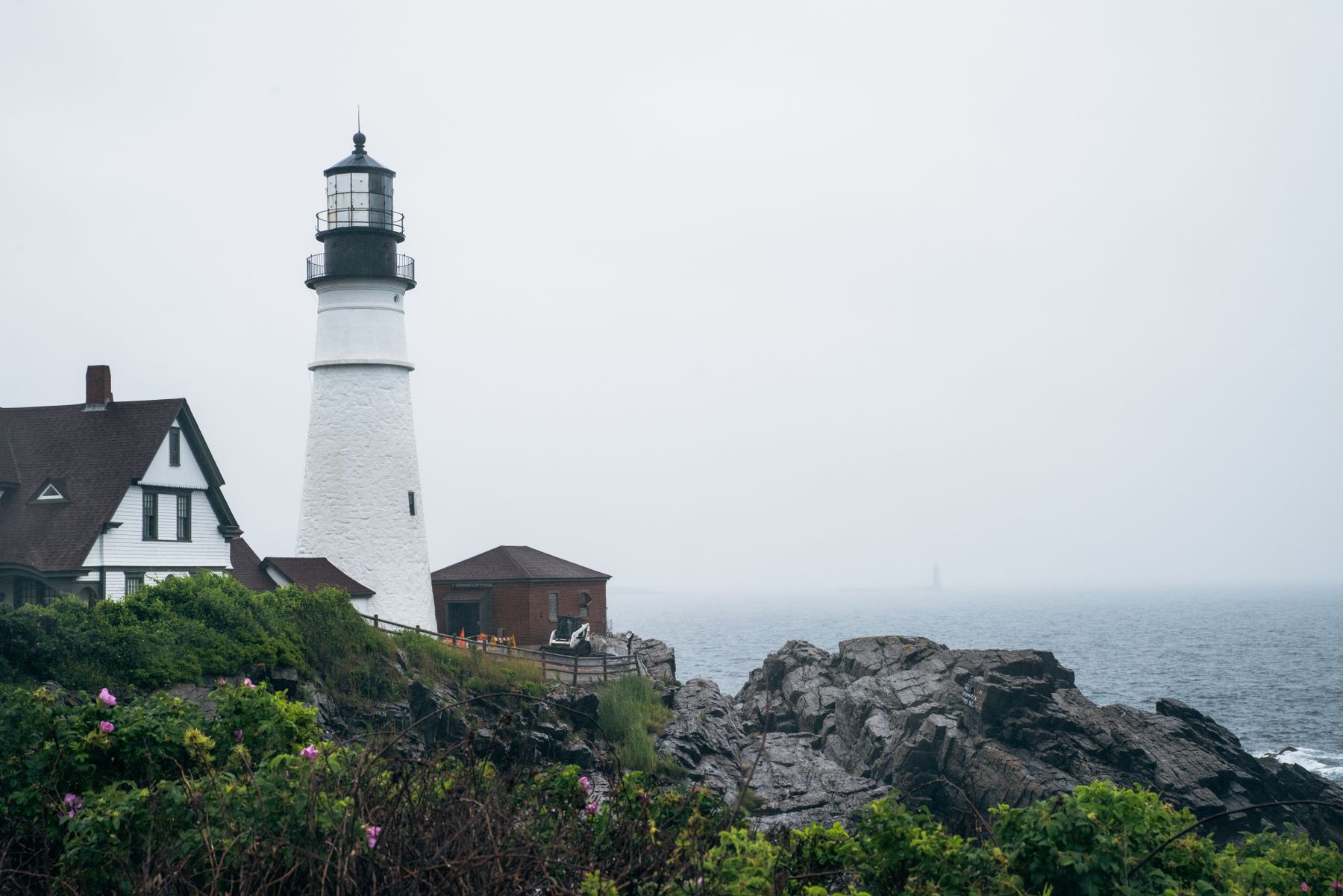
Finish with a change of scenery: harbor streets, food, and a selected coastal outing. Portland Head Light is in nearby Cape Elizabeth, rather than in central Portland. Give the coast its own time instead of treating it as a quick addition before a long flight transfer.
| Detail | First-visit advice |
|---|---|
| Best for | Food, coastal views, and a different pace after the mountains |
| Location and map | Portland Head Light map |
| Time needed | Two Portland nights with a flexible full day |
| Cost and booking | Confirm parking, park access, museums, and any booked activities separately |
| Getting there | Drive from North Conway, then use appropriate local parking and transport |
| Accessibility | Verify the particular coastal path, viewpoint, restroom, and parking arrangement |
| Practical tip | Watch the sea from permitted areas and keep away from slippery or exposed rocks |
A Ten-Day New England Fall Foliage Itinerary
This route has nine nights: one Boston, one Woodstock, two Stowe, one Lincoln, two North Conway, and two Portland. The driving allowances are broad estimates for ordinary conditions, before substantial sightseeing and meal stops. Check your exact addresses and current traffic.
| Day | Main plan | Overnight | Driving allowance |
|---|---|---|---|
| 1 | Arrive in Boston; a short walk and an easy dinner if time allows | Boston | Airport or station transfer only |
| 2 | Collect the car and drive to Woodstock; enjoy the village | Woodstock | About 2.5–3.5 hours, plus collection and stops |
| 3 | Travel toward Stowe with a small number of chosen stops | Stowe | About 1.5–2.5 hours, depending on route |
| 4 | A flexible Stowe-area day for current color and weather | Stowe | Local outings |
| 5 | Drive to Lincoln; leave time for a short local activity | Lincoln | About 2–3+ hours, depending on route |
| 6 | Kancamagus Highway with suitable stops; finish near North Conway | North Conway | Around 1–2 hours moving time, with much more for sightseeing |
| 7 | Choose one White Mountains outing or a relaxed local day | North Conway | Depends on the specific outing |
| 8 | Drive to Portland and explore a chosen neighborhood | Portland | About 1.5–2.5 hours, plus stops |
| 9 | Portland food, a coastal visit, and time to relax | Portland | Local travel |
| 10 | Return to Boston with a generous departure buffer | Trip ends | About 2–3+ hours, plus traffic, rental return, and airport time |
Do not give day ten a tight flight connection. If your flight leaves early, move the last overnight to the Boston area and shorten Portland. If Boston is a major interest, add city nights rather than taking them from every rural stop.
A Seven-Day Version and Slower-Paced Alternatives
A Seven-Day Boston Loop
With suitable arrival timing, use day one in Boston, day two in Woodstock, day three traveling to Stowe, day four traveling to Lincoln, day five crossing to North Conway, day six traveling to Portland, and day seven returning to Boston. That means six nights and only one night in each base.
This is a brisk version with fewer activities, not the same ten-day experience compressed without tradeoffs. An early departure may require removing Portland or returning to Boston the previous night. Another good seven-day option is to omit Maine and spend more time in Vermont and New Hampshire.
A Slower Route With Less Packing
Choose three bases and make shorter outings from each. For example, focus on Boston, Stowe, and North Conway, or choose Boston, one mountain area, and Portland. Fewer bases can be easier for families, access needs, and travelers who enjoy returning to a familiar room.
Adding Acadia or Other New England Areas
Acadia, the Berkshires, Rhode Island, Connecticut, and Cape Cod can all be part of a separate trip or a longer journey. Add meaningful nights and driving time rather than attaching several of them to the final two days of this route.
Route Maps and Driving Advice
Save the loop in sections. A map app may choose the fastest route rather than a preferred scenic road. Check the route itself, not only the arrival time, and follow current signs and closures.
- Boston to Woodstock route
- Woodstock to Stowe route
- Stowe to Lincoln route
- North Conway to Portland route
- Portland to Boston route
Download maps before entering areas with poor service. Keep fuel above a level that allows a detour. Wet leaves, darkness, fog, wildlife, and early ice can make a familiar-looking road more demanding. Avoid planning a long unfamiliar rural drive after a full sightseeing day.
What and Where to Eat
Make food part of the journey. Compare local bakeries, apple-season treats, Vermont maple products, simple lunches, and Portland dining. Availability varies by business and season, so treat a food idea as a starting point rather than a promise that every town sells it every day.
Book an important weekend dinner where reservations are accepted. For ordinary travel days, carry a backup lunch and check closing times before arriving late in a smaller town. A grocery picnic can be economical and enjoyable when the weather and legal seating options suit it.
Vegetarian, vegan, halal, and allergy-sensitive travelers should check actual menus and preparation arrangements. Maine seafood restaurants can have particular cross-contact considerations for some allergies. Explain the specific need clearly and carry appropriate alternatives and prescribed medication.
Allow for sales taxes and customary dining tips within your budget. Avoid judging the meal cost only by the number printed beside an item on the menu.
Free and Budget-Friendly Fall Experiences
Public village walks, suitable parks, and some scenic viewpoints can keep costs down, but parking or recreation fees may still apply. Read the posted rules. A national park pass does not automatically cover every state park, private attraction, or local parking area.
A low-cost day might include breakfast at your accommodation, a chosen scenic drive, a packed lunch in a permitted area, and an afternoon village walk. Choose one paid attraction you care about rather than paying for several simply because they are nearby.
Travel on weekdays where practical, compare the full room cost, and avoid unnecessary hotel changes. A distant cheap room can become less attractive once you add repeated driving and parking costs.
Experiences for Different Travelers
| Traveler | A practical approach |
|---|---|
| Families | A short scenic drive, room for play, regular meals, and a weather backup |
| Couples | Two-night stays, a selected dinner, and time away from the busiest stops |
| Solo travelers | A shared route with someone trusted and conservative choices on quiet trails |
| Groups | Agree on driving limits, food needs, and how to handle split activities |
| Travelers with access needs | Verify room access, path surfaces, parking, restrooms, and transport arrangements |
| Visitors wanting less walking | Choose suitable viewpoints and village routes rather than assuming a hike is essential |
Give everyone a chance to say how much walking and car time is comfortable. A route built around the most energetic person can be frustrating for the rest of the group.
Rainy-Day Alternatives and Seasonal Activities
Rain does not always spoil the color, but heavy rain, wind, poor visibility, or unsafe surfaces can change the plan. Choose an appropriate museum, indoor historic visit, local shop, café break, or hotel rest period instead of forcing an exposed mountain outing.
Farm activities, festivals, scenic railways, lifts, and boat trips can be enjoyable additions when available. Verify the dates, cancellation terms, access arrangements, and weather policy for your actual visit. Do not assume a past year’s event calendar is still correct.
Keep a simple spare plan near each overnight base. Having that option saved makes it easier to change course without spending the whole morning searching on a phone.
Best Photography Spots and Respectful Leaf Peeping
Village streets, legal overlooks, forest paths, rivers, and the Maine coast all offer opportunities. The best light may be soft rather than bright sunshine. Leave room for an unplanned stop only when there is a safe, legal place to park.
Respect private homes, farms, church grounds, and driveways. A popular photograph on social media does not make a property public. Follow current local access and parking restrictions, and use public alternatives when an area is closed or overwhelmed.
Do not stand in a traffic lane, block a covered bridge, enter a closed farm road, or climb a fence for a picture. Ask before photographing people closely. Check landowner and aviation rules before considering a drone, and avoid disturbing other visitors or wildlife.
Essential Things to Know Before You Go
Weather, Safety, and Mobile Coverage
Pack for changing temperatures and shorter daylight. A comfortable afternoon in town does not establish the conditions on a mountain. Check current road and weather information, and keep a simpler alternative if ice, wind, or poor visibility affects the route.
Save maps, reservations, and important addresses offline. Bring a charging cable and power bank. Use established trails, tell someone about a quieter outing, and avoid assuming that mobile coverage will be available at every stop.
Documents, Payments, and Practical Facilities
International visitors should check current U.S. entry and driving-document requirements through official services. Keep rental documents and identification available. Prices are in U.S. dollars, and payment methods can vary by small business or parking facility.
Use town stops for restrooms, food, and supplies before a longer scenic stretch. Check seasonal restroom availability. Ask your hotel about luggage storage rather than assuming a small village has an open storage service.
What to Pack for a New England Autumn Trip

- Layers for cool mornings, a warm outer layer, and weather protection appropriate to the forecast.
- Comfortable footwear with suitable grip for wet surfaces.
- A day bag, refillable water bottles, snacks, and any necessary medicines.
- Offline maps, a power bank, a car charging cable, and saved room addresses.
- Rental documents, identification, and any activity confirmations.
- Children’s supplies and equipment for personal access needs.
Bring the clothing required for your actual outdoor activity, not only for village sightseeing. A difficult mountain hike needs a different preparation plan from this general road trip list.
Important Contacts and Official Resources
For an emergency in the United States, call 911 when you can connect. Give the road, town, nearest recognizable location, and the nature of the problem. Save important location details before an outing with unreliable service.
Use current Vermont, New Hampshire, and Maine tourism foliage reports for seasonal information. Check road conditions with the relevant state transportation service. For a national forest, state park, town property, or private attraction, confirm the rules with the organization responsible for that specific place.
Keep accommodation, rental, insurer, and airline assistance details from your own bookings offline. International travelers may also want the appropriate embassy or consulate contact saved before departure.
Common Mistakes on a New England Fall Road Trip
- Booking an exact peak-color date as if the whole region changes together.
- Adding every famous village and several distant national parks to the same short loop.
- Underestimating fall traffic, restaurant demand, and parking time.
- Following a seasonal shortcut without checking current road restrictions.
- Choosing rooms by nightly price without including taxes, parking, or extra driving.
- Stopping on a narrow road or entering private property for a photograph.
- Scheduling an early Boston flight after a final night far from the airport.
Frequently Asked Questions About New England Fall Foliage
What Is the Best Week for Fall Color?
There is no reliable single week for the entire region. Late September through October is the broad planning window, with northern and higher areas often earlier and southern or coastal places often later. Use current reports for your route.
Is Ten Days Enough for This Trip?
Yes, for the selected Boston, Vermont, White Mountains, and Portland loop. It is not enough to see all of New England in depth. Add days or remove stops if you prefer a slower pace.
Can You Do the Route Without a Car?
This independent loop is designed for a car. Boston works well with public transport, but rural stops and scenic roads need a different plan. A guided tour can be an alternative if its pace and access arrangements suit you.
Should You Book Accommodation in Advance?
Yes, especially for popular fall weekends and smaller towns. Check minimum stays, full costs, and cancellation terms. Avoid expecting a last-minute room search to be easy during a busy foliage period.
Is the Trip Suitable for Families?
It can be, with shorter outings, fewer hotel changes if needed, and regular food and restroom breaks. Adapt driving time and activities to the children traveling rather than following every stop in a fixed list.
What if the Leaves Are Past Peak?
Use current reports to look for an appropriate nearby outing, but keep the trip’s other pleasures: village time, food, history, and the coast. Do not turn every day into a long chase for a different patch of color.
Your Final Fall Road Trip Checklist
- Confirm the nine overnight stays or adapt the route for your actual flight times.
- Check the car’s toll policy, parking arrangements, and return location.
- Read current foliage reports with their publication dates in mind.
- Save route sections, seasonal road information, and a wet-weather alternative.
- Book the few activities and meals that really matter to your group.
- Pack layers, weather protection, medicines, and offline navigation.
- Leave a generous Boston departure buffer and respect local parking and property rules.
Reader Questions and Travel Experiences
A useful published lesson comes from Kara at Earth Trekkers. After a ten-day New England trip with her friend Jocelyn, she described wanting more time and developed a longer published itinerary. The practical lesson is to choose what to leave out, rather than assuming another stop has no cost in time.
Have you driven this loop in autumn? Share the month, places you stayed, and what you would change. Genuine reports about traffic, pace, family travel, and access needs can help other readers. A past foliage date is useful context, but it cannot predict next year’s color.
Explore More Go Travel Box Guides
Continue planning with our Boston travel guide, Best East Coast Road Trips for Families, and Best Scenic Drives in the United States. For another mountain journey, explore A Complete Blue Ridge Parkway Road Trip, or start with 25 Best Places to Visit in the USA.
Leave a Reply
Which part of New England would you most like to see in autumn? Leave your planning question or genuine travel experience below.
What would you like to know before you go?
Send us your question, feedback, or a place you would like to see covered.
Ask a travel question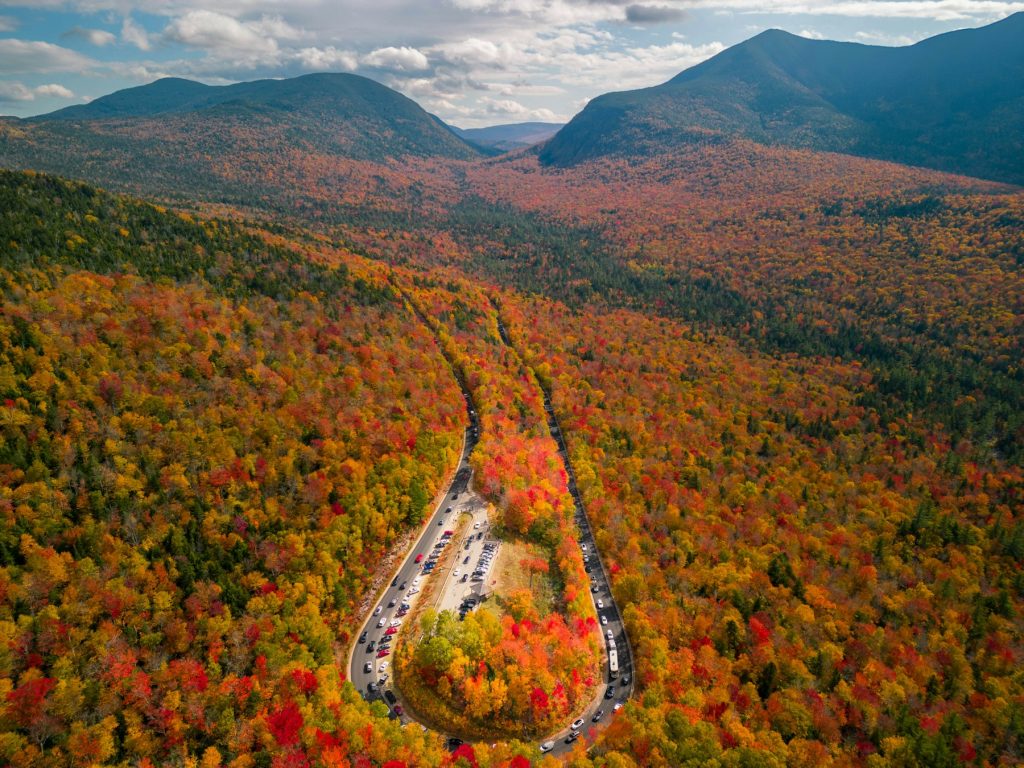
Leave a Reply