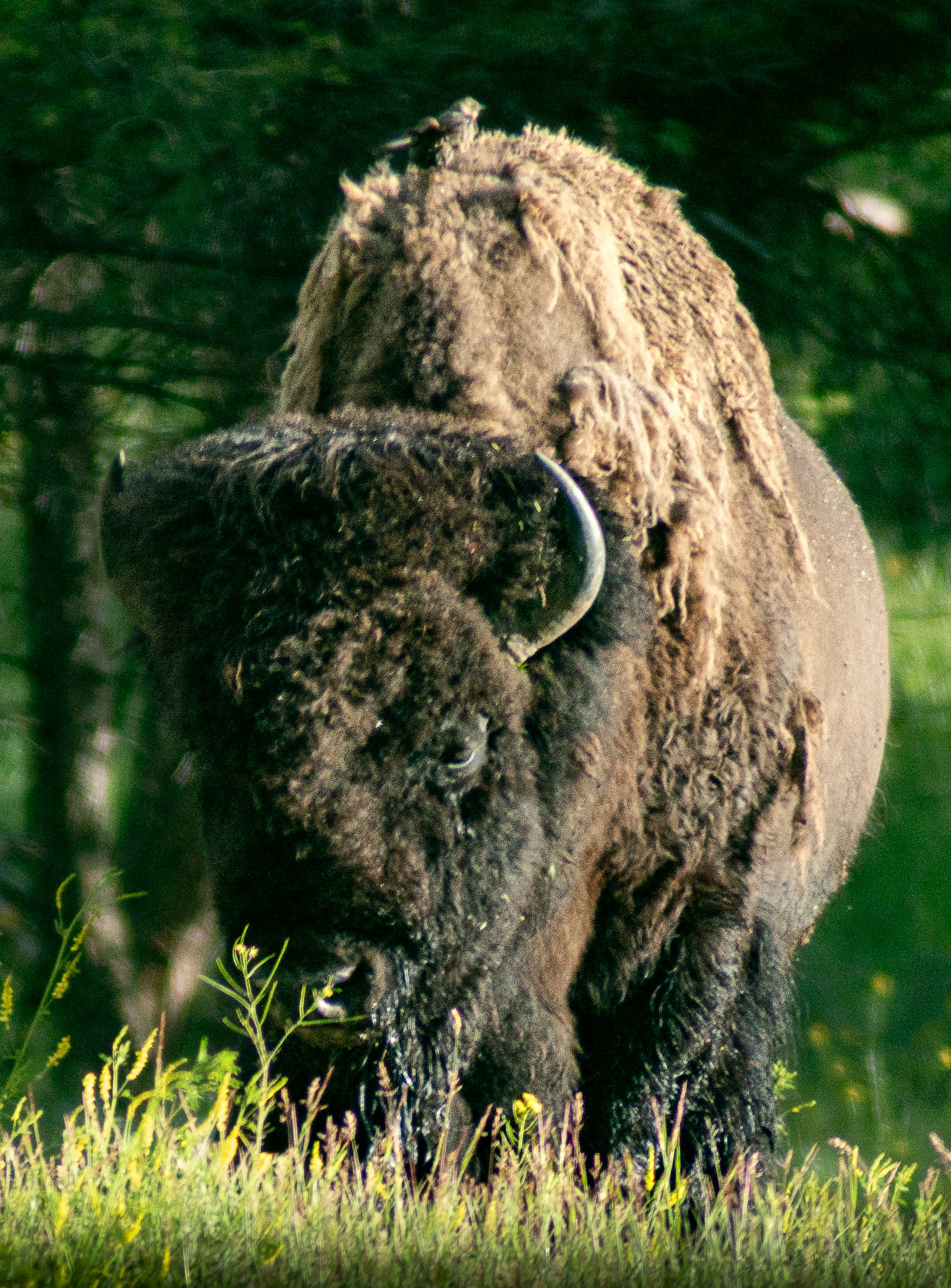
Written by Ari Mayzick · Go Travel Box
Published November 12, 2026 · Updated November 12, 2026
Wildlife travel asks you to slow down. You scan a valley, wait beside a quiet shoreline, or watch an animal carry on with its day at a respectful distance. Some of the best moments happen after you have stopped checking the time.
The best places to see wildlife in America include grasslands, wetlands, mountain parks, coastal waters, and seabird islands. This guide compares 12 destinations, with the animals you might see, useful seasons, transport considerations, maps, and realistic trip ideas.
Animal sightings are never guaranteed. This is a researched planning guide, with details checked on November 11, 2026. Check the managing authority’s current access rules, seasonal notices, and viewing guidance before you travel.
Planning Your First Wildlife Trip? Start Here
Choose the animal or habitat that interests you, then choose a place and season that fit. Bison on a mainland road trip, puffins seen from a seasonal boat, and brown bears at a remote Alaska destination involve very different logistics.
For a first trip, allow several mornings or evenings in one region. A local guide can help you learn what to look for and manage transport, but nobody can promise where an animal will be.
A worthwhile wildlife day includes the landscape, smaller species, and time outside. Treat a major sighting as a welcome part of that experience.
Wildlife Trips in America at a Glance
| Planning question | Quick answer |
|---|---|
| Number of destinations in this guide | 12, covering different habitats and travel styles |
| Good first-trip length | Four to six days in one region |
| Mainland road-trip choices | Yellowstone, Grand Teton, Custer, Theodore Roosevelt, and the Smokies |
| Wetland choice | Everglades National Park |
| Coastal choices | Point Reyes, Monterey Bay, Assateague, and seasonal Maine boat trips |
| Alaska choices | Katmai and Denali, with very different access arrangements |
| Book first | Accommodation, limited-capacity transport, and a chosen guided outing |
| Bring | Binoculars, layers, water, sun protection, offline maps, and patience |
| Viewing rule | Follow the specific site’s distance and behavior rules; move farther away if an animal reacts |
Table of Contents
- Planning Your First Wildlife Trip? Start Here
- Wildlife Trips in America at a Glance
- Compare the Best Places to See Wildlife in America
- The Wildlife Destinations: What to Expect
- Best Time to Plan a Wildlife Holiday
- How to Plan and Book the Trip
- Where to Stay and What to Eat
- Wildlife Trip Itinerary Ideas
- How Much Does a Wildlife Trip Cost?
- Free and Budget-Friendly Wildlife Experiences
- Responsible Wildlife Viewing and Photography
- Families, Solo Travelers, and Accessible Wildlife Trips
- What to Pack and Everyday Essentials
- Important Contacts and Planning Resources
- Common Wildlife-Trip Mistakes
- Frequently Asked Questions About Wildlife Travel in America
- Your Final Wildlife-Trip Checklist
- Reader Questions and Travel Experiences
- Explore More Travel Guides
- Leave a Reply
Compare the Best Places to See Wildlife in America
| Destination | Animals or experiences to consider | Planning priority |
|---|---|---|
| Yellowstone, Wyoming/Montana | Bison, elk, birds, and possible distant predator viewing | Seasonal roads and repeated viewing time |
| Grand Teton, Wyoming | Moose, elk, bison, birds, and mountain habitats | Suitable viewing areas and distance rules |
| Everglades, Florida | Alligators, wading birds, and wetland wildlife | Weather, heat, insects, and operating facilities |
| Katmai, Alaska | Brown-bear viewing around Brooks Camp | Remote air or boat access and reservations |
| Denali, Alaska | A chance of large mammals and broad tundra landscapes | Seasonal buses and current road access |
| Custer State Park, South Dakota | Bison and prairie wildlife | State-park entry and safe roadside viewing |
| Theodore Roosevelt, North Dakota | Bison, prairie dogs, and free-roaming horses | Unit choice and current road conditions |
| Point Reyes, California | Tule elk, birds, and seasonal elephant seals | Current public viewing areas and closures |
| Monterey Bay, California | Marine mammals and seabirds | Shore viewing or a responsible boat operator |
| Assateague Island, Maryland/Virginia | Free-roaming horses and coastal birds | Different management areas and horse-distance rules |
| Great Smoky Mountains, Tennessee/North Carolina | Elk, deer, birds, and possible bear sightings | Habitat choice and current road access |
| Coastal Maine | Seasonal puffin-viewing boat trips and other seabirds | Breeding-season timing and sea conditions |
The animals listed are possibilities associated with the area. They are not a sighting forecast for a particular day.
The Wildlife Destinations: What to Expect
1. Yellowstone National Park
Yellowstone rewards patient viewing across big landscapes. Lamar Valley is a popular area for looking across open country, while other habitats offer different possibilities. Bring binoculars so a distant animal can remain distant.
| Detail | Planning information |
|---|---|
| Best for | A varied first wildlife holiday with several days available |
| Possible wildlife | Bison, elk, birds, and possible distant bears or wolves |
| Public map point | Lamar Valley viewing area |
| Time to allow | Several mornings or evenings within a wider three-to-five-day park visit |
| Cost and booking | Park entry applies; accommodation and guiding are separate |
| Transport and access | Check seasonal roads and use designated pullouts without blocking traffic |
| Pair it with | Geothermal sights and canyon viewpoints on different parts of the day |
Stay at least the park’s required distances: 100 yards from bears and wolves, and 25 yards from most other wildlife, with any additional species or ranger instructions followed. Give animals more room when necessary and never approach for a closer photo.
2. Grand Teton National Park
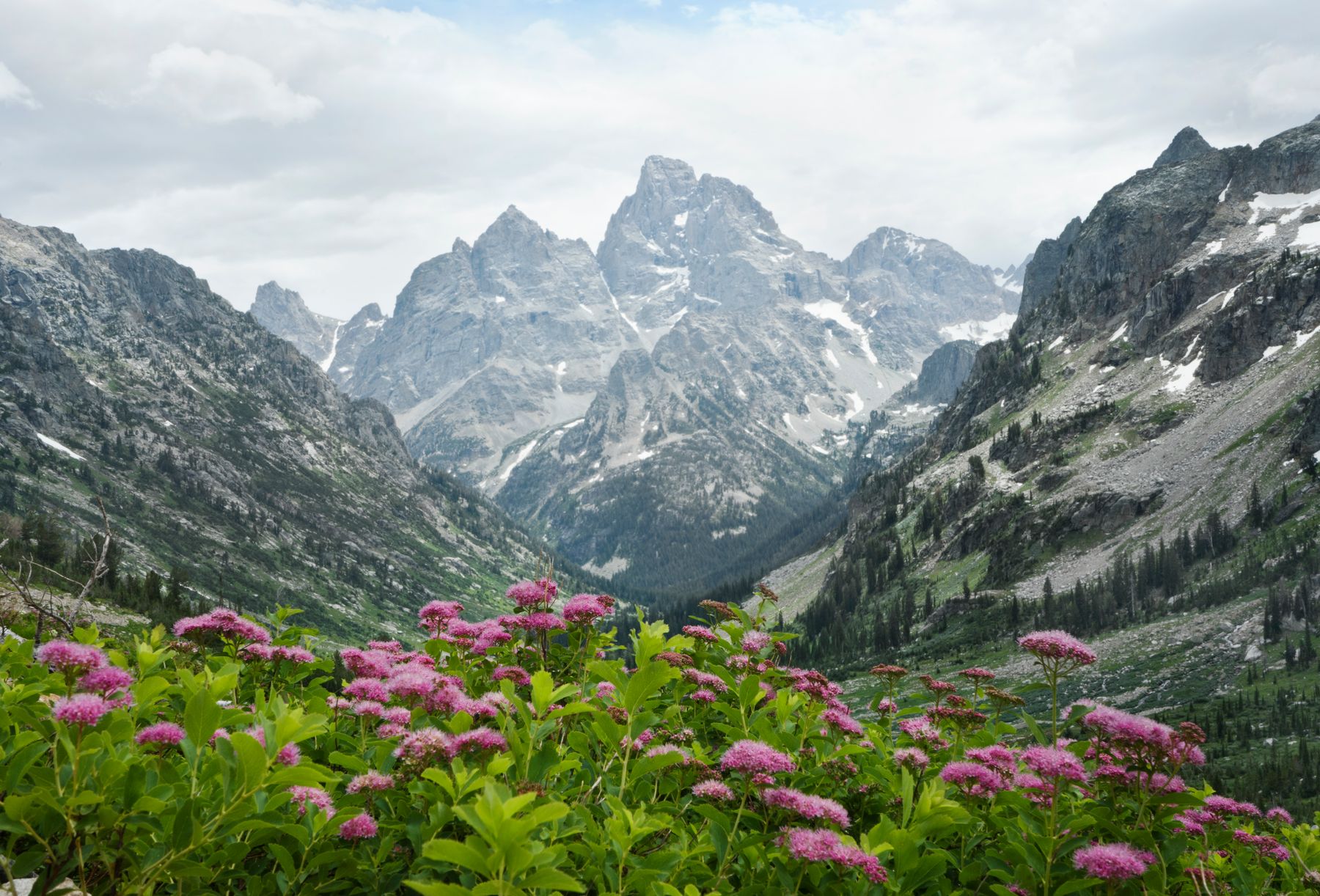
Grand Teton combines wildlife habitats with a dramatic mountain setting. A slow morning of scanning a suitable public viewing area can fit naturally around a gentle walk or scenic drive.
| Detail | Planning information |
|---|---|
| Best for | Mountain scenery and a wildlife-focused Wyoming trip |
| Possible wildlife | Moose, elk, bison, birds, and other species depending on habitat |
| Public map point | Craig Thomas Discovery and Visitor Center for orientation |
| Time to allow | Two or more days with repeated viewing opportunities |
| Cost and booking | Park entry applies; reserve accommodation and chosen tours |
| Transport and access | Use current public viewing areas and keep roadside stops legal and safe |
| Pair it with | A slower park day and suitable lake or valley outings |
Ask staff which areas are appropriate to visit under current closures. Respect the park’s minimum distances, including 100 yards from bears and wolves and 25 yards from most other wildlife. The photo illustrates the park’s mountain habitat.
3. Everglades National Park, Florida
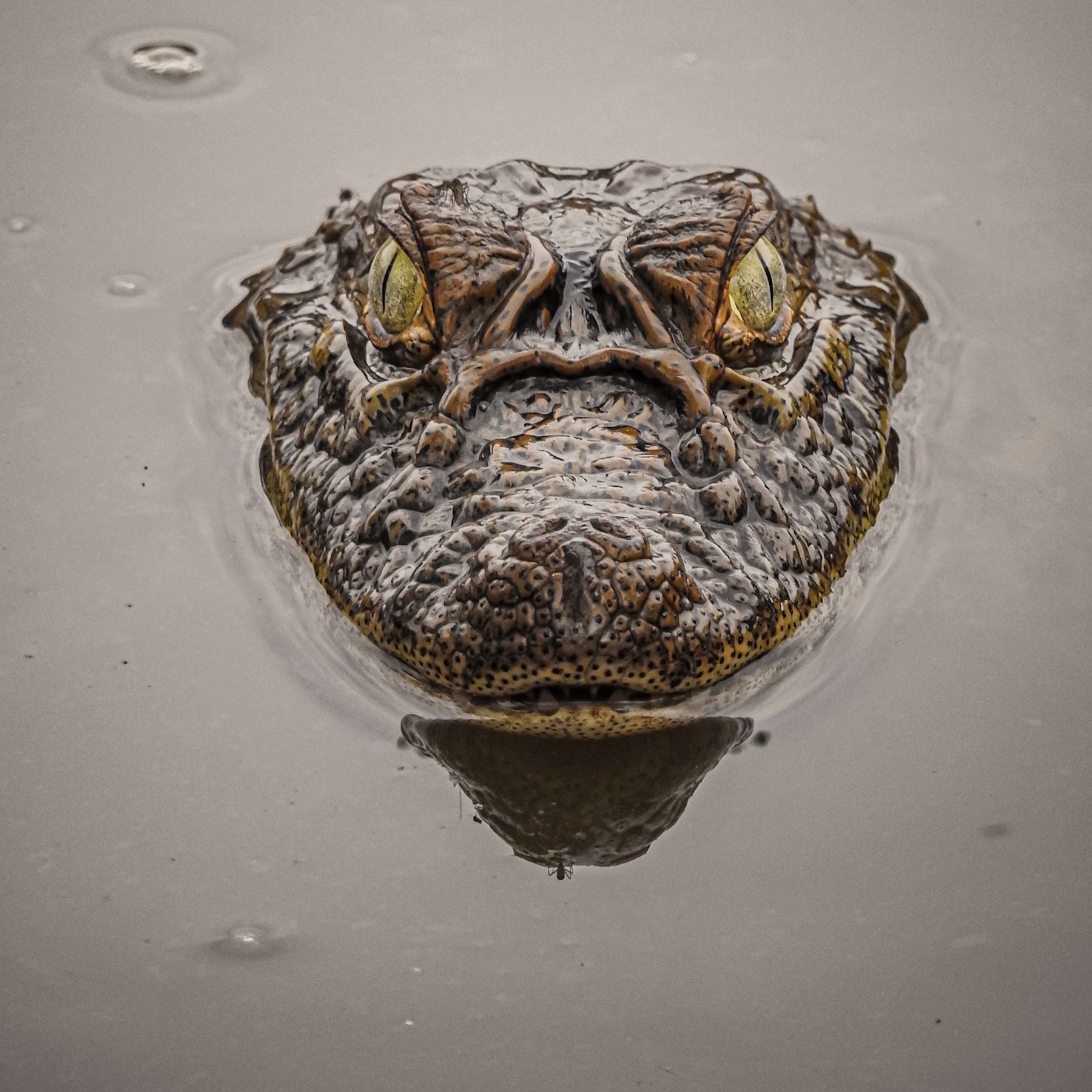
The Everglades offers a change from mountain and grassland wildlife trips. Boardwalks, open water, and wetland habitats give you plenty to notice, from alligators to birds moving through the shallows.
| Detail | Planning information |
|---|---|
| Best for | Wetland wildlife and a Florida nature trip |
| Possible wildlife | Alligators, wading birds, and other wetland species |
| Public map point | Ernest F. Coe Visitor Center |
| Time to allow | Two to four days for a relaxed regional visit |
| Cost and booking | Park entry applies; reserve selected guided or boat activities separately |
| Transport and access | Choose the park district and route before driving; entrances serve different areas |
| Pair it with | A slower South Florida trip with time for weather changes |
The generally drier November-to-April period is often useful for planning, but current weather, water levels, and operating facilities still matter. Carry insect and sun protection, and keep clear of wildlife at the water’s edge.
4. Katmai and Brooks Camp, Alaska
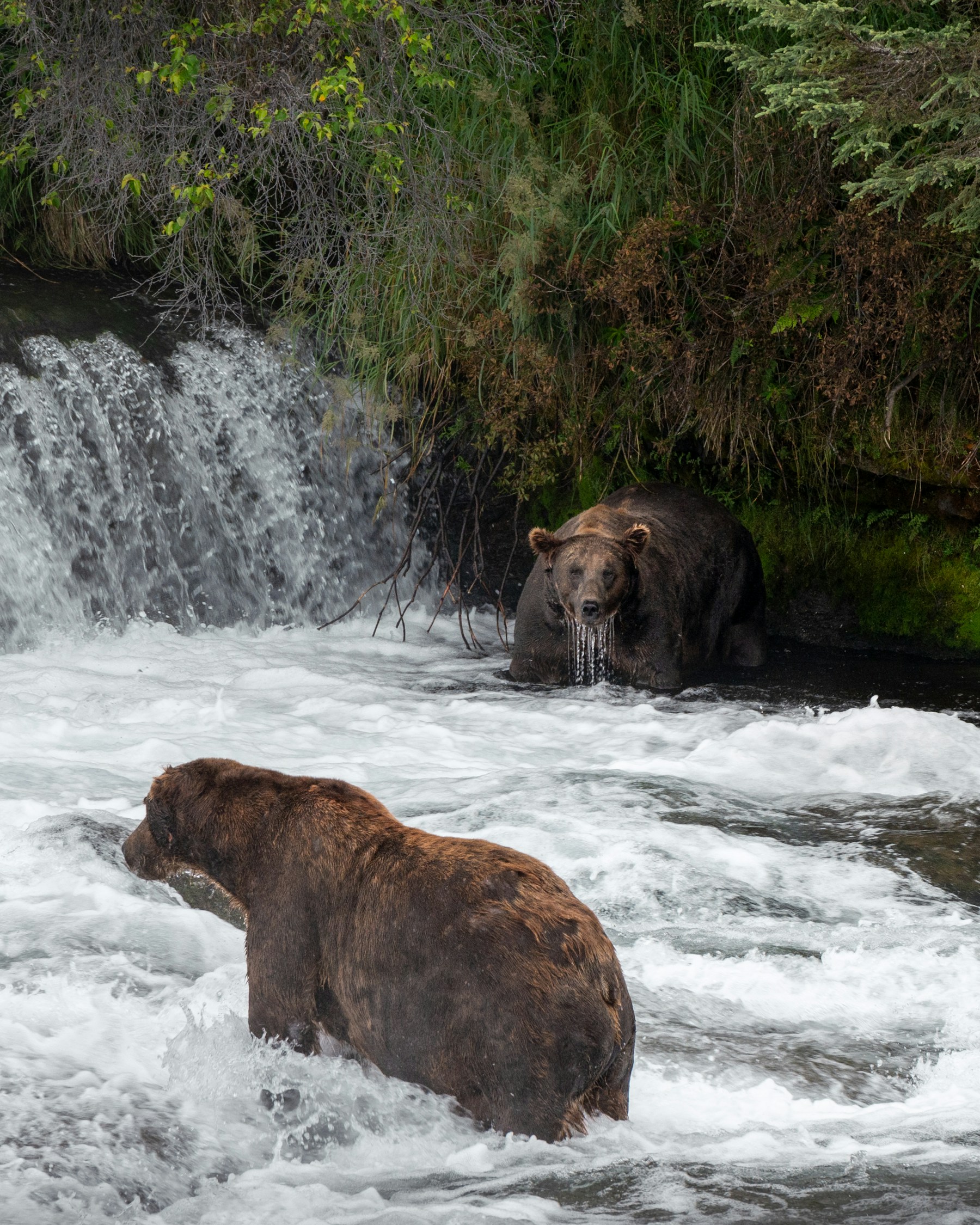
Brooks Falls is known for brown-bear viewing, but the trip begins with remote-access planning. Getting there, following ranger instructions, and leaving enough weather flexibility are all part of the experience.
| Detail | Planning information |
|---|---|
| Best for | A separately planned Alaska bear-viewing trip |
| Possible wildlife | Brown bears, with activity depending on the season and salmon |
| Public map point | Brooks Camp Visitor Center |
| Time to allow | A dedicated outing or overnight plan with weather flexibility |
| Cost and booking | Air or boat transport, lodging or camping, and guiding can be substantial |
| Transport and access | Katmai and Brooks Camp are not reached by driving from Anchorage |
| Pair it with | A realistic Alaska itinerary with spare travel time |
July and September are often important bear-viewing periods around Brooks Camp, with conditions varying. Confirm the actual access, reservation, orientation, and platform arrangements with the operating provider and park. Follow ranger directions whenever animals are nearby.
5. Denali National Park and Preserve, Alaska
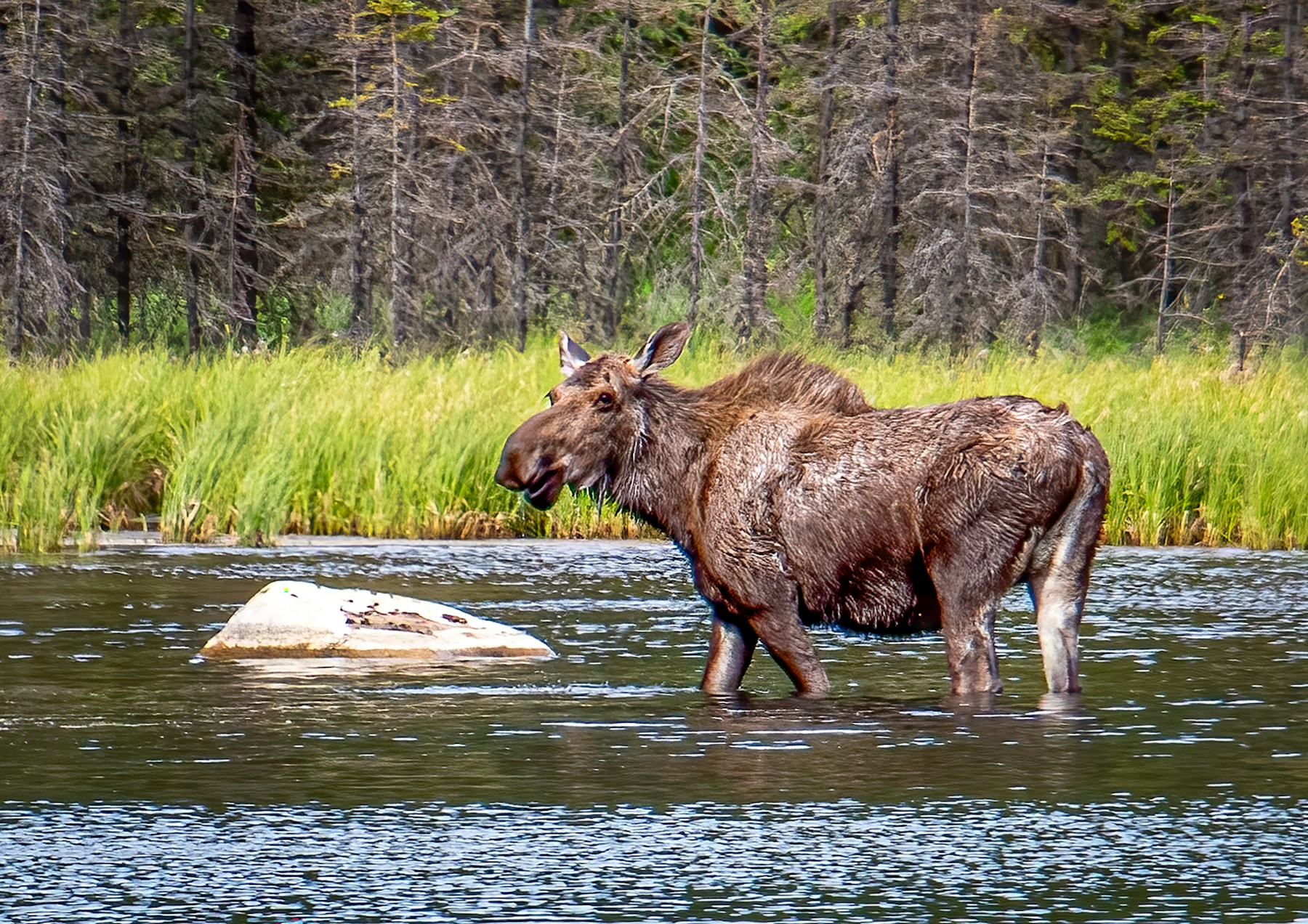
Denali is a place for broad views and patient scanning. Animals can be far away, and the landscape remains part of the outing even when a large mammal does not appear.
| Detail | Planning information |
|---|---|
| Best for | A longer Alaska trip and tundra landscapes |
| Possible wildlife | Moose, caribou, bears, sheep, birds, and other species |
| Public map point | Denali Visitor Center |
| Time to allow | At least two or three days in the area |
| Cost and booking | Entry, accommodation, bus travel, and activities have separate arrangements |
| Transport and access | Seasonal park buses and current road access shape the visit |
| Pair it with | Short local walks and a flexible Alaska travel day |
As checked in November 2026, the park planned full bus service for 2027 following bridge completion, with bus and campground reservations scheduled to open December 1, 2026. Confirm the current service and route before booking; older road-limit information may describe a different season.
6. Custer State Park, South Dakota
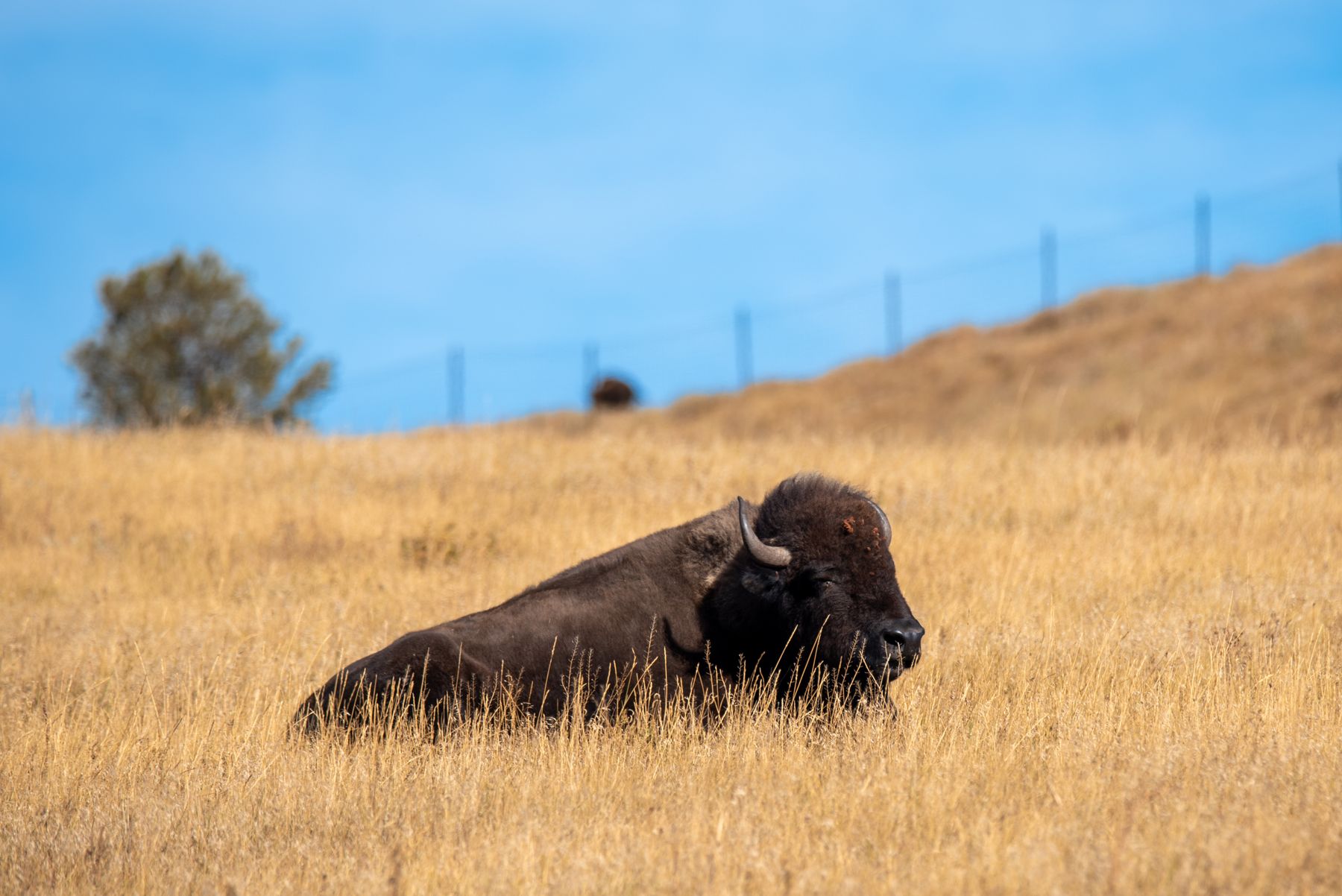
Custer’s grasslands make a rewarding setting for watching bison and other prairie wildlife. Take your time on the Wildlife Loop Road, use permitted stopping areas, and let animals decide where to move.
| Detail | Planning information |
|---|---|
| Best for | A mainland road trip with prairie scenery |
| Possible wildlife | Bison and other grassland animals and birds |
| Public map point | Wildlife Loop Road, Custer State Park |
| Time to allow | A generous half-day block, with more time in the wider park |
| Cost and booking | State-park admission applies; federal national-park passes do not replace it |
| Transport and access | Drive carefully, expect animal-related delays, and keep routes clear |
| Pair it with | A slower Black Hills regional stay |
Bison can move quickly and should be given plenty of room. Stay in a safe viewing position, follow park guidance, and avoid surrounding animals with vehicles or people.
7. Theodore Roosevelt National Park, North Dakota
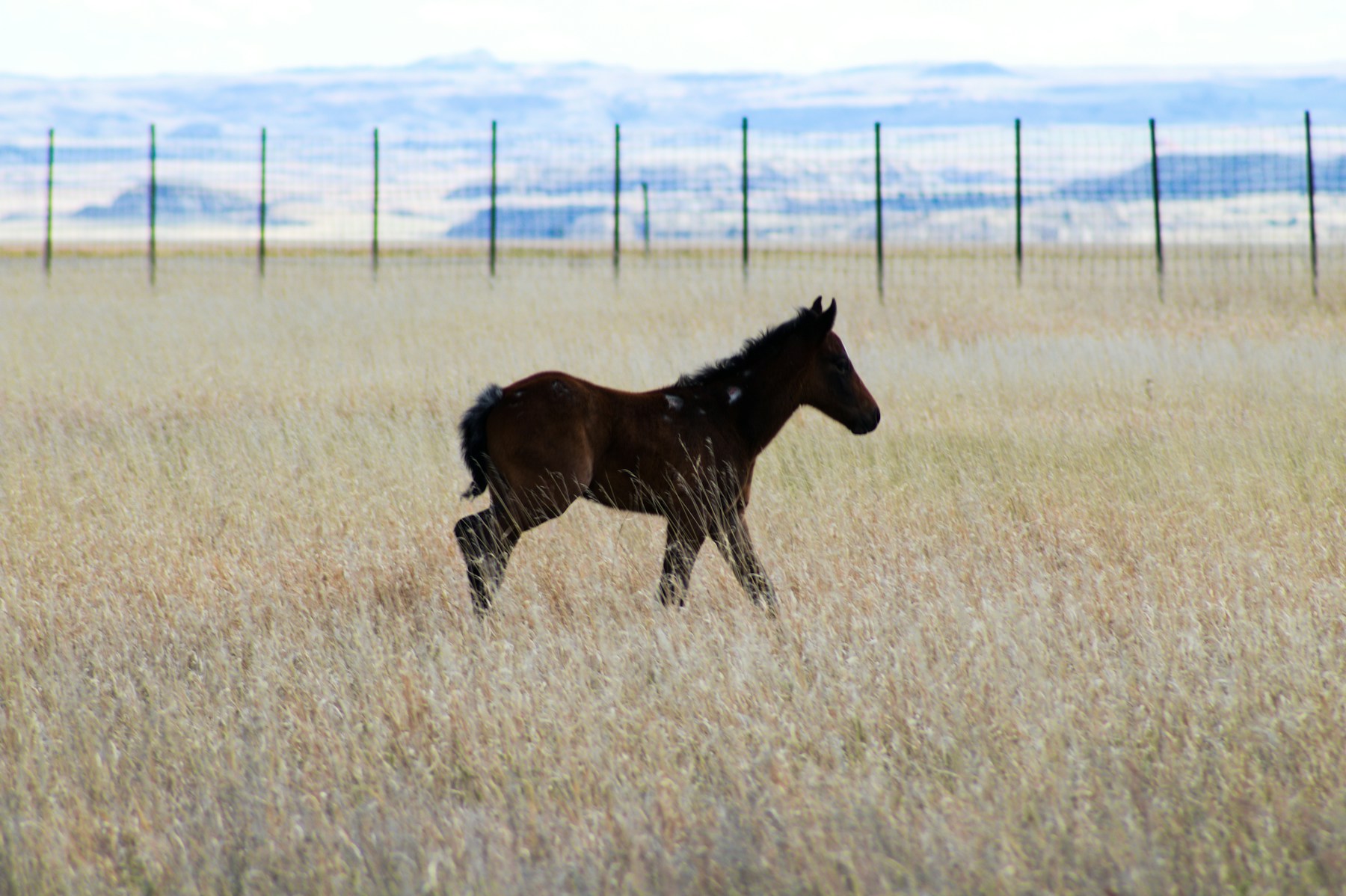
Theodore Roosevelt’s badlands and grasslands offer a varied road-trip experience. Bison and prairie dogs draw attention, while the park’s free-roaming horses add a different part of its cultural landscape.
| Detail | Planning information |
|---|---|
| Best for | Grassland wildlife and a quieter regional road trip |
| Possible wildlife | Bison, prairie dogs, birds, and free-roaming horses in relevant areas |
| Public map point | South Unit Visitor Center, Medora |
| Time to allow | One to three days depending on the unit and route |
| Cost and booking | Park entry applies; accommodation or camping is separate |
| Transport and access | Choose the unit first and confirm the current scenic-road conditions |
| Pair it with | Badlands overlooks and suitable short walks |
The horses descend from domestic animals and are part of the park’s managed cultural story. Do not feed, approach, or try to create a close encounter. Different units provide different experiences.
8. Point Reyes National Seashore, California
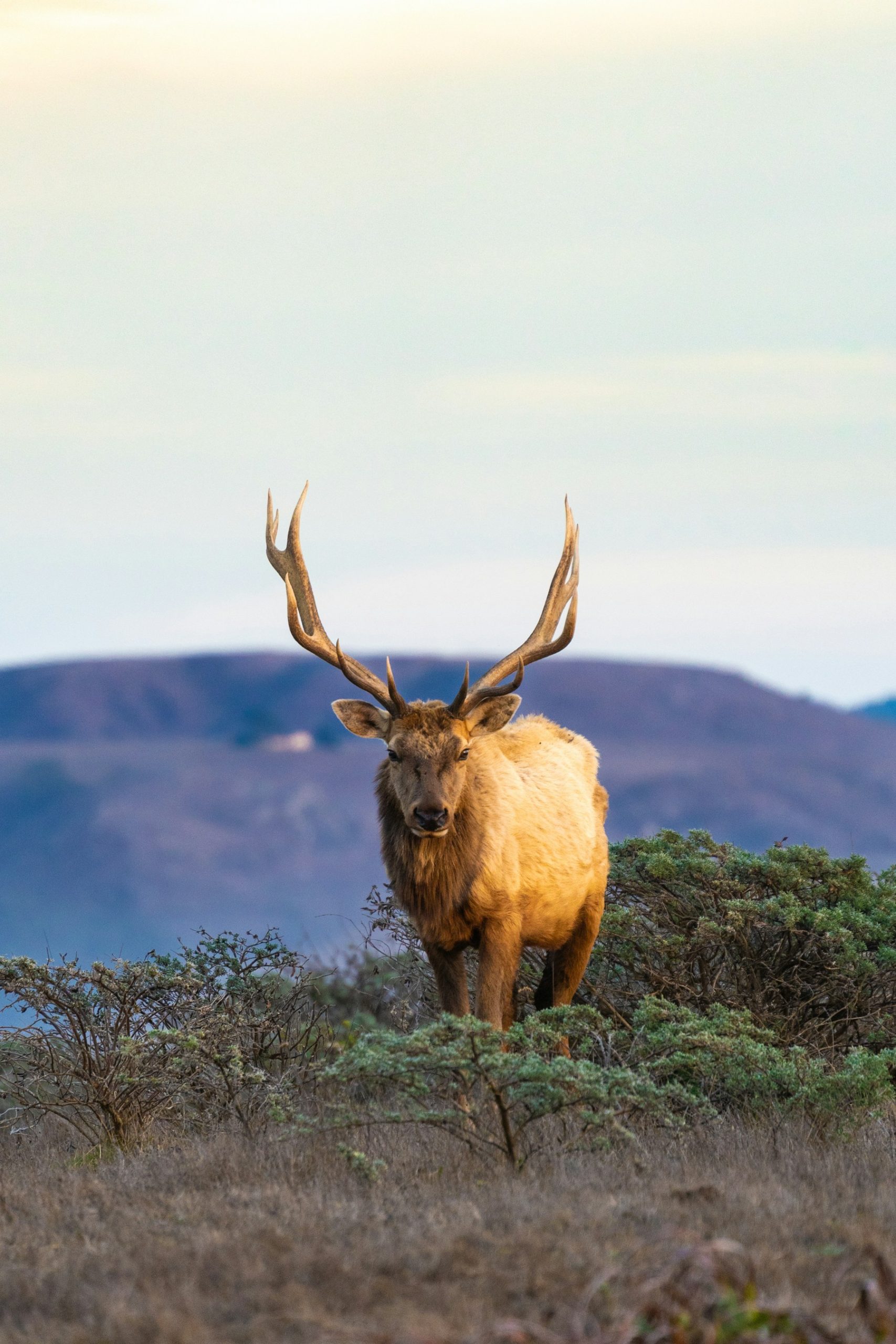
Point Reyes offers coastal habitats, birdlife, and opportunities to look for tule elk. Seasonal elephant-seal viewing adds another reason to choose the timing carefully.
| Detail | Planning information |
|---|---|
| Best for | A California coast trip with different habitats |
| Possible wildlife | Tule elk, birds, and seasonal elephant seals |
| Public map point | Bear Valley Visitor Center, Point Reyes |
| Time to allow | One to three days with selected public viewing areas |
| Cost and booking | Check current parking, transport, tour, and special-access arrangements |
| Transport and access | Road distances within the seashore add up; confirm closures |
| Pair it with | Coastal walks suited to your group and current weather |
Elephant-seal activity is often associated with winter viewing, while tule-elk opportunities depend on the area and conditions. Use designated public viewing routes, respect closures, and keep enough distance that animals do not change behavior.
9. Monterey Bay, California
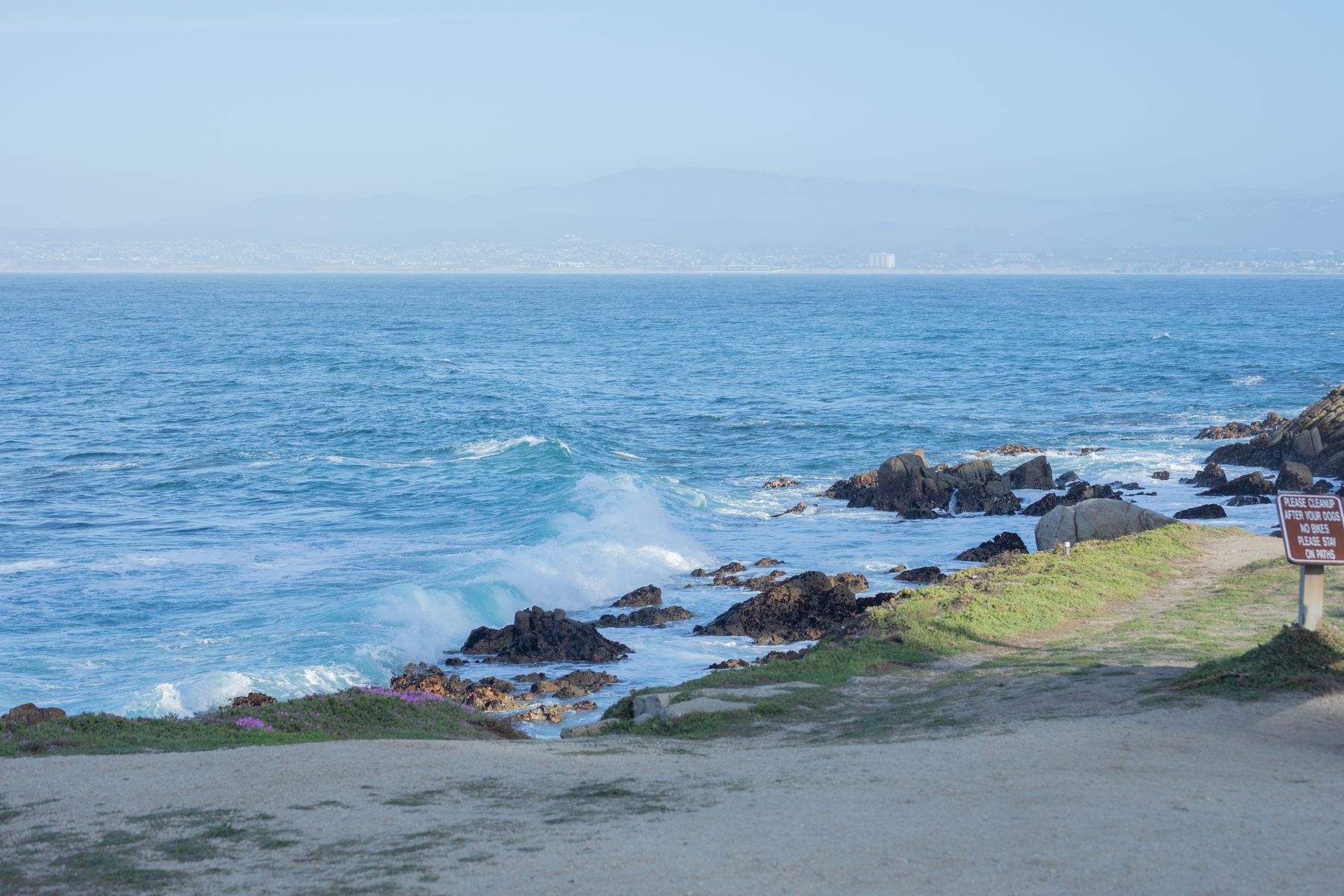
Monterey Bay offers both shore-based observation and the possibility of a wildlife boat trip. Sea conditions and the operator you choose can make a large difference to the experience.
| Detail | Planning information |
|---|---|
| Best for | Marine wildlife and a coastal California stay |
| Possible wildlife | Marine mammals and seabirds, varying with season and location |
| Public map point | Monterey Harbor |
| Time to allow | Two or more days if you want flexibility for a boat outing |
| Cost and booking | Shore viewing and commercial boat trips have different costs |
| Transport and access | Confirm the actual departure harbor, check-in time, vessel, and sea conditions |
| Pair it with | A relaxed Monterey Peninsula visit |
Choose an operator that follows responsible wildlife-viewing practices. Ask about cancellation terms, mobility needs, seasickness considerations, and the duration at sea. The photograph shows the regional coast; a boat ticket cannot guarantee a particular animal.
10. Assateague Island, Maryland and Virginia
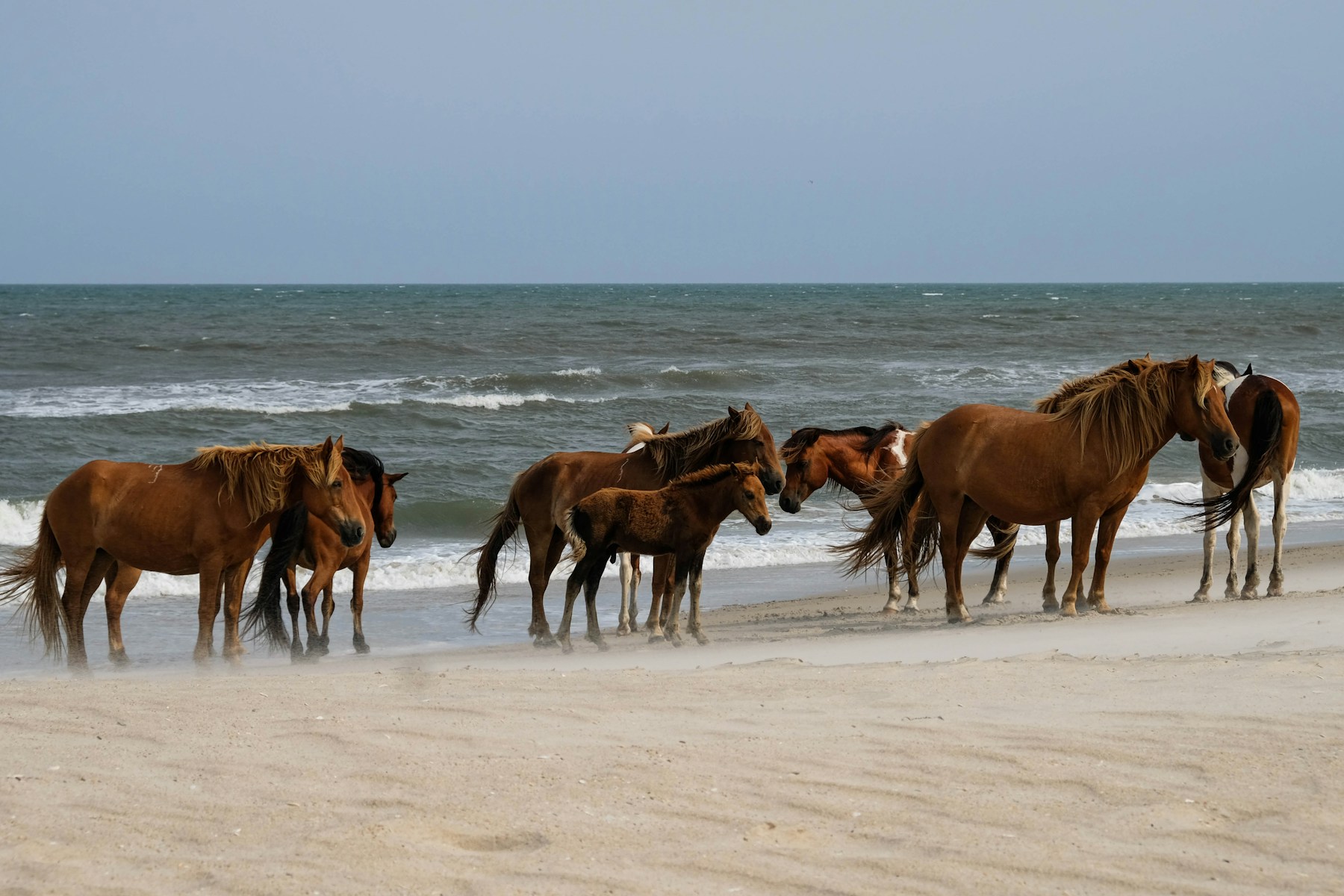
Assateague’s horses are part of a wider coastal landscape of beaches, dunes, and birds. Give yourself time to enjoy the island while keeping the horses’ space clear.
| Detail | Planning information |
|---|---|
| Best for | Coastal scenery, birding, and a regional beach-and-nature trip |
| Possible wildlife | Free-roaming horses and coastal birds |
| Public map point | Assateague Island Visitor Center, Maryland |
| Time to allow | One to three days |
| Cost and booking | Entry and camping arrangements vary by management area |
| Transport and access | Maryland and Virginia areas have different access and rules |
| Pair it with | Suitable beach walks and designated bird-viewing areas |
At the national seashore, stay at least 40 feet, or about 12 meters, from horses. Do not touch or feed them, and secure food so a horse cannot reach it. Keep your vehicle and walking route clear of animals.
11. Great Smoky Mountains National Park
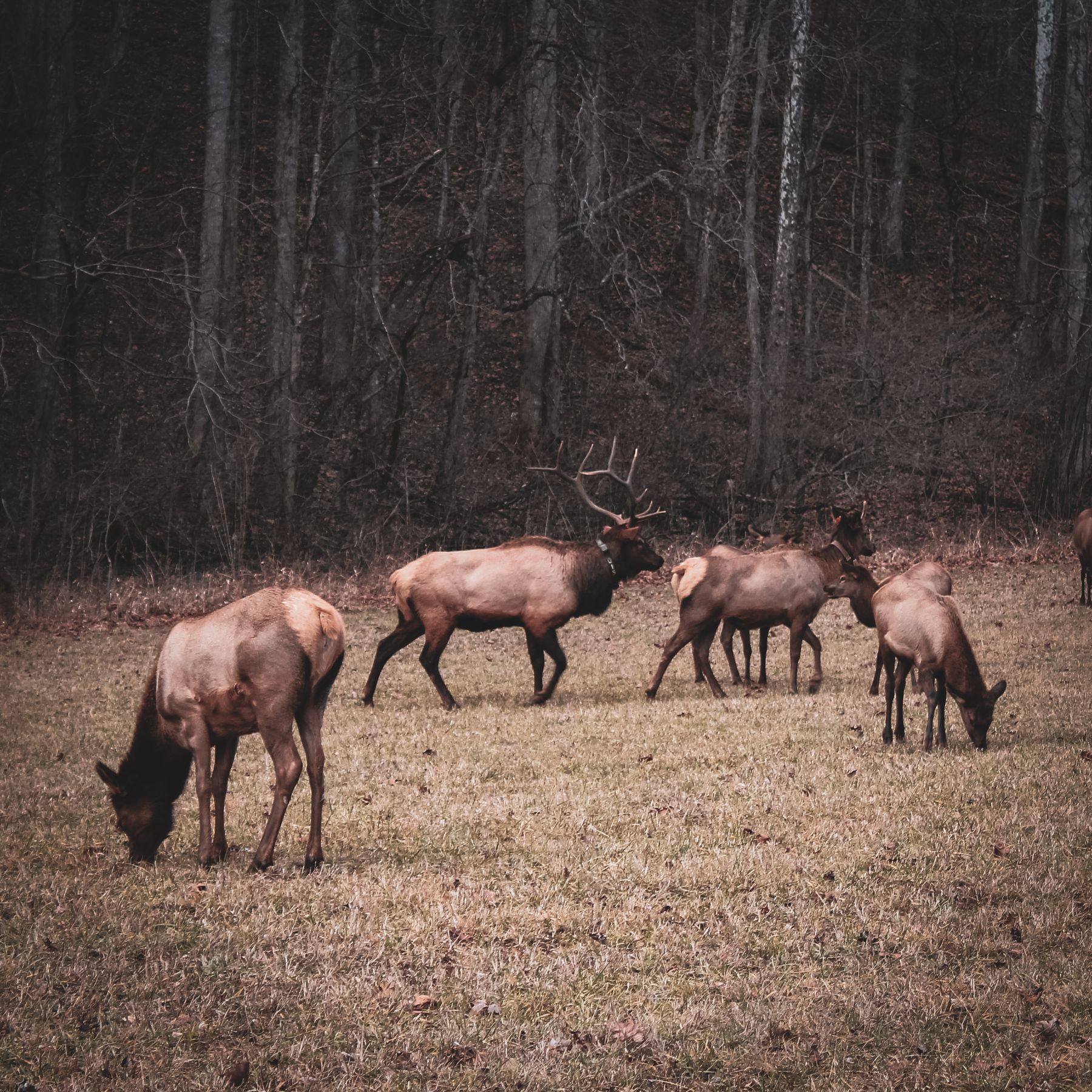
The Smokies offers several habitats within a large mountain park. A wildlife-focused trip benefits from choosing the right area rather than driving every scenic road in hope of a sighting.
| Detail | Planning information |
|---|---|
| Best for | A mountain-region holiday with walking and wildlife |
| Possible wildlife | Elk, deer, birds, and possible black-bear sightings |
| Public map point | Oconaluftee Visitor Center for North Carolina-side orientation |
| Time to allow | Three to five days with repeated viewing opportunities |
| Cost and booking | No park entrance fee; parking tags and paid activities are separate |
| Transport and access | Check current road access before choosing a valley or viewing area |
| Pair it with | Waterfalls, short walks, and slower gateway-town time |
Elk are associated with North Carolina-side areas including Oconaluftee and Cataloochee, subject to current access. Cades Cove offers different viewing possibilities. Follow Smokies-specific distance rules and ranger instructions rather than applying another park’s minimum.
12. Coastal Maine Puffin-Viewing Trips
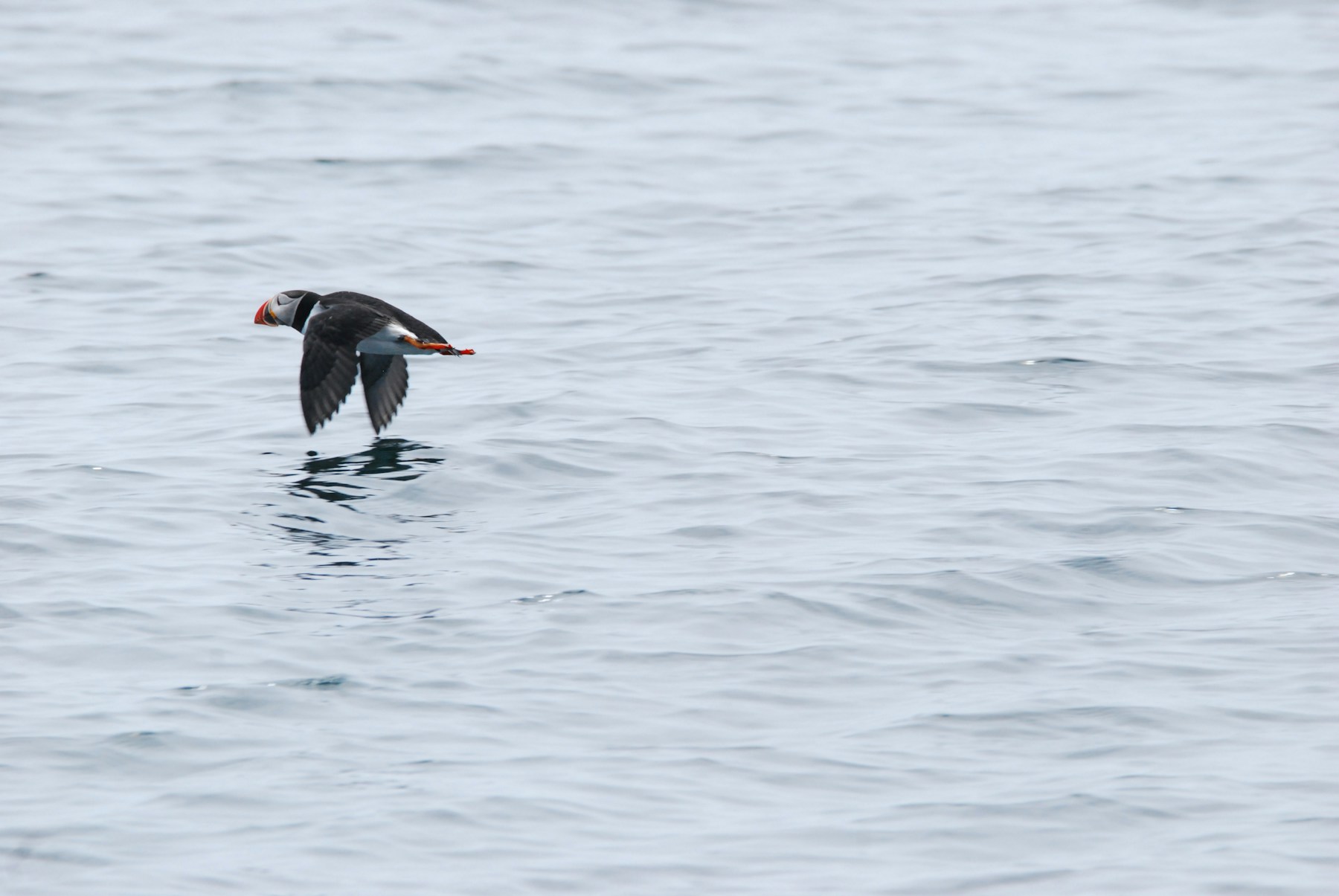
Seeing puffins from a boat can make a coastal Maine holiday feel particularly special. It is a seasonal outing, so the trip starts with choosing an appropriate sailing period.
| Detail | Planning information |
|---|---|
| Best for | Birdwatchers and a warm-season Maine coast trip |
| Possible wildlife | Puffins and other seabirds, depending on the sailing and season |
| Public map point | Boothbay Harbor departure area |
| Time to allow | A dedicated sailing block plus weather flexibility |
| Cost and booking | Reserve with the actual operating boat company |
| Transport and access | Confirm the departure port, vessel access, route, and cancellation terms |
| Pair it with | A longer coastal Maine stay |
Puffin breeding-season trips generally focus on warmer months; the exact season varies by operator and colony. Eastern Egg Rock viewing trips do not allow ordinary visitors to land on the island. The photograph shows a puffin near Eastern Egg Rock. Do not plan a November sailing based on a summer wildlife photo.
Best Time to Plan a Wildlife Holiday
| Trip type | Seasonal question to ask |
|---|---|
| Yellowstone and Grand Teton | Are your viewing roads and accommodation open, and what habitats are accessible? |
| Everglades | How do heat, rainfall, water levels, insects, and services affect the outing? |
| Katmai | Does the visit match bear activity and the operator’s actual season? |
| Denali | Which buses and road sections operate during your dates? |
| Prairie parks | What are road conditions, weather, and current animal-management notices? |
| California coast | Which species and responsible viewing options suit the season? |
| Maine seabirds | Does the sailing fall within the operator’s puffin-viewing season? |
Dawn and dusk can be useful in some habitats, but timing should come from the specific area, species, weather, and local guidance. Keep enough daylight for safe travel and a clear plan for getting back.
How to Plan and Book the Trip
Choose a region, then decide whether you want independent viewing, one guided outing, or a more specialist trip. Book accommodation and limited transport first, especially for remote Alaska travel and seasonal boat trips.
Ask a guide or operator about group size, actual viewing method, time in the field, accessibility, cancellation terms, and wildlife-distance practices. Avoid offers that depend on feeding, crowding, touching, or guaranteed close encounters.
A car works for many mainland routes, while Katmai needs air or water access and Denali uses seasonal bus arrangements for much of its visitor road experience. Save offline maps and the correct departure or meeting point.
Where to Stay and What to Eat
Stay close enough to the public viewing area that an early start is realistic. Check breakfast hours, packed-lunch options, heating or cooling, parking, and late check-in.
A room or campsite in the right location may be worth more than a cheaper stay with hours of daily commuting. Confirm food-storage requirements at campsites and around cabins.
Carry water, a proper meal, and snacks. Remote outings may provide few chances to buy food. Tell your operator about allergies and dietary needs ahead of time, and confirm exactly what is included.
Wildlife Trip Itinerary Ideas
A Weekend or Three-Day Introduction
Choose one accessible mainland destination, such as a Custer State Park stay or a Monterey-region break. Include one main wildlife outing, time for the landscape, and a second opportunity if the first day is quiet.
Five Days in One Region
Use one or two practical bases. A Yellowstone-focused visit can include repeated valley viewing alongside geothermal sights. A South Florida trip can mix wetland outings with shorter walks and weather alternatives.
A Seven-Day Wildlife Holiday
Yellowstone and Grand Teton can work as a combined regional trip, with realistic travel between bases and separate entry planning. A California coast trip can combine Monterey and Point Reyes, with a genuine transfer day and time in each area.
Alaska deserves a separate itinerary with flight, bus, boat, weather, and luggage planning. Do not attach Katmai as a casual driving stop.
A Slower-Paced Plan
Choose designated viewing areas near suitable parking or an accessible guided outing. Binoculars, a comfortable seat where permitted, and patience can make a less mobile day very rewarding.
How Much Does a Wildlife Trip Cost?
Sample Regional Budget for Two Adults
This example covers five travel days and four nights in one mainland region, a shared room and car, and one selected guided outing. Accommodation and car allowances include estimated taxes and routine fees.
| Expense | Planning allowance |
|---|---|
| Accommodation: 4 nights × $190 | $760 |
| Food and groceries | $450 |
| Rental car | $375 |
| Fuel | $165 |
| Entry and local-fee allowance | $50 |
| Selected guided outing for two | $240 |
| Incidentals | $60 |
| Subtotal | $2,100 |
| Contingency: 10% | $210 |
| Total for two adults | $2,310 |
Flights, remote Alaska transport, specialist equipment, travel insurance, and extra nonresident national-park charges are excluded. Entry allowances must be adjusted to your actual parks and passes; two separately charged parks may require more.
A specialist bear-viewing journey can cost much more than a mainland road trip. Shore-based birdwatching can cost less. Compare what each paid outing includes, including transport, meals, park fees, and equipment.
Free and Budget-Friendly Wildlife Experiences
Use designated shore or roadside viewing areas where permitted, bring binoculars, and spend more time in one base. Ask visitor-center staff about current public programs and suitable habitat-viewing locations.
One good guided outing early in the trip may help you make better use of independent days. Choose it for learning and logistics rather than expecting a guaranteed species list.
State parks, federal parks, Tribal areas, and commercial boats have different charges. A national-park pass does not cover every wildlife destination.
Responsible Wildlife Viewing and Photography
Follow the managing authority’s species-specific distance rules. Minimum distances are not a goal to approach: use more space whenever behavior changes, a ranger asks, or the situation needs it.
Use binoculars or a zoom lens. Stay out of an animal’s route, never surround it, and do not feed, call, touch, chase, or use food to attract it. Keep food and rubbish secure.
Avoid sharing precise locations of nests, dens, or sensitive animals. Use public viewing areas and let a guide manage local sensitivities. Pull fully into a legal stopping area before looking through binoculars or a camera.
Families, Solo Travelers, and Accessible Wildlife Trips
Families can plan short viewing periods with breaks, snacks, and a simple nature journal. Smaller birds and tracks can keep the day interesting when large animals are absent.
Solo visitors should share their plan and expected return. Groups should keep noise low and avoid surrounding an animal or blocking the road.
For an accessible outing, confirm the viewing platform, restroom, parking, ground surface, vehicle, or boat before paying. Some remote destinations have substantial access barriers. Ask for specific measurements or arrangements that matter to you.
What to Pack and Everyday Essentials
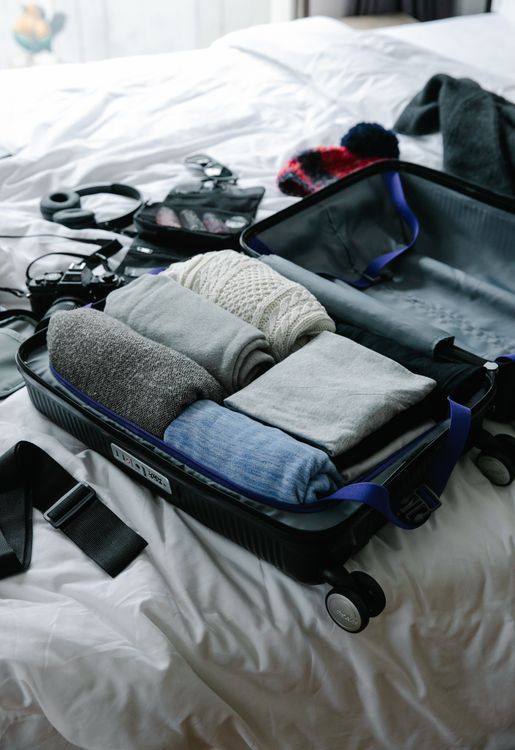
Bring binoculars, weather-appropriate layers, sun and insect protection, water, food, personal medication, offline maps, a headlamp, a charged phone, and a portable battery.
A camera with a longer lens is useful, but you can have a rewarding trip with binoculars alone. For boat trips, ask the operator about clothing, flotation equipment, mobility arrangements, and conditions at sea.
Check restrooms, drinking-water points, opening hours, and mobile coverage. Keep permits and confirmations saved offline. Follow local rules for food storage, pets, drones, fires, and staying on established paths.
Important Contacts and Planning Resources
| Need | Information to save |
|---|---|
| Immediate emergency | 911; some wildlife destinations have no reception |
| Current access and viewing guidance | The relevant park, seashore, state, or Tribal visitor service |
| Remote transport | The actual airline, boat, or lodge operating your journey |
| Guided outing | Direct contact, meeting point, and confirmation number |
| Marine conditions | Your operator’s update and the current local weather advisory |
| Check-in plan | A trusted person with your route and expected return |
Before a remote outing, ask the provider how delays or emergencies are handled and what happens if weather prevents the return journey.
Common Wildlife-Trip Mistakes
- Expecting a particular animal on demand.
- Booking the right place in the wrong season.
- Applying one park’s distance rule everywhere.
- Driving toward an animal or stopping in a traffic lane.
- Treating Katmai as reachable by road from Anchorage.
- Using an old Denali road-access notice for a future season.
- Assuming every boat has the same departure point or access.
- Sharing sensitive animal locations publicly.
Frequently Asked Questions About Wildlife Travel in America
Where Is Best for a First Wildlife Trip?
Choose by the habitat, season, budget, and travel style you enjoy. Yellowstone offers varied possibilities over several days, while Everglades, Custer, or a coastal destination may suit a different route and pace.
Are Sightings Guaranteed?
No. Wild animals move, rest, migrate, and respond to weather and food. Plan enough time and enjoy the wider landscape and smaller species.
Should I Book a Guide?
A responsible guide can help with interpretation, transport, and local conditions. Ask about viewing practices and what is included rather than relying on a promised close encounter.
Can I Photograph Animals From the Road?
Only from a legal, safe stopping place while following the site’s rules. Keep traffic clear and remain at the required distance. Do not approach an animal for the photo.
Are Wildlife Trips Suitable for Children?
Many are, with a route, duration, and transport suited to the child. Keep children close and follow the operator’s age and safety requirements.
When Should I Book Alaska Wildlife Travel?
Book once the operator and park have confirmed the season, access, and reservation release. Limited transport and accommodation can require advance planning. Leave space for weather-related changes.
Your Final Wildlife-Trip Checklist
- Choose one region, habitat, and suitable season.
- Check current access and animal-viewing guidance.
- Reserve accommodation and limited transport.
- Confirm a responsible guided outing if wanted.
- Save meeting points, contacts, maps, and confirmations offline.
- Pack binoculars, layers, water, and food.
- Learn the site’s specific distance rules.
- Leave time for quiet viewing and a second opportunity.
- Share your travel and return plan with someone you trust.
Reader Questions and Travel Experiences
Which wildlife experience would you choose: prairie bison, coastal seabirds, wetland birds, or a carefully planned Alaska trip? Share the season and a useful planning detail from a visit you have made.
Explore More Travel Guides
Continue with our Complete Guide to Visiting Yellowstone National Park, Top 20 National Parks to Visit in the United States, and Best Scenic Drives in the United States.
For a wider outdoor holiday, read Top Camping Destinations in the United States and Best Hiking Trails in the United States.
Leave a Reply
What would you like to know before you go?
Send us your question, feedback, or a place you would like to see covered.
Ask a travel question
Leave a Reply