
Written by Ari Mayzick · Go Travel Box
Published November 11, 2026 · Updated November 11, 2026
The best East Coast road trips for families leave time for the small things: a beach picnic, a lighthouse, a short forest walk, and an afternoon when nobody has to hurry. You do not need to cover the entire coast to have a memorable holiday. Choosing one region and a few good bases usually makes the trip easier for everyone.
This guide compares eight family road trips, from Maine to the Florida Keys. You will find suggested routes, useful trip lengths, driving expectations, seasonal considerations, maps, and a sample budget for two adults and two children. Pick the route that fits your family’s interests and energy.
Planning an East Coast Family Road Trip? Start Here
Choose one region, use a small number of overnight bases, and plan the drive around your children’s normal needs. For many families, a day with a short transfer and one main activity is more enjoyable than a long drive followed by several reservations.
Start with three questions: How long does your family comfortably travel between breaks? Do you want beaches, mountains, cities, or a mix? How many days are genuinely available after arrival and departure? The answers will narrow the choice quickly.
The routes below are alternatives. Choose one for a typical week rather than joining all eight into a single holiday. A longer East Coast journey needs a new timetable, more overnight stays, and a larger budget.
East Coast Family Road Trips at a Glance
| Route | Useful trip length | Best fit | Driving character |
|---|---|---|---|
| Maine coast: Portland to Acadia | 7–10 days | Lighthouses, harbors, and nature | Moderate transfers with a longer return or different departure airport |
| Vermont and New Hampshire loop | 7–9 days | Forests, villages, and mountain scenery | Several regional transfers; avoid too many scenic detours |
| New York, Philadelphia, and D.C. | 7–10 days | History, museums, and city variety | Urban traffic, parking, and toll planning |
| Shenandoah Valley and Skyline Drive | 4–6 days | Scenic driving and selected short walks | Slow mountain road sections and flexible weather planning |
| Outer Banks | 5–7 days | A beach-focused family stay | One base can reduce driving; summer traffic and ferries need time |
| Charleston, Beaufort, and Savannah | 5–7 days | Historic streets, coastal atmosphere, and gentle exploring | Manageable transfers with heat and parking to consider |
| Boston and Cape Cod | 5–7 days | History, beaches, and a New England introduction | City access and busy summer road approaches |
| Miami and the Florida Keys | 5–7 days | Water views, marine interests, and a warmer-weather route | Linear driving, bridge approaches, and weather-sensitive activities |
These lengths are planning suggestions, not a promise that every attraction fits. Important access and fee information was checked November 10, 2026; confirm current details for your dates.
Table of Contents
- Planning an East Coast Family Road Trip? Start Here
- East Coast Family Road Trips at a Glance
- How to Choose the Right Family Route
- Best Time for an East Coast Family Road Trip
- The Best East Coast Road Trips for Families
- A Sample Seven-Day Family Road Trip: Maine
- Shorter and Longer Family Road Trip Options
- How Much Does an East Coast Family Road Trip Cost?
- Where to Stay With Children
- Planning Driving Days With Children
- Rental Cars, Tolls, and Transport Choices
- Food, Dietary Needs, and Easy Meal Planning
- Free and Low-Cost Family Activities
- Rainy-Day and Slow-Paced Alternatives
- Photography, Wildlife, and Local Etiquette
- What to Pack for an East Coast Family Road Trip
- Important Contacts and Official Resources
- Common Family Road Trip Mistakes
- Frequently Asked Questions About East Coast Family Road Trips
- Your Final Family Road Trip Checklist
- Reader Questions and Family Travel Experiences
- Explore More Family and USA Travel Guides
How to Choose the Right Family Route
Traveling With Babies and Toddlers
Choose fewer hotel changes, short outings, and reliable meal and sleep arrangements. A beach or town base with nearby options can work better than a point-to-point schedule. Confirm cot availability, room layout, fridge access, and where you can safely take a break.
Traveling With School-Age Children
Look for a mix of learning, movement, and free time. A lighthouse, a short ranger activity, a museum, or a beach afternoon can each be the main event. Let children choose a few stops so the journey feels shared.
Traveling With Teenagers
Ask about their interests before booking. Food, history, photography, sports, kayaking with a suitable operator, or a city neighborhood may appeal more than another scenic pullout. Keep some independent downtime where appropriate and agree on budgets and meeting points.
Accessibility and Different Energy Levels
Confirm the specific hotel room, vehicle setup, attraction entrance, restroom, and path. A short route is not automatically step-free. Choose activities that allow the group to pause or return easily, and keep driving days realistic for the person with the greatest support needs.
Best Time for an East Coast Family Road Trip

| Region | Often useful periods | Main planning issues |
|---|---|---|
| Maine, Cape Cod, and northern New England | Late spring through fall, depending on the activity | Seasonal openings, summer crowds, cool water, and winter conditions |
| Northeast cities | Spring and fall, with indoor options year-round | Summer heat, holidays, events, and winter weather |
| Shenandoah and nearby mountains | Suitable spring and fall periods, or a carefully planned summer visit | Fog, storms, ice, and road or facility closures |
| Outer Banks | Warmer months and suitable shoulder-season dates | Storms, lifeguard availability, beach conditions, and traffic |
| Charleston and Savannah | Milder periods and dates that suit your heat tolerance | Humidity, storms, events, and busy weekends |
| Miami and the Keys | Dates that suit the weather and water activities you want | Heat, tropical-weather advisories, holiday demand, and wind-sensitive trips |
Check school breaks, festivals, graduations, and major events before booking. A whole season is not uniformly cheap. Compare actual dates and cancellation terms, particularly when weather could affect boats, mountains, or a beach-based stay.
The Best East Coast Road Trips for Families
1. Maine Coast: Portland, Camden, and Acadia
Start with Portland’s waterfront and a visit to the Portland Head Light area in Cape Elizabeth. Move up the coast toward Rockland or Camden, then give the Acadia and Bar Harbor area several nights. The appeal is a mix of harbors, lighthouse scenery, food stops, and nature at a pace your family can enjoy.
Choose one or two short, suitable park outings rather than a long hiking list. Acadia can be busy, and some activities require separate planning. Cadillac Summit Road uses a seasonal vehicle-reservation system; the reservation is separate from park entrance and future-year dates must be checked.
| Detail | Family planning notes |
|---|---|
| Suggested length | 7–10 days |
| Best for | Harbors, lighthouses, nature, and a mix of town and park time |
| Bases | Portland, a Midcoast town, and Bar Harbor or another suitable Acadia base |
| Driving approach | Keep transfers as the main activity of those days and shorten side trips |
| Map | Portland to Bar Harbor via Camden |
| Costs and booking | Coastal lodging, park entry, selected boats, and any summit reservation; book busy dates early |
| Access | Confirm your chosen paths, visitor facilities, boat boarding, and room details |
Practical tip: Acadia currently has additional fees for certain non-U.S.-resident visitors aged 16+ unless qualifying pass rules cover them. Check the current park fee and residency arrangements. A summit reservation does not replace park admission.
2. Vermont and New Hampshire: A New England Loop
Build a loop from a convenient gateway such as Boston, with selected stops around Woodstock or Stowe in Vermont and the White Mountains in New Hampshire. Use a few bases and enjoy villages, forests, and scenic drives. Choose one mountain area rather than adding every famous road and viewpoint.
Fall color is a highlight when timing and weather cooperate, but the busiest foliage weekends can be expensive. Summer adds more operating outdoor activities, while spring and winter need different expectations. Higher roads, trails, and attractions may have seasonal restrictions.
| Detail | Family planning notes |
|---|---|
| Suggested length | 7–9 days |
| Best for | Forest scenery, villages, local food, and selected outdoor activities |
| Bases | One Vermont area and one New Hampshire mountain area, plus gateway time |
| Driving approach | Plan moderate transfers and resist adding several scenic detours to the same day |
| Map | Boston, Woodstock, Stowe, and Lincoln loop |
| Costs and booking | Village hotels, seasonal activities, and any mountain transport or tours |
| Access | Ask about the actual trail, lift, attraction route, and historic-property stairs |
Practical tip: A beautiful mountain forecast is not a guarantee of open roads or easy walking. Check the specific land manager or attraction and choose an activity that fits the whole group.
3. New York City, Philadelphia, and Washington, D.C.

This route suits families who enjoy history, museums, neighborhoods, and city food. Give each city more than a brief overnight. Plan a small set of high-priority visits and leave time for parks and meals. A large museum can be enough for one half-day.
If driving, compare collecting a car as you leave New York and returning it before the D.C. city stay. Parking can be expensive and a car may not help with central sightseeing. Rail is also worth comparing for this particular city sequence if it better suits your family’s luggage and mobility needs.
| Detail | Family planning notes |
|---|---|
| Suggested length | 7–10 days |
| Best for | History, major museums, food, and older children’s interests |
| Bases | Several nights in New York and D.C., with meaningful Philadelphia time |
| Driving approach | Expect traffic, tolls, parking, and arrival delays; avoid a timed visit immediately after a transfer |
| Map | New York to D.C. via Philadelphia |
| Costs and booking | City hotels and parking can be substantial; some free museums still need reservations |
| Access | Check station or parking routes, security rules, stroller policies, and museum facilities |
Practical tip: In D.C., Air and Space and NMAAHC currently require free timed-entry passes. Choose the museum your children actually want to visit rather than assuming every famous museum belongs in the same day.
4. Shenandoah Valley and Skyline Drive

Use a base such as Luray or another suitable valley town, then choose parts of Skyline Drive and short activities that match your children. You can combine scenery, an appropriate nature walk, a picnic, and a town visit without moving accommodation every evening.
Skyline Drive runs 105 miles through Shenandoah National Park and takes about three hours to drive end to end in clear conditions without substantial stops. Families often benefit from choosing a shorter section. Fog, snow, ice, and other conditions can close the road, while many facilities operate seasonally.
| Detail | Family planning notes |
|---|---|
| Suggested length | 4–6 days |
| Best for | Scenic driving, selected walks, and a slower nature-focused stay |
| Bases | A suitable valley town, with an optional second base toward Charlottesville |
| Driving approach | Use a short park section and allow time for overlooks, curves, and wildlife |
| Map | Front Royal, Luray, and Charlottesville orientation route |
| Costs and booking | Check national park entry, accommodation, and any private attraction separately |
| Access | Confirm path surfaces, facilities, current road access, and vehicle clearance where relevant |
Practical tip: The orientation map connects towns; it does not promise a complete Skyline Drive routing. Check park access and select your entry and exit points separately.
5. The Outer Banks: A Beach Base With Day Outings

The Outer Banks work well when you want a beach holiday with a few memorable drives. Choose a base such as Kitty Hawk, Kill Devil Hills, or Nags Head according to your accommodation and activity priorities. Add a lighthouse area, a nature stop, or another family interest on separate days.
Bodie Island Lighthouse climbs are seasonal and have physical and height requirements. Cape Hatteras Lighthouse is closed for climbing in 2026 during restoration, while Ocracoke’s lighthouse is not open for climbing. You can still enjoy suitable outdoor areas where access is permitted.
| Detail | Family planning notes |
|---|---|
| Suggested length | 5–7 days |
| Best for | Beach time, lighthouse scenery, and a less mobile holiday |
| Bases | One well-chosen northern or central Outer Banks base, with extra time if moving farther south |
| Driving approach | Allow for summer traffic, long narrow roads, and any ferry schedule |
| Map | Kitty Hawk to the Bodie Island area |
| Costs and booking | Rentals, parking, climbs, campsites, and activities have their own charges; Cape Hatteras National Seashore has no general entrance fee |
| Access | Check the specific beach entrance, lifeguard arrangements, restroom, and climb requirements |
Practical tip: An Ocracoke outing needs its own ferry and return-service plan. Do not treat it as a quick drive added to an already full beach day.
6. Charleston, Beaufort, and Savannah

This coastal South Carolina and Georgia route combines historic streets, waterfront time, food, and manageable transfers. Spend a few nights in Charleston, use Beaufort as a meaningful stop or overnight, then give Savannah time for a short neighborhood walk and a relaxed meal.
Choose tours and historic visits that explain the places clearly and suit the children’s ages. The region’s history includes slavery and other difficult subjects; a thoughtful guide and enough time for questions can make a visit more useful. In hot weather, plan early walks, shade, and an indoor break.
| Detail | Family planning notes |
|---|---|
| Suggested length | 5–7 days |
| Best for | History, food, coastal atmosphere, and gentle neighborhood exploring |
| Bases | Charleston and Savannah, with optional Beaufort time |
| Driving approach | Keep transfers separate from long tours and check parking at each stay |
| Map | Charleston to Savannah via Beaufort |
| Costs and booking | City hotels, parking, guided visits, and selected family attractions |
| Access | Historic paving, older entrances, heat, and tour routes need individual checks |
Practical tip: A scenic street walk does not need to last all afternoon. Choose a short route, a proper meal, and time for the children to move freely in an appropriate public space.
7. Boston and Cape Cod

Start with Boston’s parks and selected history, then use a suitable Cape Cod base for beach time and nearby outings. Boston Common, pictured here, is a useful place to break up city sightseeing. Keep the city and beach portions in separate blocks so you can settle into each.
Choose your Cape base by the beach access, room or rental setup, dining options, and drives you actually want. A location farther down the Cape can add significant journey time. Ferries to islands require a separate timetable, fare, and activity plan rather than becoming an automatic add-on.
| Detail | Family planning notes |
|---|---|
| Suggested length | 5–7 days |
| Best for | A history-and-beach mix, parks, and a New England introduction |
| Bases | Boston, then one Cape Cod base |
| Driving approach | Collect the car when leaving Boston if practical; allow for busy summer approaches and weekends |
| Map | Boston to a Cape Cod base via Plymouth |
| Costs and booking | City and beach accommodation, parking, and any boat or paid attraction |
| Access | Check each beach entrance, seasonal facilities, sand access, and your room layout |
Practical tip: If the main goal is beach time, a warmer-season stay makes more sense than expecting a winter visit to feel like a summer photograph. Check the actual beach and water conditions.
8. Miami and the Florida Keys
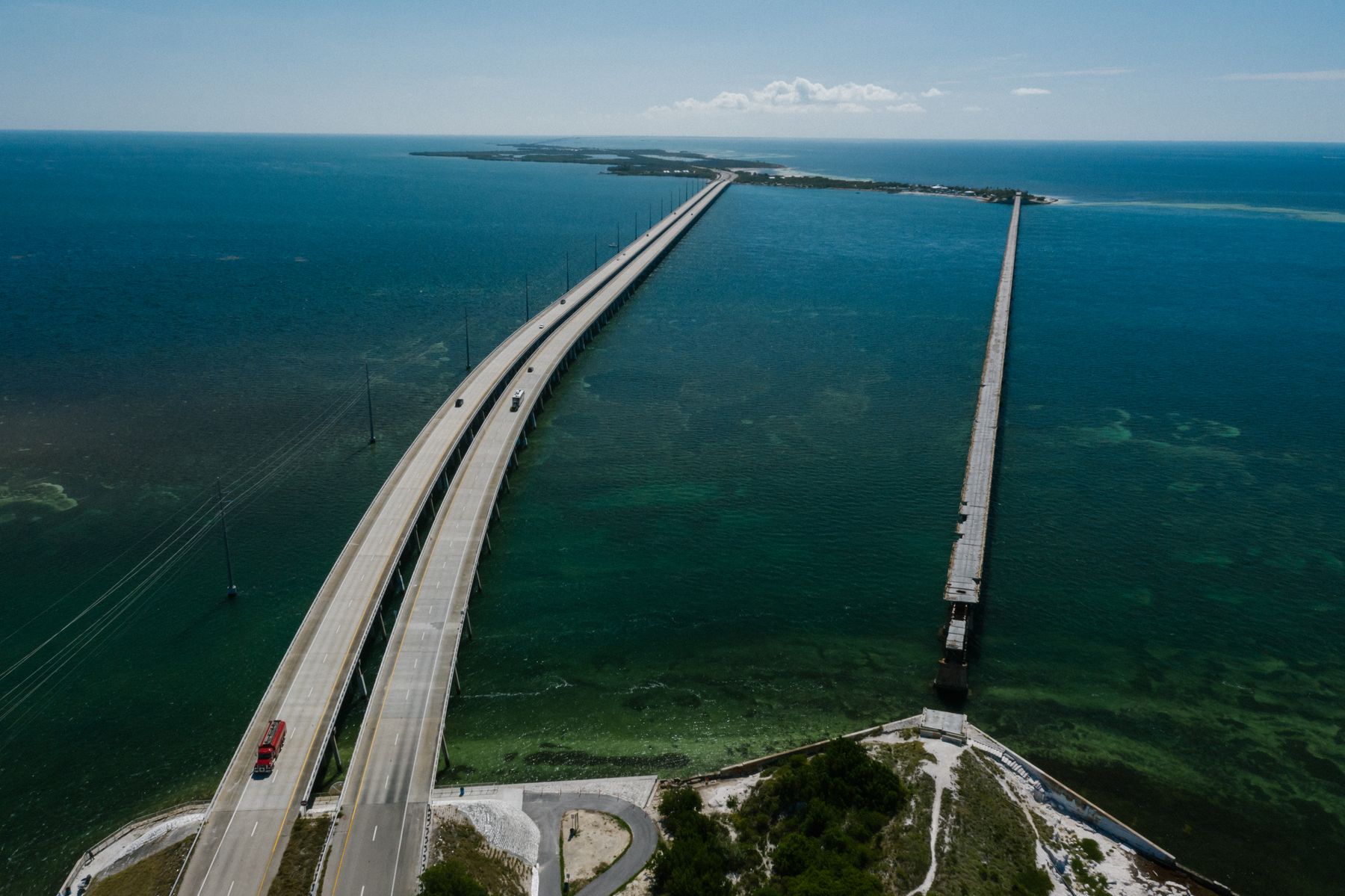
Choose Miami time, then move south through a carefully selected part of the Keys. Key Largo, Islamorada, Marathon, and Key West offer different settings. Families can choose two bases rather than changing hotels at every island community.
Plan the activities around the weather and your children’s comfort with boats, water, and heat. A marine outing needs an operator, minimum-age, safety, cancellation, and boarding check. The scenic bridges are part of the journey, but roadside stopping must remain legal and safe.
| Detail | Family planning notes |
|---|---|
| Suggested length | 5–7 days, longer if giving Miami and Key West substantial time |
| Best for | Water views, selected marine activities, and a warmer-weather trip |
| Bases | Miami plus one or two Keys bases chosen for your interests |
| Driving approach | A linear route with limited alternative roads; allow traffic and weather buffers |
| Map | Miami to Key West via Key Largo and Marathon |
| Costs and booking | Island lodging, parking, boat activities, park visits, and possible one-way vehicle arrangements |
| Access | Confirm boat boarding, shade, beach access, room layout, and mobility needs |
Practical tip: Check tropical-weather and road advisories before traveling. A windy boat day and a calm beach day require different plans, so keep a flexible land-based option.
A Sample Seven-Day Family Road Trip: Maine
This example shows how a week can work without treating every day as a long transfer. Adjust it around ages, interests, weather, and your departure airport.
| Day | Plan | Overnight |
|---|---|---|
| 1 | Arrive in Portland, settle in, and take a short nearby walk | Portland |
| 2 | Choose the Portland Head Light area and one other family activity | Portland |
| 3 | Drive toward Rockland or Camden with a planned meal and break | Midcoast area |
| 4 | Continue to the Bar Harbor area and keep the afternoon light | Acadia-area base |
| 5 | Choose one suitable Acadia outing and a proper rest | Same base |
| 6 | A second park or coastal activity, with time left unbooked | Same base, or move toward the departure airport |
| 7 | Depart with a realistic drive, car-return, and airport allowance | Departure or an extra night |
Portland and Bangor departures create different final-day drives and rental arrangements. Compare them before booking flights. If the return journey is long or your flight is early, move nearer the airport on day six or add a night.
Shorter and Longer Family Road Trip Options
A Weekend
Choose a nearby base and two or three compatible activities. A short beach stay, a city-and-park break, or a small mountain section can be enough. Avoid spending most of the weekend traveling to and from the region.
Three to Five Days
Use one base or a simple two-base route. A selected Outer Banks area, part of Shenandoah, or Charleston with a nearby outing can work. Keep the itinerary aligned with the family’s normal pace.
Seven Days or More
Choose a route from the comparison table and add time where the interests are strongest. A longer holiday is an opportunity for more rest and depth, not a requirement to add another state every day.
How Much Does an East Coast Family Road Trip Cost?
Sample Budget for Two Adults and Two Children
This example covers seven days and six nights with moderate paid activities. It uses assumed spending, not live prices. Hotel costs include estimated taxes and mandatory fees; the car amount assumes a suitable quote with taxes and your chosen protection.
| Item | Assumption | Total |
|---|---|---|
| Accommodation | 6 nights × $220 for a suitable family setup | $1,320 |
| Food | 4 people × 7 days × $35 average | $980 |
| Rental car | 7 days × $85 | $595 |
| Fuel | Combined allowance | $225 |
| Parking and tolls | Combined allowance | $120 |
| Selected activities | Combined family allowance | $360 |
| Subtotal | Before contingency | $3,600 |
| Contingency | 10% | $360 |
| Total for the family | Seven days and six nights | $3,960 |
Flights, shopping, extra rooms or nights, one-way drop-off charges, premium boat trips, and additional non-U.S.-resident national park fees are excluded. A peak-summer beach rental or a city hotel with parking can raise the total. Check each child’s actual ticket category rather than assuming all children enter free.
Practical Ways to Save Money
Compare hotel totals, parking, breakfast, laundry, and kitchen access. A fridge and a simple breakfast arrangement can help both the budget and the morning routine. Mix public parks and beach time with selected paid visits, and choose accommodation that reduces backtracking.
Check attraction passes against the ages, interests, and visits your family would actually buy. Read refund terms and avoid stacking several nonrefundable bookings onto the same uncertain transfer day.
Where to Stay With Children
Choose a real family setup: enough beds, a bathroom that works for the group, appropriate cot or accessibility arrangements, and a clear occupancy policy. Confirm whether a “sleeps four” room means two comfortable beds or a small sofa bed with additional charges.
| Feature | Why it matters |
|---|---|
| Room layout | Adults and children may need different sleep or quiet time |
| Fridge or kitchen access | Helps with breakfast, snacks, and some dietary needs |
| Laundry | Can reduce packing on a longer trip |
| Parking and entrance | Makes luggage, prams, and mobility equipment easier to manage |
| Nearby meals | Reduces another car journey when everyone is tired |
| Cancellation terms | Gives room to respond to weather or family needs |
| Confirmed access details | General property labels do not explain every room or route |
For rentals, check the actual address, legal operation, safety arrangements, bedding, fees, and check-in instructions. For a quiet stay, look at the room position and surroundings as well as the neighborhood name.
Planning Driving Days With Children
Set a Comfortable Driving Limit
For a planning starting point, consider modest driving blocks with regular breaks, then adjust to your family. A map’s moving time excludes toilets, meals, fuel, traffic, and the time needed to get everyone back into the car. Keep transfer days lighter on activities.
Choose Breaks Before You Need Them
Save a few suitable stops with toilets and space for a safe stretch. Have water, snacks, wipes, spare clothing, and personal supplies within reach. Keep food and small items organized so the driver can concentrate.
Car Seats, Belts, and Vehicle Safety
Use an appropriate correctly installed car seat, booster, or seat belt for each child, following the equipment instructions and applicable requirements. Check rental availability, fit, and condition before relying on a supplied seat. Never leave a child alone in or around a vehicle, even briefly; NHTSA emphasizes that dangerous vehicle heat can develop outside the hottest summer days too.
Stop when the driver is tired or distracted. Agree on navigation roles, check around the vehicle before reversing, and keep roadside photo stops safe and legal.
Rental Cars, Tolls, and Transport Choices
Confirm passenger and luggage space, driver rules, deposits, coverage, roadside assistance, mileage, and return location. A larger vehicle is useful only if it actually fits the group and your parking plan. Ask how tolls are handled and what administrative charges apply.
For a city-heavy route, compare using a car only between cities with keeping it parked throughout the trip. For boats and ferries, check passenger versus vehicle tickets, boarding times, accessibility, stroller arrangements, and cancellation terms.
Save your airport-to-hotel route and the final car-return journey before booking a tightly timed departure. A cheap flight is less helpful if it requires a difficult long drive with children at the end.
Food, Dietary Needs, and Easy Meal Planning
Keep the food plan simple: a predictable breakfast, a planned lunch stop, and a dinner option near your base. Let a special meal be the activity rather than adding it after a very long day. Check menus and opening hours before driving into an area with few options.
For vegetarian, vegan, halal, or other requirements, confirm ingredients and preparation directly. For allergies, discuss cross-contact with staff and carry the personal supplies and information your family normally needs. A kitchen can help with routine, but it does not replace the need to verify food and storage arrangements.
Read bills for taxes, service charges, and included gratuity. Carry a backup payment method and a little cash for small purchases.
Free and Low-Cost Family Activities
Public parks, selected beach access points, town walks, waterfronts, and suitable nature routes can provide the main activity of a day. Check parking, seasonal facilities, swim conditions, and any separate park entrance fee.
Look for current official ranger programs, visitor-center activities, library events, or museum discounts that suit your dates and eligibility. Do not assume a free program runs daily or that a resident discount applies to all visitors.
A useful low-cost day might be a short nature outing, a picnic, and free time near your accommodation. Leaving the afternoon open can also make room for weather, laundry, or a child who needs a quieter day.
Rainy-Day and Slow-Paced Alternatives
Choose an open museum, a library visit, a simple food outing, or time at the accommodation. Check age suitability, entry availability, and transport before setting out. A boat trip, mountain road, or exposed beach walk should follow the actual conditions.
For less walking, choose one compact area and an accessible route that has been confirmed. A direct transfer and a shorter activity can be more helpful than trying to make a very long route comfortable through extra breaks alone.
Photography, Wildlife, and Local Etiquette
Use safe public viewpoints and keep family photos away from live traffic, unstable edges, and private property. Ask before taking a close portrait of someone else. Follow local rules for drones and commercial photography.
Watch wildlife from a proper distance and keep children close in working harbors, near roads, and around water. Follow lifeguard instructions and posted barriers. A picture showing someone beyond a fence is not a guide to permitted access.
What to Pack for an East Coast Family Road Trip

- Travel and driving documents, hotel details, and saved bookings.
- Appropriate child restraints and familiar comfort items.
- Seasonal layers, comfortable shoes, sun protection, and rainwear.
- Water, snacks, wipes, spare clothing, and organized daily supplies.
- Personal medication, allergy information, and any accessibility equipment.
- Chargers, a power bank, offline maps, and a backup payment method.
- A small selection of travel entertainment suited to your children.
Pack for the forecast and the region. Maine, a mountain road, and the Florida Keys can require very different clothing on the same calendar date. Keep important supplies accessible rather than under the whole luggage load.
Important Contacts and Official Resources
For an immediate police, fire, or medical emergency in the United States, call 911. Save your roadside-assistance details, insurer’s number, accommodation contacts, and important personal contacts offline.
Use state transport departments for road conditions, the relevant National Park Service site for park access, and the ferry operator for current sailings. Confirm nonemergency institutional phone numbers through current official directories.
International visitors should check U.S. entry documents and driving requirements for their situation. Keep the documents and identification needed for your family, with secure backups.
Common Family Road Trip Mistakes
- Choosing a route before considering the children’s actual travel pace.
- Changing hotels every night when a few bases would work.
- Treating navigation drive time as the full transfer time.
- Booking several timed attractions after a long drive.
- Assuming beaches, ferries, climbs, and mountain facilities operate year-round.
- Forgetting parking, tolls, room occupancy rules, and children’s ticket categories.
- Expecting a free park entry or reservation to cover every extra activity.
- Leaving the final airport drive too tight.
Frequently Asked Questions About East Coast Family Road Trips
Which Route Is Best for a First Family Road Trip?
Choose the one that fits your interests and comfortable driving distance. The Outer Banks can suit a beach base, Shenandoah a focused nature trip, and Maine a longer coastal journey. There is no single best route for every family.
How Many Days Should We Allow?
Five to seven days works for several regional trips. Maine, a New England loop, or three major cities often benefits from a week or longer. Count arrival and departure separately when they take most of a day.
How Much Should a Family of Four Budget?
The illustrative seven-day, six-night example totals $3,960, excluding flights and major extras. Region, season, room needs, and paid activities can change the total substantially.
How Long Should We Drive Each Day?
Set a limit that suits your family, then add breaks and traffic to the map estimate. Young children may do better with short blocks and a lighter activity plan. Stop before fatigue makes the drive difficult or unsafe.
Should We Book Every Night in Advance?
Book busy beach periods, special room requirements, national park bases, and key city stays ahead. Confirm cancellation terms and late check-in. Keep daytime activities more flexible when possible.
Is Acadia’s Summit Reservation the Same as Park Entry?
No. Cadillac Summit Road’s seasonal vehicle reservation is separate from park admission. Check current dates, park fees, pass rules, and any non-U.S.-resident charges before visiting.
What Should We Do If the Weather Changes?
Use a nearby indoor or lower-exposure alternative, shorten the activity, or enjoy a lighter day at your base. Check official road, park, beach, and ferry information before keeping a weather-sensitive plan.
Your Final Family Road Trip Checklist
- Choose one route and a comfortable number of bases.
- Check room occupancy, beds, access, and family equipment.
- Confirm car seats, vehicle space, tolls, coverage, and roadside help.
- Save transfer routes, break stops, and departure timing.
- Reserve priority activities and review cancellation terms.
- Check seasonal opening, weather, road, beach, and ferry conditions.
- Pack personal essentials and keep them within reach.
- Leave time for rest, play, and the unexpected stop everyone enjoys.
Reader Questions and Family Travel Experiences
Real family travel details are useful because the same route can feel different with a toddler, a teenager, or a traveler who needs step-free access. If you have tried one of these trips, share the children’s age range, season, overnight bases, and how much driving felt comfortable.
Tell readers one thing you would repeat and one thing you would simplify. Practical experiences and current access observations are welcome in the reply section below.
Explore More Family and USA Travel Guides
Plan city stops with our Boston guide, New York City guide, Washington, D.C. attractions guide, and Miami guide. For western routes, explore the seven-day California itinerary and Pacific Coast Highway stops.
What would you like to know before you go?
Send us your question, feedback, or a place you would like to see covered.
Ask a travel question


Leave a Reply