Written by Ari Mayzick · Go Travel Box
Published November 10, 2026 · Updated November 10, 2026
Washington, D.C. has a wonderful surprise for a first visit: many of its best-known museums and memorials are free. You can stand beneath the Lincoln Memorial, see remarkable museum collections, and follow the history of the United States without buying a ticket at every door. The challenge is choosing what fits into your time.
This guide to the best tourist attractions in Washington, D.C. explains the main sights, free-ticket rules, hotel areas, transport, food, and realistic itineraries. It also covers the detail visitors often miss: free admission can still require a reservation, and the National Mall involves more walking than a small map suggests.
First Trip to Washington, D.C.? Start Here
Give D.C. at least three full days, stay near a useful Metro station, and plan one major museum per day. Reserve the free timed-entry attractions that matter most, then build the rest of your day around them. A museum, a meal, and a focused memorial walk often make a better day than six hurried buildings.
For a first trip, prioritize a National Mall and memorial outing, one or two museums that match your interests, and Capitol Hill. Add Georgetown or Arlington on a separate half-day. Travelers with five or more days can explore more neighborhoods and spend longer inside collections.
D.C. is also a working capital. Demonstrations, official events, security restrictions, and renovations can change access. Check the current opening information for your actual date and keep an alternative nearby.
Washington, D.C. at a Glance
| Planning question | Quick answer |
|---|---|
| Location | The U.S. capital, between Maryland and Virginia |
| Suggested first visit | 3–4 full days; 5–7 for deeper museum and neighborhood time |
| Best general seasons | Spring and fall for outdoor comfort; exact weather and crowds vary |
| Budget style | Many major sights are free, but hotels, meals, and transport still add up |
| Daily planning allowance | About $120–180 budget, $200–320 midrange, or $400+ higher-end per adult sharing a room; flights excluded |
| Useful hotel areas | Downtown, Penn Quarter, Dupont Circle, Capitol Hill, or a well-connected Virginia base |
| Main transport | Metro, buses, walking, and selected taxi or rideshare journeys |
| Rental car | Usually unnecessary for a central sightseeing stay |
| Booking priorities | Hotel, Air and Space Museum, NMAAHC, Library of Congress, Capitol tour, and any monument interior you want |
| Time and money | Eastern Time; U.S. dollars |
Ranges and budgets are editorial planning examples. Important access and fare details were checked November 10, 2026; verify date-specific opening hours and reservations before traveling.
Table of Contents
- First Trip to Washington, D.C.? Start Here
- Washington, D.C. at a Glance
- How to Plan Your First Trip to Washington, D.C.
- Best Time to Visit Washington, D.C.
- How Much Does a Trip to Washington, D.C. Cost?
- Where to Stay in Washington, D.C.
- How to Get to Washington, D.C.
- How to Get Around Washington, D.C.
- Best Tourist Attractions in Washington, D.C.
- Best Things to Do in Washington, D.C. Beyond the Landmarks
- Washington, D.C. Itinerary Ideas
- What and Where to Eat in Washington, D.C.
- Free and Budget-Friendly Things to Do in D.C.
- D.C. Experiences for Different Travelers
- Best Photography Spots in Washington, D.C.
- Day Trips and Road Trips From Washington, D.C.
- Essential Things to Know Before Visiting Washington, D.C.
- What to Pack for Washington, D.C.
- Important Contacts and Official Resources
- Common Mistakes First-Time D.C. Visitors Make
- Frequently Asked Questions About Visiting Washington, D.C.
- Your Final Washington, D.C. Planning Checklist
- Reader Questions and Travel Experiences
- Explore More USA Travel Guides
How to Plan Your First Trip to Washington, D.C.
How Many Days Do You Need?
Two days can cover a memorial route, a museum, and a little Capitol Hill time. Three or four days feel more balanced. Five days allow additional museums without rushing. A week makes room for neighborhoods, a slower pace, and a day outside the center.
Be honest about museum energy. A three-hour history visit can be rewarding and tiring, especially with children or after a long flight. Keep some outdoor time between substantial indoor visits.
A Step-by-Step Booking Checklist
- Choose the museums and buildings you most want to enter.
- Check which require timed passes, then note their release and cancellation rules.
- Book a hotel near a Metro station that serves your main routes.
- Reserve high-priority visits and any dinner, performance, or guided tour.
- Save an airport route, hotel address, and important tickets offline.
- Arrange each day around a compact area and leave a backup for closures.
What to Book Ahead and What Can Wait?
Free timed-entry passes are currently required for the National Air and Space Museum on the Mall, the National Museum of African American History and Culture, and the Library of Congress. Capitol tours are free, with reservations recommended. The Washington Monument interior requires a ticket. Lincoln’s outdoor memorial chamber and its new lower-level museum have different access arrangements.
You can usually leave general outdoor memorial walks, neighborhood exploring, and unticketed general entry at museums such as Natural History flexible, subject to operating conditions. A White House interior visit needs separate arrangements; walking past the White House does not provide entry.
Choosing Your Priorities
Pick interests rather than a compulsory list. Families may favor aircraft, dinosaurs, and a short memorial walk. Art lovers may give the National Gallery half a day. History-focused travelers should allow time to read exhibits and reflect, especially at NMAAHC and Arlington.
Best Time to Visit Washington, D.C.
Weather, Seasons, and Crowds
Spring brings gardens, blossoms, and strong visitor demand. Fall often works well for outdoor walking. Summer can be hot and humid, with afternoon thunderstorms; shade and water matter on the Mall. Winter can bring lower room rates on some dates, but cold, wind, ice, and early darkness affect an outdoor plan.
| Season | Main appeal | Main tradeoff |
|---|---|---|
| Spring | Blossoms, gardens, and comfortable days when weather cooperates | Heavy demand around peak bloom and school breaks |
| Summer | Long days and a busy visitor calendar | Heat, humidity, storms, and large family crowds |
| Fall | Pleasant walking periods and seasonal color | Events and conferences can raise hotel prices |
| Winter | Indoor museums and possible hotel value | Short days, cold weather, and holiday closures |
Cherry Blossoms, Holidays, and Major Events
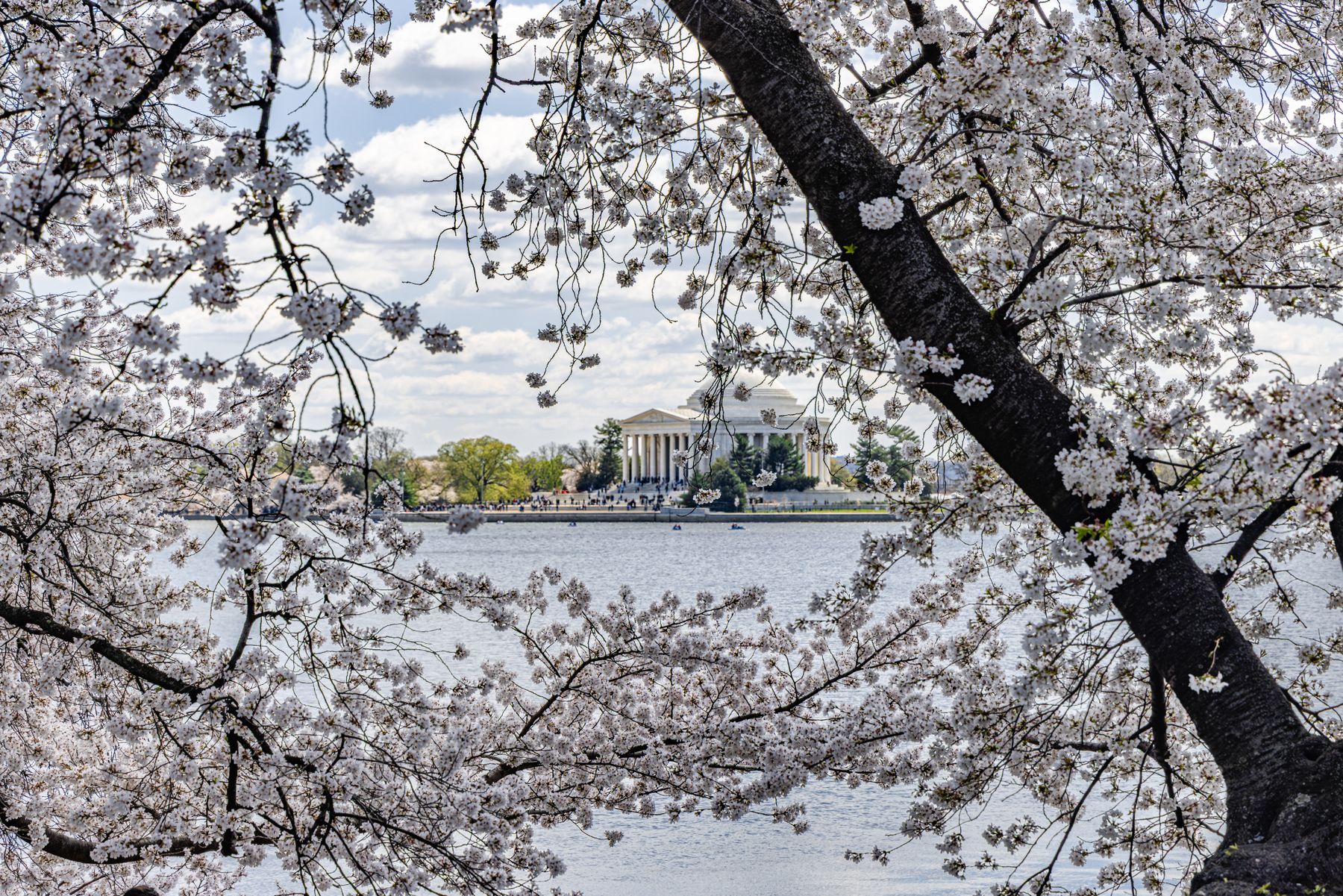
Peak bloom varies with weather. Do not book a trip on the assumption that the trees will flower on the same dates every year. The Tidal Basin photograph shows a spring scene; it is not what the waterfront looks like in every month.
Check the official tourism calendar and National Park Service updates for festivals, holiday events, road closures, and crowd arrangements. Large official events can affect access far beyond a single building. For value, compare several ordinary dates rather than relying only on a “low season” label.
How Much Does a Trip to Washington, D.C. Cost?
Budget, Midrange, and Higher-End Travel
Free museums can make D.C. good value for sightseeing, but accommodation can still be expensive. Compare hotel totals across a few nearby dates and areas. Staying outside the center can help, provided the Metro route, station walk, and return service suit your plans.
Budget for meals, local transport, airport journeys, taxes, tips, and any paid tours or entertainment. Some “free” reservations carry a small processing charge. Food choices on the Mall can be limited or expensive for what you get, so plan a lunch break rather than buying the first option when everyone is tired.
Sample Budget for Two Adults
This example assumes three hotel nights and three sightseeing days. The hotel amount includes an assumed allowance for taxes and mandatory fees; it is not a live quote.
| Item | Assumption | Total |
|---|---|---|
| Hotel | 3 nights × $220 | $660 |
| Food | 2 adults × 3 days × $50 | $300 |
| Local transport | Combined allowance | $80 |
| Airport transfers | Combined allowance | $80 |
| Reservations and selected paid extras | Combined allowance; most core museum visits remain free | $60 |
| Subtotal | Before contingency | $1,180 |
| Contingency | 10% of subtotal | $118 |
| Total for two | Three nights and three sightseeing days | $1,298 |
Flights, shopping, rental cars, premium performances, and additional nights are excluded. A taxi-heavy trip or a hotel during a major event can cost considerably more.
Practical Ways to Save Money
Build your trip around the free sights you actually want to see. Carry water, use a Metro-friendly hotel, and compare an attraction pass against individual prices before buying. With so many free major attractions, a paid pass needs to offer something you genuinely value. Read restaurant bills for service charges or included gratuities before deciding on a further tip.
Where to Stay in Washington, D.C.

Neighborhood Comparison for First-Time Visitors
| Area | Good for | What to check |
|---|---|---|
| Downtown and Penn Quarter | A first visit, restaurants, and several central routes | Exact Metro access, room noise, and the walk to your main sights |
| Dupont Circle | Dining, couples, and neighborhood evenings | Journey time to the eastern Mall and Capitol Hill |
| Capitol Hill | Historic streets and access to government-area sights | Exact hotel location and transport beyond Capitol Hill |
| Georgetown | Character, shopping, and a slower neighborhood stay | There is no Metro station in the heart of Georgetown |
| Arlington near a suitable Metro station | Some families and budget-conscious travelers | Station walk, service hours, and the daily journey into D.C. |
| Alexandria near a useful rail connection | A longer stay or a quieter base | Longer travel time and whether your hotel is actually near transit |
Families should prioritize space, breakfast options, and a simple station walk. Couples may like Dupont Circle or a characterful central hotel. Nightlife seekers can compare central dining areas and check noise reports. For a quiet stay, confirm the room position and surroundings rather than assuming a whole neighborhood is silent.
Hotels, Vacation Rentals, and Booking Checks
Check the final rate, taxes, deposits, parking, cancellation terms, minimum check-in age, and luggage storage. If you choose a rental, confirm its location, legal operation, and access arrangements. A cheaper property described as “near Washington” can be a long way from a useful rail station.
For accessibility, ask about your actual room, bathroom, lift, entrance, and the route from the station. Confirm the details directly; a general accessibility label leaves many practical questions unanswered.
How to Get to Washington, D.C.
Arriving by Air, Train, Bus, or Car
The main airport options are Reagan National, Dulles, and Baltimore/Washington. Reagan National is generally closest to central D.C.; Dulles has a Silver Line Metro connection, while BWI requires a longer ground journey using airport and regional transport connections.
Union Station serves intercity trains and has Metro connections. Long-distance bus stops vary, so check the operator’s exact location. Driving can suit a wider regional trip, but central parking and traffic often make a car inconvenient during the D.C. portion.
Airport Transfer Comparison
| Airport | Public transport approach | Convenience considerations |
|---|---|---|
| Reagan National, DCA | Blue or Yellow Line Metro, then any needed transfer | Useful for many central hotel areas; check the final station walk |
| Dulles, IAD | Silver Line Metro, then any needed transfer | A longer rail journey; include the walk between terminal and station |
| Baltimore/Washington, BWI | Airport connection to rail or another suitable regional service | Compare timetables and the onward journey, especially late at night |
| Any airport by taxi or rideshare | Current quote or official fare terms | Helpful with luggage or late arrival; traffic changes travel time |
Save your DCA route to central D.C., Dulles route, or BWI route. Recheck your arrival time and current service before setting out.
For late arrivals, verify the last usable connection. If you need an accessible vehicle, reserve it directly and confirm luggage and mobility-equipment space. An airport’s accessible terminal does not guarantee that every transfer option meets your needs.
How to Get Around Washington, D.C.
Metro, Buses, Walking, and Cycling
Metro is useful for moving between districts, while buses can fill gaps. Current regular rail fares range from $2.25 to $6.75 during normal weekday daytime periods. After 9:30 p.m. and on weekends, rail fares currently range from $2.25 to $2.50. Check the actual trip and any pass eligibility rather than assuming every journey has the same fare.
Tap. Ride. Go. contactless payment is available on Metro rail and buses. Use the same card or device consistently, including entry and exit on rail. SmarTrip remains useful for passes and certain fare arrangements. Check current rules if you qualify for a reduced fare or travel with children.
Walk within sensible clusters. Cycling or a permitted rental device can reduce some distances, but memorial areas, sidewalks, and park spaces have specific rules. Follow signs and dismount where required. Do not leave rental equipment blocking paths or entrances.
Taxis, Cars, Accessibility, and Useful Apps
Use live WMATA service information and a map app, especially on weekends when track work may alter a journey. For a step-free trip, check station elevator status and the route at both ends. A station that usually has a lift may have a temporary outage.
Taxis and rideshares are useful for a tiring final leg or a route with awkward transfers. Road closures can affect pickup locations. A rental car is usually unnecessary for central sightseeing; paid parking, traffic, and security restrictions can outweigh its convenience.
Best Tourist Attractions in Washington, D.C.
1. National Mall and Lincoln Memorial
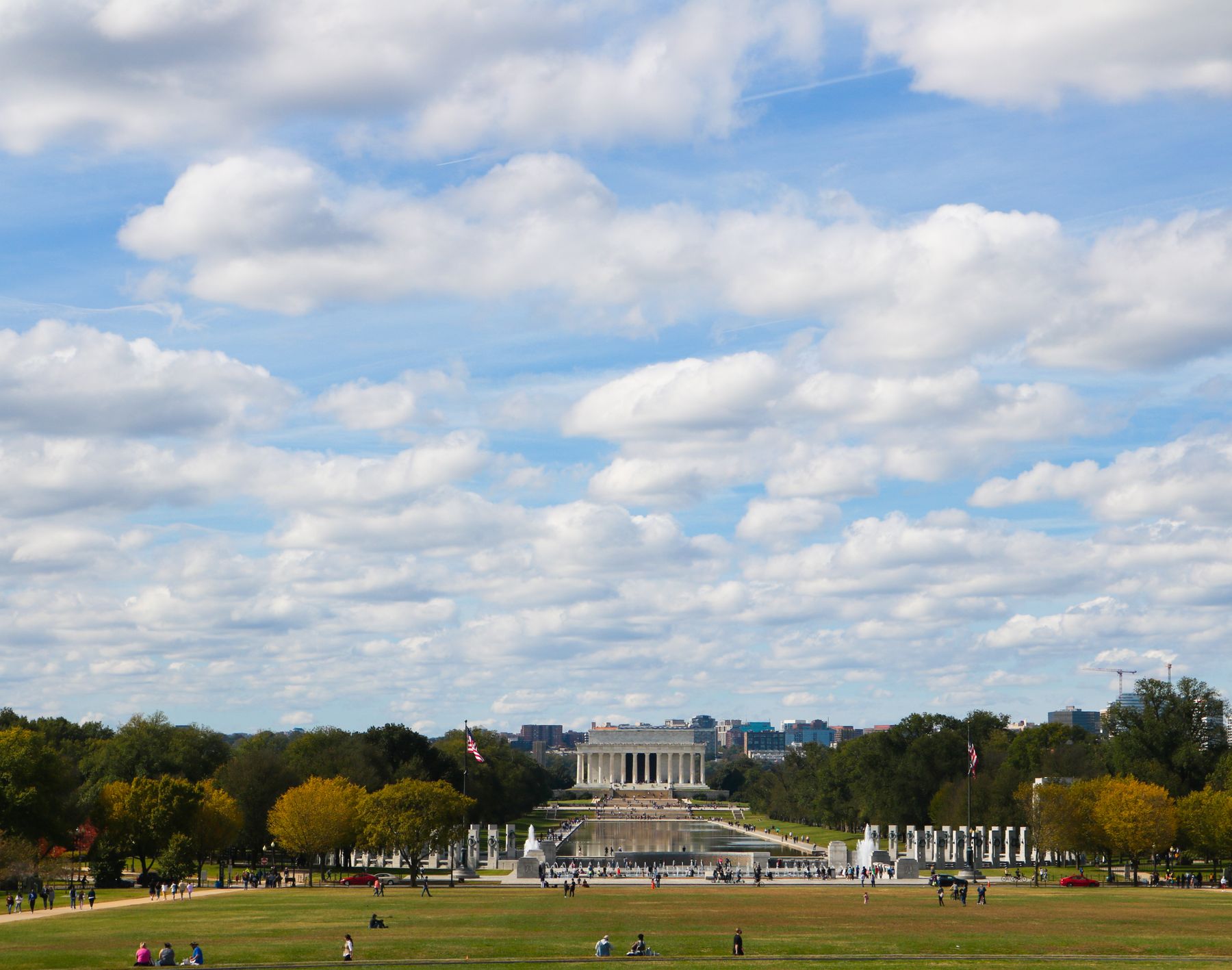
The Mall links some of the country’s best-known memorials, but it deserves more than a hurried end-to-end march. Choose a section and take time to read inscriptions and understand the setting. The Lincoln Memorial is especially memorable when you pause rather than simply take a photograph and leave.
| Detail | Planning notes |
|---|---|
| Best for | History, architecture, reflection, and a first memorial walk |
| Location and map | Lincoln Memorial |
| Time needed | 45–90 minutes at Lincoln; longer for a wider memorial route |
| Cost | The outdoor memorial grounds and main chamber are free |
| Booking | The new lower-level museum has separate timed tickets; current advance booking has a small charge, with limited free same-day availability |
| Getting there | Metro followed by a substantial walk, or a suitable bus or road transfer |
| Accessibility | Use the designated accessible route and check current lift or construction information |
| Nearby stops | Vietnam Veterans Memorial, Korean War Veterans Memorial, and the Reflecting Pool |
Practical tip: Do not confuse a lower-level museum reservation with access to the main outdoor memorial. Check the National Park Service’s current arrangements before visiting.
2. Washington Monument
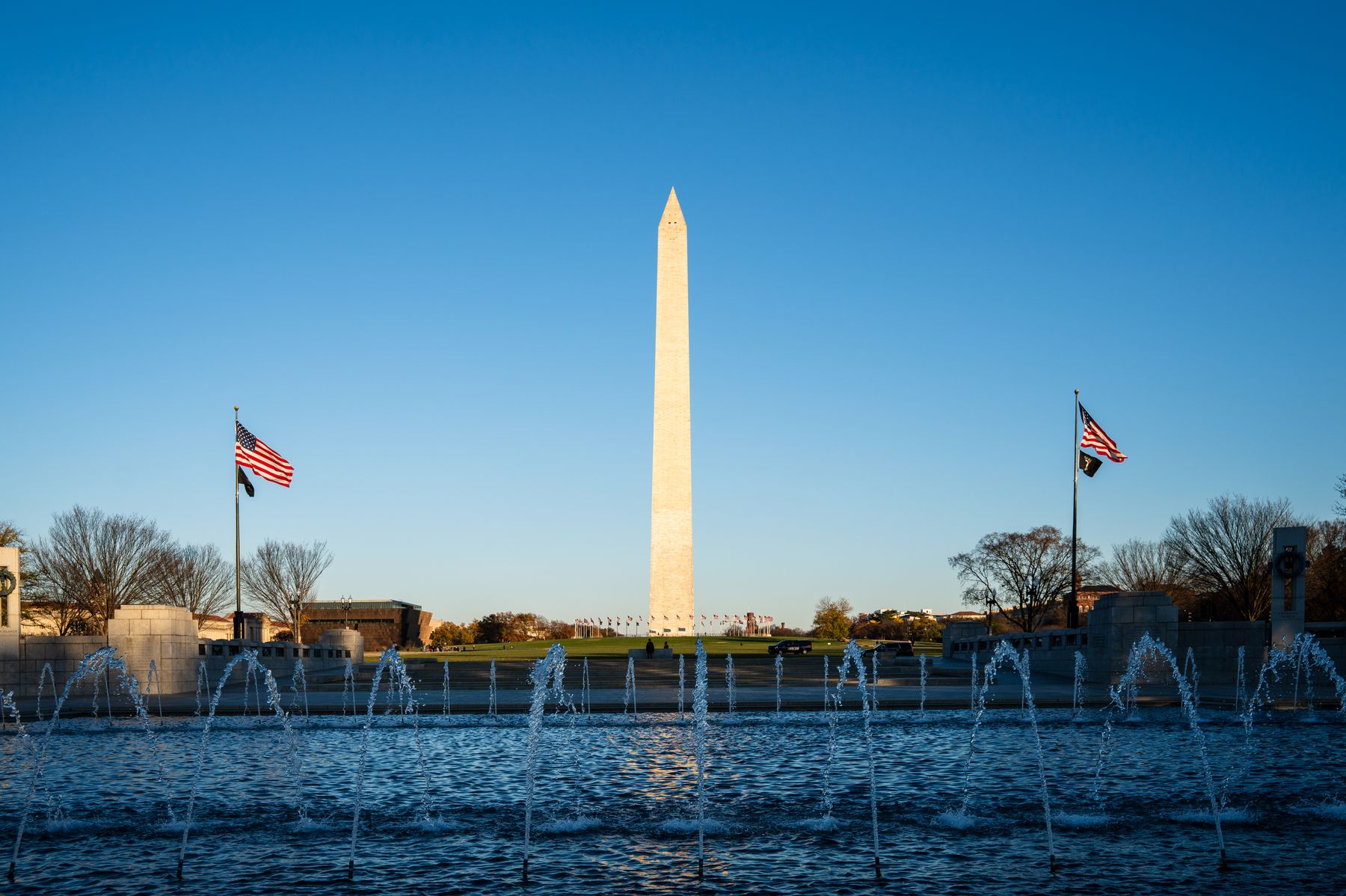
The monument is an easy landmark to recognize from across the city. Walking around it is different from going inside. If the interior matters to you, plan the ticket before arranging the rest of the day; otherwise, the exterior fits naturally into a Mall walk.
| Detail | Planning notes |
|---|---|
| Best for | A major landmark and elevated city views when interior access is operating |
| Location and map | Washington Monument |
| Time needed | 30–60 minutes outside; allow additional security and visit time for an interior ticket |
| Cost and booking | Interior tickets are required for ages 2+; online reservations currently carry a $1-per-ticket fee; limited same-day tickets may be available |
| Getting there | Smithsonian or another suitable Metro station, then a walk |
| Accessibility | Confirm current security, lift operation, and access conditions with NPS |
| Nearby stops | World War II Memorial and the National Museum of African American History and Culture |
Practical tip: Weather or operational issues can affect interior visits. Keep a nearby alternative and do not build the whole day around an unconfirmed ticket.
3. United States Capitol

A guided Capitol tour adds context to a building you have probably seen in countless photographs. It is a working government building with security rules, so bring only what you need and allow enough arrival time. The grounds also offer a useful starting point for an eastern Mall or Capitol Hill outing.
| Detail | Planning notes |
|---|---|
| Best for | U.S. government, architecture, and history |
| Location and map | U.S. Capitol Visitor Center |
| Time needed | Around 1.5–2 hours including arrival and security |
| Cost and booking | Guided tours are free; reservations recommended; limited same-day places may be available |
| Important distinction | A standard tour does not include House or Senate gallery access |
| Getting there | Capitol South, Union Station, or another suitable connection plus a walk |
| Accessibility | Request any tour accommodations and confirm the entrance before arrival |
| Nearby stops | Library of Congress and Capitol Hill streets |
Practical tip: Check prohibited items, opening days, and security instructions before leaving your hotel. Do not plan a tight connection to the next timed booking.
4. Library of Congress: Thomas Jefferson Building

The Jefferson Building is a highlight for visitors who love decorated interiors and the history of books and ideas. Look up, slow down, and allow time for the public exhibitions. This is an active institution, with visitor access organized through a timed-entry system.
| Detail | Planning notes |
|---|---|
| Best for | Architecture, books, exhibitions, and history |
| Location and map | Library of Congress Jefferson Building |
| Time needed | 1–2 hours |
| Cost and booking | Free timed-entry passes are required; check current release dates and same-day availability |
| Getting there | Combine with a Capitol Hill visit |
| Accessibility | Confirm the designated accessible entrance and any tour accommodations |
| Nearby stops | U.S. Capitol and Eastern Market, reached with an additional walk or ride |
Practical tip: Visitor admission does not mean unrestricted entry to reading rooms. Check which spaces and exhibitions are available on your day.
5. Smithsonian National Air and Space Museum
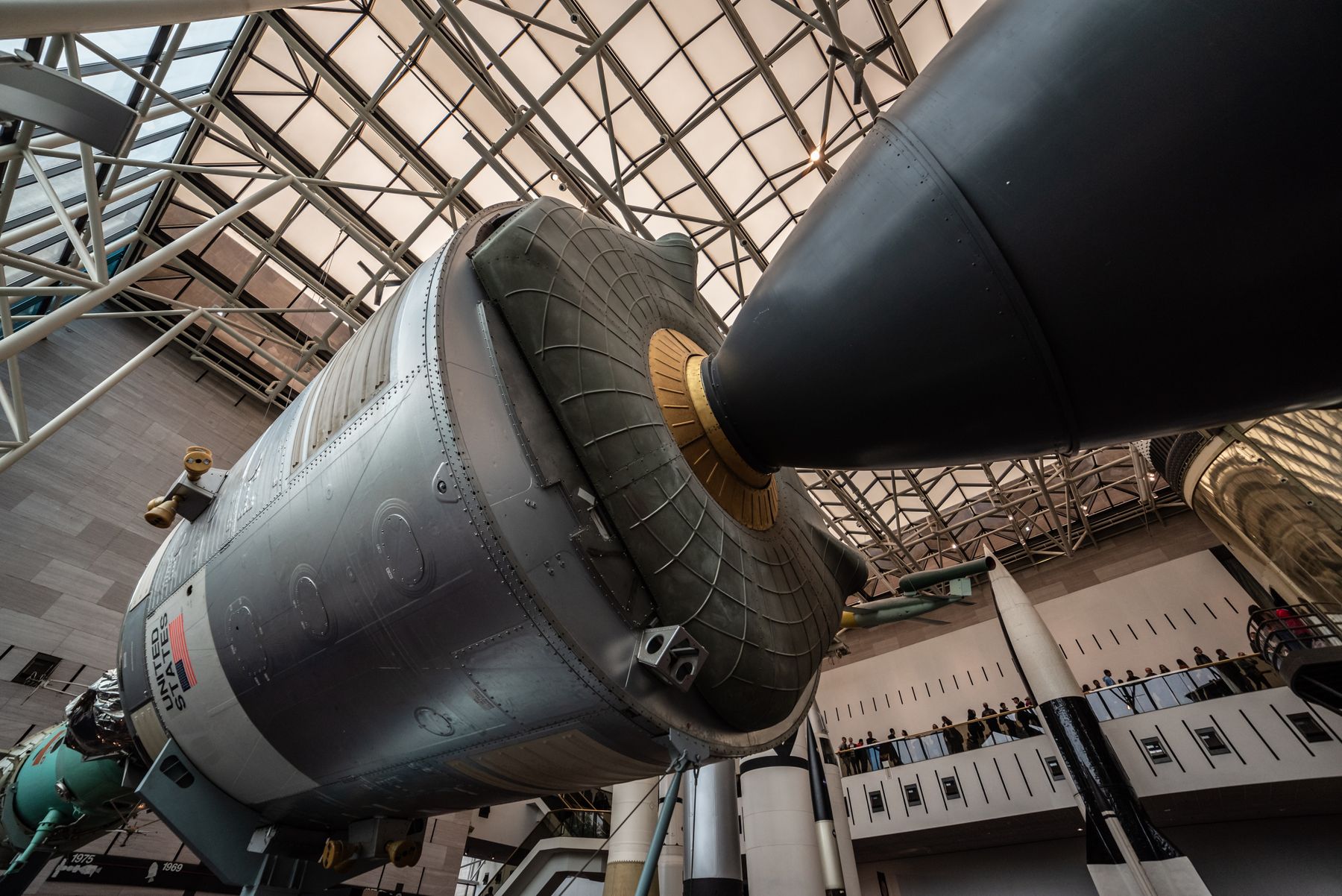
The Mall museum makes the story of flight tangible through aircraft, spacecraft, and the people behind them. It is popular with adults as well as children. Choose a few galleries that interest you most rather than trying to absorb every display in one visit.
| Detail | Planning notes |
|---|---|
| Best for | Aviation, space exploration, engineering, and families |
| Location and map | Air and Space Museum on the National Mall |
| Time needed | 2–3 hours, longer for enthusiasts |
| Cost and booking | General admission is free; free timed-entry passes are required; premium experiences may be separate |
| Getting there | A suitable Mall-area Metro station followed by the correct entrance walk |
| Accessibility | Check current visitor information for lifts, seating, sensory resources, and assistance |
| Nearby stops | National Gallery of Art and the eastern Mall |
Practical tip: The Steven F. Udvar-Hazy Center is a separate museum site in Chantilly, Virginia. A booking for one location does not place you at the other.
6. National Museum of Natural History
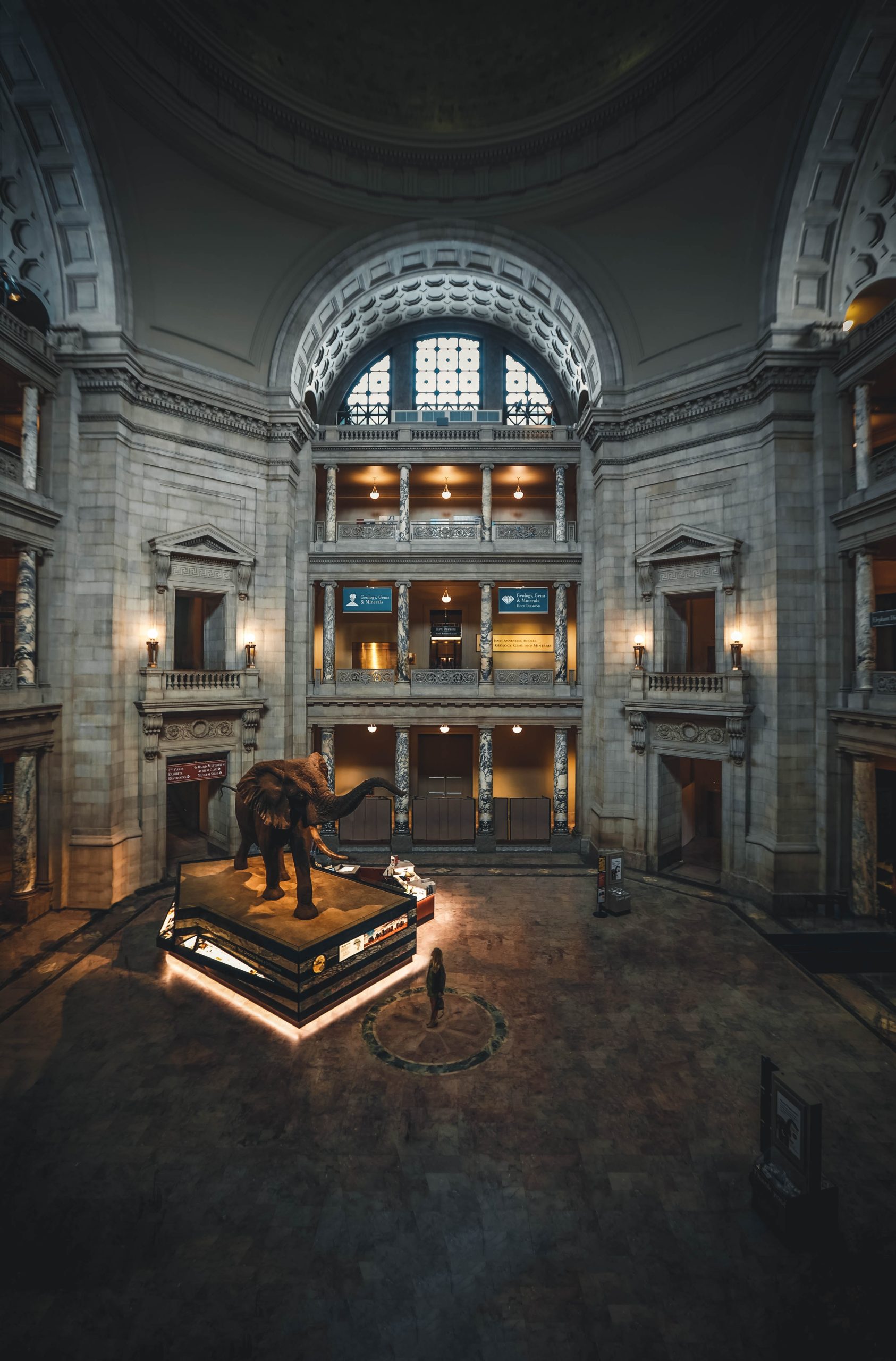
Natural History is a strong choice when your group has mixed ages and interests. Pick a theme—fossils, oceans, mammals, or gems—and start there. The museum is large enough that a focused two-hour visit can be more enjoyable than a tired attempt to cover every hall.
| Detail | Planning notes |
|---|---|
| Best for | Families, science, natural history, and a flexible museum day |
| Location and map | National Museum of Natural History |
| Time needed | 2–4 hours |
| Cost and booking | General admission is free; no general-entry pass is currently required |
| Getting there | Walk from a suitable central Metro station |
| Accessibility | Review the museum’s access resources and ask about a manageable route |
| Nearby stops | National Gallery, Mall gardens, and other Smithsonian museums |
Practical tip: Security lines still take time. The museum does not provide luggage storage, so leave large bags at your accommodation or a suitable storage service.
7. National Museum of African American History and Culture
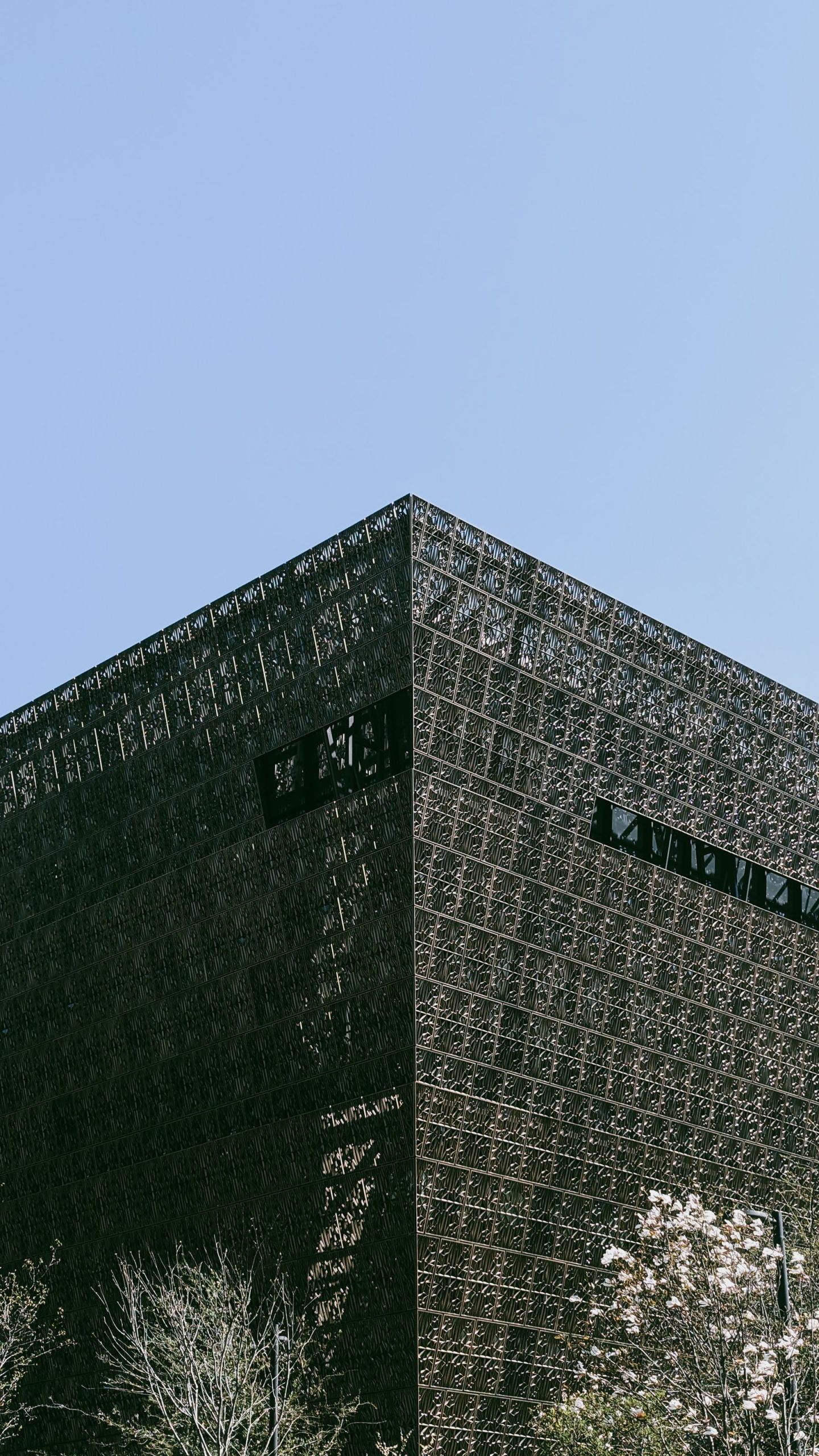
NMAAHC deserves concentration and room in your schedule. Its exhibitions cover difficult history as well as cultural achievement, community, and creativity. Give yourself time to pause. Many visitors find it better to keep the rest of that day relatively light.
| Detail | Planning notes |
|---|---|
| Best for | African American history, culture, and a deeper understanding of the United States |
| Location and map | NMAAHC |
| Time needed | At least 3 hours for a substantial visit; you may want longer or a return visit |
| Cost and booking | Free timed-entry passes are required for all visitors, including children |
| Getting there | Central Metro connection and a walk toward the Washington Monument area |
| Accessibility | Check current access, sensory, and assistance information before your visit |
| Nearby stops | Washington Monument and a quiet Mall break |
Practical tip: Reserve through the museum’s official system. Limited same-day passes are an option to check, not a guarantee of admission.
8. National Gallery of Art
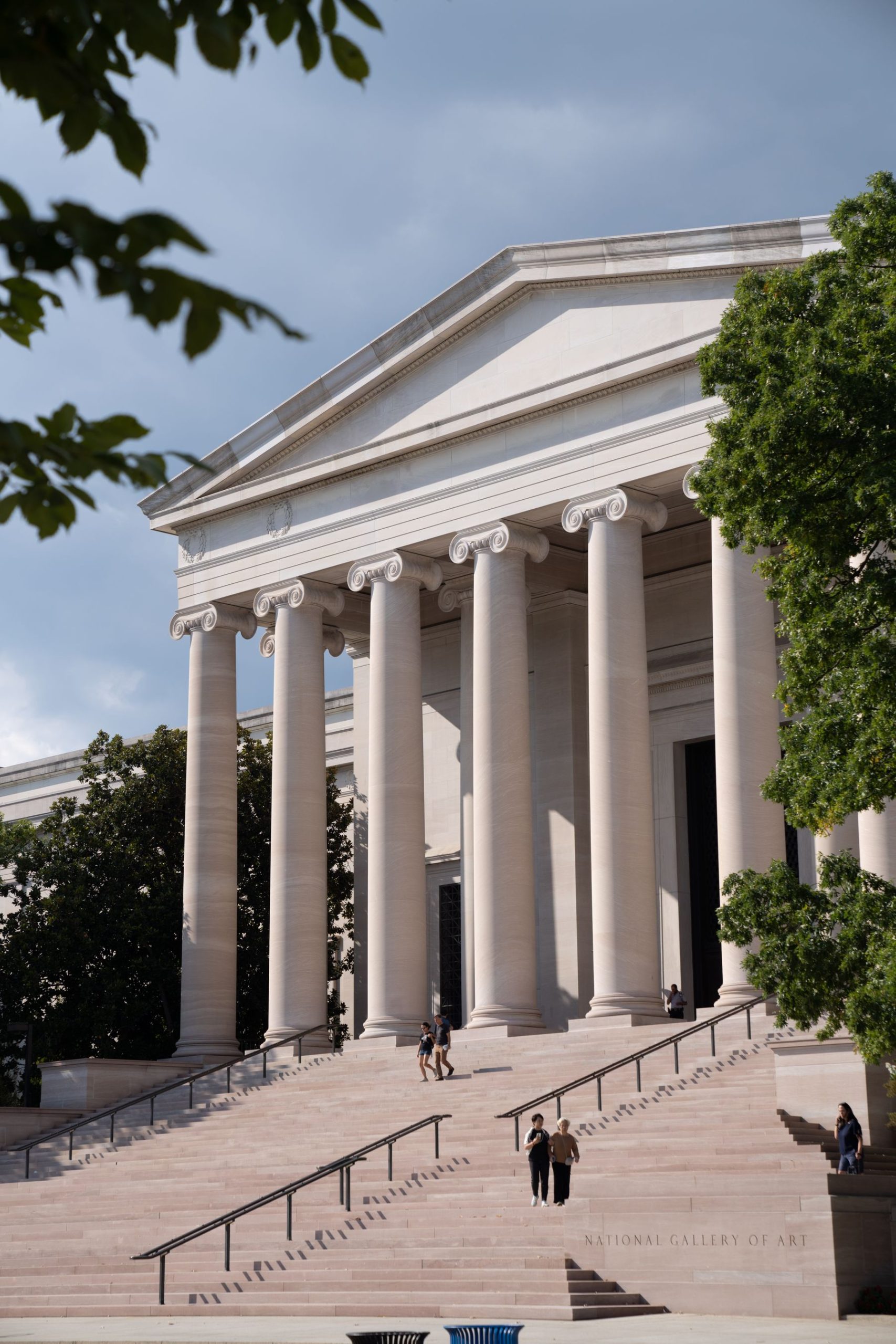
The National Gallery gives you the freedom to follow your own interests without feeling you must see everything to justify an entrance fee. Choose a collection, spend time with a few works, and take a break. Its West and East Buildings offer different experiences.
| Detail | Planning notes |
|---|---|
| Best for | Art, architecture, and a calmer indoor afternoon |
| Location and map | National Gallery of Art |
| Time needed | 2–4 hours, or a shorter focused visit |
| Cost and booking | General admission is free; check any special program requirements |
| Getting there | Metro to a suitable central station, then a walk |
| Accessibility | Review accessible entrances, seating, and tour resources with the gallery |
| Nearby stops | Sculpture Garden and the eastern National Mall |
Practical tip: The National Gallery is a separate institution from the Smithsonian. Check its own calendar rather than assuming another museum’s rules apply.
9. Tidal Basin, Jefferson Memorial, and Martin Luther King Jr. Memorial
The Tidal Basin combines water views and important memorials. It can be peaceful outside the busiest periods, but the distances and exposed paths deserve planning. Choose a short segment if you are already walking a lot that day, especially in summer heat or winter wind.
| Detail | Planning notes |
|---|---|
| Best for | Memorials, outdoor reflection, and seasonal photography |
| Location and map | Tidal Basin |
| Time needed | 1.5–3 hours depending on route and stops |
| Cost and booking | Outdoor memorial access is generally free; events and closures may change routes |
| Getting there | Metro plus a meaningful walk, or an appropriate road connection |
| Accessibility | Check current path works, step-free routes, and the distance you can comfortably cover |
| Nearby stops | Franklin Delano Roosevelt Memorial and the southern Mall |
Practical tip: Blossom season brings crowds and special arrangements. Save a route, carry water, and plan a restroom break before beginning a longer loop.
10. White House Area and White House Visitor Center
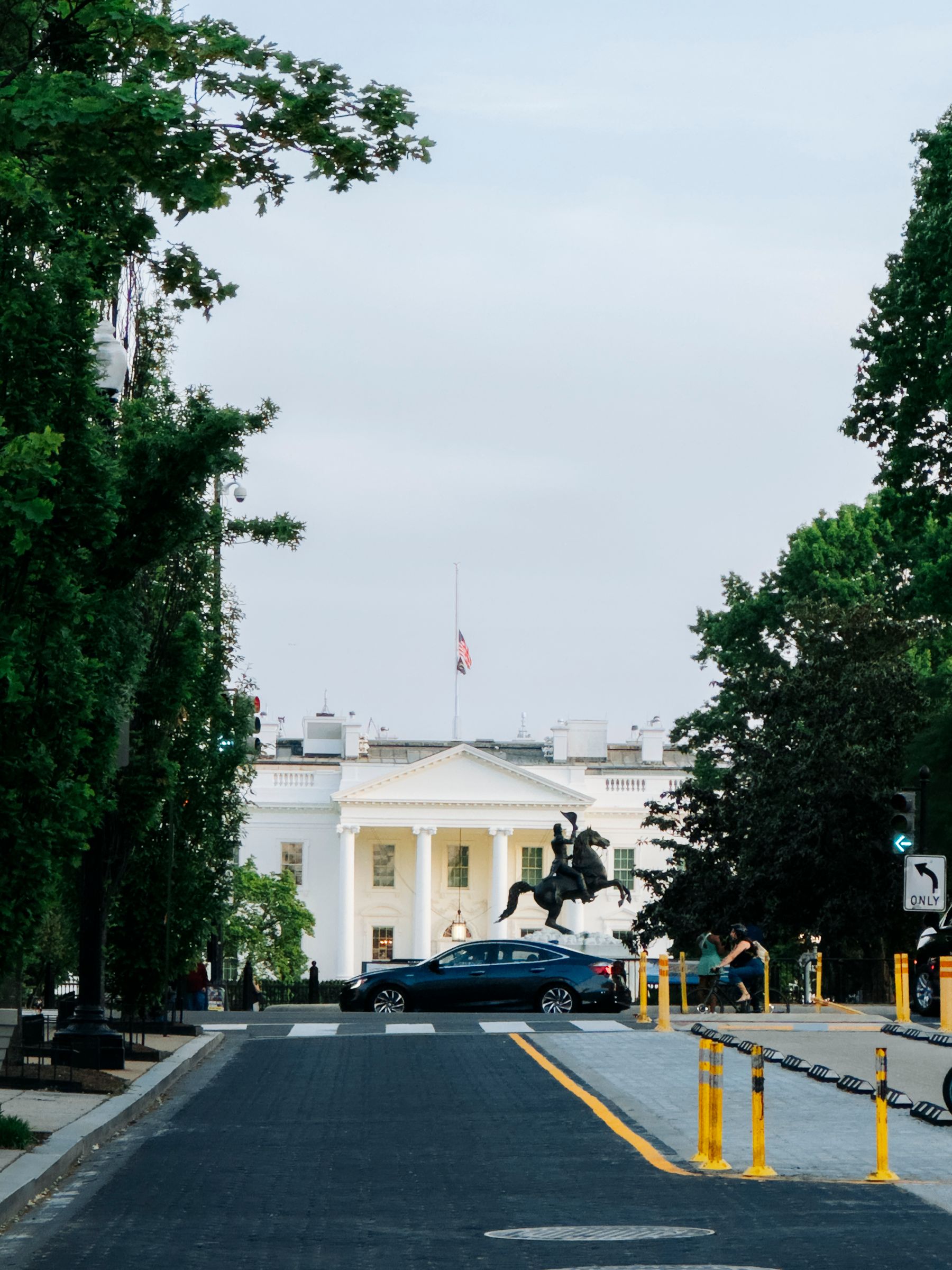
Seeing the White House area is an easy addition to a central walk, although viewing positions can change with security. The White House Visitor Center provides historical interpretation and is a separate visit. It does not include an interior tour of the White House.
| Detail | Planning notes |
|---|---|
| Best for | A recognizable landmark and presidential history |
| Location and map | White House Visitor Center |
| Time needed | 30–90 minutes depending on the visitor center and viewing access |
| Cost and booking | Visitor center admission is free; White House interior tours require separate arrangements and are not guaranteed |
| Getting there | A nearby central Metro station, then the permitted walking route |
| Accessibility | Confirm the visitor center entrance and current street restrictions |
| Nearby stops | Lafayette Square when accessible and central dining areas |
Practical tip: Follow security instructions, avoid carrying unnecessary large bags, and keep an alternative if the usual viewing area is temporarily closed.
11. Georgetown
Georgetown offers a change from monumental Washington: historic streets, shops, cafés, and a waterfront setting. It is a good place to let the pace relax. Choose lunch and a manageable walk rather than rushing through on the way to a distant reservation.
| Detail | Planning notes |
|---|---|
| Best for | Couples, neighborhood exploring, shopping, and waterfront time |
| Location and map | Georgetown waterfront |
| Time needed | 2–4 hours |
| Cost and booking | Public streets and park areas are free; dining, shopping, and tours are extra |
| Getting there | Bus, taxi, rideshare, or Metro followed by a longer walk; no station in the neighborhood center |
| Accessibility | Hills, uneven paving, and older shop entrances need consideration |
| Nearby stops | Waterfront Park and selected historic streets |
Practical tip: Check your return route before dinner. A picturesque address is less convenient if it adds a difficult walk at the end of a long day.
12. Arlington National Cemetery
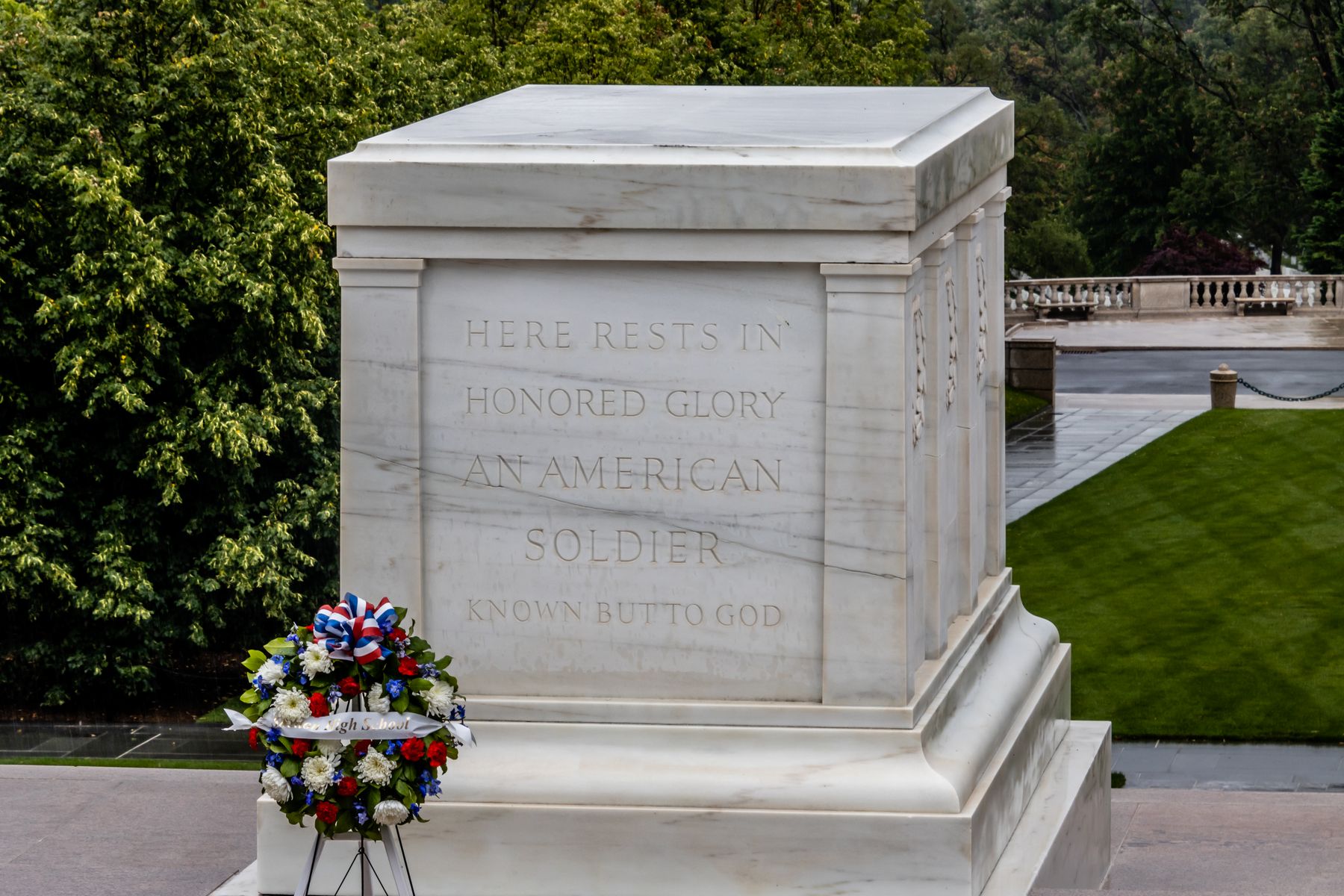
Arlington is in Virginia, just across the river. It is a place of remembrance, with active ceremonies and funerals as well as visitor routes. Allow time for security, distances, and quiet reflection. Keep behavior and photographs appropriate to the setting.
| Detail | Planning notes |
|---|---|
| Best for | Military history, remembrance, and a thoughtful half-day |
| Location and map | Arlington National Cemetery visitor entrance |
| Time needed | 2–3 hours or longer |
| Cost and booking | Walking admission is free; commercial tram tours are separate |
| Getting there | Arlington Cemetery Metro when operating, or a suitable road connection |
| Accessibility | Distances and hills matter; confirm access, assistance, tram arrangements, and current security identification rules |
| Nearby stops | Keep the outing focused; allow extra time before returning to central D.C. |
Practical tip: Carry suitable identification and check accepted documents before visiting. The Air Force Memorial area is affected by construction closures as of this update; do not assume it is available as an easy add-on.
Best Things to Do in Washington, D.C. Beyond the Landmarks
Explore a neighborhood market, see a performance, take a small guided history walk, or visit an art collection that matches your interests. Eastern Market, Dupont Circle, and the U Street area provide different neighborhood experiences; choose based on food, music, shopping, or architecture rather than a generic “hidden gem” label.
For outdoor time, combine a garden or park with a short route rather than another long monument circuit. For nightlife, check a venue’s calendar, minimum age, ticket rules, and return transport. Seasonal festivals can be excellent, but they should fit the dates of your trip rather than become a promise in an evergreen itinerary.
Washington, D.C. Itinerary Ideas
A Weekend in Washington, D.C.
Give one day to a chosen museum and a western Mall memorial walk. Use the other for Capitol Hill, with a Capitol tour or Library of Congress pass if available. Keep Georgetown or a second major museum as an alternative rather than squeezing everything into two days.
A 3-Day Washington, D.C. Itinerary
| Day | Main plan | Flexible extra |
|---|---|---|
| 1: Capitol Hill | Reserved Capitol tour and Library of Congress, with lunch between or afterward | A short National Gallery visit only if energy and timing allow |
| 2: Museum and memorials | Choose NMAAHC, Natural History, or Air and Space; later visit a manageable western Mall section | Washington Monument interior if you hold a compatible ticket |
| 3: A different side of the city | Choose a focused Arlington half-day, then an unhurried Georgetown visit | Replace either with the museum you most want to add |
This itinerary offers choices rather than promising every sight in three days. Check closures and ticket times before fixing the order.
A 5-Day Washington, D.C. Itinerary
Add a dedicated museum day and a Tidal Basin or neighborhood day. A museum enthusiast could use a full morning at Air and Space and leave the afternoon open. A family might choose a short morning visit, lunch, and a park instead.
A 7-Day Washington, D.C. Itinerary
Use the extra two days for another collection, a performance, a slower neighborhood outing, or a carefully chosen regional day trip. Keep one lighter day. A week does not require seven days of long memorial walks.
Maps, Travel Times, and Rainy-Day Alternatives
Save a western Mall route and a Capitol Hill route. These maps help locate stops; they do not include security queues, museum time, or all temporary diversions.
Allow at least 15–30 minutes for many short moves once crossings, station entrances, and waiting are included; longer trips need their own live check. In rain, choose an open museum or gallery with space in its admission system. For a slower pace, do one booked attraction and one nearby meal, using a ride for the final leg if needed.
What and Where to Eat in Washington, D.C.
The city’s food scene goes well beyond the Mall. Consider a half-smoke, Ethiopian food, a neighborhood bakery, or a meal that reflects the city’s international communities. Penn Quarter, Dupont Circle, U Street, Capitol Hill, and Georgetown offer different settings for a food stop.
For lower costs, compare counter-service meals, food halls, and lunch menus. For a special dinner, reserve ahead and plan the journey from your afternoon sight. Check whether a fixed menu, deposit, or cancellation fee applies.
Vegetarian, vegan, halal, and other options are available, but confirm ingredients and preparation. For allergies, speak directly to staff about cross-contact rather than relying only on a menu icon. Check service charges and gratuities on the bill; ask what a charge covers before adding another tip.
Free and Budget-Friendly Things to Do in D.C.
The Mall memorials, general entry at many Smithsonian museums, the National Gallery, and selected public parks can fill several days. Remember that some free attractions need timed passes and some buildings have security screening or limited hours.
A low-cost day could include a reserved free museum visit, a packed or modest lunch, and a short memorial walk. Avoid paying for an attraction pass simply because it looks like an easy way to plan. First check how many of its included sights you would otherwise pay for and whether you have time to visit them.
Look for official free programs and tours, but confirm the current schedule and eligibility. A free event that requires an expensive taxi across the city may not be the best saving for your trip.
D.C. Experiences for Different Travelers
Families can mix one museum with an outdoor break and an early meal. Couples may enjoy a gallery, a Georgetown walk, or a performance. Solo travelers can explore independently and add a guided walk for conversation and context. Groups should agree on a few shared priorities and avoid trying to keep everyone together in every gallery.
For accessible or relaxed travel, confirm station lifts, attraction entrances, seating, restrooms, and realistic distances. Choose a shorter section of the Mall rather than assuming a route is easy because it is flat. NMAAHC, Arlington, and other reflective settings may also need emotional breathing room in the day.
Best Photography Spots in Washington, D.C.
| Spot | Photo idea | Important consideration |
|---|---|---|
| Lincoln Memorial and Reflecting Pool | Long views and changing evening light | Visitors, ceremonies, and current access routes |
| Washington Monument | Symmetry, reflections, and open sky | Weather, security boundaries, and safe tripod placement |
| Tidal Basin | Water, memorials, and seasonal blossoms | Crowds, temporary works, and bloom timing |
| Capitol area | Architecture from permitted public viewpoints | Security instructions and restricted areas |
| Georgetown | Historic streets and waterfront scenes | Residents’ privacy and older, narrow sidewalks |
| Museum interiors | Architectural details where permitted | Flash, tripod, and exhibition restrictions vary |
Ask before taking a close portrait. Do not obstruct entrances, memorial steps, or ceremonies. Drone use around the capital is heavily restricted; check the applicable rules and permissions rather than assuming a small aircraft is exempt.
Day Trips and Road Trips From Washington, D.C.
Old Town Alexandria is a manageable addition for historic streets and a waterfront atmosphere. Mount Vernon is a separate outing with its own admission and transport planning. Baltimore can suit a regional city visit, but check the train station and the onward journey to your actual destination.
Choose a guided trip if it solves a genuine transport problem and includes the visits you want. Independent travel gives flexibility but requires you to manage timetables, parking, and admission. For a wider road trip, combine D.C. with a few regional stops over several days instead of returning from a long drive each evening.
Check current opening days, seasonal conditions, and road or rail service before committing. A destination’s distance from D.C. says less than the actual door-to-door journey from your hotel.
Essential Things to Know Before Visiting Washington, D.C.
International visitors should confirm U.S. entry requirements for their nationality and keep appropriate travel documents available. Security-screened buildings and Arlington may have identification rules, so check accepted documents for the places on your route.
Payments use U.S. dollars. Cards are common, but keep a small cash reserve and a backup payment method. English is the main visitor language; major institutions may provide translated resources, though availability differs.
Download maps and passes, carry a charger, and save your hotel address offline. Check bag policies before setting out. Many museums do not store luggage, and some items cannot pass security. Plan restrooms and meal stops around visitor facilities rather than assuming they appear at every memorial.
Use official booking systems, keep bags secure, and avoid buying supposedly essential tickets from street sellers. Follow security instructions and posted local rules. In hot weather, shorten exposed walks and take water; in winter, check for ice and wind. For medical needs, carry your usual supplies and your insurer’s assistance details.
What to Pack for Washington, D.C.

- Comfortable walking shoes that you have already worn.
- Seasonal layers, with sun protection in warm months and a proper coat in winter.
- A refillable water bottle and compact rain protection.
- A small day bag that meets the strictest venue policy on your route.
- Identification, saved tickets, travel documents, and backup payment.
- A phone charger or power bank.
- Personal medication, accessibility equipment, and family essentials.
Check the forecast shortly before leaving. Pack for a long outdoor memorial walk and an air-conditioned museum on the same day.
Important Contacts and Official Resources
| Need | Where to get help |
|---|---|
| Immediate emergency | Call 911 for police, fire, or urgent medical assistance |
| Official tourism information | Destination DC and staffed visitor information points |
| Metro and bus help | WMATA customer information and service alerts |
| Mall and memorial conditions | National Park Service National Mall and Memorial Parks |
| Museum or building reservations | The individual institution’s official visitor team |
| Airport help | DCA, IAD, or BWI information desks and your airline |
| Nonemergency medical or document help | Your insurer, accommodation, or country’s official embassy directory |
Save your own insurer and embassy contacts before traveling. Use current institutional directories for nonemergency phone numbers rather than an old copied list.
Common Mistakes First-Time D.C. Visitors Make
- Assuming every free attraction allows walk-in entry.
- Confusing Air and Space on the Mall with the Udvar-Hazy Center in Virginia.
- Underestimating the National Mall’s distances and lack of shade on some stretches.
- Scheduling several major museums in one day.
- Treating the White House Visitor Center as an interior White House tour.
- Carrying large bags or prohibited items to a security-screened building.
- Booking a cheaper hotel without checking its actual Metro connection.
- Forgetting restaurant service charges, taxes, and airport travel time.
Frequently Asked Questions About Visiting Washington, D.C.
Is Washington, D.C. Good for First-Time Visitors?
Yes. Many major sights are free, and public transport can make the center manageable. A little reservation planning helps you avoid disappointment.
How Many Days Should I Stay in D.C.?
Three or four full days make a good first visit. Add time for more museums, slower walking, or a regional outing.
Where Should I Stay on a First Visit?
Choose a hotel near a useful Metro station in an area that suits your evening plans. Downtown and Penn Quarter are convenient starting points; compare Dupont Circle, Capitol Hill, and well-connected Virginia options too.
Do I Need a Rental Car?
Usually no for central sightseeing. A car may help with selected regional trips, but parking and traffic add expense during city days.
Are All the Smithsonian Museums Free?
General admission at the main D.C. Smithsonian museums is free, but some require timed-entry passes and some premium experiences carry separate charges. Check the museum you plan to visit.
What Should I Reserve Before Arriving?
Your hotel and priority visits, especially Air and Space, NMAAHC, the Library of Congress, a Capitol tour, and any ticketed monument interior. Check the current rules for the new Lincoln lower-level museum separately from the outdoor memorial.
Is D.C. Suitable for Families, and What Can We Do in Rain?
Yes, with age-appropriate museum choices, breaks, and realistic walking distances. In rain, choose a museum or gallery that is open and has the entry availability you need; do not assume a timed-pass museum can take you immediately.
How Much Should I Budget?
The illustrative three-night budget here totals $1,298 for two adults, excluding flights and major premium extras. Your accommodation dates and dining choices will have a large effect.
Your Final Washington, D.C. Planning Checklist
- Confirm travel documents, identification requirements, and your hotel address.
- Reserve priority passes and save them offline.
- Check each building’s hours, security rules, and permitted bags.
- Save airport routes and current Metro service information.
- Keep each day geographically sensible and allow queue time.
- Pack comfortable shoes, water, layers, and rain protection.
- Budget for food, taxes, tips, transport, and paid extras.
- Recheck closures and keep an alternative for each day.
Reader Questions and Travel Experiences
Earth Trekkers’ published D.C. walking guide emphasizes comfortable shoes and the scale of the Mall. Its suggested full-day route is a useful reminder that even a compact-looking sightseeing plan involves substantial walking. Our practical takeaway is to select a museum and a section of memorials, then adjust the distance to your group.
Have you visited Washington, D.C.? Share the museum you most enjoyed, how you handled reservations, and one route you would recommend. Include the season and your travel style so other readers can use your experience sensibly.
Explore More USA Travel Guides
Continue planning with our 25 Best Places to Visit in the USA, New York City first-time guide, Chicago attractions guide, and San Francisco travel guide.
What would you like to know before you go?
Send us your question, feedback, or a place you would like to see covered.
Ask a travel question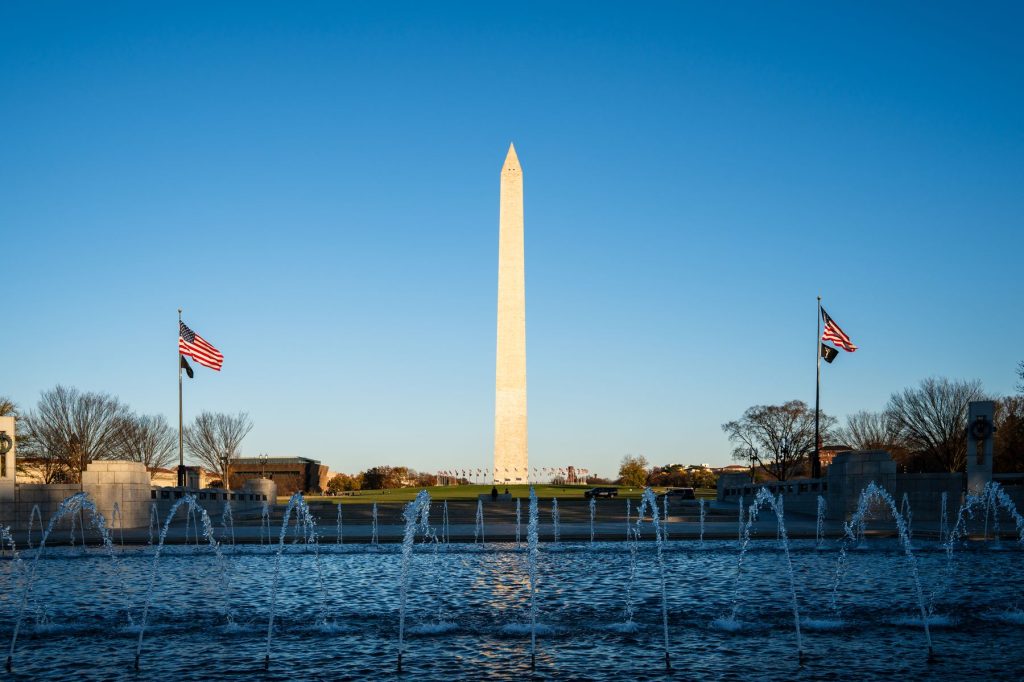
Leave a Reply