Written by Ari Mayzick · Go Travel Box
Published November 10, 2026 · Updated November 10, 2026
Boston is a city you get to know one walk at a time. A red-brick trail leads past historic meetinghouses, the harbor opens up at the end of a busy street, and a bakery stop can become the best part of an afternoon. It is compact enough for a rewarding first visit, but there is more here than you can comfortably see in one long day.
This guide to the best things to do in Boston covers the Freedom Trail, museums, neighborhoods, food, hotel areas, airport transport, and itineraries from a weekend to a week. It is designed for first-time visitors who want a useful plan in plain language, with time left to enjoy the city.
First Trip to Boston? Start Here
Allow three full days, stay near a useful MBTA station, and split historic Boston from your museum and Cambridge days. Walk the Freedom Trail in sections, with a meal and a rest along the way. Add one major museum and a harbor outing rather than trying to do all three after a long morning walk.
Boston rewards a simple daily shape: one main activity, a nearby neighborhood, and a meal you are looking forward to. The city is walkable in many central areas, but cobblestones, crossings, weather, and tired feet still matter. Cambridge, where Harvard is located, is a separate city across the Charles River.
For a first visit, choose three priorities from history, art, food, baseball, and the waterfront. That small decision makes it much easier to decide what to leave for another trip.
Boston at a Glance
| Planning question | Quick answer |
|---|---|
| Location | Eastern Massachusetts on the U.S. Atlantic coast |
| Suggested trip length | 3–4 full days; 5–7 with Cambridge, more museums, or a regional outing |
| Best general seasons | Late spring and fall for many outdoor plans; dates and weather vary |
| Daily planning allowance | About $130–200 budget, $210–340 midrange, or $430+ higher-end per adult sharing a room; flights excluded |
| Convenient first-visit bases | Back Bay, Downtown, Beacon Hill, or a well-connected waterfront hotel |
| Getting around | Walking and the MBTA subway and buses, with selected ferries or road transfers |
| Rental car | Usually unnecessary for central sightseeing |
| Booking priorities | Hotel, popular museums, Fenway activities, harbor trips, and sought-after dinners |
| Main airport | Boston Logan International Airport |
| Time and money | Eastern Time; U.S. dollars |
Budget figures are planning allowances rather than live quotes. Key visitor information was checked November 10, 2026; confirm seasonal schedules, fares, and tickets for your travel dates.
Table of Contents
- First Trip to Boston? Start Here
- Boston at a Glance
- How to Plan Your First Trip to Boston
- Best Time to Visit Boston
- How Much Does a Trip to Boston Cost?
- Where to Stay in Boston
- How to Get to Boston
- How to Get Around Boston
- Best Places to Visit in Boston
- Best Things to Do in Boston Beyond the Main Sights
- Boston Itinerary Ideas: Weekend to One Week
- What and Where to Eat in Boston
- Free and Budget-Friendly Things to Do in Boston
- Boston Experiences for Different Travelers
- Best Photography Spots in Boston
- Day Trips and Road Trips From Boston
- Essential Things to Know Before Visiting Boston
- What to Pack for Boston
- Important Contacts and Official Resources
- Common Mistakes First-Time Boston Visitors Make
- Frequently Asked Questions About Visiting Boston
- Your Final Boston Trip Planning Checklist
- Reader Questions and Travel Experiences
- Explore More USA Travel Guides
How to Plan Your First Trip to Boston
How Many Days Do You Need?
A weekend can cover central history and one museum or waterfront activity. Three days let you add the North End, a major museum, and Cambridge or Fenway. Five days make room for a slower pace and more collections. A week can include a regional day trip without losing your time in Boston itself.
Treat arrival and departure honestly. A late check-in and a morning flight home do not provide two extra sightseeing days. If you travel overnight, keep the first day light and avoid a costly nonrefundable booking immediately after landing.
A Step-by-Step Booking Checklist
- Pick the season and compare hotel prices around major events.
- Choose a neighborhood with a useful transport connection.
- Book travel and accommodation with suitable cancellation terms.
- Reserve your priority museum, baseball activity, or boat trip.
- Group the Freedom Trail, Back Bay, Cambridge, and waterfront into sensible days.
- Save airport routes, tickets, and a wet-weather alternative offline.
What to Book in Advance
Book accommodation early for busy weekends, graduations, major sports dates, and holiday periods. Reserve popular museums, Fenway tours or games, seasonal cruises, and the dinners that matter to you. A Harvard visitor tour also needs advance registration when you want the official student-led option.
What Can You Decide After Arriving?
Leave general park walks, public streets, casual cafés, and much of the Freedom Trail flexible. Individual historic sites along the trail have their own tickets and hours. The freedom to walk the route does not mean every building will be open when you reach it.
Best Time to Visit Boston
Weather and Seasons
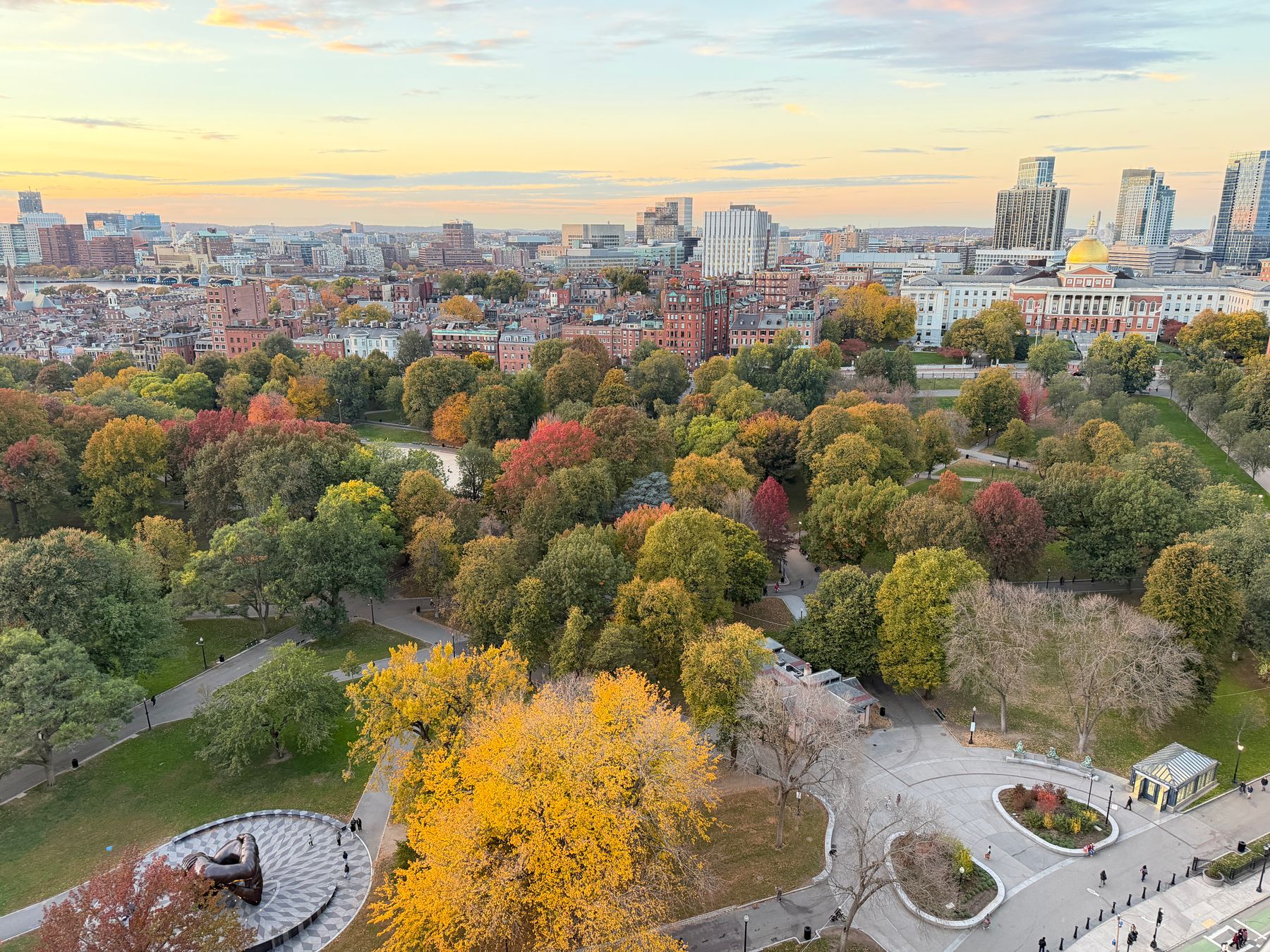
Late spring can bring comfortable walking days and blooming gardens, while fall offers seasonal color and cooler air. Summer suits waterfront time and a full visitor calendar but can be hot, crowded, and expensive. Winter offers indoor museums and quieter periods, with cold, wind, snow, ice, and shorter days to plan around.
| Season | Main appeal | Main tradeoff |
|---|---|---|
| Spring | Gardens, improving weather, and a lively city | Changeable temperatures, rain, and busy event or graduation dates |
| Summer | Long days, baseball, and more seasonal boat options | Crowds, heat, and higher accommodation demand |
| Fall | Comfortable walking periods and autumn scenery | Popular weekends and uneven hotel prices |
| Winter | Museums and possible room-rate savings | Cold, early darkness, and reduced seasonal outdoor services |
Peak, Shoulder, and Low Season
There is no single cheap month that works for every itinerary. Compare the exact week, including local events. A pleasant shoulder-season stay can still be expensive when universities or major sporting events bring visitors into the city.
The Boston Marathon period, graduations, holidays, and large games can affect accommodation and street access. Check current event dates rather than assuming they repeat on the same calendar date each year. Seasonal ferries, island visits, and boat tours need their own timetable check.
Choosing the Best Season for Your Interests
Choose a warmer period if a harbor cruise or island outing is central to your trip. Consider fall for a walking-focused visit, while allowing for crowds and variable foliage timing. In winter, build your plan around museums, food, and short outdoor walks with warm breaks.
How Much Does a Trip to Boston Cost?
Budget, Midrange, and Higher-End Travel
Hotels are often the biggest expense. A modest room in a convenient area can be better value than a cheaper property requiring long daily transfers. Food costs depend on whether you favor counter-service meals, seafood restaurants, drinks, or special dinners. Historic walks and public parks help balance paid museums and boat trips.
| Expense | What to compare |
|---|---|
| Accommodation | Total price including taxes, fees, and any parking |
| Food and drinks | Breakfast arrangements, casual lunches, dinners, and tips |
| Transport | MBTA use, airport connections, occasional taxis, and any ferry |
| Attractions | Museum tickets, Fenway activities, historic interiors, and cruises |
| Extras | Shopping, luggage storage, service charges, and weather-driven changes |
Sample Budget for Two Adults
This example covers a shared room for three nights and three sightseeing days. Hotel costs include an assumed allowance for taxes and mandatory fees; all amounts are illustrative.
| Item | Assumption | Total |
|---|---|---|
| Hotel | 3 nights × $250 | $750 |
| Food | 2 adults × 3 days × $55 | $330 |
| Local transport | Combined allowance | $70 |
| Airport transfers | Combined allowance using economical connections | $40 |
| Selected paid attractions | Combined allowance | $220 |
| Subtotal | Before contingency | $1,410 |
| Contingency | 10% of subtotal | $141 |
| Total for two | Three nights and three sightseeing days | $1,551 |
This excludes flights, shopping, rental cars, a major sports-ticket splurge, regional excursions, and extra nights. The airport allowance is not a promise that two taxi journeys will fit within $40.
Taxes, Tips, and Ways to Save
Check hotel totals before paying and read restaurant bills for any included charge. Tips and taxes can make the final food bill higher than menu prices. Compare lunch menus, bakeries, and counter-service meals, and make room for a public-park afternoon. For a pass, price only the attractions you would actually visit, including reservation restrictions and realistic travel time.
Where to Stay in Boston
Neighborhood Comparison Table
| Area | Best fit | Main consideration |
|---|---|---|
| Back Bay | First visits, couples, shopping, and access to Copley Square | Popular hotels can be expensive; check station and room location |
| Downtown | History-focused trips and central transport | Some blocks feel quieter outside office hours |
| Beacon Hill | Character, couples, and historic streets | Hills, uneven surfaces, and limited budget options |
| North End and nearby waterfront | Food lovers and harbor time | Noise, luggage access, and the exact hotel or rental location |
| Seaport | Modern hotels, restaurants, and convention-area stays | A longer walk or transfer to several historic sights |
| Cambridge | Harvard, longer stays, and neighborhood dining | A separate city with a daily journey to some Boston sights |
| A well-connected outer neighborhood | Budget-focused stays or more space | Check the real station walk, service, and total daily travel time |
Families may prefer a room with enough space near the Common or a useful station. Couples may enjoy Back Bay or a quieter historic property. For nightlife, choose the actual dining and entertainment area you plan to use, then check noise reports. For a restful stay, request a suitable room and confirm nearby construction or late-night activity.
Hotels, Rentals, and What to Check Before Booking
Compare private bathrooms, bed arrangements, breakfast, lifts, air-conditioning, luggage storage, and cancellation terms. If booking a vacation rental, confirm its legal operation and actual address. A vague description such as “Boston area” can cover a very long commute.
If you need step-free access, confirm the entrance, lift, bathroom, bed setup, and station route directly. Historic charm can come with stairs or small rooms. For drivers, check the cost and availability of parking before deciding to keep a car in the city.
How to Get to Boston
Arriving by Air, Train, Bus, or Car
Logan International Airport is close to the city, but the best transfer depends on your terminal, hotel, luggage, and arrival time. South Station and Back Bay are important intercity rail locations; check the station printed on your ticket. Long-distance bus services use designated terminals or operator-specific stops.
Driving may suit a wider New England road trip. For a city-only stay, compare the parking bill with the cost of arriving by rail or using a car only when leaving Boston. Road layouts, tunnels, congestion, and hotel loading restrictions deserve a little preparation.
Logan Airport Transfer Comparison
| Option | Cost approach | Good to know |
|---|---|---|
| Silver Line SL1 from Logan | Free inbound airport service, with the onward Red Line connection at South Station | Useful for suitable routes; allow for traffic and waiting |
| Blue Line via Airport station | Free airport shuttle to the station, then the applicable MBTA fare | Airport station is not inside an airline terminal |
| Taxi or rideshare | Check the current fare or quote and pickup instructions | Convenient with luggage; road conditions affect the journey |
| Private or accessible transfer | Obtain an all-in quote and confirm your requirements | Helpful for groups, late arrivals, or specific equipment needs |
Save a Logan-to-South-Station route and a Logan-to-Back-Bay route. Recheck live service for your terminal and arrival time.
For a late flight, verify the last useful public transport connection and keep an official taxi or confirmed transfer as a backup. Arrange an accessible vehicle directly when needed rather than hoping one is immediately available in a general queue.
How to Get Around Boston
Public Transportation and Walking
The MBTA, often called the T, connects many useful visitor areas by subway and bus. Check the current trip planner, payment options, fares, and any service changes before your first journey. A pass can be useful, but compare it with your actual travel plans instead of buying the longest option automatically.
Walking works well within Downtown, the Common and Public Garden area, Back Bay, and parts of the waterfront. The Freedom Trail is a route to explore with stops, not a quick commute. Allow time for crossings, uneven paving, photographs, and breaks.
Taxis, Cycling, Cars, and Ferries
Use taxis or rideshares for awkward transfers, heavy luggage, or a tired final leg. Check the pickup point around busy stations and venues. Cycling can work on suitable routes, but traffic, crossings, helmets, and bike parking need planning.
A rental car is usually unnecessary in central Boston. If you have one for a road trip, consider leaving it parked during city sightseeing. Seasonal harbor ferries and sightseeing boats are separate services with their own fares, boarding points, and operating periods.
Accessible Transport, Apps, and Payment
Use MBTA service alerts and live maps. Check elevator status and station accessibility at both ends of a journey. The Green Line and older streets can involve access details that deserve a route-specific check. Confirm assistance with the relevant operator when needed.
Keep a backup payment method and a saved route. Do not depend entirely on a phone with a nearly empty battery. At night or in bad weather, a simpler route with fewer changes may be worth more than a small fare saving.
Best Places to Visit in Boston
1. The Freedom Trail
Boston’s Freedom Trail links 16 historic sites along a route of about 2.5 miles. Following the red line is straightforward, but the reward comes from stopping and learning what the places mean. You can walk independently, book a guided tour, or split the route across two outings. Boston Common, pictured here, is one starting point.
| Detail | Planning notes |
|---|---|
| Best for | History, a first introduction to Boston, and independent walking |
| Location and map | Freedom Trail starting area at Boston Common |
| Time needed | Half a day or more with meaningful stops; longer if visiting many interiors |
| Cost and booking | The public walking route is free; tours and individual historic sites may charge |
| Getting there | Start near a suitable central T station; choose your endpoint before beginning |
| Accessibility | Uneven paving, crossings, and individual historic buildings have different access conditions |
| Nearby stops | Faneuil Hall, North End, and Charlestown, depending on the section |
Practical tip: Break near a meal stop rather than pushing on until everyone is tired. Historic sites have their own hours, so check the ones you most want to enter.
2. Boston Common and the Public Garden
These neighboring green spaces give you a breather between city walks. Boston Common connects naturally with the Freedom Trail, while the Public Garden offers a different landscaped setting. Walk, sit, and enjoy the surroundings; you do not need to turn every park visit into a list of landmarks.
| Detail | Planning notes |
|---|---|
| Best for | Families, a relaxed morning, seasonal scenery, and a break |
| Location and map | Boston Common and Public Garden |
| Time needed | 1–2 hours, longer with a rest or nearby meal |
| Cost and booking | Public park access is free; seasonal activities may have separate costs |
| Getting there | Walk from central accommodation or use a suitable nearby T station |
| Accessibility | Choose paved routes and check weather-related surface conditions |
| Nearby stops | Beacon Hill, Newbury Street, and the beginning of the Freedom Trail |
Practical tip: The photograph shows autumn color. Garden displays, foliage, and seasonal activities vary with the month and weather.
3. North End and Hanover Street
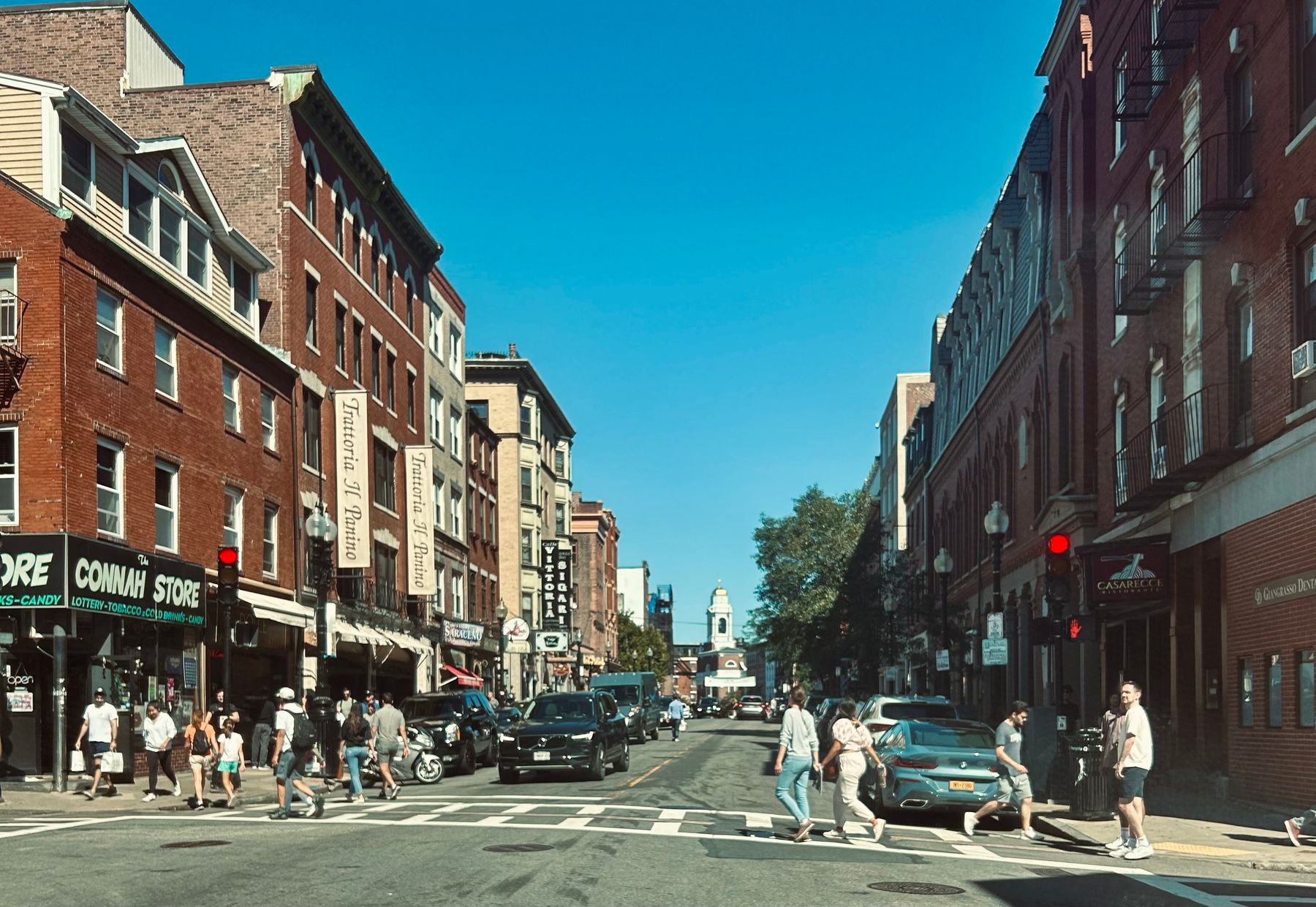
The North End is a natural place to combine history with food. Wander a manageable set of streets, look into a bakery, and choose a lunch or dinner you will enjoy. It is also a residential neighborhood, so be considerate around doorways, narrow sidewalks, and late-night noise.
| Detail | Planning notes |
|---|---|
| Best for | Italian-American food, historic streets, and a lively meal stop |
| Location and map | Hanover Street in the North End |
| Time needed | 2–3 hours with food |
| Cost and booking | Public streets are free; restaurants, tours, and historic interiors are separate |
| Getting there | Walk from the waterfront or a suitable nearby T station |
| Accessibility | Narrow sidewalks and older restaurant entrances need checking |
| Nearby stops | Paul Revere House area, Old North Church, and the waterfront |
Practical tip: Reserve a popular dinner table and carry a backup payment option. Check current opening hours and accepted payment before joining a long queue.
4. Faneuil Hall and Quincy Market
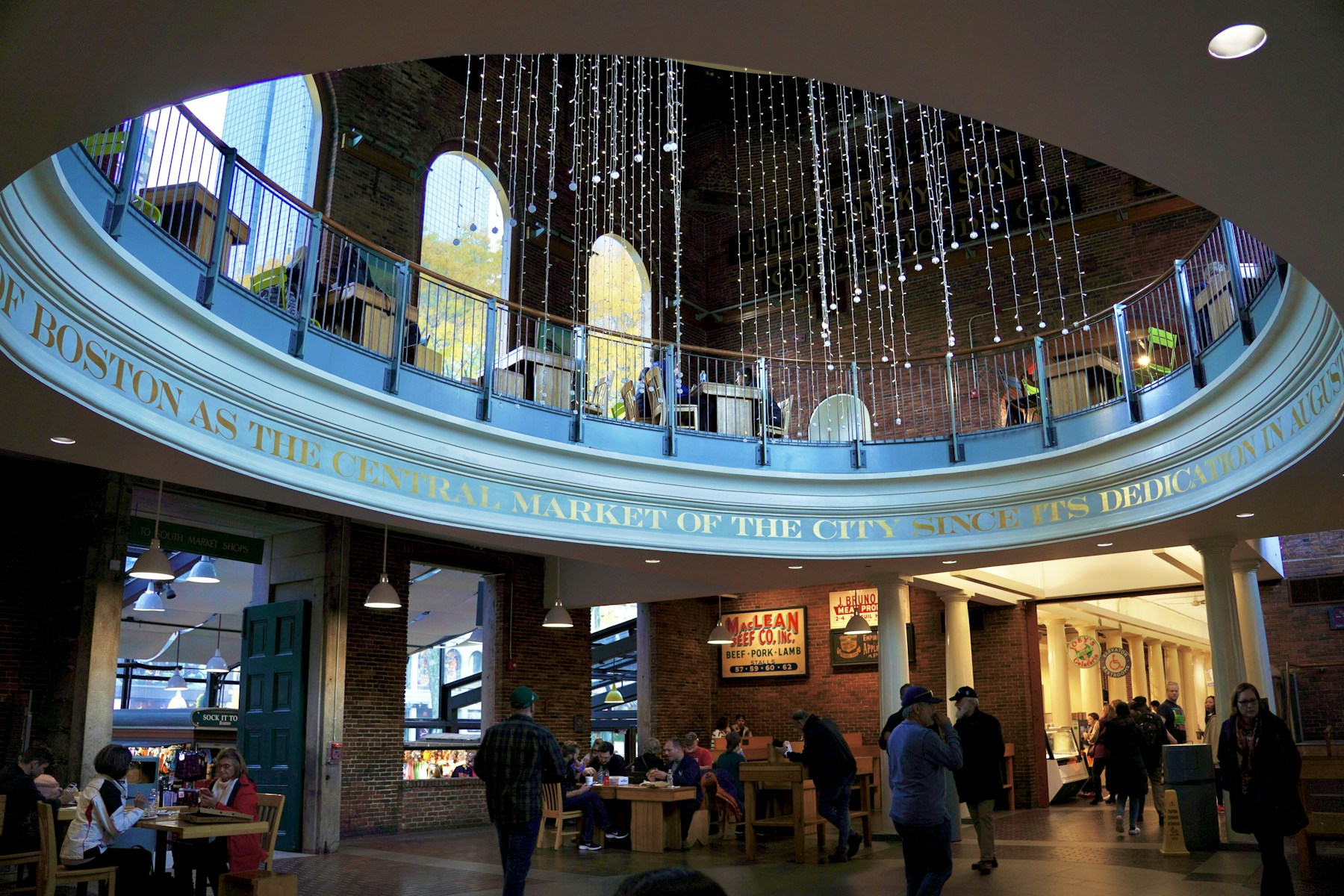
This central area combines historic Faneuil Hall with a busy marketplace and food stops nearby. The names are often used together, but the historic hall and commercial market spaces have different functions and schedules. Take a moment to understand the history before browsing the shops.
| Detail | Planning notes |
|---|---|
| Best for | A historic stop, casual browsing, and a convenient break |
| Location and map | Faneuil Hall and Quincy Market |
| Time needed | 1–2 hours |
| Cost and booking | Faneuil Hall public visitor areas are free when open; food and shopping are extra |
| Current schedule note | The NPS visitor center and Great Hall are closed Mondays and Tuesdays in the November–December 2026 schedule; marketplace businesses have their own hours |
| Getting there | Central T station and a short walk, or combine with the Freedom Trail |
| Accessibility | Confirm the hall’s accessible entrance and routes through busy market areas |
| Nearby stops | North End, waterfront, and other Freedom Trail sites |
Practical tip: The photo shows a marketplace interior. Do not assume a food hall’s opening hours mean the historic Great Hall is also open.
5. USS Constitution and Charlestown Navy Yard
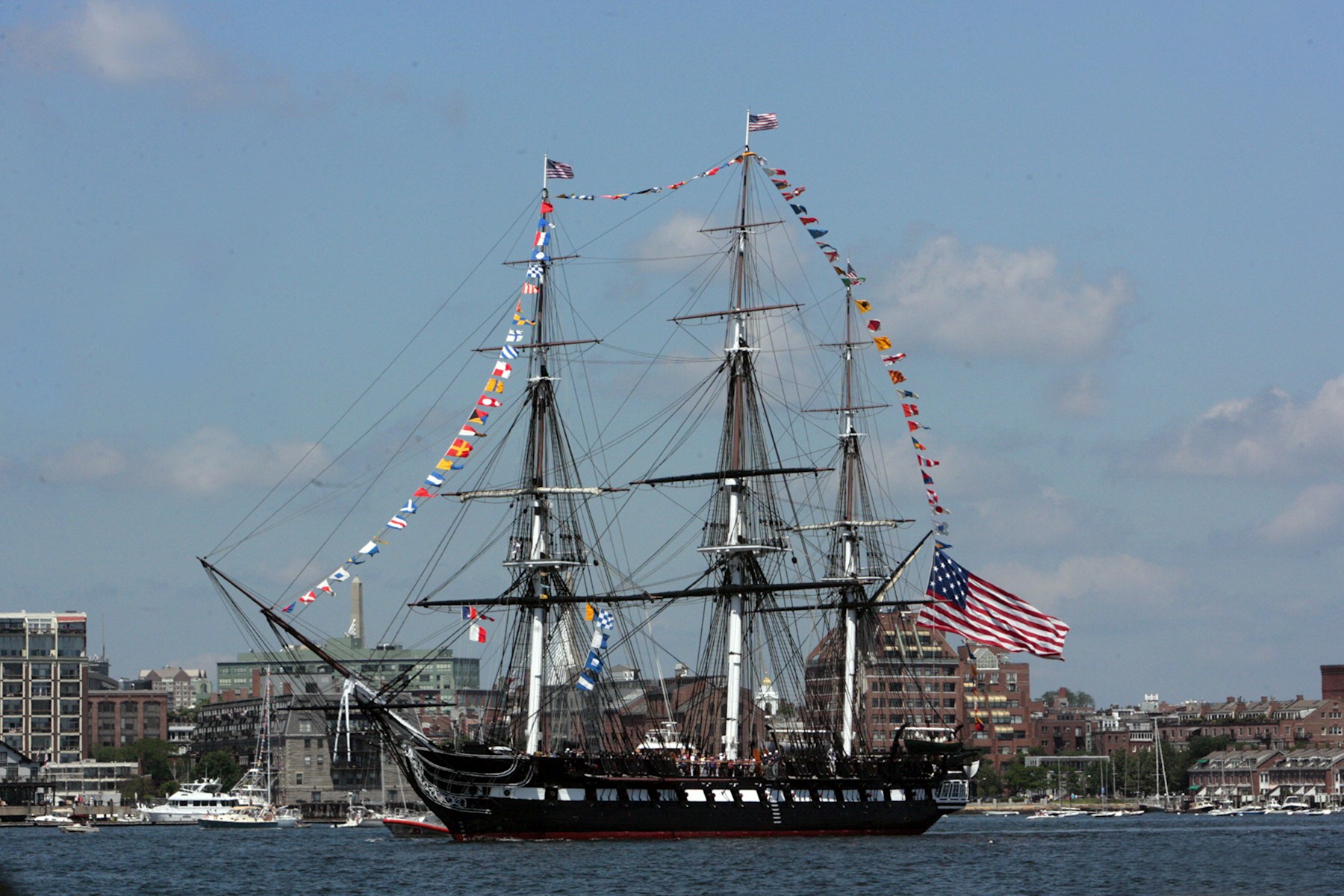
Visiting USS Constitution connects Boston’s harbor with its naval history. The active Navy ship and the separate USS Constitution Museum are different visits. Check each one’s current calendar, admission arrangements, and access before setting out. The photograph shows the ship on the water, rather than a guaranteed sailing activity for visitors.
| Detail | Planning notes |
|---|---|
| Best for | Maritime history, families, and a Charlestown outing |
| Location and map | USS Constitution at Charlestown Navy Yard |
| Time needed | 1.5–3 hours depending on the ship, museum, and queues |
| Cost and booking | Ship admission is free when open; check the separate museum’s terms |
| Identification | Visitors aged 18+ need accepted physical identification; digital IDs are not accepted under current Navy visitor rules |
| Getting there | Walk the northern trail section or use a suitable bus, ferry, or road connection |
| Accessibility | Historic ship boarding and below-deck access differ from the museum and waterfront; confirm your needs |
| Nearby stops | Charlestown streets and Bunker Hill area, with extra walking |
Practical tip: Check the Navy’s current accepted ID list and seasonal hours. Carry your passport if it is the required document for your situation; do not rely on a photograph of it.
6. Boston Tea Party Ships and Museum
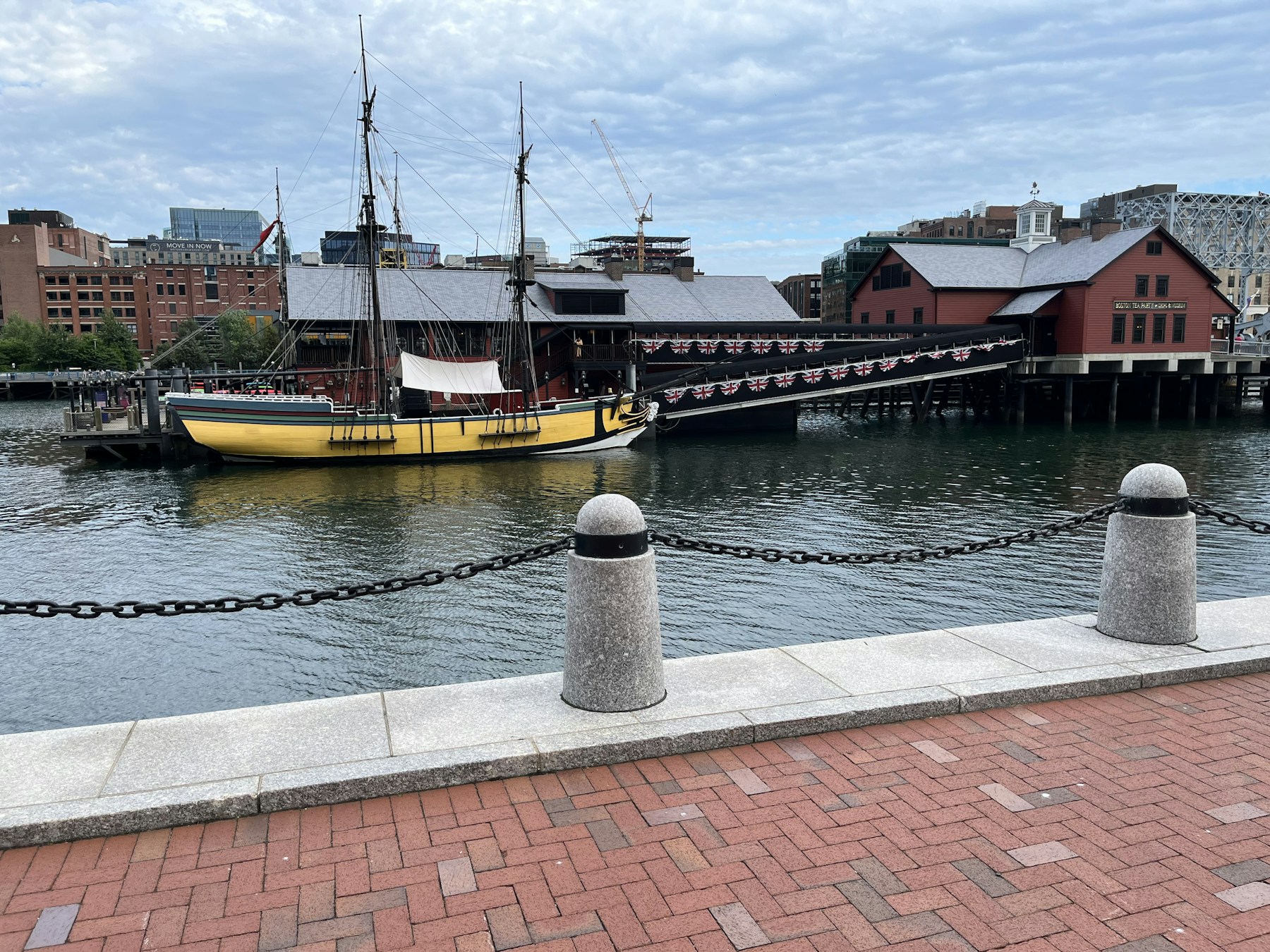
This is an organized, paid visitor experience rather than an unticketed historic street. It can suit travelers who enjoy storytelling and a structured activity. Read the format and duration before buying so you know what is included and how it fits with the history you have already explored.
| Detail | Planning notes |
|---|---|
| Best for | Families, interactive history, and a scheduled indoor-and-ship visit |
| Location and map | Boston Tea Party Ships and Museum |
| Time needed | Allow roughly 1.5–2 hours including arrival and any additional browsing |
| Cost and booking | Paid timed admission; check current packages, ages, and cancellation rules |
| Getting there | Walk from South Station or use a suitable waterfront connection |
| Accessibility | Confirm the route, ship access, and any assistance needs before booking |
| Nearby stops | Fort Point and waterfront dining |
Practical tip: Leave a buffer after a transport arrival. A timed performance-style visit is less flexible than wandering a public museum gallery.
7. Museum of Fine Arts, Boston
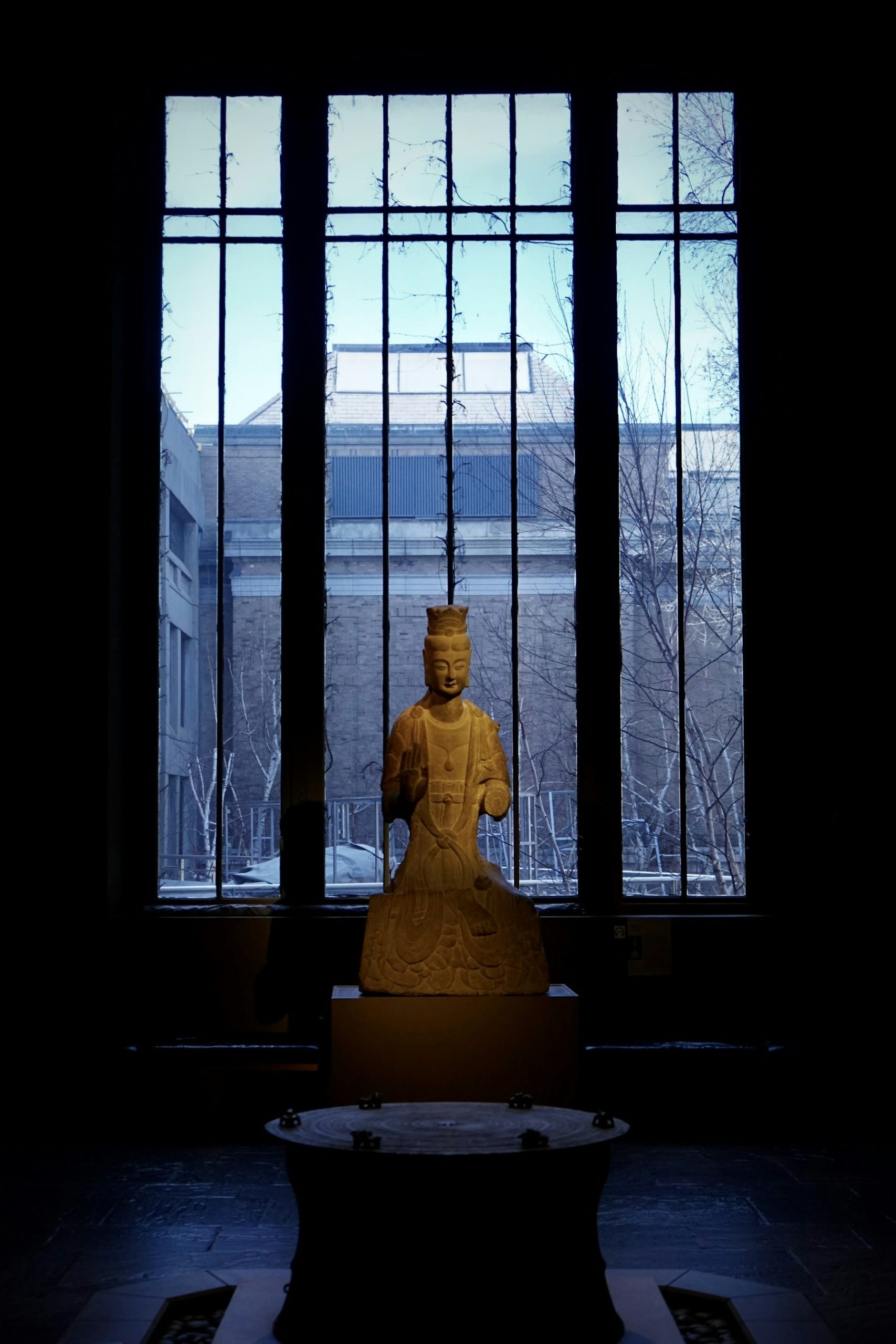
The MFA is large enough to reward repeat visits. On a first trip, choose a few collections that interest you and leave time to sit. You do not need to cover every room. This is a good anchor for a museum day, especially when the weather makes a long harbor walk less appealing.
| Detail | Planning notes |
|---|---|
| Best for | Art, world cultures, and a substantial indoor visit |
| Location and map | Museum of Fine Arts, Boston |
| Time needed | 2–4 hours, longer for art enthusiasts |
| Cost and booking | Current adult admission $30; ages 7–17 $14; ages 0–6 free; tickets are required for all ages |
| Opening note | Normally closed Tuesdays; check special exhibitions and date-specific hours |
| Getting there | Use a suitable Green Line or other MBTA connection and the correct entrance |
| Accessibility | Check accessible entrances, lifts, seating, and any requested tour resources |
| Nearby stops | Isabella Stewart Gardner Museum, if you genuinely want a second museum |
Practical tip: Two major art museums in one day can feel like a lot. Choose one for a shorter trip or take a proper meal break between them.
8. Isabella Stewart Gardner Museum
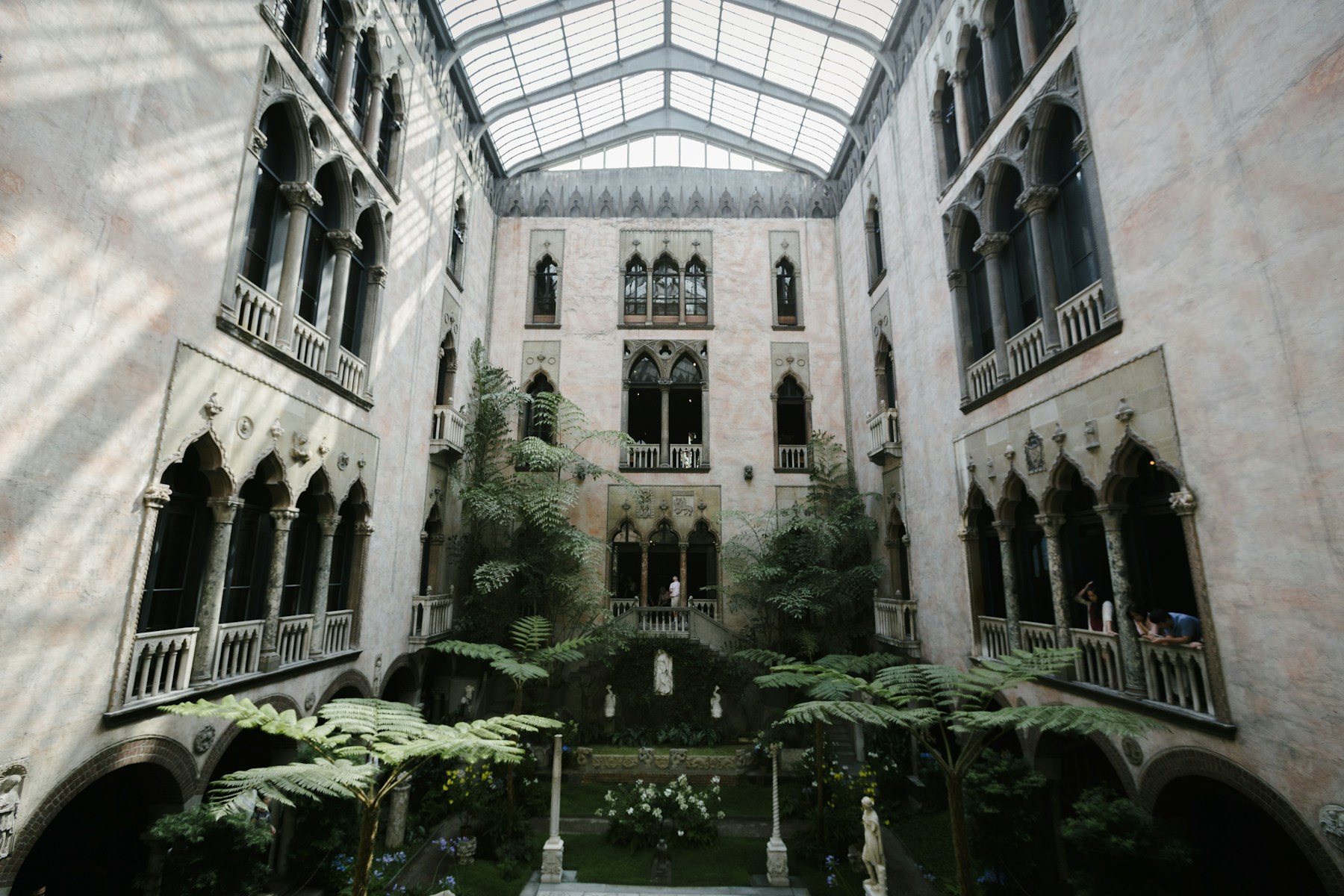
The Gardner offers a different museum atmosphere, with a memorable courtyard and rooms arranged around a distinctive collection. Give yourself time to look closely rather than visiting only for the courtyard photograph. It pairs geographically with the MFA, but it also works well as the main cultural visit of a day.
| Detail | Planning notes |
|---|---|
| Best for | Art, architecture, couples, and a quieter cultural visit |
| Location and map | Isabella Stewart Gardner Museum |
| Time needed | 1.5–3 hours |
| Cost and booking | Current adult admission $25; visitors 17 and under are free with a ticket; advance tickets recommended |
| Opening note | Normally closed Tuesdays; confirm date-specific hours and events |
| Getting there | Suitable MBTA connection followed by a walk |
| Accessibility | Confirm the visitor entrance, lifts, seating, and specific accommodations |
| Nearby stops | MFA area and a nearby meal or park break |
Practical tip: Check bag and photography rules before entering. Courtyard displays and access can vary with exhibitions and seasonal arrangements.
9. Boston Public Library and Copley Square
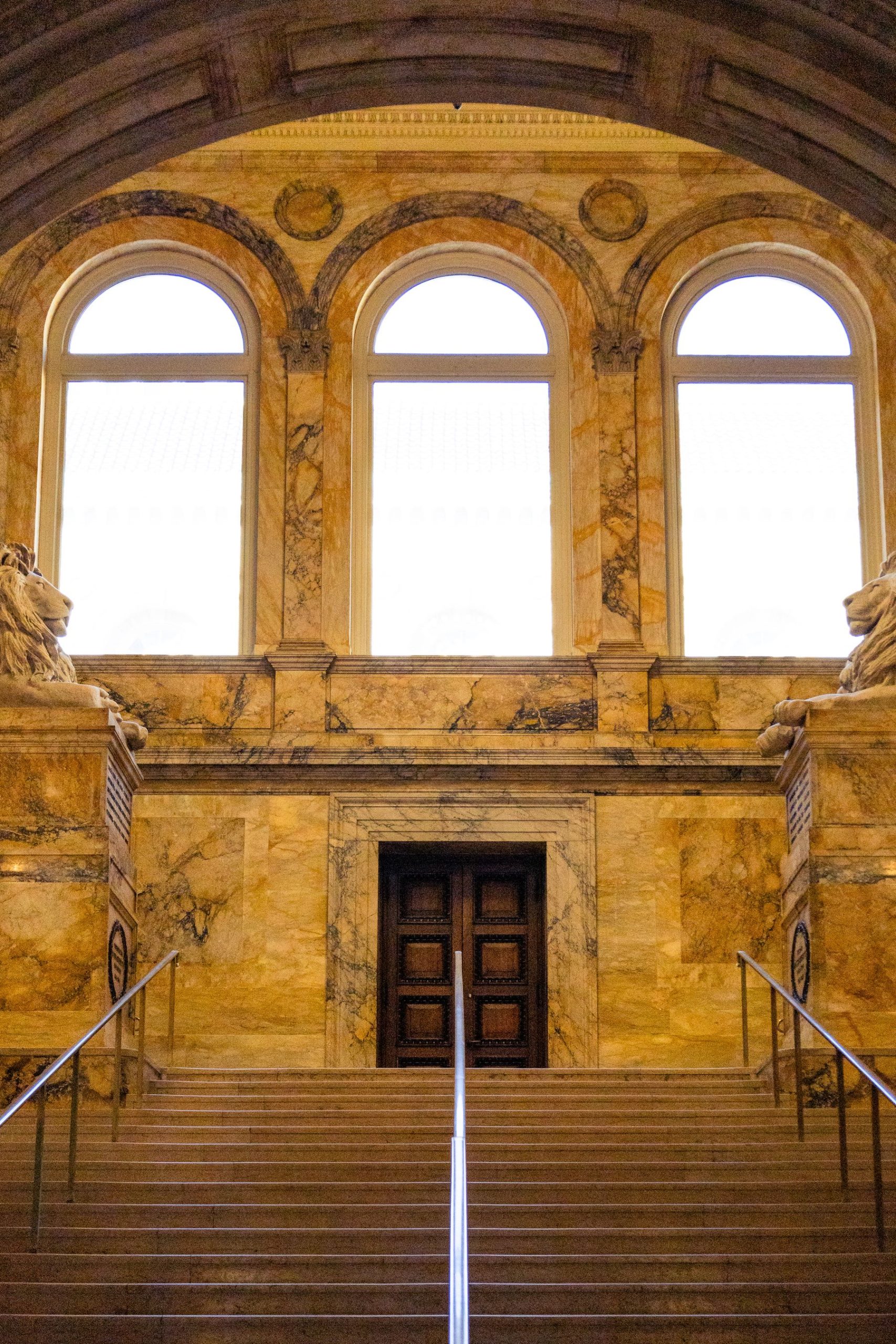
The central library gives you architecture, public space, and a different view of Boston’s cultural life. Enjoy the public areas, but remember that people are here to read and work. Combine it with Copley Square and a Back Bay walk rather than rushing across town for a single photograph.
| Detail | Planning notes |
|---|---|
| Best for | Architecture, books, a quieter indoor stop, and Back Bay |
| Location and map | Boston Public Library at Copley Square |
| Time needed | 45–90 minutes for a focused public-area visit |
| Cost and booking | Public library access is free; check current tour and room-access arrangements |
| Getting there | Copley-area MBTA connection or a Back Bay walk |
| Accessibility | Confirm the appropriate accessible entrance and current lift arrangements |
| Nearby stops | Copley Square, Newbury Street, and the Public Garden |
Practical tip: Keep voices low, respect workspace, and follow photography instructions. A library visit does not provide unrestricted access to every room.
10. Harvard Square and Cambridge
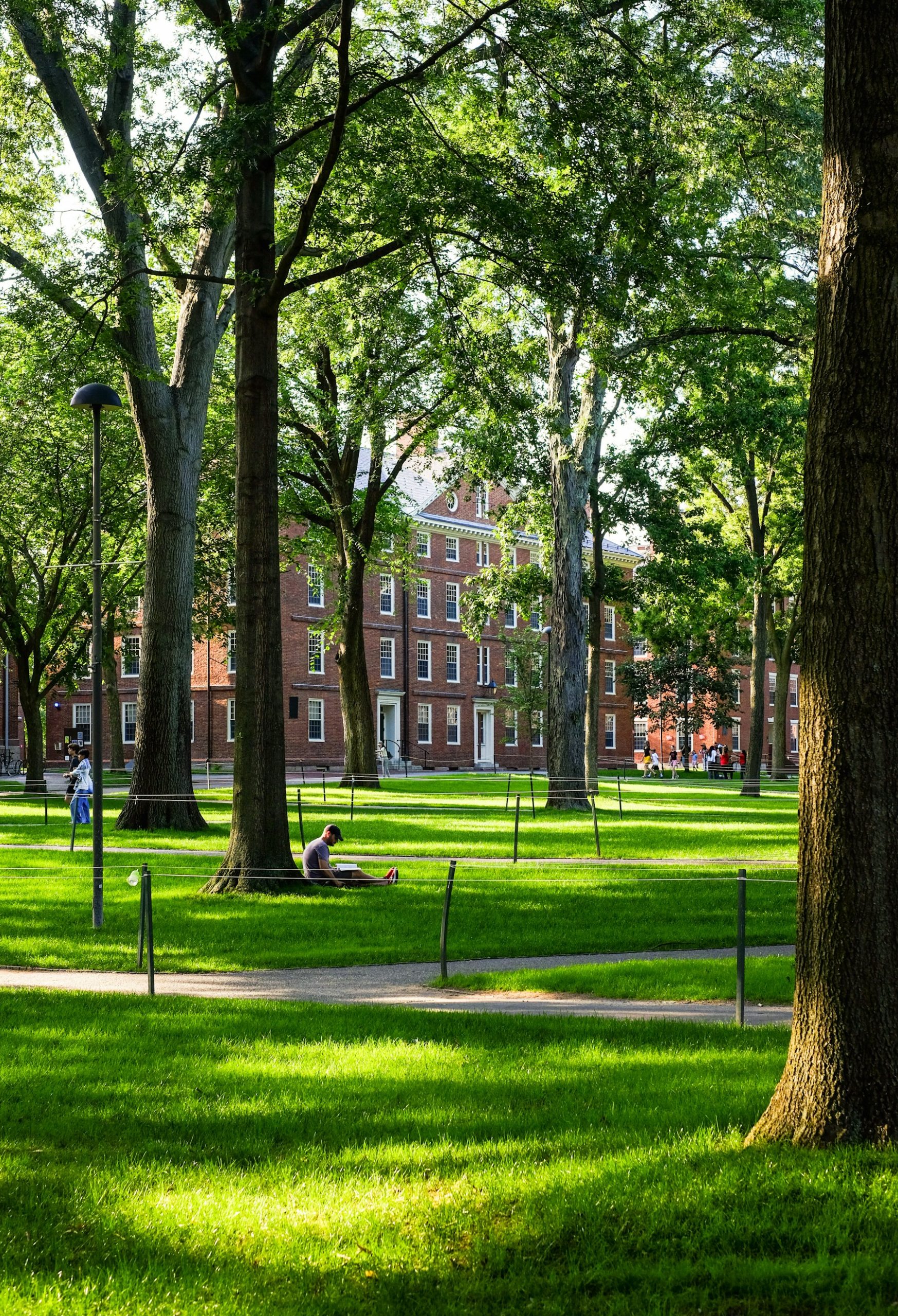
Harvard Square makes a rewarding half-day across the river. Browse cafés and bookshops, then choose an official campus tour or an appropriate public-area route. Cambridge has its own neighborhoods and atmosphere, so leave time for a meal rather than treating it as a quick photograph beside a university sign.
| Detail | Planning notes |
|---|---|
| Best for | University history, bookshops, cafés, and a neighborhood change |
| Location and map | Harvard Square, Cambridge |
| Time needed | Half a day, including travel and a meal |
| Cost and booking | Public streets are free; Harvard’s official historical walking tour is free but requires advance registration |
| Getting there | Red Line to Harvard, subject to current service |
| Accessibility | Confirm tour accommodations, campus access, and your station route |
| Nearby stops | Harvard Art Museums or another Cambridge collection, with its own opening information |
Practical tip: Campus access rules can change. Respect gates, student spaces, and security instructions; booking a tour does not make every university building a visitor attraction.
11. Fenway Park
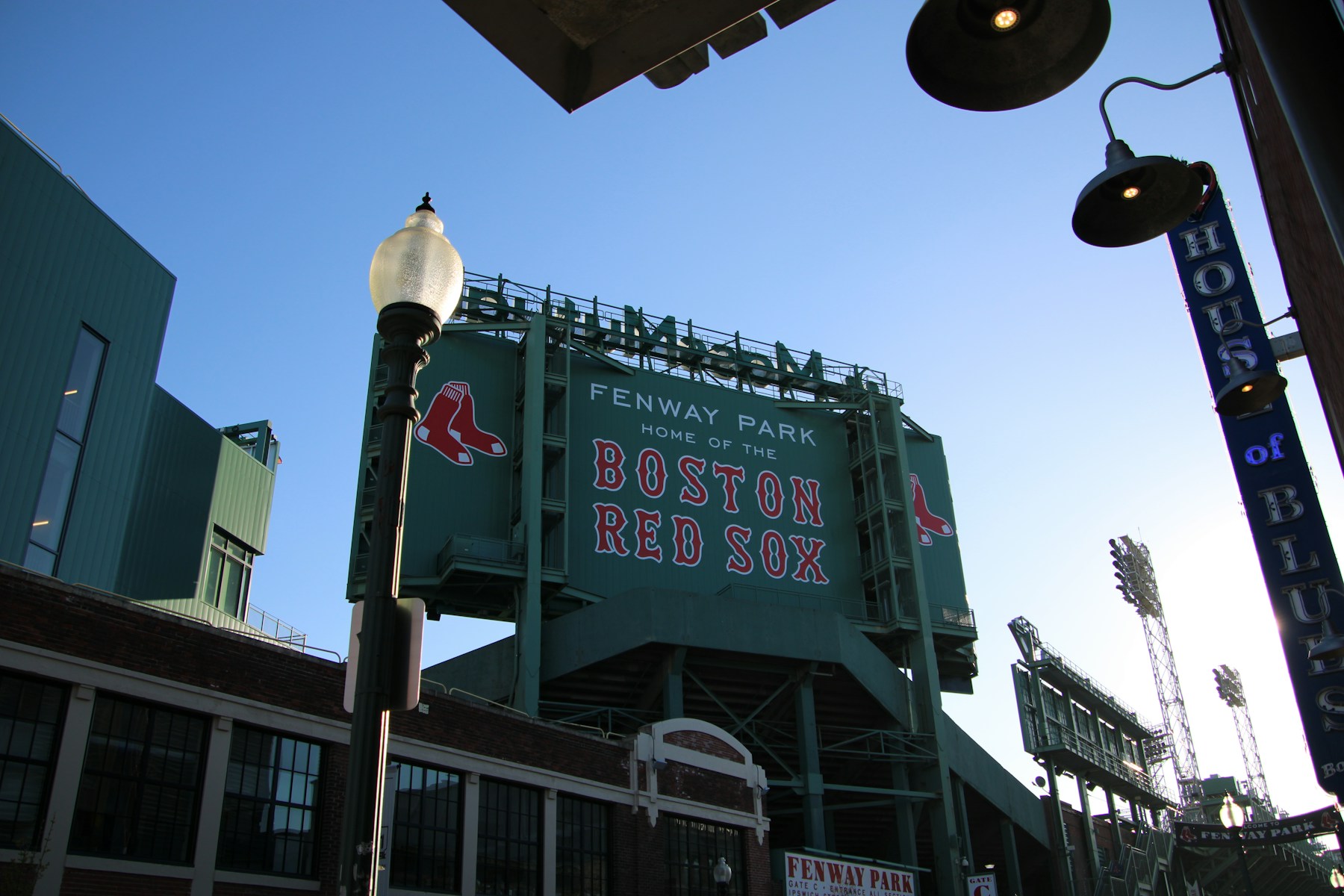
Fenway can be a highlight even for a casual sports fan, but decide what you actually want: a game, a guided ballpark visit, or simply time around the neighborhood. Those are different experiences with different costs. A match day changes the atmosphere and the crowds around the area.
| Detail | Planning notes |
|---|---|
| Best for | Baseball, sports history, and an energetic neighborhood outing |
| Location and map | Fenway Park |
| Time needed | Around 1–2 hours for an organized tour including arrival; longer for a game |
| Cost and booking | Paid tours and game tickets have separate schedules and prices |
| Getting there | Suitable Green Line connection and a walk; allow for event crowds |
| Accessibility | Confirm seating, tour routes, entrances, and any assistance directly |
| Nearby stops | Fenway restaurants and the museum district with extra travel time |
Practical tip: Buy from official or authorized channels and read bag rules. Do not assume a tour runs unchanged on every game or event day.
12. Boston Harborwalk and the Waterfront
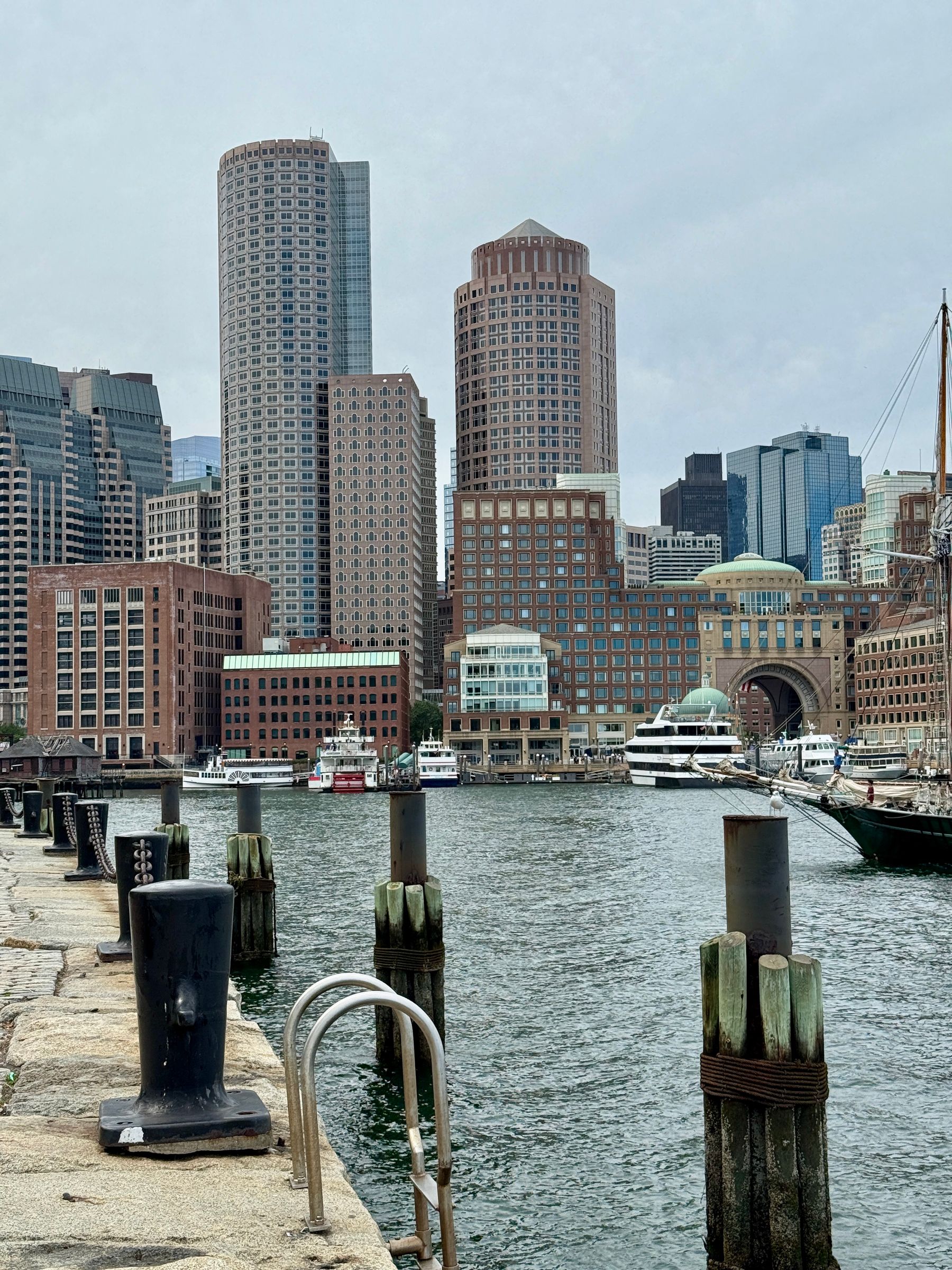
Boston’s waterfront is best enjoyed as a chosen section, not an obligation to walk every mile. Pick a route near the North End, central harbor, or Fort Point, and leave time to sit beside the water. A boat trip can add another perspective when season and weather allow.
| Detail | Planning notes |
|---|---|
| Best for | Water views, a relaxed stroll, and a break between indoor sights |
| Location and map | Boston waterfront near Long Wharf |
| Time needed | 1–3 hours for a selected section |
| Cost and booking | Public waterfront routes are generally free; cruises and ferries have separate tickets |
| Getting there | Aquarium-area transport or a walk from Downtown |
| Accessibility | Check the exact path, ramps, weather, and any construction diversions |
| Nearby stops | North End, Faneuil Hall, or a chosen waterfront venue |
Practical tip: Wind beside the water can feel much colder than an inland street. Check the return timetable before boarding a seasonal service.
Best Things to Do in Boston Beyond the Main Sights
Spend time in a bookshop, try a neighborhood bakery, walk a short Charles River route, or see a performance that matches your interests. Newbury Street can suit browsing, while a local market offers a different food-focused outing. Choose a neighborhood and explore it rather than collecting distant “hidden gems.”
For outdoor activities, consider a park, a suitable river path, or a seasonal harbor trip. For culture, a small guided walk can add context to buildings you might otherwise pass. Check current music and theater listings for entertainment; seasonal festivals and special events should fit your actual travel dates.
Boston Itinerary Ideas: Weekend to One Week
A Weekend in Boston
Spend one day on a manageable Freedom Trail section, with a North End or market-area meal. Use the second for Back Bay and one museum, or choose Cambridge if university history and cafés interest you more. Keep waterfront time flexible around the weather.
A 3-Day Boston Itinerary
| Day | Main plan | Keep it realistic |
|---|---|---|
| 1: Historic Boston | Common, selected Freedom Trail stops, Faneuil Hall area, and North End | Break for lunch; save Charlestown if you want more time in historic interiors |
| 2: Back Bay and art | Public Garden, Copley Square library visit, then MFA or Gardner | Choose one main museum; check Tuesday closures |
| 3: Cambridge or Charlestown | Harvard Square and a registered tour, or USS Constitution and the Navy Yard | Add a short harbor stroll only if timing and energy suit |
Swap the order around museum days, tour availability, and the forecast. A Fenway game or tour can replace a main activity rather than becoming an automatic fourth stop.
A 5-Day Boston Itinerary
Add the option you skipped on day three, then a waterfront day with a Tea Party Museum visit, a suitable boat trip, or a slower neighborhood route. Leave a proper interval between a timed museum activity and a boat departure.
A 7-Day Boston Itinerary
Add a second museum, more Cambridge time, or a regional outing. Keep one lighter day for a favorite neighborhood, shopping, laundry, or an unhurried meal. This is especially useful if weather has forced you to rearrange earlier plans.
Maps, Travel Times, Rainy Days, and a Slower Pace
Save a central history route and a Back Bay route. These are orientation routes, not a substitute for the complete official Freedom Trail map or current diversions.
Allow roughly 20–40 minutes for many cross-neighborhood journeys once walking, waiting, and transfers are included; check each real trip live. In rain, choose an open museum or library visit with the right admission arrangements. For less walking, take the T between areas and limit each day to one substantial attraction and a nearby meal.
What and Where to Eat in Boston
Local Foods and Good Areas to Explore
Consider clam chowder, a lobster roll, Italian-American food in the North End, or a bakery treat. Seafood is only one part of the city; Cambridge, Back Bay, Chinatown, and other neighborhoods offer many other directions. Choose the food you enjoy rather than feeling obliged to order every famous dish.
For affordable meals, compare bakeries, counter-service places, food halls, and lunch menus. A simple breakfast and lunch can leave room for one dinner you care about. Waterfront dining may carry a location premium, so compare the menu as well as the view.
Dietary Needs, Reservations, and Dining Etiquette
Vegetarian, vegan, halal, and other options need a little menu research and direct confirmation. Chowder, sauces, stocks, and pastries can contain ingredients that are not obvious from the dish name. Tell staff about allergies and ask about cross-contact; do not rely only on a menu symbol.
Reserve popular dinners, especially for larger groups or busy weekends. Check cancellation terms and the bill for taxes, service charges, or included gratuity. If a venue has a payment restriction, know it before you order.
Free and Budget-Friendly Things to Do in Boston
Walk public sections of the Freedom Trail, enjoy the Common and Public Garden, explore Back Bay streets, visit public areas of the library, and choose a free waterfront stroll. The trail itself is free, but individual interiors and tours may charge.
A low-cost day could include the parks, a bakery lunch, a short historic route, and a waterfront rest. Use transit where it genuinely saves energy or time. Check museum discounts and free programs directly for current eligibility; some offers apply only to residents, particular ages, or certain dates.
Before buying an attraction pass, calculate the price of the sights you would otherwise pay for. Include tour availability, advance booking, closed days, and the time needed between them. A pass is less useful if it encourages an exhausting route.
Boston Experiences for Different Travelers
Families can combine a short history walk with a park, a ship visit, or an age-appropriate museum. Couples may enjoy Back Bay, the Gardner, a harbor walk, and a reserved dinner. Solo travelers can mix independent routes with a small guided walk or a class that interests them.
Groups should choose a few shared activities and allow people to explore galleries at different speeds. For accessible travel, confirm station lifts, hotel access, old-building entrances, boat boarding, and restroom details. For a relaxed trip, use shorter trail sections and a transport connection rather than trying to complete all the history in one day.
Best Photography Spots in Boston
| Spot | What to photograph | What to keep in mind |
|---|---|---|
| Public Garden and Common | Seasonal trees, paths, and city edges | Light, crowds, and changing seasonal displays |
| Beacon Hill public streets | Historic facades and street details | Residents’ privacy, uneven paving, and access restrictions |
| Copley Square and the library | Architecture and interior details where permitted | Library workspaces and current photography rules |
| North End | Street scenes, signs, and neighborhood details | Ask before photographing people or private interiors |
| Harbor waterfront | Boats, skyline, and reflected light | Wind, safe edges, and boat or construction access |
| Fenway | Ballpark atmosphere and the field | Ticket, tour, lens, and bag restrictions |
Sunrise and sunset options depend on the direction you are facing and the season. Scout a safe public viewpoint rather than relying on a social post. Avoid blocking doors, crossing into private yards, or placing a tripod in a narrow walking route. Drone and commercial photography rules need a separate check.
Day Trips and Road Trips From Boston
Salem can work for history and a waterfront outing, but October demand changes its atmosphere and booking needs. Concord and Lexington suit a regional history day with transport planning. A coastal town can be appealing in warm weather, provided the seasonal services you need are operating.
Choose one destination and check the door-to-door journey. A train station may still be some distance from the place you want to see. Guided tours can simplify several scattered historic stops; independent travel offers flexibility but adds timetable, admission, and parking decisions.
For a wider New England road trip, use Boston as a city stop, then collect a car when leaving if that makes financial sense. Check winter driving conditions, daylight, and seasonal closures. A coastal photograph from summer does not tell you what will be open on a cold weekday in January.
Essential Things to Know Before Visiting Boston
International visitors should verify U.S. entry documents and requirements for their nationality. Keep suitable identification for places such as USS Constitution, plus secure copies of important travel details. Payment is in U.S. dollars; cards are common, but a little cash and a second payment method are useful.
English is the main visitor language. Use saved maps, current transit tools, mobile data, and a power bank to make independent travel easier. Ask about luggage storage at your accommodation; historic sites and museums may refuse large bags and may not store them.
Keep valuables secure, follow official station and venue instructions, and buy tickets through legitimate channels. Be cautious about a seller offering an essential ticket that the attraction itself does not require. Read parking signs and local cycling rules carefully if using a vehicle.
Plan restrooms and warm breaks around museums, visitor facilities, cafés, and libraries. Check the forecast, especially for wind near the water, summer heat, or winter ice. Carry your personal medicines and insurer details, and avoid planning a demanding walk when your group needs a lighter day.
What to Pack for Boston
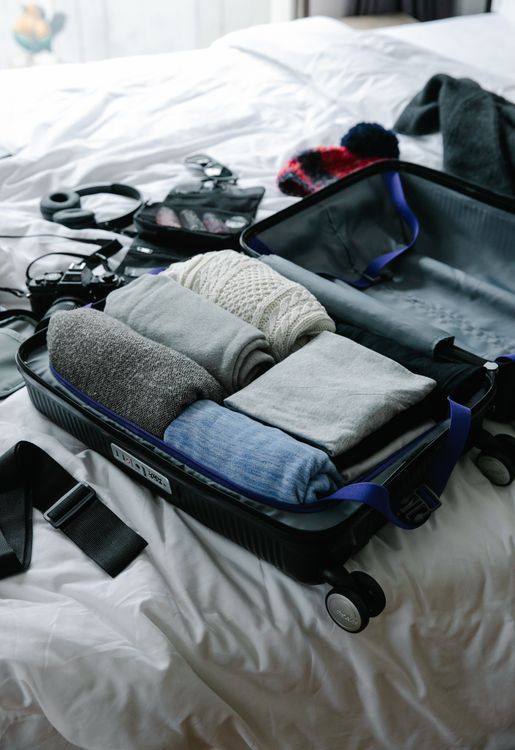
- Comfortable, tested walking shoes with appropriate grip.
- Layers for changing temperatures and cooler harbor conditions.
- A compact rain layer and suitable seasonal outerwear.
- Sun protection and a refillable water bottle in warm weather.
- A small day bag, phone charger, and saved tickets.
- Required physical identification and travel documents.
- Personal medicines, mobility or sensory supplies, and family essentials.
For winter, check the actual forecast and bring clothing suited to cold, wind, and possible slippery surfaces. For a summer boat trip, a light extra layer can still be useful.
Important Contacts and Official Resources
| Need | Where to get help |
|---|---|
| Immediate police, fire, or medical emergency | Call 911 |
| Official visitor information | Meet Boston and staffed visitor information centers |
| Subway, bus, and local transit information | MBTA customer information and service alerts |
| Logan Airport help | Massport airport information and your airline |
| Freedom Trail and historic-site access | Freedom Trail Foundation, National Park Service, and the individual site |
| USS Constitution visitor requirements | The U.S. Navy’s current ship visitor information |
| Medical or passport assistance | Your insurer, accommodation, or country’s official consular directory |
Save personal assistance numbers before you travel. For nonemergency institutional contacts, use the current official directory rather than relying on a copied number from an older article.
Common Mistakes First-Time Boston Visitors Make
- Trying to visit every Freedom Trail interior during one uninterrupted walk.
- Assuming the free trail means free admission to every building along it.
- Forgetting museum closing days, especially Tuesday closures at MFA and Gardner.
- Arriving at USS Constitution without accepted physical identification.
- Assuming seasonal harbor boats operate year-round.
- Booking a “Boston area” hotel without checking the transport journey.
- Keeping a rental car during city days without budgeting for parking.
- Underestimating cold wind, rain, uneven sidewalks, or the need for a break.
Frequently Asked Questions About Visiting Boston
Is Boston Good for First-Time Visitors?
Yes. The center combines history, neighborhoods, food, parks, and museums in a manageable area. Group your activities and use transit when it saves a tiring walk.
How Many Days Should I Stay in Boston?
Three or four full days are a good start. Add time for Cambridge, more museums, or a regional trip.
Where Should I Stay on My First Visit?
Back Bay and Downtown are useful starting points. Compare Beacon Hill, waterfront areas, and Cambridge according to your interests, hotel price, and actual transit connection.
Do I Need a Rental Car in Boston?
Usually no for central sightseeing. A car can help on a wider regional journey, but parking and traffic add costs during city days.
Is the Freedom Trail Free?
The public route is free to walk. Guided tours and several historic interiors have separate tickets, hours, or admission arrangements.
What Should I Book Before Arriving?
Your hotel, priority museums, any Fenway activity, a seasonal boat trip, an official Harvard tour if wanted, and popular dinners. Keep general park and street walks flexible.
How Much Should I Budget for Boston?
The example in this guide totals $1,551 for two adults over three nights and three sightseeing days, excluding flights and major extras. Dates and accommodation choices can change that considerably.
Is Boston Suitable for Families, and What Can We Do in Bad Weather?
Yes, with short walking sections, rest breaks, and activities suited to your children’s ages. In rain or cold, choose an open museum, library visit, or structured indoor activity, checking tickets and opening days first.
Your Final Boston Trip Planning Checklist
- Confirm travel documents, hotel address, and required physical identification.
- Compare the total hotel cost and check the room’s practical details.
- Save the Logan or rail arrival route and a late-arrival backup.
- Reserve priority museums, tours, sports, and seasonal boats.
- Check closed days and the current MBTA service plan.
- Split walking routes into manageable sections with meals and restrooms.
- Allow for taxes, tips, transport, and weather-related changes.
- Pack for your season and download tickets and maps.
Reader Questions and Travel Experiences
Earth Trekkers describes walking the Freedom Trail independently in about four hours and, looking back, wishing they had planned a break around Faneuil Hall and Quincy Market. Their account is a useful example of how much stopping and reading changes the pace. Our planning advice is to make lunch part of the route rather than an afterthought.
Have you visited Boston? Share your favorite trail stop, museum, meal area, or transport tip in the reply section. Mention when you visited and who you traveled with so readers can judge whether the same plan would suit them.
Explore More USA Travel Guides
Plan a wider trip with our 25 Best Places to Visit in the USA, New York City first-time guide, Chicago attractions guide, and Los Angeles first-time visitor guide.
What would you like to know before you go?
Send us your question, feedback, or a place you would like to see covered.
Ask a travel question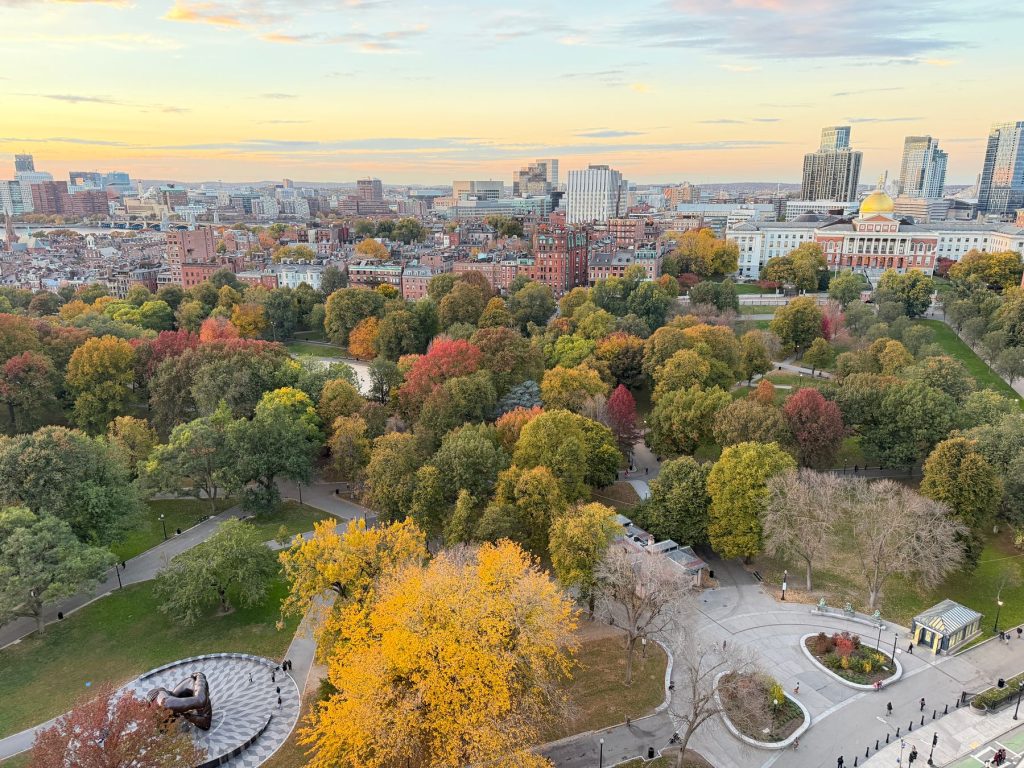
Leave a Reply