Written by Ari Mayzick · Go Travel Box
Published November 16, 2026 · Practical information reviewed November 15, 2026
An affordable family vacation starts with a place where the main pleasure does not require buying another ticket every morning. That might be a lake, a public beach, a city full of museums, or a mountain base with short walks and room to play. The right choice depends as much on the journey from your home as on the name of the destination.
The ideas below are designed for families who want a satisfying holiday and a bill they can understand. Some destinations have inexpensive outdoor activities but costly peak-season rooms. Others offer exceptional free attractions inside cities where parking and accommodation require care. None is a promise that every family can travel for the same price.
Start with two adults and your actual children’s ages, then compare complete quotes. A family with a toddler needs different sleeping arrangements, meal breaks, and transport from a family with two teenagers. Give those needs a place in the budget before adding attractions. A manageable trip usually provides better memories than a crowded itinerary built around discounts.
First Family Trip on a Budget? Start Here
- Choose a destination within a comfortable drive or with a genuinely convenient flight. Include baggage, seats, airport transfers, and any child-seat arrangements in the comparison.
- Pick one main base for a four- to seven-night trip. Moving rooms repeatedly costs time, fuel, and patience.
- Make the everyday attraction inexpensive: a beach, lake, public park, or a set of free museums. Add one or two paid highlights that your children actually want.
- Compare the complete room bill, including taxes, parking, cleaning charges, and the cost of breakfast. Confirm that every child is included in the reservation.
- Keep money for weather changes and an unplanned meal. A budget that works only when nothing goes wrong is too tight.
- Let each child choose a priority within a stated allowance. Agreeing before departure reduces expensive negotiations beside the ticket counter.
Family Vacation Planning at a Glance
| Decision | Practical starting point |
|---|---|
| Length | Four to seven nights in one region |
| Pace | One main outing daily, with an optional short activity |
| Accommodation | A room or rental that legally sleeps the full family |
| Food | Simple breakfasts, picnic supplies, and selected restaurant meals |
| Transport | Compare total driving cost with complete flight and local travel costs |
| Paid experiences | Reserve a small number of important highlights |
| Weather backup | Identify an indoor option before buying nonrefundable tickets |
| Price standard | Use current quotes for your dates; the sample budget is an illustration |
Table of Contents
- First Family Trip on a Budget? Start Here
- Family Vacation Planning at a Glance
- Compare Twelve Affordable Family Vacation Ideas
- 1. Washington, D.C.: Build the Trip Around Museums
- 2. Great Smoky Mountains: A Nature Holiday With Choices
- 3. Gulf Shores, Alabama: Make the Beach the Main Event
- 4. Ocean City, Maryland: Set a Boardwalk Allowance
- 5. Myrtle Beach, South Carolina: Choose Entertainment Deliberately
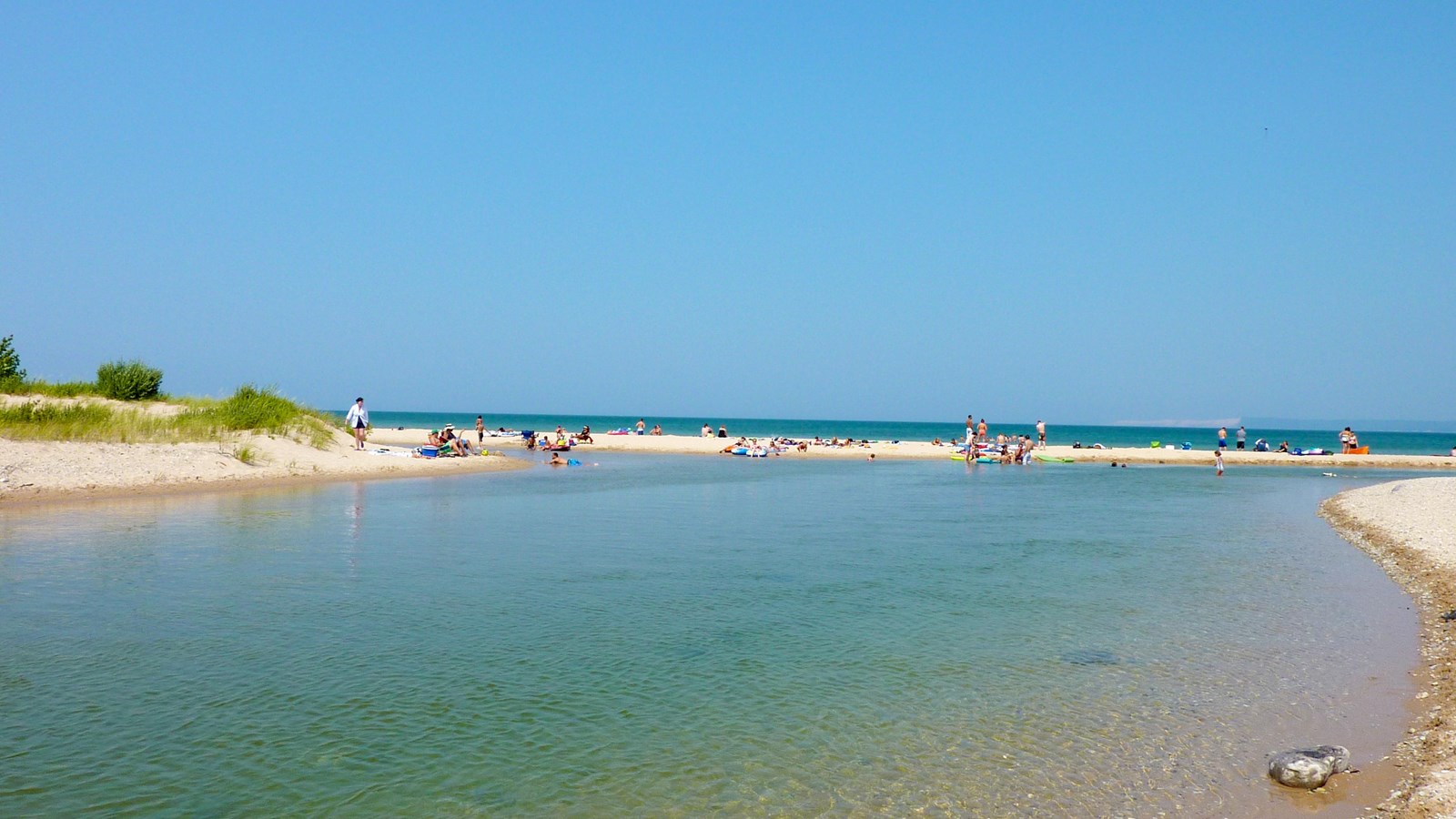
- 6. Traverse City and Sleeping Bear Dunes: Freshwater Family Time
- 7. Lake Ouachita, Arkansas: A Simple Lake Escape
- 8. St. Louis, Missouri: Give Free Attractions a Full Day
- 9. Chicago, Illinois: Combine Lakefront Days With a Free Zoo
- 10. San Diego, California: Use the Outdoor City
- 11. Williamsburg, Virginia: Choose the History You Want to Experience
- 12. Shenandoah, Virginia: Stay Close to the Scenery
- Choose the Idea That Fits Your Children’s Ages
- When to Travel for Better Value
- Accommodation, Meals, and the Total Room Bill
- Three Realistic Family Itineraries
- Illustrative Five-Night Budget for a Family of Four
- Food, Free Activities, and Spending That Is Worth Keeping
- Accessible Visits and Practical Family Needs
- Packing and the Final Week Before Departure
- Common Budget Mistakes Families Can Avoid
- Frequently Asked Questions
- Final Affordable Family Vacation Checklist
- Share Your Family Vacation Experience
- Explore More Go Travel Box Guides
- Leave a Reply
Compare Twelve Affordable Family Vacation Ideas
| Destination | Best everyday value | A sensible stay | Main cost to control |
|---|---|---|---|
| Washington, D.C. | Smithsonian museums and monuments | Four to six nights | Room location and transport |
| Great Smoky Mountains | Forest scenery and short outdoor outings | Four to six nights | Cabin fees and commercial attractions |
| Gulf Shores, Alabama | Beach days and coastal park time | Four to seven nights | Summer accommodation |
| Ocean City, Maryland | Beach and boardwalk atmosphere | Three to five nights | Waterfront rooms and amusements |
| Myrtle Beach, South Carolina | Beach time with flexible entertainment | Four to six nights | Add-on attraction spending |
| Traverse City and Sleeping Bear Dunes | Freshwater beaches and scenic outings | Four to six nights | Peak-season lodging |
| Lake Ouachita, Arkansas | Lake scenery, picnics, and camping | Three to five nights | Boat rentals and equipment |
| St. Louis, Missouri | Free major attractions and public parks | Three to five nights | Optional exhibits and city transport |
| Chicago, Illinois | Lakefront outings and a free zoo | Three to five nights | Hotel parking and ticket bundles |
| San Diego, California | Public beaches and park spaces | Four to six nights | Accommodation and big-ticket attractions |
| Williamsburg, Virginia | A focused history trip | Three to five nights | Ticket choices and theme parks |
| Shenandoah, Virginia | Scenic overlooks and woodland outings | Three to five nights | Lodging position and daily driving |
These are starting points for comparison. A nearby destination can beat a cheaper distant one after transport is included. School holidays, festivals, major sporting events, and minimum-stay rules can change the result for any particular week.
1. Washington, D.C.: Build the Trip Around Museums

Washington can provide several full sightseeing days without a succession of expensive admissions. The Smithsonian’s Washington-area museums offer free general admission, although selected locations require free timed-entry passes. The National Mall adds outdoor monuments, open space, and an easy way to connect history lessons with a real place.
The saving comes from choosing a few museums well. Ask children whether they prefer animals, aircraft, space, art, or American history, and make those interests the core of the trip. Trying to complete three large museums before lunch usually produces tired visitors rather than better value. Keep a nearby outdoor break between indoor visits.
Accommodation deserves more attention than a list of free attractions. Compare a convenient city room with a room near a useful Metro station. Include the whole family’s fares, the route back after dinner, and any parking charges. A remote bargain becomes less convincing when everyone must cross the region twice daily.
For a four-night visit, allow an arrival evening, two focused museum days, a monuments-and-neighborhood day, and a straightforward departure. Book any necessary entry passes before placing several other commitments around them. The Air and Space Museum in D.C., the African American History and Culture Museum, and the National Zoo have their own reservation requirements.
| Family planning detail | What to do |
|---|---|
| Best fit | Curious school-age children and teenagers |
| Good saving | Use free museums as the main activity |
| Budget trap | Buying a sightseeing pass before selecting attractions |
| Practical tip | Carry snacks and plan a seated lunch break |
Location and map: Smithsonian National Museum of Natural History Washington DC
2. Great Smoky Mountains: A Nature Holiday With Choices

A Smokies vacation can be built around forest scenery, short walks, visitor centers, and time in a comfortable base. Great Smoky Mountains National Park does not charge an entrance fee, but parking tags are required for many ordinary visits. Campsites, some activities, and the businesses outside the park have their own charges. A free park entrance does not make the entire holiday free.
Choose the base according to the trip you want. Gatlinburg and Pigeon Forge offer extensive commercial entertainment, which is convenient when that entertainment is a priority. Townsend or a base on the North Carolina side can suit a different routine. Compare the actual road journey to the outings you plan, rather than selecting a cabin from a broad destination label.
Families can save by alternating a park-focused day with a slower day near their room. Take a picnic, choose a route everyone can manage, and leave time for traffic. Wildlife viewing works best as a patient opportunity rather than a promise. Never approach animals or stop in a way that blocks the road.
Check cabin access, driveway slope, cleaning fees, and cancellation conditions. A large cabin with entertainment equipment can be good value when the family uses it; an oversized rental chosen only for its advertised nightly price can add unnecessary costs. Ask about pool heating and operation rather than assuming every photograph describes your travel dates.
| Family planning detail | What to do |
|---|---|
| Best fit | Families comfortable with a car and outdoor time |
| Good saving | Combine picnics with short scenic outings |
| Budget trap | Adding several commercial attractions every day |
| Practical tip | Save park maps and road information offline |
Location and map: Great Smoky Mountains National Park Sugarlands Visitor Center Tennessee
3. Gulf Shores, Alabama: Make the Beach the Main Event
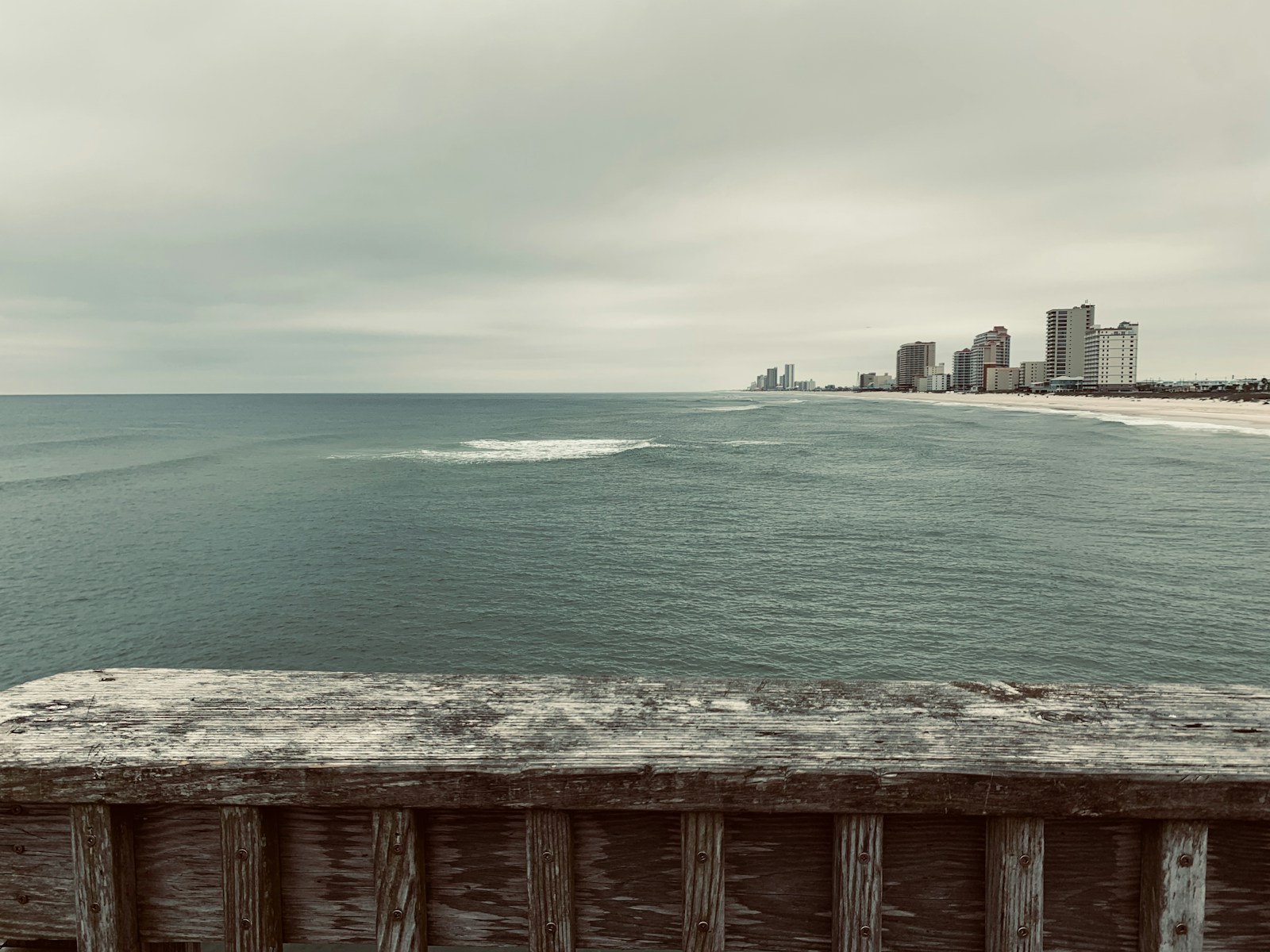
Gulf Shores works for a budget when the family is happy to spend substantial time by the coast. A beach holiday does not need a paid excursion every day. Sand play, a shoreline walk, and a relaxed picnic can fill a morning, leaving the afternoon for a room break or another easy activity.
Accommodation is the main variable. Compare a hotel with breakfast against a properly sized rental with a usable kitchen. A rental may have cleaning charges, a deposit, parking rules, and a minimum stay. Spread those fixed charges across the actual number of nights before deciding which option is cheaper.
Gulf State Park offers a different setting from the busiest beachfront blocks. Check the current charges for the specific access point, activity, or parking area you intend to use. An inland room may save money, but repeated beach drives, parking, and the difficulty of returning for naps can offset the saving.
Do not treat every spring or autumn date as swimming weather. Water temperature, surf, currents, and storms need a daily decision. Follow beach flags and lifeguard instructions. Keep a non-swimming option ready so poor conditions do not trigger an expensive last-minute replacement for every member of the family.
For five nights, plan two main beach days, a park-focused day, and a flexible day with one chosen paid activity. Decide the restaurant budget in advance; a kitchen saves money only when the family actually prepares some meals.
| Family planning detail | What to do |
|---|---|
| Best fit | Families who enjoy a simple coastal routine |
| Good saving | Book a useful kitchen and prepare several meals |
| Budget trap | Comparing rentals before adding fixed fees |
| Practical tip | Ask about the walking route to beach access |
Location and map: Gulf State Park Gulf Shores Alabama
4. Ocean City, Maryland: Set a Boardwalk Allowance
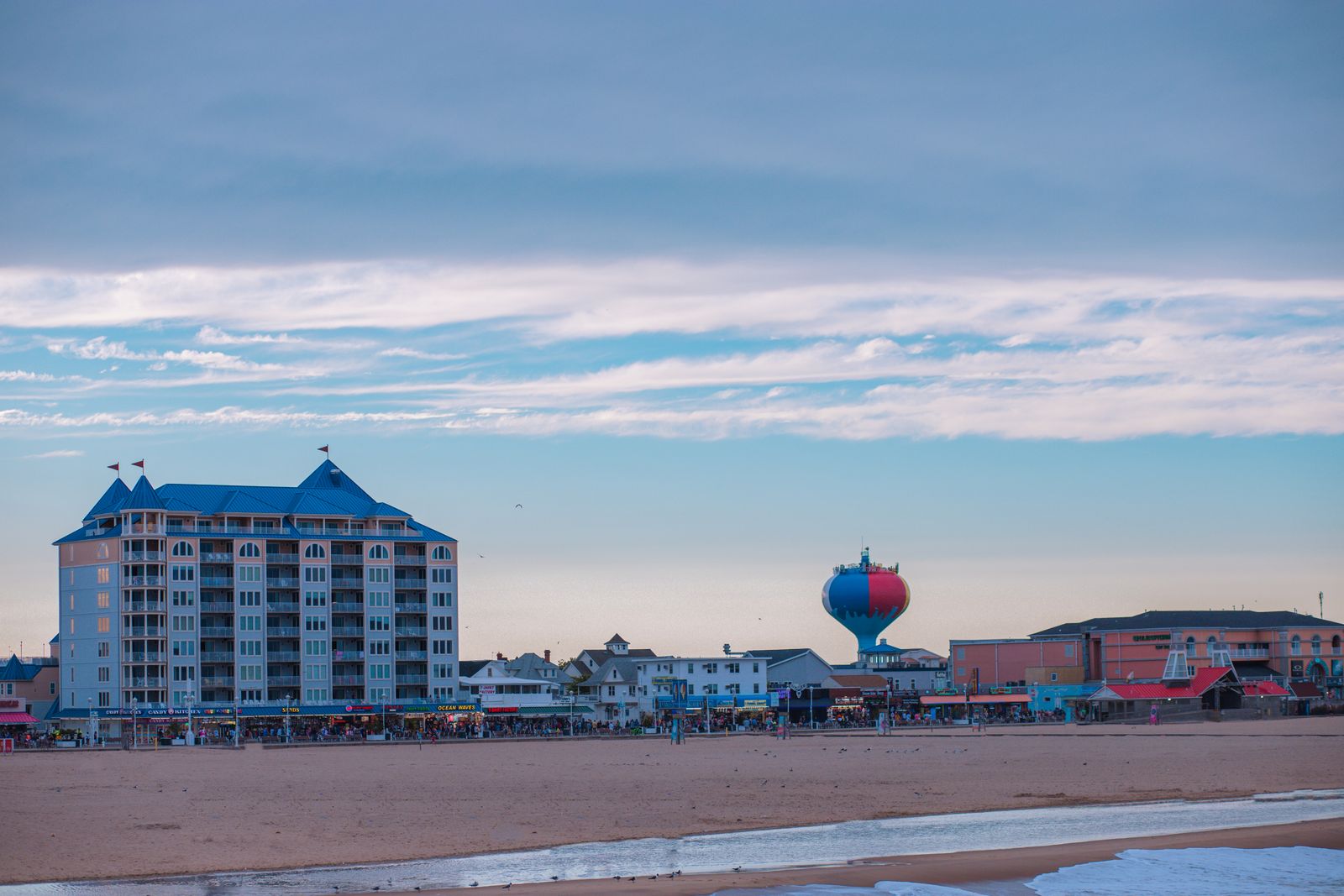
Ocean City brings a classic seaside holiday within a compact setting: beach time, a busy boardwalk, casual meals, and evening entertainment. Its value depends on choosing which parts are the holiday and which are optional purchases. Walking beside the ocean is a different budget from buying rides, games, and snacks at every stop.
Give children a daily or trip-wide amusement allowance before the first boardwalk visit. They can decide whether to save it for a larger experience or spend it in small amounts. Adults should use the same approach for treats and shopping. A clear limit feels less restrictive than repeated unexpected refusals.
Room location affects the daily routine. A central room may allow the family to return for lunch or rest, while a more distant room may offer a lower price and quieter surroundings. Compare walking distance, public transport, parking arrangements, and the needs of anyone using a stroller or mobility aid.
Choose dates carefully. Peak summer weeks can be expensive, and an off-season bargain may come with a different range of operating attractions. Ask what will actually be open. A short three- or four-night stay can provide the experience without stretching the accommodation budget across a full week.
Check current beach rules, lifeguard coverage, and weather before the day’s outing. For a family traveling mainly to swim, convenience and suitable conditions matter more than a room discount on an unsuitable date.
| Family planning detail | What to do |
|---|---|
| Best fit | Children who enjoy a lively seaside atmosphere |
| Good saving | Use a fixed amusement and snack allowance |
| Budget trap | Repeated small boardwalk purchases |
| Practical tip | Confirm parking and seasonal transport before booking |
Location and map: Ocean City Boardwalk Maryland
5. Myrtle Beach, South Carolina: Choose Entertainment Deliberately
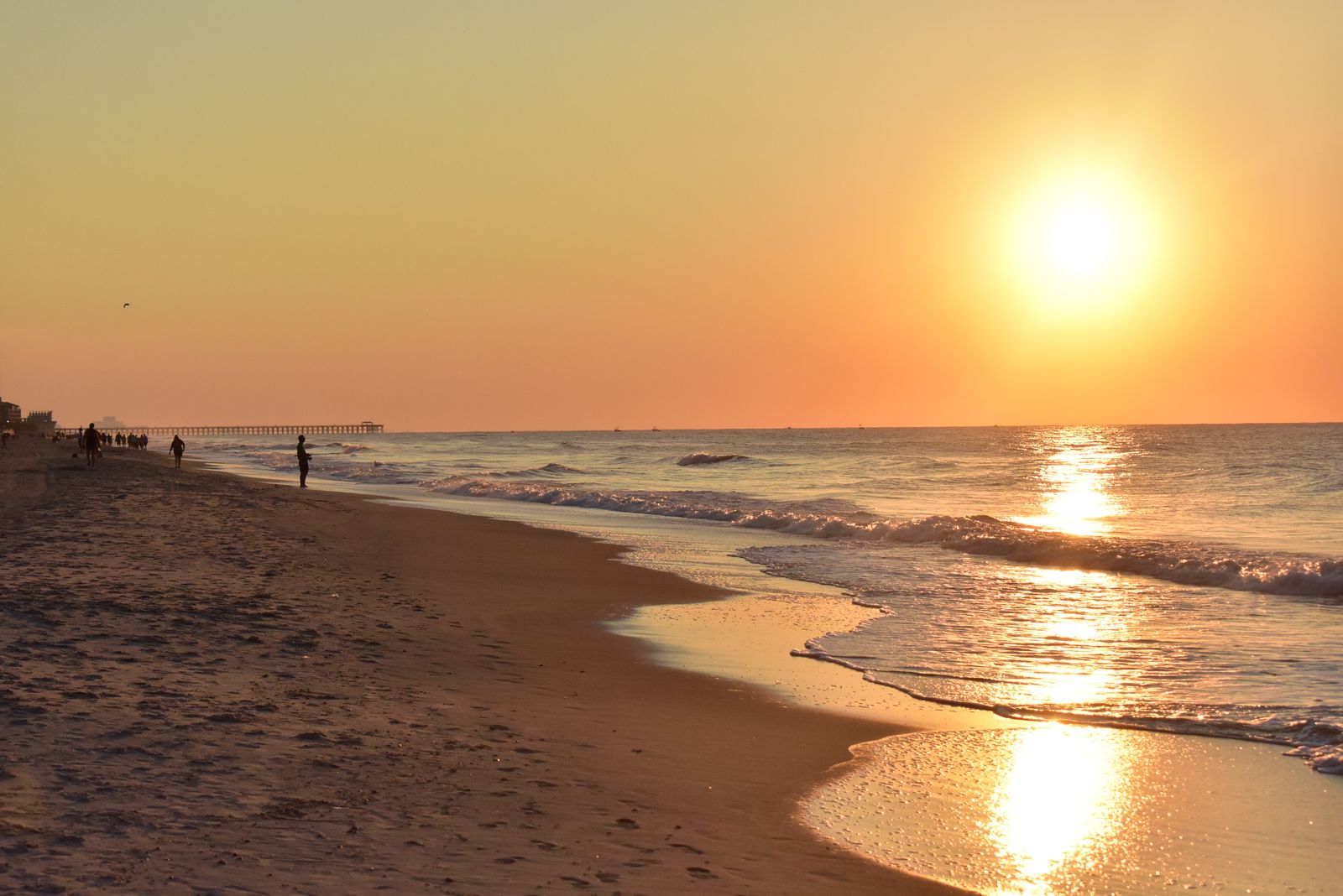
Myrtle Beach offers a broad choice of rooms, beach access, and entertainment. That choice can help a budget when you compare like-for-like accommodation and avoid treating every attraction as essential. The beach can remain the daily anchor while one show, activity, or amusement outing becomes the trip’s special purchase.
Read the full room description. A low starting price may refer to a different building, room category, or occupancy from the one your family needs. Compare the actual bedding, refrigerator, microwave, parking, resort charges, and access to the facilities shown in the photographs. A water feature on the property is useful only if it operates during your stay and is included in your booking.
A family can organize a four-night visit around two beach mornings, an afternoon of chosen entertainment, and a flexible day. Leave room for a walk, a playground, and a simple meal. There is no need to make every evening a second major excursion after children have already spent hours outdoors.
Look beyond the headline discount on multi-attraction packages. List the experiences your family would buy separately, compare the total, and check time limits. A bundle is a saving only when you use enough of it without adding outings you would otherwise skip.
For a quieter routine, compare nearby coastal bases while checking the longer journey to your preferred activities. The lowest room bill and the best complete trip value are not always found in the same location.
| Family planning detail | What to do |
|---|---|
| Best fit | Families wanting beach time plus selected entertainment |
| Good saving | Choose one memorable paid highlight |
| Budget trap | Buying a large bundle before planning the days |
| Practical tip | Verify seasonal operation of pools and water features |
Location and map: Myrtle Beach Boardwalk South Carolina
6. Traverse City and Sleeping Bear Dunes: Freshwater Family Time
Northern Michigan can provide beaches, small-town evenings, and outdoor days without a large entertainment budget. Traverse City is a useful regional base, while Sleeping Bear Dunes offers a landscape of freshwater shorelines and dunes. They should be planned as a region, with driving time included, rather than as adjacent attractions you can move between instantly.
Summer rooms can be expensive. Compare a modest base outside the busiest waterfront blocks with the travel it adds to your chosen beaches. A cabin or rental with laundry can be especially helpful on a longer family stay, although cleaning charges and minimum nights still need to be included.
Check National Park Service entry charges and any specific access requirements for Sleeping Bear Dunes. A park pass is not a general ticket for every regional activity. Parking availability, weather, and the length of a dune climb can determine how much of the plan is sensible for younger children.
Choose a beach with facilities suitable for your group and follow local water guidance. Lake Michigan can have dangerous currents and waves; freshwater does not mean harmless water. A beautiful shoreline is also enjoyable from the sand, with no pressure to swim on a poor-condition day.
For a five-night trip, alternate a beach day, a dunes or scenic-route day, and an easy town day. Buy groceries early, take a picnic, and keep one afternoon open. That rhythm preserves the affordable part of the trip: having time to enjoy the place you already paid to reach.
| Family planning detail | What to do |
|---|---|
| Best fit | Families who enjoy beaches, lakes, and outdoor variety |
| Good saving | Stay in one regional base and use picnic meals |
| Budget trap | Assuming peak summer rooms will be inexpensive |
| Practical tip | Match dune outings to children’s ability and conditions |
Location and map: Sleeping Bear Dunes National Lakeshore Michigan
7. Lake Ouachita, Arkansas: A Simple Lake Escape
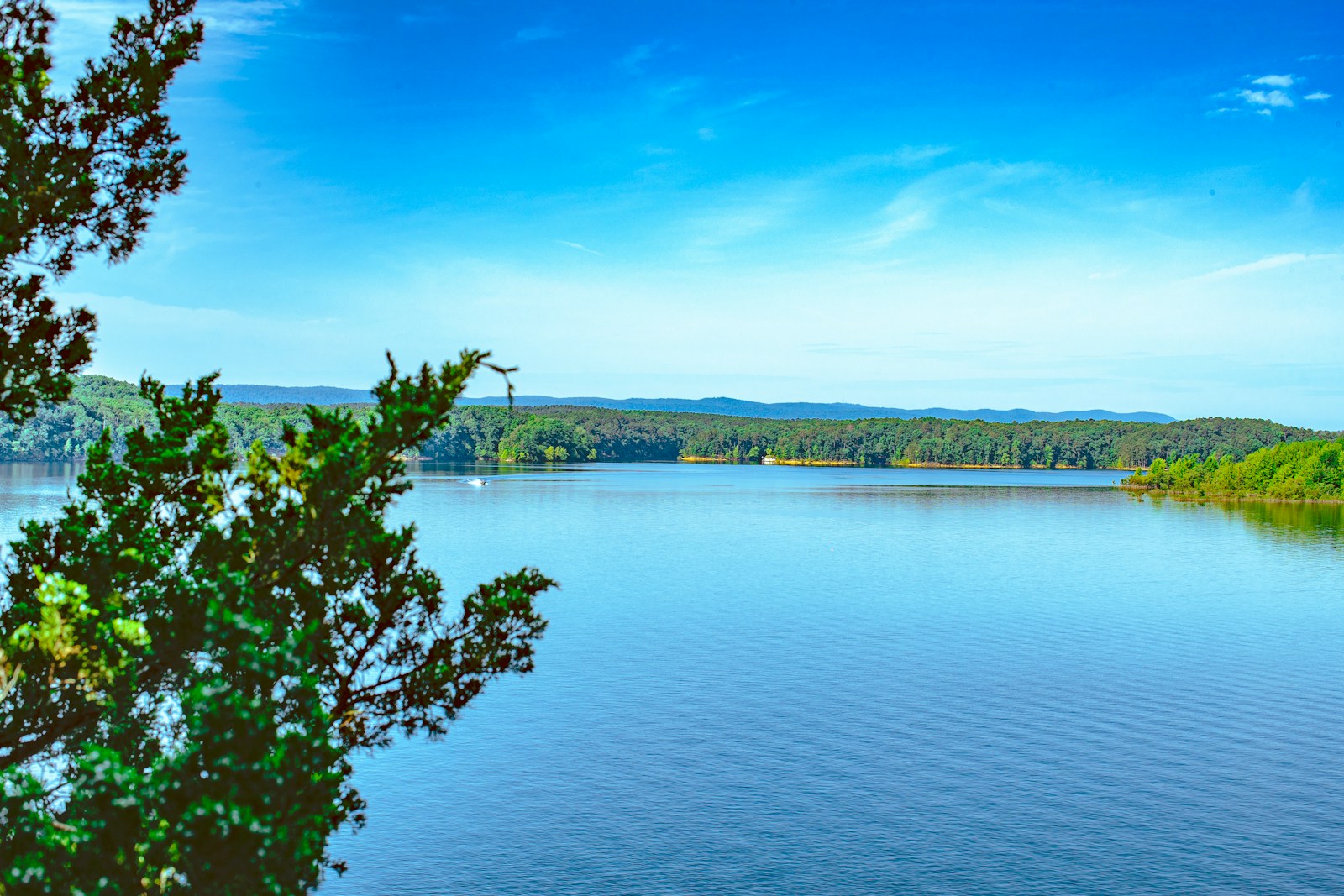
Lake Ouachita suits families who want an outdoor base and an uncomplicated daily plan. The lake setting offers room for a holiday built around picnics, shoreline time, and suitable park outings. It is particularly worth comparing when you can drive with the equipment your family already owns.
The main choice is accommodation. Camping may reduce the room bill, but only if you have suitable equipment and everyone is comfortable with the weather, facilities, and overnight routine. Buying a large amount of camping gear for one short trip can remove the saving. A cabin can be a better compromise when available for the dates and group size.
Boating changes the budget considerably. A rental, fuel, deposits, safety equipment, and any required instruction should be treated as a specific paid activity. You can enjoy the lake without renting a boat every day. Ask about designated swimming areas and current conditions rather than choosing an isolated shoreline from a photograph.
Consider a three- or four-night stay with one optional water activity, a short walking outing, and plenty of time near the base. Plan groceries before arrival and understand how far the nearest useful shop is from your accommodation. Bringing meal supplies is more effective than discovering each morning that a simple breakfast requires a long drive.
| Family planning detail | What to do |
|---|---|
| Best fit | Families happy with a relaxed outdoor routine |
| Good saving | Use existing equipment and simple meal plans |
| Budget trap | Adding a boat rental to every day |
| Practical tip | Confirm the campsite or cabin’s actual facilities |
Location and map: Lake Ouachita State Park Arkansas
8. St. Louis, Missouri: Give Free Attractions a Full Day

St. Louis is worth considering for a city holiday where major family activities can have low admission costs. Forest Park provides an excellent organizing idea: choose a specific attraction, allow outdoor time, and avoid turning the whole day into a cross-city sequence of tickets.
The Saint Louis Zoo offers free general admission, while parking, selected experiences, food, and special attractions can cost extra. Similar distinctions matter at other institutions. Read the exact admission policy for the things your family wants rather than assuming everything inside a free institution is included.
The Gateway Arch area can be another focused outing. Visiting the grounds, entering a museum, and taking a paid tram experience are separate decisions. Check current requirements and accessibility before selecting an activity; an iconic attraction is not automatically suitable for every visitor’s mobility, comfort, or age.
Choose accommodation by the areas you will actually visit. A convenient base with breakfast and predictable parking can be more useful than a lower room price that adds several car journeys. In summer, allow an indoor break during hot parts of the day. In colder months, build the plan around operating indoor attractions and realistic outdoor intervals.
Give children time to explore their chosen attraction instead of rushing away because another inexpensive activity is available. Free admission creates the opportunity to slow down; it does not require filling every hour.
| Family planning detail | What to do |
|---|---|
| Best fit | Families who enjoy museums, animals, and city parks |
| Good saving | Build the itinerary around free general admission |
| Budget trap | Forgetting parking and optional attraction charges |
| Practical tip | Keep Forest Park outings together geographically |
Location and map: Forest Park Saint Louis Missouri
9. Chicago, Illinois: Combine Lakefront Days With a Free Zoo
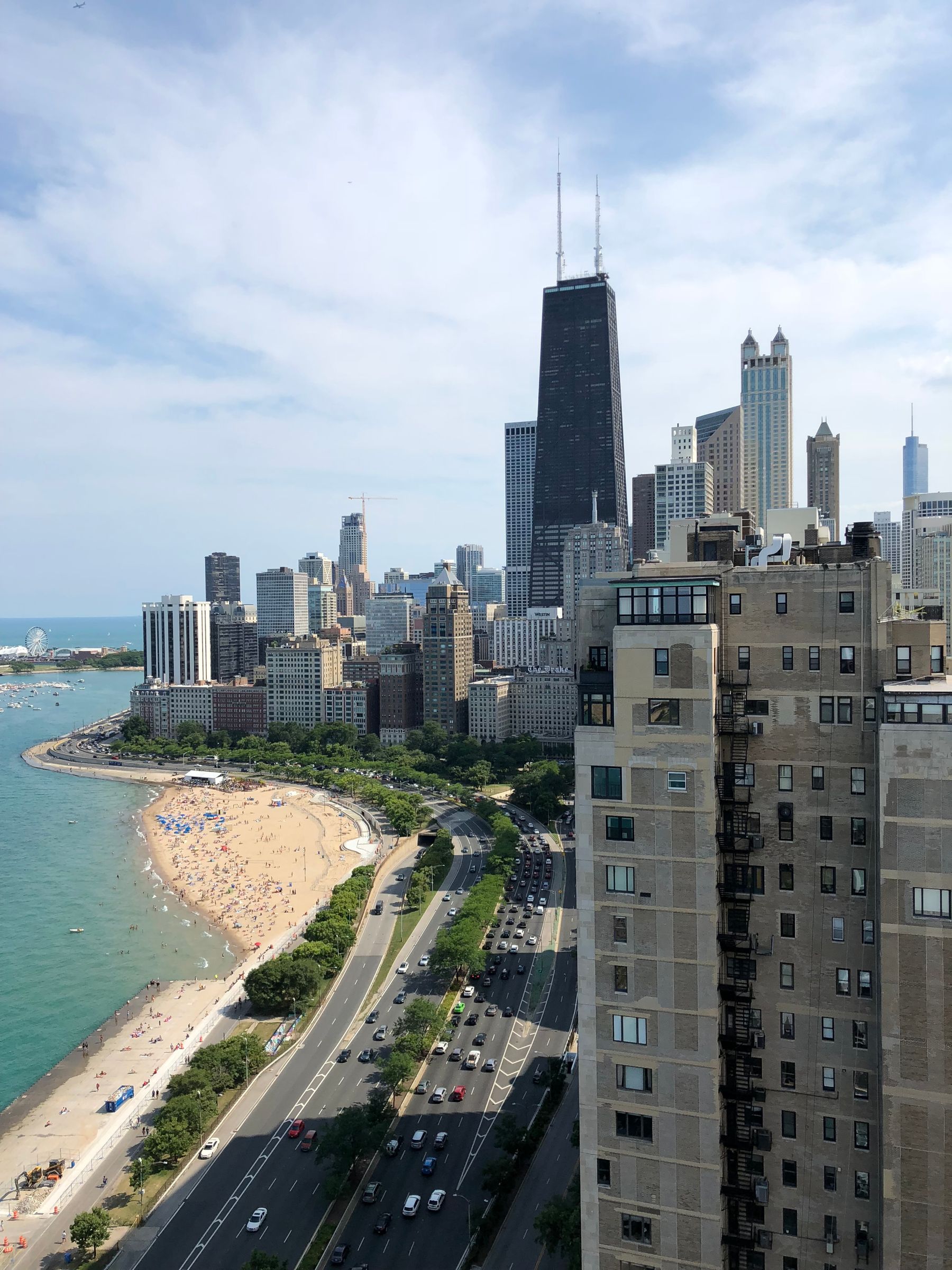
Chicago offers a lively family trip with lakefront walks, public spaces, architecture, and Lincoln Park Zoo, where general admission is free. It becomes a budget destination when you control accommodation and transport, rather than assuming the city itself is inexpensive.
A transit-friendly room can reduce the need for a rental car and hotel parking. Compare the whole family’s fares with the cost and effort of keeping a vehicle. Check the actual station route, luggage handling, and accessibility before choosing a room simply because its description says it is near transit.
Plan one section of the city at a time. A Lincoln Park day can include the zoo and a nearby outdoor break. A downtown day can combine public spaces with one paid museum, observation deck, or boat experience. Buying every famous attraction creates a very different bill from selecting the one that matters most to your children.
The season changes the plan. Summer lakefront time can be rewarding, but major events can raise room prices. Winter can offer a different atmosphere, with more of the budget directed toward indoor activities and warm transport. Do not assume a lower room quote automatically means a cheaper trip after the activity mix changes.
For four nights, choose two major sightseeing days, one flexible neighborhood day, and simple arrival and departure plans. Keep snacks available and let a park stop remain part of the holiday rather than a gap to fill with another purchase.
| Family planning detail | What to do |
|---|---|
| Best fit | School-age children and teenagers who enjoy cities |
| Good saving | Compare a transit-based stay without a rental car |
| Budget trap | Hotel parking plus unused attraction passes |
| Practical tip | Check the event calendar before selecting dates |
Location and map: Lincoln Park Zoo Chicago Illinois
10. San Diego, California: Use the Outdoor City
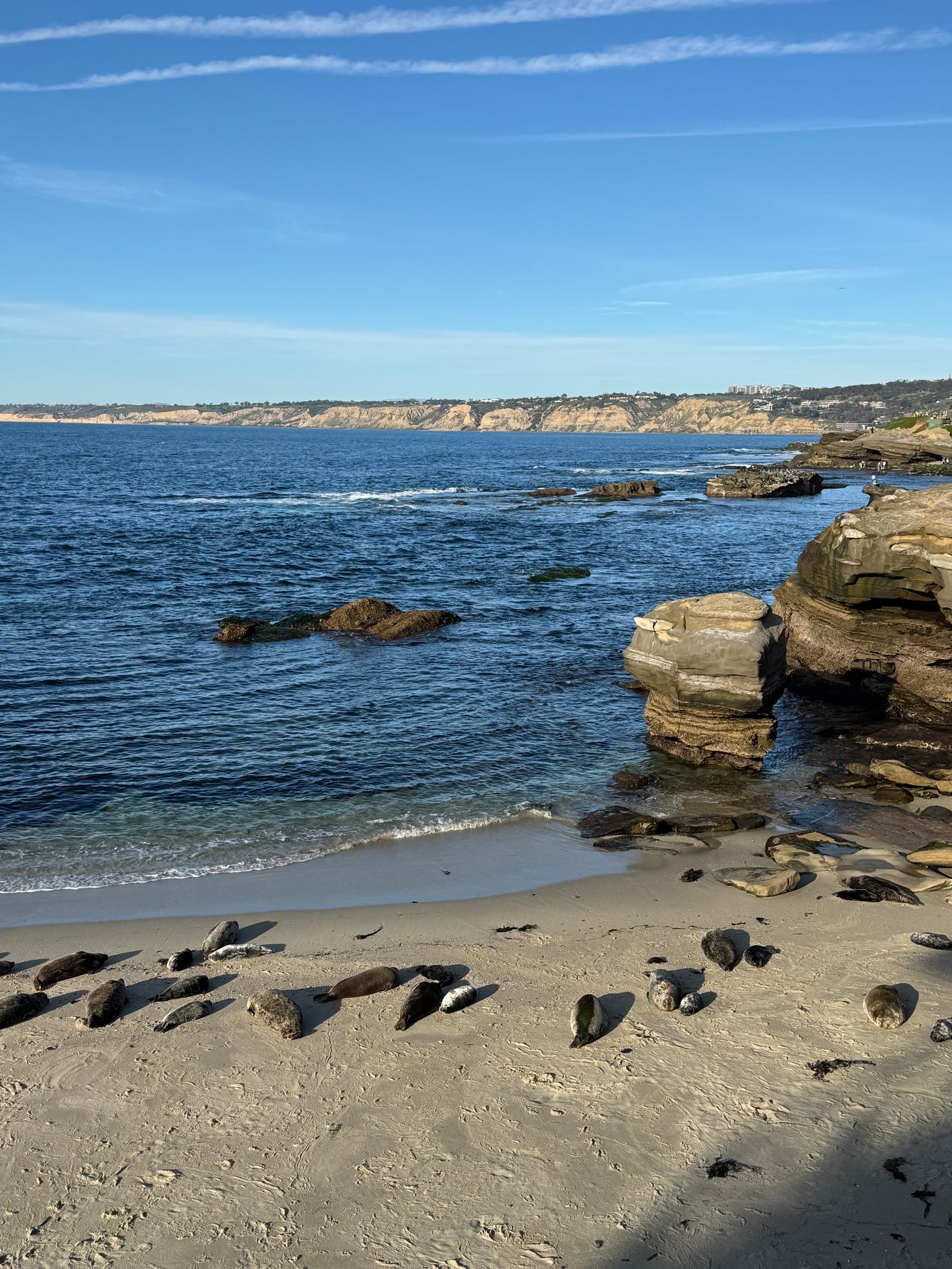
San Diego can support an affordable daily activity plan even when the accommodation requires a larger budget. Public beaches and the outdoor spaces of Balboa Park offer ways to enjoy the city without buying a major attraction ticket every morning. Museums, the zoo, rentals, parking, and special experiences have separate costs.
Decide whether the family wants a beach holiday with a city outing or an attraction holiday with beach breaks. That choice determines the best base. Staying far from every planned activity can add driving, parking, and restaurant spending that would have paid for a more useful room location.
For a five-night trip, choose two beach or coastal mornings, one park-focused day, one paid highlight, and a flexible day. Check surf and lifeguard guidance before swimming. A beach walk or sand-play session can still be worthwhile when water conditions do not suit your family.
Look carefully at promotions. A children’s offer may have age limits, require a full-price adult ticket, exclude particular dates, or need advance registration. Calculate the actual family price after these conditions. Resident discounts are not automatically available to visitors.
An accommodation kitchenette or reliable breakfast can help control the food bill. Plan a few meals near the day’s activities and resist driving across the county for every recommendation. The money saved by skipping one unnecessary cross-city outing can support a restaurant meal everyone enjoys.
| Family planning detail | What to do |
|---|---|
| Best fit | Families wanting beach time and city variety |
| Good saving | Use public outdoor spaces between selected paid outings |
| Budget trap | Treating every major attraction as essential |
| Practical tip | Check parking rules for the actual travel dates |
Location and map: Balboa Park San Diego California
11. Williamsburg, Virginia: Choose the History You Want to Experience
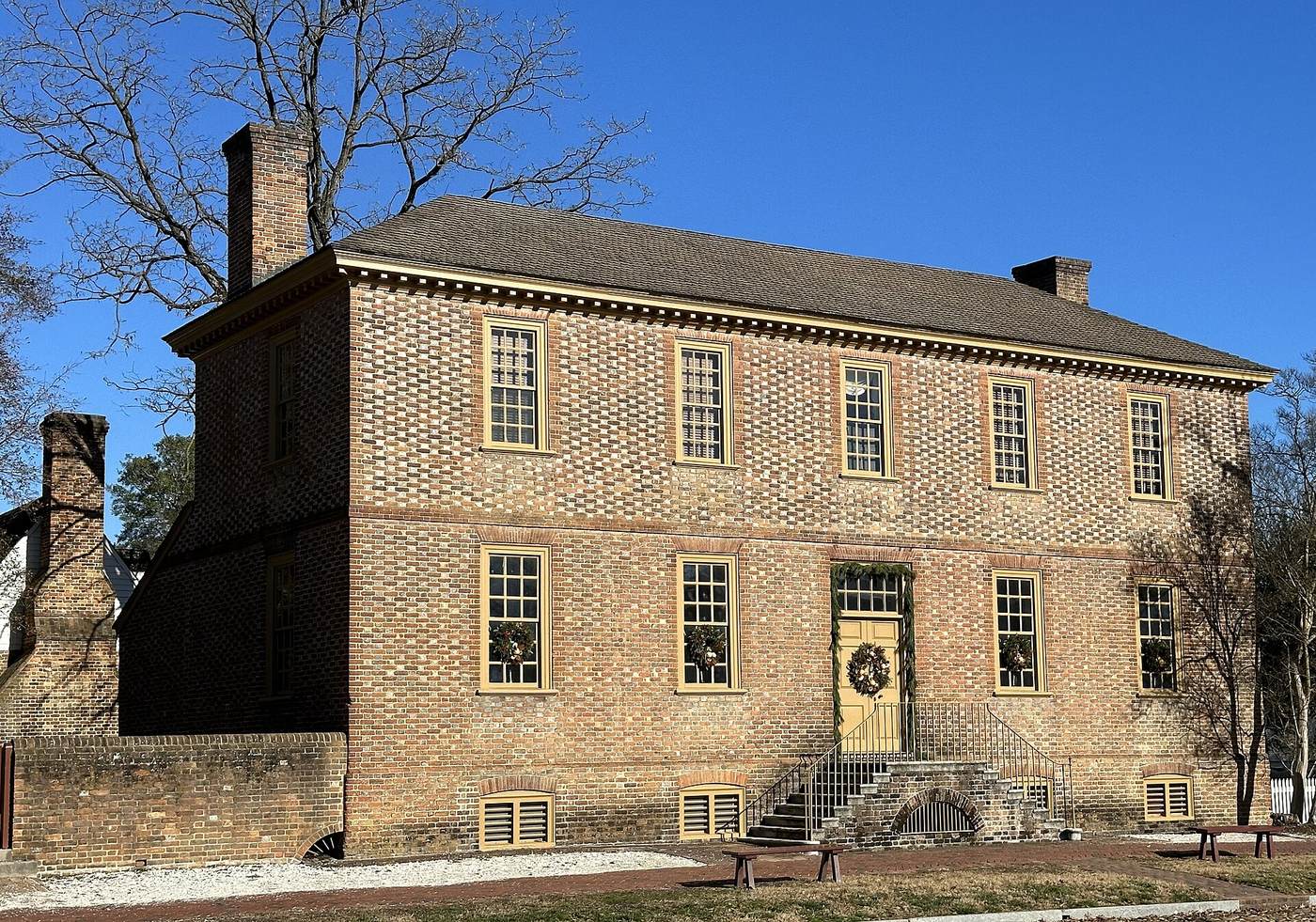
Williamsburg works best as a focused history holiday with room for a slower afternoon. The destination offers different types of experiences, from walking through an outdoor setting to entering ticketed buildings, attending programs, and visiting nearby historic sites. Those experiences are not interchangeable, so compare admission products carefully.
Choose the main learning goal before buying a large package. A child who enjoys interpreters and demonstrations may benefit from a well-chosen historic-area ticket. Another family may prefer a shorter introduction and a separate museum or outdoor day. The right plan leaves enough attention for the experience you buy.
Room prices can vary around school breaks and special events. Compare a room with breakfast and a useful pool against a rental once its fixed charges are included. Confirm the opening period and any restrictions on the facilities that matter to the children.
Nearby theme parks can become a major additional expense. If one is essential, give it a separate day and a separate budget, including food, parking, and any optional upgrades. Do not assume a discount admission automatically makes it a low-cost addition to a history trip.
A four-night visit can include one main historic day, a second targeted cultural outing, and a flexible afternoon for rest or a simple outdoor activity. Comfortable shoes, meal breaks, and a realistic walking plan help families get more value from the tickets they select.
| Family planning detail | What to do |
|---|---|
| Best fit | Children interested in history and interactive learning |
| Good saving | Buy the admission that matches the intended visit |
| Budget trap | Adding a theme park without its complete daily costs |
| Practical tip | Check which buildings and programs your ticket covers |
Location and map: Colonial Williamsburg Visitor Center Virginia
12. Shenandoah, Virginia: Stay Close to the Scenery
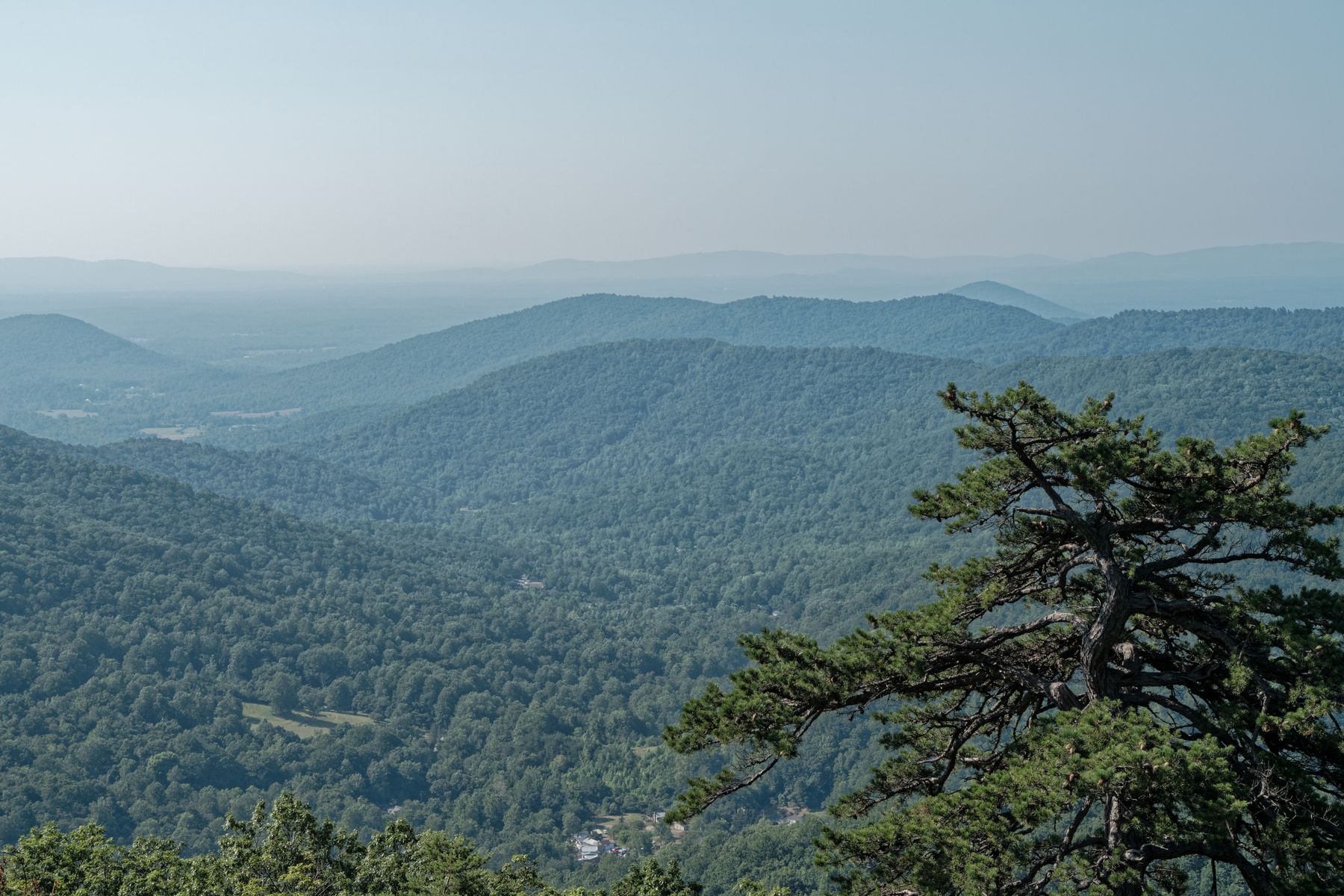
Shenandoah is a practical idea for families who enjoy scenery and can reach Virginia without a costly flight. Skyline Drive, overlooks, woodland walks, and nearby towns can support several days of variety. The saving comes from selecting a manageable section of the park and a convenient base, rather than trying to cover the entire route repeatedly.
Compare park accommodation with nearby towns, including the time needed to reach an entrance. A room that looks close on a map may still require a slow mountain drive before the day’s walk begins. Fuel, meals, and children’s tolerance for winding roads all affect the real value.
Check current entrance fees, road status, and weather. Park admission does not include accommodation, campground reservations, or every activity. An annual pass may or may not be worthwhile for the family’s wider itinerary; compare it with the actual visits you intend to make.
Choose trails by length, elevation change, surface, and the group’s ability. A short distance is not always an easy walk. Keep an overlook-and-picnic option for a tired day, and do not make a waterfall outing compulsory if conditions or energy suggest a different plan.
For a three- or four-night stay, use two focused park days and a slower local day. Carry food and water, download maps, and retain a weather alternative. Mountain scenery can provide a full holiday without an expensive attraction list when the family has time to enjoy it.
| Family planning detail | What to do |
|---|---|
| Best fit | Families comfortable with scenic driving and short walks |
| Good saving | Use one base near the park section you plan to explore |
| Budget trap | Repeating long drives from a distant room |
| Practical tip | Keep a simpler outing ready for changing conditions |
Location and map: Shenandoah National Park Thornton Gap Virginia
Choose the Idea That Fits Your Children’s Ages
For toddlers, convenience often matters more than the number of attractions. A short journey, somewhere to prepare food, a safe place to play, and a dependable rest period can be worth a higher room price. Check balcony arrangements, stairs, pool access, and sleeping space before paying for a rental.
School-age children often enjoy a trip with one clear theme: beaches, animals, aircraft, history, or nature. Give them a small part of the planning. A simple map and one chosen activity can create more enthusiasm than a long list of adult priorities. Leave time for repetition; returning to a favorite beach or playground is a valid holiday choice.
Teenagers may want more independence, different food, or a memorable paid activity. Agree on meeting points, spending limits, and communication before allowing separate exploration. A city or larger coastal base may offer variety, while a remote cabin can work when everyone agrees on the slower routine.
For mixed ages, protect one shared activity each day and allow different optional interests afterward. Avoid paying for the whole family to attend an expensive experience that only one person wants. Sometimes splitting into smaller groups for part of a day is both kinder to the budget and more enjoyable.
When to Travel for Better Value
Start with the family’s real available dates. School rules, work leave, weather, and the purpose of the trip define the useful options. Comparing prices outside those dates can be informative, but it does not create a saving you can actually use.
Within the available window, compare several arrival days and nearby bases. A midweek start may help in one destination and make little difference in another. Festivals, tournaments, conferences, and holiday minimum stays can dominate the result. Check the local calendar before assuming a town is expensive throughout the season.
Shoulder-season travel can work when the everyday attraction still suits the family. A lower beach-room price is less useful if swimming is essential and the water is unsuitable. Likewise, a mountain bargain can disappoint when the road or activity that motivated the trip is closed. Match the discount to the experience, not just the calendar.
Accommodation, Meals, and the Total Room Bill
Create one comparison line for each accommodation option: total lodging charge, required taxes and fees, parking, breakfast, and any equipment or facility charges. Then add the cost of reaching the activities from that address. Use the same number of guests and nights in every quote.
A kitchen can reduce food spending, especially with young children, but decide which meals you will prepare. If nobody wants to cook dinner, a full kitchen may offer little advantage over a refrigerator and simple breakfast supplies. Check equipment, grocery access, and food-storage space rather than relying on the word kitchenette.
For rentals, confirm sleeping arrangements and occupancy rules. A sofa bed may be acceptable for one family and unsuitable for another. Ask about linen, laundry, checkout tasks, and the amount held as a deposit. A refundable hold is different from a final expense, but it still affects the money available on your card.
Three Realistic Family Itineraries
Four Nights in Washington, D.C.
| Day | Main plan | Budget approach |
|---|---|---|
| Arrival | Check in and explore near the room | Avoid a prepaid arrival-day attraction |
| Full day 1 | One chosen Smithsonian museum and an outdoor break | Use free general admission and bring snacks |
| Full day 2 | Monuments and a second interest-based outing | Group nearby places rather than crossing the city |
| Full day 3 | Reserved museum or zoo visit, then a flexible afternoon | Confirm free entry passes where required |
| Departure | A simple breakfast and direct airport journey | Leave enough time for transport |
This itinerary intentionally leaves parts of the day open. Add another museum only when the family has the energy. A room near useful transport makes it easier to return for a break without abandoning the whole day.
Five Nights on the Gulf Coast
Use the arrival evening for groceries and a short orientation walk. Spend the first full day near the beach, the second on a suitable park outing, and the third on the family’s selected paid experience. Keep the fourth full day flexible for weather or a return to the favorite beach. Leave the departure morning free of commitments.
The plan works because the main activity is repeated without repeated admission costs. Budget separately for parking, equipment, and meals. If beach conditions are poor, choose a modest alternative rather than replacing every lost swimming hour with a new attraction purchase.
Four Nights in the Smokies
Start with a short park introduction and a picnic on the first full day. Use the second for a suitable scenic route or walk. Make the third a slower day near the accommodation with one optional commercial attraction. Check roads and conditions each morning and keep a simpler outing available.
Do not combine distant park areas merely because both appear on a highlights list. One carefully chosen section can provide a better family day than several hours in traffic between short stops.
Illustrative Five-Night Budget for a Family of Four
This is a planning example for two adults and two children driving to one regional destination. It is not a live quote or a claim that these prices are available in every town. Replace each amount with the actual total for your dates and children’s ages.
| Item | Calculation | Example amount |
|---|---|---|
| Accommodation, including assumed taxes and mandatory charges | 5 nights × $155 | $775 |
| Fuel and road costs | Planning allowance | $180 |
| Groceries and picnic supplies | Trip allowance | $180 |
| Restaurant meals and treats | Trip allowance | $260 |
| Paid activities | Selected family experiences | $200 |
| Parking and local charges | Trip allowance | $75 |
| Trip subtotal | Sum of the six lines above | $1,670 |
| Contingency | 15% of $1,670 | $250.50 |
| Planning total | $1,670 + $250.50 | $1,920.50 |
The example excludes flights, rental-car charges, major equipment purchases, travel insurance, and lost work time. It also excludes the longer-term ownership cost of a family car. If you want to compare driving with flying fairly, add an appropriate allowance for vehicle wear as well as fuel.
If four flights cost $275 each in an example comparison, airfare adds $1,100 before baggage, seats, transfers, or local transport. That single change can matter more than finding a room that is $15 cheaper per night. Decide where the largest useful saving lies before spending hours collecting small discounts.
Food, Free Activities, and Spending That Is Worth Keeping
Choose a few restaurant meals that feel like part of the holiday and keep other meals simple. A supermarket breakfast, picnic lunch, and relaxed dinner can reduce both cost and waiting time. Carry refillable water bottles and familiar snacks, especially when children have dietary needs.
Free outdoor time still requires planning. Check toilets, shade, access, and the journey back to the room. A beach with useful facilities may be a better value than a remote free access point that forces the family to leave early. Likewise, a free museum works better when you know its reservation and bag rules.
Do not remove every comfort to meet an arbitrary price target. Suitable bedding, a manageable journey, food the children can eat, and necessary accessibility arrangements are part of a workable holiday. Savings should come from choices that reduce waste, rather than from arrangements that make the trip difficult every day.
Accessible Visits and Practical Family Needs
Ask specific questions about step-free access, elevators, bathroom layout, parking distance, and the surface of outdoor routes. A property described as accessible may still have a long path to the beach or a room category that does not meet your group’s needs. Obtain confirmation for the exact accommodation you are reserving.
For sensory needs, consider opening times, quieter periods, noise, and a place to take a break. Discuss food allergies directly with the restaurant or accommodation. A kitchen can help with flexibility, but it is not a guarantee of an allergen-free environment.
Check child-seat requirements with the relevant transport provider and state guidance. If renting equipment, verify availability, suitability, collection arrangements, and the complete charge. Do not assume a last-minute taxi will have the seat your child needs.
Packing and the Final Week Before Departure
- Pack familiar medicines, important documents, spare clothes, and essential child supplies where you can reach them during the journey.
- Bring weather layers and footwear suitable for the actual activities, not just the destination’s advertising photographs.
- Confirm accommodation occupancy, bedding, parking, arrival instructions, and the last cancellation dates.
- Save maps, entry passes, and booking details offline. Keep sensitive booking information out of public comments and social posts.
- Check beach conditions, park alerts, road status, and the forecast shortly before the relevant outing.
- Give children a simple version of the plan, including rest times and spending allowances.
- Keep emergency contacts available. In an emergency in the United States, call 911.
Common Budget Mistakes Families Can Avoid
The first mistake is comparing a hotel room with a rental’s headline nightly rate. The second is buying a discount pass before deciding what the family wants to do. The third is booking a distant cheap room and then spending the saving on transport, parking, and meals away from the base.
Another common mistake is treating every day as an opportunity to recover the value of the journey. Children can enjoy a repeated beach, a pool break, or a quiet evening. A full calendar is not the same as a full holiday. Leave room for the outing that works especially well and deserves another visit.
Frequently Asked Questions
What is the cheapest family vacation in the United States?
There is no single cheapest destination for every household. A nearby beach, state park, lake, or city with free attractions can be excellent value when transport is simple. Compare complete costs from your home rather than using a national ranking as a price guarantee.
Is a rental always cheaper than a hotel?
No. A rental can help with food and space, while a hotel may include breakfast, housekeeping, or a shorter minimum stay. Add every mandatory charge and compare the same guests, dates, and number of nights.
How many paid attractions should we plan?
Start with one or two priorities for a four- to seven-night trip, then see how the budget and daily rhythm look. Add more only when they improve the holiday. A destination with an enjoyable everyday activity reduces the pressure to purchase entertainment continually.
Is camping the best way to save?
It can be when you already have suitable equipment and enjoy camping. For a first attempt, try a short local stay before committing the entire vacation. Include equipment, campsite charges, cooking supplies, and weather alternatives in the comparison.
Should we drive or fly?
Compare the complete journey. Driving includes fuel, road charges, possible overnight stops, parking, and vehicle wear. Flying includes every traveler’s fare, baggage, seats, airport transfers, and destination transport. The answer changes with distance and family size.
Can an expensive city still be a budget choice?
Yes, if you find suitable accommodation and build the days around worthwhile free activities. Washington, Chicago, and San Diego show why room cost and activity cost should be examined together. The city name alone does not determine the final bill.
How do we keep food costs reasonable?
Plan simple breakfasts and some picnic meals, carry snacks, and choose selected restaurant experiences. Compare accommodation features with the meals you will actually prepare. A large kitchen is less valuable if the family plans to eat out at every meal.
What if the weather ruins a beach or park day?
Keep a flexible day and identify a modest alternative in advance. Read cancellation rules before booking weather-sensitive activities. Avoid replacing an inexpensive outdoor plan with a full set of unplanned expensive tickets for the entire family.
Final Affordable Family Vacation Checklist
- Choose the region with the best complete value from your home.
- Confirm a legal, comfortable room arrangement for every family member.
- Make one main activity per day the starting point.
- Reserve the few important paid experiences and required free entry passes.
- Add food, transport, parking, taxes, and fixed rental fees to the budget.
- Keep a realistic contingency and a weather alternative.
- Review conditions and essential access arrangements before departure.
Share Your Family Vacation Experience
Which decision saved your family the most money without reducing the enjoyment: a better room location, a kitchen, free museums, or fewer hotel changes? Share the destination and the practical detail that helped. Please leave out booking numbers and private contact information.
Explore More Go Travel Box Guides
- Best Spring Break Destinations for Families
- Best Summer Vacation Destinations in the United States
- Best Family-Friendly Beach Destinations in America
- Best Lakes in the United States for a Summer Vacation
- Best East Coast Road Trips for Families
- Affordable Beach Destinations in the United States
Leave a Reply
What would you like to know before you go?
Send us your question, feedback, or a place you would like to see covered.
Ask a travel question

Leave a Reply