Written by Ari Mayzick · Go Travel Box

New York can make you feel as if you have stepped into a movie. There is the skyline you already know, a subway rumbling below your feet, and someone carrying a pizza slice past a building you have seen a hundred times on screen. Then comes the practical question: where do you start?
Start small. You do not need to see every famous place to have a memorable first trip. A good day might include one major attraction, a walk through an interesting neighborhood, and a meal you did not have to rush.
This New York City first-time visitor guide helps you choose a hotel area, understand transportation, plan a realistic itinerary, and set a budget. It is an independently researched planning guide, with official sources and clearly attributed visitor perspectives. Suggested routes, time allowances, and budgets are our planning recommendations; they are not claims that the author personally tested every stop.
First Trip to New York City? Start Here
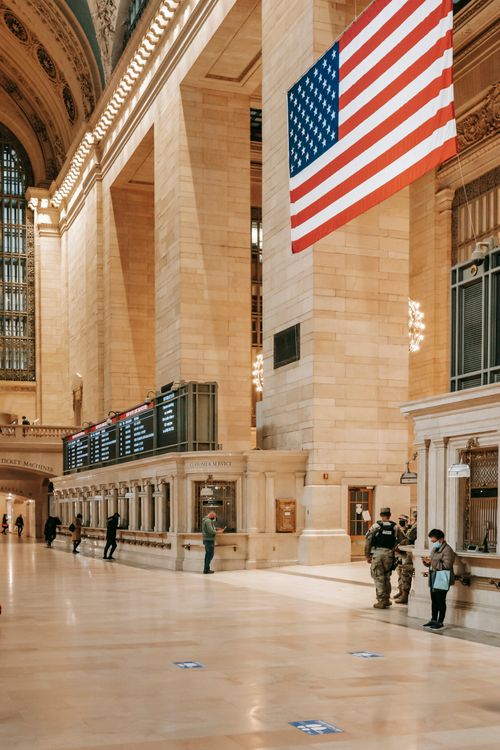
For a first visit, plan four or five nights if your schedule allows. Three full sightseeing days can cover a satisfying selection of highlights, but arrival and departure days rarely work like full days. Five days give you room for a museum, Brooklyn, and a slower afternoon.
Choose accommodation by its actual subway connections and total price, rather than the distance from Times Square alone. Reserve the experiences that matter most, then leave some gaps. Those gaps are where you can follow the smell of a bakery, stay longer in a gallery, or sit beside the river.
For a mostly Manhattan-and-Brooklyn trip, start with public transportation instead of a rental car. Pick one observation deck, one major museum, and one evening activity. You can always add more once you know your energy level.
New York City at a Glance
| Planning question | Quick answer |
|---|---|
| Where is NYC? | In southeastern New York State, on the US East Coast; the city includes Manhattan, Brooklyn, Queens, the Bronx, and Staten Island. |
| How long should I stay? | Allow 3–5 full sightseeing days for a first visit; a week gives you more neighborhood time. |
| Best seasons to consider | Spring and fall for walking; winter for a colder, more indoor-focused trip; summer for long days and outdoor activities. |
| Where should I stay? | Compare Midtown, the Upper West Side, Lower Manhattan, Downtown Brooklyn, and Long Island City against your planned routes. |
| Daily spending target | Our illustrative budget starts at roughly $175–$250 per adult, including half of a shared room; actual hotel prices can change the total substantially. |
| Main transportation | Walking, subway, local buses, and occasional taxis; ferries are useful for selected waterfront journeys. |
| Subway/local bus fare | $3 base fare for most riders; eligible OMNY subway/local-bus spending caps at $35 in a rolling seven-day period when you use the same payment method. |
| What should I reserve? | Accommodation, must-see shows, timed attractions, and Statue of Liberty pedestal/crown access if wanted. |
| Currency and time zone | US dollars; Eastern Time, with seasonal daylight-saving changes. |
Fare details: MTA subway and bus fares and OMNY fare caps. Airport trains, commuter rail, and other separate systems are not all included in that subway/local-bus cap.
Table of Contents
- First Trip to New York City? Start Here
- New York City at a Glance
- How to Plan Your First Trip to New York City
- Best Time to Visit New York City
- How Much Does a Trip to New York City Cost?
- Where to Stay in New York City
- How to Get to New York City
- How to Get Around New York City
- Best Places to Visit in New York City
- Best Things to Do in New York City
- New York City Itinerary Ideas
- What and Where to Eat in New York City
- Free and Budget-Friendly Things to Do
- Experiences for Different Travelers
- Best Photography Spots in New York City
- Day Trips and Road Trips From New York City
- Essential Things to Know Before You Go
- What to Pack for New York City
- Important Contacts and Official Resources
- Common Mistakes Visitors Make
- Frequently Asked Questions About New York City
- Your Final Trip Planning Checklist
- Reader Questions and Travel Experiences
- Explore More Travel Guides
How to Plan Your First Trip to New York City
How Many Days Do You Need?
Two days are enough for a taste of the city. Three days let you connect Midtown, Lower Manhattan, and the west side without trying to do everything. Five days make room for a substantial museum visit and Brooklyn. Seven days suit travelers who enjoy neighborhood walks, food stops, and a possible day trip.
Count your usable hours. A flight that lands at 5 p.m. does not give you a sightseeing afternoon after immigration, baggage, transport, and check-in.
A Step-by-Step Booking Checklist
- Choose dates and list three experiences you most want.
- Compare flights using the complete door-to-hotel journey, including bags and transfers.
- Book accommodation with a cancellation policy you understand.
- Put your fixed bookings on a map and group nearby places.
- Reserve any limited tickets and your most important restaurant.
- Save confirmations, check accessibility requirements, and leave time for weather changes.
What Should You Book in Advance?
Book a particular Broadway show if missing it would disappoint you. Reserve your preferred observation-deck time, and arrange Statue of Liberty pedestal or crown tickets early. Check each attraction’s official site: a city pass does not always remove the need for a separate reservation.
What Can You Decide After Arriving?
Most ordinary neighborhood walks, casual meals, and park visits can remain flexible. Decide between an outdoor walk and an indoor museum after seeing the forecast. Leave at least one evening without a ticket attached to it.
Choosing Your Travel Priorities
Choose your own version of New York. An art lover might spend half a day at the Met, while a food-focused traveler might prefer Queens. A family may need a playground between attractions. Discuss that before buying a long list of tickets.
Best Time to Visit New York City
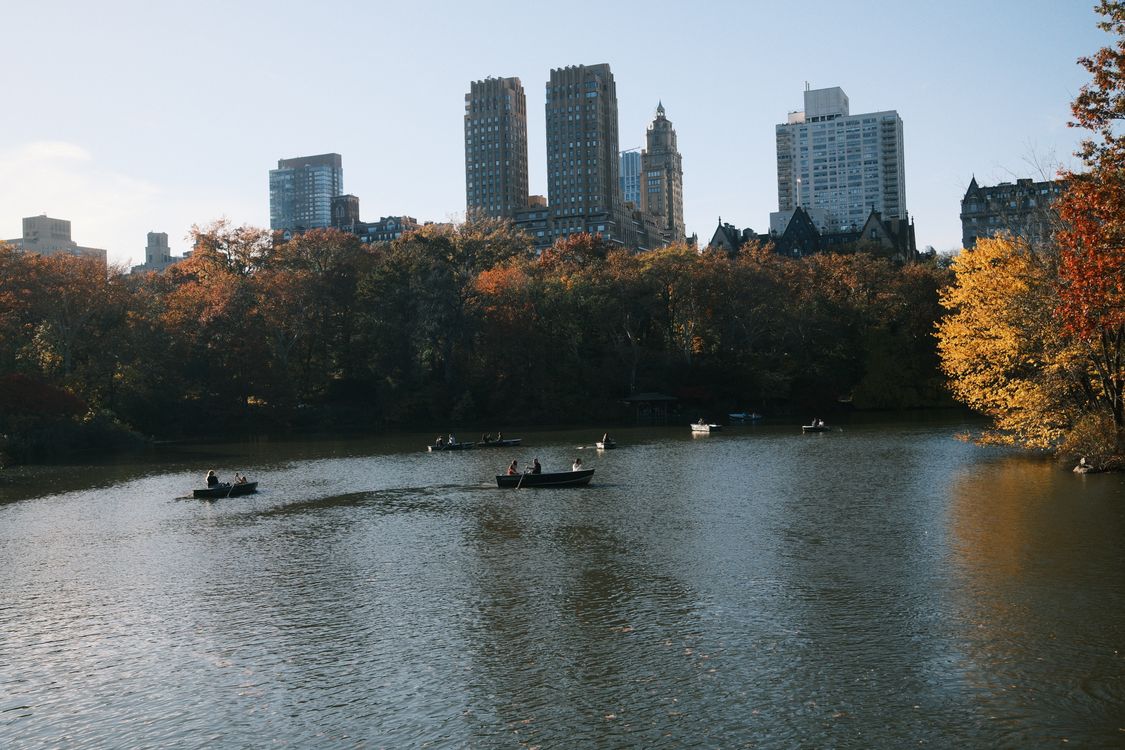
Weather and Seasons
Spring can switch between warm sunshine and chilly rain. Summer can be hot and humid. Fall often works well for long walks, although rain and sudden temperature changes still happen. Winter brings cold wind, short days, and occasional snow or ice. Check the forecast close to departure and pack layers.
Peak Season: Advantages and Disadvantages
Summer holidays and the Thanksgiving-to-New-Year period can bring busy attractions and expensive rooms. The reward is energy: outdoor events in summer and festive windows and lights in winter. Book around the experiences you want rather than assuming every busy period is worth its higher cost.
Shoulder Season: Advantages and Disadvantages
Parts of spring and fall offer a comfortable balance for sightseeing. However, school holidays, major events, and popular fall weekends can still push prices up. Compare your exact dates; a season label is not a hotel quote.
Low Season: Advantages and Disadvantages
Some dates after the holiday season can offer better accommodation value, in exchange for colder weather and fewer comfortable hours outdoors. Build those trips around museums, shows, food, and short walks between warm stops.
Cheapest Times to Visit
Compare several dates in January through March, excluding holiday and event peaks, as a starting point. Check the complete hotel stay, not a single advertised nightly rate. A cheaper room far from your route can cost more in time and late-night taxis.
Major Festivals, Holidays, and Events
Thanksgiving celebrations, New Year’s Eve, the NYC Marathon, the US Open, Pride events, and seasonal cultural programs can change crowds and availability. Check the official NYC tourism website and the organizer’s own calendar for your year. Avoid building a trip around an unconfirmed date.
How Much Does a Trip to New York City Cost?

Budget, Midrange, and Luxury Travel Compared
The table below is an illustrative spending plan for one adult per day sharing a room with another adult. It is not a live hotel survey or a package offer. Accommodation figures are assumed all-in room shares, with an allowance for applicable taxes and mandatory fees; food allowances include a cushion for tax and ordinary tipping. Flights and shopping are excluded.
| Expense per adult per day | Budget approach | Comfortable midrange | Higher-end approach |
|---|---|---|---|
| Half of a shared room | $100–$140 | $160–$250 | $300–$500+ |
| Food and nonalcoholic drinks | $40–$55 | $70–$100 | $120–$200+ |
| Local transport | $10–$15 | $15–$25 | $35–$70+ |
| Attractions and entertainment | $25–$40 | $40–$75 | $80–$150+ |
| Approximate daily total | $175–$250 | $285–$450 | $535–$920+ |
Accommodation Costs
Accommodation is likely to make the biggest difference. In our budget model, two people would need an all-in room around $200–$280 a night. That is a planning target, not a promise that such a room will be available in a convenient area on your dates. If your quotes are higher, adjust the budget before buying tickets.
Food and Dining Costs
A bagel breakfast, takeaway lunch, and casual dinner make a very different day from three seated restaurant meals. Leave a little money for the spontaneous stops: coffee, a bakery window, or the snack you buy while waiting for a train.
Transportation Costs
The checked subway/local-bus base fare is $3 for most riders. Airport transfers, LIRR, NJ Transit, PATH, NYC Ferry, and taxis use separate pricing rules. Budget those journeys separately rather than treating every train or boat as part of an unlimited city ticket.
Attractions and Activities
Balance paid sights with free walks and parks. As checked for this guide, standard adult admission at the Met is $30, while the Empire State Building advertises 86th-floor tickets from $46 before any additional taxes, charges, or time-specific differences. Use the official checkout for your final total: Met admission and Empire State Building tickets.
Taxes, Tips, and Additional Fees
Hotel charges can include several taxes and fees. Compare the final payable amount. At sit-down restaurants, allow roughly 18–20% of the pre-tax bill for ordinary tipping, then check whether service or gratuity is already included. That is a budgeting convention, not a fixed fee for every transaction. Read the bill before paying twice.
Sample Budget for Two Adults
Here is a three-night, three-sightseeing-day example, using our own assumptions. Two airport transfers per person are included as a placeholder allowance, not as a quote for a particular airport route.
| Item | Assumption | Total for two |
|---|---|---|
| Accommodation | 3 nights at an assumed $280 all-in per room | $840 |
| Food | 3 days at $120 for two, allowing for tax and tips | $360 |
| Local transportation | $15 per person per sightseeing day | $90 |
| Airport transfers | An assumed $30 per person for the return journey | $60 |
| Paid attractions | $100 per person across the trip | $200 |
| Subtotal | Before a contingency allowance | $1,550 |
| Contingency | Approximately 10%, rounded | $155 |
| Example trip total | Two adults, excluding flights | $1,705 |
What the Budget Includes and Excludes
The example includes three room nights, three sightseeing days, basic transport allowances, meals, and selected attractions. It excludes flights, shopping, alcohol, premium show seats, travel insurance, and spending on any extra arrival or departure day. Replace the assumptions with your actual room and airport-transfer costs.
Practical Ways to Save Money
Choose one paid skyline view, mix restaurant meals with takeaway, and plan days by area. Compare direct booking prices before buying a pass. Keep a small buffer: a budget that only works if nothing changes is difficult to enjoy.
Where to Stay in New York City

Best Areas for First-Time Visitors
Midtown is practical for many classic sights and transport connections. It can also be busy and noisy. Look at the exact street, recent guest feedback, and subway entrance rather than booking simply because the listing says “Times Square.”
Best Areas for Families
Consider the Upper West Side for access to Central Park and a more residential feel. Check whether the room has enough real sleeping space, whether an elevator serves it, and how the hotel handles cribs, luggage, or early arrivals.
Best Areas for Couples
Greenwich Village, parts of the Upper West Side, and Brooklyn waterfront areas may suit a slower trip with walks and neighborhood restaurants. The right choice depends on whether you want a quiet night or nightlife on the doorstep.
Best Areas for Budget Travelers
Compare Long Island City in Queens and Downtown Brooklyn with Manhattan offers. Neither is automatically cheaper. Test the route to your first and last activity, including weekend service and the possibility of a taxi after a late show.
Best Areas for Nightlife
The East Village, Lower East Side, and Williamsburg can fit a nightlife-focused trip. Noise is the tradeoff. Check which side of the building your room faces and whether bars operate below it.
Quiet Areas for a Relaxing Stay
Residential side streets on the Upper West Side or Upper East Side can feel calmer than a major Midtown avenue. “Quiet” still varies by building, room position, roadworks, and deliveries. Ask the property specific questions.
Neighborhood Comparison Table
| Area | Good match | Main tradeoff |
|---|---|---|
| Midtown | First visit, theater, classic sightseeing | Crowds and noise; prices vary sharply |
| Upper West Side | Families, parks, a residential base | Longer journeys to Lower Manhattan |
| Lower Manhattan | Harbor sights, history, Downtown routes | Less convenient for repeated Uptown trips |
| Greenwich Village / East Village | Food, walking, evening atmosphere | Some small rooms, stairs, or nightlife noise |
| Downtown Brooklyn | Brooklyn plus subway access to Manhattan | Check the precise block and station |
| Long Island City | Comparing room value near Manhattan | Convenience depends on the particular line |
Hotels, Resorts, and Vacation Rentals
NYC is primarily a city-hotel trip rather than a resort destination. Short-stay apartment rentals have strict rules; do not assume that an online listing is lawful because a large booking platform displays it. Read NYC’s information for visitors before paying.
What to Check Before Booking
Confirm the total price, cancellation deadline, minimum check-in age, deposit, room size, bed arrangement, elevator, air conditioning, and baggage-storage policy. For access needs, ask about the exact room and bathroom configuration. A general “accessible” label may not answer your question.
How to Get to New York City
Arriving by Air
JFK, LaGuardia, and Newark are the main airports to compare. The cheapest flight may not be the easiest overall journey. Consider terminal, landing time, luggage, mobility, and the address of your accommodation.
Arriving by Train or Bus
Check the station on your actual ticket. Amtrak services commonly use New York Penn Station/Moynihan Train Hall, while other rail services use Grand Central. Intercity buses have different terminals and curbside stops. “New York” on the booking screen is not enough to plan the final leg.
Driving to New York City
If a road trip brings you here, compare leaving the car parked during your city stay. Hotel parking, tolls, traffic, and possible congestion charges can add up. Check current rules with the MTA congestion-relief program before driving into the charging zone.
Getting From the Airport to Your Accommodation
From JFK, AirTrain connects with the subway and LIRR. The airport lists an $8.75 AirTrain charge for a standard paid gateway trip, separate from the connecting transport. With the $3 subway fare, a standard individual AirTrain-plus-subway journey is $11.75 before any special offers or additional travel.
From LaGuardia, the Q70 provides a free connection from Terminals B and C to subway hubs; your subway journey is paid separately. Other buses serve different routes. Check your terminal and the route to your hotel rather than following a generic “airport train” instruction.
From Newark, AirTrain connects with the airport rail station for NJ Transit services toward New York Penn Station. Newark Penn Station and New York Penn Station are different places. Terminal A involves a walk or shuttle connection to AirTrain. Buy the correct airport-through rail ticket and check disruption notices.
Official route details: JFK, LaGuardia, and Newark.
Transfer Comparison: Cost, Time, and Convenience
These are broad door-to-Midtown planning allowances, including ordinary waiting and walking, not timetable guarantees. Immigration, baggage collection, severe traffic, and major disruption can add more time.
| Airport / option | Cost approach | Planning allowance | Main consideration |
|---|---|---|---|
| JFK AirTrain + subway | Standard individual gateway fare plus subway: $11.75 at the checked rates | About 75–110 minutes after leaving arrivals | More walking and possible stairs |
| JFK AirTrain + LIRR | AirTrain plus a separate rail ticket; check TrainTime | About 60–95 minutes | Often useful for Penn or Grand Central areas |
| LGA Q70 + subway | Free Q70 plus $3 subway fare | About 60–90 minutes | Check terminal and luggage handling |
| EWR AirTrain + NJ Transit | Check the combined airport-to-New York Penn fare | About 60–100 minutes | Allow for Terminal A connections and service changes |
| Taxi or app-booked car | Get the current complete fare, including applicable extras | Often 45–120+ minutes from any airport | Traffic can change the result substantially |
Late Arrivals and Accessible Transfers
Check the last useful rail connection and your hotel’s late check-in policy. For step-free travel, verify each station entrance and live elevator status. Use official taxi lines or the pickup point shown in your rideshare app; decline unsolicited rides inside arrivals.
How to Get Around New York City
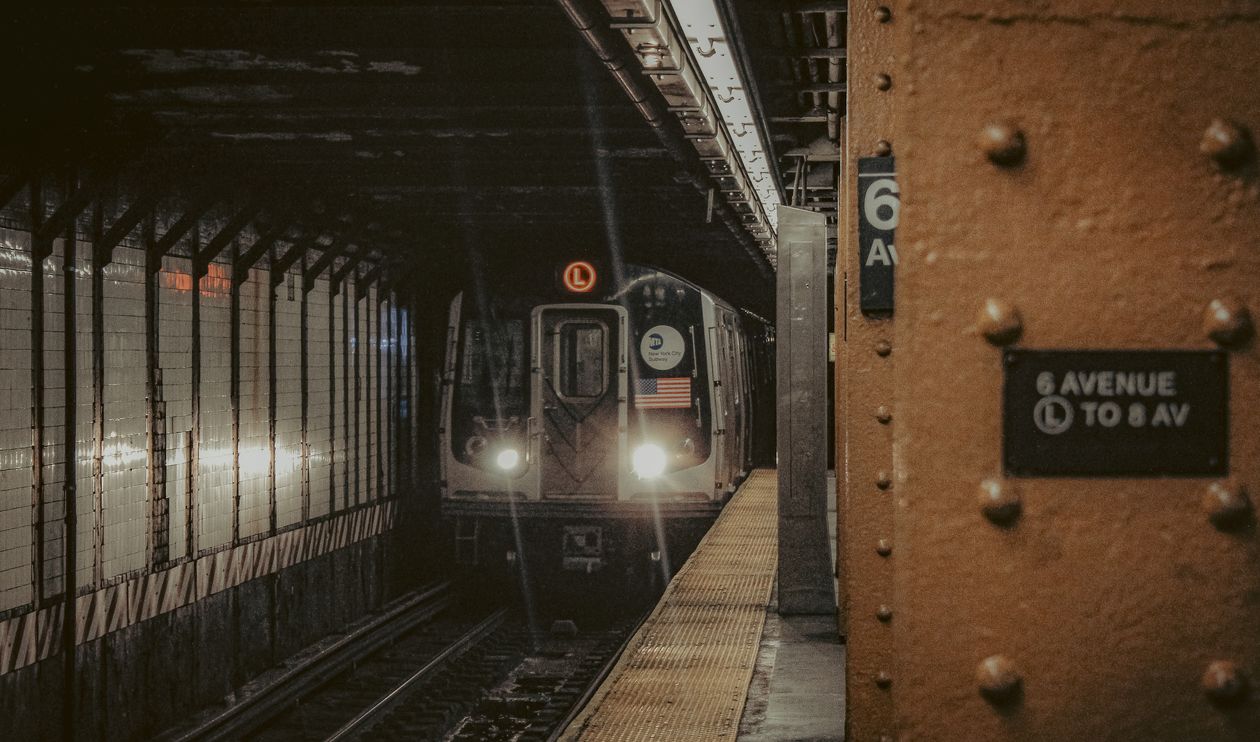
Public Transportation
Use a contactless card, phone, wearable, or OMNY card on the subway and buses. Keep the same payment method for your eligible fare-cap trips: a physical bank card and that card inside a phone wallet are not interchangeable for this purpose. Each traveler should use a separate payment method to build their own cap.
Check the train’s direction and whether it is local or express before boarding. A matching line color does not mean every train stops at the same stations. Read the station sign, then check current service.
Walking and Cycling
Walking is part of the pleasure, but pavements, stairs, and standing in museums add up. Put a seated break into the day. If cycling, choose a suitable route, understand the rental charges, and use permitted cycle paths. Do not assume a crowded pedestrian walkway is a bike route.
Taxis and Rideshare Services
A car can be useful with luggage, tired children, or a late finish. Compare the pickup location and final fare rather than assuming it will be faster. Traffic can make a short road journey surprisingly slow.
Rental Cars and Parking
For this guide’s central sightseeing routes, a rental car usually adds more work than value. If you need one for a day trip, compare collecting it when you leave the city. Read parking signs carefully and confirm garage hours and the total charge.
Ferries, Shuttles, and Other Local Options
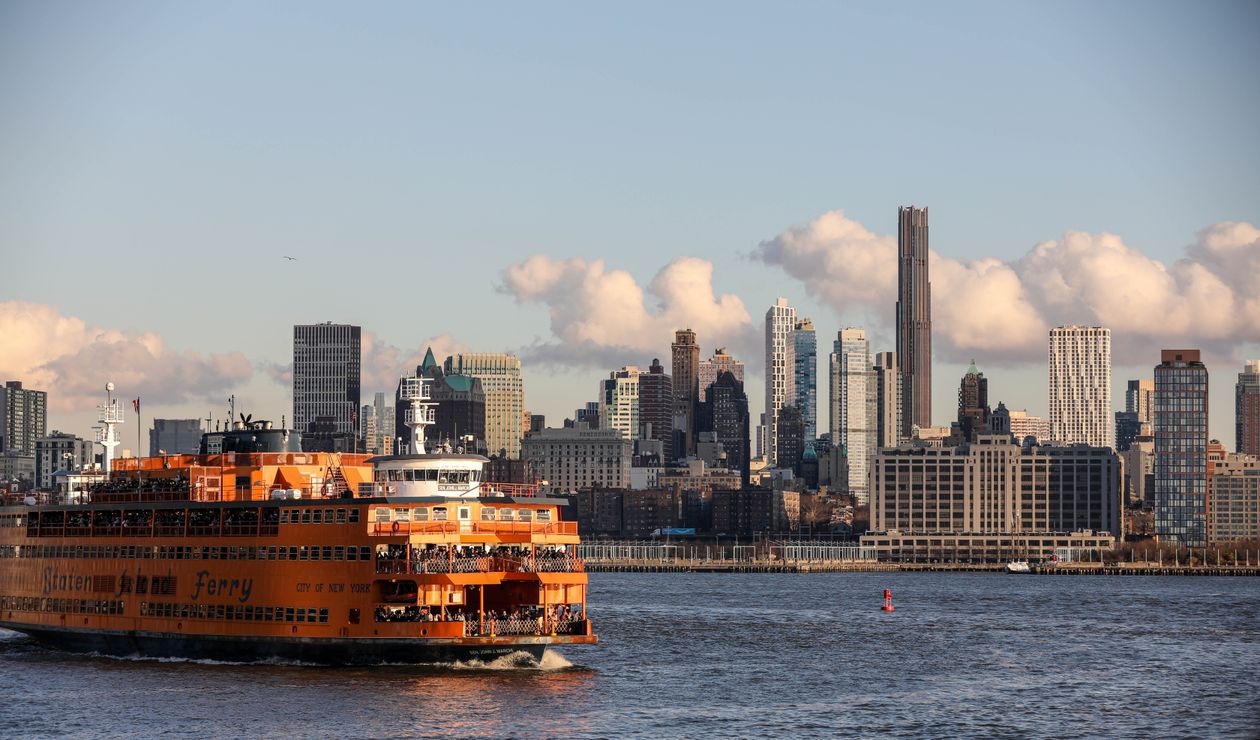
The Staten Island Ferry is free and takes about 25 minutes each way between Whitehall and St. George. It gives harbor views but does not stop at Liberty Island. Allow time to leave the boat and board the next service for the return trip.
NYC Ferry is a separate paid system, with a checked standard one-way fare of $4.50. Do not confuse it with the free Staten Island service or the Statue of Liberty sightseeing ferry. See Staten Island Ferry information and NYC Ferry tickets.
Accessible Transportation
Not every subway station offers a step-free route, and an elevator outage can change a journey. Check MTA accessibility information before setting out. Buses can be a useful alternative; discuss boarding assistance with the operator. Never judge accessibility only from a subway stop’s distance on a map.
Useful Transport Apps and Payment Methods
Use the MTA app for service information and TrainTime for LIRR or Metro-North tickets. Keep a charged phone and a backup payment method. Save your hotel address offline so you can still get home without mobile data.
Best Places to Visit in New York City
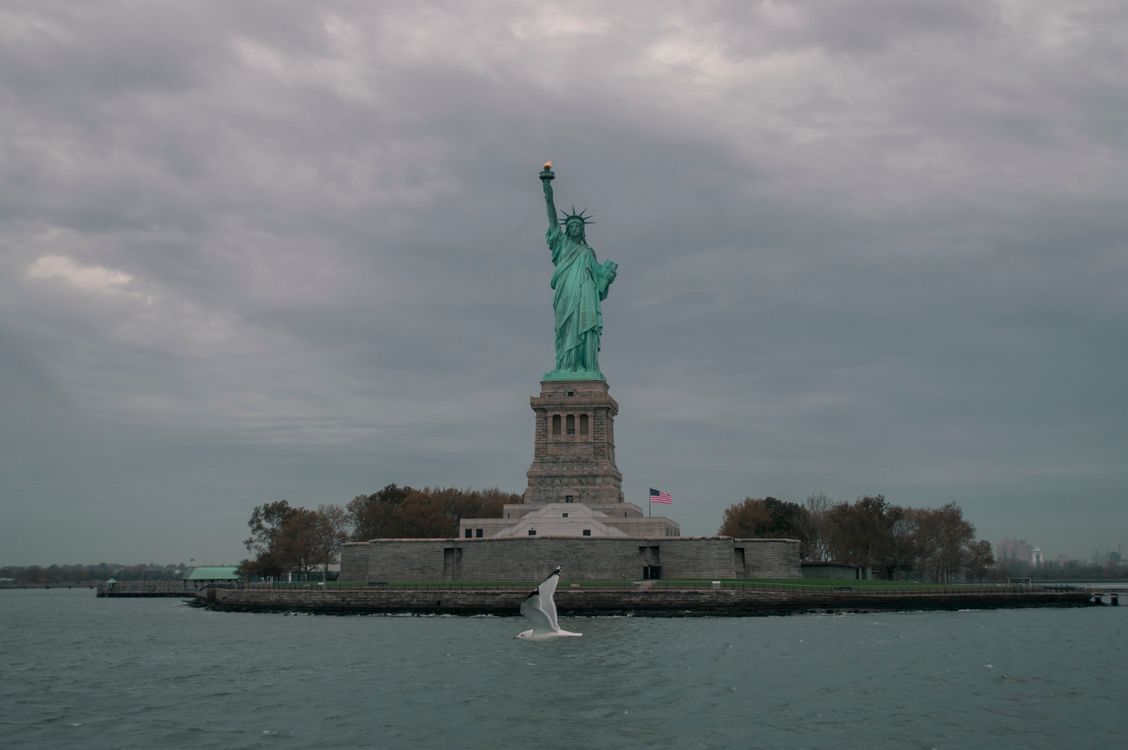
The visit lengths below are planning allowances, not official tour durations. Where tickets vary by date, follow the official booking link. Map links identify the place; check the step-free entrance and current transport route separately.
1. Central Park: Give Yourself Room to Wander
Central Park is a welcome change after busy streets. For a first look, focus on a manageable southern section: a walk toward Bethesda Terrace and the lake can feel more enjoyable than trying to reach every landmark. Bring a snack and make time to sit.
- Best for / time: Walking, families, photography; allow 1.5–3 hours for a small section.
- Location / arrival: Central Park map; choose an entrance near your route and use subway or bus connections rather than parking.
- Cost / booking: General park access is free; tours, rentals, and attractions can cost extra. See the Central Park Conservancy.
- Accessibility / nearby: Paths vary in gradient and surface; use the Conservancy’s access map. Pair the park’s east side with the Met, or the south end with Midtown.
2. Statue of Liberty and Ellis Island: Make It a Half-Day Plan
The boat ride adds to the feeling of arrival, while Ellis Island gives the visit more depth than a skyline photograph alone. If you want both islands, protect a substantial part of the day instead of fitting them between two timed bookings.
- Best for / time: History and harbor views; allow roughly 4–6 hours for both islands, including queues and transfers.
- Location / arrival: The Battery departure area; public transport is practical.
- Cost / booking: Paid ferry tickets; the NPS visitor guide links to the authorized seller, Statue City Cruises. Crown and pedestal access require separate advance arrangements.
- Accessibility / nearby: Check the NPS access guidance for your exact ticket; the crown has stairs and no elevator. Combine with a short Battery walk, rather than another long museum visit.
3. Brooklyn Bridge and DUMBO: Walk Toward the Waterfront
The bridge is as much about the changing views as the crossing itself. Continue into DUMBO and the waterfront if you have the energy. Pause for photos where the walkway is wide enough, and avoid blocking the route for everyone behind you.
- Best for / time: Architecture, skyline photos, couples; allow 1–2 hours for the crossing and longer with the waterfront.
- Location / arrival: Brooklyn Bridge pedestrian entrance; use public transport at either end.
- Cost / booking: The bridge is free to walk; no ticket is needed. See Brooklyn Bridge Park’s directions.
- Accessibility / nearby: Some approaches use stairs; choose the ramp approach if needed and check current works. DUMBO, Brooklyn Bridge Park, and Brooklyn Heights are nearby options.
4. Times Square: Enjoy the Lights, Then Move On When You Want
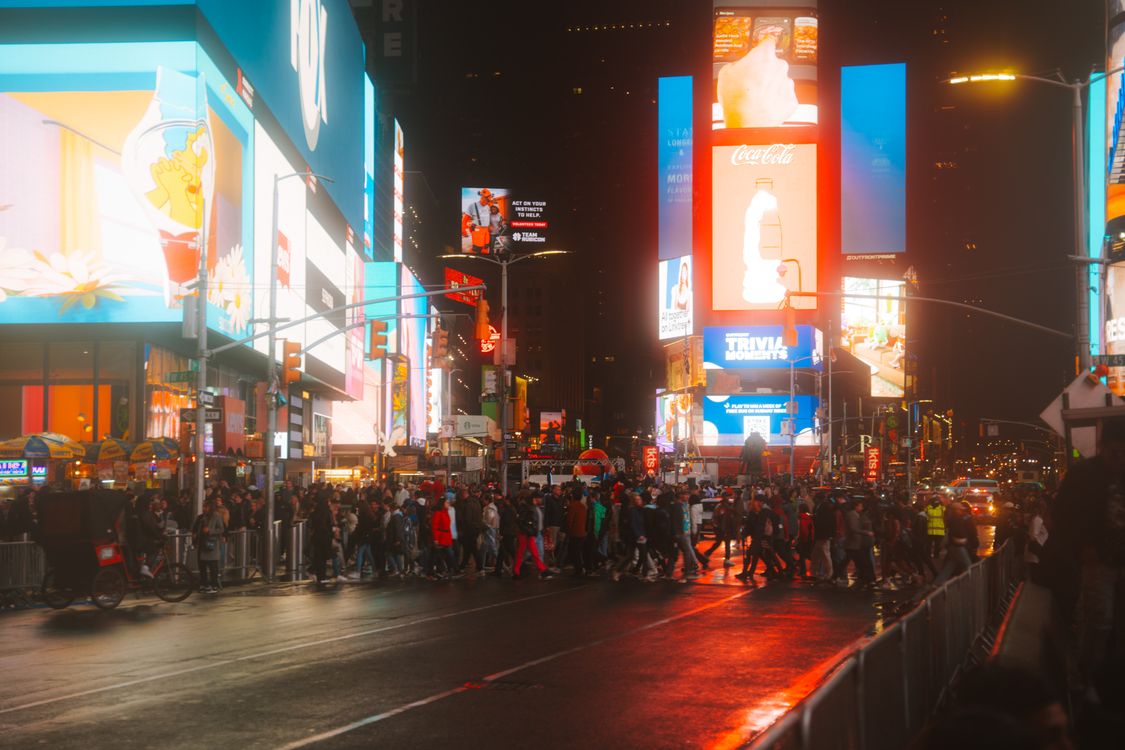
Times Square is loud, bright, and busy. You may love the energy or decide that a short visit is enough. Both reactions are fine. See it after dark if the illuminated billboards are what you came for, then plan dinner away from the most crowded corner if that suits you better.
- Best for / time: A classic NYC scene; allow 20–45 minutes, excluding dining or a show.
- Location / arrival: Times Square map; use nearby subway connections.
- Cost / booking: Public plazas are free; attractions, performances, and restaurants charge separately. Check Times Square’s official district website.
- Accessibility / nearby: Street-level plazas can still be crowded; choose a quieter time and confirm station access. The theater district and Bryant Park can fit the same outing.
5. Choose One Observation Deck
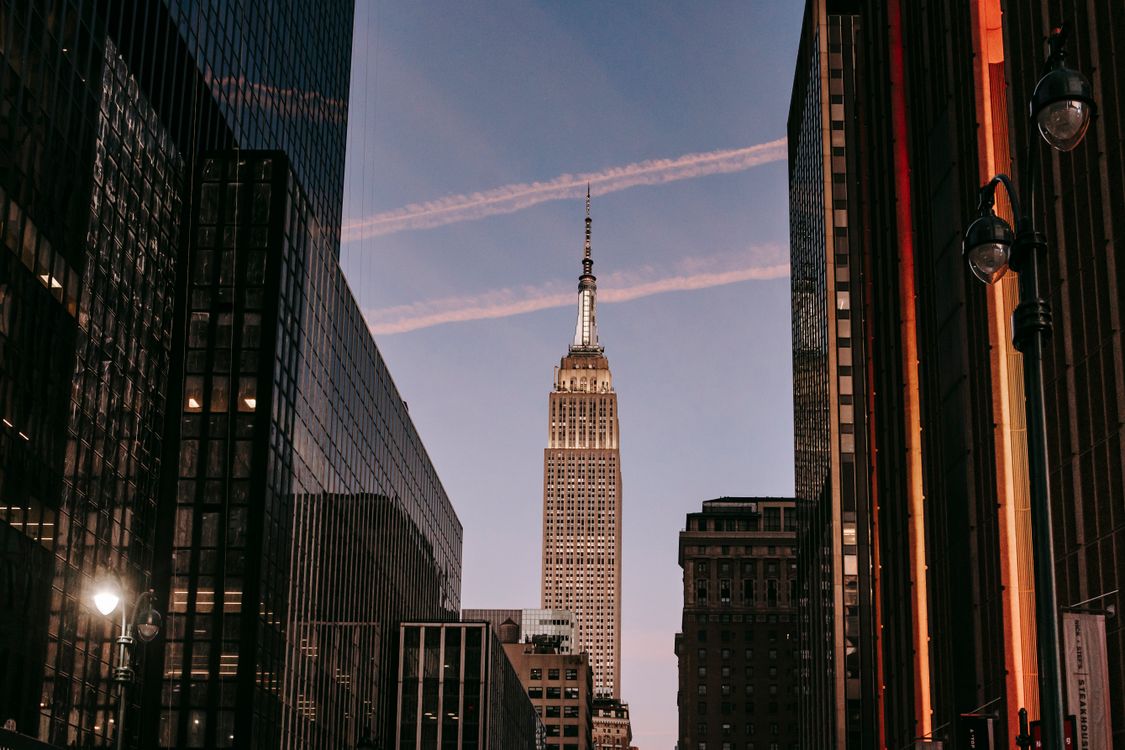
The Empire State Building is a natural choice if the building itself is part of your NYC dream. Other decks give different views, including views of the Empire State Building. Pick based on the view, indoor space, price, and weather policy you value.
- Best for / time: Skyline views; allow 1.5–2 hours including entry, with more during busy periods.
- Location / arrival: Empire State Building visitor area; use Midtown transit rather than arranging a car.
- Cost / booking: The official site lists 86th-floor admission from $46 at our check; final prices vary. Use official tickets.
- Accessibility / nearby: Read the building’s accessibility and security information before booking. Pair with Herald Square or a Midtown walk. Allow flexibility if clouds hide the skyline.
6. The Metropolitan Museum of Art: Choose a Few Galleries
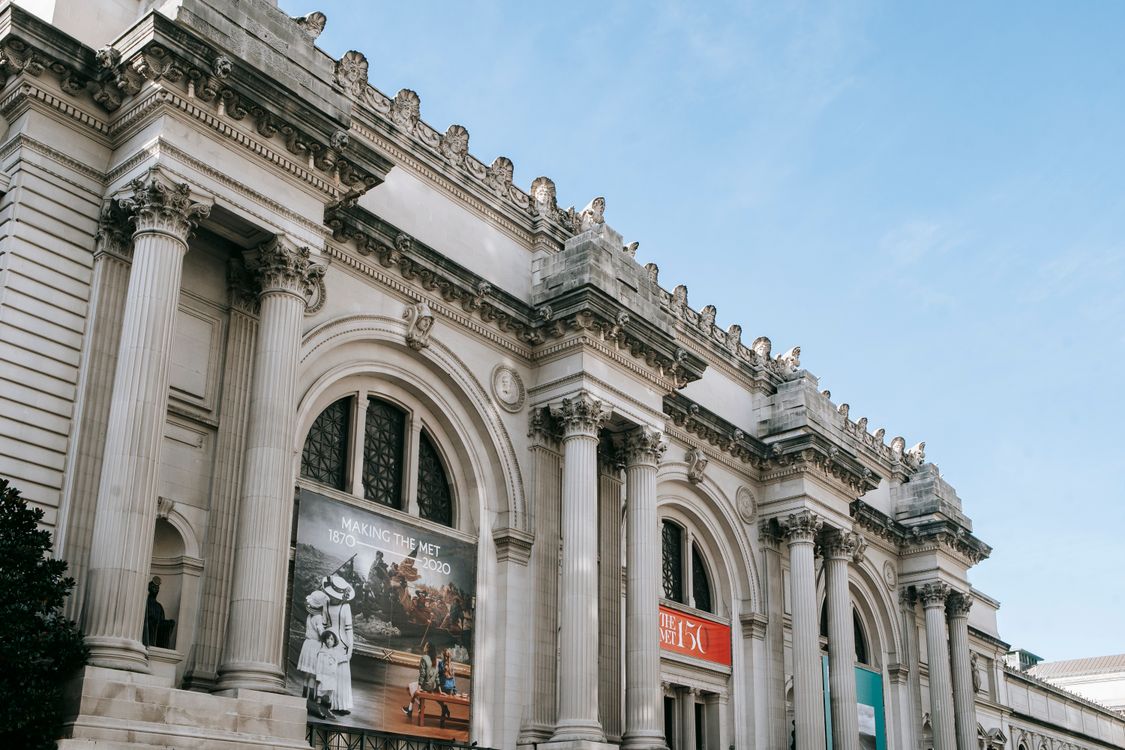
The Met is not a museum you need to “finish.” Choose two or three areas that interest you, take a break, and leave before tired feet make everything blur together. It can easily fill the most rewarding half-day of an art-focused trip.
- Best for / time: Art, history, rainy days; allow 2–4 hours for a selective visit.
- Location / arrival: 1000 Fifth Avenue; buses and subway-plus-walk routes serve the area.
- Cost / booking: Standard adult admission is $30 at our check. Pay-what-you-wish eligibility is limited; it is not a general tourist offer. See official admission.
- Accessibility / nearby: Use the museum’s access guidance to choose an entrance and any required support. Combine with the adjacent park rather than a second major museum.
7. The 9/11 Memorial and Museum: Leave Space to Reflect

This is a place of remembrance. The outdoor memorial and the museum offer different experiences, and the museum can be emotionally demanding. Give yourself time afterward instead of rushing directly into a cheerful photo stop.
- Best for / time: Contemporary history and reflection; allow 30–60 minutes outside or 2–3 hours for a museum visit.
- Location / arrival: World Trade Center memorial area; use Lower Manhattan transit connections.
- Cost / booking: The memorial is free; the museum requires a ticket. Check the date-specific price and opening day at the official visitor page.
- Accessibility / nearby: Consult the museum’s accessibility resources for entrances and assistance. The Oculus and nearby waterfront walks are options afterward; let your mood set the pace.
8. The High Line and Chelsea: See the City From a Different Level

The High Line turns a walk into a sequence of planting, art, and views between buildings. Start with a section that fits your route, then make time for Chelsea or the Meatpacking District below. It is a walk to enjoy, not a race from entrance to exit.
- Best for / time: Design, walking, urban views; allow 1–2 hours with photo stops.
- Location / arrival: High Line map; choose the entrance nearest your day’s activities.
- Cost / booking: General park entry is free; food and special activities may cost extra. Check the High Line visitor information.
- Accessibility / nearby: Use a ramp or working elevator entrance and check its status; not every entrance is step-free. Chelsea Market is a convenient nearby food stop.
9. A Broadway Show: Make an Evening of It
If theater matters to you, choose the show before choosing the seat price. A bargain ticket to something you do not want to see is still a poor purchase. Eat early enough to enjoy the meal and arrive without sprinting through the theater doors.
- Best for / time: Theater and a memorable evening; allow about 2–3 hours for many shows, but check the actual running time and age guidance.
- Location / arrival: Broadway theater district; find your particular theater’s street address.
- Cost / booking: Prices depend on show, date, and seats. Broadway.org links to official sellers; TDF TKTS lists participating discounted performances.
- Accessibility / nearby: Verify step-free seating, restrooms, hearing assistance, and any stairs with the specific theater. A nearby early dinner is simpler than crossing the city first.
10. Grand Central Terminal: Look Up Before You Rush Through
Even if you are not catching a train, Grand Central is worth a short stop for its vast concourse and architectural details. Step out of the commuter flow before looking up or taking a photograph. It is a working station as well as a landmark.
- Best for / time: Architecture and a shorter indoor stop; allow 30–60 minutes.
- Location / arrival: Grand Central Terminal, at East 42nd Street and Park Avenue; use its rail and subway connections.
- Cost / booking: Looking around public areas is free; tours and food cost extra. Check the official visitor information.
- Accessibility / nearby: Review the terminal map for lifts and ramps rather than assuming every staircase has an adjacent alternative. Pair with Bryant Park and a Midtown route.
Best Things to Do in New York City
Cultural and Historical Experiences
Choose one subject you want to understand better: immigration, art, architecture, theater, or neighborhood history. A focused museum visit or a reputable guided walk can make the city feel less like a collection of famous buildings.
Outdoor Activities and Nature
Balance dense streets with Central Park, a waterfront promenade, or a neighborhood park. In summer, plan shade and water breaks. In winter, shorter outdoor stretches with warm indoor stops are often more comfortable.
Local Experiences and Hidden Gems
You do not need a supposedly secret address to enjoy everyday New York. Browse a neighborhood bookshop, eat lunch in Queens, or spend an unhurried hour in a small park. Be a considerate customer and respect residential streets.
Shopping and Markets
Compare Fifth Avenue, SoHo, neighborhood shops, and food markets according to what you actually want to buy. Check prices and tax before purchasing. Avoid filling your first day with bags you must carry through museums and station stairs.
Entertainment and Nightlife
Choose a show, live-music venue, comedy performance, or evening walk that fits your interests. Check age rules, minimum purchases, entry arrangements, and the trip home before booking. A late night does not need an early-morning reservation afterward.
Seasonal Activities
Holiday windows, outdoor performances, fall walks, and seasonal markets can be lovely additions. Confirm the year’s program directly with organizers. Let the seasonal activity replace something in your schedule rather than simply making the day longer.
New York City Itinerary Ideas
These routes are suggestions, with time for meals and rest. Swap days around opening schedules and weather. The walking estimates below assume a comfortable pace without long queues; mobility needs, traffic signals, and photo stops change them.
A Weekend in New York City
Use your first full day for Midtown and the southern part of Central Park. Spend the second on Lower Manhattan and either the Brooklyn waterfront or a harbor outing. Pick one evening highlight. Save a long museum visit or both Liberty and Ellis Islands for a longer trip unless they are your priority.
A 3-Day Itinerary
Day 1 — Midtown and a first park walk: Start at Grand Central, continue toward Bryant Park, then choose an observation deck or a longer Central Park walk. Visit Times Square in the evening. Add Broadway only if you are comfortable with the day’s pace; otherwise keep dinner relaxed.
Day 2 — Lower Manhattan and the harbor: Choose one main morning: Liberty and Ellis Islands, or the 9/11 Museum. After lunch and a rest, take a short Battery walk. If you chose the museum and still have time, the free Staten Island Ferry is an option. Do not stack all three experiences into one fixed timetable.
Day 3 — Chelsea, the Village, and a flexible finish: Walk a manageable High Line section, eat around Chelsea, and explore Greenwich Village. Choose a café, Washington Square area, or an early finish. If Brooklyn matters more, replace this day with the bridge and Brooklyn waterfront.
A 5-Day Itinerary
Keep the three-day structure, then add Day 4 for the Met and nearby Central Park, checking the museum’s opening day. Use Day 5 for Brooklyn Bridge, DUMBO, and Brooklyn Heights, with a long lunch or a ferry ride if convenient. You now have room to enjoy places rather than collect them.
A 7-Day Itinerary
Add a day focused on one part of Queens, such as Astoria or Jackson Heights, chosen around food and a manageable route. Keep the seventh day for a missed attraction, a second museum, or one day trip. A free day is useful insurance against rain, tiredness, or a booking change.
Itinerary Map and Travel Times
| Route segment | Approximate walking allowance | Map |
|---|---|---|
| Grand Central → Bryant Park | 10–15 minutes | Walking directions |
| Bryant Park → Times Square | 10–20 minutes | Walking directions |
| 9/11 Memorial → The Battery | 20–30 minutes | Walking directions |
| Brooklyn Bridge crossing | 35–60 minutes, more with stops | Walking directions |
| Chelsea Market → Washington Square Park | 25–40 minutes | Walking directions |
These map services calculate current routes; they are not custom accessibility-certified itineraries. Check a step-free alternative where needed.
Rainy-Day Alternatives
Swap a long park walk for the Met, a booked indoor attraction, or a shorter Grand Central visit and a meal. Keep indoor stops in the same area. The wrong solution to rain is three extra subway transfers while carrying wet coats.
A Slower-Paced Itinerary
Choose one neighborhood and one fixed activity per day. Start later, reserve seated meals, and allow taxis or buses when useful. A shorter visit enjoyed comfortably is better than completing an itinerary while exhausted.
What and Where to Eat in New York City
Local Foods and Drinks to Try
A bagel, a pizza slice, a deli sandwich, or a bakery stop can be part of a satisfying first visit. You do not have to queue for a viral address to try a familiar NYC food. Check the menu and line before deciding whether the wait fits your day.
Best Areas for Food Lovers
Chinatown, the East Village, and parts of Queens offer very different eating experiences. Pick one area and explore a few nearby choices instead of crossing boroughs for every meal. NYC-based travel writer Cassandra Brooklyn, in her Lonely Planet visitor tips, encourages visitors to look beyond Manhattan, including Queens for food and Brooklyn for waterfront time.
Affordable Meals and Street Food
Use counter-service cafés, bakeries, food carts, and takeaway when they suit your budget. Look at posted prices and ask before ordering extras. A mix of inexpensive meals and one planned restaurant dinner can feel more special than trying to make every meal an event.
Special-Occasion Dining
Choose one evening worth reserving and protect enough travel time. Check dress expectations, cancellation fees, tasting-menu terms, and the full price. If you are attending a show, tell the restaurant your required leaving time before ordering.
Vegetarian, Vegan, Halal, and Other Dietary Options
NYC offers many choices, but check the specific menu and preparation practices. “Vegetarian options” may mean one dish, and halal suitability should be confirmed with the restaurant. Save a backup nearby so a closure does not become a difficult evening.
Reservations, Tipping, and Dining Etiquette
Reserve the meal that matters most and leave ordinary lunches flexible. Check whether service is included, keep your booking or cancel promptly, and tell the host if you are delayed. At busy cafés, be considerate about occupying a table long after finishing.
Food Allergies and How to Communicate Them
State the allergy clearly before ordering, ask about shared equipment and cross-contact, and do not rely only on a menu symbol. Carry prescribed medication and a written explanation if helpful. If staff cannot answer confidently, choose another place.
Free and Budget-Friendly Things to Do
Free Attractions and Public Spaces
Build a day around Central Park, Brooklyn Bridge, a waterfront walk, Grand Central, or the Staten Island Ferry. Free does not mean second-best: some of the city’s most memorable views come from ordinary public spaces.
Free or Discounted Museum Admission
Check each museum’s current eligibility and booking rules. Resident discounts, student offers, and limited free windows are not the same thing. At the Met, standard tourists should not assume that pay-what-you-wish admission applies to them.
Attraction Passes: Are They Worth It?
Write down the attractions you will genuinely visit, then compare their official total with the pass price. Check reservation needs, excluded dates, and the time window. A pass saves money only if the included visits fit your actual trip.
A Sample Low-Cost Day
Buy a simple breakfast, walk a Central Park section, take a picnic or takeaway lunch, and use the subway for a waterfront afternoon. Choose either the bridge or a ferry outing based on location. Set a daily spending limit that includes transport and snacks; “free sightseeing” still comes with ordinary expenses.
Money-Saving Booking Tips
Compare final totals, cancellation terms, and official ticket prices. Use discounts you qualify for, and avoid buying activities simply because a timer says a deal is ending. Keeping the day realistic is one of the most effective ways to avoid wasted tickets.
Experiences for Different Travelers
Family-Friendly Activities
Plan a park or playground between major stops, keep a snack and restroom plan, and avoid scheduling several quiet museums back to back. Check show age guidance and the practicality of station stairs with a stroller.
Romantic Experiences for Couples
A waterfront sunset, a relaxed dinner, a park walk, or a show can be enough. Choose a setting where you can actually talk. Leave room between the photograph and the reservation so the evening does not feel like a timed assignment.
Solo Travel
Solo travel works well for museums, counter-service meals, walking routes, and performances. Keep someone you trust informed of your plans, choose a comfortable route home, and trust your judgment about a situation that feels wrong.
Group Trips
Agree on a daily budget and the activities everyone truly shares. Split up for a few hours when interests differ, then meet for a meal. Confirm reservation sizes and payment plans before arriving with a large group.
Accessible Activities
Start with confirmed access at the venue and the journey there. Ask about seating, quiet sessions, hearing support, companion admission, and accessible restrooms according to your needs. Leave room to change plans if a lift is out of service.
Relaxed Experiences With Less Walking
Choose a single museum floor, a seated performance, a short promenade visit, or an appropriate boat trip. Check boarding and restroom access. Stay near the part of the city you want to enjoy rather than spending the day in transfers.
Best Photography Spots in New York City
Scenic Viewpoints
Compare the Brooklyn waterfront, Brooklyn Heights Promenade, and permitted public viewpoints with paid observation decks. Choose the view you want first. Paying for several similar skyline shots can leave less time to explore the streets below.
Famous Landmarks
Brooklyn Bridge, Grand Central, Central Park, and the Empire State Building area offer familiar NYC scenes. Look for an angle that keeps you out of the way. Residential doorways and road crossings are not private photo studios.
Sunrise and Sunset Locations
Early light can suit a waterfront or bridge walk; evening light may suit a skyline view. Check sunrise, sunset, opening hours, and the forecast for your dates. Do not promise yourself a particular sky: clouds are part of travel.
Photo Etiquette and Photography Restrictions
Ask before making a stranger the main subject, respect memorial spaces, and follow museum and theater rules. Tripods, flash, professional equipment, and commercial shoots may have separate restrictions. Stay off roads and platforms’ edges for photographs.
Day Trips and Road Trips From New York City
Best Nearby Places to Visit
For a first short visit, staying within NYC may be the better use of time. With extra days, consider a Hudson Valley outing such as Beacon, a historic-town visit such as Sleepy Hollow/Tarrytown, or a separate-city trip to Philadelphia. Choose one clear purpose rather than a route full of stops.
How Far Away Are They?
As broad planning allowances from Manhattan, Tarrytown may take around an hour by rail and Beacon roughly 1.5–2 hours; Philadelphia can take roughly 1.5–2 hours by some rail services. These are not checked departures or door-to-door promises. Verify your exact journey with Metro-North’s Hudson Line schedules or Amtrak’s timetable tool, then add station transfers and check attraction opening days.
Guided Tour or Independent Trip?
A tour can help when the destination is awkward to reach or you want interpretation and fixed logistics. Independent travel gives more freedom. Compare the actual time at the destination, walking demands, pickup location, and what the price includes.
Suggested Road Trip Route
For a flexible Hudson Valley day, consider Manhattan to Tarrytown/Sleepy Hollow and back, adding a second stop only if opening times and traffic allow. There is no need to collect a car for a town you can comfortably reach by train.
Driving Times, Parking, and Seasonal Conditions
Allow for city exits, tolls, parking, early winter darkness, and possible weather disruption. Reserve seasonal attractions only after checking the full route. For foliage trips, treat color as a seasonal possibility rather than a guaranteed date.
Essential Things to Know Before You Go
Entry Requirements and Travel Documents
Domestic and international travelers have different document needs. Check your airline and the official US government guidance for your citizenship and circumstances. Some eligible international visitors travel under the Visa Waiver Program with ESTA; others need a visa. Use US Customs and Border Protection and the official ESTA website rather than an advertisement that looks official.
Currency, Payments, and Cash
Prices are in US dollars. Carry a working payment card and a modest cash backup for places that do not accept your preferred method. Understand your bank’s foreign transaction and cash-withdrawal charges if visiting from abroad.
Language and Useful Local Phrases
English is widely used, and the city is multilingual. Useful questions are simple: “Does this train stop at…?”, “Is service included?”, “Is there a step-free entrance?”, and “Can you check whether this contains…?” Ask a precise question and give the person time to answer.
Mobile Data, Wi-Fi, and Charging
Check roaming or eSIM arrangements before arriving. Download key addresses and bookings, keep a charging cable handy, and carry a power bank. Public Wi-Fi is useful, but your route home should not depend on finding it.
Local Customs and Etiquette
Let people off trains before boarding, move aside to consult a map, and keep entrances clear. Keep voices considerate in residential areas and follow a venue’s rules. You can stop and admire the city without stopping everyone else’s journey.
Safety and Common Scams
Keep bags closed, protect your phone near crowded doors, and use official sellers for tickets. Decline pressure to buy a supposed free-ferry ticket or accept an unsolicited airport ride. If you feel uneasy, move toward a staffed business, station employee, or busy public area.
Health and Weather Considerations
Pace yourself in heat, take water breaks, and dress for cold wind near the rivers. Carry your usual medication and know how your health or travel insurance works. Check weather alerts and venue closures rather than continuing an outdoor plan regardless of conditions.
Public Restrooms and Luggage Storage
Plan restroom stops around museums, visitor facilities, parks with open facilities, or places where you are a customer. Do not assume every public-looking building offers one. Ask your hotel about luggage storage; verify any paid storage provider’s hours, item limits, and collection deadline.
Local Rules and Restrictions
Follow posted park, smoking, cycling, security, and photography rules. Some venues restrict bags and food. Alcohol and cannabis rules are not the same in every setting, so check before assuming that something permitted elsewhere is permitted here.
What to Pack for New York City

Everyday Travel Essentials
Bring shoes you have already walked in, a small day bag, a charging kit, a payment backup, and your essential documents. Save accommodation and emergency details on paper as well as your phone.
Clothing for the Season
Use light layers and a rain layer for changeable weather. Summer calls for sun protection and breathable clothing. Winter needs a warm coat, gloves, and suitable footwear. Check the actual forecast rather than packing only for the season’s reputation.
Items for Outdoor Activities
Carry water, a compact rain option, and enough phone charge for directions. Keep your bag light. A city walking day is easier when you are not carrying items for every possible activity.
Family Travel Essentials
Bring snacks, wipes, necessary child supplies, and a plan for contact if separated. Choose a stroller you can manage on your likely route and check elevator availability. Allow more space in the schedule than the packing list.
Accessibility and Personal Needs
Bring medication, assistive-device chargers, and any items that are difficult to replace quickly. Keep essential supplies in hand luggage. Confirm storage, charging, refrigeration, or other requirements with accommodation before arrival.
Important Contacts and Official Resources
Emergency Assistance
Call 911 for police, fire, or medical emergencies. Calling is preferred; text 911 only when you cannot call. See NYC’s official contact guidance.
Official Tourism Information
Use New York City Tourism + Conventions for visitor planning. For non-emergency city services, call 311 within NYC or 212-639-9675 when the local short number is not appropriate, including from outside the city.
Public Transportation Support
Use the MTA website and app for current service. Keep the official operator’s booking record for commuter trains and airport journeys. If you need immediate help in a station, approach staff or use its help point.
Airport Information
Check the airport’s own site: JFK, LaGuardia, or Newark. Recheck your airline’s terminal and departure instructions close to travel.
Medical Assistance
Use 911 for an emergency. For non-emergency treatment, contact your insurer’s assistance service or ask accommodation staff to help identify a suitable provider. Confirm costs and coverage where practical; a hotel recommendation is not an insurance authorization.
Embassy or Consulate Information, if Relevant
International visitors should save their own government’s official consular contact and lost-passport instructions before departure. Avoid relying on a phone number copied from an unverified directory.
Common Mistakes Visitors Make

Planning Too Much in One Day
Leave time to enjoy a place. Three timed tickets, a long bridge walk, and a show may fit on a spreadsheet but feel very different after queues and stairs.
Underestimating Travel Times
The train ride is only part of a journey. Include getting to the station, finding the right platform, waiting, and walking out at the other end. Add recovery time after long travel days.
Choosing Accommodation Based Only on Price
Compare total room cost and the journeys you will repeat. A saving can disappear if you rely on taxis because the location does not suit your itinerary.
Missing Advance Reservations
Check the bookings that genuinely matter before building the rest of the trip. A general pass or ferry ticket does not automatically include every restricted area.
Ignoring Weather and Seasonal Closures
Check attraction calendars and the forecast. Be ready to move an outdoor day rather than forcing a skyline booking into poor visibility without understanding the ticket policy.
Forgetting Additional Fees
Look for hotel charges, booking fees, tips, and transport extras. Compare the complete cost before choosing the apparently cheaper option.
Using Unofficial Booking Websites
Follow links from the attraction or operator itself. Search ads and street sellers can make an ordinary ticket look like a special access product. Read exactly what you are buying.
Frequently Asked Questions About New York City
Is New York City Suitable for First-Time Visitors?
Yes, if you make the plan manageable. Choose a well-connected base, learn a few transport basics, and leave room to rest. You do not need previous big-city travel experience to enjoy a thoughtful itinerary.
How Many Days Should I Stay?
Aim for 3–5 full sightseeing days if possible. A weekend gives you highlights; a week makes room for neighborhoods and a flexible day. Count arrival and departure time separately.
Where Should I Stay?
Midtown suits many first visits, while other areas can better match families, a quieter trip, or a particular budget. Compare the neighborhood table with your own activities and exact subway routes.
Do I Need a Rental Car?
Usually not for the central sightseeing plan in this guide. Walking, public transport, and occasional cars are simpler for many visitors. Rent only when a particular onward journey justifies it.
How Much Should I Budget?
Use our example as a worksheet rather than a quote. The illustrative budget begins around $175–$250 per adult per day when sharing a room, excluding flights. Replace the room assumption with a real all-in price for your dates.
What Should I Book in Advance?
Accommodation, a must-see show, any required timed admission, and restricted Statue of Liberty access are priorities. Check official instructions for each ticket rather than assuming one rule covers all attractions.
Is New York City Suitable for Families?
Yes, with a pace matched to your children. Mix active and indoor stops, confirm age restrictions, and plan snacks, toilets, and rest. A short activity enjoyed happily is enough.
What Can I Do in Bad Weather?
Choose an appropriate museum, Grand Central, a show, or a relaxed food outing. Keep stops near one another and check openings before setting out. Avoid replacing one wet walk with three unnecessary cross-city journeys.
Your Final Trip Planning Checklist
- Confirm travel documents and airline requirements.
- Save the hotel address, final room price, and check-in instructions.
- Choose and check your airport-to-hotel route.
- Reserve the experiences that are essential to your trip.
- Group each day’s activities by area and protect meal breaks.
- Check weather, service changes, accessibility, and opening days.
- Pack walking shoes, charging equipment, and necessary medication.
- Save bookings, maps, a backup payment method, and useful contacts.
- Leave room in both the schedule and the budget for changes.
Reader Questions and Travel Experiences
What Published Visitor Accounts Can Teach You
In an October 2026 first-visit report, a traveler on r/visitingnyc described enjoying the city despite a limited budget and finding that the constraints helped create a more everyday experience. That is an individual, unverified account, not a promise about your costs. The useful planning lesson is to leave space for ordinary neighborhood life instead of measuring the trip only by paid attractions.
The NYC-based writer Cassandra Brooklyn also highlights the value of going beyond Manhattan and checking accessibility arrangements. These are attributed published perspectives, not testimonials collected by Go Travel Box or claims that our author took those trips.
Share Your Own Experience
Which area worked well as your base? What took longer than expected? Was there one booking you were glad you made? Share a useful detail in the comments, including the month and year of your visit. Please leave out private contact details. Reader stories reflect individual experiences and do not replace current official information.
Explore More Travel Guides
Still choosing where to go? Compare NYC with parks, beaches, and other cities in our 25 Best Places to Visit in the USA: Complete Travel Guide.
If your next trip is about slowing down, explore our US all-inclusive travel destinations guide, checking each property’s current inclusions before you book. A city break and a resort holiday answer different travel wishes; choose the one that fits your time and budget.
What would you like to know before you go?
Send us your question, feedback, or a place you would like to see covered.
Ask a travel questionFrom fellow travelers.
-
Ari, choosing a hotel by its subway connections rather than its distance from Times Square is the tip first-timers need most. I’d add that a stop on an express line can save more time than a closer address served only by locals. Leaving one evening unticketed is smart too.



Leave a Reply