Written by Ari Mayzick · Go Travel Box
Published November 10, 2026 · Updated November 10, 2026
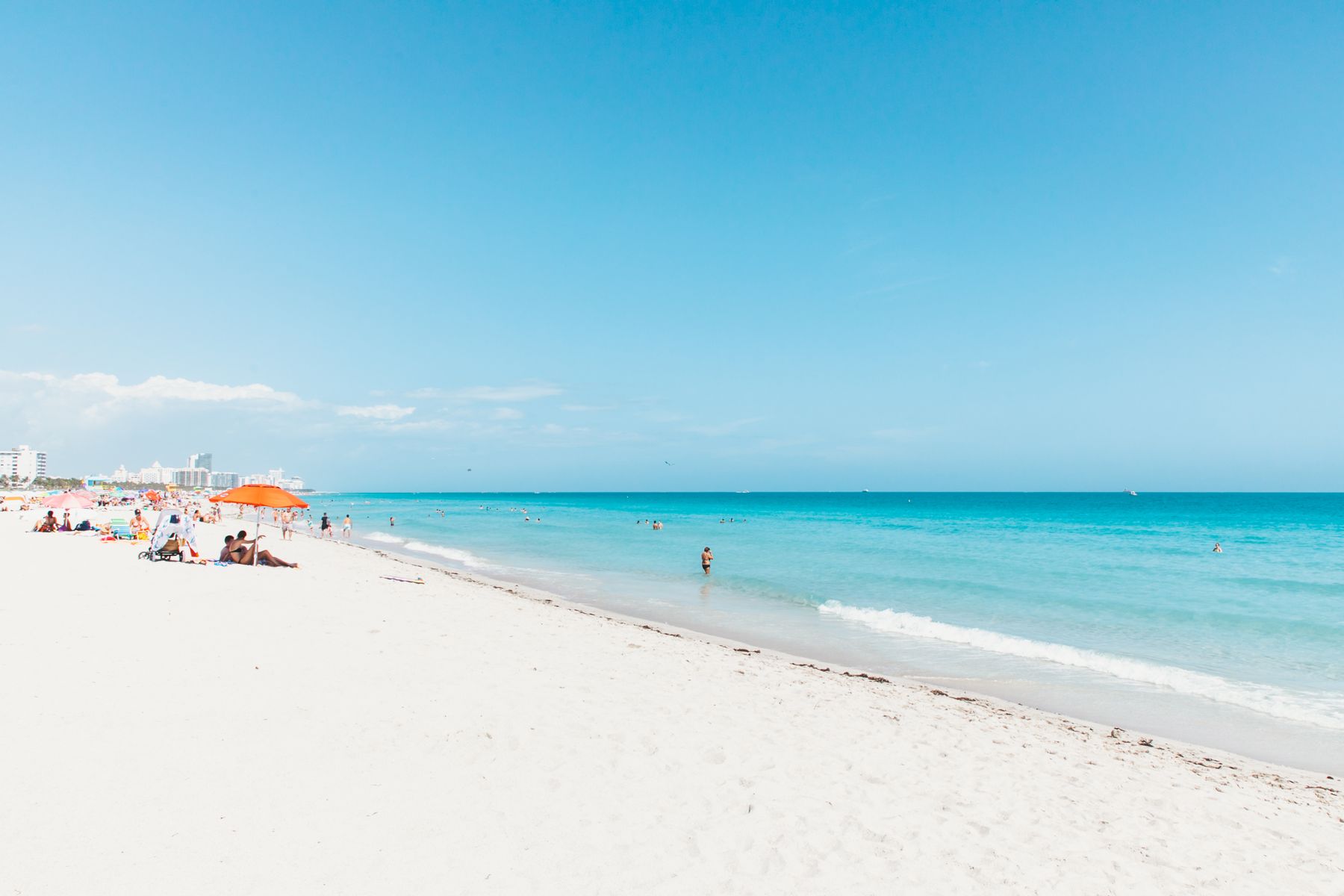
Miami can be a morning swim, a Cuban coffee at a neighborhood counter, an afternoon among tropical gardens, and a waterfront dinner. The trick is giving those moments enough room. A map makes Miami look compact; traffic, bridges, and the midday heat can make an overfilled plan feel much bigger.
This guide to the best things to do in Miami is for first-time visitors who want beaches, culture, food, and a sensible itinerary. You will find where to stay, how to get around, what to book, realistic budget examples, and ideas for two days through a full week. The photos show real places, and the map links help you build your own route.
First Trip to Miami? Start Here
Spend at least three full days, choose a hotel near the part of Miami you most want to enjoy, and group each day’s stops by area. Miami and Miami Beach are separate cities. Staying near South Beach makes beach time easy; staying in Downtown or Brickell suits mainland sightseeing and rail connections. Neither puts everything on your doorstep.
For a balanced first visit, give one day to Miami Beach, one to Little Havana and Vizcaya, and one to Downtown and Wynwood. Add a separate day for the Everglades. Choose one main paid attraction per day and keep time for lunch, shade, and an unplanned stop.
If swimming and nightlife matter most, start with Miami Beach. If museums, food, and neighborhoods matter more, consider the mainland. A hotel that saves $40 but adds two daily rides may cost more overall.
Miami at a Glance
| Planning question | Quick answer |
|---|---|
| Where is Miami? | Southeast Florida; Miami Beach lies across Biscayne Bay |
| Suggested first visit | 3–4 full days; 5–7 with gardens, beaches, and a nature day |
| Best general season | The cooler, generally drier winter and early spring; also a busy, expensive period |
| Daily planning budget | Roughly $140–210 budget, $230–360 midrange, or $450+ higher-end per adult sharing a room; flights excluded |
| Best hotel base | South Beach for beach access; Downtown or Brickell for mainland transport; Coconut Grove for a quieter setting |
| Main transportation | Walking within districts, Metrorail, Metrobus, free Metromover, and selective taxis or rideshares |
| Do you need a car? | Usually unnecessary for a central city stay; more useful for selected out-of-town trips |
| Booking priorities | Accommodation, popular dining, paid museums, special events, and any Everglades tour |
| Main planning mistake | Treating Miami Beach, the mainland, and the Everglades as one short outing |
| Local time and currency | Eastern Time; U.S. dollars |
Budget ranges are editorial planning allowances, not hotel or ticket quotes. Prices, access rules, and transport information were checked November 10, 2026; recheck your own travel dates.
Table of Contents
- First Trip to Miami? Start Here
- Miami at a Glance
- How to Plan Your First Trip to Miami
- Best Time to Visit Miami
- How Much Does a Trip to Miami Cost?
- Where to Stay in Miami
- How to Get to Miami
- How to Get Around Miami
- Best Places to Visit in Miami
- Best Things to Do in Miami Beyond the Main Sights
- Miami Itinerary Ideas: Weekend, 3 Days, 5 Days, or 7 Days
- What and Where to Eat in Miami
- Free and Budget-Friendly Things to Do in Miami
- Miami Experiences for Different Travelers
- Best Photography Spots in Miami
- Day Trips and Road Trips From Miami
- Essential Things to Know Before Visiting Miami
- What to Pack for Miami
- Important Contacts and Official Resources
- Common Mistakes First-Time Miami Visitors Make
- Frequently Asked Questions About Visiting Miami
- Your Final Miami Trip Planning Checklist
- Reader Questions and Travel Experiences
- Explore More USA Travel Guides
How to Plan Your First Trip to Miami
How Many Days Do You Need?
Two days give you a taste: one beach day and one mainland day. Three or four days make room for a museum, Little Havana, and a slower meal. Five days can include Key Biscayne and the Everglades. With a week, you can add Fairchild, Coconut Grove, shopping, and time to simply enjoy your hotel or the sea.
Count full sightseeing days separately from arrival and departure. A late flight into Miami does not create an extra beach day, and a midday flight home leaves little room for a major attraction.
A Step-by-Step Booking Checklist
- Choose your main interests: beach, food, art, nightlife, or nature.
- Compare hotel areas and the total price including taxes, parking, and mandatory fees.
- Book flights and accommodation with suitable cancellation terms.
- Reserve the paid sights and restaurants that matter most to you.
- Save an airport route and a late-arrival backup.
- Arrange sightseeing by neighborhood, leaving a weather alternative each day.
What to Book Before You Arrive
Reserve hotels early for major festivals, holiday periods, and large events. Buy dated museum or attraction tickets after you settle the daily route. For an Everglades tour, check the actual meeting point, park entrance, transport, admission, and cancellation terms; a low advertised fare may leave out important costs.
What Can You Decide After Arriving?
Keep casual café stops, public beach walks, free street art, and most neighborhood wandering flexible. Weather can change a beach afternoon quickly. It is useful to have one indoor option available without buying a second nonrefundable ticket for the same time.
Best Time to Visit Miami
Weather, Seasons, and Crowds
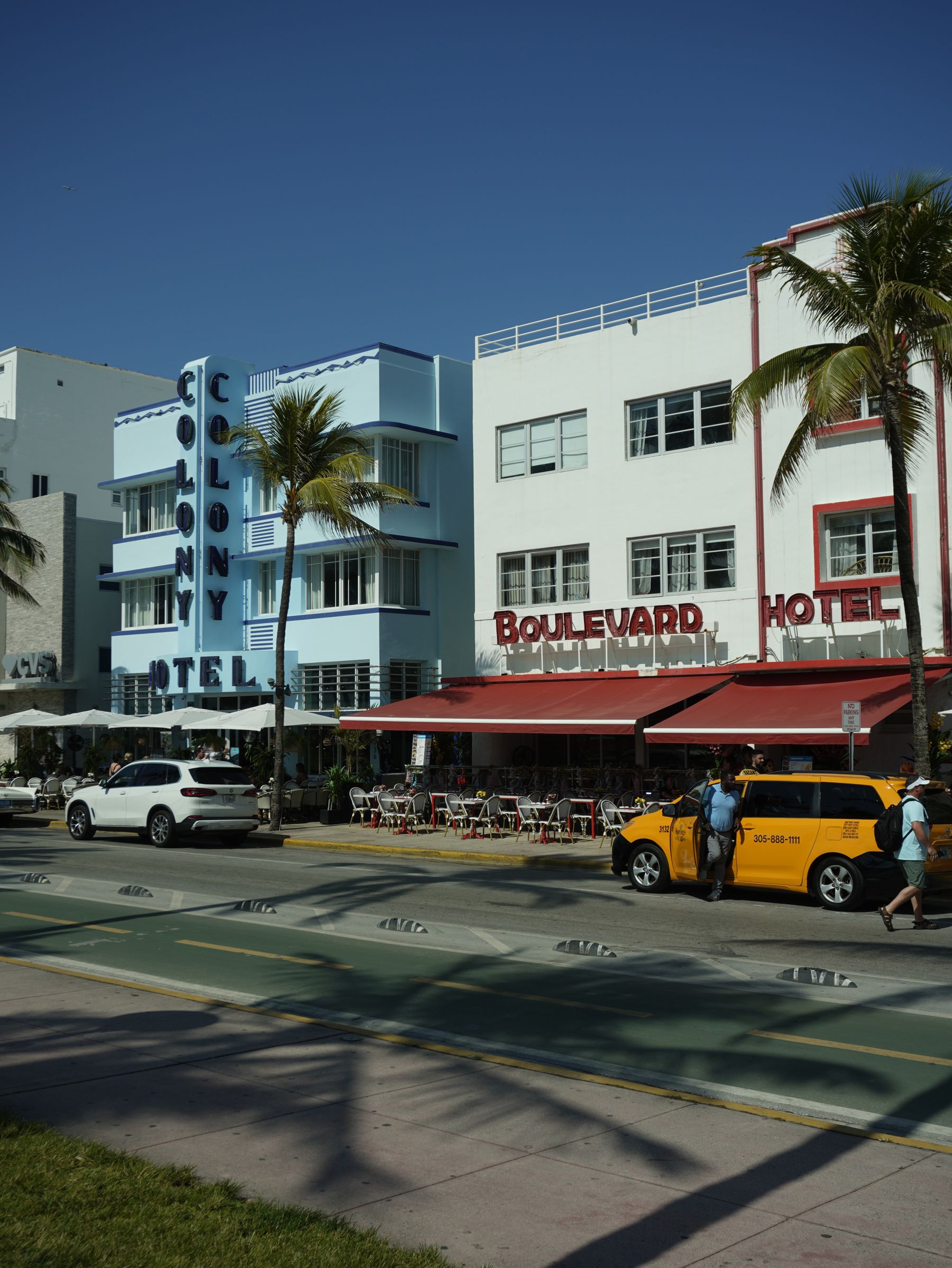
Winter and early spring generally suit long outdoor days. They also attract visitors escaping colder weather, so beachfront hotels can be expensive. Spring can bring lively beaches and event crowds. Summer is hotter and wetter, with strong sun and thunderstorms that can interrupt an outdoor plan. Fall may offer better hotel value, but weather flexibility remains important.
| Season | Why consider it? | What to plan around |
|---|---|---|
| Winter | More comfortable conditions for gardens and neighborhood walks | High demand, busy beaches, and higher room rates |
| Spring | Beach weather and a busy cultural calendar | School breaks, events, and uneven prices |
| Summer | Warm water and possible hotel offers | Heat, humidity, sudden storms, and indoor breaks |
| Fall | Potentially quieter stretches and room discounts | Storm disruption and changeable conditions |
Cheapest Times, Festivals, and Events
Compare several weeks rather than assuming a whole season is cheap. A major art fair, concert, sporting event, or holiday weekend can change prices across the city. Check the official Greater Miami and Miami Beach events calendar before booking. If your dates are flexible, compare an ordinary midweek stay with the weekend immediately beside it.
For storm-season travel, review cancellation coverage and official weather alerts before departure. Do not treat a sunny morning as a guarantee that a boat trip or afternoon beach plan will run.
How Much Does a Trip to Miami Cost?
Budget, Midrange, and Higher-End Travel
Accommodation is usually the largest expense. A room farther from the beach may be cheaper, but transportation can eat the saving. Food can range from a simple counter-service meal to a special-occasion dinner. Public beaches and outdoor walks help balance paid museums and tours.
| Expense | Useful planning approach |
|---|---|
| Accommodation | Compare the full stay total, not the headline nightly rate |
| Food | Mix casual breakfasts and lunches with the dinners you care about |
| Local transport | Use public transport where practical and budget for some cross-bay rides |
| Attractions | Select a few priorities instead of buying a ticket for every afternoon |
| Extra charges | Allow for hotel fees, parking, tips, drinks, taxes, and beach equipment |
Sample Budget for Two Adults
This example covers three nights and three sightseeing days with a shared room. These are assumed spending amounts, not live quotes.
| Item | Assumption | Total |
|---|---|---|
| Hotel | 3 nights at an assumed $220 including estimated taxes and mandatory fees | $660 |
| Food | 2 adults × 3 days × $60 | $360 |
| Local transport | Mixed public transport and selected rides | $120 |
| Airport transfers | Allowance for both adults combined | $90 |
| Selected attractions | Combined allowance | $240 |
| Subtotal | Before contingency | $1,470 |
| Contingency | 10% of subtotal | $147 |
| Total for two | Three nights and three sightseeing days | $1,617 |
This excludes flights, shopping, a rental car, an Everglades excursion, any additional non-U.S.-resident national park charges, and expensive nightlife. A fourth hotel night changes the total. At restaurants, check whether a gratuity or service charge is already included before deciding on an additional tip.
Practical Ways to Save Money
Choose a base near your main interests, use free Metromover for suitable mainland trips, refill water when possible, and avoid paying for multiple distant attractions on one day. Check museum free-admission periods and eligibility directly before relying on them. A discount pass is useful only when its included attractions match your route and available time.
Where to Stay in Miami
Best Areas for Different Travelers
| Area | Best fit | Main tradeoff |
|---|---|---|
| South Beach | First beach visit, couples, restaurants, and nightlife | Busy streets, hotel fees, and mainland transfer time |
| Mid-Beach or North Beach | A beach-focused stay with a calmer pace in some areas | Longer journeys to several mainland sights |
| Downtown | Museum Park, waterfront walks, and Metromover access | Hotel surroundings vary considerably by block |
| Brickell | Dining, modern hotels, and useful rail connections | Business-area prices and extra time to reach the beach |
| Coconut Grove | Couples, families, greenery, and a quieter evening | Less convenient for a daily South Beach routine |
| Coral Gables | Gardens, shopping, and a residential atmosphere | More reliance on road transport for many sights |
Families should check room layout, pool supervision rules, beach access, and food options nearby. Couples may prefer a quieter room over a famous nightlife address. Budget travelers should compare transport costs alongside room rates. For nightlife, check the exact street and recent noise reports before choosing a hotel.
Hotels, Resorts, and Vacation Rentals
Compare like with like: private bathroom, number of beds, housekeeping, kitchen access, luggage storage, and cancellation terms. For rentals, confirm that the property can legally host your stay and that the address matches the advertised neighborhood. Do not assume every beachfront property includes chairs, umbrellas, or parking.
Before paying, ask for the final total, deposit policy, minimum check-in age, accessibility details, and any resort or destination fee. If step-free access matters, confirm the room and the route to the beach or pool separately.
How to Get to Miami
Arriving by Air, Train, Bus, or Car
Miami International Airport is the main airport for the city. Fort Lauderdale-Hollywood can be an alternative, but compare the longer ground journey before choosing a cheaper flight. Intercity rail and bus services use different stations and stops; confirm the actual arrival address rather than searching only for “Miami station.”
Driving can work for a wider Florida trip, but check hotel parking and the cost of keeping a car during beach days. A car that sits in a paid garage for most of your visit is rarely good value.
Airport Transfer Comparison
| Option from MIA | Cost approach | Time and convenience |
|---|---|---|
| MIA Mover and Metrorail | Free airport people mover; normal rail fare applies beyond it | Useful for suitable mainland hotels; the current rail journey may require a transfer |
| Airport bus connection to Miami Beach | Check current Metrobus route and fare | Lower-cost possibility; allow for waiting, luggage, and traffic |
| Taxi or rideshare | Check the current quote or official fare terms | Convenient with luggage; road congestion affects arrival time |
| Prebooked private transfer | Obtain an all-in quote | Useful for larger groups, late arrivals, or confirmed accessibility needs |
The MIA Mover takes you to the airport’s intermodal transport area. Metrorail does not run along Miami Beach. Save a MIA-to-South-Beach route and a MIA-to-Brickell route, then check service for your arrival time.
For a late arrival, verify the last useful service and keep an official taxi or licensed transfer as a backup. Request an accessible vehicle in advance when needed, and confirm space for your mobility equipment and luggage.
How to Get Around Miami
Public Transport, Walking, and Local Options
Metrorail serves parts of the mainland. Metrobus reaches more neighborhoods, including Miami Beach. Metromover is free and useful around Downtown and Brickell; it does not cross to South Beach. Current standard Metrorail and Metrobus fares are $2.25, with a $5.65 one-day pass and a $29.25 seven-day pass; check payment and transfer terms before buying.
Walking works well within a district, especially around South Beach, Museum Park, or a short Little Havana route. It is less useful as a plan for moving between distant districts in the heat. Cycling can suit selected beach paths, but check permitted routes and use lights after dark.
Taxis and rideshares help with cross-bay trips or awkward connections. Look at the total fare before ordering and use the designated pickup point at busy venues. A sightseeing boat is an activity with its own schedule, not a substitute for the city’s regular transport network.
Cars, Accessibility, Apps, and Travel Times
Use Miami-Dade Transit tools and live maps for current service. Check lift or elevator status before a step-free rail journey. Beaches differ in accessible paths, mats, and equipment, so confirm arrangements at the beach you plan to use.
| Journey | Rough allowance for planning, excluding sightseeing |
|---|---|
| South Beach to Downtown by road | Often 25–60 minutes or longer in heavy traffic |
| Downtown to Wynwood by road | Allow roughly 15–35 minutes plus pickup time |
| Downtown to Key Biscayne by road | Allow roughly 30–60 minutes depending on destination and traffic |
| Everglades outing | Reserve a separate day; time depends heavily on the park entrance |
These are broad allowances, not live route predictions. If a timed booking matters, add a buffer and check the journey that morning.
Best Places to Visit in Miami
1. South Beach and Lummus Park
Start with the simple pleasure Miami is famous for: sand, sea, and a walk beside the palms. South Beach works best when you give it a real morning or afternoon rather than squeezing a swim between distant reservations. Lummus Park adds a green strip between the beach and Ocean Drive.
| Detail | Planning notes |
|---|---|
| Best for | Beach lovers, families, couples, and an easy first morning |
| Location and map | South Beach and Lummus Park |
| Time needed | 2–4 hours or a relaxed half-day |
| Cost and booking | Public beach access is free; chairs, umbrellas, and activities may cost extra |
| Getting there | Walk from a nearby beach hotel or use an appropriate bus or road transfer |
| Accessibility | Confirm the closest accessible entrance and current beach equipment arrangements |
| Nearby stops | Ocean Drive, the Art Deco district, and South Pointe Park |
Practical tip: Check warning flags and lifeguard guidance. Keep bags away from the waterline and do not leave valuables unattended while swimming.
2. Ocean Drive and the Art Deco District
The appeal is in the details: curved corners, decorative lettering, pastel facades, and hotel fronts that glow after sunset. Walk slowly and look above street level. An architecture-focused tour adds context, but you can also enjoy the public streets on your own.
| Detail | Planning notes |
|---|---|
| Best for | Architecture, photography, and a short cultural walk |
| Location and map | Ocean Drive Art Deco district |
| Time needed | 1–2 hours |
| Cost and booking | Public streets are free; guided tours and venue purchases are separate |
| Getting there | Combine with South Beach on foot |
| Accessibility | Street crossings and individual hotel entrances need separate consideration |
| Nearby stops | Lummus Park, Española Way, and Lincoln Road |
Practical tip: Photograph buildings from public areas and avoid blocking hotel entrances. Indoor access is not included just because you are photographing the facade.
3. Little Havana and Calle Ocho
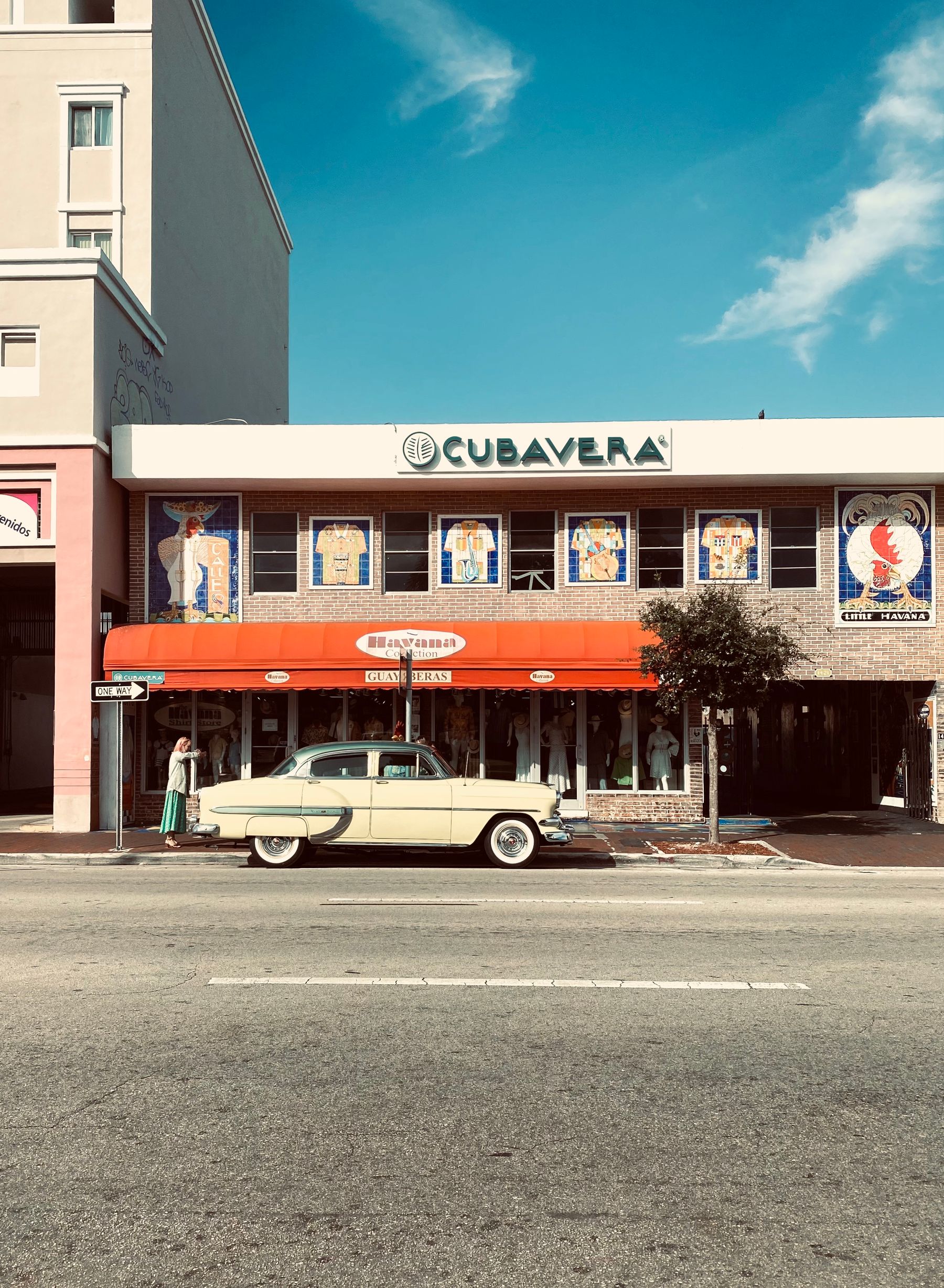
Little Havana brings another side of Miami into focus through Cuban food, coffee windows, music, and neighborhood life. Choose a short stretch around Calle Ocho, stop for a small coffee, and take time to eat. It is a living neighborhood, so treat games, shops, and conversations with respect.
| Detail | Planning notes |
|---|---|
| Best for | Food, Cuban-American culture, music, and small-group exploring |
| Location and map | Calle Ocho near Domino Park |
| Time needed | 2–3 hours including food |
| Cost and booking | Public streets are free; food, performances, and guided tours cost extra |
| Getting there | Metrobus or a road transfer; plan the return journey too |
| Accessibility | Confirm the entrance and restroom access of individual venues |
| Nearby stops | Cuban cafés, local galleries, and the Tower Theater area |
Practical tip: Ask before taking a close portrait or photographing people at their tables. A guided food walk can help if you want cultural context rather than a list of snack stops.
4. Wynwood Street Art and Wynwood Walls
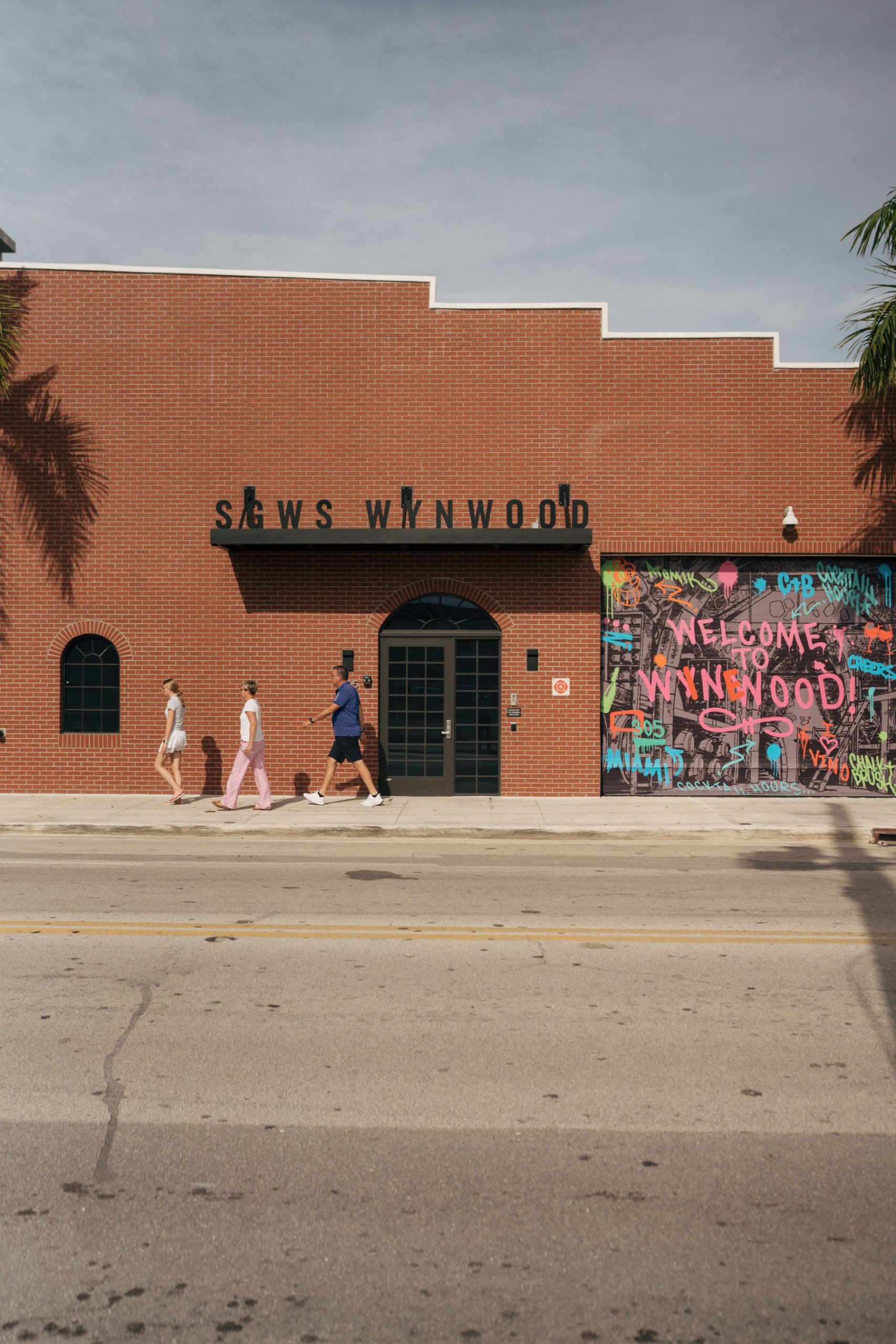
Wynwood offers large outdoor murals, galleries, cafés, and a creative district to explore. The neighborhood’s public street art and the gated Wynwood Walls attraction are different experiences. You can enjoy murals from public streets without buying a museum ticket; entrance to Wynwood Walls is paid.
| Detail | Planning notes |
|---|---|
| Best for | Street art, photography, and casual food stops |
| Location and map | Wynwood Walls area |
| Time needed | 2–3 hours |
| Cost and booking | Street viewing is free; check Wynwood Walls for current dated admission |
| Getting there | Bus or road transfer; check the exact stop and walking distance |
| Accessibility | Public sidewalks and attraction routes differ; confirm any specific access needs |
| Nearby stops | Design District and neighborhood cafés |
Practical tip: Visit in cooler hours, stay on public routes, and remember that murals can change. The street photograph here illustrates the neighborhood, not a promise of a particular artwork inside Wynwood Walls.
5. Vizcaya Museum and Gardens

Vizcaya combines a historic house, formal gardens, and Biscayne Bay views. It is a good choice when you want a quieter, slower visit. Leave time for both the house and the grounds rather than treating the garden as a quick photo stop.
| Detail | Planning notes |
|---|---|
| Best for | Architecture, gardens, history, and couples |
| Location and map | Vizcaya Museum and Gardens |
| Time needed | 2–3 hours |
| Cost and booking | Paid admission; choose current tickets directly with Vizcaya; normally closed Tuesdays |
| Getting there | Vizcaya Metrorail station followed by the walking approach, or a road transfer |
| Accessibility | Historic interiors, garden surfaces, and routes vary; confirm suitable access before booking |
| Nearby stops | Coconut Grove, reached with a separate short journey |
Practical tip: Wear shoes that handle garden surfaces and take water. Plan the indoor portion around the strongest heat when possible.
6. Downtown Waterfront and Bayfront Park
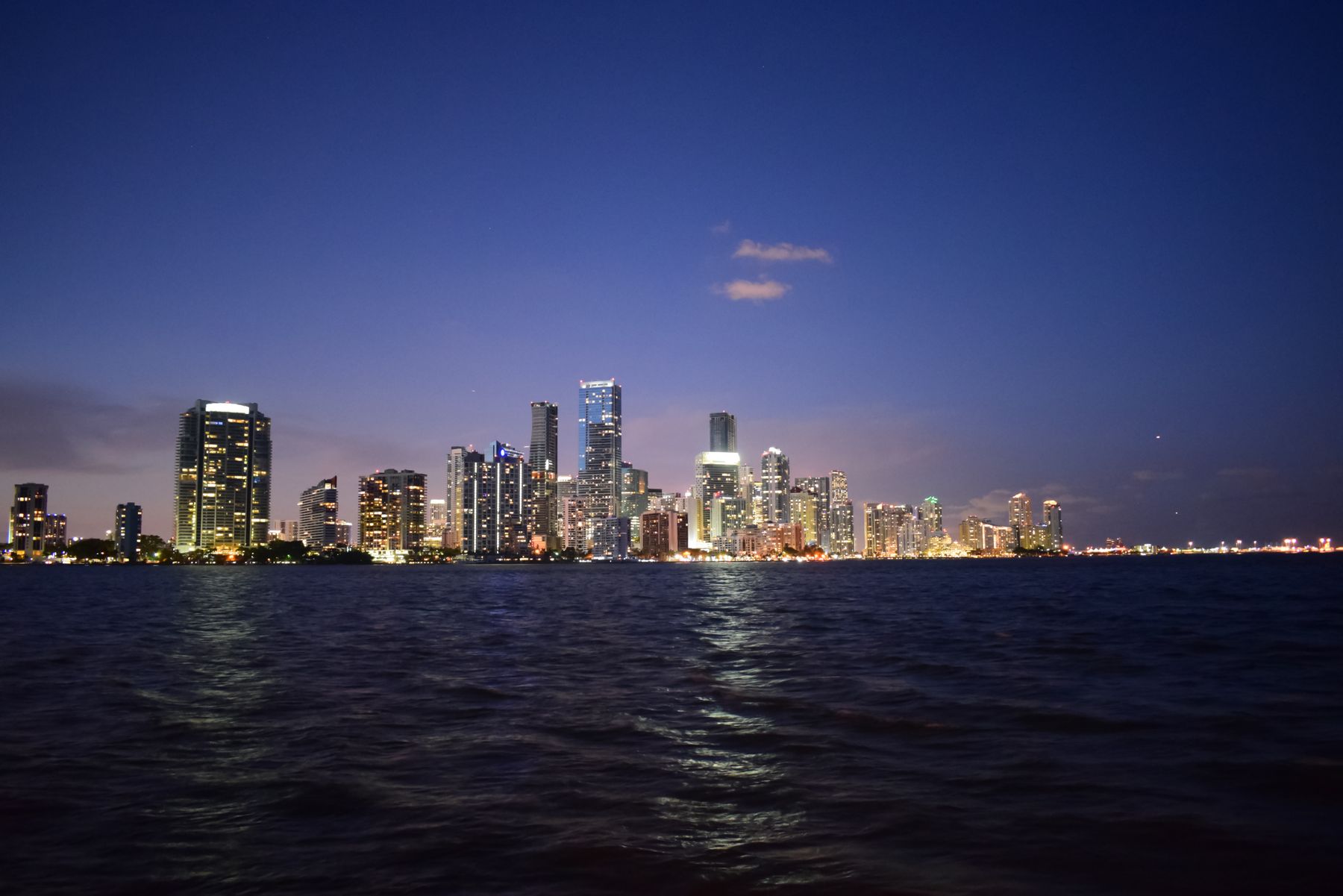
Downtown gives you the skyline-and-water side of Miami without needing an observation deck. Walk a manageable waterfront section, sit in Bayfront Park, and watch boats on the bay. Shops and boat tours nearby are optional extras rather than the purpose of every visit.
| Detail | Planning notes |
|---|---|
| Best for | Skyline views, a gentle stroll, and a lower-cost outing |
| Location and map | Bayfront Park |
| Time needed | 1–2 hours |
| Cost and booking | Public park access is generally free; events and commercial activities are separate |
| Getting there | Metromover and a walk, or bus and road connections |
| Accessibility | Select a manageable paved route and check event-related diversions |
| Nearby stops | Bayside, Museum Park, and Downtown dining |
Practical tip: Check the event calendar and avoid assuming every waterfront stretch is shaded. The photograph shows the broader Downtown waterfront skyline.
7. Museum Park: PAMM or Frost Science

Choose art or science, then enjoy the bayfront setting. Pérez Art Museum Miami focuses on modern and contemporary art. Frost Science brings an aquarium, science exhibits, and a planetarium together. They sit close enough to compare easily, but a first visit is often better with one substantial museum than two rushed ones. The photograph shows Frost’s aquarium.
| Detail | Planning notes |
|---|---|
| Best for | Art lovers, families, and an indoor break from heat or rain |
| Location and map | Museum Park museums |
| Time needed | 2–4 hours for your chosen museum |
| Cost and booking | Separate paid tickets; PAMM adult admission is $18 and it is normally closed Tuesdays and Wednesdays |
| Frost booking | Check its dated ticket and inclusions; planetarium show availability and arrangements matter |
| Getting there | Museum Park Metromover stop and the appropriate walking entrance |
| Accessibility | Confirm lifts, accessible seating, sensory needs, and show arrangements with the chosen museum |
| Nearby stops | Waterfront park space and Downtown |
Practical tip: PAMM currently offers free Thursday entry after 5 p.m.; confirm the day’s hours, eligibility, and any capacity rules. Do not assume one museum’s ticket covers the other.
8. Key Biscayne and Bill Baggs Cape Florida State Park
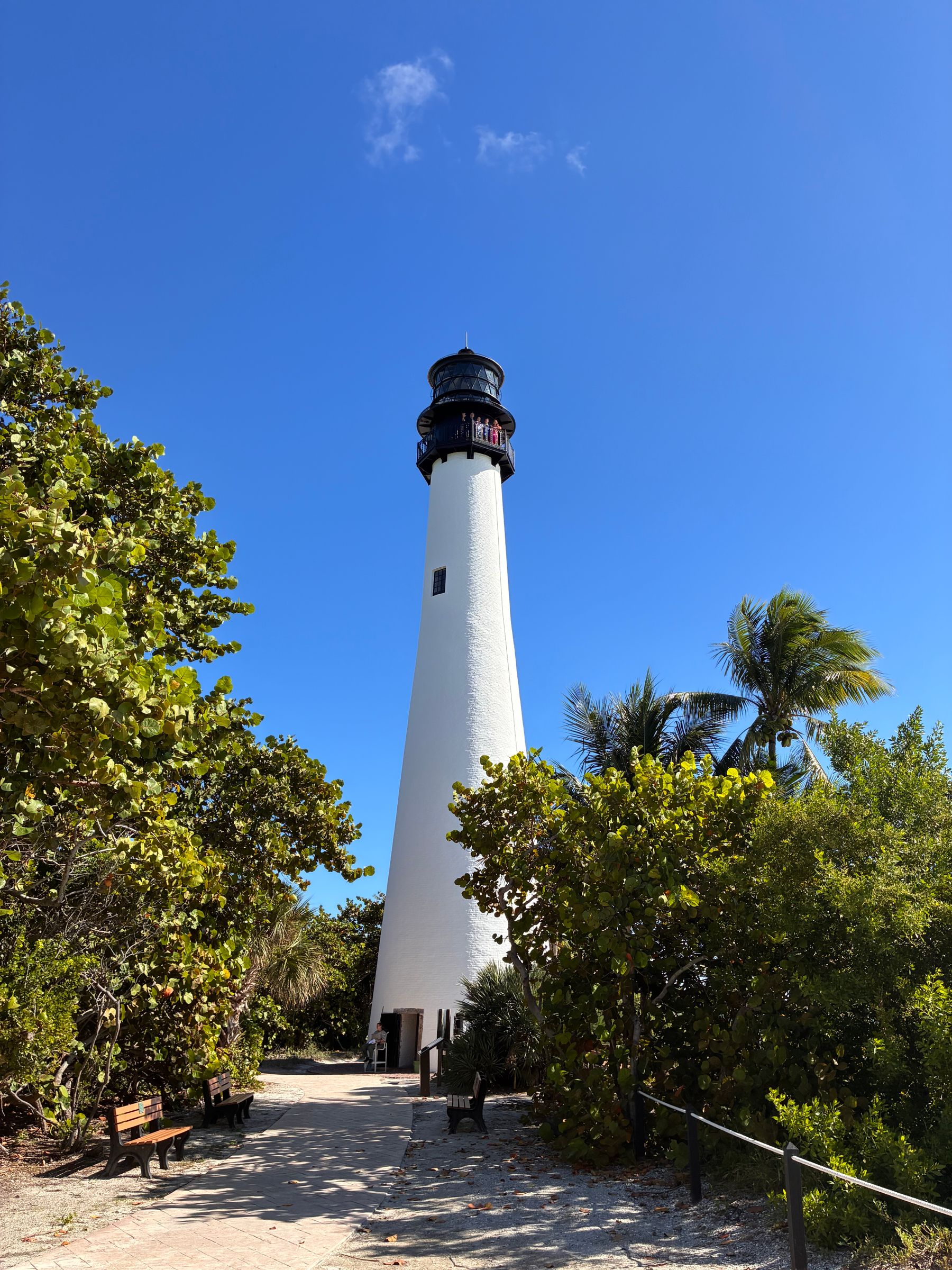
Key Biscayne is a good place to slow the trip down. At Bill Baggs, the lighthouse gives the beach a memorable landmark, while the park offers a different atmosphere from busy South Beach. Keep the outing focused rather than trying to see every beach along the causeway.
| Detail | Planning notes |
|---|---|
| Best for | A quieter beach day, coastal scenery, and families |
| Location and map | Bill Baggs Cape Florida State Park |
| Time needed | Half a day or longer |
| Cost and booking | State park admission and any rentals are separate; check current entry and lighthouse access |
| Getting there | Road transfer or current bus connections; plan the return before setting out |
| Accessibility | Ask the park about current accessible beach routes and facilities; lighthouse access is different |
| Nearby stops | Crandon Park and Key Biscayne village, if time permits |
Practical tip: A lighthouse photograph does not mean a climb is available on your day. Check tours, weather, and operating conditions first.
9. Fairchild Tropical Botanic Garden

Fairchild suits visitors who enjoy plants, open space, and a slower afternoon. It is in Coral Gables, away from Miami Beach, so plan a dedicated visit. Take time to notice smaller details as well as broad garden views; the butterfly photograph was taken at Fairchild.
| Detail | Planning notes |
|---|---|
| Best for | Garden lovers, couples, and a relaxed family outing |
| Location and map | Fairchild Tropical Botanic Garden |
| Time needed | 2–4 hours |
| Cost and booking | Paid admission; check current tickets, special events, and tour availability |
| Getting there | Road transfer is often simplest; compare the current public transport journey |
| Accessibility | The garden provides access information for paths and tram arrangements; confirm the route that suits you |
| Nearby stops | Coral Gables or Coconut Grove as a separate meal stop |
Practical tip: Start earlier in warm weather. Bring sun protection and insect repellent, and do not expect every seasonal display to look like a particular photograph.
10. Miami Design District

The Design District is worth considering even if luxury shopping is not on your list. Architecture, outdoor installations, and carefully designed streets make it a good short wander. Pair it with Wynwood if you enjoy comparing different sides of Miami’s art and design scene.
| Detail | Planning notes |
|---|---|
| Best for | Design, contemporary architecture, window-shopping, and food |
| Location and map | Miami Design District |
| Time needed | 1–2 hours, longer with shopping or dining |
| Cost and booking | Public street viewing is free; venues and events have their own terms |
| Getting there | Bus or a road transfer; allow time between here and Wynwood |
| Accessibility | Confirm individual store entrances and the route between stops |
| Nearby stops | Wynwood, galleries, and cafés |
Practical tip: Browse respectfully and ask about indoor photography. A private shop or courtyard can have different rules from a public sidewalk.
11. Everglades National Park: A Separate Nature Day

The Everglades are a change of pace, with wetlands, wildlife, and big skies. Pick one park area that fits your interests. Shark Valley and the Ernest F. Coe entrance serve different outings; reaching one does not mean you have also seen the other. Some commercial airboat tours operate outside the national park.
| Detail | Planning notes |
|---|---|
| Best for | Wildlife, nature, and travelers with an extra full day |
| Location and map | Shark Valley entrance or Ernest F. Coe Visitor Center |
| Time needed | A separate full-day outing from Miami |
| Standard admission | Current private-vehicle entry is $35; activity and tour charges may be additional |
| Non-U.S. residents | Visitors aged 16+ can face an additional $100 per person unless covered by a qualifying pass or exemption; verify the current NPS rules |
| Booking and transport | Confirm park entrance, included fees, pickup point, and reservations for any tour or tram |
| Accessibility | Boardwalks, trams, boats, and trails have different access conditions; confirm your chosen activity |
| Nearby stops | Choose within the same park area rather than crossing the whole park |
Practical tip: Never approach, feed, or pose beside wildlife. Carry water and protection from sun and insects. National park fee rules, pass coverage, weather, and closures deserve a final check before departure.
Best Things to Do in Miami Beyond the Main Sights
Try a Cuban bakery breakfast, browse a small gallery, listen to live music at a suitable venue, or spend an evening walking a beach district before dinner. Coconut Grove makes a pleasant change from the busiest beach streets. Shopping areas range from neighborhood shops to the Design District; choose the one that matches your budget and interests.
For outdoor time, choose a short waterfront walk or beach morning. For culture, add context through a local walking or food tour. For nightlife, check age restrictions, cover charges, dress expectations, and the ride home before going. Seasonal boat trips and festivals should be booked around the actual weather and event calendar.
Miami Itinerary Ideas: Weekend, 3 Days, 5 Days, or 7 Days
A Weekend in Miami
Spend Saturday around South Beach and the Art Deco district. Give Sunday to one mainland pairing: Little Havana with Vizcaya, or Museum Park with Wynwood. This leaves a reason to return without turning the weekend into a race.
A 3-Day Miami Itinerary
| Day | Morning | Afternoon | Evening |
|---|---|---|---|
| 1: Miami Beach | Beach time and Lummus Park | Art Deco walk, lunch, and a rest | South Beach dinner or a quieter waterfront stroll |
| 2: Culture and gardens | Little Havana and an early lunch | Vizcaya, on a day it is open | Coconut Grove or return to your hotel area |
| 3: Downtown and art | Choose PAMM or Frost Science | Wynwood street art; add Design District only if energy allows | A relaxed final dinner |
Swap days to match closures and reservations. This plan does not assume you can visit every museum in the guide.
A 5-Day Miami Itinerary
Keep the three-day core, then add a Key Biscayne beach day and a separate Everglades day. Leave the order flexible for weather. If nature is not your priority, replace the park outing with Fairchild and Coral Gables.
A 7-Day Miami Itinerary
Add Fairchild and Coconut Grove on day six, then keep day seven light: breakfast, a favorite beach, a small shopping stop, and packing. A full week feels better when every morning does not begin with a transfer.
Itinerary Maps, Rainy Days, and a Slower Pace
Save a South Beach walking route and a mainland art route. The mainland route is a transport plan, not a recommendation to walk between every stop.
In heavy rain, choose a museum and a leisurely meal, checking opening days before traveling. For less walking, choose one district, one indoor visit, and a nearby dinner. Leave long garden walks and cross-city shopping for another day.
What and Where to Eat in Miami
Local Foods and Good Areas to Explore
Try a Cuban sandwich, croquetas, a bakery pastry, or a small Cuban coffee. Seafood, Caribbean food, and Latin American cooking give you plenty of other directions. Little Havana is a natural place for Cuban food; Downtown, Brickell, Miami Beach, Coconut Grove, and Wynwood offer different dining settings.
For an affordable meal, start with counter-service places, bakeries, and simple lunch menus. For a special evening, reserve a restaurant you actively want to visit instead of choosing only for the waterfront view. A seat with a view can come with a higher bill.
Dietary Needs, Allergies, Reservations, and Tipping
Search menus in advance for vegetarian, vegan, halal, or other needs, then confirm preparation directly. A vegetarian-looking dish may contain stock, lard, or seafood ingredients. Tell staff about allergies clearly; a translated allergy card can help, but it does not replace a conversation about cross-contact.
Book sought-after dinner tables ahead. Read the bill for taxes, automatic gratuities, or service charges. If anything is unclear, ask before paying rather than guessing what the charge covers.
Free and Budget-Friendly Things to Do in Miami
Walk public beach areas, explore Art Deco streets, look at public Wynwood murals, visit Bayfront Park, and use the free Metromover for a suitable Downtown journey. These can make an enjoyable day without an attraction pass.
A simple low-cost day might be a beach walk, a modest bakery breakfast, a bus journey to the mainland, lunch at a casual counter, and a public waterfront stroll. Your food and transport still cost money; “free sightseeing” does not mean a cost-free trip.
Compare passes by the attractions you would genuinely buy separately, reservation restrictions, transport time, and refund terms. A pass that pushes you to cross the city repeatedly can reduce the value of your holiday.
Miami Experiences for Different Travelers
Families may enjoy a beach morning and Frost Science on separate days, with a rest after lunch. Couples can pair Vizcaya with dinner or choose a quieter beach area. Solo visitors can combine a guided food walk with independent neighborhood time, arranging an easy journey home after dark.
Groups should agree on one daily meeting point and a clear shared budget. For accessible or relaxed travel, confirm the specific beach entrance, hotel room, vehicle, and attraction route. “Accessible property” does not explain every room, path, or restroom. Less walking is easiest when you shorten the route rather than filling the saved time with another distant stop.
Best Photography Spots in Miami
| Spot | What works well | Consider before shooting |
|---|---|---|
| Ocean Drive | Art Deco details and evening facades | Hotel entrances, traffic, and private property |
| South Beach | Sand, palms, and early light | Swim flags, beachgoers’ privacy, and strong sun |
| Vizcaya | Gardens and bay-facing architecture | Current ticket and photography rules |
| Downtown waterfront | Skyline and changing evening light | Events, weather, and safe tripod placement |
| Wynwood | Murals and neighborhood color | Permission for portraits and artwork-use restrictions |
| Cape Florida | Coastal setting and the lighthouse | Park hours and permitted access |
Sunrise generally favors the Atlantic-facing beach, while Downtown and bayfront locations offer different evening compositions. Scout the actual direction and weather. Do not enter restricted areas, climb structures, or use drones without checking applicable rules and permissions.
Day Trips and Road Trips From Miami
The Everglades make the clearest nature day, while Key Biscayne is a shorter coastal outing. Fort Lauderdale can be another city-and-waterfront option. Choose one destination rather than combining several long drives because they look close on a regional map.
For a broader road trip, consider Miami, an Everglades stop, and the Florida Keys over several days. Key West is a long way from Miami for a relaxed return day, especially with stops and traffic. Book accommodation if the journey itself is part of the holiday.
Independent travel gives you control over stops but adds driving, parking, and fee planning. A guided outing can simplify transport, provided the included activities, entry charges, and pickup location match your expectations. Check road and park conditions before a nature trip.
Essential Things to Know Before Visiting Miami
International visitors should confirm U.S. entry documents and permission requirements for their nationality before booking. Carry the documents required for travel and keep a secure backup. Payments use U.S. dollars; cards are common, but a little cash can help with small purchases. English and Spanish are widely heard, though you do not need Spanish to plan an ordinary first visit.
Have mobile data or downloaded maps, a charging cable, and a small power bank. Save your hotel address and the return route before leaving. Ask your hotel about luggage storage; do not assume an attraction can hold a suitcase. Use public facilities where provided and plan restroom stops around museums, cafés, and visitor facilities.
Keep valuables discreet, use official transport pickup points, and check the bill before paying. Watch for unofficial ticket sellers and unusually aggressive sales pitches. Beach rules, alcohol restrictions, parking signs, and event closures vary by location. Follow posted instructions and lifeguard advice rather than advice from an old social post.
What to Pack for Miami
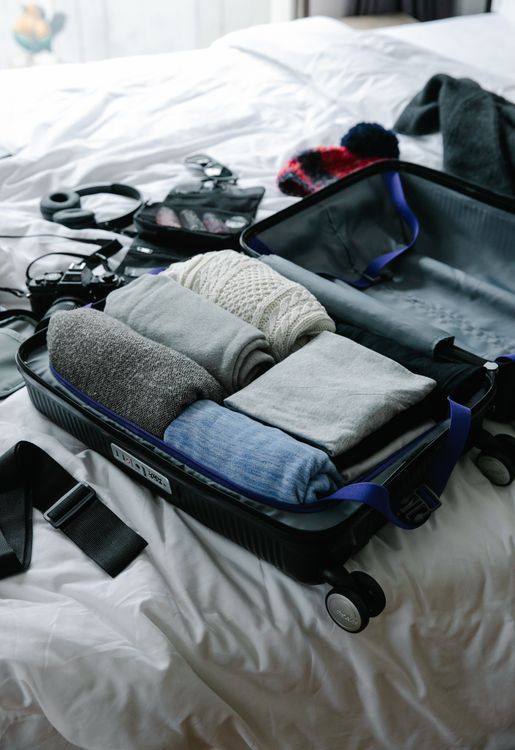
- Lightweight clothing, comfortable walking shoes, and swimwear.
- Sun protection, a hat, and a refillable water bottle.
- A light layer for strong indoor air-conditioning.
- A compact rain layer and a weatherproof pouch for essentials.
- Personal medicines, prescriptions, and any mobility or sensory equipment you need.
- For gardens or the Everglades: suitable shoes and insect protection.
- For children: sun-safe clothing, snacks, and supplies that suit their normal routine.
Pack for the forecast rather than the beach image you have in mind. A winter evening, a wet boat ride, and a heavily air-conditioned museum can all feel different from a sunny afternoon.
Important Contacts and Official Resources
| Need | Where to get help |
|---|---|
| Immediate police, fire, or medical emergency | Call 911 in the United States |
| Official visitor information | Greater Miami Convention & Visitors Bureau and Miami Beach visitor information |
| Local transit help | Miami-Dade Transit customer information and current service alerts |
| Airport assistance | Miami International Airport information desks and your airline |
| Park conditions and fee questions | Everglades National Park or the relevant Florida State Park office |
| Nonemergency medical help | Ask your hotel or travel insurer to help identify an appropriate local service |
| Passport problems abroad | Your country’s embassy or consulate through its official directory |
For a nonemergency, use the relevant organization’s current contact directory. Keep your insurer’s assistance number and any important personal contacts saved offline.
Common Mistakes First-Time Miami Visitors Make
- Booking a beach hotel but planning every day on the mainland.
- Treating a free neighborhood mural walk and paid Wynwood Walls entry as the same thing.
- Ignoring midday heat, thunderstorms, and the need for a rest.
- Planning the Everglades as a quick stop between city attractions.
- Forgetting hotel fees, valet parking, tips, and cross-bay rides.
- Missing museum closing days or buying from an unofficial ticket website.
- Assuming that a park ticket, tour ticket, and transport fare all include one another.
Frequently Asked Questions About Visiting Miami
Is Miami Good for First-Time Visitors?
Yes, especially if you want a mix of beaches, food, art, and warm-weather activities. It is easier when you choose a clear hotel base and accept that some areas need a separate journey.
How Many Days Should I Stay in Miami?
Allow three or four full days for a balanced first visit. Add a day for the Everglades and another for a slower beach or garden outing.
Is It Better to Stay in Miami or Miami Beach?
Choose Miami Beach for daily beach access. Consider Downtown or Brickell for a mainland-focused trip with useful rail and Metromover connections. Compare the exact hotel address and total cost.
Do I Need a Rental Car in Miami?
Not necessarily for a central visit. Use walking, transit, and selected road transfers, then compare a tour or short rental for a specific out-of-town day. Include parking and insurance in the comparison.
How Much Should I Budget for Miami?
For two adults, the illustrative three-night example in this guide totals $1,617, excluding flights and an Everglades outing. Your hotel dates, dining style, and transport choices can move that figure substantially.
What Should I Book in Advance?
Accommodation, your most important paid attractions, popular dinners, major events, and a well-chosen Everglades excursion. Leave some beach and neighborhood time flexible.
Is Miami Suitable for Families, and What If It Rains?
Yes, with beach safety, shade, rest breaks, and age-appropriate activities. In wet weather, choose an open museum such as Frost Science or PAMM, checking its hours and tickets before traveling.
Your Final Miami Trip Planning Checklist
- Check travel documents and save your hotel details.
- Confirm the full accommodation cost and room requirements.
- Save the airport journey and a late-arrival backup.
- Group days by Miami Beach, mainland neighborhoods, and out-of-town outings.
- Check attraction hours, reservations, and cancellation terms.
- Allow for taxes, tips, hotel fees, transport, and park charges.
- Pack for heat and rain, then check the current forecast.
- Download maps and keep an emergency contact available offline.
Reader Questions and Travel Experiences
In her published account of visiting Vizcaya, travel writer Annie Fairfax highlights the gardens, architecture, and bay views. Her account offers a useful planning idea: set aside unhurried time for the grounds as well as the house.
Have you explored Miami? Share your hotel area, trip length, and one thing you would repeat or change in the reply section below. Practical details such as the season, transport used, and who you traveled with make your experience more helpful to the next reader.
Explore More USA Travel Guides
Build a wider trip with our 25 Best Places to Visit in the USA, New York City first-time visitor guide, Las Vegas travel guide, and San Francisco attractions guide.
What would you like to know before you go?
Send us your question, feedback, or a place you would like to see covered.
Ask a travel question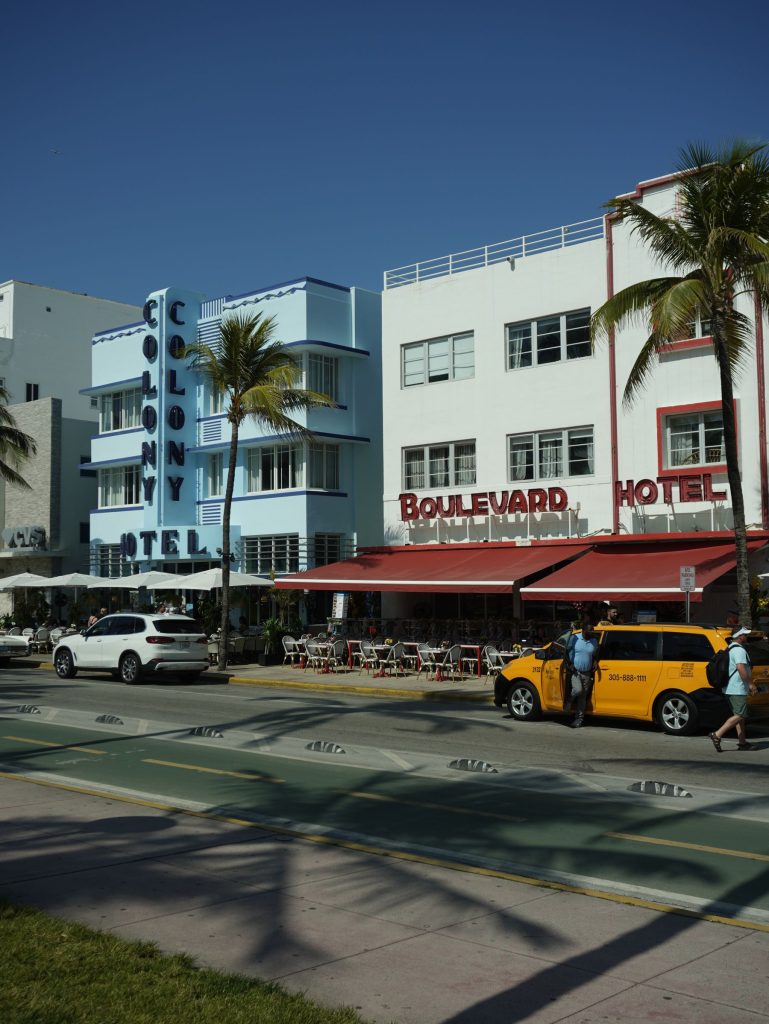
Leave a Reply