Written by Ari Mayzick · Go Travel Box
Published November 11, 2026 · Updated November 11, 2026
Seven days in California can include a lively city, granite cliffs, and a Pacific beach without changing hotels every night. The key is choosing one region and giving it enough time. This trip focuses on San Francisco, Yosemite, Monterey, and Carmel in a Northern California loop.
This seven-day California road trip itinerary begins and ends in the San Francisco Bay Area. You spend two nights in the city, two near Yosemite, and two on the Monterey Peninsula. It includes daily plans, drive allowances, maps, a budget example, and a coastal alternative when mountain conditions do not suit your trip.
First California Road Trip? Start Here
Use three overnight bases, collect the car after your San Francisco sightseeing, and make Yosemite’s current conditions the first planning check. This loop works best when you want a mix of city, national park, and coast rather than a drive across the whole state.
The mountain and coastal portions have different weather. A pleasant San Francisco forecast does not tell you whether a Yosemite road needs chains or a park path is icy. Keep the itinerary flexible around access, and choose the coastal alternative if winter driving does not suit you.
The daily plans are a framework, not a requirement to visit every named place. Pick one main activity and a few nearby stops, then leave room for meals, parking, and a rest.
Seven-Day California Road Trip at a Glance
| Question | Quick answer |
|---|---|
| Route | San Francisco → Yosemite area → Monterey/Carmel → San Francisco Bay Area |
| Trip length | 7 days and 6 nights |
| Overnight bases | 2 nights San Francisco, 2 nights Yosemite area, 2 nights Monterey/Carmel |
| Car use | Collect on day 3 and return on day 7; compare rental billing periods |
| Best fit | First-time visitors who want city, mountains, and coast |
| Best general conditions | A period with suitable park-road access and comfortable outdoor weather; verify the exact season |
| Main long transfers | San Francisco to Yosemite and Yosemite to Monterey |
| Booking priorities | Accommodation, car, priority city activities, and any aquarium visit |
| Yosemite access | No general entrance reservation is required in 2026; entrance fees and other reservations still apply |
| Winter option | Replace Yosemite with more Monterey, Carmel, and Bay Area time |
Important information was checked November 10, 2026. Park entry systems, road access, and ticket rules must be checked for the year and dates of your actual trip.
Table of Contents
- First California Road Trip? Start Here
- Seven-Day California Road Trip at a Glance
- Why This California Route Works in One Week
- Best Time for This Seven-Day California Trip
- How to Plan and Book the Trip
- The Seven-Day California Itinerary
- Route Maps and Driving Allowances
- Where to Stay on This California Route
- Yosemite Entry, Fees, and Seasonal Access
- How Much Does This Seven-Day California Trip Cost?
- A Winter and Poor-Weather California Alternative
- Food Stops and Dining Plans
- Free and Budget-Friendly Things to Do
- Trips for Families, Couples, Solo Travelers, and Accessible Travel
- Best Photo Stops on This California Loop
- Driving, Documents, and Other Essentials
- What to Pack for the Week
- Common Mistakes on a Seven-Day California Road Trip
- Frequently Asked Questions About This California Itinerary
- Your Final Seven-Day California Checklist
- Reader Questions and California Travel Experiences
- Explore More Travel Guides
Why This California Route Works in One Week
The loop gives you contrasting places without a new hotel every evening. San Francisco provides the city introduction, Yosemite provides the mountain landscape, and Monterey and Carmel provide the coastal finish. Returning to the Bay Area also lets you compare a round-trip car rental and flights through one airport region.
Two nights near Yosemite give you a full park day between transfers. Two nights on the coast leave a flexible day for an aquarium, a nature walk, or accessible northern Big Sur viewpoints. Travel time still takes a meaningful share of the week, so avoid adding distant destinations to the same plan.
For a longer California trip, you can build a separate southern section around Los Angeles or San Diego. Treat that as additional time, accommodation, and transport rather than a spare stop at the end of this loop.
Best Time for This Seven-Day California Trip
| Period | What works well | What to check |
|---|---|---|
| Spring | City exploring, coastal scenery, and potentially strong waterfall flow | Mountain snow, road openings, and variable weather |
| Summer | Longer daylight and more seasonal park access | Heat, crowds, hotel demand, traffic, and possible smoke |
| Fall | City and coastal visits, cooler periods, and mountain scenery | Shorter days, changing weather, and reduced waterfall flow |
| Winter | City and coastal alternatives, with a carefully planned park option | Chains, ice, snow, road closures, and limited daylight |
Yosemite Valley can be visited in different seasons, but the high-country roads have seasonal closures. Check the actual park approach and requirements. Do not use an old summer map to plan a winter crossing.
For savings, compare ordinary weekdays and weekends around school holidays and major local events. A shoulder-season trip can be good value, but only when the activities you want are available.
How to Plan and Book the Trip
A Step-by-Step Booking Checklist
- Choose travel dates and review Yosemite’s seasonal conditions.
- Check Bay Area flights and the full airport-to-hotel journey.
- Reserve the three accommodation bases.
- Compare a day-three car collection with collecting at the airport on arrival.
- Book priority city activities and any aquarium visit.
- Save daily routes, current access notices, and a weather alternative.
- Review the final return drive before choosing a departure flight.
What to Book in Advance
Book Yosemite-area accommodation early, particularly for popular dates. Reserve the room type and access arrangements you actually need. City and coastal hotels, a special meal, and major timed attractions also deserve advance planning when they are central to the trip.
What Can Stay Flexible?
Keep most public city walks, casual meals, and coastal viewpoints adjustable. For the park, choose an open, suitable walk after checking conditions. A hotel reservation does not replace any separate permit, activity booking, or park entry requirement that applies to your visit.
The Seven-Day California Itinerary
| Day | Main plan | Overnight |
|---|---|---|
| 1 | Arrive in San Francisco and explore one nearby area | San Francisco |
| 2 | A focused San Francisco sightseeing day | San Francisco |
| 3 | Collect the car and drive to Yosemite via a suitable western approach | Yosemite area |
| 4 | A full, unhurried Yosemite Valley day | Yosemite area |
| 5 | Drive to Monterey and settle into the coast | Monterey/Carmel |
| 6 | Choose Monterey, Carmel, Point Lobos, or a northern Big Sur outing | Monterey/Carmel |
| 7 | Return to the Bay Area with a sensible departure buffer | Depart, or add an airport-area night |
Day 1: Arrive in San Francisco and Keep It Simple
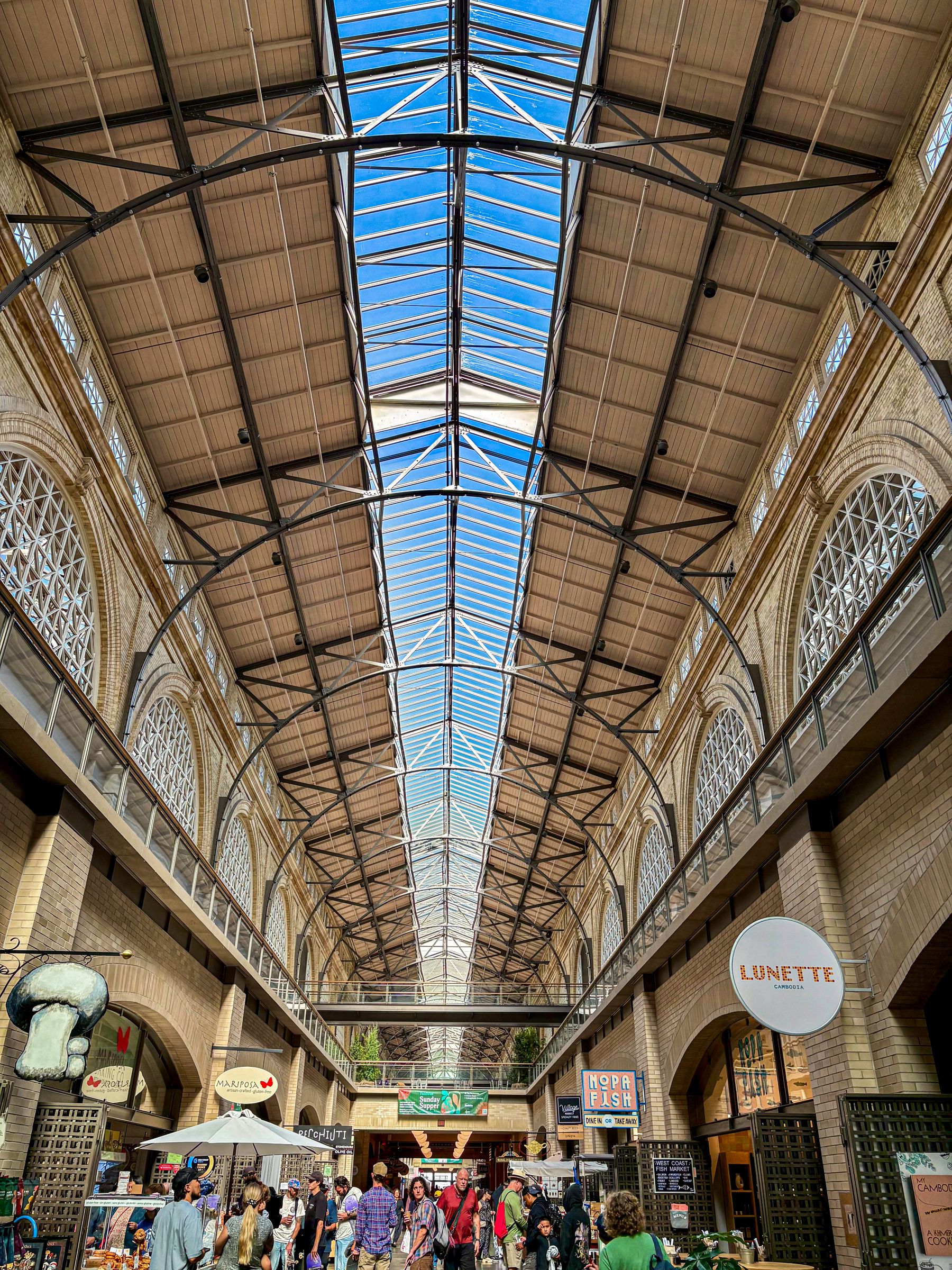
Choose accommodation, drop your bags, and explore a manageable area near your hotel. A waterfront stroll and an early dinner are enough after a long flight. Save the biggest paid activity for a day when a transport delay will not spoil it.
If you arrive early and feel rested, add one nearby neighborhood. If you arrive late, focus on getting settled and eating. This plan works best when the first evening helps you recover rather than creating another transfer across the city.
Practical tip: Save the hotel address and transport route before landing. Confirm luggage storage and check-in hours directly.
Day 2: Enjoy San Francisco Without the Car
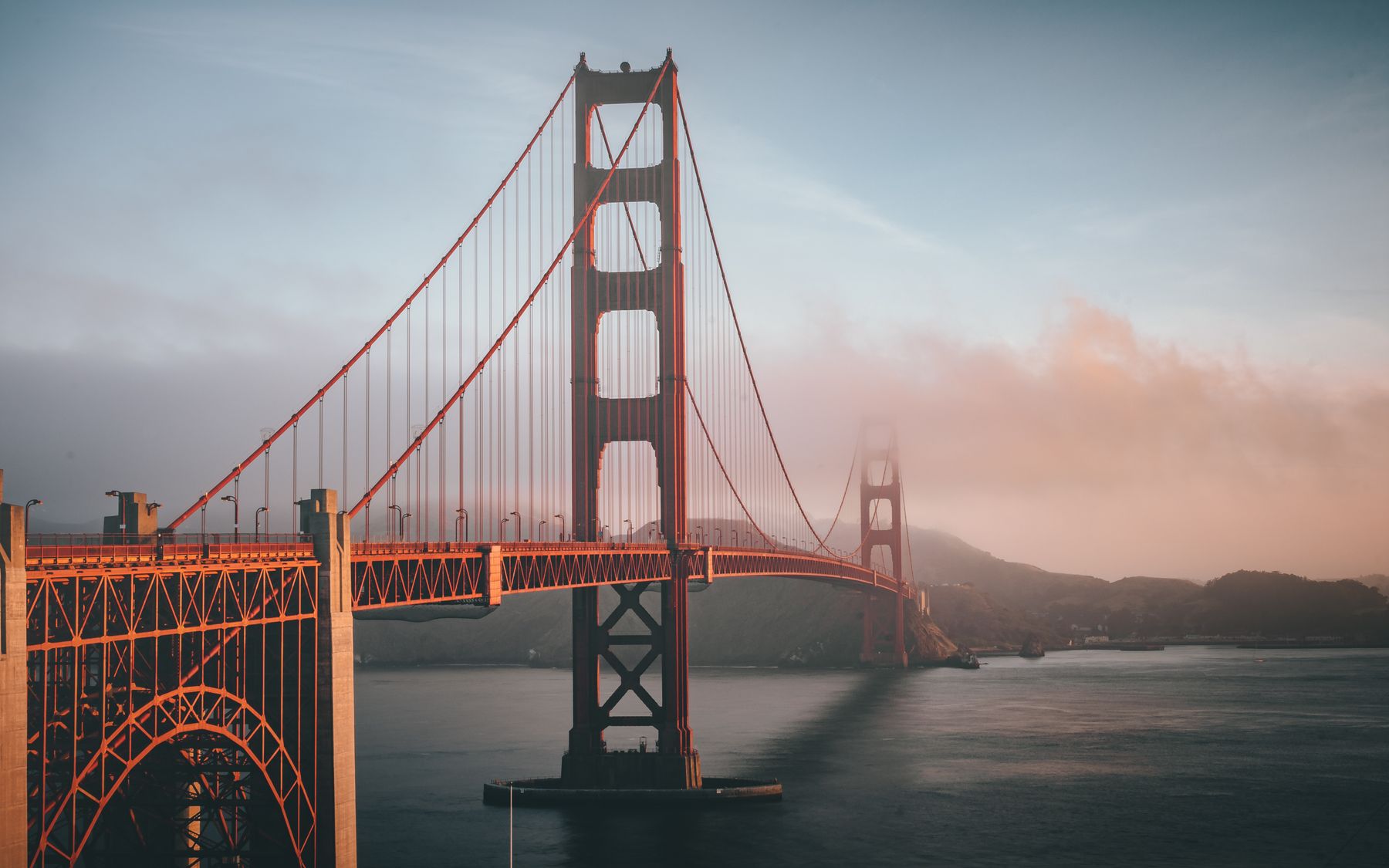
Pick two or three compatible interests. You might combine a Golden Gate viewpoint, the waterfront, and a neighborhood meal, or choose a museum and a shorter walk. San Francisco’s hills and transport connections matter, so plan the actual route rather than selecting sights from opposite ends of the city.
If Alcatraz is important, reserve the appropriate official visit and organize the day around its departure. Another option is a cable-car experience and time in a neighborhood that interests you. You do not need to do all of these on the same day.
Practical tip: Compare the cost of keeping a rental car parked during the city days with collecting it tomorrow. Public transport and selected road transfers can make the first two days simpler.
Day 3: San Francisco to the Yosemite Area
Collect the car, check its condition and equipment, and buy the supplies you need before the mountain portion. Allow roughly 4–6 hours or more for the journey to your actual accommodation, depending on the route, traffic, entry point, and stops. This is a planning window, not a guaranteed drive time.
Use a suitable open western approach and follow current park and road guidance. Arriving in daylight makes a first visit easier. If time, conditions, and your lodging location allow, enjoy one short viewpoint or Valley stop; otherwise, check in and save the park for tomorrow.
Practical tip: Confirm your entrance, accommodation address, fuel or charging, and reception hours before losing reliable mobile service.
Day 4: Yosemite Valley at a Comfortable Pace
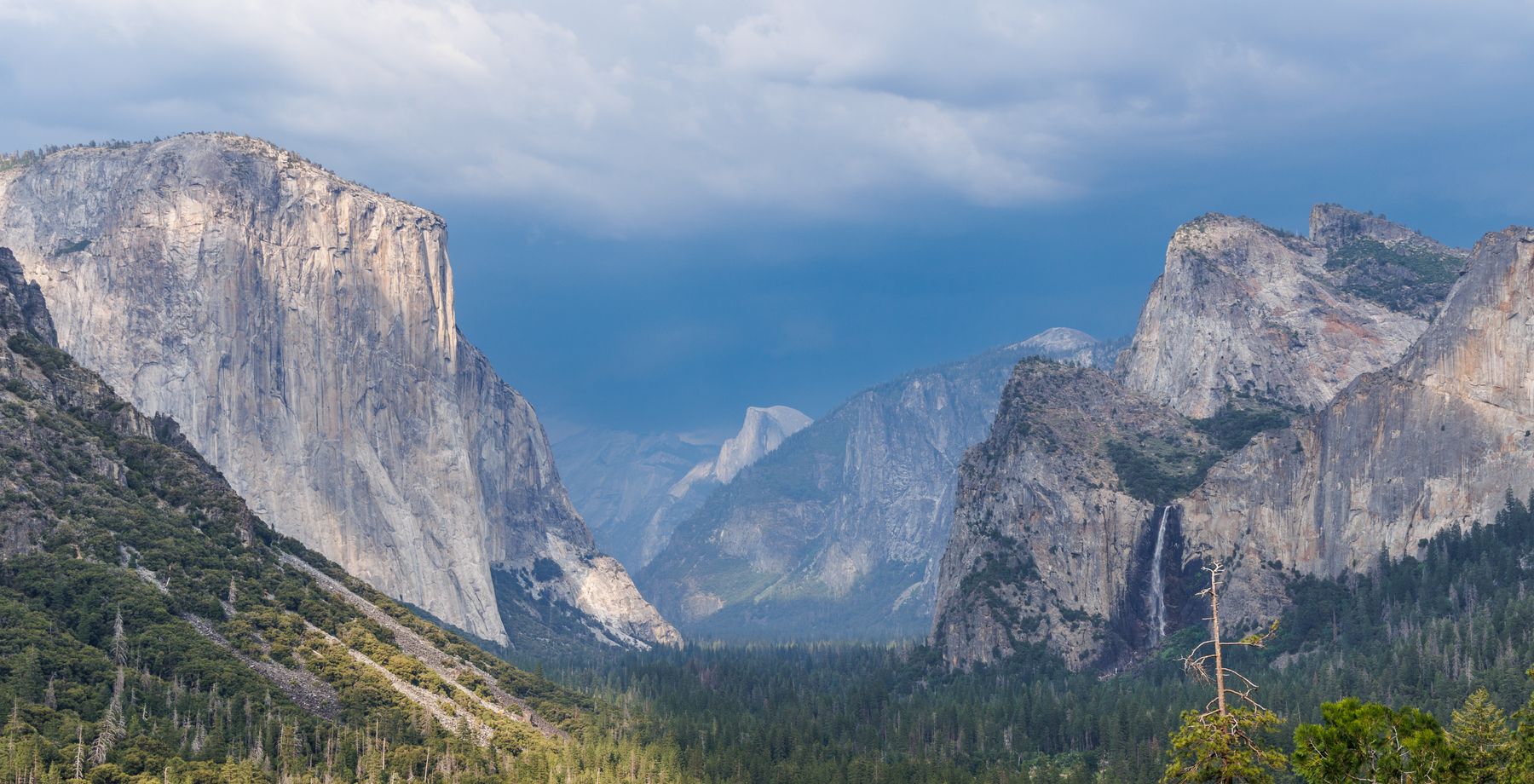
Start with a manageable plan: a viewpoint, one suitable maintained walk, a meal break, and time to enjoy the Valley. Tunnel View and the Valley’s main scenery can be memorable without attempting a demanding hike. Waterfall conditions vary by season, and paths can close or become icy.
The National Park Service advises arriving early during busy periods and reducing repeated driving between sights. Where practical, park once and use available shuttles or an appropriate walking route. Shuttles can be busy and may involve waiting, so leave the schedule open enough to cope.
Choose activities according to current access, your group’s ability, and daylight. A short walk enjoyed calmly is a better fit for some visitors than a long hike after a full driving day.
Practical tip: Carry water, food, layers, and the maps you need. Keep food and scented items stored according to park rules and never approach wildlife.
Day 5: Yosemite to Monterey
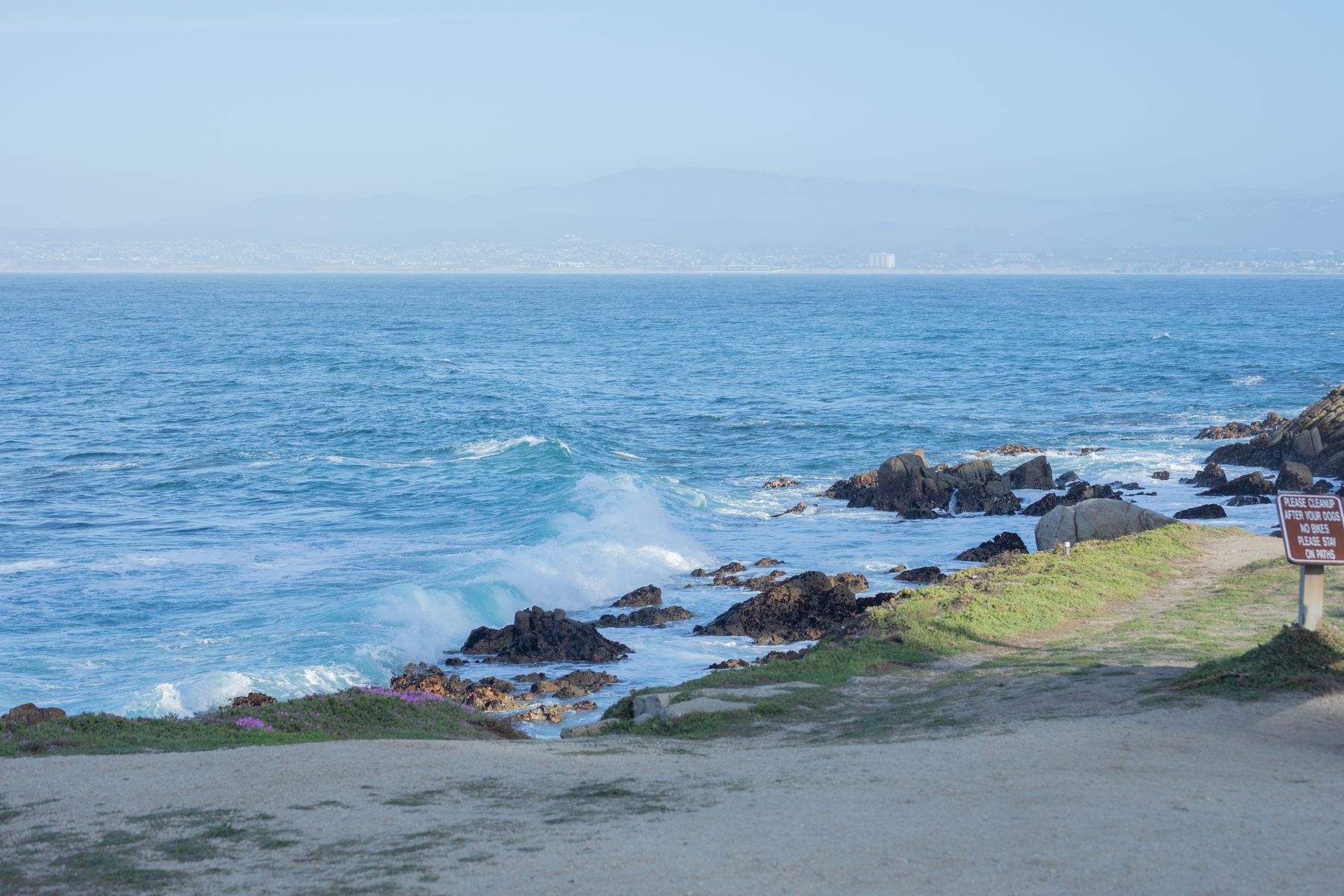
Treat today as a real transfer day. Allow roughly 5–6 hours or more door to door, depending on your starting point, route, traffic, and breaks. Check current navigation rather than assuming a high-country crossing is the correct way to reach the coast.
After arriving, check in, walk a manageable waterfront section, and enjoy dinner. Avoid an expensive timed booking that depends on an optimistic mountain departure. A relaxed first coastal evening helps the trip change pace.
Practical tip: Leave the larger Monterey activity for tomorrow unless your arrival time is reliable and the ticket’s change terms suit you.
Day 6: Monterey and Carmel, With a Choice of Coastal Outings
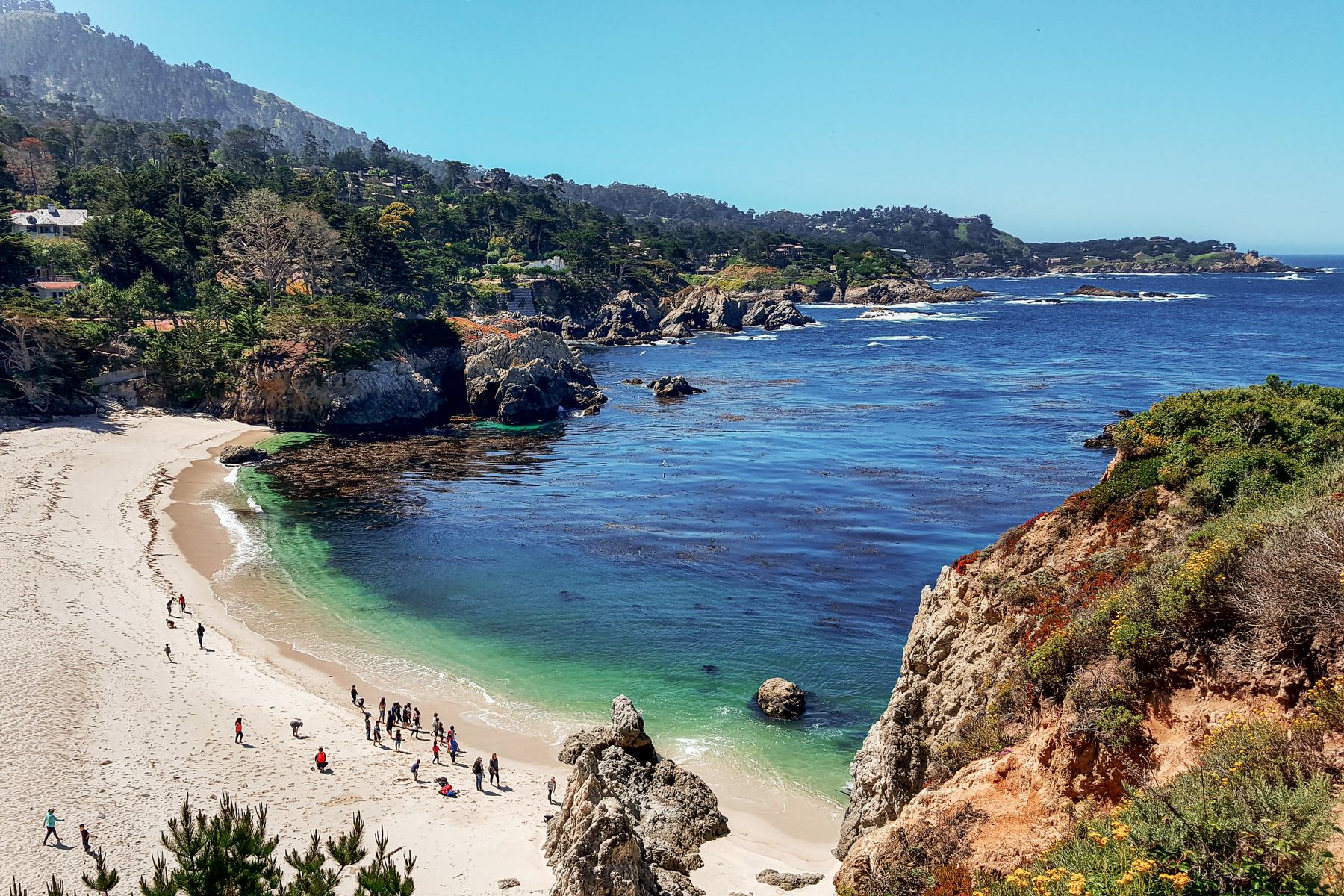
Choose the day that fits your interests. For marine life, give Monterey Bay Aquarium a substantial block of time and add a waterfront meal. For a village-and-nature day, explore Carmel and choose an appropriate Point Lobos route. For a scenic drive, consider a northern Big Sur out-and-back when the roads and stopping areas are open.
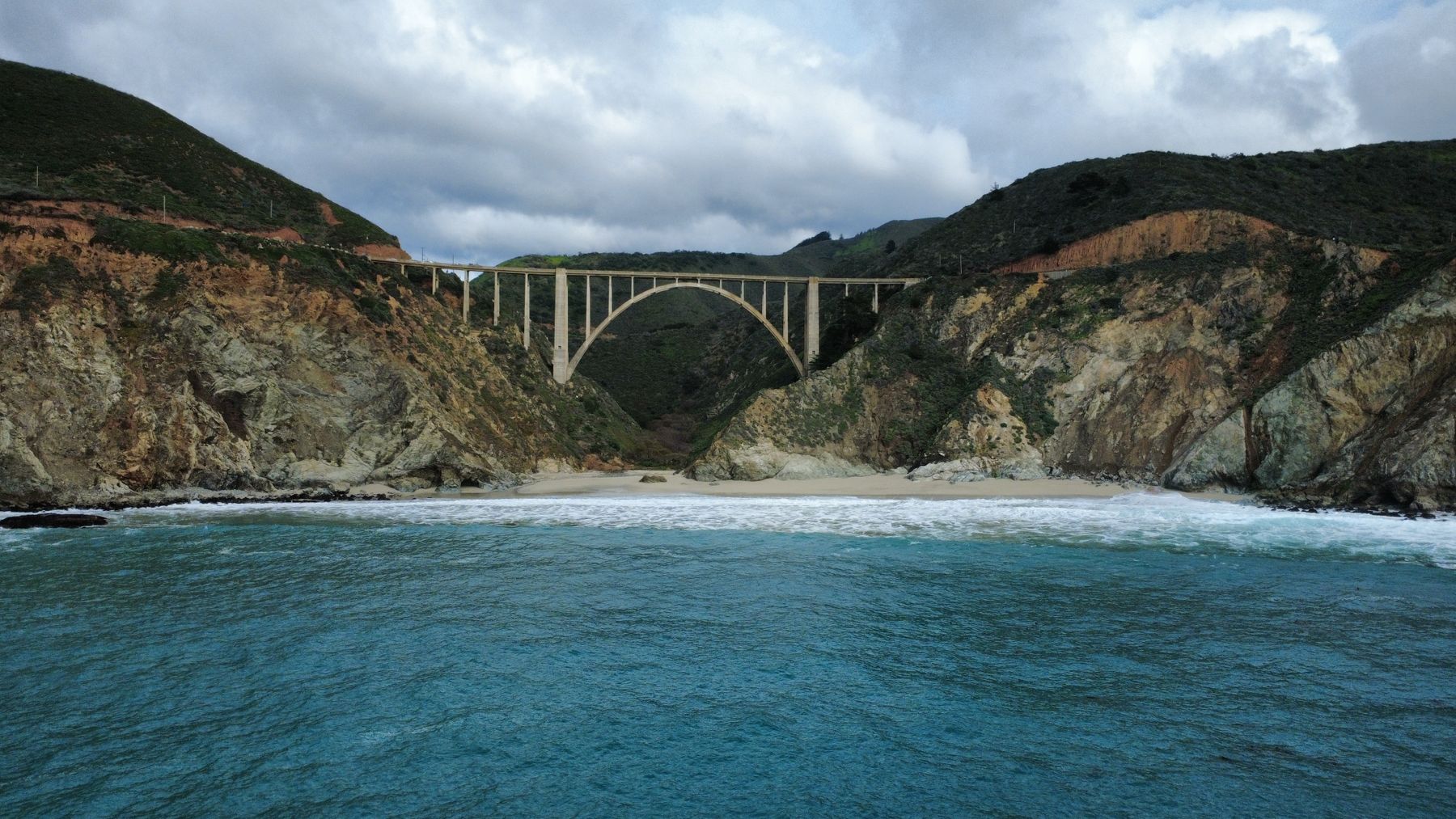
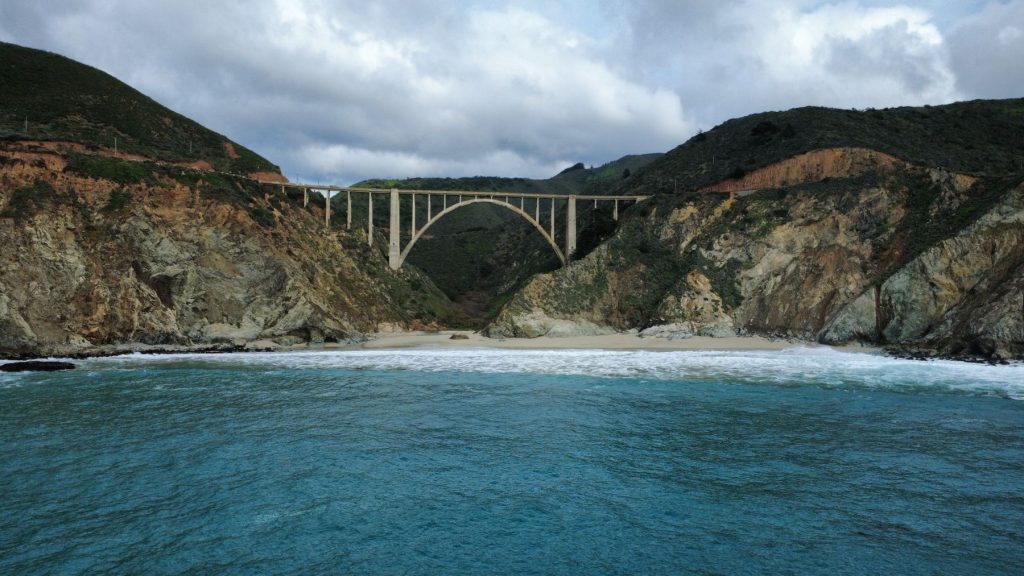
Bixby Creek Bridge can be part of that scenic option, using a legal, safe viewpoint. Check current access and allow time for curves, traffic controls, and parking. The McWay Falls overlook is listed as closed in current state park information, so it should not be the essential stop around which you build the day.
Practical tip: Pick one main version of day six. An aquarium visit, a full nature walk, Carmel browsing, and a long Big Sur drive do not all fit comfortably together.
Day 7: Return to the San Francisco Bay Area
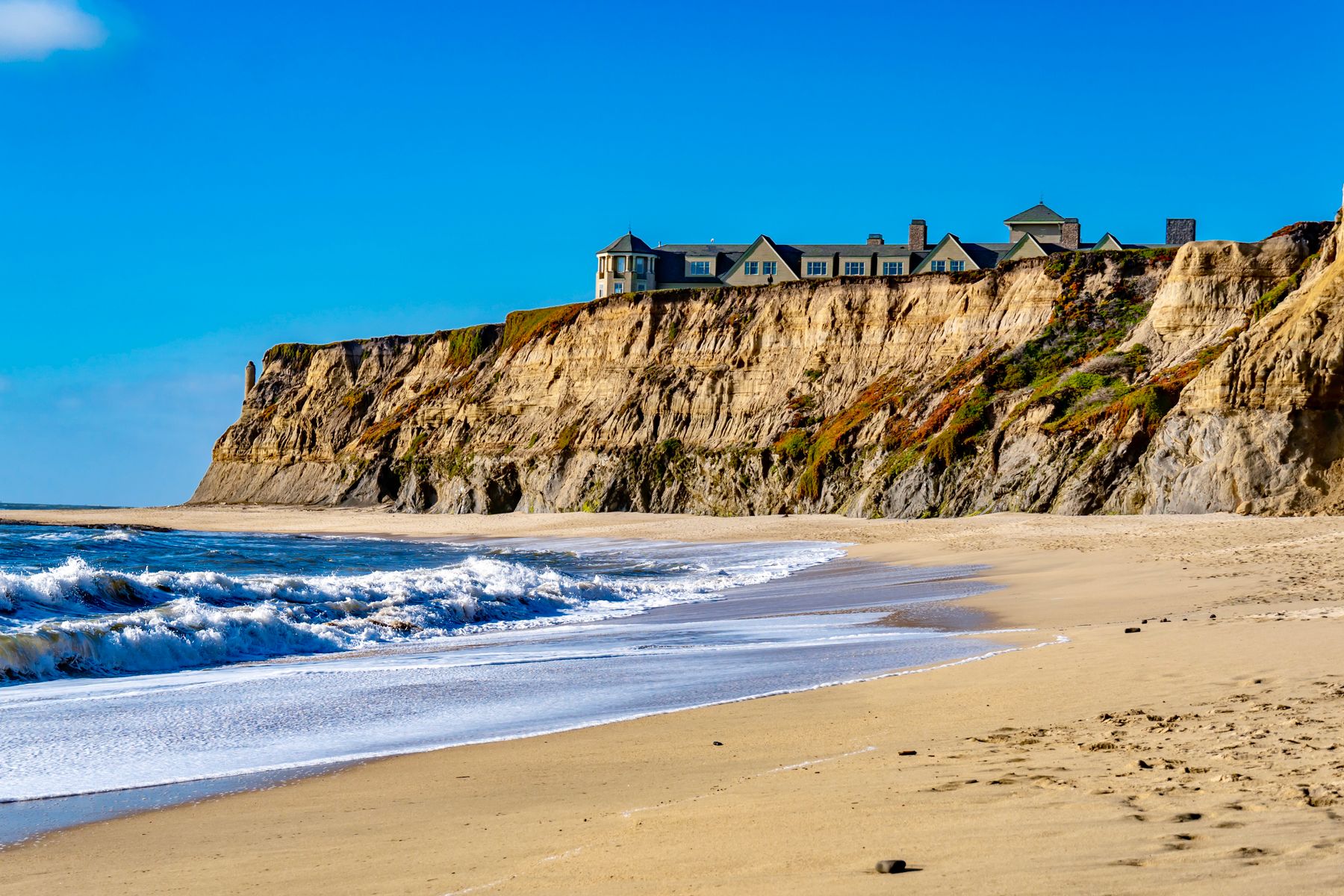
Choose the return route around your flight or final accommodation. A direct road journey and a scenic route with Santa Cruz or Half Moon Bay stops have very different timing. Allow for traffic, car return, terminal access, and your airline’s arrival requirements.
If your flight is early, move back to the Bay Area on day six and shorten the coastal portion. If you have a late departure or an extra night, a selected coastal stop can make a pleasant finish. Keep the final day useful rather than stressful.
Practical tip: Check the actual rental return branch and opening hours. An airport label does not always mean the car is returned beside the departure terminal.
Route Maps and Driving Allowances
| Journey | Planning approach |
|---|---|
| San Francisco to Yosemite accommodation | Allow roughly 4–6+ hours depending on the base, access, traffic, and stops |
| Gateway hotel to Yosemite Valley | Check the actual address; staying outside the park can add a meaningful daily drive |
| Yosemite area to Monterey | Allow roughly 5–6+ hours door to door with a brief break |
| Monterey to Carmel or northern Big Sur | Plan a half-day or longer with stops rather than using the shortest drive estimate |
| Monterey to your Bay Area departure | Check direct and scenic options separately and add the airport buffer |
Save a San Francisco-to-Yosemite orientation route, a Yosemite-to-Monterey route, and a Monterey-to-San-Francisco route. Adjust the hotel and airport addresses and inspect the selected roads before leaving.
For day six, use a Monterey-to-Bixby route only after checking current conditions. Maps help with orientation; they do not override road or park closures.
Where to Stay on This California Route
San Francisco: Two Nights
Choose a convenient area for your sightseeing and arrival transport, with a manageable walk to meals and transit. Confirm the exact block, room noise, luggage storage, and any accessibility needs. If collecting the car later, you can compare city hotels without requiring two nights of paid vehicle parking.
Yosemite Area: Two Nights
| Base type | Main advantage | Main tradeoff |
|---|---|---|
| Inside Yosemite Valley | Less commuting to central Valley sights | High demand, limited choices, and advance booking needs |
| El Portal or a suitable western gateway | Practical access via the western side | Check the actual drive, food options, and current road conditions |
| Mariposa or another farther gateway | More town services and varied accommodation | Longer daily travel to Valley activities |
| A different park approach | May fit a particular room or wider route | Recheck the drive, weather exposure, and effect on both transfer days |
Book by address and room details, not simply the words “near Yosemite.” Check reception hours, meals, fuel or charging, parking, and cancellation terms. A campground needs a separate booking and equipment plan.
Monterey or Carmel: Two Nights
Monterey suits aquarium and waterfront plans; Carmel suits a village-and-coast atmosphere. Compare hotel parking, stairs, room size, breakfast, and evening dining access. Families may prefer more space and a simple breakfast; couples may value a quiet room and a walkable dinner.
Yosemite Entry, Fees, and Seasonal Access
For 2026, Yosemite does not require a general timed entrance reservation. The standard private-vehicle entrance fee is $35 and is valid for seven consecutive days. Other reservations and activity permits are separate, and future-year rules can change.
Non-U.S. residents aged 16 and over currently face an additional $100-per-person fee unless admitted under qualifying pass rules. Check the park’s current residency, pass, and identification requirements before deciding what to buy. This extra charge is excluded from the sample budget below.
The loop uses western approaches rather than depending on a high-country crossing. Tioga Road and Glacier Point Road have seasonal closures, and tire-chain requirements can apply to park roads. Check the current route and your rental company’s equipment and use rules before entering winter conditions.
How Much Does This Seven-Day California Trip Cost?
Sample Budget for Two Adults
The example assumes six hotel nights, seven days of food, and five rental days. These are planning amounts, not live quotes. Hotel figures include estimated taxes and mandatory fees; the car figure assumes a suitable quote including taxes and your chosen protection.
| Item | Assumption | Total |
|---|---|---|
| Hotels | 6 nights × $210 | $1,260 |
| Food | 2 adults × 7 days × $60 | $840 |
| Car rental | 5 days × $80 | $400 |
| Fuel | Combined allowance | $180 |
| Parking, local transport, and tolls | Combined allowance | $120 |
| Yosemite standard vehicle fee | One entry pass | $35 |
| Other selected attractions | Combined allowance | $165 |
| Subtotal | Before contingency | $3,000 |
| Contingency | 10% | $300 |
| Total for two | Seven days and six nights | $3,300 |
Flights, shopping, premium activities, extra nights, and any non-U.S.-resident park charges are excluded. Recheck lodging and rental quotes for your dates. A peak-season room near Yosemite can change the total substantially.
Budget and Higher-End Variations
For savings, compare a modest but practical gateway property, casual meals, and fewer paid city attractions. Consider the transport cost before choosing a cheaper hotel farther away. For a more comfortable trip, add an extra Yosemite or coastal night before adding more stops.
Check restaurant bills for taxes, gratuities, or service charges, and include parking in hotel comparisons. A convenient room with an honest total can be better value than a lower advertised rate with several extra charges.
A Winter and Poor-Weather California Alternative
If mountain driving or park conditions do not suit your trip, use a coastal and city week. Keep the initial San Francisco nights, add three nights around Monterey/Carmel, and return to San Francisco for the final night before departure.
| Day | Alternative plan |
|---|---|
| 1–2 | San Francisco sightseeing and arrival time |
| 3 | Collect the car and travel to Monterey with a selected coastal stop |
| 4 | Monterey waterfront and a chosen indoor attraction |
| 5 | Carmel and an appropriate open coastal outing |
| 6 | Return to the Bay Area using a suitable current route |
| 7 | A light departure day |
Coastal storms can also affect roads and parks. Check current conditions and use a suitable inland connection when necessary. A weather alternative should reduce uncertainty, not simply move you to another closed route.
Food Stops and Dining Plans
San Francisco offers wide food choices; Monterey and Carmel add coastal dining and casual waterfront options. Yosemite-area choices depend heavily on where you stay and the season. Check meal hours before leaving a town and carry appropriate supplies for the park day.
Mix bakery breakfasts, simple lunches, and the dinners you care about. For dietary requirements, confirm ingredients and preparation directly. If you have an allergy, discuss cross-contact rather than relying only on a menu symbol. Reserve a special meal when it fits the route, not at the end of an uncertain long transfer.
Free and Budget-Friendly Things to Do
Public city walks, waterfront time, suitable coastal viewpoints, and the scenery included in your park visit can make much of the trip. Parking, transport, and park entry may still cost money. A free walk can be the main activity of a day rather than a filler between paid tickets.
If considering a pass, compare the attractions you actually plan to enter and their reservation rules. A city pass is unlikely to simplify every part of a multi-region road trip.
Trips for Families, Couples, Solo Travelers, and Accessible Travel
Families may prefer a shorter Valley walk and an aquarium day, with a reliable meal and rest routine. Couples may enjoy more Carmel time and a special dinner. Solo drivers should keep transfer days conservative and organize clear arrival plans before remote stretches.
For accessible or relaxed travel, confirm the actual room, car arrangements, attraction route, restroom, and parking surface. City hills, park paths, shuttles, and coastal stairs need different checks. Choose a shorter suitable route and give it enough time.
Best Photo Stops on This California Loop
| Area | Photo ideas | Practical consideration |
|---|---|---|
| San Francisco | Bridge viewpoints, waterfront, and neighborhood details | Fog, hills, traffic, and private property |
| Yosemite Valley | Granite cliffs, open viewpoints, and seasonal scenery | Road and path conditions, crowds, and wildlife rules |
| Monterey | Rocky coast and waterfront scenes | Wind, safe edges, and current public access |
| Carmel | Beach scenery and village details | Sand, residents’ privacy, and photography restrictions |
| Northern Big Sur | Bixby and legal coastal viewpoints | Safe parking, roadworks, and closed areas |
Do not step beyond barriers, block a road, or approach wildlife for a photograph. Check current drone and commercial photography rules separately. A dramatic image is never a reason to use a closed path.
Driving, Documents, and Other Essentials
International visitors should confirm U.S. entry documents and accepted driving documents for their rental situation. Check driver age, additional drivers, payment card, deposit, coverage, roadside assistance, and toll terms before collection.
Download maps and hotel details, keep a backup payment method, and plan fuel or charging before remote sections. Save park tickets and reservations offline. Confirm luggage storage, restrooms, and meals rather than assuming they are available at every stop.
For immediate police, fire, or medical help, call 911. Save your rental assistance number, insurer details, and accommodation contacts. Use Yosemite National Park for park conditions, Caltrans for highway information, and the individual attraction for its own access rules.
What to Pack for the Week
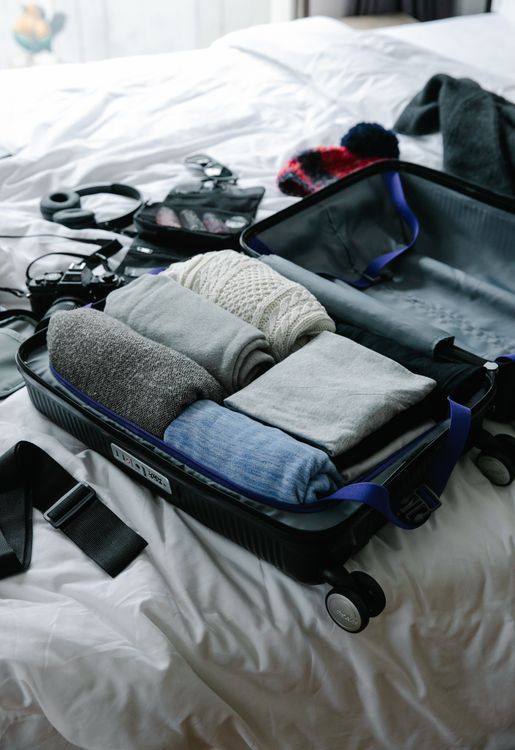
- Comfortable shoes and layers for city, mountain, and coastal weather.
- A practical rain layer, sun protection, and refillable water bottles.
- Driving and travel documents, saved tickets, and hotel addresses.
- Phone chargers, a power bank, and offline maps.
- Snacks and appropriate supplies for the park day.
- Personal medication, accessibility equipment, and family essentials.
- Any vehicle equipment required for your actual route and season.
Check several local forecasts before leaving. Keep daily essentials accessible and follow park storage rules for food and scented items.
Common Mistakes on a Seven-Day California Road Trip
- Adding distant cities to an already full regional loop.
- Counting arrival and departure days as full sightseeing days.
- Booking a “Yosemite area” hotel without checking the actual drive.
- Assuming a summer mountain route is available in winter.
- Scheduling a timed attraction immediately after a long transfer.
- Trying to combine every Monterey, Carmel, and Big Sur option on day six.
- Leaving too little time for the final car return and airport journey.
Frequently Asked Questions About This California Itinerary
Is Seven Days Enough for a California Road Trip?
Yes, for a focused regional trip. This loop covers San Francisco, Yosemite, and Monterey/Carmel with three overnight bases. Add days for a broader journey.
Do I Need the Car in San Francisco?
You may prefer to collect it on day three after the city portion. Compare public transport and selected road transfers with rental and parking costs for the first two days.
Is Yosemite Worth Including for Two Nights?
Two nights provide a full park day between transfers. It suits a focused Valley visit; hikers and travelers wanting more park areas should add time and check seasonal access.
Do I Need a Yosemite Entrance Reservation?
No general timed entrance reservation is required for 2026. Check current rules for your actual year, plus separate permits, accommodation, activity reservations, and entrance fees.
Can I Do This Route in Winter?
Only with a suitable mountain plan and current access checks. If winter driving does not suit you, use the coastal alternative and continue checking storms and road conditions there too.
Should I Add Los Angeles?
Add enough days for the transfer and a worthwhile city stay, or build a different route. The week here is designed around Northern California.
What Is the Sample Budget for Two Adults?
The illustrative total is $3,300 for seven days and six nights, excluding flights, extra nights, premium activities, and any additional non-U.S.-resident park fees.
Your Final Seven-Day California Checklist
- Confirm the three bases and your arrival and departure timing.
- Check Yosemite’s current entry, road, and weather requirements.
- Reserve accommodation and priority activities.
- Compare the full rental and parking costs.
- Save routes, fuel or charging plans, and the winter alternative.
- Leave transfer-day activities flexible.
- Pack for the city, mountains, and coast.
- Allow a proper buffer for the final drive, vehicle return, and flight.
Reader Questions and California Travel Experiences
Earth Trekkers’ Yosemite guide recommends additional park time for travelers who want more hiking and high-country exploring. That is a useful way to adapt this loop: add a park day when Yosemite is the main reason for traveling, keeping the rest of the route manageable.
Have you combined San Francisco, Yosemite, and Monterey? Share your season, hotel bases, real transfer times, and one change you would make. Those details help other readers plan around their own interests and abilities.
Explore More Travel Guides
Plan city time with our San Francisco attractions guide. For the coast, see Pacific Coast Highway road trip stops. You can also explore our Route 66 itinerary, Los Angeles guide, and East Coast family road trips.
What would you like to know before you go?
Send us your question, feedback, or a place you would like to see covered.
Ask a travel question
Leave a Reply