Written by Ari Mayzick · Go Travel Box
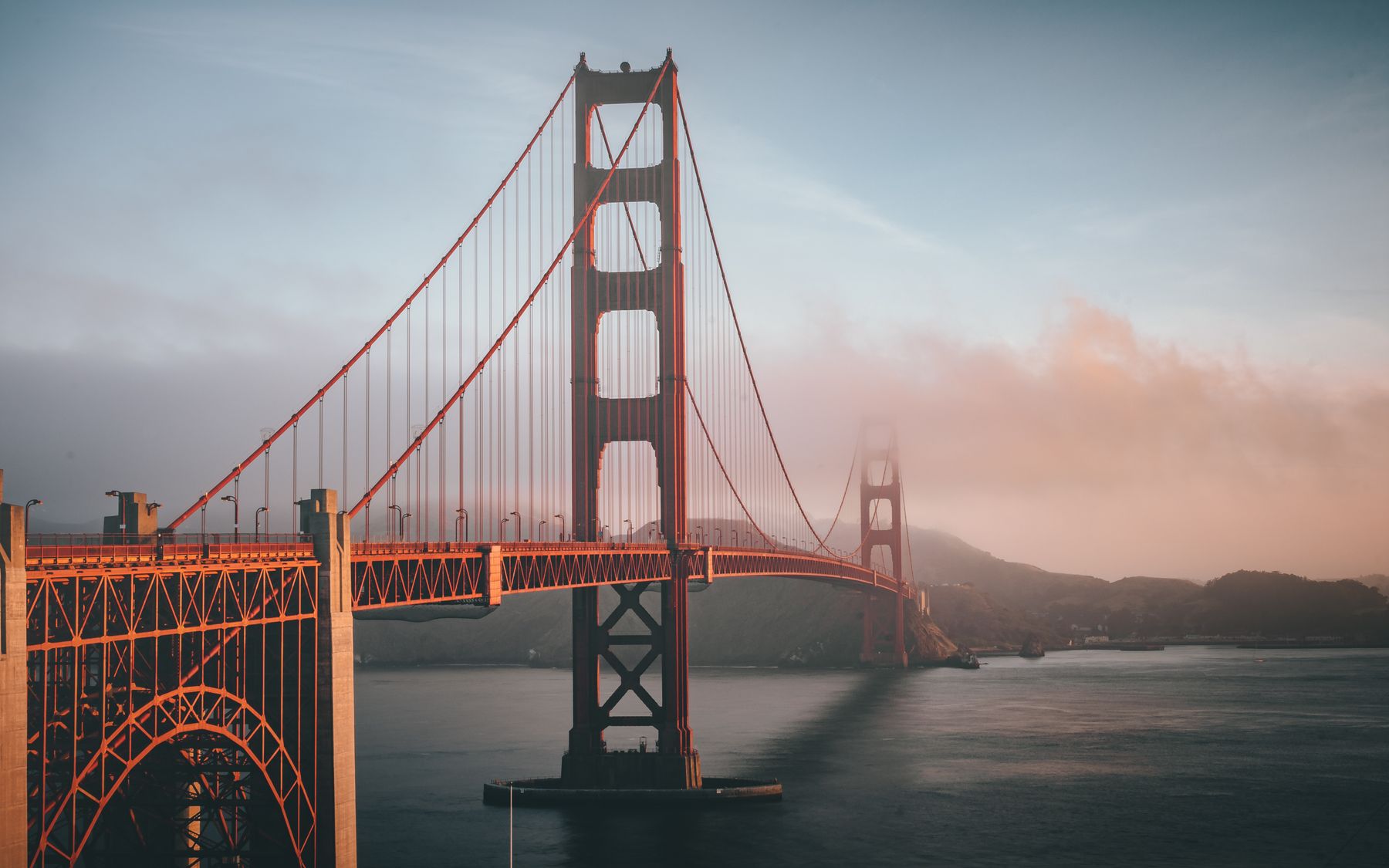
San Francisco is a city of small journeys with big changes of scene. You can leave a sunny neighborhood café, climb a steep street, and reach a waterfront wrapped in cool mist. A cable car rattles past, a ferry crosses the bay, and suddenly the place you know from photographs feels very real.
The famous sights deserve their place on a first itinerary, but the most enjoyable trip gives you time between them. Stop for something good to eat, take in a neighborhood, and let the weather help you choose your next view.
This guide covers 14 of the best tourist attractions in San Francisco, with maps, visit lengths, booking advice, practical routes, and realistic budget examples. It combines official visitor information with editorial planning suggestions. Important prices and travel details were checked on November 10, 2026; confirm your dates again before booking or setting out.
First Trip to San Francisco? Start Here
For a first visit, start with the Golden Gate Bridge, Alcatraz, a cable car ride, Golden Gate Park, Chinatown, and a waterfront outing. Add a museum, a neighborhood food walk, or a coastal trail according to your interests.
Three days gives you a useful introduction; five days lets you explore with more breathing room. A central sightseeing trip is usually easier without a rental car. Walking, Muni, and occasional taxis or rideshares can cover much of it, while BART provides a useful SFO airport connection.
Put Alcatraz on the calendar early if it matters to you. Then group the rest by area. Remember that a short line on the map can include a serious hill, and the Golden Gate Bridge and Golden Gate Park are separate places.
San Francisco at a Glance
| Planning question | Quick answer |
|---|---|
| Location | Northern California, between the Pacific Ocean and San Francisco Bay |
| Good first-trip length | Three to five days; a week adds neighborhoods, coast, and a nearby day trip |
| Best approach | Group nearby sights and allow extra time for hills, queues, and weather |
| Seasons to consider | Spring and early fall for mixed sightseeing; summer can be cool and foggy near the coast |
| Main airport | San Francisco International Airport, SFO; compare OAK when its flight and onward journey suit you |
| Useful hotel areas | Union Square, the Embarcadero area, Fisherman’s Wharf, and selected Marina or Nob Hill locations |
| Do you need a car? | Usually unnecessary for the city; consider one for selected days of a wider road trip |
| Daily planning allowance | Roughly $140–$200 budget, $230–$350 midrange, or $430–$750+ higher spend per adult sharing a room |
| Reserve first | Alcatraz landing tour, important meals, popular museum visits, and any organized day trip |
| Easy free highlights | Bridge viewpoints, Palace of Fine Arts grounds, public neighborhood walks, Alamo Square, and sea lion viewing at PIER 39 |
| Time zone | Pacific Time; daylight saving changes apply |
These spending ranges are estimates for planning, not live hotel or package offers. Flights, major shopping, and unusually expensive experiences are outside the everyday allowances.
Table of Contents
- First Trip to San Francisco? Start Here
- San Francisco at a Glance
- 14 Best Tourist Attractions in San Francisco
- How to Plan Your First Trip to San Francisco
- Best Time to Visit San Francisco
- How Much Does a Trip to San Francisco Cost?
- Where to Stay in San Francisco
- How to Get to San Francisco
- How to Get Around San Francisco
- San Francisco Itinerary Ideas
- What and Where to Eat in San Francisco
- Free and Budget-Friendly Things to Do
- More San Francisco Experiences to Consider
- Experiences for Different Travelers
- Best Photography Spots in San Francisco
- Day Trips and Road Trips From San Francisco
- Essential Things to Know Before You Go
- What to Pack for San Francisco
- Important Contacts and Official Resources
- Common Mistakes First-Time Visitors Make
- Frequently Asked Questions About San Francisco
- Your Final San Francisco Planning Checklist
- A Traveler's Experience and Your Questions
- Explore More USA Travel Guides
14 Best Tourist Attractions in San Francisco
Choose the attractions that match your interests. The suggested visit lengths below are planning estimates, with extra time needed for meals, travel, and queues. Free public access does not automatically include parking, a guided tour, or admission to a venue inside the area.
1. Golden Gate Bridge
The Golden Gate Bridge is worth seeing slowly. Watch the towers appear and disappear in mist, look across the bay, and walk a portion of the span if the conditions suit your group. You can enjoy the landmark without turning the visit into a full crossing.
- Best for: First-time visitors, engineering, bay views, and memorable photos.
- Location and map: Golden Gate Bridge Welcome Center.
- Time needed: Around 90 minutes to two hours for the south-side area and a selective walk; longer for a full crossing.
- Cost and booking: Pedestrian access is free. Transport, parking, and any guided experience are separate.
- Getting there: Choose a bus, tour, or suitable drop-off, then check the final approach to the visitor area.
- Accessibility: Pedestrians, including mobility-device users, use the east sidewalk. Review the approach, distance, and current access notices for your needs.
- Nearby stops: Presidio viewpoints, Tunnel Tops, or the Marina area, using an appropriate connection.
- Practical tip: Sidewalk hours change seasonally and temporary closures can apply. Bring a wind-resistant layer and follow posted directions for pedestrians and cyclists.
2. Alcatraz Island
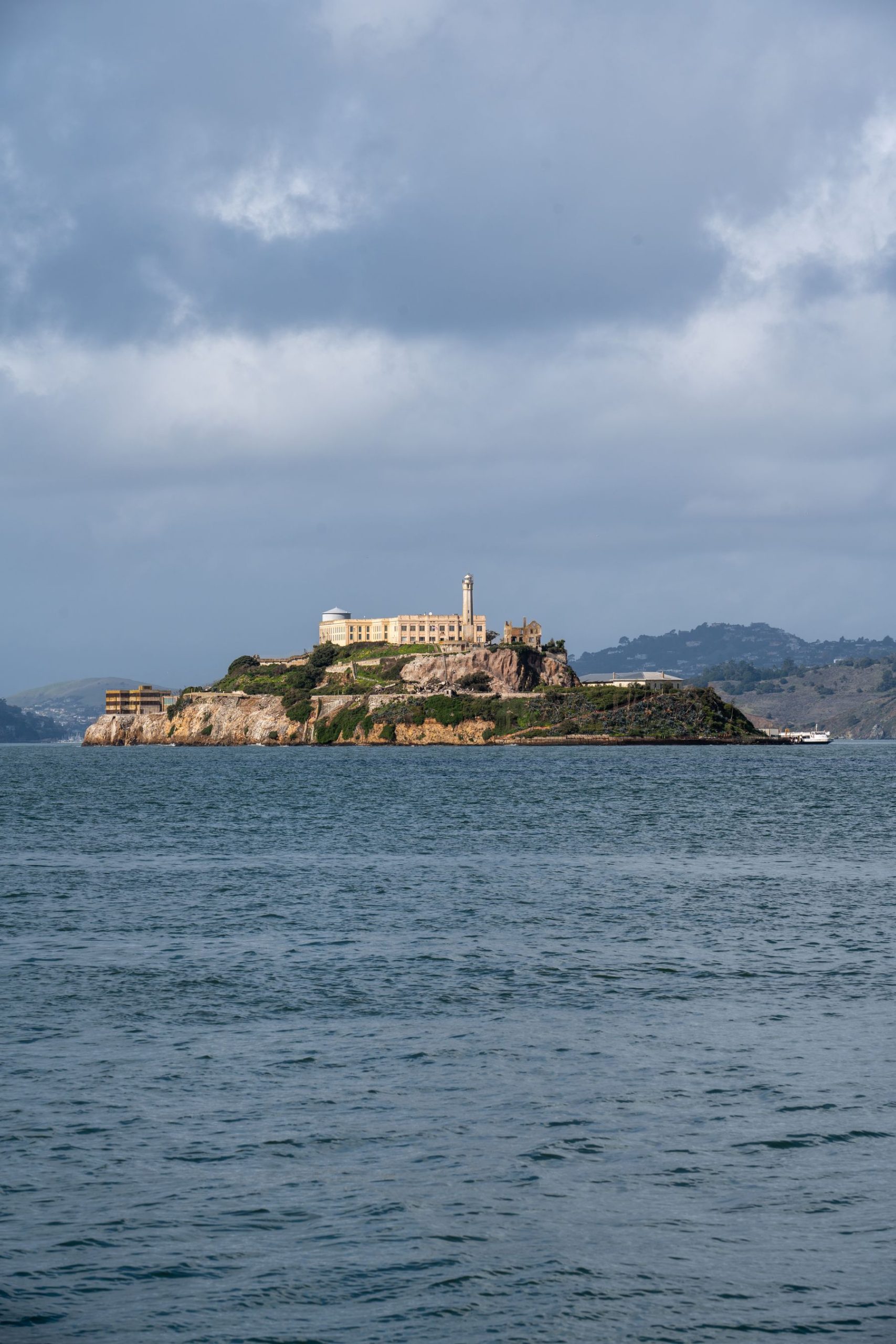
Alcatraz offers more than a look inside a former prison. The ferry journey, island setting, history, and cellhouse audio tour make it a substantial outing. Give it enough time to explore without worrying about a tightly timed reservation immediately afterward.
- Best for: History, the cellhouse audio experience, and views across the bay.
- Location and map: Ferries depart from Pier 33 Alcatraz Landing.
- Time needed: Around three to four hours including the ferry, with longer specialist tours available.
- Cost and booking: Alcatraz City Cruises is the ferry operator authorized by the National Park Service (NPS). Choose the correct dated tour, age category, and inclusions, and check the final price.
- Getting there: Plan your waterfront connection and arrive with the boarding time requested on the ticket.
- Accessibility: The island has steep routes. NPS lists an accessible S.E.A.T. tram and other services; confirm both ferry and island arrangements for your needs.
- Nearby stops: Fisherman’s Wharf, PIER 39, or North Beach afterward.
- Practical tip: A sightseeing cruise around Alcatraz does not mean you can land on the island. National park passes also do not replace the required ferry ticket. Reserve ahead, especially around holidays.
3. Fisherman’s Wharf and PIER 39
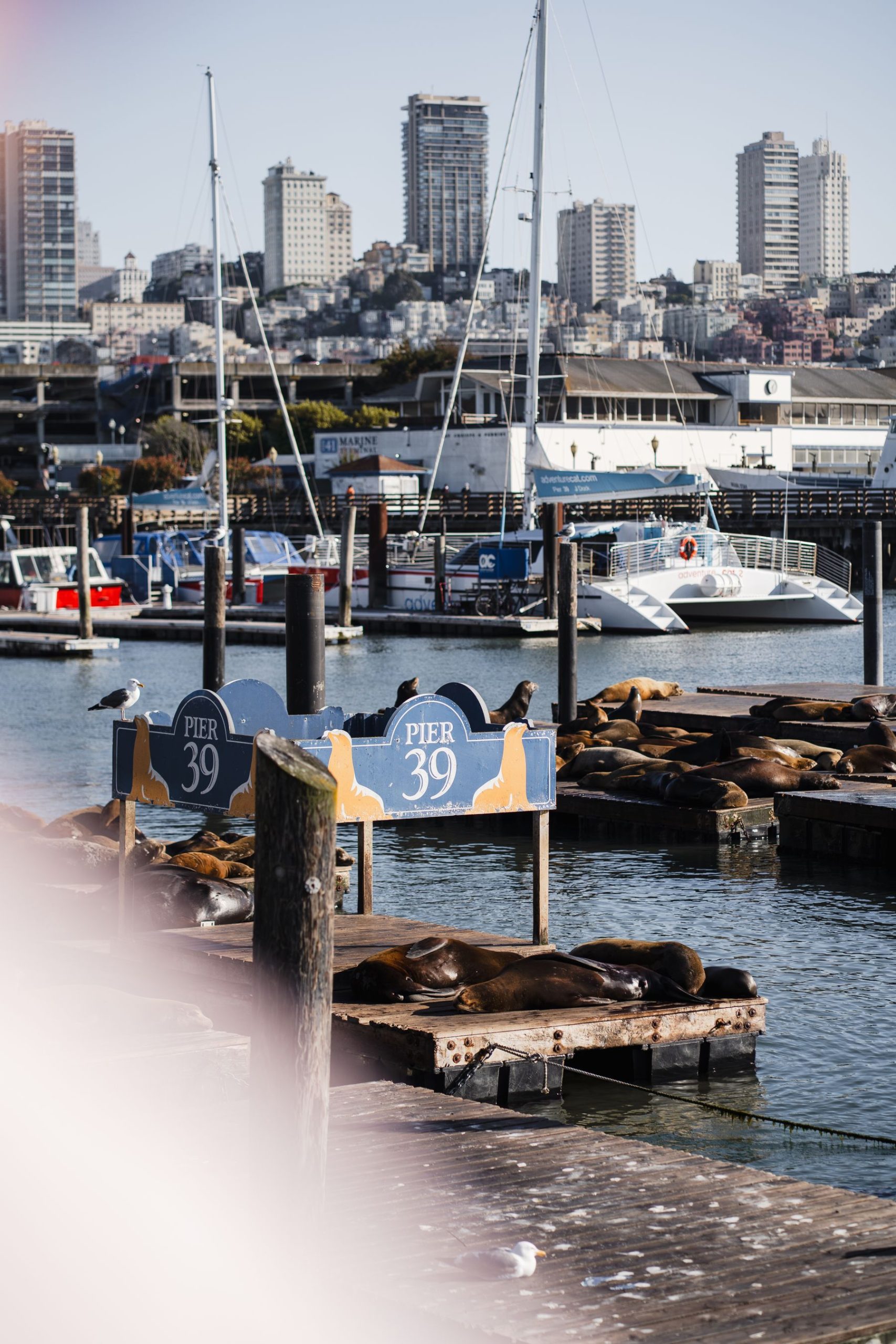
The Wharf is an easy introduction to the visitor waterfront. Enjoy a short walk, look for the sea lions at PIER 39, and choose the activities you actually want. You can have a good time here without buying a ticket at every stop.
- Best for: Families, a first waterfront outing, sea lion watching, and casual browsing.
- Location and map: PIER 39 and the wider Fisherman’s Wharf area.
- Time needed: About two to three hours for a selective visit and a meal.
- Cost and booking: Public waterfront walks and designated sea lion viewing are free. Individual attractions, cruises, food, and parking cost extra.
- Getting there: Use a suitable Muni connection or walk from a nearby accommodation or ferry outing.
- Accessibility: Check the specific route and venue entrances, including the distance along each pier.
- Nearby stops: Pier 33, the northern cable car terminals, or North Beach.
- Practical tip: Sea lions are wildlife, so numbers and activity vary. Watch from the public viewing areas and give them space.
4. A Historic Cable Car Ride
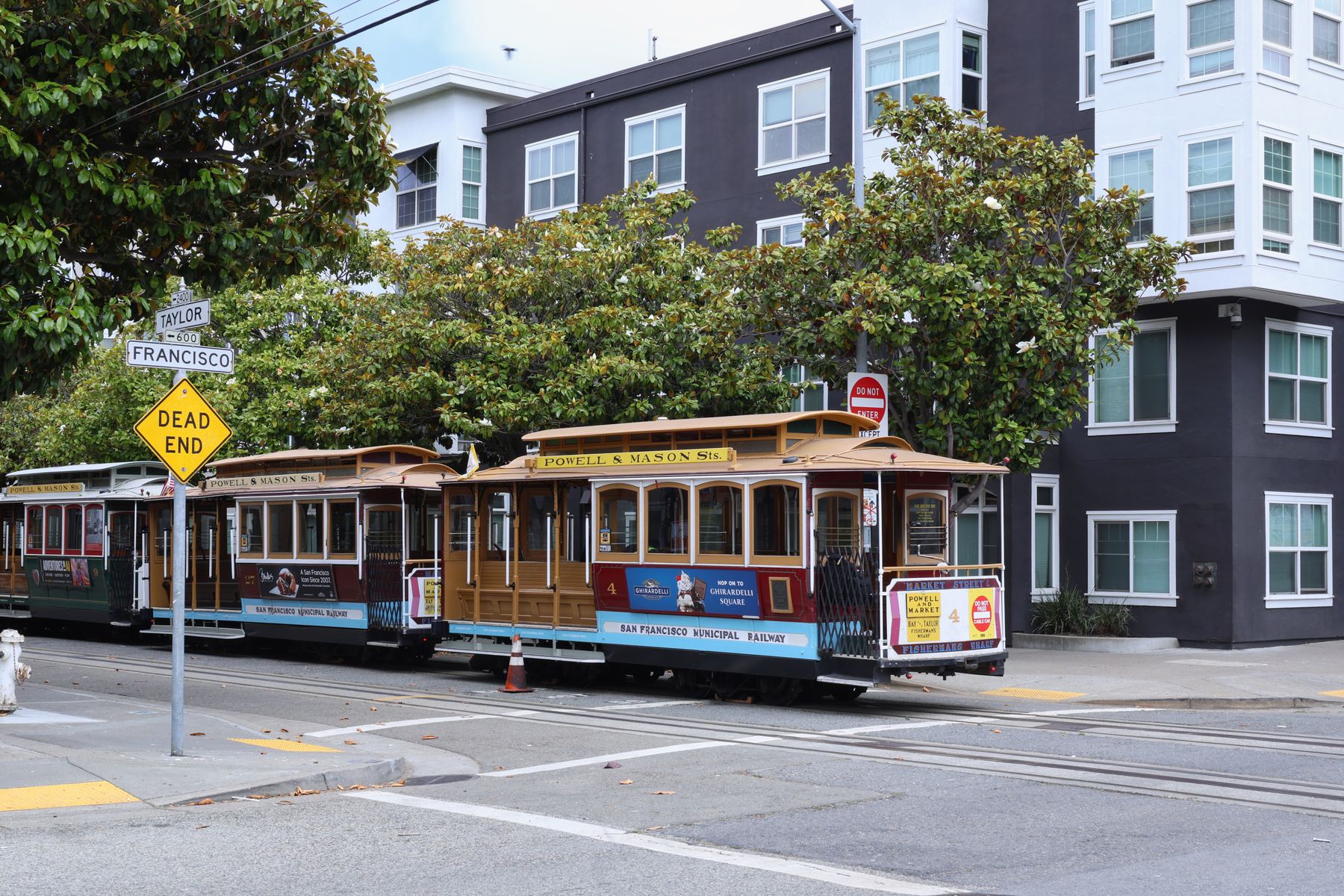
A cable car ride turns a journey across the city into part of the day. The changing street views and the sound of the machinery make it a distinctive experience, even if you only ride one line.
- Best for: A classic San Francisco experience and a scenic journey through the hills.
- Location and map: Powell and Market cable car turnaround is one familiar starting point.
- Time needed: Allow roughly an hour including some waiting; terminal queues can be much longer.
- Cost and booking: A single one-way ride currently costs $9. A suitable Visitor Passport includes cable cars; the ordinary Muni Day Pass does not.
- Getting there: Compare the Powell–Hyde, Powell–Mason, and California lines with your actual destination.
- Accessibility: Historic cable cars are not wheelchair accessible. SFMTA provides accessible bus, rail, and historic streetcar options to compare.
- Nearby stops: Choose a route that fits Chinatown, Nob Hill, Russian Hill, or the Wharf area.
- Practical tip: Follow the crew’s boarding and riding instructions. Cable cars and the F-line historic streetcars are different services with different fare rules.
5. Golden Gate Park
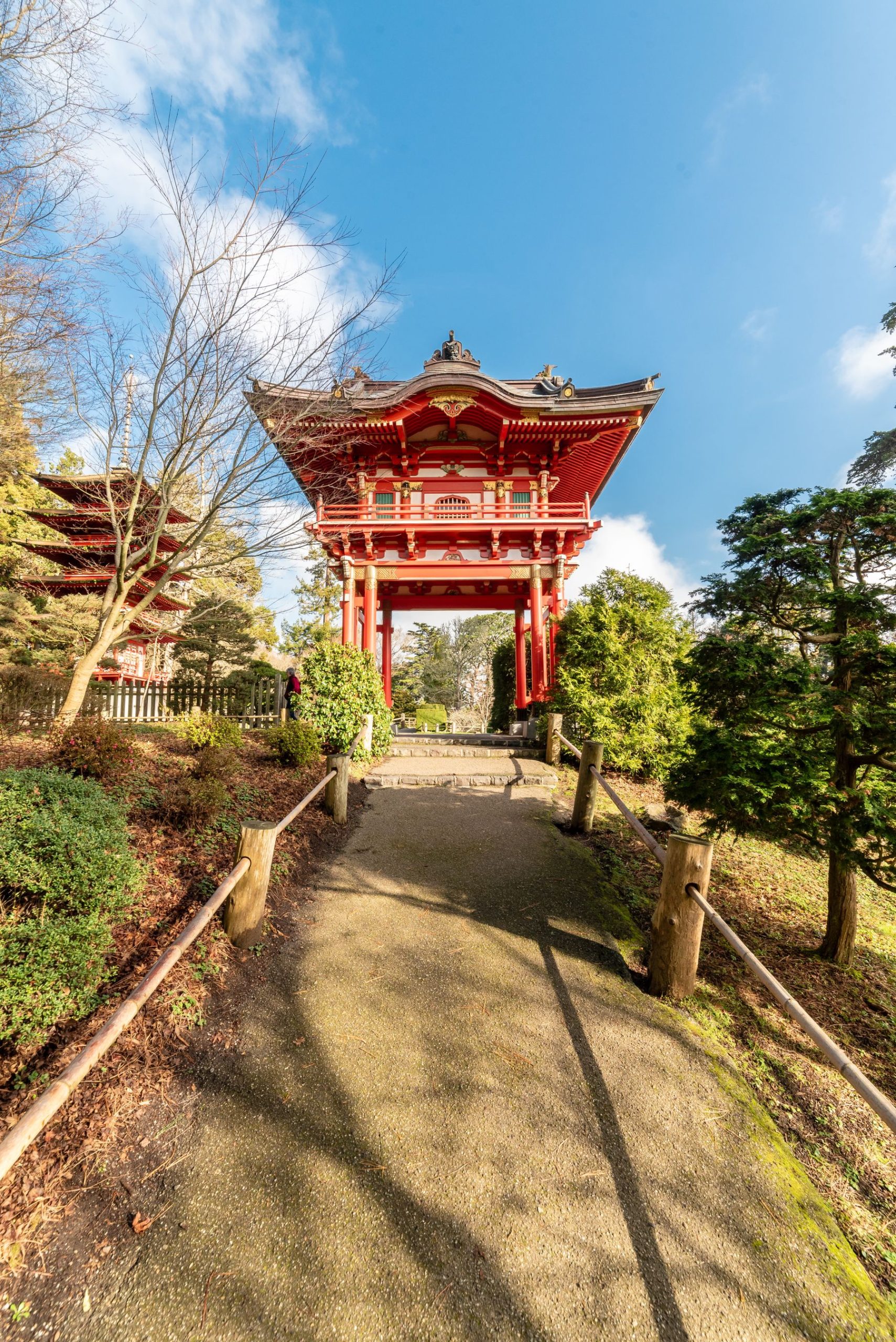
Golden Gate Park is large enough to deserve its own part of the itinerary. Choose a garden, museum, or manageable stretch of green space rather than trying to see every named attraction in one visit.
- Best for: Gardens, museums, outdoor time, and an afternoon at a gentler pace.
- Location and map: Golden Gate Park Music Concourse area is a useful starting point for several attractions.
- Time needed: Half a day for a selective visit; a full day if you add a substantial museum.
- Cost and booking: Public park areas are free. The Japanese Tea Garden, Botanical Garden, Conservatory of Flowers, museums, and special experiences have their own admission rules.
- Getting there: Pick the entrance closest to your chosen activity and use the current Muni route to reach it.
- Accessibility: Check the particular garden or museum’s paths, entrance, seating, and access services.
- Nearby stops: Choose among the Japanese Tea Garden, de Young, California Academy of Sciences, or another park interest.
- Practical tip: The photo shows the Japanese Tea Garden, one venue within the park. Resident offers and free-entry periods have specific conditions; check those details before assuming entry is free.
6. Palace of Fine Arts
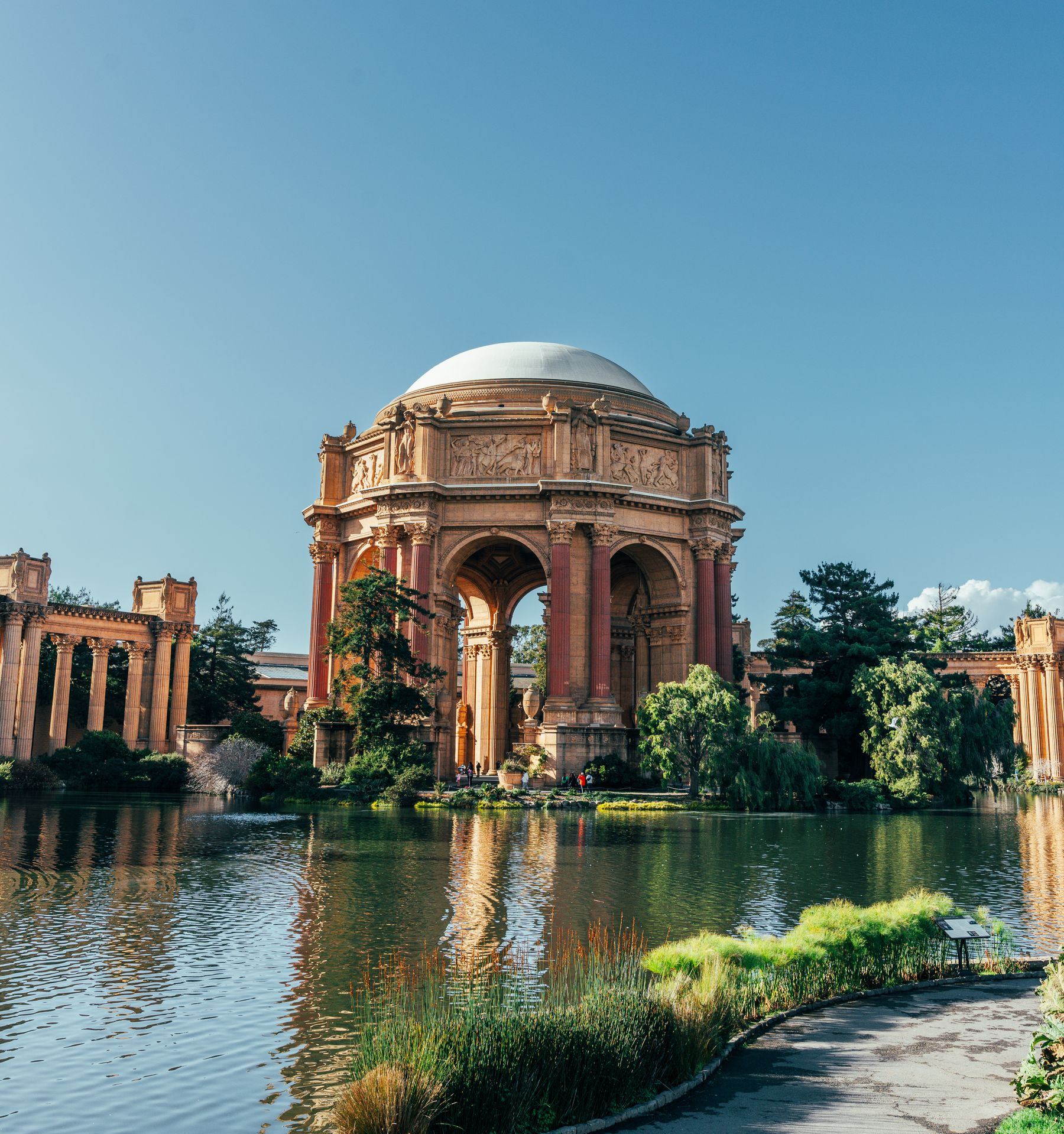
The Palace of Fine Arts is an enjoyable pause between bigger outings. Walk beside the lagoon, look up at the rotunda and columns, and take time to appreciate the setting. It works particularly well when you want a beautiful stop without a long indoor visit.
- Best for: Architecture, photography, couples, and a relaxed outdoor break.
- Location and map: Palace of Fine Arts, 3601 Lyon Street.
- Time needed: Around 45–90 minutes.
- Cost and booking: The public outdoor area is free. Performances, rentals, or other indoor events may have separate arrangements.
- Getting there: Use a Marina-area connection and allow time for the final walk.
- Accessibility: Check the approach and current path conditions; some routes are easier than a longer circuit around the site.
- Nearby stops: Marina cafés, the Presidio, or a suitably planned bridge outing.
- Practical tip: This is in the Marina area, separate from Golden Gate Park. Check any temporary repair or access notices before visiting.
7. Chinatown
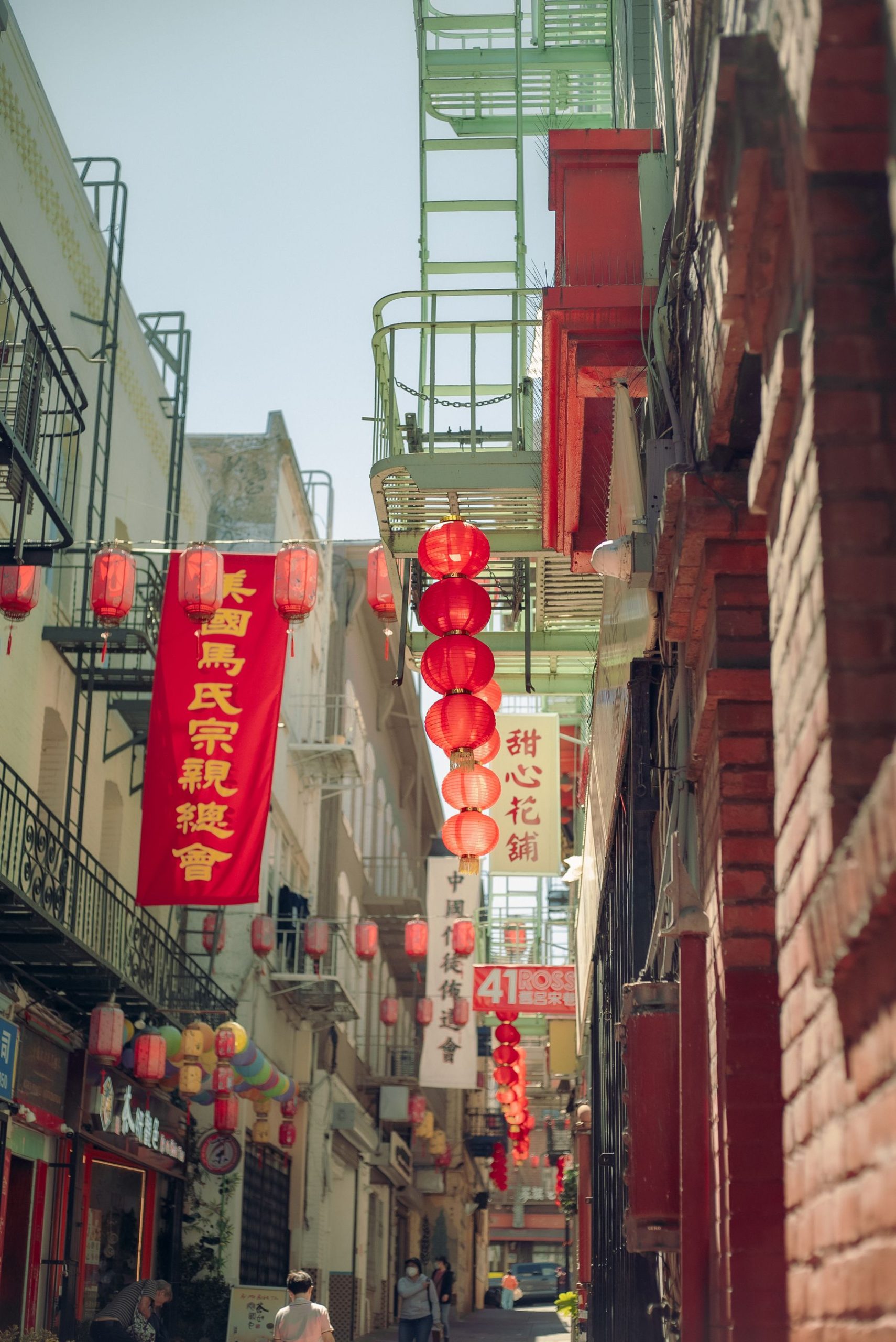
Chinatown is best enjoyed as a living neighborhood. Browse with curiosity, stop for food or tea, and look beyond one gate or photo spot. A guided cultural walk can add context that is easy to miss on a quick pass through.
- Best for: Food, community history, shops, and neighborhood exploring.
- Location and map: Chinatown near Grant Avenue.
- Time needed: Two to three hours with a meal or cultural stop.
- Cost and booking: Public streets are free to explore. Food, museums, guided walks, and purchases have separate prices.
- Getting there: Compare a walk from Union Square, a Muni route, or the nearby subway connections with your starting point.
- Accessibility: Some approaches are steep. Choose the route and venue entrances that suit your group.
- Nearby stops: North Beach, the Financial District, or a separately planned Coit Tower visit.
- Practical tip: Ask before taking close photographs of people, respect shop rules, and check opening hours for any museum or specific food stop you want.
8. Ferry Building and the Embarcadero
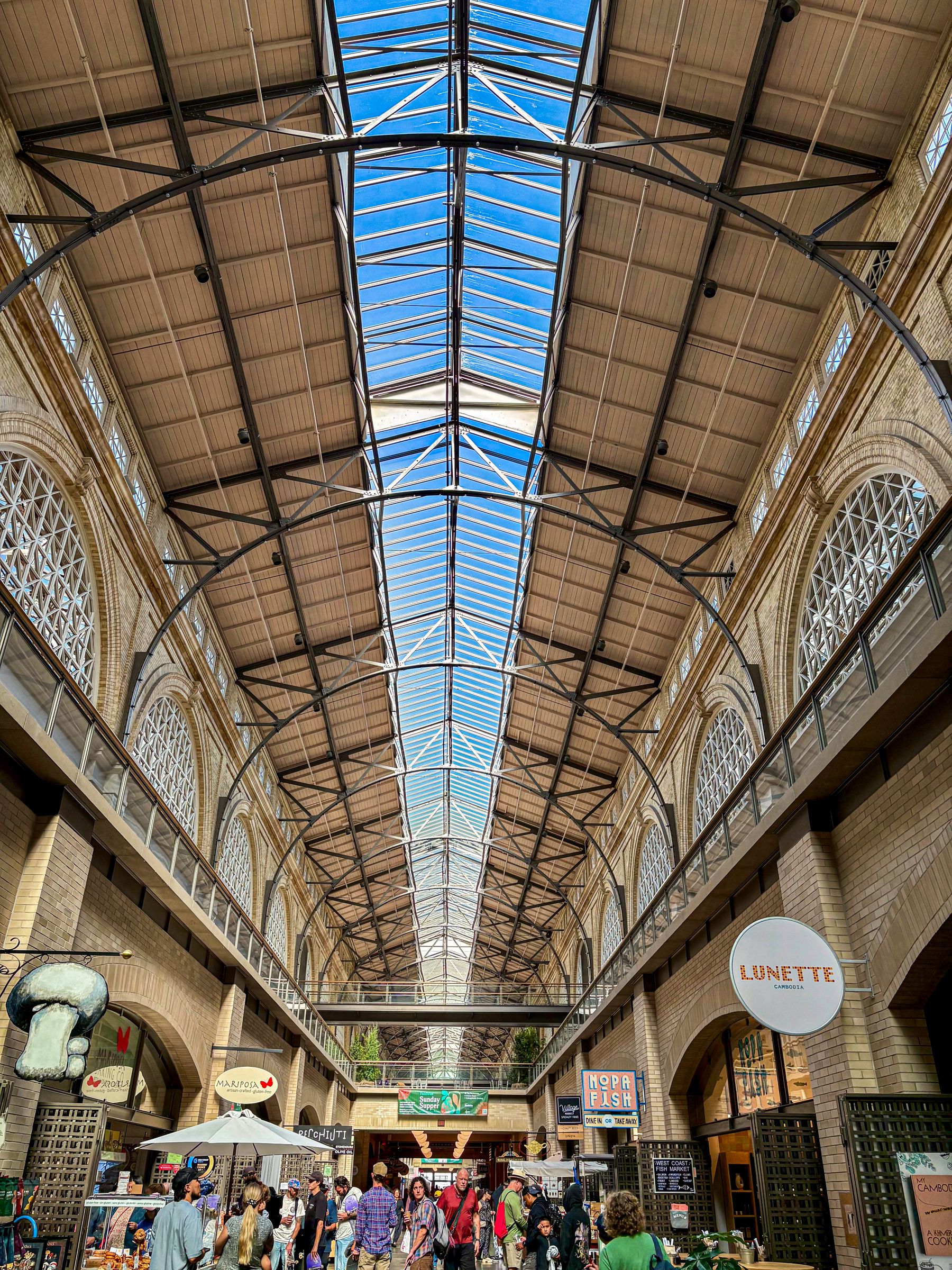
The Ferry Building makes a good place to slow down over a snack or lunch. Browse the marketplace, see what appeals to you, and step outside for waterfront views. It is an especially useful stop when your group wants different things to eat.
- Best for: Food, browsing, the waterfront, and a flexible meal break.
- Location and map: San Francisco Ferry Building.
- Time needed: About one to two hours, longer with a market visit or a full meal.
- Cost and booking: Marketplace admission is free. Pay separately for food, purchases, tours, or a ferry journey.
- Getting there: Embarcadero transit connections are useful; check the actual walking route to the entrance.
- Accessibility: Compare the entrance, merchant seating, and any ferry boarding arrangements you need.
- Nearby stops: Embarcadero walks or a South of Market museum visit using a suitable connection.
- Practical tip: Individual merchants and farmers markets keep different hours. Saturday has a larger market; check the current market calendar and vendor times.
9. Painted Ladies and Alamo Square
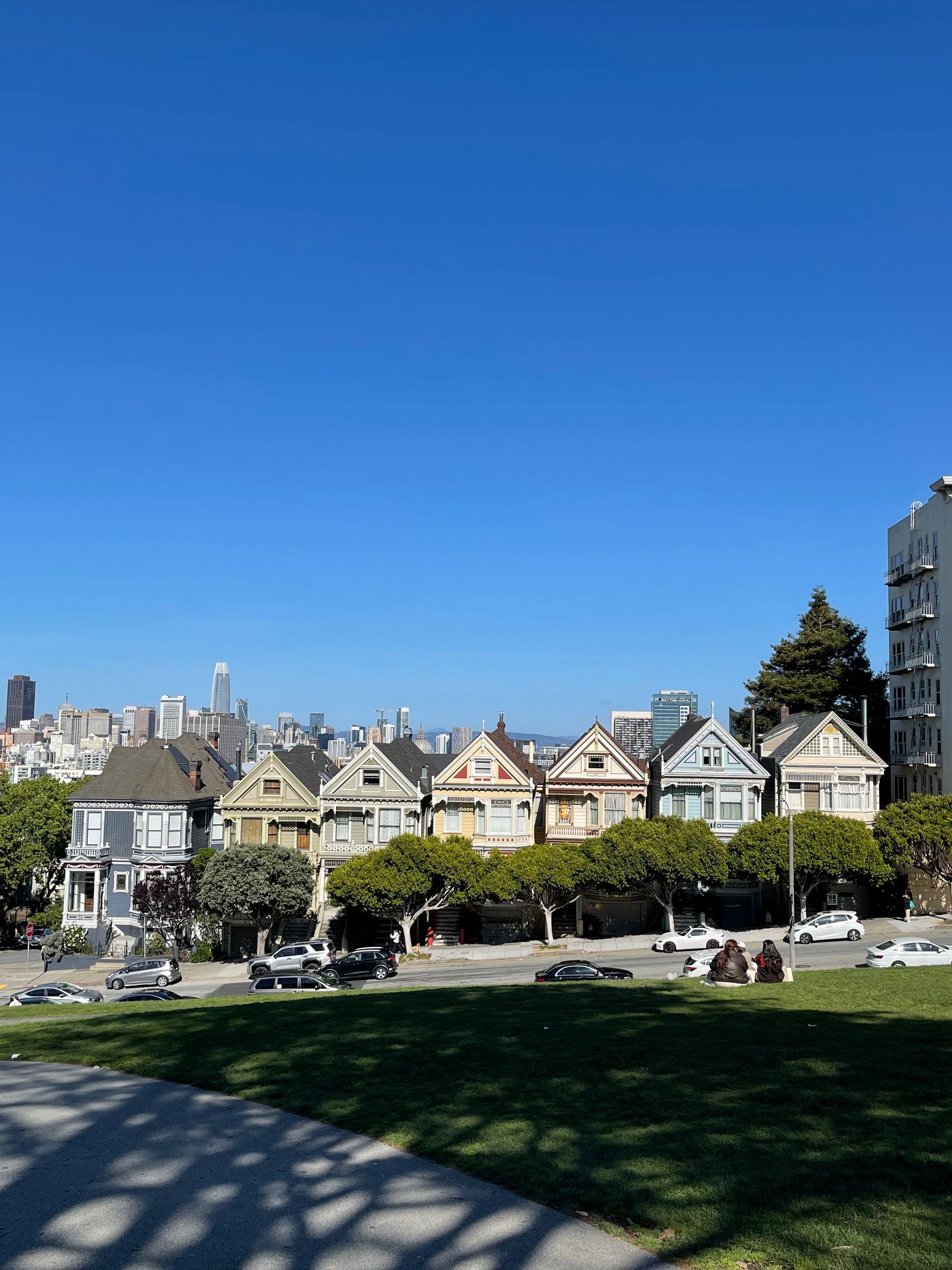
The Painted Ladies are a short, rewarding stop rather than an attraction that needs half a day. Enjoy the view from Alamo Square, then use the remaining time for a neighborhood café or another nearby part of your route.
- Best for: Classic city photos, Victorian architecture, and a park break.
- Location and map: Painted Ladies at Alamo Square.
- Time needed: Around 30–60 minutes.
- Cost and booking: Viewing from public areas is free. Private homes have their own access rules.
- Getting there: Check a Muni connection and the walk up to your preferred park viewpoint.
- Accessibility: Alamo Square is hilly; select the entrance and path for your needs.
- Nearby stops: A local meal or a planned connection toward Golden Gate Park or Hayes Valley.
- Practical tip: The houses are homes. Stay on public paths, keep driveways clear, and avoid photographing into windows.
10. Lombard Street
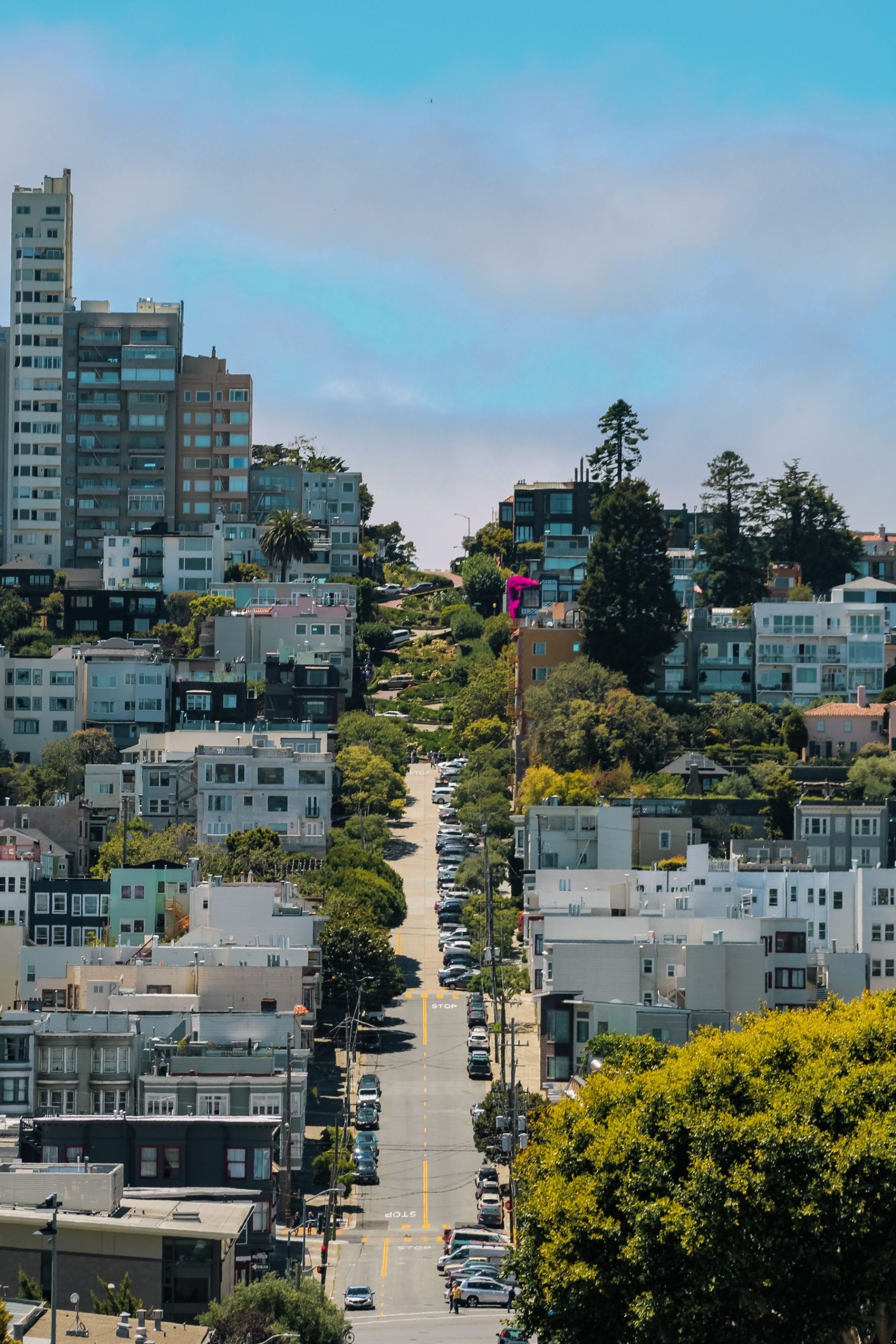
The famous winding block of Lombard Street is a fun photo stop when it fits your route. See the landscaped turns and hillside setting, then move on rather than spending a large part of the day in traffic to drive one short stretch.
- Best for: A recognizable landmark, street views, and a brief Russian Hill stop.
- Location and map: Lombard Street’s winding block, between Hyde and Leavenworth.
- Time needed: Around 30–45 minutes, plus the approach.
- Cost and booking: Public viewing is free. Transport, parking, or a guided outing are separate.
- Getting there: Compare the actual uphill route with a cable car, bus, or appropriate drop-off connection.
- Accessibility: The area is steep and the pedestrian routes include stairs. Plan carefully if slopes or steps are difficult.
- Nearby stops: Russian Hill, North Beach, or the Wharf, allowing for hills between them.
- Practical tip: Use public walkways, watch for vehicles, and respect the residents. The famous bends are only one block of a much longer street.
11. Coit Tower and Telegraph Hill
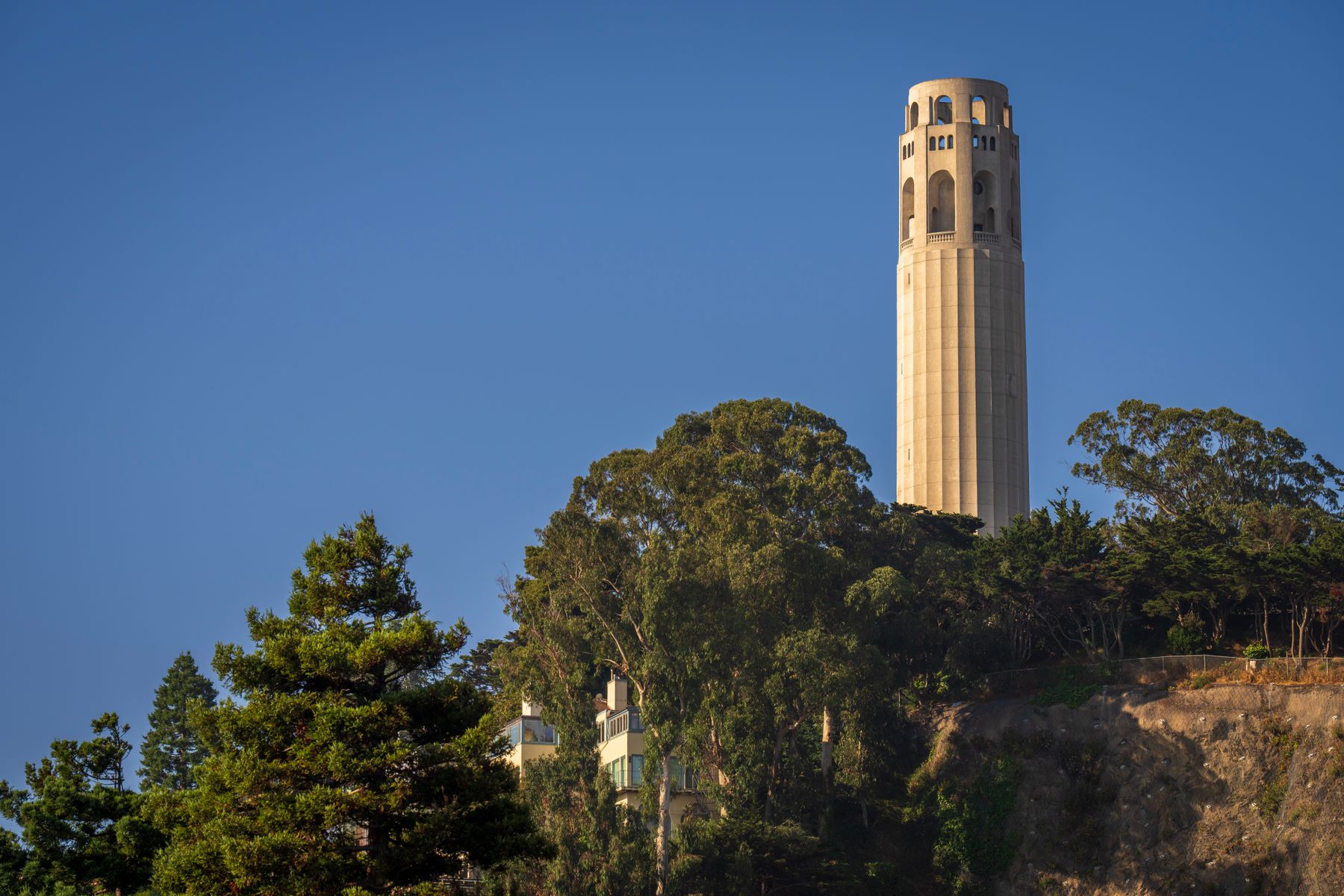
Coit Tower combines a hilltop setting with historic murals and a paid viewing experience. The approach can be part of the pleasure for confident walkers, but using transport for the climb can make the outing more enjoyable for others.
- Best for: Views, murals, and a quieter historic stop above the surrounding streets.
- Location and map: Coit Tower.
- Time needed: About one to two hours, depending on access, queues, and your route.
- Cost and booking: Ground-floor mural viewing is free; the viewing-platform ticket is separate. The City’s current listed adult nonresident elevator entrance fee is $11.
- Getting there: Check a current bus or drop-off connection if you want to reduce the uphill approach.
- Accessibility: Confirm the exact viewing access for your needs. The City warns that the old lift can be unavailable, with a potential climb of 13 flights of stairs.
- Nearby stops: North Beach or Chinatown, using a suitable onward route.
- Practical tip: Check opening times, lift status, and ticket cutoff times. A hilltop location on a map does not tell you whether the viewing route will work for your group.
12. San Francisco Museum of Modern Art — SFMOMA

SFMOMA is a useful choice when you want a substantial art visit or a good indoor plan. Pick the collections and exhibitions that interest you, allow time to look closely, and take a break before museum fatigue sets in.
- Best for: Modern and contemporary art, architecture, and a rainy-day anchor.
- Location and map: SFMOMA, 151 Third Street.
- Time needed: Two to four hours for a focused visit.
- Cost and booking: Standard adult admission is currently $30. Visitors 18 and younger receive free general admission but still need a ticket. Check any exhibition-specific arrangements.
- Getting there: Compare the final walk from a central BART, Muni, or bus connection.
- Accessibility: Review museum access services, seating, and the specific needs of your visit before booking.
- Nearby stops: Yerba Buena area or a separately planned Ferry Building meal.
- Practical tip: The museum is normally closed Wednesdays, with some holiday exceptions. Check the actual calendar and included exhibitions before choosing your day.
13. Mission District and Dolores Park
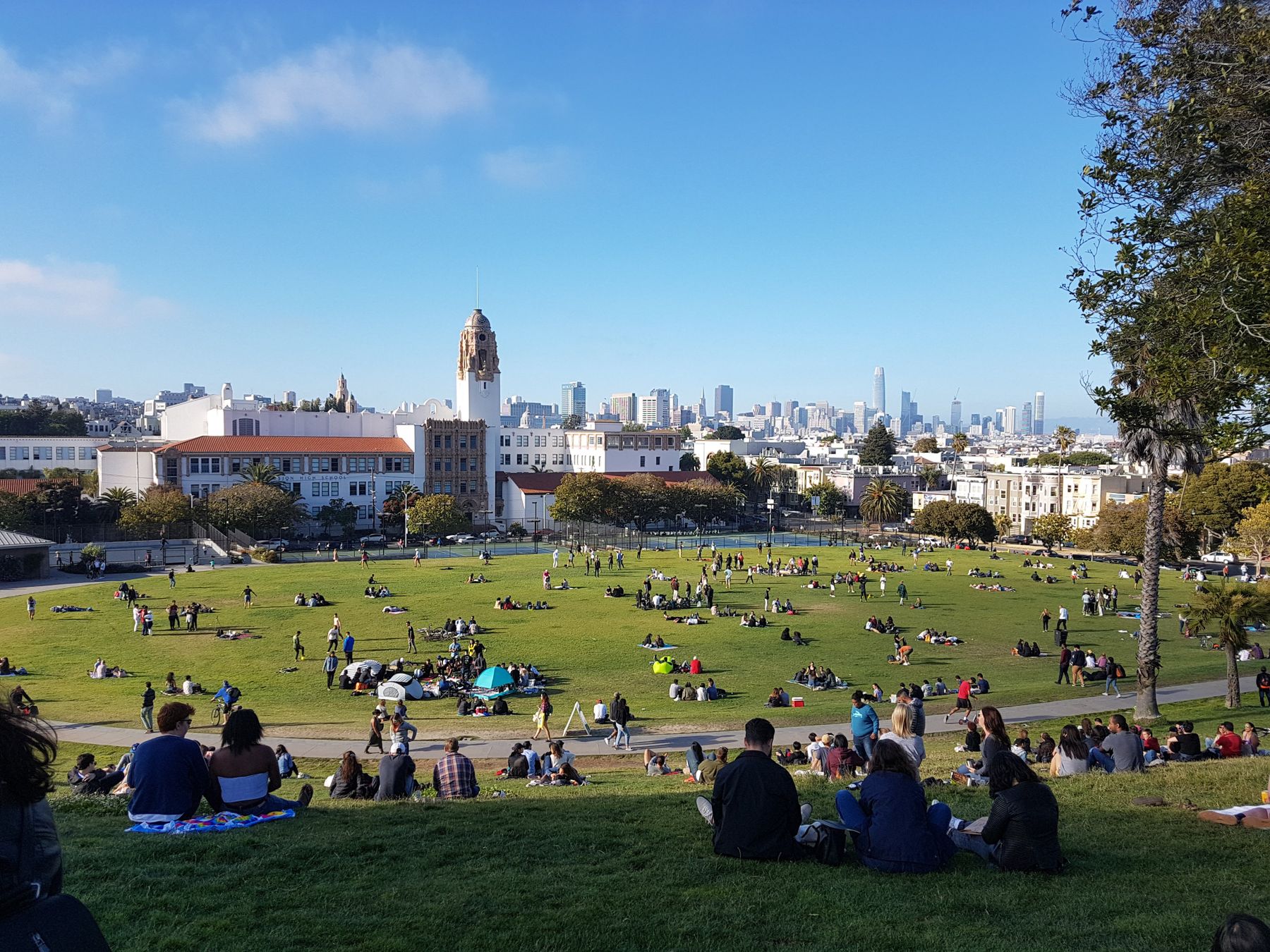
The Mission adds food, public art, and neighborhood life to a trip built around landmarks. Choose a short mural route, find somewhere to eat, and spend time at Dolores Park if the conditions are pleasant.
- Best for: Murals, food, independent shops, and a different side of the city.
- Location and map: Mission Dolores Park and a selected Mission neighborhood route.
- Time needed: Half a day with a meal and a few cultural stops.
- Cost and booking: Public park and street walks are free. Guided cultural tours, galleries, food, and shopping have their own rules and prices.
- Getting there: Compare Muni and BART options, then check the final walk between your chosen stops.
- Accessibility: Plan around slopes, surfaces, crossings, and the particular venues you want to enter.
- Nearby stops: Valencia Street, a mural walk, or a neighborhood café.
- Practical tip: Balmy and Clarion alleys are separate mural areas. Choose the route you have time to appreciate and respect residents, artists, and ongoing community use.
14. Lands End and Sutro Baths Views
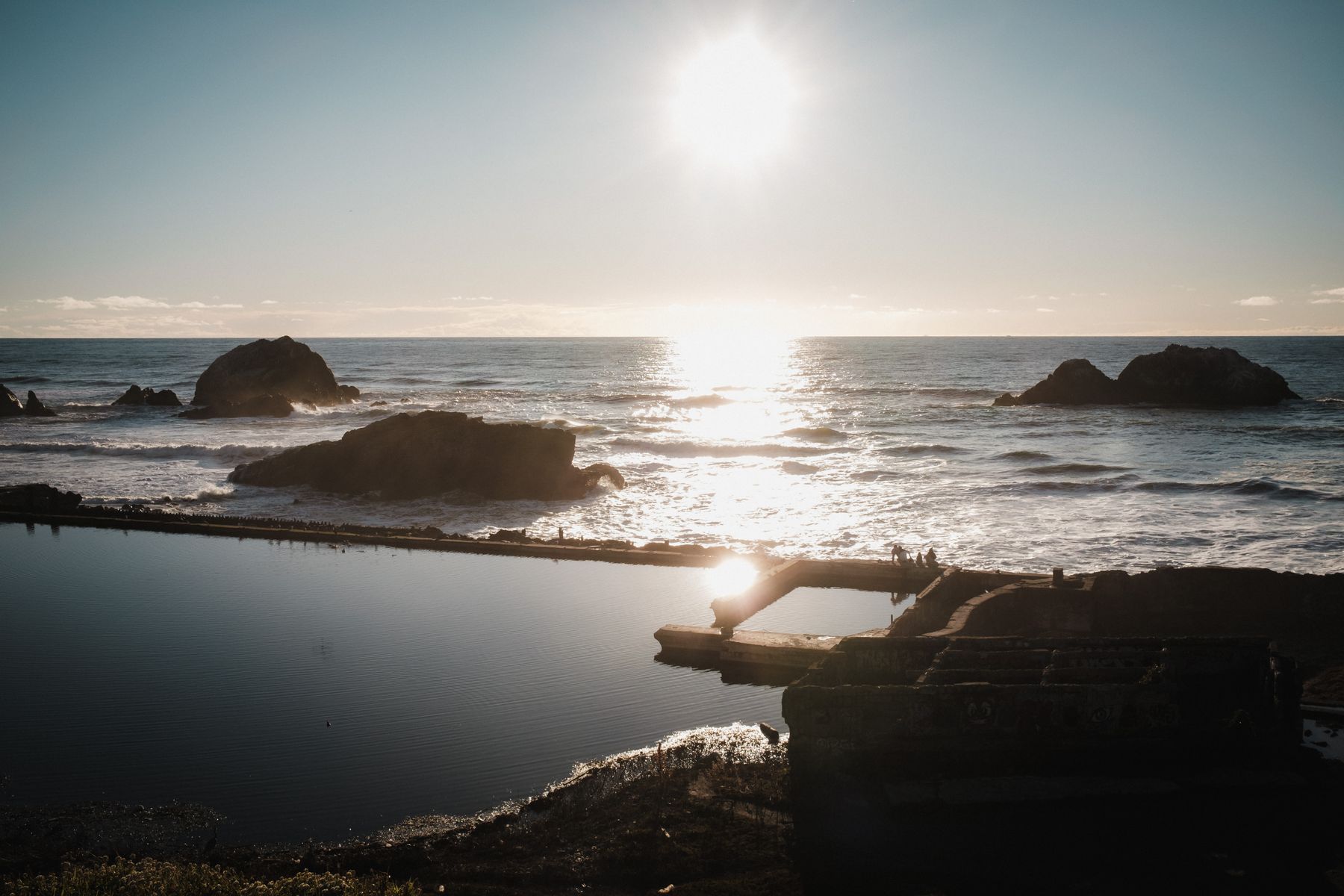
Lands End shows a wilder edge of San Francisco, with coastal views and paths above the ocean. You can choose a short lookout visit or a longer walk according to your ability, the weather, and the current trail conditions.
- Best for: Coastal scenery, fresh air, photography, and an outdoor break from city streets.
- Location and map: Lands End Lookout and nearby Sutro Baths views.
- Time needed: Around two to three hours for a selected outing, plus the journey across the city.
- Cost and booking: Public viewpoints and ordinary trail access are free. Transport and any separate activity cost extra.
- Getting there: Use a suitable bus or legal drop-off, checking the distance from the stop to your intended viewpoint.
- Accessibility: Routes vary and can include slopes, steps, and uneven surfaces. Check NPS access information before choosing a trail.
- Nearby stops: A carefully selected Ocean Beach or western-neighborhood stop, if conditions allow.
- Practical tip: Follow current NPS alerts, stay back from cliffs, and keep away from hazardous surf and slippery ruins. Plan the return journey while there is enough daylight for your route.
How to Plan Your First Trip to San Francisco
How Many Days Do You Need?
Two days works for a small shortlist: a waterfront day with Alcatraz if booked, followed by the bridge and another nearby area. Three days adds a park or museum. Five days gives you more of the neighborhoods, while a week lets you adapt to weather and consider an outing across the bay.
Keep your arrival day light. The time between landing, collecting bags, reaching your hotel, and finding dinner can be longer than expected. A comfortable first evening is a useful start in a city that rewards walking.
A Step-by-Step Booking Checklist
- Decide whether Alcatraz is essential and check suitable tour dates first.
- Choose your other interests: gardens, museums, architecture, food, or coastal walks.
- Put them on a saved map, looking at hills as well as distances.
- Compare accommodation using the full nightly total and daily travel routes.
- Reserve the experiences and meals you would be disappointed to miss.
- Compare Muni passes with your actual cable car and local transport plans.
- Save your airport route separately; Muni Visitor Passports do not cover BART or SFO transportation.
- Check the forecast, operating days, and current access notices shortly before departure.
What Should You Reserve in Advance?
Book Alcatraz early, then any popular restaurant, organized tour, museum time, or performance that anchors your trip. If visiting Muir Woods, arrange the required parking or shuttle reservation as well as understanding park admission. A hotel reservation and a full schedule of paid tickets are not the same as a workable route, so check travel time before committing.
What Can Stay Flexible?
Keep several neighborhood walks, public viewpoints, and casual meals open. Move the bridge or coast to a clearer period if possible. If fog covers the view, you can still enjoy the city through food, art, and neighborhood exploring.
Choosing Your Priorities
Try one main activity in the morning and one nearby focus afterward. A museum lover may want longer at SFMOMA; a garden lover may prefer an extra park afternoon. Families can reduce transfers and leave room for playgrounds, snacks, and slower starts.
Best Time to Visit San Francisco
Weather and Microclimates
Weather can differ noticeably between neighborhoods on the same day. A warm spell inland does not guarantee a warm bridge or oceanfront. Carry a layer you can put on quickly and check the forecast for the actual area you plan to visit.
Spring: A Flexible Sightseeing Choice
Spring can work well for gardens, neighborhoods, and a mixture of indoor and outdoor activities. Rain remains possible, especially earlier in the season. Keep a museum alternative rather than making every day depend on a long outdoor walk.
Summer: Popular, With Cool Coastal Days
Summer brings many visitors, but San Francisco’s waterfront and western side can be cool, windy, and foggy. Pack a warm layer even when the calendar says July or August. Book important tickets early and allow for busy waterfront attractions.
Fall: Often Good for an Outdoor-Focused Visit
September and October are often useful months to consider for milder sightseeing weather, while rain becomes more likely later in fall. Conditions still vary. A sunny afternoon in one neighborhood is not a promise of a clear bridge viewpoint.
Winter: More Indoor Options and Weather Flexibility
Winter can suit food, museums, and a quieter approach to some outdoor sights. Rain and wind can affect coastal plans, and daylight is shorter. Choose a convenient base and a few experiences you can enjoy in mixed weather.
Peak, Shoulder, and Cheaper Periods
Summer, major holidays, and important events can bring stronger demand. Some spring, fall, or nonholiday winter dates may offer a better balance, but conventions can raise central hotel rates at any time. Compare the actual trip total across several dates rather than assuming one season is always cheapest.
Festivals, Holidays, and Events
Check conference calendars, cultural celebrations, concerts, and holiday opening changes. A large event can add interest while changing hotel availability, street access, or transit crowding. Read the calendar for your museum and ferry date as well as for the city generally.
How Much Does a Trip to San Francisco Cost?
Budget, Midrange, and Higher-Spend Travel
| Travel style | Approximate daily allowance per adult sharing a room | What it assumes |
|---|---|---|
| Budget | $140–$200 | A modest room, casual meals, local transit, and mostly free public sights |
| Midrange | $230–$350 | A convenient hotel, mixed dining, selected paid attractions, and some transport flexibility |
| Higher spend | $430–$750+ | An upscale stay, special dining, premium tours, and more private transport |
These are editorial planning ranges, not available packages or quoted hotel rates. Flights, major shopping, and unusually expensive events or experiences can add substantially.
Accommodation Costs
Compare taxes, mandatory fees, deposits, breakfast, and parking as well as the room price. A central room can reduce transport time, while a cheap room outside your chosen route may create repeated extra journeys. Check the exact property and recent guest feedback.
Food and Dining Costs
Mix casual meals, bakery stops, and market browsing with a special dinner if you want one. Look at portions before ordering for a group. Tax, service fees, and gratuity can affect the final bill, so budget using the total you expect to pay.
Transportation and Attraction Costs
Decide how many cable car rides and regular Muni trips you will realistically take. Keep BART, ferries, airport transport, and any private rides as separate budget items where required. Free bridge views, public parks, and neighborhood walks can balance paid Alcatraz, museums, and garden visits.
Taxes, Tips, and Extra Charges
Around 18–20% before tax is a common starting point for good sit-down service, but check the bill and ask whether any service charge includes gratuity. Read the final hotel and ticket checkout total. Avoid treating a headline admission price as the complete cost of an outing.
Sample Budget for Two Adults
This example assumes three hotel nights and three sightseeing days for two adults sharing one room, with local transit and selected paid attractions.
| Expense | Illustrative allowance for two adults |
|---|---|
| Hotel: three nights at an assumed $240 total per night, including estimated room taxes and fees | $720 |
| Food: $55 per adult per day for three days, including planned tax and tips | $330 |
| Two Muni three-day Visitor Passports at $35 each | $70 |
| Airport rail allowance for both adults, both directions | $60 |
| Selected paid attractions and activities | $250 |
| Subtotal | $1,430 |
| 10% contingency | $143 |
| Illustrative trip total | $1,573 |
What Is Included and Excluded?
The table includes only those listed allowances. The airport amount is an estimate to replace with the current fare for your chosen stations, not a quoted BART ticket price. Flights, a rental car, private airport transfers, major shopping, insurance, extra nights, and expensive special experiences are excluded. Activate any transit product for the days you actually need it.
Practical Ways to Save Money
Book a small number of meaningful paid experiences, then use public parks and walks around them. Compare a Visitor Passport with individual rides rather than buying one by habit. Read discount eligibility carefully, especially resident offers. A solo traveler should allow more per person for accommodation because the room is not split between two people.
Where to Stay in San Francisco
Best Areas for First-Time Visitors
Union Square can provide a central base for shopping, transit, and several visitor routes. The Embarcadero and nearby Financial District can suit waterfront access and useful transport connections. Fisherman’s Wharf is convenient for the northern waterfront and Alcatraz departure area. Check the exact hotel, block, and journey to your main sights.
Families, Couples, and Budget Travelers
Families should compare room size, breakfast, laundry, and the number of transfers needed each day. Couples may enjoy a waterfront stay or a quieter room with a good dinner nearby. Budget travelers can compare different accommodation types and central transit access, while checking the full cost and recent property reviews.
Hills, Nightlife, and Quieter Stays
Nob Hill can appeal for its setting, but the slopes matter when returning to the hotel. Marina and Cow Hollow locations can suit northern sights and dining, with more travel to some central activities. For quiet, ask about the actual room position, nearby bars, traffic, and construction.
Neighborhood Comparison Table
| Area | Good fit | Main tradeoff | Check before booking |
|---|---|---|---|
| Union Square | A central first-visit base and transit connections | Conditions and atmosphere vary by street | Exact walking route, room noise, and recent reviews |
| Embarcadero / Financial District | Waterfront, ferry access, and rail connections | Some streets feel quieter outside business hours | Dinner options and the final hotel walk |
| Fisherman’s Wharf | Families, northern waterfront, and Alcatraz plans | More travel to western parks and some neighborhoods | Total cost and convenient Muni connections |
| Nob Hill | Hilltop atmosphere and selected hotel stays | Steep approaches | How you will arrive with bags and return each evening |
| Marina / Cow Hollow | Palace of Fine Arts, northern outings, and dining | Less direct access to BART and some museums | The daily bus or rideshare plan |
| Selected neighborhood stays | Food, local character, and a particular interest | May be less convenient for a broad first-visit route | Exact location, legal accommodation details, and onward travel |
Hotels, Rentals, and Important Booking Checks
Read cancellation terms, deposits, bed arrangements, check-in hours, and the final bill. For a rental, look for clear host details and legitimate local operation. If you need an accessible room, ask for specific bathroom features and the route from the entrance, including any slopes or steps outside.
How to Get to San Francisco
Arriving by Air
SFO is the main airport to compare for a city visit. OAK can also fit some flight plans, but compare the complete onward journey and cost. Choose the airport and schedule that work for the whole trip rather than only the lowest airfare.
Getting From SFO to Your Accommodation
BART connects SFO with central San Francisco. Its airport guide describes the rail journey downtown as around 30 minutes; add time for terminal walking, baggage, waiting, and the final hotel connection. SFO’s BART station is at the International Terminal, with the free AirTrain connecting the terminals to the station.
Airport Transfer Comparison
| Option | Cost approach | Convenience | Best fit |
|---|---|---|---|
| BART from SFO | Fare depends on the stations; check the current trip planner | Avoids road traffic, with a final walk or local connection | A hotel near a useful station and manageable luggage |
| Taxi or rideshare | Check the current quote, fees, and airport pickup instructions | Door-to-door travel, with traffic-dependent timing | Groups, luggage, or a difficult onward connection |
| Reserved private or accessible transfer | Quote for the exact party, luggage, and equipment | Confirmed arrangements when booked correctly | Specific access requirements or larger parties |
| Hotel or shared shuttle, if offered | Confirm price, stops, schedule, and luggage policy | Can be convenient when the service fits your hotel | A property with a clear, useful shuttle arrangement |
| Rental car | Rental, insurance choices, taxes, fuel, and parking | Useful for a regional trip but adds city logistics | Selected road-trip days rather than automatically the whole stay |
Train, Bus, and Ferry Arrivals
Check the exact arrival point before booking. Regional and intercity journeys can use different stations, bus connections, or ferry terminals. A service described as reaching San Francisco may still require an onward journey to your particular hotel.
Late Arrivals and Accessible Transfers
Look up your complete route for the actual arrival time, including the final service and hotel walk. BART does not run all night. Confirm station lift availability and any accessible vehicle or assistance requirements in advance when those are important to your journey.
How to Get Around San Francisco
Understand the Main Services
Muni includes city buses, light rail, historic streetcars, and cable cars, with different fare products. BART is a separate regional rail system that also serves SFO. Ferries use their own operators and tickets. A product covering one service does not automatically cover the others.
Current Muni Fares and Visitor Passports
| Standard adult fare or product | Current amount | Main distinction |
|---|---|---|
| Regular Muni single ride with Clipper or eligible contactless adult payment | $2.85 | Standard local service; cable cars are separate |
| Regular cash / Metro ticket-machine single ride | $3 | Check proof-of-payment and transfer rules |
| Muni Day Pass | $5.70 | Buses, trains, and historic streetcars; excludes cable cars |
| Cable car single ride | $9 | One way; no transfer between cable car lines |
| One-day Visitor Passport | $15 | Includes cable cars and other covered Muni services |
| Three-day Visitor Passport | $35 | Consecutive days of covered Muni service |
| Seven-day Visitor Passport | $47 | Compare with your expected rides |
Prices were checked November 10, 2026. Youth 18 and under ride regular Muni free; cable car rules differ. Discounts and payment products have their own eligibility rules.
Choosing and Paying for the Right Product
Visitor Passports cover Muni only, including cable cars, and expire at 11:59 p.m. on the final covered day. They do not cover BART, other operators, or SFO airport transportation. Starting a calendar-day product late in the evening may reduce its value.
For ordinary adult single fares, use current Clipper or accepted contactless payment instructions. SFMTA stopped selling new single-ride tickets through MuniMobile on September 1, 2026, while other products remained available. The app is changing, so check SFMTA’s current payment guidance before relying on an older app walkthrough.
Using BART
BART uses station-based fares and its own entry and exit rules. Adult contactless bank-card payment is available; each rider needs an appropriate card or device, and should use the same one to enter and exit. Check the arrangements for youth or other discounted fares separately.
Walking and Cycling
Choose routes for their slopes as well as their length. Waterfront walks may be easier than a direct line across several hills. If cycling, match the route to your confidence, check bridge sidewalk instructions, and arrange any ferry return before committing to a long outing.
Taxis, Cars, and Parking
Use taxis or rideshares selectively when they improve a tiring or awkward transfer. If you drive, read parking restrictions and garage terms, and leave time for the final walk. Store luggage securely at your accommodation or a legitimate service before sightseeing, and keep valuables out of view in vehicles.
Accessible Travel, Ferries, and Useful Apps
Check the full route: a station lift, the next sidewalk, the final hill, and the venue entrance all matter. SFMTA’s historic streetcar access information is useful when comparing alternatives to cable cars. Save routes and reservations offline, use current operator alerts, and confirm ferry boarding and equipment arrangements directly.
San Francisco Itinerary Ideas
Use these routes as a starting point, then change the order for ticket availability, weather, and your hotel’s location. Keep arrival and departure days lighter than full sightseeing days.
A Weekend in San Francisco
Day 1: Alcatraz and the northern waterfront. Take your reserved Alcatraz outing, allow time for lunch, and explore a manageable part of Fisherman’s Wharf or PIER 39. Add a cable car journey if queues and energy permit. Leave the evening flexible for a good meal.
Day 2: Golden Gate Bridge and the Marina or Presidio. Begin with a bridge viewpoint and a walk that suits your group. Continue to the Palace of Fine Arts or a selected Presidio stop, with a meal and transport time included. Choose a clear-weather period when possible.
A 3-Day Itinerary
Add Day 3: Golden Gate Park and an Alamo Square stop. Choose one main garden or museum in the park, take a proper lunch break, and decide whether the Painted Ladies fit comfortably afterward. In poor weather, a museum-focused central day can replace a longer outdoor plan.
A 5-Day Itinerary
- Day 1: Alcatraz, a selective Wharf visit, and an optional cable car ride.
- Day 2: Golden Gate Bridge, Palace of Fine Arts or a Presidio focus, and a relaxed Marina-area meal.
- Day 3: Golden Gate Park, choosing one main attraction; Alamo Square if time and energy allow.
- Day 4: Ferry Building, an Embarcadero walk, and SFMOMA on an open day.
- Day 5: Chinatown and North Beach, with Coit Tower or Lombard Street as a selected extra rather than a requirement to see both.
If the Mission is a priority, swap it for an outing that interests you less. A good five-day visit does not need to include every place on this page.
A 7-Day Itinerary
Add a Mission food-and-mural day and a suitable Lands End outing, or use one of those days for Sausalito or another nearby destination. Keep one part of the week flexible so that a foggy bridge morning or wet coastal day can move.
Map Routes and Travel-Time Allowances
| Route | Suggested approach | Broad planning allowance |
|---|---|---|
| Pier 33 to PIER 39 | A short waterfront walk | About 10–20 minutes, plus stops |
| Ferry Building to SFMOMA | Walk if suitable or compare a local connection | Roughly 25–40 minutes on foot, allowing for crossings |
| Golden Gate Bridge Welcome Center to Palace of Fine Arts | Compare current transit with a suitable ride | Allow around 30–60 minutes for the whole transfer, depending on waits |
| Japanese Tea Garden to Alamo Square | Use a practical Muni connection | Allow about 35–65 minutes including the final walk |
| Chinatown to Coit Tower | Check the hill profile before choosing to walk | Roughly 25–45 minutes, with more time for breaks; compare transport if needed |
These are planning buffers, not live journey estimates. Open the route near departure and check hills, access, service, weather, and any temporary closure.
Rainy-Day Alternatives
Choose SFMOMA on an open day, a park museum that matches your interests, a performance, or a food-focused outing with short transfers. An Alcatraz visit includes outdoor walking, and a greenhouse visit still involves travel outside, so check the whole plan rather than only the main venue.
A Slower-Paced Itinerary
Choose one main venue and a nearby meal each day. Examples include Alcatraz plus a waterfront lunch, one garden plus a café, or SFMOMA plus a short central walk. Use transport to reduce an uphill approach, and leave an afternoon for rest or a favorite neighborhood.
What and Where to Eat in San Francisco
Foods and Neighborhoods to Explore
Try sourdough, a Mission-style burrito, dim sum, a bakery breakfast, or seafood according to your tastes and what is available. The Ferry Building is useful for browsing, Chinatown offers a food-focused neighborhood outing, and the Mission can fill an enjoyable half day with a meal and public art.
Affordable Meals and Special Dinners
Casual counters, bakeries, and takeaway meals can balance a more expensive dinner. Compare the final likely spend rather than assuming every market or informal venue is inexpensive. For a special reservation, check the menu, cancellation terms, and transport home before paying.
Dietary Needs and Food Allergies
Confirm vegetarian, vegan, halal, or other requirements with the venue itself. For an allergy, ask about sauces, shared preparation surfaces, and cross-contact. Carry a short written explanation if that helps you communicate clearly, and choose a different venue when staff cannot answer your questions confidently.
Dining Etiquette, Reservations, and Tipping
Arrive on time and cancel reservations you will not use. Read the bill for mandatory charges and ask what they cover before deciding on an additional tip. Keep enough room between a ferry return or long tour and a strict dinner booking.
Free and Budget-Friendly Things to Do
Free Public Sights
Use bridge viewpoints, Palace of Fine Arts grounds, Alamo Square, Chinatown walks, the public waterfront, and designated PIER 39 sea lion viewing to build days with fewer admission charges. Your main costs can then be food and transport rather than a string of tickets.
Museums, Gardens, and Discounts
SFMOMA offers some art-filled public spaces without a gallery ticket during opening hours. Gardens and museums have specific free periods or eligibility offers; for example, the Japanese Tea Garden currently lists a free-entry hour from 9–10 a.m. on Mondays, Wednesdays, and Fridays. Verify the current terms and any reservation needs before traveling specifically for an offer.
Are Attraction Passes Worth It?
Choose the paid activities you would buy independently, then compare their date-specific prices with a pass. Check the exact Alcatraz product, reservations, included experiences, and exclusions. A general bay cruise and an island landing tour are not equivalent purchases.
A Sample Lower-Cost Day
Use a sensible local transit product, explore a bridge viewpoint in suitable weather, and have a casual lunch before a Palace of Fine Arts stop. Keep the rest of the day to one nearby area. You can enjoy a memorable day without adding several indoor attractions simply because they are on a checklist.
Money-Saving Booking Tips
Check official or authorized ticket channels, the full price, and refund terms. For families, compare age-based fares with the cost of a pass for everyone. Buy upgrades when they offer something your group actually wants rather than automatically choosing the most expensive package.
More San Francisco Experiences to Consider
Culture, History, and Neighborhood Walks
North Beach, the Mission, Chinatown, and other neighborhoods deserve more than a quick photograph. Pick a cultural walk, local shop, small museum, or food stop and leave time to understand the area. A knowledgeable guide or community-led tour can add context to public art and local history.
Outdoor Activities and Nature
Consider a short Presidio walk, a garden afternoon, or a coastal viewpoint matched to your ability. A bridge cycling outing needs a suitable route, rental arrangements, and a reliable return plan. Use current conditions to choose the activity rather than forcing a long ride in poor weather.
Shopping, Entertainment, and Seasonal Events
Browse local shops in an area you are already visiting, or book a performance that suits your interests. Markets, festivals, and evening events use their own calendars and tickets. Check age requirements, bag policies, and the return journey before committing.
Experiences for Different Travelers
Families
Choose one major paid activity a day, check age and ticket rules, and leave room for meals and park breaks. Consider how everyone will manage hills, boat time, museum walking, and queues. A shorter day can be the better choice after a long flight.
Couples
A bay outing, a beautiful garden, a relaxed neighborhood meal, or a clear-weather viewpoint can make a memorable day together. Book one thing you care about, then give it space. Leave time to enjoy the setting without immediately checking the next departure.
Solo Travel and Groups
Solo visitors can build around museums, food, cultural walks, and clear transit routes. Groups should agree on a daily spending range and one shared priority, then allow time apart if interests differ. Choose accommodation with a return journey that everyone understands.
Accessible and Lower-Walking Options
Check the entire outing, including the approach from the stop or drop-off, the venue entrance, seating, restrooms, and any return hill. Cable cars, Coit Tower’s viewing route, and coastal trails require particular attention. Confirm assistance arrangements directly rather than relying only on a general accessibility label.
Best Photography Spots in San Francisco
Landmarks and Scenic Views
The bridge, Painted Ladies, Palace of Fine Arts, cable cars, Ferry Building, Lombard Street, and bay viewpoints offer different versions of the city. Select a few that fit your route. A little patience and good light can be more rewarding than collecting every photo stop.
Sunrise, Sunset, Fog, and City Lights
The coast can be dramatic in changing conditions, but fog can also hide a view. Check access hours and the forecast, and have a safe return route for an early or late outing. A clear sky on a weather app is not a guarantee of the same view at every point around the bay.
Etiquette and Restrictions
Keep sidewalks, steps, and roadways clear. Respect residents at Lombard Street and Alamo Square, and ask before taking close photographs of people. Museums, tours, and parks may limit tripods, video, commercial photography, or drones. Follow the rules for the actual location you visit.
Day Trips and Road Trips From San Francisco
Nearby Places to Consider
Sausalito can suit a bay crossing and a relaxed meal. Muir Woods offers a redwood-focused outing with required planning. Oakland or Berkeley can appeal for an East Bay food, cultural, or neighborhood day. Choose the destination for your interests and available time rather than adding every nearby name.
Muir Woods Reservations and Transport
Muir Woods parking and shuttle reservations are separate from park admission and are required for the relevant vehicles or riders. Shuttle service is seasonal. Save confirmations before arrival, and arrange your return properly: NPS warns that cell service is unavailable and discourages relying on ordering a rideshare from the park.
Guided or Independent Travel?
A tour can simplify transport but reduces flexibility. Check the pickup point, included admission, time on site, walking demands, and cancellation rules. For a ferry outing, check the operator, terminal, last return departure, and bicycle or mobility-equipment arrangements if relevant.
A Road Trip Idea
For a wider California trip, consider San Francisco to Monterey with an overnight stay. Compare current route options, road notices, parking, and your onward plans rather than assuming a scenic coastal road is always fully open.
Travel Times and Seasonal Conditions
Allow for the whole journey, including parking, terminal walks, boarding, and the last connection home. Check current operators and road information shortly before departure. Keep a simpler city alternative if the forecast or access conditions change.
Essential Things to Know Before You Go
Travel Documents and Entry Requirements
Confirm identification requirements with your airline or transport operator. International visitors should check the official U.S. entry rules that apply to their passport and circumstances. Keep important confirmations and a copy of your accommodation details available offline.
Currency, Payments, Language, and Connectivity
Prices are in U.S. dollars. Check any foreign-transaction fees, keep a backup payment method, and read the payment rules for each transport service. English is widely used and the city is multilingual. A charged phone, power bank, saved maps, and a compatible U.S. adapter can make daily travel easier.
Safety, Tickets, and Luggage
Use official or authorized sellers and read the exact product before paying. Plan your evening return and choose routes that suit your group. Use secure luggage storage at your accommodation or a legitimate service when needed, and keep belongings secure in busy places.
Weather, Coastal Conditions, and Personal Needs
Wear layers, check local conditions, and allow for the physical effort of hills. Follow park and coastal warnings and choose shorter routes when conditions or energy levels require it. Carry essential medication and personal items with you rather than leaving them in stored luggage.
Restrooms, Local Rules, and Respectful Travel
Plan restroom stops around open visitor facilities and check venue bag, food, and photography rules. Stay on public paths and respect homes, businesses, wildlife, and working communities. Temporary restrictions can change an otherwise familiar route, so follow the instructions on site.
What to Pack for San Francisco

Everyday Essentials
- Comfortable shoes with good grip for slopes and substantial walking.
- A warm layer and wind-resistant outer layer for the bridge and coast.
- A compact day bag, refillable bottle, and sun protection.
- A phone charger, power bank, payment backup, and saved reservations.
- Personal medication and any access or comfort equipment you depend on.
Seasonal and Outdoor Clothing
Add rain protection for wet-weather forecasts and warmer evening clothing when needed. For a coastal walk, choose suitable shoes and a manageable route. Summer dates alone are not a reason to leave your warmer layer at home.
Family and Personal Requirements
Bring practical snacks where permitted, a spare layer for children, and the right equipment for your planned activity. Check storage, charging, bag restrictions, and assistance arrangements before setting out for a long tour or museum day.
Important Contacts and Official Resources
These details were checked November 10, 2026. Save your hotel’s address and verify routine-service hours when needed.
| Need | Contact or resource |
|---|---|
| Immediate police, fire, or medical emergency | 911 |
| Nonemergency San Francisco City information, including Muni directions | 311 in the city; 1-415-701-2311 from outside San Francisco |
| SFO customer information | 1-800-435-9736 |
| BART main information line | 1-510-464-6000 |
| Alcatraz City Cruises booking help | 1-415-981-7625 |
| Official visitor planning | San Francisco Travel |
| Local transit and payment information | SFMTA, Clipper, and the operator for your particular journey |
| Island and coastal park notices | National Park Service |
| City parks and facility notices | San Francisco Recreation and Park Department |
For a nonurgent medical need, ask your accommodation or insurer about a suitable provider. International visitors can save their own consulate’s details before travel. Use the relevant local authority when visiting a separate city outside San Francisco.
Common Mistakes First-Time Visitors Make
Underestimating the Hills
A direct walking route may be steep or include stairs. Check the elevation and access route before deciding that a place is close enough to walk, especially with luggage, children, or mobility needs.
Leaving Alcatraz Too Late
Reserve the landing tour you actually want and read its inclusions. A ticket to cruise past the island does not solve a sold-out landing date, and a national park pass does not cover the required ferry transport.
Confusing Different Transport Products
Cable cars, historic streetcars, Muni Metro, BART, and ferries have different rules. A Muni Day Pass and a Visitor Passport are different purchases, and neither automatically covers SFO airport travel.
Choosing a Hotel Only for the Advertised Rate
Read the full bill, recent property reviews, and the actual travel route. Check slopes, evening connections, parking fees if relevant, and any extra daily charges before booking.
Expecting Warm Beach Weather Every Summer Day
Bring layers and keep the coast flexible. A museum or neighborhood food outing can be a better use of a cold, foggy period than waiting for a particular photograph to appear.
Planning Too Many Unrelated Areas in One Day
Golden Gate Park, the bridge, Alcatraz, and the Mission deserve proper time. Group nearby stops and remove an activity when it makes the day more enjoyable.
Frequently Asked Questions About San Francisco
What Are the Best Tourist Attractions for a First Visit?
Start with the Golden Gate Bridge, Alcatraz, a cable car ride, Golden Gate Park, Chinatown, and a waterfront outing. Add a museum, the Mission, or a coastal walk according to your interests and the time available.
How Many Days Should I Stay?
Three days gives a useful introduction. Five days provides more time for neighborhoods and museums, while a week can include the coast or a nearby day trip without making every day feel rushed.
Where Should First-Time Visitors Stay?
Compare Union Square, the Embarcadero area, Fisherman’s Wharf, and selected Nob Hill or Marina locations. Choose the exact property using your routes, full cost, recent reviews, and preferred evening atmosphere.
Do I Need a Rental Car?
Usually not for a city-focused visit. Muni, walking, and selective taxis or rideshares can cover many plans, with BART useful for SFO. A car may help for particular road-trip days, but parking and traffic add cost and work.
How Much Should I Budget?
As an initial allowance, use roughly $140–$200 per adult per day when sharing a modest room and focusing on local transit and free sights. A midrange plan may need $230–$350. Replace those estimates with real hotel, fare, and ticket quotes for your dates.
What Should I Book First?
Check Alcatraz if it is important to you, then reserve accommodation and the experiences that anchor each day. Muir Woods requires separate transport planning, including the relevant parking or shuttle reservation.
Is San Francisco Suitable for Families and Solo Visitors?
Yes, with a route suited to your interests and physical needs. Families should compare child fares, queues, and walking demands. Solo travelers can choose museums, cultural walks, food neighborhoods, and accommodation with a straightforward evening return.
What Can I Do in Rain or Fog?
Try an open museum, a suitable garden venue, a performance, or a neighborhood meal with short transfers. Keep an eye on conditions and move a bridge or coast outing to a clearer period when possible.
Does a Muni Visitor Passport Include SFO or Alcatraz?
No. It covers the specified Muni services, including cable cars. BART and other airport transportation use their own fares, and an Alcatraz landing tour requires its own ticket and ferry transport.
Your Final San Francisco Planning Checklist
- Choose a shortlist that fits your interests and number of days.
- Reserve Alcatraz and other important dated experiences early.
- Book a hotel with its full price, exact location, and cancellation terms understood.
- Save the airport route separately from your local Muni plan.
- Compare transit products with your actual travel days and cable car rides.
- Check slopes, stairs, lift notices, and venue access arrangements.
- Watch the weather and current park, bridge, ferry, and trail notices.
- Replace estimated costs with live quotes and keep a contingency amount.
- Pack comfortable shoes, warm layers, personal essentials, and a power bank.
- Save tickets, useful contacts, and key maps offline.
- Leave enough space to enjoy a meal, a neighborhood, and an unexpected view.
A Traveler’s Experience and Your Questions
In an October 2026 first-person account on My California Travels, Anu Agarwal described visiting Alcatraz after living in the Bay Area for more than 20 years. She found that the cellhouse audio experience, island exploration, and city views offered more to do than she had expected. Her account described unusually pleasant weather and a fortunate last-minute booking; use current official availability and forecasts for your own plan.
That is a useful reminder to give a major attraction enough time. A place can feel very different when you listen, look around, and enjoy its setting rather than hurrying to the next stop.
Have a route question or a recent San Francisco experience that could help another visitor? Share it in the reply section below. Include when you visited if discussing a price, closure, or transport change, and keep private booking details out of the comment.
Explore More USA Travel Guides
- Top Things to Do in Los Angeles for First-Time Visitors — continue exploring California’s cities, coast, and neighborhoods.
- A Complete Travel Guide to Las Vegas — plan a different kind of western USA city break.
- Best Tourist Attractions in Chicago — compare museums, architecture, and waterfront experiences.
- 25 Best Places to Visit in the USA: Complete Travel Guide — discover more places for your next trip.
What would you like to know before you go?
Send us your question, feedback, or a place you would like to see covered.
Ask a travel question
Leave a Reply