Written by Ari Mayzick · Go Travel Box
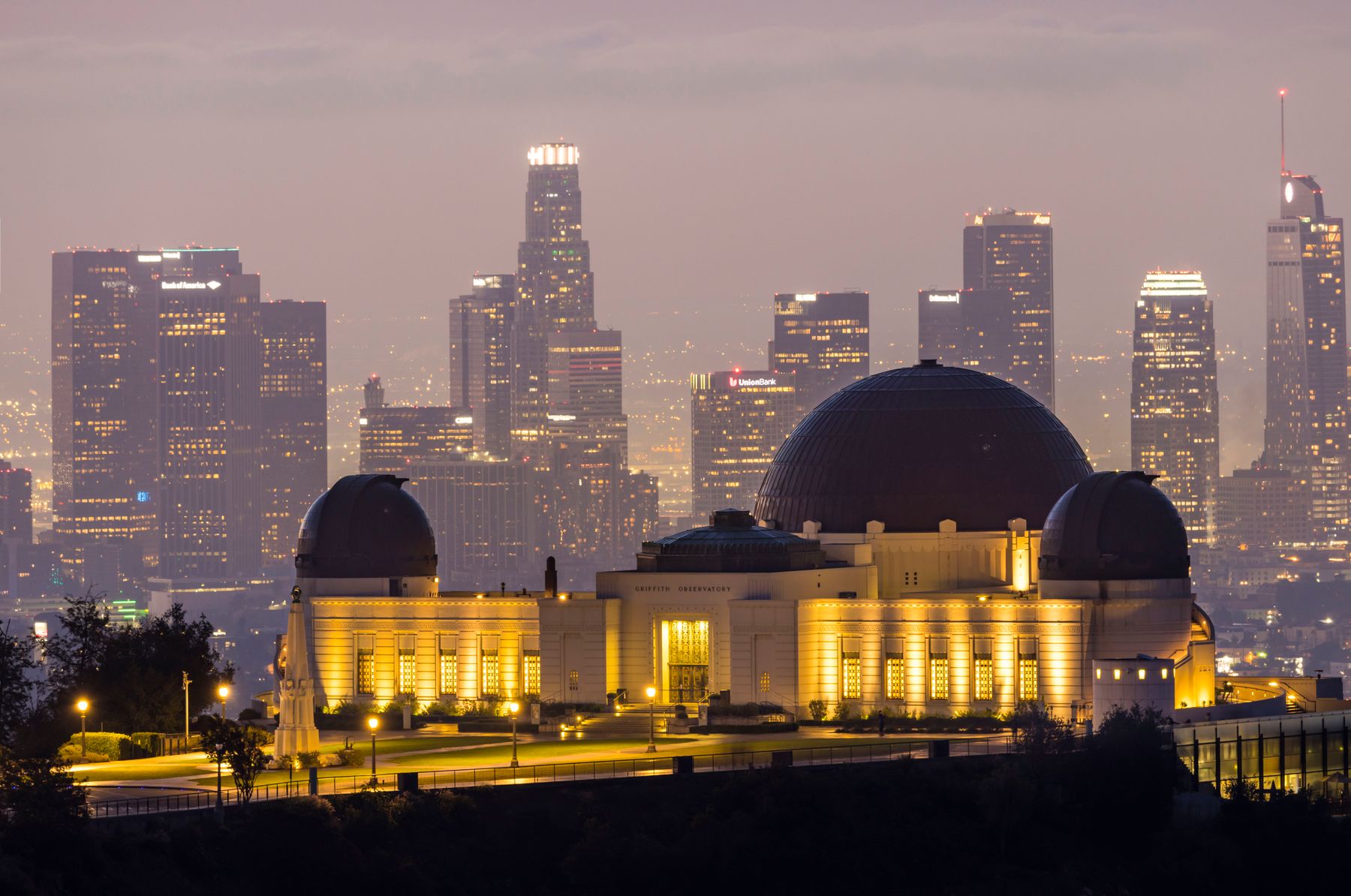
Los Angeles is a city where a morning can begin with ocean air and end with the lights of an enormous skyline. In between, you might eat a brilliant taco, walk through a movie set, or find yourself looking down at the Hollywood Sign from a dusty hill.
That variety is the fun of LA. It is also why a first visit needs a little planning. The beaches, museums, studios, and famous neighborhoods are spread across a large area. A good day here usually has a clear focus and enough room for traffic, a long lunch, or an unexpected stop.
This guide helps first-time visitors choose the sights that are worth their time, put them in a sensible order, and understand what a trip might cost. It combines official visitor information with editorial planning advice. Prices and important travel details were checked on November 9, 2026; check your dates again before paying or setting out.
First Trip to Los Angeles? Start Here
If you only remember one piece of advice, make it this: plan each day around one part of the city. Hollywood and Griffith Park work well together. Santa Monica and Venice make a natural beach day. Downtown has enough art, food, and architecture for a full outing.
For a first visit, aim for four or five days. With three days, choose the coast, Hollywood and Griffith, and one museum or Downtown day. A theme park is a full-day choice, so give it a day of its own or swap it for something else.
Our first-trip shortlist is Griffith Observatory, Santa Monica Pier, the Venice canals, a Hollywood Sign viewpoint, the Getty Center, and a Downtown food-and-art outing. Add a studio tour or Universal Studios Hollywood if films and television are a big part of why you are coming.
LA in this guide means the wider visitor region. Santa Monica, Malibu, Burbank, and Universal City are distinct places within the broader Los Angeles area. They are not all neighborhoods of the City of Los Angeles.
Los Angeles at a Glance
| Planning question | Quick answer |
|---|---|
| Location | Southern California, on the Pacific coast of the United States |
| Suggested first trip | Four or five days; three days for a selective introduction |
| Best overall approach | One main area per day, with one or two important bookings |
| Seasons to consider | Spring and fall for sightseeing; summer for a busier beach-and-theme-park trip |
| Main airport | Los Angeles International Airport, LAX; Hollywood Burbank Airport may suit a studio-focused stay |
| Where to start your hotel search | Santa Monica for the coast, Hollywood for film sights and Metro access, Downtown for art and rail connections |
| Car or public transport? | A carefully chosen hotel makes a car-free trip possible; a rental car helps with scattered stops and coastal day trips |
| Daily planning budget | Roughly $140–$200 budget, $230–$350 midrange, or $450–$750+ higher-spend per adult sharing a room |
| Book early | Hotel, theme park, studio tour, popular museum times, special dinners, and event tickets |
| Easy free highlights | Griffith Observatory exhibits and grounds, Santa Monica Pier entry, Venice canals, Hollywood viewpoints, and Urban Light |
| Time zone | Pacific Time; daylight saving changes apply |
Budget ranges are planning estimates, not live quotes. Flights, major shopping, and expensive theme-park days are outside those everyday estimates.
Table of Contents
- First Trip to Los Angeles? Start Here
- Los Angeles at a Glance
- 12 Top Things to Do in Los Angeles for First-Time Visitors
- How to Plan Your First Trip to Los Angeles
- Best Time to Visit Los Angeles
- How Much Does a Trip to Los Angeles Cost?
- Where to Stay in Los Angeles
- How to Get to Los Angeles
- How to Get Around Los Angeles
- More Experiences to Add to Your LA Trip
- Los Angeles Itinerary Ideas
- What and Where to Eat in Los Angeles
- Free and Budget-Friendly Things to Do in LA
- Experiences for Different Travelers
- Best Photography Spots in Los Angeles
- Day Trips and Road Trips From Los Angeles
- Essential Things to Know Before You Go
- What to Pack for Los Angeles
- Important Contacts and Official Resources
- Common Mistakes First-Time LA Visitors Make
- Frequently Asked Questions About Visiting Los Angeles
- Your Final Los Angeles Trip Planning Checklist
- A Published Travel Experience and Your Questions
- Explore More USA Travel Guides
12 Top Things to Do in Los Angeles for First-Time Visitors
Pick the experiences that fit your interests. The list below is an editorial shortlist, not a suggestion to visit all 12 in three days. Times are planning allowances; costs and access can change.
1. See the City From Griffith Observatory
Griffith Observatory is a wonderful place to understand the scale of LA. The city stretches across the basin, the Hollywood Sign appears on the hills, and the view changes as daylight gives way to lights. Give yourself time to look around rather than arriving for one hurried photograph.
- Best for: First-time visitors, skyline views, families, and an interest in space.
- Location and map: Griffith Observatory.
- Time needed: About two to three hours, longer with a planetarium show.
- Cost and booking: Building exhibits, grounds, and public telescopes are free. Planetarium shows and nearby parking cost extra. The building is normally closed Mondays.
- Getting there: Use the DASH connection from the Vermont/Sunset area or follow current parking and pickup instructions. Arrive earlier than your intended sunset viewing time.
- Accessibility: The Observatory describes its building and grounds as accessible; its DASH buses have a lift or ramp. Nearby hiking trails are a separate question.
- Pair with: Los Feliz cafés or a short Hollywood visit.
- Practical tip: Do the indoor exhibits before settling into your chosen view, and check telescope availability rather than assuming it is guaranteed.
2. Spend an Afternoon at Santa Monica Pier and Beach
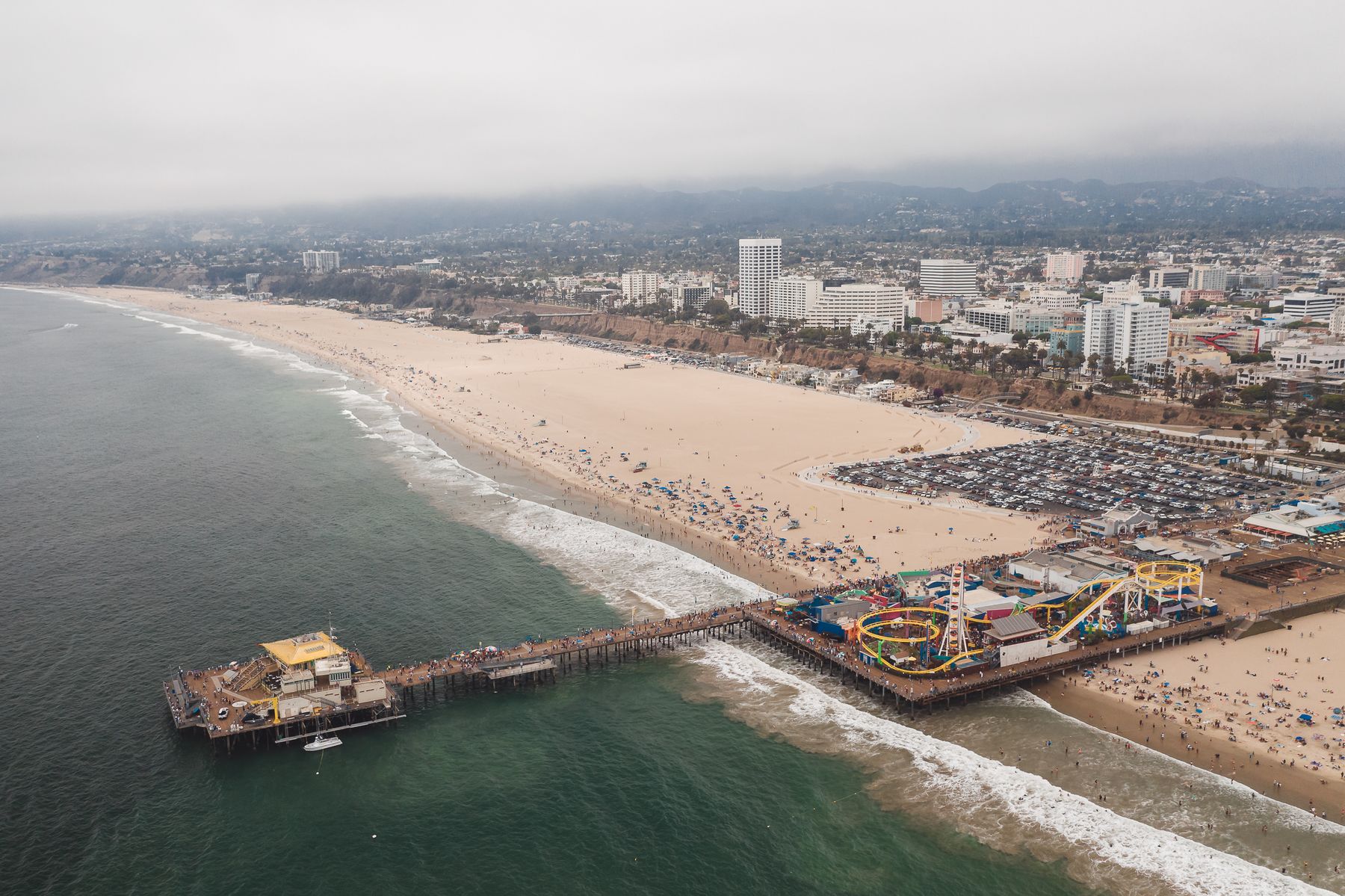
Santa Monica gives you the classic seaside version of a Southern California day: a broad beach, a lively pier, and a Ferris wheel above the water. It works whether you buy ride tickets or simply walk, watch the waves, and find somewhere for an unhurried meal.
- Best for: Families, couples, beach walks, and an easy introduction to the coast.
- Location and map: Santa Monica Pier.
- Time needed: Two to four hours, or longer with beach time.
- Cost and booking: Walking onto the pier is free. Pacific Park rides, games, food, and parking are extra; check ride hours separately from pier hours.
- Getting there: The E Line’s Downtown Santa Monica station is within walking distance. If driving, compare public structures and beach lots.
- Accessibility: Check the pier’s current accessible approach during bridge work, and ask about access for the particular ride or activity you want.
- Pair with: Venice, if you have enough energy and time for the coastal route.
- Practical tip: A breezy sunset can feel cold after a warm afternoon. Bring a layer.
3. Explore Venice Beach and the Quieter Venice Canals
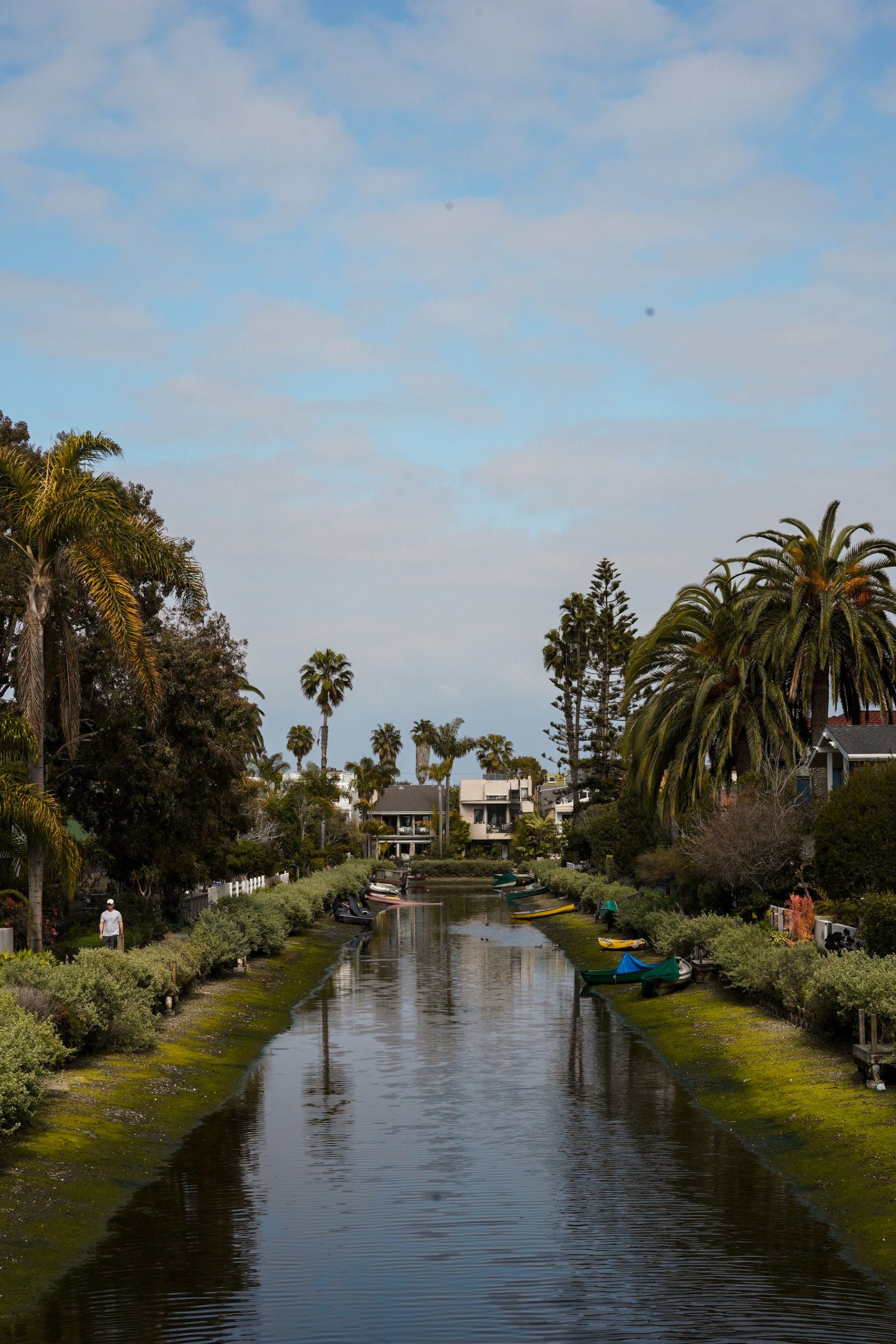
Venice has two very different moods. The beachfront is busy and energetic; the residential canals are much calmer. Seeing both makes a more balanced outing than spending the entire visit in the busiest stretch of the boardwalk.
- Best for: People-watching, neighborhood walks, and casual photography.
- Location and map: Venice Canals and Venice Beach.
- Time needed: Two to three hours for a selective walk.
- Cost and booking: Public walks are free; parking, bike rental, meals, and activities are separate.
- Getting there: Combine a bus or short rideshare with walking, or continue from Santa Monica along a suitable coastal route.
- Accessibility: Canal bridges and narrow paths can be awkward for some mobility needs. Choose a route in advance rather than assuming every crossing works.
- Pair with: Abbot Kinney Boulevard cafés and shops.
- Practical tip: The canals are people’s homes. Stay on public paths and keep cameras away from windows and private gardens.
4. Find a Hollywood Sign Viewpoint That Suits You
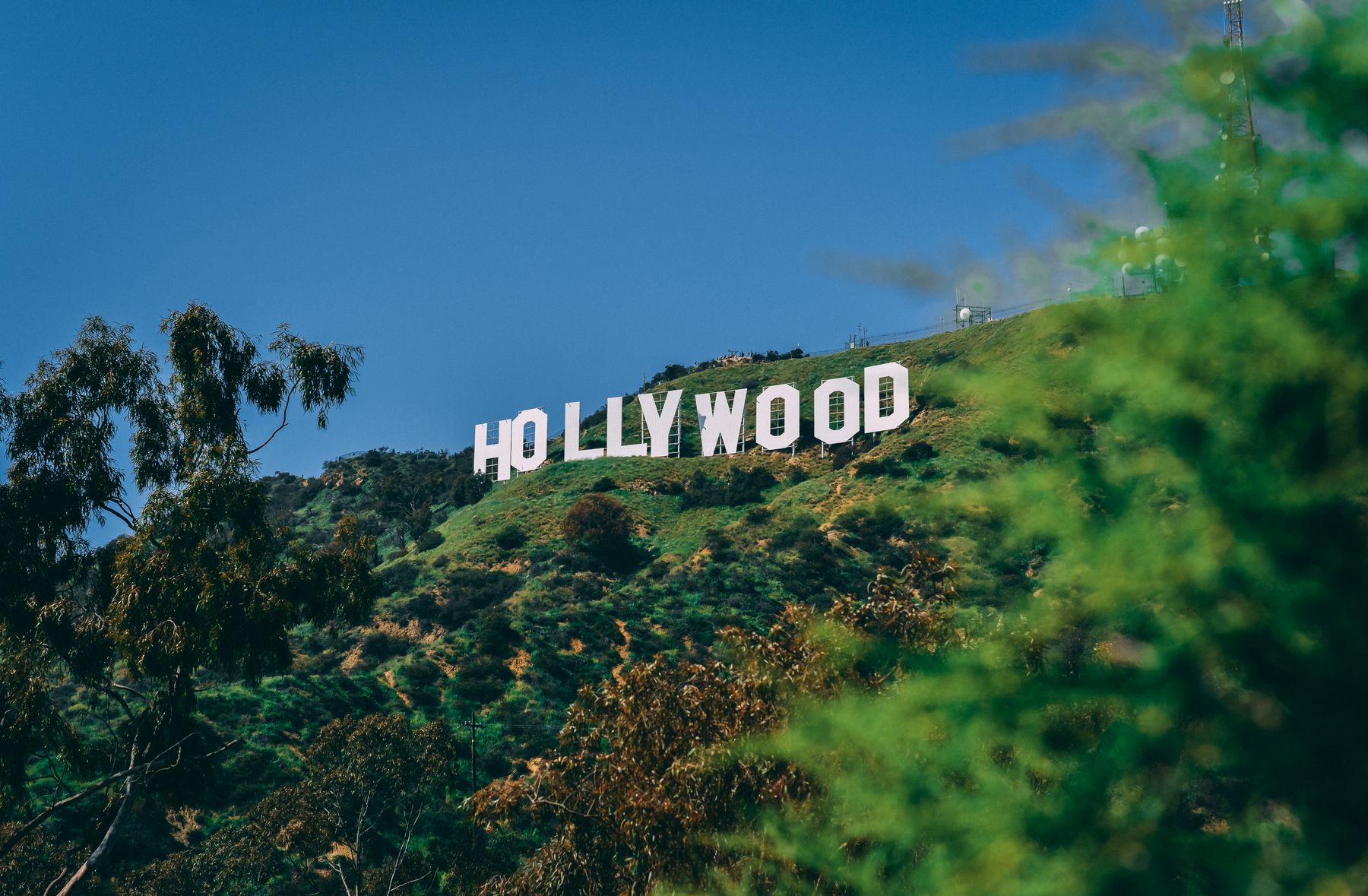
You do not need a strenuous hike to enjoy the Hollywood Sign. A viewpoint may be the better choice when time is short, temperatures are high, or your group would rather save its energy for another outing.
- Best for: An iconic photo, hill views, and optional hiking.
- Location and map: Lake Hollywood Park is one established viewing option. Griffith Observatory offers a more distant view.
- Time needed: Around 30–60 minutes for a viewpoint stop; several hours for a properly planned hike.
- Cost and booking: Viewing is free; transport and any parking costs are separate.
- Getting there: Use a legal public approach and obey local parking restrictions. Save the correct viewpoint instead of navigating toward the letters themselves.
- Accessibility: Choose a viewpoint based on the actual slope and walking distance. A hillside hiking route is not the same as a park photo stop.
- Pair with: Hollywood or Los Feliz, with travel time allowed.
- Practical tip: The sign itself is restricted. Do not cross fences or try to touch the letters. Stay on authorized trails and check fire or weather closures.
5. Take a Short Walk Along the Hollywood Walk of Fame
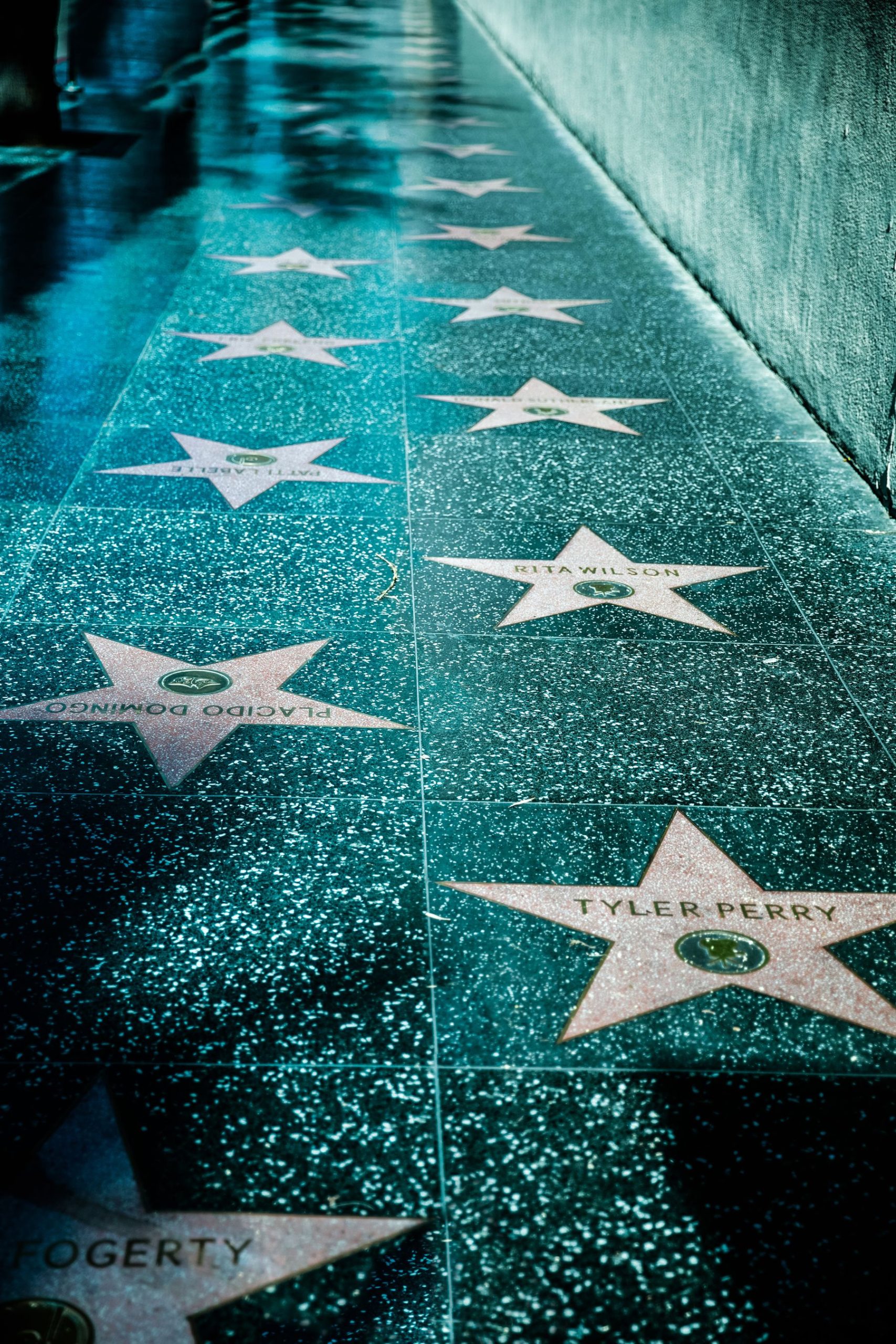
Hollywood Boulevard is a busy visitor area rather than an all-day collection of glamorous movie sets. It is still fun to spot familiar names and see the famous theatre district, especially if you go with realistic expectations.
- Best for: Movie history, a few landmark photos, and a first look at Hollywood.
- Location and map: Hollywood Walk of Fame near TCL Chinese Theatre.
- Time needed: Around 45–90 minutes for the main stretch.
- Cost and booking: The public sidewalk is free. Theatre visits, tours, and other attractions have separate charges.
- Getting there: Hollywood/Highland on the B Line is a useful starting point.
- Accessibility: Plan for a busy sidewalk and street crossings; check individual theatre access separately.
- Pair with: Griffith Observatory later in the day.
- Practical tip: Street performers may expect payment for photographs. Agree on any price first, and decline offers you do not want.
6. Enjoy Art, Architecture, and Gardens at the Getty Center

The Getty Center is appealing even if you do not normally spend entire days in art museums. The architecture, hilltop setting, and outdoor spaces give the visit a pleasing rhythm: look at art, take a break, then step outside for another view.
- Best for: Art, architecture, gardens, and a slower afternoon.
- Location and map: Getty Center.
- Time needed: Three to four hours.
- Cost and booking: Admission is free, with a timed-entry reservation required. Standard parking is currently $25 per car; later-day discounts have specific conditions. The Center is normally closed Mondays.
- Getting there: Drive, use a suitable rideshare drop-off, or check Metro bus 761 and the final approach.
- Accessibility: Designated accessible parking is on the garage entry level. Ask Getty about the route and services that suit your needs.
- Pair with: A Westside meal. Avoid adding an ambitious cross-city evening reservation.
- Practical tip: Reserve the Getty Center, not the separate Getty Villa in Pacific Palisades.
7. See The Broad and Downtown’s Architecture

The Broad is a useful starting point for a Downtown day. Its contemporary art can be paired with the curves of Walt Disney Concert Hall and a meal downhill toward Grand Central Market. You can enjoy the architecture without turning the day into a long drive between unrelated places.
- Best for: Contemporary art, architecture, and a compact cultural outing.
- Location and map: The Broad.
- Time needed: Two hours at the museum, plus time nearby.
- Cost and booking: General admission is free; reserve ahead to avoid relying on standby. Paid exhibitions are separate. Infinity Mirrored Room access requires its own reservation, not just a general-entry ticket.
- Getting there: Use Downtown transit and check the final walk, which can include hills.
- Accessibility: Contact visitor services about your access needs and the particular installation you want to see. Flashing lights and enclosed spaces in the mirror room may not suit everyone.
- Pair with: Walt Disney Concert Hall exterior, Grand Park, or Grand Central Market.
- Practical tip: The museum is normally closed Mondays; build the Downtown day around your confirmed entry time.
8. Eat Your Way Through Grand Central Market and Little Tokyo
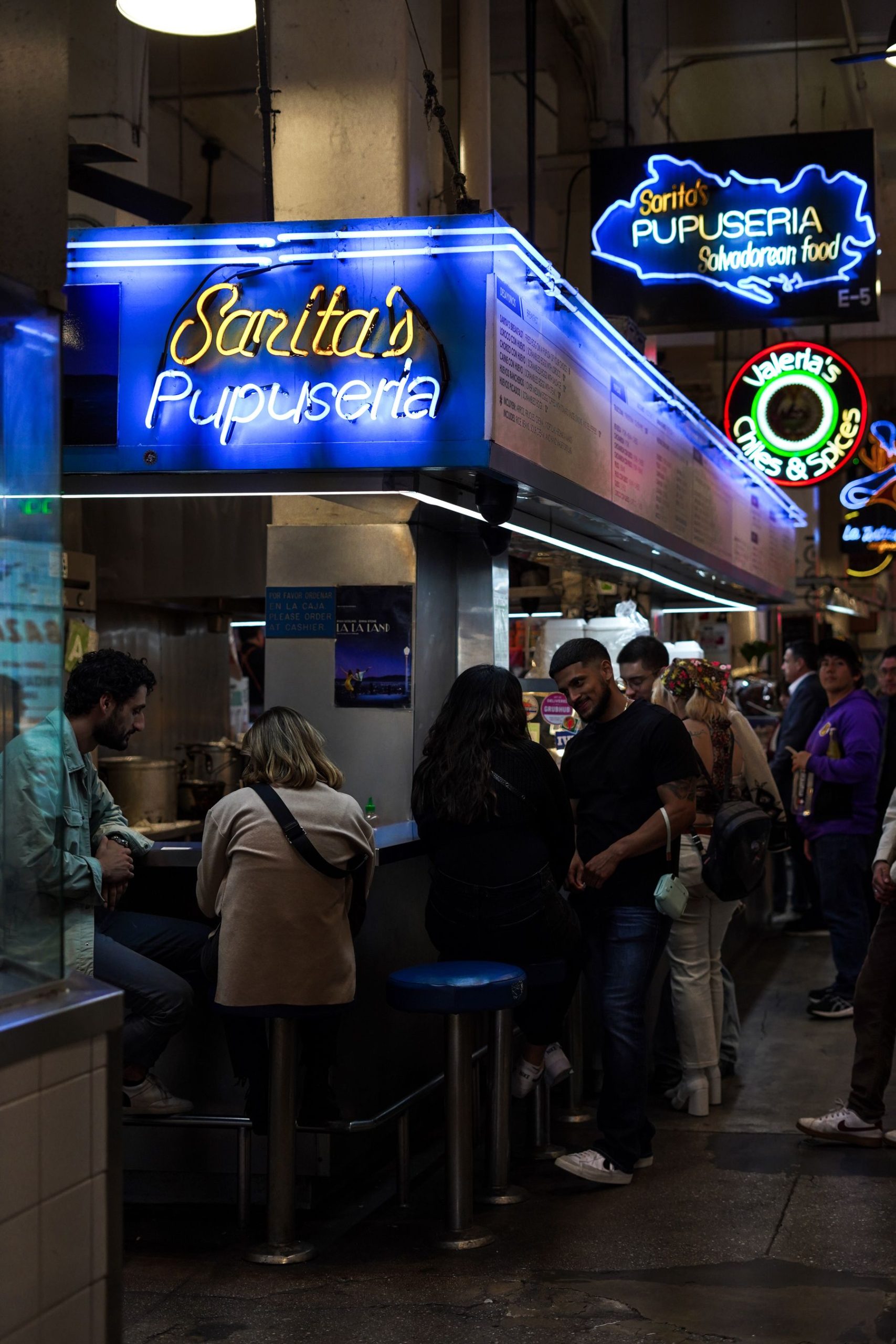
Food is one of the best reasons to leave space in an LA itinerary. Grand Central Market lets a group choose different dishes without committing to one formal restaurant. Little Tokyo adds another rewarding neighborhood to the day, with shops, cafés, and Japanese food traditions to explore.
- Best for: Food lovers, mixed tastes, and a relaxed Downtown lunch.
- Location and map: Grand Central Market and Little Tokyo.
- Time needed: Two to three hours if visiting both, including travel between them.
- Cost and booking: Pay for what you order. Vendor hours, queues, and reservations at separate restaurants vary.
- Getting there: Choose a Downtown walking-and-transit route that suits your group; these are separate stops, not adjoining food halls.
- Accessibility: Check the approach, seating, and crowd levels for the venues you choose.
- Pair with: The Broad or another Downtown cultural stop.
- Practical tip: Share small dishes where appropriate, leave room for dessert, and ask directly about allergens and cross-contact.
9. Give Universal Studios Hollywood a Full Day
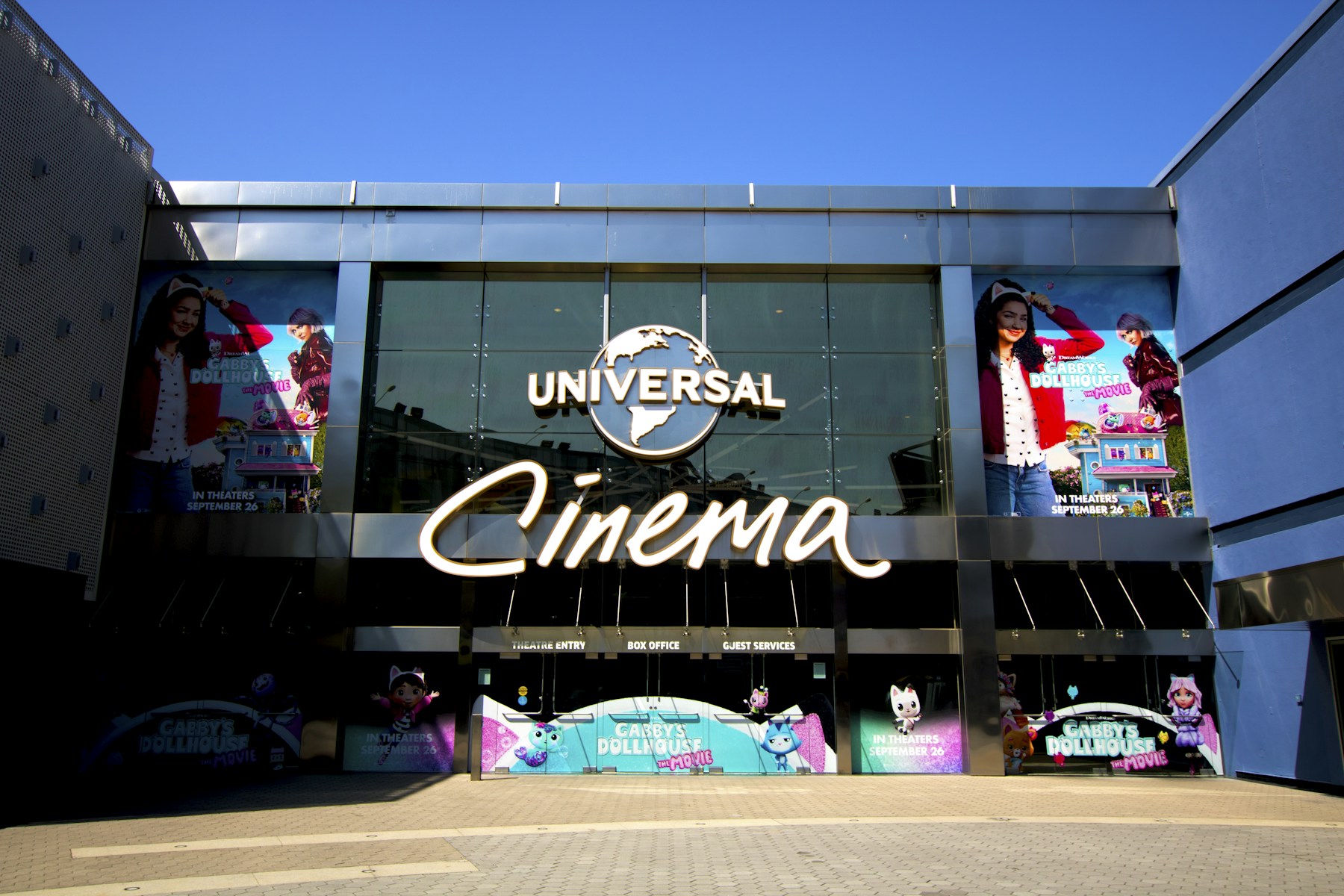
Choose Universal for a day built around rides, themed attractions, and its Studio Tour. It has a different purpose from a working-studio visit: this is a major theme-park outing, with queues, ride requirements, and a ticket choice that can substantially change your budget.
- Best for: Theme-park fans, film-themed attractions, and families whose children meet the ride requirements.
- Location and map: Universal Studios Hollywood.
- Time needed: A full day.
- Cost and booking: Ticket prices vary by date and product. Compare the final checkout total, included access, and any separately ticketed evening event before buying.
- Getting there: The B Line reaches Universal City/Studio City; check the current connection up to the entrance. Parking is an extra cost if driving.
- Accessibility: Review the park’s current rider requirements and accessibility process for your specific needs before purchase.
- Pair with: A meal or short walk at CityWalk, if you still have energy.
- Practical tip: The photo shows Universal Cinema at CityWalk, outside the ticketed park. Visiting CityWalk does not include park admission. Keep the rest of your day clear.
10. Go Behind the Scenes at Warner Bros. Studio Tour Hollywood
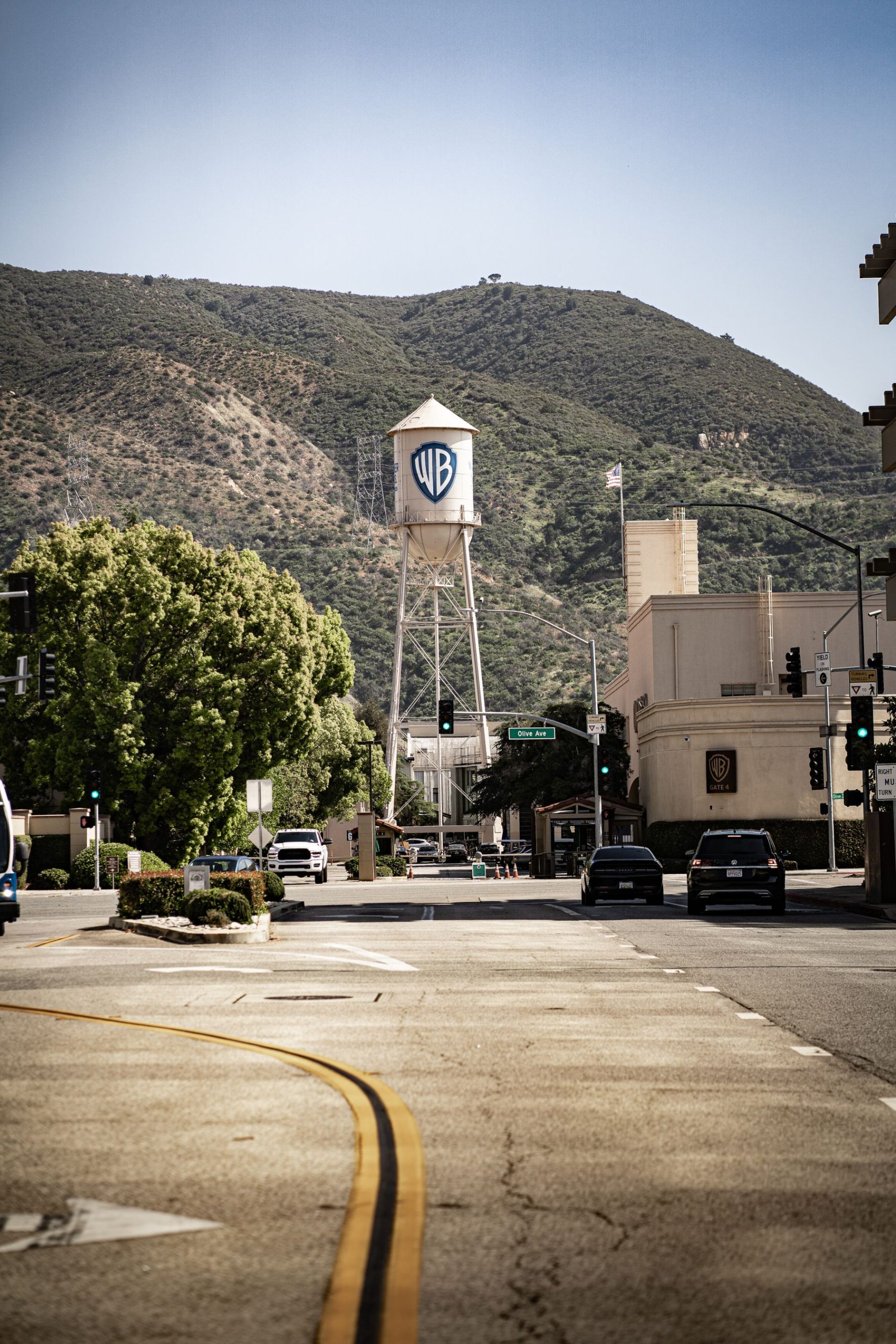
Warner Bros. is a strong choice if you are more interested in how film and television are made than in thrill rides. It is a working studio, so the day’s production schedule affects what you can see. Treat recognizable sets as a bonus rather than a guaranteed checklist.
- Best for: Film and television fans, set design, and production history.
- Location and map: Warner Bros. Studio Tour Hollywood, Burbank.
- Time needed: Around three hours for the standard visit, plus arrival time.
- Cost and booking: The standard tour currently lists $79 for adults aged 11+ and $68 for children aged 5–10. Check your date and product before paying.
- Getting there: Plan a bus, rideshare, or driving connection to Burbank rather than assuming it is beside the Walk of Fame.
- Accessibility: Wheelchair-capable tour carts are available; contact the tour team ahead, particularly for a larger powered chair.
- Pair with: A relaxed Burbank meal.
- Practical tip: Children under five are not permitted on the tour. Set access changes with production needs, and photo rules vary by area.
11. Visit Museum Row and Photograph Urban Light
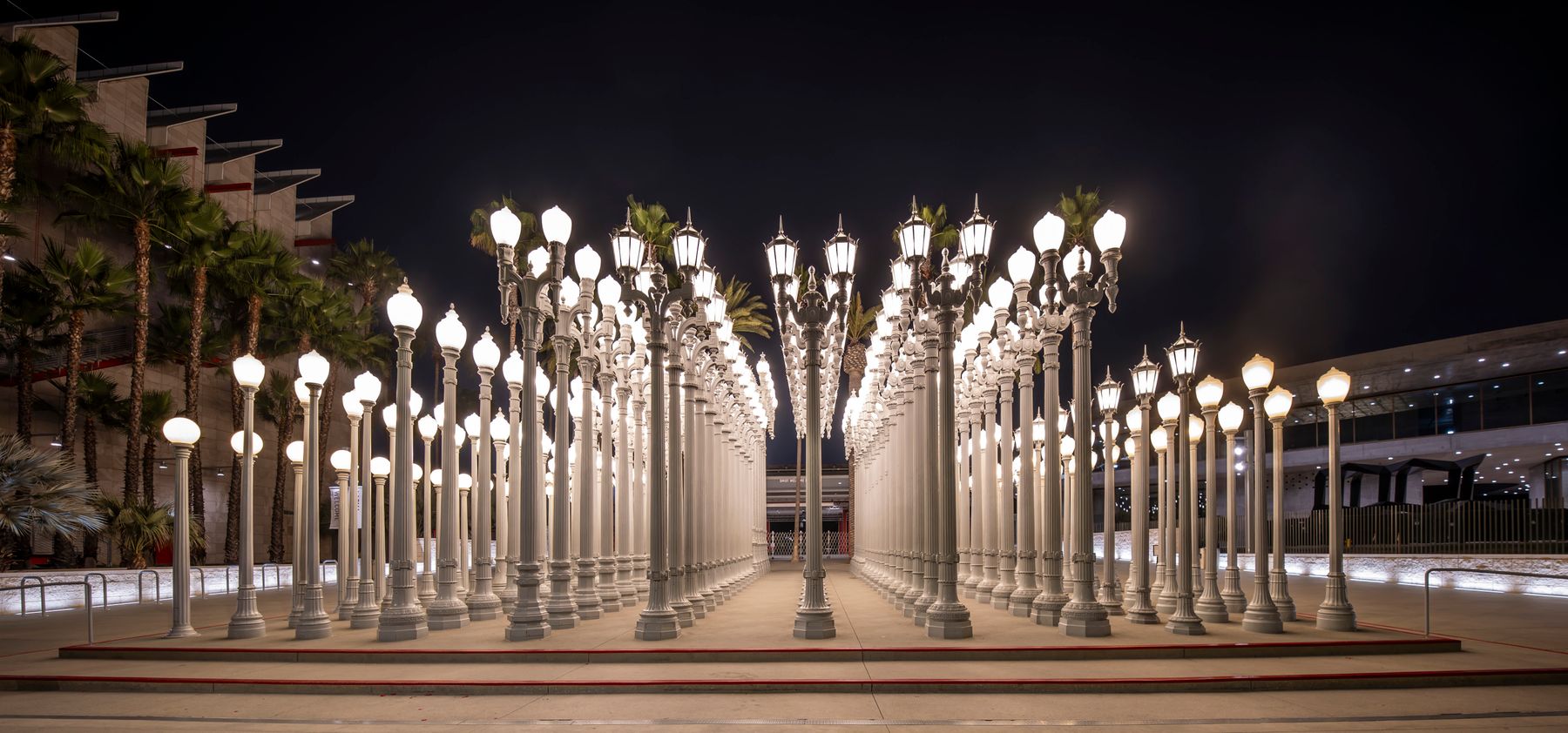
The area around Wilshire and Fairfax can fill a rewarding afternoon. Choose one museum that fits your interests, then finish with Urban Light, Chris Burden’s installation of historic street lamps outside LACMA. Film fans may prefer the Academy Museum; others may choose art, cars, or natural history nearby.
- Best for: Museum lovers, film history, and an evening photo stop.
- Location and map: Urban Light and Academy Museum of Motion Pictures.
- Time needed: Two to four hours for one museum and the outdoor stop.
- Cost and booking: Urban Light is free to view. Academy Museum standard adult admission is currently $25; visitors 17 and under receive free general admission. Special screenings and experiences can be separate.
- Getting there: The D Line’s Wilshire/Fairfax station is useful; check the final walk and service status.
- Accessibility: Ask your chosen museum about entrances, lifts, seating, and sensory accommodations.
- Pair with: A nearby dinner rather than another distant attraction.
- Practical tip: Urban Light illuminates around dusk. Museum schedules differ; the Academy Museum is normally closed Tuesdays, and some galleries can close temporarily.
12. Make Time for a Malibu Coastal Outing
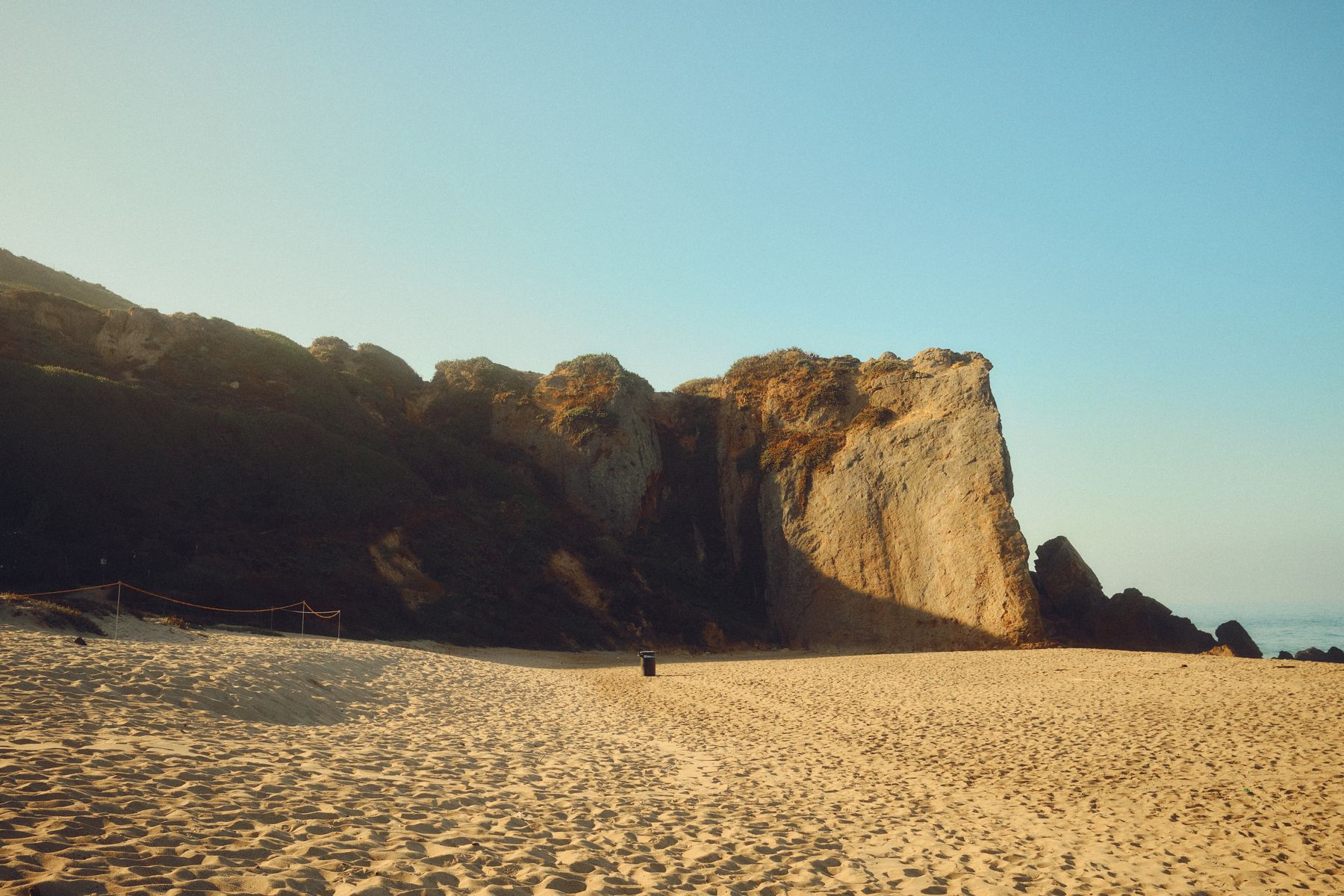
Malibu is best treated as a separate outing rather than a quick extra after a busy city day. The coast offers beaches and dramatic headlands, but road conditions, parking, surf, and access restrictions can change the plan.
- Best for: Coastal scenery and a slower day with room for a beach stop.
- Location and map: Zuma Beach is one option to investigate for your dates.
- Time needed: Half a day or more, including the drive.
- Cost and booking: Allow for parking, food, and transport; check current lot prices.
- Getting there: A car offers more flexibility, but check road alerts and avoid making tight onward reservations.
- Accessibility: LA County lists beach wheelchairs at Zuma. Its access mat is seasonal, normally April–October; confirm equipment and current access before traveling.
- Pair with: A single beach and a relaxed meal rather than a long list of coastal stops.
- Practical tip: The photograph shows Point Dume. As checked November 9, 2026, Westward Beach Road and lower parking access are restricted, with some beach areas affected by repairs. Check County and State Parks updates before choosing Point Dume; do not route yourself through closed work areas.
How to Plan Your First Trip to Los Angeles
How Many Days Do You Need?
Two days give you a taste: one Hollywood-and-Griffith day and one beach day. Three days let you add Downtown or a museum. Five days allow a studio or theme-park day without squeezing out everything else. A week gives you room for slower mornings, another museum, and a nearby day trip.
Count arrival and departure days honestly. Landing at LAX in the afternoon does not leave a full sightseeing day, especially after baggage collection and a trip across the city.
A Step-by-Step Booking Checklist
- Choose your three biggest interests: beaches, movies, museums, food, hiking, or nightlife.
- Put those places on a saved map before choosing a hotel.
- Compare flights to LAX and, when suitable, Hollywood Burbank Airport.
- Book a hotel with a convenient location and a cancellation policy you understand.
- Reserve your one or two must-do paid experiences.
- Reserve free museum entry times where required or useful.
- Decide which days need a car and which can use transit or walking.
- Leave space for traffic, weather changes, and a relaxed meal.
What Should You Book in Advance?
Book Universal Studios Hollywood, Warner Bros. Studio Tour Hollywood, major concerts and games, and any restaurant you would be disappointed to miss. The Getty Center requires a free timed-entry reservation. The Broad offers free general admission, with advance reservations helpful for avoiding its standby line; its popular Infinity Mirrored Room needs its own reservation type.
What Can You Decide After Arriving?
Leave beach walks, neighborhood cafés, casual meals, and most outdoor photo stops flexible. Check the forecast before choosing your hilltop-view day. Haze or low cloud can change what you see from Griffith Observatory.
Choosing Your Travel Priorities
Movie fans should choose between a working-studio tour and a theme-park day based on what they enjoy. Museum lovers can spend two excellent days at the Getty, The Broad, and Museum Row. Families often do better with one big attraction followed by an easier day. You do not need to collect every famous place to have a memorable visit.
Best Time to Visit Los Angeles
Weather and Seasons
Conditions vary more than a single weather forecast suggests. The coast can feel cool and breezy while inland neighborhoods are much warmer. Pack a light layer even when the afternoon looks sunny. Late-spring and early-summer coastal cloud, often called May Gray or June Gloom, can make beach mornings feel less summery than expected.
Spring: A Good Fit for Sightseeing
Spring is a useful choice for outdoor exploring and museum days. Rain remains possible, and school breaks can increase demand. Hillside walks are more enjoyable when temperatures are comfortable, but check trail conditions after wet weather.
Summer: Longer Days and Busier Attractions
Summer brings school-holiday crowds and busy theme parks. Inland heat can make exposed hiking uncomfortable. Start walks early, take shaded breaks, and keep the beach as a pleasant outing rather than assuming the ocean will feel warm.
Fall: Often a Strong First-Visit Choice
Early fall can still be hot. Later fall often suits mixed sightseeing, with shorter daylight hours to plan around. Wind and fire conditions can affect parks and scenic drives, so keep a museum alternative ready.
Winter: A Flexible City Break
Winter can work well for museums, food, and studio tours. Rain is more likely than in summer, and evenings can feel cool. Avoid planning a whole trip around perfect beach weather.
Peak, Shoulder, and Low Seasons
Summer, major holidays, and big event weekends often bring higher demand. Parts of spring and fall can offer a more comfortable balance. Some nonholiday winter weekdays may offer better hotel value, but LA has no single cheap season across every neighborhood. Compare the actual total for your dates.
Major Events and Holidays
Awards-season events can affect Hollywood access and hotel demand. Concerts, sports fixtures, conventions, Halloween events, and year-end holidays can change prices in particular areas. Check event calendars before assuming a normal weekend will be quiet.
How Much Does a Trip to Los Angeles Cost?
Budget, Midrange, and Higher-Spend Travel Compared
The biggest cost decision is often where you sleep and how you move around. A cheap room far from your plans can become expensive after parking, fuel, and long rideshare trips.
| Travel style | Approximate daily amount per adult | What the estimate assumes |
|---|---|---|
| Budget | $140–$200 | Sharing a modest room, casual food, mostly transit, and mostly free sights |
| Midrange | $230–$350 | Sharing a well-located hotel room, a mix of meals, some rideshares, and paid activities |
| Higher spend | $450–$750+ | An upscale hotel, more private transport, destination dining, and premium activities |
These are editorial allowances for a normal sightseeing day, including a share of accommodation. They are not advertised package prices or promises of availability. A major theme park, private tour, or special event can push a day well above them.
Accommodation Costs
Compare the final room total, including taxes and mandatory fees. Ask about overnight parking, destination fees, deposits, breakfast, and whether the advertised room actually fits your group. Beachfront locations and popular weekends can cost much more than nearby dates.
Food and Dining Costs
Set a daily food allowance before reserving expensive dinners. Casual counters, bakeries, markets, and neighborhood restaurants make it easier to mix affordable meals with one special evening. Menus may show prices before sales tax and tip.
Transportation Costs
Metro’s regular fare is currently $1.75, with a $5 daily cap and $18 seven-day cap when using an eligible payment method. Separate operators and airport buses may charge separately. Car costs include rental, insurance choices, fuel, hotel parking, and attraction parking. Rideshare prices depend on demand and your exact route.
Attractions, Taxes, Tips, and Extra Fees
Several highlights have free entry, but parking can still cost money. Theme-park tickets, studio tours, ticket upgrades, and souvenirs deserve their own budget line. At sit-down restaurants, 18–20% before tax is a common tipping starting point for good service; inspect the bill for any service charge and ask whether it includes gratuity.
Sample Budget for Two Adults
Here is an illustrative three-night, three-day trip for two adults sharing one room, using mostly free sights and a few paid activities.
| Expense | Planning allowance for two adults |
|---|---|
| Hotel: three nights at an assumed $220 total per night, including estimated room taxes and fees | $660 |
| Food: $55 per adult per day for three days, including planned taxes and tips | $330 |
| Local transit and a few short rideshares | $80 |
| Airport transfers, both directions | $100 |
| Paid attractions and activities | $220 |
| Subtotal | $1,390 |
| 10% contingency | $139 |
| Illustrative trip total | $1,529 |
What the Budget Includes and Excludes
This example includes the listed hotel assumption, meals, transfers, local travel, and activities. It excludes flights, a rental car, major shopping, travel insurance, and a full Universal Studios day. Replace each allowance with a real quote before booking. Solo travelers usually pay more per person because they do not split the room.
Practical Ways to Save Money
Use free attractions between paid days. Stay near a useful transit line. Compare a rental car for selected days instead of the entire visit. Bring a refillable bottle, check parking prices before driving, and choose a hotel for its total trip cost rather than its nightly rate alone.
Where to Stay in Los Angeles
Best Areas for First-Time Visitors
Santa Monica works well when the beach is a priority and you want an enjoyable local walking area. Hollywood, near a useful Metro station, suits film sights and trips toward Universal City or Downtown. Downtown LA suits museums, food, architecture, and Union Station connections. Check the exact block and walking route for every hotel.
Families, Couples, and Budget Travelers
Families should prioritize room size, breakfast, laundry, and the distance to their main attraction. Santa Monica can suit a beach-focused family, while the Universal City or Burbank area may work better for repeated studio or theme-park plans. Couples may prefer a coastal base or West Hollywood dining. Budget travelers should compare transit-connected locations and check hostel or hotel room arrangements carefully.
Nightlife and Quieter Stays
West Hollywood is a useful starting point for nightlife and restaurants, but rail access is less convenient than in Hollywood. For a quieter stay, look beyond a neighborhood name: ask about the room’s position, nearby bars, road noise, and construction. A room on a calm residential-facing side can feel very different from one overlooking a busy boulevard.
Neighborhood Comparison Table
| Base | Best fit | Main tradeoff | Transport question to ask |
|---|---|---|---|
| Santa Monica | Beach days, couples, relaxed walks | Often expensive; far from eastern sights | Can you walk to the E Line or a useful bus? |
| Hollywood | First visits, film sights, Universal access | Busy tourist streets; quality varies by block | How far is the hotel from the B Line? |
| Downtown LA | Museums, food, rail arrivals | Street conditions and atmosphere vary | Is your exact walking route comfortable for your plans? |
| West Hollywood | Dining, nightlife, shopping | More reliance on buses or rideshares | What will your daily journeys cost? |
| Burbank / Universal City area | Studios and theme-park focus | Less convenient for a beach-heavy trip | Is a shuttle, bus, or rental car needed? |
| Pasadena | A calmer base and local exploring | Longer journeys to Hollywood and the coast | Does the location suit your itinerary rather than only the room price? |
Hotels, Vacation Rentals, and What to Check
Use a legitimate hotel or a rental with clear local authorization and host details. Read recent reviews about cleanliness, noise, access, and unexpected charges. Confirm parking dimensions if bringing a large vehicle. For an accessible room, ask for specific features such as bathroom layout and the route from the entrance, rather than relying only on an accessibility filter.
How to Get to Los Angeles
Arriving by Air
LAX has the widest range of flight choices. Hollywood Burbank Airport can be convenient for a stay near Burbank, Hollywood, or Universal City if the flight works for you. Long Beach, Ontario, and Orange County’s John Wayne Airport can suit particular regional plans, but a cheaper flight can mean a longer transfer.
Arriving by Train, Bus, or Car
Union Station is the main rail arrival point for Downtown. Check Amtrak or Metrolink schedules for your actual route, and confirm the stop before booking an intercity bus. Driving can make a wider Southern California trip easier, but choose your arrival time with city traffic and hotel parking in mind.
Getting From LAX to Your Accommodation
As checked in November 2026, the current rail connection uses a free Metro Connector shuttle between airport terminals and the LAX/Metro Transit Center, where the C and K Lines connect. Do not plan a journey on the assumption that a rail platform is already inside your terminal. Check current airport signs and operating hours.
The FlyAway bus serves Union Station and Van Nuys. The current one-way fare is $12.75 per person. Cash is not accepted. It can be a useful option when your accommodation connects easily from one of those stops, but it does not deliver you to every hotel.
Airport Transfer Comparison
| Option | Cost approach | Time and convenience | Most useful for |
|---|---|---|---|
| Metro Connector plus Metro rail/bus | Free airport shuttle plus applicable transit fare | Cheapest of these options for many routes, but transfers take time | Light luggage and a hotel near transit |
| FlyAway | $12.75 one way per person, plus any onward journey | Direct to Union Station or Van Nuys; road traffic still matters | Downtown or San Fernando Valley connections |
| Taxi or rideshare | Check the current route quote and airport fees | Convenient for luggage; pickup instructions and traffic vary | Door-to-door trips and late arrivals |
| Reserved private transfer | Quote for your party, luggage, and waiting time | More predictable arrangements; usually higher cost | Groups or specific access needs |
| Rental car | Daily rate plus taxes, coverage, fuel, and parking | Useful for wider travel; collection and city driving take time | Coastal drives and several scattered outings |
Late Arrivals and Accessible Transfers
Check the full journey, including the last train or bus and the final hotel walk. A cheap connection is less useful if its onward service has finished. Arrange accessible vehicles or assistance in advance when necessary, and confirm luggage and mobility-device capacity directly with the operator.
How to Get Around Los Angeles
Public Transportation
The B Line is useful for Downtown, Hollywood, and Universal City. The E Line connects Downtown with Santa Monica. The D Line now reaches Wilshire/La Cienega; its Wilshire/Fairfax station is useful for Museum Row. Those stations opened in 2026, so older guides may describe an outdated rail map. Check service alerts on your travel day.
Pay with TAP or another currently accepted contactless method. For fare-capping benefits, use the same card or device consistently. Free Metro transfers apply within two hours under its rules; round trips are not included. Municipal buses have their own fare and transfer policies.
Walking and Cycling
Walk within an area, then use transport between areas. Downtown, Santa Monica, parts of Hollywood, and the Venice canals reward exploring on foot. The coastal path can be enjoyable by bicycle, but stay alert at crossings and separate walking areas. Do not treat every route on a map as a pleasant long walk.
Taxis, Rideshares, Rental Cars, and Parking
Compare the whole journey before ordering a car. A rideshare to a rail station may be more useful than a long ride across the region. If renting, read every parking sign, keep belongings out of sight, and budget for hotel and attraction parking. Allow extra time to find a lot and walk to your destination.
Shuttles and Local Connections
The DASH Observatory/Los Feliz route connects the Vermont/Sunset area with Griffith Observatory. Universal City has a hilltop connection to consider after arriving by Metro. Check the operator’s current shuttle, bus, and walking instructions; the map distance alone does not show hills or waits.
Accessible Transportation and Useful Apps
Use the current Metro trip planner and elevator notices, alongside Google Maps or another navigation app. Check the complete route from station to entrance. Accessible rail service does not mean every uphill sidewalk or beach path will suit every visitor. Save your hotel address and important reservations offline.
More Experiences to Add to Your LA Trip
Cultural and Historical Experiences
Look beyond famous film locations. Little Tokyo, Thai Town, Koreatown, and South LA offer different food traditions, cultural institutions, and local histories. Choose an area you are interested in and spend enough time there to do more than stop for a photograph.
Outdoor Activities and Nature
A short Griffith Park walk, a coastal bike ride, or an easy beach morning can balance indoor sightseeing. Choose activities for the weather and your group’s fitness. On hot, windy, or poor-air-quality days, change the plan instead of forcing a hike.
Neighborhood Exploring, Shopping, and Markets
Los Feliz and Silver Lake can suit a café-and-shop outing. Abbot Kinney Boulevard fits naturally with Venice. Downtown combines independent shops, architecture, and food. Markets and events have their own schedules, so verify a specific one before crossing the city for it.
Entertainment, Nightlife, and Seasonal Activities
A comedy show, concert, live sporting event, or film screening can be more memorable than another landmark. Pick something you actually enjoy and arrange the journey home before the evening begins. Seasonal events may have separate tickets and different age requirements from ordinary daytime entry.
Los Angeles Itinerary Ideas
These routes are starting points, not a timetable you must complete. Swap days to match museum closures, reservations, weather, and your hotel’s location. Keep arrival and departure days lighter.
A Weekend in Los Angeles
Day 1: Hollywood and Griffith. Have a relaxed breakfast, take a short Walk of Fame visit, and spend the middle of the day around Los Feliz or another nearby stop you enjoy. Head to Griffith Observatory with enough time for its exhibits and the evening view. Do not add a long Hollywood Sign hike unless that is your main activity.
Day 2: Santa Monica and Venice. Begin near Santa Monica Pier, spend time by the water, and have lunch before deciding how much of Venice you want to explore. If walking the coast is too much, use a bus or short ride between areas. Choose one sunset location instead of racing between them.
A 3-Day Itinerary
Use the weekend plan, then add Day 3: Downtown art and food. Reserve The Broad, see the nearby architecture, and eat at Grand Central Market. Add Little Tokyo if your group has the energy and the onward journey makes sense. If art and hilltop gardens appeal more, replace Downtown with the Getty Center rather than trying to fit both into one short day.
A 5-Day Itinerary
- Day 1: Hollywood and Griffith Observatory.
- Day 2: Santa Monica and Venice.
- Day 3: The Broad, Downtown architecture, and a food stop.
- Day 4: Getty Center, followed by a relaxed Westside evening.
- Day 5: Universal Studios Hollywood or Warner Bros. Studio Tour. With the shorter Warner Bros. visit, leave the rest of the day flexible rather than automatically adding another major attraction.
If film attractions are not your priority, replace Day 5 with Museum Row and a leisurely dinner.
A 7-Day Itinerary
Start with the five-day plan. Add Day 6: Museum Row and Urban Light, choosing one main museum. Use Day 7 for a nearby day trip, a coastal outing that is open and accessible, or a neighborhood you would like to know better. A free final day also gives you room to move an outdoor activity if earlier weather disappoints.
Maps, Routes, and Travel-Time Allowances
| Route | Suggested way to approach it | Planning allowance |
|---|---|---|
| Hollywood to Griffith Observatory | B Line connection plus local bus, or a ride | Allow roughly 45–90 minutes for the whole transfer, depending on waits and congestion |
| Santa Monica Pier to Venice Beach | A coastal walk if suitable, otherwise local transport | Roughly an hour or more on foot, with extra time for stops |
| The Broad to Grand Central Market | Walk, allowing for slopes and crossings | About 15–25 minutes at an easy pace |
| Downtown LA to Santa Monica Pier | E Line plus the final walk | Allow roughly 75–100 minutes, checking current service |
| Santa Monica to Zuma Beach | Drive only after checking road and beach access | Allow about one to two hours each way on a busy day, and more if conditions require |
These are broad planning buffers, not live navigation times or guarantees. Open the route near departure, check operator alerts, and add time for parking, queues, and the final walk.
Rainy-Day Alternatives
Choose the Getty galleries, The Broad, the Academy Museum, a film screening, or a food-focused day with short transfers. A studio tour may still include outdoor sections. Theme parks can remain open in rain, but rides and operations may change; check the policy before treating them as a guaranteed indoor backup.
A Slower-Paced Itinerary
Choose one major activity each day and eat nearby. For example: Getty plus lunch; Santa Monica plus beach time; or The Broad plus Grand Central Market. Book a later breakfast, use fewer hotel changes, and leave an afternoon open. This often works better for families and anyone who finds repeated transfers tiring.
What and Where to Eat in Los Angeles
Local Foods and Drinks to Try
LA’s food appeal comes from variety. Consider tacos, pupusas, Korean barbecue, ramen, Thai dishes, bakery breakfasts, and a good neighborhood coffee. You do not need an expensive tasting menu to eat well here. A meal that fits naturally into your day’s route is often a better choice than a famous place on the other side of town.
Best Areas for Food Lovers
Grand Central Market is a convenient starting point for a Downtown outing. Little Tokyo, Koreatown, and Thai Town each deserve their own attention. Explore South LA’s food traditions too if they fit your plans, rather than treating the city’s dining scene as a short list of beach restaurants.
Affordable Meals and Special-Occasion Dining
Look at casual counter-service places and markets for lower-cost meals, checking portions and the final price before ordering. For a special dinner, reserve ahead and check the menu, dress expectations, cancellation policy, and the cost of transport home. Do not place a prepaid dinner immediately after an uncertain cross-city drive.
Vegetarian, Vegan, Halal, and Other Dietary Needs
Search by the specific requirement you need, then confirm directly with the restaurant. A menu with vegetarian choices is not automatically vegan, halal, or suitable for someone with a serious allergy. Staff can explain ingredients, preparation, and whether separate equipment is available.
Food Allergies, Reservations, and Etiquette
Carry a short written explanation of any allergy and ask about sauces, shared fryers, and cross-contact. For reservations, arrive on time and cancel when plans change. Check whether a service charge is already on the bill and whether it goes toward gratuity before adding a tip.
Free and Budget-Friendly Things to Do in LA
Free Attractions and Public Spaces
Build an inexpensive day around Griffith Observatory’s free areas, a legal Hollywood Sign viewpoint, Santa Monica Pier entry, the Venice canals, or Urban Light. Free entry still leaves transport, parking, and meals to pay for, so group nearby stops rather than driving repeatedly between them.
Free or Discounted Museum Admission
The Getty Center and The Broad offer free general admission, with different reservation rules. Other museums may offer age-based, resident, student, or specific-day discounts. Read eligibility carefully: an offer for local residents may not apply to a visitor, and a general-entry offer may exclude a special exhibition.
Are Attraction Passes Worth It?
List the paid attractions you would choose without a pass. Compare their real date-specific ticket prices with the pass cost, then check reservations, exclusions, operating days, and travel time. A pass only saves money if you use enough included activities without turning the trip into a rush.
A Sample Low-Cost Day
Have an inexpensive breakfast near your hotel, use transit for a short Hollywood walk, and eat lunch around Los Feliz before taking the local connection to Griffith Observatory. Enjoy the free exhibits and view, then return for a casual dinner. Your spend comes from food, transport, and any optional show, not a stack of entry tickets.
Money-Saving Booking Tips
Compare the final checkout price, keep your booking confirmation, and check refund terms before paying. Do not buy a premium queue upgrade for every attraction by habit. Spend on the experience that matters most, then balance it with free walks and time outside.
Experiences for Different Travelers
Family-Friendly Activities
Santa Monica, a carefully chosen museum, and one theme-park day can make a good family mix. Check ride heights, tour age limits, stroller rules, and the time needed for meals. Put the biggest activity after a good night’s sleep, not immediately after a long flight.
Romantic Experiences for Couples
Try a coastal walk, an art-and-garden afternoon at the Getty, a relaxed neighborhood dinner, or an evening view from Griffith. Book one special thing and leave room around it. A romantic day does not need three sunsets in three different places.
Solo Travel and Group Trips
Solo travelers can build around museums, food neighborhoods, and well-planned transit routes. Choose accommodation that makes the return journey straightforward. Groups should agree on a daily spending range and one shared priority; separate for a few hours if interests differ rather than making everyone do every activity.
Accessible Activities and Less Walking
Contact museums and tour operators about your exact requirements before booking. A short visit to one venue with seating may work better than an ambitious neighborhood circuit. At the coast, check beach-wheelchair availability and seasonal access mats. Confirm the route from drop-off to entrance, including slopes, surfaces, and restrooms.
Best Photography Spots in Los Angeles
Scenic Viewpoints and Famous Landmarks
Griffith Observatory, the Hollywood Sign viewpoints, Santa Monica Pier, the Venice canals, the Getty’s outdoor spaces, The Broad’s exterior, and Urban Light offer different versions of the city. Choose a few that fit your itinerary rather than crossing LA for every photo on a list.
Sunrise, Sunset, and City Lights
Coastal mornings can be quiet but cloudy. Sunset can be beautiful at the beach, while Griffith offers a changing skyline as lights appear. At Urban Light, the lamps usually switch on around dusk. Check access hours and the journey back before planning a very early or late visit.
Photo Etiquette and Restrictions
Keep walkways clear, respect residents around the canals and hillside viewpoints, and ask before photographing people closely. Museums and working studios can restrict flash, tripods, video, or photography in particular areas. A normal admission ticket does not automatically permit a commercial shoot or drone flight.
Day Trips and Road Trips From Los Angeles
Nearby Places Worth Considering
Pasadena can suit architecture, gardens, museums, and a calmer city outing. Long Beach works for a waterfront-focused day. Malibu suits coastal scenery when access conditions allow. Santa Barbara is better with an early start or an overnight stay if you want to avoid a tiring return.
Disneyland Resort is in Anaheim, not Hollywood or central LA. Give it a dedicated day and check its current ticket and reservation requirements. A Disney-focused holiday may work better with some nights in Anaheim rather than repeated long transfers from a Los Angeles hotel.
Distance, Driving Time, and Tour Choices
Travel time depends heavily on your starting point. Pasadena may be a relatively straightforward outing from Downtown and a much longer one from the beach. A guided tour can simplify transport but reduces flexibility. Compare pickup location, total time on the road, walking demands, and cancellation rules before booking.
A Suggested Road Trip Route
For a longer Southern California trip, consider Los Angeles → Santa Barbara → Los Angeles with an overnight stay rather than a rushed out-and-back drive. Choose a lawful open route using current navigation and road alerts. Do not assume a scenic coastal road is fully open simply because an older itinerary used it.
Parking, Weather, and Seasonal Conditions
Check destination parking, coastal erosion warnings, fire restrictions, and road closures. Recent conditions around Point Dume show why this matters: the beach name can remain on a map while its usual road or parking approach is restricted. Keep a simpler alternative and avoid stopping in signed no-parking areas for a photo.
Essential Things to Know Before You Go
Travel Documents and Entry Requirements
Domestic and international travelers have different document needs. Confirm current identification requirements with your airline and, for international travel, check the official U.S. entry rules that apply to your passport and circumstances. A travel itinerary does not determine whether you are eligible to enter.
Currency, Cards, and Cash
Prices are in U.S. dollars. Cards are widely useful, and some services are cashless, including the current FlyAway payment options. Carry a modest backup amount of cash, keep a second payment method separately, and check foreign-transaction fees if relevant.
Language, Mobile Data, and Charging
English is widely used, and LA is multilingual. Save your hotel address and essential details in a form you can show someone. Download maps before leaving Wi-Fi, keep a power bank charged, and bring a compatible U.S. power adapter if needed. Do not rely on an airport or hillside pickup location having perfect reception.
Safety and Common Scams
Use normal city awareness, check the exact area around your accommodation, and plan the trip home before going out late. Do not leave luggage or electronics visible in a parked car. Decline unwanted offers calmly, use official ticket channels, and agree on any street-photo price before participating.
Heat, Air Quality, Surf, and Weather
Check local forecasts and official alerts before hiking or coastal activities. Use sunscreen, carry water, and avoid pushing on through uncomfortable heat. Swim near staffed lifeguards when conditions allow, follow posted warnings, and remember that a beautiful beach can still have strong currents. Change plans when conditions require it.
Public Restrooms and Luggage Storage
Use visitor facilities at museums, parks, stations, and businesses according to their rules. Availability can change with opening hours or construction. Ask your hotel about bag storage before booking a separate service; check hours, insurance terms, and the exact collection location for any third-party storage.
Local Rules and Respectful Travel
Read parking signs, stay on public paths, and follow venue rules for bags, filming, food, and smoking. Do not enter private property, restricted studio areas, or closed trails because an old map suggests a shortcut. Leave natural areas as you found them and keep noise down around homes.
What to Pack for Los Angeles
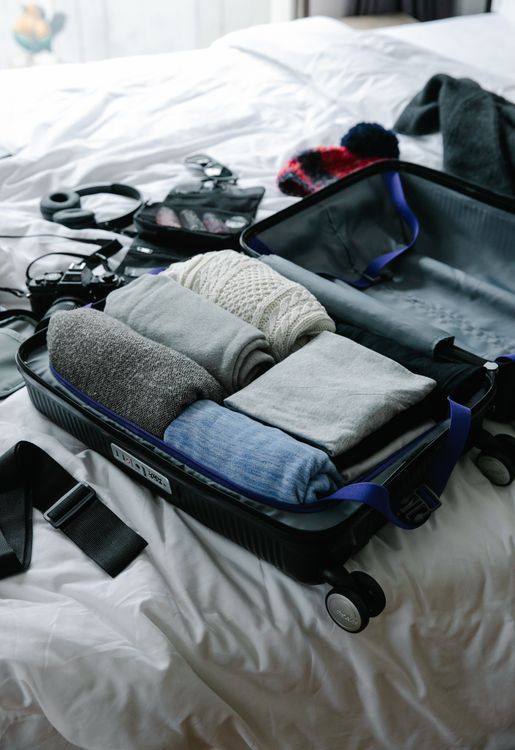
Everyday Travel Essentials
- Comfortable shoes for real walking, not just getting from the car to a doorway.
- A light jacket or layer for coastal breezes and cooler evenings.
- Sun protection, a refillable water bottle, and a compact day bag.
- Your phone, charger, power bank, payment backup, and saved reservations.
- Any personal medication and the items you rely on for comfort and access.
Clothing for the Season and Outdoor Activities
Add a rain layer when the forecast calls for it and warmer evening clothing in winter. Hiking needs suitable shoes, water, and a route matched to your ability. A beach day may call for swimwear and a towel, but also a layer for the journey home.
Family Travel and Personal Needs
Bring easy snacks where permitted, a small change of clothes for children, and the right equipment for your planned activities. Check attraction bag rules before carrying a large pack. Keep essential medical or mobility items with you, and confirm any storage or charging needs ahead of time.
Important Contacts and Official Resources
Save useful numbers in your phone and keep your hotel’s address available offline. Phone details below were checked on November 9, 2026; verify routine-service hours before calling.
| Need | Contact or resource |
|---|---|
| Immediate emergency: police, fire, or medical help | 911 |
| Nonemergency police response within LAPD’s service area | 1-877-275-5273; other cities have their own police departments |
| LAX general information | 1-855-463-5252 |
| Metro fares, schedules, and trip-planning help | 1-323-466-3876 |
| FlyAway customer service | 1-866-435-9529 |
| Official visitor planning | Los Angeles Tourism & Convention Board / Discover Los Angeles |
| Beach and coastal access notices | LA County Department of Beaches and Harbors and California State Parks |
| Road conditions | Caltrans and local road-closure notices |
For nonurgent medical needs, ask your accommodation or insurer for a suitable local provider. International visitors can save their own consulate’s details before travel. Use the relevant city’s local service rather than assuming every address in the LA region falls within the same jurisdiction.
Common Mistakes First-Time LA Visitors Make
Planning Too Much in One Day
Hollywood, Malibu, Downtown, and Anaheim are not a comfortable one-day sightseeing route. Choose an area and enjoy it. Skip something before you turn every meal into food eaten in transit.
Underestimating Travel and Parking Time
A drive estimate is only part of the trip. Add time to collect the car, find parking, walk to the entrance, queue, and use a restroom. Leave extra room before anything with a strict entry time.
Choosing Accommodation Based Only on Price
Compare the total cost of staying there, including daily travel and parking. Check recent feedback on the exact property and its immediate surroundings. The most useful location depends on your own itinerary.
Missing Reservations or Booking the Wrong Place
Free admission can still require a reservation. The Getty Center and Getty Villa are separate sites. A general-entry ticket at The Broad is not the same as its Infinity Mirrored Room reservation. Read the product name before paying or confirming.
Ignoring Weather, Closures, and Extra Fees
Keep a wet-weather option, check trail and beach notices, and inspect the final hotel or ticket total. Do not assume a map pin means a route is currently open or that an entry ticket includes parking.
Using Unofficial Sellers Without Checking
Use the attraction or a reputable authorized seller, read the refund terms, and keep a copy of your confirmation. Avoid buying a ticket from an unknown person because a popular time appears sold out elsewhere.
Frequently Asked Questions About Visiting Los Angeles
What Are the Best Things to Do in LA on a First Visit?
Start with Griffith Observatory, Santa Monica Pier, the Venice canals, a Hollywood Sign viewpoint, and either the Getty Center or a Downtown art-and-food day. Add a studio tour or Universal Studios Hollywood if those experiences match your interests.
How Many Days Should I Stay?
Four or five days gives a first visit a comfortable range. Three days works for a selective introduction. A week is useful if you want a theme park, museums, the coast, and a nearby day trip without rushing every day.
Where Should First-Time Visitors Stay?
Consider Santa Monica for a beach-focused trip, Hollywood near the B Line for film sights and transit, or Downtown for museums and rail connections. Choose the exact hotel using your daily routes, total cost, and recent property reviews.
Do I Need a Rental Car in Los Angeles?
Not for every itinerary. A hotel near useful transit, grouped sightseeing days, and a few rideshares can make a car-free trip work. A car is more useful for coastal drives, several scattered stops, or a wider road trip. Include parking when comparing costs.
How Much Should I Budget?
As a planning starting point, allow about $140–$200 per adult per day when sharing a modest room and using mostly free sights and transit. A comfortable midrange trip may need $230–$350. Flights, expensive theme-park days, and unusual event pricing can add substantially.
Is Los Angeles Suitable for Families and Solo Travelers?
Yes, with a plan matched to your interests and needs. Families should check age and height requirements and leave room for breaks. Solo travelers should choose convenient accommodation, plan evening journeys, and avoid trying to cover the whole region at once.
What Should I Book Before Arriving?
Book the hotel, your main theme park or studio tour, popular event tickets, important restaurant reservations, and museum times where required. Keep casual walks and some food stops flexible so the trip can adapt to weather and energy levels.
What Can I Do in Bad Weather?
Choose art museums, the Academy Museum, a film screening, cafés, or a food-focused outing with short transfers. Check whether a studio or theme-park plan includes outdoor sections and whether weather affects operations.
Can I Visit Los Angeles and Las Vegas on the Same Trip?
Yes, but treat the transfer as a separate travel day rather than a quick side trip. Compare flights with a road trip using current conditions and your overall route. Our Las Vegas guide below can help you decide how many extra days to allow.
Your Final Los Angeles Trip Planning Checklist
- Choose your main interests and put them on one saved map.
- Book a hotel that suits those routes, with its full price understood.
- Save airport transfer instructions and a sensible backup option.
- Reserve the Getty, The Broad, a studio tour, or a theme park as needed.
- Build each sightseeing day around one main area.
- Check museum closing days, trail alerts, beach access, and transport notices.
- Replace estimated costs with live quotes and keep a contingency amount.
- Pack comfortable shoes, a light layer, sun protection, and essential personal items.
- Save your hotel address, emergency details, tickets, and important maps offline.
- Leave enough space to enjoy a place without immediately heading to the next one.
A Published Travel Experience and Your Questions
In her first-person Los Angeles guide published in January 2022, Jessica Wright of Bon Traveler described choosing Santa Monica as a walkable coastal base and exploring selected areas each day during a family trip. She also set aside a full afternoon for the Getty Center. Her dated account is useful for its planning approach; current prices and opening details need fresh checks.
The useful planning lesson is simple: give each area enough time. A memorable visit can be a museum afternoon, a long lunch, and one excellent view. It does not need to be a race through every landmark.
Have a question about your route, or a recent LA experience that could help another traveler? Share it in the reply section below. Include when you visited if you are discussing a price, closure, or transport change, and keep personal booking details private.
Explore More USA Travel Guides
- A Complete Travel Guide to Las Vegas — plan the next stop on a wider western USA trip.
- The Ultimate First-Time Visitor’s Guide to New York City — compare a very different American city break.
- 25 Best Places to Visit in the USA: Complete Travel Guide — find more destination ideas across the country.
What would you like to know before you go?
Send us your question, feedback, or a place you would like to see covered.
Ask a travel question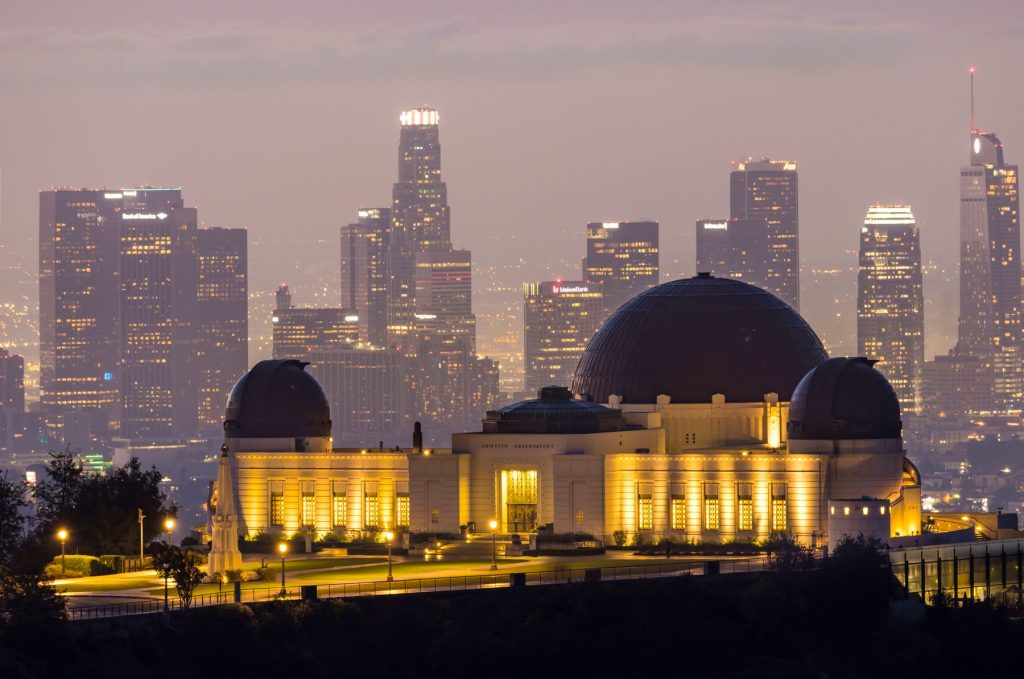
Leave a Reply