Written by Ari Mayzick · Go Travel Box

Las Vegas knows how to make an entrance. One minute you are looking at mountains from an airplane window. A little later, you are walking past an Eiffel Tower, watching fountains dance, or trying to decide whether tonight should be about a show, a long dinner, or simply seeing the lights.
The trick is to leave yourself time to enjoy it. Vegas resorts are enormous, the desert sun is serious, and a cheap-looking hotel rate can grow once you reach the final checkout screen. A little planning makes the city much easier—and often more affordable.
This complete Las Vegas travel guide covers the Strip, Downtown, transport, food, realistic budgets, and desert day trips. It is written for first-time visitors, couples, families, and anyone who wants more than a list of casinos. Recommendations and routes are editorial planning suggestions, supported by checked operator information rather than claims that the author personally tested every hotel or activity. Prices and access notes were researched in November 2026; reconfirm the details for your dates.
First Trip to Las Vegas? Start Here
For a first trip, three or four nights usually give you a comfortable introduction. Choose a well-located hotel, reserve one experience you are excited about, and divide the Strip into sections. Spend one evening Downtown if you want to see a different side of the city.
If you have five days, add a desert outing and a proper rest day. You do not need a rental car for every day of a mostly Strip-based holiday. You may need one, or a tour with confirmed return transport, for the places beyond the city.
Most of all, decide what your version of Vegas looks like. It can be a great meal and an early night, a family attraction and pool time, or a concert followed by a late breakfast. Gambling is optional.
Las Vegas at a Glance
| Planning question | Quick answer |
|---|---|
| Location | Southern Nevada, in the Mojave Desert, with mountains around the valley. |
| Suggested first stay | 3–4 nights; 5–7 days if you want slower mornings and day trips. |
| Seasons to consider | Spring and fall for walking; winter for cooler city days; summer for a heat-aware, mostly indoor plan. |
| Convenient first base | Central Strip for many classic sights; choose a specific hotel location over a broad “near the Strip” label. |
| Daily budget starting point | Our illustrative shared-room budget begins around $125–$190 per adult, excluding flights and gambling. It is a planning model, not a live room quote. |
| Airport | Harry Reid International Airport, code LAS. |
| Getting around | Short walks, RTC buses, Monorail on selected routes, resort trams, and occasional taxis or rideshare. |
| What needs advance booking? | Your hotel, must-see show, special dinner, popular timed attraction, and some desert-park entries. |
| Key cost traps | Resort fees, parking, deposits, ticket charges, transport, tax, and tips. |
| Time zone and money | Pacific Time; US dollars. |
Table of Contents
- First Trip to Las Vegas? Start Here
- Las Vegas at a Glance
- How to Plan Your First Trip to Las Vegas
- Best Time to Visit Las Vegas
- How Much Does a Trip to Las Vegas Cost?
- Where to Stay in Las Vegas
- How to Get to Las Vegas
- How to Get Around Las Vegas
- Best Places to Visit in Las Vegas
- Best Things to Do in Las Vegas
- Las Vegas Itinerary Ideas
- What and Where to Eat in Las Vegas
- Free and Budget-Friendly Things to Do
- Experiences for Different Travelers
- Best Photography Spots in Las Vegas
- Day Trips and Road Trips From Las Vegas
- Essential Things to Know Before You Go
- What to Pack for Las Vegas
- Important Contacts and Visitor Resources
- Common Mistakes Visitors Make
- Frequently Asked Questions About Las Vegas
- Your Final Trip Planning Checklist
- Reader Questions and Travel Experiences
- Explore More Travel Guides
How to Plan Your First Trip to Las Vegas
How Many Days Do You Need?
A weekend is enough for a few Strip highlights and one evening event. Three full days make room for Downtown. Five days let you add nature without squeezing it between dinner and a show. A week works best when you deliberately include quieter days rather than seven days of nonstop sightseeing.
A Step-by-Step Booking Checklist
- Choose your dates and three priorities: perhaps a show, a special meal, and a desert outing.
- Check the event calendar before committing to accommodation.
- Compare flights and complete hotel prices, including mandatory charges.
- Map the hotel against the places you will visit most often.
- Book the activities that have limited seats or entry slots.
- Arrange day-trip transport, then leave open time around your fixed bookings.
What Should You Book in Advance?
Book a particular concert, residency, performance, or popular dining time if it is essential to your trip. Reserve any required park entry, and check whether the attraction ticket covers the experience you want. A gondola ride, an observation deck, and a special exhibit may all be separate purchases within the same resort.
What Can You Decide After Arriving?
Keep ordinary resort walks, casual meals, and some daytime shopping flexible. Decide how much outdoor time feels comfortable after experiencing the weather. You can also choose to do less: a slow breakfast and an afternoon by an open guest pool are valid holiday plans.
Choosing Your Travel Priorities
Ask everyone in your party to name one must-do activity. Put those on the schedule first. If interests differ, split up for a few hours and meet for dinner. Trying to make every person enjoy every activity can make a group trip harder than it needs to be.
Best Time to Visit Las Vegas
Weather and Seasons
Vegas is a desert destination. Summer can bring dangerous heat, including evenings that stay very warm. Winter days can feel pleasant in sunshine but turn cold after dark. Spring and fall often suit walking, although wind and temperature swings can still change the plan. Check the actual forecast before packing.
Peak Season: Advantages and Disadvantages
Holiday weekends, big conventions, major sporting events, and popular concert dates can fill hotels quickly. The atmosphere may be exciting, but prices, queues, traffic, and restaurant demand can rise together. A major event can affect you even when you are not attending it.
Shoulder Season: Advantages and Disadvantages
Parts of March–April and October–November are worth comparing for comfortable outdoor time. They are not guaranteed bargain periods. A large convention or race weekend can outweigh the usual seasonal pattern.
Low Season: Advantages and Disadvantages
Some summer and quieter winter dates can offer lower room prices, but there are tradeoffs. Summer limits comfortable walking and hiking. Winter can bring reduced pool operations. Check the facilities you intend to use instead of assuming the hotel’s pool photograph means year-round access.
Cheapest Times to Visit
Compare several midweek stays outside major events. Sunday-to-Thursday pricing may differ from Friday and Saturday, but conventions can reverse that pattern. Compare the total for your actual stay and consider whether changing one night makes a meaningful difference.
Major Festivals, Holidays, and Events
CES, major fight nights, sporting fixtures, music festivals, New Year’s Eve, and the Las Vegas Grand Prix can reshape demand and road access. Check your travel year’s dates and road notices. Allow extra time for temporary pedestrian diversions as well as traffic.
How Much Does a Trip to Las Vegas Cost?
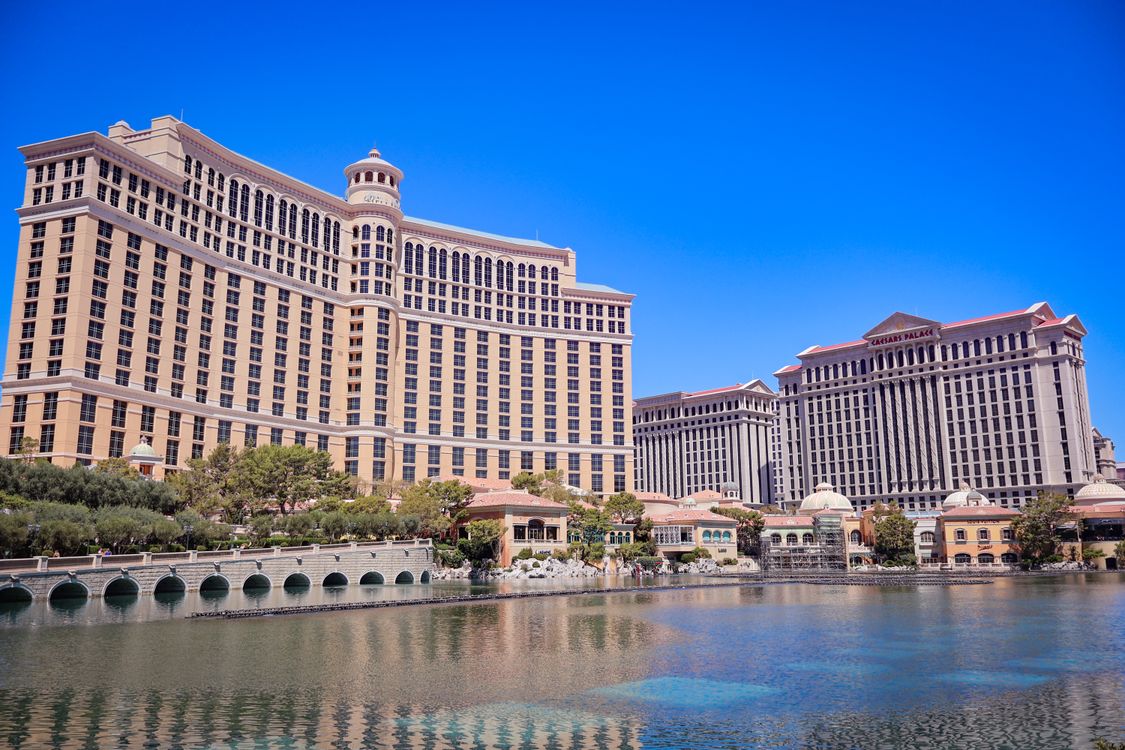
Budget, Midrange, and Luxury Travel Compared
These are illustrative per-adult daily budgets for two adults sharing a room. The room share assumes an all-in price with taxes and mandatory resort charges included. Food allowances include a cushion for tax and ordinary tipping. These are our spending assumptions, not live hotel quotations; event dates can be much more expensive.
| Daily expense per adult | Budget approach | Comfortable midrange | Higher-end approach |
|---|---|---|---|
| Half of a shared room | $55–$85 | $100–$160 | $200–$350+ |
| Food and nonalcoholic drinks | $35–$50 | $60–$90 | $110–$180+ |
| Local transport | $10–$15 | $15–$30 | $30–$60+ |
| Attractions and shows | $25–$40 | $45–$80 | $90–$160+ |
| Approximate daily total | $125–$190 | $220–$360 | $430–$750+ |
Accommodation Costs
The budget model assumes a room for two around $110–$170 all-in per night. Treat that as a target to test, not a promise of availability. If your preferred hotel’s total is higher, change the worksheet before buying activities. Location, cancellation terms, and fees matter as much as the room photograph.
Food and Dining Costs
Vegas can mean an inexpensive counter-service meal or a long tasting menu. Mix quick breakfasts and casual lunches with one planned dinner. Buffets are not automatically the cheapest option, especially if you eat lightly or do not use the drinks package.
Transportation Costs
RTC’s Strip and All Access fares were listed at $4 for a single ride, $6 for two hours, $8 for 24 hours, and $20 for three days during our research. Choose the visitor fare and pass that matches your journey. The Monorail is a separate paid system, and taxis or rideshare can change with demand.
Attractions and Activities
Keep a separate line for the show you most want to see. Ticket prices vary by performance, time, seat, and extras. Ask whether the displayed number is the full checkout total. Free resort sights can balance a day with one expensive experience.
Taxes, Tips, and Additional Fees
Compare hotel totals after resort fees and taxes, plus parking if needed. An incidental deposit or card hold is different from the final room bill, but it can temporarily reduce available funds. For seated restaurant meals, roughly 18–20% of the pre-tax bill is a useful ordinary tipping allowance; read the bill for any service charge already included.
Sample Budget for Two Adults
This example assumes three room nights and three sightseeing days. Replace every assumption with your own quotes. Airport transfers are a combined placeholder allowance rather than a fare quotation for a particular hotel.
| Item | Assumption | Total for two |
|---|---|---|
| Accommodation | 3 nights at $180 all-in per room | $540 |
| Food | $100 per day for two, allowing for tax and tips | $300 |
| Local transport | $30 per day for two | $90 |
| Airport transfers | Assumed total for both directions | $70 |
| Shows and paid attractions | $120 per adult across the stay | $240 |
| Subtotal | Before contingency | $1,240 |
| Contingency | 10% | $124 |
| Example total | Two adults, excluding flights | $1,364 |
What the Budget Includes and Excludes
The example includes three room nights, meals, local and airport transport allowances, and selected entertainment. It excludes flights, shopping, alcohol, gambling, a rental car, and desert tours. Add spending on arrival or departure days if they fall outside the three sightseeing days.
Practical Ways to Save Money
Group activities by area, compare the complete hotel bill, and choose one major paid experience instead of several similar ones. If you choose to gamble, decide on a separate fixed entertainment amount you can afford to lose; do not count winnings as travel income.
Where to Stay in Las Vegas
Best Areas for First-Time Visitors
Central Strip locations can reduce repeated journeys to classic resort sights. Look at the actual hotel entrance, not just the property boundary. A room described as “near the Strip” can still mean a long walk through garages, casino floors, and pedestrian bridges.
Best Areas for Families
Choose by room arrangement, suitable pools, food options, and the distance to your planned activities. A non-gaming property or a quieter room away from nightlife may suit some families. Confirm pool access, age rules, and whether extra guests change the price.
Best Areas for Couples
A central base can work well for dinners and shows. If quiet evenings matter more, compare a quieter property or a resort in another part of the valley. Think about how often you want to return to the room between outings.
Best Areas for Budget Travelers
Compare Downtown, less central Strip properties, and off-Strip hotels using complete prices. Downtown can be convenient for Fremont Street and museums, but it is a separate base from central Strip sights. Cheap accommodation is less useful if each day requires expensive car journeys.
Best Areas for Nightlife
Stay close to the particular venues you plan to visit. “Vegas nightlife” covers places far apart. Downtown and Fremont East offer a different experience from large resort clubs. Expect possible noise and check room position if sleep is a priority.
Quiet Areas for a Relaxing Stay
Summerlin and Henderson can suit a slower resort-and-neighborhood trip. They are not quick walks from the Strip. Compare the extra transport with the benefits of the pool, room, setting, or nearby outdoor access you actually want.
Neighborhood Comparison Table
| Base | Good match | Main tradeoff |
|---|---|---|
| Central Strip | First visits, classic sights, shows | Busy public areas and potentially higher total costs |
| South Strip | Specific resorts, arena events, selected family attractions | Longer journeys to northern sights and Downtown |
| North Strip / convention area | A particular resort or convention | Wider gaps between some destinations |
| Downtown / Fremont | Neon, museums, music, a Downtown-focused trip | Separate transport needed for the Strip; nighttime noise |
| Off-Strip near your activities | Comparing room value or a particular venue | Walkability and pickup convenience vary |
| Summerlin / Henderson | Quieter stays, local dining, some outdoor outings | Longer road trips to most Strip activities |
Hotels, Resorts, and Vacation Rentals
Decide whether you want a large resort, a smaller hotel, or apartment-style accommodation. Check whether facilities are genuinely included and whether a rental is lawful in its exact jurisdiction. A booking platform listing alone is not proof of local approval.
What to Check Before Booking
Confirm resort fees, tax, parking, deposits, minimum check-in age, bed type, smoking policy, cancellation terms, and room access. Ask which pools will be open during your stay. For accessibility, describe your requirements rather than relying on a general label.
How to Get to Las Vegas
Arriving by Air
Most commercial air visitors arrive at Harry Reid International Airport, LAS. Its proximity to the Strip does not guarantee a quick arrival: baggage, pickup queues, traffic, and a large hotel’s check-in process all add time. Save the full hotel name and address before landing.
Arriving by Train or Bus
Do not assume you can book a conventional passenger train directly to the Strip. If using a rail-and-bus connection or intercity coach, read every leg of the ticket and the exact drop-off address. Allow time for the final transfer to your hotel.
Driving to Las Vegas
Check traffic and weather along the full route, especially holiday travel on I-15. Book parking only after understanding your hotel’s current charges and re-entry rules. In the desert, keep fuel and water plans sensible instead of relying on the next stop being open.
Getting From the Airport to Your Accommodation
Taxis use designated airport queues at both passenger terminals. Rideshare pickup points are in signed garage areas rather than every curb outside baggage claim. Follow the airport and app signs for your terminal; avoid accepting an unsolicited ride.
RTC airport services can be cheaper but may require a transfer, depending on the hotel and terminal. The Deuce should not be treated as a direct airport shuttle. The Monorail does not run to LAS. Use a current transit route to your exact destination.
Transfer Comparison: Cost, Time, and Convenience
These are broad planning allowances after leaving arrivals, not guaranteed journey times or live fare quotes. Event traffic and queues can add substantially more.
| Transfer | Cost approach | Planning allowance | Best reason to choose it |
|---|---|---|---|
| Airport taxi | Check the posted applicable airport zone or metered fare and extras | Roughly 20–60+ minutes to many Strip hotels, including a queue | A designated queue and straightforward pickup |
| App-booked rideshare | Check the live total and pickup area | Roughly 25–70+ minutes including walking and waiting | Comparing a direct ride with other options |
| RTC bus connections | Visitor pass and route rules apply | Often 45–100+ minutes depending on transfers | Saving money when the route suits you |
| Hotel or shared shuttle | Confirm service, price, stops, and reservation | Variable; shared stops add time | An arranged service with clear instructions |
| Rental car | Rental, fees, parking, and collection time | Collection can add a substantial wait | An onward road trip or several non-city outings |
Plan an airport-to-Strip public-transport route. Replace the destination with your own accommodation.
Late Arrivals and Accessible Transfers
Tell your hotel if you expect a very late arrival. Confirm pickup arrangements for a wheelchair-accessible vehicle or other required assistance. Ask how close the vehicle can get to the actual entrance, and allow time for any terminal transfer.
How to Get Around Las Vegas
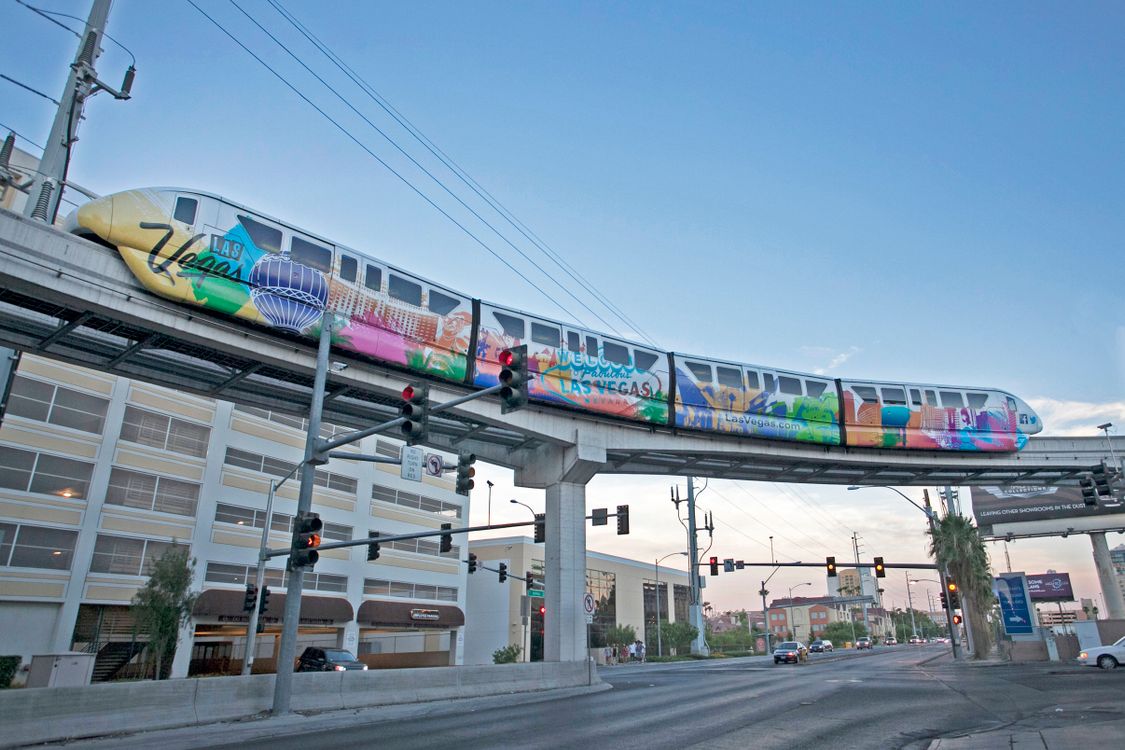
Public Transportation
The Deuce connects the Strip and Downtown, but road traffic can make it slow. Use the current route and visitor-fare rules. A pass is useful only if its duration and coverage match your journeys; keep enough battery to show an app ticket.
Walking and Cycling
Walk short sections rather than assuming the entire Strip is an easy stroll. Hotel entrances, pedestrian bridges, detours, and casino corridors add distance. Outdoor cycling on busy tourist roads is not the same experience as a protected recreational trail. Choose a route appropriate to your confidence and the conditions.
Taxis and Rideshare Services
Large resorts often have specific pickup areas. Choose the correct one in the app and go there before requesting a car. Check whether your hotel has several towers or entrances; “I’m outside” is not very precise at a giant resort.
Rental Cars and Parking
A car can help for Red Rock Canyon, Hoover Dam, or a wider road trip. It may be unnecessary on the days you remain near your hotel. Compare rental and parking costs with a tour or occasional rides, and check whether valet and self-parking have different rules.
Monorail, Resort Trams, and Downtown Options
The Monorail serves selected locations along the east side of the resort corridor and convention area. Its station entrances may be a significant walk from Las Vegas Boulevard. At our check, its live online checkout listed a $5.75 single ride and $13.95 24-hour pass; station prices and offers can differ.
Some resorts have separate complimentary trams, and Downtown has its own transport options. These do not combine into one continuous free railway. Map the walk at each end before deciding whether a service saves time.
Accessible Transportation
Check accessible boarding, elevator access, and pickup arrangements for the specific journey. Long indoor corridors and pedestrian-bridge lifts can matter as much as the vehicle. If walking is difficult, plan a shorter route and a reliable way back before setting out.
Useful Transport Apps and Payment Methods
Use rideRTC or the operator’s current ticketing options for bus information and passes, plus a map app for route planning. A backup card and a charged phone help when plans change. Confirm any machine’s accepted payment method rather than assuming every location accepts the same one.
Best Places to Visit in Las Vegas
Use these ten ideas as a menu, not a requirement. Visit lengths are our planning estimates. Paid admission, access rules, and opening days should be reconfirmed with the operator before purchase. The maps identify locations; they do not certify an accessible entrance or current park access.
1. Bellagio Fountains and Conservatory
Few first-visit moments are easier to enjoy than stopping beside the fountain lake after dark. Add the indoor conservatory when it is open, but do not assume its seasonal displays are available every day. Bellagio lists changeover closures; in November 2026, its published calendar shows November 8–13 as dark dates, with the holiday display beginning November 14.
- Best for / time: A classic Vegas evening, couples, casual photography; allow 45–90 minutes for both sights when available.
- Location / transport: Bellagio map; walk from nearby central resorts or use an official pickup area.
- Cost / booking: The fountain show and general conservatory viewing are complimentary. Dining and special experiences cost extra; outdoor shows depend on conditions.
- Access / nearby: Use signed lifts and ramps; expect crowds at the lake. Paris and central Strip walks fit nearby.
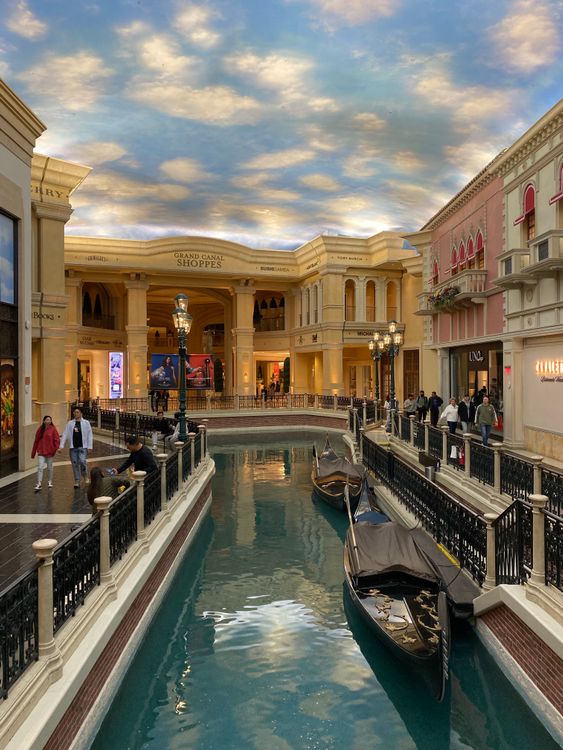
2. The Venetian and Its Canals
The Venetian is a good place to slow down and look at the scenery rather than walk straight through. The canals, themed architecture, and indoor shopping areas make a useful change from the street. A gondola ride is an optional paid experience, not a requirement to enjoy the setting.
- Best for / time: Architecture, couples, indoor exploring; allow 1–2 hours, longer with food or a ride.
- Location / transport: The Venetian map; check the exact tower or entrance.
- Cost / booking: Public shopping areas can be explored without buying a gondola ticket. Confirm the current ride price and reservations separately.
- Access / nearby: Large interiors mean long walks; ask about the most direct step-free route. Nearby resort sights can fit the same outing.
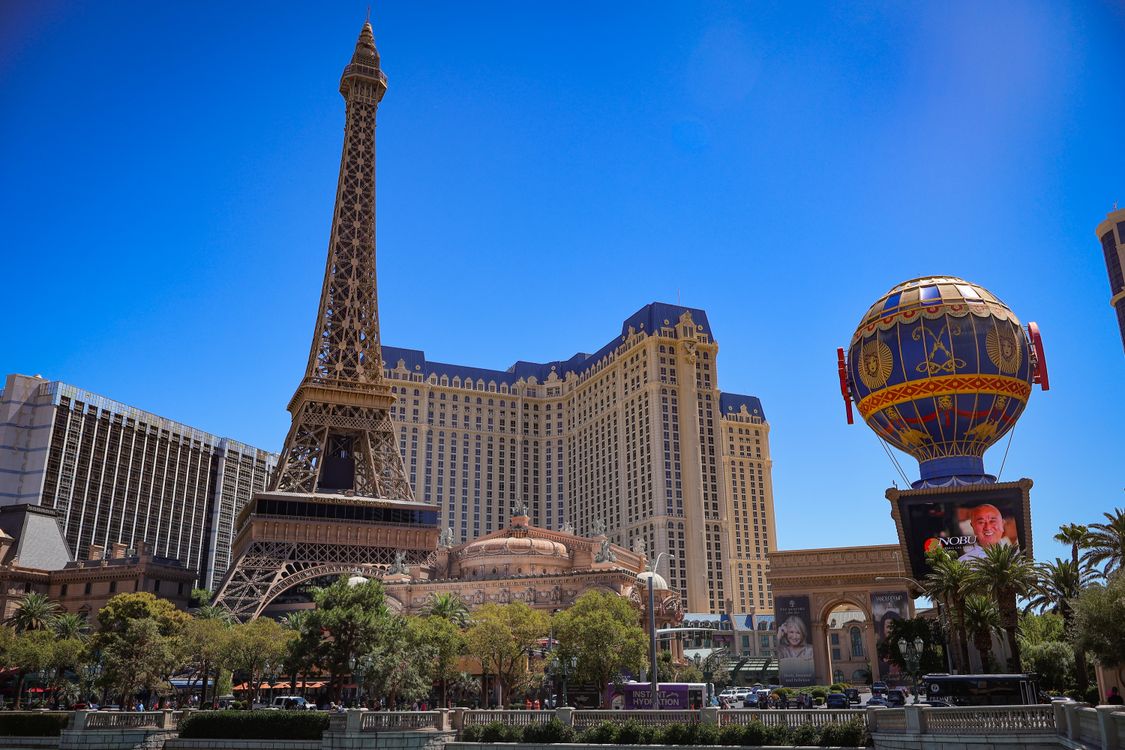
3. Paris Las Vegas and the Central Strip
The Eiffel Tower replica creates one of the Strip’s most recognizable views. You can enjoy the street scene without going up the tower. If you want the observation experience, compare the timing and price with your other planned skyline activities.
- Best for / time: A familiar photo stop or an optional view; allow 30–60 minutes at street level, more with ticketed entry.
- Location / transport: Paris Las Vegas map; group with Bellagio rather than a distant hotel.
- Cost / booking: Viewing the exterior is free; observation access and dining charge separately.
- Access / nearby: Use official crossings and bridge lifts where available. Confirm lift access and weather-related operation for the paid attraction.
4. Fremont Street and Downtown
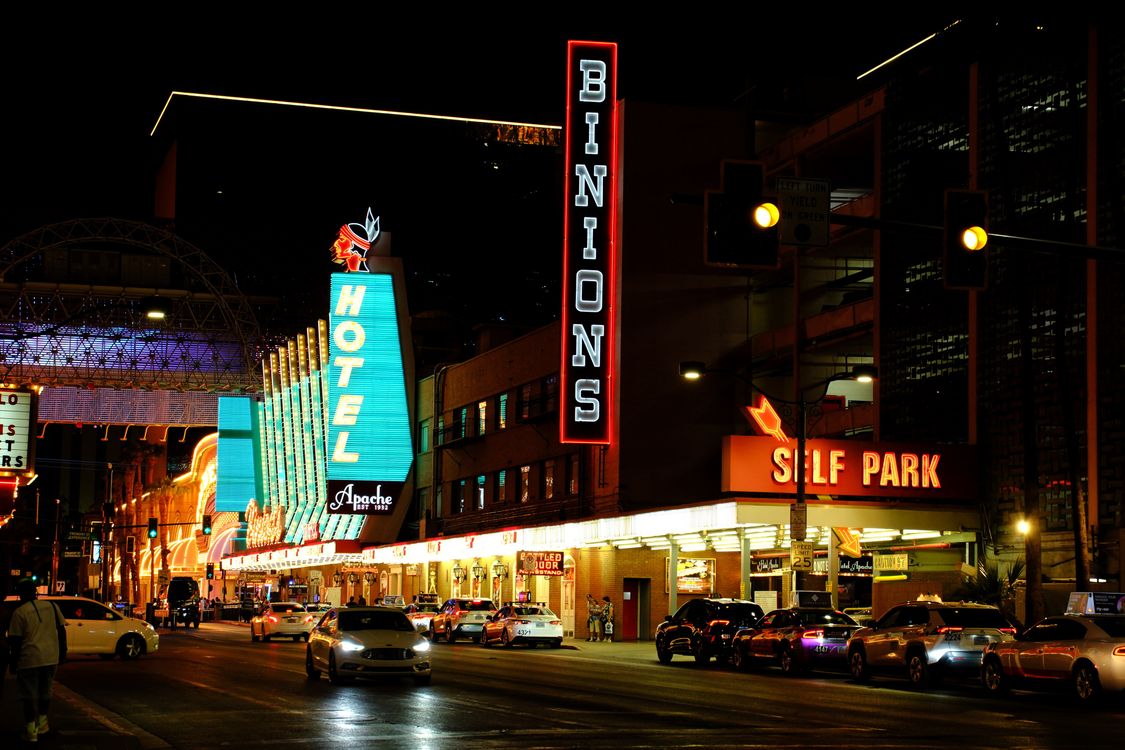
Downtown feels different from the big resort corridor. Fremont’s canopy, music, signs, and busy pedestrian atmosphere can make an entertaining evening. It can also be loud and adult-oriented, so choose a time and route suited to your group.
- Best for / time: Neon, music, history, a change of scene; allow 1–3 hours.
- Location / transport: Fremont Street Experience map; use a bus or a designated car pickup rather than walking from the central Strip.
- Cost / booking: General canopy viewing is free; attractions, drinks, and events may charge. Special-event entry rules can differ.
- Access / nearby: Crowds and noise affect comfort even on level paving. Fremont East, the Arts District, and museums can form a separate Downtown day.
5. The High Roller and LINQ Promenade
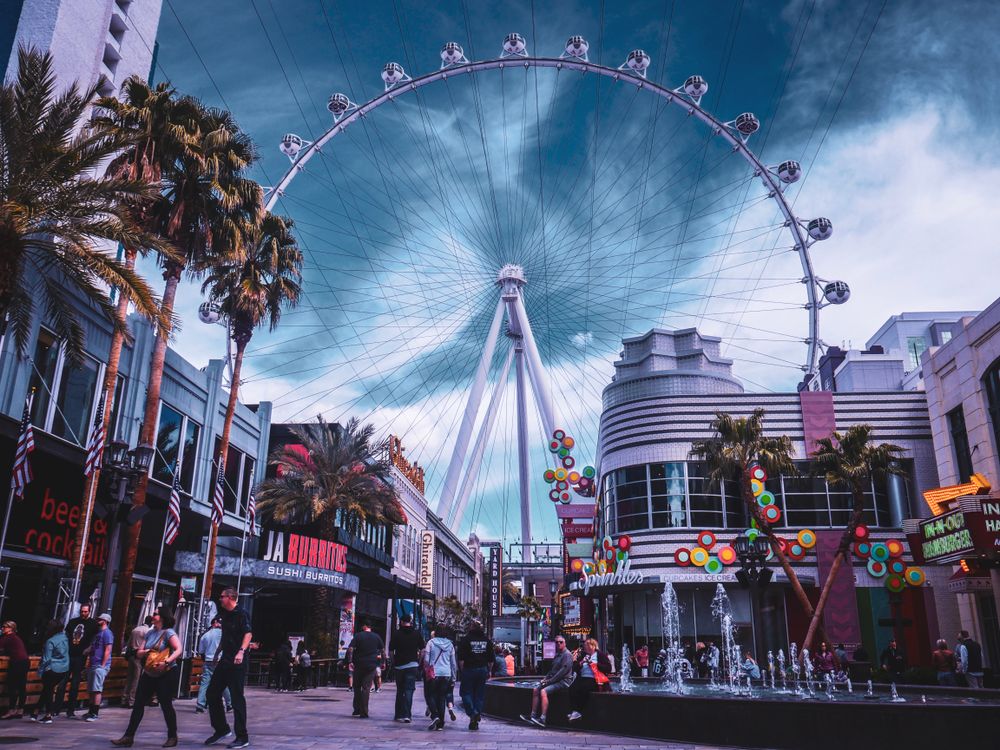
The observation wheel offers a gentler alternative to filling the evening with several activities. Decide whether you prefer daylight detail or city lights. The promenade below is useful for a meal or a short walk, though food and entertainment add to the ticket budget.
- Best for / time: Views, couples, selected family trips; the ride is about 30 minutes, with roughly an hour or more for the full visit.
- Location / transport: High Roller map; choose the route to the wheel, not just the nearest point on the Strip.
- Cost / booking: Paid tickets vary by time and package. Alcohol-inclusive cabins have separate age and ticket rules.
- Access / nearby: Confirm boarding assistance and current accessibility arrangements. Do not assume every ticket includes the same cabin experience.
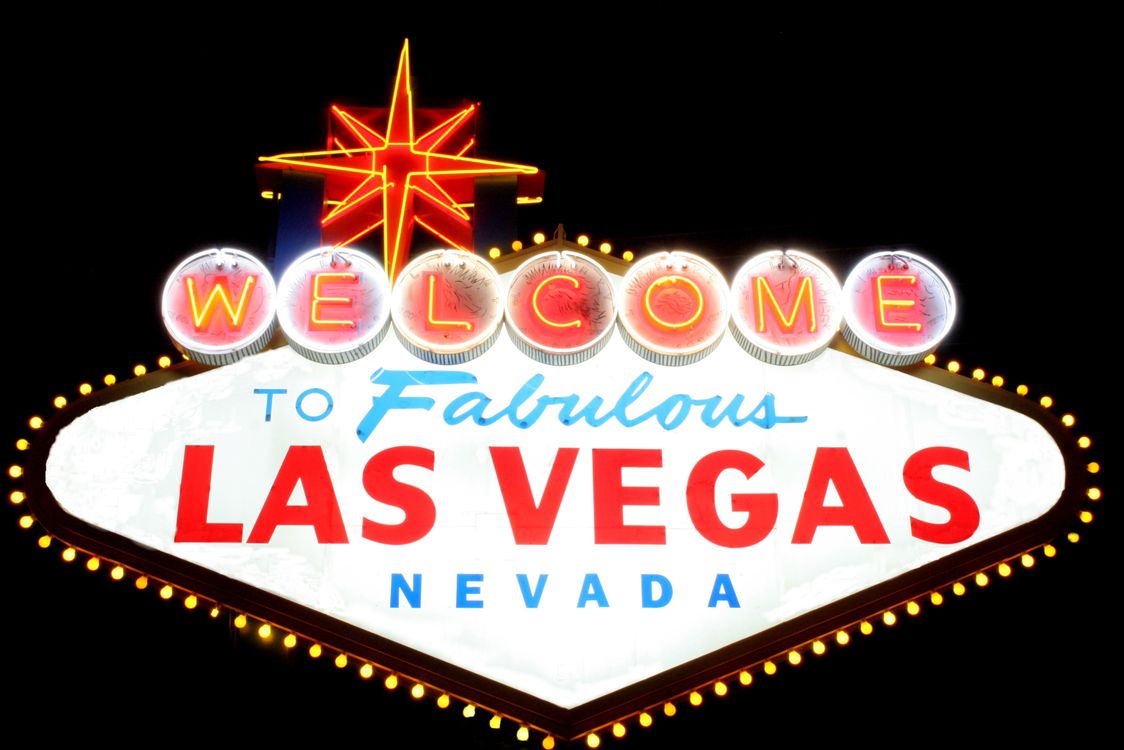
6. Welcome to Fabulous Las Vegas Sign
It is a simple photograph, but it can still feel like the beginning of the trip. Go when the light and weather suit you, allow for a queue, and use the designated visitor area rather than stopping suddenly on Las Vegas Boulevard.
- Best for / time: A classic arrival photograph; allow 20–45 minutes plus travel and any queue.
- Location / transport: Welcome sign map; arrange a sensible drop-off or lawful parking.
- Cost / booking: General public viewing is free; no paid photographer is required.
- Access / nearby: Keep clear of traffic, allow for heat and standing, and use the marked access route. Do not add a long exposed walk just because the map looks short.
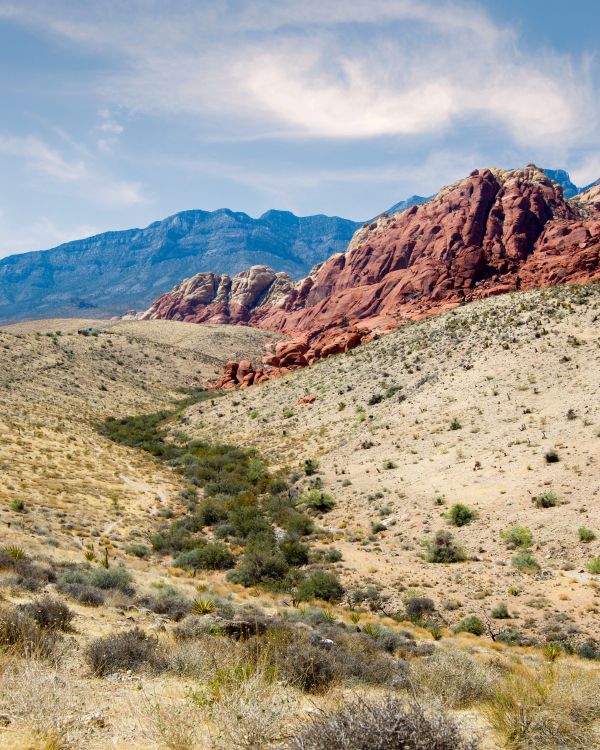
7. Red Rock Canyon
Red Rock gives the trip a completely different mood: sandstone, open space, and a much quieter soundtrack. You can plan viewpoints and short walks instead of an ambitious hike. Match the outing to weather, fitness, and daylight.
- Best for / time: Scenery, geology, outdoor time; allow around half a day from many central hotels.
- Location / transport: Red Rock visitor center map; use a car or a tour with return transport.
- Cost / booking: A standard car entry was listed at $20 at our check; reservation charges may be additional. Scenic Drive timed entry is required October 1–May 31 for arrivals between 8 a.m. and 5 p.m., subject to current rules.
- Access / nearby: Choose confirmed accessible facilities or viewpoints; trails vary. Download reservations and avoid relying on mobile reception for the return journey.
8. Hoover Dam and Boulder City
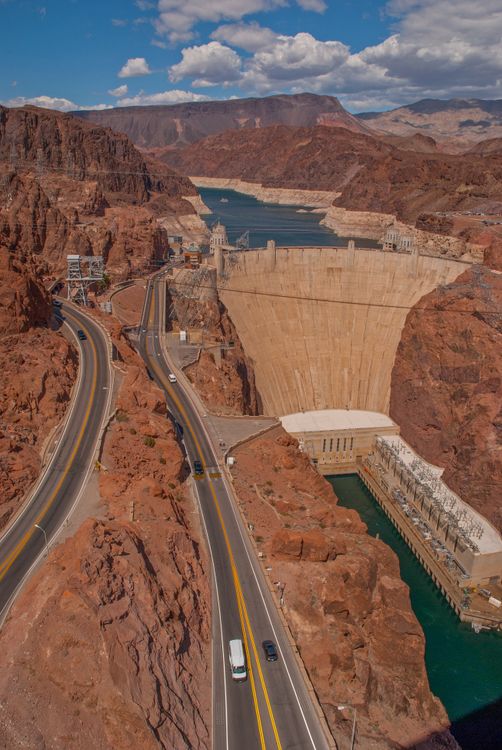
Hoover Dam is a rewarding choice if engineering and regional history interest you. Decide whether you want viewpoints, a visitor-center visit, or a guided tour before setting the day’s schedule. Boulder City can make a pleasant meal stop instead of racing straight back.
- Best for / time: Engineering, history, scenic views; allow roughly 4–6 hours including travel and a chosen visit.
- Location / transport: Hoover Dam map; drive or book a tour with clear inclusions.
- Cost / booking: Parking, visitor-center admission, and tour products have different charges. Some dam tour tickets are sold only on-site; reconfirm the product you want.
- Access / nearby: Security, lifts, enclosed areas, and tour restrictions may affect the choice. Ask about your specific access requirements; viewpoints and a tour are different experiences.
9. Valley of Fire State Park
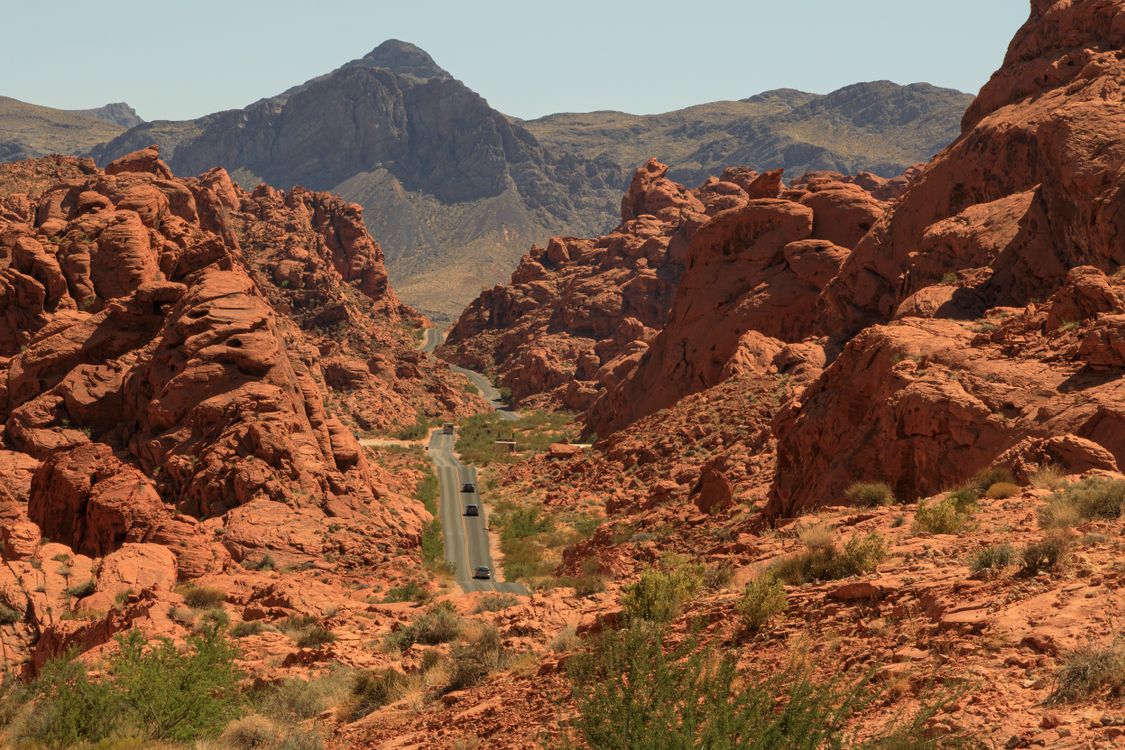
The red sandstone scenery can feel like another world, but it deserves more planning than a spontaneous late-afternoon detour. Nevada State Parks lists many trail closures from May 15 through September 30 and an annual park maintenance closure December 1–14. Check current notices before leaving.
- Best for / time: Landscape photography, scenic drives, cooler-weather outdoor trips; allow a substantial half day or full day.
- Location / transport: Valley of Fire visitor center map; arrange independent transport or a tour with a return.
- Cost / booking: The listed standard day-use vehicle fee is $10 for Nevada vehicles and $15 for non-Nevada vehicles. Recheck current fees and access.
- Access / nearby: Viewpoints and trails have different demands. Late-2026 west-entrance construction can require an alternate approach; follow official notices rather than the map alone.
10. Downtown Museums and the Arts District
The Mob Museum, Neon Museum, and Arts District offer ways to understand Vegas beyond its resort image. Choose the subject you enjoy rather than treating them as quick stops between casinos. A museum and a neighborhood meal can comfortably fill the day.
- Best for / time: History, design, galleries, independent shops; allow 2–3 hours for a museum, then additional neighborhood time.
- Location / transport: Mob Museum map, Neon Museum map, and Arts District map. They are separate stops, not one complex.
- Cost / booking: Museum admission and special programs are paid; reserve the appropriate session. Shop and gallery hours vary.
- Access / nearby: Ask each museum about step-free access and outdoor conditions. The Neon Museum has particular camera rules; do not assume a regular admission ticket permits a professional photo shoot.
Best Things to Do in Las Vegas
Cultural and Historical Experiences
Choose a museum, a Downtown walk, or an Arts District visit to give the city more context. A focused visit is often more memorable than walking through five similar casino floors. Ask a guide what the tour actually covers before reserving it.
Outdoor Activities and Nature
Red Rock, Valley of Fire, Lake Mead, and mountain areas offer very different conditions. Select one that fits the season. A scenic drive and a short viewpoint walk are worthwhile choices; you do not need a demanding hike to enjoy the desert.
Local Experiences and Hidden Gems
Explore a food neighborhood, independent gallery, café, or local market when its hours fit your trip. Avoid assuming a place is a “secret” because it is away from the Strip. Allow ordinary neighborhoods to be ordinary, and respect homes and working businesses.
Shopping and Markets
Compare resort shopping, regular malls, outlet centers, and local stores according to what you want. Include the journey and luggage space in the decision. An outlet trip is not a saving if you buy things simply to justify the ride.
Entertainment and Nightlife
Choose a show, concert, comedy act, sports event, or club around your interests. Sphere is an additional ticketed option: select the actual event and check seating, sensory effects, and access needs. Its exterior and an indoor event are different experiences. Leave enough time for security and resort-to-venue walking.
Seasonal Activities
Pool operations, outdoor events, holiday displays, and sporting schedules change through the year. Check the particular venue rather than using a general seasonal guide as a guarantee. Replace one activity with a seasonal event instead of making the day longer.
Las Vegas Itinerary Ideas
A Weekend in Las Vegas
Spend your first afternoon getting settled and exploring a short central Strip section. Make the evening about one dinner or performance. On the second full day, choose Downtown or a relaxed resort-and-pool day. Do not squeeze a long canyon trip into a weekend unless it is the main reason for coming.
A 3-Day Itinerary
Day 1 — Central Strip: Begin with breakfast near your hotel. Explore Bellagio and Paris at a manageable pace, with indoor breaks. Choose one evening show or a fountain visit and dinner; both can work if the timing is relaxed.
Day 2 — Venetian area and a skyline experience: Explore The Venetian, pause for lunch, and return to the hotel if you need a break. Choose the High Roller or a booked evening event rather than buying multiple overlapping view experiences.
Day 3 — Downtown: Choose a museum or an Arts District outing, then a relaxed meal. See Fremont after dark if the atmosphere suits your party. Arrange the return journey before everyone is tired.
A 5-Day Itinerary
Use the three-day plan, then add one desert day and one recovery day. For the desert outing, choose Red Rock or Hoover Dam based on your interests; do not combine several parks just to tick them off. Keep the other day for a pool, spa, longer lunch, shopping, or a missed activity.
A 7-Day Itinerary
Add a second carefully chosen outing or a mountain day if conditions suit it. Keep at least one flexible morning and avoid scheduling late nights before early drives. A week does not require seven major paid experiences; it gives you space to enjoy the ones you choose.
Itinerary Map and Travel Times
These are rough walking or driving allowances, not live routing predictions. Casino interiors, roadworks, heat, queues, and pickup time may add substantially more. Use the map to check the current path and any required park entrance changes.
| Journey | Broad planning allowance | Route |
|---|---|---|
| Bellagio → Paris | 15–25 minutes walking between useful visitor areas | Walking route |
| Venetian → High Roller | 20–35 minutes walking, depending on the entrance and route | Walking route |
| Fremont → Mob Museum | 10–20 minutes walking from the pedestrian area | Walking route |
| Central Strip → Red Rock visitor center | Roughly 35–60+ minutes driving before stops | Driving route |
| Central Strip → Hoover Dam | Roughly 45–75+ minutes driving before security, parking, or visits | Driving route |
Rainy-Day Alternatives
Swap a long outdoor walk for a museum, an indoor resort route, a booked show, or a relaxed meal. Desert rain can create dangerous flooding, so an outdoor park is not automatically a sensible substitute for a wet city afternoon.
A Slower-Paced Itinerary
Pick one fixed activity per day, stay near the sights you value, and schedule seated breaks. Use a direct ride when it makes the day easier. You are on holiday, not trying to prove how far you can walk.
What and Where to Eat in Las Vegas
Local Foods and Drinks to Try
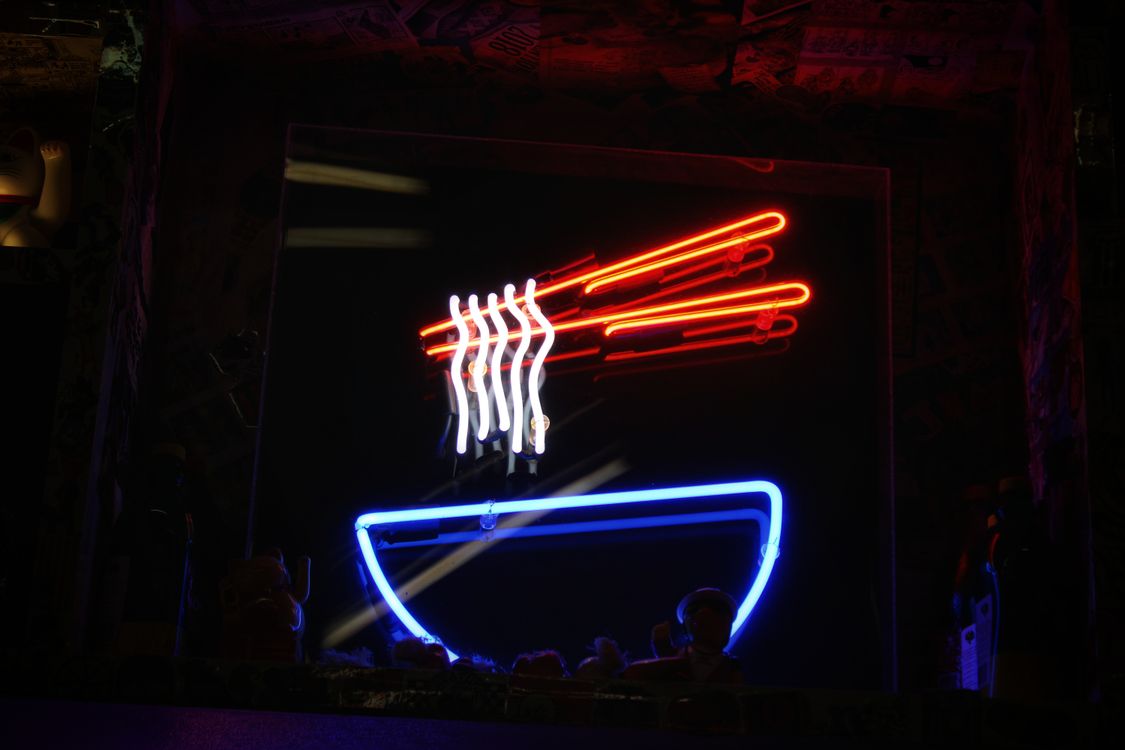
Vegas does not need one signature dish to be an interesting food city. You can try a steakhouse dinner, a casual noodle bowl, a good bakery, or a long brunch. Let the food fit your day instead of making every meal a reservation you must reach on time.
Best Areas for Food Lovers
Compare Strip resort dining with Chinatown/Spring Mountain, Downtown, the Arts District, and other neighborhoods close to your plans. A meal off the Strip can add variety, but include the cost and time of getting there. Choose an actual restaurant area rather than an unspecific destination called “Chinatown.”
Affordable Meals and Street Food
Look at food courts, counter-service restaurants, cafés, and posted specials. Check the price before adding drinks, sides, or a service charge. A large resort food hall is convenient but is not automatically cheaper than a neighborhood meal.
Special-Occasion Dining
Reserve the dinner that matters most. Check cancellation rules, dress expectations, tasting-menu conditions, and whether the time works with your show. A beautiful meal is easier to enjoy when you are not watching the clock between every course.
Vegetarian, Vegan, Halal, and Other Dietary Options
Read the current menu and ask the restaurant about ingredients and preparation. A restaurant with vegetarian dishes may not have a full vegan meal, and halal suitability needs direct confirmation. Save a nearby backup in case the menu or hours change.
Reservations, Tipping, and Dining Etiquette
Keep reservations or cancel promptly. Allow time to find a restaurant deep inside a resort, and mention any show deadline before ordering. Check for included gratuity or a service charge before choosing an additional tip.
Food Allergies and How to Communicate Them
Explain the allergy clearly before ordering, including concerns about shared equipment. Do not rely only on a menu icon or assume a buffet is suitable. Carry prescribed medication and choose another venue if staff cannot answer your questions confidently.
Free and Budget-Friendly Things to Do
Free Attractions and Public Spaces
Combine the Bellagio fountains, open conservatory displays, themed resort areas, a short Strip walk, and ordinary Fremont canopy viewing. Budget time for pauses and transport. Free sightseeing does not require walking the whole boulevard in one day.
Free or Discounted Museum Admission
Check eligibility and any advance-reservation requirement. Resident, student, military, or promotional offers can have specific conditions. An adult tourist should not assume a discount is available simply because a travel list mentioned it.
Attraction Passes: Are They Worth It?
Choose your activities first, compare their complete direct prices, and only then compare a pass. Check reservation rules, blackout dates, included ticket types, and how far apart the venues are. Do not build an exhausting itinerary to make a pass seem worthwhile.
A Sample Low-Cost Day
Have a simple breakfast, explore a short central resort route, and pause for a counter-service lunch. Return to rest during the hottest period. Use your transport budget for a selected evening outing rather than several unplanned rides. Finish with free fountain viewing if conditions allow.
Money-Saving Booking Tips
Compare actual totals, use offers you qualify for, and resist pressure to buy quickly. A cheaper nonrefundable ticket can cost more if it locks you into the wrong day. Keep enough flexibility for weather and tired feet.
Experiences for Different Travelers
Family-Friendly Activities
Choose age-appropriate attractions, realistic meal times, and a hotel whose facilities suit your children. Casino gaming areas and many nightlife venues are adult spaces; check how to reach family activities without lingering where children are not permitted.
Romantic Experiences for Couples
A fountain walk, a carefully chosen view, a good dinner, or a quieter resort afternoon can work beautifully. Decide whether you want a busy city feeling or a calmer setting. Leave space between the photograph and the reservation.
Solo Travel
Solo visitors can enjoy museums, counter dining, shows, and flexible walking routes. Keep someone informed of your general plans, be thoughtful about your trip home, and use official pickup points. Choose activities because they interest you rather than because they are marketed for groups.
Group Trips
Agree on the hotel budget and the activities everyone is paying for. Discuss splitting bills and optional upgrades before arrival. A group can share one dinner without having to spend every hour together.
Accessible Activities
Ask about the venue entrance, seat location, accessible restroom, and travel between them. For immersive shows, ask about sensory effects as well as physical access. Book assistance against your actual needs rather than relying on a general accessibility symbol.
Relaxed Experiences With Less Walking
Choose a seated show, a suitable observation experience, a restaurant close to the room, or a short route within one resort. Large buildings may still mean considerable walking. Ask the hotel about the practical distance from your room tower to the facilities you plan to use.
Best Photography Spots in Las Vegas
Scenic Viewpoints
Compare a paid observation experience with public resort views. Choose the type of photograph you want before buying several tickets. A wide skyline and a street-level neon scene tell different stories.
Famous Landmarks
The Welcome sign, Bellagio lake, Venetian exterior, Paris tower replica, and Downtown neon are familiar favorites. Use safe public viewing areas and follow staff directions. Private resort spaces may have rules beyond ordinary street photography.
Sunrise and Sunset Locations
Early light can suit the sign or a desert viewpoint in suitable weather. Evening brings resort lights and fountain scenes. Check actual access, daylight, and weather rather than assuming a photograph seen online can be recreated from any location.
Photo Etiquette and Photography Restrictions
Keep away from road lanes and moving crowds. Ask before photographing someone closely, follow casino and show restrictions, and confirm museum camera rules. Do not launch a drone without understanding the applicable airspace and land-manager rules around a major airport city.
Day Trips and Road Trips From Las Vegas
Best Nearby Places to Visit
Red Rock, Hoover Dam/Boulder City, Valley of Fire, and appropriate Lake Mead areas offer different outings. Mount Charleston can provide a mountain contrast, but conditions differ sharply from the valley. Choose according to season, access, and your energy level.
How Far Away Are They?
Use the route table as a starting point for Red Rock and Hoover Dam. Valley of Fire often needs around 1–1.5 hours of driving each way from central resorts before stops, with more possible for an entrance diversion. Mountain drives vary with the destination and road conditions. Recheck your exact route on the day.
Guided Tour or Independent Trip?
A good tour can simplify driving, parking, entry, and return transport. Independent travel gives you control over timing. Compare the real time at the destination, pickup point, group size, walking requirements, and all included fees.
Suggested Road Trip Route
For one unhurried day, consider the Strip to Boulder City, then Hoover Dam, and back. Add Lake Mead only when your access plan and daylight allow it. For a separate nature day, keep Red Rock as its own outing rather than attaching it to an already long drive east.
Driving Times, Parking, and Seasonal Conditions
Avoid scheduling a late-night event after a full driving day. Carry water, keep fuel sensible, and download reservations. Do not assume a rideshare will be available for the return from a remote park. Valley of Fire specifically warns that visitors can be stranded this way.
Is the Grand Canyon a Good Day Trip?
Know which destination you are buying. Grand Canyon West and the South Rim in Grand Canyon National Park are different places with different operators, access, and fees. The South Rim involves a long drive from Las Vegas and is often more comfortable with an overnight stay. Read the route and actual time on site before choosing a tour.
Essential Things to Know Before You Go
Entry Requirements and Travel Documents
Check airline identification rules for domestic travel and official US entry requirements for international travel. Visa or ESTA eligibility depends on the traveler. Bring appropriate original photo identification for hotel check-in and age-restricted activities; minimum check-in ages vary by property.
Currency, Payments, and Cash
Use US dollars, carry a reliable card, and keep a modest cash backup. Understand your bank’s foreign transaction and withdrawal fees. A resort ATM’s convenience may come with a high charge. Allow enough available credit for hotel holds.
Language and Useful Local Phrases
English is widely used. Practical questions include: “What is the total after resort fees and tax?”, “Which pickup area should I use?”, “Is gratuity included?”, and “Is this the correct accessible entrance?” Precise questions often save more time than a complicated itinerary.
Mobile Data, Wi-Fi, and Charging
Save tickets and your hotel address before leaving Wi-Fi. Carry a charged phone and a power bank, especially for mobile admission and pickups. Download desert maps because a strong connection in a casino does not mean you will have one in a canyon.
Local Customs and Etiquette
Give staff time to help, keep entrances and walkways clear, and ask before photographing people or gaming tables. Be considerate in hotel corridors even when the public areas are lively. Other guests may be sleeping while you are returning from a show.
Safety and Common Scams
Keep valuables secure, use marked crossings, and be cautious about pressure to accept tickets, promotions, or unofficial rides. Read a promotion’s real requirements before handing over money or identification. If something feels wrong, step away and ask uniformed staff for help.
Health and Weather Considerations
Build heat breaks into the day and shorten outdoor plans when needed. Desert conditions can make a seemingly easy walk demanding. Keep essential medication with you and understand your insurance arrangements. Follow park closures and official heat or storm warnings.
Public Restrooms and Luggage Storage
Plan breaks around the venues you are visiting. Ask your hotel about bell-desk storage, fees, hours, and collection procedures. Keep medication, identification, and valuables accessible rather than burying them in stored luggage.
Local Rules and Restrictions
Gambling is for people aged 21 and over. Drinking, smoking, cannabis, photography, and public-container rules depend on the setting and jurisdiction; do not assume a lively atmosphere means every activity is permitted. Follow venue rules and never drive after drinking or using impairing substances.
What to Pack for Las Vegas
Everyday Travel Essentials
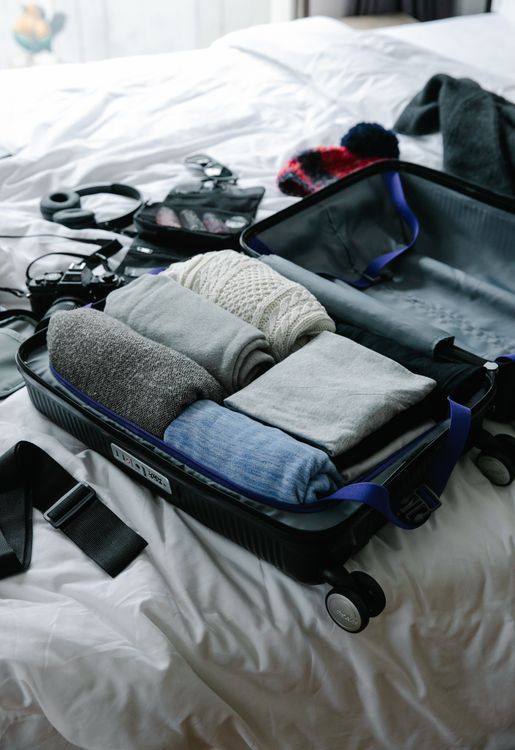
Bring worn-in walking shoes, a small bag, identification, charging equipment, a payment backup, and essential medication. Save hotel and reservation details offline. Light luggage is easier to manage through a large resort.
Clothing for the Season
Pack breathable clothing and sun protection for hot weather, plus a light layer for strong indoor air conditioning. Winter calls for a warmer evening layer. Check a restaurant or club’s dress requirements before packing only casual clothes.
Items for Outdoor Activities
Take water, a hat, suitable footwear, weather-appropriate layers, and offline directions for a desert outing. Choose the activity first, then pack for it. A resort outfit and a difficult trail do not belong in the same plan.
Family Travel Essentials
Bring snacks, child supplies, and a simple contact plan if separated. Choose a stroller suited to the planned route and confirm lifts. Shade and rest breaks belong in the itinerary, not only in the packing list.
Accessibility and Personal Needs
Carry assistive-device chargers and any supplies that are difficult to replace quickly. Confirm room configuration, refrigeration, storage, or other requirements before arrival. Keep necessary items in hand luggage.
Important Contacts and Visitor Resources
Emergency Assistance
Call 911 for police, fire, or medical emergencies. Ask hotel or venue staff for immediate help where appropriate, but do not use a general tourism contact for an emergency.
Official Tourism Information
Las Vegas Convention and Visitors Authority’s visitor information can help with planning and current events. Hotel concierge teams can help locate services, but ask about charges, commissions, and cancellation rules before booking an arrangement.
Public Transportation Support
RTC handles local bus information; Las Vegas Monorail has its own ticket and service support. Keep the relevant operator and your ticket confirmation saved. Check return service before a late event ends.
Airport Information
Use Harry Reid International Airport and your airline for terminal and pickup details. Save the airline’s departure instructions, and allow time to return a rental car separately if applicable. A quick arrival drive does not guarantee an equally quick departure.
Medical and Non-Emergency Assistance
LVMPD lists 311 locally or 702-828-3111 for non-emergency police assistance. For non-emergency medical care, contact your insurer’s assistance service or ask staff to help identify a suitable provider. Use 911 for an emergency.
Embassy or Consulate Information, if Relevant
International travelers should save their own government’s consular contact and lost-passport instructions. Keep copies of essential documents securely, with access that does not depend on one phone.
Common Mistakes Visitors Make
Planning Too Much in One Day
Leave space for the unexpected: a queue, a good lunch, a long indoor walk, or the moment you decide to sit down. A packed schedule can turn an exciting city into a series of deadlines.
Underestimating Travel Times
Two neighboring resorts can still be a substantial door-to-door journey. Include the route from your room tower, pedestrian bridges, the pickup area, and the venue entrance. A map pin is only part of the trip.
Choosing Accommodation Based Only on Price
Compare mandatory charges and repeated transport. A cheaper room far from everything you want may be the wrong saving. A more expensive room is not automatically better either; pay for what you will use.
Missing Advance Reservations
Reserve your most important experience first, then plan around it. Check the exact show, seat, admission type, and day. Be especially careful when a pass or tour offers a similar name to the thing you intended to book.
Ignoring Weather and Seasonal Closures
Do not turn a heat warning into a test of determination. Respect park closures and check resort facility schedules. Indoor alternatives and shorter walks are useful parts of a Vegas plan.
Forgetting Additional Fees
Room charges, parking, ticket extras, tips, and deposits can change the practical budget. Check the payable total rather than comparing headline rates from different websites.
Using Unofficial Booking Websites
Identify the actual attraction or operator before paying. Read the ticket terms and the itinerary, especially for canyon tours. An attractive photograph does not tell you which destination the bus visits.
Frequently Asked Questions About Las Vegas
Is Las Vegas Suitable for First-Time Visitors?
Yes, with a manageable plan and a base suited to your interests. Start with a few resort sights, one evening experience, and a separate Downtown outing if you have time. You do not need to understand casino games to enjoy the city.
How Many Days Should I Stay?
Three or four nights work well for many first trips. Five days allow a desert outing and rest. A week is more comfortable when it includes flexible time, rather than a new long excursion every morning.
Where Should I Stay?
Central Strip is a practical starting point for classic sightseeing. Downtown suits a different itinerary, while Summerlin or Henderson may fit a quieter resort stay. Compare complete costs and the specific journeys you will repeat.
Do I Need a Rental Car?
Not necessarily for a mostly Strip-and-Downtown trip. A car can help for nature outings and a larger road trip. Compare renting for only the days you need it against a guided tour with clear transport arrangements.
How Much Should I Budget?
Use the budget table as a worksheet, not a quote. Our illustrative budget starts around $125–$190 per adult per day when sharing a room and excluding flights and gambling. Replace the accommodation assumption with a real all-in price for your dates.
What Should I Book in Advance?
Your hotel, must-see performance, special dinner, popular timed attraction, and any required desert entry are priorities. Keep some ordinary sightseeing flexible so weather and energy can guide the day.
Is Las Vegas Suitable for Families?
It can be, with age-appropriate plans and a suitable hotel. Check pools, show rules, room occupancy, and the route to family attractions. Keep children away from gaming and other age-restricted areas.
What Can I Do in Bad Weather or Extreme Heat?
Choose a suitable museum, indoor resort route, performance, or relaxed dining outing. Keep travel simple and follow warnings. Do not replace an uncomfortable city walk with an exposed desert hike.
Can I Enjoy Las Vegas Without Gambling?
Absolutely. Build the trip around food, shows, architecture, museums, photography, spa time, and nature. Gambling is one possible activity, not a requirement to enjoy the destination.
Your Final Trip Planning Checklist
- Confirm travel documents, identification, and hotel check-in age.
- Save the full hotel address and all-in room price.
- Allow for resort charges, parking, deposits, tax, and tips.
- Check the event calendar and any road disruptions.
- Reserve your most important show, dinner, or timed activity.
- Group sightseeing by area and protect breaks.
- Check weather, pool operations, park access, and return transport.
- Pack suitable shoes, layers, sun protection, and essential medication.
- Save bookings, maps, useful contacts, and a backup payment method.
- Keep flexible time and a separate budget for optional extras.
Reader Questions and Travel Experiences
A Useful Perspective From an Experienced Vegas Writer
In an October 2026 walking guide for the official Visit Las Vegas website, travel writer David Landsel describes more than 25 years of exploring the Strip. His central idea is that the detours and stops are part of the experience, and trying to see everything in one straight walk misses much of the pleasure. That is his published perspective, not a claim of personal experience by this article’s author.
Put the idea into practice by choosing a short section, a meal stop, and time to look around. Vegas is easier to enjoy when your plan gives you permission to pause.
Share Your Own Experience
Where did you stay, and did the location work well? Which booking was worth planning ahead? What surprised you about the distances or total cost? Share your month and year of travel in the reply section below so other visitors can understand the context. Keep private contact details out of your comment.
Explore More Travel Guides
Compare Vegas with beach breaks, national parks, and other city trips in our 25 Best Places to Visit in the USA: Complete Travel Guide.
Planning another city adventure? Read The Ultimate First-Time Visitor’s Guide to New York City for neighborhood comparisons, budgets, and practical itineraries.
What would you like to know before you go?
Send us your question, feedback, or a place you would like to see covered.
Ask a travel questionFrom fellow travelers.
-
Pingback: Best Restaurants in Downtown Las Vegas
-
Pingback: Affordable Restaurants in Las Vegas

Leave a Reply