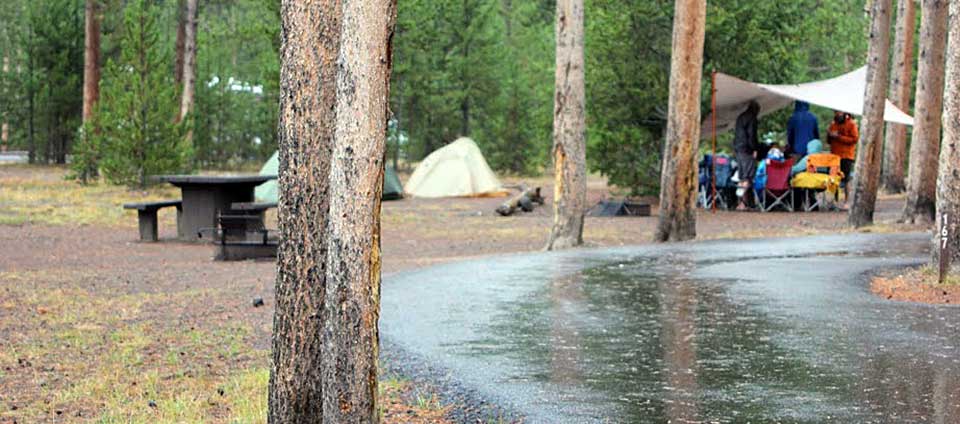
Written by Ari Mayzick · Go Travel Box
Published November 12, 2026 · Updated November 12, 2026
A good camping trip can be wonderfully simple: a place to sleep, a meal outside, a short walk, and time to watch the light change. Choosing the right campground makes that simple day much easier.
The top camping destinations in the United States include mountain valleys, desert parks, redwood forests, and ocean islands. This guide compares 12 destinations using a named campground at each one, so you can move from inspiration to a practical booking plan.
Details were checked on November 11, 2026. Campground seasons, facilities, reservation releases, and closures can change. The photographs illustrate the wider park or destination; use the actual campsite listing, dimensions, and site photographs before reserving a particular pitch.
Planning Your First Camping Trip? Start Here
For a first trip, choose a developed campground with facilities that suit your group. Stay several nights in one place, arrive during daylight, and leave enough time to set up before dinner.
Start by deciding whether you are tent camping, using a campervan, or traveling in an RV. Then check the season, overnight temperatures, drinking water, toilets, showers, food storage, and the exact vehicle limits.
A campsite reservation, a park entrance payment, and an RV hookup are separate things. Confirm each item rather than assuming one booking includes everything.
U.S. Camping Trips at a Glance
| Planning question | Quick answer |
|---|---|
| Destinations in this guide | 12, each with a named campground |
| Good first-trip length | Three to five nights at one regional base |
| Beginner-friendly approach | A developed, reserved site with confirmed facilities |
| Book first | The campsite and any essential access or transport |
| Essential site checks | Tent space, vehicle length, driveway shape, hookups, and occupancy |
| Essential facility checks | Drinking water, toilets, showers, food storage, and seasonal availability |
| Budget approach | Price the site, entry, transport, food, equipment, and local fees separately |
| Fire planning | Check restrictions immediately before arrival; a fire ring does not guarantee fires are allowed |
| Main rule | Camp only in a permitted location under the managing authority’s current rules |
Table of Contents
- Planning Your First Camping Trip? Start Here
- U.S. Camping Trips at a Glance
- Compare 12 Top Camping Destinations in the United States
- The Camping Destinations: Where to Stay and What to Check
- Best Time to Go Camping in the United States
- How to Book a Campsite
- How to Get There and Move Around
- Camping Itinerary Ideas
- How Much Does a U.S. Camping Trip Cost?
- Food, Water, Fires, and Wildlife
- Camping for Families, Couples, Solo Travelers, and Accessible Trips
- What to Pack for Camping
- Photography, Etiquette, and Protecting the Place
- Important Contacts and Practical Resources
- Common Camping Mistakes
- Frequently Asked Questions About Camping in the United States
- Your Final Camping-Trip Checklist
- Reader Questions and Travel Experiences
- Explore More Travel Guides
- Leave a Reply
Compare 12 Top Camping Destinations in the United States
| Destination and campground | Good reason to choose it | Important distinction |
|---|---|---|
| Yosemite: Upper Pines | A valley base for walks and famous scenery | Year-round reservations; release timing differs from many parks |
| Grand Canyon: Mather | A South Rim base near village services | No hookups |
| Yellowstone: Madison | A practical base for western park outings | Seasonal operations and 2027 booking arrangements need checking |
| Acadia: Blackwoods | A coastal Maine park base | Seasonal; no off-season camping |
| Olympic: Kalaloch | A coastal setting and regional nature trip | Storms and erosion can affect sites |
| Glacier: Apgar | A west-side park base | Facilities change outside the main season |
| Grand Teton: Jenny Lake | A tent-focused mountain setting | Tent-only campground |
| Joshua Tree: Jumbo Rocks | Desert boulders and dark-sky atmosphere | Bring water; reservation-only |
| Great Smoky Mountains: Elkmont | A developed mountain-park base | No hookups or campground showers |
| Big Bend: Rio Grande Village | Desert and river-region scenery | NPS campground differs from the concessioner RV park |
| Redwoods: Jedediah Smith | A base among the redwood region’s forests | California state-park reservation system |
| Cape Hatteras: Ocracoke | An island camping trip near the ocean | Ferry logistics, exposure, and no electric hookups |
A famous park can have several very different campgrounds. Book the named location that suits your plan rather than choosing by the park name alone.
The Camping Destinations: Where to Stay and What to Check
1. Upper Pines Campground, Yosemite National Park
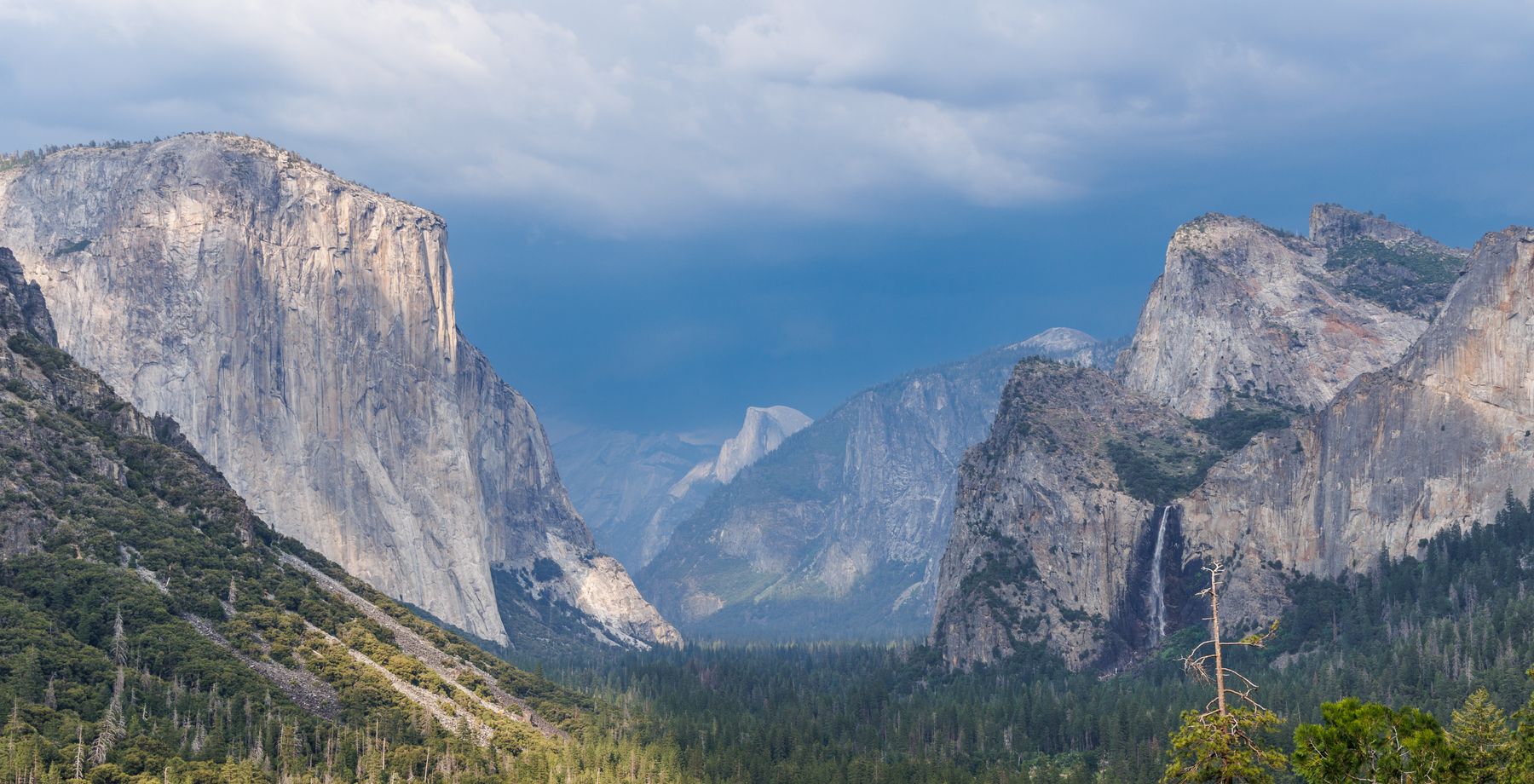
Upper Pines makes sense for campers whose main goal is Yosemite Valley. A nearby base can reduce daily entrance drives and leave more time for short walks, waterfall outings, and a relaxed meal at camp.
| Detail | Planning information |
|---|---|
| Best for | A reserved valley camping trip |
| Location and map | Upper Pines Campground |
| Good stay length | Three to five nights |
| Booking | Reservations are required year-round; many Pines releases open five months ahead on the 15th at 7 a.m. Pacific |
| Facilities and vehicles | Verify the exact site’s limits, water, toilets, food locker, and any seasonal changes |
| Nearby outings | Valley walks, Lower Yosemite Fall, and a prepared Happy Isles outing |
Read the release calendar for the actual dates you want; it does not work like every six-month rolling system. Follow the park’s food-storage rules even during a short absence from camp.
2. Mather Campground, Grand Canyon National Park
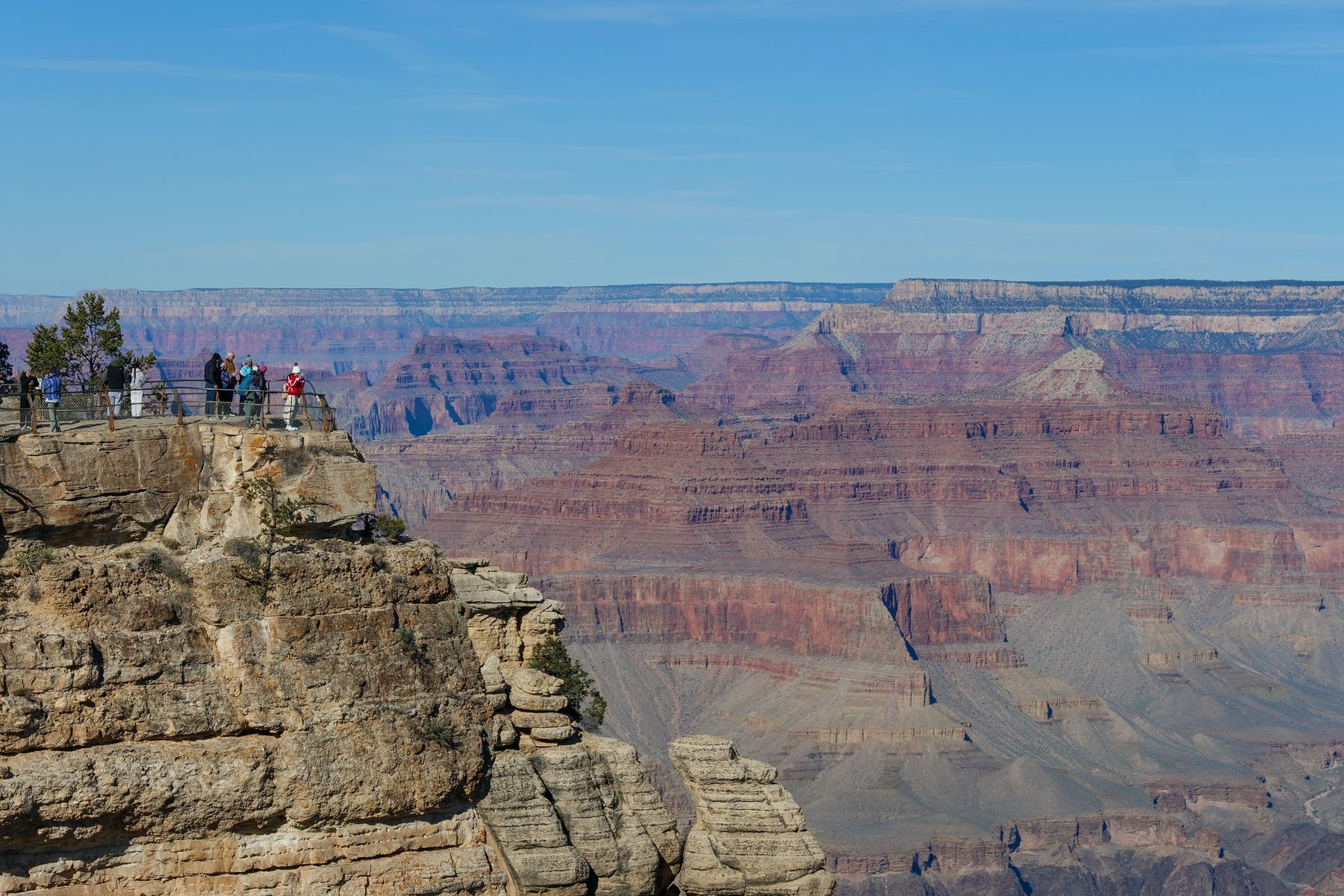
Mather offers a South Rim base for visitors who want campground evenings and straightforward access to the village area. A rim-focused sightseeing plan can work well without adding a demanding canyon hike.
| Detail | Planning information |
|---|---|
| Best for | A developed South Rim camping base |
| Location and map | Mather Campground |
| Good stay length | Two to four nights |
| Booking | Check the current six-month reservation window and seasonal operating details |
| Facilities and vehicles | No hookups; verify site dimensions and current water and sanitation arrangements |
| Nearby outings | Mather Point, village time, and suitable rim walks |
Trailer Village is a separate RV facility. It was listed as closed because of water-supply issues when this guide was checked, so confirm its status before planning around hookups. A Mather site does not provide those services.
3. Madison Campground, Yellowstone National Park
Madison can work as a base for outings in the western part of Yellowstone. Choose a realistic park plan from this location and allow proper driving time for wildlife stops, road conditions, and distant areas.
| Detail | Planning information |
|---|---|
| Best for | A seasonal Yellowstone camping trip with a car |
| Location and map | Madison Campground |
| Good stay length | Three to five nights |
| Booking | Confirm the park’s current system; 2027 campground reservations move through Recreation.gov on approximately six-month rolling releases |
| Facilities and vehicles | Check the exact site, no-hookup arrangements, water, toilets, and seasonal operating dates |
| Nearby outings | Open western geothermal areas and other outings chosen for the day’s driving time |
Yellowstone is large. A campground in one area is not close to every attraction. Check the next day’s drive before setting an early start, and leave time to enjoy camp when you return.
4. Blackwoods Campground, Acadia National Park
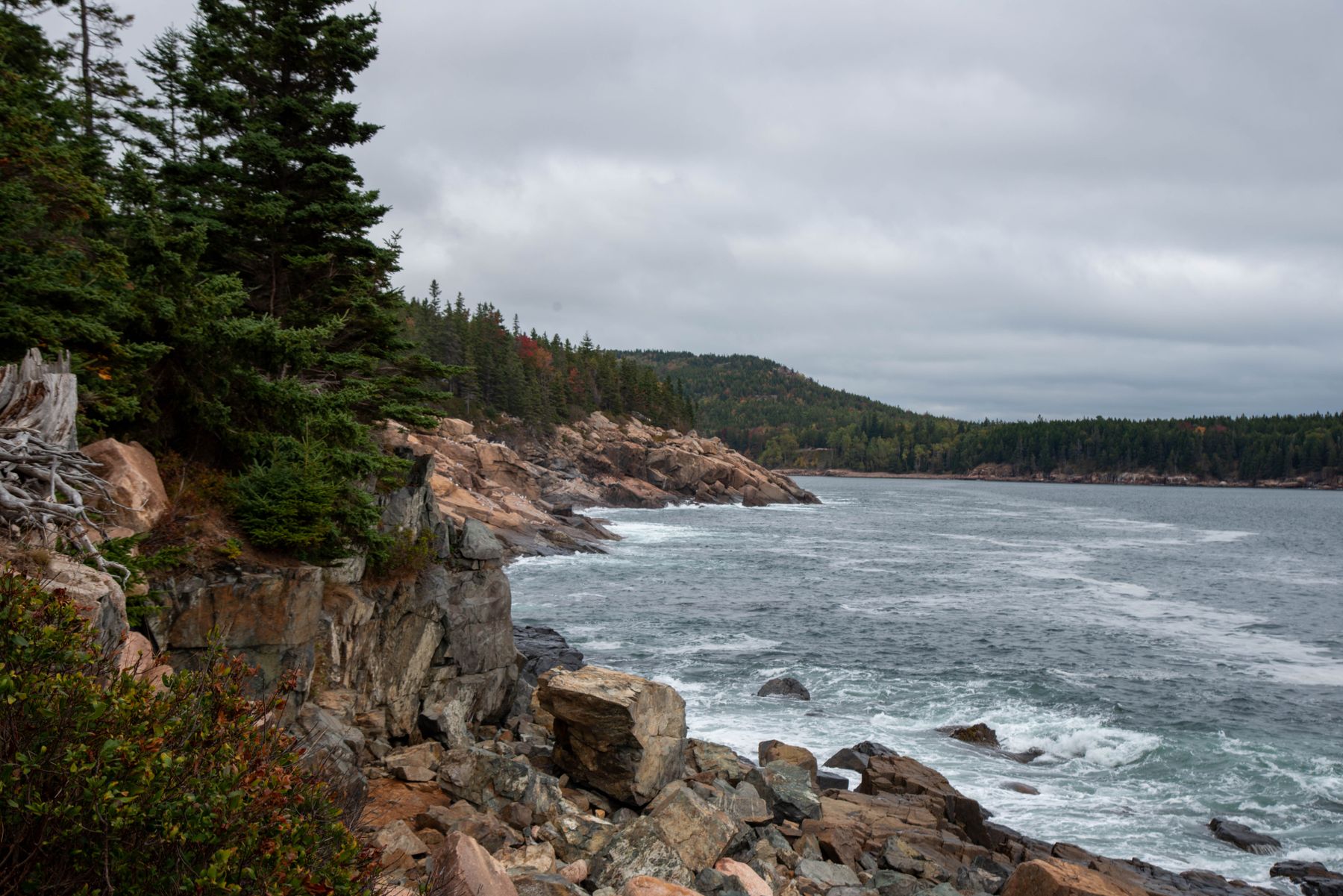
Blackwoods is a good choice for a coastal Maine park stay with walking, scenic outings, and time in nearby communities. It suits campers who want several nights in one base rather than a different stop every evening.
| Detail | Planning information |
|---|---|
| Best for | A seasonal Acadia camping holiday |
| Location and map | Blackwoods Campground |
| Good stay length | Three to five nights |
| Booking | Check Acadia’s release calendar: the listed system releases most sites six months ahead by month, with a smaller later release |
| Facilities and vehicles | Confirm the exact site limits, drinking water, toilets, and nearby shower arrangements |
| Nearby outings | Ocean Path and suitable Mount Desert Island outings |
The current published arrangement describes 90% of sites released on the first of the month six months ahead at 10 a.m. Eastern, with the remaining 10% released 14 days ahead. Confirm the release applying to your stay.
Blackwoods does not allow off-season or winter camping. A quiet-looking campground outside the operating season is not available for an informal overnight stay.
5. Kalaloch Campground, Olympic National Park
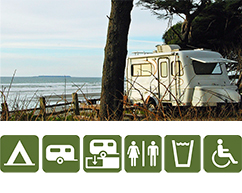
Kalaloch provides a coastal base within a park known for very different landscapes. Choose it for an ocean-side regional plan, and allow separate travel time for rainforest or mountain outings elsewhere in Olympic.
| Detail | Planning information |
|---|---|
| Best for | A coastal camping stay and a slower Olympic Peninsula trip |
| Location and map | Kalaloch Campground |
| Good stay length | Two to four nights |
| Booking | Check the seasonal reservation system and current operating notices |
| Facilities and vehicles | Confirm site dimensions, available water and toilets, and current closures |
| Nearby outings | Permitted coastal walks and other carefully timed peninsula outings |
Coastal storms and erosion can affect individual sites and beach access. Stay away from unstable edges and follow closure notices. The park lists accessible campground facilities, but its beach-access trails are not accessible; check the exact features you need before booking.
6. Apgar Campground, Glacier National Park
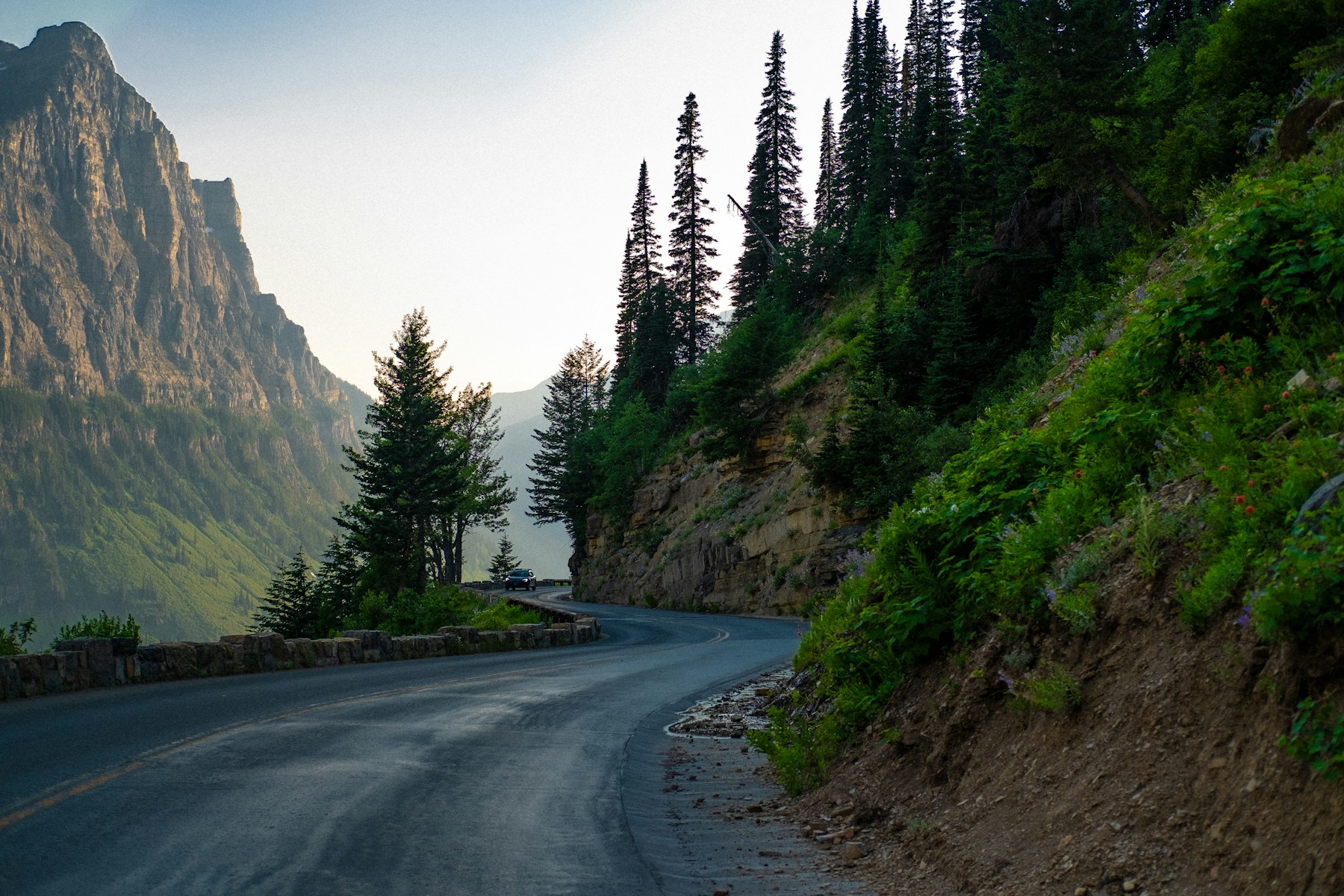
Apgar is a useful west-side base for a Glacier trip. It lets you choose outings according to the weather and current road access rather than committing to a long mountain drive every day.
| Detail | Planning information |
|---|---|
| Best for | A developed west-side Glacier camping base |
| Location and map | Apgar Campground |
| Good stay length | Three to five nights |
| Booking | Confirm current reservations, the operating section, and any separate vehicle-access requirements |
| Facilities and vehicles | Site sizes and facilities vary; outside the main season, primitive conditions can apply |
| Nearby outings | Lake McDonald area and confirmed-open western park routes |
A campground reservation does not automatically answer every road-access question. Read the current year’s rules for the actual route and dates, and prepare for cold or wet mountain weather.
7. Jenny Lake Campground, Grand Teton National Park
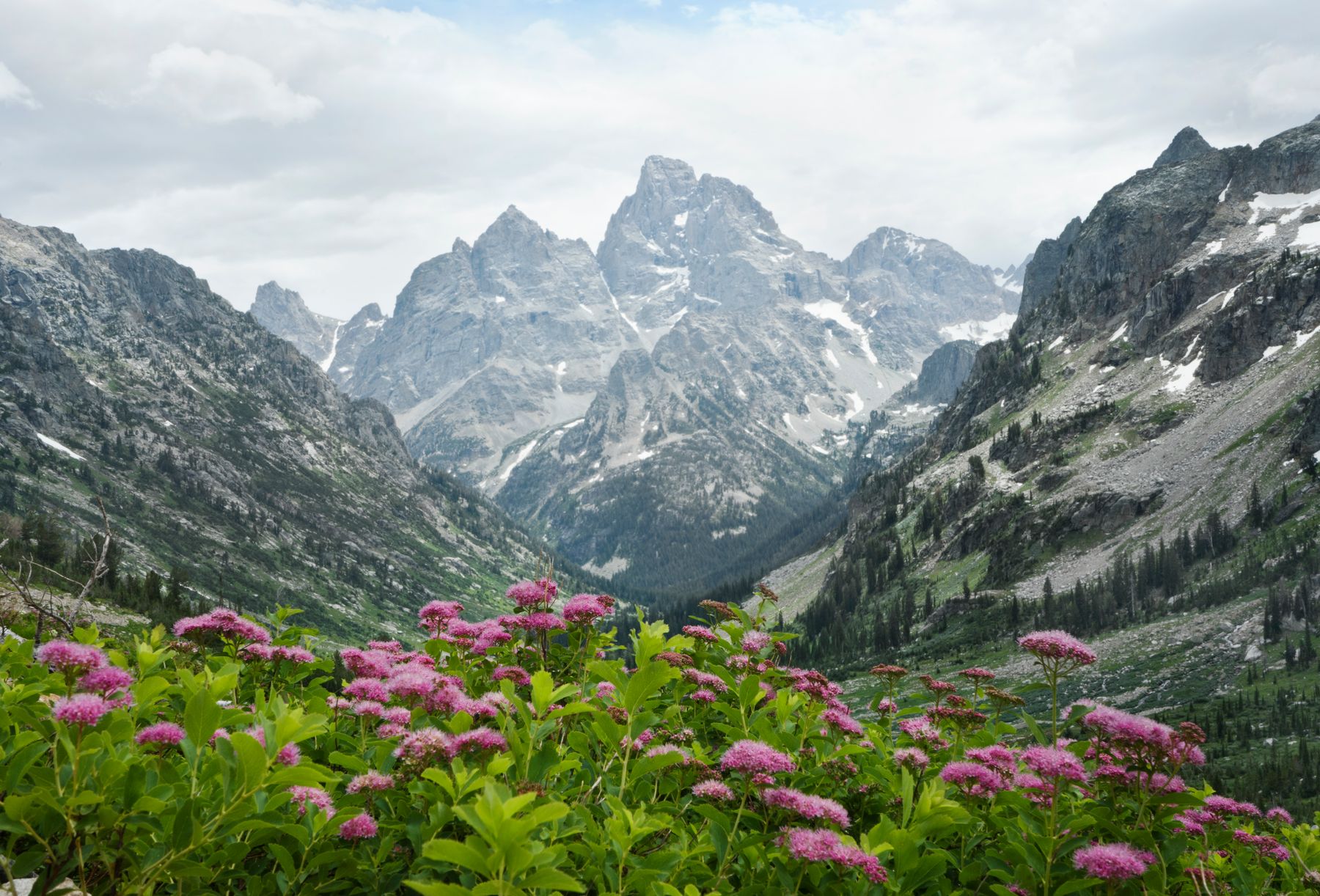
Jenny Lake is a strong choice for tent campers who want a mountain-park atmosphere. The wider area offers scenery and walks that can be selected to suit the group.
| Detail | Planning information |
|---|---|
| Best for | Tent camping and mountain scenery |
| Location and map | Jenny Lake Campground |
| Good stay length | Two to four nights |
| Booking | Advance reservations are required; check the current release calendar |
| Facilities and vehicles | Tent-only campground; verify parking, tent-pad space, water, toilets, and food-storage requirements |
| Nearby outings | Suitable lake-area walks and other confirmed-open park stops |
A tent-only site should be checked carefully against your travel setup. Do not assume that a campervan or RV can use a site simply because its overall length seems small.
8. Jumbo Rocks Campground, Joshua Tree National Park
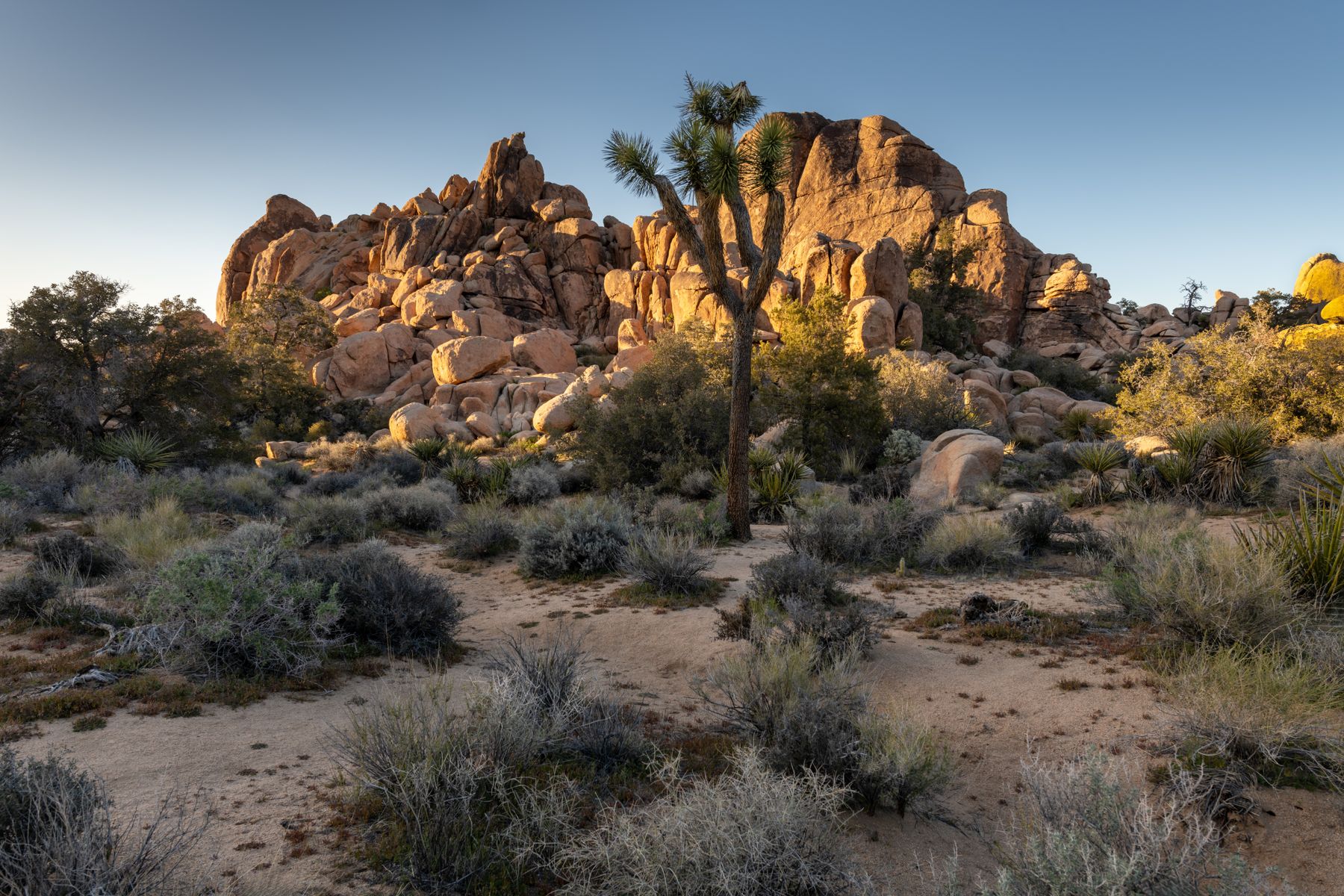
Jumbo Rocks appeals to travelers who want a desert camping setting with distinctive boulders and evening sky. Plan the practical details carefully: shade and drinking water are different concerns here from a forest campground.
| Detail | Planning information |
|---|---|
| Best for | A cooler-season desert camping trip |
| Location and map | Jumbo Rocks Campground |
| Good stay length | Two to four nights |
| Booking | Reservation-only; check the current calendar and site limits |
| Facilities and vehicles | No potable water at the campground; bring the required supply and verify sanitation and vehicle limits |
| Nearby outings | Appropriate desert walks and designated scenic stops |
Prepare for cold nights as well as daytime sun. Read current fire and stove restrictions, use a secure light after dark, and avoid wandering between boulders without a clear return route. The photo shows the park’s wider boulder landscape.
9. Elkmont Campground, Great Smoky Mountains National Park
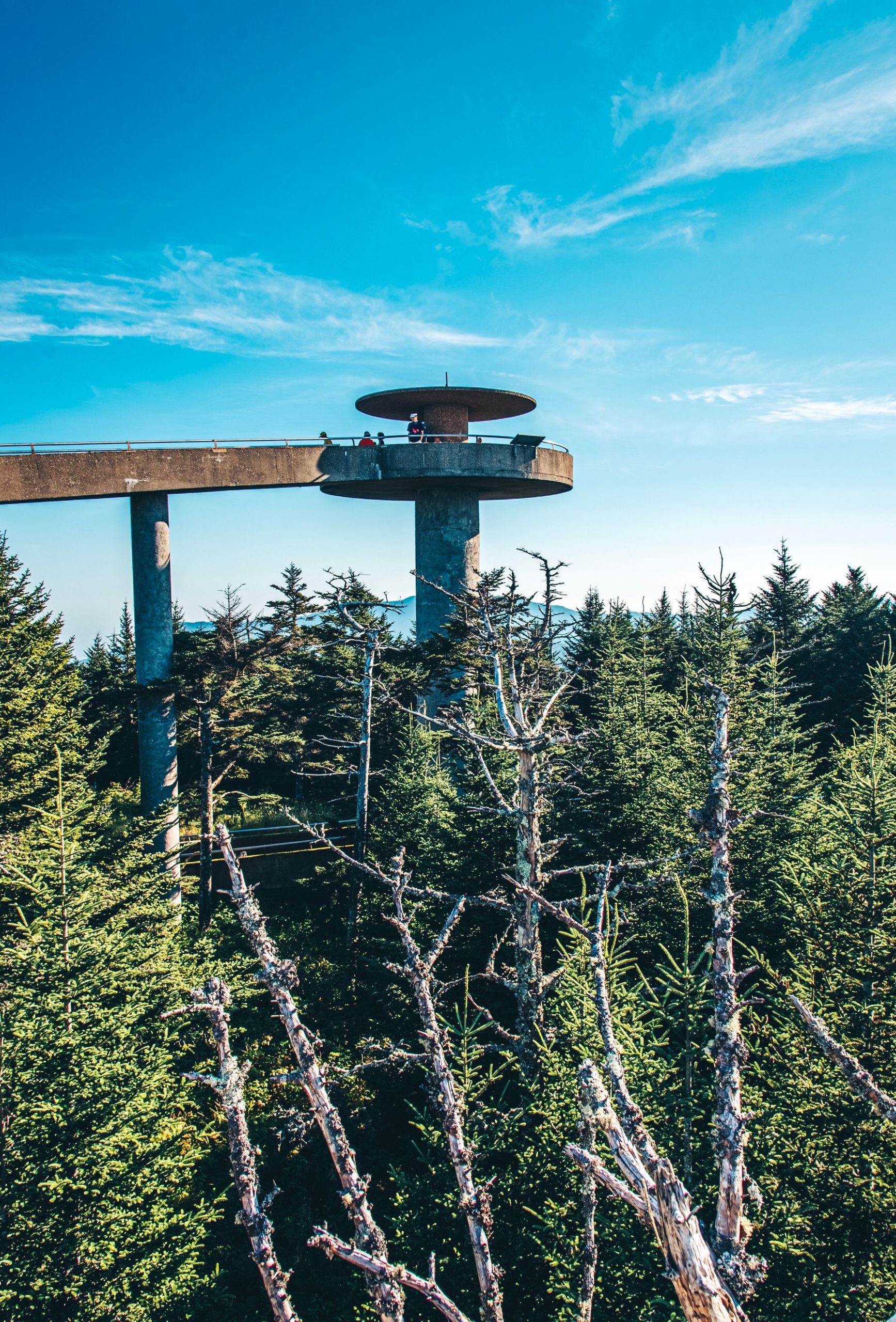
Elkmont suits campers who want a developed base for a slower mountain-region holiday. Choose nearby outings and leave time for weather, meals, and the ordinary rhythm of camp.
| Detail | Planning information |
|---|---|
| Best for | A developed Smokies camping trip |
| Location and map | Elkmont Campground |
| Good stay length | Three to five nights |
| Booking | Reservations are required; confirm operating dates and release rules |
| Facilities and vehicles | No hookups or campground showers; verify site dimensions, toilets, water, and accessible features |
| Nearby outings | Suitable local walks and wider park outings with realistic driving time |
A park parking tag is separate from campsite charges where applicable. Store food and scented items under current bear-country rules. The photograph shows the wider park’s Kuwohi area, which requires a separate journey and seasonal access check.
10. Rio Grande Village Campground, Big Bend National Park
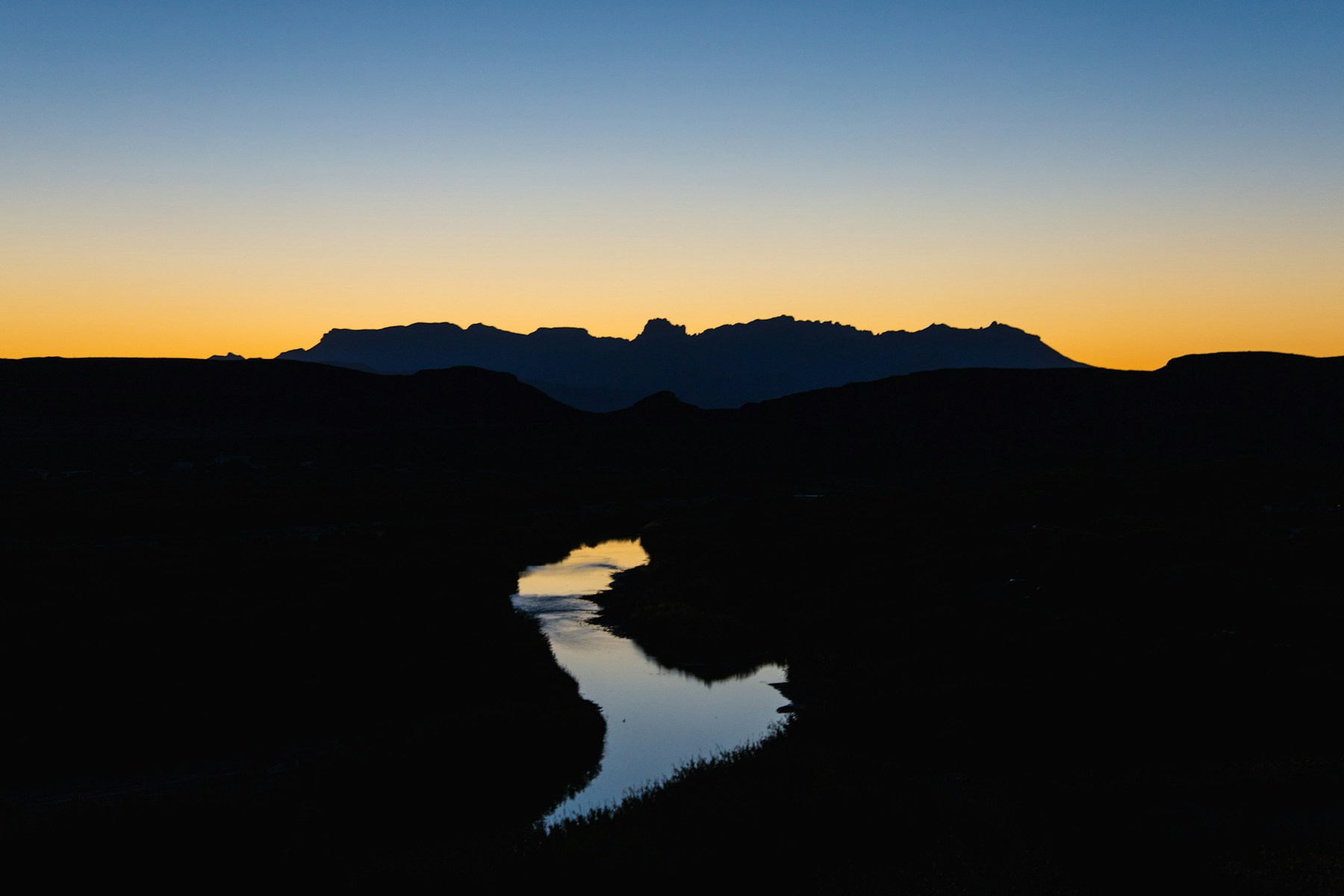
Rio Grande Village offers a base in a striking desert-and-river region. Big Bend’s distances and heat make a simple, well-supplied plan particularly useful.
| Detail | Planning information |
|---|---|
| Best for | A carefully prepared desert camping trip |
| Location and map | Rio Grande Village Campground |
| Good stay length | Three to five nights |
| Booking | Check the current inventory split and release calendar; some sites have different advance windows |
| Facilities and vehicles | The NPS campground has no hookups; check water, toilets, site limits, and current services |
| Nearby outings | Suitable regional walks and scenic drives planned around weather |
The concessioner-operated RV park is a different facility with different arrangements. Book the location you actually need. Carry adequate water and fuel, and do not rely on finding a shop or refill at every stop.
11. Jedediah Smith Redwoods State Park, California
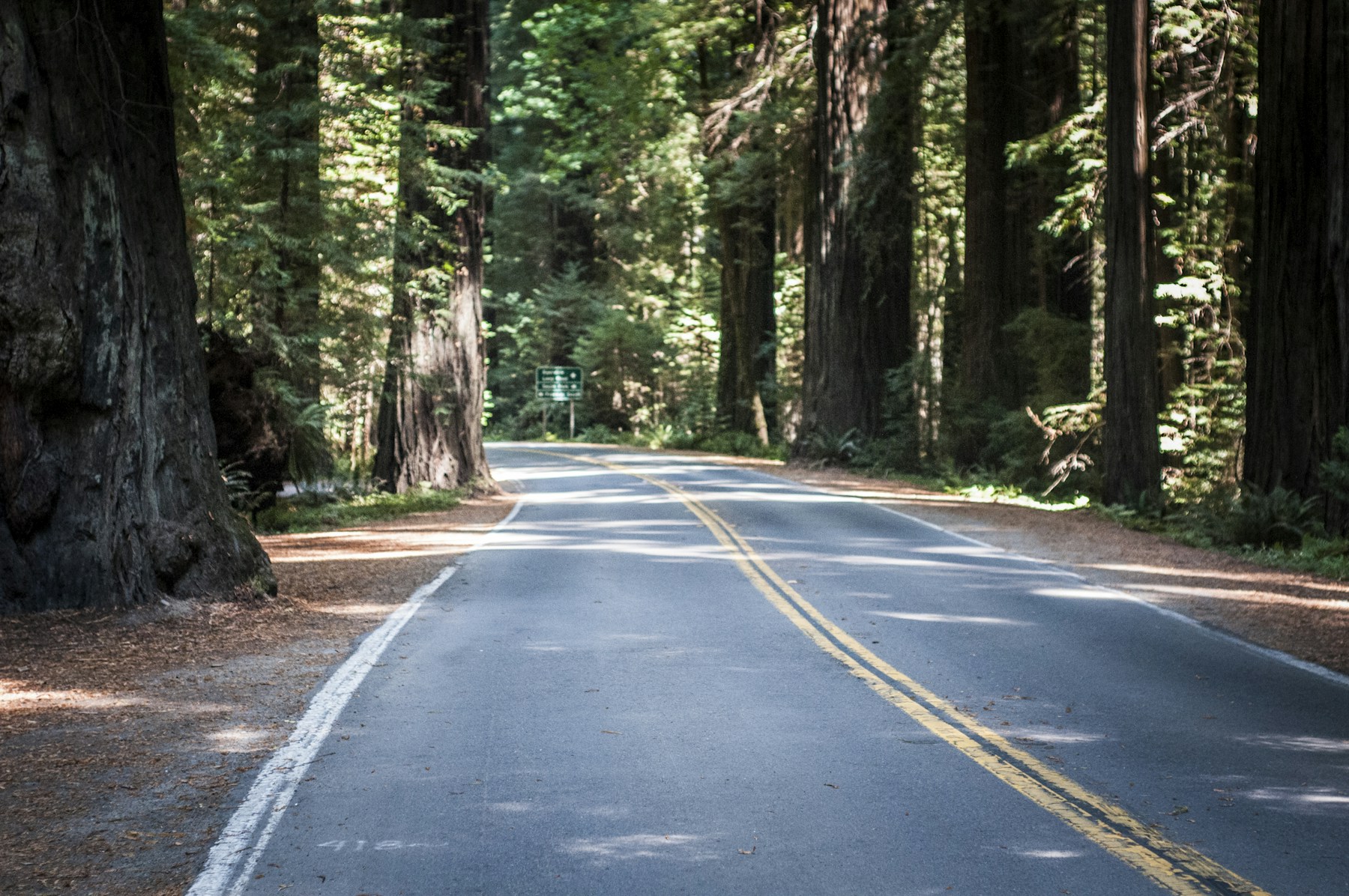
This redwood-region base is a lovely choice for travelers who enjoy forest walks and a slower pace. Give the area several nights so the trip includes time among the trees as well as the drive to reach them.
| Detail | Planning information |
|---|---|
| Best for | A forest-focused Northern California stay |
| Location and map | Jedediah Smith Campground |
| Good stay length | Two to four nights |
| Booking | Check the California state-park listing and ReserveCalifornia system |
| Facilities and vehicles | Verify the selected site, road access, vehicle limits, water, toilets, and any seasonal restrictions |
| Nearby outings | Confirmed-open redwood walks and regional scenic stops |
State and federal areas in the redwood region have different management and booking arrangements. Follow the instructions for the actual campground rather than assuming a federal park pass includes your campsite.
12. Ocracoke Campground, Cape Hatteras National Seashore
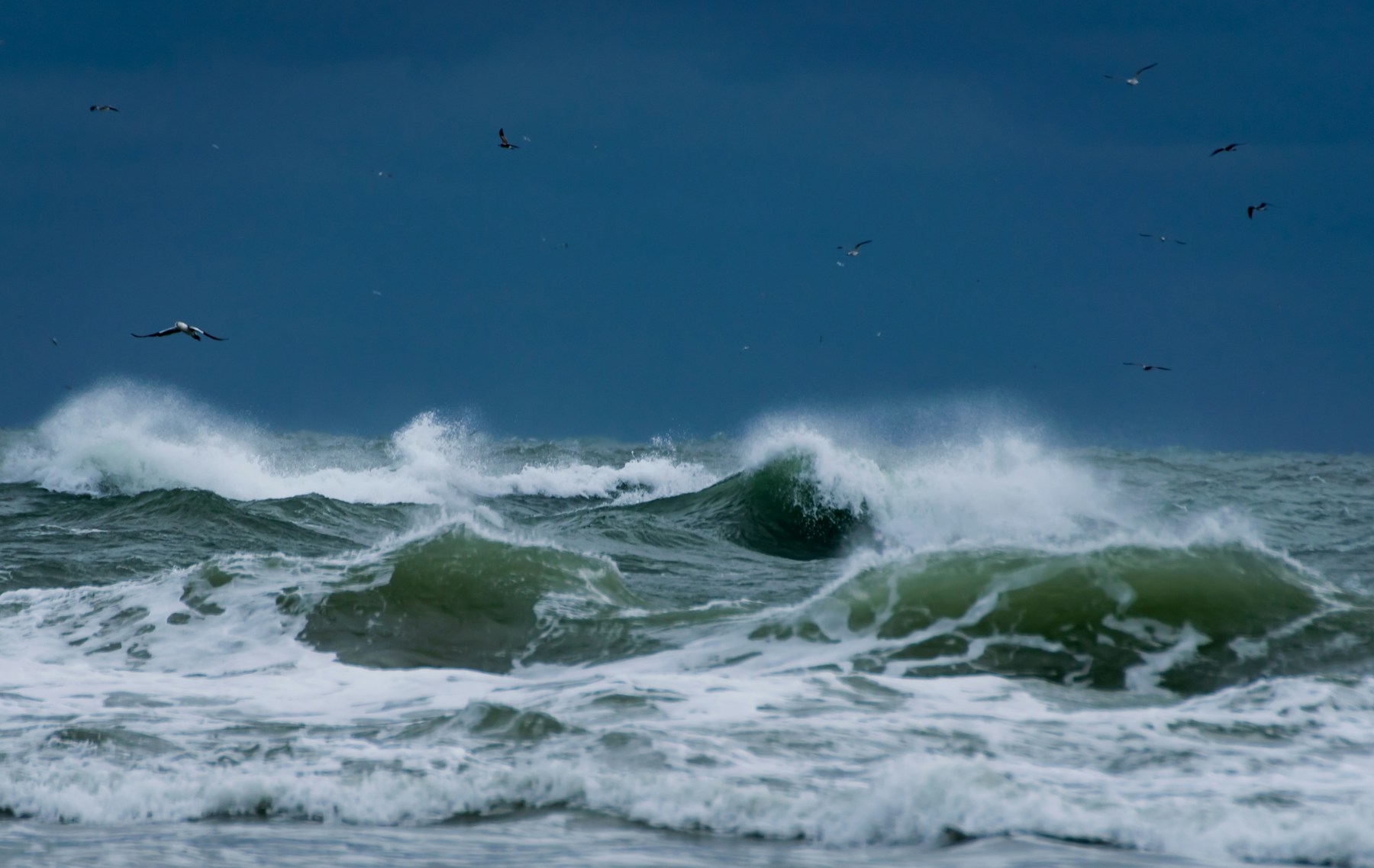
Ocracoke adds an island journey to the camping experience. The ocean setting is appealing, while ferry access, wind, sun, and weather make advance planning essential.
| Detail | Planning information |
|---|---|
| Best for | A coastal island stay with flexible travel time |
| Location and map | Ocracoke Campground |
| Good stay length | Three to five nights |
| Booking | Use the current Recreation.gov arrangement; payment is handled online, including applicable walk-up bookings |
| Facilities and vehicles | Drinking water and cold showers are listed; no electric hookups or dependable shade |
| Nearby outings | Permitted beach walks and Ocracoke village time |
Check the ferry route, any reservation requirement, road status, and weather before departure. Coastal storms can disrupt travel. Bring a tent setup suitable for the expected conditions and follow local evacuation or closure instructions.
Best Time to Go Camping in the United States
| Setting | Useful planning approach |
|---|---|
| Mountain parks | Check campground opening dates, overnight temperatures, snow, and road access |
| Desert parks | Favor suitable cooler conditions and plan carefully for water and cold nights |
| Pacific coast | Prepare for rain, wind, storms, and damp equipment |
| Eastern mountains | Check rain, humidity, storms, and cold at elevation |
| Maine coast | Match the campground’s operating season and pack for cool, wet periods |
| Outer Banks islands | Consider heat, insects, storms, wind, and ferry reliability |
A campground can be technically open while some facilities are unavailable. Shoulder-season savings should be weighed against the extra equipment and reduced services you may need.
Busy holiday periods and popular summer dates can fill quickly. Choose a backup campground or travel date before the release opens rather than depending on a cancellation.
How to Book a Campsite
Use the Correct Reservation System
Start with the campground’s official manager. Follow its current booking instructions to the authorized provider. Many federal campgrounds use Recreation.gov, but some operations and state parks use different systems.
Yosemite’s Pines releases, Acadia’s monthly release pattern, and individual rolling-release systems should not be treated as identical. Confirm the date, time zone, maximum stay, and payment rules for your actual reservation.
Check the Actual Site Before Paying
- Maximum vehicle and combined equipment length.
- Tent-pad size, surface, and number of tents permitted.
- Parking, driveway shape, and whether equipment will fit safely.
- Electric, water, sewer, or no-hookup status.
- Toilets, showers, drinking water, and operating season.
- Accessible features needed by your group.
- Occupancy, pet, generator, quiet-hour, and food-storage rules.
- Cancellation terms and late-arrival instructions.
Save your confirmation offline. Check whether the campsite changes any entry or road-reservation requirement; the answer varies by park and year.
How to Get There and Move Around
Choose a campground that fits the whole regional trip. Mountain roads, seasonal closures, ferry crossings, and RV restrictions can make the fastest-looking route unsuitable.
A car or appropriate camping vehicle is useful for most sites in this guide. Confirm campground road limits before hiring a large RV. At Ocracoke, plan the island transport as carefully as the site booking.
Save a route to Upper Pines Campground from El Portal as one example of checking the correct approach. Compare map directions with official road conditions before departure.
Arrive during daylight where possible. Fill fuel and collect groceries before the final approach, and keep enough margin to find your site without rushing.
Camping Itinerary Ideas
A Weekend or Three Nights
Choose one nearby developed campground. Set up on arrival, enjoy one full local outing, and leave a slower morning for camp and a short walk. This gives a first-time group time to learn its equipment.
Five Days With Four Nights
Use one base with two main outing days and a flexible day for weather, rest, or a shorter walk. This is the pattern used in the sample budget below.
A Seven-Day Camping Holiday
Use one or two practical regional bases. A redwood-region trip or a Yellowstone–Grand Teton visit can work with proper travel time and separate campsite reservations. Avoid a different campground every night unless moving camp is part of the experience you enjoy.
A Rainy-Day or Slower-Paced Plan
Choose a visitor center, nearby town, short suitable outing, or a rest day. Dry wet gear when possible and change the plan during dangerous weather. A campsite is a place to stay, not a requirement to remain through unsafe conditions.
How Much Does a U.S. Camping Trip Cost?
Sample Tent-Camping Budget for Two Adults
This example covers five travel days and four nights in one mainland region, a shared rental car, basic gear purchases or hire, and one standard park-entry allowance.
| Expense | Planning allowance |
|---|---|
| Campsites: 4 nights × $40 | $160 |
| Food and groceries | $300 |
| Rental car | $325 |
| Fuel | $150 |
| Park entry allowance | $35 |
| Basic gear purchases or hire | $230 |
| Permits and incidentals | $50 |
| Subtotal | $1,250 |
| Contingency: 10% | $125 |
| Total for two adults | $1,375 |
The $40 nightly amount is a planning allowance, not a quoted rate for every campground. Car costs include estimated taxes and routine fees. Flights, RV hire, specialist equipment, travel insurance, ferry charges, and extra nonresident national-park fees are excluded.
Using gear you already own can lower the cost. A large RV, hookup site, or remote journey can increase it substantially. Price the complete trip before comparing tent camping with a hotel stay.
Food, Water, Fires, and Wildlife
Plan simple meals you can prepare with your permitted equipment. Buy groceries before entering remote areas, confirm drinking-water availability, and carry enough for the journey and any facility outage.
Follow the exact food-storage instructions at your campground. Food, rubbish, coolers, toiletries, and scented items may need approved storage. Keep a clean camp and never feed wildlife.
Check fire and stove restrictions shortly before arrival. Use only permitted equipment and approved locations, and follow the current manager’s instructions for firewood. Do not move firewood between regions without checking pest-control rules.
Dispose of waste and washing water only where permitted. A tidy site helps the next camper as well as the surrounding habitat.
Camping for Families, Couples, Solo Travelers, and Accessible Trips
Families often benefit from a developed campground, a familiar first meal, easy restroom access, and a simple daily plan. Bring warm sleeping layers and a quiet activity for changing weather.
Couples can choose a longer stay with time for meals outside and unhurried walks. Solo campers should share their location and return plan with someone they trust.
For an accessible trip, verify the actual pad, parking connection, ground surface, table, fire ring, restroom, shower, and water access. The label on a booking page should be matched to the features you need.
Check pets, children, generator use, and quiet hours before selecting a site. A campground that suits one group’s routine may be a poor fit for another.
What to Pack for Camping
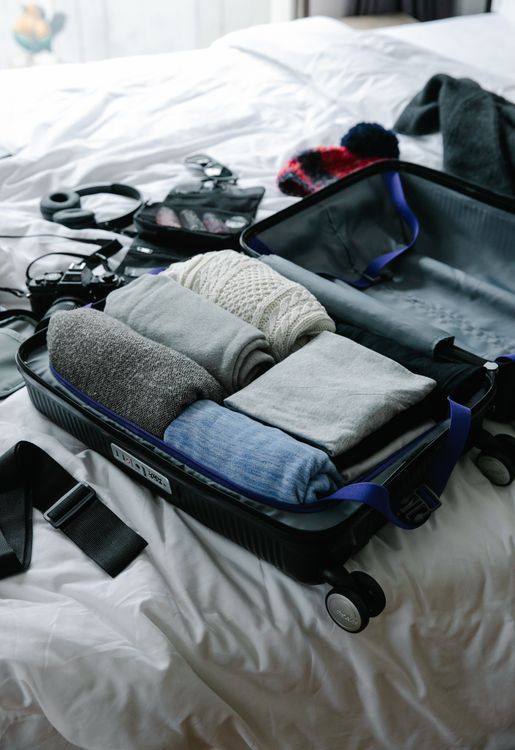
Bring a tent and sleep system suitable for the expected overnight conditions, a sleeping pad, permitted cooking equipment, a headlamp, layers, rain protection, suitable shoes, food, drinking water, personal medication, and a first-aid kit.
Add the food-storage equipment required by the site, rubbish bags, a charger, offline maps, reservation details, and any items needed for personal access or family care.
Practice putting up a new tent before the trip. Check that your stove, lights, sleeping equipment, and car-loading arrangement work. Keep essential arrival items easy to reach.
Photography, Etiquette, and Protecting the Place
Photograph from permitted public areas and keep neighboring campsites private. Ask before taking recognizable close-up pictures of other campers.
Follow quiet hours, keep lights considerate, and leave paths and access routes clear. Stay on established surfaces, leave natural and cultural objects in place, and follow local rules for drones, pets, and swimming.
Check out on time, remove all rubbish, and leave the site ready for the next visitor. Report a problem to the host or ranger rather than trying to repair campground equipment yourself.
Important Contacts and Practical Resources
| Need | What to save |
|---|---|
| Immediate emergency | 911; many campgrounds have limited reception |
| Arrival or site problem | Campground host or managing ranger station |
| Reservation question | Authorized booking provider and confirmation number |
| Road or weather disruption | Park or state road report and current weather advisory |
| Ferry journey | Operating ferry’s schedule, reservation, and disruption contact |
| Vehicle problem | Rental or roadside-assistance details from your agreement |
Find out where the nearest appropriate medical care, fuel, groceries, and safe drinking water are before you need them. General visitor-information services should not be treated as emergency dispatch.
Common Camping Mistakes
- Assuming all booking windows open six months ahead.
- Reserving a site before checking vehicle and tent dimensions.
- Confusing a no-hookup campground with a separate RV park.
- Expecting showers or drinking water without checking.
- Arriving after dark with unfamiliar equipment.
- Packing for the daytime temperature alone.
- Assuming a fire ring means a fire is currently allowed.
- Treating a closed campground or ordinary parking area as an overnight option.
- Forgetting entry fees, ferry charges, food storage, or cancellation rules.
Frequently Asked Questions About Camping in the United States
Which Campground Is Best for a First Trip?
Choose a developed campground close enough for a manageable journey, with facilities and weather that suit your group. The correct site and season matter more than the destination’s fame.
Does a National Park Pass Include Camping?
No general entrance pass automatically includes a campsite. Campsite fees, permits, hookups, and other services need their own checks.
Can I Camp Without a Reservation?
Some areas have specific first-come arrangements, but many popular campgrounds require reservations. Confirm the actual system and have a legal backup before traveling.
Can I Sleep in My Car in a Park?
Only where the managing authority allows that form of overnight stay. An ordinary day-use parking space does not become a campsite. Check campground equipment and vehicle rules.
Are These Campgrounds Open All Year?
Operating seasons differ, and facilities can change within the year. Blackwoods does not allow off-season camping; other campgrounds may offer reduced or primitive services. Verify your exact dates.
What if My Preferred Campground Is Full?
Look for a suitable alternative base or date through authorized systems. Check cancellation rules, transport time, facilities, and site dimensions before accepting an alternative.
Your Final Camping-Trip Checklist
- Reserve the correct campground and a suitable site.
- Confirm the release date, payment, and cancellation terms.
- Check operating dates, water, toilets, showers, and hookups.
- Verify vehicle limits and food-storage requirements.
- Read current road, weather, fire, and closure notices.
- Save maps, confirmations, and arrival contacts offline.
- Test equipment and pack for overnight conditions.
- Buy food, fill water and fuel, and aim for a daylight arrival.
- Keep a legal backup plan and share your travel details.
Reader Questions and Travel Experiences
Would you choose a mountain valley, a desert campground, a redwood forest, or an ocean island? If you have stayed at one of these campgrounds, share the season and a practical tip about the site or facilities.
Explore More Travel Guides
Continue with Best Things to Do in Yosemite National Park, our Grand Canyon Travel Guide for First-Time Visitors, and A Complete Guide to Visiting Yellowstone National Park.
For more outdoor ideas, read Best Hiking Trails in the United States, Best Places to See Wildlife in America, and Top 20 National Parks to Visit in the United States.
Leave a Reply
What would you like to know before you go?
Send us your question, feedback, or a place you would like to see covered.
Ask a travel question
Leave a Reply