Written by Ari Mayzick · Go Travel Box
Published November 12, 2026 · Updated November 12, 2026
Yosemite gives you a lot to look at: granite walls rising above the road, waterfalls hanging over the valley, and giant trees that make everyone slow down. The challenge on a first visit is choosing a few places you can enjoy without spending the whole day moving between them.
This guide covers the best things to do in Yosemite National Park, from short waterfall walks to a day in the high country. You will also find where to stay, how to group your stops, what to book, and a realistic budget. The focus is a first visit with time to pause, eat lunch, and enjoy the view.
Planning information was checked on November 11, 2026. Prices below are planning estimates unless a park fee is specifically identified. Check current park alerts again before traveling, especially for winter roads, fire impacts, and trail repairs.
First Trip to Yosemite? Start Here
Start with Yosemite Valley. Tunnel View, Lower Yosemite Fall, Bridalveil Fall, and the valley’s meadows give you a strong introduction without committing to a long mountain hike.
Allow two full days for a comfortable valley visit. Add another full day for Glacier Point or Mariposa Grove, and more time if you want to explore Tioga Road and the high country during its open season. A long list of pins on a map can make nearby places look easy to combine; mountain roads and parking often set the pace.
The simplest first-trip plan: book your accommodation, choose one main outing each day, and keep a shorter walk or viewpoint as your flexible extra.
Yosemite at a Glance
| Planning question | Quick answer |
|---|---|
| Location | Sierra Nevada, California |
| Good first-visit length | Two to three full park days, plus arrival and departure |
| First area to explore | Yosemite Valley |
| Waterfall season | Often strongest in spring and early summer; snowfall and weather affect flow |
| High-country season | Usually a shorter summer-to-fall window, depending on road openings |
| Best transport | Car for reaching the park and outlying areas; walking and available valley shuttles inside the valley |
| Standard vehicle entrance fee | $35, normally valid for seven days; additional nonresident rules can apply |
| Main booking priorities | Accommodation, campsite if camping, and any activity-specific permit |
| Entry reservations | No general entrance reservation required for 2026; confirm the rules for your travel year |
| Comfortable first choices | Viewpoints, short waterfall walks, and time in the valley |
Table of Contents
- First Trip to Yosemite? Start Here
- Yosemite at a Glance
- How to Plan Your First Yosemite Trip
- Best Things to Do in Yosemite National Park
- Best Time to Visit Yosemite
- Where to Stay in and Around Yosemite
- How to Get to Yosemite and Move Around
- Yosemite Itinerary Ideas
- How Much Does a Yosemite Trip Cost?
- What and Where to Eat
- Free Activities, Families, and Accessible Visits
- Photography Tips and What to Pack
- Important Contacts and Practical Essentials
- Common Yosemite Planning Mistakes
- Frequently Asked Questions About Yosemite
- Your Final Yosemite Planning Checklist
- Reader Questions and Travel Experiences
- Explore More Travel Guides
- Leave a Reply
How to Plan Your First Yosemite Trip
How Many Days Do You Need?
A day trip can cover a few valley highlights, but it gives you little room for traffic or an unhurried walk. Two full days work well for a first taste. Three or four full days let you add a different landscape without making every morning an early start.
For a weekend, stay near your chosen entrance and focus on the valley. For five to seven days, divide your time between valley walks, giant sequoias, and seasonal mountain outings. Keep a rest or weather day in a longer trip.
A Step-by-Step Booking Checklist
- Choose your travel season and the experiences you care about most.
- Check which approach roads and park roads are expected to be open.
- Reserve your hotel, cabin, or campsite.
- Check entrance rules for the actual year of your trip.
- Book guided activities and apply for any required hiking permits.
- Save an offline map, your reservation details, and a second route to your accommodation.
You can usually decide the order of short walks after arriving. Weather, waterfall flow, and available parking are good reasons to change the day’s plan.
Current Details to Know
As checked on November 11, 2026, Tioga Road and Glacier Point Road were reported open, with seasonal restrictions including no overnight parking in relevant areas. A storm can change that quickly. Do not use a summer opening report as a winter travel promise.
Half Dome’s cables were down for the season. Half Dome is a demanding hike with separate permit and seasonal access requirements; it needs its own preparation. Mist Trail repairs and icy conditions can also change which routes are available. Some Glacier Point area trails have been affected by fire activity. Read the current alert for your exact outing.
Best Things to Do in Yosemite National Park
1. Take in the Valley From Tunnel View
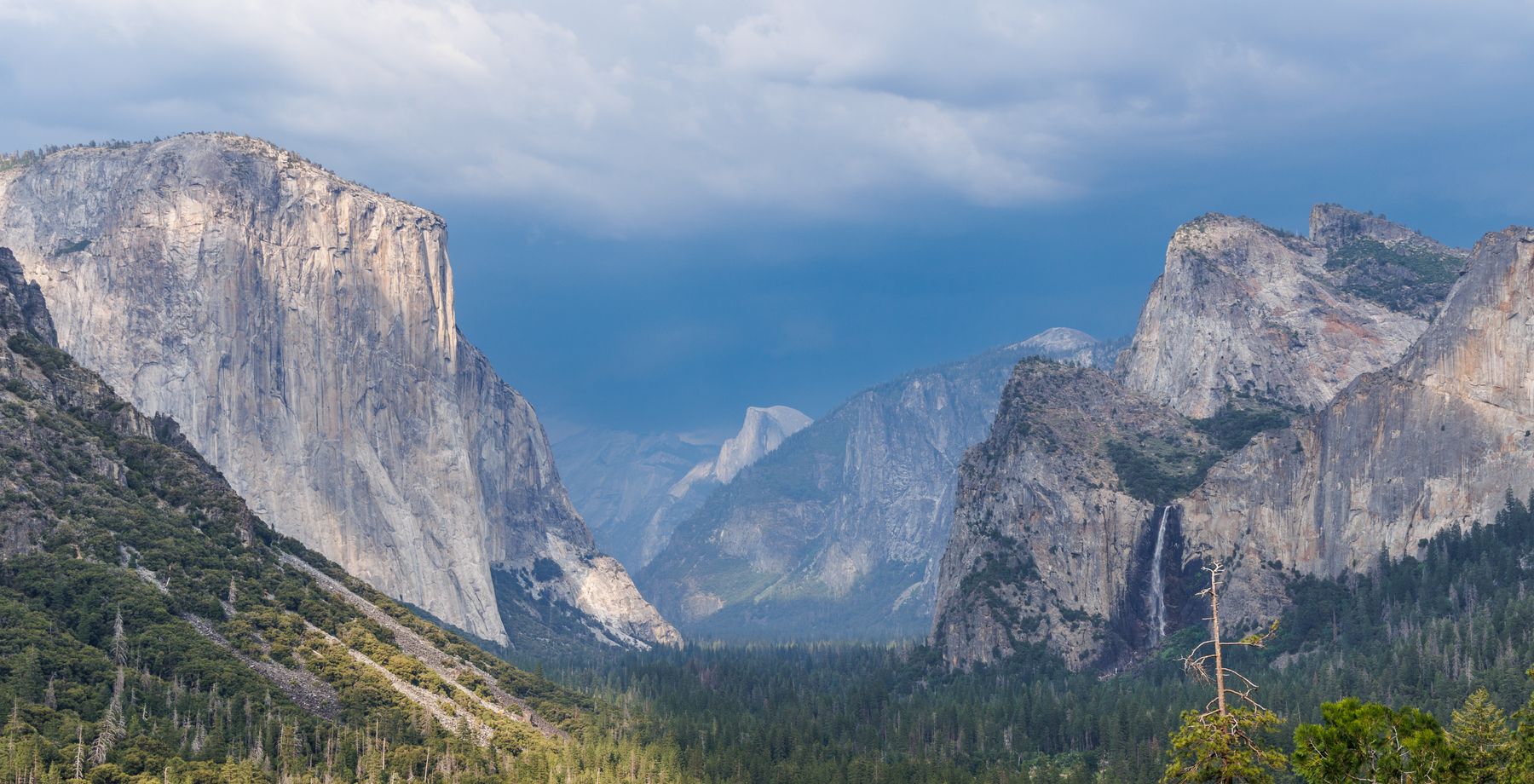
Tunnel View is a good place to understand the shape of Yosemite Valley. The cliffs, forest, and open sky fit into one sweeping scene. Give yourself a few quiet minutes before reaching for the camera; changing light can make the same view feel completely different.
| Detail | Planning information |
|---|---|
| Best for | A first overview, photography, and travelers who prefer a short stop |
| Location | Tunnel View map on Wawona Road |
| Time to allow | About 20–40 minutes, longer if you enjoy photography |
| Cost and booking | Included with park admission; no separate sightseeing reservation |
| Getting there | Use designated parking; do not stop in a traffic lane |
| Accessibility | The main viewing area is close to parking; snow, crowds, and surface conditions affect access |
| Pair it with | Bridalveil Fall and a gentle valley outing |
Practical tip: keep your camera ready before leaving the car, then put it away for a moment and enjoy the view with your own eyes.
2. Walk to Lower Yosemite Fall
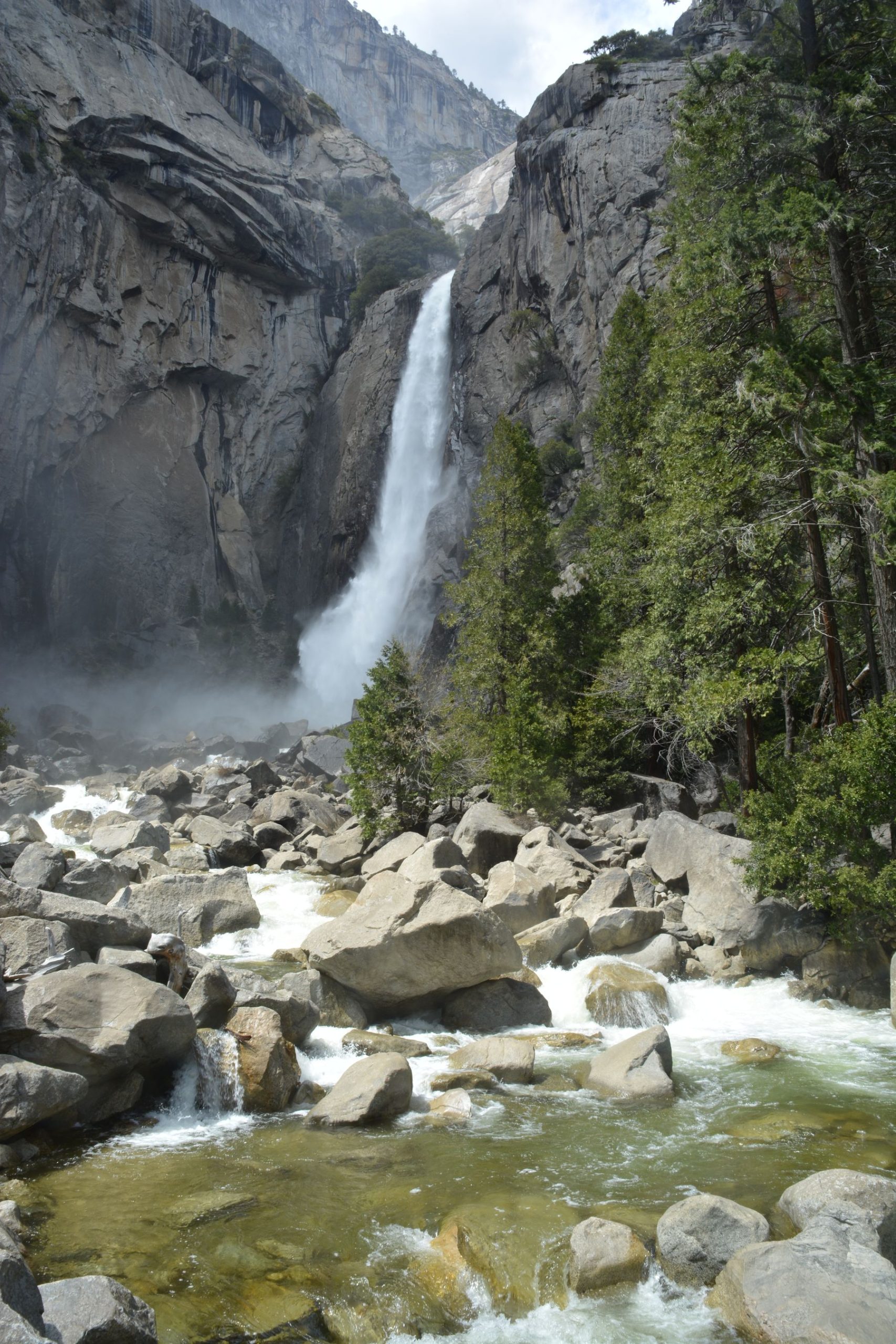
The lower waterfall is one of the valley’s most rewarding short outings. In a strong-flow season, the sound reaches you before the closest view. In late summer or a dry year, the waterfall can be much smaller or dry, so come for the setting as well as the water.
| Detail | Planning information |
|---|---|
| Best for | First-time visitors, families, and a short valley walk |
| Location | Lower Yosemite Fall trail map |
| Time to allow | Roughly 45–75 minutes for the one-mile loop and photo stops |
| Cost and booking | Included with park admission |
| Getting there | Walk from nearby valley facilities or use the operating shuttle |
| Accessibility | The eastern approach from the shuttle stop to the waterfall is the accessible route described by the park; check current conditions |
| Pair it with | Nearby valley paths and a relaxed picnic |
Keep to the established route. Spray can make paved surfaces wet, and the rocks beyond the viewing area are slippery. The photograph shows Yosemite Falls within its wider granite setting.
3. See Bridalveil Fall
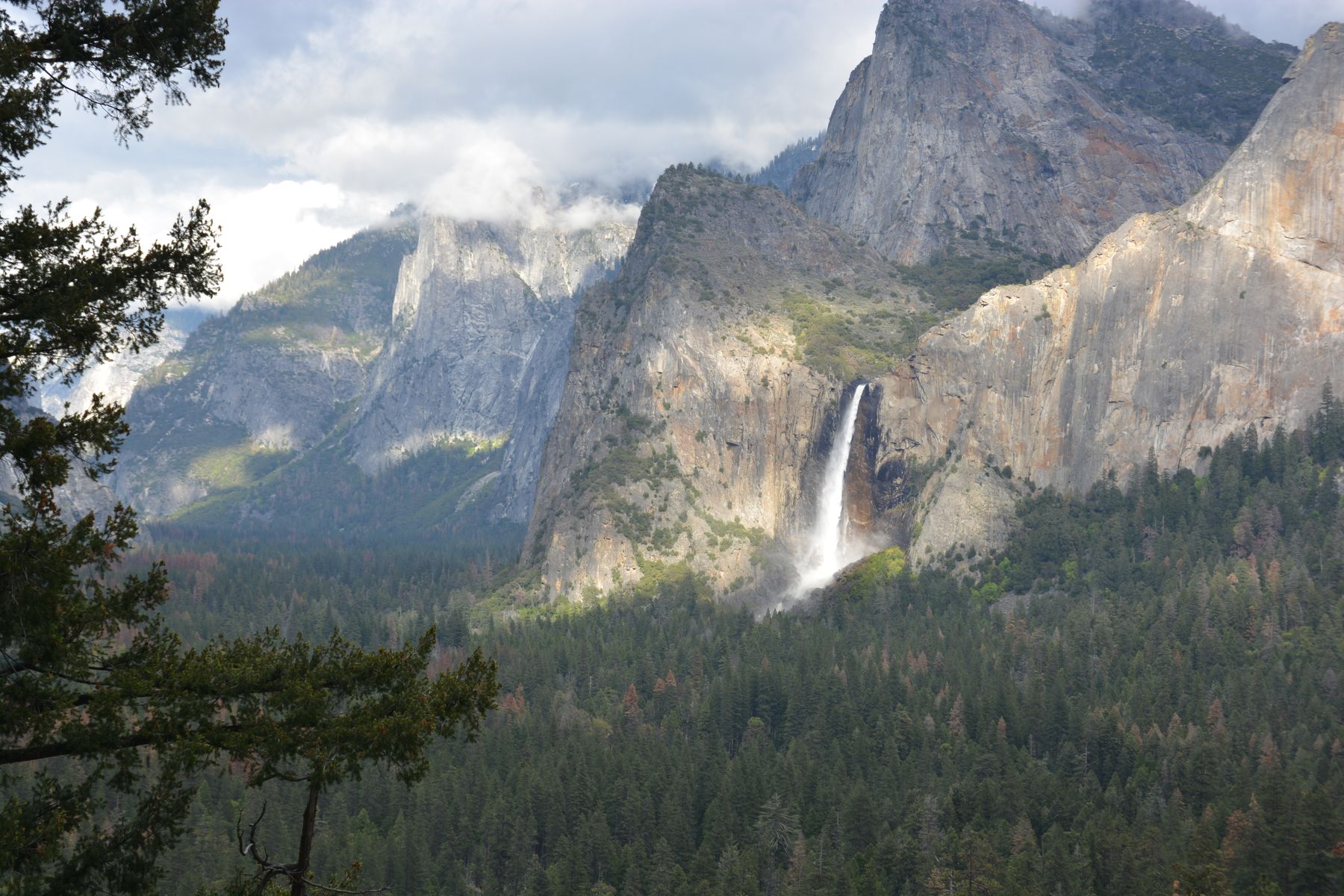
Bridalveil Fall makes a lovely early stop when entering the valley from Wawona Road. Wind moves the falling water across the rock face, so it is worth watching for more than a single photograph.
| Detail | Planning information |
|---|---|
| Best for | A short waterfall visit and a first arrival-day outing |
| Location | Bridalveil Fall trailhead map |
| Time to allow | About 30–60 minutes, including walking and stops |
| Cost and booking | Included with park admission |
| Getting there | Drive to the designated trailhead; check current parking arrangements |
| Accessibility | The park identifies the western trail to the base as wheelchair accessible; verify conditions before your visit |
| Pair it with | Tunnel View and the western valley |
A light rain layer is useful when the waterfall is strong. Stay behind barriers and leave space for people returning along the path.
4. Spend Time Around El Capitan Meadow
The valley deserves some time between its famous stops. Around El Capitan Meadow, the granite walls become the background to a slower outing: watching the light change, spotting small details in the trees, and looking up at the scale of the cliffs.
| Detail | Planning information |
|---|---|
| Best for | A relaxed pause, landscape photography, and broad cliff views |
| Location | El Capitan Meadow map |
| Time to allow | About 30–60 minutes |
| Cost and booking | Included with park admission |
| Getting there | Use signed parking and permitted roadside viewing areas |
| Accessibility | Choose a firm, established viewing location that suits your needs; meadow paths can be uneven |
| Pair it with | Other western valley stops |
Stay on established paths and boardwalks where provided. Meadows are living habitats, and a photograph is a good reason to use the viewing area patiently. The image illustrates Yosemite Valley’s wider granite landscape.
5. Hike to the Vernal Fall Footbridge
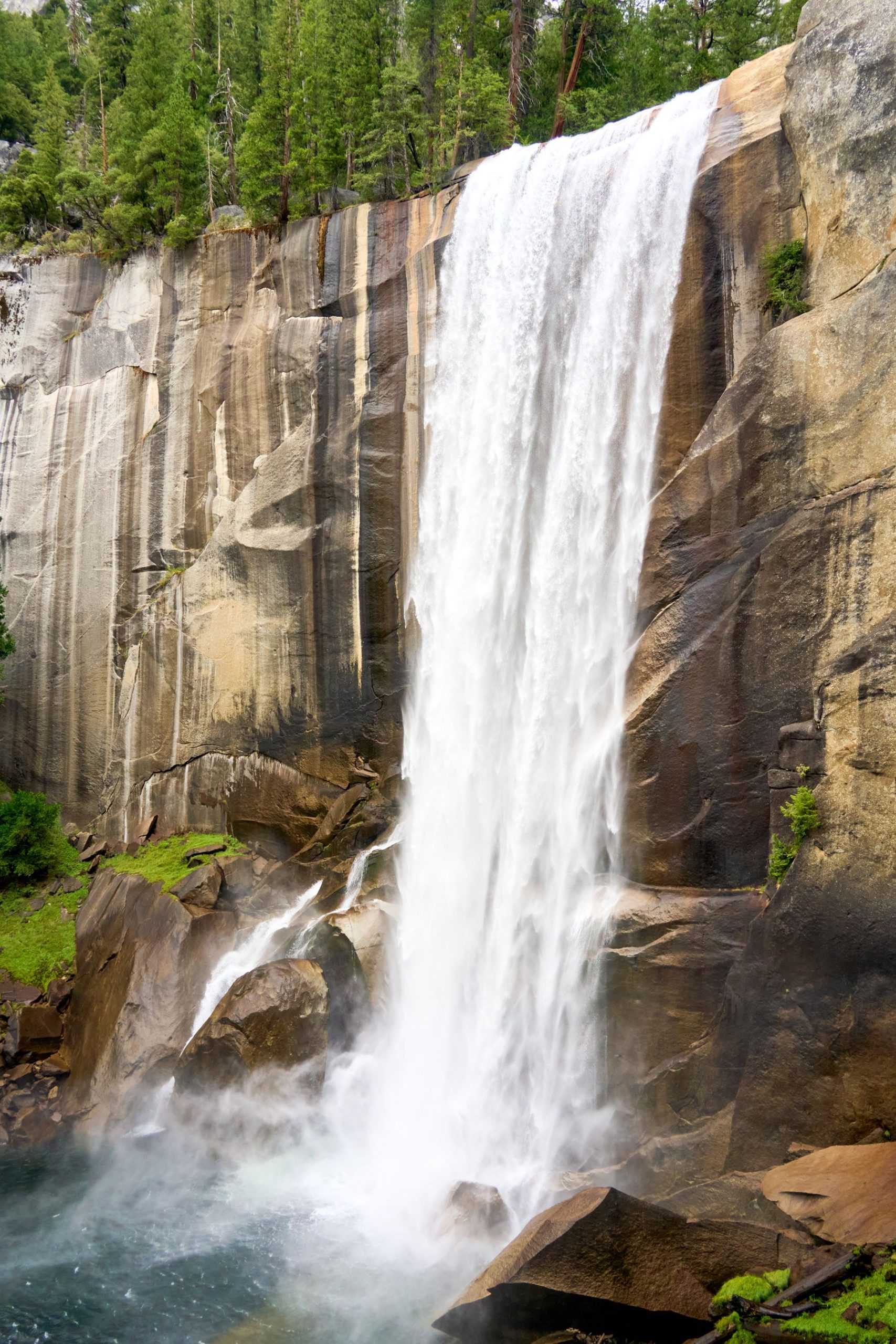
This walk adds a little more effort to a valley visit. The route rises beside the Merced River to a footbridge with a view toward Vernal Fall. It is a useful choice for visitors who want a defined hiking goal and are comfortable with an uphill path.
| Detail | Planning information |
|---|---|
| Best for | Active visitors who want a shorter uphill hike |
| Location | Happy Isles and Vernal Fall footbridge map |
| Distance | About 1.6 miles round trip from Happy Isles, with roughly 400 feet of elevation gain |
| Time to allow | Around 1.5–2.5 hours, including rests and the approach |
| Cost and booking | Park admission applies; check current trail notices before setting out |
| Getting there | Walk or use the available shuttle to the Happy Isles area |
| Accessibility | Steep sections make this different from a level valley stroll |
| Pair it with | A quieter afternoon in the valley |
The trail beyond the footbridge toward the top of the waterfall is a separate, more demanding outing. Wet steps, repairs, winter closures, and ice can change access. Decide on your turnaround before starting, and keep away from the river’s edge.
6. Enjoy the View From Glacier Point
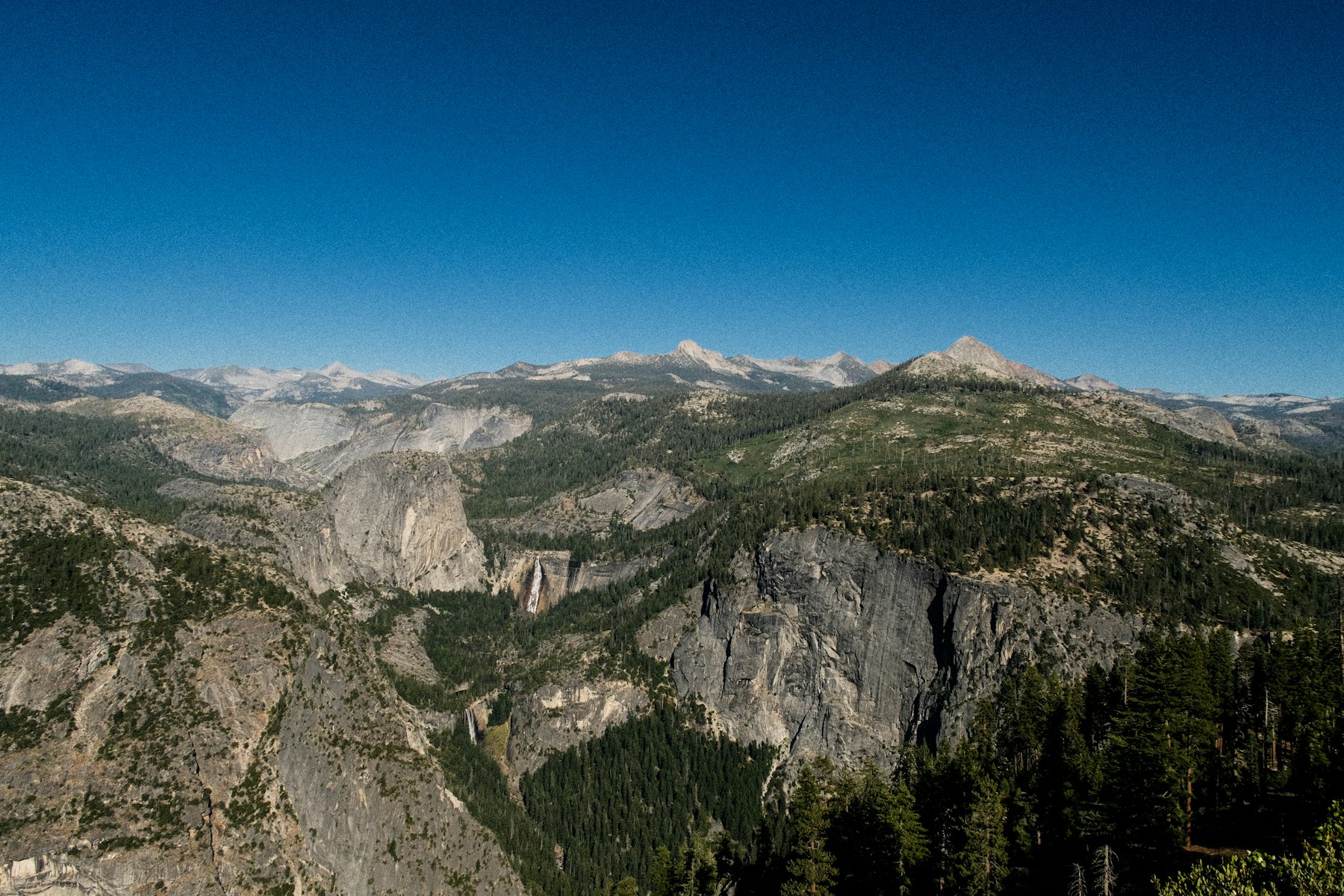
Glacier Point gives a different perspective on Yosemite’s granite landscape. Looking across the valley from above helps connect places that felt enormous from the road below.
| Detail | Planning information |
|---|---|
| Best for | Wide views and a change from valley-level sightseeing |
| Location | Glacier Point map |
| Time to allow | A generous half-day block with travel, parking, and time at viewpoints |
| Cost and booking | Park admission applies; paid transport or tours, when operating, cost extra |
| Getting there | Use Glacier Point Road only when open; check transport schedules separately |
| Accessibility | Ask the park which viewpoint paths and facilities currently meet your access needs |
| Pair it with | A short outing on a confirmed-open route nearby |
Bring a warm layer even when the valley feels comfortable. Choose a clear-weather window, and leave enough daylight for the winding return journey.
7. Walk Among the Giant Sequoias in Mariposa Grove
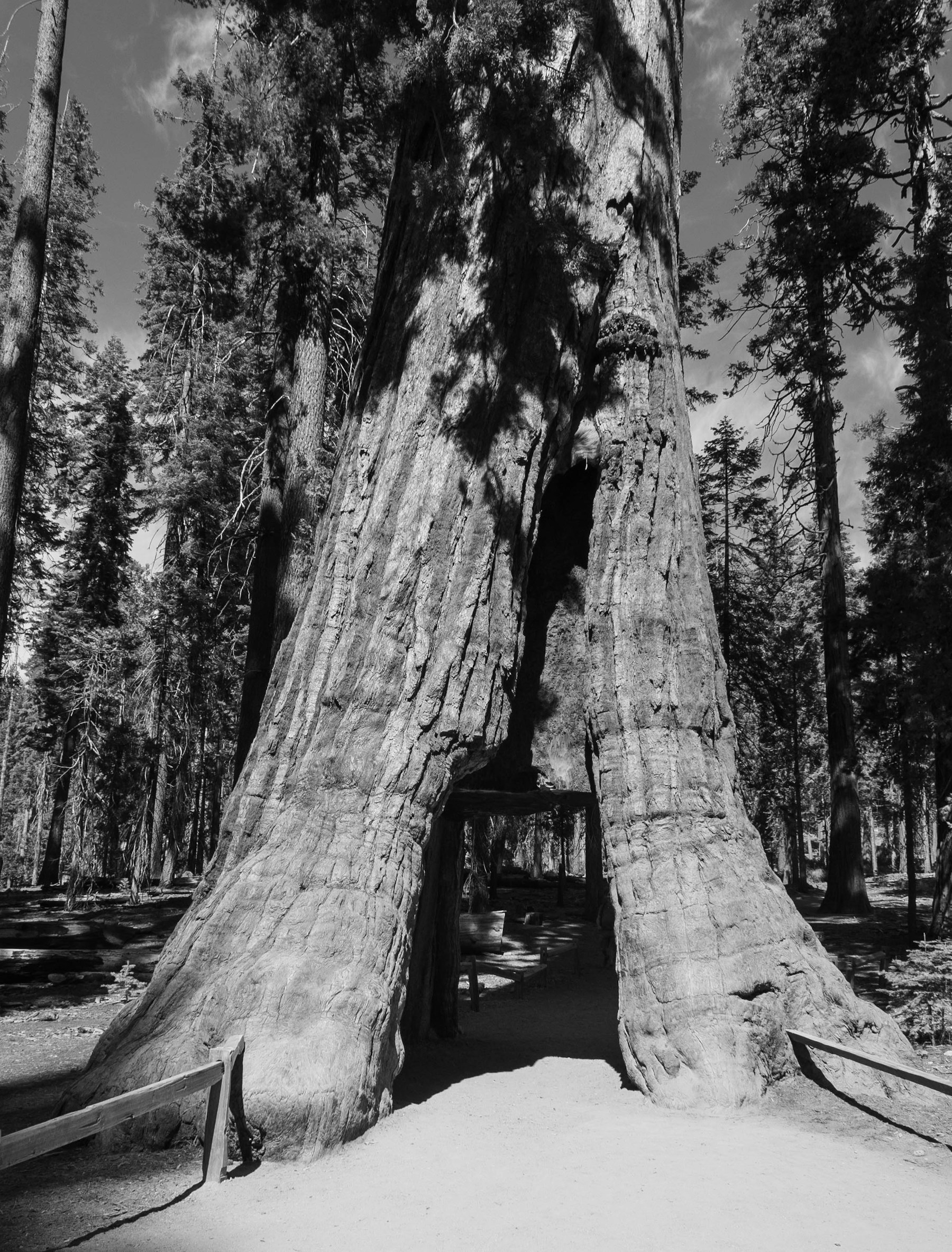
The grove changes the mood of a Yosemite trip. Instead of looking across a wide valley, you find yourself looking up into enormous trees. It is an especially good outing when your group wants a slower walk with plenty to notice.
| Detail | Planning information |
|---|---|
| Best for | Big-tree scenery, families, and a quieter change of setting |
| Location | Mariposa Grove welcome area map near the South Entrance |
| Time to allow | Around half a day, depending on transport and chosen walk |
| Cost and booking | Included with park admission; verify seasonal shuttle arrangements |
| Getting there | Most visitors use the welcome area and operating grove shuttle |
| Accessibility | Designated access arrangements exist for visitors with disability placards; confirm the current road and shuttle rules |
| Pair it with | A stay near Wawona or the South Entrance |
Stay on designated routes around the trees. Their root areas need protection, and a shaded path makes a pleasant place to pause.
8. Explore Tenaya Lake and the Tioga Road High Country
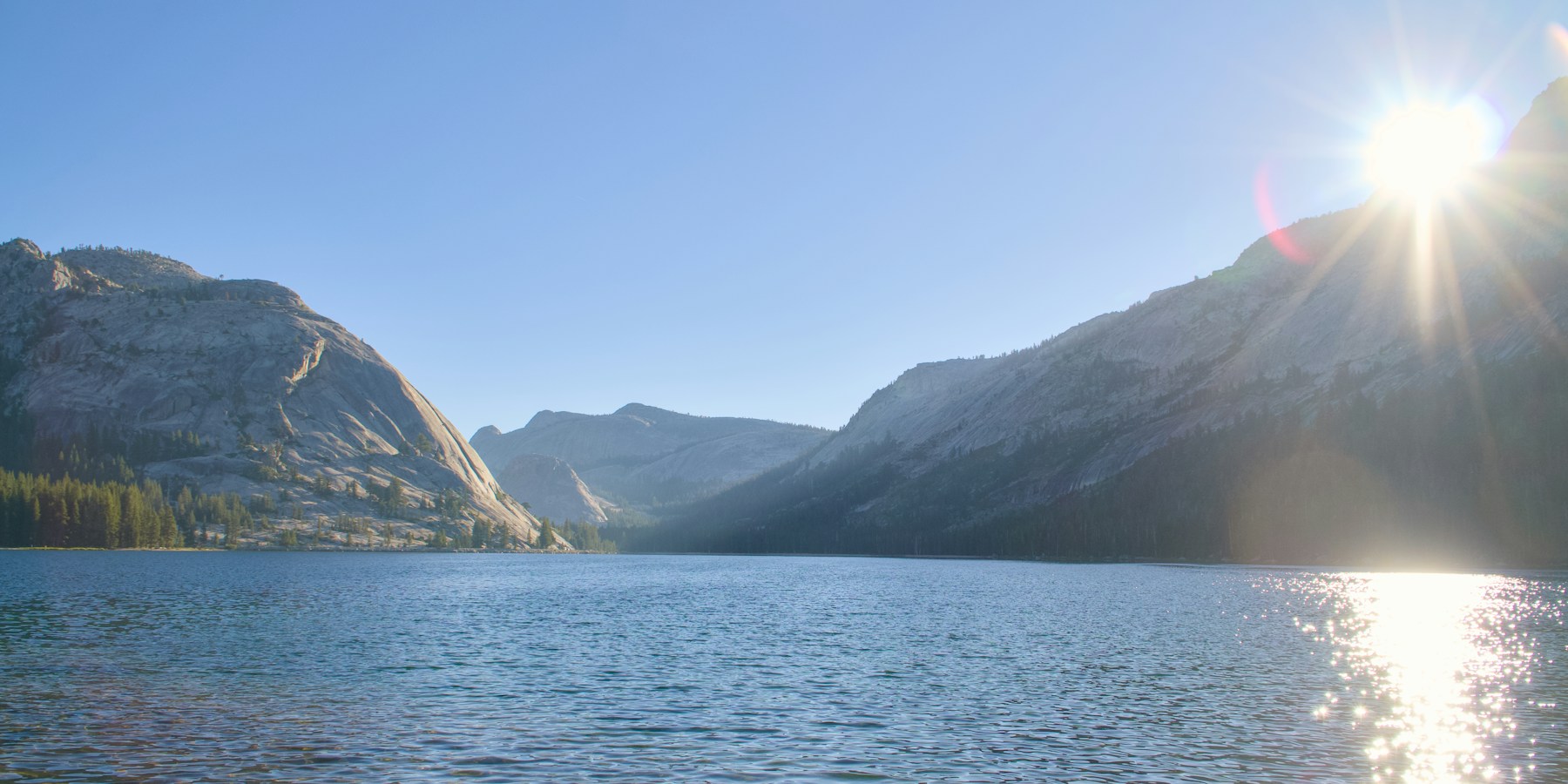
When Tioga Road is open, the high country adds lakes, granite slopes, and a more spacious mountain feel to a trip. Tenaya Lake is a good place to keep the plan simple: enjoy a permitted shoreline stop, have a picnic, and leave time for the drive.
| Detail | Planning information |
|---|---|
| Best for | Summer mountain scenery and visitors with an extra full day |
| Location | Tenaya Lake map along Tioga Road |
| Time to allow | A full-day outing from a valley base, including other short stops |
| Cost and booking | Park admission applies; specific overnight or wilderness activities need separate planning |
| Getting there | Confirm Tioga Road is open all the way along your intended route |
| Accessibility | Shoreline surfaces, parking, and facilities vary; choose an appropriate viewing stop |
| Pair it with | Confirmed-open Tuolumne Meadows area stops |
The road’s seasonal opening does not mean every trail or facility is ready for summer use. Snow, cold water, thunderstorms, and early closures remain part of high-country planning.
Best Time to Visit Yosemite
| Season | What makes it appealing | What to plan around |
|---|---|---|
| Spring | Waterfalls and fresh valley greenery | Snow at higher elevations, variable roads, wet paths |
| Summer | Longer days and broader high-country access when roads open | Crowds, heat in the valley, smoke, thunderstorms, full accommodation |
| Fall | Cooler walking weather and quieter periods outside busy weekends | Lower waterfall flow, shorter days, changing road access |
| Winter | Snowy valley scenery and a slower sightseeing rhythm | Ice, storms, chain requirements, closed mountain roads and limited services |
There is no single cheapest month for every type of stay. Compare the full cost of lodging, travel, and available activities. A cheaper room far from your planned walks can add long drives every day.
Holiday weekends and school breaks can fill quickly. For spring waterfalls, give your travel dates some flexibility; the snowpack and that year’s weather matter more than a fixed calendar promise.
Where to Stay in and Around Yosemite
| Base | Good fit | Main tradeoff |
|---|---|---|
| Yosemite Valley | Visitors prioritizing valley walks and less daily driving | Limited supply and strong demand |
| El Portal area | Access to the western valley approach | You still need to allow for the drive and entrance traffic |
| Wawona and Fish Camp area | Mariposa Grove and the southern approach | Valley outings involve a longer mountain drive |
| Mariposa or Oakhurst | More town services and accommodation choices | Longer commuting time |
| Eastern Sierra base | Tioga Road trips during the open season | Unsuitable as a valley shortcut when Tioga Road is closed |
Check the actual entrance and route before paying. Confirm heating or air conditioning, parking, cancellation terms, food options, and whether your reservation includes any park-entry benefit.
For camping, book a named campground and a site suitable for your tent or vehicle. Sleeping in a vehicle in an ordinary parking space is not a substitute for a campsite.
How to Get to Yosemite and Move Around
Choose your airport by the whole journey. Fresno can suit a southern approach; Sacramento and Bay Area airports can work with a western approach. Flight cost, car collection, road conditions, and your accommodation location all affect the best choice.
Regional buses and seasonal connections may make a car-free visit possible, but confirm both the arrival and return service before booking. Inside the valley, available shuttles and walking can reduce repeated parking searches. Outlying places need their own transport plan.
Save a Yosemite Valley orientation map and a route from Yosemite Valley to Mariposa Grove. Map applications can suggest closed mountain roads, so compare every route with the park’s current road report.
For a late arrival, carry your reservation confirmation and ask your accommodation about check-in. Fuel, groceries, and mobile reception become less convenient once you are committed to a mountain drive.
Yosemite Itinerary Ideas
A Weekend With Two Full Park Days
Use the first day for Tunnel View, Bridalveil Fall, and a relaxed western valley outing. On the second, try Lower Yosemite Fall and another valley walk. Add the Vernal Fall footbridge only if everyone has the energy and conditions are suitable.
A Three-Day Yosemite Itinerary
| Day | Main plan | Flexible extra |
|---|---|---|
| Day 1 | Tunnel View, Bridalveil Fall, and valley orientation | El Capitan views |
| Day 2 | Lower Yosemite Fall and a chosen valley walk | Vernal Fall footbridge if suitable |
| Day 3 | Mariposa Grove or Glacier Point, depending on your priorities and conditions | A short confirmed-open stop nearby |
This plan means three full park days. Arrival and departure driving may require additional nights.
Five to Seven Days
Add the other southern outing, a Tioga Road day when open, and a slower day for revisiting favorite valley places. Give a longer hike its own day and preparation. Avoid filling every spare hour with another drive.
Rain, Snow, or Smoke Alternatives
Choose a shorter safe outing, visitor-center exhibits when open, or a rest day at your accommodation. Follow closure notices. A change of plan can be the most useful decision of the trip.
How Much Does a Yosemite Trip Cost?
For planning, a simple room-based trip for two might fall around $300–$450 a day before flights, while a more comfortable stay can be $450–$700 or more. Peak dates, in-park rooms, guided activities, and car-hire costs can push this higher. Camping changes the accommodation line but adds equipment and campsite planning.
Sample Budget for Two Adults
This example covers four travel days and three nights, with two full park days, one room, one rental car, and ordinary U.S.-resident vehicle entry. Lodging and car allowances include estimated taxes and routine fees.
| Expense | Planning allowance |
|---|---|
| Accommodation: 3 nights × $230 | $690 |
| Food and groceries | $400 |
| Rental car: 4 days × $75 | $300 |
| Fuel | $160 |
| Standard park vehicle entrance | $35 |
| Optional activities | $85 |
| Incidentals | $30 |
| Subtotal | $1,700 |
| Contingency: 10% | $170 |
| Total for two adults | $1,870 |
Flights, major gear purchases, travel insurance, and additional nonresident charges are excluded. In 2026, Yosemite is among parks charging an additional $100 to non-U.S. residents ages 16 and over unless covered by a qualifying pass. Check current pass coverage and identification rules for your group.
Save money by booking accommodation early, bringing breakfasts and picnic supplies, and comparing a pass against the actual parks you plan to visit. An entrance pass does not automatically pay for camping or activity reservations.
What and Where to Eat
Keep breakfast simple on an early-start day and carry a proper lunch. A picnic gives you flexibility when a walk or parking search takes longer than expected.
Food outlets in and near the park have seasonal hours and limited choice compared with a city. Pick up groceries before entering, tell restaurants about allergies, and check dietary options rather than assuming every stop can provide a suitable meal.
Store food and scented items exactly as park rules require, including during short walks. Use provided bear-resistant storage where required, keep picnic areas clean, and take all rubbish away.
Free Activities, Families, and Accessible Visits
Once admission is covered, viewpoints, many walks, and time in the valley can fill a rewarding day without extra attraction tickets. Check the current ranger-program schedule for suitable talks and activities.
For families, build the day around one main walk, a picnic, and a shorter stop. For travelers who need less walking, choose close-to-parking viewpoints and confirm which routes, restrooms, shuttles, and facilities meet your needs. Paved surfaces can still have slopes or seasonal ice.
Solo visitors should leave a route and return time with someone they trust. Groups should agree on meeting points before entering areas with poor reception.
Photography Tips and What to Pack
Early or late light often gives the granite more texture. Waterfalls can be easier to photograph in softer light. Take photos from designated places, keep paths clear, and avoid stepping into meadows for a different angle.
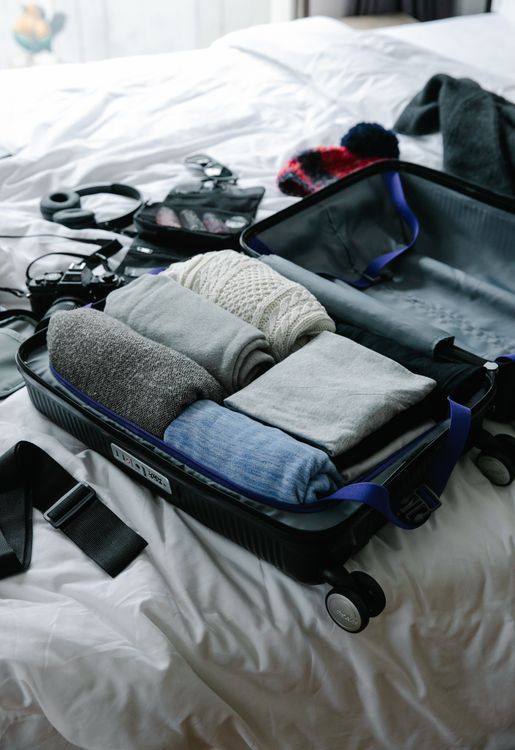
Pack comfortable walking shoes, layers, a rain shell, sun protection, water, food, a headlamp, offline maps, and a portable charger. Add the season’s required driving equipment and any personal medication. Trekking gear should match the route you have chosen.
Bring reusable containers and a bag for litter. Leave plants, rocks, and cultural objects where they belong. Drone use is restricted in national parks; check park rules before bringing one for an activity.
Important Contacts and Practical Essentials
| Need | What to save |
|---|---|
| Immediate emergency | 911; mobile coverage can be limited |
| Yosemite general information | 209-372-0200 |
| Current roads and trails | Yosemite’s current conditions report and the NPS app |
| Accommodation or campsite | Confirmation number and the property’s arrival instructions |
| Medical or access planning | Ask park staff about the nearest appropriate facility before a remote outing |
Use designated restrooms and refill points where available. Carry enough water to complete your planned outing even if a seasonal facility is closed. Keep your passport or identification, payment method, and booking details secure.
Common Yosemite Planning Mistakes
- Trying to combine every major park area in one short visit.
- Treating a map’s driving estimate as guaranteed.
- Booking a room before checking its entrance route.
- Assuming a waterfall will be at spring flow in every month.
- Extending a short walk into a demanding hike without enough preparation.
- Relying on mobile reception for tickets, maps, or meeting arrangements.
- Ignoring road, weather, fire, or trail closure notices.
Frequently Asked Questions About Yosemite
Is Yosemite Good for First-Time National Park Visitors?
Yes. The valley offers famous scenery with a mix of viewpoints and short walks. A good first visit starts with realistic daily plans and leaves demanding routes for travelers prepared for them.
How Many Days Should I Stay?
Two full park days offer a useful introduction. Three or four allow more variety. Add travel time separately, especially if you are arriving after a flight.
Do I Need a Reservation to Enter?
A general entrance reservation was not required for 2026 as checked on November 11. Accommodation, camping, and particular activities have separate rules. Confirm the policy for your travel year.
Can I Visit Without a Car?
It can work if regional transport, accommodation, and valley shuttles align with your dates. Plan both ends of each journey and do not assume a valley shuttle reaches every area of the park.
Can I Visit Yosemite in Winter?
Yes, with a winter-specific plan. Focus on currently accessible areas, watch road and chain requirements, and allow for ice and storms. High-country summer routes should not be copied into a winter itinerary.
Should I Add Half Dome to My First Trip?
Only if the whole group is prepared for its effort, exposure, permits, and seasonal conditions. It requires a separate hiking plan and should not be an improvised extension of a valley day.
Your Final Yosemite Planning Checklist
- Confirm your accommodation and the best entrance route.
- Check your year’s entry rules and any activity permits.
- Read the latest road, trail, weather, and fire notices.
- Choose one main outing for each full day.
- Save offline maps and booking confirmations.
- Pack food, water, layers, and appropriate walking equipment.
- Confirm food-storage rules and accessible facilities.
- Keep one flexible option for changing conditions.
Reader Questions and Travel Experiences
Which Yosemite outing would you most like to try: waterfalls, giant sequoias, or a mountain viewpoint? If you have visited, share your travel month and a practical tip in the comments so other readers can judge whether it fits their trip.
Explore More Travel Guides
Continue planning with our Top 20 National Parks to Visit in the United States, Seven-Day California Road Trip Itinerary, and Best Hiking Trails in the United States.
For another nature-focused trip, read Most Beautiful Waterfalls in the United States and Top Camping Destinations in the United States.
Leave a Reply
What would you like to know before you go?
Send us your question, feedback, or a place you would like to see covered.
Ask a travel question
Leave a Reply