Written by Ari Mayzick · Go Travel Box
Published November 18, 2026 · Last updated November 18, 2026
Your first morning in New York can go two ways. You can spend it crossing Manhattan to tick off three famous names, or you can step out near Grand Central, walk past the library lions, and be in Bryant Park before your coffee goes cold. This New York City itinerary is built around the second way to travel. Give each day a part of the city, one thing worth a reservation, and enough room to notice what's around you.
Choose a weekend, 5 days, 7 days, or 10 days. Each plan starts from scratch and tells you where to sleep, what to book, and which stop to cut when the day runs long. There are two Brooklyn Bridge experiences to choose from: crossing the bridge or seeing it from the waterfront. Only one of them requires the uphill walk.
First Trip? Start Here
Five days and four nights are a good first visit. This gives you three substantial sightseeing days between your flight days. Use them for Midtown, the harbor and Lower Manhattan, and either Central Park and a museum or Brooklyn. You can fit a taste of both by using a late-flight departure morning or trading a second museum for a Brooklyn evening.
Stay in Midtown near Bryant Park or Grand Central if you want simple first-day sightseeing and several subway choices. A Downtown Brooklyn or Long Island City hotel can make sense if it saves enough after fees and the actual subway journey is convenient. Look up your exact hotel entrance and station before you commit. You do not need to rent a car for any of the city-based routes here.
Decide what seeing the Statue of Liberty means to you. A waterfront view, a free ferry ride past the statue, and setting foot on Liberty Island are different experiences. If you want the island and Ellis Island, protect most of a morning and some of the afternoon. If a skyline view is enough, use the free Staten Island Ferry and spend the saved time in Brooklyn or Chinatown.
New York City at a Glance
| Planning decision | A useful starting point |
|---|---|
| How long? | 2 full days for a highlights trip, 5 calendar days for a first visit, 7 for neighborhoods, and 10 for the outer boroughs at a more relaxed pace. |
| Good months to target | May or late September through October for outdoor routes, with an indoor alternative each day. December is better for holiday lights than a quiet city break. |
| Airports | JFK and LGA are in Queens, and EWR is in New Jersey. Compare fare, checked baggage and round-trip transfers together. |
| Get around | Walk within one neighborhood and ride subway/local bus between areas. Verify the station entrance and elevators you will use. |
| Sample daily cost | About $160–$473 per person per calendar day for the five-day, two-adult examples farther down, excluding flights. Your room rate and paid activities drive the difference. |
| Book first | A well-located refundable room, any crown/pedestal ferry ticket or must-see show, then one observation deck or other time-sensitive attraction. |
| Clock | Eastern Time. Check your phone before a timed ticket, particularly if you flew in from the West Coast. |
Table of Contents
- First Trip? Start Here
- New York City at a Glance
- How Many Days Do You Need in New York City?
- Best Time to Visit New York City
- What to Book First in New York City
- Where to Stay in New York City
- How to Get to and Around New York City
- Weekend in New York City: A 2-Day Itinerary
- 5 Days in New York City: A First-Time Visitor Itinerary
- 7 Days in New York City: Brooklyn, the West Side and Harlem
- 10 Days in New York City: Five Boroughs with a Single Hotel Base
- Practical Information for Major New York City Attractions
- Where to Eat in New York City
- How Much Does a New York City Trip Cost?
- Free Things to Do in New York City and Ways to Save
- Best Photo Spots in New York City
- New York City Places to Cover
- Adapt Your New York City Itinerary
- Rainy-Day, Heat and Seasonal Alternatives
- My Travel Notes for New York City
- Common New York City Itinerary Mistakes
- Frequently Asked Questions About a New York City Itinerary
- Final Booking and Departure Checklist
- Related GoTravelBox Guides
- Leave a Reply
How Many Days Do You Need in New York City?
| You have | Nights used here | Best use of your time | What you can leave out |
|---|---|---|---|
| Weekend | 2, arriving Friday and departing Sunday after sightseeing when feasible | Midtown plus Lower Manhattan and the Brooklyn waterfront | Island landing, more than one museum and a cross-borough dinner reservation |
| 5 days | 4 | Midtown, Liberty and Ellis Islands, Lower Manhattan, Central Park and one major museum, with a flexible last morning | A second big museum and an out-of-city day |
| 7 days | 6 | Add a full Brooklyn day, the West Side and a Harlem or Queens-focused day at a gentler pace | A distant excursion if it would squeeze the city days |
| 10 days | 9 | Stay put in one hotel, then add Queens, the Bronx, harbor time and a flex day | A hotel move or an expensive ticket every day |
Flight days are included in the 5-, 7-, and 10-day plans. Friday night to Sunday morning gives you about one full sightseeing day. If that is your weekend, do Day 1 and keep only the easiest Day 2 stop near your hotel. Sunday evening travelers can use both routes if luggage pickup and the airport buffer are already arranged. Add a Sunday night if you want two full days without watching the clock.
Best Time to Visit New York City
| Season | What it feels like on the ground | How to change your plan |
|---|---|---|
| Spring | Changeable weather and cooler mornings make a park-and-museum pairing useful. School breaks and weekends raise demand. | Put the park before an indoor visit if the morning is dry. Carry a light rain layer and use a café or public indoor stop between them. |
| Summer | Long daylight helps with the bridge and waterfront. Heat, humidity and sudden storms make concrete and exposed piers feel tiring. | Start outdoors, break indoors around midday, and save an outdoor dinner or skyline view for the evening. Move under cover for storms. |
| Fall | Good walking weather is possible, with shortening daylight and busy weekends. The NYC Marathon can change road crossings and journeys. | Check the event calendar before a cross-town car ride. Put the bridge and outdoor photos earlier if sunset matters. |
| Winter | Wind can make a short pier walk feel colder than the temperature suggests. December holiday crowds cluster around Rockefeller Center. | Keep the holiday lights and change the rest of the plan to nearby museums, markets and a short river stop on a clear day. |
Look up sunrise and sunset for the actual date. For a skyline photo, check weather and visibility that morning. For a prepaid deck or harbor trip, read the operator's change policy before choosing a sunset time. A late-afternoon winter ticket and a late-afternoon summer ticket give you very different light.
What to Book First in New York City
- Book the hotel around the day you care about most. Open a map at 8 a.m. and 10 p.m. and compare your actual routes. Check taxes, mandatory nightly charges, deposits, storage and cancellation dates. Verify bed count and room size if traveling with children.
- Reserve Liberty Island only if you want to land. The National Park Service lists Statue City Cruises as its authorized island ferry. Choose the New York departure at The Battery for this itinerary. Compare grounds, pedestal and crown tickets. The ticket time is when you can enter the security queue, so leave room before the next timed reservation.
- Book a must-see Broadway performance and one skyline deck if you want them. Look at the theater's running time, age policy, arrival instructions and any restricted-view notation. Compare official rush, lottery or same-day options only if another show would also make you happy.
- Give the major museum a protected block. For example, The Met Fifth Avenue lists Wednesday as its regular closed day. Use the museum's calendar for holidays and special exhibits. A general-entry museum ticket and a timed feature can be separate purchases.
- Book a destination dinner near the route. Put a pre-theater meal within a comfortable walk of your theater. If a restaurant requires a deposit or uses a cancellation window, save that deadline with the confirmation.
- Save three screenshots before leaving. Save the hotel address, your timed reservations, and the airport transfer instructions. Label the airport with its three-letter code. Keep the booking holder's ID and any required confirmation handy.
Where to Stay in New York City
| Area | Best fit | Price and noise tradeoff | Getting around and parking |
|---|---|---|---|
| Midtown near Bryant Park or Grand Central | First trip, theater and a short stay | Often higher nightly rates. Check whether the room faces an avenue or has a quieter interior position. | Multiple transit options. Avoid paying for a city car and hotel garage. |
| Hell's Kitchen or the quieter edge of the Theater District | Shows and lots of casual dinner choices | Room locations vary by block. Late dining, delivery and street noise matter if you sleep early. | Walk to your theater. Verify the closest useful subway entrance rather than the closest station name. |
| Upper West Side | Families, Central Park and a calmer evening | Check room sizes, elevator access and breakfast options. Savings depend on dates. | Use neighborhood subway stops, some with stairs. A garage usually adds a separate cost. |
| Lower Manhattan | A ferry morning and quieter weekends on some blocks | Financial District blocks vary by weekday and weekend. Ask what is nearby after dinner. | Useful lines reach Brooklyn and Midtown. Check construction and Sunday service. |
| Downtown Brooklyn or Long Island City, Queens | Longer stays and a comparison against Manhattan prices | Compare the total, including parking only if you actually need it. An attractive rate loses value if the walk from the station feels inconvenient. | Check which side of the river your trains run and whether weekend work changes the journey. |
Before paying, pin the hotel door, the useful station entrance and one easy meal. For step-free access, confirm the room features with the hotel, then check the MTA's current elevator alerts for both ends of the subway journey. Accessible stations don't guarantee an elevator is working that day. An airport bus or taxi may be worth budgeting if you are moving with suitcases, a stroller or a wheelchair.
How to Get to and Around New York City
From JFK by train. Step 1: Follow AirTrain signs from your terminal. Step 2: Go to Jamaica for the LIRR or E/J/Z subway options, or Howard Beach for the A subway when it suits your destination. Step 3: Pay the separate AirTrain fare when using either gateway. JFK Airport lists $8.75 for a standard one-way AirTrain trip. Step 4: Buy an LIRR ticket for Penn Station or Grand Central Madison if that faster route helps, or pay the subway fare separately. The E and LIRR serve different parts of Midtown. Pick the one nearer your room. Step 5: Add elevator, platform and hotel-walk time. Use roughly 60–100 minutes to plan a terminal-to-Midtown transfer, with extra room at night or during work.
From LaGuardia by bus and subway. Step 1: Check the terminal. The airport lists the free Q70 for Terminals B and C. If you land elsewhere, use the terminal shuttle or another suitable bus rather than looking for a Q70 stop that isn't there. Step 2: Ride to Jackson Heights–Roosevelt Avenue/74 St–Broadway or Woodside depending on your route. Step 3: Pay separately for the subway or buy the LIRR ticket where applicable. Step 4: If your hotel is on the Upper West Side, compare the M60 SBS and subway combination, which uses standard fare rules. Allow roughly 45–85 minutes to reach Midtown with ordinary waits. Price a licensed cab or rideshare if you have a large party or an awkward late connection.
From Newark Liberty by train. Step 1: Follow AirTrain to the airport rail station. Step 2: Buy NJ Transit for Newark Liberty International Airport to New York Penn Station. Confirm the ticket covers the airport AirTrain access charge. Step 3: Check that the train continues to New York Penn, since Newark Penn is a different station. Step 4: Take the subway, taxi or short walk from Manhattan. With transfers, 60–100 minutes is a planning range. Check late-night trains and airport works before choosing a very early return. A car transfer adds potential traffic, tolls and fees.
The subway step by step. Find the line and direction, including uptown, downtown, or the borough at its endpoint. Confirm local versus express and the station entrance. Tap to enter. At the November 2026 check, the MTA listed a $3 subway/local bus base fare and a $35 seven-day OMNY fare cap for eligible rides. Use the same physical card or the same device throughout to track that cap. Give each regular traveler their own payment method when practical. A physical card and its digital wallet version can count separately. Budget for AirTrain and commuter trains separately. Many subway journeys in these routes take 15–35 minutes door to door, even when the train segment is short.
Walking, ferries and cars. Manhattan avenues are generally farther apart than numbered streets. A 1-mile plan is not the same as a 1-mile day once you add platforms, a museum and dinner. Use buses for a low-stairs or cross-park alternative when the route works. The Staten Island Ferry between Whitehall and St. George is free and the crossing takes about 25 minutes. Allow time to get off and board a separate return. NYC Ferry and island-landing tours have different fares. If driving in from outside the city, compare a garage, current bridge/tunnel tolls and any congestion-zone charges before driving into Manhattan. Keep everything out of sight in the car and verify overnight and in/out terms with the garage.
Weekend in New York City: A 2-Day Itinerary
Two sightseeing days and two nights are assumed, with Friday arrival and a late Sunday departure when feasible. Optional Friday: drop your bags, eat near the hotel and take a 20-minute Bryant Park or Times Square walk if you are alert. For an optional third day, take the Central Park and museum route from Day 4 of the five-day plan. If you have an early Sunday flight, keep Saturday in full and plan only a nearby Sunday breakfast.
| Day | Morning | Afternoon & evening | Overnight |
|---|---|---|---|
| Day 1 | Grand Central, the library lions and Bryant Park | Rockefeller Plaza, one optional skyline deck, then Broadway or Times Square | Midtown · night 2 |
| Day 2 | The Battery and the outdoor 9/11 Memorial | Brooklyn Bridge Park or DUMBO. Leave time for luggage and the airport | Depart or add Sunday night |
Day 1 — Midtown on foot, from Grand Central to Broadway
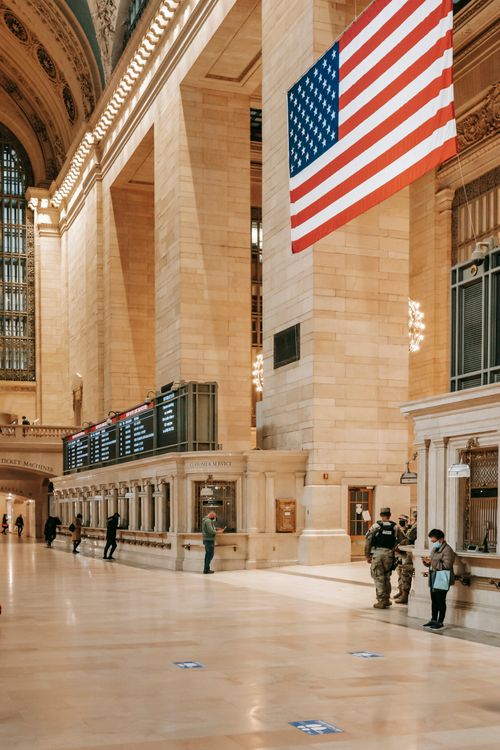
- Morning — Start around 9 a.m. in Grand Central's Main Concourse. Look up at the ceiling, then walk over to the library lions and Bryant Park. Allow 60–90 minutes with coffee and a seat in the park.
- Getting between stops — Grand Central to Bryant Park is about 0.3 mile, then about 0.5 mile to Rockefeller Plaza. Allow 10 and 15 minutes respectively, longer at crossings. Midtown walking route
- Lunch — Get a bagel sandwich or a slice near Bryant Park. A prepared salad or grain bowl is an easy fallback if someone wants a lighter meal.
- Afternoon — Look around Rockefeller Plaza or do one timed deck. Sit down for 20 minutes before adding St. Patrick's Cathedral exterior or a short Fifth Avenue walk.
- Evening — Eat in Hell's Kitchen or near the theater. Do a brief Times Square loop after dinner or book one show and make that the evening.
- Tickets and costs — The outdoor route is free. A deck or theater seat is a separate per-person expense. Check doors, bag policy and the walk from dinner.
- Practical tip — Photograph Grand Central from the edge of the floor. Use the terminal restroom before you move to the next block.
- Backup plan — On a wet day, use the library public rooms if open or trade the deck for MoMA. Skip Fifth Avenue extras if the show is fixed.
- Overnight — Midtown hotel, night 2 after a Friday arrival. No hotel change.
Day 2 — Lower Manhattan and the Brooklyn waterfront
- Morning — Aim for 9 a.m. at The Battery. See the harbor, then give the outdoor 9/11 Memorial 25–45 minutes. If landing on Liberty Island is the priority, use the morning for the ferry and simplify the remainder.
- Getting between stops — The Battery to the memorial is roughly 0.7 mile, 15–25 minutes. Take the subway to Brooklyn or allow 35–60 minutes for the crossing once on the bridge, plus its approaches. Lower Manhattan walks
- Lunch — Pick an inexpensive Lower Manhattan sandwich or a food-hall counter. Confirm bag storage if you have checked out. Eat in Brooklyn instead if the transfer needs to happen first.
- Afternoon — Choose Pier 1 and an East River bench in Brooklyn Bridge Park. Add the DUMBO photo corner only if you have enough time and energy.
- Evening — Return for bags and your airport transfer. Late flyers can have an early meal near the hotel instead of returning across the river again.
- Tickets and costs — The memorial plaza, bridge and park are free. The museum, island ferry and regular subway cost separately. Do only one time-consuming ticket today.
- Practical tip — Keep suitcases at the hotel. Bring a wind layer to the pier, and check the accessible subway exit or waterfront ramp you intend to use.
- Backup plan — If the bridge is unpleasant, use the subway or stick to Lower Manhattan's covered Oculus. Drop the DUMBO photo stop first.
- Overnight — Depart. If you added Sunday night, keep the same hotel and use a slower waterfront dinner.
5 Days in New York City: A First-Time Visitor Itinerary
Four hotel nights and five calendar days. Days 2–4 do the heavy lifting. Book the harbor morning and choose whether your city museum is an art visit or a family-focused one. A Wednesday calls for moving The Met day or choosing a different museum.
| Day | Morning | Afternoon & evening | Overnight |
|---|---|---|---|
| Day 1 | Transfer from JFK, LGA or EWR and drop your bags | Check your subway entrance. Keep dinner near Midtown | Midtown · night 1 |
| Day 2 | Rockefeller Center and Fifth Avenue | Choose a deck or MoMA, then an optional Broadway show | Midtown · night 2 |
| Day 3 | Take your reserved Liberty and Ellis Island ferry | Lower Manhattan and the memorial. Chinatown dinner if time allows | Midtown · night 3 |
| Day 4 | Choose a short Central Park walk | The Met or Natural History. Eat on the same side of the park | Midtown · night 4 |
| Day 5 | One short walk or breakfast near luggage | Collect bags and travel to your confirmed airport | Depart |
Day 1 — Arrive, unpack, and get your bearings
- Morning — Use your booked airport transfer. If you arrive late, start this day at the first point that still makes sense. Ask the hotel about luggage storage before room check-in.
- Getting between stops — Keep the first walk within about 0.5–0.8 mile of the hotel. From Bryant Park, Grand Central is roughly 0.3 mile, 8–12 minutes on foot. Bryant Park to Grand Central
- Lunch — Try a deli sandwich or soup near the hotel. A salad bowl or supermarket picnic works if flight food or a long wait has put the group off a full lunch.
- Afternoon — Find your useful subway entrance and a quick breakfast option for tomorrow. Take a 20-minute room or café break before walking past the library lions.
- Evening — Have dinner close to the hotel. If you are still energetic, walk through Times Square, pause at one corner and return.
- Tickets and costs — No timed admission. Airport rail or car charges are separate from the local route. Keep today refundable and easy to shorten.
- Practical tip — Screenshot tomorrow's tickets and set your phone to Eastern Time. Check that the hotel can store bags again on Day 5.
- Backup plan — Swap the walk for Grand Central's indoor concourse. Skip Times Square first if delayed.
- Overnight — Midtown, night 1.
Day 2 — Rockefeller Center, Midtown landmarks and one show or view
- Morning — Begin around 9 a.m. at Rockefeller Plaza. Walk along Fifth Avenue past St. Patrick's and add a short view of the Plaza Hotel corner if the weather is clear. Allow roughly 90 minutes including photos.
- Getting between stops — Rockefeller Plaza and the southeast corner of Central Park are about 0.6 mile apart. Allow 15–20 minutes before adding stops. Midtown landmark walk
- Lunch — Pick a slice or fast lunch near Fifth/Sixth Avenue. For gluten-free or vegan meals, check ingredients and possible cross-contact before ordering.
- Afternoon — Choose Top of the Rock, a different deck near your route, or the first half of a MoMA visit. Leave a seat-and-water break and skip the second paid stop.
- Evening — Book Broadway if that is a priority. Eat near the theater before curtain, or choose a neighborhood dinner with no fixed return time.
- Tickets and costs — Free landmarks are sufficient for this day. Pay per person for a chosen deck, museum or show. Follow the selected venue's exact late-entry policy.
- Practical tip — Wind or cloud affects the value of a deck. Check the view and rescheduling rule before using a prepaid slot.
- Backup plan — Make the museum the anchor if the view is poor. Drop the park corner if a performance is approaching.
- Overnight — Same Midtown hotel, night 2.
Day 3 — Liberty Island, Ellis Island and Lower Manhattan
- Morning — Target an early time at The Battery for security and set aside 4–5 hours for both islands and return. Read the departure on your confirmation. On Liberty Island, start with the statue view and museum before continuing to Ellis Island.
- Getting between stops — The ferry legs use the authorized operator. From the mainland ferry area, allow another 15–25 minutes to walk roughly 0.7 mile toward the memorial plaza. The Battery to the memorial
- Lunch — Carry a snack permitted by the operator, then eat after returning. Pick a Lower Manhattan counter or use an island café if operating, with an ingredient check for allergies.
- Afternoon — Visit the outdoor pools and step into the Oculus for a break. Choose the ticketed museum only if you deliberately kept enough time and emotional space for it.
- Evening — Eat in the Financial District or take a short subway ride toward Chinatown. Keep dinner flexible if airport-style screening or boats ran late.
- Tickets and costs — Pay for your selected ferry category per person. The outdoor memorial is free. A museum purchase or interior statue access has its own conditions.
- Practical tip — The printed time is for security, not a specific sailing. Bring a small bag and carry a layer for the wind and a battery pack for digital tickets.
- Backup plan — If service is suspended, check rebooking, then spend the time indoors nearby. Skip the museum before rushing the islands.
- Overnight — Midtown, night 3. Leave from the same base tomorrow.
Day 4 — Central Park and the museum that fits your group
- Morning — At around 9 a.m., pick the southeast Pond/Mall route or a short west-side park loop. Stop for photos, sit and allow an hour. Keep the exit on the same side as your museum when you can.
- Getting between stops — A short route around the Pond is about 0.5–0.8 mile. To reach Natural History from a cross-park point, consider the bus rather than an extra uneven walk. Central Park south meeting point · Natural History entrance
- Lunch — Pick a bagel near the museum side or a cafeteria meal during the visit. Ask about outside-food rules before packing lunch for a child.
- Afternoon — Use 2½–3½ hours for The Met or Natural History. Decide on three rooms or stops beforehand. Find a seat between the biggest exhibits.
- Evening — Upper West Side or Upper East Side dinner according to where you finish. If the group wants Brooklyn instead, limit the museum and take a separate evening subway ride only if everyone still wants it.
- Tickets and costs — Central Park is free. Confirm museum general admission and any show costs. Reserve a specific timed feature only after checking the arrival route.
- Practical tip — Check Wednesday at The Met and use the accessible entrance directions if necessary. Start with a restroom visit before a busy exhibit.
- Backup plan — If it rains, start at your museum and leave the park for any clear spell. Drop the optional cross-city evening.
- Overnight — Midtown, night 4.
Day 5 — A final walk before your flight
- Morning — If your flight is late, start about 9 a.m. with one compact choice: the High Line and Chelsea Market, or a shorter Midtown walk near the hotel. Give yourself 60–100 minutes and set a time alarm.
- Getting between stops — For Chelsea, use the West 16th Street area and a short High Line segment. Allow 20–40 minutes from Midtown and about 0.5 mile on the route. Chelsea morning walk
- Lunch — Eat at a market counter or pick up a sandwich close to bag storage. Early departures eat at the airport after arriving with time to spare.
- Afternoon — Return for luggage and go to the airport. A short café rest near the hotel is the only extra if transport looks simple.
- Evening — Fly out. With a late flight still leave the last flexible block close to the airport transfer route.
- Tickets and costs — The High Line is free. Check the cost of onward commuter rail or AirTrain separately from city transit.
- Practical tip — Verify terminal and transit direction before entering the station. In particular, confirm New York Penn versus Newark Penn if using NJ Transit.
- Backup plan — If the park is wet, choose Chelsea Market only, or skip the excursion if airport service is disrupted.
- Overnight — Depart. No fifth hotel night is included.
7 Days in New York City: Brooklyn, the West Side and Harlem
Six nights in one hotel. This week puts the ferry, Brooklyn and museum on separate days. Reorder the museum and West Side days around weekday closures and save Day 6's second half if your group needs it.
| Day | Morning | Afternoon & evening | Overnight |
|---|---|---|---|
| Day 1 | Transfer from JFK, LGA or EWR and drop your bags | Check your subway entrance. Keep dinner near Midtown | Midtown · night 1 |
| Day 2 | Rockefeller Center and Fifth Avenue | Choose a deck or MoMA, then an optional Broadway show | Midtown · night 2 |
| Day 3 | Choose the island landing or the free Staten Island Ferry | Memorial, Oculus and a flexible Lower Manhattan dinner | Midtown · night 3 |
| Day 4 | Walk the bridge or take the subway to DUMBO | Brooklyn Bridge Park, Brooklyn Heights and a waterfront meal | Midtown · night 4 |
| Day 5 | High Line and Chelsea Market | Whitney or West Village. Keep the second stop optional | Midtown · night 5 |
| Day 6 | Central Park or an open museum | Short Harlem culture and food route, or use the time to rest | Midtown · night 6 |
| Day 7 | One short walk or breakfast near luggage | Collect bags and travel to your confirmed airport | Depart |
Day 1 — Arrival and a small city evening
- Morning — After landing, find the correct terminal transfer and take it straight to your hotel. Store luggage if the room is not ready and keep the first route close.
- Getting between stops — From a Bryant Park hotel, use a roughly 0.5-mile loop through the park and nearby streets. Allow 30–45 minutes with crossings and a sit. Bryant Park orientation
- Lunch — Use a deli counter or a soup-and-sandwich lunch near the hotel. A grocery stop is useful if you want tomorrow's breakfast already handled.
- Afternoon — Locate your easiest subway entrance, verify elevator status if needed, then return for room check-in. If early, see the library lions from the street.
- Evening — Walk to dinner where you are staying. If you flew from the West Coast, set an alarm for tomorrow's local time rather than delaying dinner to match home.
- Tickets and costs — No prepaid entries today. Pay for airport transfers and food as they happen.
- Practical tip — Save your hotel entrance and an evening return route. Confirm the room thermostat and luggage policy before you forget.
- Backup plan — Use Grand Central or a nearby indoor café in rain. Drop the evening walk after a late landing.
- Overnight — Midtown, night 1.
Day 2 — Midtown with time for a skyline choice
- Morning — Start around 9 a.m. at Grand Central and give the station 25 minutes. Walk via Bryant Park toward Rockefeller Center. Have your photos before the busiest afternoon sidewalks.
- Getting between stops — The total Grand Central–Bryant Park–Rockefeller route is about 0.8 mile. Budget 25–35 minutes of walking plus time inside and at photos. Midtown anchors
- Lunch — Pick a prepared lunch or quick bowl off Fifth or Sixth Avenue and sit down. A short wait at a bakery is easier to absorb than a long restaurant line.
- Afternoon — Choose a skyline deck if visibility is good or one Midtown museum if it is poor. Return to the hotel for a break and add the plaza again after dark only if it interests you.
- Evening — Book one show or eat in Hell's Kitchen. If taking kids, consider a matinee on this day and move the deck to a reliable morning instead.
- Tickets and costs — A deck or live show is paid per person. Ticket selection and total charges vary by time and seat.
- Practical tip — Keep at least one clear hour between hotel break, a simple dinner and getting to the theater. Allow more if doing a sit-down meal.
- Backup plan — Move the deck to Day 6's flex time if it can be changed. Cut the evening plaza repeat first.
- Overnight — Midtown, night 2.
Day 3 — The harbor and a deliberate visit to the memorial
- Morning — Choose either an authorized first-half-of-day Liberty/Ellis sailing or a free Staten Island Ferry round trip. Start near 9 a.m. when available. The free version frees several hours for Chinatown or a museum.
- Getting between stops — Whitehall Terminal and The Battery are close. The memorial is roughly 0.7 mile away, about 15–25 minutes by foot. Harbor and memorial
- Lunch — After the ferry, eat in Lower Manhattan. A food hall helps a group split up for sandwiches, salads or an eligible vegetarian option.
- Afternoon — Give the outdoor memorial time. Add the museum only if you took the short harbor option or it is central to the trip. Otherwise use the Oculus for a seat and return.
- Evening — Dine in the area or head back to Midtown. Pick a takeout meal if the boat schedule pushed dinner later.
- Tickets and costs — The regular Staten Island Ferry is free. Island landing ferry and 9/11 Museum are separate paid choices. Do the ticket checks before you queue.
- Practical tip — Put a wind layer in the day bag and check the boarding terminal name. A ticket seller outside the official departure isn't needed for the free ferry.
- Backup plan — Move wet outdoor sections to a clearer morning or do the museum if open and available. Drop the second indoor stop first.
- Overnight — Midtown, night 3.
Day 4 — Brooklyn Bridge Park, DUMBO and a Brooklyn neighborhood
- Morning — At 8:30–9 a.m., either walk the Brooklyn Bridge from Manhattan or take the subway directly to Brooklyn. Photograph the Manhattan Bridge from Washington Street, then go down toward the park.
- Getting between stops — From the Brooklyn photo corner to Pier 1 is roughly 0.6–0.8 mile depending on access. Allow 15–25 minutes and more if using a ramp route. DUMBO and Pier 1 walk
- Lunch — Choose pizza or a food-hall counter. Check whether the group needs a chair or a reservation before walking to a small takeaway-only spot.
- Afternoon — Spend a quiet hour on the waterfront and go to Brooklyn Heights only if the climb or detour feels right. Give the promenade its own 20–30 minutes.
- Evening — Watch the skyline as the light changes or eat on the Brooklyn side before taking the subway back. Save the return station entrance ahead of time.
- Tickets and costs — Bridge, promenade and park are free. Local rides and optional carousel or food are separate.
- Practical tip — Avoid standing in traffic for the Washington Street picture. Restrooms and counters have operating hours. Use one before the final walk.
- Backup plan — Skip the bridge in wind or heavy rain. Use a shorter Brooklyn indoor-and-food plan or switch this day's order with the Midtown day.
- Overnight — Midtown, night 4. No luggage across the bridge.
Day 5 — Chelsea Market, the High Line and the West Village
- Morning — Start near Gansevoort around 9:30 a.m. Walk a southern section of the High Line for 45–60 minutes, leaving at West 16th or 23rd if you want a compact route.
- Getting between stops — Gansevoort to West 23rd is roughly 0.6 mile as a planning allowance. West 16th to Chelsea Market is only a short walk. Chelsea stops on foot
- Lunch — Try market tacos, noodles or a sandwich and check ingredients at the counter. When seating is limited, split lunch into takeaway and a planned rest afterward.
- Afternoon — Choose the Whitney, if it is open and appeals to you, or spend the afternoon with coffee and a West Village walk. Leave 20 minutes on a bench or at the hotel.
- Evening — Eat in the Village and check the subway route home. Early diners can take a short Washington Square detour before returning.
- Tickets and costs — The park and area walk are free. The museum and any exhibition requirements are separate. Check open days before heading there.
- Practical tip — Use an operating elevator rather than assuming the stairs you see are the only route. Note which exit is closest to lunch.
- Backup plan — Make the market and one indoor gallery the plan if it pours. Drop the optional Washington Square detour if running late.
- Overnight — Midtown, night 5.
Day 6 — Central Park, Harlem, or a genuine recovery half-day
- Morning — Start around 9 a.m. along the park edge and use the side nearest your chosen museum. If you still want The Met, begin with it on an open day and give it a full 2½–3 hours.
- Getting between stops — Museum Mile to the 125th Street area is not a small stroll. Plan roughly 30–50 minutes with transfer and walk time. Park and museum option · Harlem afternoon anchor
- Lunch — Choose a neighborhood sit-down lunch or a budget lunch counter. Ask what time the kitchen is quietest if the group needs a long break.
- Afternoon — Choose a short Harlem culture or architecture walk near 125th, or stay by the park and use the afternoon to rest. Reserve tours or performances on their own dates.
- Evening — Stay for a Harlem meal if you went north, or dine near your hotel. Save Queens for the 10-day trip if everybody is already tired.
- Tickets and costs — Outdoor sights are free. Museum admission or a hosted cultural program is extra per person.
- Practical tip — Treat a church service as worship and check visitor and photography rules before including any visit.
- Backup plan — If rain is heavy, use the museum and a nearby café. Drop the second area first.
- Overnight — Midtown, night 6.
Day 7 — Pack and choose one breakfast neighborhood
- Morning — Eat breakfast and make the last hotel checkout unhurried. If the flight is late, do a final short Midtown park or market visit from about 9 a.m.
- Getting between stops — Limit the last local loop to about 0.5 mile or 15–20 minutes of walking. Then use the airport route you have already checked. Midtown last stop
- Lunch — Pick up a bagel, sandwich or bowl near stored luggage. Head directly to the airport if the transfer is unclear.
- Afternoon — Retrieve bags and leave on your preset airport deadline. If you have extra time, take a seat before departure rather than adding a different borough.
- Evening — Depart. Confirm the gate after security and keep onward plans flexible if the flight moves.
- Tickets and costs — No timed entries. Set aside airport costs before your last shopping or restaurant spend.
- Practical tip — Check bags, terminals and the right branches of airport trains one more time. Have a transfer fallback ready.
- Backup plan — Rain changes the walk, not your airport timing. Skip all sightseeing if needed.
- Overnight — Depart. No seventh night is included.
10 Days in New York City: Five Boroughs with a Single Hotel Base
This is a city-first itinerary with nine nights in Midtown or another well-connected hotel. Days 1–9 all end at the same hotel. Day 10 is departure. For all five boroughs, choose the free ferry to Staten Island on Day 3, then keep the Bronx on Day 9. If you choose the Liberty and Ellis Islands sailing on Day 3 instead, use the free ferry on another flexible afternoon or trade the Bronx day for it. Check both departures for any island trip and avoid using the last possible ferry on a day you need to move luggage. You can substitute a Hudson Valley day for Day 9 if a regional outing matters more. Choose one town such as Beacon, verify Metro-North trains from Grand Central and any timed venue admission, and leave the same New York hotel booked. For an overnight regional extension, move the hotel on Day 8, spend nights 8–9 in the region, and confirm the direct return and flight timing before booking.
| Day | Morning | Afternoon & evening | Overnight |
|---|---|---|---|
| Day 1 | Transfer from JFK, LGA or EWR and drop your bags | Check your subway entrance. Keep dinner near Midtown | Midtown · night 1 |
| Day 2 | Rockefeller Center and Fifth Avenue | Choose a deck or MoMA, then an optional Broadway show | Midtown · night 2 |
| Day 3 | Choose the island landing or the free Staten Island Ferry | Memorial, Oculus and a flexible Lower Manhattan dinner | Midtown · night 3 |
| Day 4 | Choose a short Central Park walk | The Met or Natural History. Eat on the same side of the park | Midtown · night 4 |
| Day 5 | Walk the bridge or take the subway to DUMBO | Brooklyn Bridge Park, Brooklyn Heights and a waterfront meal | Midtown · night 5 |
| Day 6 | High Line and Chelsea Market | Whitney or West Village. Keep the second stop optional | Midtown · night 6 |
| Day 7 | Harlem around 125th Street | Choose one local stop or The Cloisters. Confirm the route back | Midtown · night 7 |
| Day 8 | Unisphere or start directly in a Queens food neighborhood | Flushing lunch or a Jackson Heights alternative. Leave time for the ride back | Midtown · night 8 |
| Day 9 | Bronx Botanical Garden, Staten Island, or recover a missed stop | Keep the afternoon flexible and check tomorrow’s airport route | Midtown · night 9 |
| Day 10 | One short walk or breakfast near luggage | Collect bags and travel to your confirmed airport | Depart |
Day 1 — Arrival near Grand Central and a short orientation
- Morning — Budget the first part of the day for your flight, luggage and the airport transfer. With an early arrival, ask the hotel to store bags until the room is ready.
- Getting between stops — Walk from the hotel to the nearest usable station and back. Grand Central to Bryant Park is under half a mile in Midtown. Allow 10–15 minutes each way including crossings. Arrival-day Midtown walk
- Lunch — Buy a bagel, soup or prepared salad nearby. Pick up tomorrow's breakfast if you want to be out before cafés open.
- Afternoon — Take a room or lobby break. Spend about 25 minutes in the Grand Central concourse if you feel like one indoor stop.
- Evening — Choose a quiet dinner close to the hotel. A 15-minute Times Square walk is optional when your body clock still has room for it.
- Tickets and costs — No sightseeing ticket. Pay the airport fare and record the separate return cost in your trip budget.
- Practical tip — Pin your hotel entrance before your battery runs low. Check the cancellation and entry times on Days 2 and 3.
- Backup plan — In rain or after a delay, stop after dinner. The next day already covers Midtown.
- Overnight — Midtown, night 1.
Day 2 — Midtown and one memorable skyline or theater ticket
- Morning — Start about 9 a.m. at Rockefeller Center. Walk to Fifth Avenue for St. Patrick's exterior and back toward Bryant Park for a seat. Leave 90 minutes including a coffee.
- Getting between stops — The central Midtown walk covers roughly 0.7–1 mile depending on the library stop. Use an avenue route with fewer crossings if the group needs a shorter walk. Rockefeller Center to Bryant Park
- Lunch — Choose a fast lunch near Bryant Park or a deli seating area. Handle dietary needs here before a fixed afternoon ticket.
- Afternoon — Visit one observation deck on a clear day or choose MoMA. Give yourself 30 minutes of downtime before going anywhere busy again.
- Evening — Have dinner near your theater if you booked a show. If you are seeing a matinee instead, move the deck or museum to Day 9.
- Tickets and costs — Pick a deck, museum or performance as per-person costs. Make sure the show time and theater address match your confirmation.
- Practical tip — Mid-block walks can feel longer than they look. Carry water and budget time for building elevators and security.
- Backup plan — If clouds spoil the deck, move it only if the ticket permits. Keep a Midtown indoor route and skip the second paid stop.
- Overnight — Midtown, night 2.
Day 3 — Liberty and Ellis Islands, or the free harbor loop
- Morning — Start at the New York departure at The Battery for a reserved island ticket. Allow 4–5 hours. For the shorter version start at Whitehall Terminal, take the free Staten Island Ferry, disembark at St. George and reboard for Manhattan.
- Getting between stops — Think in ferry queues and connections as well as miles. Give the short harbor loop at least 75–100 minutes. The Battery and Whitehall are close on foot. Liberty Island ferry departure · Free Staten Island Ferry
- Lunch — Plan a simple Financial District lunch after returning. Bring a permissible snack so a delayed boat is not a missed meal.
- Afternoon — Go to the outdoor 9/11 Memorial and take a seat inside a nearby public space afterward. Keep the museum for the return day if you spent the morning on both islands.
- Evening — Dine in Lower Manhattan or nearby Chinatown, based on your energy. Leave the restaurant timing flexible.
- Tickets and costs — Compare the free ferry with paid island categories. For a crown or pedestal ticket, read separate security, ID and bag requirements.
- Practical tip — Double-check the return boarding pier and time as you step off. Give longer to your group if gangways or stairs are difficult.
- Backup plan — If boats are suspended, start with the memorial and keep a nearby indoor visit available. Cut the optional dinner detour.
- Overnight — Midtown, night 3.
Day 4 — Central Park from one side and a focused museum visit
- Morning — Start about 9 a.m. with the southeast Pond area or a west-side park entrance, then choose one side for your museum. Bring your own short list of what you want to see.
- Getting between stops — Use paths up to about 1 mile before entry, or board an appropriate crosstown bus if you need to switch sides. Central Park southeast entrance · West-side museum
- Lunch — Eat a bagel, salad or counter lunch in the neighborhood where you will finish the park. Families can plan their snack and restroom time near the museum instead.
- Afternoon — Allow 2½–3½ hours for The Met or Natural History. Start with two preferred galleries or displays, then stop for food or a seat before deciding on a third.
- Evening — Walk to dinner on the same side of the park. Take the subway back rather than scheduling a separate attraction across town.
- Tickets and costs — Park access is free. Buy museum admission and any paid timed show separately, checking discounts and age eligibility.
- Practical tip — Keep the east-side Met plan away from its regular Wednesday closure. Check steps at the first gallery and use seats for a break.
- Backup plan — Go straight to the museum in wet weather. Cut the longest park path if the group is tiring.
- Overnight — Midtown, night 4.
Day 5 — The Brooklyn Bridge view, DUMBO and Brooklyn Heights
- Morning — Start at Brooklyn Bridge Park around 9 a.m. and photograph the skyline before the crowds. Walk up to the DUMBO picture corner if you prefer the picture of the Manhattan Bridge, or save the Brooklyn Bridge crossing for last.
- Getting between stops — DUMBO to the promenade via the waterfront is approximately 1–1.5 miles with elevation and several possible routes. For easier access stay on the lower waterfront. DUMBO to Brooklyn Heights
- Lunch — Choose a Brooklyn pizza counter, food hall or deli. Consider eating earlier to avoid a single long queue when everyone is hungry.
- Afternoon — Walk the promenade or choose one culture stop such as the New York Transit Museum if open and group access is suitable. Check its actual entrance and stairs before committing.
- Evening — Dinner in Brooklyn Heights or near your chosen station. Return to Manhattan before a late-night service change if it affects your route.
- Tickets and costs — Park and promenade are free. A museum or local rail ride adds individual cost. Nobody needs to buy a bridge ticket.
- Practical tip — Keep to sidewalks on the DUMBO photo block. In a large group choose a fixed spot to meet after the photo.
- Backup plan — If it rains, shorten the pier walk and shelter at a nearby meal venue. Drop the optional bridge crossing first.
- Overnight — Midtown, night 5.
Day 6 — Chelsea, the High Line and a slow West Village evening
- Morning — Go to the start of the High Line near Gansevoort at approximately 9:30 a.m. Stop around West 16th or 23rd unless Hudson Yards is a specific goal.
- Getting between stops — Allow approximately 0.5–0.8 mile for the park section and side walks. Check which end has an elevator operating. Chelsea walking option
- Lunch — Use Chelsea Market for a quick food choice. Go earlier if seating and a quieter environment matter.
- Afternoon — Take a hotel break or choose the Whitney on an open day. A small Village loop through neighborhood streets is enough after a long museum day.
- Evening — Eat around the West Village and add jazz or a performance only if the venue and late return work for everyone.
- Tickets and costs — The park and neighborhood are free. A museum, cover charge or show is optional and paid separately.
- Practical tip — Some elevated paths have long stretches with little cover. Use the market for toilets, shade or indoor seating when available.
- Backup plan — Trade the elevated walk for a market lunch and a nearby museum. Drop the second neighborhood stop when time is tight.
- Overnight — Midtown, night 6.
Day 7 — Harlem at ground level and an Upper Manhattan option
- Morning — Start about 9:30 a.m. on the 125th Street corridor. Allow 60–90 minutes to see street life and architecture without racing to the next borough. Check the schedule and visitor rules for any history tour.
- Getting between stops — Keep the Harlem walk to about 0.7–1 mile. If you want the Cloisters, treat Fort Tryon Park as a separate transit decision and check its hills and entrance access. Harlem start · Optional Fort Tryon stop
- Lunch — Sit down for soul food or pick a counter meal. Ask how vegetables and sides are prepared if you need a meat-free option.
- Afternoon — Rest around lunch and choose another local stop. Replace the afternoon entirely with the Cloisters only if your group wants the extra journey and it's open.
- Evening — Eat near your final Harlem stop or the hotel. Take a familiar subway route back and be ready to use a bus or car if elevator service changes.
- Tickets and costs — Street walks cost nothing. Hosted tours, museums and music have their own terms and admissions.
- Practical tip — Ask before photographing people or taking pictures inside worship and cultural spaces. Give yourself time to read the venue's accessibility notes.
- Backup plan — Do a long lunch and one verified indoor visit in poor weather. Skip Fort Tryon first.
- Overnight — Midtown, night 7.
Day 8 — Queens foods and the Unisphere, or one longer neighborhood visit
- Morning — Leave around 9 a.m. for Flushing Meadows Corona Park. Choose the Unisphere and nearby Queens Museum if open. For a shorter route, go straight to downtown Flushing or spend the whole visit in Jackson Heights instead.
- Getting between stops — Verify the 7 service and the most appropriate station exit. Midtown to the park generally needs 45–70 minutes door to door, including the walk from the train. Flushing Meadows starting point · Downtown Flushing transit
- Lunch — Try noodles or dumplings in Flushing. Ask the vendor about shellfish or meat broth and do not assume a vegetable filling makes a dish suitable for everyone.
- Afternoon — Take an indoor food or café break, then walk a few nearby blocks or return to the hotel. Do Jackson Heights as a separate option instead of a timed second food crawl.
- Evening — Eat in Queens if you still have energy. Otherwise take the 7 back and make dinner local to your hotel.
- Tickets and costs — The park is free. Fares, food and any selected museum admission or donation are distinct costs. Confirm hours and ticket terms.
- Practical tip — Park walks feel longer in strong sun and after an event. Keep water and check sport and transit schedules.
- Backup plan — In heavy rain, spend the day in one food neighborhood near the station. Skip the open park before cutting lunch.
- Overnight — Midtown, night 8.
Day 9 — Bronx garden day, Staten Island, or a protected flex day
- Morning — Choose one. For the Bronx, begin about 10 a.m. at the New York Botanical Garden on an open day and allot 2½–4 hours. If you have not reached Staten Island and want all five boroughs, take the free ferry and make a short St. George visit. If the trip has run long, use this day to recover the best missed stop.
- Getting between stops — Compare Metro-North to Botanical Garden station with the appropriate subway plus walk. For Staten Island, start at Whitehall and check the boat schedule. New York Botanical Garden entrance · Staten Island arrival
- Lunch — Eat near the chosen stop or take a light picnic where allowed. For the garden, check food opening and access before arriving without a snack.
- Afternoon — Use a short loop and a seat rather than trying to see every outdoor area. Allow time for laundry, repacking or a weather-swapped attraction after you get back.
- Evening — Choose an early dinner near the hotel and reconfirm the airport plan while you have reliable service.
- Tickets and costs — Garden and rail costs are separate. The Staten Island Ferry is free. Protect today's flexibility by booking optional tickets only after checking the forecast and weekday.
- Practical tip — Use the last full day to buy food for departure and charge devices. Check lift and platform work if you plan the train.
- Backup plan — Choose an indoor exhibit that fits your current subway lines. Skip the long garden loop or ferry in poor conditions.
- Overnight — Midtown, night 9. No move for the main route.
Day 10 — Departure with one short goodbye
- Morning — Check out and leave bags if your flight is late. Keep one 30–60 minute coffee-and-walk route close to the hotel, or leave immediately for an early flight.
- Getting between stops — Limit the local part to roughly 0.5 mile. Follow the correct airport branch or pickup location and use your verified airport arrival buffer. Last Midtown stop
- Lunch — Buy a simple lunch near your bags or eat once you reach the terminal. Avoid a long queue if the weather could affect travel.
- Afternoon — Collect luggage and depart at your preset deadline. Check the actual airport terminal before entering a shuttle or train.
- Evening — Fly out. If your flight is later, use the remaining time near the terminal rather than squeezing in another borough.
- Tickets and costs — No timed ticket. Keep enough for a substitute airport transfer if a planned train is interrupted.
- Practical tip — Verify every bag and ID. Airtime departure is later than boarding and airline bag-drop deadlines, so build backward from the earliest hard deadline.
- Backup plan — Drop the walk immediately if the forecast, service or flight changes. Keep your transport alternative ready.
- Overnight — Depart. Nine nights in total on the main plan.
Practical Information for Major New York City Attractions
The hour ranges below are amounts of time to set aside. Check the venue for your day's opening, last entry, bag size limits and any special exhibit. The map pins are for arrivals and meeting points. They open in a new tab.
Statue of Liberty and Ellis Island
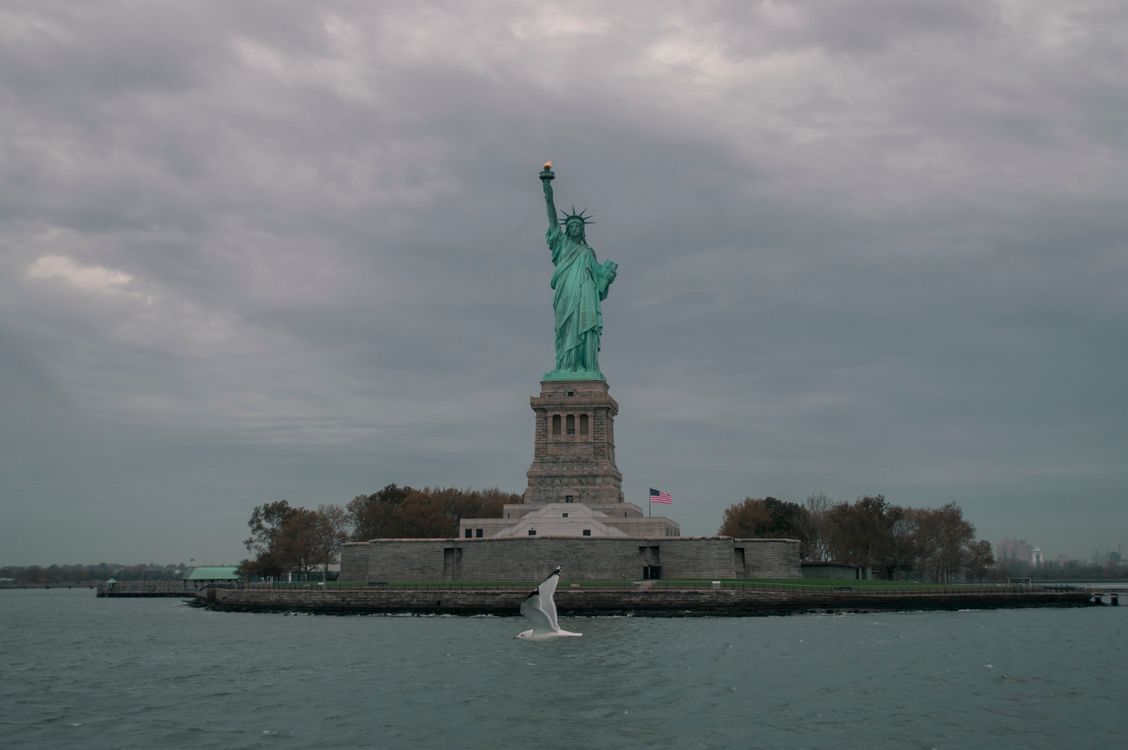
Start at The Battery with the correct departure and ticket type. Allow 4–5 hours for security, both island stops and the return, more on a busy weekend. A grounds ticket includes the ferry access and island museums but not interior access to the pedestal or crown. Use a timed reservation for either interior option. There is no elevator to the crown, the upper climb is narrow, and additional restrictions apply. Confirm rules for your party before buying. Bring a small day bag and read the monument's security and locker rules for your ticket. Ferries and island facilities have accessibility options. Check the gangway conditions and which interior levels you can reach. Use restrooms on the islands or near the terminal and avoid a lunch reservation immediately afterward. The Battery ferry entrance
9/11 Memorial and Museum
The outdoor pools are free. Allow 25–45 minutes outdoors and 2–3 hours separately for the ticketed museum if you want time with the exhibits. At the November 2026 check, the memorial listed 8 a.m.–8 p.m. daily plaza hours. The museum listed 9 a.m.–7 p.m. Wednesday through Monday and certain Tuesdays, with last entry at 5:30 p.m. Verify your date. The site's posted bag limit is 19 × 17 × 8 inches. Leave suitcases at the hotel and expect separate museum security and storage rules. There are accessible routes and elevators to the underground museum, and interior restrooms are for ticketed visitors. Give people space around the parapets and choose the museum deliberately for children who may find it upsetting. The Oculus offers a covered break afterward. 9/11 Memorial plaza
The Met, Natural History Museum or MoMA
The Met Fifth Avenue is best when you choose two or three departments. Allow 2½–3½ hours. The museum lists $30 general admission for adults under its standard policy and separates local/student pay-what-you-wish eligibility. It normally closes on Wednesdays. Use its accessibility entrance directions if you want to avoid the main stairs. The American Museum of Natural History works well for families and rainy days. Allow 2½–4 hours and confirm whether your desired show is included. Pin the entrance you intend to use, including the Gilder Center access on the west side. MoMA is the easiest of these three to pair with Midtown. Allow 2–3 hours and check lockers and entry. In all three, find toilets and a seat early if the group needs predictable breaks. The Met Fifth Avenue · Natural History Museum · MoMA
Central Park and the Brooklyn Bridge
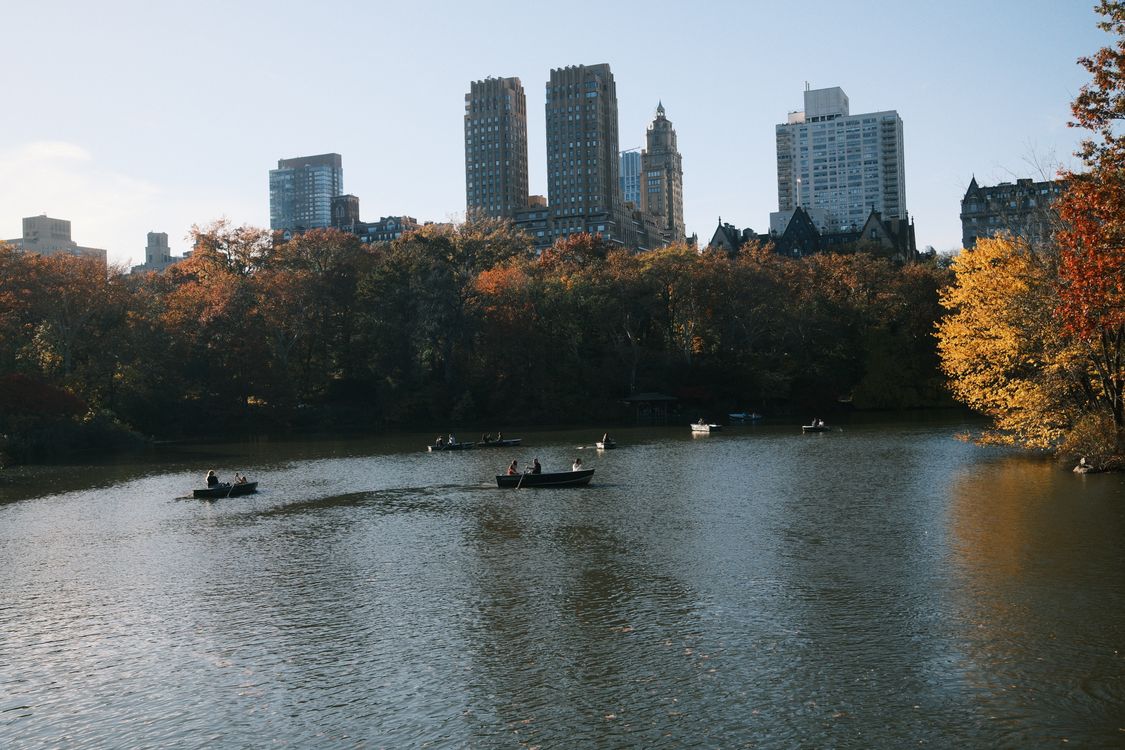
For a short Central Park route, enter near 59th Street, choose the Pond or the Mall, and exit on the same side as your next stop. Allow 45–90 minutes with a bench break. The full park takes much longer. Some paths slope, and rain or snow can change footing. Brooklyn Bridge is free to cross. Reserve 35–60 minutes for the pedestrian crossing itself plus approach and photos. On the Brooklyn side, follow the pedestrian ramp when stairs are impractical, or go directly to Brooklyn Bridge Park by subway or rideshare. Walking across the bridge is mostly exposed. On a windy or crowded day, the park can give you the same skyline with easier places to sit. Central Park southeast entrance · Manhattan bridge entrance · Brooklyn Bridge Park
Rockefeller Center, Times Square and Broadway
Give Rockefeller Plaza and nearby Fifth Avenue 45–90 minutes. If a view is important, reserve one observation deck and decide whether you prefer open air, clearer photos or the lowest price. Allow security, elevators and queues before a show. Times Square is more comfortable as a short walk than as the center of a full day. Broadway needs its own block: confirm door time, audience age rules, runtime, accessible seating and food/bag restrictions directly with the theater. An early matinee is often easier with children or a long subway return. Rockefeller Plaza · Broadway and Times Square
High Line, Chelsea Market and Grand Central
On the High Line, a short stretch from Gansevoort to West 16th or West 23rd often does the job. Go north if Hudson Yards is the next stop. Allow 45–85 minutes for a longer section with photo stops and check the open hours and elevator status before going. Chelsea Market has indoor food and a useful break. Grand Central is a working station. Allow 20–40 minutes for the concourse, ceiling and lower level. Check directions to your actual rail service because Grand Central Madison has deeper LIRR platforms. Ask about any specific tour or library reading-room access rather than assuming you can enter. High Line at Gansevoort · Chelsea Market · Grand Central Terminal
Where to Eat in New York City
| Area | Try this | How to make it work |
|---|---|---|
| Midtown and Hell's Kitchen | Bagels, a slice, a deli lunch or a pre-theater meal | Eat lunch outside the busiest office hour. For a show, choose a place on the same side of Times Square as your theater and tell your server your curtain time. |
| Chinatown and the Lower East Side | Dumplings, roast meats, noodles, a bialy or Jewish deli food | Ask whether stock, wrappers and sauces contain meat, shellfish or wheat. Confirm seating, cash/card and queues before taking a large group. |
| Brooklyn waterfront and nearby neighborhoods | Pizza, bakery items, an easy waterfront lunch | Prices near the landmark corners can be higher. Compare a counter meal and a sit-down plate, then find a seat instead of blocking a photo crossing. |
| Harlem | Soul food, African and Caribbean cooking, neighborhood bakeries | Book a sit-down lunch if Sunday is central to the visit. Some dishes have long waits or sell out. Ask about vegetarian sides and preparations. |
| Queens | Flushing noodles and dumplings or Jackson Heights South Asian, Himalayan and Latin American food | Pick one neighborhood per meal. Ask about shared cooking equipment and bring a dietary/allergy card if unclear. |
For planning, budget around $8–$18 per person for a simple counter meal and $25–$55 for an ordinary sit-down main or meal depending on the venue and what's included. Treat those as budgeting ranges, not menu quotes. Add tax and any tip or service charge as applicable. Read the check before adding a tip on top of a service charge. For a group with different needs, choose separate food hall counters and agree on a meeting place. See 20 Best Restaurants in New York City for a longer shortlist.
How Much Does a New York City Trip Cost?
These examples are in U.S. dollars for two adults sharing one room, including stated taxes and mandatory lodging charges in the assumed room rates. Totals are for the whole party. They are planning examples, not quoted prices. Food includes estimated tax and ordinary tips where relevant. Flights, travel insurance, major shopping, deposits returned after checkout, and optional park or show upgrades are excluded.
The budget example uses transit, counter meals and a few paid stops. Midrange allows a better-located room and a paid highlight, and comfortable allows a higher room rate, more rides and higher-cost tickets. A heavily discounted room or event-week price can change these totals substantially. AirTrain, rail or ride transfers are counted separately from local transport.
| Length / hotel nights | Budget for two | Midrange for two | Comfortable for two |
|---|---|---|---|
| Weekend / 2 nights | $791 | $1,426 | $2,450 |
| 5 days / 4 nights | $1,600 | $2,815 | $4,730 |
| 7 days / 6 nights | $2,281 | $4,011 | $6,740 |
| 10 days / 9 nights | $3,285 | $5,775 | $9,695 |
| Five-day worked example | Budget | Midrange | Comfortable |
|---|---|---|---|
| Hotel for 4 nights (tax/mandatory fees assumed) | $780 | $1,260 | $1,960 |
| Food for 2 people × 5 days | $450 | $750 | $1,175 |
| Local transport / driving | $90 | $165 | $375 |
| Airport transfers, round trip | $60 | $130 | $230 |
| Admission and experiences | $120 | $340 | $700 |
| Contingency | $100 | $170 | $290 |
| Total for two | $1,600 | $2,815 | $4,730 |
| Per person for the whole trip | $800 | $1,408 | $2,365 |
To build your own estimate, start with the room checkout total, add the airport return and local trips for your whole group, then add tickets, food and a separate reserve. Skip twice-counting an airport leg included on a rail ticket. The weekend allowances cover the two sightseeing days. Put any arrival dinner and snacks into the reserve, or add them separately.
If you have a fixed total, change the room first. A $50 nightly difference changes a nine-night trip by $450 before anything else. Next, price only the show, ferry, museum and deck you will use. If your hotel advertises a resort or destination credit, count it only if you would use it for something already in your budget. Ask what is refundable, what is charged per night, and what is simply held against your payment card.
Free Things to Do in New York City and Ways to Save
- Pair the Bryant Park, library exterior and Grand Central walk with one bakery or coffee stop. Check building access and remember that a working reading room may have its own rules.
- Visit Central Park, the High Line, Brooklyn Bridge Park, the outdoor 9/11 Memorial and public waterfronts. Pick two areas at most each day so free stops do not become an expensive rideshare schedule.
- Ride the free Staten Island Ferry for harbor views. Exit and reboard at St. George. This route passes the harbor landmarks without setting down on Liberty Island.
- Compare city passes by listing the individual prices of only the attractions you will actually visit. Include reservation slots, travel time and anything omitted by the pass. Buy individual tickets if a pass pushes you into extra stops.
- Save room for a show only if Broadway is central to the trip. If a specific date and performance matter, a confirmed seat can be more useful than spending hours trying for a discount or lottery ticket.
Best Photo Spots in New York City
| Spot | Where to stand and when to try | Practical detail |
|---|---|---|
| DUMBO bridge view | Washington Street near Water Street, early for breathing room | Make the photo from the sidewalk and clear the crossing. The bridge framed here is Manhattan Bridge. DUMBO photo spot |
| Lower Manhattan skyline | Brooklyn Bridge Park Pier 1, late afternoon through blue hour | Stay on the walkways and bring a layer for the wind off the East River. Pier 1 |
| Grand Central | Edge of the Main Concourse or an open balcony | Frame the ceiling and floor without blocking commuters. Check photography rules for tripods or professional use. Grand Central |
| Central Park and skyline | Gapstow Bridge and the Pond area, morning or later afternoon | Paths can be uneven or icy. The edge of the Pond gives an easier short route if the bridge is busy. Gapstow Bridge |
| Rockefeller Center | Public plaza or a reserved deck, preferably with clear visibility | Plan one skyline view and look at the angle before paying. Some decks use glass and some open-air sections can close in weather. Rockefeller Plaza |
| The harbor | Public shoreline at The Battery, or open parts of the free ferry when available | Keep the phone secure in wind and leave space at the railing. Your best side depends on the direction of travel and glare. Ferry terminal |
New York City Places to Cover
- First weekend: Grand Central, Bryant Park, the library exterior, Rockefeller Center, a short Times Square stop, the Lower Manhattan waterfront, the 9/11 Memorial and Brooklyn Bridge Park or the bridge walk.
- With five days: Add Liberty Island and Ellis Island if you want to land, Central Park and either The Met or the American Museum of Natural History. Add one short last-day walk before your flight.
- With seven days: Add Chelsea Market and the High Line, a full Brooklyn day, Harlem, and either more park time or the Midtown museum you missed.
- With ten days: Add Queens, the Bronx, a harbor flex day and more time for rest. Use one overnight base in the city unless you planned a specific side trip.
Adapt Your New York City Itinerary
Families. Choose a playground or snack stop before lunch. Keep a full ferry day and a full museum day separate. Bring a stroller you can manage on small platforms and check a step-free entrance at both ends when it matters. Reserve adjacent theater seats and check the show's age guidance.
Couples. Put the special experience on the one evening you are already near it: a Midtown show, a West Village dinner, or a Brooklyn waterfront sunset. Reserve enough time between a hotel break and dinner. A perfect sunset cannot be booked, so avoid staking a whole day on the light.
Solo travelers. A museum opening or neighborhood food counter makes a good first anchor. Save your return route before a late show, keep your bag close, and choose the well-lit station entrance closest to the hotel.
Visitors with limited mobility. Choose a museum and an adjacent accessible outdoor stop. Verify elevator alerts that morning, ask for the step-free hotel route, and favor benches and short crossings. Use the wheelchair-accessible bus or arrange a suitable car instead of assuming every subway stop near a landmark will work. In Brooklyn, use the waterfront directly if the bridge approach would make the day too long.
Without a car or on a budget. Use these plans as written, with subway/bus as your default. Leave enough for the airport transfer and one paid attraction you really want. Stay near a station with an uncomplicated route, even if the cheapest available room is farther away.
Rainy-Day, Heat and Seasonal Alternatives
| If this falls apart | Replace it with | Why it fits |
|---|---|---|
| Midtown deck loses visibility | MoMA, the library visitor exhibits if open, or Grand Central and a coffee break | Your hotel, dinner and show can stay in the same part of town. |
| Liberty ferry service is disrupted | Indoor Lower Manhattan time at the Oculus or a museum whose own entry still works | You can make the call without paying for a cross-town transfer. Check ticket rebooking separately. |
| Wind or heavy rain spoils the bridge | Transit to Brooklyn for a meal near your station or remain in Lower Manhattan | Preserve a warm, dry route and hold the bridge for the next clear slot. |
| Central Park is too hot, snowy or wet | One museum from the same side of the park and a nearby lunch | Reduces exposed walking and keeps the exit short. |
| Outdoor day in Queens or the Bronx fails | Swap with the flexible city day. Use a local covered food or museum stop only if travel conditions are good. | A second cross-city outing on the same day loses more time than it saves. |
My Travel Notes for New York City
- Keep your arrival exit handy. Write down terminal, hotel address, closest useful station entrance, transit alternative and the day luggage can be stored. Save the screenshots before you need them.
- Use a small bag. It is easier in crowded trains and more likely to fit an attraction's rules. Save a locker option or return to the hotel if carrying a suitcase between check-out and entry.
- Plan a real bathroom stop. Use the museum, food hall, train terminal or a known public facility before a bridge crossing, ferry queue or long park route. Hours can change. Buy a drink or snack when using a business's amenities.
- Dress for surfaces and wind. Wear shoes that handle stairs, old sidewalks and park paths. In cold weather, add a windproof layer for the bridge and harbor. On hot days bring a refillable bottle and plan shade or cooling breaks.
- Check the exact elevator and exit. A route may put you two avenues from your intended corner. Verify weekend changes and same-day elevator status. If it fails, decide whether to ride one more stop, switch to a bus, or call a suitable ride.
- Track ticket rules together. Put reservations in one list with booking time, recommended arrival, cancellation deadline, bag limit, and the operator's name. Screenshot backups help when the signal drops in a station.
- Set a departure deadline before the last day. Use your airline's recommended airport arrival and add checked bags, hotel collection and transfer time. Avoid a reservation you cannot walk away from.
Common New York City Itinerary Mistakes
- Booking flight and hotel before comparing the transfer. Add the round-trip cost and effort at both ends before choosing an airport.
- Combining the Statue of Liberty, two museums and a Broadway show. Keep the island day and any high-priority evening ticket separated by a generous buffer.
- Planning around a station name instead of the entrance. Check stairs, elevator location and direction before you leave the hotel.
- Buying a city pass before a route. Choose the day, check the operator and reserve availability before paying for extras.
- Paying for the same skyline twice. Choose a deck, a free waterfront or both only if the second view is worth the cost and time to you.
- Forcing three boroughs into your last morning. Keep a nearby breakfast and one easy stop. Protect your flight before expanding the route.
Frequently Asked Questions About a New York City Itinerary
Is a weekend enough for New York City?
Yes for a first look. Use a Midtown day and a Lower Manhattan or Brooklyn day. If you want to land on Liberty Island, make it the main event of Day 2 and use a flexible dinner rather than trying to do every waterfront stop.
Is 5 days enough for New York City?
Five calendar days with four nights give you three likely full sightseeing days. That is comfortably enough for Midtown, the harbor and Lower Manhattan, and one uptown museum or Brooklyn. If you have five full days on the ground, add the West Side and a full Brooklyn day.
What is the best area to stay in New York City for a first visit?
Start with Midtown near Bryant Park or Grand Central. Then compare the Upper West Side if evenings need to be quiet, or Lower Manhattan for an early harbor start. A cheaper borough hotel can work with a good train route and a hotel entrance you are comfortable reaching after dinner.
Which New York City airport is easiest for Manhattan?
It depends on where you sleep and when you land. LGA can be convenient for domestic flights and its Q70/subway route. JFK has AirTrain and several onward choices. EWR can be practical for a hotel near New York Penn if NJ Transit service fits. Price the entire transfer and account for luggage and accessibility.
Can I do this New York City itinerary without a car?
Yes. All four main routes use public transport, walking and optional rideshare. The longer itinerary can stay within New York City without a hotel change. A car usually adds garage costs and limits the value of staying near a good subway station.
Can I see the Statue of Liberty for free?
You can see it from the waterfront or from the free Staten Island Ferry when visibility allows. To land on Liberty Island, buy the authorized ferry ticket and choose the ticket type that matches the part of the monument you want to visit.
Should I buy a New York City attraction pass?
List your confirmed attractions and compare what they would cost separately. If the pass limits your desired entry time or requires a third expensive stop on a day that is already full, keep your individual tickets.
How much should two people budget for five days in New York City?
The worked examples in this guide use about $1,600, $2,815 or $4,730 total for two adults sharing one room and four nights, excluding flights. A holiday room, premium show tickets or frequent car transfers can push the total higher. Replace the sample room number with a real all-in quote before you commit.
Final Booking and Departure Checklist
- Confirm hotel dates, final price, bed type, deposit and bag storage.
- Save the airport codes, terminal, step-by-step transfer and one fallback.
- Protect your island, show or museum booking with enough travel and security time.
- Check weather, current subway/elevators, and the last entry or ferry return for your plan.
- Write down the stop you can skip each day and leave room for food and rest.
- On departure day, collect luggage and verify your terminal before you commit to another stop.
Related GoTravelBox Guides
- The Ultimate First-Time Visitor's Guide to New York City
- 20 Best Restaurants in New York City
- How to Plan a United States Vacation on a Budget
- A Complete USA Travel Checklist for International Visitors
Leave a Reply
Which single experience would you protect on a two-day New York trip: landing on Liberty Island, a Broadway show, a museum, or the Brooklyn waterfront? Share your trip length and the neighborhood you are considering.
What would you like to know before you go?
Send us your question, feedback, or a place you would like to see covered.
Ask a travel question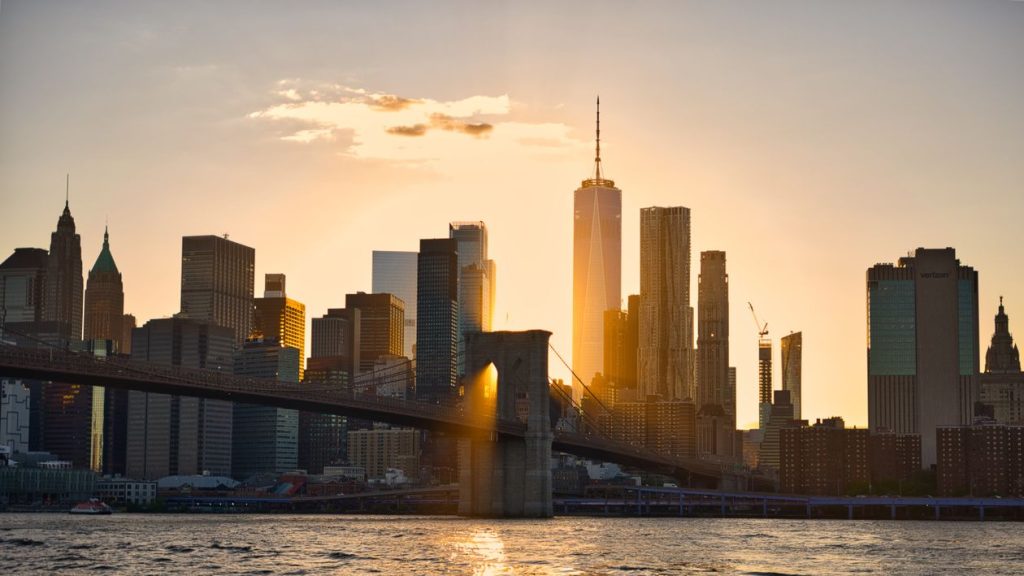
Leave a Reply