Written by Ari Mayzick · Go Travel Box
Published November 15, 2026 · Updated November 15, 2026
Summer in the United States can mean a salty morning in Maine, a slow afternoon beside a Great Lake, or a mountain road that opens for only part of the year. The best destination is the place that fits the holiday you want to live: the amount of driving you enjoy, the activities your group can manage, and the kind of evening that feels relaxing.
This guide compares 12 summer vacation destinations across the country. It includes beach towns, lake regions, national parks, an island escape, and a city with excellent outdoor options. The order is a shortlist, rather than a ranking that assumes every traveler wants the same thing.
Use the practical details to choose one region before booking flights. A week is enough for a satisfying trip in any of these destinations; it is rarely enough to connect several distant regions comfortably. Leave room for weather changes, a late breakfast, and the view you discover without an appointment.
First Summer Trip? Start Here
- Choose a landscape first: Atlantic coast, Great Lakes, western mountains, Pacific coast, or Hawaii. Then compare the actual door-to-door journey.
- For five to seven nights, use one base or two nearby bases. A hotel change can consume most of a sightseeing day once packing and parking are included.
- Match the season to the experience. June may suit a coastal town while a high mountain road still has snow restrictions.
- Book the scarce part of the trip first: a park lodge, campground, island room, or required access reservation. Flexible activities can follow.
- Give every trip one lower-effort day. It helps families, accommodates weather, and stops a scenic holiday becoming a checklist.
- Look at the complete bill: lodging taxes, parking, cleaning charges, transport, equipment, meals, and activities.
Summer Vacation Planning at a Glance
| Decision | Useful starting point |
|---|---|
| School-holiday beach trip | Cape Cod, San Diego, Oahu, or a suitable Great Lakes base |
| Mountain scenery | Glacier, Rocky Mountain, Yellowstone, or Lake Tahoe |
| A slower waterfront holiday | Mackinac Island or Door County |
| Mixed forest and coast | Acadia or Olympic National Park |
| Typical first-trip length | Five to seven nights in one region |
| Main booking pressure | School breaks, holiday weekends, limited park lodging, and popular waterfront rooms |
| Most useful flexibility | A movable outdoor day and an alternative for rain, smoke, or rough water |
Table of Contents
- First Summer Trip? Start Here
- Summer Vacation Planning at a Glance
- Compare the 12 Destinations
- Twelve Summer Destinations Worth Building a Trip Around
- 1. Bar Harbor and Acadia National Park, Maine
- 2. Cape Cod, Massachusetts
- 3. Traverse City and Sleeping Bear Dunes, Michigan
- 4. Mackinac Island, Michigan
- 5. Lake Tahoe, California and Nevada
- 6. Yellowstone National Park, Wyoming, Montana, and Idaho
- 7. Glacier National Park, Montana
- 8. Rocky Mountain National Park and Estes Park, Colorado
- 9. Olympic National Park, Washington
- 10. San Diego, California
- 11. Oahu, Hawaii
- 12. Door County, Wisconsin
- How to Choose the Right Summer Destination
- Best Time to Go: June, July, or August?
- Where to Stay and What to Book First
- Arrival, Local Transport, and a Manageable Driving Plan
- Three Realistic Summer Itineraries
- A Six-Night Acadia and Coastal Maine Stay
- A Seven-Night Great Lakes Holiday
- A Seven-Night Mountain Vacation
- Illustrative Summer Budget for a Family of Four
- Food, Free Activities, and Ways to Save
- Families, Couples, Solo Travelers, and Accessible Visits
- Packing, Conditions, and Practical Essentials
- Common Summer Vacation Mistakes
- Frequently Asked Questions
- What is the best summer vacation destination in the United States?
- Where can a family go without spending every day in a car?
- Is June too early for a mountain vacation?
- Which destinations suit a first national park trip?
- Are July and August always more expensive?
- Can I swim in every lake or beach shown here?
- Do I need reservations for national parks?
- How many destinations should I combine in one week?
- Final Summer Planning Checklist
- Share Your Summer Travel Experience
- Explore More Go Travel Box Guides
- Leave a Reply
Compare the 12 Destinations
| Destination | Best fit | Suggested stay | Main trade-off |
|---|---|---|---|
| Bar Harbor and Acadia | Coastal walks, park scenery, town evenings | 4–6 nights | Busy roads and limited popular parking |
| Cape Cod | Beach villages and long seaside days | 5–7 nights | Bridge traffic and a large peninsula |
| Traverse City and Sleeping Bear Dunes | Beaches, dunes, food, and family outings | 4–6 nights | Popular summer accommodation |
| Mackinac Island | Car-free atmosphere and a slower pace | 2–4 island nights | Ferry logistics and island room costs |
| Lake Tahoe | Lake views and mountain activities | 5–7 nights | Beach access and driving around the lake |
| Yellowstone | Geothermal landscapes and wildlife watching | 5–7 nights | Long drives within a very large park |
| Glacier | Dramatic alpine scenery | 5–7 nights | Snow-dependent access and scarce lodging |
| Rocky Mountain | High-country scenery near a gateway town | 4–6 nights | Altitude, storms, and seasonal entry systems |
| Olympic | Rain forest, mountains, and wild coast | 6–8 nights | Separate access roads and long transfers |
| San Diego | Beaches, museums, food, and city comforts | 5–7 nights | Paid attractions and coastal room prices |
| Oahu | Tropical beaches with varied activities | 6–8 nights | Flight costs and cross-island traffic |
| Door County | Village hopping, parks, and lake scenery | 4–6 nights | A car is useful and weekends book quickly |
Twelve Summer Destinations Worth Building a Trip Around
1. Bar Harbor and Acadia National Park, Maine
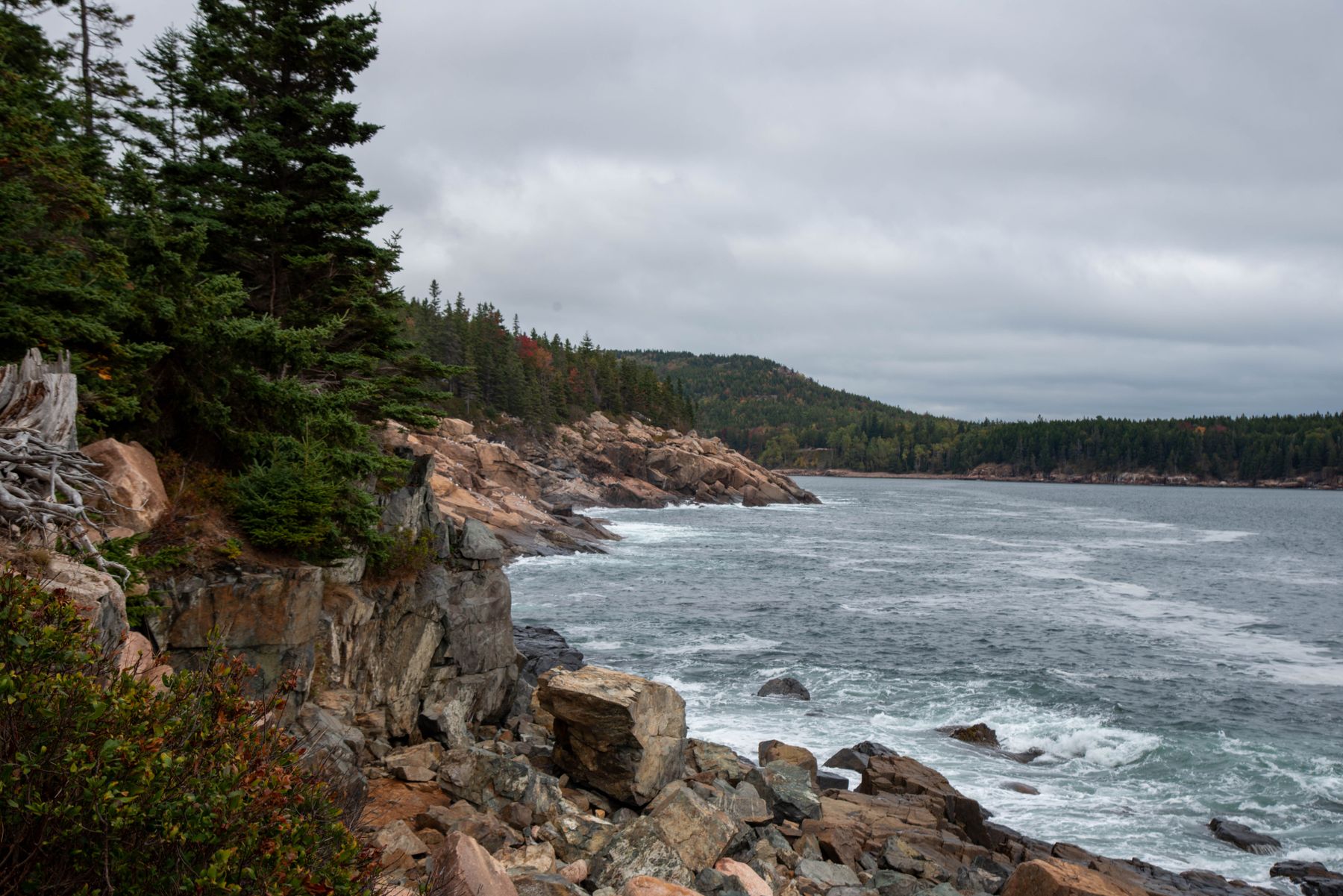
Acadia brings together rocky Atlantic shores, lakes, wooded paths, and compact coastal communities. Bar Harbor makes a convenient base when you want restaurants and a harbor walk after a park morning. The appeal is the combination: a landscape-focused day does not have to end with a long drive to dinner.
Plan separate outings rather than one continuous loop of famous stops. Spend a morning along the Ocean Path area, another around a lake or carriage road, and leave a half-day for town or a boat trip suited to your group. Trails vary considerably; a route described as short can still involve exposed rock, climbing, or slippery surfaces. Choose from the park's actual route descriptions.
Cadillac Mountain needs separate planning. Acadia used a seasonal vehicle-reservation system for Cadillac Summit Road in 2026, and that reservation was additional to park entry. Do not assume a future summer has identical dates or release times. The Island Explorer can reduce driving on its served routes, but it does not take visitors up Cadillac Summit Road.
| Planning detail | Practical approach |
|---|---|
| Base | Bar Harbor for walkable evenings; compare other Mount Desert Island communities for a different pace |
| Arrival | Compare Bangor and Bar Harbor flight options with the complete onward journey |
| Time | Four to six nights allows weather flexibility and several different park outings |
| Spending priority | Convenient accommodation and any carefully chosen water excursion |
Useful tip: Choose your room for parking and the real walk to meals. A cheaper room requiring repeated town parking can be less convenient than the nightly price suggests.
Location and map: Acadia National Park Hulls Cove Visitor Center Maine
2. Cape Cod, Massachusetts
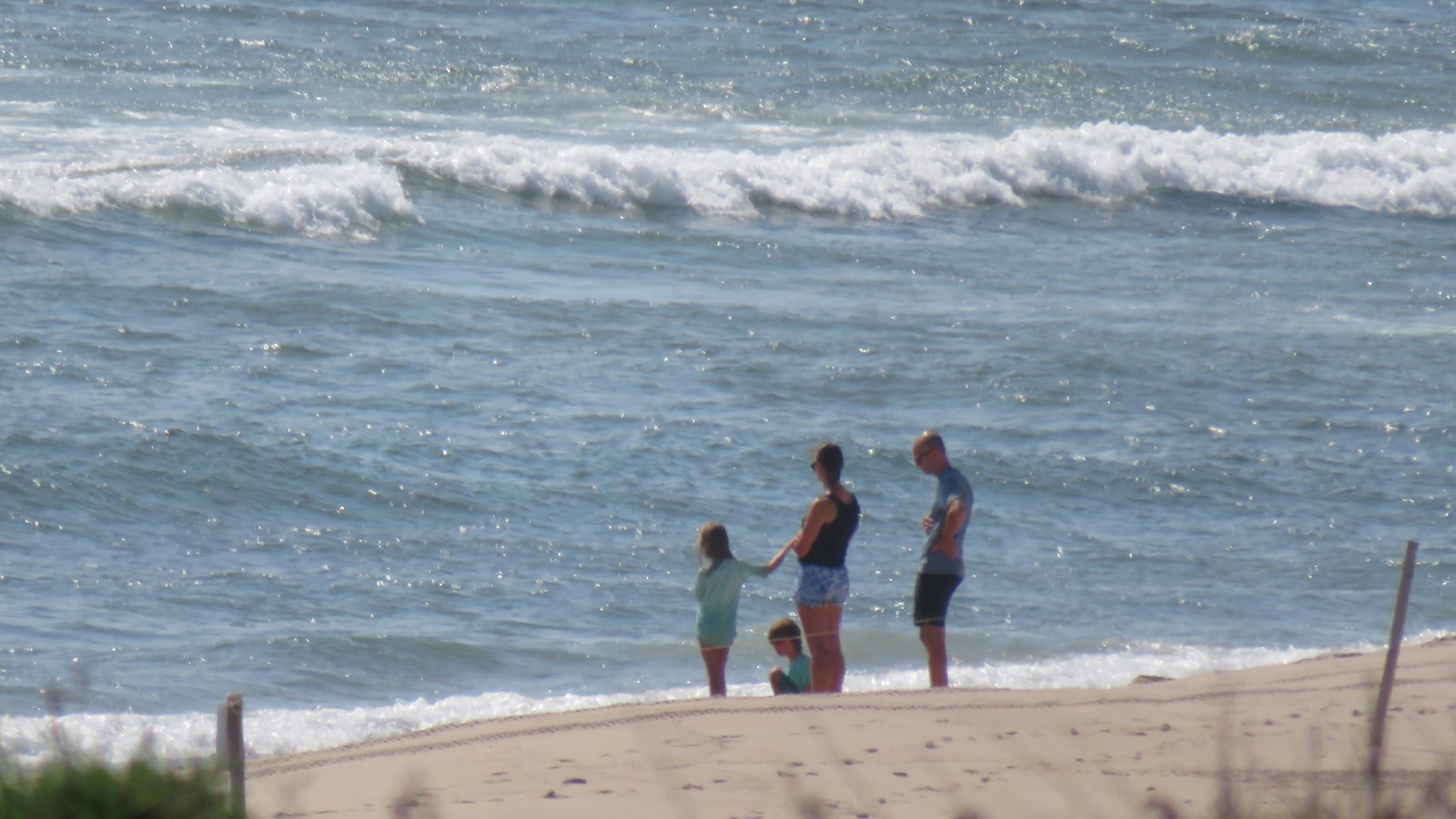
Cape Cod suits people who enjoy returning to the same beach area, learning a village's rhythm, and leaving a little of each day unplanned. Its bayside beaches, Atlantic shoreline, harbors, and town centers offer different settings. Decide which coast and village suit your group before choosing a property advertised simply as being on the Cape.
A family might spend a week around one town with easy beach access, adding a single outing toward the National Seashore. A couple might prefer a walkable village, a picnic, a harbor cruise, and a longer dinner. Provincetown offers a different atmosphere from a quiet residential beach neighborhood; neither represents the whole peninsula.
Distance is deceptive here. A succession of small-town roads and summer traffic can turn a modest map journey into a substantial part of the day. Keep outer-Cape outings together and resist driving back and forth across the peninsula. Seasonal transit serves selected places, including routes around Provincetown; check the current timetable and the walk at each end before deciding to leave the car behind.
| Planning detail | Practical approach |
|---|---|
| Base | Pick one village around your preferred beach and evening atmosphere |
| Arrival | Compare a Boston arrival and drive with practical regional transport options |
| Time | Five to seven nights; allow extra transfer time around weekend changeovers |
| Spending priority | The accommodation's actual beach access and any beach-parking arrangements |
Useful tip: Ask which beach pass, parking space, or shuttle arrangement comes with your booking. Town beaches and National Seashore beaches can have different rules and charges.
Location and map: Cape Cod National Seashore Salt Pond Visitor Center Massachusetts
3. Traverse City and Sleeping Bear Dunes, Michigan
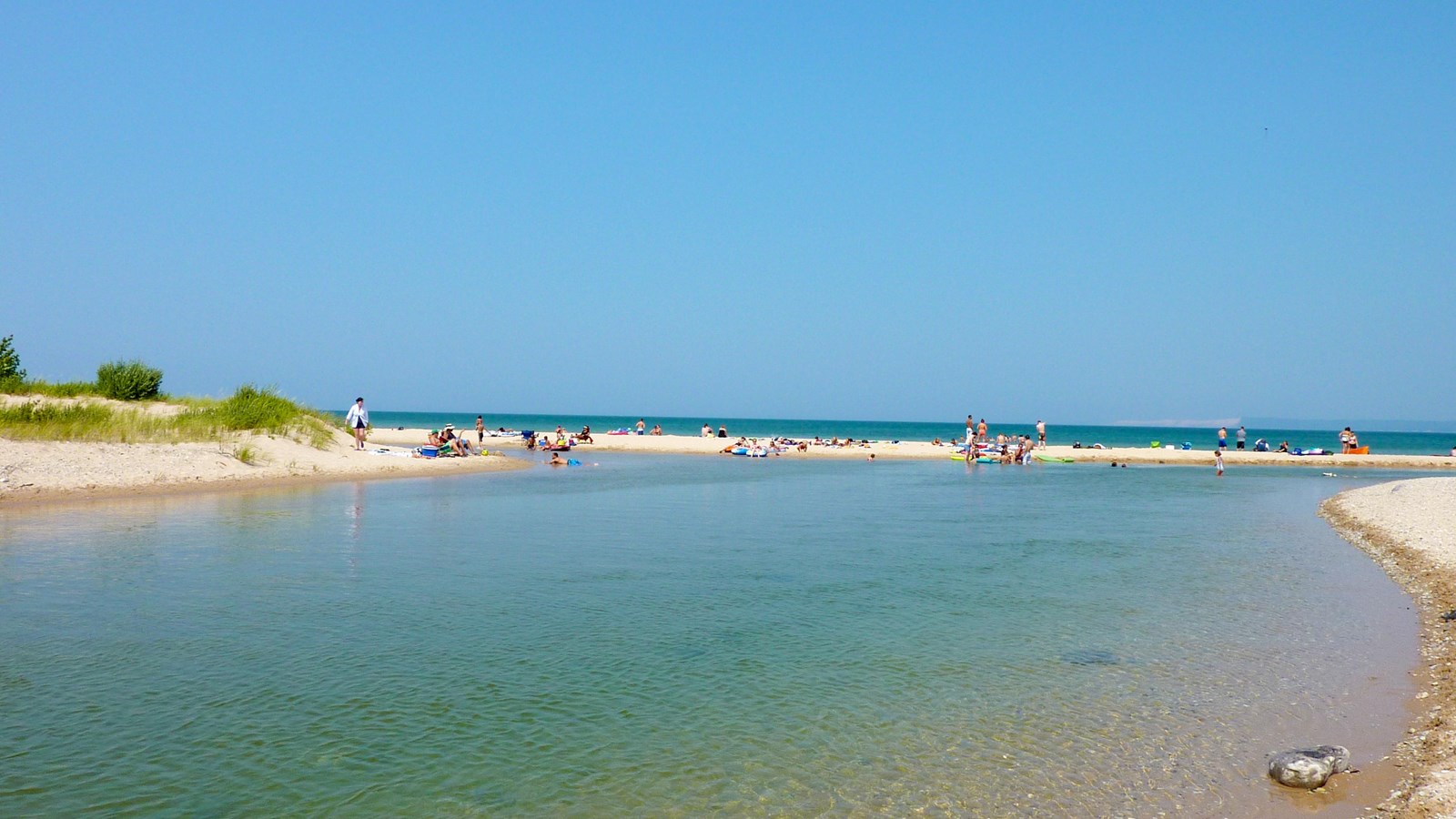
This part of northern Michigan combines a lively small-city base with freshwater beaches, wooded peninsulas, and the huge sand landscapes of Sleeping Bear Dunes National Lakeshore. It is a good choice when your group wants outdoor time without committing every day to a demanding hike or a remote lodge.
Use Traverse City for a wider choice of meals and accommodation, or consider a smaller lakeshore community if being closer to a particular beach matters more. A comfortable first visit might include one dunes day, one easy waterfront day, and one outing along the Leelanau Peninsula. Add food stops as part of that route instead of turning every meal into another drive.
The scale of the dunes deserves respect. A steep descent can make the return much harder than expected, and hot sand changes the effort involved. You can enjoy scenery from appropriate overlooks and short walks without climbing every slope. Lake Michigan is a large, open body of water with changing waves and currents; assess the day's conditions rather than treating a freshwater beach like a pool.
| Planning detail | Practical approach |
|---|---|
| Base | Traverse City for variety; a lakeshore village for a more focused beach stay |
| Arrival | Traverse City airport or a longer regional road trip |
| Time | Four to six nights with dunes, beaches, and a quieter day |
| Spending priority | A well-located room or rental and realistic driving allowances |
Useful tip: Plan your dunes outing before the hottest part of the day, carry suitable footwear and water, and choose the return route before starting downhill.
Location and map: Sleeping Bear Dunes National Lakeshore Michigan
4. Mackinac Island, Michigan

Mackinac Island changes the pace of a trip because ordinary visitor cars stay on the mainland. Walking, bicycles, horse-drawn transport, wheelchairs, and mobility scooters shape the experience. That makes the island appealing for travelers who want waterfront scenery and a place that feels different from a conventional drive-in resort town.
An overnight stay lets you experience quieter hours beyond the main day-trip rush. Build a day around a gentle ride or walk, a visit to the historic fort if it interests you, and time near the water. The road around the island is a different proposition from the steeper interior paths, so match the route to your group's ability rather than assuming all island cycling is easy.
Ferry planning is part of the holiday. Compare departure points, operating schedules, luggage handling, mainland parking, and bicycle charges. A room's location also matters when suitcases, young children, or limited mobility are involved. Confirm how you will get from the dock to the accommodation and whether assistance must be arranged in advance.
| Planning detail | Practical approach |
|---|---|
| Base | Stay on the island for atmosphere or on the mainland for a different cost structure |
| Arrival | Ferry from Mackinaw City or St. Ignace; compare regional airport connections |
| Time | Two to four island nights, or a full day within a wider Michigan trip |
| Spending priority | Ferry, mainland parking, island transfers, and suitable accommodation |
Useful tip: Check the final return sailing before committing to a long ride or dinner. Ferry timetables, weather, and your accommodation arrangements should determine the evening plan.
Location and map: Mackinac Island Michigan Ferry Docks
5. Lake Tahoe, California and Nevada
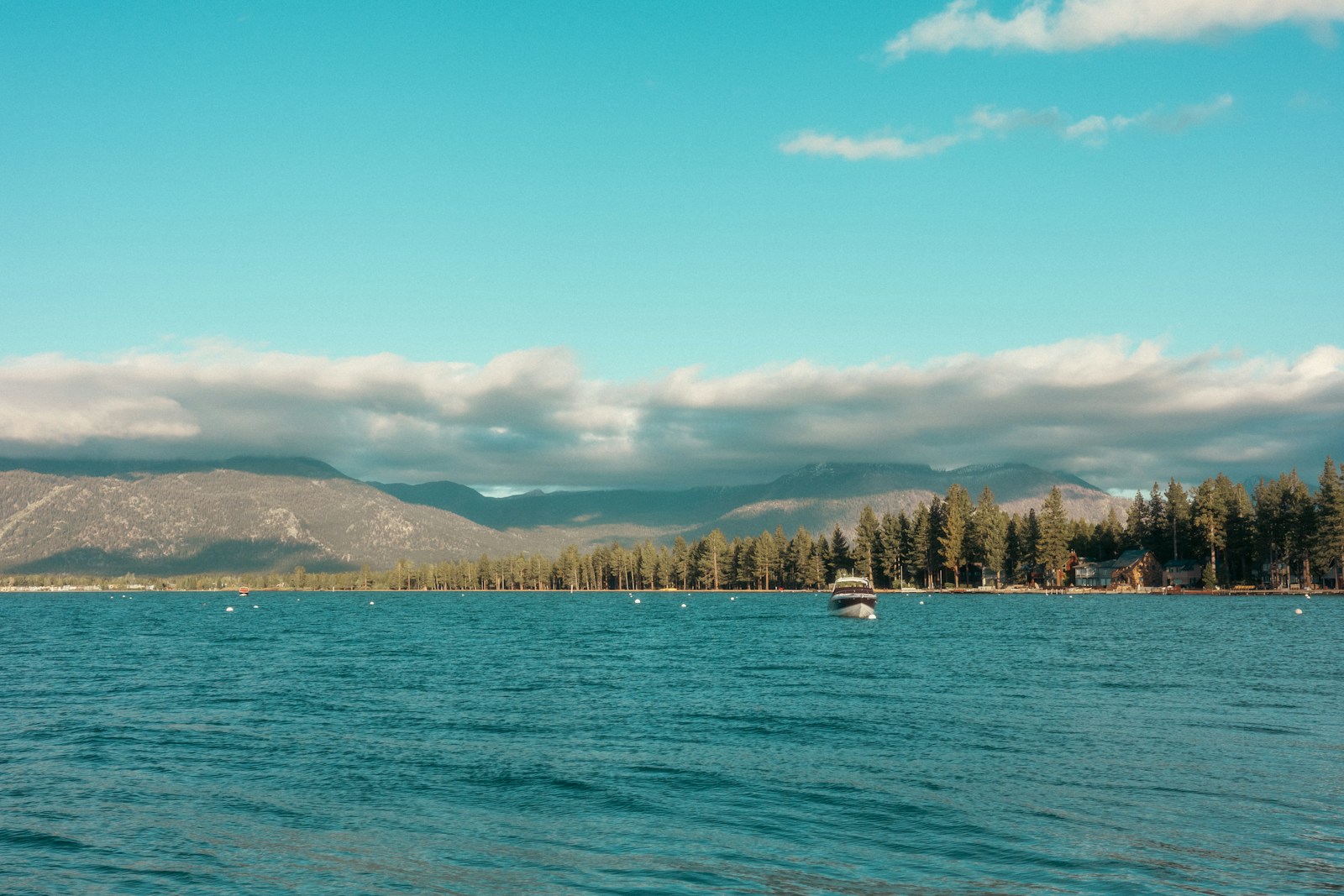
Tahoe offers the classic summer combination of blue water, pine forest, mountain views, and outdoor activities. It can suit a relaxed lakeside stay or a more active holiday, but the lake is large enough that your chosen shore will determine the character of the trip. A room on one side is not a convenient base for every beach on the other.
Choose South Lake Tahoe for one style of developed base, or compare north- and west-shore communities for other lodging and dining patterns. Spend most days within one sector. A mountain walk, a beach morning, and a low-effort lakeside outing are usually more enjoyable than a daily drive around the entire shoreline.
Popular beaches need deliberate access planning. Sand Harbor has used a summer day-use reservation system, and other sites have their own parking arrangements. Check the exact beach and date rather than applying one rule to the whole lake. Water can be cold even when the air feels hot, while wind may change paddling conditions during the day. Rent equipment from an operator who explains local conditions and the intended route.
| Planning detail | Practical approach |
|---|---|
| Base | Choose a shore around your priority beach, walks, and evening needs |
| Arrival | Reno is a useful airport to compare; allow for the mountain transfer |
| Time | Five to seven nights without daily cross-lake journeys |
| Spending priority | Location, beach access, parking, and one or two equipment-based activities |
Useful tip: Confirm a beach plan before loading the car with a full day's supplies. If your preferred lot or reservation is unavailable, have a named alternative rather than circling the shore.
Location and map: Lake Tahoe Sand Harbor Nevada
6. Yellowstone National Park, Wyoming, Montana, and Idaho
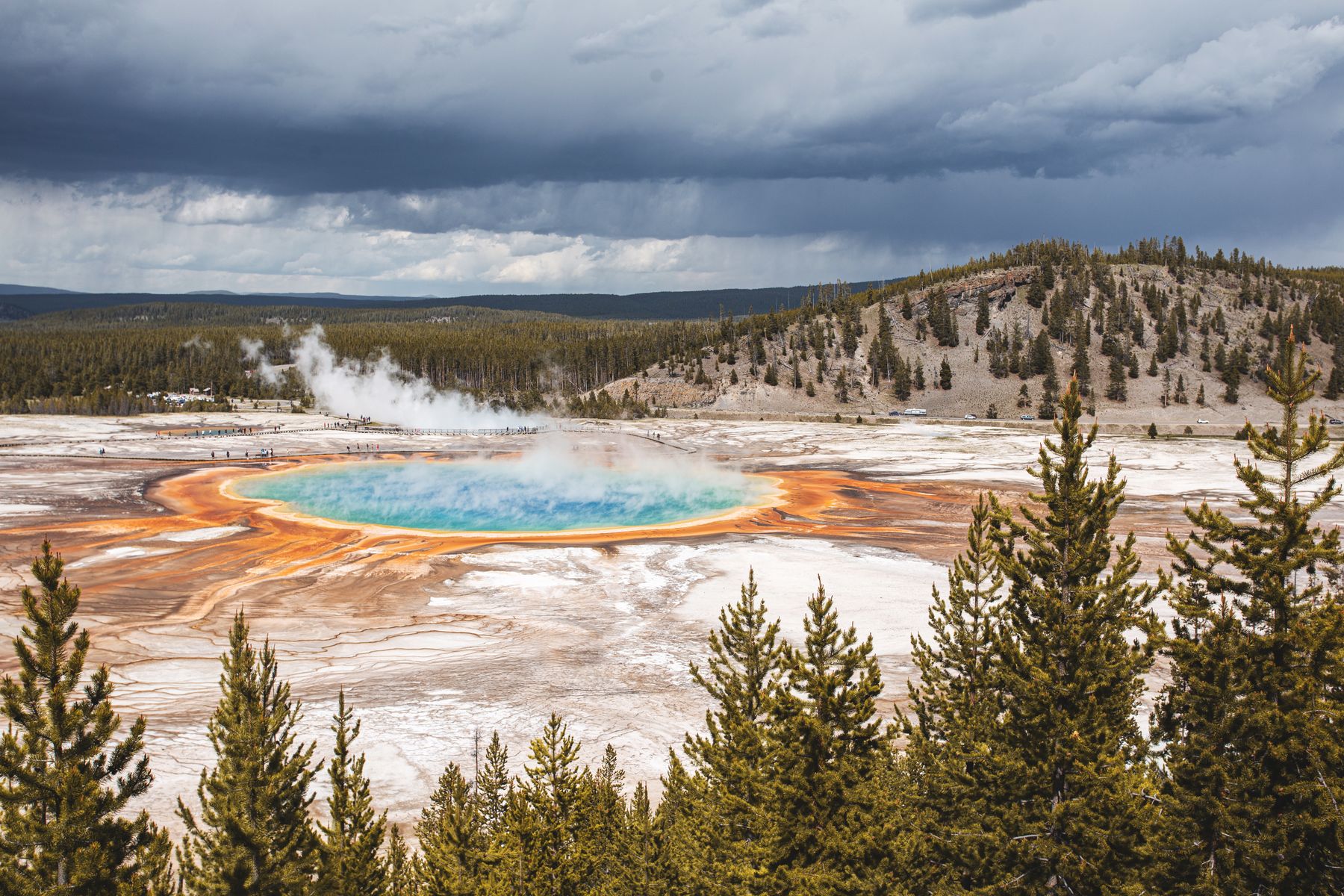
Yellowstone suits travelers who want landscapes that feel different from an ordinary mountain holiday: steaming thermal areas, bright mineral pools, broad valleys, and the possibility of wildlife sightings. It rewards time. A single day spent rushing between Old Faithful and the northern valleys can become a very long drive with surprisingly little unhurried walking.
Think of the park in clusters. Pair nearby thermal areas on one day, focus on the canyon area on another, and allow a separate early outing for a wildlife-viewing region. Any animal encounter is a possibility rather than a scheduled attraction. Road traffic, wildlife near the roadway, and construction can all alter a day's timing.
For a longer stay, two carefully chosen bases can reduce repeated drives. Read road status for your actual entrance and season before booking a gateway hotel. Stay on designated boardwalks and routes in thermal areas, keep the park's required distances from wildlife, and use binoculars or a long lens. A photograph is never a reason to approach an animal or step onto thermal ground.
| Planning detail | Practical approach |
|---|---|
| Base | Compare in-park lodging and gateway towns against your sightseeing clusters |
| Arrival | Choose an airport and entrance together, not as separate decisions |
| Time | Five to seven nights for a varied first visit |
| Spending priority | Accommodation that saves driving, fuel, groceries, and a flexible schedule |
Useful tip: Mark the accommodation and the day's farthest stop on a map before reserving. A room described as near Yellowstone may still be a long way from the experience you want.
Location and map: Yellowstone National Park Wyoming
7. Glacier National Park, Montana
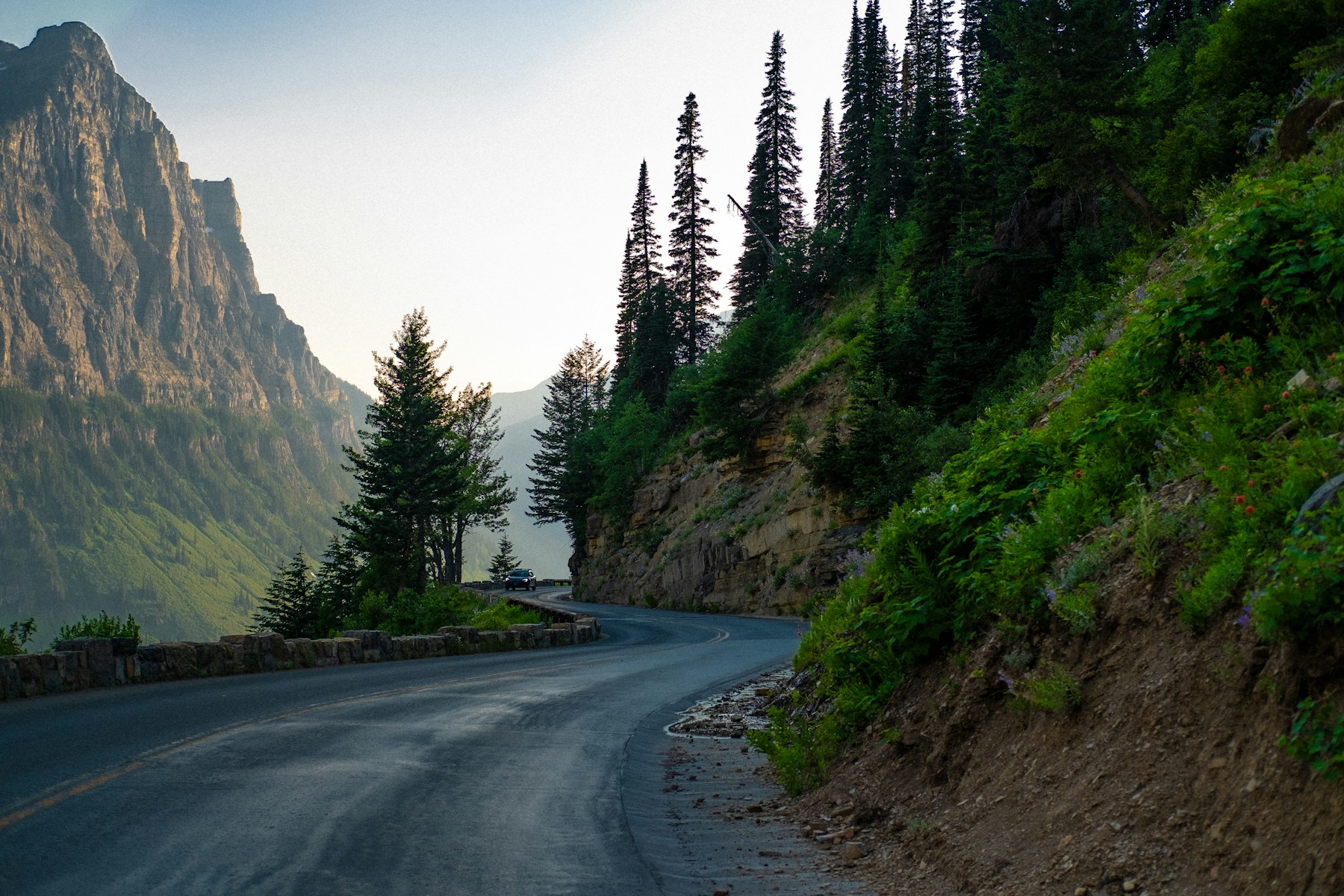
Glacier is a strong choice for travelers whose ideal summer holiday centers on mountain scenery. Lakes, forest, and the engineering of Going-to-the-Sun Road provide memorable experiences even when your group prefers short walks to long alpine hikes. The scenery is the reason to come; flexibility is what makes the visit work.
The high country does not open on a fixed date every year. Snow clearance, avalanche conditions, weather, and trail status influence what is possible. A June trip and an August trip may have very different access. Build lower-elevation options into the itinerary and avoid booking the entire holiday around a particular high trail opening.
Access guidance changes. Glacier did not require vehicle reservations in 2026, while Logan Pass parking limits and a ticketed shuttle pilot affected how visitors used that area. Those arrangements should not be treated as a promise for 2027 or later. Read the dated official guidance for your travel year, including parking duration and the shuttle's actual stops, before designing a long hike or leaving the car behind.
| Planning detail | Practical approach |
|---|---|
| Base | Compare the west side and east side according to the areas you want to explore |
| Arrival | Glacier Park International near Kalispell is a useful flight comparison |
| Time | Five to seven nights with a weather alternative |
| Spending priority | Scarce lodging, transport, and any necessary access arrangements |
Useful tip: Save the official road, trail, and transport information offline. Weak phone coverage is a poor time to discover that the shuttle you expected does not serve your trailhead.
Location and map: Glacier National Park Montana Apgar Visitor Center
8. Rocky Mountain National Park and Estes Park, Colorado
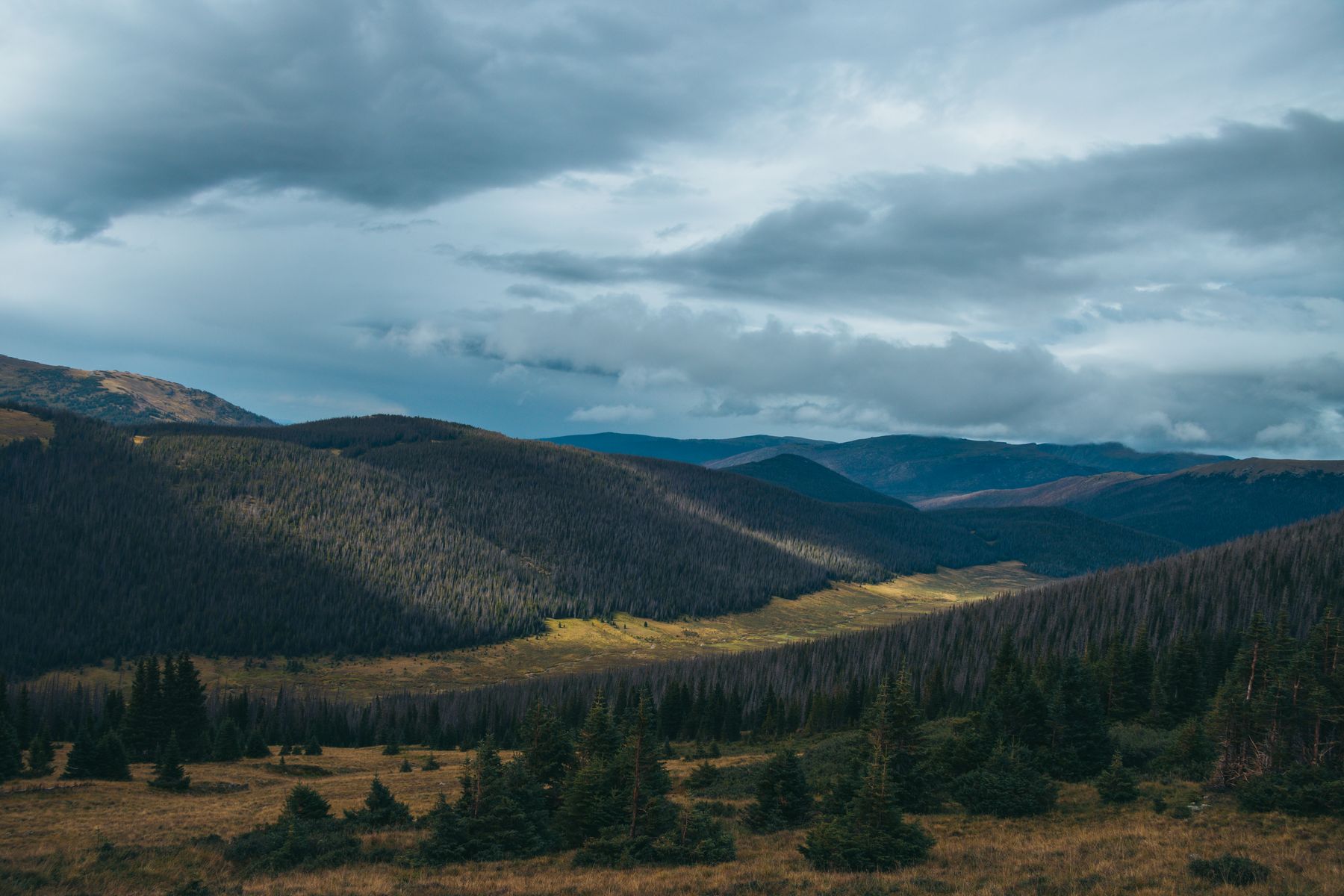
Rocky Mountain works well for a trip combining dramatic high-country scenery with a gateway town offering meals and a choice of places to stay. Estes Park is a practical eastern base. The western side around Grand Lake creates another kind of trip and should be selected deliberately rather than added as an afterthought.
Give yourself an easy arrival day, especially if traveling from a much lower elevation. Follow it with a shorter outing before deciding on a more demanding route. A scenic road day, a lakeside walk, and time in town can make a satisfying holiday without a summit objective. Conditions on exposed roads and trails can differ sharply from those at your hotel.
The park used two types of timed-entry reservations in 2026, including a separate option for the Bear Lake Road corridor. A park pass and a timed-entry reservation serve different purposes. Check the system, corridor coverage, and hours for your specific summer; do not assume last year's reservation grants the same access. Start outdoor days with the mountain forecast and allow afternoon weather to change the plan.
| Planning detail | Practical approach |
|---|---|
| Base | Estes Park for eastern access or Grand Lake for a western-side stay |
| Arrival | Denver plus a mountain transfer; avoid scheduling a major hike on arrival |
| Time | Four to six nights for a measured first visit |
| Spending priority | Appropriate access reservations and a base close to your chosen outings |
Useful tip: Decide whether Bear Lake-area walks are a priority before selecting an entry option. A general park plan and a corridor-specific plan may require different reservations.
Location and map: Rocky Mountain National Park Beaver Meadows Visitor Center Colorado
9. Olympic National Park, Washington
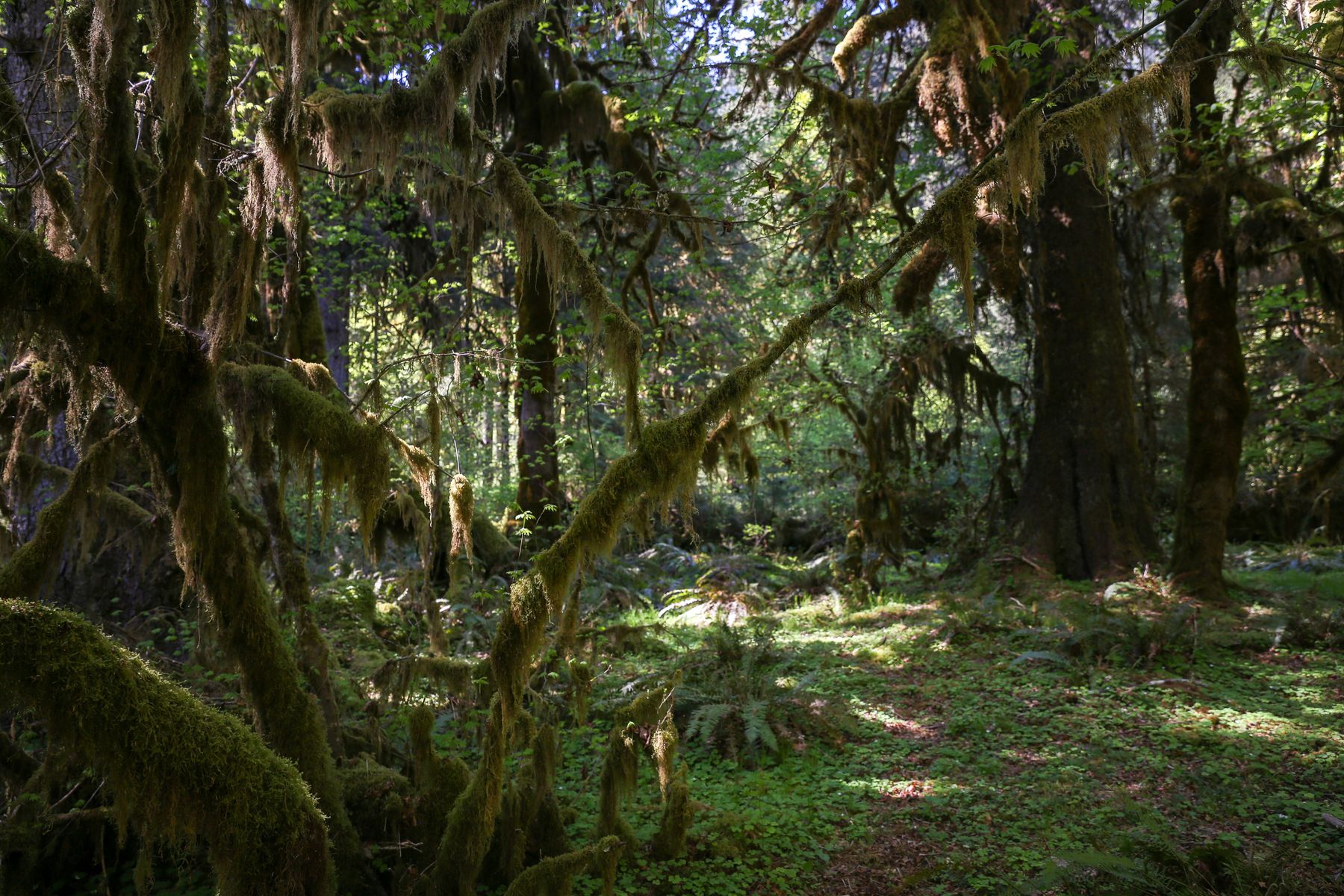
Olympic is ideal for travelers who want several landscapes within one regional trip: mossy rain forest, mountain views, lakes, and a rugged Pacific coast. The variety is real, but it comes with a geographic cost. Roads reach different parts of the park from outside; there is no road across its mountainous center.
Use separate bases when the itinerary spans the northern mountains and western coast. Port Angeles can serve northern outings, while a western base reduces the journey to the rain forest and beaches. Compare those driving patterns before deciding that a single bargain room is a good deal for the whole week.
Popular parking areas such as the Hoh Rain Forest and Hurricane Ridge can fill, with vehicles admitted as spaces become available. Plan an early or quieter-time visit and carry the food and water your outing requires. Beach exploration needs its own route and tide planning; some coastal passages are unsuitable at particular tides. Do not transfer an easy inland-walk assumption to a remote beach route.
| Planning detail | Practical approach |
|---|---|
| Base | Split a wide-ranging trip between northern and western access areas |
| Arrival | Seattle region, allowing for road or ferry logistics on the chosen route |
| Time | Six to eight nights for mountains, forest, and coast without constant rushing |
| Spending priority | Sensible overnight locations and enough time for transfers |
Useful tip: Pick a specific beach and turnaround point using current park guidance. A scenic coastline photograph does not tell you whether a route requires a low-tide crossing.
Location and map: Olympic National Park Hoh Rain Forest Washington
10. San Diego, California
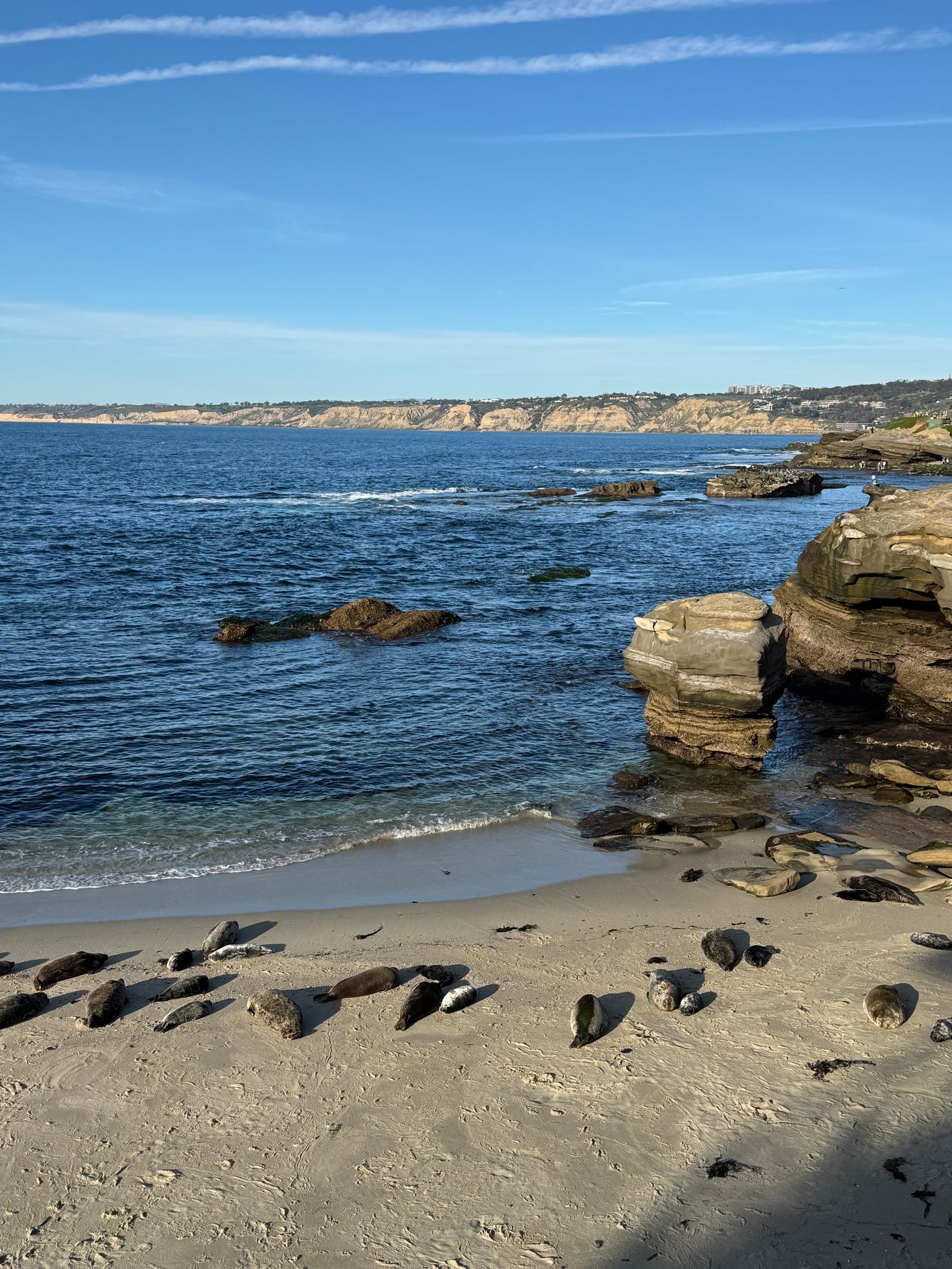
San Diego is a useful compromise when a group wants the beach but does not want the entire vacation to depend on swimming conditions. Coastal walks, Balboa Park, museums, neighborhood meals, and major paid attractions create options for different ages and energy levels. It can work for a family, a couple, or a first solo city-and-coast trip.
Choose your base around the activities you will repeat. A beach neighborhood supports leisurely mornings and evening walks, while a more central base may simplify city outings. Coronado, La Jolla, and other coastal areas have different access and driving patterns. Inspect the street layout and parking arrangements rather than treating all coastal accommodation as interchangeable.
Keep expensive attraction days separate from full beach days. A major zoo or theme-park visit can fill the day by itself; adding a distant sunset stop may create pressure rather than value. Coastal cloud, cool water, and changing surf are normal reasons to keep another activity available. Select swimming areas with lifeguards and ask about current conditions.
| Planning detail | Practical approach |
|---|---|
| Base | A chosen coastal district or a city base matched to your most frequent outings |
| Arrival | San Diego airport, then compare transit, transfers, and a rental car |
| Time | Five to seven nights with beach and city days |
| Spending priority | The right neighborhood, parking, and only the major attractions you truly want |
Useful tip: Compare the combined hotel-and-parking bill with the value of staying closer to the beach. A room's location can matter more than adding another paid attraction.
Location and map: La Jolla Shores San Diego California
11. Oahu, Hawaii
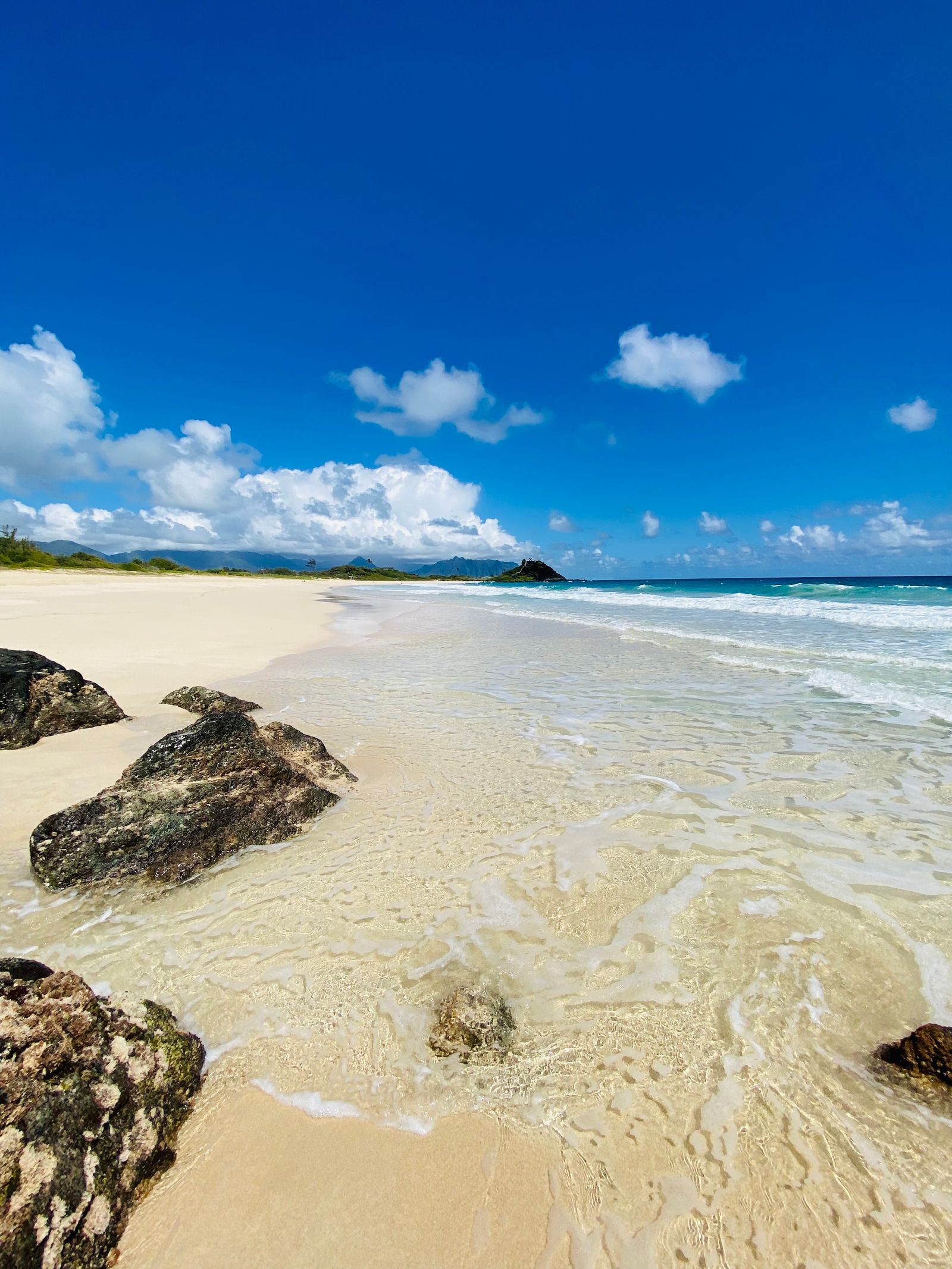
Oahu offers tropical scenery without requiring every visitor to rent a car for the entire stay. Honolulu and Waikiki provide a broad range of accommodation, food, and transport options, while other parts of the island offer a different setting for carefully planned outings. It is a strong first-Hawaii choice when your group wants variety.
Use a city-and-beach base for relaxed mornings, then group activities by island region. A windward-coast day, a history-focused day, and a Waikiki day are more sensible than crossing the island repeatedly. Traffic, parking, and the walk from the vehicle to an attraction all need space in the schedule. A six-night island stay is not an invitation to add several flights to other islands.
Check reservation requirements for the particular parks and attractions you intend to visit. Ocean conditions change by season, location, and day; a beautiful photograph is not a swimming forecast. Respect Native Hawaiian culture, signed closures, wildlife space, and residential areas. Choose legal public access and avoid stopping where your vehicle blocks a neighborhood or road.
| Planning detail | Practical approach |
|---|---|
| Base | Waikiki for a broad choice and selected car-light days; another area for a different pace |
| Arrival | Honolulu, allowing for the time change and a gentle first evening |
| Time | Six to eight nights on Oahu before considering another island |
| Spending priority | Accommodation, mandatory charges, transfers, and planned car-rental days |
Useful tip: Decide which days genuinely need a vehicle. Paying for a rental and hotel parking throughout a mostly walkable stay may add cost without improving the holiday.
Location and map: Kailua Beach Park Oahu Hawaii
12. Door County, Wisconsin
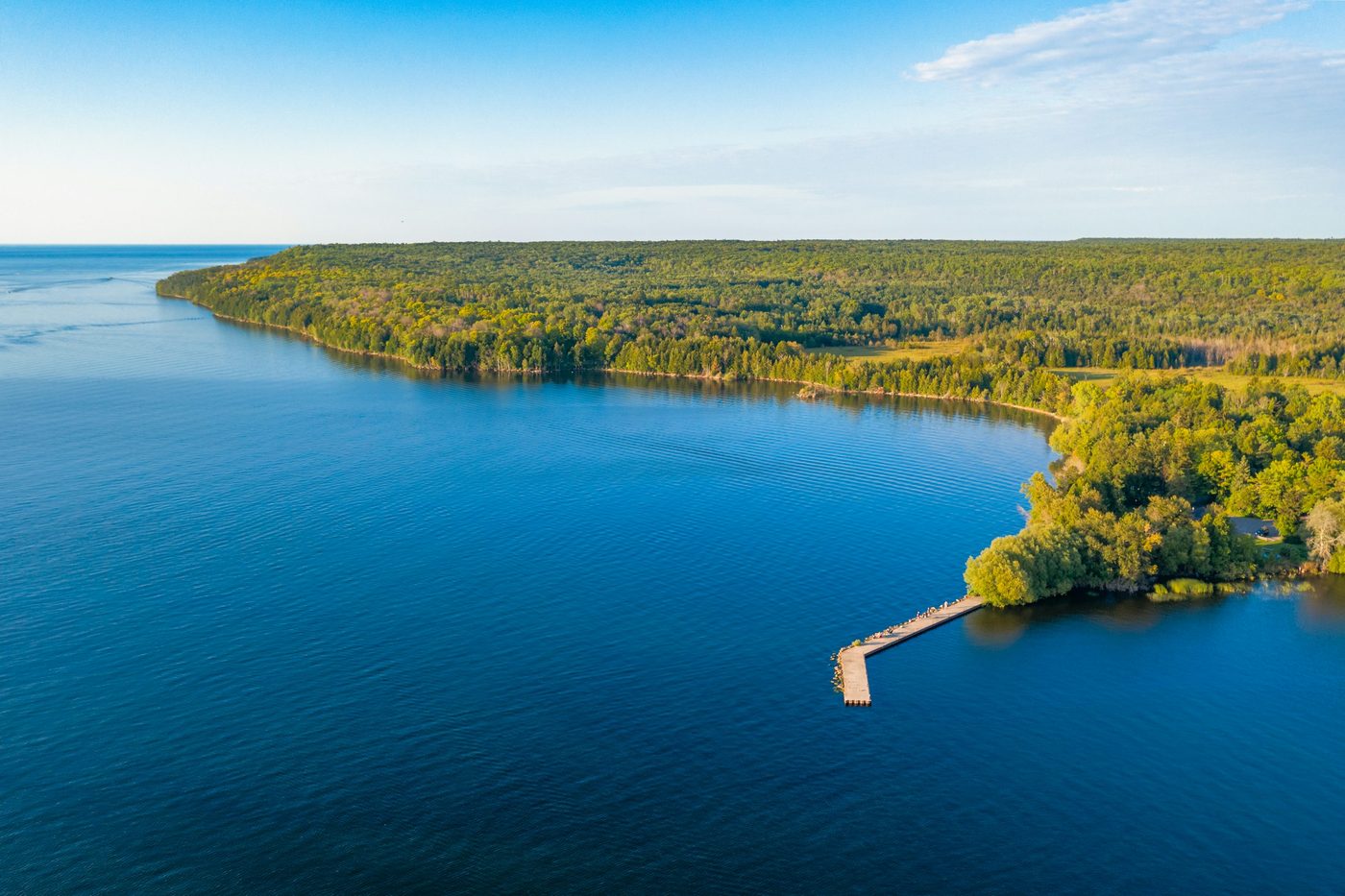
Door County is a good summer choice for people who like a series of small pleasures: a village harbor, a park walk, a lakeside picnic, and a meal that becomes the evening's main event. The peninsula allows variety without demanding a new hotel each night. It works especially well when your group enjoys exploring by car at a relaxed pace.
Choose a base near the villages and parks you will visit most. Fish Creek, Ephraim, Sister Bay, and other communities have different lodging patterns and waterfront settings. Peninsula State Park can anchor an outdoor day, while another day might focus on the Lake Michigan side or a village-and-beach combination. Leave enough time to stop rather than merely drive through each town.
Water activities should be chosen for conditions and experience. A protected-looking shoreline is not a guarantee of a suitable beginner paddle, particularly when wind changes. Ask an operator about launch location, route, equipment, and cancellation terms. For families, a short well-supported outing can be more enjoyable than the longest tour available.
| Planning detail | Practical approach |
|---|---|
| Base | One peninsula community close to your preferred mix of villages and parks |
| Arrival | Regional road trip or a Green Bay arrival with onward driving |
| Time | Four to six nights for an unhurried first visit |
| Spending priority | Good location, park access, and a selective water outing |
Useful tip: Allow a village day with no ticketed activity. Door County's strength is having time for the waterfront, a small shop, and an unexpected stop along the route.
Location and map: Peninsula State Park Door County Wisconsin
How to Choose the Right Summer Destination
Start with the part of a vacation your group would happily repeat. If that is a beach morning followed by an easy lunch, prioritize accommodation near a suitable beach in Cape Cod, San Diego, Oahu, or a Great Lakes region. If it is a different mountain view every day, compare Glacier, Rocky Mountain, and Tahoe. People who enjoy small towns and a gentler rhythm may get more from Door County or Mackinac Island than a park-to-park itinerary.
Next, compare effort rather than counting attractions. A direct flight, a short transfer, and a well-placed room can create more usable vacation time than a cheaper flight with a connection and several hours of driving. For a short break, the region closest to home can be the best value even if another destination has a more famous name.
Finally, choose the accommodation and transport as one decision. A central room can reduce the need for parking, but only if the activities you want are genuinely reachable. An inexpensive cabin can be excellent for a focused lake stay and poor value if it creates a long drive to every meal and outing.
Best Time to Go: June, July, or August?
| Period | Main advantage | What needs checking |
|---|---|---|
| Early June | Potentially quieter travel before some school breaks | Cool water, seasonal services, and snow on high routes |
| Late June | Long days and broad summer activity choices | Increasing crowds and mountain access status |
| July | Full summer atmosphere in many destinations | Holiday demand, heat, parking, and scarce rooms |
| August | Established summer operations in many mountain areas | Wildfire smoke, heat, storms, and school-calendar demand |
| Late August into early September | A possible alternative where school dates allow | Reduced transport or tour schedules and changing weather |
These are planning patterns, not a promise of specific weather or prices. Coastal Maine, tropical Hawaii, and an alpine pass do not share one summer calendar. Read the operating dates for the experience that matters most, then choose the trip dates around that constraint.
For a future summer, check the year attached to reservation instructions. The National Park Service's 2026 policies are useful evidence of what a system can involve, but they should not be copied into a 2027 itinerary without confirmation. The same applies to beach reservations, ferries, seasonal buses, and guided activities.
Where to Stay and What to Book First
For beach trips, inspect the actual route from the room to the public access point. Consider street crossings, stairs, shade, toilets, and whether you can return easily for lunch. A kitchen can help with food costs, but cleaning charges, minimum stays, and a limited dining area can change its value. Ask about air conditioning and sleeping arrangements rather than assuming a vacation rental has what your group needs.
For national parks, compare the extra cost of a better-positioned room with the driving it saves. A two-base stay can make sense in Yellowstone or Olympic. It is less useful when the second hotel creates packing work without shortening the outings. Confirm cancellation terms before booking several speculative rooms.
Book in this order: accommodation that determines the trip, critical reservations or transport, flights coordinated with those bookings, and then optional activities. Where flight availability is especially limited, compare flight feasibility before committing to a nonrefundable room. Keep a written list of what each purchase includes.
Arrival, Local Transport, and a Manageable Driving Plan
Most park and lake trips are easier with a vehicle, but a rental car is not automatically useful every day in Waikiki, parts of San Diego, or on Mackinac Island. Compare the complete cost of the car, hotel parking, beach parking, fuel, and any drop-off charge against transfers and local transport.
On a road trip, treat the published drive time as the moving portion of the journey. Add meals, groceries, charging or fuel, viewpoint stops, traffic, and check-in. A three-hour drive can occupy most of the useful afternoon with children or a group that enjoys stopping. Finish the transfer before promising a major paid activity.
At parks, save maps and booking confirmations offline. Check which entrance your accommodation actually serves and whether a mountain road is open. A route suggested by a navigation app is not proof of seasonal access or suitability for a large vehicle.
Three Realistic Summer Itineraries
A Six-Night Acadia and Coastal Maine Stay
| Day | Suggested plan | Why it works |
|---|---|---|
| 1 | Arrive, collect supplies, settle into one base | Keeps flight and driving delays away from a fixed attraction |
| 2 | A coastal park walk and a relaxed Bar Harbor evening | Introduces the landscape without a demanding first hike |
| 3 | A lake or carriage-road outing, then an easy afternoon | Changes the setting and leaves room for rest |
| 4 | A weather-suitable boat outing or town day | Provides an alternative to another driving loop |
| 5 | Cadillac or another chosen park area, with required arrangements | Groups the most important access-dependent experience |
| 6 | Repeat a favorite area or explore a quieter local stop | Leaves space for the trip to develop naturally |
| 7 | Depart with a generous airport buffer | Avoids turning the final morning into a race |
A Seven-Night Great Lakes Holiday
Choose one region rather than crossing several states for a list of beaches. Around Traverse City, allow an arrival night, a dunes day, a town-and-waterfront day, a Leelanau outing, a flexible beach day, and a quieter day. If Mackinac Island is essential, split the stay deliberately and dedicate a day to the move, including driving, mainland parking, ferry travel, and getting to the room.
Door County also supports a seven-night single-base trip. Alternate a park morning, a village day, a suitable water outing, and an unstructured day. The aim is a holiday in the region rather than proof that you stopped in every community.
A Seven-Night Mountain Vacation
Pick Yellowstone, Glacier, Rocky Mountain, or Tahoe as the main destination. Give the first full day a lighter workload, then alternate a major outing with a shorter one. Put the weather-sensitive activity in the middle of the stay so it can move. Avoid combining Yellowstone and Glacier into a rushed seven-night trip unless travel itself is the main objective and you accept limited time in each.
Illustrative Summer Budget for a Family of Four
This is a planning example for two adults and two children sharing accommodation for six nights in one mainland region. It is not a live quote or a prediction for a particular destination. Amounts are in U.S. dollars and represent the assumed complete cost of each line, including applicable taxes or fees within that allowance. Replace every assumption with the total shown at checkout.
| Item | Calculation | Allowance |
|---|---|---|
| Accommodation | 6 nights × $260 total nightly cost | $1,560 |
| Food and groceries | 7 days × $140 | $980 |
| Rental car | 7 days × $85 total daily cost | $595 |
| Fuel | Trip allowance | $120 |
| Parking and local transport | Trip allowance | $150 |
| Park and beach access | Trip allowance | $150 |
| Activities and equipment | Trip allowance | $400 |
| Laundry and small supplies | Trip allowance | $80 |
| Subtotal | Sum of the above | $4,035 |
| Contingency | 10% of subtotal | $403.50 |
| Ground-trip total | Subtotal plus contingency | $4,438.50 |
Flights, travel insurance, shopping, pet care, and premium activities are excluded. An Oahu vacation needs its own flight, accommodation-tax, and transport calculation; do not transfer this mainland example unchanged. A park lodge, waterfront rental, or holiday-week booking may also require substantially more accommodation money.
To reduce the total, first consider a nearer region, fewer hotel moves, a less expensive base, and fewer paid activities. Cutting meals or removing the contingency may make the spreadsheet smaller without producing a realistic trip. Couples should rebuild the room, meals, and transport lines for two rather than halve every number.
Food, Free Activities, and Ways to Save
Give the week a simple food rhythm: groceries on arrival, portable lunches on outdoor days, and a few dinners worth planning. Carry an appropriate cooler when the drive and conditions require one. Check the accommodation's cooking facilities and grocery access before paying more for a kitchen you cannot use conveniently.
Free or low-cost experiences can anchor the trip: town walks, suitable public shore access, a picnic, park viewpoints, and some walking or cycling routes. Admission may be free while parking, equipment, ferry transport, or a park pass still costs money. Compare the whole day rather than using a headline price.
For allergies or specific dietary needs, contact individual restaurants and ask about ingredients and cross-contact. A seafood region, a resort buffet, or a restaurant labeled vegetarian does not answer every dietary question. Save a dependable option near your accommodation so dinner does not become an exhausting search after a long outing.
Families, Couples, Solo Travelers, and Accessible Visits
Families usually benefit from a repeatable routine: an outdoor morning, lunch without a long drive, and an afternoon with an easy way to stop. Let children help choose between two suitable activities. A shorter outing they enjoy can become a better memory than a famous trail completed in a hurry.
Couples can prioritize a walkable evening base and one special meal or experience. Solo travelers may value convenient transport, a staffed accommodation, and outings that suit their experience. Tell someone the route and return plan before heading into an area with limited reception.
For mobility or sensory needs, verify the exact route, gradients, surfaces, toilets, vehicle boarding arrangements, and equipment reservations. A destination described as accessible may still have an unsuitable beach entrance or a steep path between the room and the activity. Ask a precise question about the journey you want to make.
Packing, Conditions, and Practical Essentials
- Bring layers, a light rain shell, walking footwear, sun protection, refillable water bottles, and the supplies needed for the day's location.
- Pack for the specific water activity rather than assuming beach clothes cover a mountain lake or coastal boat outing.
- Download maps, reservations, accommodation details, and important phone numbers before entering weak-service areas.
- Review official park alerts, road status, beach advisories, and the local forecast shortly before the outing.
- Check the surf forecast and lifeguard guidance before swimming. The National Weather Service notes that dangerous currents also occur on Great Lakes beaches.
- Move to a suitable enclosed shelter when thunderstorms threaten; a picnic shelter or tree is not a substitute for a substantial building or enclosed vehicle.
- For emergencies call 911. Use the relevant park office, local transit operator, ferry company, or accommodation for routine operational questions.
Common Summer Vacation Mistakes
The most expensive mistake is choosing an attractive flight before checking whether the destination's lodging or required access is available. Another is assuming a place is inexpensive because the main scenery is free. Popular coastal rooms, resort parking, and equipment rentals can dominate the bill.
Overpacking the route is just as costly in time. A different base every night can mean less time beside the water or on the trail. Choose an itinerary with room for poor weather, a closed road, and the occasional desire to do nothing. Check cancellation conditions before making a change rather than assuming every booking is refundable.
Frequently Asked Questions
What is the best summer vacation destination in the United States?
There is no universal winner. Acadia suits coast-and-park travelers, the Great Lakes suit a freshwater holiday, western parks suit mountain scenery, San Diego mixes city and beach activities, and Oahu offers an island stay with considerable variety. Start with your group's preferred daily routine.
Where can a family go without spending every day in a car?
A well-positioned beach or village base can reduce driving in San Diego, parts of Cape Cod, Door County, and Waikiki. Mackinac Island removes ordinary visitor cars entirely, although ferry and island-transfer planning remains necessary. Confirm the actual walking routes from your room.
Is June too early for a mountain vacation?
It depends on the route and elevation. Lower areas can be enjoyable while high roads or trails remain snow-affected. If a particular alpine road is the main reason for traveling, check its seasonal history and current official status, and retain an alternative.
Which destinations suit a first national park trip?
Acadia, Rocky Mountain, and Yellowstone offer very different first-park experiences. Acadia combines coastal scenery with towns, Rocky Mountain offers high-country outings near Estes Park, and Yellowstone requires more attention to distances. Choose according to the effort and transport your group can manage.
Are July and August always more expensive?
Demand often increases around school breaks and major holidays, but there is no reliable nationwide price rule. Compare complete quotes for the exact dates, including minimum stays and fees. A different arrival day or neighboring base can matter more than the month alone.
Can I swim in every lake or beach shown here?
No. Access, water quality, temperature, waves, currents, and local rules vary. Choose an appropriate designated area, consult the day's guidance, and keep a non-swimming activity available. A scenic destination is not a blanket recommendation to enter the water.
Do I need reservations for national parks?
Some experiences, accommodation, campgrounds, roads, or entry periods require advance arrangements. Requirements differ by park and year. Check current official instructions for the exact trip rather than assuming one park pass includes every reservation.
How many destinations should I combine in one week?
Usually one main region, with one or two nearby bases. A week split among widely separated destinations often becomes a transport trip. Add another region when you have enough nights to absorb the transfer and still spend several full days in each place.
Final Summer Planning Checklist
- Choose one region and the daily rhythm your group wants.
- Confirm transport feasibility, accommodation, and critical access before final payment.
- Check the travel year on every seasonal rule and timetable.
- Rebuild the budget with complete checkout totals.
- Group outings by location and protect a flexible day.
- Save maps, confirmations, and local information offline.
- Review weather, road, and water conditions during the trip.
Share Your Summer Travel Experience
Which matters most to you: a beach you can walk to, a dramatic park road, a quiet island evening, or a family base with easy meals? Share a destination and the practical detail that made the trip work. Please avoid posting booking numbers or private contact information.
Explore More Go Travel Box Guides
- Best Lakes in the United States for a Summer Vacation
- Top 20 National Parks to Visit in the United States
- A Complete Guide to Visiting Yellowstone National Park
- Best Family-Friendly Beach Destinations in America
- A Complete Travel Guide to Hawaii
Leave a Reply
What would you like to know before you go?
Send us your question, feedback, or a place you would like to see covered.
Ask a travel question
Leave a Reply