Written by Ari Mayzick · Go Travel Box
Published November 12, 2026 · Updated November 12, 2026
Your first view of the Grand Canyon can make the day’s schedule feel less important. Layers of rock stretch into the distance, shadows move across the cliffs, and a small change in light reveals something new.
This Grand Canyon travel guide for first-time visitors helps you make room for those moments. It focuses on the South Rim, with useful viewpoints, walks, places to stay, a three-day plan, and a clear budget. You do not need a difficult hike to have a memorable visit.
Planning details were checked on November 11, 2026. Seasonal access, water supplies, shuttles, and trail repairs can change. Use this guide to choose your trip, then check the park’s current alerts before setting off.
First Trip to the Grand Canyon? Start Here
For most first-time visitors, the South Rim is the easiest place to begin. It offers a wide choice of viewpoints, visitor facilities, accommodation, and walks that can be shortened to suit your day.
Allow two nights if possible. You can see a viewpoint on a day trip, but staying nearby gives you a better chance to enjoy sunrise or sunset without adding a long drive afterward. Keep your first day on the rim so you can understand the landscape before considering a below-rim hike.
Start with three decisions: choose your rim, book your accommodation, and decide how much walking everyone actually wants to do.
Grand Canyon at a Glance
| Planning question | Quick answer |
|---|---|
| Location | Northern Arizona |
| Recommended first base | South Rim: Grand Canyon Village or nearby Tusayan |
| Suggested trip length | Two nights with one to two full sightseeing days |
| Good walking seasons | Often spring and fall, with weather and trail conditions checked |
| Summer priority | Plan around heat, thunderstorms, crowds, and water needs |
| Winter priority | Prepare for snow, ice, short daylight, and reduced services |
| Main transport | Car to reach the area; walking and operating park shuttles for many rim stops |
| Standard vehicle entrance | $35, normally valid for seven days; additional nonresident rules can apply |
| Book first | Accommodation, a suitable campsite, and any guided activity |
| Essential distinction | Grand Canyon West and its Skywalk are separate from Grand Canyon National Park |
Table of Contents
- First Trip to the Grand Canyon? Start Here
- Grand Canyon at a Glance
- How to Plan a First Grand Canyon Visit
- Best Places to Visit on Your First Grand Canyon Trip
- Best Time to Visit the Grand Canyon
- Where to Stay for a First Visit
- How to Get to the Grand Canyon
- How to Get Around the South Rim
- A Three-Day Grand Canyon Itinerary
- How Much Does a Grand Canyon Trip Cost?
- What and Where to Eat
- Free Activities and Ways to Save Money
- Family, Solo, Couple, and Accessible Travel
- Photography, Packing, and Everyday Essentials
- Important Contacts and Official Planning Resources
- Common Mistakes First-Time Visitors Make
- Frequently Asked Questions About Visiting the Grand Canyon
- Your Final Grand Canyon Planning Checklist
- Reader Questions and Travel Experiences
- Explore More Travel Guides
- Leave a Reply
How to Plan a First Grand Canyon Visit
Choose the Right Part of the Canyon
The South Rim is the focus of this article. The North Rim needs its own seasonal plan and a substantial journey around the canyon by road. The two rims are not neighboring stops you can casually combine over lunch.
Grand Canyon West is on Hualapai Tribal land and has separate admission and activity arrangements. Havasu Falls is on the Havasupai Reservation and also has separate reservation rules. A national park ticket does not turn either place into an included South Rim excursion.
What to Book Before You Arrive
- Reserve accommodation or a named campsite.
- Check your approach route and expected road conditions.
- Confirm any guided activity directly with the operating provider.
- Read the park’s current alerts for your exact travel dates.
- Check permits if you plan an overnight backcountry trip.
- Save your tickets, maps, and accommodation arrival instructions offline.
You can choose the order of rim viewpoints after arriving. Light, wind, crowds, and shuttle schedules are sensible reasons to adjust the plan.
Current Access Information
Flood recovery and other repairs have affected the inner canyon. In the park’s notice checked on November 11, 2026, the river bridges and North Kaibab Trail were unavailable, with closures also affecting the Phantom Ranch area. Some South Rim trail sections had reopened, but that did not create a complete river-crossing route. Confirm every section before planning a long hike.
The North Rim was listed for day use through November 30, 2026, or the first major snow event. Its campground and fuel service were closed for the season, and recovery from the 2025 Dragon Bravo Fire continued. Future-season reopening and service details need a fresh check.
Best Places to Visit on Your First Grand Canyon Trip
1. Mather Point: Your First Big View
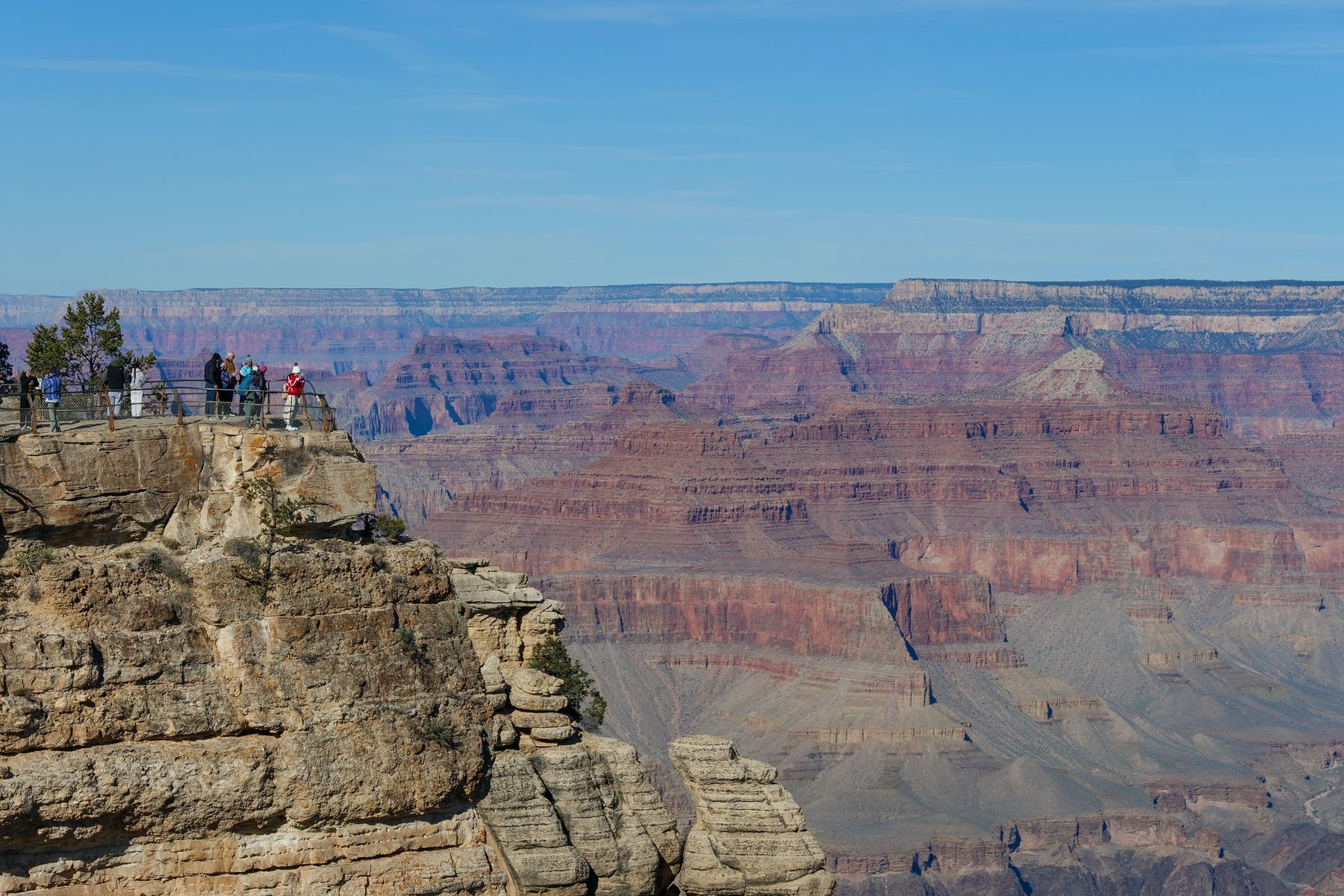
Mather Point is a useful introduction because it sits near the main visitor-center area. The view opens quickly, so you can begin enjoying the canyon while you get your bearings.
| Detail | Planning information |
|---|---|
| Best for | A first view, a short arrival-day visit, and families |
| Location | Mather Point map |
| Time to allow | About 30–60 minutes, plus parking and visitor-center time |
| Cost and booking | Included with park admission |
| Getting there | Use the visitor-center parking area or an operating shuttle |
| Accessibility | Paved approaches exist in this area; verify the most suitable route and current conditions |
| Nearby | Yavapai Point and selected Rim Trail sections |
Pause somewhere that leaves room for others to pass. Stay behind railings and well back from unprotected edges, especially while framing a photo.
2. Yavapai Point and the Geology Museum
The view becomes more interesting when you start recognizing the rock layers. Yavapai is a good stop for combining scenery with an explanation of how the canyon developed. Check museum opening hours before building your day around indoor time.
| Detail | Planning information |
|---|---|
| Best for | Understanding the landscape and a slower sightseeing stop |
| Location | Yavapai Geology Museum map |
| Time to allow | Around 45–90 minutes |
| Cost and booking | Ordinary viewpoint access is included with admission |
| Getting there | Walk a suitable rim section or use current parking and shuttle arrangements |
| Accessibility | Ask staff about the best entrance, paved approaches, and available facilities |
| Nearby | The Trail of Time and Mather Point |
Bring binoculars if you have them. Looking slowly at one section of canyon can be more satisfying than rushing to another viewpoint.
3. Walk a Section of the Rim Trail and Trail of Time
You can enjoy the Rim Trail in manageable sections rather than treating it as one long walk. The Trail of Time adds a geological story to the outing, with the area around Yavapai Geology Museum providing a natural starting point.
| Detail | Planning information |
|---|---|
| Best for | Flexible walks, geology, and visitors who want several viewpoints |
| Location | Trail of Time map |
| Time to allow | About 45 minutes to two hours for a chosen section |
| Cost and booking | Included with park admission |
| Getting there | Plan a return walk or confirm the operating shuttle connection |
| Accessibility | Surfaces and grades vary along the wider Rim Trail; choose a verified suitable section |
| Nearby | Yavapai, Grand Canyon Village, and rim overlooks |
Choose your turnaround or return transport before you start. The canyon can keep drawing you to the next view, and the walk back still takes time.
4. Explore Grand Canyon Village and Lookout Studio
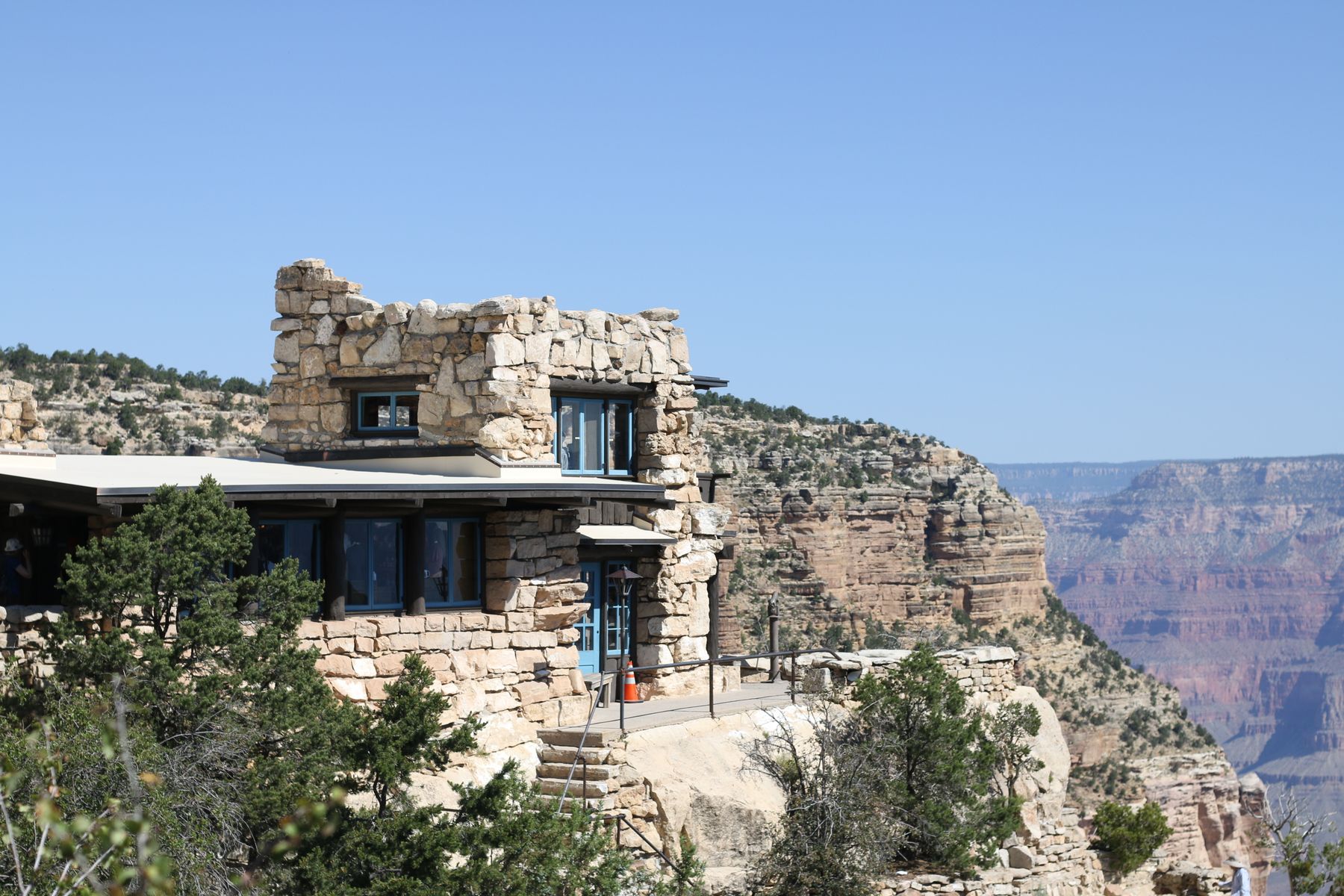
Grand Canyon Village adds human history and distinctive buildings to a landscape-heavy visit. Lookout Studio is a good example of architecture shaped to fit the canyon setting. Wander at a relaxed pace and check the opening arrangements for individual buildings.
| Detail | Planning information |
|---|---|
| Best for | History, architecture, dining breaks, and an easy change of pace |
| Location | Grand Canyon Village and Lookout Studio map |
| Time to allow | About 1.5–3 hours with a meal or extra stop |
| Cost and booking | Walking around the village is included with admission; meals and purchases cost extra |
| Getting there | Use designated parking and operating village shuttles |
| Accessibility | Historic buildings and viewing terraces have different access arrangements |
| Nearby | Rim walks and other village heritage buildings |
Book a special meal ahead when reservations are offered. Keep a simple picnic or casual-food option in reserve for a busy day.
5. Follow Desert View Drive to Desert View Watchtower
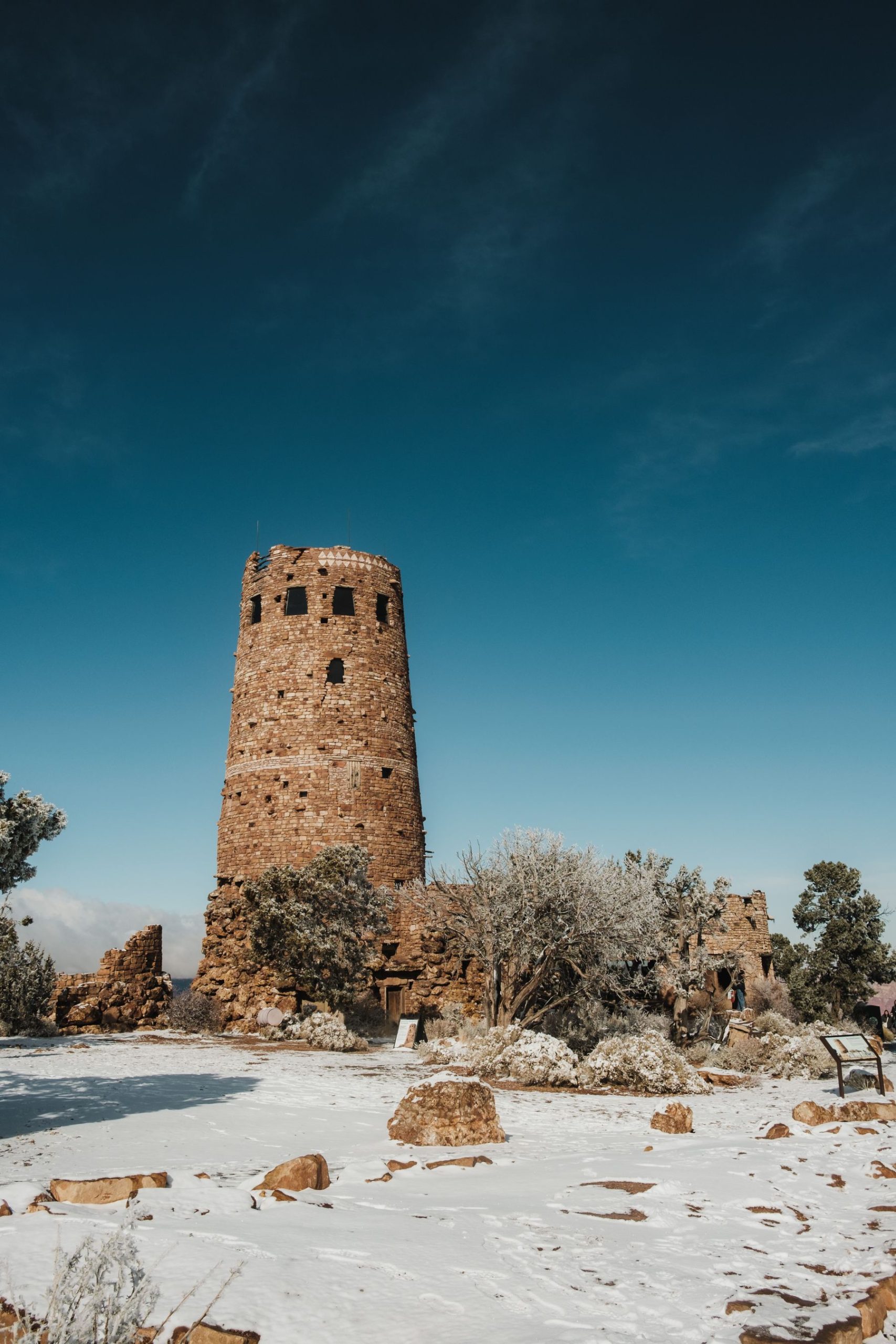
The eastern drive gives you a series of different canyon angles. Desert View Watchtower makes a distinctive final stop, combining the broad landscape with a building designed by architect Mary Colter.
| Detail | Planning information |
|---|---|
| Best for | A scenic drive, architecture, and a less hurried full-day plan |
| Location | Desert View Watchtower map |
| Time to allow | A half-day block with selected viewpoints and time at Desert View |
| Cost and booking | Park admission applies; check current tower access and capacity arrangements |
| Getting there | Drive the open road and use marked viewpoint parking |
| Accessibility | Ground-level viewing and upper-floor access differ; the tower has stairs |
| Nearby | Confirmed-open eastern overlooks along the drive |
Choose a few stops you want to enjoy properly. The photo shows winter conditions; snow and ice require different driving and walking plans from a summer visit.
6. Enjoy Hermit Road Viewpoints and Evening Light
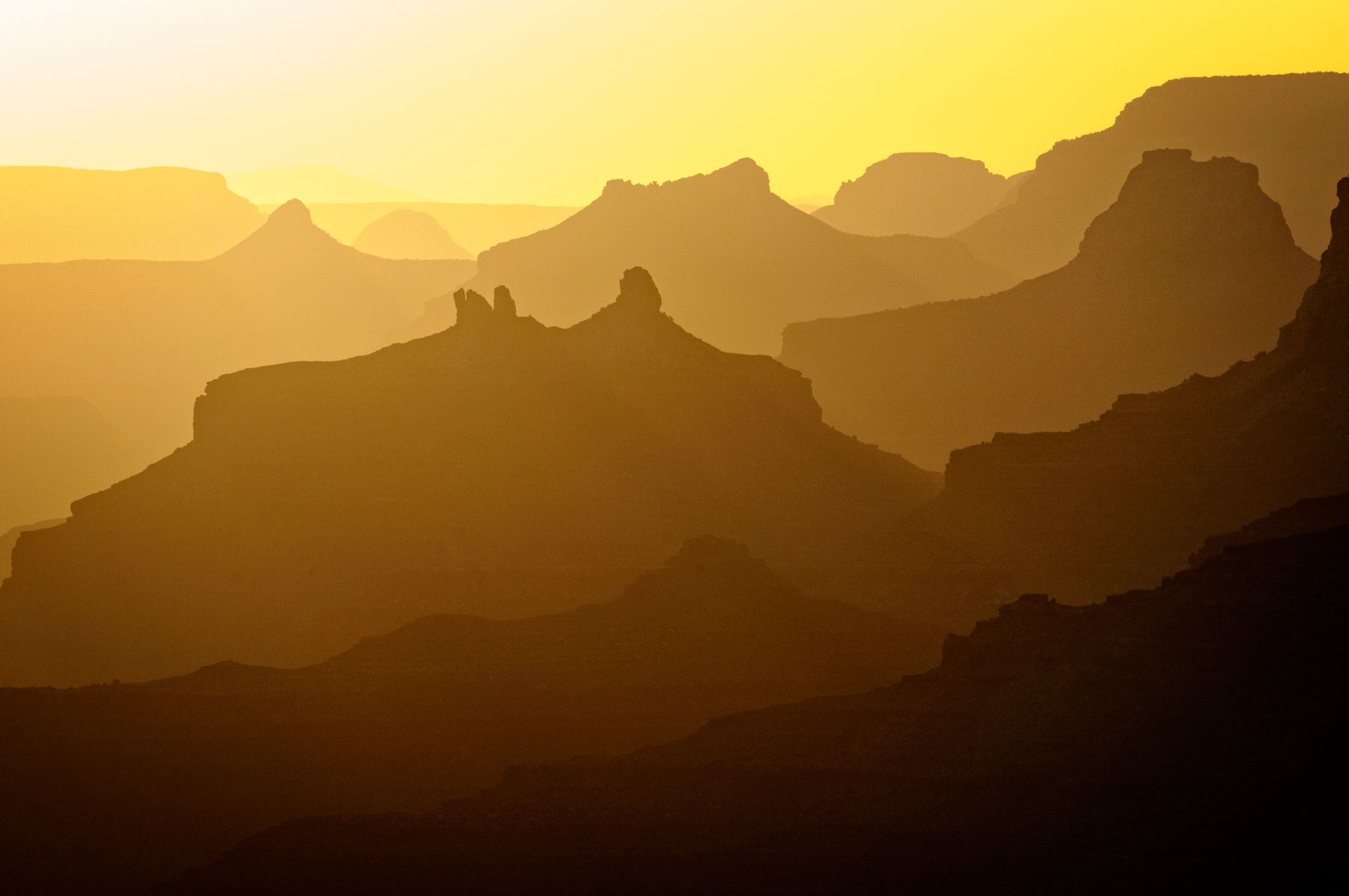
The western rim viewpoints are a lovely choice for a slower afternoon. Hopi Point is well known, but the best evening stop for your group may be one that fits the operating transport and leaves everyone comfortable getting back.
| Detail | Planning information |
|---|---|
| Best for | Canyon views, sunset light, and a relaxed afternoon |
| Location | Hopi Point map along Hermit Road |
| Time to allow | Around two to four hours with transport and selected stops |
| Cost and booking | Park admission applies; confirm current shuttle operation |
| Getting there | Private-vehicle restrictions are seasonal; use the required transport for your dates |
| Accessibility | Confirm the accessible shuttle and viewpoint arrangements in advance |
| Nearby | Other open Hermit Road overlooks |
The photograph illustrates South Rim evening light rather than promising an exact viewpoint position. Pack a warm layer and a headlamp, and check the final return service before waiting for sunset.
7. Consider a Short Below-Rim Hike Only if It Suits You
A walk below the rim brings a different perspective, but every easy-feeling step downhill must be climbed on the way back. Choose a route and turnaround that match the weather, your fitness, and the current trail status.
The South Kaibab route to Ooh Aah Point is one established option for prepared visitors. It is about 1.8 miles round trip with roughly 790 feet of elevation change. Its short distance does not remove the steepness, exposure, or heat risk.
| Detail | Planning information |
|---|---|
| Best for | Prepared walkers comfortable with a steep return climb |
| Location | South Kaibab Trailhead map |
| Time to allow | At least a generous morning block, including transport and rest stops |
| Cost and booking | Day-hike rules differ from overnight permits; confirm current requirements and access |
| Getting there | No public parking at the trailhead; use the park’s designated access arrangements |
| Accessibility | A steep, uneven canyon trail with exposure; unsuitable as a step-free outing |
| Nearby | Rim viewpoints for companions choosing a shorter day |
Carry all required water and do not depend on a trail water source. Ask a ranger for a suitable plan, set a turnaround time, and leave river-and-back or rim-to-rim ambitions for a separately prepared trip.
Best Time to Visit the Grand Canyon
| Season | Reasons to consider it | Main planning issue |
|---|---|---|
| Spring | Comfortable periods for rim walks and changing light | Wind, late snow, ice, and variable temperatures |
| Summer | Long days and broad visitor-service availability | Extreme heat below the rim, storms, crowds, and busy accommodation |
| Fall | Pleasant periods for walking and cooler evenings | Shorter daylight, changing services, and early winter weather |
| Winter | Snowy views and quieter periods | Icy paths, storms, reduced services, and cold after sunset |
The South Rim is open year-round in general, but individual roads, buildings, and trails can close. The North Rim follows a different seasonal pattern.
The cheapest workable dates depend on room availability and your route. Compare ordinary weekdays and shoulder-season periods, then make sure the weather and operating services still support the trip you want.
Where to Stay for a First Visit
| Base | Best for | What to consider |
|---|---|---|
| Grand Canyon Village | Easy access to the rim and some sunrise or sunset outings | Limited rooms; book early |
| Tusayan | A nearby base with accommodation and food choices | Allow time for park entry and driving |
| Williams | A town-based stay and possible railway-focused trip | Longer travel to the rim; confirm train and transfer details |
| Flagstaff | More town facilities and a wider northern Arizona trip | A substantial daily drive for canyon sightseeing |
| A reserved park campsite | Campers with suitable gear and a confirmed site | Seasonal weather, site rules, and facilities |
Check the actual location, parking, cancellation terms, heating or cooling, and meal options before booking. Ask how late check-in works if you will arrive after dark.
Mather Campground has no hookups. Trailer Village is a separate RV option, and it was listed as closed because of water-supply issues when checked for this guide. Check its current status before making an RV plan.
How to Get to the Grand Canyon
Phoenix, Las Vegas, and Flagstaff can each suit different trips. Compare the full route, flight arrival time, car hire, and any extra hotel night required. A low fare can lose its value if it creates a tiring overnight drive.
A rental car is useful for most independent visits. A guided coach trip or a carefully planned rail-and-transfer visit may work for travelers who prefer not to drive. Confirm the actual time at the rim, pickup point, luggage arrangements, and return journey.
Save a route from Flagstaff to Grand Canyon Village. Treat travel times as estimates and allow for fuel, food, weather, and park-entry queues.
The canyon separates the rims by far more road distance than a map’s straight line suggests. Check the whole route before adding a second rim or another major destination.
How to Get Around the South Rim
Use the current park shuttle map to choose which stops to walk and which to connect by bus. Routes and schedules change by season. Verify accessibility arrangements, operating hours, and the last return service.
Desert View Drive requires its own transport plan; do not assume every viewpoint has a shuttle. Walking between rim stops can be enjoyable, but distances accumulate.
Keep offline maps and a paper or saved copy of the day’s transport plan. Check local time for tours and departures, especially when combining Arizona with another state. For a late finish, agree on a meeting point and a safe return route in advance.
A Three-Day Grand Canyon Itinerary
This plan covers three travel days and two nights, with one full day between arrival and departure. For two complete sightseeing days, arrive earlier or add a night.
| Day | Suggested plan | Keep flexible |
|---|---|---|
| Day 1 | Arrive, check in, visit Mather Point, and enjoy a short rim walk | Sunset only if the journey leaves enough energy |
| Day 2 | Yavapai and Trail of Time, village time, then selected Hermit Road viewpoints | Adjust for museum hours and shuttle operation |
| Day 3 | Choose a manageable eastern-drive outing or a shorter rim stop before departure | Leave enough time for the onward journey |
A Weekend, Five Days, or a Week
For a weekend, focus on the main visitor-center area, village, and a few viewpoints. With five days, add a separate hiking day if prepared, a slower day, and more time in the surrounding region. A seven-day Arizona trip can include other destinations, but each deserves its own accommodation and driving plan.
A Slower-Paced or Bad-Weather Plan
Choose one accessible viewpoint area, a meal, and a suitable indoor stop when open. A weather warning or icy trail is a good reason to stay on a shorter route. Do not wait beside an exposed rim during a thunderstorm.
How Much Does a Grand Canyon Trip Cost?
A simple room-based visit for two might require roughly $300–$450 a day before flights, depending on dates. A more comfortable stay can be $450–$700 or more, especially with in-park lodging and paid activities. These are broad planning ranges rather than current room quotations.
Sample Budget for Two Adults
The example covers three travel days and two nights, one shared room and rental car, and ordinary U.S.-resident vehicle entry. Room and car allowances include estimated taxes and routine fees.
| Expense | Planning allowance |
|---|---|
| Accommodation: 2 nights × $210 | $420 |
| Food and groceries | $300 |
| Rental car: 3 days × $75 | $225 |
| Fuel | $100 |
| Standard park vehicle entrance | $35 |
| Optional activities | $90 |
| Incidentals | $30 |
| Subtotal | $1,200 |
| Contingency: 10% | $120 |
| Total for two adults | $1,320 |
Flights, helicopter trips, railway packages, major equipment, insurance, and extra nonresident charges are excluded. In 2026, Grand Canyon is among the parks charging an additional $100 to non-U.S. residents ages 16 and over unless covered by a qualifying pass. Check current coverage and proof requirements before comparing pass prices.
An entrance pass does not pay for a campsite, hotel, guided activity, or separate Tribal attraction. Include dining tips, extra vehicle fees, and any cancellation restrictions in your own comparison.
What and Where to Eat
Carry breakfast supplies, snacks, and a picnic lunch so you can keep a good walking rhythm. Food outlets in the village and Tusayan can be useful, but hours and queues vary.
Reserve a special meal where bookings are available. Ask about vegetarian, vegan, halal, allergy-safe, or other dietary needs directly; a remote location may have fewer suitable choices than a city restaurant.
Pack enough drinking water for the whole planned outing and check refill-point availability. Use designated picnic areas and keep food away from wildlife.
Free Activities and Ways to Save Money
Once park admission is covered, rim viewpoints, many walks, and available visitor exhibits can provide a full sightseeing day without additional attraction tickets. Ask about the current ranger-program schedule.
Save by staying two nights in one base, taking a picnic, and choosing the paid experience you care about most. Compare a park pass against your actual itinerary. Avoid buying a bundle simply because it contains more activities than you have time to use.
Family, Solo, Couple, and Accessible Travel
Families often enjoy a day with a short walk, a picnic, and time to look through binoculars. Give children close supervision near edges and in busy parking areas.
Couples can make room for a quiet viewpoint and a meal rather than chasing every sunrise and sunset. Solo visitors should leave their walking plan with someone they trust. Groups should agree on meeting points where reception is unreliable.
For an accessible visit, confirm the specific paved route, slope, restroom, shuttle, and accommodation features you need. Access varies between viewpoints and historic buildings. Snow or ice can change a normally suitable route.
Photography, Packing, and Everyday Essentials
Choose a viewpoint with a safe place to stand before arranging the photo. Keep behind barriers, avoid backing toward an edge, and let others pass. A zoom lens or binoculars can reveal distant features without leaving the viewing area.
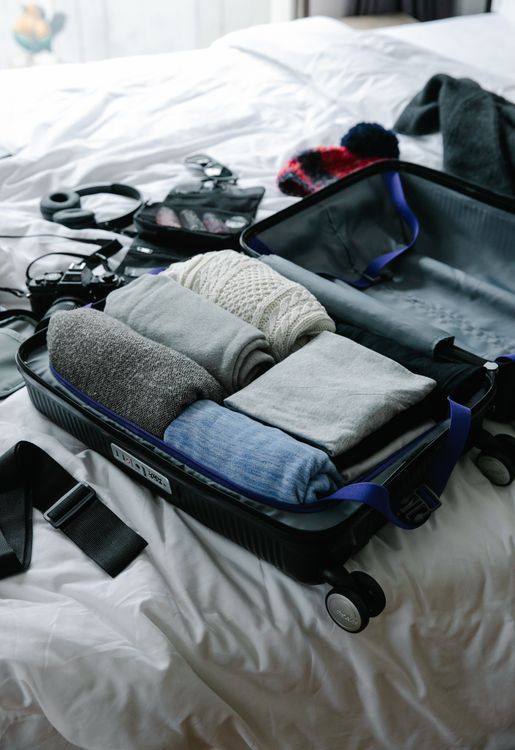
Bring comfortable shoes, a warm layer, sun protection, a rain shell, water, snacks, a headlamp, offline maps, a charger, and personal medication. Below-rim hikers need a route-specific equipment and water plan.
Use designated restrooms and keep rubbish secure. Follow local fire, drone, wildlife, and cultural-resource rules. Leave rocks and artifacts in place.
Important Contacts and Official Planning Resources
| Need | Contact or information to save |
|---|---|
| Immediate emergency | 911; mobile reception is not reliable everywhere |
| Grand Canyon general park information | 928-638-7888 |
| Trail and road updates | The park’s current alerts and the NPS app |
| Backcountry planning | Grand Canyon Backcountry Information Center |
| Late arrival | Your accommodation’s direct contact and confirmation details |
| Tour or transport problem | The operating provider’s number printed on your booking |
If anyone has a health condition affected by heat, elevation, or exertion, plan the activity around their needs and seek individual medical advice when appropriate. Tell park staff where you are going before relying on a remote service.
Common Mistakes First-Time Visitors Make
- Booking the wrong rim or confusing the national park with Grand Canyon West.
- Filling an arrival day with a long hike after a tiring journey.
- Underestimating the uphill return from below the rim.
- Assuming drinking water is available along every trail.
- Arriving for sunset without checking return transport.
- Treating a reopened trail section as proof the entire route is open.
- Choosing accommodation by price before checking the daily drive.
- Forgetting taxes, tips, separate activity fees, or nonresident charges.
Frequently Asked Questions About Visiting the Grand Canyon
Which Rim Is Best for a First Visit?
The South Rim is a practical starting point for most visitors because of its range of viewpoints, services, accommodation, and walks. Choose the North Rim only with a separate seasonal and driving plan.
Is One Day Enough?
One day can provide several memorable views. Two nights make the visit more relaxed and provide more flexibility for light, weather, and walking.
Do I Need to Hike Below the Rim?
No. Viewpoints, the village, and selected rim walks can make a complete first visit. Choose a below-rim hike only when it suits your group’s preparation and the conditions.
Can I Hike to the River and Back in a Day?
That is a serious undertaking with heat, distance, elevation, water, and access considerations. It should not be a casual first-visit plan. Ask a ranger for an outing appropriate to your experience and current conditions.
Is the Skywalk Included in National Park Admission?
No. The Skywalk is at Grand Canyon West on Hualapai Tribal land, with separate access and charges. Check its location before buying tickets.
What Should I Do if the Weather Is Bad?
Check alerts, shorten your plan, and use appropriate indoor facilities when open. Ice, lightning, extreme heat, or a closure can justify changing the day completely.
Your Final Grand Canyon Planning Checklist
- Confirm the correct rim and accommodation location.
- Reserve rooms, campsites, and any special activity.
- Check current water, road, trail, and shuttle notices.
- Choose manageable walks and a clear turnaround.
- Save maps, confirmations, and operating-provider contacts offline.
- Pack water, food, sun protection, layers, and a headlamp.
- Allow extra travel time and a flexible weather option.
- Compare entry and pass costs for your whole group.
Reader Questions and Travel Experiences
Would you spend your first visit on rim walks, scenic drives, or a carefully planned hike? Share your travel season and a helpful detail from your own visit in the comments.
Explore More Travel Guides
Keep planning with Top 20 National Parks to Visit in the United States, Utah’s Mighty Five National Parks Road Trip, and our Complete Travel Guide to Las Vegas.
For more outdoor ideas, read Best Hiking Trails in the United States and Top Camping Destinations in the United States.
Leave a Reply
What would you like to know before you go?
Send us your question, feedback, or a place you would like to see covered.
Ask a travel question
Leave a Reply