Written by Ari Mayzick · Go Travel Box
Published November 10, 2026 · Updated November 10, 2026
Seattle is at its best when you leave room for the view. One day that might mean a ferry crossing with the skyline behind you; another, a warm café after a wet morning at Pike Place Market. The city combines water, hills, museums, neighborhood food, and easy-to-recognize landmarks, but it is more enjoyable when you give each area time.
This guide to the best tourist attractions in Seattle is for first-time visitors who want a practical, interesting plan. It covers the Space Needle, markets, waterfront, ferries, hotel areas, costs, airport transport, and itineraries from a weekend to a week, with real photos and useful map links.
First Trip to Seattle? Start Here
Allow three full days, stay near a useful light rail station or your main sightseeing area, and group your visits into Downtown, Seattle Center, and a neighborhood or ferry day. Keep the best clear-weather slot flexible for a viewpoint or crossing.
Start with Pike Place Market and the waterfront, give Seattle Center its own block of time, and choose a third-day outing such as Bainbridge Island or Ballard. You do not need every paid attraction to have a satisfying first visit. A few well-chosen tickets, a ferry ride, a neighborhood meal, and time beside the water make a strong introduction.
Seattle’s hills matter. A short line on a map can involve a steep climb, and wet weather makes a long outdoor itinerary less comfortable. Plan your return journey as carefully as the outward one, especially after dinner or a full museum day.
Seattle at a Glance
| Planning question | Quick answer |
|---|---|
| Location | Western Washington, between Puget Sound and Lake Washington |
| Suggested first visit | 3–4 full days; 5–7 with more neighborhoods or a regional outing |
| Best general season | Summer for longer, often drier days; shoulder periods for flexibility and possible value |
| Daily planning allowance | About $140–200 budget, $220–350 midrange, or $430+ higher-end per adult sharing a room; flights excluded |
| Convenient hotel areas | Downtown near a suitable station, Belltown, Lower Queen Anne, or a well-connected neighborhood base |
| Main transport | Link light rail, buses, walking, selected ferries, and occasional road transfers |
| Rental car | Usually unnecessary for central sightseeing; useful only for some regional plans |
| Booking priorities | Accommodation, Space Needle, selected museums, popular dining, and any guided regional outing |
| Main airport | Seattle-Tacoma International Airport, SEA |
| Time and money | Pacific Time; U.S. dollars |
Budget ranges are editorial allowances, not live offers. Important fare and access details were checked November 10, 2026; confirm current service and date-specific tickets before traveling.
Table of Contents
- First Trip to Seattle? Start Here
- Seattle at a Glance
- How to Plan Your First Trip to Seattle
- Best Time to Visit Seattle
- How Much Does a Trip to Seattle Cost?
- Where to Stay in Seattle
- How to Get to Seattle
- How to Get Around Seattle
- Best Tourist Attractions in Seattle
- Best Things to Do in Seattle Beyond the Main Sights
- Seattle Itinerary Ideas: Weekend, 3 Days, 5 Days, or 7 Days
- What and Where to Eat in Seattle
- Free and Budget-Friendly Things to Do in Seattle
- Seattle Experiences for Different Travelers
- Best Photography Spots in Seattle
- Day Trips and Road Trips From Seattle
- Essential Things to Know Before Visiting Seattle
- What to Pack for Seattle
- Important Contacts and Official Resources
- Common Mistakes First-Time Seattle Visitors Make
- Frequently Asked Questions About Visiting Seattle
- Your Final Seattle Trip Planning Checklist
- Reader Questions and Travel Experiences
- Explore More USA Travel Guides
How to Plan Your First Trip to Seattle
How Many Days Do You Need?
A weekend can cover Pike Place, the waterfront, and Seattle Center. Three days allow a ferry or neighborhood outing. Five days make room for Ballard, another museum, and a slower pace. A week can include a carefully selected regional day trip without sacrificing all your time in the city.
Count full sightseeing days separately from flight days. If you arrive late, choose a simple meal near your hotel and save the expensive timed visit for a day when you can enjoy it without worrying about a delay.
A Step-by-Step Booking Checklist
- Choose your priorities: views, food, museums, ferries, neighborhoods, or nature.
- Compare hotel locations with the actual station and street walk.
- Book flights and accommodation with suitable cancellation terms.
- Reserve the paid attractions and meals you most want.
- Save the airport route and a late-arrival backup.
- Group days by area and keep a weather alternative available.
What to Book in Advance
Book sought-after hotels, timed viewpoints, popular museums, special events, and important dinners. For a guided day trip, check pickup location, actual destination, included admission, walking demands, and cancellation terms. Mountain tours are weather- and season-dependent.
What Can You Decide After Arriving?
Leave general neighborhood walks, free parks, casual cafés, and some waterfront time flexible. For Bainbridge, check the Washington State Ferries timetable and current service before you go. A walk-on ferry outing and a vehicle journey have different fares, queues, and planning needs.
Choosing Your Travel Priorities
Pick two or three things you would be disappointed to miss, then treat the rest as options. Music and film fans may give MoPOP several hours. Art lovers may choose Chihuly. Families might favor the aquarium and a shorter waterfront day. A quieter traveler may enjoy a ferry crossing more than a second observation attraction.
Best Time to Visit Seattle
Weather and Seasons
Summer usually offers longer daylight and more opportunities for outdoor plans, although clear mountain views are never guaranteed. Spring and fall can bring a useful balance of city sightseeing, lower demand on some dates, and changeable weather. Winter suits museums, food, and shorter outdoor routes, with rain, cool conditions, and early darkness to consider.
| Season | Main appeal | Main tradeoff |
|---|---|---|
| Spring | Gardens, improving daylight, and city exploring | Rain and variable temperatures |
| Summer | Long days, outdoor dining, and more seasonal options | Busy attractions, higher hotel demand, and occasional heat or smoke disruption |
| Fall | Neighborhood time and possible hotel value | Increasing rain and shorter days |
| Winter | Museums, cafés, and some quieter periods | Limited daylight and weather-sensitive outdoor plans |
Peak, Shoulder, and Low Season
If viewpoints and a regional nature day are the main reason for traveling, choose dates that suit those activities and keep a backup. For a food-and-museum break, quieter periods can work well. A cheaper hotel is less useful if the seasonal service you need is not operating.
Festivals, Holidays, and Cheapest Dates
Compare ordinary weekdays with weekends and check Visit Seattle’s current event calendar. Large concerts, sports, conventions, holidays, and cruise-related demand can change room prices. Do not assume a whole month is inexpensive.
Before a mountain outing, review National Park Service or relevant land-manager updates. Seattle street weather does not tell you the conditions at a much higher elevation. In summer, check smoke and heat conditions as well as rain.
How Much Does a Trip to Seattle Cost?
Budget, Midrange, and Higher-End Travel
Accommodation and paid attractions can take the largest share. The Space Needle, Chihuly, MoPOP, and the aquarium are separate purchases unless you choose a valid combined product. You can balance them with public markets, parks, waterfront walks, and a self-planned neighborhood day.
Food costs depend on how often you choose full-service meals, seafood, drinks, or a simple counter lunch. Transit can reduce costs compared with a car that needs daily parking. Check hotel totals, restaurant charges, and ticket inclusions before deciding something is a bargain.
Sample Budget for Two Adults
This example covers a shared room for three nights and three sightseeing days. The hotel figure includes an assumed allowance for taxes and mandatory fees. All figures are planning assumptions.
| Item | Assumption | Total |
|---|---|---|
| Hotel | 3 nights × $220 | $660 |
| Food | 2 adults × 3 days × $55 | $330 |
| Local transport | Combined allowance | $60 |
| Airport transfers | Combined allowance using economical connections | $30 |
| Selected paid attractions | Combined allowance, not every attraction in this guide | $280 |
| Bainbridge ferry outing | Combined walk-on allowance | $30 |
| Subtotal | Before contingency | $1,390 |
| Contingency | 10% of subtotal | $139 |
| Total for two | Three nights and three sightseeing days | $1,529 |
Flights, shopping, a rental car, mountain tours, premium events, and extra nights are excluded. The airport allowance is designed around economical transport, not two private transfers.
Taxes, Tips, and Practical Savings
Compare a pass with the current individual prices of attractions you actually want, including booking restrictions and time needed. Free parks and a market day can be just as memorable as another paid stop. Mix casual meals with special dinners, and check whether a restaurant’s service charge or gratuity is already included before deciding on an additional tip.
Where to Stay in Seattle
Neighborhood Comparison Table
| Area | Best fit | Main consideration |
|---|---|---|
| Downtown near Westlake or another suitable station | First visits, light rail, market access, and shopping | Check the exact block, hills, noise, and station walk |
| Belltown | Dining and access between Downtown and Seattle Center | Evening noise and the actual route to your hotel |
| Lower Queen Anne or Uptown | Seattle Center, families, and museum-focused stays | A separate connection to some Downtown and rail routes |
| Capitol Hill | Food, nightlife, and a neighborhood atmosphere | Choose a room carefully if you want quiet |
| South Lake Union | Modern hotels, business stays, and a calmer base in some blocks | Some visitor sights require an extra walk or connection |
| University District near light rail | University visits and some budget options | Longer journeys to waterfront and Seattle Center sights |
| Airport area | A very early flight or late first night | Less convenient for a full city sightseeing stay |
Families should prioritize space, an easy entrance, breakfast choices, and simple transport. Couples may enjoy a central hotel near restaurants or a quieter neighborhood property. Budget travelers should compare room savings against daily journey time. For nightlife, choose the area you actually plan to use rather than relying on a broad neighborhood reputation.
Hotels, Vacation Rentals, and Booking Checks
Check total taxes and fees, deposits, parking, cancellation terms, luggage storage, and the minimum check-in age. For a rental, confirm legal operation, the real address, and entry instructions. A listing’s city label may cover a large area.
Ask about the actual accessible room, bathroom, lift, and entrance. Seattle’s slopes can affect the route between the hotel and station even when both buildings are accessible. For a quiet stay, check recent reports of noise, construction, and room position.
How to Get to Seattle
Arriving by Air, Train, Bus, or Car
SEA is the main airport for a first Seattle trip. Link light rail connects SeaTac/Airport station with Downtown; the station approach takes additional walking time beyond baggage claim. Intercity trains use King Street Station, while bus operators have their own designated stops. Check the actual arrival address on your ticket.
Driving works for a wider Pacific Northwest trip, but a car is usually unnecessary during central sightseeing. Compare hotel parking and traffic with using transit, then collecting a vehicle only for the regional part of your journey.
Airport Transfer Comparison
| Option from SEA | Cost approach | Time and convenience |
|---|---|---|
| Link 1 Line | Current standard adult fare is $3 for ages 19–64 | Around 38 minutes between the airport station and central Downtown, plus terminal walking, waiting, and hotel access |
| Taxi or rideshare | Current quote or official fare terms | Convenient with luggage; traffic affects the trip |
| Shared or private transfer | Obtain a full quote and check the actual service | Useful for groups or specific arrival needs |
| Late-night connection | Check Sound Transit’s current night service or arrange a road transfer | Verify the actual schedule and pickup point rather than assuming trains run all night |
Save a SEA-to-Westlake route, then change the destination to your hotel. Follow airport signs for the station and use the current operator instructions.
For accessible travel, confirm the terminal-to-station route, lift status, or a suitable vehicle. Tell a private transfer operator what equipment and luggage space you need. Check the last useful connection for a late arrival and save a backup.
How to Get Around Seattle
Public Transportation, Walking, and Cycling
Link light rail is useful for the airport and several city areas. King County Metro buses reach many places beyond the rail network. Use ORCA or the appropriate official ticket or payment method, checking current rules and transfer coverage before boarding. Link’s standard adult fare is currently $3; reduced and youth arrangements have their own eligibility rules.
Walking works within neighborhoods, but plan for hills. A Downtown-to-waterfront journey may be easy downhill and feel very different on the return. Use a manageable public route and an elevator where available rather than assuming the shortest map line is the easiest.
Cycling can suit selected paths and confident riders. Check traffic conditions, helmet arrangements, permitted routes, and legal parking for a shared bike or scooter. Keep walkways and access ramps clear.
Ferries, Monorail, Taxis, and Cars
The Seattle Center Monorail is a separate operator and a useful connection for some Downtown-to-Center trips. Washington State Ferries have their own routes and fares. Do not assume a general transit pass includes every ferry, sightseeing boat, or special service.
Taxis and rideshares help with awkward connections or a tired final leg. At busy attractions, use the correct pickup area. A rental car can be useful for some regional outings, but parking and traffic make it less appealing for a day around the market and museums.
Accessible Transport and Useful Apps
Use Sound Transit, King County Metro, Washington State Ferries, and live maps for current service. Check station lift status, bus access, ferry boarding arrangements, and the slope at your destination. Confirm assistance directly when your journey depends on a specific arrangement.
Allow extra time for transfers, waiting, and the final uphill walk. A 15-minute ride does not mean a 15-minute door-to-door journey. Keep a phone charger and a saved route available.
Best Tourist Attractions in Seattle
1. Pike Place Market
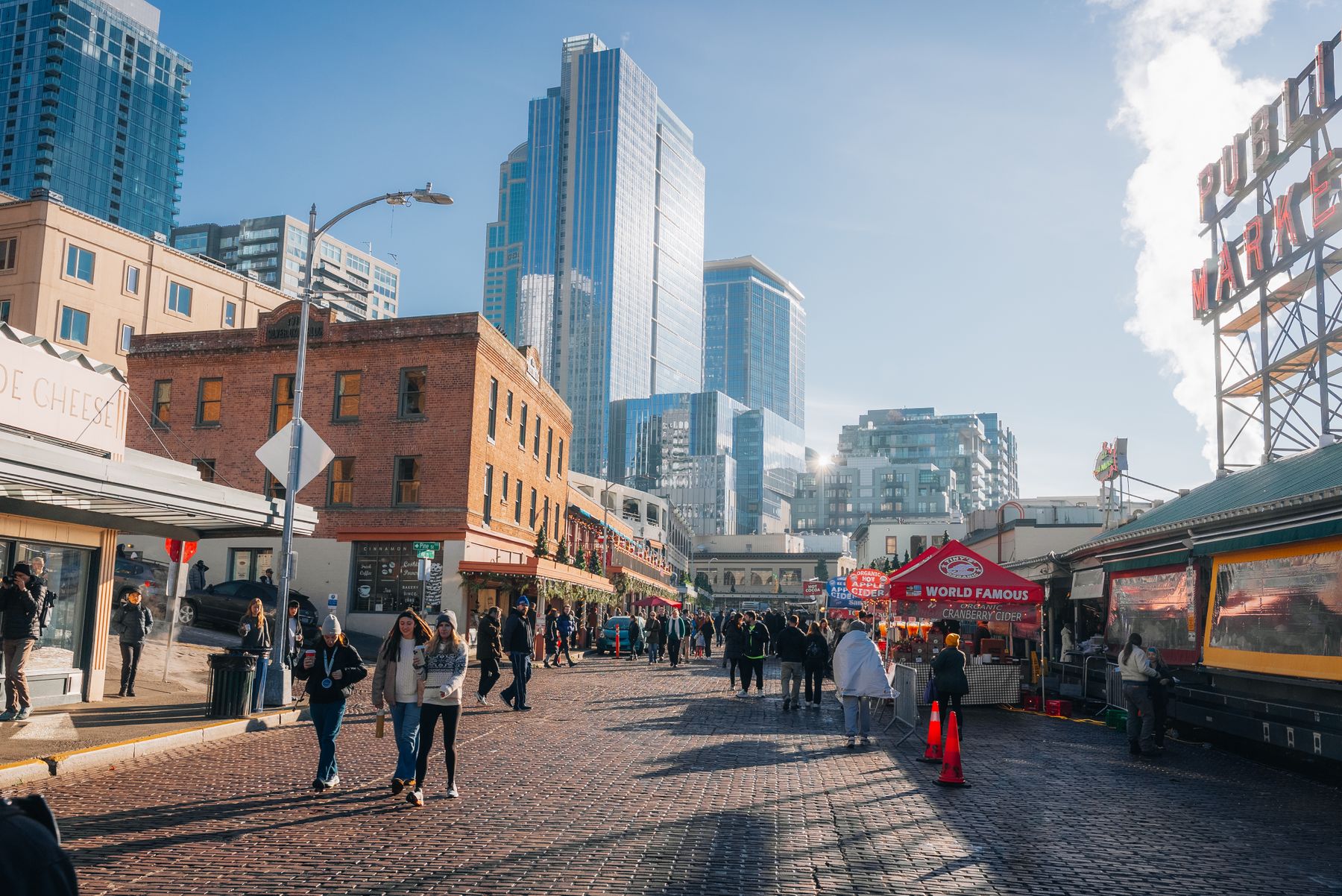
Pike Place is a working market, a food stop, and a place to wander. Look beyond the famous sign: there are produce stalls, flowers, seafood, crafts, and smaller businesses on different levels. Give yourself time to browse and eat rather than arriving only for a quick photograph.
| Detail | Planning notes |
|---|---|
| Best for | Food, market atmosphere, independent browsing, and a first Seattle morning |
| Location and map | Pike Place Market |
| Time needed | 2–3 hours including food; longer if you enjoy browsing |
| Cost and booking | Public market entry is free; meals, purchases, and guided tours cost extra |
| Getting there | Walk from a suitable Downtown base or use transit and a short approach |
| Accessibility | Multiple levels, slopes, crowds, and lift routes need planning; check current market access information |
| Nearby stops | Post Alley, the waterfront, and Downtown cafés |
Practical tip: Individual merchants keep different hours. Aim for active trading time, avoid blocking stalls for photos, and check restaurant opening and queue arrangements before everyone gets hungry.
2. Space Needle and Seattle Center
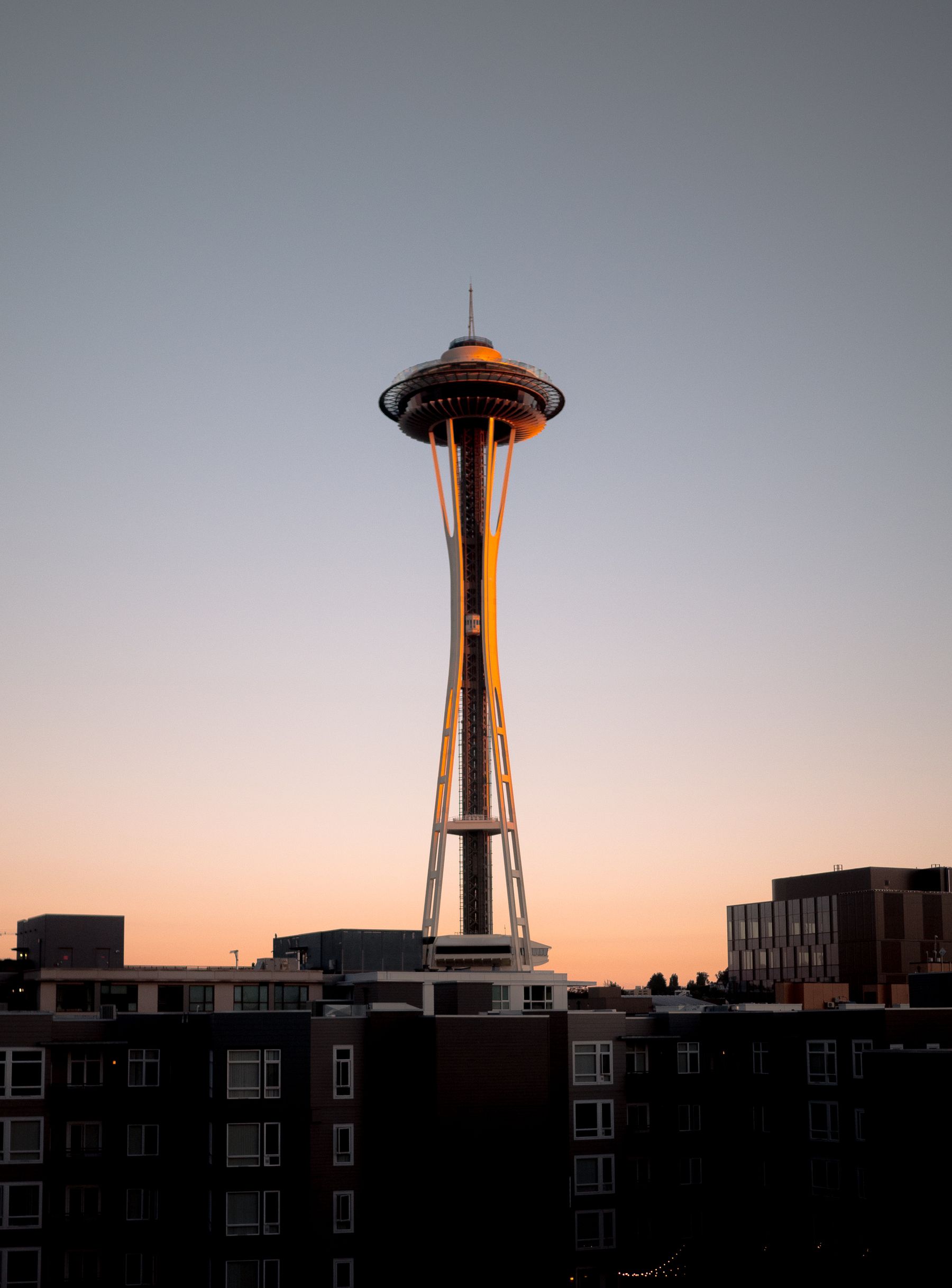
The Space Needle gives you a high view of the city and a recognizable Seattle experience. The surroundings at Seattle Center are worth time too, with museums and public space close together. Choose your ticket around the weather when flexibility and availability allow.
| Detail | Planning notes |
|---|---|
| Best for | City views, a first visit, and a major landmark |
| Location and map | Space Needle |
| Time needed | Around 1–2 hours including arrival and queues |
| Cost and booking | Current standard adult tickets range roughly $35–55 by date and time; reserve the appropriate slot |
| Getting there | Monorail, bus, walking from nearby areas, or a road transfer |
| Accessibility | Confirm lift access, viewing arrangements, and any assistance needs |
| Nearby stops | Chihuly Garden and Glass, MoPOP, and Seattle Center |
Practical tip: A clear skyline photograph does not guarantee mountain visibility on your visit. Read ticket change rules before buying a weather-sensitive time slot.
3. Chihuly Garden and Glass
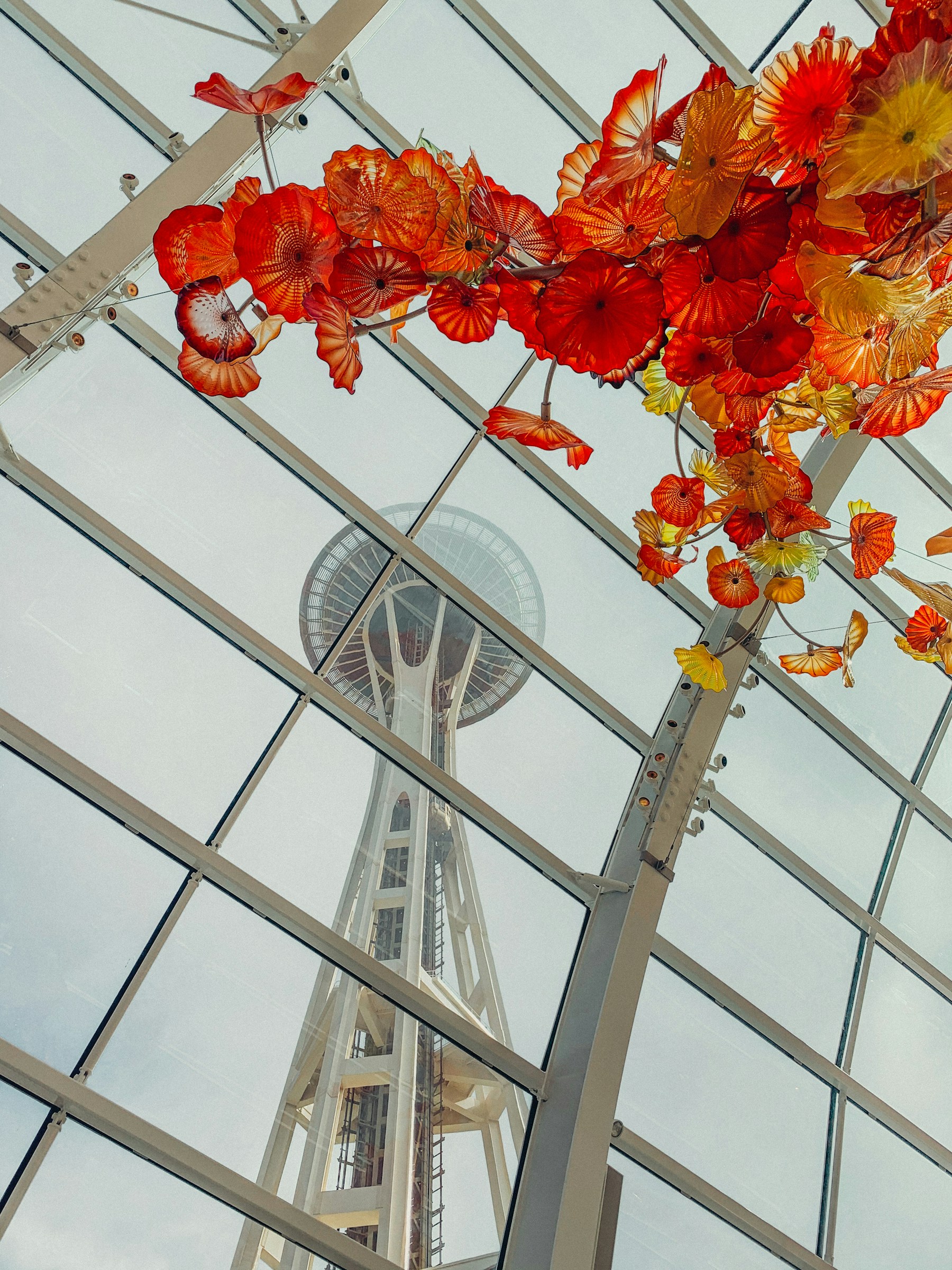
Chihuly combines glass art with carefully designed spaces and a memorable Glasshouse. It sits beside the Space Needle, making a paired visit practical if both interest you. Slow down enough to notice color, reflections, and how the work changes with light.
| Detail | Planning notes |
|---|---|
| Best for | Art, color, photography where permitted, and couples |
| Location and map | Chihuly Garden and Glass |
| Time needed | 1–2 hours |
| Cost and booking | Current adult tickets are roughly $40–45; compare a valid combination ticket if also visiting the Needle |
| Getting there | Use the same Seattle Center connection as the Space Needle |
| Accessibility | Check step-free routes, seating, and any sensory requirements with the attraction |
| Nearby stops | Space Needle and Seattle Center public areas |
Practical tip: Check adjusted hours and private-event notices; access to the Glasshouse can differ from the general opening schedule.
4. Museum of Pop Culture
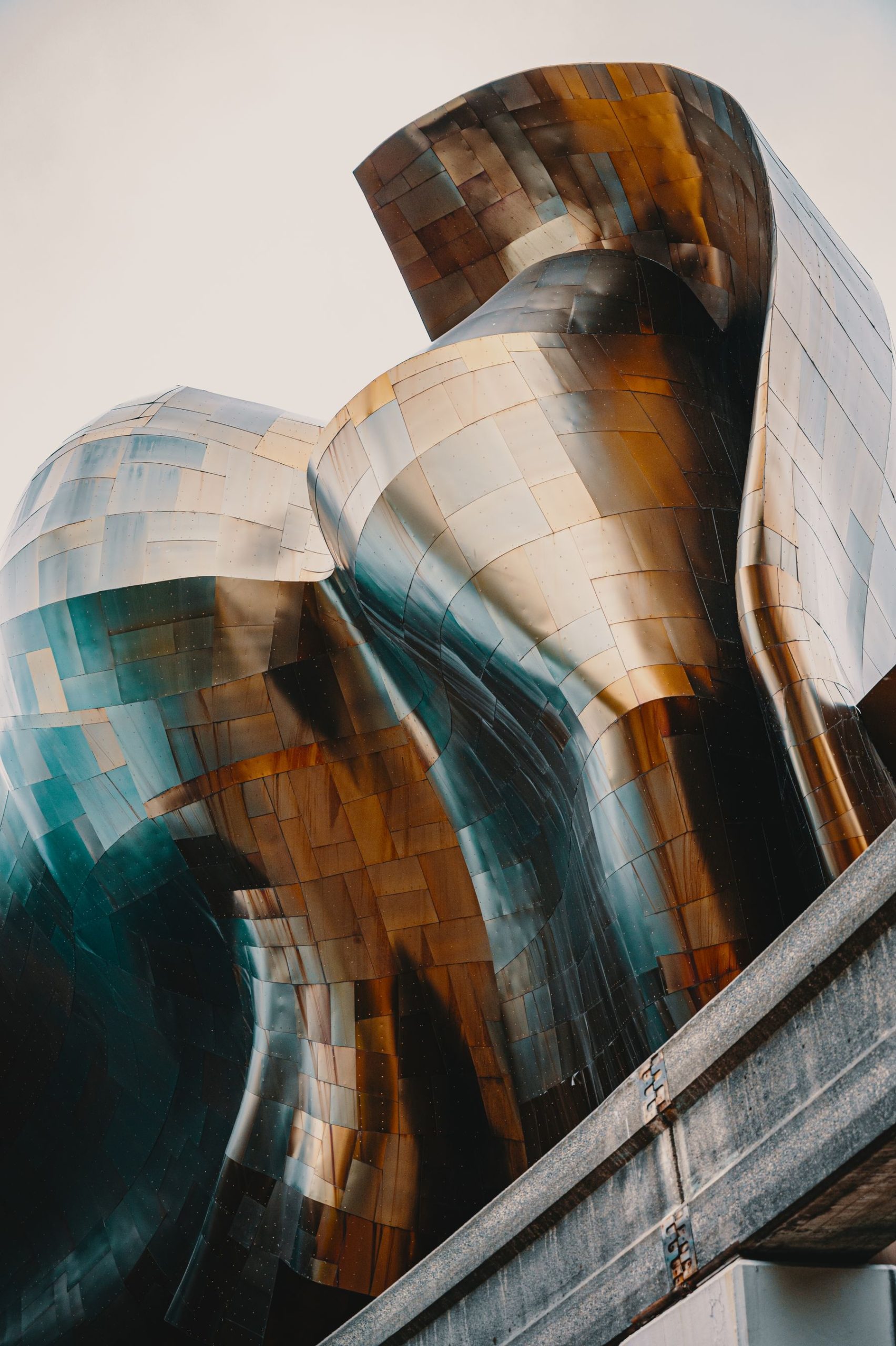
MoPOP is a good choice if music, film, games, or popular culture are part of why you travel. Exhibitions change, so look at the current program rather than assuming an older photograph shows what will be on display. The building’s distinctive exterior also adds interest to a Seattle Center walk.
| Detail | Planning notes |
|---|---|
| Best for | Music, film, games, and popular-culture fans |
| Location and map | Museum of Pop Culture |
| Time needed | 2–3 hours, longer for enthusiasts |
| Cost and booking | Paid admission; check your date, exhibition inclusions, and ticket terms |
| Getting there | Monorail, bus, or a nearby walk at Seattle Center |
| Accessibility | Review current access and sensory resources and request any needed assistance |
| Nearby stops | Space Needle, Chihuly, and Seattle Center |
Practical tip: Three paid Seattle Center attractions can fill most of a day. Choose according to your interests rather than buying all of them automatically.
5. Seattle Waterfront and Seattle Aquarium
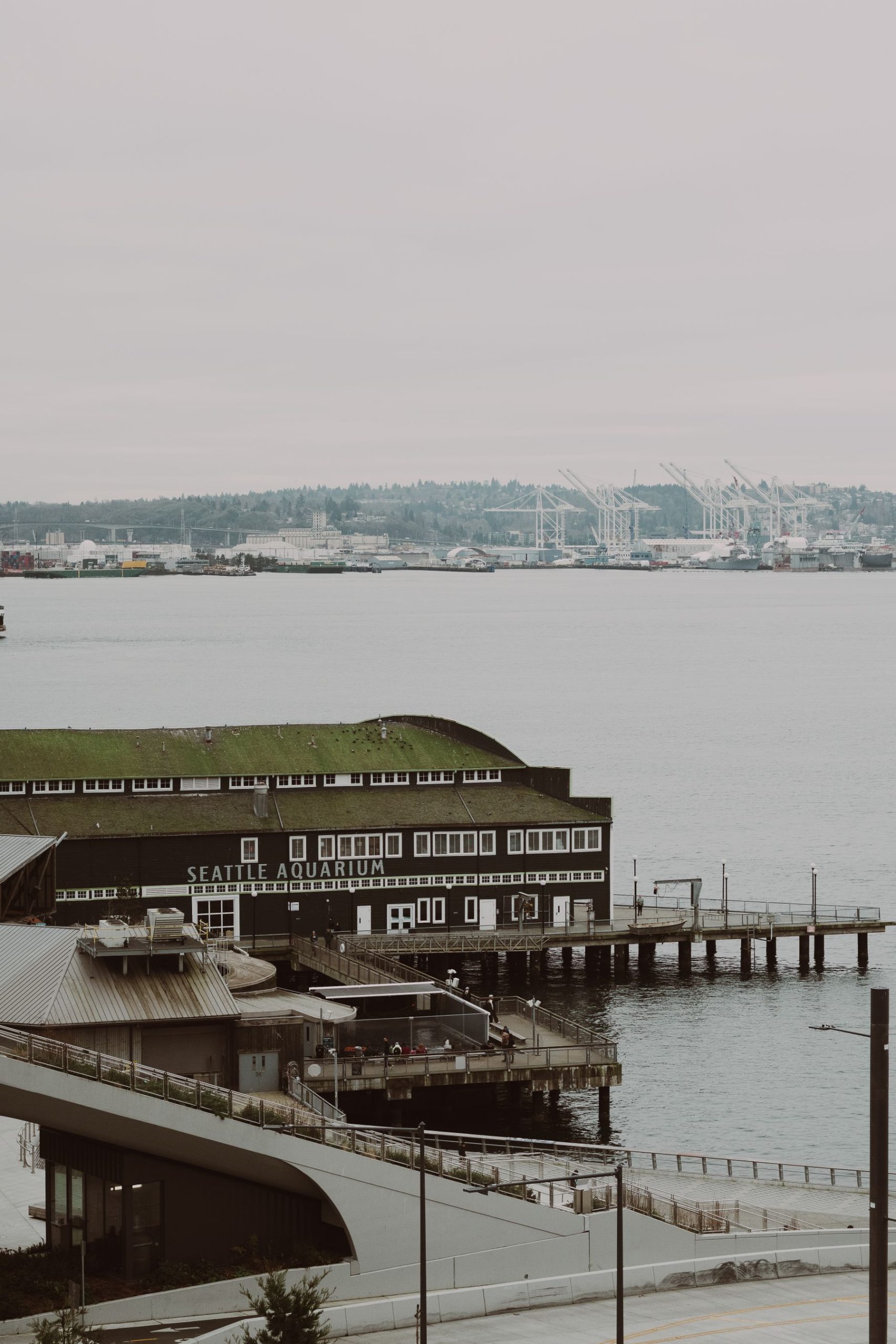
The waterfront offers a change of pace after Downtown streets. Walk a manageable stretch, watch the water, and decide whether to add the aquarium. Aquarium admission covers a structured indoor attraction, while a public waterfront walk is a separate, lower-cost experience.
| Detail | Planning notes |
|---|---|
| Best for | Families, marine life, water views, and a mixed indoor-outdoor day |
| Location and map | Seattle Aquarium |
| Time needed | 2–3 hours for the aquarium, plus any waterfront walk |
| Cost and booking | Public waterfront routes are free; aquarium admission is paid and date-specific |
| Getting there | Downtown transit connection followed by a walk using a suitable hillside route |
| Accessibility | Check current entrances, lifts, exhibit routes, and the approach from Downtown |
| Nearby stops | Pike Place Market, piers, and public waterfront spaces |
Practical tip: The aquarium’s Ocean Pavilion and other visitor areas have their own layout and entry arrangements. Read your current ticket instructions and allow time for all the parts you want to see.
6. Bainbridge Island by Ferry
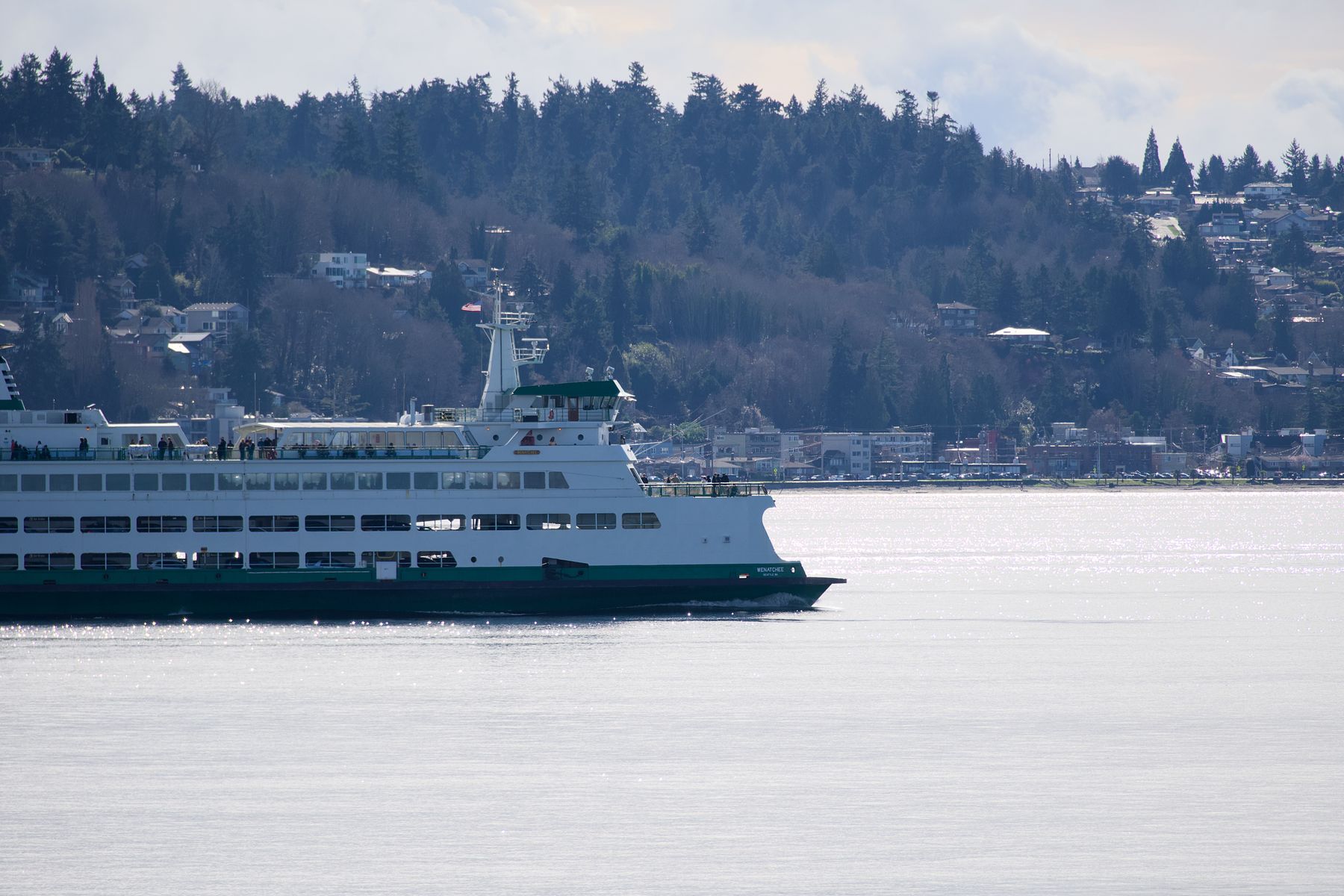
A walk-on ferry crossing offers water, skyline views, and a relaxed change of setting. On Bainbridge, you can keep the outing simple with Winslow, food, and a short walk. You do not need to rent a car just to make a first island visit worthwhile.
| Detail | Planning notes |
|---|---|
| Best for | A scenic crossing, couples, and a slower half-day |
| Location and map | Seattle ferry terminal at Colman Dock |
| Time needed | Half a day including waiting, crossings, and island time |
| Cost and booking | Buy the appropriate walk-on passenger fare; passenger fares are currently collected from Seattle, with no additional walk-on passenger fare on the return |
| Important distinction | Vehicle fares and queues differ; do not treat a passenger ticket as a vehicle reservation |
| Getting there | Walk or use transit to the correct terminal entrance |
| Accessibility | Confirm terminal access, boarding, onboard assistance, and your island route |
| Nearby stops | Winslow shops and cafés within a sensible walk of the Bainbridge terminal |
Practical tip: Check the return sailing and current service alerts before leaving the terminal. Stay clear of vehicle lanes and allow a buffer before the last useful sailing for your plans.
7. Kerry Park Viewpoint
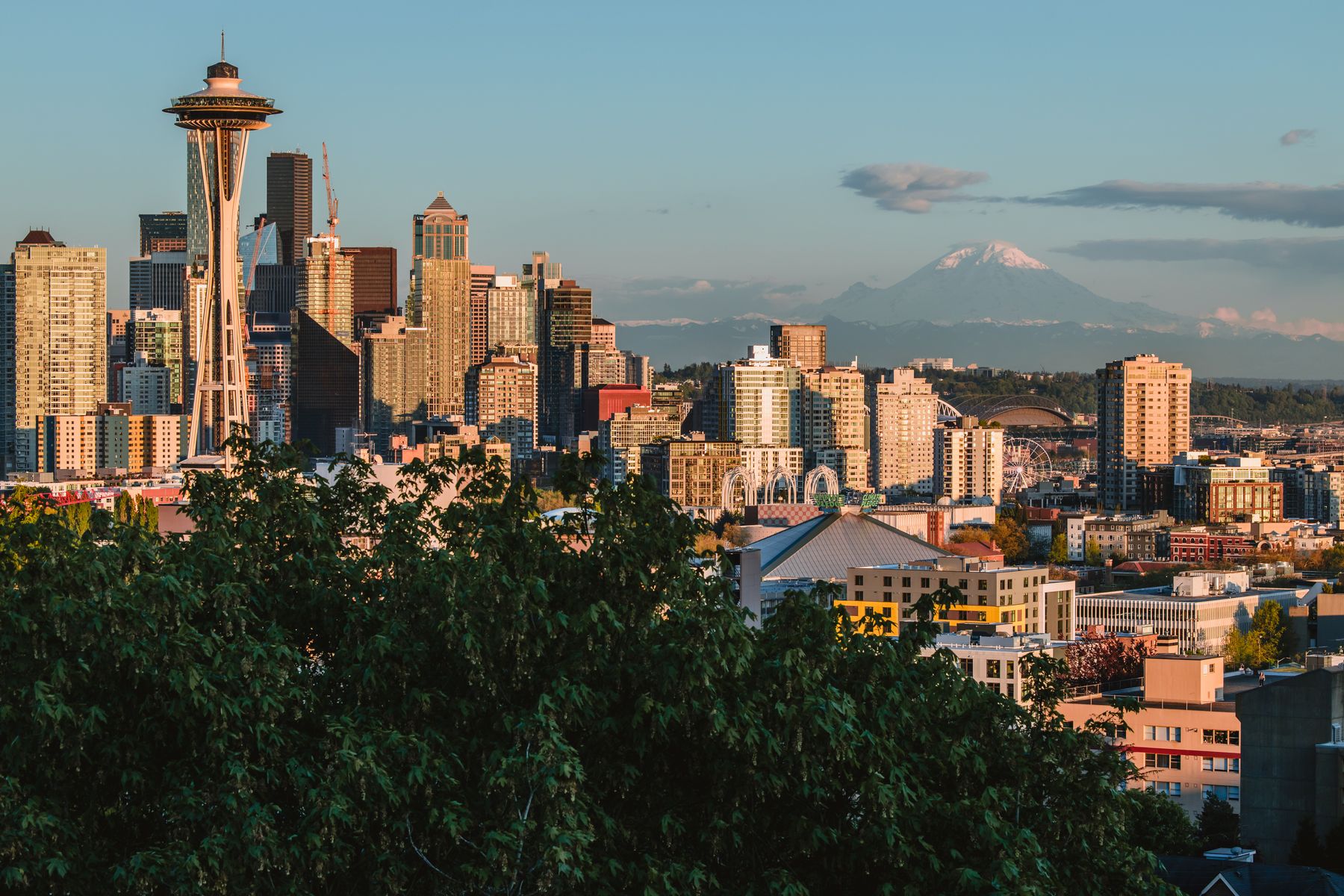
Kerry Park is a small viewpoint, not a full-day park outing. It is a natural choice for a classic Seattle skyline view when visibility cooperates. The hill approach and crowded popular times matter, so plan a suitable journey rather than assuming an easy walk from every hotel.
| Detail | Planning notes |
|---|---|
| Best for | Skyline photography and a short scenic stop |
| Location and map | Kerry Park |
| Time needed | 20–45 minutes, plus travel |
| Cost and booking | Public viewpoint access is free; check current park conditions |
| Getting there | Suitable bus connection, taxi, rideshare, or a hill walk if appropriate |
| Accessibility | Confirm the actual approach, curb access, and viewing route for your needs |
| Nearby stops | Queen Anne neighborhood dining, reached with the appropriate route |
Practical tip: The skyline photograph illustrates Seattle in clear conditions. Mount Rainier can disappear behind cloud; a visit may still offer city views without the mountain.
8. Olympic Sculpture Park
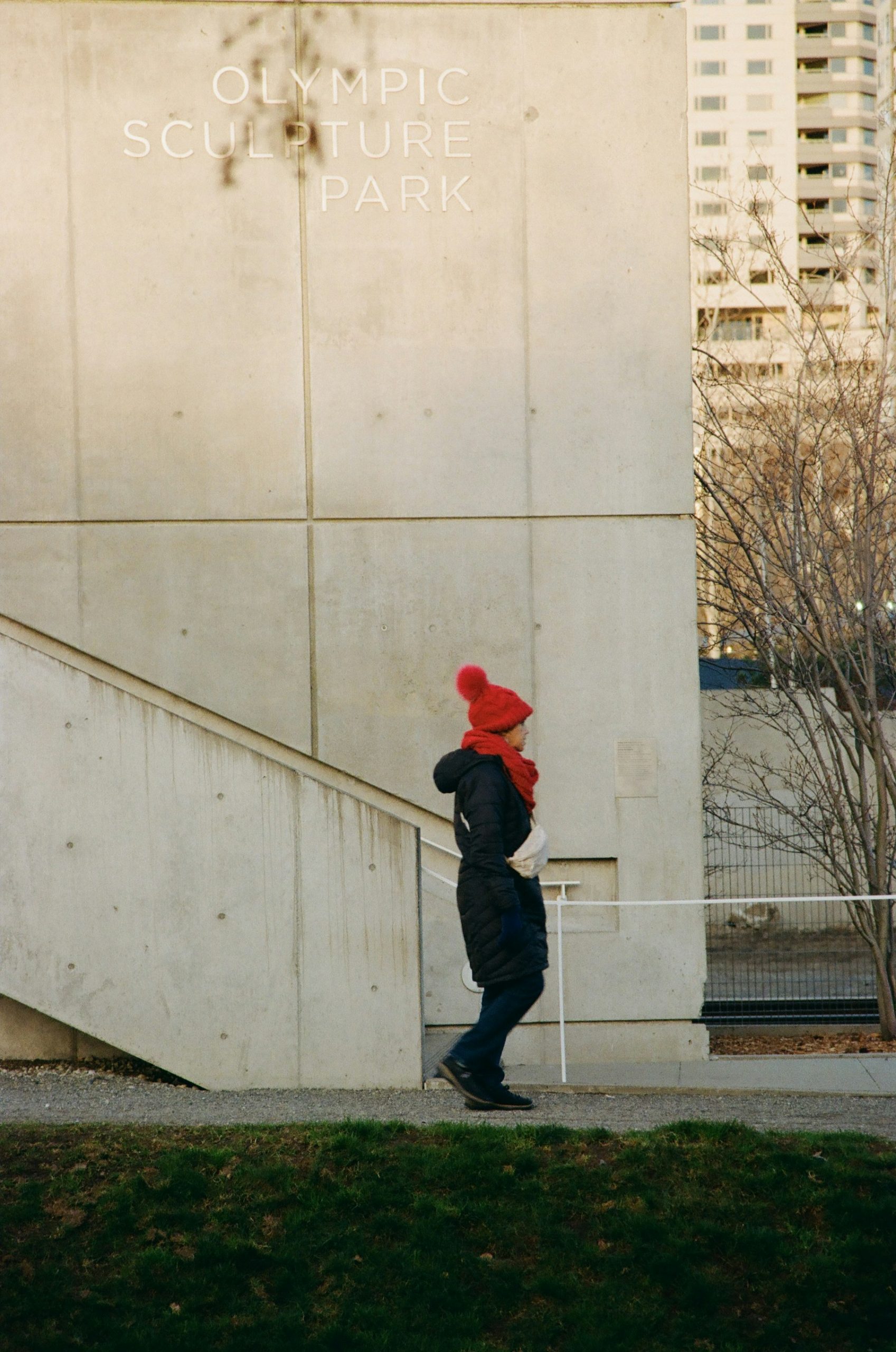
This outdoor Seattle Art Museum site brings art and waterfront scenery together. It is a welcome change from a sequence of indoor tickets. Choose a short path, look at the work, and leave time to enjoy the water and surroundings.
| Detail | Planning notes |
|---|---|
| Best for | Outdoor art, couples, and a lower-cost city walk |
| Location and map | Olympic Sculpture Park |
| Time needed | 45–90 minutes |
| Cost and booking | The outdoor park is free and open year-round; hours follow daylight rather than unrestricted overnight access |
| Getting there | Walk from a suitable nearby area, take a bus, or use a road connection |
| Accessibility | Review the accessible path layout and any current diversions |
| Nearby stops | Waterfront paths and Belltown |
Practical tip: The outdoor park and the pavilion have different hours. Check sunset and the current schedule before planning a late visit.
9. Pioneer Square
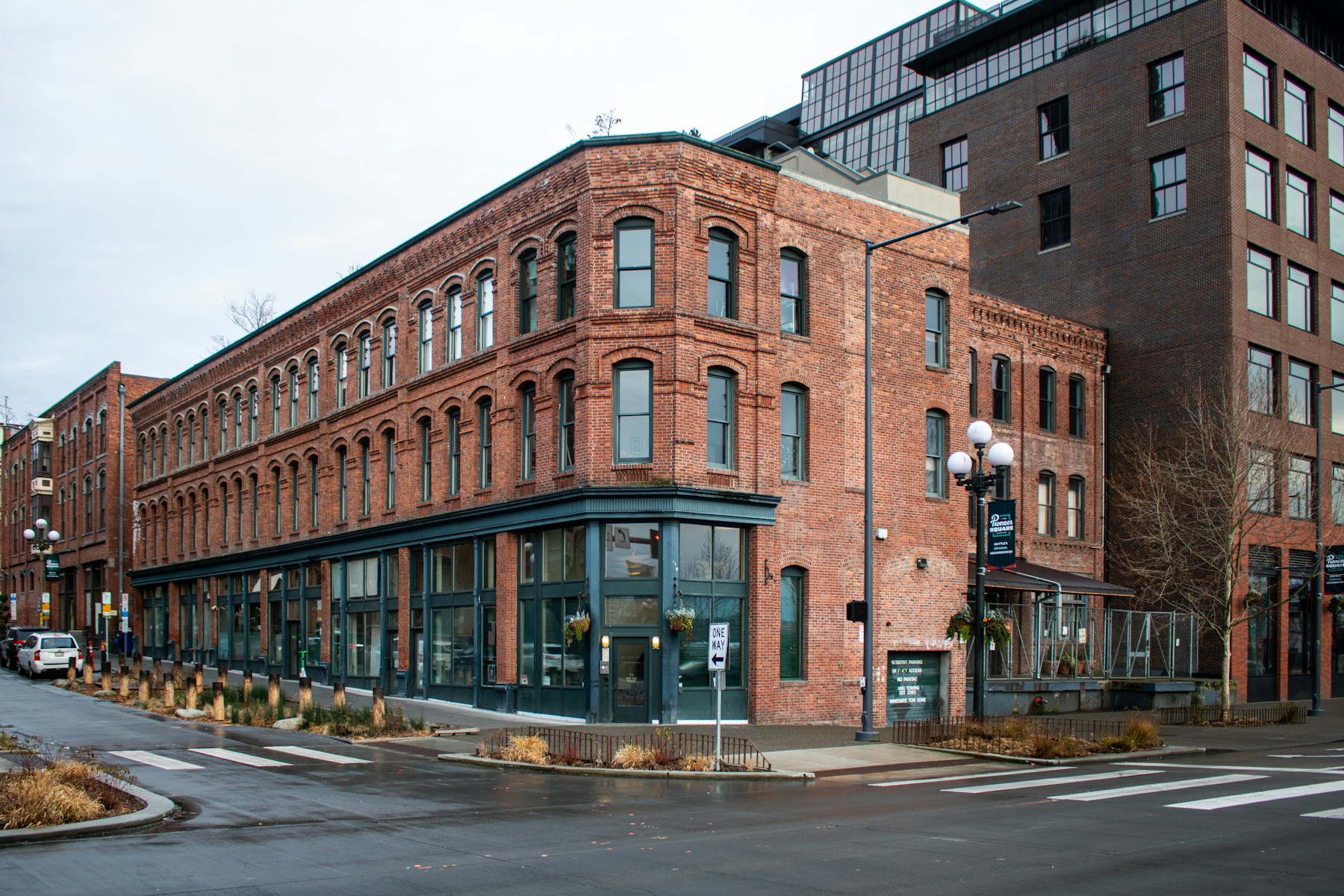
Pioneer Square offers historic brick architecture, galleries, cafés, and a different layer of Seattle’s story. A guided history or underground tour can add context, but read the route and physical requirements before booking. Give the neighborhood daylight time and choose the streets and businesses you want to explore.
| Detail | Planning notes |
|---|---|
| Best for | History, architecture, galleries, and a shorter neighborhood walk |
| Location and map | Pioneer Square |
| Time needed | 1–3 hours depending on a tour and meal |
| Cost and booking | Public streets are free; guided tours and venues charge separately |
| Getting there | Link light rail or bus followed by the appropriate walking route |
| Accessibility | Older streets and underground tours can involve uneven surfaces or stairs; confirm details |
| Nearby stops | King Street Station area and the southern waterfront |
Practical tip: Be aware of your surroundings as in any city district. Treat residents and vulnerable people with dignity, and keep photographs focused on the places you came to see.
10. Ballard Locks
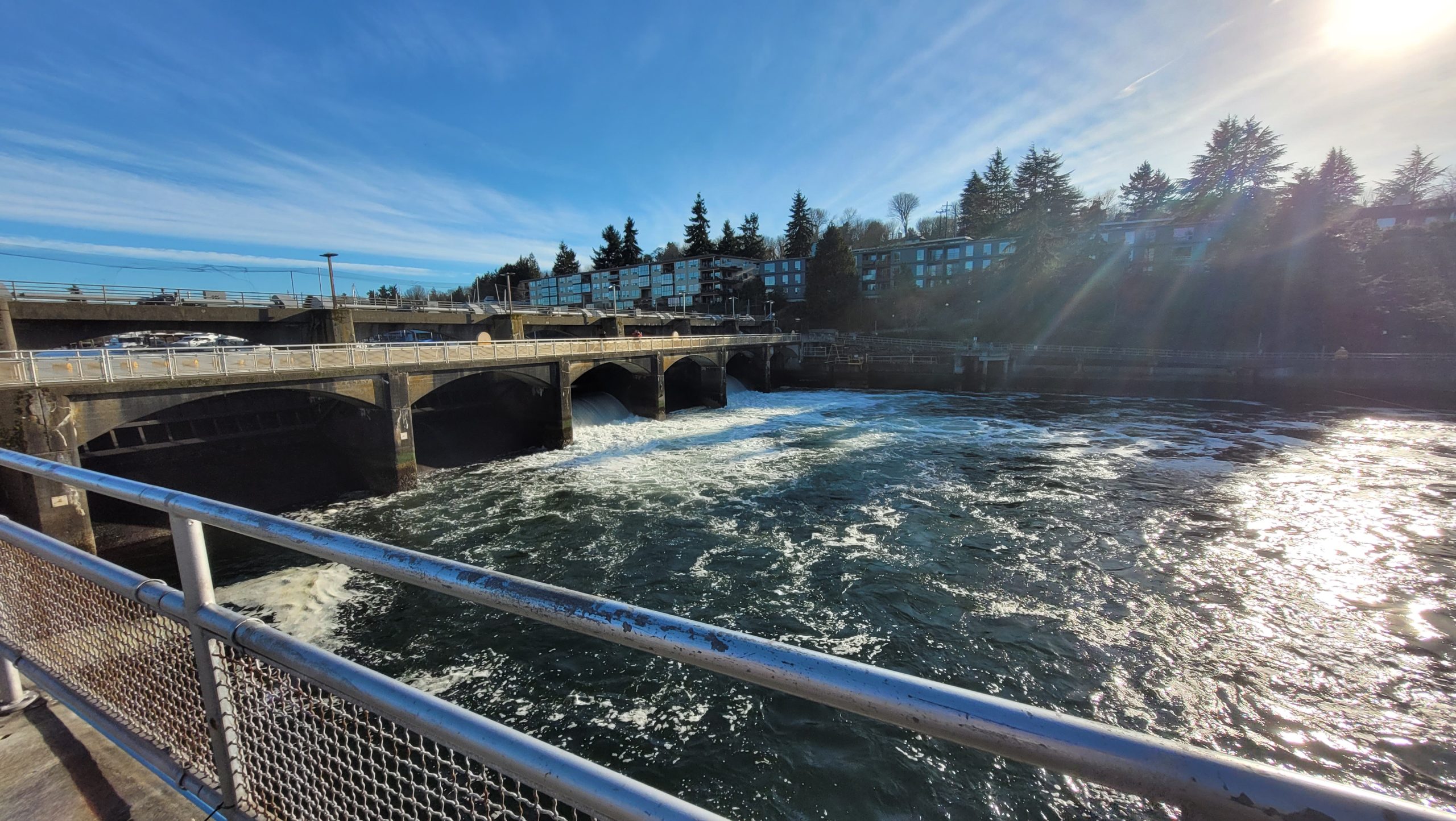
The locks turn water-level engineering into something you can watch. Boats pass between different water levels, while the surrounding grounds and fish-ladder area offer more to explore. Fish viewing is seasonal; a visit does not guarantee a particular species or a busy lock movement.
| Detail | Planning notes |
|---|---|
| Best for | Families, engineering, boats, and a neighborhood outing |
| Location and map | Hiram M. Chittenden Locks |
| Time needed | 1–2 hours, longer with a nearby meal |
| Cost and booking | General visitor grounds are free; check current visitor center, fish-ladder, and tour schedules |
| Getting there | Current bus route or road transfer to Ballard; parking is separate |
| Accessibility | Confirm the route across working lock areas and access to viewing facilities |
| Nearby stops | Ballard shops, cafés, and the botanical garden area |
Practical tip: This is working infrastructure. Follow barriers and staff instructions, keep children clear of edges, and do not assume a free guided tour runs every day in every season.
11. The Museum of Flight
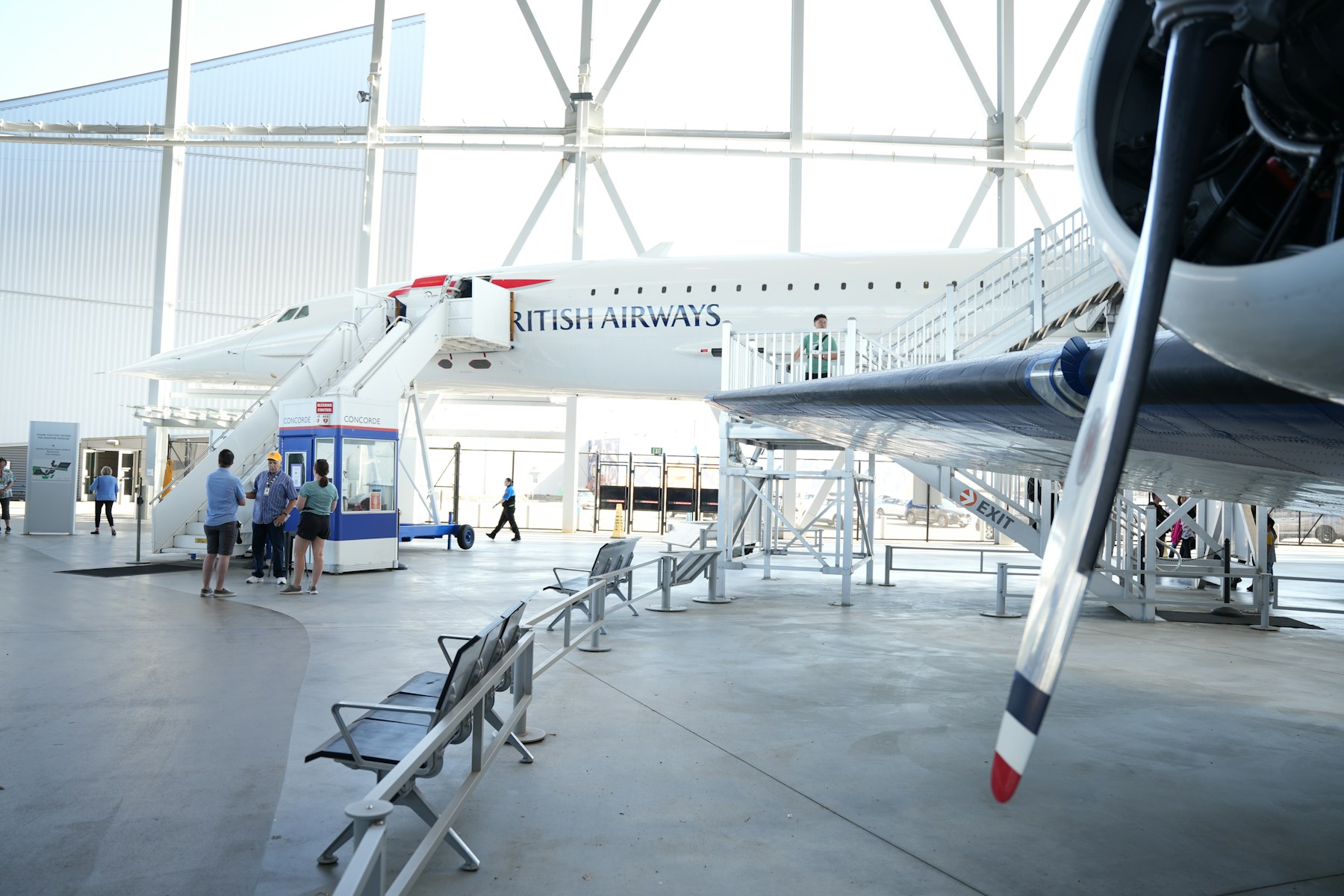
The Museum of Flight suits anyone curious about aviation, from casual visitors to enthusiasts who could spend most of a day here. It sits south of Downtown, so give the journey a proper place in your plan. Choose the exhibits that interest you and leave time to look closely.
| Detail | Planning notes |
|---|---|
| Best for | Aviation, engineering, families, and a substantial museum day |
| Location and map | The Museum of Flight |
| Time needed | 3–5 hours, plus travel |
| Cost and booking | Paid admission; check current ticket categories, inclusions, and opening hours |
| Getting there | Suitable bus connection or road transfer to the museum near Boeing Field |
| Accessibility | Confirm exhibit access, aircraft boarding limitations, seating, and assistance needs |
| Nearby stops | Keep the outing focused rather than adding a distant neighborhood on the same short day |
Practical tip: This museum is different from a Boeing factory tour in the Everett area. Check the exact attraction and address before buying or arranging transport.
12. Discovery Park
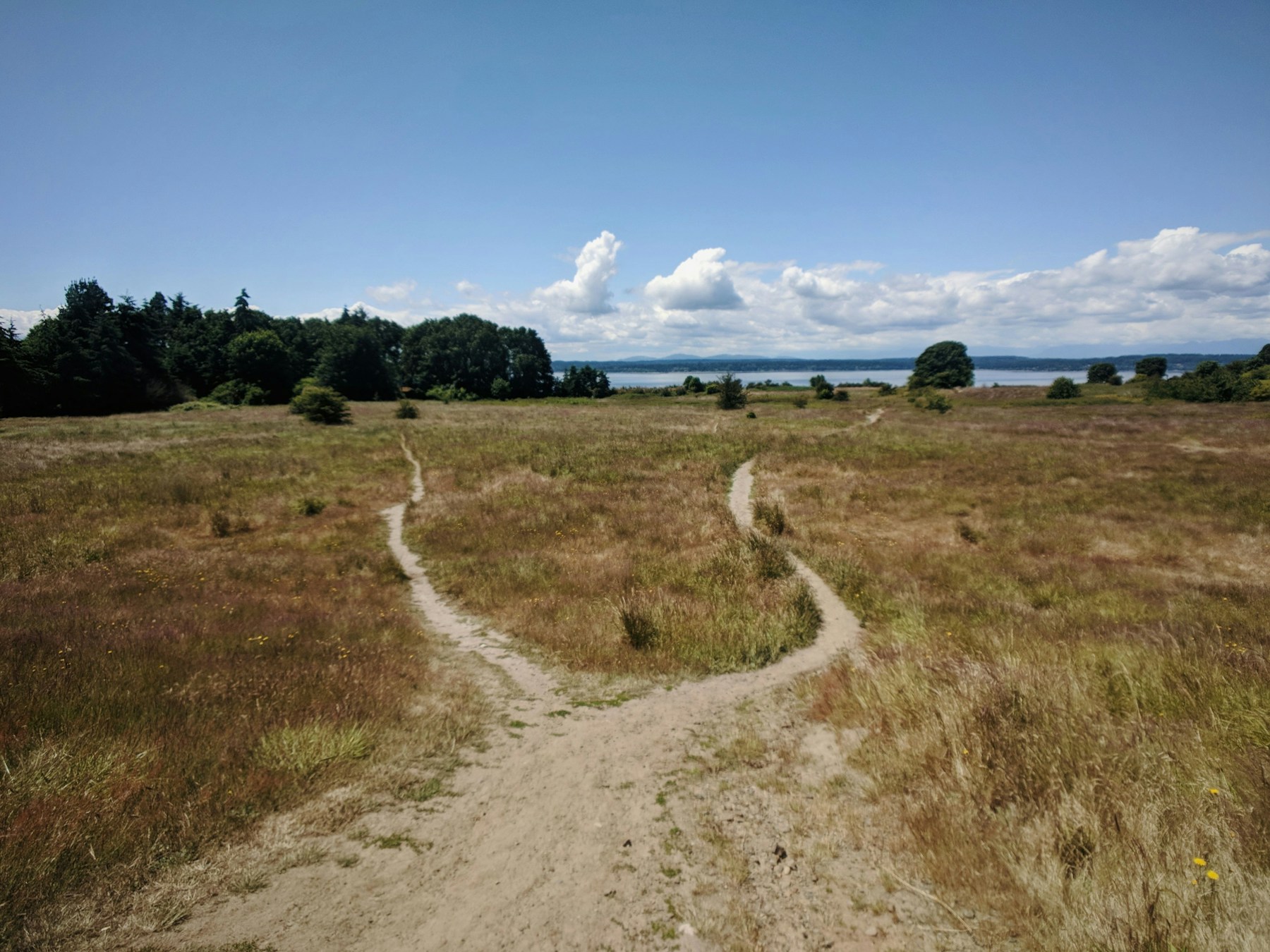
Discovery Park offers a greener, quieter side of Seattle. Choose a route that matches your energy, weather, and available daylight. Open lawns, woodland paths, and coastal areas involve different surfaces and distances; you do not need to reach every viewpoint to enjoy the park.
| Detail | Planning notes |
|---|---|
| Best for | Nature, a break from Downtown, and selected walking routes |
| Location and map | Discovery Park visitor area |
| Time needed | 2–4 hours for a chosen route, plus travel |
| Cost and booking | Public park access is free; check current facilities and route conditions |
| Getting there | Bus or road connection to the entrance that matches your walk |
| Accessibility | Trails vary; beach routes can involve steep sections and a demanding return; confirm an appropriate route |
| Nearby stops | Keep time for a nearby meal or return to the city rather than adding another long walk |
Practical tip: Save your route and return connection, stay on permitted paths, and turn back with enough daylight. Wet conditions can change the difficulty of a trail.
Best Things to Do in Seattle Beyond the Main Sights
Try a neighborhood coffee shop, browse an independent bookshop, see live music, or choose a food-focused walk. Capitol Hill, Ballard, Fremont, and the University District offer different experiences; choose one that matches your interests rather than trying to visit every district in a day.
For shopping, compare market crafts, independent stores, and more conventional Downtown options. For nightlife, check the current venue calendar, entry age, cover charge, and ride home. Outdoor and seasonal activities should be planned around weather, daylight, and the current operator schedule.
Seattle Itinerary Ideas: Weekend, 3 Days, 5 Days, or 7 Days
A Weekend in Seattle
Spend one day around Pike Place and the waterfront, choosing the aquarium if it interests you. Use the second for Seattle Center, selecting the Space Needle and one museum rather than automatically buying every ticket. Add a viewpoint only if visibility and energy make it worthwhile.
A 3-Day Seattle Itinerary
| Day | Main plan | Flexible extra |
|---|---|---|
| 1: Market and waterfront | Pike Place browsing and lunch, then a waterfront walk or aquarium | Pioneer Square if you still want more walking |
| 2: Seattle Center | Space Needle plus Chihuly or MoPOP, with a proper meal break | Kerry Park in suitable visibility, using a realistic transfer |
| 3: Water or a neighborhood | Bainbridge walk-on ferry outing, or Ballard and the locks | A relaxed dinner near your hotel |
Move the days around to suit tickets, service, and weather. A long Museum of Flight visit can replace day three if aviation is your priority.
A 5-Day Seattle Itinerary
Add the neighborhood or ferry option you skipped, then choose the Museum of Flight or Discovery Park. Keep a park day and a museum day interchangeable when the forecast changes.
A 7-Day Seattle Itinerary
Add more neighborhood time and one carefully researched regional outing. Leave one lighter day for a café, a favorite public space, laundry, shopping, or an unhurried meal. A week gives you flexibility; it does not require a mountain excursion on an unsuitable weather day.
Maps, Travel Times, Rainy Days, and a Slower Pace
Save a market-to-waterfront route, a Seattle Center route, and the Bainbridge ferry connection. Check stairs, lifts, current paths, and actual sailing times separately.
Allow roughly 20–45 minutes for many cross-neighborhood trips once waiting and walking are included, with longer allowances for southern museums or northern parks. These are planning buffers, not live predictions. In rain, choose a museum and a nearby meal. For less walking, use one neighborhood per half-day and avoid repeated hill climbs.
What and Where to Eat in Seattle
Local Food, Coffee, and Good Areas to Explore
Seattle is a good place to enjoy seafood, coffee, baked goods, and a wide range of international food. A market lunch can be simple and memorable, but do not assume the busiest famous queue is the only good choice. Look at menus, opening hours, and seating before everyone gets hungry.
Pike Place and the waterfront suit a sightseeing-day meal. Capitol Hill, Ballard, the University District, and other neighborhoods offer different food scenes. Choose a dining area that fits your route instead of crossing the city several times for separate snacks.
Affordable Meals, Special Dinners, and Dietary Needs
Mix counter-service meals and bakeries with one or two planned dinners. Reserve a special table ahead and check cancellation terms. For vegetarian, vegan, halal, and other requirements, confirm ingredients and preparation directly. Seafood stocks, sauces, and shared fryers may matter even when a dish looks suitable.
For allergies, speak clearly with staff about cross-contact. Check the bill for service charges or included gratuity before deciding on an additional tip. Read the policy rather than assuming every restaurant handles a service charge in the same way.
Free and Budget-Friendly Things to Do in Seattle
Public market browsing, waterfront walks, Olympic Sculpture Park, Kerry Park, Ballard Locks, and selected Discovery Park routes can balance paid attractions. Food, transport, parking, and optional tours still cost money, so count the full outing rather than only its entry price.
A low-cost day could include market browsing, a modest lunch, a short waterfront section, and an outdoor park. Add transit where it saves a tiring hill climb or a long connection. Check museum free or discounted periods for current eligibility and ticket requirements.
An attraction pass is worthwhile only when its included visits fit your interests, dates, and pace. Compare current prices, booking restrictions, and the number of major paid attractions you can actually enjoy. Buying more admission does not create more time.
Seattle Experiences for Different Travelers
Families may enjoy a market visit with a planned snack break, the aquarium on a separate block of time, and a short ferry outing. Couples can combine a museum, a waterfront walk, and a reserved dinner. Solo visitors can mix independent neighborhoods with a guided food or history walk for context and conversation.
Groups should agree on a daily meeting point and avoid expecting everyone to enjoy every museum equally. For accessible or relaxed travel, confirm hotel slopes, station lifts, waterfront connections, ferry boarding, and venue restrooms. Shorter routes and a direct transfer can make a bigger difference than adding more breaks to an overly long day.
Best Photography Spots in Seattle
| Spot | What works well | What to consider |
|---|---|---|
| Kerry Park | Skyline and, in clear conditions, Mount Rainier | Visibility, a small viewing area, and the hill approach |
| Pike Place | Signs, stalls, and market details | Working merchants, customer space, and permission for portraits |
| Seattle Center | Space Needle, architecture, and public spaces | Attraction tickets and indoor photography rules |
| Waterfront | Boats, piers, and changing light | Wind, public access, and safe positioning |
| Bainbridge ferry | The city from the water | Weather, reflections, and safe passenger areas |
| Olympic Sculpture Park | Art, paths, and waterfront setting | Artwork rules and daylight-based opening hours |
Plan for the direction of light, the season, and actual weather rather than a guaranteed sunset image. Do not obstruct walkways, block market stalls, or step beyond barriers. Check drone and commercial photography permissions separately, especially around transport facilities and controlled airspace.
Day Trips and Road Trips From Seattle
Bainbridge is the simplest scenic change of setting in this guide. Snoqualmie Falls can suit a separate regional outing with appropriate transport and a current access check. Mount Rainier is a full-day or longer mountain plan with a very different seasonal calendar from Seattle.
Do not assume all Rainier roads, viewpoints, or trails are open year-round. The National Park Service lists seasonal road closures and winter driving requirements, and conditions can change quickly. Choose the destination area, check current access, and understand any fees and vehicle requirements before booking a tour or rental car.
Guided trips can simplify transport, but confirm pickup point, actual stops, walking demands, included fees, and weather cancellation terms. Independent travel offers flexibility while adding driving, parking, and condition checks. For a wider road trip, allow several days for regional stops instead of turning every day into a long return drive.
Essential Things to Know Before Visiting Seattle
International visitors should confirm U.S. entry documents and requirements for their nationality. Keep the identification and travel details you need, plus secure backups. Payments use U.S. dollars; cards are common, but a second payment method and a little cash are useful.
English is the main visitor language. Save maps, tickets, ferry information, and your hotel address offline. Mobile data and a power bank help, especially when a changed sailing or service alert requires a new route. Check luggage storage with your hotel rather than assuming museums will hold a suitcase.
Stay aware of your surroundings, secure valuables, and use legitimate transport and booking services. Ask for help from staff if a situation feels uncomfortable. Treat vulnerable people respectfully and avoid turning them into a travel photograph.
Plan restrooms and breaks around visitor facilities, cafés, and museums. Check weather, daylight, and local access rules before long park or waterfront outings. Keep personal medicines and insurer details available, and choose activities that match your group’s health and mobility needs.
What to Pack for Seattle
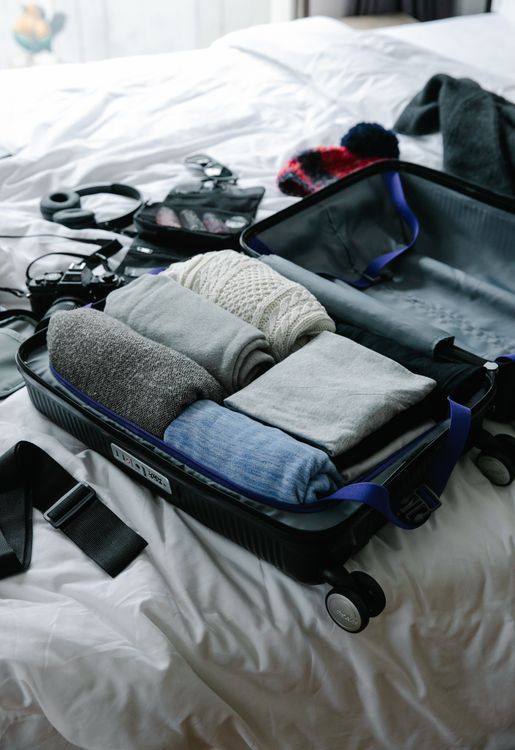
- Comfortable walking shoes with suitable grip.
- A practical rain layer and clothing you can wear in layers.
- A warmer layer for ferry decks and waterfront wind.
- Sun protection for clear days and summer trips.
- A refillable water bottle, compact day bag, and phone charger.
- Saved tickets, travel documents, and backup payment.
- Personal medication, accessibility equipment, and family essentials.
For a mountain outing, pack for the actual destination and season, including operator or park requirements. A city raincoat alone does not prepare you for winter conditions at higher elevation.
Important Contacts and Official Resources
| Need | Where to get help |
|---|---|
| Immediate police, fire, or medical emergency | Call 911 |
| Official visitor information | Visit Seattle and staffed visitor information points |
| Link light rail and airport rail service | Sound Transit information and current service alerts |
| Local bus information | King County Metro customer information and service alerts |
| Bainbridge and other state ferries | Washington State Ferries schedule, fare, and service information |
| Airport help | SEA information desks, Port of Seattle resources, and your airline |
| Parks and regional conditions | Seattle Parks, the relevant land manager, or National Park Service |
| Medical or passport assistance | Your insurer, accommodation, or country’s official consular directory |
Save your personal assistance numbers before leaving. Use current official directories for nonemergency contacts and operator support.
Common Mistakes First-Time Seattle Visitors Make
- Treating the weather in a skyline photograph as a promise for the day of a ticket.
- Underestimating hills and repeated waterfront-to-Downtown climbs.
- Buying every Seattle Center attraction without enough time to enjoy them.
- Confusing a Bainbridge walk-on outing with taking a vehicle on the ferry.
- Forgetting waiting time and the terminal or station walk.
- Assuming Mount Rainier has the same weather and access as Seattle.
- Keeping a rental car for central days without allowing for parking costs.
- Following old attraction hours, ferry timetables, or unofficial ticket offers.
Frequently Asked Questions About Visiting Seattle
Is Seattle Good for First-Time Visitors?
Yes. A short trip can combine recognizable sights, markets, museums, neighborhoods, and water views. Group areas sensibly and keep some weather flexibility.
How Many Days Should I Stay in Seattle?
Three or four full days make a good first visit. Add time for more neighborhoods, the Museum of Flight, or a researched regional outing.
Where Should I Stay on My First Visit?
Downtown near a useful station, Belltown, and Lower Queen Anne are good starting points to compare. Check the actual block, hills, noise, and journey to your main sights before booking.
Do I Need a Rental Car in Seattle?
Usually no for central sightseeing. A car may help with selected regional plans, but public transport and occasional road transfers often suit city days better.
Is the Bainbridge Ferry Easy Without a Car?
Yes, a walk-on visit can work well for a first outing around Winslow. Check current sailing times, fares, access, and the return service before setting out.
What Should I Book in Advance?
Accommodation, important timed attractions, popular dinners, special events, and any guided regional excursion. Read weather and cancellation terms for view-dependent or outdoor activities.
How Much Should I Budget for Seattle?
The illustrative budget here totals $1,529 for two adults over three nights and three sightseeing days, excluding flights and major extras. Hotel dates and the number of paid attractions can change the total considerably.
Is Seattle Suitable for Families, and What If It Rains?
Yes, with manageable distances, planned food stops, and suitable activities. In rain, choose an open museum or aquarium with ticket availability and keep the journey simple. A ferry or exposed viewpoint is a choice to make around the actual conditions.
Your Final Seattle Trip Planning Checklist
- Confirm travel documents, accommodation, and the full hotel total.
- Save the airport route and a late-arrival alternative.
- Reserve the paid attractions and dinners that matter most.
- Check service alerts, ferry schedules, opening hours, and ticket instructions.
- Group routes by area and allow for hills, waiting, and transfers.
- Keep a clear-weather option and a rainy-day alternative.
- Budget for taxes, tips, transport, and selected extras.
- Pack layers, rain protection, personal essentials, and saved maps.
Reader Questions and Travel Experiences
In her published first-visit account for Explore Washington State, Adrian Stouffer describes exploring Pike Place with family, dealing with hills and crowds, and working out where to eat with children. Her experience makes a useful planning point: check meal options and take a break before a busy market visit becomes tiring.
Have you visited Seattle? Share a ferry tip, favorite neighborhood, museum choice, or weather adjustment in the reply section below. Mention your season and travel style so the next reader can decide whether the same idea will suit them.
Explore More USA Travel Guides
Continue with our 25 Best Places to Visit in the USA, San Francisco attractions guide, Los Angeles first-time guide, and New York City travel guide.
What would you like to know before you go?
Send us your question, feedback, or a place you would like to see covered.
Ask a travel question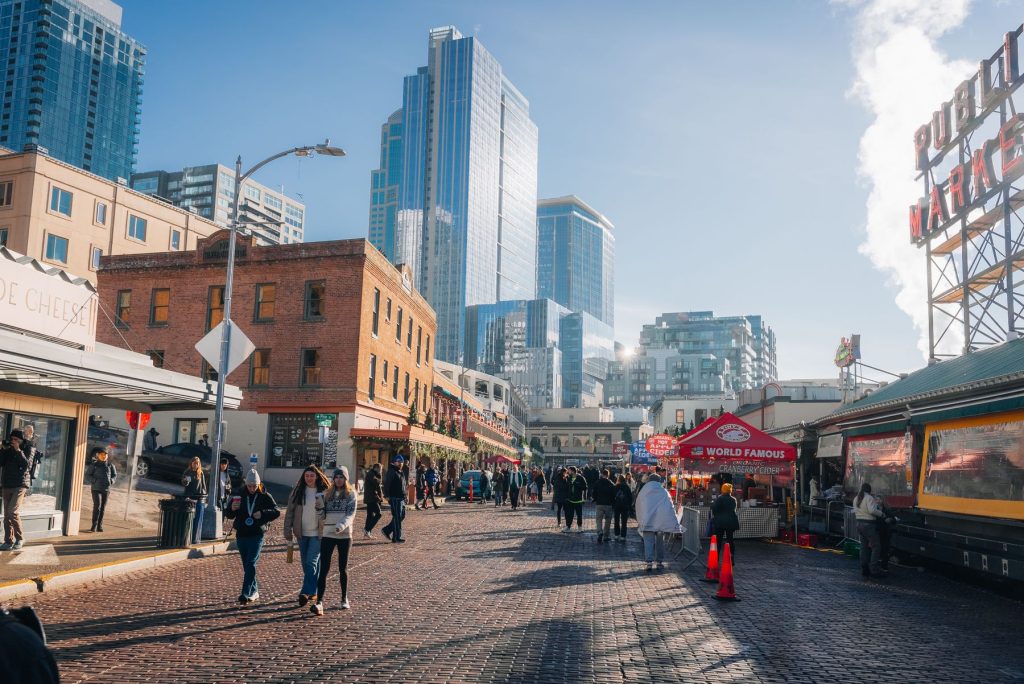
Leave a Reply