Written by Ari Mayzick · Go Travel Box
Published November 22, 2026 · Last updated November 22, 2026
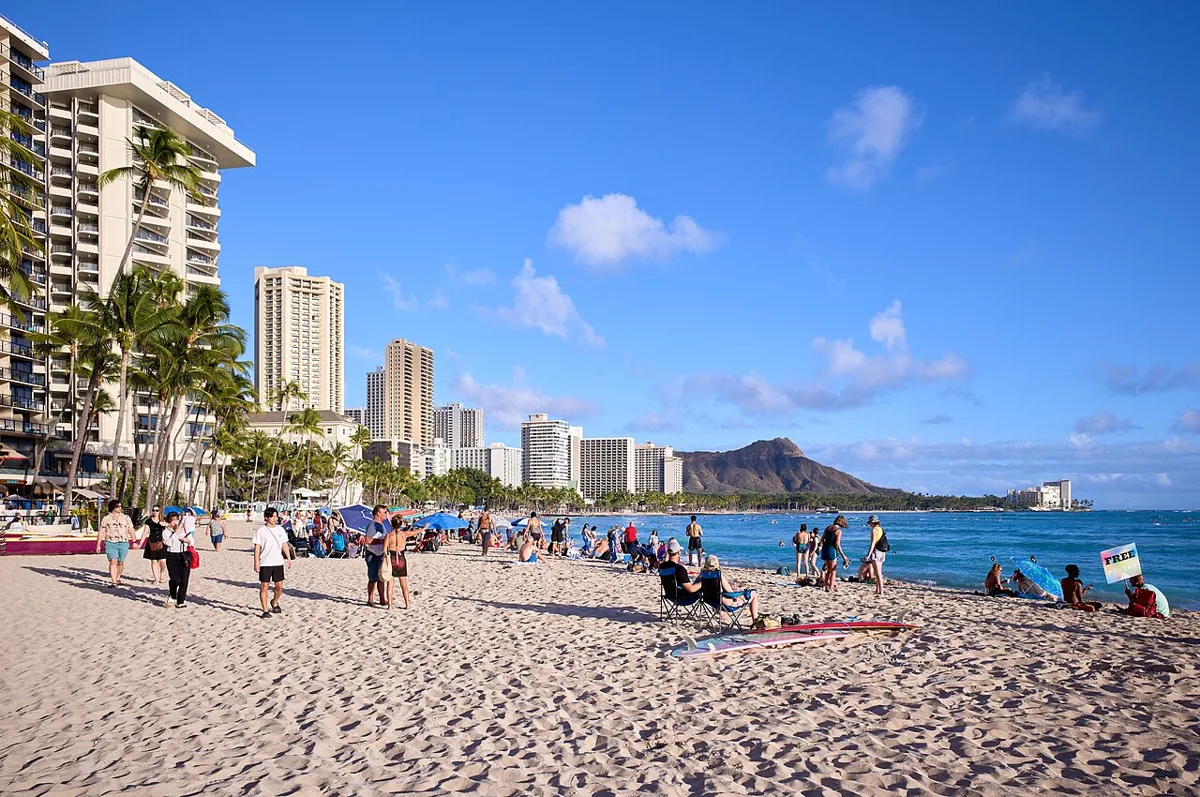
Walk Waikīkī before breakfast and you can see where Diamond Head meets the ocean without stepping into a line. Save Pearl Harbor for a different part of the island, and give the Windward Coast more than a quick pullout. One well-chosen area a day makes Oahu feel like a trip instead of a series of parking searches.
This Honolulu and Oahu itinerary has four complete plans. They explain which reservations use Hawaiʻi time, when a rental helps, what to do if the water is rough and how to return from the North Shore without putting your flight at the mercy of the last drive.
First Trip? Start Here
Choose five days and four nights for a first visit. The three full days cover Diamond Head and Waikīkī, Pearl Harbor and downtown history, and an east-side nature outing. Stay seven for Windward Oahu and a North Shore day.
Base in Waikīkī for an easy start. Pick quieter lodging toward Kapiʻolani Park or the Ala Wai edge if evening activity bothers you. Check actual beach access, fridge, water refill, parking and destination fees.
Book Pearl Harbor and Diamond Head early. Get the USS Arizona Memorial program through Recreation.gov and a separate state reservation for Diamond Head. Hanauma Bay’s booking window is much shorter.
Rent for a specific day or overnight section. Walking and transit work for many Honolulu days. Use a car or an organized tour for the longer coast routes. Compare parking with the savings of picking up a car later.
Honolulu & Oahu at a Glance
| Plan ahead for | What to know |
|---|---|
| Best months | April–May and September–October are often useful shoulder periods. Holiday and school dates can raise room rates. Surf and rain vary by shore. |
| Airport | Daniel K. Inouye International Airport (HNL). Direct W Line bus, Skyline plus a transfer, rideshare, taxi and hotel shuttles are options. |
| Booking priorities | Hotel, USS Arizona Memorial program, nonresident Diamond Head permit and the separate Hanauma Bay reservation. |
| Getting around | TheBus, HOLO fares, walking and occasional rideshares in town. Reserve a car selectively for longer routes. |
| Time zone | Hawaiʻi Standard Time all year. Use HST for all reservation release times and local tours. |
| Example daily cost | $289 per calendar day for two, using the budget example with four shared hotel nights. Flights are separate. |
Table of Contents
- First Trip? Start Here
- Honolulu & Oahu at a Glance
- How Many Days Do You Need in Honolulu and Oahu?
- Best Time to Visit Honolulu and Oahu
- What to Book First
- Where to Stay in Honolulu and Oahu
- How to Get to and Around
- Weekend in Honolulu and Oahu
- 5 Days in Honolulu and Oahu
- 7 Days in Honolulu and Oahu
- 10 Days on Oahu with Waikīkī and the North Shore
- Practical Information for Major Attractions
- Where to Eat in Honolulu and Oahu
- How Much Does a Honolulu and Oahu Trip Cost?
- Free Things to Do and Ways to Save
- Best Photo Spots
- Places to Cover
- Adapt the Itinerary
- Rainy-Day and Seasonal Alternatives
- My Travel Notes
- Common Mistakes to Avoid
- Frequently Asked Questions
- Final Travel Checklist
- Related GoTravelBox Guides
- Official Planning Links
- Leave a Reply
How Many Days Do You Need in Honolulu and Oahu?
| Trip length | What fits | Best for |
|---|---|---|
| Weekend | Waikīkī, Diamond Head, Pearl Harbor and a short historic Honolulu stop. | A first taste of Honolulu with a simple hotel base. |
| 5 days | Add Hanauma Bay or an east-side substitute, with two light travel days. | First-timers who want beach, history and one nature anchor. |
| 7 days | Add a Windward Coast day and a North Shore day, each in its own block. | Travelers who want several shores without switching hotels. |
| 10 days | Five Waikīkī nights, three North Shore nights and one Honolulu or airport-area night. | An island stay with shorter coastal drives and a departure buffer. |
Best Time to Visit Honolulu and Oahu
| Season | Conditions and demand | How to plan |
|---|---|---|
| Spring | Mixed showers and warm beach hours. School holidays and events affect rates. | Reserve before spring break if those dates suit. Use shorter coastal stops if wind builds. |
| Summer | Long days and warm, popular beach time. Conditions can still be rough or change quickly. | Choose a lifeguarded section and ask about current hazards. Start the exposed crater hike early. |
| Fall | Often good for flexible coast days. Hurricane season and storm effects can reach into fall. | Use flexible lodging terms and check official alerts before longer drives or water bookings. |
| Winter | Cooler mornings, showers and sometimes very large north-shore surf. Holiday rates can be high. | Use North Shore viewpoints and town or valley visits when the ocean is unsafe. |
Use the forecast for the side of the island you will visit. A dry Waikīkī morning gives little information about rainforest showers or winter surf in Waimea. Airline arrival dates can differ from the following night’s dates on mainland clocks.
What to Book First
Compare the all-in room rate. Ask about destination fees, beach rentals, overnight parking, checkout time and where bags can be stored. Pick one hotel on shorter routes to avoid losing a sightseeing morning.
Book the USS Arizona boat program and Diamond Head separately. NPS describes an eight-week rolling release and a shorter booking window for the memorial. Check the current HST release and every person’s ticket. The state’s Diamond Head system handles nonresident entry and car reservations.
Set an HST reminder for Hanauma Bay. The city releases online bookings two days ahead at 7 a.m. HST. The preserve closes Monday and Tuesday. Your reservation covers admission and orientation, and parking capacity is separate.
Choose one longer paid outing. A Waimea Valley visit, a Kualoa Ranch tour or a second Pearl Harbor site is usually enough for one day. Check transport, cancellation and the minimum age for the selected activity before buying.
Where to Stay in Honolulu and Oahu
| Base | Relative cost | Convenience and who it suits | Noise and parking |
|---|---|---|---|
| Central Waikīkī | $$–$$$ | Most convenient for beaches, restaurants and the first short trip. Verify the walk to your actual beach section. | Busy Kalākaua Avenue blocks. Check room orientation, rates and overnight parking. |
| Kapiʻolani Park / eastern Waikīkī | $$–$$$ | Park walks and easier access to Diamond Head side. Good for an early morning routine. | Farther from western Waikīkī and Ala Moana. Ask about check-in and parking. |
| Ala Moana / Kakaʻako | $$–$$$ | Useful for transit connections, town meals and a less beach-focused stay. | Compare the distance to the sand and check what is open at night around the property. |
| North Shore near Haleʻiwa or Kahuku | $$$ | For the 10-day route, choose one lawful hotel or accommodation near your desired coast and services. | Food and rides may be limited late. Compare authorized properties, parking and nighttime drive before booking. |
| Near HNL or a direct-transfer Waikīkī hotel | $$–$$$ | Convenient last night when flight time makes a long morning drive risky. | Verify actual shuttle hours or bus timing. Check airport and street noise. |
How to Get to and Around
From Honolulu airport with light luggage
HNL lists the eastbound W Line from the airport through downtown and Ala Moana to Waikīkī. Check your closest stop, the final hotel walk and whether your luggage fits the bus rules. Skyline serves the airport at Lelepaua Station, with luggage racks. Plan a bus or car connection onward to Waikīkī. Allow roughly 55–100 minutes terminal to hotel by transit depending on your route and waits.
Official transport and access details
A car or shuttle from HNL
For large luggage or a late flight, price a taxi, rideshare or scheduled shuttle to your actual hotel. Allow about 30–65 minutes after bag pickup in typical conditions and longer when traffic is heavy. Follow the terminal pickup signage. For the return, check your airline’s terminal and any agricultural screening instructions.
Official transport and access details
TheBus, Skyline and HOLO
TheBus lists a $3.25 adult cash bus fare and separate HOLO options as of this guide. Review current fares and cap or transfer rules before tapping. Plan a separate valid fare for each rider, and use an exact stop for buses. Long coast trips require more time than the same route by car.
Official transport and access details
Rental car, roads and parking
Try a Honolulu pickup when beginning the coast route or an airport pickup with your flight timing. Compare hotel overnight parking, garage re-entry, fuel and insurance terms. Check the rental center and terminal as separate stops. Use legal pullouts and designated parking, and leave buffer for one main coastal road and busy school or surf traffic.
Official transport and access details
Weekend in Honolulu and Oahu
Two full sightseeing days. Arrive Friday and leave Monday for three nights and two full days. Late Sunday departures can work with two nights if you shorten Day 2. Match the order to the timed reservations.
| Day | Route at a glance | Overnight |
|---|---|---|
| 1 | Diamond Head early, then eastern Waikīkī | Waikīkī · same hotel |
| 2 | Pearl Harbor and historic Honolulu | Waikīkī · same hotel |
Day 1 — Diamond Head early, then eastern Waikīkī
Morning. Reserve an early Diamond Head slot, ideally around 7–8 a.m. Allow 1.5–2 hours for the outing with a rest and photos. It is about 0.8 mi each way from the crater trailhead, with grades, stairs and exposed sections.
Getting between stops. Allow around 15–35 minutes from central Waikīkī by car or bus plus the last walk, depending on your boarding stop and traffic. The exterior bus approach and the crater trail start are different locations. Use your reserved entry and correctly marked walking route. Open route map
Lunch. Eat near Monsarrat Avenue or Waikīkī after the hike. A cafe wrap or vegetable rice plate makes a less heavy lunch if you will be out in the sun.
Afternoon. Spend the warm part of the day at the hotel or a shaded café. For an optional short second walk, choose Kapiʻolani Park and an ocean view at the beach end.
Evening. Dinner in Waikīkī. Catch dusk by the water if there is time and keep swimming decisions separate from sunset or photo plans.
Tickets and costs. Hawaiʻi State Parks lists $5 per visiting nonresident and $10 per nonresident private vehicle when applicable. Reserve entry and parking as needed. Pay bus or ride separately.
Practical tip. Take water and grippy shoes. Ask a ranger about the trail surfaces before bringing a stroller or expecting step-free summit access. Use the restroom before climbing.
Backup plan. If the trail is hot, wet, unavailable or beyond your walking limit, use the public Waikīkī and Kapiʻolani Park route. Skip the extra park segment if you start late.
Overnight. Waikīkī · same hotel.
Day 2 — Pearl Harbor and historic Honolulu
Morning. Use a morning USS Arizona Memorial time if available. NPS recommends reaching the visitor center at least one hour ahead of the program. Allow roughly 2.5–3.5 hours with the visitor galleries. Give the memorial a quiet visit.
Getting between stops. From Waikīkī allow about 35–65 minutes by car or 65–95 by transit and walking to the visitor center in ordinary conditions. Then head back toward downtown Honolulu. Allow at least 35–60 minutes before a second timed stop. Open route map
Lunch. Eat downtown around Chinatown or the civic center when kitchens are open. Check the menu for cooked fish, a sandwich or noodles or a plant-based bowl.
Afternoon. Choose a reserved ʻIolani Palace tour on an open day or explore the public civic district grounds where permitted. Rest first. A longer visit to battleship Missouri is an alternative afternoon with separate admission and transport.
Evening. Return to Waikīkī for dinner, or eat downtown before the trip back. Keep the evening unbooked if the morning boat departs late.
Tickets and costs. Pearl Harbor’s visitor center is free. The USS Arizona program has a $1 booking fee per person including each child with a ticket. NPS lists $7 day parking. ʻIolani Palace and other partner sites have their own tickets.
Practical tip. NPS restricts ordinary bags at Pearl Harbor and posts paid storage and exceptions. Keep phone, wallet and permitted water on hand, and review the current policy before the trip.
Backup plan. If the boat does not operate, visit the grounds and open galleries. When ʻIolani Palace is closed or late, take the outdoor downtown loop when weather permits.
Overnight. Waikīkī · same hotel.
Optional Friday arrival. After dropping bags, take a 30-minute walk near your Waikīkī hotel, eat and set the alarm in HST. Leave the longer shoreline for Saturday.
5 Days in Honolulu and Oahu
Five calendar days and four nights. Use one hotel all four nights. Keep the Hanauma Bay outing flexible enough to exchange with a weekday city plan if it falls on Monday or Tuesday. This assumes four nights within the same island base.
| Day | Route at a glance | Overnight |
|---|---|---|
| 1 | HNL and a short Waikīkī shoreline walk | Waikīkī · same hotel |
| 2 | Diamond Head early, then eastern Waikīkī | Waikīkī · same hotel |
| 3 | Pearl Harbor and historic Honolulu | Waikīkī · same hotel |
| 4 | Hanauma Bay or a land-based east-side route | Waikīkī · same hotel |
| 5 | Checkout, luggage and a flight-day buffer | Checkout · no hotel |
Day 1 — HNL and a short Waikīkī shoreline walk
Morning. After bag claim, take the W Line or a confirmed shared car if the bus and hotel walk work with your luggage. Store bags and start at the nearest public beach access after check-in. Thirty to sixty minutes outside is enough after a long flight.
Getting between stops. Central Waikīkī is about 0.4–0.7 mi between many hotels and Kūhiō Beach, roughly 10–20 minutes at an easy pace. Pick an access near your hotel and avoid dragging luggage along a crowded promenade. Open route map
Lunch. Pick a plate lunch, rice bowl or fruit and sandwich at a grocery counter. Look for tofu or vegetable choices if you want a lighter meal.
Afternoon. Walk toward the Duke Kahanamoku statue and take a bench break. Add a hotel pool or a stretch by Kapiʻolani Park only if you arrived with time.
Evening. Eat within walking distance of your room and get water and a simple breakfast for Day 2. Preserve an early bedtime if your body clock is ahead.
Tickets and costs. Public shoreline walks are free. Bus fare is per person and a taxi or rideshare is a shared vehicle price. Confirm any airport surcharge, gratuity or hotel fee.
Practical tip. Check bag storage hours and beach access before leaving the hotel. Store the airport exit, hotel address and transit stop offline.
Backup plan. If your flight is late or rain persists, get food near the hotel and save the beach for morning.
Overnight. Waikīkī · same hotel.
Day 2 — Diamond Head early, then eastern Waikīkī
Morning. Reserve an early Diamond Head slot, ideally around 7–8 a.m. Allow 1.5–2 hours for the outing with a rest and photos. It is about 0.8 mi each way from the crater trailhead, with grades, stairs and exposed sections.
Getting between stops. Allow around 15–35 minutes from central Waikīkī by car or bus plus the last walk, depending on your boarding stop and traffic. The exterior bus approach and the crater trail start are different locations. Use your reserved entry and correctly marked walking route. Open route map
Lunch. Eat near Monsarrat Avenue or Waikīkī after the hike. A cafe wrap or vegetable rice plate makes a less heavy lunch if you will be out in the sun.
Afternoon. Spend the warm part of the day at the hotel or a shaded café. For an optional short second walk, choose Kapiʻolani Park and an ocean view at the beach end.
Evening. Dinner in Waikīkī. Catch dusk by the water if there is time and keep swimming decisions separate from sunset or photo plans.
Tickets and costs. Hawaiʻi State Parks lists $5 per visiting nonresident and $10 per nonresident private vehicle when applicable. Reserve entry and parking as needed. Pay bus or ride separately.
Practical tip. Take water and grippy shoes. Ask a ranger about the trail surfaces before bringing a stroller or expecting step-free summit access. Use the restroom before climbing.
Backup plan. If the trail is hot, wet, unavailable or beyond your walking limit, use the public Waikīkī and Kapiʻolani Park route. Skip the extra park segment if you start late.
Overnight. Waikīkī · same hotel.
Day 3 — Pearl Harbor and historic Honolulu
Morning. Use a morning USS Arizona Memorial time if available. NPS recommends reaching the visitor center at least one hour ahead of the program. Allow roughly 2.5–3.5 hours with the visitor galleries. Give the memorial a quiet visit.
Getting between stops. From Waikīkī allow about 35–65 minutes by car or 65–95 by transit and walking to the visitor center in ordinary conditions. Then head back toward downtown Honolulu. Allow at least 35–60 minutes before a second timed stop. Open route map
Lunch. Eat downtown around Chinatown or the civic center when kitchens are open. Check the menu for cooked fish, a sandwich or noodles or a plant-based bowl.
Afternoon. Choose a reserved ʻIolani Palace tour on an open day or explore the public civic district grounds where permitted. Rest first. A longer visit to battleship Missouri is an alternative afternoon with separate admission and transport.
Evening. Return to Waikīkī for dinner, or eat downtown before the trip back. Keep the evening unbooked if the morning boat departs late.
Tickets and costs. Pearl Harbor’s visitor center is free. The USS Arizona program has a $1 booking fee per person including each child with a ticket. NPS lists $7 day parking. ʻIolani Palace and other partner sites have their own tickets.
Practical tip. NPS restricts ordinary bags at Pearl Harbor and posts paid storage and exceptions. Keep phone, wallet and permitted water on hand, and review the current policy before the trip.
Backup plan. If the boat does not operate, visit the grounds and open galleries. When ʻIolani Palace is closed or late, take the outdoor downtown loop when weather permits.
Overnight. Waikīkī · same hotel.
Day 4 — Hanauma Bay or a land-based east-side route
Morning. If booked on an operating day, aim for a morning Hanauma Bay orientation. Read the flags and ocean conditions with staff before entering. Give yourself 2–3 hours including check-in, orientation and your choice of beach or viewing time.
Getting between stops. Waikīkī to the preserve is roughly 30–60 minutes by car before parking and entry waits. If taking transit, check the actual safe drop-off and approach rather than assuming a route stops near the gate. Save your return trip in advance. Open route map
Lunch. Have a substantial snack and water before entering if appropriate. For lunch after the bay, stop in Hawaiʻi Kai for a rice plate, salad or a grocery sandwich.
Afternoon. Take a long sit-down break after the beach. Optional on a dry day is a signed legal lookout on the east side. Avoid requiring a second exposed hike after water time.
Evening. Return for dinner close to the hotel and review tomorrow’s times. If tired or sunburned, skip another shoreline stop.
Tickets and costs. The city lists $25 for nonresidents aged 13 and up and an online service fee. Parking is paid on arrival if available. The city lists $3 for a nonresident passenger vehicle. Admission does not reserve a parking space. Rental gear and rides are extra.
Practical tip. The orientation and lower beach are at different levels. Check the current shuttle and mobility access, available restrooms and bag rules. Follow lifeguard instructions and keep clear of the reef.
Backup plan. If the preserve is closed, full or unsafe for water entry, choose Waikīkī’s land-side park, the Bishop Museum if open, or a short roadside coastal stop with legal access.
Overnight. Waikīkī · same hotel.
Day 5 — Checkout, luggage and a flight-day buffer
Morning. For a late flight, pick one easy breakfast and a 30–45 minute walk near your hotel. For a morning flight retrieve luggage and go directly to HNL or the scheduled car return.
Getting between stops. From central Waikīkī allow roughly 30–65 minutes by car or 55–100 by transit in ordinary conditions. Add time for your actual departure terminal, airport screening and any rental or hotel shuttle. Open route map
Lunch. Bring a simple meal if appropriate for airport rules, or eat before the transfer. Keep receipts and bag tags together.
Afternoon. Leave by the time given by your airport transport and airline plans. Add the airline’s recommended check-in buffer. Save carry-on and food restrictions in advance.
Evening. Depart or enjoy the airport rest if you arrive early. The itinerary ends on this calendar day.
Tickets and costs. Transport is per passenger or per vehicle according to mode. Budget car fuel, baggage or parking charges when relevant.
Practical tip. Confirm HNL and the actual flight date in HST. Some itineraries land on the mainland the next calendar day.
Backup plan. Skip the walk when weather, roads, baggage or a schedule change put the transfer at risk.
Overnight. Checkout · no hotel.
7 Days in Honolulu and Oahu
Seven calendar days and six nights. Six Waikīkī nights. Confirm the north-shore forecast and use separate rental or organized tour days if you prefer. Preserve transfer time and a hotel break rather than rushing from one shore to the other.
| Day | Route at a glance | Overnight |
|---|---|---|
| 1 | HNL and a short Waikīkī shoreline walk | Waikīkī · same hotel |
| 2 | Diamond Head early, then eastern Waikīkī | Waikīkī · same hotel |
| 3 | Pearl Harbor and historic Honolulu | Waikīkī · same hotel |
| 4 | Hanauma Bay or a land-based east-side route | Waikīkī · same hotel |
| 5 | Kailua and Windward Oahu | Waikīkī · same hotel |
| 6 | Haleʻiwa and one North Shore stop | Waikīkī · same hotel |
| 7 | Checkout, luggage and a flight-day buffer | Checkout · no hotel |
Day 1 — HNL and a short Waikīkī shoreline walk
Morning. After bag claim, take the W Line or a confirmed shared car if the bus and hotel walk work with your luggage. Store bags and start at the nearest public beach access after check-in. Thirty to sixty minutes outside is enough after a long flight.
Getting between stops. Central Waikīkī is about 0.4–0.7 mi between many hotels and Kūhiō Beach, roughly 10–20 minutes at an easy pace. Pick an access near your hotel and avoid dragging luggage along a crowded promenade. Open route map
Lunch. Pick a plate lunch, rice bowl or fruit and sandwich at a grocery counter. Look for tofu or vegetable choices if you want a lighter meal.
Afternoon. Walk toward the Duke Kahanamoku statue and take a bench break. Add a hotel pool or a stretch by Kapiʻolani Park only if you arrived with time.
Evening. Eat within walking distance of your room and get water and a simple breakfast for Day 2. Preserve an early bedtime if your body clock is ahead.
Tickets and costs. Public shoreline walks are free. Bus fare is per person and a taxi or rideshare is a shared vehicle price. Confirm any airport surcharge, gratuity or hotel fee.
Practical tip. Check bag storage hours and beach access before leaving the hotel. Store the airport exit, hotel address and transit stop offline.
Backup plan. If your flight is late or rain persists, get food near the hotel and save the beach for morning.
Overnight. Waikīkī · same hotel.
Day 2 — Diamond Head early, then eastern Waikīkī
Morning. Reserve an early Diamond Head slot, ideally around 7–8 a.m. Allow 1.5–2 hours for the outing with a rest and photos. It is about 0.8 mi each way from the crater trailhead, with grades, stairs and exposed sections.
Getting between stops. Allow around 15–35 minutes from central Waikīkī by car or bus plus the last walk, depending on your boarding stop and traffic. The exterior bus approach and the crater trail start are different locations. Use your reserved entry and correctly marked walking route. Open route map
Lunch. Eat near Monsarrat Avenue or Waikīkī after the hike. A cafe wrap or vegetable rice plate makes a less heavy lunch if you will be out in the sun.
Afternoon. Spend the warm part of the day at the hotel or a shaded café. For an optional short second walk, choose Kapiʻolani Park and an ocean view at the beach end.
Evening. Dinner in Waikīkī. Catch dusk by the water if there is time and keep swimming decisions separate from sunset or photo plans.
Tickets and costs. Hawaiʻi State Parks lists $5 per visiting nonresident and $10 per nonresident private vehicle when applicable. Reserve entry and parking as needed. Pay bus or ride separately.
Practical tip. Take water and grippy shoes. Ask a ranger about the trail surfaces before bringing a stroller or expecting step-free summit access. Use the restroom before climbing.
Backup plan. If the trail is hot, wet, unavailable or beyond your walking limit, use the public Waikīkī and Kapiʻolani Park route. Skip the extra park segment if you start late.
Overnight. Waikīkī · same hotel.
Day 3 — Pearl Harbor and historic Honolulu
Morning. Use a morning USS Arizona Memorial time if available. NPS recommends reaching the visitor center at least one hour ahead of the program. Allow roughly 2.5–3.5 hours with the visitor galleries. Give the memorial a quiet visit.
Getting between stops. From Waikīkī allow about 35–65 minutes by car or 65–95 by transit and walking to the visitor center in ordinary conditions. Then head back toward downtown Honolulu. Allow at least 35–60 minutes before a second timed stop. Open route map
Lunch. Eat downtown around Chinatown or the civic center when kitchens are open. Check the menu for cooked fish, a sandwich or noodles or a plant-based bowl.
Afternoon. Choose a reserved ʻIolani Palace tour on an open day or explore the public civic district grounds where permitted. Rest first. A longer visit to battleship Missouri is an alternative afternoon with separate admission and transport.
Evening. Return to Waikīkī for dinner, or eat downtown before the trip back. Keep the evening unbooked if the morning boat departs late.
Tickets and costs. Pearl Harbor’s visitor center is free. The USS Arizona program has a $1 booking fee per person including each child with a ticket. NPS lists $7 day parking. ʻIolani Palace and other partner sites have their own tickets.
Practical tip. NPS restricts ordinary bags at Pearl Harbor and posts paid storage and exceptions. Keep phone, wallet and permitted water on hand, and review the current policy before the trip.
Backup plan. If the boat does not operate, visit the grounds and open galleries. When ʻIolani Palace is closed or late, take the outdoor downtown loop when weather permits.
Overnight. Waikīkī · same hotel.
Day 4 — Hanauma Bay or a land-based east-side route
Morning. If booked on an operating day, aim for a morning Hanauma Bay orientation. Read the flags and ocean conditions with staff before entering. Give yourself 2–3 hours including check-in, orientation and your choice of beach or viewing time.
Getting between stops. Waikīkī to the preserve is roughly 30–60 minutes by car before parking and entry waits. If taking transit, check the actual safe drop-off and approach rather than assuming a route stops near the gate. Save your return trip in advance. Open route map
Lunch. Have a substantial snack and water before entering if appropriate. For lunch after the bay, stop in Hawaiʻi Kai for a rice plate, salad or a grocery sandwich.
Afternoon. Take a long sit-down break after the beach. Optional on a dry day is a signed legal lookout on the east side. Avoid requiring a second exposed hike after water time.
Evening. Return for dinner close to the hotel and review tomorrow’s times. If tired or sunburned, skip another shoreline stop.
Tickets and costs. The city lists $25 for nonresidents aged 13 and up and an online service fee. Parking is paid on arrival if available. The city lists $3 for a nonresident passenger vehicle. Admission does not reserve a parking space. Rental gear and rides are extra.
Practical tip. The orientation and lower beach are at different levels. Check the current shuttle and mobility access, available restrooms and bag rules. Follow lifeguard instructions and keep clear of the reef.
Backup plan. If the preserve is closed, full or unsafe for water entry, choose Waikīkī’s land-side park, the Bishop Museum if open, or a short roadside coastal stop with legal access.
Overnight. Waikīkī · same hotel.
Day 5 — Kailua and Windward Oahu
Morning. Leave Waikīkī around 8:30–9 a.m. for Kailua. Choose one open beach park for a 60–90 minute walk or rest. Ask lifeguards about swimming conditions and follow the rules for the marked area.
Getting between stops. Allow roughly 35–65 minutes by car to Kailua Beach Park before parking, or about 75–120 by transit with transfers. Kailua town and the beach are separate stops. Allow an extra 10–20 minutes for parking and walking. Open route map
Lunch. Use a Kailua town café, sandwich shop or market. Buy a vegetarian lunch before driving to a quieter area with fewer services.
Afternoon. Rest by the park or choose one inland stop if the weather suits. Keep Waimānalo or a short town visit optional so you can avoid rushing between crowded lots.
Evening. Head back toward Honolulu before evening traffic if practical. Eat on the Waikīkī side or near the north-shore hotel on the extended route.
Tickets and costs. Public beach access is normally free. Pay any parking charges shown, rental and fuel as shared expenses, and tour or equipment charges per provider.
Practical tip. Residential streets and private driveways are not beach lots. Use signed public parking, respect local access routes and protect gear when left in a vehicle.
Backup plan. In wind or rain have lunch in Kailua and choose an indoor Honolulu museum if open. Skip an extra park as soon as parking or traffic takes too long.
Overnight. Waikīkī · same hotel.
Day 6 — Haleʻiwa and one North Shore stop
Morning. Leave Waikīkī around 8 a.m. for Haleʻiwa. Spend 75–100 minutes walking the main public stretch and enjoying a snack or early lunch. If changing hotels, keep the trip to two short stops until you have a room.
Getting between stops. From central Honolulu allow roughly 60–100 minutes by car to Haleʻiwa, longer in heavy traffic. Haleʻiwa to Waimea is another short drive or a longer bus leg. Corner crossings and older shoulders take time to navigate. Open route map
Lunch. Try a plate lunch, seafood or a vegetarian rice and vegetable meal in town. Keep lunch early to avoid truck and café queues before the return drive.
Afternoon. Choose one signed scenic stop or a legal beach park appropriate for current conditions. Sit away from the surf. Visit Waimea Valley on its own day if staying near the North Shore.
Evening. If returning to town leave ample daylight and traffic margin. If checking in locally, eat near accommodation and plan food and fuel before businesses close.
Tickets and costs. Public town walking is free. Some lots, tours and attractions charge. Car and fuel are shared costs. A group tour price typically applies per person.
Practical tip. Use authorized lots rather than parking close to wildlife or behind other cars. Follow posted wildlife distance and beach instructions. Big winter surf is a shore-viewing day.
Backup plan. If the route is slow, keep Haleʻiwa and skip the second stop. If heavy rain or surf conditions affect the coast, have a town meal and take the simplest safe drive back.
Overnight. Waikīkī · same hotel.
Day 7 — Checkout, luggage and a flight-day buffer
Morning. For a late flight, pick one easy breakfast and a 30–45 minute walk near your hotel. For a morning flight retrieve luggage and go directly to HNL or the scheduled car return.
Getting between stops. From central Waikīkī allow roughly 30–65 minutes by car or 55–100 by transit in ordinary conditions. Add time for your actual departure terminal, airport screening and any rental or hotel shuttle. Open route map
Lunch. Bring a simple meal if appropriate for airport rules, or eat before the transfer. Keep receipts and bag tags together.
Afternoon. Leave by the time given by your airport transport and airline plans. Add the airline’s recommended check-in buffer. Save carry-on and food restrictions in advance.
Evening. Depart or enjoy the airport rest if you arrive early. The itinerary ends on this calendar day.
Tickets and costs. Transport is per passenger or per vehicle according to mode. Budget car fuel, baggage or parking charges when relevant.
Practical tip. Confirm HNL and the actual flight date in HST. Some itineraries land on the mainland the next calendar day.
Backup plan. Skip the walk when weather, roads, baggage or a schedule change put the transfer at risk.
Overnight. Checkout · no hotel.
10 Days on Oahu with Waikīkī and the North Shore
Ten calendar days and nine nights. Check out on Day 6 and use the car for the north-shore base. Nights 6–8 are in one lawful North Shore accommodation. Return to Honolulu on Day 9, then use Day 10 for check-out and HNL. Swap a North Shore morning with Kualoa only if both sides are easy from your hotel.
| Day | Route at a glance | Overnight |
|---|---|---|
| 1 | HNL and a short Waikīkī shoreline walk | Waikīkī · same hotel |
| 2 | Diamond Head early, then eastern Waikīkī | Waikīkī · same hotel |
| 3 | Pearl Harbor and historic Honolulu | Waikīkī · same hotel |
| 4 | Hanauma Bay or a land-based east-side route | Waikīkī · same hotel |
| 5 | Kailua and Windward Oahu | Waikīkī · same hotel |
| 6 | Haleʻiwa and one North Shore stop | North Shore · first night |
| 7 | Waimea Valley and an unhurried beach-view stop | North Shore · same accommodation |
| 8 | Kualoa or a quieter North Shore day | North Shore · same accommodation |
| 9 | North Shore to Honolulu and a last city afternoon | Honolulu · last night with easy HNL access |
| 10 | Checkout, luggage and a flight-day buffer | Checkout · no hotel |
Day 1 — HNL and a short Waikīkī shoreline walk
Morning. After bag claim, take the W Line or a confirmed shared car if the bus and hotel walk work with your luggage. Store bags and start at the nearest public beach access after check-in. Thirty to sixty minutes outside is enough after a long flight.
Getting between stops. Central Waikīkī is about 0.4–0.7 mi between many hotels and Kūhiō Beach, roughly 10–20 minutes at an easy pace. Pick an access near your hotel and avoid dragging luggage along a crowded promenade. Open route map
Lunch. Pick a plate lunch, rice bowl or fruit and sandwich at a grocery counter. Look for tofu or vegetable choices if you want a lighter meal.
Afternoon. Walk toward the Duke Kahanamoku statue and take a bench break. Add a hotel pool or a stretch by Kapiʻolani Park only if you arrived with time.
Evening. Eat within walking distance of your room and get water and a simple breakfast for Day 2. Preserve an early bedtime if your body clock is ahead.
Tickets and costs. Public shoreline walks are free. Bus fare is per person and a taxi or rideshare is a shared vehicle price. Confirm any airport surcharge, gratuity or hotel fee.
Practical tip. Check bag storage hours and beach access before leaving the hotel. Store the airport exit, hotel address and transit stop offline.
Backup plan. If your flight is late or rain persists, get food near the hotel and save the beach for morning.
Overnight. Waikīkī · same hotel.
Day 2 — Diamond Head early, then eastern Waikīkī
Morning. Reserve an early Diamond Head slot, ideally around 7–8 a.m. Allow 1.5–2 hours for the outing with a rest and photos. It is about 0.8 mi each way from the crater trailhead, with grades, stairs and exposed sections.
Getting between stops. Allow around 15–35 minutes from central Waikīkī by car or bus plus the last walk, depending on your boarding stop and traffic. The exterior bus approach and the crater trail start are different locations. Use your reserved entry and correctly marked walking route. Open route map
Lunch. Eat near Monsarrat Avenue or Waikīkī after the hike. A cafe wrap or vegetable rice plate makes a less heavy lunch if you will be out in the sun.
Afternoon. Spend the warm part of the day at the hotel or a shaded café. For an optional short second walk, choose Kapiʻolani Park and an ocean view at the beach end.
Evening. Dinner in Waikīkī. Catch dusk by the water if there is time and keep swimming decisions separate from sunset or photo plans.
Tickets and costs. Hawaiʻi State Parks lists $5 per visiting nonresident and $10 per nonresident private vehicle when applicable. Reserve entry and parking as needed. Pay bus or ride separately.
Practical tip. Take water and grippy shoes. Ask a ranger about the trail surfaces before bringing a stroller or expecting step-free summit access. Use the restroom before climbing.
Backup plan. If the trail is hot, wet, unavailable or beyond your walking limit, use the public Waikīkī and Kapiʻolani Park route. Skip the extra park segment if you start late.
Overnight. Waikīkī · same hotel.
Day 3 — Pearl Harbor and historic Honolulu
Morning. Use a morning USS Arizona Memorial time if available. NPS recommends reaching the visitor center at least one hour ahead of the program. Allow roughly 2.5–3.5 hours with the visitor galleries. Give the memorial a quiet visit.
Getting between stops. From Waikīkī allow about 35–65 minutes by car or 65–95 by transit and walking to the visitor center in ordinary conditions. Then head back toward downtown Honolulu. Allow at least 35–60 minutes before a second timed stop. Open route map
Lunch. Eat downtown around Chinatown or the civic center when kitchens are open. Check the menu for cooked fish, a sandwich or noodles or a plant-based bowl.
Afternoon. Choose a reserved ʻIolani Palace tour on an open day or explore the public civic district grounds where permitted. Rest first. A longer visit to battleship Missouri is an alternative afternoon with separate admission and transport.
Evening. Return to Waikīkī for dinner, or eat downtown before the trip back. Keep the evening unbooked if the morning boat departs late.
Tickets and costs. Pearl Harbor’s visitor center is free. The USS Arizona program has a $1 booking fee per person including each child with a ticket. NPS lists $7 day parking. ʻIolani Palace and other partner sites have their own tickets.
Practical tip. NPS restricts ordinary bags at Pearl Harbor and posts paid storage and exceptions. Keep phone, wallet and permitted water on hand, and review the current policy before the trip.
Backup plan. If the boat does not operate, visit the grounds and open galleries. When ʻIolani Palace is closed or late, take the outdoor downtown loop when weather permits.
Overnight. Waikīkī · same hotel.
Day 4 — Hanauma Bay or a land-based east-side route
Morning. If booked on an operating day, aim for a morning Hanauma Bay orientation. Read the flags and ocean conditions with staff before entering. Give yourself 2–3 hours including check-in, orientation and your choice of beach or viewing time.
Getting between stops. Waikīkī to the preserve is roughly 30–60 minutes by car before parking and entry waits. If taking transit, check the actual safe drop-off and approach rather than assuming a route stops near the gate. Save your return trip in advance. Open route map
Lunch. Have a substantial snack and water before entering if appropriate. For lunch after the bay, stop in Hawaiʻi Kai for a rice plate, salad or a grocery sandwich.
Afternoon. Take a long sit-down break after the beach. Optional on a dry day is a signed legal lookout on the east side. Avoid requiring a second exposed hike after water time.
Evening. Return for dinner close to the hotel and review tomorrow’s times. If tired or sunburned, skip another shoreline stop.
Tickets and costs. The city lists $25 for nonresidents aged 13 and up and an online service fee. Parking is paid on arrival if available. The city lists $3 for a nonresident passenger vehicle. Admission does not reserve a parking space. Rental gear and rides are extra.
Practical tip. The orientation and lower beach are at different levels. Check the current shuttle and mobility access, available restrooms and bag rules. Follow lifeguard instructions and keep clear of the reef.
Backup plan. If the preserve is closed, full or unsafe for water entry, choose Waikīkī’s land-side park, the Bishop Museum if open, or a short roadside coastal stop with legal access.
Overnight. Waikīkī · same hotel.
Day 5 — Kailua and Windward Oahu
Morning. Leave Waikīkī around 8:30–9 a.m. for Kailua. Choose one open beach park for a 60–90 minute walk or rest. Ask lifeguards about swimming conditions and follow the rules for the marked area.
Getting between stops. Allow roughly 35–65 minutes by car to Kailua Beach Park before parking, or about 75–120 by transit with transfers. Kailua town and the beach are separate stops. Allow an extra 10–20 minutes for parking and walking. Open route map
Lunch. Use a Kailua town café, sandwich shop or market. Buy a vegetarian lunch before driving to a quieter area with fewer services.
Afternoon. Rest by the park or choose one inland stop if the weather suits. Keep Waimānalo or a short town visit optional so you can avoid rushing between crowded lots.
Evening. Head back toward Honolulu before evening traffic if practical. Eat on the Waikīkī side or near the north-shore hotel on the extended route.
Tickets and costs. Public beach access is normally free. Pay any parking charges shown, rental and fuel as shared expenses, and tour or equipment charges per provider.
Practical tip. Residential streets and private driveways are not beach lots. Use signed public parking, respect local access routes and protect gear when left in a vehicle.
Backup plan. In wind or rain have lunch in Kailua and choose an indoor Honolulu museum if open. Skip an extra park as soon as parking or traffic takes too long.
Overnight. Waikīkī · same hotel.
Day 6 — Haleʻiwa and one North Shore stop
If you collect the car on this day, reserve a morning pickup. Keep luggage protected and make the farm or beach stop optional until you have checked in.
Morning. Leave Waikīkī around 8 a.m. for Haleʻiwa. Spend 75–100 minutes walking the main public stretch and enjoying a snack or early lunch. If changing hotels, keep the trip to two short stops until you have a room.
Getting between stops. From central Honolulu allow roughly 60–100 minutes by car to Haleʻiwa, longer in heavy traffic. Haleʻiwa to Waimea is another short drive or a longer bus leg. Corner crossings and older shoulders take time to navigate. Open route map
Lunch. Try a plate lunch, seafood or a vegetarian rice and vegetable meal in town. Keep lunch early to avoid truck and café queues before the return drive.
Afternoon. Choose one signed scenic stop or a legal beach park appropriate for current conditions. Sit away from the surf. Visit Waimea Valley on its own day if staying near the North Shore.
Evening. If returning to town leave ample daylight and traffic margin. If checking in locally, eat near accommodation and plan food and fuel before businesses close.
Tickets and costs. Public town walking is free. Some lots, tours and attractions charge. Car and fuel are shared costs. A group tour price typically applies per person.
Practical tip. Use authorized lots rather than parking close to wildlife or behind other cars. Follow posted wildlife distance and beach instructions. Big winter surf is a shore-viewing day.
Backup plan. If the route is slow, keep Haleʻiwa and skip the second stop. If heavy rain or surf conditions affect the coast, have a town meal and take the simplest safe drive back.
Overnight. North Shore · first night.
Day 7 — Waimea Valley and an unhurried beach-view stop
Morning. Reach Waimea Valley close to opening on an operating date. Give yourself 2–3 hours for its botanical route, cultural interpretation and the waterfall viewpoint beyond the path.
Getting between stops. From Haleʻiwa allow roughly 15–35 minutes by car or more when beach traffic backs up. The path to the waterfall is about three-quarters of a mile each way. Check the official access and shuttle policies before assuming the entire route works for your group. Open route map
Lunch. Eat at an open valley food counter or bring a packed meal for a permitted area. If the cafe is closed, use Haleʻiwa after the visit.
Afternoon. Take a proper rest. Add an open beach overlook only if parking and conditions suit. Treat Waimea Bay and the valley as separate access points.
Evening. Eat near your North Shore hotel and download the next day’s route. Choose a short early evening walk if your lodging has a safe public approach.
Tickets and costs. Waimea Valley has individual tickets. Any mobility shuttle, food, rentals or selected activities may have separate terms. The waterfall can be closed to swimming on short notice.
Practical tip. Confirm shuttle operating hours and boarding access. Wear comfortable shoes and bring water. Water entry depends on staff, water quality and conditions.
Backup plan. If a storm closes outdoor routes, remain near your hotel and wait for current access information. Drop the extra beach-view stop first.
Overnight. North Shore · same accommodation.
Day 8 — Kualoa or a quieter North Shore day
Morning. If a tour is your priority, select a morning slot at Kualoa and arrive by the operator’s check-in deadline. Otherwise start with an easy North Shore morning, open visitor area and time to sit.
Getting between stops. From Haleʻiwa or Kahuku, plan roughly 35–80 minutes by car to Kualoa depending on your base and traffic. Both directions are longer if the coastal road is backed up. Check the return before choosing dinner. Open route map
Lunch. Use an on-site meal if open or choose a local stop on your return route. Check in advance if your group needs a reliable dietary choice.
Afternoon. Build in an hour at your hotel or a shaded rest near a legal public viewpoint. Keep an additional town or route stop optional.
Evening. Dinner near the North Shore base. Repack and confirm tomorrow’s rental return and HNL buffer.
Tickets and costs. Kualoa tours charge per person, often with separate activity, age and access rules. Public coastal viewpoints have separate hours and parking. The car and fuel are shared.
Practical tip. Use the tour operator’s driving and cancellation instructions. Confirm mobility requirements by tour rather than assuming all vehicles or paths are step-free.
Backup plan. If the tour is sold out or road conditions are poor, keep the shorter coast day and choose a simple lunch and hotel rest.
Overnight. North Shore · same accommodation.
Day 9 — North Shore to Honolulu and a last city afternoon
Morning. Have breakfast and check out. Drive back to Honolulu while you still have the day to absorb traffic, and drop luggage or settle the rental return first.
Getting between stops. Plan about 65–110 minutes North Shore to Honolulu or HNL before stops in ordinary traffic. Factor in fuel, returning the vehicle, shuttles and any route work. Choose the more practical hotel address before setting navigation. Open route map
Lunch. Choose one lunch near the hotel or rental return route, preferably before a long wait or check-in.
Afternoon. If time remains, spend 45–75 minutes at Ala Moana Beach Park, a Honolulu gallery or a café near your hotel. Rest and verify check-out.
Evening. Eat near the final hotel and set the alarm in HST. Check your airline terminal and airport transportation for the next morning.
Tickets and costs. Vehicle costs include fuel and any overnight garage. Hotel shuttle and baggage storage terms vary. Public parks are free during open hours.
Practical tip. Refuel under the rental agreement. Make sure the airport hotel’s shuttle actually serves your departure terminal at the needed time.
Backup plan. Drop the outing outright if weather, traffic or the rental line uses up the afternoon. Keep the airport buffer.
Overnight. Honolulu · last night with easy HNL access.
Day 10 — Checkout, luggage and a flight-day buffer
Morning. For a late flight, pick one easy breakfast and a 30–45 minute walk near your hotel. For a morning flight retrieve luggage and go directly to HNL or the scheduled car return.
Getting between stops. From central Waikīkī allow roughly 30–65 minutes by car or 55–100 by transit in ordinary conditions. Add time for your actual departure terminal, airport screening and any rental or hotel shuttle. Open route map
Lunch. Bring a simple meal if appropriate for airport rules, or eat before the transfer. Keep receipts and bag tags together.
Afternoon. Leave by the time given by your airport transport and airline plans. Add the airline’s recommended check-in buffer. Save carry-on and food restrictions in advance.
Evening. Depart or enjoy the airport rest if you arrive early. The itinerary ends on this calendar day.
Tickets and costs. Transport is per passenger or per vehicle according to mode. Budget car fuel, baggage or parking charges when relevant.
Practical tip. Confirm HNL and the actual flight date in HST. Some itineraries land on the mainland the next calendar day.
Backup plan. Skip the walk when weather, roads, baggage or a schedule change put the transfer at risk.
Overnight. Checkout · no hotel.
Practical Information for Major Attractions
Check the official visitor pages for the last entry, screening and accessibility rules for your date. The time allowances below include orientation, waiting and a short break.
Diamond Head State Monument
Allow 1.5–2 hours from the trailhead and rest at a viewpoint that suits your ability. The trail is mostly exposed above the crater floor.
Entry and booking. Nonresidents book entry and vehicle parking if driving. The state lists a $5 entry and $10 per nonresident private vehicle, with final entry 4:30 p.m. for the 4 p.m. booking. Verify closure dates.
Access and facilities. Restrooms and facilities are nearer the trailhead. Check for steps, tunnels and uneven surfaces. Carry water, use sunscreen and choose a shorter route if needed.
Official visitor information · Open attraction map
Pearl Harbor National Memorial and USS Arizona
Allow 2.5–3.5 hours for the galleries, orientation and boat program. Visit other Pearl Harbor sites as separate bookings.
Entry and booking. General access is free. The timed USS Arizona boat uses a $1 booking fee and NPS recommends reaching the visitor center one hour before the program. Check latest release and operating notices.
Access and facilities. Check bag restrictions, paid storage and boarding access. Use the NPS address for the visitor center and follow staff instructions if water or operations prevent the boat.
Official visitor information · Open attraction map
ʻIolani Palace
Allow 1–2 hours for the palace and a short walk in the civic district. It is a good place to understand Hawaiian sovereignty and the monarchy.
Entry and booking. Pick a dated ticket or tour on the official calendar. Check last start and seasonal closures, and allow time to check in before the tour.
Access and facilities. Read check-in, bags and footwear guidance and ask about lifts, ramps and accommodations for the selected tour. Take any large baggage back to the hotel first.
Official visitor information · Open attraction map
Hanauma Bay Nature Preserve
Give the site 2–3 hours including the required orientation and the uphill return. The viewpoint is a meaningful option when you are staying out of the water.
Entry and booking. The city closes the preserve Monday and Tuesday and releases bookings two days ahead at 7 a.m. HST. Your admission has its own arrival deadline. Check latest entry and fee policies.
Access and facilities. Limited parking is separate and first come. Check shuttle, restrooms, ADA services and water safety with the preserve. Follow lifeguard and reef rules.
Official visitor information · Open attraction map
Waimea Valley
Plan 2–3 hours for the cultural exhibits and accessible pieces of the botanical route. The waterfall is one part of a longer walk.
Entry and booking. Check operating dates and last admission. Buy tour or standard admission as appropriate. The operator posts waterfall hours separately from valley hours.
Access and facilities. Some services and water access depend on staffing, weather and safety. Check routes and the shuttle before arrival and plan water, lunch and transport separately.
Official visitor information · Open attraction map
Kualoa Ranch
Allow a half day from the North Shore or Waikīkī. Choose one tour based on the landscape and activity you want.
Entry and booking. Timed tours have exact check-in, cancellations and eligibility rules. Read the selected tour’s time and last check-in before purchasing.
Access and facilities. Verify parking, bag policy, amenities and accessibility for the exact vehicle or activity. Look for the signed meeting point on your ticket.
Official visitor information · Open attraction map
Where to Eat in Honolulu and Oahu
Start with a plate lunch or a local breakfast. Try a cooked fish plate, a bowl of saimin, a musubi or a small bakery breakfast according to what you eat. Use a Honolulu restaurant near a stop already on today’s route.
Carry snacks on coast days. Bring water and shelf-stable food on the way to a beach or park. Buy produce, fruit and backup meals before traveling to a rural lodging area. Check food and drink policies for paid attractions.
Ask about dietary ingredients. Fish sauce, dashi, shellfish and shared prep appear in unexpected dishes. Choose a restaurant with clear vegan, gluten-free or allergen information when needed. Ask staff directly about cross-contact.
Reserve only the meal that matters. A beach-view table or a special meal can fill early. Choose it close to your overnight base. Keep one inexpensive quick option for the day you arrive or the day a boat runs late.
How Much Does a Honolulu and Oahu Trip Cost?
The following USD examples are for two adults sharing one room. The five-day route has four hotel nights and two partial travel days. Room taxes and mandatory fees are planning allowances. Food includes a cushion for tax and gratuities. Local transport and admission figures cover both travelers.
| Travel style | Room + estimated tax and fees | Transport for two | Food for two | Admission for two | Total |
|---|---|---|---|---|---|
| Budget · modest hotel and transit | 4 × ($155 + $45) = $800 | $160 | $380 | $105 | $1,445 |
| Midrange · central hotel and a car day | 4 × ($245 + $75) = $1,280 | $300 | $570 | $185 | $2,335 |
| Comfortable · more space, rides and paid outings | 4 × ($385 + $115) = $2,000 | $470 | $880 | $335 | $3,685 |
These five-day estimates cover four Waikīkī nights, city transfers, a mix of meals and selected attractions. Transport assumes buses or a limited shared paid ride in the budget example, with a limited car or more rides in higher tiers. Daily resort parking, flights, insurance, rentals for the 10-day route and snorkeling gear are separate unless the chosen ride package includes them.
For a three-night weekend, use three actual room totals and price your two core days. For seven days add two nights and one or two coast transfers. For ten, price five Waikīkī rooms, three North Shore nights and the final Honolulu night separately. Add fuel, rental, parking and any park excursion you add.
Free Things to Do and Ways to Save
- Use the public Waikīkī shoreline and Kapiʻolani Park for walkable, free time. Follow current beach access and closures.
- Select one major paid museum or private tour each full day. The Pearl Harbor visitor center and galleries have free general entry, while reservations and partner sites can have separate costs.
- Compare a bus or short shared taxi with a rental and nightly hotel parking. Buy a multi-day transit pass only after comparing the fares for your actual rides and expected cap.
Best Photo Spots
Waikīkī near the Duke statue. Use morning light and a public vantage. Include the long shoreline or aim toward Diamond Head from an open paved area. Open photo location
Diamond Head summit or crater viewpoints. Use the signed public trail and stay clear of traffic at narrow steps. Choose a lower viewpoint if crowds or footing are difficult. Open photo location
Kailua Beach Park. Frame the sea from a legal public approach. Respect local guidance and avoid blocking beach paths or posing near dangerous water. Open photo location
Haleʻiwa and the harbor. Take photos from public viewpoints and keep activity on sidewalks or designated areas. Do not approach protected wildlife for a photo. Open photo location
Places to Cover
- Weekend — Waikīkī, Kapiʻolani Park, Diamond Head, Pearl Harbor and downtown civic district.
- Five days — add Hanauma Bay or a viable east-side alternative and a light beach arrival.
- Seven days — add Kailua and a separate Haleʻiwa day.
- Ten days — North Shore overnight base, Waimea Valley, Kualoa or a slower coast day, final Honolulu night.
Adapt the Itinerary
Families. Keep one anchor each half day, an indoor rest and dependable meals. For younger travelers, favor a short hotel or lifeguarded beach morning and reduce the crater route.
Couples. Use a relaxed dinner near the hotel and a sunrise walk. A nearby viewpoint is a better late plan than a long round trip for a photo.
Solo travelers. Use local transit in Honolulu and a validated pickup tour for coast days if driving alone is inconvenient. Save the exact return and dining hours.
Limited mobility. Confirm tour check-in and vehicle access with the operator. Try the paved Waikīkī promenade, Pearl Harbor visitor area and a confirmed accessible city site. Diamond Head summit trails involve stairs and grades.
Without a car. Base in Waikīkī for all nights and use TheBus and a coast tour with confirmed return transport. Skip the overnight split if the North Shore lodging depends heavily on private driving.
Rainy-Day and Seasonal Alternatives
Shore warning or high surf. Plan a land-side park, cultural museum or visitor-center gallery. Use the beach safety information and staff’s directions.
Heavy rain in the valley. Move up a city museum such as Bishop Museum or check the palace calendar. Keep one stop close to your hotel and avoid a storm drive on the other side of the island.
Hanauma Bay sold out or closed. Keep the short coastal drive or use the park and a longer lunch. The five-day route still works without recreating the same snorkeling plan somewhere unfamiliar.
A boat is delayed. Use Pearl Harbor’s official updates and nearby galleries. Keep the rest of the day flexible rather than booking a tight second timed slot.
My Travel Notes
- Use HST on all reservations and screenshot passes and road maps before leaving the hotel. Hawaiʻi does not shift its clocks for daylight saving.
- Ask for a luggage claim tag and storage deadline at checkout. Check whether chairs, umbrellas and bottled water are included in your actual hotel charges.
- Carry water and light layers. Bring grippy shoes for slopes, note public restrooms and shade, and use a dry case for the phone if near shore.
- In rural areas, check fuel and meal hours before sunset. Download offline routes and carry the full hotel and rental return addresses.
- Do not touch coral or pursue protected wildlife. Follow current city and state rules for beaches, parks, sunset access and any photographs.
Common Mistakes to Avoid
- Booking ʻIolani Palace, Diamond Head, Pearl Harbor and Hanauma Bay as if one ticket covers them.
- Using mainland time for the Hanauma Bay release or assuming that a reservation guarantees a parking spot.
- Arriving with a suitcase or a normal backpack at the Pearl Harbor gates.
- Taking a North Shore surf photo from a closed or dangerous shore area.
- Relying on a short direct train from HNL to a Waikīkī hotel. Plan the final transfer or use the airport’s direct W bus where appropriate.
Frequently Asked Questions
Is five days enough for Oahu?
Five calendar days and four nights work for a first visit with three full days. Seven calendar days make room for separate Windward and North Shore outings.
Where should I stay without renting a car?
Waikīkī close to an actual W Line or useful TheBus stop gives the easiest combination of breakfast, sightseeing and beach. Compare the last walk from the stop and your trip to the airport.
What Oahu tickets should I book first?
Reserve the hotel first, then the timed USS Arizona program and Diamond Head if they matter. Set a separate HST alert for the short Hanauma Bay booking window.
When are large waves most likely on the North Shore?
High surf is often more prominent in winter. Check official daily conditions and ask lifeguards. Keep land-side options in your itinerary in any season.
Is it worth changing hotels for ten days?
It is useful if you want several North Shore mornings and shorter local drives. The nine-night plan puts five in Waikīkī, three near the North Shore and one near an easy airport transfer.
How much should two adults budget for five days on Oahu?
The four-night examples total $1,445 on a budget, $2,335 midrange and $3,685 for a more comfortable trip, before flights and longer extensions. Use the itemized table to replace these estimates with your dates, room and ticket prices.
Final Travel Checklist
- Confirm HNL terminal, baggage rules, land transfers and hotel checkout time.
- Save reservations and attraction addresses in HST, including the Pearl Harbor entrance and separate releases.
- Check lifeguard and surf guidance, trail status, parking and weather before setting out.
- Leave the North Shore early enough on the penultimate day to return the rental, eat and rest before your flight.
Related GoTravelBox Guides
Official Planning Links
- HNL bus and Skyline
- TheBus fares and passes
- Diamond Head reservations and rates
- Hanauma Bay visitor information
- Pearl Harbor tickets and check-in
- Pearl Harbor bags and facilities
- Pearl Harbor parking fees
- ʻIolani Palace
- Waimea Valley admission
- Go Hawaiʻi North Shore guide
- Hawaiʻi Ocean Safety, lifeguarded beaches
Leave a Reply
Which Oahu day would you protect first: Pearl Harbor, a beach morning, or time to see the North Shore at a slower pace? Tell us your dates and starting neighborhood.
What would you like to know before you go?
Send us your question, feedback, or a place you would like to see covered.
Ask a travel question