Written by Ari Mayzick · Go Travel Box
Published November 19, 2026 · Last updated November 19, 2026
The river, lake and elevated trains all tell you where you are in Chicago. Use the river for architecture, the lake for a day with room to walk and sit, and the trains for neighborhoods. That approach is easier than crossing town for a restaurant that happens to be high on a list while your museum sits a block away.
This Chicago itinerary covers a weekend, 5, 7 and 10 days in four independent plans. Start with the Loop and one architecture outing, add an entire Museum Campus day when you can, then choose Lincoln Park, Hyde Park or a train day to Milwaukee. There are wind and winter alternatives that keep the same routes useful when the lakefront is too cold or a cruise is not running.
First Trip? Start Here
Five days and four nights make a good first trip. Days 2–4 each get one substantial area: Millennium Park and the Art Institute, downtown river architecture, and Museum Campus. Choose Field Museum or Shedd Aquarium as the main indoor visit. It is enough to enjoy one institution and spend time outside rather than watching the clock inside three.
Stay in the Loop or River North when location matters more than the view from your room. The Loop is handy for the Art Institute, several train lines and landmark walks. River North is good for dinner and the river. For a quieter residential feel, compare Lincoln Park hotel locations against the exact station and flight route. Plan evening walks and transit using the actual block.
Use CTA and walk locally. The CTA train can work from both airports. Own-car costs include hotel parking, garages and event traffic. If you are driving into town and staying downtown, consider keeping the car parked until you leave.
Chicago at a Glance
| Decision | Useful starting point |
|---|---|
| Length | Weekend for landmarks and a cruise. Five for two museum areas. Seven for neighborhoods. Ten for a deeper Chicago stay or one easy train outing. |
| Good months for a first visit | May and September frequently suit a mix of city and lakefront. The summer calendar is full, and cool wind is possible even when inland feels warm. |
| Airports | O'Hare (ORD) has the Blue Line. Midway (MDW) has the Orange Line. Use the right terminal and build in after-hours fallback. |
| Travel | CTA, walking and selected buses. Add a separate ticket for rail services when applicable, including Amtrak or many Metra trips. |
| Sample budget | About $133–$420 per traveler per calendar day in the five-day examples for two sharing. Flights are separate. |
| Book first | Hotel, preferred architecture cruise, important museum slots, and any Cubs, concert or theater ticket. |
| Clock | Central Time. The train to Milwaukee remains on Central Time. An Indiana Dunes day trip needs separate station, park and beach logistics. |
Table of Contents
- First Trip? Start Here
- Chicago at a Glance
- How Many Days Do You Need in Chicago?
- Best Time to Visit Chicago
- What to Book First in Chicago
- Where to Stay in Chicago
- Getting to and Around Chicago
- Weekend in Chicago: The Loop and the River in Two Days
- 5 Days in Chicago: Architecture and Museums Without a Rush
- 7 Days in Chicago: Lakefront and Neighborhoods
- 10 Days in Chicago: Neighborhoods, Flex Time and Optional Milwaukee
- Practical Information for Major Chicago Attractions
- Where to Eat in Chicago
- How Much Does a Chicago Trip Cost?
- Free Things to Do in Chicago and Ways to Save
- Best Photo Spots in Chicago
- Chicago Places to Cover by Trip Length
- Adapt Your Chicago Itinerary
- Rain, Cold and Wind Backups
- My Travel Notes for Chicago
- Common Chicago Itinerary Mistakes
- Frequently Asked Questions About a Chicago Itinerary
- Final Booking and Departure Checklist
- Related GoTravelBox Guides
- Leave a Reply
How Many Days Do You Need in Chicago?
| Duration | Hotel nights | What fits comfortably | What to drop first |
|---|---|---|---|
| Weekend | 2 with Friday arrival and late Sunday departure when possible | Millennium Park, the Loop, a river route or cruise | A third attraction district across town. |
| 5 days | 4 | The Loop and Art Institute, the river and one Museum Campus venue | Two large museums on the same day. |
| 7 days | 6 | Add a north-side day and Hyde Park, with days for different interests | A regional day with no confirmed return. |
| 10 days | 9 | Chicago neighborhoods, a weather-flex day, and optional Milwaukee by rail | A hotel move or a flight-day excursion. |
The 5-, 7- and 10-day schedules include arrival and departure. If you already have five full sightseeing days on the ground, borrow the north-side and Hyde Park days from the seven-day schedule. If your weekend flight is early Sunday, give the daylight block to the river or other anchor you want most and keep the second plan for another time.
Best Time to Visit Chicago
| Season | What to expect | How to change the route |
|---|---|---|
| Spring | Changing wind and rain. Boat dates and outdoor hours vary. | Plan a museum and short outdoor walk you can switch. Use layers, even if the day starts warm. |
| Summer | Longer light, festivals and busy lakefront events. Heat and storms can affect a boat or beach plan. | Start early, reserve the cruise you want, and use a museum or a long lunch as a cooling break. |
| Fall | Pleasant stretches, quicker sunsets and large event days. | Check event routes and boat schedules, and move your skyline photo before dinner if daylight is short. |
| Winter | Cold, wind, icy surfaces and fewer outdoor departures. | Build around indoor landmarks. Use short outdoor gaps, conditions permitting, and plan a bus or train when the wind makes a path unpleasant. |
Check the official event calendar, closures and CTA service before selecting a hotel crossing or departure route. A Soldier Field game affects Museum Campus parking and paths. A Wrigley Field game affects station queues in another neighborhood. Pack a wind layer for boats and lake paths even when the nearby street looks calm.
What to Book First in Chicago
- Put your one-time ticket on the calendar first. Choose an architecture cruise, game or show. Verify specific boarding or entrance, late access, accessibility, bag limits and return transport.
- Reserve lodging around the attractions and airport subway line. Get the total including taxes, parking, deposit and any destination fee. Walk the route in a map view and check late-night options.
- Reserve the right architecture cruise. Multiple operators use different docks. The Chicago Architecture Center river cruise aboard First Lady directs visitors to the Michigan Avenue/East Wacker area and asks them to arrive 30 minutes before the departure. Confirm how to reach river level without stairs if necessary.
- Pick one museum per heavy day. Check Art Institute closures and separate exhibit access. At Museum Campus, choose the Field, Shedd or Adler and leave time for an outdoor skyline stop where conditions allow.
- Check evening food timing and the return. Book a destination dinner only when the group can arrive comfortably after the day activity. A pizza that takes longer to bake can be the whole evening.
- Book Milwaukee rail only if one full day is open. Verify both trains and the last workable return. Use a flexible city day if the times do not allow a relaxed outing.
Where to Stay in Chicago
| Area | Best for | Noise, cost and parking check |
|---|---|---|
| Loop | First visit, architecture and Art Institute | Noise varies near elevated tracks. Some streets are quieter after office hours. Quote the garage and access separately. |
| River North | Architecture cruise and restaurant evenings | Check weekend street noise and the walking route back from the river, including lower and upper street levels. |
| Streeterville or near Magnificent Mile | Lakefront, retail and Navy Pier | Dinner and transit distances vary by block. Confirm the actual crossing across busy avenues. |
| South Loop | Museum Campus emphasis, longer stays | Compare the approach to Museum Campus and your evening return. Stadium events can increase traffic and garage costs. |
| Lincoln Park or Lakeview | Neighborhood mornings, zoo and a Wrigley plan | Useful for a slower stay. Check direct transit downtown and where the room sits relative to weekend nightlife. |
| West Loop | Restaurants, Fulton Market and Union Station access | Compare event noise, return choices and parking. Stay farther east if your priority is daily lakefront access. |
Before paying, pin the hotel entrance, 24-hour desk, accessible stop, and a meal you can reach on your arrival night. Check if both station platforms can be reached without stairs, and whether scheduled maintenance affects your route. For a game or convention, compare the same room on adjacent dates if you can shift the trip.
Getting to and Around Chicago
O'Hare (ORD) to the city. Step 1: Follow airport signs to the CTA Blue Line station. CTA lists its main concourse connection through Terminals 1–3. From Terminal 5, verify the airport transfer before looking for the train. Step 2: Choose the right downtown station for your hotel. Step 3: Ventra value or qualifying contactless entry from O'Hare carries a $5 full fare at the November 2026 check. Compare an eligible unlimited CTA pass if you will use it later. Step 4: Allow around 60–95 minutes door to door from the terminal area to many Loop rooms after adding walks and waits. CTA O’Hare station
Midway (MDW) to the city. Follow signs and the connecting walkway to the Orange Line, then compare your downtown stop and after-hours options. Allow roughly 45–80 minutes from terminal to a Loop hotel as a planning estimate. Do not choose an airport based on flight price alone. Compare the return time, accessible connections and the cost of transfers, including transit coverage if the flight is very late or early. Midway CTA station
CTA, Metra and Amtrak. For CTA, choose a fare or pass based on the actual rides, tap at entry, and verify the platform and branch. CTA listed $2.50 for most regular 'L' entries and $2.25 for a regular electronic bus fare at the November 2026 check, with other fares and passes listed separately. Metra Electric from Millennium Station can serve Hyde Park with its own fare. A CTA pass does not make an Amtrak train to Milwaukee free. Confirm the train operator, station and ticket before leaving. Look up maintenance, elevator outages and alternate bus routing on the day. Millennium Station for Metra Electric
Downtown levels and lake access. A point at Lower Wacker can look close to a hotel on the upper level. Save the actual door or boarding stairs and an accessible approach. Along the lake, use posted crossing, shared trail and path rules. A city taxi might be useful for one particular journey, but repeated garage moves often consume more time than a CTA ride. Set an easier return if strong wind or ice changes your walking plan.
Weekend in Chicago: The Loop and the River in Two Days
Two sightseeing days with Friday arrival and late Sunday departure when possible. Friday can be an easy hotel dinner. On Sunday, choose an early river departure and no late lunch if you fly. With a third day add the Museum Campus route from the five-day plan.
| Day | Morning | Afternoon & evening | Overnight |
|---|---|---|---|
| Day 1 | Millennium Park and Cloud Gate | Art Institute on an open day, then a Loop or River North dinner | Chicago · night 2 |
| Day 2 | Booked architecture cruise or a short land-based route | Riverwalk or an indoor architecture stop. Skip Navy Pier if time is short | Depart or add Sunday night |
Day 1 — Millennium Park and the Art Institute as two unhurried stops
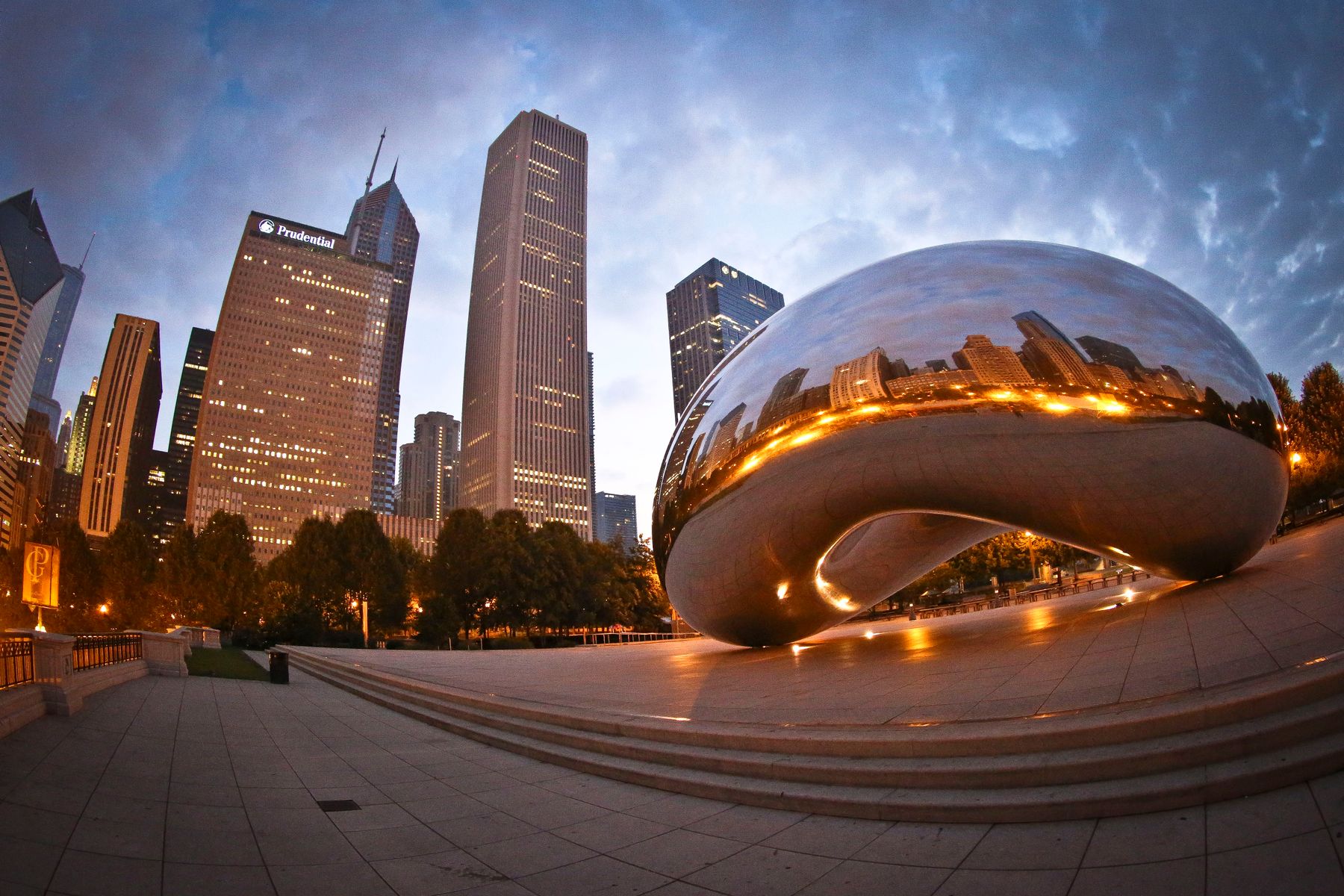
- Morning — Start around 9:30 a.m. at Millennium Park, subject to entrance hours. Spend 45–75 minutes on Cloud Gate, a short public walk and a bench.
- Getting between stops — Millennium Park and the Art Institute's Michigan Avenue approach are a roughly 0.3–0.6-mile walk depending on entry. Add time for crossings or an accessible entrance. Millennium Park to Art Institute
- Lunch — Pick a café or counter near Michigan Avenue or the museum. Use a meal break before choosing your next two galleries.
- Afternoon — Spend around 2½–3½ hours on the art you most want. Take a seat, then decide whether there is time for one additional collection or an outdoor stroll.
- Evening — Eat in the Loop or take a short ride to River North. Add theater only if the door, meal and return all fit.
- Tickets and costs — Ordinary park access is free. Check museum hours, tickets, bag rules and extra exhibit requirements.
- Practical tip — The normal Art Institute schedule includes a Tuesday closure. Reorder with a viable day rather than arriving for member-only or closed hours. Pick one art collection or short park route to allow a rested evening.
- Backup plan — If the park is wet, start indoors after opening. Drop the outdoor extras or switch museums if hours change.
- Overnight — Chicago, night 2 after a Friday arrival.
Day 2 — River architecture, Riverwalk or an indoor version
- Morning — Reach your exact cruise entrance at the operator's requested advance time. The First Lady key reference is 112 East Wacker. If no boat, take a short land-level bridge and architecture route.
- Getting between stops — Walk from your hotel and check the street level. Plan about 0.6–1 mile for a partial river-area loop, plus queue, ramps or stairs. First Lady cruise meeting point · Riverwalk near Michigan Avenue
- Lunch — Use a River North or Loop soup, sandwich or quick lunch. Reserve seating indoors if the river air is cold.
- Afternoon — Rest, then choose a short Riverwalk leg or an architecture/cultural indoor stop. Add the pier only with light and an uncomplicated return.
- Evening — Dine near the river or your hotel. Keep the pier and skyline deck optional after a long cruise day.
- Tickets and costs — The cruise is paid per person and can have specific cancellation terms. Public walks and bridge views are generally free.
- Practical tip — Wind is stronger on water. Confirm restroom, boarding alternatives and route at your specific operator. Use an earlier cruise and a drop time for luggage if you have a flight. Skip the optional pier or skyline extension.
- Backup plan — In an interruption use an indoor architecture or art stop near the dock. Drop the longest waterfront detour first.
- Overnight — Depart or add an optional third night in the same hotel.
5 Days in Chicago: Architecture and Museums Without a Rush
Four hotel nights. Give each of three full sightseeing days a separate area. Move the Art Institute day around its closure and keep the boat on a viable date. A museum after the flight is optional, not assumed.
| Day | Morning | Afternoon & evening | Overnight |
|---|---|---|---|
| Day 1 | Transfer by CTA or your chosen airport ride | Drop bags, find your station and take a short downtown walk | Chicago · night 1 |
| Day 2 | Millennium Park and Cloud Gate | Art Institute on an open day, then a Loop or River North dinner | Same hotel · night 2 |
| Day 3 | Booked architecture cruise or a short land-based route | Riverwalk or an indoor architecture stop. Skip Navy Pier if time is short | Same hotel · night 3 |
| Day 4 | Field Museum, Shedd Aquarium or Adler. Pick one | Adler skyline viewpoint in suitable weather. Eat in South Loop or Downtown | Same hotel · night 4 |
| Day 5 | Breakfast near the hotel or head straight out | Pick up luggage and take the correct route to ORD or MDW | Depart |
Day 1 — Airport arrival and one approachable downtown block
- Morning — Take the CTA or your preplanned ground ride. Compare the actual hotel and station entrances before boarding, especially with suitcases.
- Getting between stops — ORD or MDW to the Loop can require roughly 45–95 minutes door to door depending on airport, trains and walk. Keep local movement close to your bag desk. Downtown reference stop
- Lunch — Choose a café, sandwich or counter meal near your hotel. Keep the meal flexible if the flight or train moves.
- Afternoon — Drop bags, locate the correct train or bus entrance and take a seated break. Visit an outdoor plaza only if you are early and the weather is good.
- Evening — Dine near the hotel. Plan a short illuminated walking route if it suits the group's energy.
- Tickets and costs — Today is transfer, hotel and food. Hold the museum ticket for an actual full day.
- Practical tip — Separate the hotel address and airport code in your notes. Check Central Time, hotel storage and whether your room is close to a rail corridor.
- Backup plan — In a late arrival, skip the outdoor plan completely. Confirm tomorrow's venue time before sleep.
- Overnight — Chicago, night 1.
Day 2 — Millennium Park and the Art Institute as two unhurried stops
- Morning — Start around 9:30 a.m. at Millennium Park, subject to entrance hours. Spend 45–75 minutes on Cloud Gate, a short public walk and a bench.
- Getting between stops — Millennium Park and the Art Institute's Michigan Avenue approach are a roughly 0.3–0.6-mile walk depending on entry. Add time for crossings or an accessible entrance. Millennium Park to Art Institute
- Lunch — Pick a café or counter near Michigan Avenue or the museum. Use a meal break before choosing your next two galleries.
- Afternoon — Spend around 2½–3½ hours on the art you most want. Take a seat, then decide whether there is time for one additional collection or an outdoor stroll.
- Evening — Eat in the Loop or take a short ride to River North. Add theater only if the door, meal and return all fit.
- Tickets and costs — Ordinary park access is free. Check museum hours, tickets, bag rules and extra exhibit requirements.
- Practical tip — The normal Art Institute schedule includes a Tuesday closure. Reorder with a viable day rather than arriving for member-only or closed hours.
- Backup plan — If the park is wet, start indoors after opening. Drop the outdoor extras or switch museums if hours change.
- Overnight — Same Chicago hotel, night 2.
Day 3 — River architecture, Riverwalk or an indoor version
- Morning — Reach your exact cruise entrance at the operator's requested advance time. The First Lady key reference is 112 East Wacker. If no boat, take a short land-level bridge and architecture route.
- Getting between stops — Walk from your hotel and check the street level. Plan about 0.6–1 mile for a partial river-area loop, plus queue, ramps or stairs. First Lady cruise meeting point · Riverwalk near Michigan Avenue
- Lunch — Use a River North or Loop soup, sandwich or quick lunch. Reserve seating indoors if the river air is cold.
- Afternoon — Rest, then choose a short Riverwalk leg or an architecture/cultural indoor stop. Add the pier only with light and an uncomplicated return.
- Evening — Dine near the river or your hotel. Keep the pier and skyline deck optional after a long cruise day.
- Tickets and costs — The cruise is paid per person and can have specific cancellation terms. Public walks and bridge views are generally free.
- Practical tip — Wind is stronger on water. Confirm restroom, boarding alternatives and route at your specific operator.
- Backup plan — In an interruption use an indoor architecture or art stop near the dock. Drop the longest waterfront detour first.
- Overnight — Same hotel, night 3.
Day 4 — One Museum Campus anchor and a lakefront view
- Morning — Arrive near your selected opening or timed ticket. Choose Field Museum, Shedd or Adler. Select a few exhibits and a realistic visit allowance.
- Getting between stops — From the Loop plan roughly 25–50 minutes door to door by bus, walking or rideshare depending on base and conditions. A short campus walk can take 15–30 minutes outdoors. Museum Campus Field Museum access · Adler skyline lookout
- Lunch — Use an on-site or nearby permitted meal. Look up café hours and a quiet seating location before midday busy time.
- Afternoon — Rest, check the wind and walk to the Adler view if conditions allow. Do one other indoor museum only as a deliberate separate block on another day.
- Evening — Return to South Loop or downtown for a meal. Do not plan a large venue exit at the same time as a stadium event if you can avoid it.
- Tickets and costs — Museums and add-ons have distinct prices and ticket requirements. Outdoor views are free when open. Budget event parking or transit separately.
- Practical tip — Check the location of the last accessible toilet and the return stop before leaving the main entrance.
- Backup plan — Keep the museum and seek a shorter return in wet weather. Drop the skyline walk first when access or time changes.
- Overnight — Same hotel, night 4.
Day 5 — Departure near your hotel or rail line
- Morning — With a late flight, take a short breakfast walk near your luggage and confirm the airport plan. With an early flight, check out and go.
- Getting between stops — Keep optional travel about 15–30 minutes near the hotel. Put airport train or car time, terminal access and security into separate estimates. Downtown airport transfer reference
- Lunch — Use a counter close to checkout, or wait until the airport. Avoid a long pizza or other slow meal before bag drop.
- Afternoon — Collect bags, check the airport and terminal and leave on your preselected deadline. Allow a different route if there is line work.
- Evening — Depart. Any leftover time belongs near check-in and the gate.
- Tickets and costs — Set aside airport fare, rental return if needed and meal costs before optional spending.
- Practical tip — Midway and O'Hare use different trains. Confirm before boarding rather than assuming airport signs indicate the same place.
- Backup plan — Drop every final stop if weather or transportation slows down. Keep your backup route ready.
- Overnight — Depart. Four hotel nights total.
7 Days in Chicago: Lakefront and Neighborhoods
Six hotel nights in one base. Start with downtown and the campus, then do one north-side day and one Hyde Park day. Swap the lakefront section around the forecast rather than buying several timed tickets before you know the weather.
| Day | Morning | Afternoon & evening | Overnight |
|---|---|---|---|
| Day 1 | Transfer by CTA or your chosen airport ride | Drop bags, find your station and take a short downtown walk | Chicago · night 1 |
| Day 2 | Millennium Park and Cloud Gate | Art Institute on an open day, then a Loop or River North dinner | Same hotel · night 2 |
| Day 3 | Booked architecture cruise or a short land-based route | Riverwalk or an indoor architecture stop. Skip Navy Pier if time is short | Same hotel · night 3 |
| Day 4 | Field Museum, Shedd Aquarium or Adler. Pick one | Adler skyline viewpoint in suitable weather. Eat in South Loop or Downtown | Same hotel · night 4 |
| Day 5 | Lincoln Park Zoo or the park | Lakeview or a booked Cubs game. Check event crowds on the way back | Same hotel · night 5 |
| Day 6 | Griffin Museum of Science and Industry or Hyde Park architecture | One nearby public area, local meal and return by CTA or Metra | Same hotel · night 6 |
| Day 7 | Breakfast near the hotel or head straight out | Pick up luggage and take the correct route to ORD or MDW | Depart |
Day 1 — Airport arrival and one approachable downtown block
- Morning — Take the CTA or your preplanned ground ride. Compare the actual hotel and station entrances before boarding, especially with suitcases.
- Getting between stops — ORD or MDW to the Loop can require roughly 45–95 minutes door to door depending on airport, trains and walk. Keep local movement close to your bag desk. Downtown reference stop
- Lunch — Choose a café, sandwich or counter meal near your hotel. Keep the meal flexible if the flight or train moves.
- Afternoon — Drop bags, locate the correct train or bus entrance and take a seated break. Visit an outdoor plaza only if you are early and the weather is good.
- Evening — Dine near the hotel. Plan a short illuminated walking route if it suits the group's energy.
- Tickets and costs — Today is transfer, hotel and food. Hold the museum ticket for an actual full day.
- Practical tip — Separate the hotel address and airport code in your notes. Check Central Time, hotel storage and whether your room is close to a rail corridor.
- Backup plan — In a late arrival, skip the outdoor plan completely. Confirm tomorrow's venue time before sleep.
- Overnight — Chicago, night 1.
Day 2 — Millennium Park and the Art Institute as two unhurried stops
- Morning — Start around 9:30 a.m. at Millennium Park, subject to entrance hours. Spend 45–75 minutes on Cloud Gate, a short public walk and a bench.
- Getting between stops — Millennium Park and the Art Institute's Michigan Avenue approach are a roughly 0.3–0.6-mile walk depending on entry. Add time for crossings or an accessible entrance. Millennium Park to Art Institute
- Lunch — Pick a café or counter near Michigan Avenue or the museum. Use a meal break before choosing your next two galleries.
- Afternoon — Spend around 2½–3½ hours on the art you most want. Take a seat, then decide whether there is time for one additional collection or an outdoor stroll.
- Evening — Eat in the Loop or take a short ride to River North. Add theater only if the door, meal and return all fit.
- Tickets and costs — Ordinary park access is free. Check museum hours, tickets, bag rules and extra exhibit requirements.
- Practical tip — The normal Art Institute schedule includes a Tuesday closure. Reorder with a viable day rather than arriving for member-only or closed hours.
- Backup plan — If the park is wet, start indoors after opening. Drop the outdoor extras or switch museums if hours change.
- Overnight — Same hotel, night 2.
Day 3 — River architecture, Riverwalk or an indoor version
- Morning — Reach your exact cruise entrance at the operator's requested advance time. The First Lady key reference is 112 East Wacker. If no boat, take a short land-level bridge and architecture route.
- Getting between stops — Walk from your hotel and check the street level. Plan about 0.6–1 mile for a partial river-area loop, plus queue, ramps or stairs. First Lady cruise meeting point · Riverwalk near Michigan Avenue
- Lunch — Use a River North or Loop soup, sandwich or quick lunch. Reserve seating indoors if the river air is cold.
- Afternoon — Rest, then choose a short Riverwalk leg or an architecture/cultural indoor stop. Add the pier only with light and an uncomplicated return.
- Evening — Dine near the river or your hotel. Keep the pier and skyline deck optional after a long cruise day.
- Tickets and costs — The cruise is paid per person and can have specific cancellation terms. Public walks and bridge views are generally free.
- Practical tip — Wind is stronger on water. Confirm restroom, boarding alternatives and route at your specific operator.
- Backup plan — In an interruption use an indoor architecture or art stop near the dock. Drop the longest waterfront detour first.
- Overnight — Same hotel, night 3.
Day 4 — One Museum Campus anchor and a lakefront view
- Morning — Arrive near your selected opening or timed ticket. Choose Field Museum, Shedd or Adler. Select a few exhibits and a realistic visit allowance.
- Getting between stops — From the Loop plan roughly 25–50 minutes door to door by bus, walking or rideshare depending on base and conditions. A short campus walk can take 15–30 minutes outdoors. Museum Campus Field Museum access · Adler skyline lookout
- Lunch — Use an on-site or nearby permitted meal. Look up café hours and a quiet seating location before midday busy time.
- Afternoon — Rest, check the wind and walk to the Adler view if conditions allow. Do one other indoor museum only as a deliberate separate block on another day.
- Evening — Return to South Loop or downtown for a meal. Do not plan a large venue exit at the same time as a stadium event if you can avoid it.
- Tickets and costs — Museums and add-ons have distinct prices and ticket requirements. Outdoor views are free when open. Budget event parking or transit separately.
- Practical tip — Check the location of the last accessible toilet and the return stop before leaving the main entrance.
- Backup plan — Keep the museum and seek a shorter return in wet weather. Drop the skyline walk first when access or time changes.
- Overnight — Same hotel, night 4.
Day 5 — Lincoln Park, Lakeview and a Wrigley decision
- Morning — Start about 9:30 a.m. at the zoo or the park. Pick one route that gives you a quiet early walk and time to sit. A Cubs game can replace most of the rest of the day.
- Getting between stops — From central Chicago allow about 30–55 minutes with CTA and walking. Lincoln Park to Wrigley is a separate connection and may need 20–45 minutes. Lincoln Park starting point · Wrigley Field
- Lunch — Choose a Lincoln Park deli or a casual Lakeview meal by whichever route you take. Check a dietary alternative before joining a game-day line.
- Afternoon — After a rest, take a small lake or neighborhood loop, or attend the game. Confirm entry, seating and how to return before adding a timed visit.
- Evening — Eat in Lakeview or Lincoln Park if you are already there. Let post-event train crowds settle if waiting works for your group.
- Tickets and costs — Zoo entry is generally free. Parking, evening events, game tickets and paid tours are separate.
- Practical tip — Check the zoo and stadium calendar and keep independent transit options. Shade and seats can be limited along certain park walks. Choose the zoo and park for low-cost pacing, or use a confirmed Cubs game as the one long activity.
- Backup plan — In wet weather choose a neighborhood café or an available indoor activity. Cut the second neighborhood rather than making two long transfers.
- Overnight — Same hotel, night 5.
Day 6 — Hyde Park science or architecture with time to sit
- Morning — Choose the Griffin Museum of Science and Industry or a campus and neighborhood day. Start around opening for the ticketed version and allow 2½–4 hours.
- Getting between stops — Check the actual Metra Electric or CTA connection. Allow 35–65 minutes door to door from the Loop, plus station walking and waits. Hyde Park museum anchor · Hyde Park station reference
- Lunch — Use a museum café or a Hyde Park counter. Check options for allergies or other diet requirements when food preparation matters.
- Afternoon — Take a break and see a short nearby public area or return to the hotel. Keep tickets and closures in mind if you choose an add-on exhibit.
- Evening — Eat in Hyde Park or back at your base. Recheck the last train or available bus before sitting down.
- Tickets and costs — Price general museum admission, specialty experiences and rail separately. Campus and neighborhood outdoor access varies by area and event.
- Practical tip — Note stops in both directions. Do not expect the same street distance or a working elevator for every platform.
- Backup plan — Keep an indoor visit when open, or swap this day with an easier route. Drop the extended campus walk first.
- Overnight — Same hotel, night 6.
Day 7 — Departure near your hotel or rail line
- Morning — With a late flight, take a short breakfast walk near your luggage and confirm the airport plan. With an early flight, check out and go.
- Getting between stops — Keep optional travel about 15–30 minutes near the hotel. Put airport train or car time, terminal access and security into separate estimates. Downtown airport transfer reference
- Lunch — Use a counter close to checkout, or wait until the airport. Avoid a long pizza or other slow meal before bag drop.
- Afternoon — Collect bags, check the airport and terminal and leave on your preselected deadline. Allow a different route if there is line work.
- Evening — Depart. Any leftover time belongs near check-in and the gate.
- Tickets and costs — Set aside airport fare, rental return if needed and meal costs before optional spending.
- Practical tip — Midway and O'Hare use different trains. Confirm before boarding rather than assuming airport signs indicate the same place.
- Backup plan — Drop every final stop if weather or transportation slows down. Keep your backup route ready.
- Overnight — Depart. Six hotel nights total.
10 Days in Chicago: Neighborhoods, Flex Time and Optional Milwaukee
Stay nine nights in the same Chicago hotel. Days 1–9 return there. Day 9 is a day trip only if the train you want fits. The city-only option uses that day for recovery or the museum you missed without adding another fare or hotel. Keep the departure day local.
| Day | Morning | Afternoon & evening | Overnight |
|---|---|---|---|
| Day 1 | Transfer by CTA or your chosen airport ride | Drop bags, find your station and take a short downtown walk | Chicago · night 1 |
| Day 2 | Millennium Park and Cloud Gate | Art Institute on an open day, then a Loop or River North dinner | Same hotel · night 2 |
| Day 3 | Booked architecture cruise or a short land-based route | Riverwalk or an indoor architecture stop. Skip Navy Pier if time is short | Same hotel · night 3 |
| Day 4 | Field Museum, Shedd Aquarium or Adler. Pick one | Adler skyline viewpoint in suitable weather. Eat in South Loop or Downtown | Same hotel · night 4 |
| Day 5 | Griffin Museum of Science and Industry or Hyde Park architecture | One nearby public area, local meal and return by CTA or Metra | Same hotel · night 5 |
| Day 6 | Lincoln Park Zoo or the park | Lakeview or a booked Cubs game. Check event crowds on the way back | Same hotel · night 6 |
| Day 7 | Pilsen murals or Chinatown. Choose one first | Neighborhood lunch and one short gallery, plaza or market stop | Same hotel · night 7 |
| Day 8 | Garfield Park Conservatory if open or Fulton Market | Rest or choose one indoor visit, then a West Loop dinner | Same hotel · night 8 |
| Day 9 | Early round-trip train to Milwaukee or a Chicago flex morning | Historic Third Ward and one indoor stop, or use a missed Chicago museum | Same hotel · night 9 |
| Day 10 | Breakfast near the hotel or head straight out | Pick up luggage and take the correct route to ORD or MDW | Depart |
Day 1 — Airport arrival and one approachable downtown block
- Morning — Take the CTA or your preplanned ground ride. Compare the actual hotel and station entrances before boarding, especially with suitcases.
- Getting between stops — ORD or MDW to the Loop can require roughly 45–95 minutes door to door depending on airport, trains and walk. Keep local movement close to your bag desk. Downtown reference stop
- Lunch — Choose a café, sandwich or counter meal near your hotel. Keep the meal flexible if the flight or train moves.
- Afternoon — Drop bags, locate the correct train or bus entrance and take a seated break. Visit an outdoor plaza only if you are early and the weather is good.
- Evening — Dine near the hotel. Plan a short illuminated walking route if it suits the group's energy.
- Tickets and costs — Today is transfer, hotel and food. Hold the museum ticket for an actual full day.
- Practical tip — Separate the hotel address and airport code in your notes. Check Central Time, hotel storage and whether your room is close to a rail corridor.
- Backup plan — In a late arrival, skip the outdoor plan completely. Confirm tomorrow's venue time before sleep.
- Overnight — Chicago, night 1.
Day 2 — Millennium Park and the Art Institute as two unhurried stops
- Morning — Start around 9:30 a.m. at Millennium Park, subject to entrance hours. Spend 45–75 minutes on Cloud Gate, a short public walk and a bench.
- Getting between stops — Millennium Park and the Art Institute's Michigan Avenue approach are a roughly 0.3–0.6-mile walk depending on entry. Add time for crossings or an accessible entrance. Millennium Park to Art Institute
- Lunch — Pick a café or counter near Michigan Avenue or the museum. Use a meal break before choosing your next two galleries.
- Afternoon — Spend around 2½–3½ hours on the art you most want. Take a seat, then decide whether there is time for one additional collection or an outdoor stroll.
- Evening — Eat in the Loop or take a short ride to River North. Add theater only if the door, meal and return all fit.
- Tickets and costs — Ordinary park access is free. Check museum hours, tickets, bag rules and extra exhibit requirements.
- Practical tip — The normal Art Institute schedule includes a Tuesday closure. Reorder with a viable day rather than arriving for member-only or closed hours.
- Backup plan — If the park is wet, start indoors after opening. Drop the outdoor extras or switch museums if hours change.
- Overnight — Same hotel, night 2.
Day 3 — River architecture, Riverwalk or an indoor version
- Morning — Reach your exact cruise entrance at the operator's requested advance time. The First Lady key reference is 112 East Wacker. If no boat, take a short land-level bridge and architecture route.
- Getting between stops — Walk from your hotel and check the street level. Plan about 0.6–1 mile for a partial river-area loop, plus queue, ramps or stairs. First Lady cruise meeting point · Riverwalk near Michigan Avenue
- Lunch — Use a River North or Loop soup, sandwich or quick lunch. Reserve seating indoors if the river air is cold.
- Afternoon — Rest, then choose a short Riverwalk leg or an architecture/cultural indoor stop. Add the pier only with light and an uncomplicated return.
- Evening — Dine near the river or your hotel. Keep the pier and skyline deck optional after a long cruise day.
- Tickets and costs — The cruise is paid per person and can have specific cancellation terms. Public walks and bridge views are generally free.
- Practical tip — Wind is stronger on water. Confirm restroom, boarding alternatives and route at your specific operator.
- Backup plan — In an interruption use an indoor architecture or art stop near the dock. Drop the longest waterfront detour first.
- Overnight — Same hotel, night 3.
Day 4 — One Museum Campus anchor and a lakefront view
- Morning — Arrive near your selected opening or timed ticket. Choose Field Museum, Shedd or Adler. Select a few exhibits and a realistic visit allowance.
- Getting between stops — From the Loop plan roughly 25–50 minutes door to door by bus, walking or rideshare depending on base and conditions. A short campus walk can take 15–30 minutes outdoors. Museum Campus Field Museum access · Adler skyline lookout
- Lunch — Use an on-site or nearby permitted meal. Look up café hours and a quiet seating location before midday busy time.
- Afternoon — Rest, check the wind and walk to the Adler view if conditions allow. Do one other indoor museum only as a deliberate separate block on another day.
- Evening — Return to South Loop or downtown for a meal. Do not plan a large venue exit at the same time as a stadium event if you can avoid it.
- Tickets and costs — Museums and add-ons have distinct prices and ticket requirements. Outdoor views are free when open. Budget event parking or transit separately.
- Practical tip — Check the location of the last accessible toilet and the return stop before leaving the main entrance.
- Backup plan — Keep the museum and seek a shorter return in wet weather. Drop the skyline walk first when access or time changes.
- Overnight — Same hotel, night 4.
Day 5 — Hyde Park science or architecture with time to sit
- Morning — Choose the Griffin Museum of Science and Industry or a campus and neighborhood day. Start around opening for the ticketed version and allow 2½–4 hours.
- Getting between stops — Check the actual Metra Electric or CTA connection. Allow 35–65 minutes door to door from the Loop, plus station walking and waits. Hyde Park museum anchor · Hyde Park station reference
- Lunch — Use a museum café or a Hyde Park counter. Check options for allergies or other diet requirements when food preparation matters.
- Afternoon — Take a break and see a short nearby public area or return to the hotel. Keep tickets and closures in mind if you choose an add-on exhibit.
- Evening — Eat in Hyde Park or back at your base. Recheck the last train or available bus before sitting down.
- Tickets and costs — Price general museum admission, specialty experiences and rail separately. Campus and neighborhood outdoor access varies by area and event.
- Practical tip — Note stops in both directions. Do not expect the same street distance or a working elevator for every platform.
- Backup plan — Keep an indoor visit when open, or swap this day with an easier route. Drop the extended campus walk first.
- Overnight — Same hotel, night 5.
Day 6 — Lincoln Park, Lakeview and a Wrigley decision
- Morning — Start about 9:30 a.m. at the zoo or the park. Pick one route that gives you a quiet early walk and time to sit. A Cubs game can replace most of the rest of the day.
- Getting between stops — From central Chicago allow about 30–55 minutes with CTA and walking. Lincoln Park to Wrigley is a separate connection and may need 20–45 minutes. Lincoln Park starting point · Wrigley Field
- Lunch — Choose a Lincoln Park deli or a casual Lakeview meal by whichever route you take. Check a dietary alternative before joining a game-day line.
- Afternoon — After a rest, take a small lake or neighborhood loop, or attend the game. Confirm entry, seating and how to return before adding a timed visit.
- Evening — Eat in Lakeview or Lincoln Park if you are already there. Let post-event train crowds settle if waiting works for your group.
- Tickets and costs — Zoo entry is generally free. Parking, evening events, game tickets and paid tours are separate.
- Practical tip — Check the zoo and stadium calendar and keep independent transit options. Shade and seats can be limited along certain park walks.
- Backup plan — In wet weather choose a neighborhood café or an available indoor activity. Cut the second neighborhood rather than making two long transfers.
- Overnight — Same hotel, night 6.
Day 7 — Pilsen or Chinatown as a close-up neighborhood day
- Morning — Begin around 10 a.m. with a Pilsen mural walk on public sidewalks, or use an open museum as your anchor. For a food-centered alternative choose Chinatown as the primary neighborhood.
- Getting between stops — From the Loop, compare a Pink Line or bus route to Pilsen, or Red Line to Chinatown. Budget about 30–60 minutes from your hotel to the selected stop. Pilsen public arts area · Chinatown food area
- Lunch — Eat tacos and a bakery item in Pilsen, or dumplings and noodles in Chinatown. Ask about broth, shared frying and seating.
- Afternoon — Take a café or plaza break. Add only a short nearby gallery or food walk when there is time. Treat a second neighborhood as optional.
- Evening — Return to your hotel or stay for one neighborhood dinner. Keep the evening transport easy to confirm.
- Tickets and costs — Street art is free to view where public. Check museum hours, event ticketing and current transit fares.
- Practical tip — These are lived-in neighborhoods. Give sidewalks and storefronts space and ask before photographing people.
- Backup plan — If weather is poor, use an open indoor stop and lunch. Drop the second district first.
- Overnight — Same hotel, night 7.
Day 8 — Garfield Park Conservatory or a West Loop recovery day
- Morning — Choose an open conservatory slot or stay near Fulton Market for a shorter late morning. Use the published hours and reservation terms for your exact date.
- Getting between stops — Plan 25–55 minutes by CTA/walk from the central area to the conservatory, depending on connections and availability. The West Loop is a separate stop on the return. Garfield Park Conservatory entrance · Fulton Market area
- Lunch — Choose lunch on one side of the trip. If a destination dinner matters, make lunch light and keep the return predictable.
- Afternoon — Rest at the hotel or spend time with one open indoor collection. Leave a quiet half-day if the earlier days were tiring.
- Evening — Eat an early West Loop dinner or stay near your hotel. Avoid committing to two reservations around an uncertain commute.
- Tickets and costs — Check conservatory price or admission rules and reserve when required. Food, transfers and special events cost separately.
- Practical tip — Confirm the correct conservatory entry and check the Green Line or bus route before leaving.
- Backup plan — In delay or wet weather use an indoor lunch and an easy central visit. Cut the longer transit leg if needed.
- Overnight — Same hotel, night 8.
Day 9 — Optional Milwaukee train day or a final Chicago flex day
- Morning — Take a confirmed early train from Chicago Union Station or sleep later if choosing the city-only day. Get to the actual Amtrak concourse before boarding.
- Getting between stops — Allow roughly two hours or more including station waits for each direction. In Milwaukee the Intermodal Station is a separate point from the Third Ward stops. Chicago Union Station departure · Milwaukee Intermodal Station
- Lunch — Eat around the Historic Third Ward or at an open market, or revisit a Chicago favorite if you stay. Leave enough time to sit.
- Afternoon — Choose one museum or a short local walk with an indoor backup. Return for the train at the planned time rather than trusting a final shortcut.
- Evening — Return to Chicago and have a simple hotel-area meal. Pack before the next day's departure.
- Tickets and costs — Amtrak fares are separate from CTA. Check both legs, baggage and scheduled times. A Chicago-only day can be low cost.
- Practical tip — Keep the last train out of your plan if a slightly earlier train fits. Check the return delay outlook before adding another stop. If staying in Chicago, use the day for a nearby missed museum, lunch, or a long recovery and packing block.
- Backup plan — If the timetable or weather fails, use the city-only version, with a coffee, one indoor stop and early packing.
- Overnight — Same Chicago hotel, night 9. No change for Milwaukee.
Day 10 — Departure near your hotel or rail line
- Morning — With a late flight, take a short breakfast walk near your luggage and confirm the airport plan. With an early flight, check out and go.
- Getting between stops — Keep optional travel about 15–30 minutes near the hotel. Put airport train or car time, terminal access and security into separate estimates. Downtown airport transfer reference
- Lunch — Use a counter close to checkout, or wait until the airport. Avoid a long pizza or other slow meal before bag drop.
- Afternoon — Collect bags, check the airport and terminal and leave on your preselected deadline. Allow a different route if there is line work.
- Evening — Depart. Any leftover time belongs near check-in and the gate.
- Tickets and costs — Set aside airport fare, rental return if needed and meal costs before optional spending.
- Practical tip — Midway and O'Hare use different trains. Confirm before boarding rather than assuming airport signs indicate the same place.
- Backup plan — Drop every final stop if weather or transportation slows down. Keep your backup route ready.
- Overnight — Depart. Nine hotel nights total.
Practical Information for Major Chicago Attractions
Millennium Park, Cloud Gate and the Art Institute
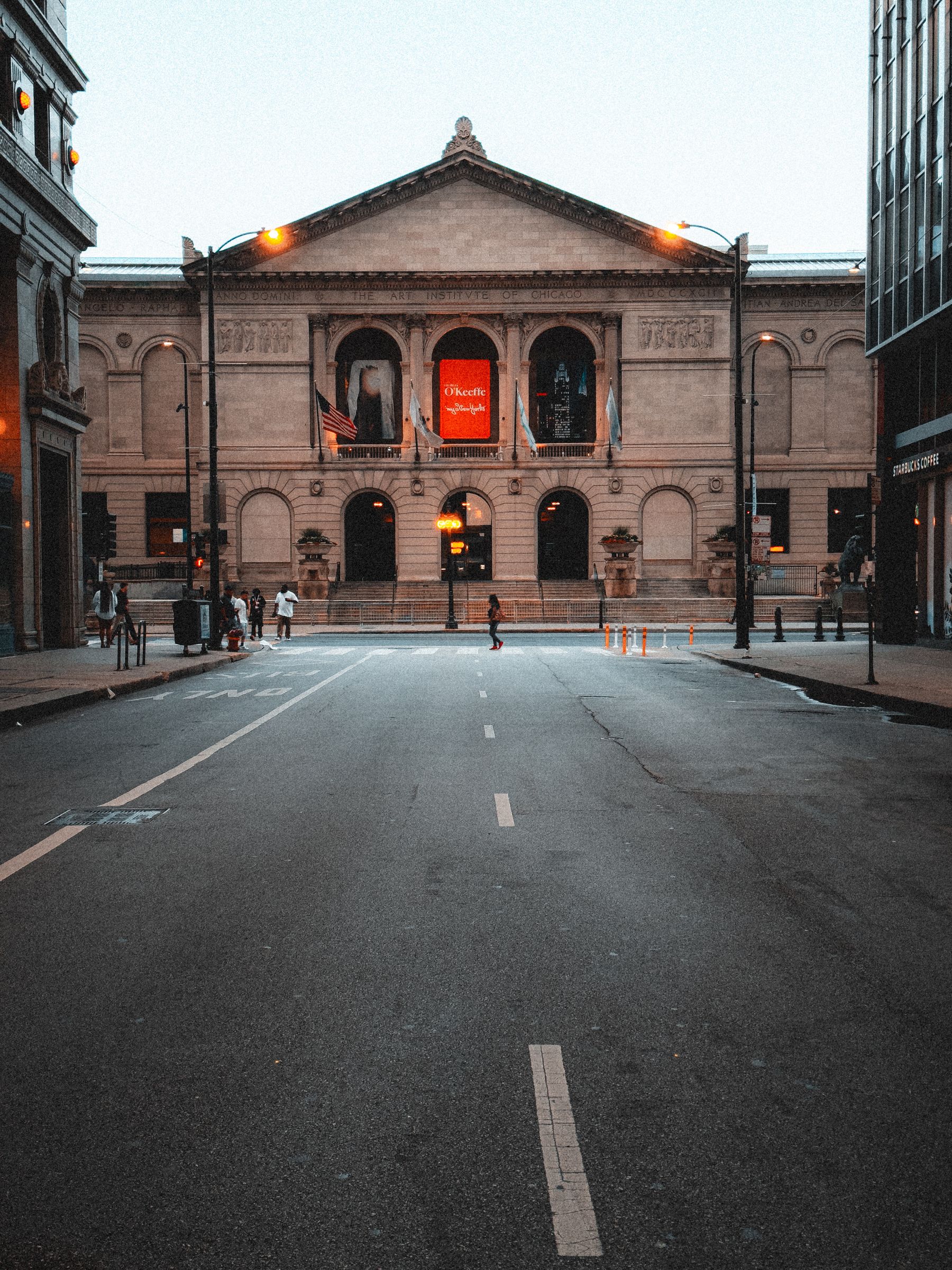
Allow 45–90 minutes for Cloud Gate, other open outdoor sights and a seat. Outdoor park access is free in ordinary operation. Events, gates and plaza hours can affect entrances. The Art Institute next to this cluster deserves 2½–4 hours as its own anchor. Its public admissions calendar listed Tuesday closure at the November 2026 check. Check your date, closing and ticket cutoff before pairing it with the park. Pick two collections in advance, leave oversized luggage at the hotel, ask about checkroom policies and use the accessible entrance information rather than guessing from the lion steps. Cloud Gate entrance reference · Art Institute Michigan Avenue entrance
Architecture cruise, Riverwalk and a winter substitute
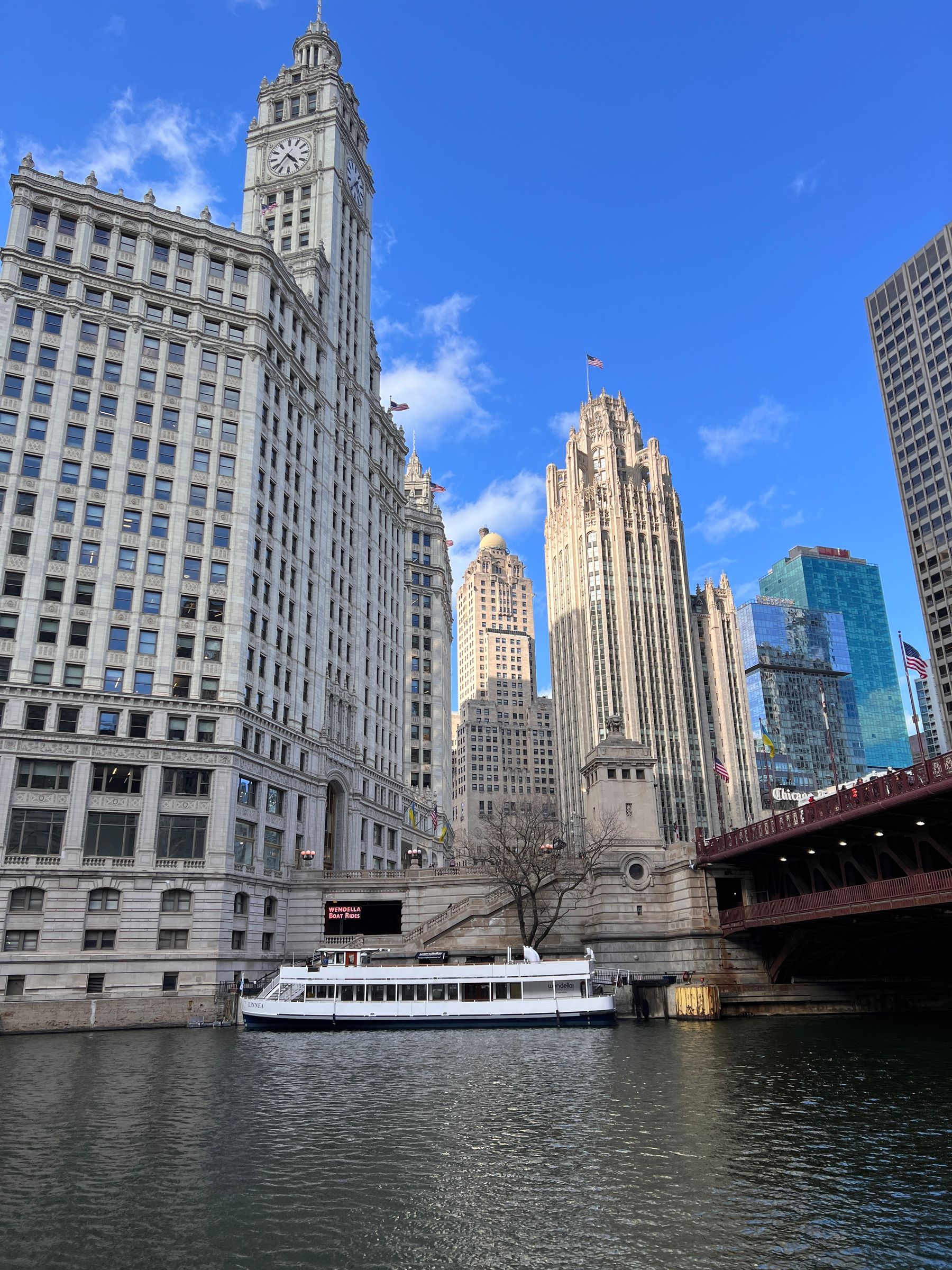
Allow about 2–2½ hours including approach, boarding and the cruise if chosen. The named Chicago Architecture Center/First Lady boat departs near 112 E. Wacker Drive, at river level. The operator lists a 30-minute early arrival and access guidance for visitors who cannot use stairs. If choosing a different operator, use the address given by that operator. Pay per person and check the ticket's weather terms, seating, restrooms and any mobility requirements. The public Riverwalk is a free alternative, but river-level sections can close or be difficult in winter. Use an open indoor architecture or cultural stop if that happens. First Lady architecture cruise entrance · Chicago Riverwalk
Field Museum, Shedd Aquarium and Adler skyline
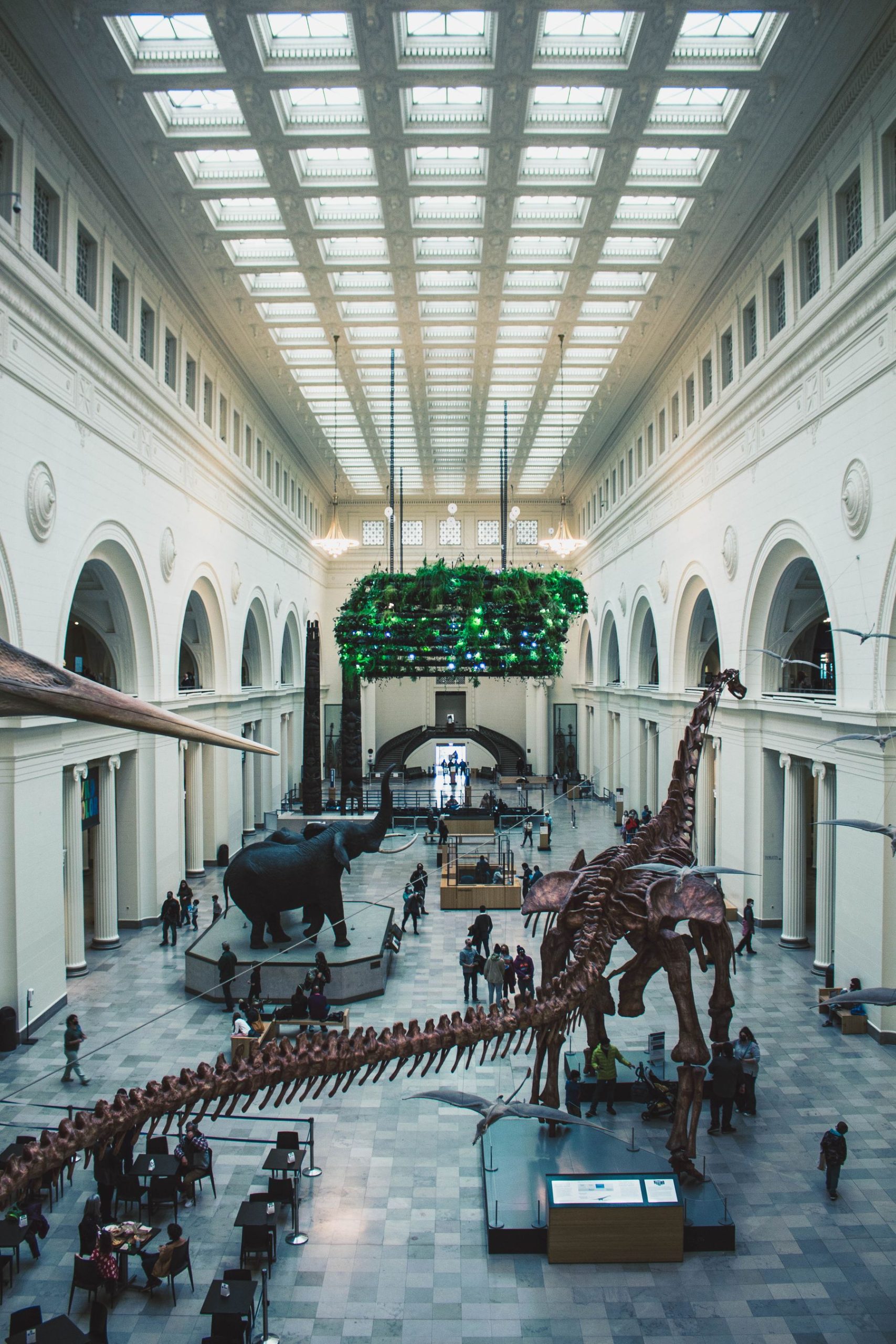
Choose one indoor campus anchor for 2½–4 hours. The Field Museum is usually easy to tailor to dinosaur, cultural or natural history interests. Shedd Aquarium has its own arrival and timed admission, and Adler Planetarium has its own ticket and show hours. Between venues, use the correct entrance pin and allow outside time on wide, exposed paths. Check last admission, exhibit ticketing, parking and event routing, accessibility, and bag or coat check. Find a snack, water and a place to sit before the optional skyline view near Adler. The outdoor view does not require a planetarium ticket. Field Museum entrance · Shedd Aquarium · Adler skyline perspective
Lincoln Park, Wrigley Field and Hyde Park
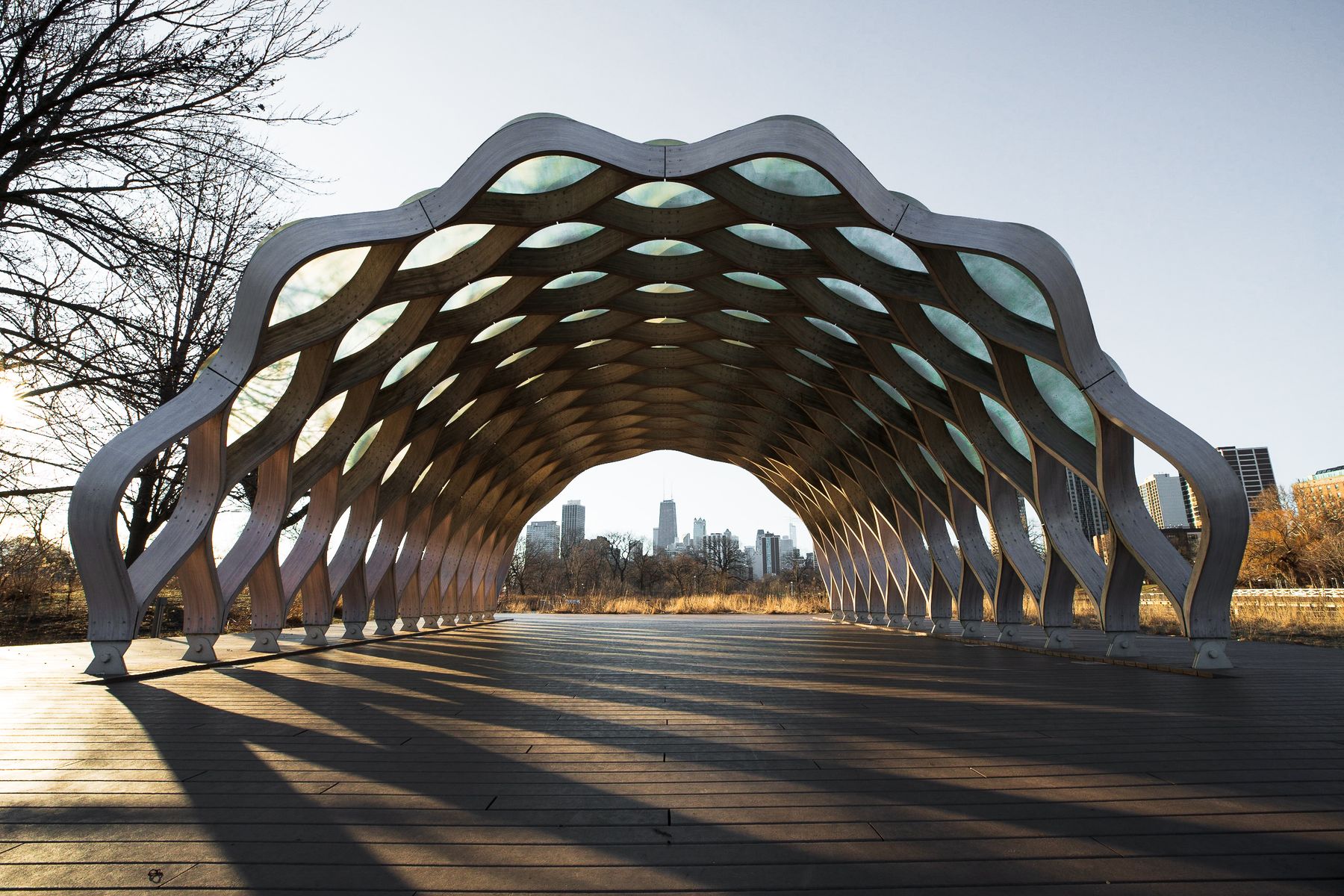
Lincoln Park: Allow 2–3 hours around the zoo, nearby park or North Pond. Lincoln Park Zoo's general entry is free, while some events or parking cost extra. Check hours and any capacity or accessibility rules before arrival. Wrigley: If you book a game, reserve the whole block and allow the return crowd to clear. Verify bag limits and the correct entry gate. Hyde Park: Go for the Griffin Museum of Science and Industry or a campus and neighborhood route, not both at full length. Reserve exhibits and venue time separately, and check the transit operator and station. Lincoln Park Zoo · Wrigley Field gate reference · Hyde Park museum entrance
Milwaukee day trip and a city-only alternative
The ten-day plan can use Hiawatha service from Chicago Union Station to Milwaukee Intermodal Station if schedules and availability fit. Compare the outbound and return together, set an alarm for boarding, and leave bags in Chicago. Walk part of the Historic Third Ward or choose an indoor market when open. Count hotel to station, platform wait, train and onward walking as separate legs. Indiana Dunes requires a different plan, with a park-entry decision and transport from the actual station to your chosen beach or trail. Do not assume they are one interchange. Chicago Union Station · Milwaukee Intermodal Station
Where to Eat in Chicago
| Area | Meal ideas | Planning detail |
|---|---|---|
| Loop / River North | Cafés, Italian beef, hot dogs, deep dish or neighborhood-style pizza | Ask how long your pizza bakes if you have event seats. A quick bowl may fit better before a cruise. |
| West Loop | Counters, bakeries, Fulton Market and special dinners | A short sightseeing outing can end here without a timed museum. Check booking and cancellation before choosing. |
| Chinatown | Dumplings, noodles, pastries or a family-style meal | Ask about broth, pork, seafood and shared cooking surfaces. Check accessible seating at a specific restaurant. |
| Pilsen | Tacos, bakeries, or a seated local meal | Respect neighborhood activity when photographing murals. Allow time to walk between transit and the restaurant. |
| Lincoln Park, Lakeview, or Hyde Park | Coffee, sandwiches and a local dinner close to your last stop | Stay near the return line on late evenings and check event-time service. |
For an example allowance, use $12–$24 per person at a counter and $27–$60 for many ordinary sit-down meals before any additional tax, tip or service charge. A stadium purchase, drinks or special dinner can raise the bill. Check the receipt for included service charges. The 20 Best Restaurants in Chicago guide has more options by trip style.
How Much Does a Chicago Trip Cost?
These are planning estimates in U.S. dollars for two adults sharing one room, not quotes. The room assumptions include an allowance for local taxes and mandatory fees. The food line includes an allowance for taxes and ordinary tips. Flights, insurance, shopping, refundable deposits and premium ticket upgrades are outside the totals. The weekend covers two sightseeing days. Add Friday dinner separately if it uses more than your reserve.
Use one Chicago hotel on all four plans. The budget model emphasizes train travel, outdoor routes and one or two admissions. Midrange allows a river cruise and more museums. Comfortable allows a larger lodging and rideshare budget. The midrange and comfortable ten-day totals include an allowance within admissions and experiences for a Milwaukee train day. Replace that figure with an actual quote if you go.
| Trip length and lodging | Budget | Midrange | Comfortable |
|---|---|---|---|
| Weekend / 2 nights | $633 | $1,176 | $2,035 |
| 5 days / 4 nights | $1,333 | $2,460 | $4,200 |
| 7 days / 6 nights | $1,913 | $3,486 | $5,985 |
| 10 days / 9 nights | $2,743 | $5,030 | $8,565 |
| Five-day budget for two | Budget | Midrange | Comfortable |
|---|---|---|---|
| Hotel incl. estimated taxes and mandatory fees | $540 | $880 | $1,420 |
| Food for two | $425 | $725 | $1,125 |
| Local transport / road costs | $100 | $215 | $475 |
| Airport transfers | $28 | $85 | $160 |
| Admissions and experiences | $140 | $385 | $750 |
| Reserve | $100 | $170 | $270 |
| Total for two | $1,333 | $2,460 | $4,200 |
| Per person for the whole trip | $666.50 | $1,230 | $2,100 |
Build a personal estimate in this order: (1) quote rooms by actual night and base, (2) add the trip to and from the airport, (3) price rides, fuel and parking, (4) buy only the admissions you will use, (5) budget meals and a reserve. Do not count prepaid transfers or a parking charge twice. Use the cash you will actually spend rather than relying on a refundable deposit or credit as a discount.
If you are changing one number, change the hotel amount first and use the full booking total. Then price the boat, sports, concerts and any paid exhibit as individual choices. Show tickets can cost more than all local transport. If winter removes a boat day, move the unused allowance to an indoor attraction or retain it as contingency instead of spending it automatically.
Free Things to Do in Chicago and Ways to Save
- Photograph Cloud Gate, walk part of the Riverwalk when open, and use a lakefront area near your main stop. Outdoor access does not include state, event or garage costs.
- Visit the Lincoln Park Zoo on ordinary free-entry dates or enjoy a small nearby park loop. Check special tickets, parking and restrooms before going.
- Look at exterior architecture near the Chicago River, the Wrigley Building and the Loop. Add a warm stop in winter and use the correct street level.
- Look up free museum access, eligibility and date before choosing one. A free program for Illinois residents may not apply to a visitor.
- Compare a bundled pass with the museum and cruise dates you would actually reserve. Also count booking limitations and transfer time.
Best Photo Spots in Chicago
| Photo | Suggested spot or time | Practical note |
|---|---|---|
| Cloud Gate reflections | Millennium Park in early light or later when quieter | Use public entrances, keep moving paths clear and respect event limits. Cloud Gate photo spot |
| River and bridge architecture | A marked crossing or sidewalk near Michigan Avenue and Wacker | Photographs from upper and lower levels differ. Use only the open sidewalks. DuSable Bridge view |
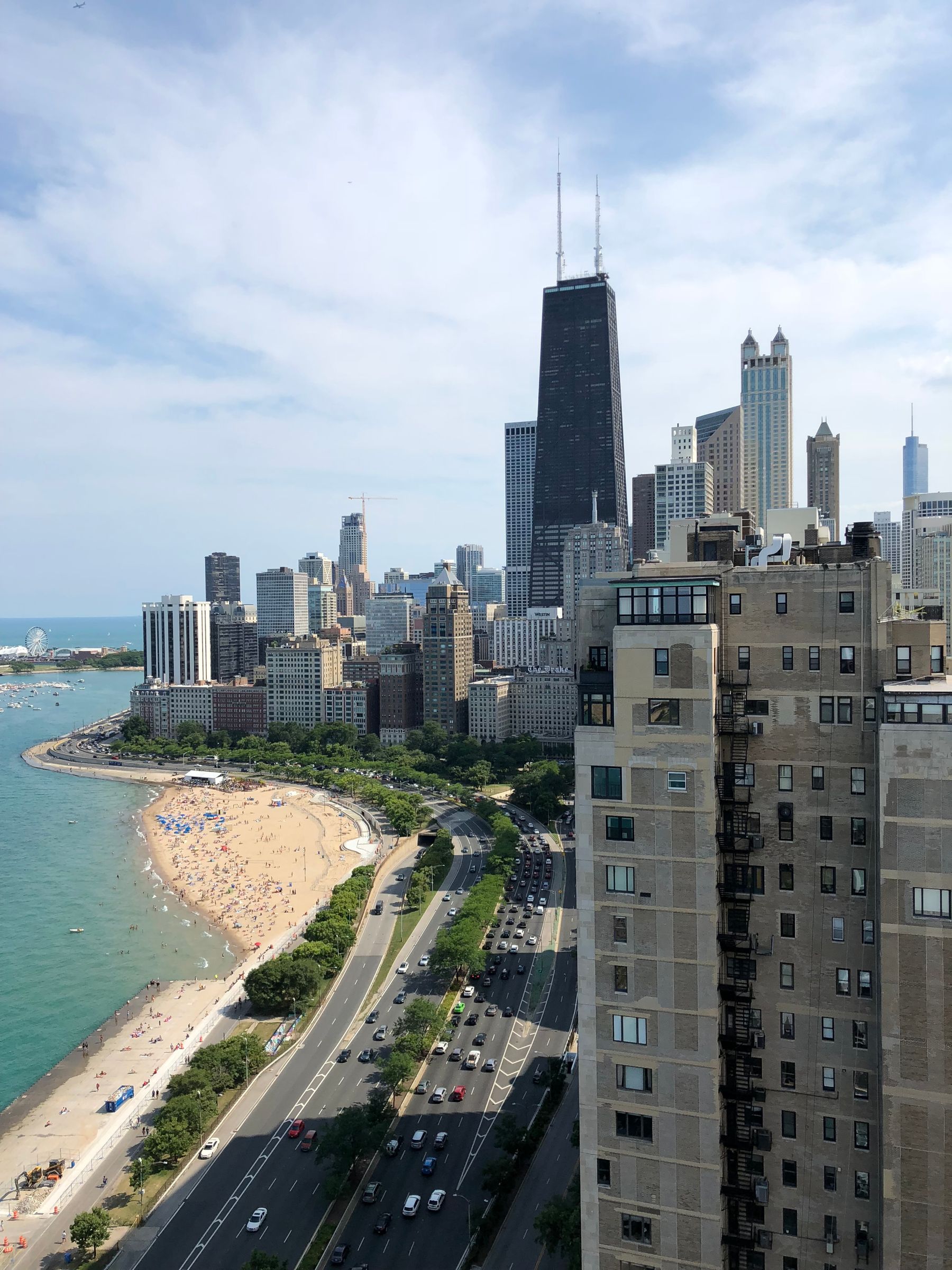
| Lake and downtown skyline | Outdoor path near Adler in clearer light | Wind can be strong. Plan the return before twilight and keep back from lake edges and closed areas. Adler skyline viewpoint |
| Lincoln Park skyline | Nature Boardwalk or a public pavilion area | Mind path grade, weather and temporary events. Lincoln Park Nature Boardwalk |
| Wrigley marquee | Public sidewalk near Clark and Addison | Choose an early non-event time for space. Never stand in traffic. Wrigley Field marquee |
| Lakefront early light | A signed public stretch near Oak Street Beach | In winter or storms choose a safe inland angle. Protect the route from snow and waves. Oak Street Beach access |
Chicago Places to Cover by Trip Length
- Weekend: Millennium Park, an Art Institute choice and the river or architecture cruise.
- Five days: Add Museum Campus and the Adler skyline perspective if conditions permit.
- Seven days: Add Lincoln Park/Lakeview and Hyde Park, each with its own travel day.
- Ten days: Add neighborhood meals, Garfield Park or West Loop and a day to revisit a favorite. Take the optional Milwaukee rail route only if both trains fit.
Adapt Your Chicago Itinerary
Families. Pick a dinosaur, aquarium or hands-on science anchor and one optional outdoor stop. Use a restroom or snack before the longest admission line. Ask about strollers and bag storage. Spend extra time at the zoo or lakefront if that is where the children are interested.
Couples. Book a river time and a nearby dinner with margin to get seated after the boat. For a calmer day pair one art collection with a park seat. Save a private low-key evening for the day you do not need to watch a clock at the dock or theater.
Solo and no car. Use a CTA corridor with an easy return. Avoid adding an icy or poorly lit shortcut just because a map shows it. Counter meals and a single architecture or neighborhood walk make a sound midday plan.
Limited mobility or quieter pacing. Check the accessibility of both platforms, luggage and toilet location, boat gangway and actual seats. Use bus and surface-level routes when station stairs or river access would spoil the plan. Museum Campus involves outdoor walking even when the main attraction is inside.
Rain, Cold and Wind Backups
| If conditions change | Use this instead |
|---|---|
| A cruise is unavailable | Keep an open Chicago Architecture Center or cultural stop and a short land view. Check weather cancellation terms before buying another ticket. |
| Lakefront is cold, wet or unsafe | Give the chosen Museum Campus venue the full block and use a covered transfer afterward. |
| Cloud Gate area is closed for an event | Use a confirmed public approach or go directly to your museum. Don't fit a second paid event in just to fill the gap. |
| North-side game traffic increases | Keep one neighborhood lunch and ride before the peak or substitute Hyde Park on a workable day. |
| Milwaukee trains do not work | Use a local indoor stop and pack early. The hotel can stay the same. |
My Travel Notes for Chicago
- Correct level and entry: Look up the exact dock, upper or lower street, and station exit. Save an accessible route or a second pickup if needed.
- Hotel and airport: Record the all-in room rate, deposit, government taxes, parking time and luggage desk hours. Compare ORD and MDW on the return too.
- Warm layer: Use comfortable shoes, a layer for the river and lake, and weather gear for the season. Check exposed paths for ice or wet pavement.
- Water, restroom and seats: Use a museum admittance area, food counter, station or monitored public facility before a long outdoor leg. Bring a permitted small bag and portable charger.
- Rail: Save the operator, pass conditions and station. CTA, Metra and Amtrak have distinct boarding and ticket rules. Confirm weekend and event interruptions.
- Luggage: Keep suitcases at the hotel rather than assuming coat check will hold everything. Write down when you must collect them on flight day.
Common Chicago Itinerary Mistakes
- Booking a cruise without checking which dock your operator uses.
- Giving the Art Institute, Field Museum and Shedd the same few hours.
- Thinking a four-mile lakefront route is the same in summer and a windy winter.
- Expecting a Chicago CTA pass to cover intercity rail.
- Booking through a stadium, parade or festival crowd without a second exit route.
- Treating one of the two airports as downtown because the flight fare is lower.
- Saving an important timed visit for the morning you fly.
Frequently Asked Questions About a Chicago Itinerary
Is a weekend enough for Chicago?
Yes for Millennium Park and either an art or river priority. A late Sunday departure or an extra night makes the second sightseeing day much more useful. With a morning flight choose one full planned day.
Is five days enough in Chicago?
Five calendar days and four nights leave about three substantial days. Do the Loop, the river and one Museum Campus anchor. A seventh day is more useful than a second major indoor venue tucked into the same afternoon.
Do I need a car in Chicago?
The city trips in this guide work with CTA, walking, selected Metra use and a ride where useful. In winter, check accessibility and weather first. If driving from outside the city, compare the hotel garage and vehicle-free city days.
Which Chicago airport should I choose?
Compare flights and the whole transfer. O'Hare's Blue Line and Midway's Orange Line both connect to downtown areas. Your room location, late hours, terminal and luggage can change the answer.
Is a river cruise worth it in Chicago?
It often provides a focused architecture introduction when the schedule and weather work. Use the official operating season and boarding details. If you want to save money or a cruise is canceled, walk a public stretch and give architecture a separate indoor or sidewalk stop.
How much should two adults budget for five days in Chicago?
The examples are $1,333, $2,460 or $4,200 for two adults and four nights, excluding flights. Event weekends, theater seats and repeated rides can raise the estimate. Quote the hotel and any fixed ticket for your actual dates first.
Can you visit Milwaukee from Chicago in a day?
Yes if both trains and the time on the ground make sense. Keep one Chicago hotel and leave the whole day open. The city-only option uses the same nights if the train outing is too tight.
Final Booking and Departure Checklist
- Verify hotels, flights, late check-in, bag storage and the airport route.
- Write down which cruise dock, museum door or stadium gate each ticket uses.
- Match the weather forecast and actual event dates to your route and clothes.
- Budget one seated meal and one optional item you can drop every day.
- Recheck last train, platform access and elevator conditions before a transfer.
- On the last day, protect bag pickup and airline cutoffs before starting a walk.
Related GoTravelBox Guides
- Best Tourist Attractions in Chicago
- 20 Best Restaurants in Chicago
- How to Plan a United States Vacation on a Budget
- A Complete USA Travel Checklist for International Visitors
Leave a Reply
For your first full day in Chicago, would you start with the river, the Art Institute, or the lakefront? Share your travel month so other readers can compare what works in different seasons.
What would you like to know before you go?
Send us your question, feedback, or a place you would like to see covered.
Ask a travel question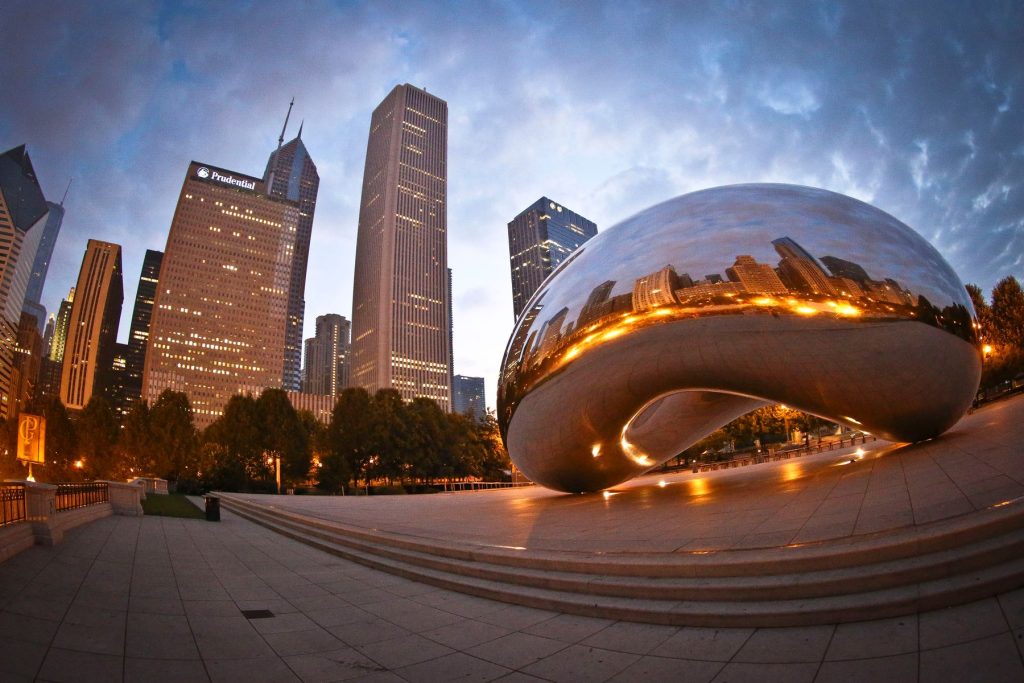
Leave a Reply