Written by Ari Mayzick · Go Travel Box
Published November 15, 2026 · Updated November 15, 2026
A good winter vacation starts with a simple decision: do you want to enjoy winter or take a break from it? A snowy mountain town, an aurora trip, a desert hotel, and a Hawaiian beach can all be excellent choices, but they need different budgets, clothing, transport, and expectations.
This guide compares 12 winter vacation spots in America, from ski towns and national parks to warmer coastal and desert bases. It explains what each place suits, how to plan the arrival, and where a beautiful winter photograph can hide a difficult practical detail. The suggestions are intended to help you choose a trip, not to promise particular snow, sunshine, or wildlife.
For the approaching 2026–2027 season, confirm operating dates and your exact accommodation terms before paying. Winter weather can change roads, flights, tours, and outdoor activities quickly. A flexible afternoon and a sensible transfer plan are often more valuable than adding one more attraction.
First Winter Vacation? Start Here
- Choose your main purpose: skiing, snowy scenery without skiing, northern lights, cultural city time, desert walking, or an island escape.
- Compare a full ski-day total, including equipment and lessons, before selecting a mountain hotel.
- Plan how you will reach the room in winter conditions. A cheaper airport can be poor value if the transfer is difficult or unreliable.
- Give flight arrivals and mountain transfers their own time. Avoid buying a nonrefundable activity for the first evening.
- For warmer destinations, verify pool heating and expected outdoor conditions. A sunny location does not guarantee comfortable swimming.
- Read cancellation terms for both weather disruption and a change of mind; they are different situations.
Winter Travel at a Glance
| Trip style | Destinations to compare | Main planning question |
|---|---|---|
| Skiing with a town base | Park City, Breckenridge, Tahoe | What is the full cost for the group's ability level? |
| Snowy scenery and varied outings | North Conway, Jackson, Yellowstone | Can you reach the chosen activity without difficult self-driving? |
| Northern lights | Fairbanks | How many nights and weather alternatives can you allow? |
| Art, food, and a true cold-weather city | Santa Fe | Are you prepared for elevation, cold nights, and possible snow? |
| Desert sunshine | Palm Springs, Scottsdale | Is the hotel location useful beyond the pool? |
| Warmer island atmosphere | Key West, Oahu | Does the complete flight-and-room budget fit? |
Table of Contents
- First Winter Vacation? Start Here
- Winter Travel at a Glance
- Compare the 12 Winter Destinations
- Twelve Places for a Memorable Winter Vacation
- 1. Park City, Utah
- 2. Breckenridge, Colorado
- 3. Lake Tahoe, California and Nevada
- 4. North Conway and the White Mountains, New Hampshire
- 5. Jackson and Grand Teton, Wyoming
- 6. Fairbanks, Alaska
- 7. Yellowstone National Park in Winter
- 8. Santa Fe, New Mexico
- 9. Palm Springs, California
- 10. Scottsdale, Arizona
- 11. Key West, Florida
- 12. Oahu, Hawaii
- Snow, Sunshine, or a Mix: How to Decide
- When to Travel During Winter
- Where to Stay and What to Reserve First
- Winter Flights, Transfers, and Driving
- Three Winter Itineraries That Leave Room to Enjoy the Trip
- A Five-Night Ski-Town Trip
- A Five-Night Fairbanks Trip
- A Six-Night Desert or Island Escape
- What a Winter Vacation Really Costs
- Food, Savings, and Lower-Cost Winter Days
- Advice for Families, Couples, and Accessible Travel
- Packing and Everyday Winter Essentials
- Common Winter Travel Mistakes
- Frequently Asked Questions
- What is the best winter vacation spot in America?
- Where can I enjoy snow without skiing?
- Are northern lights guaranteed in Fairbanks?
- Can I drive through Yellowstone in winter?
- Is Santa Fe a warm winter destination?
- Do I need a rental car for a ski holiday?
- Which winter destinations suit a limited budget?
- Can I swim in Hawaii or the Florida Keys during winter?
- Final Winter Planning Checklist
- Share Your Winter Travel Experience
- Explore More Go Travel Box Guides
- Leave a Reply
Compare the 12 Winter Destinations
| Destination | Strongest fit | Suggested stay | Main trade-off |
|---|---|---|---|
| Park City, Utah | Ski access with town and transit options | 4–6 nights | Peak-season room and ski costs |
| Breckenridge, Colorado | Mountain-town atmosphere and skiing | 4–6 nights | Altitude and a substantial airport transfer |
| Lake Tahoe | Snow activities and dramatic lake scenery | 4–6 nights | Storm-related road disruption |
| North Conway, New Hampshire | A varied family mountain break | 3–5 nights | Activities spread around the valley |
| Jackson, Wyoming | Skiing, scenery, and guided winter outings | 4–6 nights | Expensive peak dates and seasonal park access |
| Fairbanks, Alaska | Aurora-focused travel | 4–6 nights | Very cold conditions and no sighting guarantee |
| Yellowstone | An unusual national park winter experience | 4–6 nights | Specialized transport and limited services |
| Santa Fe, New Mexico | Museums, regional food, and winter atmosphere | 3–5 nights | Cold nights and elevation |
| Palm Springs, California | Pools, architecture, and desert outings | 4–6 nights | Car dependence outside a chosen district |
| Scottsdale, Arizona | Resorts, desert walks, and dining | 4–6 nights | Wide distances and seasonal resort prices |
| Key West, Florida | Walkable evenings and a warmer coastal feel | 4–5 nights | High room costs and a long drive if arriving from Miami |
| Oahu, Hawaii | Beach-and-city variety | 6–8 nights | Flights, hotel fees, and changing ocean conditions |
Twelve Places for a Memorable Winter Vacation
1. Park City, Utah
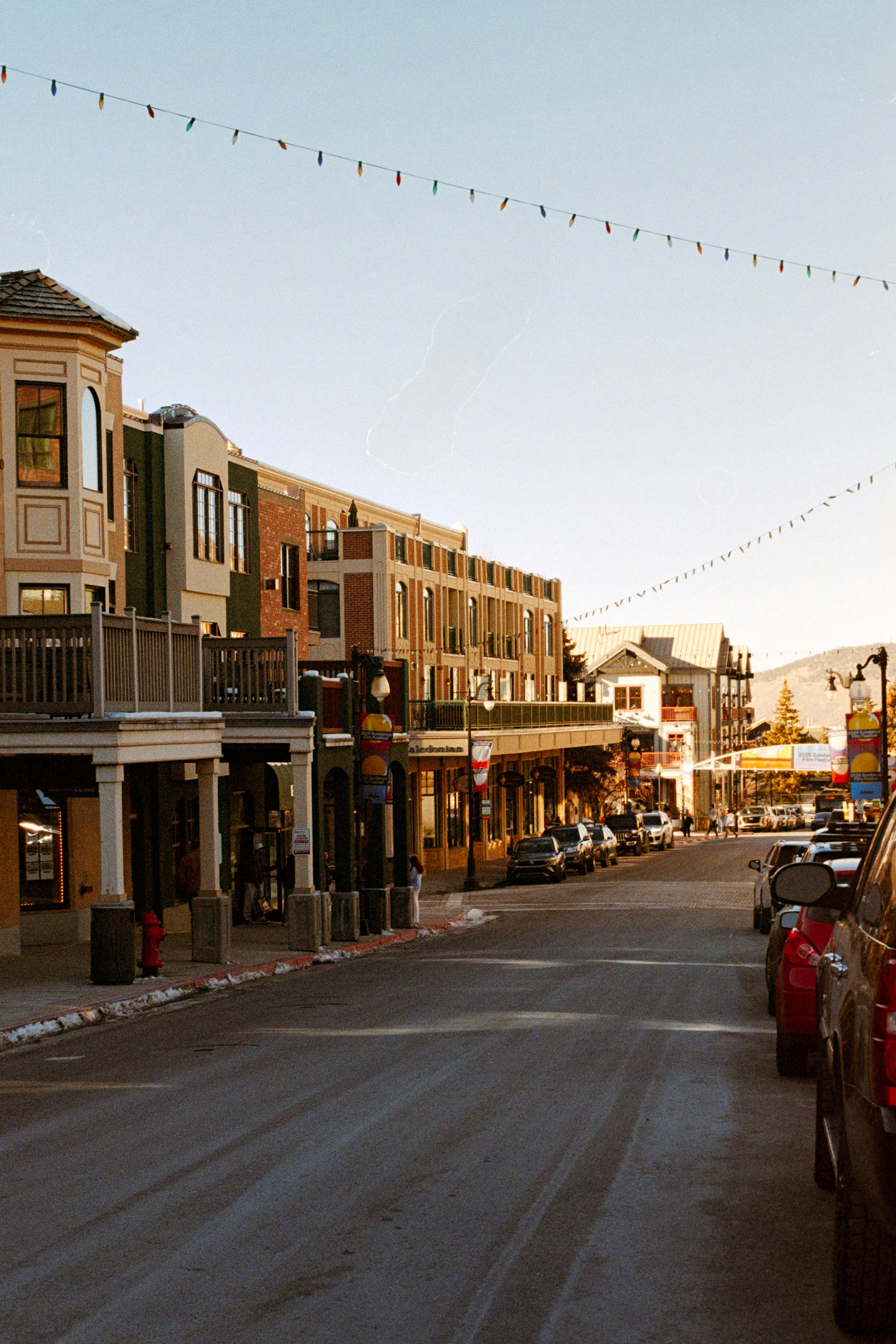
Park City is a useful first comparison when you want a ski holiday with alternatives beyond the slopes. Historic Main Street, restaurants, shops, and local transport can give a mixed group more independence. One person can spend a full day skiing while another builds a shorter outing around town, provided the accommodation and transport genuinely support that arrangement.
Choose the base carefully. Historic Main Street, a resort base, and Kimball Junction create different daily routines. The area's free public transit can reduce the need for driving, but check the route, stop location, and service times from the actual property. A hotel marketed as being in Park City may not be a comfortable walk from the place you intend to visit each day.
For beginners, book suitable lessons before choosing the rest of the itinerary. Compare the lesson duration, lift access, equipment, age grouping, and cancellation rules. A pass that works well for an experienced skier is not automatically the right purchase for a child learning on a small area. Nonskiers should price their own preferred activities instead of buying a ski package by default.
| Planning detail | Practical approach |
|---|---|
| Arrival | Salt Lake City followed by a prearranged transfer or a suitable driving plan |
| Base | Match the room to the resort or town activities used most often |
| Time | Four to six nights, with a lighter arrival and departure day |
| Booking priority | Lessons, essential lift access, equipment, and transport |
Useful tip: Compare the complete cost of a transit-friendly property against a cheaper room plus a car and parking. Check the journey while carrying ski equipment, not just the distance on a map.
Location and map: Park City Main Street Utah
2. Breckenridge, Colorado
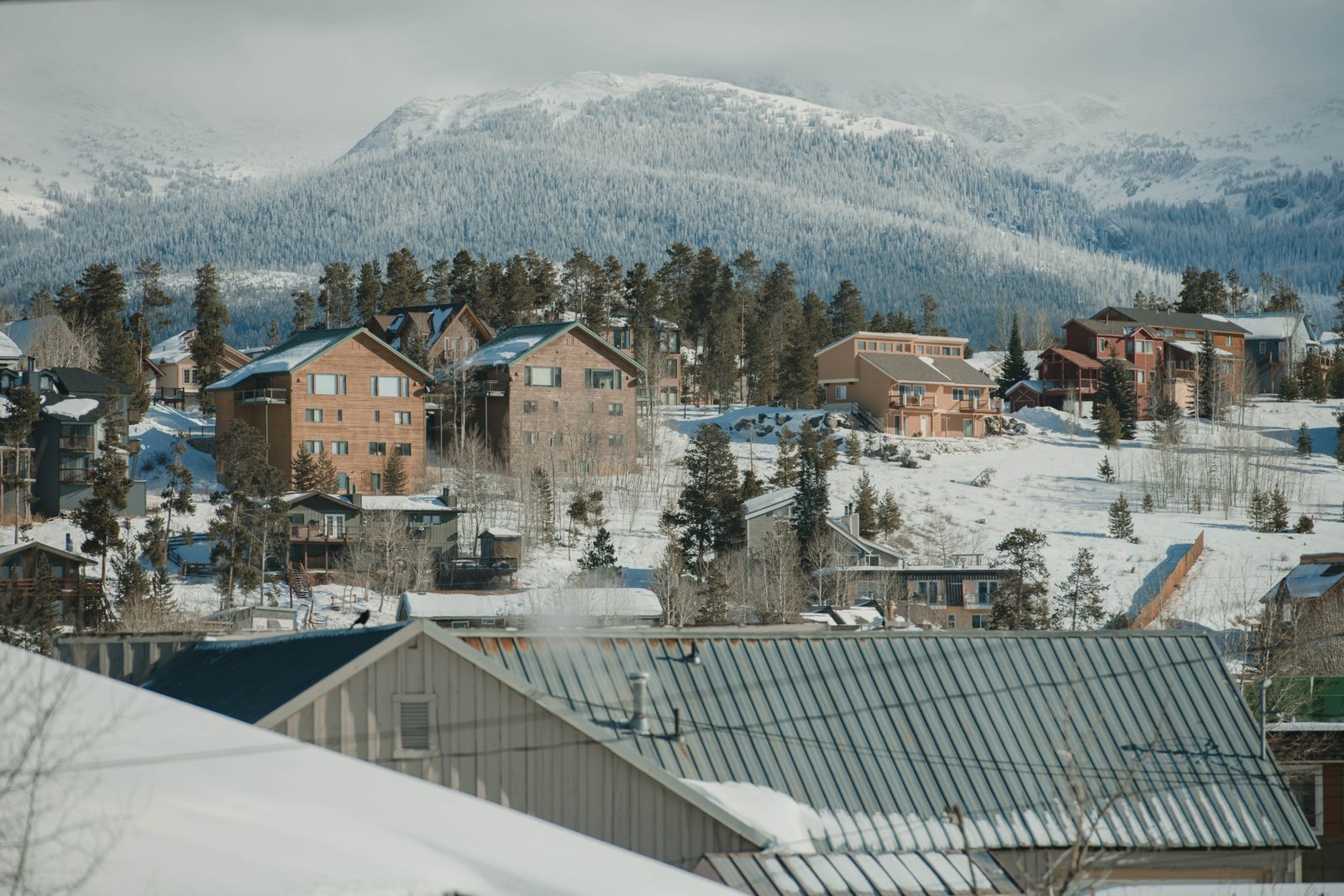
Breckenridge combines a recognizable mountain-town setting with access to a substantial ski area. It suits travelers who want the atmosphere of snowy streets, restaurants, and mountain views as well as time on the slopes. It can also work for a mixed-ability group when the schedule allows people to choose different activities.
The main practical issue is how much energy the trip requires. The town sits at high elevation, and the journey from Denver crosses mountain roads where weather and traffic can change the schedule. Keep the arrival day gentle. A late flight followed by a long transfer is a poor setup for an expensive early lesson the next morning.
Look at the exact building, lift access, and winter walking route before selecting accommodation. A short map distance may involve a hill, a shuttle wait, or a difficult walk on a snowy surface. Ask how equipment storage works, whether the accommodation's transport is scheduled or on demand, and what happens when your group finishes at different times.
| Planning detail | Practical approach |
|---|---|
| Arrival | Denver plus a mountain transfer with a generous weather buffer |
| Base | A location matched to lessons, lift access, and evening meals |
| Time | Four to six nights rather than a rushed two-day ski dash |
| Booking priority | Suitable accommodation, lessons, and dependable transfers |
Useful tip: Give the first full day an adjustable workload. You can still enjoy a short town outing if a hard ski day is not the right choice after travel and elevation change.
Location and map: Breckenridge Colorado Main Street
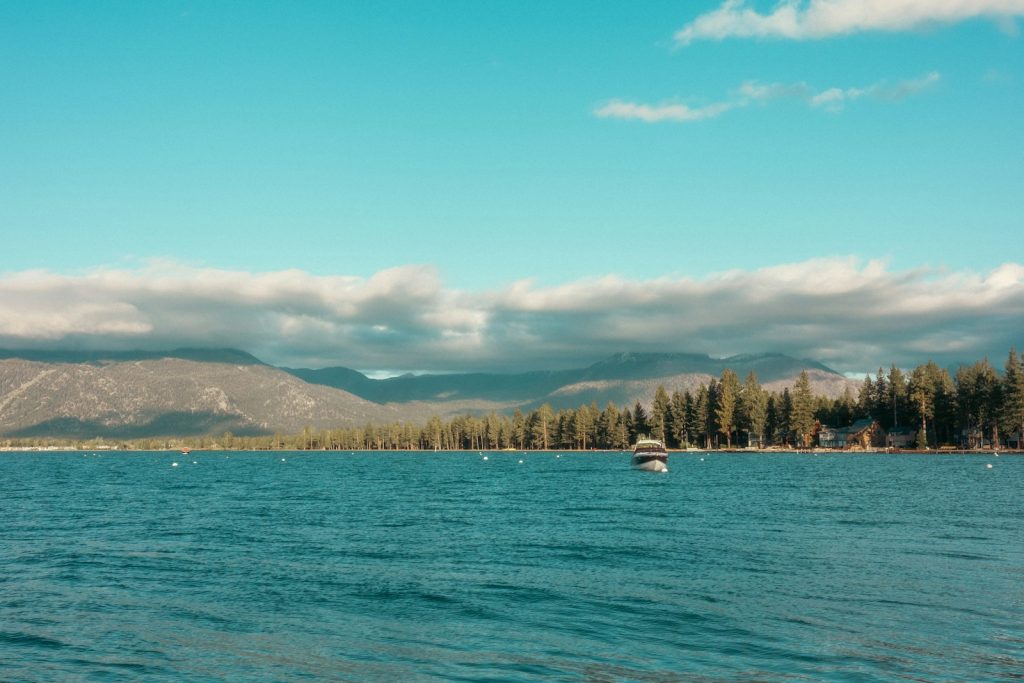
3. Lake Tahoe, California and Nevada
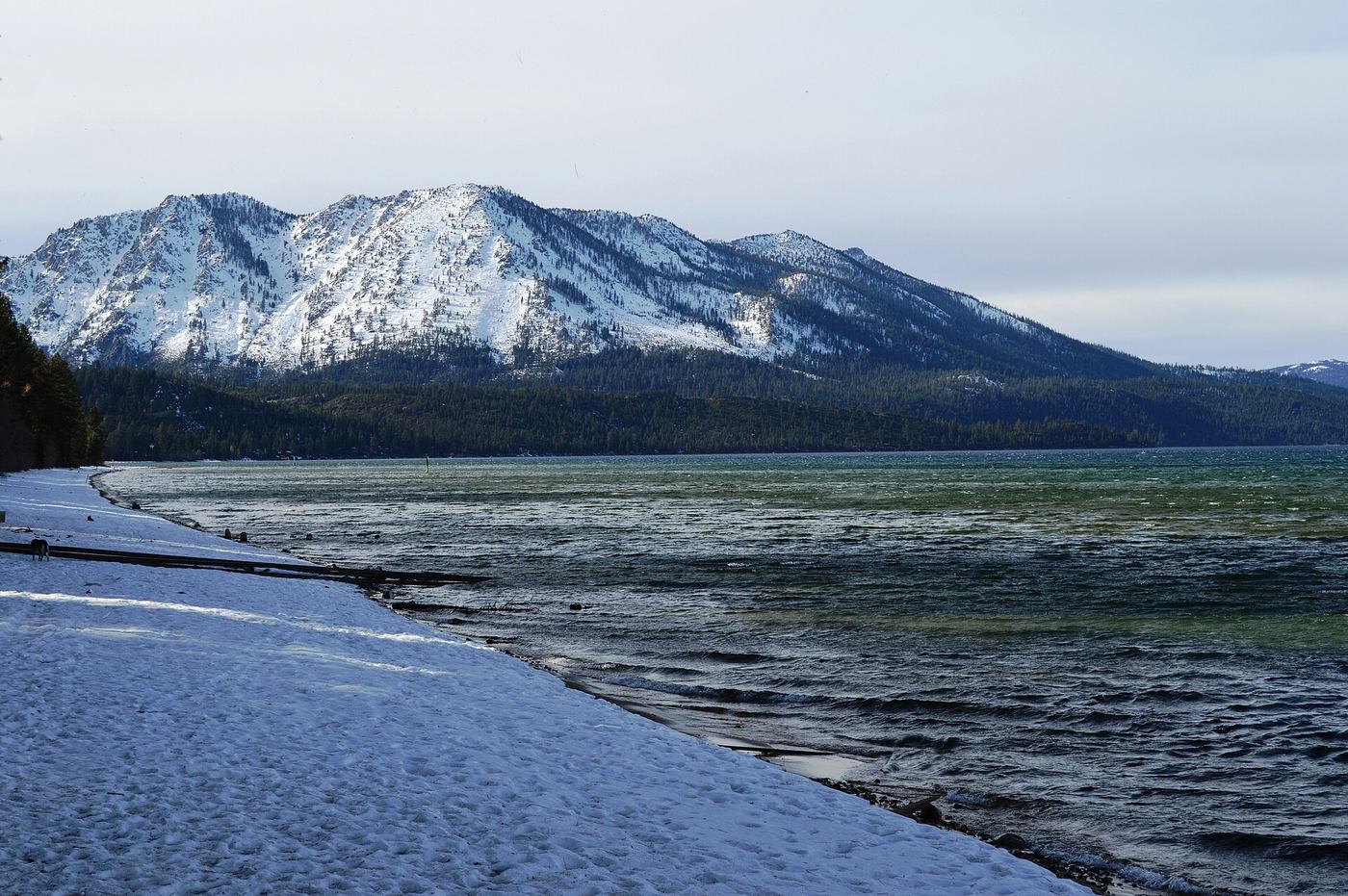
Tahoe is a strong choice when winter scenery matters as much as a particular ski resort. Snowy mountains rise around a large blue lake, and different communities offer different combinations of ski access, dining, and accommodation. The mistake is treating the entire shoreline as one compact destination.
Pick the resort or activity area first, then select a nearby base. A southern stay does not make every northern resort convenient, especially during a storm. If your group includes nonskiers, choose accommodation with appealing nearby options and confirm how people can travel separately. A scenic lake-view room is less useful when every meal and outing requires a difficult drive.
Road conditions can govern the trip. Check the state transportation agencies for the actual route, including traction requirements, closures, and chain-control information. Clarify the rental company's equipment rules before departure rather than discovering them at a snowy checkpoint. During a significant storm, a hotel day may be the sensible plan; keep one that your group could enjoy.
| Planning detail | Practical approach |
|---|---|
| Arrival | Compare Reno and other feasible routes against the winter transfer |
| Base | Stay close to the specific resort or activities you will use |
| Time | Four to six nights with room to move an outdoor day |
| Booking priority | Transport suitability and the full resort-day cost |
Useful tip: A four-wheel-drive vehicle does not eliminate traction rules or stopping-distance problems. Read official requirements for the route and let road conditions determine whether you travel.
Location and map: Lake Tahoe California Nevada
4. North Conway and the White Mountains, New Hampshire
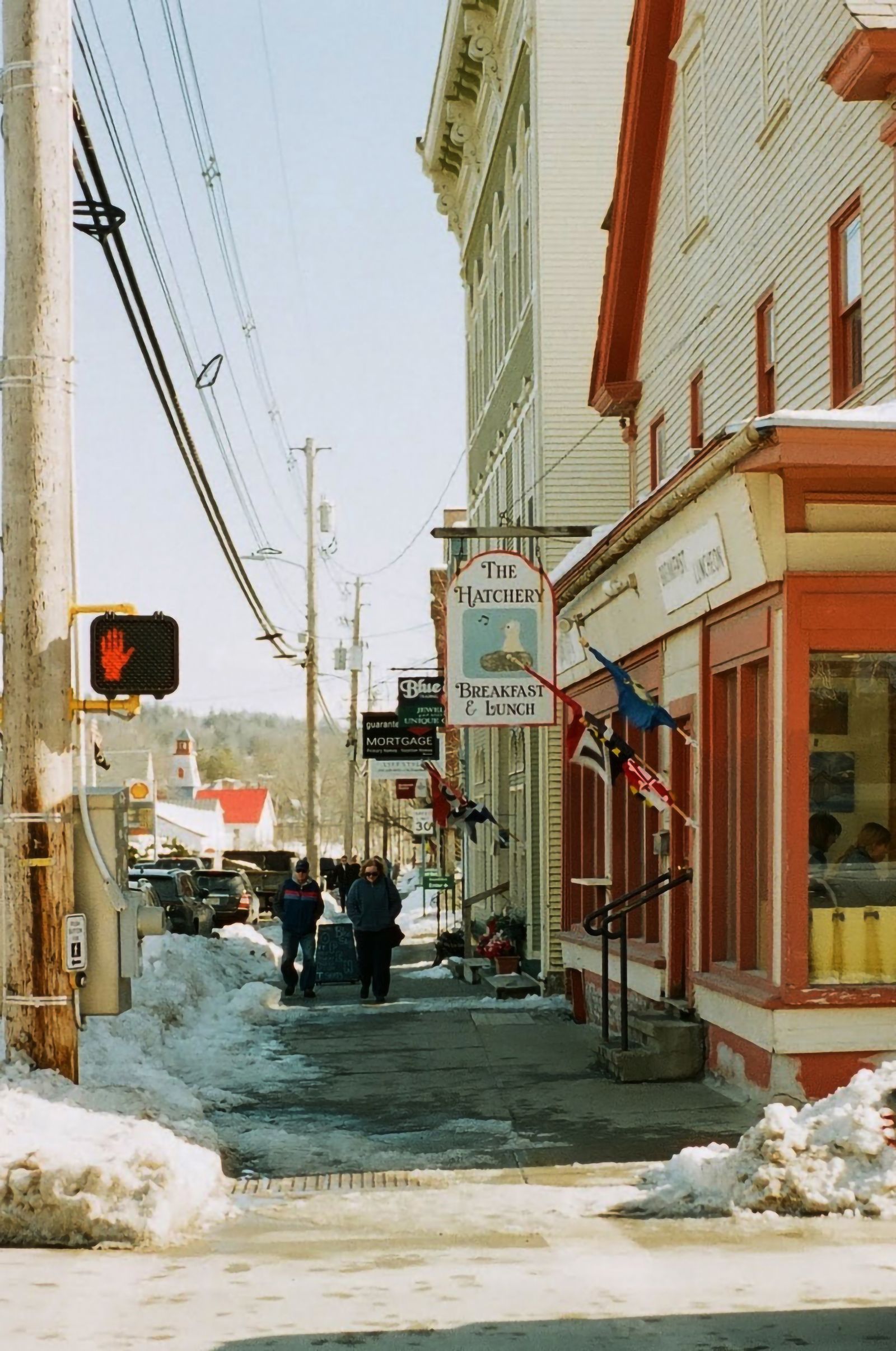
North Conway suits families and couples who want a winter mountain break with a choice of activities. A trip can combine skiing, a suitable snowshoe outing, village time, and an indoor afternoon. It is especially useful for a group that would not enjoy paying for a full ski schedule every day.
Think of the area as a valley with several activity centers rather than one pedestrian resort. Choose the room around your main plan, then group outings geographically. Check whether a rail experience, tubing session, or guided activity runs on your particular dates and whether age, height, or equipment rules apply. A seasonal photograph does not guarantee daily operation.
The mountain setting also creates differences in weather and road conditions over a relatively short distance. Build a lower-elevation alternative and avoid assuming a scenic drive is an easy sightseeing loop after a storm. For snow activities, select marked areas and operators appropriate to your experience; a summer trail description is not a winter route assessment.
| Planning detail | Practical approach |
|---|---|
| Arrival | A regional drive or a suitable Boston or Portland arrival |
| Base | North Conway or another valley location near your priority activities |
| Time | Three to five nights for a varied break |
| Booking priority | Family activity slots, accommodation facilities, and practical meal access |
Useful tip: If an indoor pool is central to the family plan, verify that it is open, included, and suitable for your dates. It can make a weather day feel like part of the holiday.
Location and map: North Conway New Hampshire
5. Jackson and Grand Teton, Wyoming
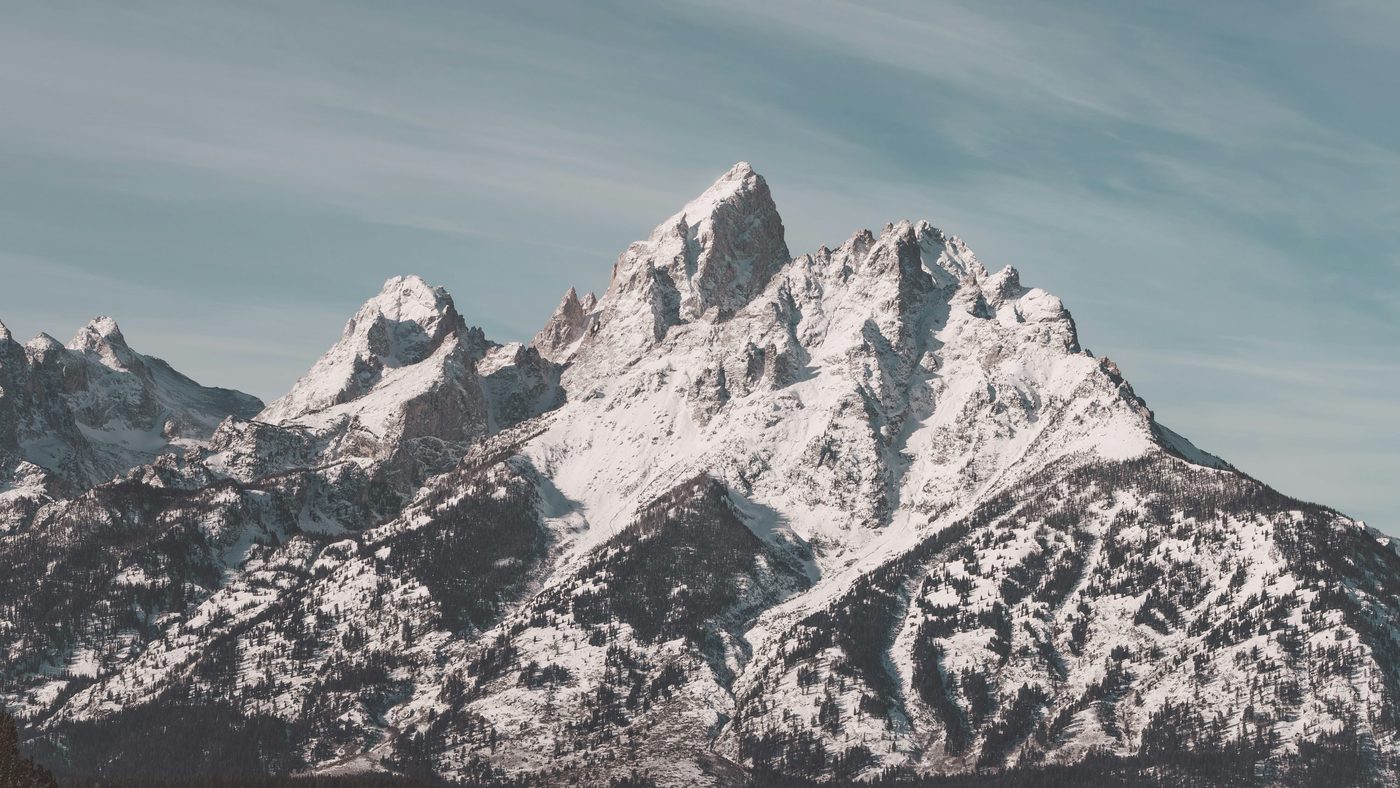
Jackson works for travelers who want a strong winter landscape alongside a town base and access to skiing or guided outings. Decide whether the trip is mainly about a ski resort, town time, or the national park setting. A Jackson town stay and a Teton Village stay solve different transport problems.
Grand Teton remains a winter destination, but not every summer road remains open to ordinary vehicles. Main through-routes and seasonal recreation roads have different access arrangements. Build a plan around current park road information and an outing that matches your experience, rather than trying to repeat a summer driving map in snow.
For wildlife viewing or unfamiliar winter activities, a reputable guide can simplify transport and interpretation. Ask about the route, duration outside the vehicle, group size, included clothing or equipment, and cancellation terms. Wildlife sightings depend on the animals and conditions. A guided trip should be selected for its overall experience, not a guaranteed close encounter.
| Planning detail | Practical approach |
|---|---|
| Arrival | Jackson Hole airport, with transport coordinated to the actual base |
| Base | Jackson for town access or Teton Village for a ski-centered stay |
| Time | Four to six nights with a flexible outdoor day |
| Booking priority | Lodging, lessons or guides, and a workable transfer plan |
Useful tip: Do not assume you can drive onward through Yellowstone in winter because the parks appear connected on a summer map. Winter access requires a separate, current transport plan.
Location and map: Jackson Wyoming Town Square
6. Fairbanks, Alaska
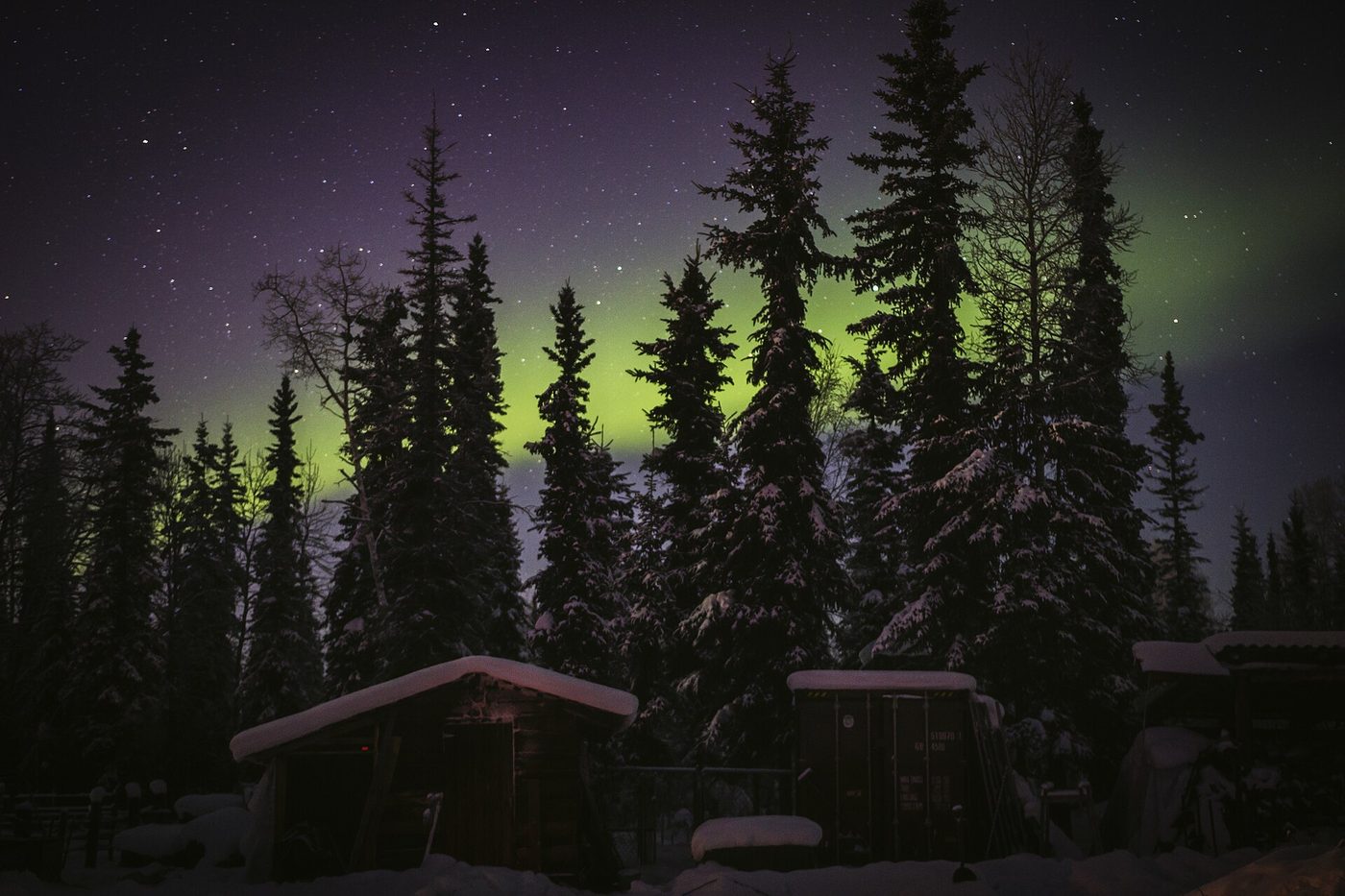
Fairbanks is an excellent destination to consider when the northern lights are the main reason for traveling. The local tourism bureau identifies an aurora-viewing season from August 21 through April 21, when sufficiently dark nights are possible. Winter adds snowy landscapes and distinctive daytime activities, but also very cold conditions and limited daylight.
Allow several nights and protect the late-night schedule. A demanding daytime tour followed by repeated late viewing sessions can become exhausting. Plan a slower morning after an aurora outing, and use an indoor cultural stop or a short local activity when the weather or energy level calls for it. A four- to six-night stay offers more flexibility than a single-night attempt without guaranteeing a sighting.
Compare viewing operators beyond their photographs. Ask whether there is a warm shelter, what clothing is supplied, how long you remain outdoors, what transport is included, and whether children can participate comfortably. A clear sky, darkness, and auroral activity all matter. Read refund terms carefully; many tours cannot refund a night simply because the lights were not visible.
| Planning detail | Practical approach |
|---|---|
| Arrival | Fairbanks airport and a prearranged arrival transfer when appropriate |
| Base | Choose between city convenience and a suitable out-of-town viewing property |
| Time | Four to six nights with recovery time after late outings |
| Booking priority | Reliable winter clothing, transport, and a well-supported viewing plan |
Useful tip: Build a trip you would still value if clouds interfere with the aurora. Museums, local history, snowy scenery, and a carefully selected daytime outing give the journey more than one purpose.
Location and map: Fairbanks Alaska
7. Yellowstone National Park in Winter
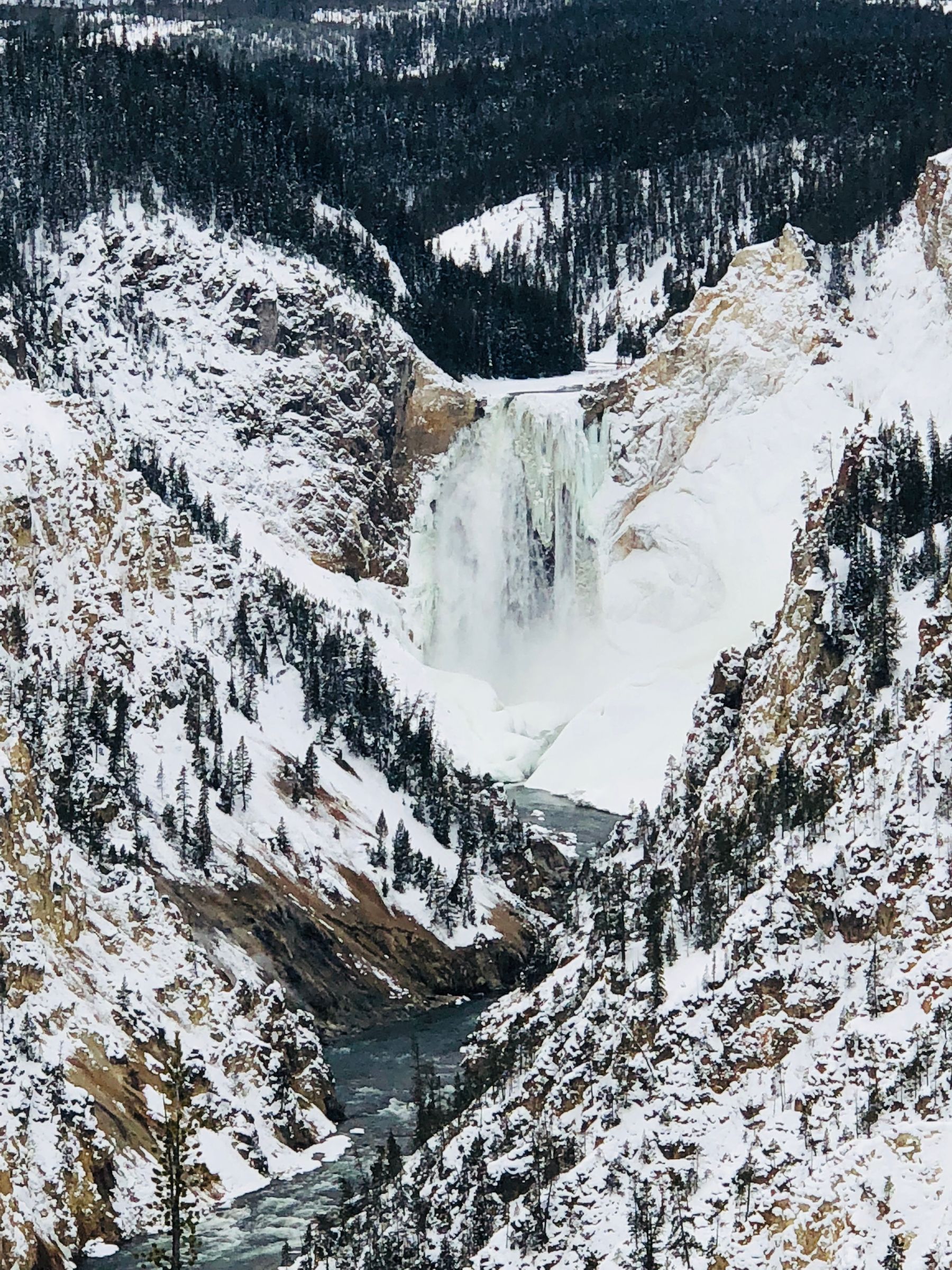
Winter Yellowstone offers a quieter-looking, more specialized park experience: steam in cold air, snow-covered landscapes, and a different rhythm of travel. It is best for visitors willing to plan around limited routes and services rather than expecting the freedom of a summer road trip.
The northern road from Gardiner toward Cooke City is generally the regular-vehicle winter access corridor, subject to weather and current conditions. Most other park roads close to ordinary vehicles and use controlled oversnow travel during the operating season. Reaching Old Faithful in winter is therefore a transport decision, often involving a booked snowcoach or another permitted arrangement, rather than simply a long drive from a gateway hotel.
Choose between a northern wildlife-and-scenery trip and an interior oversnow experience, or allow enough nights and logistics to combine them properly. Check where the tour actually starts, which lodge or gateway it serves, the time outdoors, and the services available when you arrive. Pack food and layers according to the operator's instructions and keep confirmations available offline.
| Planning detail | Practical approach |
|---|---|
| Arrival | Match the airport and gateway to the booked winter route |
| Base | Gardiner or an appropriate lodge or gateway for the specific experience |
| Time | Four to six nights for a focused winter visit |
| Booking priority | Oversnow transport, limited lodging, and realistic transfer timing |
Useful tip: Read the words “regular vehicle” and “oversnow” carefully when checking access. An open winter route may not be one you can drive in a rental car.
Location and map: Yellowstone National Park Mammoth Hot Springs Wyoming
8. Santa Fe, New Mexico
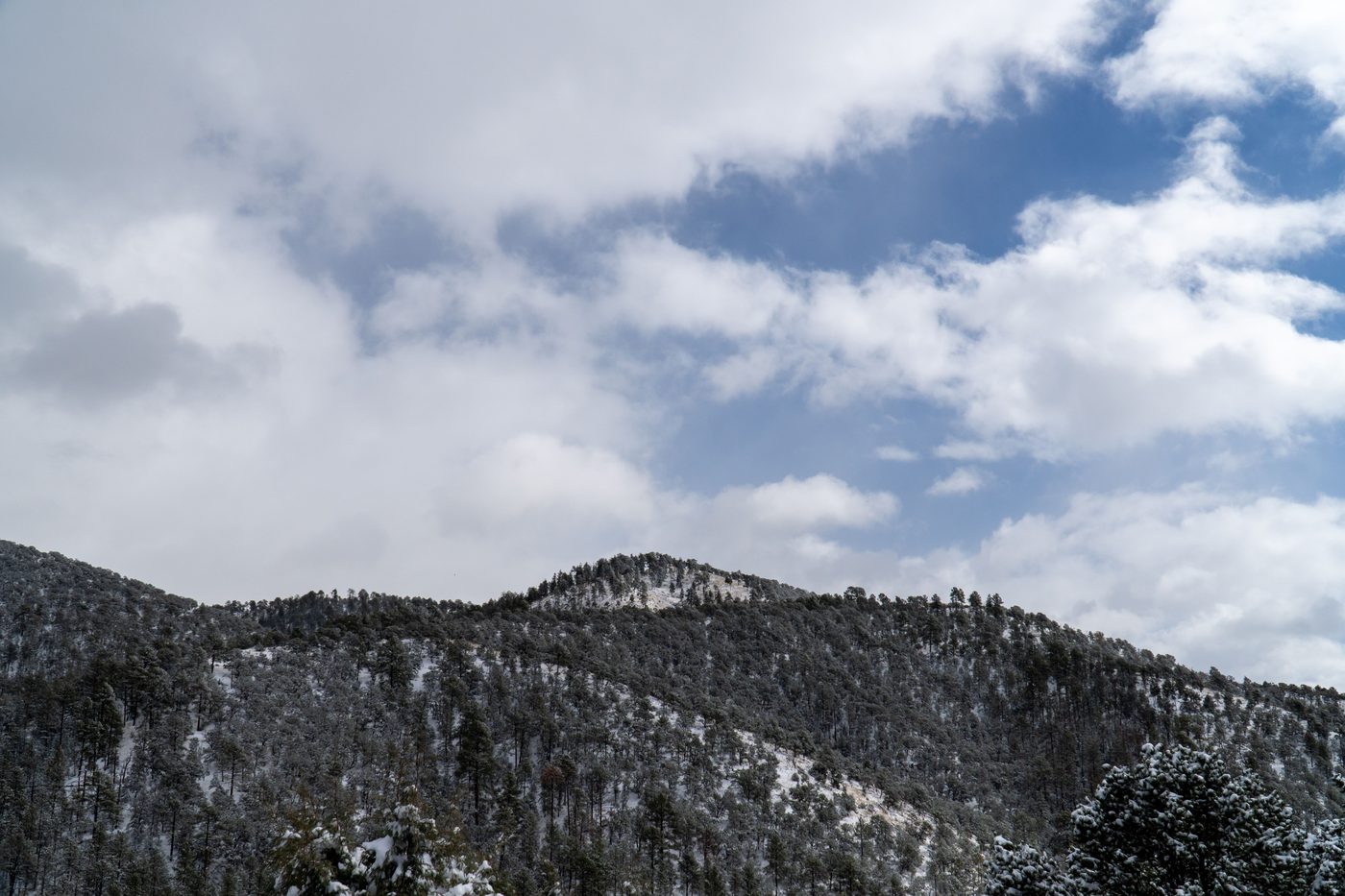
Santa Fe suits a winter traveler who wants art, regional food, historic streets, and a city with a distinctive sense of place. Museums, galleries, and a carefully chosen meal can anchor the trip even when the weather discourages a long outdoor day. It can also support skiing or other outings, but those should be planned as separate activities.
Do not choose Santa Fe as a reliably warm desert escape. The city sits around 7,000 feet above sea level, has cold nights, and can receive snow. Pack for real winter conditions and give the first day a moderate pace. Sunshine on an adobe wall does not describe the temperature after dark.
Stay near the Plaza or another district that fits your priorities if walking to meals and galleries matters. Compare parking and the room's heating arrangements, especially in a historic property. For a winter day trip, check road and activity conditions before leaving town. A city-focused long weekend can be more satisfying than trying to combine galleries, distant pueblos, and a ski day in a short stay.
| Planning detail | Practical approach |
|---|---|
| Arrival | Compare Santa Fe and Albuquerque with onward transport included |
| Base | A district close to the museums, galleries, or dining you intend to repeat |
| Time | Three to five nights for a cultural break |
| Booking priority | Room location, selected dining, and any separate snow activity |
Useful tip: Ask about the actual winter walking route from the property, including surfaces and lighting. Historic character and effortless mobility are not always the same thing.
Location and map: Santa Fe Plaza New Mexico
9. Palm Springs, California
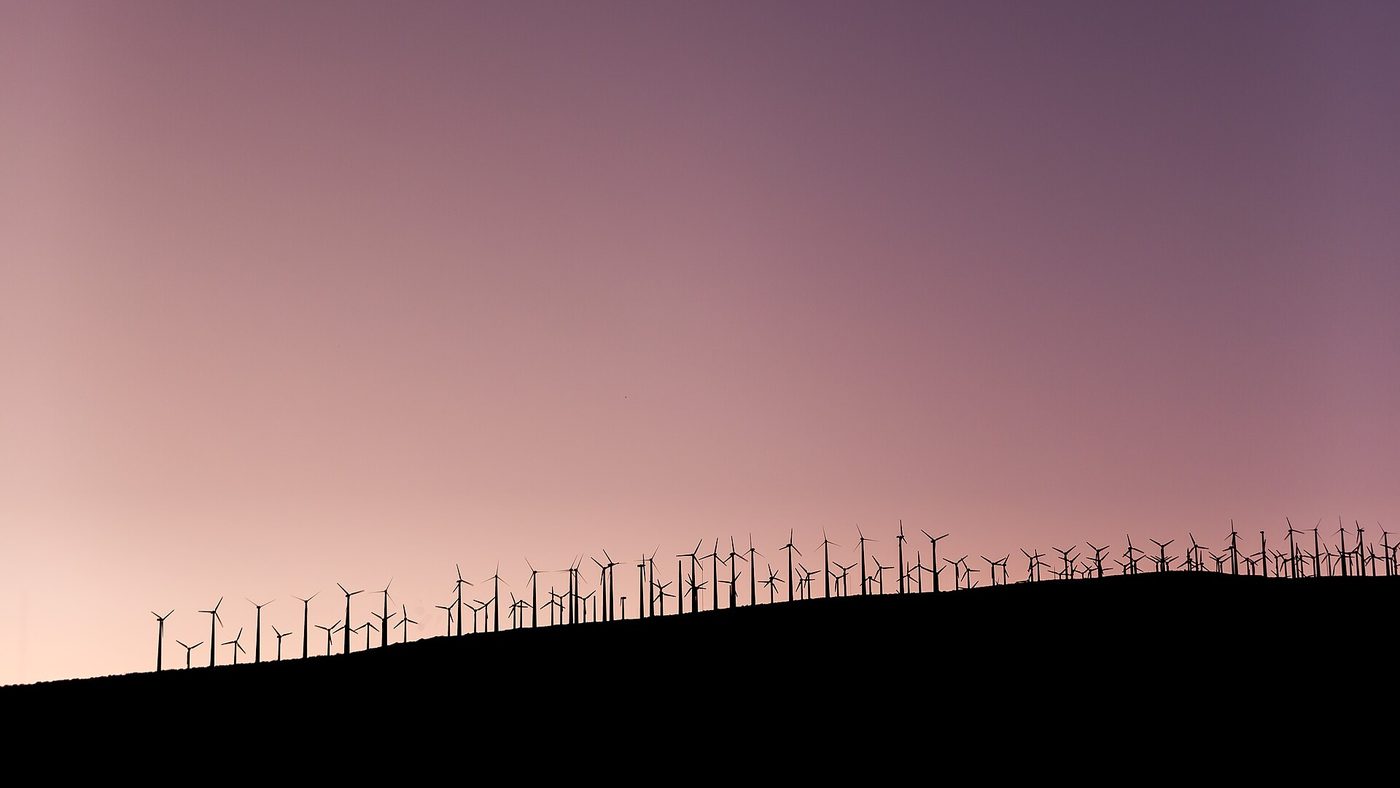
Palm Springs is a good comparison for travelers seeking a slower winter break built around architecture, food, a pool, and desert scenery. A satisfying stay can be simple: a morning walk, lunch, an afternoon at the hotel, and a relaxed evening. Choose the property for the time you intend to spend there, rather than assuming every hotel offers the same atmosphere.
The wider Greater Palm Springs area includes several communities with different distances and layouts. A room advertised in the region may be a substantial drive from downtown Palm Springs or your chosen attraction. If a car-light stay is important, inspect the actual location and realistic walking routes before reserving.
The Aerial Tramway introduces another climate rather than more of the same desert weather. Conditions at the upper station can be wintry when the valley feels mild. Check current operation, clothing needs, and any intended walking route before going up. Likewise, a Joshua Tree outing is a separate park day requiring travel time, supplies, and an appropriate weather plan; it is not a quick detour between lunch and the pool.
| Planning detail | Practical approach |
|---|---|
| Arrival | Palm Springs airport or a regional drive with the full route considered |
| Base | Downtown convenience or a resort chosen deliberately for its facilities |
| Time | Four to six nights with only a few major outings |
| Booking priority | Pool heating, mandatory charges, parking, and room atmosphere |
Useful tip: Ask whether pool heating is included and whether nearby construction, event dates, or a party-focused setting could affect the stay you want.
Location and map: Palm Springs California Downtown
10. Scottsdale, Arizona
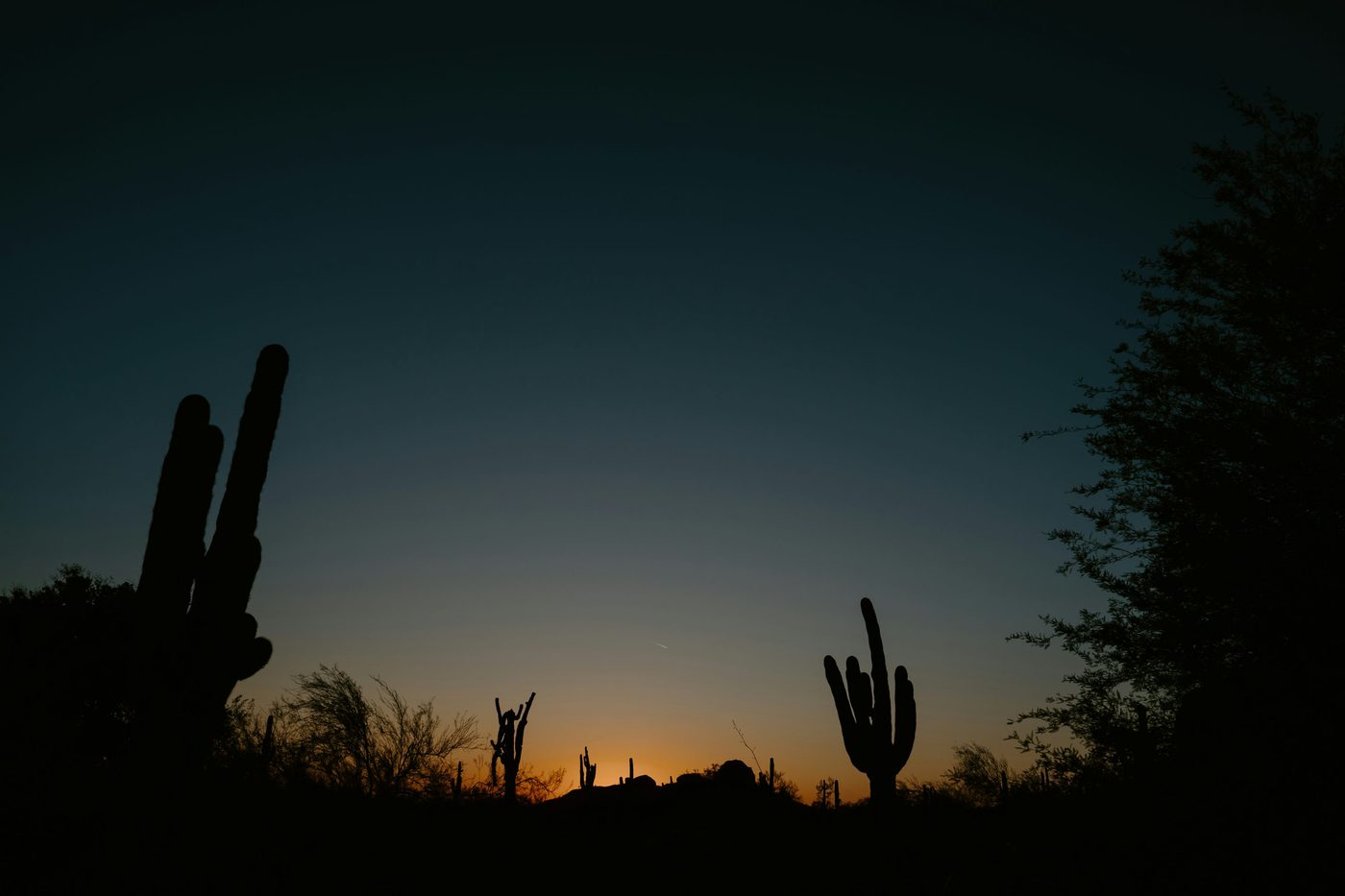
Scottsdale offers another version of a winter sunshine trip: desert scenery, resort facilities, restaurants, galleries, and outdoor mornings. It can suit couples seeking a relaxed hotel stay or families who want a pool and a few manageable outings. The strongest choice is a base that supports your preferred routine without a long drive every time you leave the room.
Old Town and northern resort areas have different characters and distances. Compare the real journey to meals, parks, and planned activities. A resort can be excellent value when you use its facilities frequently; it is a less convincing purchase if every day begins with leaving immediately for another part of the metropolitan area.
Choose desert walks by their actual surface, distance, and effort. A famous summit is not a required part of a Scottsdale vacation. A shorter marked route, botanical outing, or scenic visit may suit the group better. Even in winter, take water, sun protection, and the current forecast seriously, and avoid assuming a cool morning describes the whole day.
| Planning detail | Practical approach |
|---|---|
| Arrival | Phoenix Sky Harbor with the transfer to the exact property included |
| Base | Old Town convenience or a resort area matched to the holiday's purpose |
| Time | Four to six nights with a mix of hotel time and short outings |
| Booking priority | Complete resort bill, pool arrangements, and transport |
Useful tip: Look at the total room price after resort fees, taxes, parking, and any activity charges. Then decide whether the facilities justify the difference from a simpler property.
Location and map: Old Town Scottsdale Arizona
11. Key West, Florida
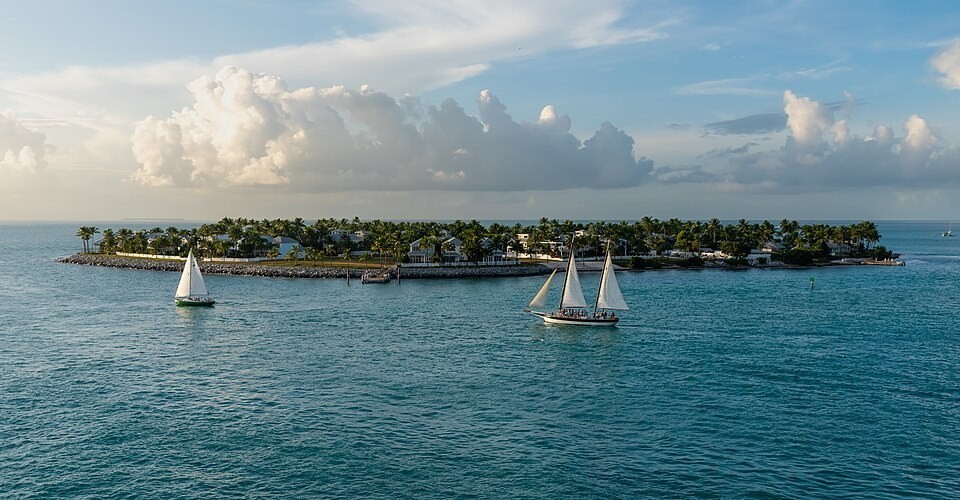
Key West suits travelers who want warmer coastal atmosphere, walkable evenings, historic streets, and a holiday that does not revolve entirely around a resort. It is particularly appealing when your ideal day includes a short outing, time near the water, and dinner without another long drive.
Compare staying in a walkable part of Old Town with a property farther out that may have different facilities and transport needs. A lower nightly price can lose its advantage when you repeatedly pay for rides or parking. Ask about noise and room placement as well as the address; an energetic evening district is not equally appealing to every guest.
Arrival deserves its own decision. Flying into Key West can simplify a short break, while driving through the Keys can become part of a longer journey. A Miami arrival should not be treated as being almost at the destination. Allow a separate transfer day with sensible stops. Boat and water activities depend on wind and sea conditions, so retain a land-based alternative and check an operator's cancellation policy.
| Planning detail | Practical approach |
|---|---|
| Arrival | Compare a Key West flight with a deliberately planned drive through the Keys |
| Base | An appropriate Old Town district for walkable evenings or another area for specific facilities |
| Time | Four to five nights, longer if the drive is part of the holiday |
| Booking priority | Location, full room charges, and any weather-dependent boat outing |
Useful tip: Choose Key West for its whole coastal-town experience. If a large sandy beach directly outside the room is essential, investigate the exact property and beach access before booking.
Location and map: Key West Florida Old Town
12. Oahu, Hawaii
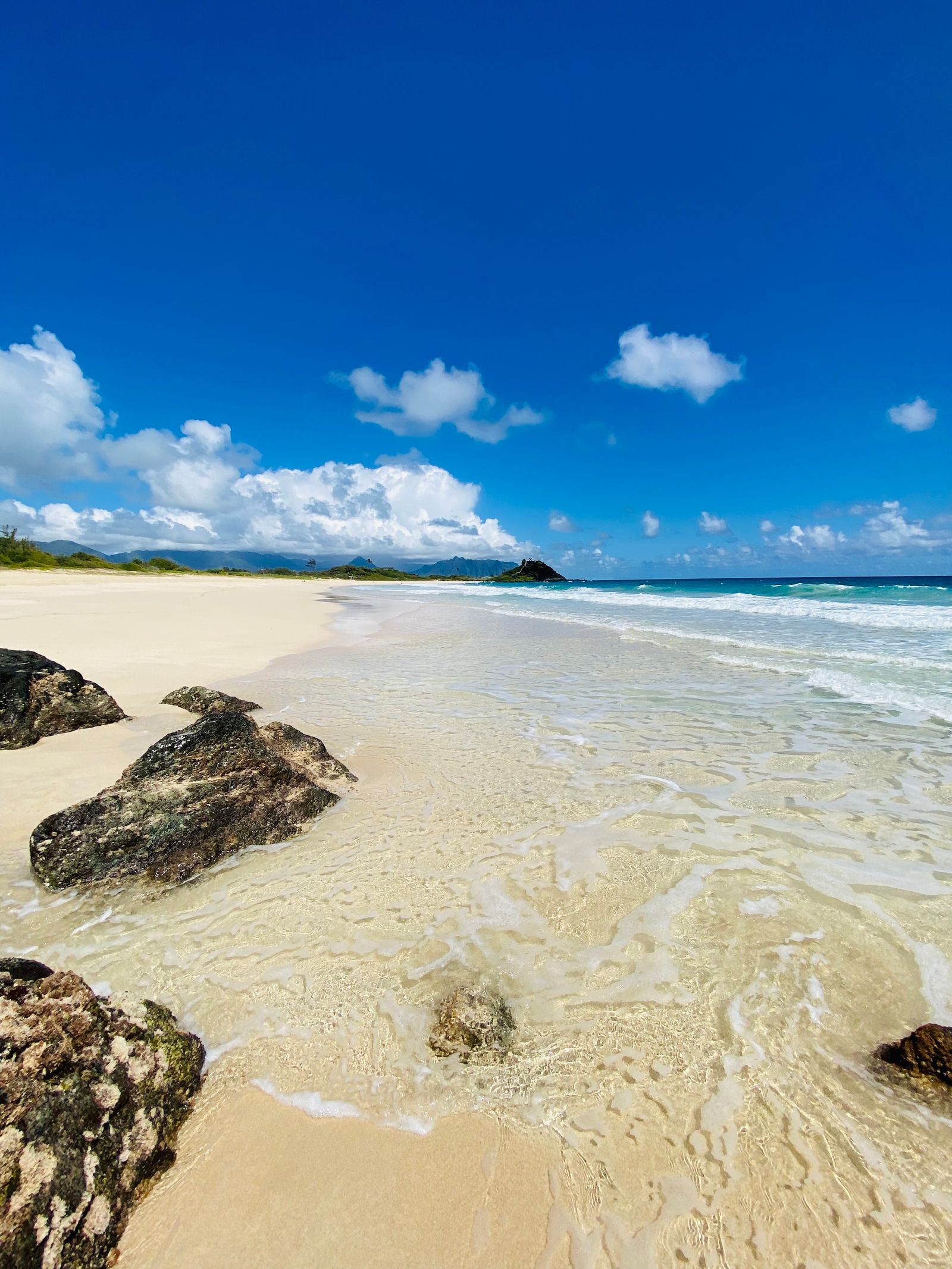
Oahu is a strong winter option for travelers who want a warmer island stay with enough variety to adapt the itinerary. Waikiki and Honolulu provide a substantial choice of rooms, food, and activities, while other parts of the island offer different scenery. It can suit a beach-focused week without making every day depend on entering the ocean.
Winter surf is a major reason to plan carefully. A famous North Shore scene may be wonderful to watch and unsuitable for casual swimming. Choose the beach and activity using current lifeguard and ocean guidance, rather than a photograph or a general claim that Hawaiian water is always calm. Keep a museum, garden, history, or city day available when conditions change.
For a first visit, six to eight nights on one island usually creates a better rhythm than adding short stays on several islands. Plan rental-car days around grouped outings and consider whether a Waikiki base allows some days without a car. Add the full hotel bill, parking when relevant, meals, airport transport, and activity fees before comparing the island trip with a mainland option.
| Planning detail | Practical approach |
|---|---|
| Arrival | Honolulu, with a gentle first day after the flight and time change |
| Base | Waikiki for broad options or another area chosen for a specific setting |
| Time | Six to eight nights on Oahu |
| Booking priority | Flights and accommodation coordinated with any essential reservations |
Useful tip: Build a week with appealing land activities as well as beaches. That makes the trip more resilient to rain, wind, rough water, or simply wanting a different kind of day.
Location and map: Waikiki Honolulu Oahu Hawaii
Snow, Sunshine, or a Mix: How to Decide
A ski holiday should be chosen around the least experienced person who needs instruction, not only the strongest skier's wish list. Compare the beginner setup, lesson availability, rental arrangements, and what the rest of the group can do independently. Park City, Breckenridge, and Tahoe can all work, but the exact resort and accommodation matter more than the destination name.
For snowy scenery without a ski commitment, compare North Conway, Jackson, Yellowstone, and Santa Fe. The amount of organization varies considerably. North Conway can support a flexible family schedule; Yellowstone's winter interior requires much more specific transport planning. Santa Fe can provide a cultural holiday even when a snow activity is canceled.
For warmer weather, choose between a desert routine and a coastal one. Palm Springs and Scottsdale reward travelers who enjoy the hotel, dining, and outdoor mornings. Key West offers walkable town atmosphere. Oahu supports a longer island stay with beaches and substantial alternatives. Decide whether warm air, warm water, or simply avoiding snow is the real requirement.
When to Travel During Winter
| Period | Potential advantage | Main caution |
|---|---|---|
| Early December | Holiday atmosphere and sometimes more room choice before school breaks | Ski terrain and snow activities may still be developing |
| Christmas through New Year | Festive atmosphere and shared school-holiday dates | High demand, dining closures, minimum stays, and expensive changes |
| January outside major holiday periods | A focused winter trip with less holiday programming | Short daylight and possible severe weather |
| February | Established winter operations in many snow destinations | School breaks, holiday weekends, and event-related demand |
| March | Longer days and another possible snow-travel window | Spring-break crowds and different conditions by elevation |
These are broad planning patterns. No month guarantees snow coverage at a ski area or calm water at a beach. Check the attraction's actual opening calendar, not merely the region's winter label. For aurora travel, allow enough nights and downtime to adapt to the sky and weather.
Where to Stay and What to Reserve First
For ski trips, ask how the property connects to the exact lesson meeting point and lift area. “Ski access” may involve a shuttle, a walk, or a route unsuitable for a beginner. Consider equipment storage, laundry, a place to dry wet clothes, and enough room for the group to spend an evening indoors comfortably.
For warm-weather stays, verify whether the pool is heated, whether the charge is included, and whether it may be closed for maintenance. Ask about construction, event noise, and transport from the room to meals. A pool-focused resort can be the right choice when you plan to use it, while a walkable town hotel may be better for an outing-heavy trip.
For a specialized trip such as winter Yellowstone or Fairbanks, coordinate accommodation and essential transport before buying optional activities. Check the pickup location and what happens when a flight is delayed. Keep confirmation numbers and the operator's contact details offline.
Winter Flights, Transfers, and Driving
Choose a journey you can complete comfortably in winter conditions. A prebooked shared or private transfer may be worth more than a rental car when it removes an unfamiliar mountain drive and expensive parking. It does not remove weather delays, so still allow a buffer before flights and fixed activities.
If driving, read current state transportation guidance for every mountain segment. Confirm the vehicle, tires, permitted equipment, and rental agreement. Carry the supplies appropriate to the route and keep the fuel or charging plan realistic. Do not rely on an all-wheel-drive badge as evidence that every winter road is suitable.
For an itinerary with several tickets, place the most expensive fixed commitment after the arrival buffer. On departure, avoid a long mountain journey immediately before the flight if an extra night closer to the airport would make the plan much more reliable. Compare that night's cost against the consequences of a missed connection.
Three Winter Itineraries That Leave Room to Enjoy the Trip
A Five-Night Ski-Town Trip
| Day | Suggested rhythm | Planning purpose |
|---|---|---|
| 1 | Arrive, transfer, collect equipment if practical, eat nearby | Keeps travel separate from a paid ski day |
| 2 | A suitable lesson or a shorter first ski session | Allows time to understand the resort and equipment |
| 3 | A fuller ski day or another chosen activity | Uses a settled routine without arrival pressure |
| 4 | Rest, town time, or a weather alternative | Gives the group a break and absorbs disruption |
| 5 | A final snow day matched to conditions and energy | Keeps one important outdoor day movable |
| 6 | Return equipment and depart with a generous buffer | Avoids an ambitious activity before the transfer |
A Five-Night Fairbanks Trip
Keep the first evening gentle after travel. Arrange two or more viewing opportunities according to the operator's advice and your budget, but do not fill every intervening day with a long tour. Add a museum or cultural visit, a short local outing, and a flexible indoor period. A later morning after a late viewing night is part of the itinerary, not wasted time.
If traveling with children, discuss the viewing duration, shelter, and clothing with the operator before booking. The household member least comfortable with cold should help determine the plan. Never treat an aurora tour's photographs as a guarantee of what a particular night will show.
A Six-Night Desert or Island Escape
In Palm Springs or Scottsdale, alternate two or three selected outings with hotel time, meals, and short walks. Group excursions by area so a relaxed day does not turn into repeated driving. In Oahu, allow an arrival day, two beach-and-city days, two grouped island outings, and one flexible day. Keep the ocean-dependent activity movable and confirm any required attraction reservations.
What a Winter Vacation Really Costs
Compare the cost of the trip's main activity before comparing hotels. Skiing can add lift access, lessons, rentals, helmets, clothing, equipment storage, and transfers for each participant. An aurora or snowcoach trip may need specialized clothing and guided transport. A warm-weather resort may add parking, resort charges, and separate activity costs.
The following example is for two adults sharing a room for five nights on a mainland ski-town trip, with three ski days. It is an illustrative worksheet, not a live offer, average price, or destination-specific quote. Each allowance is intended as an all-in amount for that line, including applicable taxes or fees, and must be replaced with the real checkout total.
| Item | Calculation | Allowance |
|---|---|---|
| Accommodation | 5 nights × $300 complete nightly cost | $1,500 |
| Food | 6 days × $120 for two | $720 |
| Airport transfers | Return allowance for two | $260 |
| Local transport and incidentals | Trip allowance | $80 |
| Lift access | 2 adults × 3 days × $150 assumed daily amount | $900 |
| Equipment rental | 2 adults × 3 days × $55 | $330 |
| Lessons | Combined allowance | $400 |
| Other winter activity | Trip allowance | $120 |
| Subtotal | Sum of the above | $4,310 |
| Contingency | 10% | $431 |
| Ground-trip total | Subtotal plus contingency | $4,741 |
Flights, insurance, shopping, and buying winter clothing are excluded. Some dates, resorts, and private lessons cost much more than these assumptions. A multiday pass may change the lift calculation, but compare the exact validity, blackout dates, and refund terms. A nonskiing trip needs a different activity budget rather than simply removing every ski cost and assuming the rest is identical.
Food, Savings, and Lower-Cost Winter Days
Choose accommodation that makes at least some meals simple. Grocery breakfasts and a dependable nearby dinner option help after a long cold outing. A kitchen can reduce costs, but only when the booking's total fee and the time spent shopping make sense for the stay.
Use free town walks, suitable public paths, viewpoints, galleries with no admission charge, and hotel facilities to vary the schedule. Check whether a scenic gondola, snowshoe route, or sledding area requires a ticket or reservation; being outdoors does not make an activity free. Avoid building a budget around an unofficial roadside snow-play area.
For dietary requirements, ask restaurants about ingredients, preparation, and cross-contact before a busy holiday dinner. Remote lodges and small mountain communities can have fewer late-night alternatives. Carry appropriate snacks when a delayed transfer could push the arrival beyond kitchen hours.
Advice for Families, Couples, and Accessible Travel
Families should compare lesson ages, session length, childcare if needed, and the distance between different meeting points. Avoid booking adults and children into activities that start far apart at nearly the same time. A heated indoor break, easy bathroom access, and space to dry clothing can improve the trip more than another facility on a hotel list.
Couples may prefer a walkable evening district, a room suited to spending time indoors, and one memorable activity. Solo travelers should choose outings appropriate to their winter experience, reliable return transport, and a clear check-in plan when exploring beyond busy areas.
For accessible visits, verify the specific winter route, snow clearance, gradients, boarding arrangements, and availability of adaptive equipment or instruction. An accessible summer path may have different winter conditions. Ask the operator about the journey you will actually make, including the distance from the drop-off point to the activity.
Packing and Everyday Winter Essentials
- For cold destinations, plan layers, suitable insulated footwear, gloves, head protection, and dry spares matched to the activity.
- For a guided outing, confirm the exact equipment and clothing supplied before packing or renting duplicates.
- In desert and island destinations, include sun protection, comfortable walking shoes, and a layer for cool evenings or higher elevations.
- Save reservations, maps, road-information resources, and operator contacts offline.
- Recheck flight status, weather, road conditions, and activity operation before leaving for the next stage of the trip.
- For emergencies call 911. For ordinary operating questions contact the attraction, park office, state road agency, or booked transport provider.
Common Winter Travel Mistakes
The most common mismatch is booking the photograph rather than the experience. A snowy cabin might require a difficult driveway. A ski-town hotel might be far from lessons. A sunshine resort might have an unheated pool. Ask the practical questions before the cancellation deadline.
Another mistake is turning every day into a prepaid commitment. Winter plans need room to move. Buy the experiences you most want, but leave enough unbooked time for a storm, a late flight, tired legs, or the simple pleasure of another slow morning.
Frequently Asked Questions
What is the best winter vacation spot in America?
It depends on your goal. Compare Park City, Breckenridge, and Tahoe for skiing; Fairbanks for an aurora-focused trip; Yellowstone for specialized park travel; Santa Fe for culture in a winter setting; and the desert or island choices for a warmer break.
Where can I enjoy snow without skiing?
North Conway, Jackson, Santa Fe, and a properly planned winter Yellowstone trip offer alternatives. Check the actual activity schedule and access rather than assuming snowshoeing, tubing, rail trips, or tours operate every day. Choose a base with indoor options as well.
Are northern lights guaranteed in Fairbanks?
No. Darkness, clouds, weather, and auroral activity affect visibility. Several nights can provide flexibility but no certainty. Choose a supported viewing arrangement and include daytime experiences that make the trip worthwhile on their own.
Can I drive through Yellowstone in winter?
Only specific routes are generally available to regular vehicles. Most interior roads use controlled winter travel arrangements when operating. Check the National Park Service's current road information and coordinate the itinerary with any booked snowcoach or other permitted transport.
Is Santa Fe a warm winter destination?
It is better treated as a high-elevation winter city with sunny periods, cold nights, and possible snow. Choose Palm Springs or Scottsdale if avoiding a true mountain-winter setting is the higher priority, while still checking their forecasts and hotel facilities.
Do I need a rental car for a ski holiday?
Not always. A suitable airport transfer and well-positioned accommodation can work with local transit or resort shuttles. Confirm service times, equipment handling, and the journey to lessons. Compare the complete car-and-parking bill with the alternatives.
Which winter destinations suit a limited budget?
Start with places you can reach affordably and enjoy without expensive daily tickets. A nearby town or a shorter cultural break may be better value than a famous ski resort. Compare complete dated quotes rather than assuming one city is always cheap.
Can I swim in Hawaii or the Florida Keys during winter?
Conditions differ by beach, day, and personal comfort. Wind, water temperature, surf, currents, and local advisories matter. Choose suitable supervised areas, consult current guidance, and retain a pool or land activity instead of depending on daily ocean swimming.
Final Winter Planning Checklist
- Decide whether the trip is about snow, culture, sunshine, or a specific activity.
- Check complete activity costs before committing to accommodation.
- Match the airport, transfer, and room to the actual winter journey.
- Confirm opening calendars and weather cancellation terms.
- Protect a flexible day and a comfortable indoor alternative.
- Verify clothing, equipment, and any access needs directly with providers.
- Recheck conditions during the trip rather than relying on the original plan.
Share Your Winter Travel Experience
Would you choose a snowy town, northern lights, desert sunshine, or an island week? Share the transport, accommodation, or activity decision that made your winter trip easier. Practical details help other readers far more than an unqualified promise of perfect weather.
Explore More Go Travel Box Guides
- Most Beautiful Mountain Towns in America
- A Complete Guide to Visiting Yellowstone National Park
- A Complete Travel Guide to Hawaii
- Best Places for a Romantic Coastal Getaway
- Top 10 Best All-Inclusive Travel Destinations in the United States
Leave a Reply
What would you like to know before you go?
Send us your question, feedback, or a place you would like to see covered.
Ask a travel question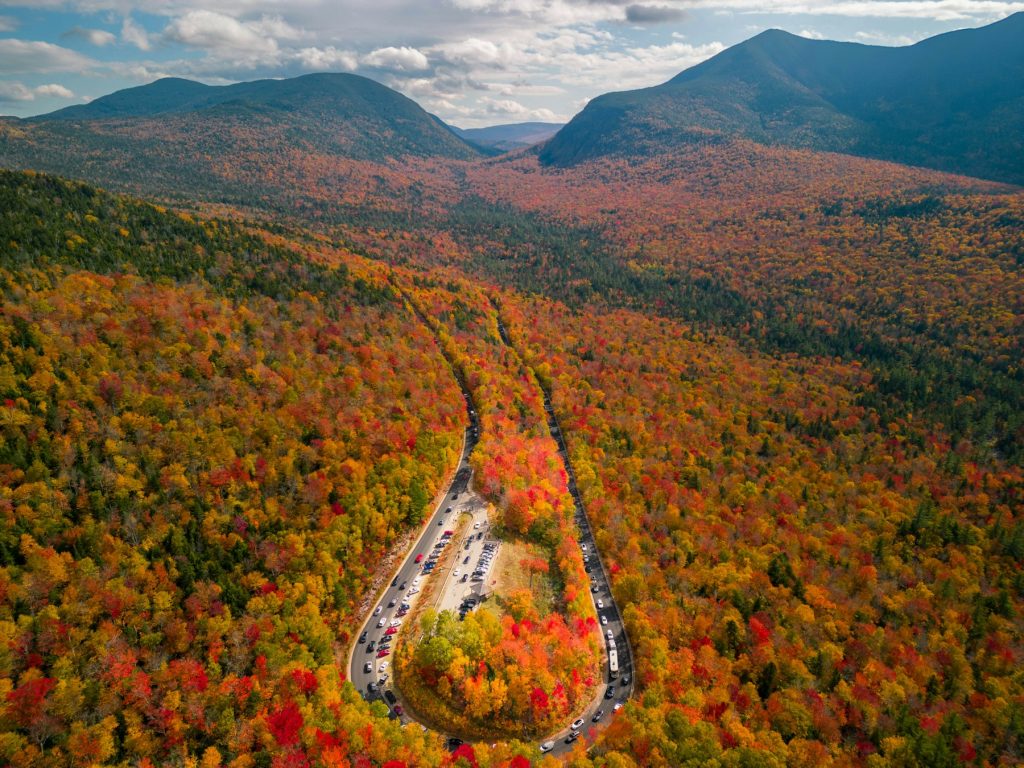
Leave a Reply