Written by Ari Mayzick · Go Travel Box
Published November 14, 2026 · Updated November 14, 2026
Hawaii rewards a little restraint. Choose one island, leave room for an unplanned beach morning, and a vacation can feel wonderfully simple. Try to fit every famous waterfall, volcano, and coastline into a week, and much of the trip disappears into airports and long drives.
This Hawaii travel guide helps you choose a sensible base, understand the reservations that matter, and build a trip around the experiences you enjoy. It covers the four main vacation islands in detail, with notes on Lānaʻi and Molokaʻi, practical itineraries, and a clearly labeled budget for two adults.
Hawaiʻi is also home to living Native Hawaiian culture and year-round communities. Use public access, respect places marked kapu or closed, support local businesses, and let residents’ needs shape how you travel. A beautiful view is never permission to enter private land.
First Trip to Hawaii? Start Here
- For five to seven nights, choose one island. For ten or more nights, consider two and allow half a day or more for the move.
- Start with Oʻahu for city comforts and a possible car-light trip, Maui for resort beaches, Kauaʻi for green scenery, or Hawaiʻi Island for volcanoes and varied landscapes.
- Book accommodation and any essential park reservations before filling the itinerary with optional tours.
- Treat every beach day as weather dependent. Ask a lifeguard about that day’s conditions and choose a pool or land activity when the ocean is unsuitable.
- For U.S. citizens flying from another U.S. state, this is domestic travel. Adults should bring a REAL ID-compliant license or another TSA-accepted ID.
Hawaii at a Glance
| Decision | Practical starting point |
|---|---|
| Trip length | One island for a week; two islands for about 10–14 nights |
| Main airports | Oʻahu HNL; Maui OGG; Kauaʻi LIH; Hawaiʻi Island KOA or ITO |
| Transport | Walk and transit for parts of Honolulu; rental car useful for wider island exploration |
| Weather | Warm coastal conditions year-round; rain, surf, and summit temperatures vary sharply |
| Booking priorities | Rooms, rental car if needed, limited-entry parks, then one or two special experiences |
| Budget approach | Compare the complete room bill, parking, food, transport, activities, and flights |
Table of Contents
- Compare the Hawaiian Islands
- How to Build Your First Hawaii Vacation
- Places and Experiences to Build Your Trip Around
- 1. Waikīkī and Honolulu, Oʻahu
- 2. Diamond Head and Southeast Oʻahu
- 3. Kailua and the Windward Coast, Oʻahu
- 4. Kāʻanapali and West Maui
- 5. The Road to Hāna, Maui
- 6. Haleakalā National Park, Maui
- 7. Poʻipū and South Kauaʻi
- 8. Nāpali Scenery and Kauaʻi's West-Side Lookouts
- 9. Hawaiʻi Volcanoes National Park, Hawaiʻi Island
- 10. Hilo and ʻAkaka Falls, Hawaiʻi Island
- Best Time to Visit and What the Weather Changes
- Where to Stay and How to Get Around
- Choose Your Accommodation Area by the Days You Want
- Reservations to Arrange Before Your Trip
- Realistic Hawaii Itineraries
- Hawaii Plans for Three, Five, and Fourteen Nights
- Sample Hawaii Vacation Budget for Two Adults
- Booking Order, Cancellations, and the Final Week Before Travel
- How to Adjust the Budget for Your Own Trip
- Food, Dietary Needs, and Ways to Save
- Families, Couples, Solo Travelers, and Accessible Visits
- Packing, Local Conditions, and Important Contacts
- Common Hawaii Planning Mistakes
- Frequently Asked Questions
- Final Planning Checklist
- Reader Questions and Travel Experiences
- Explore More Travel Guides
- Leave a Reply
Compare the Hawaiian Islands
| Island | Choose it for | Watch the trade-off |
|---|---|---|
| Oʻahu | Honolulu, history, varied dining, Waikīkī | Urban traffic and busy beaches |
| Maui | Resort stays, beach time, Haleakalā | Accommodation costs and long drives |
| Kauaʻi | Cliffs, gardens, hiking, a slower rhythm | Rain, limited-entry parks, winding roads |
| Hawaiʻi Island | Volcano landscapes, Hilo, Kona, varied terrain | Large distances; two bases can help |
| Lānaʻi | A quiet, deliberately planned escape | Limited rooms, transport, and dining choices |
| Molokaʻi | Rural landscapes and community-centered travel | Limited services; cultural sensitivity is essential |
How to Build Your First Hawaii Vacation
Start with the days you can spend away from home, including the arrival and departure days. A flight landing late in the afternoon usually leaves time to reach the hotel, eat, and settle in. Counting that as a full sightseeing day makes the rest of the schedule feel rushed before the holiday has begun.
Next, agree on three priorities. A first-time couple might choose beach mornings, Hawaiian history, and one special dinner. A family might choose a pool, a manageable flight schedule, and a kitchen. These priorities make it easier to reject an attractive hotel that would create a long drive for everything you want to do.
| Planning step | A useful decision |
|---|---|
| 1. Choose your pace | Decide how many early starts and long drives your party will enjoy |
| 2. Choose an island | Match the island to the activities that motivated the trip |
| 3. Choose the base | Compare the actual hotel address with your three priority outings |
| 4. Price the full stay | Add room fees, parking, transport, meals, and a reserve |
| 5. Secure essentials | Confirm flights, rooms, car if needed, and limited-entry reservations |
| 6. Add variety | Alternate substantial outings with easy local days |
| 7. Leave flexibility | Keep room for weather, a late arrival, or an activity you discover locally |
For example, a Waikīkī hotel with convenient meals can suit a week with two rental-car days better than a remote room that appears cheaper. On Hawaiʻi Island, a second base may make sense when the national park and Hilo are central to the trip. The right base is the one that reduces the journeys you will repeat.
Places and Experiences to Build Your Trip Around
The time allowances below are planning suggestions. Confirm current access, operating services, weather, and any reservation terms for your own travel dates.
1. Waikīkī and Honolulu, Oʻahu

Waikīkī works well when you want the beach, restaurants, and everyday conveniences close together. Spend a morning beside the ocean, take a surf lesson with an established instructor, or move inland for museums and Honolulu’s food neighborhoods. It is a practical first base rather than a quiet retreat.
History deserves its own time. Pearl Harbor, ʻIolani Palace, and other Honolulu cultural sites are separate visits with their own ticketing and opening arrangements. Avoid treating them as quick stops between beach activities.
| Detail | Practical planning information |
|---|---|
| Best fit | First-time visitors who want beach time, history, restaurants, and ordinary services within one urban base. |
| Public starting point | Use a named public Waikīkī beach access; arrange individual Honolulu cultural visits separately. |
| Suggested time | Two or three days for the city and beach, leaving additional days for wider Oʻahu outings. |
| Useful base | Waikīkī supports walking to meals; other Honolulu neighborhoods create different transport needs. |
| Costs and bookings | Compare the final room bill, resort charges, parking, and separate museum or program tickets. |
| Comfort and access | Check shade, toilets, street crossings, and the specific shoreline route that fits your group. |
| Combine with | A cultural visit, a neighborhood meal, or an easy afternoon around Kapiʻolani Park. |
| A slower alternative | Spend a morning near the hotel, take a midday break, and keep the evening local. |
A useful first full day stays close to the room. Have breakfast without a rush, learn the route to the beach, and find the nearest grocery or convenience stop. This is also the day to work out where your group can comfortably wait in the shade and how long the walk feels in the heat. Those small details make subsequent mornings easier.
For a history-focused day, choose one substantial visit and give it proper attention. Pearl Harbor programs have specific tickets and arrival instructions, while ʻIolani Palace tells a different part of Hawaii’s story. Check each site’s current arrangements and leave time for lunch and transport instead of treating both as quick stops on a beach drive.
Plan your visit: Allow two or three relaxed days for Honolulu and Waikīkī within a longer Oʻahu stay. Walk locally and use transit, a taxi, or a booked tour for selected journeys. Check hotel resort fees and overnight parking before comparing prices.
Useful tip: A room a few blocks from the sand can be better value than a beachfront room, especially if you will be out exploring.
Open the location in Google Maps
2. Diamond Head and Southeast Oʻahu
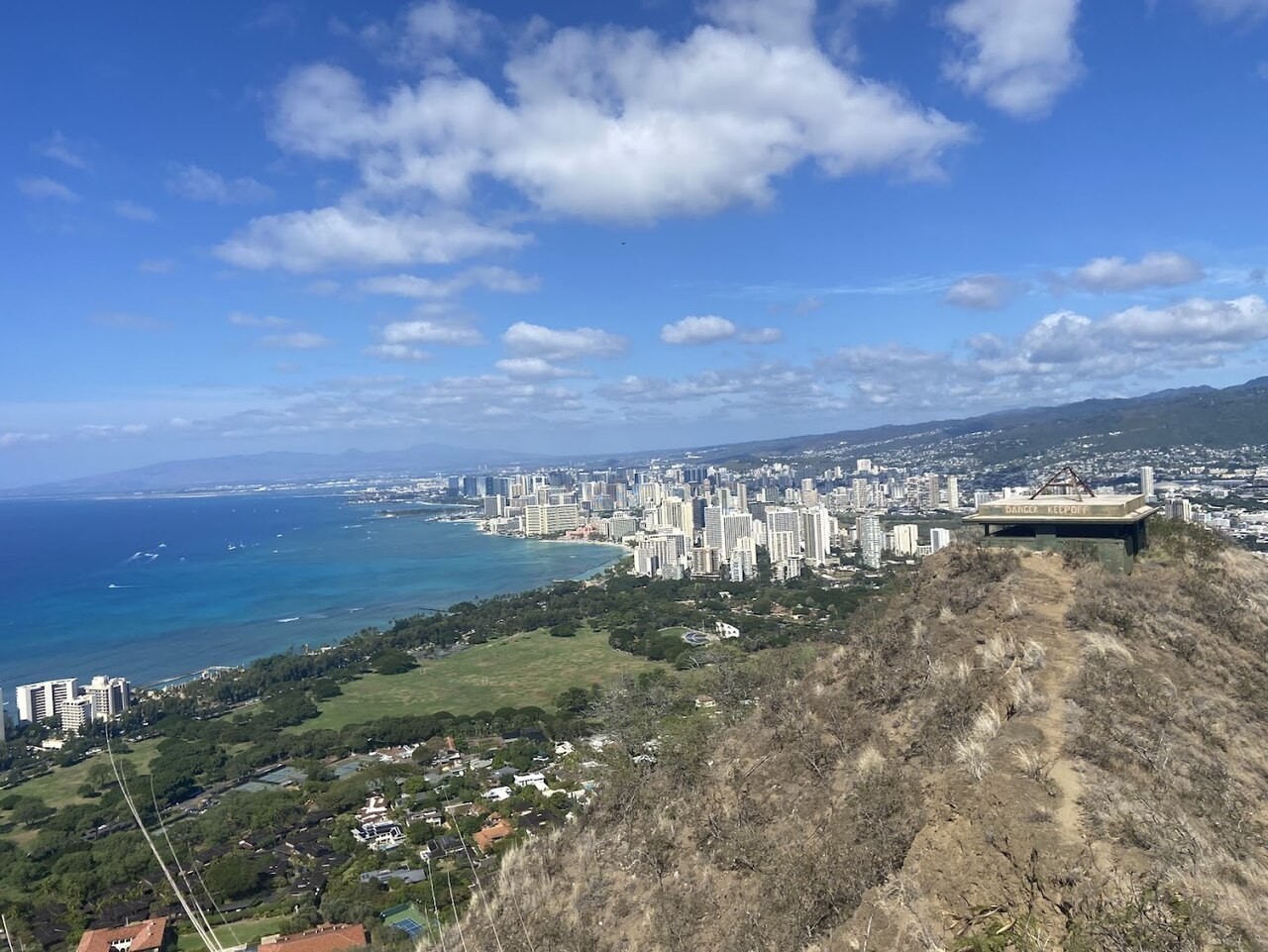
Diamond Head, or Lēʻahi, gives the Honolulu coastline a striking frame. Its summit trail has uneven ground, stairs, and exposed sections; the view is earned through a real uphill walk. The crater-floor facilities are accessible, but the summit trail is not a wheelchair route.
Nearby Hanauma Bay is a different outing, focused on conservation and snorkeling. Plan it around a confirmed admission reservation and suitable sea conditions. Admission-only reservations currently open two days ahead, and the preserve normally closes on Mondays and Tuesdays.
| Detail | Practical planning information |
|---|---|
| Best fit | Travelers who enjoy an uphill walk and want a broad view of Honolulu's coastline. |
| Public starting point | Diamond Head State Monument's designated entrance and the reserved arrival window. |
| Suggested time | Allow the hike's stated 1.5–2 hours plus transport, parking, water breaks, and arrival procedures. |
| Useful base | A Honolulu or Waikīkī base makes it easier to choose an early start without relocating hotels. |
| Costs and bookings | Nonresident entry and vehicle parking reservations are separate from other southeast Oʻahu attractions. |
| Comfort and access | The crater-floor facilities and the steep summit route offer very different levels of physical access. |
| Combine with | A relaxed Honolulu afternoon; Hanauma Bay works better as its own carefully booked outing. |
| A slower alternative | Choose a coastal viewpoint or suitable cultural visit if stairs, exposure, or heat are unsuitable. |
Plan this as an active outing. Carry the water and sun protection you need before reaching the entrance, and consider the return walk when deciding whether the route suits everyone. An early reservation may reduce exposure to the hottest part of the day, but it does not remove the climb or guarantee comfortable weather.
For Hanauma Bay, build a different set of expectations. Admission, the conservation briefing, movement to the beach, snorkeling equipment, and the return all take time. A reservation provides an opportunity to visit the preserve; the day’s water conditions determine what you can comfortably do there. Keep a land-based alternative if snorkeling is unsuitable.
Plan your visit: Allow roughly 1.5–2 hours for the Diamond Head hike, plus arrival time. Nonresidents need entry and parking reservations where applicable; listed charges are $5 per person and $10 per nonresident vehicle, with exemptions. Check the saved reservation’s terms.
Useful tip: Do not put two timed activities back-to-back. Traffic, parking, and the conservation briefing at Hanauma Bay all take time.
Open the location in Google Maps
3. Kailua and the Windward Coast, Oʻahu
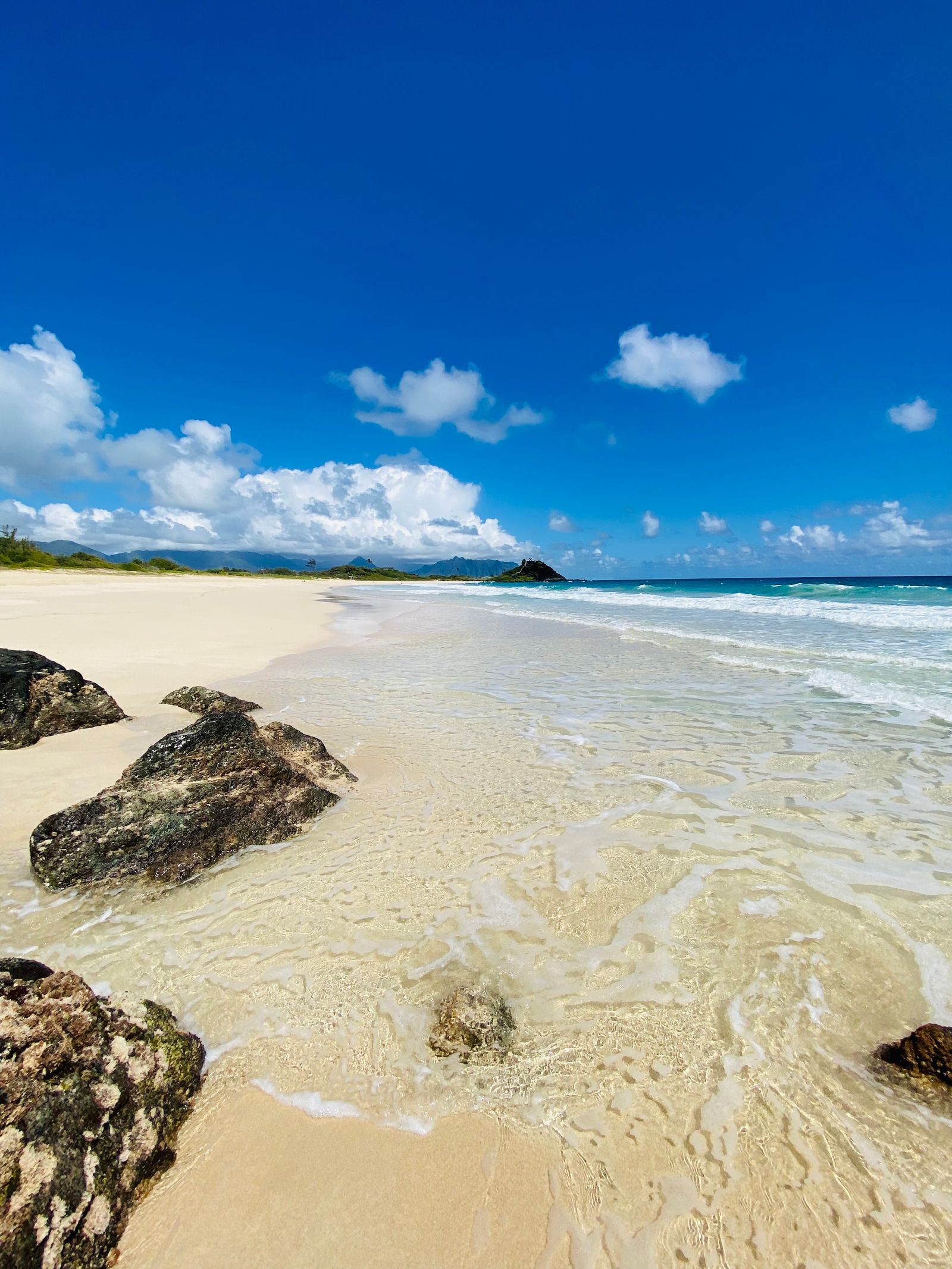
Kailua offers a change from Honolulu’s high-rise shoreline: a broad sandy beach, blue water, and a town where you can stop for breakfast or a picnic supply run. It suits a gentle beach day, provided wind and ocean conditions cooperate.
Kayaking and other water activities need an honest assessment of conditions and ability. A photograph of clear water does not tell you about currents, wind, or the difficulty of returning to shore. Stay within designated public access and avoid blocking residential driveways.
| Detail | Practical planning information |
|---|---|
| Best fit | A beach-focused outing for visitors who want a change from Honolulu's busier urban shoreline. |
| Public starting point | Kailua Beach Park provides a specific public starting point for route and facility checks. |
| Suggested time | Half a day is a practical minimum when travel, parking, food, and rest are included. |
| Useful base | Remain based in Honolulu for a day trip or choose a suitable legal stay for a wider windward visit. |
| Costs and bookings | Include any equipment hire, lesson, transport, and parking arrangements in the outing's full cost. |
| Comfort and access | Wind, sandy access, shade, and the walk from your parking place affect the experience. |
| Combine with | A meal in Kailua town and one additional permitted stop on the windward side. |
| A slower alternative | Enjoy the shore and a picnic without committing to a water activity or several beach moves. |
The simplest day has one main beach access and a meal plan. Arrive with the items you will need, take time to assess conditions, and choose a comfortable place to settle. Moving repeatedly between nearby beaches can mean more parking searches and more time carrying equipment than time enjoying the water.
If kayaking is a priority, ask an established operator about the route, wind, return journey, and experience needed. Everyone in the party should understand the plan before leaving shore. For travelers who prefer a less active day, a beach walk, town lunch, and an early return can still make a satisfying windward outing.
Plan your visit: Set aside half a day or longer. A rental car makes a wider windward outing easier, but parking can fill early. Beach time is free; budget separately for transport, lessons, rentals, and food.
Useful tip: Pick one beach and enjoy it. Repeatedly moving the car to chase several nearby access points rarely improves the day.
Open the location in Google Maps
4. Kāʻanapali and West Maui
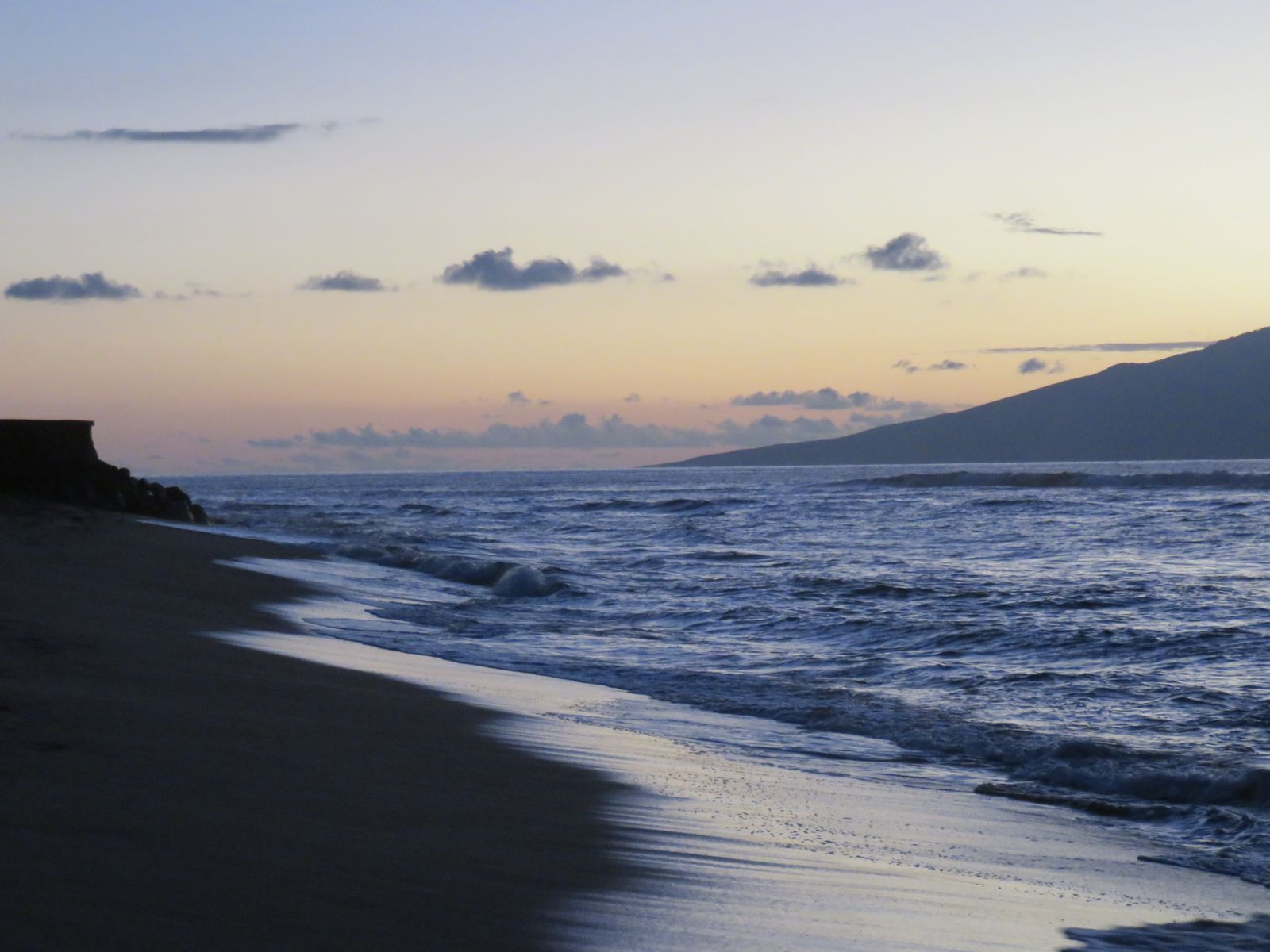
Kāʻanapali is a strong choice for travelers who want a beach vacation with resort facilities, an oceanfront walking route, and meals close at hand. Choose a property for the time you will actually spend there: a good pool and direct access may matter more than a long list of paid activities.
West Maui is a living community recovering from the 2023 fires. Conditions and access within Lahaina remain specific to each street and site. Respect signs and closures, avoid photographing fire-affected properties, and confirm the exact departure harbor for any boat trip.
| Detail | Practical planning information |
|---|---|
| Best fit | Couples and families who want the accommodation, pool, shoreline, and local meals to shape the holiday. |
| Public starting point | Choose the actual public beach access or accommodation route near your Kāʻanapali room. |
| Suggested time | Leave at least two slow days in a resort stay so the facilities are worth paying for. |
| Useful base | A West Maui base is useful for local beach time but changes the drive to other Maui regions. |
| Costs and bookings | Check resort fees, parking, paid chairs, meals, and the departure harbor for any boat booking. |
| Comfort and access | Ocean conditions, beach gradients, and the walk back to the room vary by the exact property. |
| Combine with | A local dinner, suitable oceanfront walk, or one booked excursion with a flexible alternative. |
| A slower alternative | Stay around the hotel and nearby shoreline rather than crossing the island after every breakfast. |
Compare the version of a resort holiday you will actually use. A pool, comfortable shade, laundry, and meals within a manageable walk can be more useful than a long list of premium activities. Ask which facilities are included for your room category and which require a separate payment or reservation.
When planning a boat trip, use the terminal named on the confirmation rather than an older guide’s general reference to Lahaina. Allow time to find the authorized parking and meet the operator. In and around the recovering community, follow current restrictions and local instructions, and give residents privacy even where an adjacent road has reopened.
Plan your visit: Allow at least two unhurried beach days if staying in West Maui. Public shoreline access does not make resort parking, chairs, pools, or other facilities free. Confirm the room’s complete daily bill before booking.
Useful tip: Book one memorable outing and leave another morning open. Trade winds and boat conditions can make a flexible schedule valuable.
Open the location in Google Maps
5. The Road to Hāna, Maui
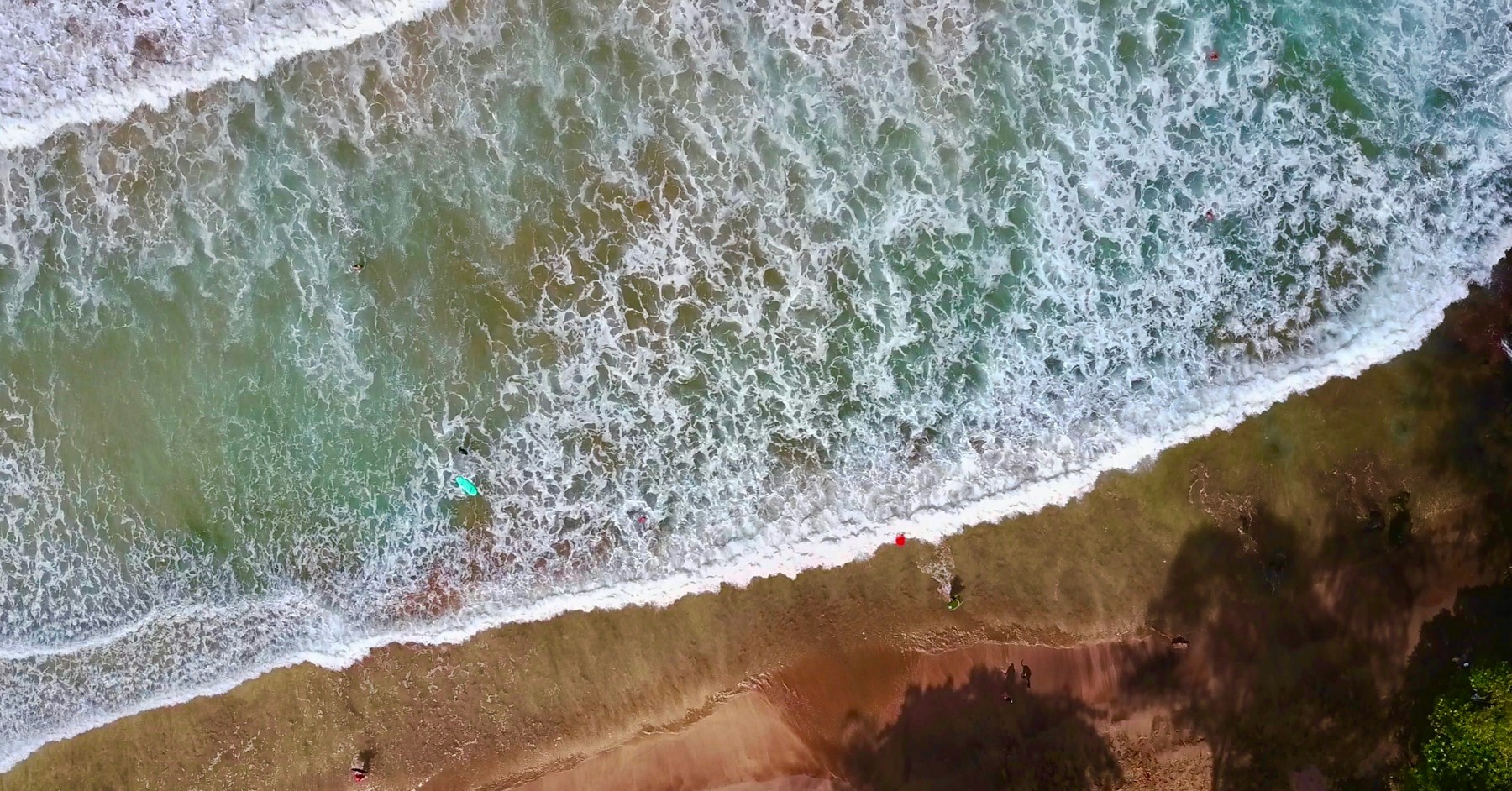
The Road to Hāna is about the journey through a lush, inhabited landscape, not collecting a maximum number of roadside stops. Narrow bridges, curves, limited parking, and changing weather demand patience. Use legal pullouts and let local traffic pass when safe.
Waiʻānapanapa State Park is a popular planned stop with black-sand scenery. Nonresident visits require advance reservations; do not assume you can arrive without a booking. Waterfalls elsewhere along the route may involve private land, flood risk, or closed access.
| Detail | Practical planning information |
|---|---|
| Best fit | Visitors who enjoy a slow scenic journey and can spend a full day away from the resort. |
| Public starting point | Plan named, legal stops around Hāna and your confirmed Waiʻānapanapa reservation where applicable. |
| Suggested time | A full day from most resort bases; an overnight stay allows a less compressed visit. |
| Useful base | Choose a Maui base that makes the return drive realistic, or coordinate a lawful Hāna stay. |
| Costs and bookings | Park reservations, a possible overnight, food, fuel, and an appropriate vehicle need separate planning. |
| Comfort and access | Narrow sections, wet paths, restricted land, and changing weather make conservative stop choices useful. |
| Combine with | A small number of confirmed public stops rather than every waterfall named on a map. |
| A slower alternative | Stay in one Hāna-area base and explore locally, or choose a shorter eastward outing. |
A good Hāna plan is selective. Decide which two or three stops justify the journey, identify where parking is allowed, and keep enough daylight for the road you will use. Download the route and do not assume that every waterfall pin represents legal access. Travelers should also verify what their rental agreement permits before considering less familiar roads.
If staying overnight, consider food and luggage as part of the plan. Confirm your check-in arrangements, carry essential supplies, and avoid leaving valuables visible while sightseeing. An overnight can remove pressure from the day, but it works best when the accommodation and onward route are arranged before you start driving.
Plan your visit: Treat Hāna as a full day from most Maui resort bases or stay overnight to slow the pace. Reserve the park separately and verify road notices, daylight, rental-car restrictions, and the return route. Do not assume a complete island loop is appropriate.
Useful tip: Choose two or three legal stops before setting out. Download directions and do not depend on mobile reception.
Open the location in Google Maps
6. Haleakalā National Park, Maui
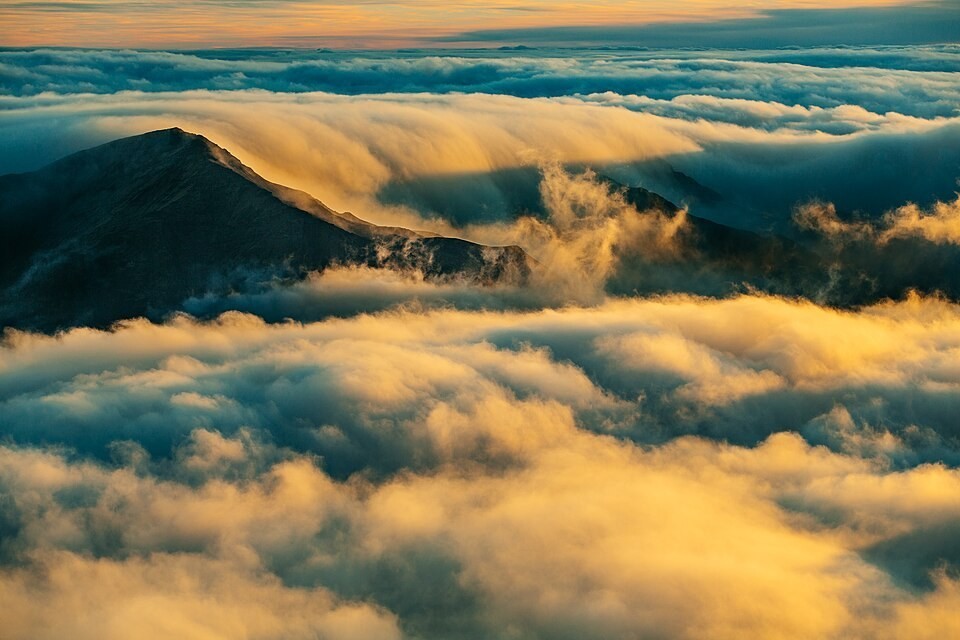
Haleakalā’s summit landscape feels far removed from the beach. Cloud, wind, and light can change quickly, and the high elevation makes warm clothing essential even when your hotel is hot. An afternoon visit can be rewarding without the very early start of sunrise.
A sunrise vehicle reservation is required for entry to the Summit District between 3 a.m. and 7 a.m.; it is separate from park admission. Summit and Kīpahulu are different districts reached by different roads, so they should not be treated as adjacent stops.
| Detail | Practical planning information |
|---|---|
| Best fit | Travelers interested in a high-elevation volcanic landscape, changing light, and a carefully paced summit visit. |
| Public starting point | Use the Summit District entrance for summit experiences; Kīpahulu has a separate coastal approach. |
| Suggested time | Allow a half day for a summit outing and more if choosing a suitable longer walk. |
| Useful base | Select the departure time from your actual Maui room rather than an island-wide driving estimate. |
| Costs and bookings | A sunrise vehicle reservation and an entrance pass cover different requirements; camping is separately arranged. |
| Comfort and access | Cold, wind, elevation, uneven terrain, and darkness may affect the route and equipment you choose. |
| Combine with | A gentle afternoon near your base after an early sunrise start. |
| A slower alternative | Consider an afternoon summit visit when it fits current conditions and your party better than sunrise. |
Work backward from the experience you want. Sunrise requires a very early departure, warm clothing, and a clear plan for the return journey. If that would leave the driver exhausted or the rest of the group uncomfortable, a later visit may be a better choice. Weather affects views at any time, so the outing should be worthwhile beyond one promised photograph.
The coastal Kīpahulu District belongs in a different driving plan. A map of the national park can make two areas look close even though visitor roads approach them separately. Confirm the correct entrance, visitor services, and trail conditions, and avoid combining both districts into a tight day simply because they share a park name.
Plan your visit: Allow a half day including the winding drive. Sunrise reservations cost $1 per vehicle and are released through Recreation.gov, with advance and short-notice inventory; a reservation does not replace the entrance pass. Review current NPS conditions before driving.
Useful tip: Carry layers, water, and a light for pre-dawn movement. Check the park’s elevation and weather guidance before choosing a hike.
Open the location in Google Maps
7. Poʻipū and South Kauaʻi
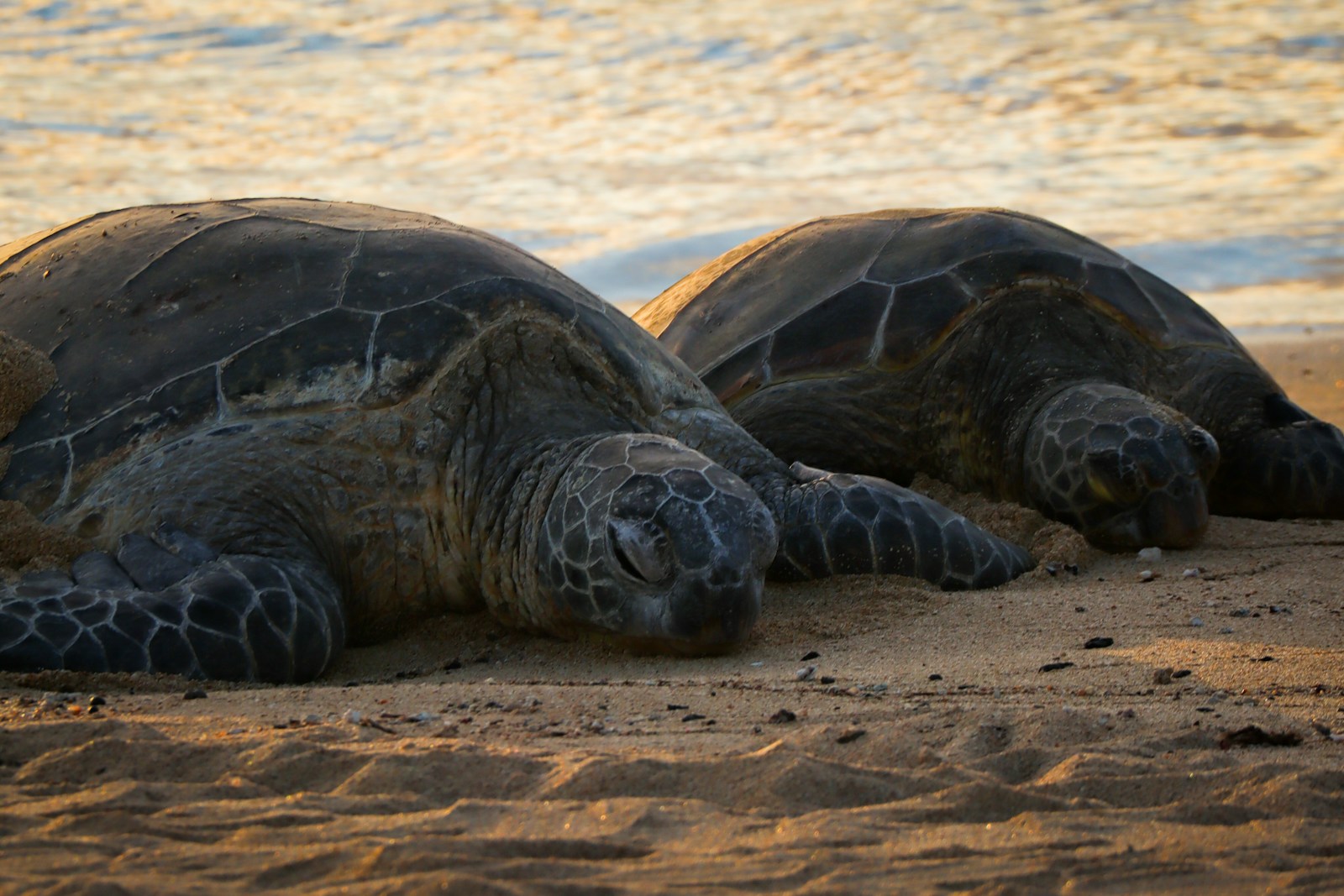
Poʻipū makes a useful south-shore base for a trip with beach time, restaurants, and island drives. Different parts of the shoreline have different exposure and bottom conditions; choose your swimming area with the lifeguard’s advice.
Sea turtles and Hawaiian monk seals may rest on the sand. Give them generous space, follow ropes and signs, and never surround an animal for a photograph. A good wildlife sighting is one that leaves the animal undisturbed.
| Detail | Practical planning information |
|---|---|
| Best fit | Couples and families who want an established south-shore base with local meals and repeated beach mornings. |
| Public starting point | Use Poʻipū Beach Park or another named public access appropriate to that day's conditions. |
| Suggested time | Half a day for a beach outing; several nights if the south shore will be your main base. |
| Useful base | A Poʻipū-area stay keeps south-shore routines local and still requires planning for northern outings. |
| Costs and bookings | Inspect the full property bill and any separate charges for equipment, parking, tours, or resort services. |
| Comfort and access | Choose a suitable staffed area, check facilities, and give resting wildlife a generous buffer. |
| Combine with | A local meal or an independently planned west-side day with room for the drive. |
| A slower alternative | Use a suitable pool or land activity when the sea is rough or wildlife barriers affect access. |
Look closely at the room-to-beach routine before choosing accommodation. The easiest stay for your group may have a less dramatic view but a shorter walk, meals nearby, and a good place to rest at midday. Families should also check the pool’s actual suitability and supervision arrangements rather than relying on a property photograph.
A wildlife sighting can become a memorable part of the day without approaching the animal. Keep children and other visitors from crowding resting turtles or seals, follow the boundaries set by staff, and leave a clear route to the water. Choose your beach position around those limits rather than expecting wildlife to move for your plans.
Plan your visit: Allow a half-day beach visit or several nights as a base. Check the specific property’s beach access, parking, and pool provision. Weather and surf can change even during a generally favorable season.
Useful tip: For a day trip to the island’s west side, start early and keep the evening local rather than adding another long drive.
Open the location in Google Maps
8. Nāpali Scenery and Kauaʻi's West-Side Lookouts
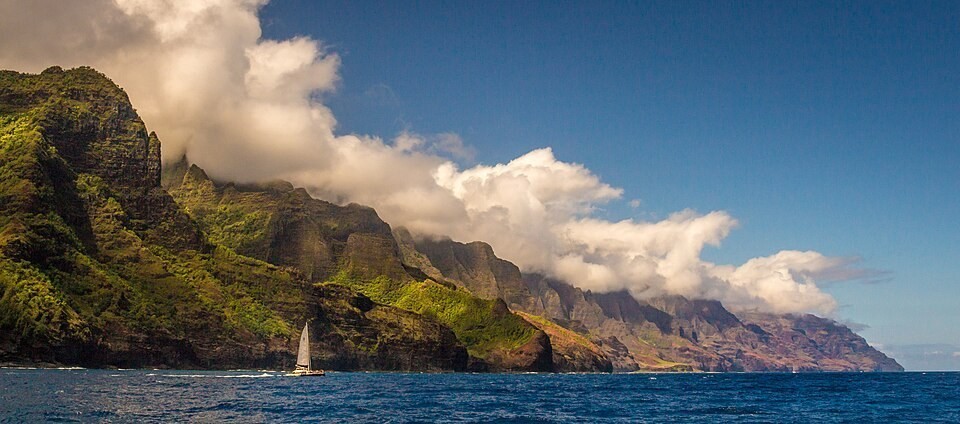
Kauaʻi’s deeply folded cliffs are among Hawaii’s most memorable landscapes, but there is no ordinary coastal road along the Nāpali shoreline. Boat excursions, demanding trails, and views from the west-side highlands are distinct experiences with different requirements.
For a gentler outing, build a day around Waimea Canyon and Kōkeʻe lookouts when conditions allow. Hāʻena State Park is reached from the north shore and has separate nonresident entry arrangements. Park entry never guarantees that an onward trail is open.
| Detail | Practical planning information |
|---|---|
| Best fit | Travelers who want dramatic scenery and are willing to match the viewing method to weather and ability. |
| Public starting point | Plan Hāʻena, a permitted boat departure, or west-side public lookouts as distinct outings. |
| Suggested time | A full day for west-side viewpoints; allow the booked operator's full schedule for boat experiences. |
| Useful base | Choose the Kauaʻi base around the journey you will repeat, especially between north and south shores. |
| Costs and bookings | Check entry, parking or shuttle reservations, tour terms, and any separate wilderness-permit requirement. |
| Comfort and access | Cloud, wet ground, exposed edges, trail closures, and rough sea conditions can alter the day. |
| Combine with | A measured Waimea Canyon and Kōkeʻe visit with time for safe stops and the return. |
| A slower alternative | Select accessible roadside viewpoints or a local scenic day instead of a demanding unplanned hike. |
Decide how you want to experience the landscape before choosing a booking. A boat trip provides one perspective, a trail demands a different level of effort, and a west-side lookout involves a separate road approach. They are not substitutes that can be exchanged casually on the morning of the trip.
For Hāʻena, check the current park and trail notices even after securing a reservation. A storm closure or a restriction on an onward route can change what is available. For the west-side drive, build the day around the viewpoints that are open and visible, with meals and rest breaks arranged before the return journey.
Plan your visit: Allow a full day for the west-side drive and viewpoints. For Hāʻena, secure the appropriate entry, parking, or shuttle reservation. Check State Parks notices for storm-related trail closures; overnight wilderness hiking requires the appropriate permit.
Useful tip: Keep a land-based alternative if a boat trip is canceled. A cancellation for sea conditions should not push you into a difficult improvised hike.
Open the location in Google Maps
9. Hawaiʻi Volcanoes National Park, Hawaiʻi Island
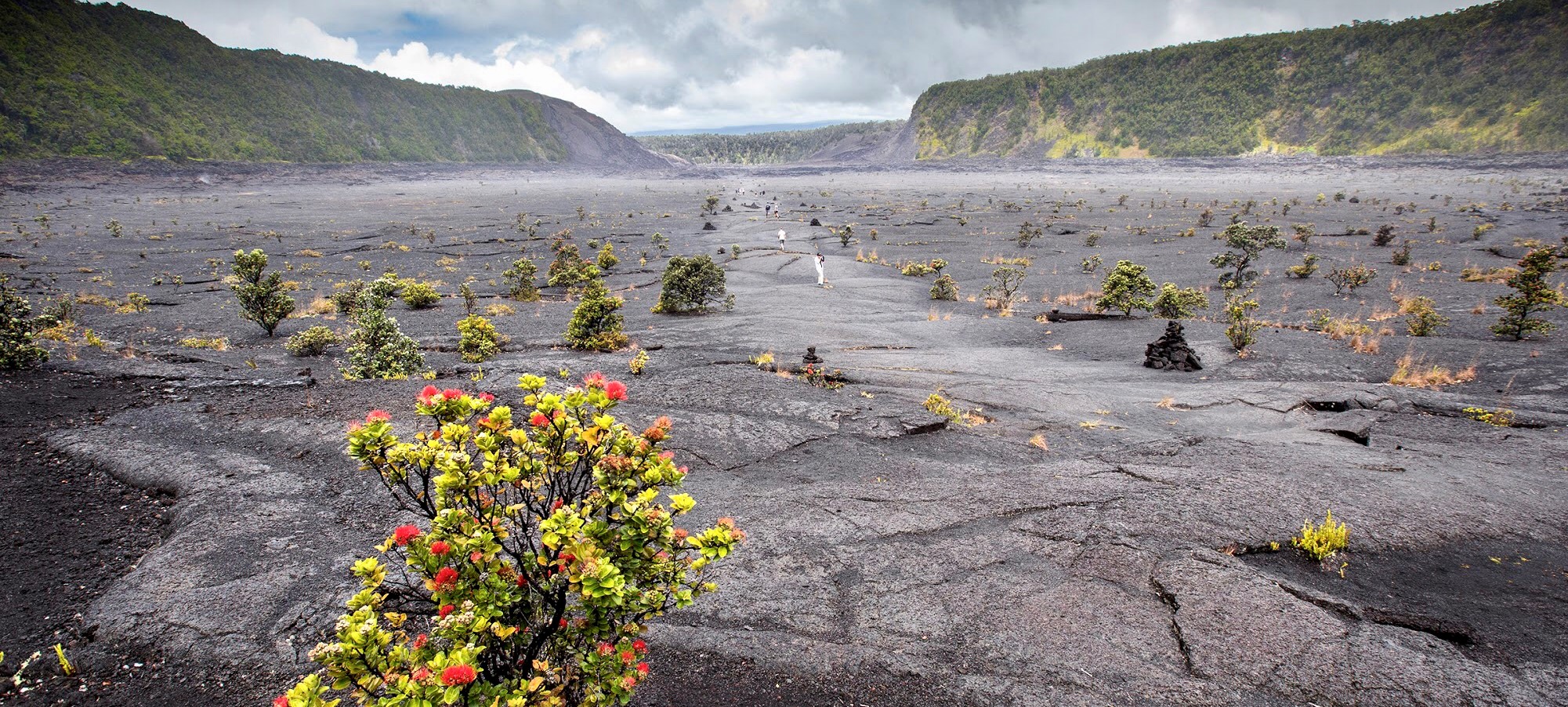
Hawaiʻi Volcanoes National Park is an introduction to a changing volcanic landscape, from crater viewpoints to forest and lava terrain. It is worthwhile even when there is no visible eruption. Photographs of glowing lava show a particular moment, not an experience that can be promised.
Follow the National Park Service’s current access and air-quality notices. Volcanic activity can close roads and trails with little warning. Stay behind barriers and do not enter closed ground for a closer view.
| Detail | Practical planning information |
|---|---|
| Best fit | Visitors interested in volcanic processes, crater viewpoints, forest, and a landscape that changes over time. |
| Public starting point | Begin with the current NPS visitor guidance for open roads, overlooks, facilities, and ranger advice. |
| Suggested time | Allow a full day for a first visit, or two shorter visits from a nearby overnight base. |
| Useful base | Hilo or Volcano reduces repeated east-side travel; a Kona start needs a much longer driving plan. |
| Costs and bookings | Check the applicable entrance pass, any current fee rules, accommodation, fuel, and separate guided services. |
| Comfort and access | Air quality, weather, volcanic activity, and closures determine the appropriate open route for the day. |
| Combine with | A Volcano-area overnight or an east-side itinerary with Hilo on a different part of the trip. |
| A slower alternative | Choose a few open viewpoints and visitor interpretation instead of trying to cover every park road. |
Start with what the park is safely offering that day. A ranger conversation can help you choose a sequence of open viewpoints, a suitable walk, and the right amount of driving. An eruption may draw attention, but it can also bring crowds and access restrictions. Build the holiday around the wider volcanic landscape so it remains worthwhile without visible lava.
If you stay nearby, consider splitting the visit rather than making one exhausting push. You can spend time learning about the area, take an appropriate open route, rest, and return when conditions and energy suit. Review alerts again before each visit because a road that was open earlier may have a different restriction later.
Plan your visit: Allow a full day or stay near Volcano for a slower visit. The park is more convenient from Hilo than from the main Kona resort areas. Budget for park admission, fuel, food, and a possible separate overnight base.
Useful tip: Check the day’s alerts before leaving your accommodation, then ask a ranger which open stops suit your time and mobility.
Open the location in Google Maps
10. Hilo and ʻAkaka Falls, Hawaiʻi Island
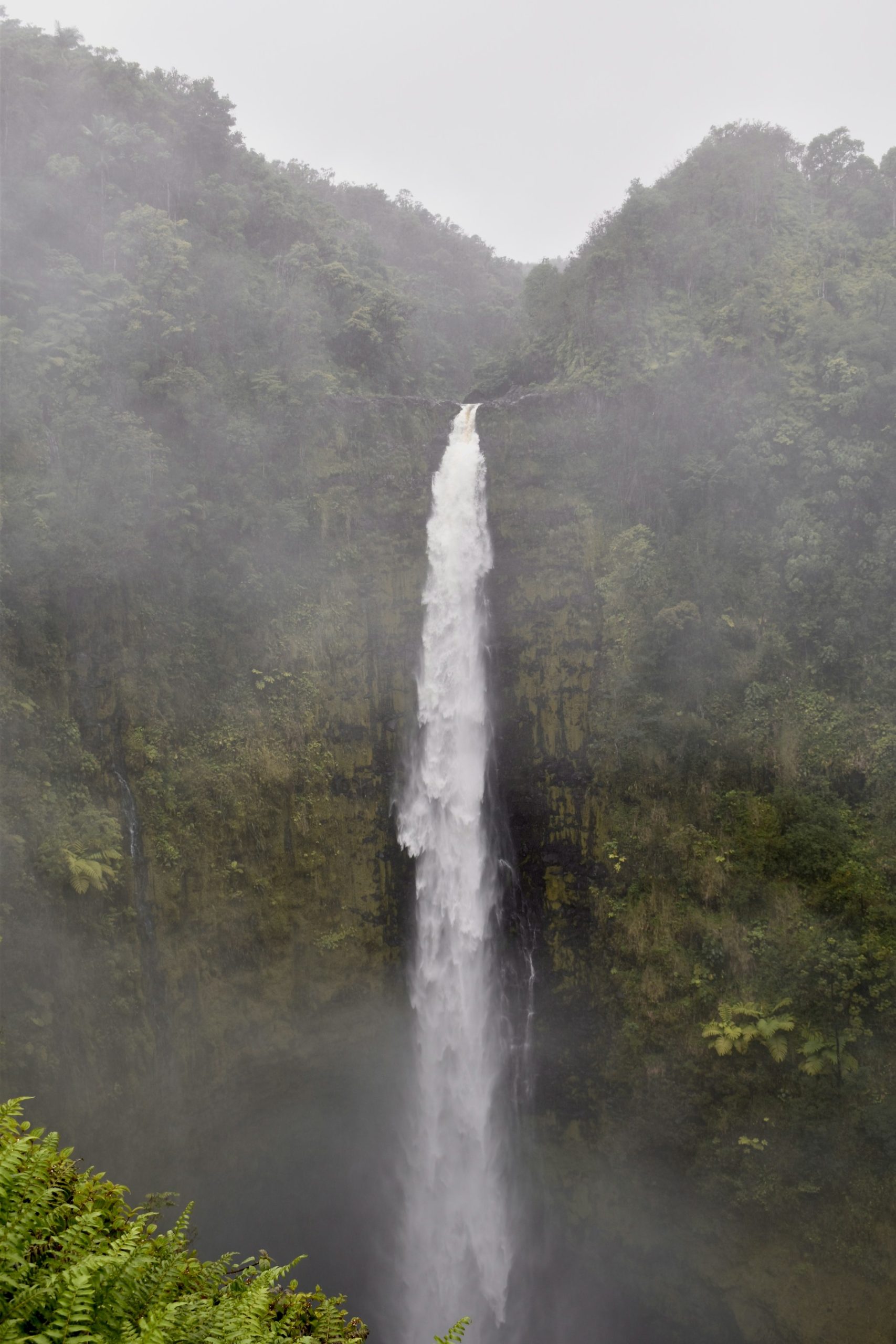
Hilo gives a Hawaii trip a different rhythm: gardens, a historic town center, local food, and a greener east-coast setting. Pair it with a planned visit to ʻAkaka Falls rather than trying to cross the island repeatedly from a west-coast hotel.
The waterfall is viewed from a designated route. Wet paths and steps deserve care, and swimming beneath a photographed waterfall is not an assumed activity. Rain is part of the scenery and can change conditions quickly.
| Detail | Practical planning information |
|---|---|
| Best fit | Travelers who enjoy a greener east-coast base, local food, gardens, and a planned waterfall visit. |
| Public starting point | Use the designated ʻAkaka Falls State Park entrance and authorized Hilo public locations. |
| Suggested time | Several hours for a waterfall outing, with a separate half or full day for Hilo interests. |
| Useful base | Hilo or a suitable east-side stay works well when combining the area with Volcano. |
| Costs and bookings | Verify current State Parks entry and parking charges, property fees, and the day's food and fuel plan. |
| Comfort and access | Wet paths, steps, rain, and the exact available route matter for mobility and walking comfort. |
| Combine with | A Hilo meal, an appropriate garden visit, or the national park on a separate day. |
| A slower alternative | Choose town-based activities and an easier public viewpoint if the waterfall route is unsuitable. |
Use Hilo as a place to spend time rather than only a transfer point. Choose a local breakfast or lunch, consider which town or garden visits interest you, and allow for rain without treating every shower as a failure of the itinerary. A light layer and shoes with grip make the day more comfortable.
For ʻAkaka Falls, check the route as well as the admission arrangement. A viewing trail with steps is a different experience from a roadside overlook. Let the least comfortable walker help set the plan, and choose another east-side outing if a wet route does not fit the group. The waterfall can remain a highlight without becoming a reason to rush or take risks.
Plan your visit: Allow a few hours for the waterfall outing and more time for Hilo itself. Nonresident State Parks entry and parking charges may apply; verify the current fee and route accessibility. Carry a light rain layer and shoes with grip.
Useful tip: A Hilo or Volcano overnight can save hours of backtracking when combining east-side sights with the national park.
Open the location in Google Maps
Best Time to Visit and What the Weather Changes
There is no single perfect month for every island or activity. Spring and fall outside school holidays are useful dates to compare for availability and price, while holiday periods and summer school breaks often need earlier booking. Compare the same room category across several date ranges rather than assuming one season is always cheapest.
Winter can bring large north-shore surf and heavy rain, while some south and west shores have very different conditions on the same day. Mountain areas can be cold. A warm air temperature does not make an exposed beach safe for swimming.
For whale-focused boat trips, ask the operator about its seasonal schedule and policies. Wildlife sightings, good visibility, and a calm crossing are never guaranteed. Leave enough flexibility to move an outdoor activity.
Where to Stay and How to Get Around
On Oʻahu, Waikīkī is convenient for a first visit and a trip with limited driving. On Maui, choose between West Maui and South Maui based on your accommodation and preferred outings. On Kauaʻi, compare the south shore with the east side and north shore; they change your daily driving. On Hawaiʻi Island, consider splitting time between the Kona-Kohala side and Hilo or Volcano if both feature heavily in your plans.
A Honolulu-focused trip can work with walking, public transport, and selected tours. For wider exploration on the other main islands, a rental car is usually more practical. Add parking and fuel to the rental quote, inspect child-seat requirements if relevant, and check restrictions before leaving paved routes.
Most interisland journeys use flights. A Maui–Lānaʻi passenger ferry is a specific exception; the operator currently lists Māʻalaea on Maui and Mānele on Lānaʻi. Confirm the actual terminal and sailing for your date. Do not plan around a general ferry network between the islands.
For accommodation, inspect the final checkout total: taxes, resort or destination fees, parking, cleaning charges, and cancellation terms. A low advertised nightly rate can become an expensive stay once these are added.
Choose Your Accommodation Area by the Days You Want
An island is a large enough choice that its name alone cannot tell you whether a room will be convenient. Compare your three most important outings from the actual accommodation address. Include the journey back, dinner, parking, and whether you will be comfortable driving after dark.
| Base to compare | Works particularly well for | Question to resolve before booking |
|---|---|---|
| Waikīkī or central Honolulu | Walkable meals, city interests, and selected day outings | Can the stay work with fewer rental-car days? |
| West Maui | Local resort facilities and repeated beach days | How often will you drive to a different Maui region? |
| South Maui | A beach-focused base with access to its own local area | Does the exact room offer a comfortable public shoreline route? |
| South Kauaʻi | Local beach routines and purposeful west-side outings | How much north-shore driving have you included? |
| East Kauaʻi | A base to compare for trips in more than one direction | What does traffic do to your chosen daily routes? |
| Kona-Kohala coast | West-side accommodation and beach-focused days | Would an east-side overnight improve the national-park plan? |
| Hilo or Volcano | Waterfalls and volcanic landscapes | Do the room's weather, dining, and opening arrangements fit your stay? |
For a family, a useful room layout and food storage can matter more than a decorative feature. Couples may prefer a quiet room near a pleasant evening walk. Solo travelers may value a convenient return route after dinner. Accessible travelers should confirm the specific room and transport arrangement in writing, especially when inventory is limited.
A split stay is worthwhile when it changes the journeys you repeat. It also has a cost: packing, checkout, luggage, and another arrival. On Hawaiʻi Island that trade can be sensible for an east-and-west itinerary. For a short Oʻahu stay, moving rooms may add more work than it saves.
Reservations to Arrange Before Your Trip
| Experience | What to check |
|---|---|
| Diamond Head | Nonresident entry and parking reservations; confirm arrival window |
| Hanauma Bay | Separate admission system, weekly closure days, briefing, and beach conditions |
| Haleakalā sunrise | Vehicle reservation for 3–7 a.m. plus entrance admission |
| Waiʻānapanapa and ʻĪao Valley | Nonresident reservations and current park notices |
| Hāʻena and Kalalau Trail | Entry or shuttle booking, trail status, and separate overnight permits |
| Pearl Harbor programs | Correct program ticket, visitor rules, and time to arrive |
Use each attraction’s official booking system and read the cancellation terms. Keep confirmations offline. Booking windows and operational rules can change; verify them before committing to a nonrefundable day plan.
Realistic Hawaii Itineraries
Seven nights on Oʻahu
- Day 1: Arrive, reach Waikīkī, buy essentials, and take a short local walk.
- Day 2: Waikīkī beach time and one cultural or neighborhood visit.
- Day 3: Diamond Head with a confirmed reservation; leave the afternoon flexible.
- Day 4: A windward beach day around Kailua, with time for the drive and parking.
- Day 5: Pearl Harbor or a Honolulu history day; book the specific program you want.
- Day 6: Choose a suitable North Shore outing or a second beach day. Allow a full day for the driving option.
- Day 7: Keep a spare day for a rescheduled activity, shopping, or doing very little.
- Day 8: Check out and allow a sensible airport buffer.
Ten nights across two islands
Spend five nights on Oʻahu and five on Maui, Kauaʻi, or Hawaiʻi Island. Make the transfer day a travel day. A short flight still involves checkout, transport, screening, baggage, and often another rental car. Pick one main activity per day on the second island.
Seven nights on Hawaiʻi Island
Consider four nights in the Kona-Kohala area and three in Hilo or Volcano, adjusting for your arrival and departure airports. This arrangement makes room for beach time, a full national-park day, and an east-side waterfall outing without repeated cross-island drives.
Hawaii Plans for Three, Five, and Fourteen Nights
Three nights: choose a very small area
A three-night Hawaii break is most practical when the flight schedule and starting point make it comfortable. Choose one island and one base, with two main experiences rather than a long checklist. On Oʻahu, that might be a Honolulu day and a suitable beach day. Keep the arrival evening and departure morning simple, and verify that any essential attraction opens on the days you have.
Five nights: one island and room to change a day
Use five nights for one island with three priority outings and some local time. A Maui plan might combine resort days with one summit visit and another chosen activity; a Kauaʻi plan might include a canyon day, a suitable north-shore outing, and slower time around the base. Avoid making the final full day the only chance for a weather-sensitive tour.
Fourteen nights: depth before another island
Two islands can provide a satisfying contrast over fourteen nights. Spend roughly a week on each, including a lightly scheduled transfer day. A traveler who enjoys detailed exploration can also stay on one island and use two appropriate bases. Add a third island only when there is a clear reason and everyone accepts the extra travel routine.
| Time available | A sensible limit | Useful pacing decision |
|---|---|---|
| 3 nights | One base on one island | Two main experiences and local time |
| 5 nights | One island | Alternate full outings with easier days |
| 7 nights | One island for most first visits | Keep a day available for weather or rest |
| 10 nights | One or two islands | Price and protect the transfer day |
| 14 nights | Two islands or a deeper single-island trip | Choose contrast without repeated packing |
These are itinerary suggestions rather than rules. The flight schedule, mobility needs, and reasons for traveling should decide the final plan. An extra hotel move is justified by a better holiday day, not simply by adding another island name to the trip.
Sample Hawaii Vacation Budget for Two Adults
This is an illustrative eight-day, seven-night Oʻahu budget, not a live package quote. The room figure includes an assumed allowance for taxes and mandatory property fees. The car is used for four days; parking is counted separately. Actual airfare and hotel totals can be substantially different.
| Item | Calculation | Example total |
|---|---|---|
| Accommodation | 7 nights × $280 all-in target | $1,960 |
| Food and groceries | 8 days × $90 for two | $720 |
| Rental car | 4 days × $85 all-in estimate | $340 |
| Hotel parking | 4 nights × $35 | $140 |
| Fuel | Trip allowance | $60 |
| Airport transport | Two transfers | $80 |
| Activities and admission | Shared allowance | $300 |
| Ground-trip subtotal | Sum of the above | $3,600 |
| Contingency | 10% of ground subtotal | $360 |
| Ground-trip planning total | Subtotal plus reserve | $3,960 |
| Illustrative flights | 2 round trips × $500 | $1,000 |
| Illustrative total with flights | $3,960 + $1,000 | $4,960 |
This excludes shopping, premium tours, spa treatments, travel insurance, and major incidental expenses. Check whether gratuities are included in your food and tour plans. For a lower total, compare a shorter stay, fewer car days, modest lodging, and more grocery meals before cutting the reserve.
Booking Order, Cancellations, and the Final Week Before Travel
Coordinate bookings so that one essential item does not undermine another. Establish the flight and accommodation plan, check the availability of the experience that matters most, and compare cancellation terms before committing to a series of nonrefundable purchases. Save the booking holder’s name and identification requirements for timed attractions.
A short reservation window requires a different plan from a room booked months ahead. For example, Hanauma Bay admission-only inventory uses a short advance window. Keep a suitable alternative day, note the relevant Hawaii local time, and make sure the account and payment method are ready. A missed reservation should not force you into an unsuitable substitute activity.
During the final week, check airline baggage terms, car pickup instructions, accommodation arrival procedures, park notices, and the forecast for the specific areas you will visit. Confirm the harbor or terminal written on any boat booking. Send the day’s practical plan to the other adults traveling with you so one phone does not hold every important detail.
On arrival, reassess the first day based on the flight, driving confidence, and the group’s energy. Buy essentials, learn the local route, and avoid using a long list of prepaid activities to compensate for lost time. A flexible beginning helps the rest of the holiday work better.
How to Adjust the Budget for Your Own Trip
Use the sample budget as a worksheet. First replace the accommodation line with the complete quoted total for your dates. Then add transport that matches your chosen base: a four-day car example should not be reused if a remote stay requires a vehicle throughout. Divide the final total only after every shared and per-person cost has been included.
If the total is too high, change the most expensive decision first. A different room category, one island instead of two, a closer-to-meals base, or fewer car days may save more than trimming small daily purchases. Protect the activities that motivated the trip and reduce optional extras around them.
For a family, calculate food and admission by the children’s actual ages and check whether the room price changes with occupancy. For a solo traveler, accommodation and car costs usually cannot be divided by two. For a group, discuss how deposits, shared groceries, and canceled activities will be handled before anyone pays.
Allow for gratuities where relevant, verify what is prepaid, and keep the reserve separate from money intended for souvenirs. A travel budget is useful when it explains what you can comfortably do after arrival, rather than only proving that you can buy the flight and room.
Food, Dietary Needs, and Ways to Save
Try local plate lunches, saimin, poke from a reputable food counter, shave ice, and foods connected with Native Hawaiian traditions. Distinguish a local-style mixed plate from traditional Hawaiian food, and approach unfamiliar dishes with curiosity rather than assuming they are interchangeable.
For vegetarian, halal, gluten-free, or allergy-sensitive dining, check individual menus and preparation practices before traveling across the island. Ask about broth, sauces, shared fryers, and cross-contact where relevant. Small rural places may have limited opening hours or fewer alternatives.
A picnic breakfast, refillable water bottle, and one casual meal a day can reduce costs. Beaches and public walks can anchor rewarding days without a paid excursion. Compare parking costs before assuming an out-of-town supermarket trip will save money.
Read ‘all-inclusive’ offers carefully. Hawaii flight-and-hotel bundles often do not include unlimited meals, alcoholic drinks, transfers, or gratuities. Only count an inclusion when it is stated in the written package terms.
Families, Couples, Solo Travelers, and Accessible Visits
Families benefit from a pool, laundry access, shade, and a realistic meal routine. Select beaches with suitable conditions and a lifeguard when swimming; shallow-looking water still needs close supervision. Avoid building long drives around a child’s nap as though traffic and stops are predictable.
Couples can make a trip feel special with one shared experience and time left around it. Solo travelers may appreciate Honolulu’s transport and dining choices or a guided outing elsewhere. Match the plan to your comfort with driving, walking, and being out after dark.
For accessible travel, ask specific questions about the route from parking to the shoreline, gradients, steps, accessible bathrooms, equipment reservations, and hotel-room features. A beach-wheelchair service is not the same as an independently accessible ocean entry. Confirm availability directly before booking.
Packing, Local Conditions, and Important Contacts
- Pack sun protection, a hat, refillable water bottle, swimwear, and shoes appropriate for wet paths.
- Add a rain layer and warm layers for summit visits; beach clothing is not sufficient at elevation.
- Keep identification, medication, booking confirmations, offline maps, and an emergency contact accessible.
- Use marked public access, do not stand on coral, and follow wildlife buffers and lifeguard instructions.
- Never leave valuables visible in a rental car, including at popular trailheads.
- For an emergency, call 911. For park conditions, consult Hawaiʻi State Parks or the National Park Service; hotel staff and lifeguards can help with local operational questions.
Ocean safety is a daily decision. Strong currents, shore break, and flash flooding can affect familiar-looking places. If conditions or your ability are uncertain, stay out and choose a land activity.
Common Hawaii Planning Mistakes
- Booking several islands for a short trip and underestimating transfer time.
- Comparing hotel headline prices without taxes, mandatory fees, and parking.
- Assuming public beach access includes private hotel facilities.
- Treating a park reservation as permission to enter a closed trail.
- Promising yourself visible lava, a whale encounter, or perfect snorkeling on a specific day.
- Using old Lahaina advice or an outdated ferry terminal without checking current local notices.
- Filling the arrival day with a long drive after a tiring flight.
Frequently Asked Questions
Which Hawaiian island is best for a first visit?
Oʻahu is a practical starting point for a mix of beaches, history, food, and transport choices. Maui, Kauaʻi, or Hawaiʻi Island may fit better if your main goal is a particular landscape or resort experience. Choose around your activities rather than a universal ranking.
How many days do I need in Hawaii?
Seven nights gives you time to enjoy one island at a sensible pace. For two islands, roughly ten to fourteen nights allows more room for the transfer and some unplanned time.
Do I need a passport for Hawaii?
U.S. citizens arriving from another U.S. state do not need a passport for that domestic route. Adults still need TSA-accepted identification. International arrivals and travelers with other citizenship or immigration circumstances should check the requirements that apply to their route and status.
Can I visit Hawaii without renting a car?
Yes, particularly for a Honolulu-centered stay using walking, transit, and selected tours. Elsewhere, check the location carefully: a remote hotel can make taxis, meals, and excursions more expensive than expected.
Is Hawaii a good place for an all-inclusive vacation?
It can be an excellent vacation, but do not assume a standard booking includes unlimited food and drinks. Compare the precise inclusions of any advertised package with a normal hotel-and-flight booking.
Can I see several islands in one week?
You can, but a single-island week is usually more rewarding. Each move adds airport time, accommodation changes, and transport costs.
Should I book a hotel before choosing my Hawaiian island?
Choose the island and the kind of daily routine first. Then compare accommodation areas against your main outings. A discounted room may be poor value when it creates a long journey for every meal or activity.
Is sunrise at Haleakalā essential?
It is one option. An afternoon visit may suit the party and driving plan better. Any summit outing needs suitable clothing, an appropriate route, and a conditions check. Sunrise also has a specific reservation requirement.
Can a rental car go on a Maui–Lānaʻi ferry?
Do not assume so. Plan around the booked passenger service and arrange appropriate transport on arrival. Confirm current baggage and transport terms directly with the operator before paying for accommodation.
How much unscheduled time should I keep?
At least some open half-days and, for a week, preferably a flexible day. That creates room for changing weather, a delayed arrival, rest, or an activity you decide to enjoy locally.
Final Planning Checklist
- Choose an island and a base that suit your priorities.
- Compare complete flight, room, and transport totals.
- Reserve essential limited-entry experiences.
- Keep one flexible day or several open half-days.
- Confirm current park, road, and ocean conditions.
- Pack accepted identification and save confirmations offline.
- Leave room in the budget and itinerary for changes.
- Compare your actual accommodation address with the three outings that matter most.
- Separate the sunrise, park-entry, transport, and overnight reservations that have different rules.
- Give every adult access to confirmations and the day’s return plan.
Reader Questions and Travel Experiences
Which part of Hawaii would shape your trip: beaches, Native Hawaiian culture, food, hiking, or volcano scenery? If you have visited, share a practical planning lesson and the island it relates to.
Explore More Travel Guides
- Best Hawaiian Island for Your Vacation Style
- Beautiful Islands in the United States You Can Visit Without a Passport
- 25 Best Beaches in the United States
- Best Family-Friendly Beach Destinations in America
- Best Places for a Romantic Coastal Getaway
Leave a Reply
What would you like to know before you go?
Send us your question, feedback, or a place you would like to see covered.
Ask a travel question
Leave a Reply