
Written by Ari Mayzick · Go Travel Box
Published November 14, 2026 · Updated November 14, 2026
An affordable beach vacation starts with the complete bill. A cheap room can lose its advantage once you add a cleaning fee, daily parking, several taxi rides, and meals that require a drive. A slightly higher room price can be better value when it simplifies everything else.
The ten destinations below are useful places to compare for a lower-cost U.S. beach trip. None is guaranteed cheap for every date. The opportunity usually comes from a broad choice of accommodation, free or modest-cost outdoor time, a sensible season, and the ability to avoid daily paid attractions.
This guide separates verified practical details from sample spending targets. All budget examples are planning models, not live offers, average prices, or promises that a particular room is available.
Planning Your First Lower-Cost Beach Trip? Start Here
- Compare at least three complete date-and-location options before choosing a beach.
- Price the whole party, including fees, transport, food, parking, and the return journey.
- For a short trip, prioritize a destination you can reach simply. A distant ‘cheap’ hotel may not produce a cheap vacation.
- Check the weather and operating services before booking a low-season bargain.
- Keep a reserve and one modest paid activity rather than filling every day with tickets.
Affordable Beach Planning at a Glance
| Savings lever | How to use it |
|---|---|
| Dates | Compare midweek and nonholiday stays, then check events |
| Location | Price walkable lodging against a cheaper room plus daily transport |
| Meals | Use simple breakfasts or a kitchen if you will actually cook |
| Stay length | Compare hotel and rental totals including minimum stays and cleaning |
| Activities | Make suitable public beach time the main event |
| Transport | Use your actual airport or driving costs, not a generic example |
| Reserve | Retain about 10% or another amount appropriate to your risk and plans |
Table of Contents
- Compare Ten Beach Destinations for Value
- Find the Saving Before You Choose the Destination
- Ten Destinations for a Lower-Cost Beach Trip
- 1. Myrtle Beach, South Carolina
- 2. Virginia Beach, Virginia
- 3. Ocean City, Maryland
- 4. Cocoa Beach, Florida
- 5. Daytona Beach, Florida
- 6. Pensacola Beach and the Pensacola Area, Florida
- 7. Gulf Shores, Alabama
- 8. Biloxi and Ocean Springs, Mississippi
- 9. South Padre Island, Texas
- 10. Port Aransas, Texas
- The Complete-Cost Test Before You Book
- A Worked Example: The Cheapest Room Can Cost More
- Best Time to Find Value and Seasonal Trade-offs
- A Simple Four-Night Beach Itinerary
- Sample Lower-Cost Beach Budget for Two Adults
- A Seven-Night Family Budget Example
- Hotels, Rentals, and Transport Choices
- How to Set a Daily Spending Plan Without Counting Every Minute
- Food, Dietary Needs, Free Activities, and Practical Savings
- A Booking Process That Keeps the Real Price Visible
- Families, Couples, Solo Travelers, and Accessible Visits
- What to Cut First When the Trip Is Over Budget
- Packing, Beach Conditions, and Common Budget Mistakes
- Frequently Asked Questions
- Final Planning Checklist
- Reader Questions and Travel Experiences
- Explore More Travel Guides
- Leave a Reply
Compare Ten Beach Destinations for Value
| Destination | Why it merits a price check | What can erase the saving |
|---|---|---|
| Myrtle Beach, South Carolina | A broad accommodation market and simple outdoor days | Holiday weekends, fees, and attraction spending |
| Virginia Beach, Virginia | Public shoreline and a walkable oceanfront | Parking, events, and an inconvenient hotel location |
| Ocean City, Maryland | Many stay types and an easy beach routine | Peak summer demand and incidental entertainment |
| Cocoa Beach, Florida | A beach base with optional larger outings | Launch traffic, rental costs, and attraction tickets |
| Daytona Beach, Florida | A range of lodging and public beach areas | Major event dates and parking rules |
| Pensacola Beach area, Florida | Beach and mainland lodging options to compare | Daily driving and peak beach rates |
| Gulf Shores, Alabama | Condo options and substantial beach time | Cleaning fees, minimum stays, and summer demand |
| Biloxi and Ocean Springs, Mississippi | Coastal walks and different hotel markets | Water-quality issues or booking an unsuitable stay |
| South Padre Island, Texas | A range of stays and free Island Metro transport | Spring-break prices, transfers, and cooler winter weather |
| Port Aransas, Texas | A house or condo-based beach routine | Vehicle costs, fees, and peak dates |
Find the Saving Before You Choose the Destination
Start with the destinations that you can reach comfortably, then compare full stays for your dates. A lower hotel rate is less useful when the journey adds a flight connection, an expensive airport transfer, or a vehicle you would not otherwise need. The first useful saving often comes from choosing the simpler trip.
| Question | What to compare | Why it affects the total |
|---|---|---|
| Can I reach the destination simply? | Regional driving against flights and onward transport | A low room rate may not cover the additional arrival cost |
| Will we cook or eat out? | A suitable room, groceries, and the kitchen's real usefulness | A kitchen only saves money when the party uses it |
| How often will we travel to the beach? | A walkable stay against parking and repeated rides | The location affects several parts of every day |
| What would we actually pay to do? | One or two priority experiences against a full attraction schedule | Small optional purchases can consume a substantial room saving |
| Does the season fit the holiday? | Weather, opening services, events, and cancellation terms | An inexpensive stay is poor value if it does not provide the trip you want |
Choose two or three complete options rather than searching indefinitely for the lowest headline rate. Use the same number of travelers and nights, then enter the actual transport, room, and activity terms. Keep a note of which figures are quotes and which are spending allowances.
When a comparison works, check it at the final payment stage. Taxes, parking, cleaning, deposits, or room occupancy can alter a promising initial result. Only then divide the total by nights or people to understand what the holiday costs.
Ten Destinations for a Lower-Cost Beach Trip
The time allowances below are planning suggestions. Confirm current access, operating services, weather, and any reservation terms for your own travel dates.
1. Myrtle Beach, South Carolina
Myrtle Beach is worth comparing because there are many ways to structure a stay: a hotel room, a kitchenette, or a larger unit for a group. A trip built around the beach, walking, and a few simple meals can be very different in cost from one filled with entertainment tickets.
The key is to separate the beach holiday from optional attractions. Choose the room and access that fit your group, then decide what one or two paid experiences are genuinely worth to you.
| Detail | Practical planning information |
|---|---|
| Best fit | Families and couples who can keep the holiday centered on the beach and a small number of chosen outings. |
| Public starting point | Choose a named public Myrtle Beach access near the accommodation and check the current local arrangement. |
| Suggested time | Compare four or five nights across several suitable nonholiday date ranges. |
| Useful base | A useful room, kitchenette, or appropriately sized unit can support a low-movement routine. |
| Costs and bookings | Check resort fees, parking, deposits, cleaning where applicable, meals, and the entertainment budget. |
| Comfort and access | The neighborhood, exact beach route, room noise, facilities, and season affect whether a low price is good value. |
| Combine with | A public walk, a casual meal, and one paid activity that fits the group and budget. |
| A slower alternative | Stay local and enjoy repeated beach mornings rather than purchasing a different attraction every day. |
The broad accommodation choice is useful only when the listings are compared on equal terms. Check the exact room and occupancy, then add every mandatory charge. A unit with breakfast or a usable kitchen may change food spending, while another room may create a more convenient walking routine.
Agree on an entertainment allowance before arriving. A destination with many choices can make optional spending feel like part of the ordinary day. Choose the experience the group will enjoy most, keep room for a few treats, and let public beach time remain the main reason for the holiday.
Plan your visit: Compare four- or five-night stays across several nonholiday dates. Price MYR flights and any local transport or regional driving costs. Check resort charges, parking, deposits, and the exact accommodation area.
Useful tip: Set an activities allowance before arriving. Small daily entertainment purchases can add up faster than the room saving.
Open the location in Google Maps
2. Virginia Beach, Virginia

Virginia Beach can support a budget with public sand, a long oceanfront walk, and enough nearby meals to reduce daily driving. It is especially useful when you value convenience over a remote setting.
A room with included parking and breakfast may be better value than a lower advertised rate. Check whether you are comparing equivalent locations; an inland bargain may need a different transport plan.
| Detail | Practical planning information |
|---|---|
| Best fit | Travelers who want public shoreline time, an established oceanfront walk, and enough meal choices to reduce driving. |
| Public starting point | Map the specific Oceanfront beach entrance and boardwalk section from the actual hotel. |
| Suggested time | Three to five nights can support a focused regional break without several hotel changes. |
| Useful base | Compare a walkable room with included parking against an inland quote plus everyday transport. |
| Costs and bookings | Add mandatory property charges, parking, food, events-related demand, and the real arrival journey. |
| Comfort and access | Check room location, walking distance, public facilities, and current swimming and event conditions. |
| Combine with | A simple boardwalk morning and a purposeful local outing on another part of the stay. |
| A slower alternative | Keep a convenient base and an enjoyable land-based day instead of adding repeated ticketed attractions. |
A convenient oceanfront routine can help a budget by removing repeated small transport decisions. If meals, the public access, and your main interests are within a comfortable walk, the car may stay parked for much of the visit. Compare that benefit with the final room price.
Event dates deserve a specific check. A weekend with unusually high demand can change both accommodation prices and the atmosphere near the hotel. If dates are flexible, compare the same room category before and after the event rather than assuming all nearby weeks represent the same holiday.
Plan your visit: Allow three to five nights. Compare ORF flights or your regional road journey. Check major events, the final hotel bill, and the distance to your preferred public beach entrance.
Useful tip: Use the boardwalk and a suitable beach day as the center of the trip rather than assuming every afternoon needs a ticketed activity.
Open the location in Google Maps
3. Ocean City, Maryland

Ocean City offers a useful choice of accommodation styles, including units that can make meals easier for a family. The best value is often a stay where the room, beach access, and everyday food plan work together.
Peak summer and event weekends can still be expensive. A smaller party should compare a hotel against a rental’s cleaning charge and minimum stay rather than assuming a kitchen automatically saves money.
| Detail | Practical planning information |
|---|---|
| Best fit | Families and groups who will use a suitable room layout or kitchen and keep beach time central. |
| Public starting point | Select the actual Ocean City public entrance and the boardwalk or other activities you expect to use. |
| Suggested time | Compare three to five nights, including the effect of rental minimum stays and cleaning charges. |
| Useful base | The room's place within the long resort area changes daily walking, driving, and entertainment spending. |
| Costs and bookings | Check taxes, parking, linen or cleaning charges, deposits, meals, and optional evening activity costs. |
| Comfort and access | A bargain room should still meet the party's needs for cleanliness, rest, access, and noise. |
| Combine with | One planned activity and a repeatable beach-and-meal routine rather than a new outing each day. |
| A slower alternative | Choose a workable location and fewer attractions instead of using a lower rate to justify more spending. |
A short rental can have a low advertised nightly rate while carrying a large fixed cleaning charge. Compare the full stay with a suitable hotel room, including the food routine each supports. A kitchen can be useful, but it does not automatically make every rental cheaper.
Include small evening purchases in the budget. Snacks, games, rides, or repeated treats can add up when the party walks past them every day. A planned allowance lets everyone enjoy the choices without treating the amount as an unpleasant surprise after returning home.
Plan your visit: Compare three- to five-night options for your exact group. Check the address within the long resort area, seasonal transport, parking, and any linen or cleaning arrangements for a rental.
Useful tip: Make an allowance for boardwalk treats and games. A planned amount is easier to manage than several spontaneous purchases each evening.
Open the location in Google Maps
4. Cocoa Beach, Florida
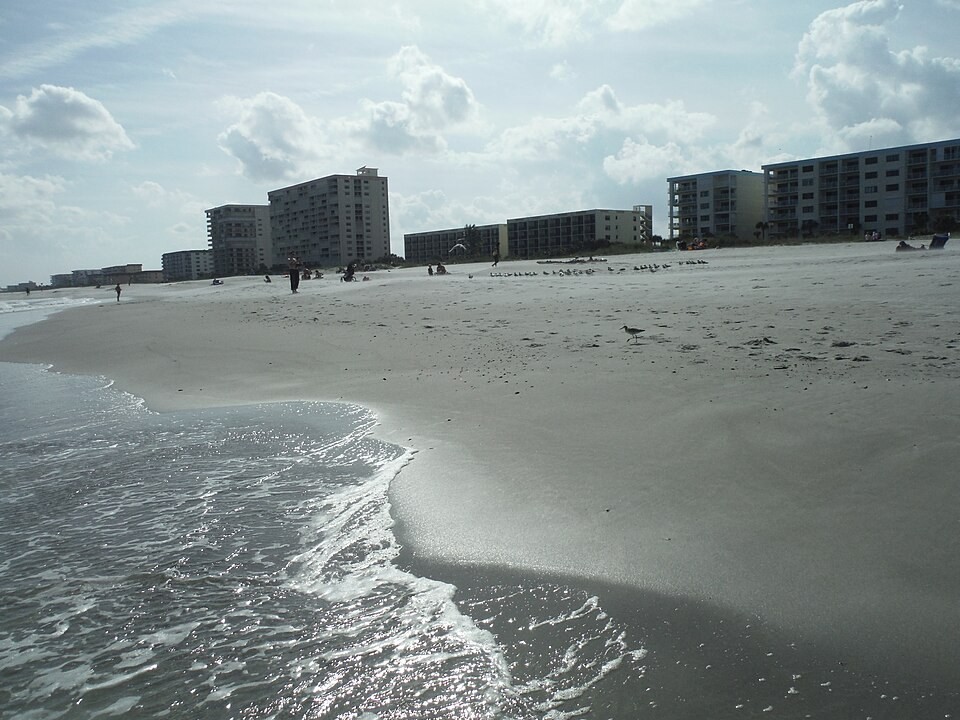
Cocoa Beach can work for a beach-centered stay with a casual food routine and an optional Space Coast outing. The lower-cost version of the trip does not require a major attraction every day.
Compare the actual beach-park access and parking rules instead of assuming every entrance works the same way. Rocket launch dates can change, with traffic and demand affected as plans move.
| Detail | Practical planning information |
|---|---|
| Best fit | Couples and families who want a casual beach base with larger attractions kept optional and separately priced. |
| Public starting point | Investigate Lori Wilson Park or another specific public access with current parking and facility information. |
| Suggested time | Three or four nights allows beach days and, if desired, one substantial Space Coast outing. |
| Useful base | Compare the exact beach location with MCO or MLB arrival and the vehicle or transfer it creates. |
| Costs and bookings | Include room charges, local transport, parking, equipment, and any major attraction's full ticket and meal cost. |
| Comfort and access | Check the surf, route, facilities, weather alternative, and launch-related traffic for your dates. |
| Combine with | A beach morning and an easy local meal, with a separately budgeted attraction on another day. |
| A slower alternative | Choose a stay that remains worthwhile if a rocket launch moves or an outdoor activity is unavailable. |
Keep the budget version of the holiday clear. A beach-centered stay and a trip dominated by a major attraction can both be enjoyable, but they have different spending needs. Put the large ticket into the comparison before deciding that the room and flight create an inexpensive vacation.
If you hope to see a launch, compare the accommodation and cancellation terms with that uncertainty in mind. The beach and local routine should still justify the visit when the schedule changes. Avoid using an unguaranteed event as the only reason to stretch the budget.
Plan your visit: Allow three or four nights. Compare MCO or MLB flights with car and transfer costs. A Kennedy Space Center visit needs its own ticket and meal allowance; do not hide it inside a small general activities budget.
Useful tip: Choose a trip you would enjoy if the launch changes. Do not pay a premium solely for an unguaranteed launch schedule.
Open the location in Google Maps
5. Daytona Beach, Florida

Daytona Beach has a varied accommodation market, making it worth checking for a straightforward beach break. Public shoreline time and a simple meal plan can keep the focus on the coast.
Major motorsport, motorcycle, and holiday events can change the price and atmosphere considerably. Check the full event calendar rather than assuming an inexpensive search result represents the same experience on every weekend.
| Detail | Practical planning information |
|---|---|
| Best fit | Travelers who want to compare a varied lodging market for a straightforward public-beach break. |
| Public starting point | Choose a named Daytona Beach public entrance and inspect the vehicle and parking rules for that area. |
| Suggested time | Three or four nights across several event-free or otherwise suitable date ranges is a useful comparison. |
| Useful base | Select a room around the public access and level of activity you actually want near the stay. |
| Costs and bookings | Add room fees, parking or beach-driving charges where applicable, airport transport, food, and activities. |
| Comfort and access | Major events, noise, access surfaces, vehicle areas, and the day's beach conditions affect the experience. |
| Combine with | A public walk, local meal, and one appropriate activity without a large daily ticket budget. |
| A slower alternative | Choose dates and a location for your preferred pace rather than booking an event-period bargain by accident. |
Check motorsport, motorcycle, holiday, and other event demand before interpreting a low room quote. Some travelers welcome the event atmosphere and others prefer a different week. The useful comparison is for the version of the trip you want, not simply the cheapest number on a calendar.
Vehicle-related beach arrangements need their own check. Do not assume that a parking payment authorizes driving in every area or that a rental agreement allows the route you have in mind. A regular public entrance and a simple day on foot can keep the plan easier.
Plan your visit: Compare several dates for a three- or four-night stay. DAB and MCO are airports to price with onward transport. Check whether your chosen access area permits vehicles and what parking or beach-driving charges apply.
Useful tip: Choose a beach access and accommodation area that match your preference for activity or quiet. A bargain during a major event may not be the bargain you want.
Open the location in Google Maps
6. Pensacola Beach and the Pensacola Area, Florida
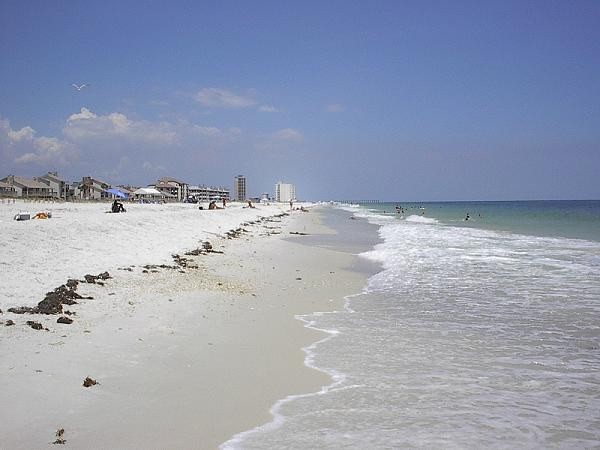
Pensacola gives you a meaningful comparison between a beach-area stay and mainland accommodation. One can reduce daily travel; the other may offer a lower room total or a different dining choice. Price the complete routine before deciding.
A family trip can revolve around beach mornings, picnics, and a few local outings. A natural seashore visit and a developed beach access have different facilities and fees, so choose deliberately.
| Detail | Practical planning information |
|---|---|
| Best fit | Families and couples who want to compare beach-area convenience with mainland accommodation and meal choices. |
| Public starting point | Choose a suitable named Pensacola Beach access and plan federal-seashore visits separately. |
| Suggested time | Four or five nights provides time for repeated beach days and selected mainland interests. |
| Useful base | Compare a mainland Pensacola room with a beach stay using the full repeated driving and parking cost. |
| Costs and bookings | Include room fees, transport, bridge journeys, fuel, parking, food, and any separate park admission. |
| Comfort and access | The route from parking, toilets, current lifeguard area, and the return at midday matter for comfort. |
| Combine with | A picnic and a local beach day, with one planned mainland outing when it improves the stay. |
| A slower alternative | Pay for a convenient routine when it reduces several daily journeys rather than chasing the lowest room alone. |
A mainland room can make sense when several days are devoted to town interests or when the final price remains lower after transport. A beach-area room can make sense when the party wants the shore most mornings. Compare the routine honestly instead of applying one answer to every trip.
For a family, make the meal plan practical. A cooler or suitable food storage can reduce repeated restaurant stops, while a planned casual dinner can keep evenings easy. Count groceries and restaurant meals together so neither disappears from the budget simply because the other is being emphasized.
Plan your visit: Allow four or five nights. Price PNS flights or the road journey. Add parking, fuel, and possible national-seashore admission when comparing a mainland base with an island stay.
Useful tip: If you plan to spend every day at the beach, test whether daily driving and parking leave a genuine saving.
Open the location in Google Maps
7. Gulf Shores, Alabama

Gulf Shores can be useful for a group that will use a condo kitchen and spend substantial time on the beach. Spreading a larger unit’s cost across the right-sized party can help, but the final rental total is what matters.
For a short stay, cleaning and other mandatory fees can outweigh a good nightly rate. Families should inspect the actual public or accommodation-based access and avoid assuming a coastal address guarantees an easy walk.
| Detail | Practical planning information |
|---|---|
| Best fit | Families and small groups who will use a condo's space and kitchen during a settled beach stay. |
| Public starting point | Choose the actual Gulf Shores public beach entrance or verify the lawful access provided by the accommodation. |
| Suggested time | Compare four to seven nights, including the effect of minimum stays and fixed cleaning charges. |
| Useful base | A unit near the routine you want can reduce everyday driving and make rest breaks easier. |
| Costs and bookings | Include taxes, cleaning, parking, resort charges where relevant, groceries, eating out, and the road journey. |
| Comfort and access | Check the route to the sand, room arrangement, occupancy, pool terms, and the current beach conditions. |
| Combine with | Simple beach days, a permitted picnic, and one independently planned nearby park or local activity. |
| A slower alternative | Choose an appropriately sized unit and stay local rather than forming an inconvenient group just to lower per-person costs. |
Group accommodation works best when the people and the property suit one another. Discuss sleeping arrangements, meals, quiet time, vehicle spaces, and shared spending before booking. A low per-person total is less useful when the room allocation or daily routine makes the holiday uncomfortable.
For a shorter stay, calculate how much fixed fees add per night. A modest hotel may sometimes be the better total, even without a full kitchen. For a longer stay, a genuinely useful kitchen and laundry may create value beyond the advertised room rate.
Plan your visit: Compare four- to seven-night totals for the same party size. Include cleaning, taxes, parking, resort fees where applicable, groceries, and transport. Check public-beach and nearby state-park charges separately.
Useful tip: Compare the price per person for the complete stay, but do not book a larger group than you can comfortably coordinate just to make the arithmetic look cheaper.
Open the location in Google Maps
8. Biloxi and Ocean Springs, Mississippi

This coast can be worth checking when you want waterfront walks, local food, and a change of scene rather than a promise of clear tropical swimming water. Biloxi and nearby Ocean Springs offer different accommodation and town experiences.
Water-contact advisories can apply to individual beach sections. Check the Mississippi Department of Environmental Quality’s current beach information before entering the water, and choose land activities if an advisory is in place.
| Detail | Practical planning information |
|---|---|
| Best fit | Travelers who want coastal walks, town interests, local meals, and an itinerary that does not depend on clear-water swimming. |
| Public starting point | Choose a named public area such as Front Beach in Ocean Springs and check the relevant current advisory. |
| Suggested time | Three or four nights can support a town-and-coast break with a small number of planned interests. |
| Useful base | Compare the exact Biloxi or Ocean Springs accommodation area with meals, transport, and the preferred atmosphere. |
| Costs and bookings | Check room fees, deposits, age policies where relevant, parking, food, and optional entertainment spending. |
| Comfort and access | Review MDEQ's current beach information and the accommodation's smoking, noise, and family arrangements. |
| Combine with | A town walk, a local meal, and a suitable cultural or coastal interest when water access is unsuitable. |
| A slower alternative | Choose the region for its full coastal-town experience rather than relying on a specific swimming day. |
This region is best compared on the experience it actually offers. Waterfront walks and local town time may be the attraction, while the color and suitability of the water can differ from the tropical image some travelers expect. Check current advisories before entering the water and keep a pleasant alternative.
A hotel in a casino market can have terms that deserve attention beyond the nightly rate. Confirm deposits, age requirements, mandatory charges, smoking arrangements, and whether the location suits the people traveling. A lower quote is only useful when the accommodation is appropriate for the group.
Plan your visit: Allow three or four nights. Compare GPT flights and local transport. If considering a casino hotel, check age policies, deposits, fees, smoking arrangements, and whether the location fits a family or quiet couples’ stay.
Useful tip: Choose this region for the whole coastal-town experience. Do not buy a trip whose success depends on a particular day of swimming conditions.
Open the location in Google Maps
9. South Padre Island, Texas
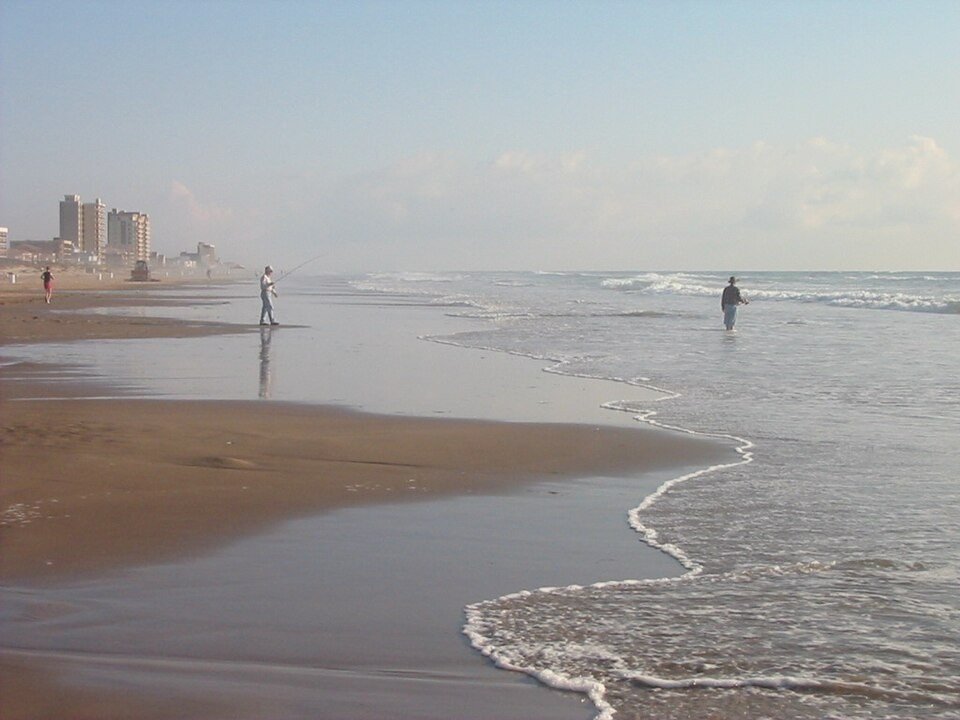
South Padre Island can work for a simple beach holiday with a condo or modest hotel, local meals, and time outside. The Island Metro system offers a free transport option, though the route and operating times still need to fit your stay.
Spring-break periods can change the atmosphere and price sharply. Winter can be cool or windy, making walks and nature outings a better focus than guaranteed swimming. Compare dates around what you actually want to do.
| Detail | Practical planning information |
|---|---|
| Best fit | Travelers who want a simple island beach routine and can choose dates and accommodation that fit their budget. |
| Public starting point | Select a named legal South Padre public entrance and check how the actual room connects to it. |
| Suggested time | Four or five nights allows local days without requiring a new attraction for every afternoon. |
| Useful base | Compare a convenient island room with its airport transfer, grocery access, and current Island Metro connection. |
| Costs and bookings | Add all accommodation fees, airport or road transport, food, optional activities, and any required local rides. |
| Comfort and access | Spring-break atmosphere, cool or windy periods, access facilities, and the route from the room affect suitability. |
| Combine with | A simple beach morning, local meal, and an appropriate nature or town outing. |
| A slower alternative | Use the free Island Metro where the route fits and keep the holiday focused on local time. |
A plan without a rental car needs more than a free local shuttle. Confirm how you will arrive from the airport, reach the room, buy food, and return for the departing flight. Then inspect whether the current Island Metro route and times fit your address and the places you want to use.
Match the dates to your expectations. A low winter rate can suit walks and a change of scene without guaranteeing a warm-water holiday. Spring-break dates can create a different atmosphere and price pattern. Compare the season’s actual experience before deciding that the low quote represents good value.
Plan your visit: Allow four or five nights. Compare BRO and HRL flights with the onward transfer, or price the road journey. Verify current Island Metro routes, the walk to legal public access, and all accommodation charges.
Useful tip: If avoiding a car is central to the budget, confirm the airport transfer and where you will buy food as well as the beach shuttle.
Open the location in Google Maps
10. Port Aransas, Texas
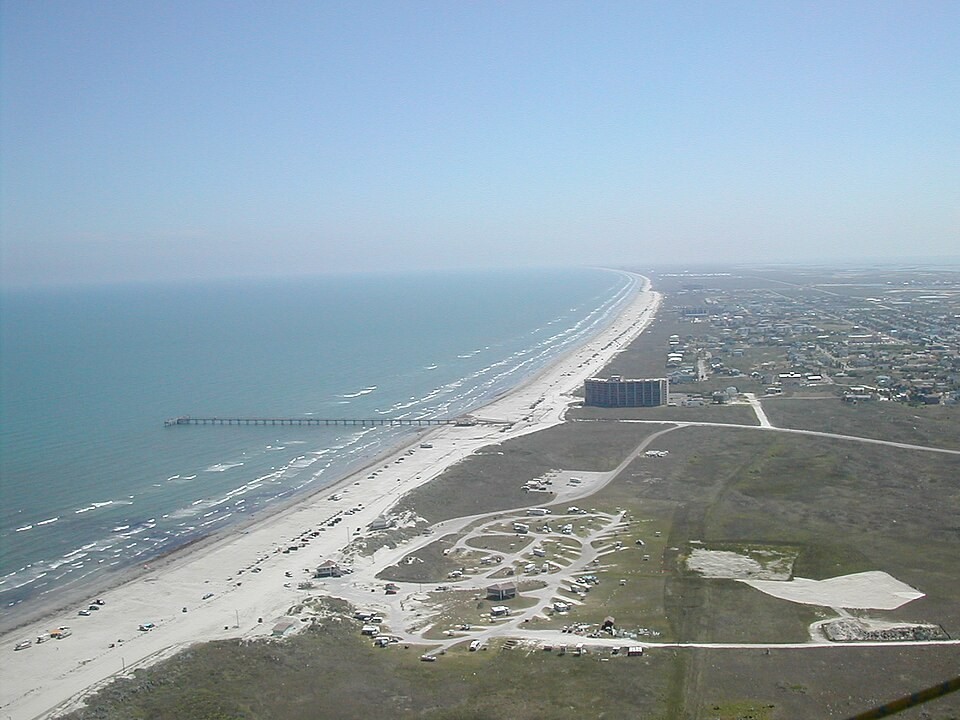
Port Aransas suits a beach-house or condo routine with time for the shore, simple meals, and a slower day. It can offer value for a family or small group when the unit, dates, and transport costs fit.
Vehicle access to designated beach areas has its own rules. The city currently lists a $12 annual parking sticker for specified beach areas, with some signed free-parking sections. Check the current year and exact location; the rule is about parking, not permission to drive anywhere on sand.
| Detail | Practical planning information |
|---|---|
| Best fit | Families and groups who want a settled condo or house routine with substantial time beside the coast. |
| Public starting point | Use an authorized Port Aransas Beach entrance and check the signed parking area you intend to use. |
| Suggested time | Four to seven nights gives fixed rental fees more nights to spread across, if the party will use the space. |
| Useful base | Choose the room or unit around legal beach access, food shopping, and the actual arrival route. |
| Costs and bookings | The city currently lists a $12 annual sticker for specified beach-parking areas; verify the year, location, and other costs. |
| Comfort and access | Check rental-vehicle restrictions, sand and road conditions, walking access, facilities, and current beach guidance. |
| Combine with | A simple beach day and local meal, with one purposeful activity rather than repeated long drives. |
| A slower alternative | Use an easy authorized public access instead of making vehicle-on-sand activity essential to the holiday. |
The final rental quote should explain the full stay. Check occupancy, cleaning, linens, kitchen equipment, parking spaces, deposits, and arrival instructions. If your group expects to cook, plan the first grocery stop around check-in and the facilities actually provided.
Vehicle access is a practical choice rather than a requirement for enjoying the beach. Confirm the current permit and posted restrictions, the condition of the route, and your vehicle provider’s terms. A simpler plan on foot can protect both the budget and the time you have at the coast.
Plan your visit: Compare four- to seven-night totals and allow for the arrival route, possible ferry queues, and local traffic. Price CRP or another practical airport with the vehicle requirement. Confirm rental fees, linens, cleaning, and public access.
Useful tip: Check the sand and access rules before taking a vehicle onto the beach, especially a rental. A permit does not make every condition or route suitable.
Open the location in Google Maps
The Complete-Cost Test Before You Book
| Cost | What to include |
|---|---|
| Accommodation | All nights, taxes, cleaning, resort or destination charges, and mandatory booking fees |
| Transport | Flights or road journey, rental car if needed, fuel, tolls, airport transfers, and parking |
| Food | The number of people and travel days, groceries, restaurant meals, and gratuities |
| Beach access | Parking, park admission, tags where applicable, chairs, umbrellas, and equipment |
| Activities | Tickets, taxes, tips, transfers, and cancellation terms |
| Reserve | Changes, weather alternatives, and unexpected small expenses |
Calculate the entire stay before dividing by nights or people. Also compare cancellation terms: a low nonrefundable price can be poor value if your schedule or the weather-sensitive nature of the trip makes changes likely.
A Worked Example: The Cheapest Room Can Cost More
This hypothetical four-night comparison shows why the location and final fees matter. It is an arithmetic example, not three available properties or a claim about a particular destination. Assume the nightly amounts include taxes and mandatory room charges except the cleaning fee explicitly shown. Food and other spending that is identical across the options is excluded from this comparison.
| Sample option | Room for four nights | Extra location or property costs | Comparable total |
|---|---|---|---|
| A: lower-rate inland hotel | 4 × $115 = $460 | $100 beach parking plus $60 additional local fuel or rides | $620 |
| B: walkable hotel with included parking | 4 × $150 = $600 | $0 additional costs in this simplified example | $600 |
| C: short rental with a cleaning fee | 4 × $110 = $440 | $180 cleaning plus $40 additional local transport | $660 |
In this example, the room with the higher nightly figure produces the lowest comparable total. The result changes when the actual quotes change, but the calculation is worth repeating. It also leaves the walkable option with less time spent moving between the room, meals, and the beach.
Add the value of the routine only after the financial comparison is clear. A family may particularly appreciate a quick return for a rest, while another party may welcome a kitchen enough to choose the rental. The best option should fit the way you intend to use it as well as the complete price.
Best Time to Find Value and Seasonal Trade-offs
Compare midweek dates and periods outside major school holidays or events, but do not assume a cheap room means beach weather. A cool-season stay can be excellent for walks, restaurants, and a change of scene; it may disappoint if swimming is the only goal.
Summer adds heat, thunderstorms, and stronger accommodation demand in many destinations. Atlantic hurricane season runs from June through November and can affect Gulf and Atlantic coast travel. Choose sensible cancellation terms and follow official weather guidance rather than treating a discount as protection from disruption.
Check the destination’s major events, restaurant opening days, lifeguards, public transport, and pool availability for the dates you are comparing. A low-season holiday should be planned around the services actually operating.
A Simple Four-Night Beach Itinerary
- Day 1: Arrive, settle in, buy breakfast and picnic supplies, and take a short local walk.
- Day 2: A suitable beach morning, a midday break, and a casual dinner.
- Day 3: One planned paid outing or a weather alternative, with the remaining time free.
- Day 4: Another beach day, town walk, or simple local activity; use the reserve only if needed.
- Day 5: Check out and allow time for the return journey.
This works best from a single base. A low-cost plan does not need to feel empty: time at the coast, a good meal, and an unhurried morning can be the point of the vacation. Avoid adding a hotel move to a short stay unless it solves a real transport problem.
Sample Lower-Cost Beach Budget for Two Adults
This five-day, four-night regional driving-trip example uses spending targets, not advertised offers. The room figure includes an assumed allowance for taxes and mandatory fees. It does not include a rental car or flights.
| Item | Calculation | Target total |
|---|---|---|
| Accommodation | 4 × $145 | $580 |
| Food and groceries | 5 × $65 for two | $325 |
| Regional fuel and tolls | Allowance | $140 |
| Parking and access | Allowance | $70 |
| Activities | Allowance | $80 |
| Supplies | Allowance | $35 |
| Subtotal | All above | $1,230 |
| Contingency | 10% | $123 |
| Planning total | Subtotal plus reserve | $1,353 |
Flights, rental-car costs, vehicle wear, insurance, shopping, and major incidental expenses are excluded. Peak dates or a particular destination may not offer suitable rooms near the target. Replace each line with an actual quote before treating the trip as affordable.
For a family, keep the room cost unless you truly need a larger unit, then rebuild meals and tickets for the children’s ages. Do not simply multiply or divide the couple’s total: some costs are shared and others are per person.
A Seven-Night Family Budget Example
This separate eight-day, seven-night model is for two adults and two children arriving by regional road journey. It assumes a suitable room or unit at the stated target and a modest food routine. The accommodation figure includes an allowance for taxes and mandatory charges. It is not an available offer or a forecast of what your dates will cost.
| Item | Calculation or allowance | Example total |
|---|---|---|
| Accommodation | 7 × $190 | $1,330 |
| Food and groceries | 8 × $100 for four | $800 |
| Regional fuel and tolls | Trip allowance | $220 |
| Parking and beach access | Trip allowance | $120 |
| Activities | Trip allowance | $180 |
| Supplies | Trip allowance | $50 |
| Subtotal | All items above | $2,700 |
| Contingency | 10% of subtotal | $270 |
| Trip planning total | Subtotal plus reserve | $2,970 |
Flights, rental cars, vehicle wear, insurance, shopping, major attractions beyond the allowance, and significant incidental expenses are excluded. Check whether the actual room accommodates everyone at the quoted price and whether each chosen activity has age-based charges.
If the target is unavailable for your dates, change the destination, stay length, accommodation, or season before treating the model as a promise. Keep the reserve separate. A seven-night holiday at a higher real room rate should be recalculated rather than made to fit by ignoring transport or food.
Hotels, Rentals, and Transport Choices
A hotel can be better for a short stay because a rental’s cleaning charge is spread over fewer nights. A condo can be better for a longer stay or a group that will use its kitchen and laundry. Compare like-for-like totals and read the cancellation rules.
A room one block from the beach can be more useful than an ocean-view room farther from legal access. If considering inland lodging, calculate the repeated driving, parking, and lost time. Include child seats, toll programs, and any mandatory rental-car charges.
Traveling without a car can save money in the right location, but it can also create expensive transfer and meal journeys. On South Padre Island, check how the free Island Metro route fits your actual address; elsewhere, inspect current local transit rather than assuming it is convenient.
How to Set a Daily Spending Plan Without Counting Every Minute
Separate the spending that is already committed from money used after arrival. Flights, accommodation, and a prepaid rental car are different from groceries, parking, meals, and optional entertainment. A simple daily allowance helps only when those prepaid items are not counted twice or forgotten.
| Spending category | Practical approach | What to avoid |
|---|---|---|
| Everyday meals | Set a realistic mix of groceries and restaurant meals for the full party | Assuming a kitchen removes all food spending |
| Beach-day costs | Allow for the actual access, parking, and equipment you expect to use | Describing the whole day as free because the sand has no admission fee |
| Optional entertainment | Choose one or two priorities and leave a modest amount for small treats | Buying a major attraction every time the weather changes |
| Transport | Use the actual journey and repeated local movements | Deleting the transport line because the family uses its own vehicle |
| Reserve | Keep it available for changes and unexpected practical needs | Spending it on upgrades before the trip starts |
Check the total once during the stay rather than allowing every purchase to become a negotiation. If spending is ahead of the plan, choose a simpler meal or a public walk before canceling something that motivated the trip. A useful budget should reduce uncertainty, not dominate the holiday.
For groups, decide which costs are shared and which are individual. Clear agreements about groceries, parking, and optional activities can prevent a low-cost trip from creating an uncomfortable bill at the end.
Food, Dietary Needs, Free Activities, and Practical Savings
- Choose a simple breakfast plan and carry water rather than buying every small item on the waterfront.
- Use a kitchen only if you will cook enough to justify any higher room or cleaning costs.
- Set a restaurant budget for the meal you care about, then keep other meals casual.
- Check menus and preparation for allergies, halal, vegetarian, or gluten-free needs before arrival.
- Bring reusable beach items you already own when luggage and transport allow.
- Make room for public walks, suitable beach time, and town browsing without paid tickets.
- Check which fees are unavoidable and which optional services you can comfortably skip.
Do not save by ignoring beach warnings, taking unsuitable transport, or dropping the emergency reserve. Reduce the number of paid activities or choose a closer destination first.
A Booking Process That Keeps the Real Price Visible
- Choose two or three destinations with a practical arrival journey and an appropriate season.
- Compare the same number of travelers, nights, and room requirements across those options.
- Enter mandatory room fees, parking, cleaning, transport, meals, and the activities you actually intend to buy.
- Check the full terms of the cheapest suitable option, including deposits, age rules, and cancellation.
- Confirm the public beach route, important facilities, and any dietary or access requirement.
- Recheck the complete checkout totals before paying and save the confirmations.
- Keep a reserve and a reasonable weather alternative instead of committing every available dollar in advance.
Do not keep widening the search after a complete option meets the budget and priorities. An additional distant bargain can introduce another transfer, a less convenient room, or restrictive terms. Compare the trade-off explicitly rather than allowing the lowest headline rate to reset the whole plan.
Read recent information for the things that can spoil the practical value of a room: cleanliness, reliable check-in, noise, parking, and the route to the places you want to use. A small saving is rarely useful when the accommodation itself does not meet the party’s needs.
Families, Couples, Solo Travelers, and Accessible Visits
Families often save most through a workable room layout, groceries, and fewer daily transport journeys. Couples may get more value from a compact base and one special dinner. Solo travelers should compare the complete room and transport cost rather than relying on per-person prices based on two sharing.
For accessible travel, confirm transport, bathroom features, the route to public access, and any beach-equipment reservations before booking a low-rate room. An unsuitable room or missing transfer can create an expensive last-minute change.
A safe, convenient location can be worth paying for. Read recent reviews for cleanliness, noise, and actual access, and confirm any deposit or age policy that affects your party.
What to Cut First When the Trip Is Over Budget
Start with the largest adjustable decision. Compare another date range, a closer destination, a simpler room category, or one less accommodation move. Those changes can affect more of the bill than eliminating a small daily treat. Keep the essentials and the experience that made you want the holiday.
Next, reduce optional paid activities. Choose the one everyone most wants, then build other days around suitable public beach time, town walks, and simple meals. If a weather alternative needs admission, include it as a possible cost rather than automatically buying a ticket for every day.
Consider a shorter stay when the whole trip remains comfortable. A well-planned four-night holiday can be more enjoyable than a longer one with no food allowance or reserve. Compare the fixed charges carefully, because cleaning and transport may not reduce in proportion to nights.
Protect necessary access arrangements, appropriate transport, suitable accommodation, and the reserve. These are parts of making the holiday work. Savings should come from choices that fit your group, not from assuming a requirement will somehow be solved cheaply after arrival.
Packing, Beach Conditions, and Common Budget Mistakes
- Pack sun protection, water bottles, a light rain layer, suitable shoes, and your accepted ID if flying.
- Save bookings, parking information, and a weather alternative offline.
- Check lifeguards, surf warnings, water-quality advisories, and local rules before beach activities.
- Verify vehicle and permit rules before using a beach-driving area.
- For emergencies call 911. Use the local beach patrol, parks manager, and official weather service for current operational and safety information.
Common mistakes include comparing nightly rates without final fees, booking during a major event by accident, spending the room saving on daily transport, and mistaking winter sightseeing weather for a warm-water holiday. Keep the comparison grounded in your real dates and travel party.
Frequently Asked Questions
Which U.S. beach destination is cheapest?
There is no reliable cheapest place for every traveler and date. Start with the destinations you can reach simply, then compare complete room, food, access, and transport totals.
Can two people take a beach vacation for about $1,500?
The sample regional driving plan shows how a four-night target might be structured, but it is not an available package or guarantee. Flights, a rental car, peak dates, or a higher room quote can push the total well above it.
Are vacation rentals always cheaper than hotels?
No. Cleaning fees and minimum stays can make a short rental more expensive. A kitchen can help a longer stay or a group, but only compare the final totals.
Is traveling outside summer always cheaper?
Not always. Events, holidays, and warm-weather demand can change the pattern. A lower price also needs to be weighed against weather and seasonal service availability.
How can I reduce food costs without cooking every meal?
Use a simple breakfast, picnic where practical, carry drinking water, and choose one restaurant meal you value. Check that the accommodation supports the storage or preparation you intend.
Are Mississippi beaches a reliable clear-water alternative?
Do not assume a tropical-water experience. Choose the region for its wider coastal-town appeal and check current MDEQ water-contact advisories before entering the water.
Should I compare price per night or price per person?
Begin with the complete trip total. Then divide it if that helps compare suitable options. A low per-person figure can hide minimum occupancy, fixed rental charges, or transport that has not yet been included.
How much should I reserve for unexpected costs?
The examples use 10% to make the arithmetic clear. Choose a reserve that fits your actual transport, flexibility, and exposure to changes rather than treating that percentage as a guarantee that every unexpected cost will be covered.
Can free transport make an island trip inexpensive?
It can help when the route fits, but the airport transfer, food shopping, final return, and any uncovered local journey still need a plan. Price the complete chain before removing a rental car from the budget.
What if a low-season room is much cheaper?
Compare the holiday available then: weather, swimming suitability, lifeguards, restaurants, transport, and attractions. A lower rate is useful when that version of the destination matches what you want.
Final Planning Checklist
- Compare at least three complete trip options.
- Check events and seasonal services for each date.
- Use final room totals, not headline rates.
- Include transport, parking, food, and beach access.
- Confirm the room and access suit your party.
- Set an activities allowance and keep a reserve.
- Recheck local conditions and cancellation terms before departure.
- Compare location-related costs as well as the nightly room figure.
- Separate committed spending, daily allowances, and the reserve.
- Check the complete price again at checkout before treating an example budget as affordable.
Reader Questions and Travel Experiences
Which cost has surprised you most on a beach holiday: parking, cleaning fees, food, transport, or activities? Share a destination and a practical saving that did not make the trip harder.
Explore More Travel Guides
- Best Beach Vacations on the East Coast
- Top Beaches in Florida for Couples and Families
- Best Family-Friendly Beach Destinations in America
- 25 Best Beaches in the United States
- Best Places for a Romantic Coastal Getaway
Leave a Reply
What would you like to know before you go?
Send us your question, feedback, or a place you would like to see covered.
Ask a travel question

Leave a Reply