
Written by Ari Mayzick · Go Travel Box
Published November 14, 2026 · Updated November 14, 2026
An East Coast beach vacation can be a Maine village and a coastal walk, a busy boardwalk with plenty for children to do, or a barrier-island stay with room for slow mornings. The right choice depends on the season, how much activity you want nearby, and the journey from home.
This guide compares ten Atlantic-coast destinations from Maine to Florida. It focuses on the decisions that make a holiday work: public access, where to stay, seasonal facilities, nearby activities, and realistic regional plans.
These places do not share the same weather or swimming season. Choose the destination for your dates and check the conditions at the exact beach each day.
First East Coast Beach Vacation? Start Here
- Choose the kind of setting you want: New England village, active boardwalk, barrier island, or a town-and-beach mix.
- For a short trip, choose one base rather than driving a large section of the coast.
- Compare peak-summer prices with neighboring dates, but check which services remain open.
- Check parking, beach tags, lifeguard schedules, and the actual route from your lodging to the sand.
- Build a rain or rough-water day into the plan before you book paid activities.
East Coast Beach Vacations at a Glance
| Priority | Places to compare |
|---|---|
| Village atmosphere and coastal walks | Ogunquit, Cape May, Amelia Island |
| A traditional boardwalk holiday | Rehoboth, Ocean City, Virginia Beach |
| Dunes and national-seashore scenery | Cape Cod, the Outer Banks |
| A resort-style island base | Hilton Head Island |
| Beach time near a historic city | Isle of Palms with a separate Charleston outing |
| Most important timing check | Weather, operating season, lifeguards, and school-holiday demand |
Table of Contents
- Compare Ten East Coast Beach Destinations
- Choose the Coastline, the Season, and the Holiday Style
- Ten East Coast Beach Vacations to Compare
- 1. Ogunquit, Maine
- 2. Cape Cod, Massachusetts
- 3. Cape May, New Jersey
- 4. Rehoboth Beach, Delaware
- 5. Ocean City, Maryland
- 6. Virginia Beach, Virginia
- 7. The Outer Banks, North Carolina
- 8. Hilton Head Island, South Carolina
- 9. Isle of Palms, South Carolina
- 10. Amelia Island, Florida
- Best Time to Visit Along the East Coast
- Beach Access, Parking, Tags, and Passes Explained
- Where to Stay and How to Arrive
- How to Choose a Beach House, Hotel, or Resort
- Regional Itineraries That Work
- Short Breaks, a Family Week, and a Longer Coastal Journey
- Sample East Coast Beach Budget for Two Adults
- How to Adapt the Sample Budget for Families and Groups
- Food, Dietary Needs, Free Activities, and Ways to Save
- A Practical Arrival-Day and Departure-Day Plan
- Different Travel Styles and Accessible Visits
- Packing, Beach Conditions, and Common Mistakes
- Frequently Asked Questions
- Final Planning Checklist
- Reader Questions and Travel Experiences
- Explore More Travel Guides
- Leave a Reply
Compare Ten East Coast Beach Destinations
| Destination | Best fit | What needs planning |
|---|---|---|
| Ogunquit, Maine | Village walks and a New England stay | Summer demand, tides, and cool water |
| Cape Cod, Massachusetts | Beach variety and town-based holidays | Bridge traffic, access systems, and beach choice |
| Cape May, New Jersey | Couples and traditional seaside stays | Seasonal beach tags and parking |
| Rehoboth Beach, Delaware | Compact boardwalk and family evenings | Seasonal parking and busy summer dates |
| Ocean City, Maryland | An active family beach holiday | Choosing the right part of a long resort town |
| Virginia Beach, Virginia | A convenient oceanfront and broad activity choice | Events, parking, and neighborhood |
| Outer Banks, North Carolina | Dunes, lighthouses, and a house-based stay | Long distances and varied lifeguard coverage |
| Hilton Head Island, South Carolina | Cycling, resort stays, and family routines | Public access versus private development |
| Isle of Palms, South Carolina | Beach days near Charleston | Parking and separate city travel time |
| Amelia Island, Florida | Town atmosphere and a gentler pace | Downtown versus oceanfront lodging |
Choose the Coastline, the Season, and the Holiday Style
An East Coast beach holiday is easier to plan when three decisions agree: the region, the travel dates, and the kind of day you want. A northern village stay in a cool shoulder season can be excellent for walks and meals while offering a different experience from a midsummer swimming trip. A southern beach base can also have cool or stormy periods, so the whole coast should not be treated as one climate zone.
| Holiday style | Places to compare | The decision that matters most |
|---|---|---|
| New England village and scenery | Ogunquit or a chosen Cape Cod town | Whether your dates suit beach time, town walks, or a mixture |
| Traditional seaside atmosphere | Cape May | The room location, seasonal access, and meals you can reach easily |
| Boardwalk and active evenings | Rehoboth, Ocean City, or Virginia Beach | A suitable neighborhood and a realistic entertainment allowance |
| Dunes, lighthouses, and a house-based routine | The Outer Banks | The town, legal beach access, and actual rental's full price |
| A settled island holiday | Hilton Head or Amelia Island | The route from accommodation to beach, food, and local activities |
| Beach days with a city outing | Isle of Palms | Keeping Charleston travel separate enough to preserve a coastal pace |
Next, decide how far you want to travel for the number of nights available. A direct regional drive can make a modest long weekend more rewarding than a distant flight with an additional vehicle and transfer. For a longer stay, a region farther from home may offer the contrast you want.
Finally, identify a realistic beach routine from the actual accommodation address. Map the public access, meals, shade or rest option, and the return after dinner. This makes the comparison more useful than choosing between broad labels such as quiet, family-friendly, or romantic.
Ten East Coast Beach Vacations to Compare
The time allowances below are planning suggestions. Confirm current access, operating services, weather, and any reservation terms for your own travel dates.
1. Ogunquit, Maine
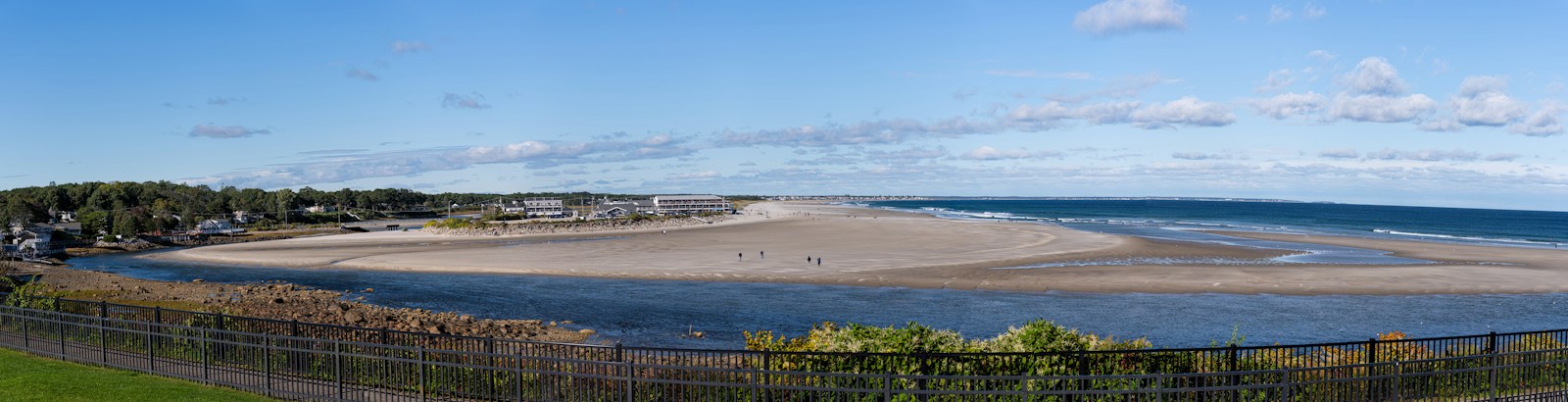
Ogunquit works well when you want a beach holiday with a village to enjoy after the sand. A walk, a meal, and time around the town can be as much a part of the trip as swimming. The Marginal Way is a separate coastal walking experience rather than a sandy-beach route.
The shoreline changes with tides, and northern water can feel cool even during a warm summer day. Choose accommodation for the walks you will actually make, including the return from dinner or the beach.
| Detail | Practical planning information |
|---|---|
| Best fit | Couples and families who enjoy village atmosphere, coastal walks, and a New England beach stay. |
| Public starting point | Choose Ogunquit Beach or another named public access and check any separate Marginal Way notices. |
| Suggested time | Three or four nights supports beach time, a town day, and room for weather changes. |
| Useful base | Compare a village room with a more distant stay after including walking, parking, and meal journeys. |
| Costs and bookings | Check complete room charges, public parking, seasonal transport where relevant, and separate activities. |
| Comfort and access | Tides, cool water, busy access periods, and the route back to the room affect the day's comfort. |
| Combine with | A town meal, a suitable coastal walk, and one independent local interest. |
| A slower alternative | Use a convenient village base and shorter public walks instead of driving the wider coast every morning. |
A village stay can make the holiday feel settled. Start with a modest beach period, take a break when the group needs it, and leave time for a meal or browsing afterward. You do not need a large paid attraction every day when the town and shore are the reasons for the trip.
For the Marginal Way, check the current route and choose a walking distance that fits everyone. It is a coastal path with its own setting and surfaces, rather than a replacement for sandy beach access. A shorter suitable walk can be more enjoyable than assuming the full route is essential.
Plan your visit: Allow three or four nights. Compare PWM and BOS flights with the complete onward journey. Check public parking, seasonal services, beach conditions, and any access notices for coastal walks.
Useful tip: A town stay within a comfortable walk of your main plans can save repeated parking searches during summer.
Open the location in Google Maps
2. Cape Cod, Massachusetts

Cape Cod offers many different beach holidays rather than one single beach. Ocean-facing, bay-side, and town beaches have different exposure and access arrangements. Choose an overnight town and a small group of nearby beaches before booking.
Coast Guard Beach is a well-known national-seashore outing. Its parking and seasonal shuttle arrangements illustrate why an access check matters: you cannot assume the nearest map pin is the place where every visitor parks.
| Detail | Practical planning information |
|---|---|
| Best fit | Travelers who want a town-based holiday with several different beach settings and protected seashore scenery. |
| Public starting point | Choose a specific town beach or a named national-seashore access such as Coast Guard Beach. |
| Suggested time | Four to seven nights allows a local routine and selected regional outings without constant cross-Cape driving. |
| Useful base | Select the overnight town according to the beaches, meals, and departure journey you expect to repeat. |
| Costs and bookings | NPS currently lists $25 seasonal private-vehicle beach admission; confirm dates, pass terms, and town charges separately. |
| Comfort and access | Coast Guard Beach uses seasonal satellite parking and shuttle arrangements, with access facilities to check before visiting. |
| Combine with | A suitable town outing, a public coastal walk, or a different nearby beach on another day. |
| A slower alternative | Explore one part of the Cape properly instead of driving from end to end throughout the stay. |
The Cape is best approached as a collection of local holidays. Decide whether your preferred routine centers on an ocean beach, a bay-side setting, or a town where meals and walking are convenient. Then choose a room that supports that routine instead of using a general Cape Cod address as the whole plan.
For national-seashore visits, check the current fee and access system before setting out. A vehicle pass, a pedestrian arrangement, and a town parking permit are different products. Keep the day’s access instructions offline, particularly when a shuttle or a particular parking area forms part of the visit.
Plan your visit: Allow four to seven nights. If using Coast Guard Beach, verify the Little Creek parking and shuttle arrangements, admission, facilities, and any accessible-access provisions with NPS. Add generous time for Cape bridge traffic on busy arrival days.
Useful tip: Do not plan daily drives from one end of the Cape to the other. A local beach routine often gives you more time outdoors.
Open the location in Google Maps
3. Cape May, New Jersey

Cape May suits travelers who enjoy a seaside town as much as the beach. A stay can combine historic architecture, a promenade walk, a relaxed meal, and a beach day without needing a major attraction every morning.
It is a useful option for couples who like atmosphere and families happy with a traditional shore routine. Peak-season beach access uses a tag system, so check the current rules and whether your accommodation supplies the tags you need.
| Detail | Practical planning information |
|---|---|
| Best fit | Couples and families who want architecture, promenade time, a beach routine, and meals in a traditional shore town. |
| Public starting point | Choose the Cape May public beach area near your accommodation and confirm the current tag arrangements. |
| Suggested time | Three or four nights gives time for the town as well as the beach, with flexibility for weather. |
| Useful base | A walkable town room can reduce repeated driving; inspect the actual route and parking provision. |
| Costs and bookings | Compare beach-tag inclusion, hotel parking, mandatory room charges, meals, and any ferry booking. |
| Comfort and access | Check beach access, room stairs, bathrooms, shade options, and the comfortable walking distance for your party. |
| Combine with | A town walk, a planned meal, and a suitable local nature or history interest. |
| A slower alternative | Spend longer in one neighborhood and keep an easy evening instead of adding a major drive. |
Cape May works well when you let the town contribute to the holiday. Leave time to enjoy the streets and architecture rather than returning only to sleep after a full day elsewhere. A couple may choose one special dinner; a family may prefer a casual meal and an early return.
If the arrival uses the Cape May–Lewes ferry, include the correct check-in and vehicle or passenger arrangements in the plan. A hotel night does not remove the need to coordinate that journey. Keep the first evening simple enough to remain pleasant if travel takes longer than expected.
Plan your visit: Allow three or four nights. Choose lodging for its parking and walking distance. If using the Cape May–Lewes ferry as part of the journey, book the correct vehicle or passenger product and allow time for its check-in requirements.
Useful tip: Ask whether beach tags and parking are included before comparing two otherwise similar room prices.
Open the location in Google Maps
4. Rehoboth Beach, Delaware
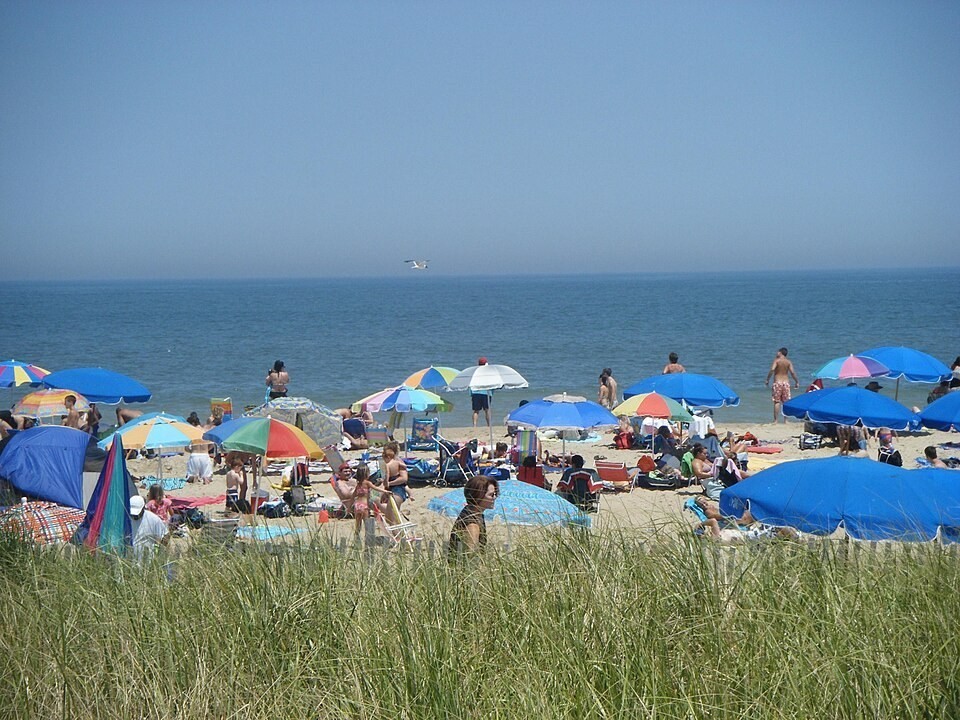
Rehoboth is a good match for travelers who want a compact boardwalk setting, restaurants, and simple evening activity. Families can keep the holiday focused on sand, a walk, and a small treat rather than driving between large attractions.
The busy season brings parking rules and high demand close to the shoreline. A room within a workable walk can simplify the day, but a location farther inland may be better value if the transport plan is clear.
| Detail | Practical planning information |
|---|---|
| Best fit | Families and couples who like a compact boardwalk area, dining choice, and simple evening activity. |
| Public starting point | Choose a Rehoboth public beach entrance and the specific meter or permit arrangement for your parking space. |
| Suggested time | Three or four nights supports a beach-and-town break without requiring several distant outings. |
| Useful base | Compare a walkable room with an inland property after adding daily transport and parking. |
| Costs and bookings | Seasonal paid parking currently runs May 15–September 15; verify current hours, permits, and future dates. |
| Comfort and access | Check the route to toilets, beach access, room noise, and staffed swimming arrangements for the travel period. |
| Combine with | A boardwalk walk, a town meal, and one optional activity within the spending plan. |
| A slower alternative | Keep the room and beach routine local rather than moving the car for every small interest. |
A compact resort can make small daily decisions easy. Learn the route to the beach and the places where your group can eat comfortably, then use that routine across several days. A predictable base can be particularly helpful for young children or travelers who need regular rest breaks.
The boardwalk also makes incidental spending easy. Decide what treats, games, or other entertainment you want to include before arrival. The aim is to enjoy those choices deliberately rather than discover at checkout that a series of small purchases consumed the saving on the room.
Plan your visit: Allow three or four nights. The city currently operates seasonal paid parking from May 15 to September 15; check the specific permit or meter rules for your space and future travel date. Confirm lifeguard coverage and beach rules separately.
Useful tip: Budget for everyday parking before deciding an inland stay is cheaper. The room saving should survive the complete trip calculation.
Open the location in Google Maps
5. Ocean City, Maryland

Ocean City suits a lively beach vacation with plenty of nearby entertainment and dining. The boardwalk area is one version of the stay, while locations farther north can support a different pace. A hotel address matters in a long coastal resort.
Families should compare the walking distance to their preferred access, the room layout, and whether a kitchen or breakfast is useful. Couples looking for quieter evenings should check events and recent comments about noise.
| Detail | Practical planning information |
|---|---|
| Best fit | Travelers who want a developed beach holiday with a broad choice of accommodation and family entertainment. |
| Public starting point | Map the exact Ocean City public beach entrance and the activities you expect to use from your room. |
| Suggested time | Three to five nights allows repeated beach mornings and a small number of separate attractions. |
| Useful base | The boardwalk area and locations farther north support different noise levels and daily transport patterns. |
| Costs and bookings | Check rental cleaning or linen charges, hotel fees, parking, food, and the full entertainment allowance. |
| Comfort and access | A long resort town means the address, walking distance, transit, and current lifeguard area matter. |
| Combine with | A planned boardwalk or indoor activity when it fits the group's age, energy, and budget. |
| A slower alternative | Choose one convenient access and fewer paid outings instead of trying to visit every attraction. |
Choose Ocean City by address as well as name. A hotel close to the specific activities you want can reduce transport, while a quieter location farther away may fit a different holiday. Map the route with the people and equipment you will actually carry to the beach.
For a rental, confirm the ordinary household details before comparing it with a hotel. Linens, cleaning, kitchen equipment, check-in arrangements, and parking can affect both the price and convenience. The best-value unit is the one that supports the family routine without adding a new task at every step.
Plan your visit: Allow three to five nights. Map the hotel to the exact beach entrance and activities you plan to use. Check seasonal transit, parking, lifeguard coverage, and major event dates.
Useful tip: Choose two or three activities for the whole stay rather than buying an attraction for every day. Leave room for a simple beach routine.
Open the location in Google Maps
6. Virginia Beach, Virginia

Virginia Beach makes a practical base when you want an oceanfront with a broad choice of rooms, meals, and activities. The boardwalk is a useful focus for walking and time outside the room, even when a particular day is unsuitable for swimming.
The Oceanfront, quieter residential stretches, and more remote beach areas are different choices. Decide whether your priority is convenience or a less developed setting before choosing a property.
| Detail | Practical planning information |
|---|---|
| Best fit | Visitors who want an established oceanfront, a substantial public walk, and plenty of accommodation and meal choices. |
| Public starting point | Choose the public Oceanfront access and boardwalk section that fit your accommodation and intended activities. |
| Suggested time | Three to five nights is a useful starting point for a beach break with off-beach options. |
| Useful base | Compare the Oceanfront with quieter or more remote areas according to meals, events, and vehicle use. |
| Costs and bookings | Include hotel parking, mandatory charges, food, activities, and airport or regional road transport. |
| Comfort and access | Check the room's noise, the actual beach route, crossings, public facilities, and current event demand. |
| Combine with | A boardwalk morning, a suitable cultural or nature outing, and an easy evening near the room. |
| A slower alternative | Use a walkable stay and keep an enjoyable local plan for days when swimming is unsuitable. |
The boardwalk can support a satisfying morning without a major purchase. A walk, breakfast, and a suitable beach period may be enough, with the rest of the day shaped around the group’s comfort. This is useful when you want an easy routine rather than a packed road itinerary.
Events can change both price and atmosphere. Check the calendar for your actual dates, then read the accommodation details for the room you are booking. A traveler who wants lively evenings and one who wants early sleep may reasonably choose different locations in the same destination.
Plan your visit: Allow three to five nights. ORF is an airport to compare with the complete onward transfer. Check the event calendar, hotel parking, and the exact beach access. Public sand and a free walk do not make the entire visit cost-free.
Useful tip: A walkable stay with included parking can be worth more than a slightly cheaper room that requires daily driving.
Open the location in Google Maps
7. The Outer Banks, North Carolina

The Outer Banks suit travelers who want dunes, lighthouses, a rental-house routine, and a sense of a long barrier-island coast. Choose the town and nearby access carefully: the region is spread out, and a house’s map location strongly affects meals, activities, and travel time.
Cape Hatteras National Seashore adds protected coastal scenery. Lifeguard coverage is specific to certain locations and seasons; do not assume an isolated beach has supervision. Driving on the beach has separate permit and access requirements.
| Detail | Practical planning information |
|---|---|
| Best fit | Families and groups who want a rental-house routine, dunes, lighthouses, and a longer barrier-island stay. |
| Public starting point | Choose a named legal public beach access near the rental, plus separately planned seashore or lighthouse visits. |
| Suggested time | Five to seven nights gives a house-based trip room for local days and a few substantial outings. |
| Useful base | Select the town and house around meals, access, and the driving distances that matter to your party. |
| Costs and bookings | Compare final rental fees, linens, cleaning, minimum nights, vehicle use, parking, and specialist activity charges. |
| Comfort and access | Check access surfaces, lifeguard locations and seasons, road notices, weather, and any required beach-driving permit. |
| Combine with | One purposeful lighthouse or national-seashore day, with easier local time on other mornings. |
| A slower alternative | Stay in one area and enjoy the nearby coast instead of treating the whole Outer Banks as a daily circuit. |
The house address is a major itinerary decision. An attractive rental can still create a long drive for food or a difficult route to legal beach access. Ask how guests reach the sand, what they cross on the way, and whether the route is comfortable with the children, mobility needs, and equipment in your party.
A regional outing should have a realistic return plan. Choose the lighthouse, seashore area, or town you most want to explore and allow time for meals and stops. Check current road and beach notices rather than assuming all parts of the barrier-island region are equally convenient or supervised.
Plan your visit: Allow five to seven nights for a house-based holiday. Check bridge and road conditions, the rental’s final fees, minimum stay, public access, and official beach-safety information. Give major lighthouse or seashore outings their own time.
Useful tip: Bring a grocery plan and choose a house for the walk to legal beach access. ‘Ocean view’ does not always mean a simple route onto the sand.
Open the location in Google Maps
8. Hilton Head Island, South Carolina
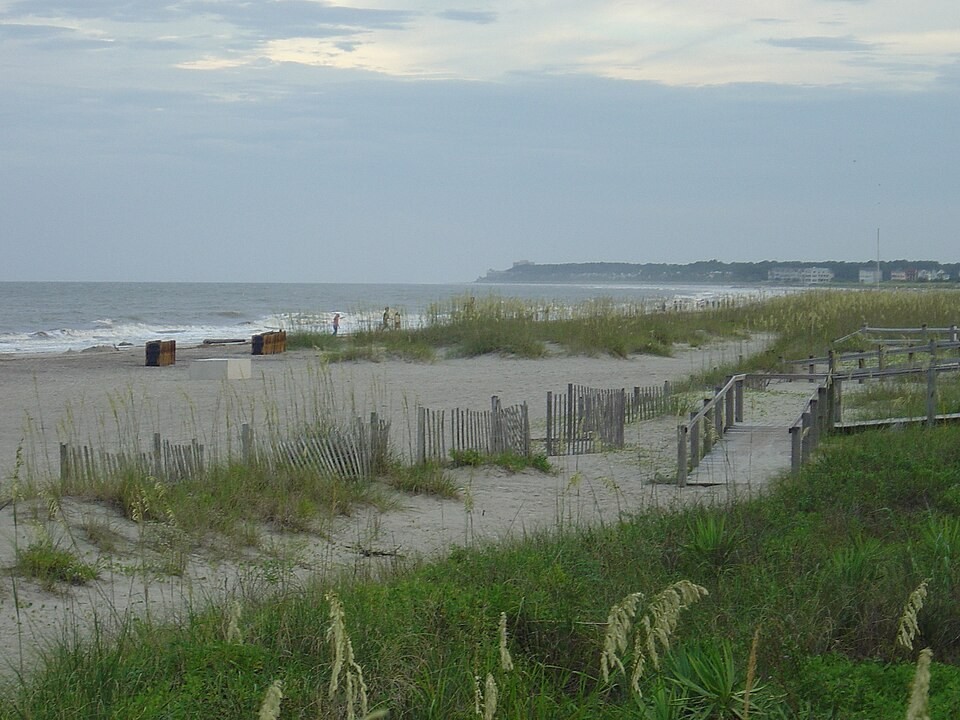
Hilton Head is a useful choice when you want a settled holiday with cycling, resort or rental accommodation, and repeated beach days. A routine with the same nearby access can be easier than moving to a different beach every morning.
Public beach parks and private accommodation developments have different access and parking arrangements. A pleasant cycling network does not remove the need to check crossings, distance, bicycle fit, and the route appropriate for children.
| Detail | Practical planning information |
|---|---|
| Best fit | Families and couples who want a settled island routine with beaches, cycling options, and suitable resort or rental facilities. |
| Public starting point | Coligny Beach Park is a useful public starting point, with other public access parks to compare separately. |
| Suggested time | Four to seven nights allows beach mornings and a small number of local activities without moving accommodation. |
| Useful base | Choose the property around its actual public beach route, meals, and suitable cycling or walking connections. |
| Costs and bookings | Coligny currently retains free parking; other public beach locations have fees, so verify the chosen access. |
| Comfort and access | The visitor authority lists Coligny restrooms, showers, wheelchair access, and a trolley stop; confirm operation and equipment needs. |
| Combine with | A suitable public walk, a carefully chosen cycling outing, and an easy local meal. |
| A slower alternative | Return to one convenient beach park and add activities only when they improve the holiday routine. |
Public beach access and private accommodation developments are different planning matters. Confirm how your room connects to the public shoreline and what any property fee includes. Do not assume that a resort, rental, or development address automatically provides convenient parking at every public park.
Cycling can be enjoyable when the route suits everyone. Check distances, crossings, bicycle fit, and the return before hiring equipment for the whole stay. A short comfortable ride can add more to a family holiday than an ambitious route chosen mainly because the island is known for cycling.
Plan your visit: Allow four to seven nights. Compare HHH and SAV flights with transfer and vehicle costs. Confirm the accommodation’s actual beach route, any development fees, bicycle storage, and the public facilities you intend to use.
Useful tip: Before renting bikes for the whole stay, decide which routes and outings you will use them for and whether everyone is comfortable riding them.
Open the location in Google Maps
9. Isle of Palms, South Carolina
Isle of Palms works well for a beach-centered stay with the option of a separate Charleston day. A suitable public beach park can make a family outing easier, while a walkable beach-area room can support quieter evenings.
Charleston’s attractions and restaurants are not immediately beside the sand. Keep travel time, parking, and the day’s energy in mind rather than treating a full city visit as an automatic addition after every beach morning.
| Detail | Practical planning information |
|---|---|
| Best fit | Travelers who want a coastal base with the option of one deliberately planned Charleston day. |
| Public starting point | Investigate Isle of Palms County Park or the specific city public entrance near your accommodation. |
| Suggested time | Three to five nights gives the beach a proper place alongside a separate city outing. |
| Useful base | Choose a beach-area room or rental for the routine you want rather than expecting daily city travel to feel effortless. |
| Costs and bookings | Check county or city parking, property charges, minimum stays, transport, and separate Charleston attraction tickets. |
| Comfort and access | Confirm current facilities, walking surfaces, shade, bathrooms, and the appropriate staffed area for your dates. |
| Combine with | One Charleston cultural or dining visit, with enough time for the drive, parking, and return. |
| A slower alternative | Keep most days local and use the city as a purposeful change of scene rather than a daily requirement. |
The benefit of a nearby historic city is choice, not an obligation to visit it after every beach morning. Give Charleston a substantial separate period if it matters, and let the rest of the stay reflect the coastal base you selected.
A family should include the practical steps of a city outing: leaving the beach equipment, changing, traveling, parking, eating, and returning. A couple can use the same realistic approach for a dinner reservation. Keep enough time around the booking that the journey does not become the main memory of the evening.
Plan your visit: Allow three to five nights. CHS is an airport to compare. Check county or city parking, seasonal facilities, public access, and any property-specific charges. Book a particular city activity separately if it is essential.
Useful tip: Choose one full Charleston outing, then protect the rest of the trip for the coast. Combining everything daily can make the holiday feel fragmented.
Open the location in Google Maps
10. Amelia Island, Florida
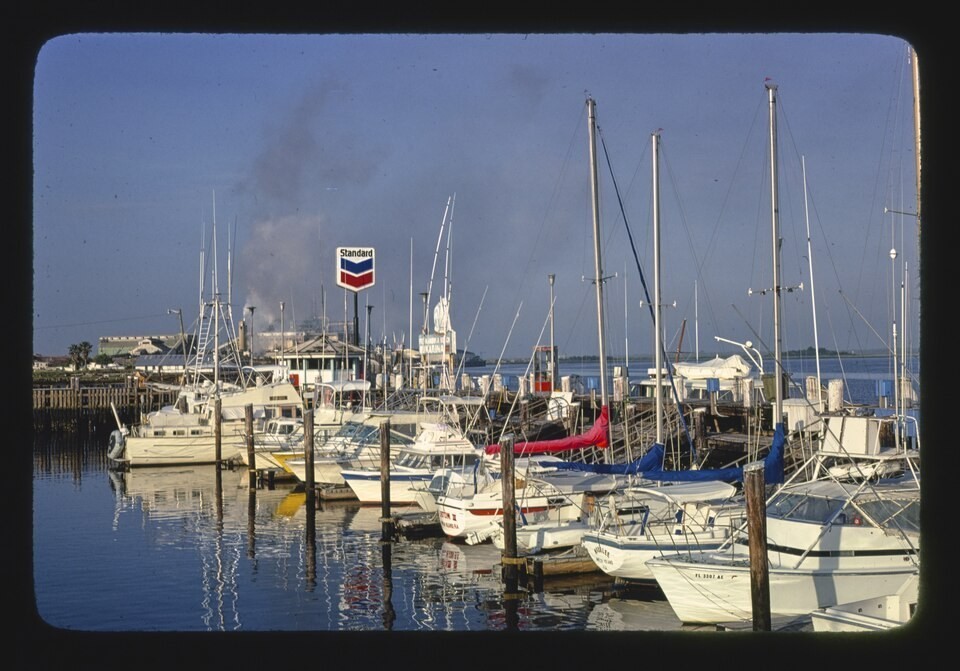
Amelia Island brings an Atlantic beach and Fernandina Beach’s town atmosphere together in one destination. It suits couples who enjoy an evening meal and families who want a slower routine than a busy boardwalk resort.
A downtown room and an oceanfront room offer different advantages. Choose a convenient beach base for repeated sand time, or a town stay if restaurants and historic streets are central to the holiday.
| Detail | Practical planning information |
|---|---|
| Best fit | Couples and families who enjoy a gentler pace, an Atlantic shoreline, and a historic town to explore. |
| Public starting point | Choose Main Beach Park, Peters Point, or another named public entrance, with separate checks for Fort Clinch. |
| Suggested time | Three to five nights allows a beach-and-town routine with room for one local nature or history visit. |
| Useful base | Compare Fernandina Beach town access with an oceanfront room according to the part of the day you most value. |
| Costs and bookings | Add the complete room bill, airport or road journey, meals, vehicle use, and any park or activity charge. |
| Comfort and access | Check the route between room and beach, public facilities, access equipment, and the season's conditions. |
| Combine with | A Fernandina Beach meal and an independent local outing rather than a drive to another Florida region. |
| A slower alternative | Stay at one base and enjoy repeated local mornings, especially on a short break. |
Amelia Island is useful when you want more to the stay than a single beach strip. The town supplies a different pace for an evening meal or a browsing afternoon, but the connection to the oceanfront needs a real transport plan.
Season matters to the expectations you set. A cool winter visit may be enjoyable for coastal walking and town time while offering a different experience from a swimming-focused holiday. Choose accommodation and local activities that keep the trip worthwhile in the conditions likely for your dates.
Plan your visit: Allow three to five nights. Compare JAX flights and the drive to the property. Check the specific public park or beach access and the facilities operating during your dates. Winter can be cool, so choose it for more than a swimming promise.
Useful tip: Use a Fort Clinch or town outing as a change of scene rather than driving to another distant Florida beach.
Open the location in Google Maps
Best Time to Visit Along the East Coast
Summer is the classic beach season for much of New England and the Mid-Atlantic, bringing more services as well as greater demand. Late spring and early fall can suit quieter town-and-walk holidays, but water temperatures, lifeguards, restaurants, and transport schedules may differ from peak season.
The Carolinas and northern Florida offer a longer period for many outdoor activities, not a guarantee of beach-swimming weather year-round. Summer heat and storms deserve a midday plan. Atlantic hurricane season runs from June through November; read flexible-booking and insurance terms and follow official local guidance.
For a specific destination, check school-holiday weeks, festivals, sporting events, and accommodation minimum stays. A midweek stay may offer a different atmosphere and price from a holiday weekend.
Beach Access, Parking, Tags, and Passes Explained
Four different charges can appear in a beach holiday: admission to a managed site, parking, a local beach tag, and optional equipment or services. A free public shoreline does not automatically make the arrival and day cost-free. Check the exact entrance you intend to use and the rules for your dates.
| Charge or arrangement | Example in this guide | What to confirm |
|---|---|---|
| National-seashore admission | Cape Cod's seasonal NPS beach fees | Vehicle or individual entry, pass coverage, dates, and the correct fee booth |
| Local beach tag | Cape May's seasonal beach access system | Who needs a tag and whether the accommodation supplies the right one |
| Seasonal city parking | Rehoboth meters and permit areas | The specific space, hours, permit validity, and current travel-year rules |
| Public beach-park parking | Hilton Head's access locations | Whether your chosen park has a fee and what the property's own access provides |
| Satellite parking or shuttle | Coast Guard Beach on Cape Cod | Where to park, how the transfer works, and the return arrangement |
| Optional beach setup | Chairs, umbrellas, or equipment hire | What is included, the hours, deposit, and cancellation terms |
As checked for this update, Cape Cod National Seashore lists a $25 private-vehicle beach entrance pass during fee-collection periods. Different modes of entry and qualifying passes have their own terms. Check the current NPS information for your travel date rather than applying that figure to every Cape Cod town beach.
Keep proof of payment where required and make sure the responsible adults understand the return plan. A parking app, a vehicle pass, and a room’s parking permission do not necessarily cover the same places. Clarifying that before arrival is easier than resolving it while carrying beach equipment.
Where to Stay and How to Arrive
For families, a kitchen, laundry, room layout, and a short route to the beach can matter more than a sea-view upgrade. For couples, walkable dining and a quiet room location may be the better investment. Inspect the whole journey from room to sand, including stairs and busy roads.
Beach houses often have cleaning fees and minimum stays, while hotels may add parking and resort charges. Compare the complete checkout total for the full party. A lower nightly rate does not always mean a lower trip total.
Flying to a larger airport can create a cheaper ticket but a longer transfer or a rental-car requirement. Price the door-to-door journey. A regional road trip should also allow for bridge traffic and peak turnover days in rental areas.
How to Choose a Beach House, Hotel, or Resort
The best accommodation type depends on how long you will stay and how the party will use it. A hotel can be convenient for a short break. A house or condo may make sense for a family or group that will use the kitchen, laundry, and space over several nights. Compare the full total for the actual occupancy.
| Stay type | Useful benefit | Detail to resolve |
|---|---|---|
| A walkable beach hotel | Simple meals and quick returns for rest | Parking, room noise, mandatory charges, and the public access route |
| A family condo | Kitchen, living space, and a repeatable routine | Cleaning, minimum nights, linens, deposits, and pool or beach access |
| A larger rental house | Shared space and a settled week | Room allocation, individual needs, total fees, and legal public beach access |
| A resort property | Facilities and services that can shape several days | Which features the booked room includes and which cost extra |
| An inland value room | A possible lower accommodation total | The repeated transport, parking, and lost time created by the location |
For a group house, discuss room allocation, food shopping, cleanup, quiet hours, and shared costs before booking. A lower per-person figure is only useful when the arrangement is comfortable for everyone. Confirm the provider’s actual occupancy and vehicle limits rather than assuming a larger group can simply be added.
For access needs, verify the specific entrance, bathroom, stairs or lift, parking, and route to the shore. A general property label is less useful than an answer about the room you will receive and the public access you intend to use.
Regional Itineraries That Work
Four nights in a New England beach town
Choose Ogunquit or a single Cape Cod base. Alternate a beach day, a town-and-coastal-walk day, and a flexible day. Reserve a special dinner or activity if needed, but leave the arrival evening simple.
Four nights in a boardwalk destination
- Day 1: Arrive, park, settle in, and walk the neighborhood.
- Day 2: Beach morning, a midday break, and a modest evening activity.
- Day 3: Use the weather alternative or one planned attraction.
- Day 4: Return to the beach or take a short local outing.
- Day 5: Leave time for checkout and the road journey.
Six nights on the South Carolina coast
Choose one base for the simplest trip, or spend three nights near Isle of Palms and three on Hilton Head if a two-base journey is the goal. Leave the transfer day lightly scheduled and price the complete route rather than assuming the two places are immediate neighbors.
A Maine-to-Florida itinerary is a major road journey, not a sensible way to sample all ten destinations in a one-week beach holiday.
Short Breaks, a Family Week, and a Longer Coastal Journey
Three nights in one seaside town
Choose a practical arrival and one main base. Give the first evening to settling in, then use one full day for the beach and another for town time or a weather alternative. Cape May, Ogunquit, Rehoboth, and other compact bases can work well for travelers whose starting point makes the journey reasonable.
Seven nights for a family
Choose an accommodation routine you can repeat comfortably. Alternate beach mornings with a midday break, one substantial attraction or nature day, and a flexible period. Save one quieter day toward the end rather than leaving every favorite activity until the last available opportunity.
Ten or more nights on the road
A longer journey can combine selected regions, but allocate nights before filling the driving days. Use two-night stays where a town deserves time and keep long transfer days selective. Maine to Florida remains a substantial route; the point should be to enjoy chosen places rather than prove that every destination on the list can fit.
For each version, identify what makes the holiday worthwhile in poor swimming weather. A pleasant town, a comfortable room, an appropriate public walk, and a known indoor activity make the itinerary more resilient than a plan that depends on the water every day.
Sample East Coast Beach Budget for Two Adults
This is a six-day, five-night model for a modest-to-midrange stay, not a live rate quote. It assumes arrival by car from the region, with the accommodation figure including an allowance for taxes and mandatory fees.
| Item | Calculation | Example total |
|---|---|---|
| Accommodation | 5 × $210 | $1,050 |
| Food | 6 × $90 for two | $540 |
| Regional fuel and tolls | Allowance | $180 |
| Parking and beach access | Allowance | $120 |
| Activities | Allowance | $160 |
| Supplies | Allowance | $50 |
| Subtotal | All above | $2,100 |
| Contingency | 10% | $210 |
| Trip planning total | Subtotal plus reserve | $2,310 |
Flights, rental-car costs, vehicle wear, insurance, shopping, premium excursions, and major incidental expenses are excluded. If flying, replace the road-travel assumption with the full flight and local-transport bill. A family should rebuild the room, food, and activity lines for the actual group.
How to Adapt the Sample Budget for Families and Groups
Begin with the real accommodation total, then separate shared costs from per-person spending. Fuel and a room may be shared, while meals, admissions, and some beach arrangements depend on the number and ages of travelers. A couple’s total should not simply be doubled or halved for another party.
For a family, check whether the room can comfortably and legally accommodate everyone and whether any children change the rate. Add the food routine you will actually use, including groceries, restaurant meals, and an arrival-day meal when the kitchen may not yet be stocked.
For a house-based group, compare the complete rental total with the same number of suitable hotel rooms. Include cleaning, linens, deposits where relevant, parking, minimum nights, and the transport needed to reach the beach. Decide how groceries and canceled shared activities will be handled before one person pays for everything.
Keep a reserve and a modest weather-alternative allowance. A rainy day can create spending that does not appear in a beach-only plan, but it does not need to become an expensive attraction day. Choose alternatives that fit both the group and the budget.
Food, Dietary Needs, Free Activities, and Ways to Save
Plan the meals that help the holiday flow. A simple breakfast and picnic can reduce the need to leave the beach for every meal, while one planned dinner can give couples an enjoyable focus. Check small-town opening days before relying on a late meal.
For allergies, halal, vegetarian, gluten-free, or other dietary needs, check the actual restaurant and preparation practices. Seafood and boardwalk menus may need more investigation than a destination’s general dining description suggests.
Boardwalk walks, town browsing, public shoreline time, and suitable coastal routes can make a full day without a major attraction. Add parking, tags, park admission, and equipment to the budget. To save, compare the complete cost of a walkable room with a cheaper stay that needs daily driving.
A Practical Arrival-Day and Departure-Day Plan
Arrival is the best time to make the rest of the stay simpler. Confirm the room or rental check-in, locate the nearest suitable food option, learn the public beach route, and buy a small number of essentials. Keep the first beach visit short enough that everyone returns with energy to settle in.
For rentals, read the access instructions before reaching the property and confirm whom to contact if something is unclear. Ask about the parking spaces and where equipment can be stored. A grocery plan should account for the actual kitchen and the number of meals you intend to prepare.
On departure, allow for packing, the accommodation’s required checkout tasks, fuel or charging, vehicle return where relevant, and the journey across bridges or busy resort roads. Avoid placing an essential prepaid attraction between checkout and a flight unless the full timing is comfortably workable.
A final-night packing plan can make the morning easier for families and mixed-age groups. Keep medication, identification, food for the journey, and the next transport confirmation accessible rather than packing them underneath everything else.
Different Travel Styles and Accessible Visits
Families can simplify the trip by returning to one suitable beach access, taking a midday break, and keeping a named adult watching children near water. Couples may prefer a village setting or a room away from the busiest evening activity. Solo travelers can favor walkable areas with dependable return transport.
For accessible travel, check parking spaces, the route to the entrance, mats or boardwalks, toilet facilities, gradients, and equipment reservations. Confirm exactly what a beach-wheelchair service includes and whether assistance is needed. A general accessible label does not describe every part of the day.
At national-seashore beaches and other managed parks, check current notices for the exact access point. A ramp, shuttle, or restroom can have seasonal operating arrangements.
Packing, Beach Conditions, and Common Mistakes
- Pack sun protection, a water bottle, a light layer, rain protection, and appropriate footwear.
- Bring accepted identification if flying and save accommodation and route details offline.
- Check daily surf, rip-current risk, lifeguards, and water-quality notices.
- Follow dune fencing, nesting closures, and local beach rules.
- Leave time for bridge traffic and rental-house turnover days.
- For emergencies call 911. Use the local beach patrol or managing park agency for operational information and official weather services for storm guidance.
Common mistakes include assuming the entire coast has the same weather, arriving without required beach tags or parking arrangements, and making a beach house’s low nightly rate the whole budget. The best plan is a regional one with time left around the main activity.
Frequently Asked Questions
Which East Coast beach is best for a first family trip?
A boardwalk destination such as Rehoboth, Ocean City, or Virginia Beach can make meals and evening activity convenient. Hilton Head or a suitable Cape Cod base may fit a quieter routine. Choose around your children’s ages and the actual access facilities.
Where should couples go for a quieter beach vacation?
Ogunquit, Cape May, and Amelia Island are useful starting comparisons for town atmosphere and a slower pace. Travel dates and room location are important; no popular destination is quiet on every weekend.
What is the best month for an East Coast beach vacation?
It depends on the region and whether you prioritize swimming, town walks, or fewer crowds. Summer is a common starting point in the north, while southern destinations have different shoulder-season options. Check local services and weather expectations.
Are the beaches free?
Some destinations do not charge general beach admission, while others use tags, park fees, or access charges. Parking and equipment may cost extra even when walking onto the sand is free.
Can I visit all these places in one road trip?
Yes as a substantial, carefully timed journey, but not comfortably as a one-week beach holiday. Choose one region if the goal is time on the coast rather than repeated long drives.
Can I swim anywhere along the Outer Banks?
Do not assume every access has lifeguards or suitable conditions. Choose a lifeguarded location when swimming, check daily warnings, and follow local instructions.
Should I choose an ocean-view room or a walkable location?
Choose according to how you will spend the stay. A view is valuable when you will enjoy it, while a practical location can improve meals, rest breaks, and beach access several times a day. Compare the exact room and route.
Can a house rental save money for a short trip?
Sometimes, but cleaning charges and minimum stays can change the result. Compare the complete rental total with suitable hotel accommodation for the same party and dates.
What is the difference between a town beach and a national-seashore beach?
They can have different managers, access rules, facilities, parking, and charges. Check the specific entrance rather than assuming one pass or local permit applies to both.
What should we do if every beach day is rough?
Use the town, cultural, indoor, or comfortable property-based options already included in the plan. Keep the holiday worthwhile beyond swimming and follow the day’s official beach guidance.
Final Planning Checklist
- Choose a region and a beach-holiday style.
- Check season, local events, and operating services.
- Compare full room, access, and transport costs.
- Confirm the exact route from lodging to the sand.
- Plan a weather alternative and daily supervision.
- Check tags, parking, lifeguards, and local advisories.
- Leave generous time for arrival and departure.
- Identify which manager controls each beach entrance and which pass or payment applies.
- Separate shared costs from per-person expenses when adapting the budget.
- Keep arrival and departure days practical rather than fully booked.
Reader Questions and Travel Experiences
Which East Coast holiday suits you: a New England village, a boardwalk town, a barrier-island house, or a quieter southern beach base? Share a practical tip from a place you have visited.
Explore More Travel Guides
- Top Beaches in Florida for Couples and Families
- Best Family-Friendly Beach Destinations in America
- Best East Coast Road Trips for Families
- Affordable Beach Destinations in the United States
- Best Places for a Romantic Coastal Getaway
Leave a Reply
What would you like to know before you go?
Send us your question, feedback, or a place you would like to see covered.
Ask a travel question


Leave a Reply