
Written by Ari Mayzick · Go Travel Box
Published November 14, 2026 · Updated November 14, 2026
You do not have to leave the United States for an island holiday. A trip can mean Hawaii’s green coastlines, Puerto Rico’s beaches and history, the U.S. Virgin Islands, or an easy-to-reach island closer to the mainland.
The passport guidance in this article is specifically for U.S. citizens traveling directly on domestic routes without entering a foreign country. ‘Without a passport’ does not mean without identification. Adults flying need TSA-accepted ID, and the U.S. Virgin Islands have an additional citizenship-document consideration on departure.
Puerto Rico and the U.S. Virgin Islands are U.S. territories, while Hawaii is a state. The ten destinations below have different transport, seasons, costs, and levels of visitor infrastructure. Choose the journey as carefully as the view.
First Passport-Free Island Trip? Start Here
- Confirm your citizenship, route, and identification before buying a nonrefundable ticket.
- Choose domestic connections. A foreign-country connection or an international boat excursion can change document requirements.
- For a tropical trip, compare Hawaii, Puerto Rico, and the U.S. Virgin Islands; for a shorter mainland-linked escape, compare Catalina or Amelia Island.
- For a Great Lakes island atmosphere rather than a tropical beach, consider Mackinac in its main visitor season.
- Check ferries and onward transport before booking the room. An island arrival is only one part of the journey.
Passport-Free Island Travel at a Glance
| Document or route issue | What it means |
|---|---|
| U.S. citizens, direct domestic route | A passport is not required for the destinations featured here |
| Adult air travelers | Bring a REAL ID-compliant license or another TSA-accepted form of ID |
| U.S. Virgin Islands departure | Be prepared to show evidence of U.S. citizenship; a certified birth certificate plus adult government photo ID is a practical passport-free combination to confirm with current guidance |
| Children | Check airline requirements and carry appropriate citizenship documentation for a USVI trip |
| Foreign connections or excursions | Separate passport and entry requirements can apply |
| Other nationalities or immigration circumstances | Check the documentation that applies to your status and route |
Table of Contents
- Compare Ten U.S. Island Escapes
- Choose the Island and the Arrival Journey Together
- Ten Island Escapes to Compare
- 1. Oʻahu, Hawaii
- 2. Kauaʻi, Hawaii
- 3. Puerto Rico's Main Island
- 4. Vieques, Puerto Rico
- 5. Culebra, Puerto Rico
- 6. St. Thomas, U.S. Virgin Islands
- 7. St. John, U.S. Virgin Islands
- 8. Catalina Island, California
- 9. Mackinac Island, Michigan
- 10. Amelia Island, Florida
- What Passport-Free Travel Does and Does Not Mean
- Your Document Checklist Before Buying Tickets
- Best Time to Visit and Seasonal Access
- Ferries, Flights, Cars, and Where to Stay
- A Detailed Island Transfer Checklist
- Practical Island Itineraries
- Three Island Trip Styles and Their Trade-offs
- Sample Island Vacation Budget for Two Adults
- Compare the Full Cost of an Island Stay
- Food, Dietary Needs, Free Activities, and Savings
- Accommodation, Supplies, and an Easy First Evening
- Families, Couples, Solo Travelers, and Accessible Visits
- Packing, Local Conditions, and Common Mistakes
- Frequently Asked Questions
- Final Planning Checklist
- Reader Questions and Travel Experiences
- Explore More Travel Guides
- Leave a Reply
Compare Ten U.S. Island Escapes
| Island | Region | How to arrive | Best fit |
|---|---|---|---|
| Oʻahu | Hawaii | Flight to HNL | Beaches, history, and varied dining |
| Kauaʻi | Hawaii | Flight to LIH | Green scenery and slower outdoor days |
| Puerto Rico's main island | Caribbean, U.S. territory | Flight, commonly to SJU | A varied beach-and-culture trip |
| Vieques | Puerto Rico | Local flight or Ceiba ferry | A slower island extension |
| Culebra | Puerto Rico | Local flight or Ceiba ferry | A beach-focused stay |
| St. Thomas | U.S. Virgin Islands | Flight to STT | Tropical beaches and services |
| St. John | U.S. Virgin Islands | Via St. Thomas, then ferry | National-park scenery and beaches |
| Catalina | California | Passenger ferry or other booked connection | A short Southern California island break |
| Mackinac | Michigan | Seasonal ferry or arranged flight | Car-free Great Lakes atmosphere |
| Amelia Island | Florida | Road from the Jacksonville area | An island stay without a ferry transfer |
Choose the Island and the Arrival Journey Together
An island holiday has two decisions: the place you want and the transport chain you are willing to manage. A direct flight followed by a short road transfer is a different trip from a mainland flight, another airport, a ferry, and a final taxi. Compare the complete journey before deciding that a room is an easy or inexpensive choice.
| Journey type | Destinations to compare | Main practical question |
|---|---|---|
| A main arrival airport on the island | Oʻahu, Kauaʻi, Puerto Rico, or St. Thomas | How will the full party and luggage reach the actual accommodation? |
| An additional local flight or ferry | Vieques and Culebra | Are the arrival, departure, airport or terminal, and onward ride coordinated? |
| A ferry after a flight to another island | St. John | Does the St. Thomas connection leave a comfortable travel buffer? |
| A mainland passenger crossing | Catalina or Mackinac | What do mainland parking, baggage, seasonal service, and the final hotel route add? |
| Road access to the island | Amelia Island | Does the actual road journey suit the length and purpose of the stay? |
For a short break, fewer connections can be more valuable than a lower advertised room price. For a longer holiday, an additional transfer may be worthwhile if it creates several enjoyable days in the place you most want to visit. The same journey may feel easy to a light-packing couple and demanding to a family with mobility needs and several bags.
Resolve the return first when a flight is inflexible. A ferry or local-air connection should have enough room for the operator’s instructions and a sensible delay buffer. Keep the final night or route flexible when that is the more reliable arrangement, rather than building the trip around every connection operating perfectly.
Ten Island Escapes to Compare
The time allowances below are planning suggestions. Confirm current access, operating services, weather, and any reservation terms for your own travel dates.
1. Oʻahu, Hawaii
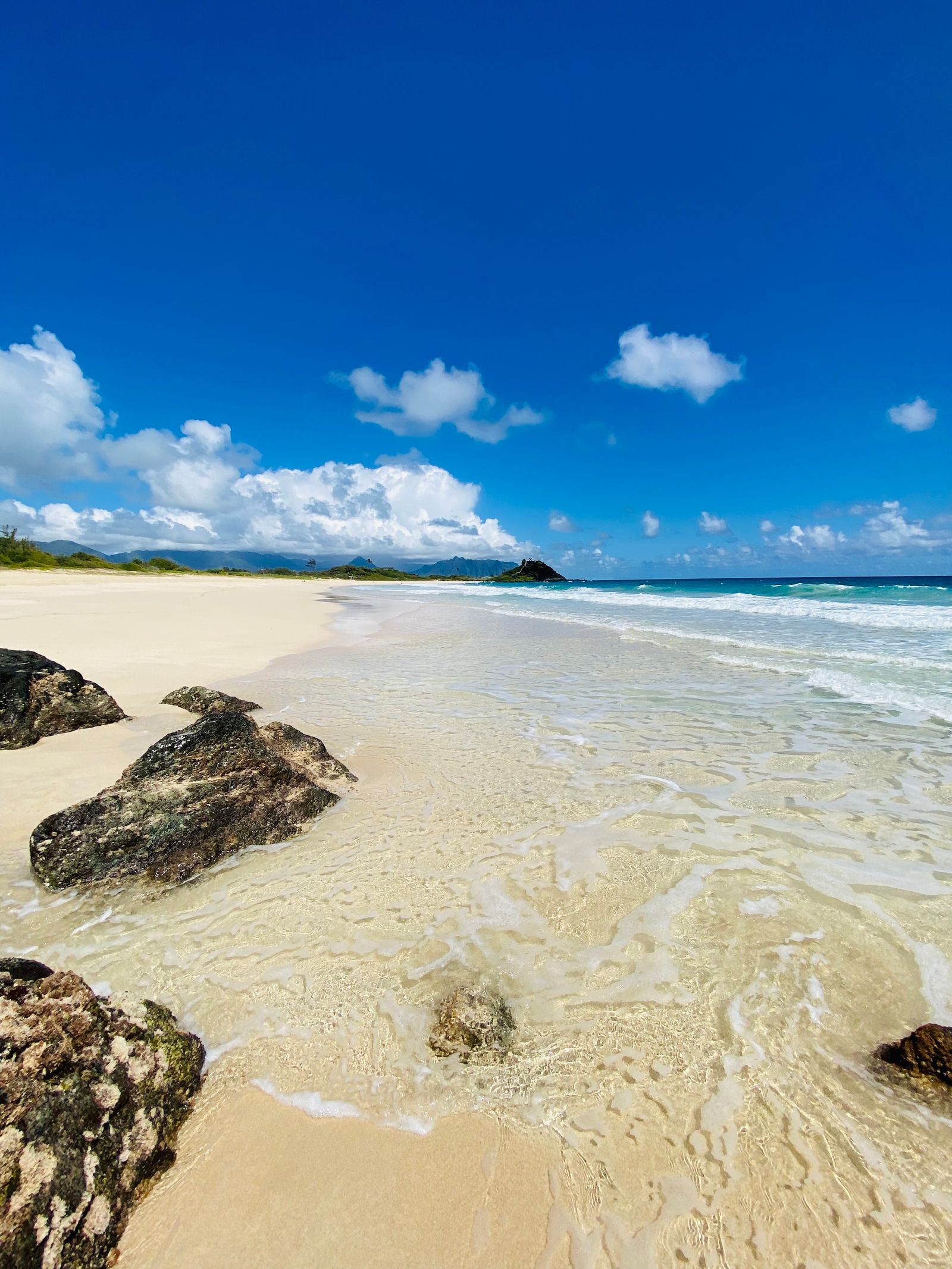
Oʻahu combines a real city with an island holiday. A Honolulu base can give you beach time, museums, history, and many meal choices without requiring a car for every short journey. The windward coast and other outings add variety when you want to explore farther.
Choose it when the group has mixed interests or when a car-light trip is appealing. It is a long Pacific flight for many mainland travelers, so a proper stay is generally more rewarding than a rushed weekend.
| Detail | Practical planning information |
|---|---|
| Best fit | First-time island visitors who want Honolulu's history, food choices, and beaches in one practical base. |
| Public starting point | Fly to HNL on a domestic route and choose named public beach or cultural visits separately. |
| Suggested time | Five to seven nights is a useful starting point after allowing for the long Pacific arrival journey. |
| Useful base | A Honolulu or Waikīkī room can simplify meals and reduce the number of necessary rental-car days. |
| Costs and bookings | Include flights, hotel charges, selected transport, parking, attraction reservations, and the airport journey. |
| Comfort and access | Check room-to-shore walking, street crossings, shade, and any specific accessible equipment or transport need. |
| Combine with | A city or history day and a separate windward outing with suitable public beach access. |
| A slower alternative | Use one convenient base and fewer car days rather than changing hotels to collect more locations. |
Oʻahu is useful when you want the convenience of a city without giving up an island setting. Plan a day that works from the room: breakfast, a cultural interest, a suitable beach period, and an easy return. This can simplify a mixed-interest group because different choices do not all require a long vehicle journey.
For a mainland arrival, choose the first evening conservatively. A delayed flight, luggage, a transfer, and unfamiliar surroundings can make even a simple arrival take time. Keep essential identification, medication, and confirmations accessible, then let the first full day establish the local routine.
Plan your visit: Allow five to seven nights and fly to HNL on a domestic route. Check limited-entry attractions separately. A Waikīkī stay and a remote island rental create very different transport costs.
Useful tip: If you will explore by car only a few days, compare a shorter rental with hotel parking and pickup logistics.
Open the location in Google Maps
2. Kauaʻi, Hawaii

Kauaʻi suits travelers who want the landscape to set the pace. Green valleys, coastal cliffs, and a canyon drive can shape the trip, with beach time when conditions allow. Leave room for weather changes rather than demanding the same activity every day.
Choose a north-, east-, or south-side base around the outings you want. Roads do not circle the entire island, and the famous Nāpali coast is not an ordinary coastal drive.
| Detail | Practical planning information |
|---|---|
| Best fit | Travelers who want a green landscape, outdoor scenery, and enough flexibility to change a coastal plan. |
| Public starting point | Fly to LIH, arrange the room transfer or vehicle, and book limited-entry visits on their own terms. |
| Suggested time | Six or seven nights gives a first visit room for a canyon day, a northern outing, and easier time. |
| Useful base | Compare north-, east-, and south-side rooms with the drives and activities that matter most. |
| Costs and bookings | Check flight routing, vehicle, accommodation fees, park access or shuttle bookings, and tour cancellation terms. |
| Comfort and access | Rain, surf, trail restrictions, and road geography can change the best version of a day. |
| Combine with | A planned public lookout route and local time near the chosen base on another day. |
| A slower alternative | Enjoy shorter walks and accessible viewpoints instead of making every day depend on a demanding outing. |
Choose Kauaʻi for the wider scenery-led stay rather than a single promised photograph. A canyon view, a quiet meal, and a suitable beach walk can make a good day even when a boat trip is unavailable. Keeping that flexibility is easier when the accommodation and local area are pleasant in their own right.
Give each booked outdoor experience its own practical plan. Entry reservations, parking or shuttle access, trail status, and a boat operator’s departure instructions are different requirements. Confirm the ones that apply to your chosen activity, then leave an alternative that fits your ability and the day’s conditions.
Plan your visit: Allow six or seven nights, with a domestic arrival at LIH. Check Hāʻena reservations and the exact status of any trail or boat activity. A car is useful for most wider-island plans.
Useful tip: Book a weather-sensitive experience early in the stay and retain an alternative day.
Open the location in Google Maps
3. Puerto Rico's Main Island
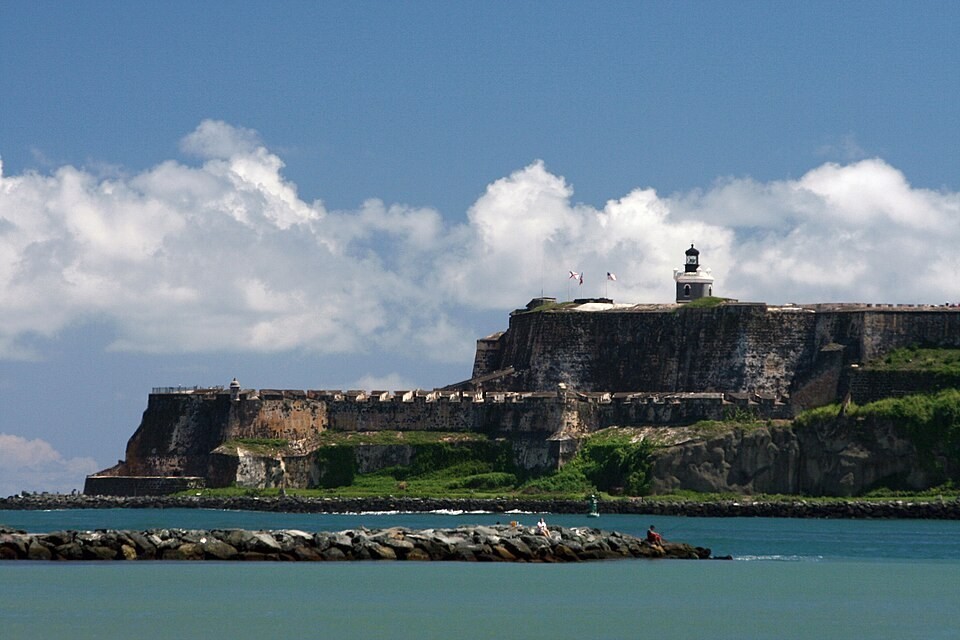
Puerto Rico’s main island supports a varied holiday: San Juan’s history and food, urban beach areas, and longer trips into other regions. A single island can fill a week without adding any ferry journey.
San Juan is a useful first base, but a hotel in Old San Juan is different from a beachfront stay in Condado or Isla Verde. Choose for the way you want to spend mornings and evenings. Exploring farther afield can make a vehicle or a booked tour useful.
| Detail | Practical planning information |
|---|---|
| Best fit | Visitors who want Caribbean beaches, a substantial city and cultural experience, and a varied single-island week. |
| Public starting point | Choose a domestic arrival, commonly at SJU, and map the exact neighborhood and accommodation transfer. |
| Suggested time | Five to seven nights can support a focused main-island visit without adding an outer-island transfer. |
| Useful base | Compare Old San Juan, Condado, Isla Verde, or another chosen region according to the daily routine. |
| Costs and bookings | Price the room's final charges, vehicle or rides, parking, meals, and separate attraction or guided visits. |
| Comfort and access | Historic walking areas, beach access, traffic, and the route to the room vary by the actual location. |
| Combine with | San Juan time with a deliberately planned excursion that has enough travel and meal time. |
| A slower alternative | Stay on the main island and explore fewer places well instead of adding a connection for every highlight. |
A San Juan stay can provide a good balance between planned visits and unhurried time. Decide whether you want the historic streets and meals close to the room or a stronger beachfront routine. Those are related but different accommodation choices, so use the actual address when comparing convenience.
For a longer outing, choose an appropriate vehicle or established provider and inspect the full schedule. A place that looks close on an island map may still involve traffic, parking, and walking. Keep the arrival and departure days simple enough that the week remains comfortable if the flight schedule changes.
Plan your visit: Allow five to seven nights. SJU is a major airport to compare; other airports can suit specific regions. U.S. citizens on direct domestic routes do not need a passport, while accepted air-travel ID still matters.
Useful tip: Do not move hotels simply to collect more places. A focused San Juan stay with a few planned outings can be more enjoyable than a rushed island circuit.
Open the location in Google Maps
4. Vieques, Puerto Rico
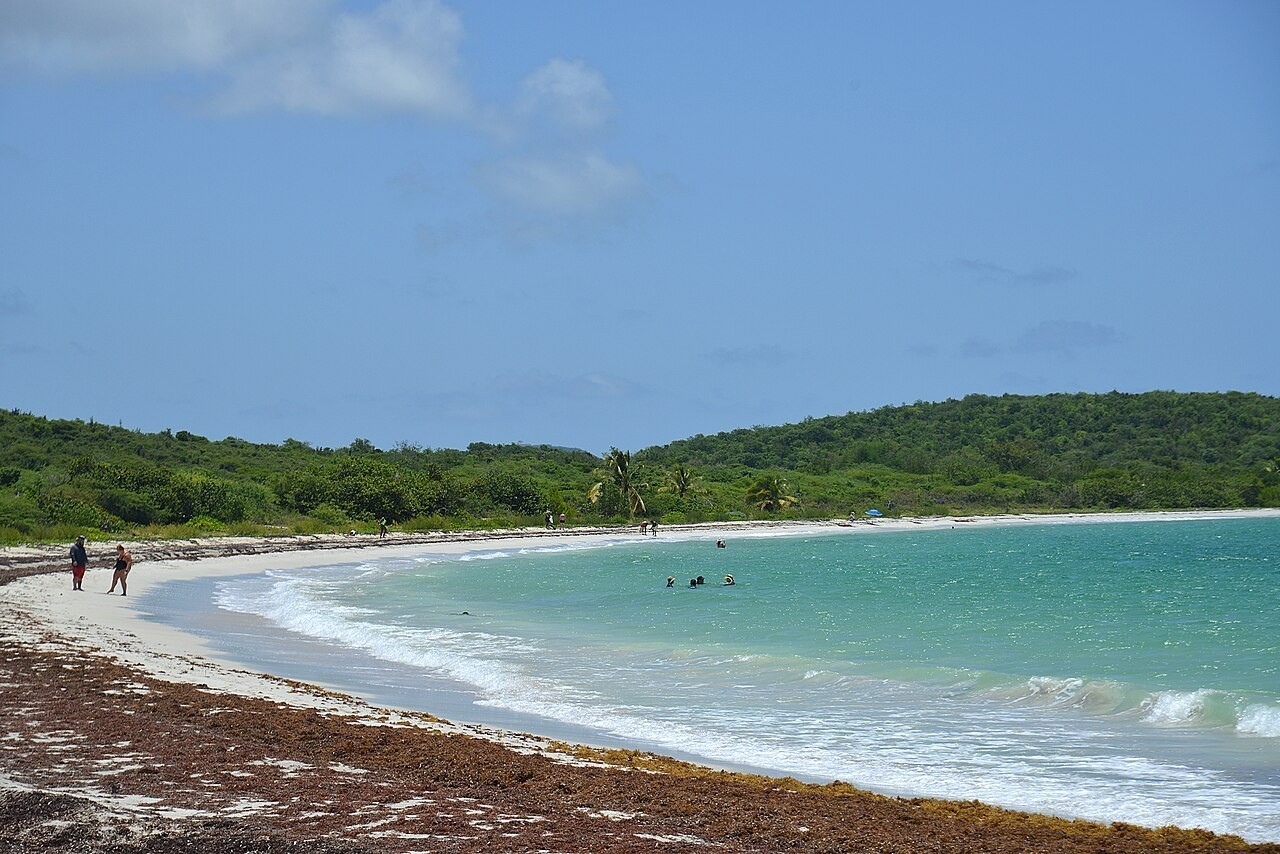
Vieques makes a good extension when you want a slower pace than a busy San Juan base. Choose legal public beach access, arrange local transport, and leave time for meals and the ordinary details of a smaller island.
A bioluminescent-bay tour is a popular reason to stay overnight, but visibility depends on natural and operating conditions. Use an authorized operator and follow its current rules. Refuge closures, weather, and access restrictions can affect beach choices.
| Detail | Practical planning information |
|---|---|
| Best fit | Travelers who want a slower Puerto Rico extension and are happy to coordinate limited-island transport. |
| Public starting point | Confirm the local flight or Ceiba ferry, then arrange the ride from the actual arrival point. |
| Suggested time | Two or three nights gives the island more room than a tightly timed day trip. |
| Useful base | Choose the accommodation alongside the beach, meal, and transport plan rather than after buying an isolated ticket. |
| Costs and bookings | Add terminal rides, luggage, parking on the main island where relevant, local transport, and any guided bay tour. |
| Comfort and access | Check current refuge access, road conditions, room features, and the availability of any required equipment. |
| Combine with | A suitable public beach day and a separately arranged authorized bioluminescent-bay outing. |
| A slower alternative | Stay overnight, choose fewer beaches, and avoid a last-minute return connection to a mainland-bound flight. |
An outer-island arrival should end with a clear plan for reaching the room. Confirm who will meet you or how the local ride is arranged, what happens if the arrival changes, and where food will come from after check-in. These ordinary details are more important than a low ticket price by itself.
When considering a bioluminescent-bay tour, use an authorized operator and ask about the current activity, visibility expectations, participation requirements, and cancellation terms. Keep the rest of the stay worthwhile without a guaranteed natural display. Beach access and refuge notices also need checking independently of the tour booking.
Plan your visit: Consider two or three nights. Reach the island by a local flight or a ferry from Ceiba, then arrange the transfer to your lodging. Check baggage, vehicle, and passenger policies instead of assuming a mainland rental car can be taken across.
Useful tip: Avoid a tight flight connection after a ferry return. Sea conditions and service changes can affect the day’s schedule.
Open the location in Google Maps
5. Culebra, Puerto Rico

Culebra suits travelers who want the beach to be the main event. Flamenco Beach is the best-known draw, while the small-island setting rewards an itinerary with few moving parts. It is not a substitute for a city break with extensive late-night dining.
A successful day needs more than a beach photograph: confirmed transport, the ride from the terminal or airport, food, water, shade, and a workable return. Staying overnight can make the island feel much less rushed than a tightly timed day trip.
| Detail | Practical planning information |
|---|---|
| Best fit | Visitors who want a beach-centered island stay and can plan around a limited set of transport and meal choices. |
| Public starting point | Arrange a local flight or current Ceiba–Culebra passenger service and a separate onward ride. |
| Suggested time | Two or three nights can make Flamenco Beach and the island feel less hurried than a rushed day visit. |
| Useful base | Choose the room for its real relationship to public beach access, meals, and available local transport. |
| Costs and bookings | Include both legs of the crossing or flight, bags, terminal parking or rides, and transport on Culebra. |
| Comfort and access | Confirm shade, water, facilities, equipment, and the current route to the beach you intend to use. |
| Combine with | A small number of suitable public outings and time simply enjoying the accommodation area. |
| A slower alternative | Use a confirmed overnight stay instead of depending on several tightly coordinated same-day movements. |
For Flamenco Beach, a practical plan covers more than the crossing. Identify the onward ride, the return meeting point, food, water, shade, and the latest time you need to leave. A party with children or substantial equipment should assess how comfortable that complete day will feel.
Check vehicle rules with the current ferry operator. Published Ceiba-service guidance does not permit visitors to assume they can bring a mainland rental car. Coordinate appropriate island transport separately, and review any local rental provider’s actual restrictions and return arrangement before paying for the room.
Plan your visit: Allow two or three nights if possible. Ferry service is from Ceiba, not the old departure assumptions you may find in older guides. Verify the current sailing, seat availability, and onward transport before setting out.
Useful tip: Choose accommodation and transport together. A cheaper room can lose its advantage if every meal and beach outing needs another paid ride.
Open the location in Google Maps
6. St. Thomas, U.S. Virgin Islands
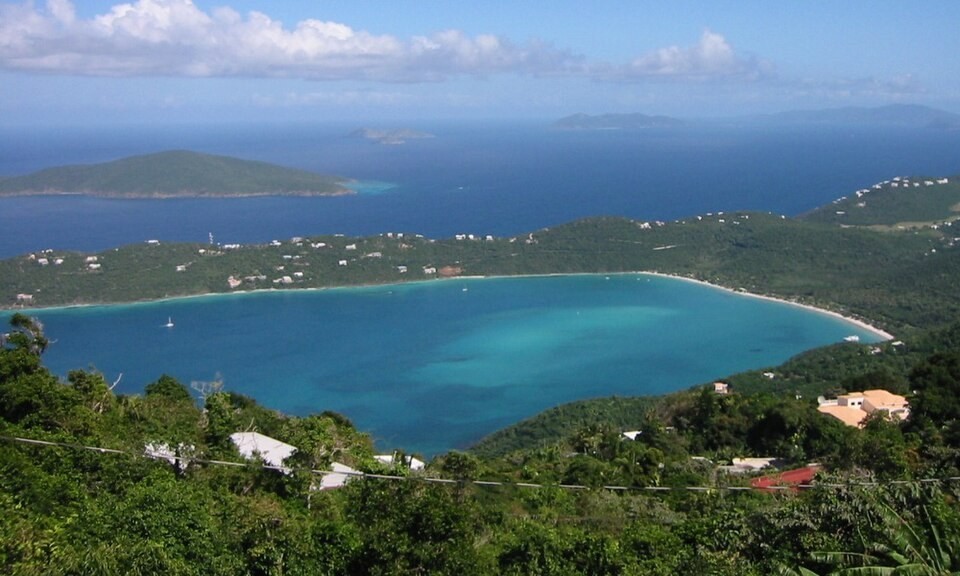
St. Thomas is a practical starting point for a U.S. Virgin Islands holiday, with an airport, accommodation choices, beaches, and onward connections. Magens Bay is one well-known outing; other beaches have different access, facilities, and exposure.
Your hotel location matters. A hillside view does not automatically come with easy beach access, and repeated taxis can be a meaningful expense. Decide whether you prefer a beach-area stay, town convenience, or a property where you will spend much of the trip.
| Detail | Practical planning information |
|---|---|
| Best fit | Travelers who want an airport-served Caribbean base with beaches, services, and optional onward island connections. |
| Public starting point | Arrive at STT on an appropriate domestic route and arrange transport to the exact accommodation address. |
| Suggested time | Four to six nights supports a settled stay; a shorter visit needs a narrower local focus. |
| Useful base | Compare a beach-area room, town convenience, and a hillside property by actual transport needs. |
| Costs and bookings | Add transfers, repeated taxi or vehicle use, beach charges where applicable, accommodation fees, and activities. |
| Comfort and access | Slopes, public beach routes, room access, and the return after dinner deserve specific checks. |
| Combine with | One planned public beach visit and another town or coastal interest without repeated island-to-island movements. |
| A slower alternative | Choose a convenient base and use fewer local rides instead of booking a remote room without a transport budget. |
A view over a bay can be beautiful without providing a convenient walking route to the water. Ask how guests reach the beach and return, what the service costs, and whether it operates at the times you need. Price those repeated movements before deciding the room offers good value.
For independent driving, review local road arrangements and the current rental terms. The U.S. Virgin Islands use left-side driving, which deserves attention from travelers accustomed to mainland roads. If that is uncomfortable, compare a realistic taxi or guided-outing plan rather than assuming a vehicle is the only option.
Plan your visit: Allow four to six nights, or combine it carefully with St. John. STT is the main arrival airport. Confirm current U.S. citizenship-document guidance for departure as well as the ID needed to board your flight.
Useful tip: Price the airport transfer, everyday rides, and any ferry connections before choosing a room purely on its nightly rate.
Open the location in Google Maps
7. St. John, U.S. Virgin Islands
St. John is a strong choice when national-park scenery and beach days are the purpose of the trip. The island’s protected landscapes are a major part of its identity, but each beach has its own access, facilities, and conditions.
Trunk Bay is a popular planned stop, with a day-use fee separate from the general park’s lack of an entrance fee. Snorkeling is an activity to choose around conditions and ability, not a guaranteed feature of every beach day.
| Detail | Practical planning information |
|---|---|
| Best fit | Couples, families, and nature-minded travelers who want public beaches and national-park scenery as the focus. |
| Public starting point | Coordinate arrival through St. Thomas with the actual passenger-ferry or other authorized transfer terminal. |
| Suggested time | Four or five nights allows beach days without making every outing compete with a transfer. |
| Useful base | Choose a St. John room around the beaches, meals, and vehicle or taxi plan you will actually use. |
| Costs and bookings | Include airport-to-terminal transport, crossing, luggage, onward rides, room fees, and Trunk Bay's separate day-use fee. |
| Comfort and access | Check the route at each beach, facilities, terrain, water conditions, and any equipment reservation needed. |
| Combine with | A suitable park walk or a second public beach visited on a different part of the stay. |
| A slower alternative | Spend longer at one suitable beach and protect the return journey instead of maximizing the day's stops. |
The transfer from St. Thomas is part of the accommodation decision. Confirm the arrival airport time, the route to the correct terminal, the sailing you intend to use, and the onward ride on St. John. Keep a realistic alternative if the flight arrives later than planned.
At the national park, choose the public beach and route around conditions and ability. General park access and a particular beach’s day-use charge are different matters. A clear-water photograph does not establish that snorkeling is appropriate on the day, so retain a pleasant land-based option.
Plan your visit: Allow four or five nights for an unhurried stay. St. John has no airport; arrange arrival through St. Thomas and an appropriate ferry or water transfer. Confirm the terminal, operating hours, luggage, and the ride to your lodging.
Useful tip: Keep a generous buffer between the island transfer and your departing flight. On the arrival day, a simple local evening is enough.
Open the location in Google Maps
8. Catalina Island, California

Catalina offers a short island break from Southern California. Avalon combines a compact waterfront, meals, and booked water or land activities, making it a useful option when you want the feeling of leaving the mainland without a long flight.
Choose Avalon and Two Harbors as different destinations rather than interchangeable ferry arrivals. Interior trips and specialized activities need their own planning. The Pacific can be cool, and a boat crossing can be affected by weather.
| Detail | Practical planning information |
|---|---|
| Best fit | Southern California travelers who want a short island break with a compact waterfront and booked activity options. |
| Public starting point | Reserve the correct ferry route to Avalon or Two Harbors and confirm the specific mainland terminal. |
| Suggested time | Two or three nights creates more local time than a tightly scheduled same-day crossing. |
| Useful base | Choose the hotel in relation to the actual landing, meals, hills, and the activities you expect to enjoy. |
| Costs and bookings | Include both crossings, mainland parking, luggage terms, the final hotel ride, and any interior or water activity. |
| Comfort and access | Check boarding, walking distances, gradients, room access, and how weather affects the booked service. |
| Combine with | A waterfront day and one appropriate guided land or water experience if conditions allow. |
| A slower alternative | Remain around one arrival area and enjoy an unhurried stay rather than trying to cover the whole island. |
Choose the arrival port deliberately. Avalon and Two Harbors create different experiences and transport needs, and not every mainland departure serves both in the same way. Read the route, date, check-in instruction, and baggage allowance on the actual booking.
A short island holiday benefits from a simple departure day. Allow time to leave the room, reach the landing, and handle baggage without an important mainland appointment immediately afterward. If a particular activity matters, put it on a full day rather than asking the arrival crossing to operate exactly on time.
Plan your visit: Allow two or three nights. Passenger ferries operate from selected Southern California ports; check your operator’s actual departure point and route. Add mainland parking, baggage rules, and the ride from the island landing to the hotel.
Useful tip: Choose a flexible return if the timing matters, and do not schedule an important mainland appointment immediately after the crossing.
Open the location in Google Maps
9. Mackinac Island, Michigan

Mackinac offers a Great Lakes island holiday rather than a tropical one. The appeal is a largely car-free visitor experience, waterfront views, bicycles or horse-drawn transport, and time in the town and public park areas.
It is a good choice for families who enjoy simple outdoor days and couples who like a distinctive overnight stay. Walking, cycling, and carriage services each have different costs and accessibility considerations. Plan your luggage and the route to the hotel.
| Detail | Practical planning information |
|---|---|
| Best fit | Families and couples interested in a distinctive Great Lakes stay, waterfront views, walking, and a slower transport rhythm. |
| Public starting point | Choose the mainland ferry departure and current island arrival arrangement, or an appropriately booked flight. |
| Suggested time | Two or three nights during the main visitor season provides time beyond a quick town visit. |
| Useful base | Compare the hotel's route from the landing, luggage assistance, meals, and the physical effort of local travel. |
| Costs and bookings | Add mainland parking, crossing, bicycle charges or hire, carriage services, room fees, and activities. |
| Comfort and access | Confirm boarding access, hills, luggage handling, and suitability of walking, cycling, or carriage options. |
| Combine with | Town time and an appropriate public park outing with enough breaks for the full party. |
| A slower alternative | Spend longer around the waterfront and use suitable assistance rather than assuming everyone will cycle. |
Mackinac is a seasonal Great Lakes holiday, so choose it for the version of the island available on your dates. Confirm that the accommodation, restaurants, transport, and activities you want are operating. The main visitor season offers a very different range of services from winter.
Plan how luggage will reach the room. Some properties arrange assistance from the dock, while others require a different plan. Ask about the actual service and any charge before arrival, especially for travelers who cannot comfortably manage bags over the route themselves.
Plan your visit: Consider two or three nights during the main visitor season, generally late spring through fall. Most travelers use a ferry from the mainland; check the operator’s seasonal schedule, parking, luggage, and bicycle charges.
Useful tip: Confirm an accommodation’s operating dates before buying transport. Winter services and visitor options are very different from summer.
Open the location in Google Maps
10. Amelia Island, Florida
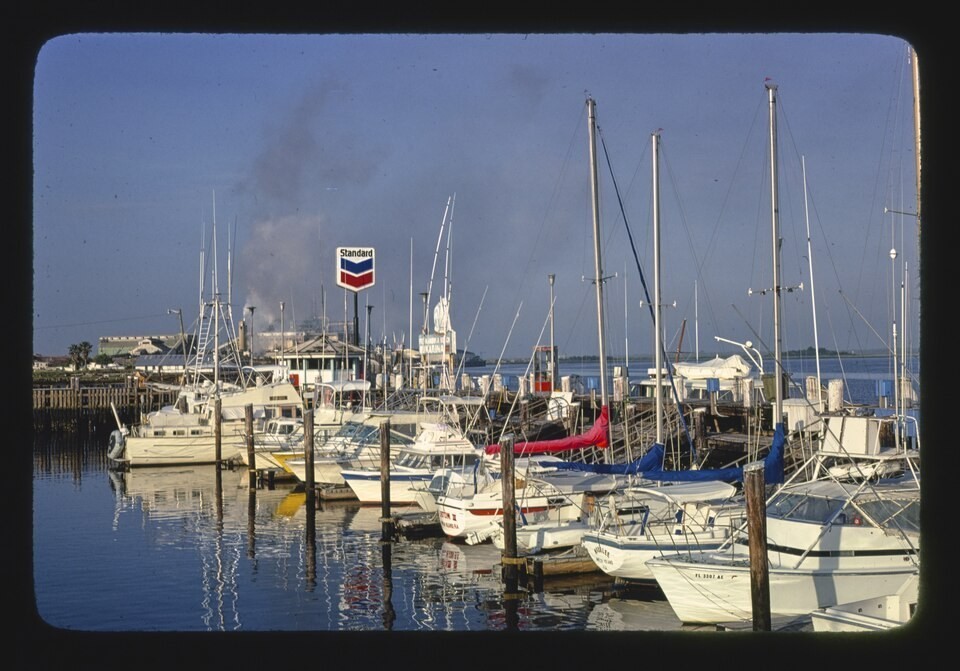
Amelia Island is useful when you want an island setting without making a ferry part of the holiday. Road access from the Jacksonville area leads to Atlantic beaches, Fernandina Beach’s historic center, and a choice of beach-focused or town-based accommodation.
Couples can combine a beach morning with dinner in town, while families can choose a base with easy rest breaks. The historic center and oceanfront are different areas, so check the actual distance before assuming you can walk between all your plans.
| Detail | Practical planning information |
|---|---|
| Best fit | Travelers who want an island setting, Atlantic beaches, and town interests without adding a ferry crossing. |
| Public starting point | Use the road journey from the Jacksonville area and choose a named public beach entrance. |
| Suggested time | Three to five nights supports a beach-and-town holiday; a long weekend can stay more tightly local. |
| Useful base | Choose Fernandina Beach town convenience or an oceanfront routine, then plan travel between them. |
| Costs and bookings | Include the full airport or road transfer, room charges, parking, meals, and separate park or activity costs. |
| Comfort and access | Check access facilities, the route from the room, shade, and the season's likely beach conditions. |
| Combine with | A town meal, a suitable beach morning, and a separately planned Fort Clinch or nature visit. |
| A slower alternative | Use one base and a small number of local outings instead of adding several distant Florida regions. |
Amelia Island can be a practical short break because the transport chain is easier to keep simple. That benefit is strongest when the accommodation supports the daily routine you want. A room chosen for downtown dining and one chosen for repeated beach mornings are different decisions.
Choose the season for more than a swimming promise. Winter may suit town time and coastal walks, while other dates bring different demand and weather considerations. A comfortable room and a pleasant local meal plan can make the stay worthwhile when the ocean is enjoyed from shore.
Plan your visit: Allow three to five nights. Compare JAX flights and a road transfer to the exact property. Northern Florida winters can be cool, making town walks a more reliable focus than a promise of warm-water swimming.
Useful tip: For a short break, choose one lodging base and keep the itinerary local instead of adding several distant Florida beaches.
Open the location in Google Maps
What Passport-Free Travel Does and Does Not Mean
For U.S. citizens, the domestic routes featured here do not require a passport. Airport screening is a separate issue: adults should carry a REAL ID-compliant state license or another TSA-accepted ID. A standard noncompliant license should not be treated as a reliable air-travel document.
For the U.S. Virgin Islands, be prepared to establish U.S. citizenship on departure. If traveling without a passport, check current official guidance for a certified birth certificate and government-issued photo ID for adults, plus the appropriate documents for children. Keep documents protected and accessible.
Do not apply this guide to an itinerary that connects through a foreign country, visits the British Virgin Islands, or includes an international cruise or boat excursion. Other countries have their own requirements. Non-U.S. citizens and travelers with particular immigration circumstances should verify the rules for their status and route.
For an unusual itinerary or document question, confirm with TSA, U.S. Customs and Border Protection, and the carrier before buying a nonrefundable booking. A destination’s marketing headline is not a substitute for that check.
Your Document Checklist Before Buying Tickets
Start with the traveler’s status and the entire route. The passport-free statement in this guide concerns U.S. citizens traveling directly on domestic routes. An itinerary that includes a foreign connection or an international excursion needs a separate requirements check. Do not apply one person’s documentation arrangement automatically to everyone in a group.
| Traveler or route detail | What to resolve |
|---|---|
| Adult on a domestic flight | A REAL ID-compliant license or another TSA-accepted form of identification |
| Child traveling with the party | Current airline requirements and documents relevant to the full route |
| U.S. Virgin Islands departure | Evidence of U.S. citizenship, with the appropriate adult photo ID when using a passport-free document combination |
| Foreign connection or boat excursion | The destination and carrier's separate entry and travel-document rules |
| A different citizenship or immigration situation | Current official guidance specific to the person's status and route |
| A name difference across bookings and documents | Resolve the carrier's requirements before arriving at the airport |
Keep original documents protected and available during travel. A stored photograph can be useful as a personal reference but should not be assumed to replace a required original. Give the responsible adults access to the practical information, while keeping sensitive document copies out of public messages or shared travel posts.
For unusual circumstances, contact the relevant official authority and carrier before making a nonrefundable purchase. A tourism headline, hotel confirmation, or successful trip by someone else does not establish the documentation needed for your particular itinerary.
Best Time to Visit and Seasonal Access
Choose season by region. Hawaii has warm coastal conditions with local rain and surf differences. Puerto Rico and the U.S. Virgin Islands are tropical, but storm risk and seasonal demand still affect planning. Atlantic hurricane season runs from June through November.
Catalina can be rewarding for a walking-and-dining break outside the busiest summer dates, but sea conditions and operator schedules matter. Mackinac’s main visitor season is much more limited, with many services operating seasonally. Amelia Island has a cooler northern-Florida winter pattern.
Compare the dates when the accommodation and activities you actually want are operating. A cheaper quiet-season stay is good value only if the version of the destination available then suits your trip.
Ferries, Flights, Cars, and Where to Stay
Price the complete arrival chain: mainland flight, interisland flight or ferry, terminal transfer, luggage, parking, and the final ride to your lodging. A low ferry fare can be only a small part of the total cost of reaching a room.
For Vieques and Culebra, the ferry departure is Ceiba; use the current operator’s schedule. For St. John, coordinate the St. Thomas arrival with the correct ferry terminal and onward ride. For Catalina and Mackinac, verify seasonal service and the mainland parking arrangement.
Do not assume a rented car can travel on a ferry or that a car ferry and a passenger ferry have the same rules. Some islands reward a walkable stay, while others require a vehicle or a deliberate taxi plan. Confirm transport before booking remote accommodation.
For rooms, compare taxes, mandatory resort charges, cleaning fees, minimum nights, cancellation terms, and meal access. On a small island, an inexpensive room with no convenient transport can become costly.
A Detailed Island Transfer Checklist
- Write every movement from the first airport or parking place to the actual room.
- Confirm the departure airport or ferry terminal for each local connection; do not assume two flights use the same airport.
- Read check-in times, baggage size and weight terms, accessibility arrangements, and cancellation policies.
- Arrange the final ride and confirm what happens if an inbound flight or ferry is late.
- Check whether a mainland rental vehicle must remain at the terminal and whether island transport is separately available.
- Plan food, water, medication access, and a comfortable waiting period for the full party.
- Protect the return to the major flight, using an earlier connection or a suitable overnight where that is the more reliable plan.
For Vieques and Culebra, use current Ceiba-service information rather than an old guide’s former departure point. For St. John, choose the correct St. Thomas terminal and the route to your St. John room. For Catalina or Mackinac, remember the vehicle left on the mainland and how you will collect it after the crossing.
An attractive timetable should still work when a small delay occurs. If one missed connection would undo the entire trip, compare a less compressed sequence. The extra time can be part of a pleasant arrival or final evening rather than an inconvenience.
Practical Island Itineraries
Six nights in Puerto Rico
Stay on the main island if you want the simplest week: combine San Juan time, suitable beach mornings, and one or two purposeful outings. If Vieques or Culebra is essential, use a two-base plan with about three nights in each place, leave the transfer day light, and protect the return connection.
Seven nights in the U.S. Virgin Islands
Compare a single St. Thomas base with a split of roughly three nights on St. Thomas and four on St. John. The split adds packing and transfers; the single base adds travel for any St. John day trip. Choose the arrangement that gives you more time where you most want to be.
Two nights closer to the mainland
For Catalina, arrive early enough to settle in, give the next day to one main activity and waterfront time, and leave a relaxed departure day. For Mackinac, use the same rhythm with walking or cycling appropriate to the season. Amelia Island can support a similarly simple long weekend without ferry timing.
Three Island Trip Styles and Their Trade-offs
A single main-island base
Oʻahu, Kauaʻi, Puerto Rico’s main island, St. Thomas, and road-accessible Amelia Island can support a stay without an additional island move. Choose the neighborhood and transport carefully, then use the saved transfer time for the experiences that motivated the trip. A single base is especially useful for a short holiday or a group with substantial luggage.
A main island with a smaller-island extension
A Puerto Rico stay plus Vieques or Culebra, or St. Thomas plus St. John, can add contrast over a longer holiday. Give the extension enough nights to justify packing and transport. Keep the moving day light and choose the final-night arrangement around the major return flight rather than an idealized perfect sequence.
A short mainland-linked island escape
Catalina and Mackinac can provide a distinctive two- or three-night break for travelers with a practical mainland approach. Count the time and cost of reaching the departure port, not only the crossing. Amelia Island provides a different version with road access and no ferry timetable to coordinate.
| Trip style | Main benefit | Cost or effort to compare |
|---|---|---|
| One base | More settled time and fewer arrival routines | The day-trip transport needed from that address |
| Two island bases | A contrast in scenery and experience | A moving day, another transfer, and possibly another vehicle |
| Short ferry escape | An island atmosphere without a long flight for nearby travelers | Port access, mainland parking, baggage, and sailing times |
There is no universal best style. The choice should produce more enjoyable time at the destination than effort moving between places. A quieter three-night stay can be more satisfying than a longer itinerary with repeated packing.
Sample Island Vacation Budget for Two Adults
This seven-day, six-night example is a planning model for a Puerto Rico main-island stay, not a live booking quote or a forecast for every island. The room and car targets include an assumed allowance for taxes and mandatory fees. The car is used for three days, and the example does not include an outer-island transfer.
| Item | Calculation | Example total |
|---|---|---|
| Accommodation | 6 × $190 | $1,140 |
| Meals and groceries | 7 × $90 for two | $630 |
| Rental car | 3 × $75 | $225 |
| Parking | 3 × $15 | $45 |
| Fuel | Allowance | $60 |
| Airport transfers | Allowance | $80 |
| Activities | Allowance | $180 |
| Subtotal | All above | $2,360 |
| Contingency | 10% | $236 |
| Ground-trip total | Subtotal plus reserve | $2,596 |
Flights, insurance, shopping, premium tours, and major incidental costs are excluded. A St. John, Maui, or peak-date Catalina stay needs its own price check; do not reuse this room target as a verified rate. Add all ferry or interisland-flight charges when comparing a two-island plan.
Compare the Full Cost of an Island Stay
A room on a smaller island may have a very different transport and food bill from a room on a main island. Use the same number of nights, travelers, and comfort level in each comparison, then add the complete arrival and everyday routine.
| Cost layer | Items that are easy to miss |
|---|---|
| Reaching the region | The main flight, baggage, airport parking, or the regional road journey |
| Reaching the island | Local flight or ferry, terminal ride, check-in time, and connection buffers |
| Reaching the room | Taxi, arranged transfer, car pickup, luggage help, or a substantial walk |
| Staying there | Mandatory room fees, parking, groceries, dining, and local transport |
| Enjoying the island | Park or beach charges, equipment, tours, and gratuities where relevant |
| Returning | The full reverse journey and an overnight if the connection needs protection |
If comparing a cheap ferry with a more expensive local flight, include the land journey to the ferry, parking, and the time required. The cheaper ticket may still be the better choice, but the decision should be based on the whole transfer rather than a single fare.
For a family, check age-based ticket rules, room occupancy, and the handling of bulky items. A solo traveler should avoid assuming that a per-person price based on two sharing applies to the same trip alone. Groups should agree how shared transfers and canceled bookings will be paid for.
Food, Dietary Needs, Free Activities, and Savings
A smaller island often means fewer late-night meals, more limited grocery opening hours, and less choice for a particular diet. Check menus and shopping options before booking a remote room. For allergies, halal, vegetarian, or gluten-free needs, confirm ingredients and preparation directly.
Budget for the food experiences you care about, then use simple breakfasts and picnics where appropriate. Public beaches, town walks, and suitable park routes can fill a rewarding day, with parking, admission, or equipment charges considered separately.
To save, reduce the number of island transfers, choose dates with enough operating services, and compare a walkable base against repeated taxi costs. Keep the reserve rather than spending every dollar of the budget before arrival.
Accommodation, Supplies, and an Easy First Evening
A smooth first evening is particularly valuable on an island with limited late services. Confirm the check-in arrangement and how you will eat after arrival. Ask about grocery access, drinking water, food storage, and whether the room has the facilities shown in the general listing.
For a rental or small inn, check whether there is a staffed reception, an arrival cutoff, or a specific instruction for collecting the key. Keep the provider’s contact details and directions offline. A delayed arrival should have a known response rather than leaving you to work out transport and access after dark.
Pack essential medication and the items you cannot easily replace in accessible baggage. Check baggage rules before assuming that a local aircraft or ferry accepts the same amount as the main flight. Reduce nonessential luggage when it makes the transfer easier, while retaining necessary access and personal items.
After check-in, keep the local plan modest. Learn the route to meals and the shore, confirm the next day’s practical arrangements, and rest. The first full day is a better time to begin a substantial activity than a tired arrival evening.
Families, Couples, Solo Travelers, and Accessible Visits
Families should prioritize the length of the arrival day, a manageable luggage plan, and reliable food and rest breaks. For couples, the best island may be the one with the fewest transfers and the right atmosphere near the room. Solo travelers may prefer a compact center with dependable evening transport.
Accessible island travel needs coordinated checks: aircraft or ferry boarding, terminal ramps, ground transport, luggage assistance, the hotel, and beach access. Ask the actual carrier and property for details rather than relying on a general destination label.
Confirm all equipment reservations before paying for a remote stay. On smaller islands, a missing accessible transfer or an unsuitable bathroom may not have an easy last-minute alternative.
Packing, Local Conditions, and Common Mistakes
- Pack your accepted air-travel ID and the citizenship documents relevant to the route.
- Keep medication, essential supplies, and important confirmations in your accessible baggage.
- Bring sun protection, walking shoes, water, and layers appropriate to the region.
- Save ferry terminals, operator contacts, and maps offline.
- Check beach flags, park notices, weather, and water-quality information daily.
- Use legal public access and respect residents, wildlife, and closed areas.
- For emergencies call 911. For route documents consult TSA and CBP; for operational questions use the carrier or park manager.
Avoid the three most expensive mistakes: assuming passport-free means ID-free, booking a tight ferry-to-flight connection, and choosing a remote room before arranging transport. Also distinguish a tropical island beach holiday from a seasonal Great Lakes stay.
Frequently Asked Questions
Can I visit Puerto Rico without a passport?
U.S. citizens traveling on direct domestic routes between the U.S. mainland and Puerto Rico do not need a passport. Adults still need TSA-accepted identification for flights. Foreign connections or other citizenship circumstances can change the requirements.
Can I visit the U.S. Virgin Islands without a passport?
U.S. citizens arriving directly from the U.S. mainland or Puerto Rico do not need a passport. Be prepared to show evidence of U.S. citizenship when departing; check current official document guidance before traveling.
Does passport-free mean I can fly with any driver's license?
No. Bring a REAL ID-compliant license or another TSA-accepted ID. Confirm the current identification rules with TSA and your carrier before the trip.
Are the Bahamas, Bermuda, and Jamaica part of this list?
No. They are outside the United States and have their own passport and entry requirements. Do not apply domestic U.S. island guidance to those destinations.
Can I visit the British Virgin Islands from St. John without a passport?
Do not assume so. That is an international trip with separate document requirements. This guide covers the U.S. Virgin Islands and domestic routes, not international excursions.
Which island is simplest for a short mainland-linked break?
Amelia Island avoids ferry logistics because it has road access. Catalina can suit Southern California travelers who are happy to arrange a passenger ferry. Your starting point, dates, and transport needs determine which is simpler.
Can I use a passport-free island list for every traveler in my family?
No. Check each traveler’s citizenship or immigration circumstances, age, identification, and complete route. This guide’s passport-free scope is U.S. citizens traveling directly on domestic routes.
Should I connect straight from a small-island ferry to my major flight?
Only with a carefully assessed buffer and a workable alternative. Compare an earlier crossing or a suitable final overnight when the flight is inflexible. The published sailing time is only one part of reaching the airport.
Can I bring my mainland rental car to Vieques or Culebra?
Do not assume that you can. Current operator guidance for Ceiba services restricts visitor vehicle carriage and does not permit mainland rental cars as an ordinary visitor arrangement. Plan appropriate island transport separately.
Is a ferry fare the full cost of visiting an island?
No. Add the journey to the terminal, parking or taxi, baggage where charged, the final ride, local transport, and the return. Compare that total with other arrival options before choosing.
Final Planning Checklist
- Confirm the route stays domestic.
- Check adult air-travel ID and any citizenship-document needs.
- Confirm every flight, ferry, terminal, and onward transfer.
- Choose an appropriate season and check operating dates.
- Compare the complete trip cost, including transport.
- Protect the return connection with a generous buffer.
- Save documents and a flexible backup plan offline.
- Write the entire door-to-room and room-to-airport transfer sequence.
- Check each traveler and each connection against the document requirements that actually apply.
- Confirm the first evening’s meal and accommodation arrival arrangement.
Reader Questions and Travel Experiences
Would you choose a tropical Caribbean island, Hawaii, a short California ferry trip, or a Great Lakes stay? Share the transport or planning detail that made an island holiday easier for you.
Explore More Travel Guides
- A Complete Travel Guide to Hawaii
- Best Hawaiian Island for Your Vacation Style
- Top Beaches in Florida for Couples and Families
- Best Coastal Towns to Visit in California
- Best Places for a Romantic Coastal Getaway
Leave a Reply
What would you like to know before you go?
Send us your question, feedback, or a place you would like to see covered.
Ask a travel question
Leave a Reply