Written by Ari Mayzick · Go Travel Box
Published November 14, 2026 · Updated November 14, 2026
California’s coast changes character as you travel. In the north, cliffs, wind, and small villages make a good setting for slow walks and a warm meal. Along the Central Coast, working harbors and beach towns invite longer stops. Farther south, art, gardens, and sandy promenades add a different rhythm.
This guide compares ten coastal towns and small cities around what you can actually enjoy there: public shoreline access, walkable areas, nearby food, a sensible stay length, and practical transport. Choose a region rather than trying to fit the entire state into one short road trip.
The Pacific is part of the appeal, but many of these places are better for walking and scenery than casual swimming. Check local conditions, stay back from cliff edges, and use official public access.
First California Coastal Trip? Start Here
- For a long weekend, choose one town or two close neighbors.
- For a week, focus on Northern California, the Central Coast, or Southern California rather than all three.
- Check Caltrans conditions before relying on Highway 1, especially around Big Sur and after storms.
- Pack layers even in summer; a sunny inland forecast does not describe the coast.
- Compare parking, mandatory hotel fees, and the actual route to the beach before booking.
California Coastal Towns at a Glance
| Trip decision | Useful starting point |
|---|---|
| Quiet northern escape | Mendocino or Bodega Bay |
| Village and beach walks | Carmel-by-the-Sea or Cambria |
| Harbor atmosphere | Morro Bay |
| Classic sandy beach town | Pismo Beach or Coronado |
| Art and coves | Laguna Beach |
| Dining plus a waterfront base | Santa Barbara |
| Planning principle | Drive less, stay longer, and confirm current road access |
Table of Contents
- Compare Ten California Coastal Towns
- Choose Northern, Central, or Southern California First
- Ten Coastal Places Worth Slowing Down For
- 1. Mendocino and the Nearby Coast
- 2. Bodega Bay
- 3. Half Moon Bay
- 4. Carmel-by-the-Sea
- 5. Cambria
- 6. Morro Bay
- 7. Pismo Beach
- 8. Santa Barbara
- 9. Laguna Beach
- 10. Coronado
- How Many Coastal Towns Should You Visit?
- Best Time to Visit and Coastal Weather
- Driving, Highway 1, and Choosing Your Route
- Regional Itineraries That Leave Time to Enjoy the Coast
- A Detailed Transfer-Day Plan for a Central Coast Journey
- Sample Coastal Getaway Budget for Two Adults
- Which Kind of Coastal Accommodation Fits Your Trip?
- Food, Dietary Needs, Free Activities, and Savings
- Food Stops, Dietary Planning, and Special Experiences
- Travel Styles and Accessible Coastal Visits
- Season-by-Season Packing and a Useful Bad-Weather Plan
- Packing, Local Conditions, and Common Mistakes
- Frequently Asked Questions
- Final Planning Checklist
- Reader Questions and Travel Experiences
- Explore More Travel Guides
- Leave a Reply
Compare Ten California Coastal Towns
| Town | Best reason to go | Suggested stay | Main trade-off |
|---|---|---|---|
| Mendocino | Headlands and village atmosphere | 2–3 nights | A long approach from major airports |
| Bodega Bay | Harbor, seafood, and coastal scenery | 1–2 nights | Spread-out sights and exposed water |
| Half Moon Bay | A convenient coastal break near the Bay Area | 1–2 nights | Weekend traffic and cool ocean conditions |
| Carmel-by-the-Sea | Village wandering and beach scenery | 2–3 nights | Premium lodging and limited parking |
| Cambria | Moonstone Beach and a slower pace | 2 nights | A car helps connect town and coast |
| Morro Bay | Working waterfront and estuary views | 1–2 nights | Wind and cool mornings |
| Pismo Beach | Pier, beach, and a classic holiday feel | 2 nights | Busy peak dates |
| Santa Barbara | Walkable dining and waterfront time | 2–3 nights | Accommodation costs |
| Laguna Beach | Art, coves, and coastal walks | 2–3 nights | Parking and steep access at some coves |
| Coronado | Beach, village streets, and San Diego access | 2–3 nights | Popular lodging and event demand |
Choose Northern, Central, or Southern California First
California’s coast is long enough that choosing the region is the first major decision. A short stay in a northern village, a Central Coast road journey, and a Southern California town break are different holidays. Start with the version you want and the travel time available, then choose the overnight towns.
| Region | Places in this guide | The kind of trip it supports |
|---|---|---|
| North Coast and Sonoma coast | Mendocino and Bodega Bay | A slower village, harbor, and dramatic-shoreline escape with substantial approach driving |
| Bay Area coast and Monterey area | Half Moon Bay and Carmel | A focused coastal break or the northern part of a longer Central Coast route |
| Central Coast | Cambria, Morro Bay, Pismo Beach, and Santa Barbara | A regional road journey with several different town and waterfront settings |
| Southern California | Laguna Beach and Coronado | A beach-town stay with nearby dining and optional city interests |
For two or three nights, choose the place you can reach without consuming the whole first day. For a week, combine a few places in one region and give the transfer days room to breathe. Travelers who enjoy driving may choose more stops, but each should provide something different rather than another similar photograph.
A useful test is to write the overnight plan without attractions. If the resulting sequence still looks like repeated long drives and late arrivals, reduce the number of bases. The towns are the reason for the journey, so there should be time to walk, eat, and enjoy them after checking in.
Ten Coastal Places Worth Slowing Down For
The time allowances below are planning suggestions. Confirm current access, operating services, weather, and any reservation terms for your own travel dates.
1. Mendocino and the Nearby Coast
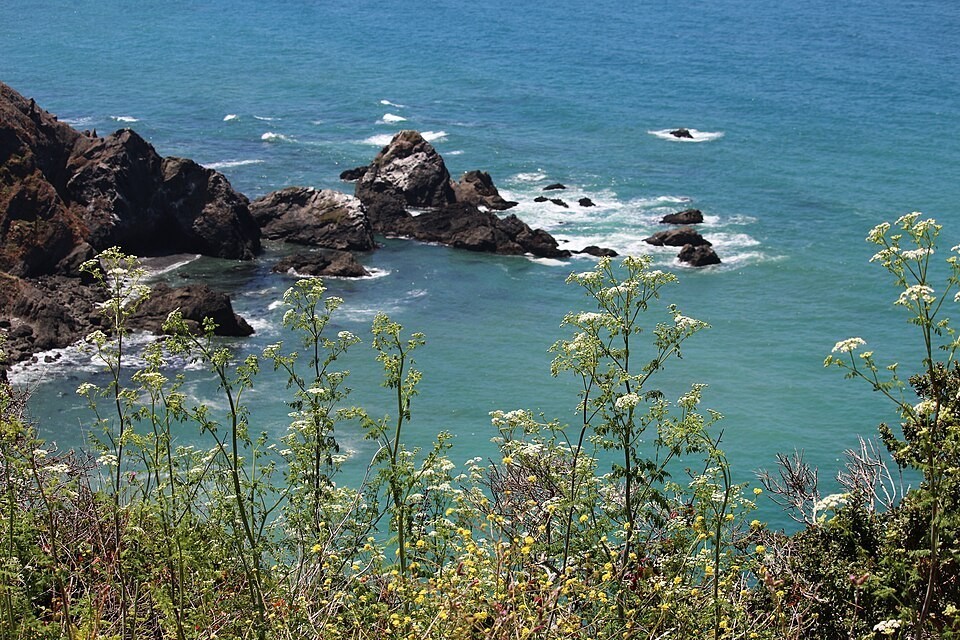
Mendocino suits a trip built around atmosphere: village streets, galleries, and a dramatic headland setting. It is a place for a proper overnight stay rather than a rushed photograph between long drives. Leave time to walk, warm up over a meal, and watch the light change. Nearby Little River adds another part of the wider Mendocino coastal setting.
The headlands are exposed, with uneven ground and steep edges. Treat them as a scenic walk appropriate to the weather and your footing. A room with a view can be a worthwhile part of the stay if you will actually spend time there.
| Detail | Practical planning information |
|---|---|
| Best fit | Couples and slower travelers who enjoy village atmosphere, galleries, exposed scenery, and time in a comfortable inn. |
| Public starting point | Use authorized Mendocino Headlands access and named public locations along the nearby Little River coast. |
| Suggested time | Two or three nights makes room for the approach journey, village time, and weather flexibility. |
| Useful base | Compare village lodging with a more remote coastal stay according to dinner, parking, and the walks you want. |
| Costs and bookings | Check the complete room total, any minimum stay, parking, meals, and charges at separate nearby parks. |
| Comfort and access | Headland ground and cliff edges need care; confirm walking surfaces and specific room access for your party. |
| Combine with | A village meal and one nearby public coastal outing rather than a long series of scenic drives. |
| A slower alternative | Enjoy the town, a shorter permitted walk, and the accommodation when wind or rain changes the day. |
Give the arrival journey a realistic place in the holiday. Reaching Mendocino from a major airport takes a substantial part of the day once luggage, a vehicle, supplies, and stops are included. An extra overnight can improve the visit more than another attraction added to an already long driving schedule.
Choose an inn for the hours you may spend there as well as the view you hope to see. Ask about steps, heating, room location, and the evening food plan. The wider Mendocino coast includes separate places such as Little River; confirm the route and access for each rather than assuming every coastline photograph represents a walk from the village.
Plan your visit: Allow two or three nights. A car is useful for reaching the area and exploring nearby public parks. Major-airport journeys are substantial, so avoid adding the town as a casual day trip to an already full San Francisco itinerary.
Useful tip: Choose a shorter, well-timed headland walk and a relaxed village afternoon instead of driving to every nearby viewpoint.
Open the location in Google Maps
2. Bodega Bay
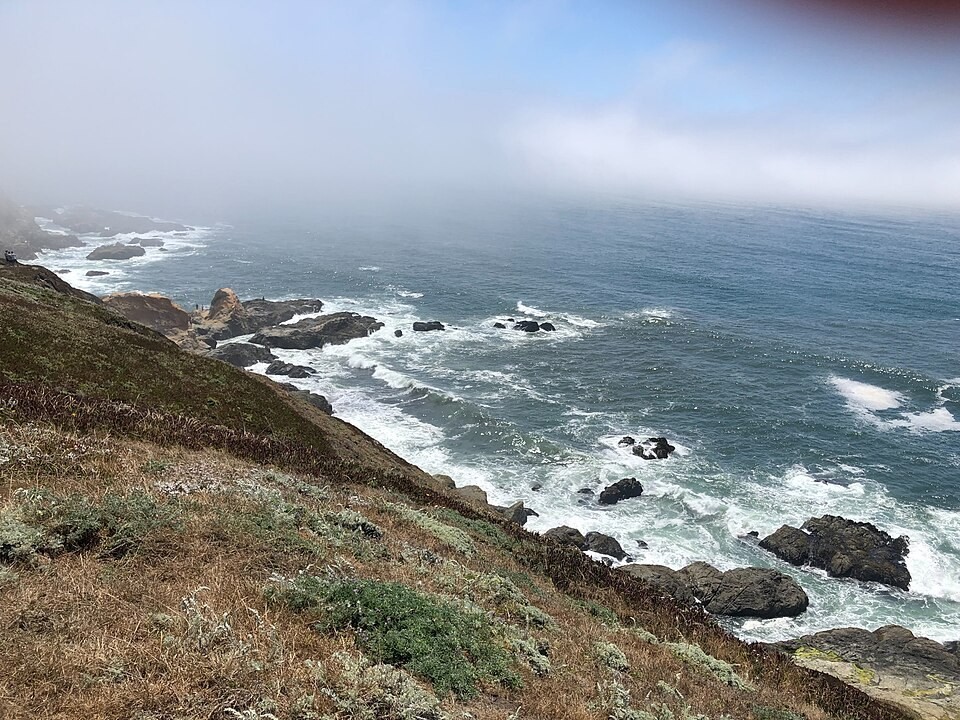
Bodega Bay’s appeal is tied to its harbor, coastal roads, and places to stop for seafood. It works well for travelers who want a North Coast break with a working-waterfront feel rather than a compact resort strip.
The town and nearby viewpoints are spread out, so map each stop before choosing accommodation. Bodega Head and the wider Sonoma coast bring exposed scenery; ocean conditions can be dangerous, and a pretty stretch of sand is not an invitation to swim.
| Detail | Practical planning information |
|---|---|
| Best fit | Visitors who enjoy harbor activity, seafood, coastal viewpoints, and a less resort-like North Coast break. |
| Public starting point | Investigate the authorized public routes around Bodega Bay and the current Bodega Head access. |
| Suggested time | One or two nights, with enough daylight for the coastal approach and the return. |
| Useful base | Choose lodging around the harbor, town services, or a quieter setting after mapping the journeys between them. |
| Costs and bookings | Add park parking, room fees, food, and any booked wildlife or boat experience to the total. |
| Comfort and access | Sights are spread out, and exposed water or cliffs require a route suitable to weather and ability. |
| Combine with | A harbor meal, a permitted scenic walk, and one purposeful stop along the Sonoma coast. |
| A slower alternative | Stay around the local harbor and shoreline instead of trying to cover a large coastal area in one day. |
A harbor-centered stay can provide a pleasant rhythm of a short walk, a meal, and time watching the working waterfront. A more remote room may offer a quieter setting but create extra driving for food. Decide which routine you prefer before choosing the most appealing accommodation photograph.
For a boat or wildlife outing, confirm the actual meeting point, duration, and cancellation arrangement. Keep a land-based version of the day available. If conditions do not suit the exposed coast, a shorter public stop and a relaxed meal can preserve the purpose of the break without an improvised long drive.
Plan your visit: Allow one or two nights. Use a car for the wider area and check official park notices. Budget separately for park parking, meals, and any booked boat or wildlife activity.
Useful tip: If a boat trip matters, check the cancellation policy and keep a land-based plan for the same day.
Open the location in Google Maps
3. Half Moon Bay
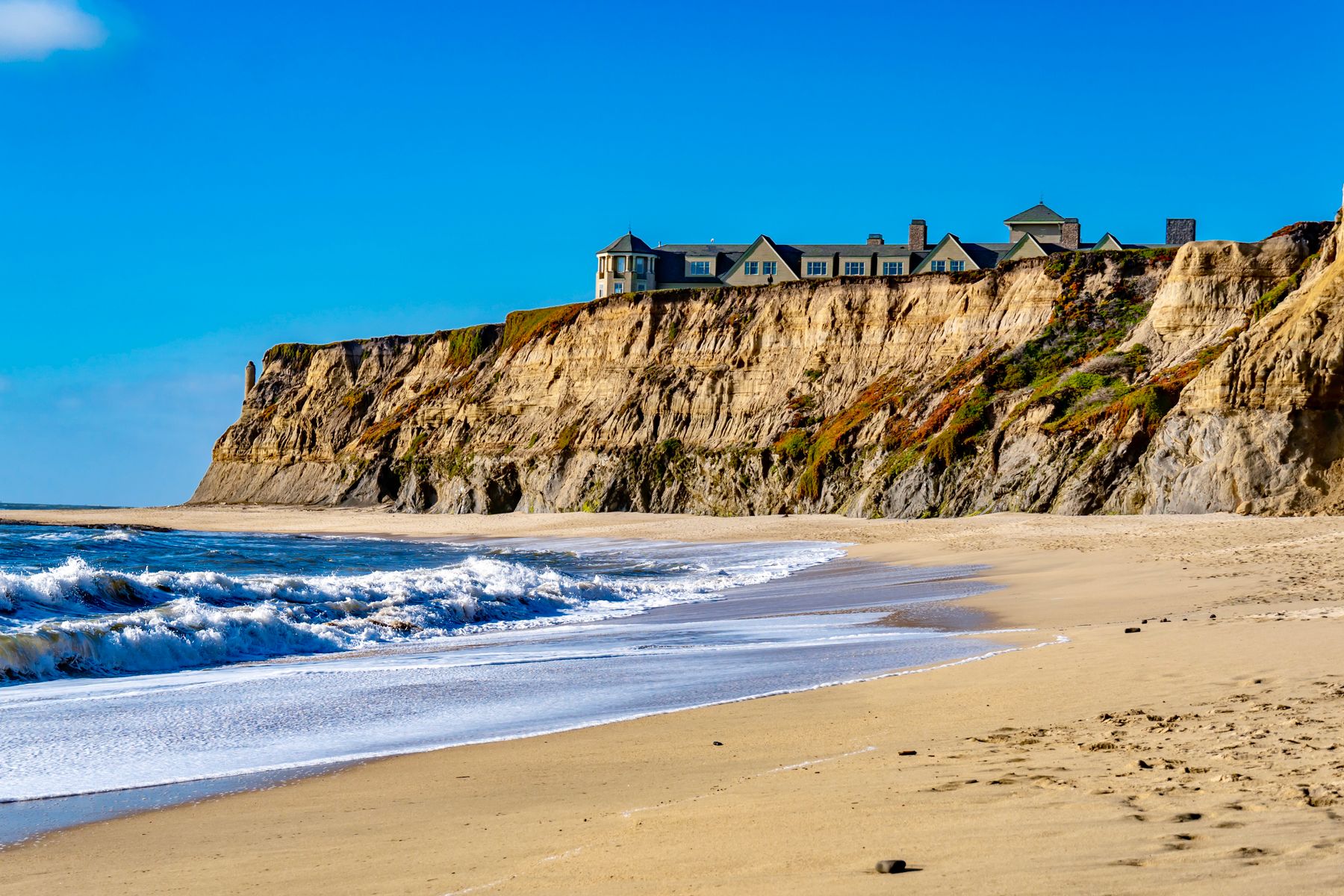
Half Moon Bay makes a useful break when you want coastal walking, a town meal, and a change of pace from the Bay Area. Choose a beach walk and a downtown stop rather than assuming the beach and every hotel are all in one compact center.
The shoreline can be cold and exposed, with dangerous currents. It is especially rewarding when approached as a walking and scenery destination. In busy periods, traffic on the approach roads can make a short map distance take much longer.
| Detail | Practical planning information |
|---|---|
| Best fit | Bay Area visitors who want a focused coastal walk and town break without a statewide road itinerary. |
| Public starting point | Choose a named Half Moon Bay State Beach access or a separately planned harbor visit. |
| Suggested time | A day visit works for a focused outing; one or two nights creates a less hurried stay. |
| Useful base | Town, beach, and harbor accommodation serve different routines, so map the actual room location. |
| Costs and bookings | Check the current access and parking charge, hotel fees, meals, and any equipment or booked activity. |
| Comfort and access | Cold water, currents, cool wind, and access-project notices affect which shoreline route makes sense. |
| Combine with | A downtown meal or a harbor stop with enough time for travel between the separate areas. |
| A slower alternative | Choose one public beach walk and one meal instead of trying to visit every nearby access. |
Half Moon Bay can be especially useful when the aim is a short change of scene. Choose the beach route and the meal you would enjoy, then leave time around them. A packed list of separate access points can turn a simple coastal escape into repeated parking and road journeys.
Airport timing needs care. A room within a seemingly short distance of SFO does not remove traffic, fuel, vehicle return, or check-in time. On the departure day, allow a comfortable buffer and avoid making a final coastal detour essential to the schedule.
Plan your visit: Allow a day or two nights. Half Moon Bay State Beach has several access areas; check current parking and project notices for the one you intend to use. Confirm whether your lodging is near the town, the beach, or the harbor.
Useful tip: Build a generous return buffer if you have a flight from SFO. Weekend coastal traffic is a poor place to gamble with airport timing.
Open the location in Google Maps
4. Carmel-by-the-Sea
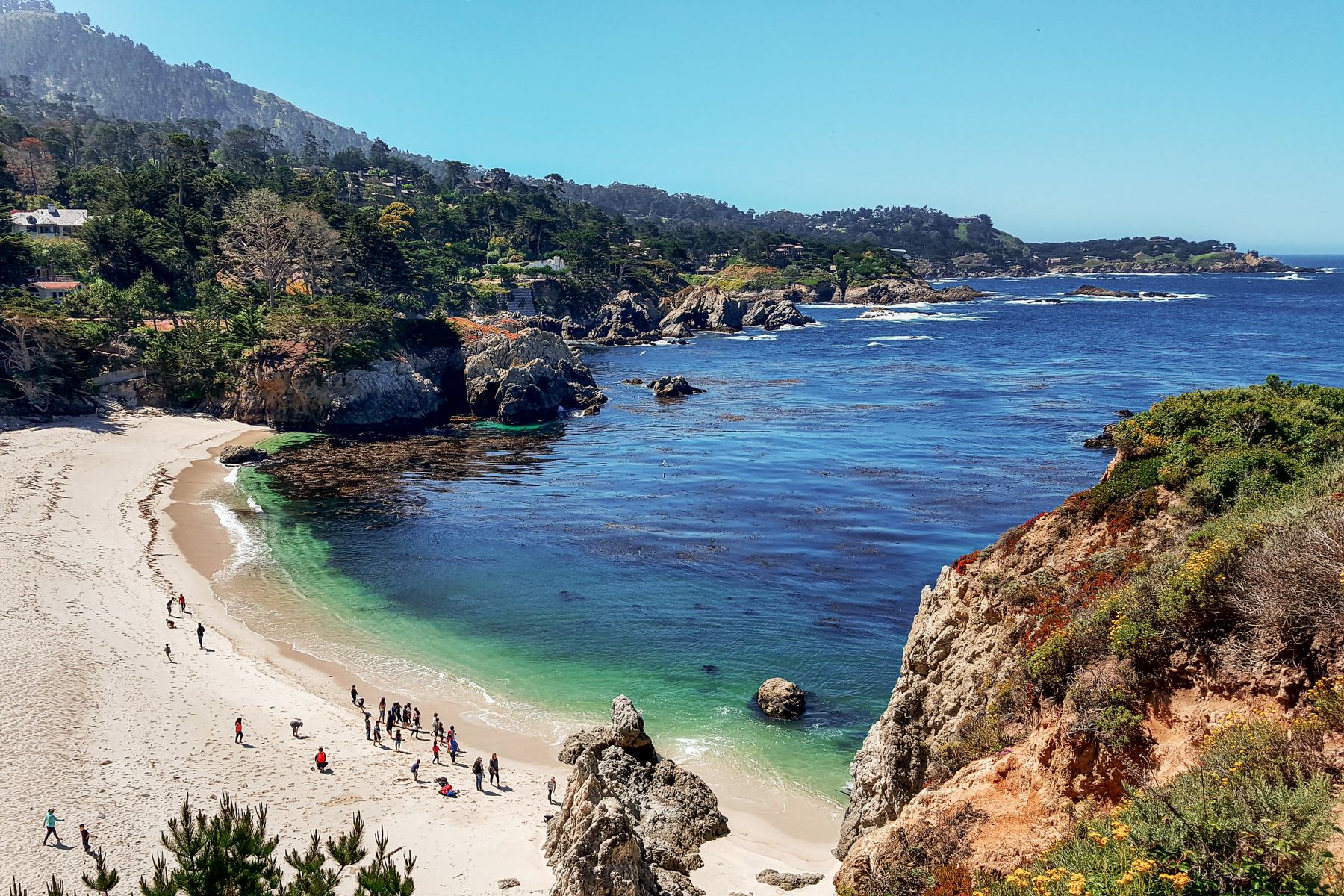
Carmel combines a compact village, galleries, places to eat, and a memorable stretch of shoreline. It suits couples who want to wander without a long checklist and travelers who enjoy a town that rewards time on foot.
The walk between the village and the beach involves a hill, which matters for mobility, small children, and the return after dinner. Beach conditions are not automatically suited to swimming. Nearby Monterey and Point Lobos are separate outings with their own parking and access arrangements.
| Detail | Practical planning information |
|---|---|
| Best fit | Couples, walkers, and first-time coastal visitors who enjoy a compact village and a memorable public shoreline. |
| Public starting point | Carmel Beach and the village streets provide a practical focus; nearby parks have separate entry arrangements. |
| Suggested time | Two or three nights allows village time, beach scenery, and one independent nearby outing. |
| Useful base | Choose the village address according to the hill, dinner walk, parking, and route back from the beach. |
| Costs and bookings | Compare the full room bill, parking, restaurant bookings, and admission or parking at separate attractions. |
| Comfort and access | The beach-to-village slope and uneven surfaces matter for mobility and comfort after a long day. |
| Combine with | One planned Monterey or Point Lobos outing on a separate part of the stay. |
| A slower alternative | Leave the car parked and give a full day to the village, a meal, and suitable coastal walking. |
Carmel’s small scale can encourage you to leave room for discovery. Choose a gallery, stop for a drink, and take a beach walk appropriate to the conditions rather than measuring the day by the number of attractions completed. That rhythm is particularly useful on a two-night visit.
If a nearby park is important, check it as a separate outing with its own opening, parking, and walking requirements. Return early enough to enjoy the village where you are paying to stay. A room in a convenient location loses some of its benefit when every evening becomes another long driving transfer.
Plan your visit: Allow two or three nights. Compare MRY flights with a Bay Area arrival and a longer drive. If walking is a priority, pay attention to the property’s location and parking rather than only its room photographs.
Useful tip: Book one special meal, then leave time to choose a gallery, café, or beach walk in the moment.
Open the location in Google Maps
5. Cambria
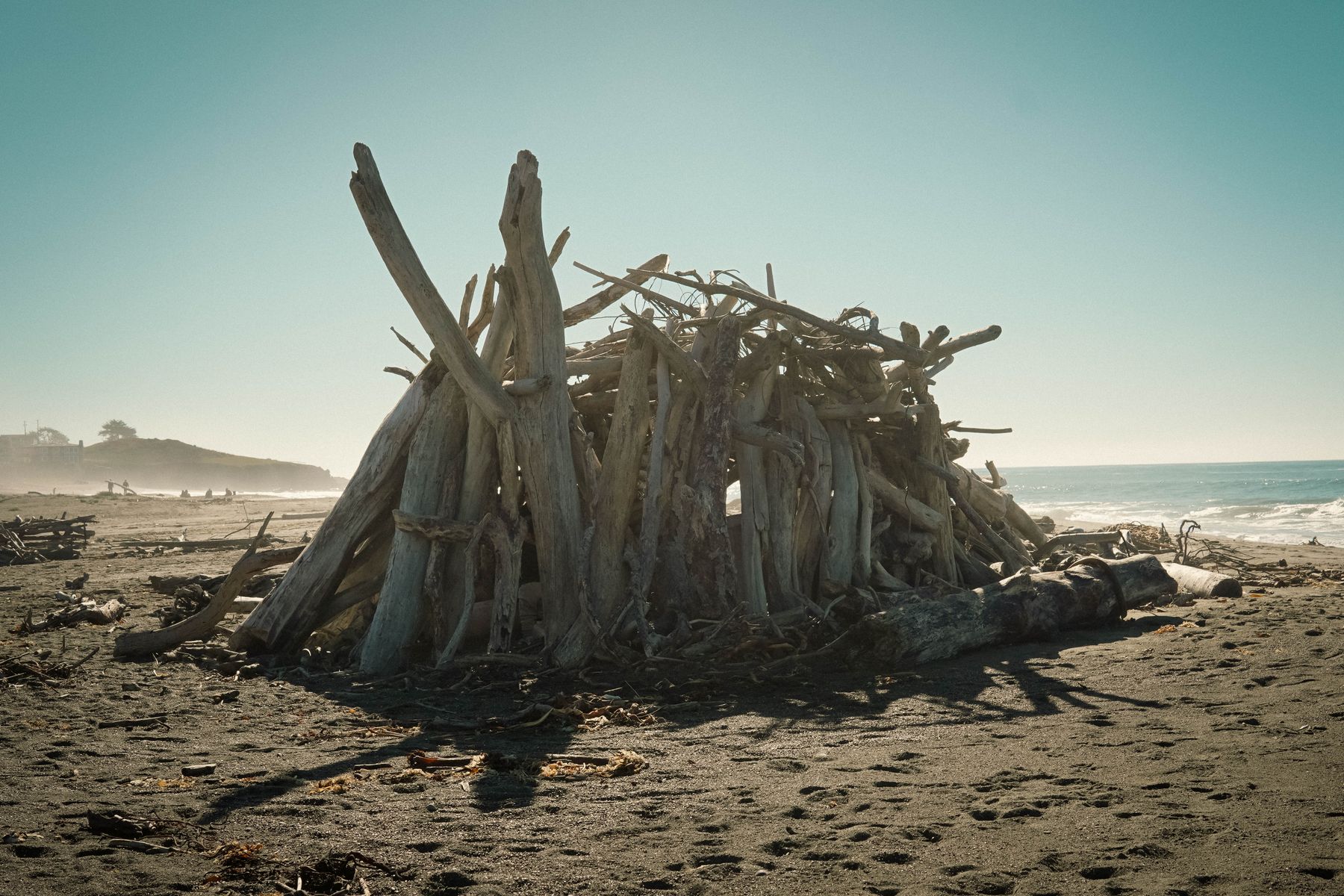
Cambria offers a slower Central Coast stay with village shops, places to eat, and the Moonstone Beach shoreline. Its appeal is the combination of coast and town, so leave room for both instead of treating it only as a stop near Hearst Castle.
Moonstone Beach and the inland village are different areas. A shorefront inn can suit a quiet couples’ break, while a town location may simplify dinner. The boardwalk is a good place for a measured coastal walk, subject to weather and maintenance notices.
| Detail | Practical planning information |
|---|---|
| Best fit | Travelers who want a quieter Central Coast village, a boardwalk walk, and time in a comfortable coastal room. |
| Public starting point | Moonstone Beach's current public boardwalk access and the separate village shopping and dining areas. |
| Suggested time | Two nights is a useful starting point, with another night if a major nearby tour is central. |
| Useful base | Choose Moonstone Beach lodging for a shoreline routine or a village stay for a different evening arrangement. |
| Costs and bookings | Check room charges, parking, minimum nights, and any separate Hearst Castle or other tour ticket. |
| Comfort and access | Town and shoreline areas are separate; verify the route, walking surface, and current maintenance notices. |
| Combine with | A specifically booked Hearst Castle tour or a suitable public coastal stop around San Simeon. |
| A slower alternative | Enjoy a measured boardwalk visit and village time instead of continuing along a long road itinerary daily. |
Cambria is a good place to let the overnight stop become part of the holiday. Arrive with time to check in, learn the local route, and choose dinner. That can be more rewarding than arriving after dark following a long string of scenic stops.
If you choose a Hearst Castle tour, reserve the particular experience that suits your interests and physical needs. Build the arrival instructions and the return journey into the day. The wider coast also has places to view wildlife from authorized areas, where distance and current access restrictions should shape the visit.
Plan your visit: Allow two nights. A car makes the two areas and nearby sights easier to connect. Hearst Castle tickets, public beach access, and any additional park charges are separate planning items.
Useful tip: If Hearst Castle is essential, reserve the specific tour first and build the rest of the day around its arrival instructions.
Open the location in Google Maps
6. Morro Bay

Morro Bay is a good choice when you enjoy a working harbor and a relaxed waterfront rather than a polished resort setting. Walk along the Embarcadero, choose a meal, and allow time simply to observe the harbor and estuary.
Morro Rock is a landmark to view from permitted public areas, not a climbing attraction. Wildlife and water activities need their own care: keep a respectful distance from animals and choose a reputable operator for kayaking or a boat outing.
| Detail | Practical planning information |
|---|---|
| Best fit | Visitors who enjoy a working waterfront, harbor meals, bird or wildlife watching, and a more informal coastal town. |
| Public starting point | The Embarcadero and named authorized public viewpoints around Morro Bay and Morro Rock. |
| Suggested time | One or two nights gives time for the waterfront and one additional local interest. |
| Useful base | Compare a walkable waterfront room with a highway-area stay after adding everyday driving and parking. |
| Costs and bookings | Include property charges, food, park parking where applicable, and any separate kayak or boat booking. |
| Comfort and access | Cool mornings, wind, waterfront surfaces, and the specific route affect the comfort of the day. |
| Combine with | A suitable public walk, estuary interest, or local meal with time to observe the harbor. |
| A slower alternative | Spend longer on the waterfront and choose a land activity if wind makes a water outing unsuitable. |
A working harbor offers things to notice without a full activity schedule. Allow time for the view, the boats, and a meal, while respecting operational areas and wildlife boundaries. Travelers who enjoy that atmosphere may find a slower morning more satisfying than another long drive to a similar coastal viewpoint.
For kayaking or a boat excursion, ask about the specific route, experience required, weather terms, and how much of the day it takes from the room and back. Keep the activity within the group’s comfort. A waterfront stay can still be worthwhile without entering the water.
Plan your visit: Allow one or two nights. SBP is an airport to compare for the wider Central Coast. Check the exact lodging location, because a waterfront room and a highway-area hotel create different walking options.
Useful tip: A morning with a warm layer and no rushed departure can be more rewarding than a brief late-afternoon stop between long drives.
Open the location in Google Maps
7. Pismo Beach
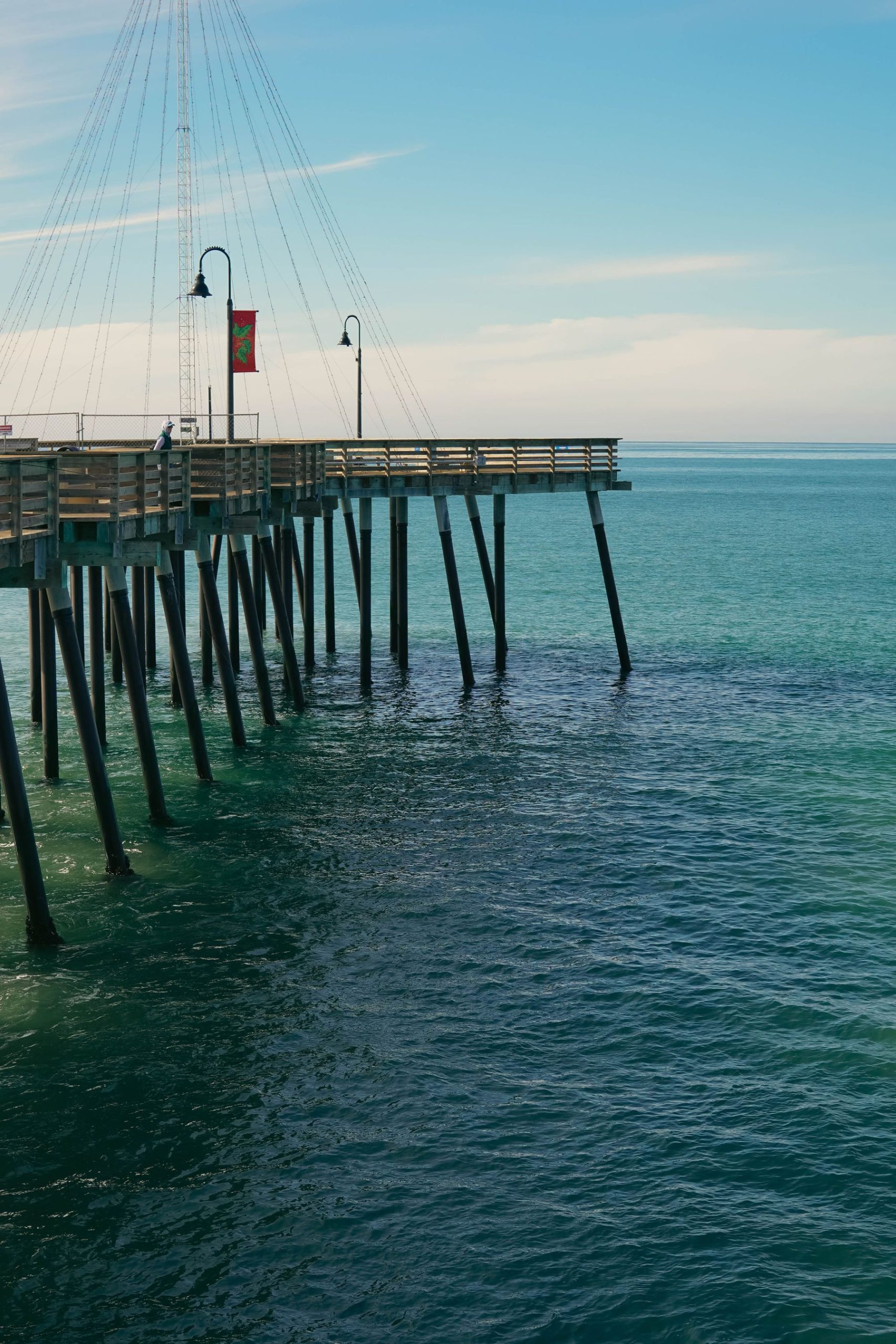
Pismo Beach has the easy appeal of a classic beach town: a pier-centered area, a broad shoreline, casual meals, and the option to stay close to the action. It can work well for families who want simple access and couples who prefer an informal break.
Do not confuse a downtown beach day with driving on the dunes. Nearby Oceano Dunes has its own rules, access conditions, permits, and environmental restrictions. Those activities should be planned separately rather than assumed to be part of visiting Pismo.
| Detail | Practical planning information |
|---|---|
| Best fit | Families and couples who want a classic beach-town stay with casual food and a pier-centered public area. |
| Public starting point | Pismo Beach's public pier and beach area, using the current authorized entrance and parking arrangement. |
| Suggested time | Two nights supports a simple local break; a longer stay can include selected nearby outings. |
| Useful base | Choose a room for the actual beach walk, nearby meals, parking, and the evening noise level. |
| Costs and bookings | Check hotel charges, parking, equipment, and separate specialized activities rather than assuming all are included. |
| Comfort and access | Ocean conditions, sandy access, the return walk, and busy peak dates affect the routine. |
| Combine with | A casual town meal, pier-area walk, or a separately planned regional interest. |
| A slower alternative | Return to the same convenient public area and enjoy an early morning before the busiest period. |
For a family, inspect the ordinary route from the room to the access rather than only the sea view. A short walk, reliable food options, and a place to rest at midday can make the stay easier. Couples may prefer a room away from the busiest evening activity while still within a manageable walk of dinner.
Treat nearby dunes activities as a separate choice. Oceano Dunes has its own current restrictions, permitted areas, and vehicle arrangements. The existence of a beach-town stay does not establish that a particular vehicle or activity is authorized, available, or appropriate for everyone in the group.
Plan your visit: Allow two nights. Choose your accommodation for walking distance and parking. Check pier, beach, and local road notices before a holiday weekend, and verify any specialized activity directly with its operator.
Useful tip: For a calmer trip, compare midweek dates and keep an early morning free for the waterfront.
Open the location in Google Maps
8. Santa Barbara
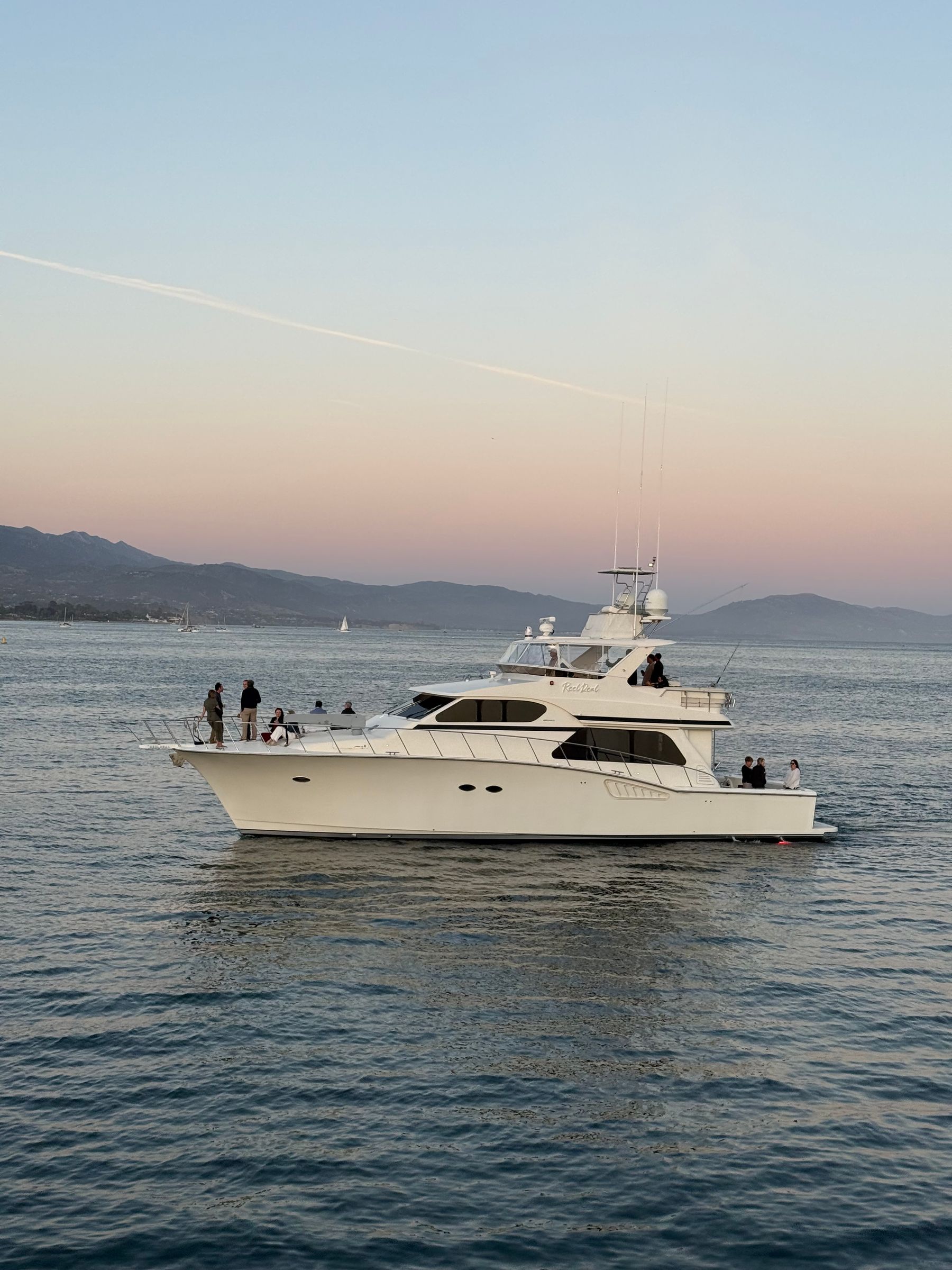
Santa Barbara brings a broader choice of dining and urban amenities to a coastal trip. A stay can combine the waterfront, downtown walking, gardens or cultural stops, and time on the beach without a daily long drive.
The key decision is how close you want to be to both meals and the waterfront. A good location can reduce car use, while a low headline room rate farther away may add parking and transport costs. This is a useful base for travelers who want more than a beach alone.
| Detail | Practical planning information |
|---|---|
| Best fit | Travelers who want dining, cultural interests, and a usable waterfront within a broader small-city stay. |
| Public starting point | The public waterfront around Stearns Wharf and chosen nearby beach or downtown walking routes. |
| Suggested time | Two or three nights creates time for the waterfront and a separate cultural or garden visit. |
| Useful base | Map the room between your likely meals, waterfront plans, and any rail or airport connection. |
| Costs and bookings | Include property fees, parking, restaurant spending, admission, and the transport needed beyond the central area. |
| Comfort and access | Check walking distances, crossings, routes, and the actual room features needed for a comfortable stay. |
| Combine with | A downtown meal, an appropriate cultural stop, or a separately arranged regional outing. |
| A slower alternative | Use walking and suitable local transport so the car does not need to move for every short stop. |
Santa Barbara can support a holiday with more variety than beach time alone. Give a cultural visit or garden its own place in the plan and keep another period for the waterfront. That approach lets both parts feel enjoyable instead of turning the town into a collection of hurried stops.
A rail-based visit can be worth investigating when the room and main interests are convenient to the station and one another. Check the actual service, baggage arrangement, arrival time, and final ride to the hotel. A useful station does not automatically make every regional outing practical without a vehicle.
Plan your visit: Allow two or three nights. Compare SBA flights, rail connections, or a drive from the Los Angeles area with current schedules and traffic. Walking and cycling can be useful locally when the route suits your needs.
Useful tip: Use the car for a purposeful outing rather than moving it between every downtown and waterfront stop.
Open the location in Google Maps
9. Laguna Beach

Laguna Beach suits travelers who enjoy art, a walkable center, and coves with a distinctive coastal setting. Start with a manageable public beach and town walk, then add other access points only when conditions and mobility allow.
Some coves involve steep stairs and limited parking. Main Beach, an overlook, and a remote-feeling stair access are very different experiences. Tide pools also require care: keep to permitted routes, watch the tide, and leave marine life undisturbed.
| Detail | Practical planning information |
|---|---|
| Best fit | Couples and travelers who enjoy art, a compact center, scenic coves, and a carefully chosen public beach. |
| Public starting point | Main Beach is a useful initial comparison; other coves require their own route and access checks. |
| Suggested time | Two or three nights allows a town day, a suitable coastal outing, and room for changing conditions. |
| Useful base | Choose lodging for the walk, gradients, parking, noise, and connection to your preferred public access. |
| Costs and bookings | Price room fees, parking, local rides, meals, and any separate event or activity ticket. |
| Comfort and access | Stairs and steep approaches vary by cove; confirm accessibility and facilities at the exact entrance. |
| Combine with | An art-focused town walk and one appropriately timed public coastal route. |
| A slower alternative | Enjoy an accessible overlook or easier public beach instead of trying several stair-access coves in one day. |
Choose the access your group can comfortably use before choosing the most dramatic cove photograph. A beach reached by stairs can be a substantial undertaking with equipment or mobility needs. An easier public area may give everyone more time to relax and a simpler return for food or rest.
For tide pools, use the correct day’s tide information and current stewardship advice. Observe without handling or collecting marine life, and keep a return route in mind. A coastal town-and-art day remains worthwhile when tide or sea conditions make a particular cove unsuitable.
Plan your visit: Allow two or three nights. SNA is an airport to compare for the area. Check local transit or seasonal trolley arrangements, parking, and the actual access route before booking a room described as near a cove.
Useful tip: Look for the easiest beach route for your group first. A dramatic view from the hotel does not guarantee an easy walk to the water.
Open the location in Google Maps
10. Coronado

Coronado offers a sandy beach setting with village streets and a convenient relationship to a wider San Diego visit. It suits a trip where you want a relaxed base, meals nearby, and the option of a city outing without changing hotels.
Choose your accommodation for the beach you intend to use. A ferry arrival is convenient for the bay side, but it does not place you immediately on the ocean beach. Check the walking distance or onward transport, especially with children or beach equipment.
| Detail | Practical planning information |
|---|---|
| Best fit | Families and couples who want a sandy beach base, village meals, and the option of separate San Diego visits. |
| Public starting point | Coronado Central Beach or another named public access appropriate to your location and the day's advisories. |
| Suggested time | Two or three nights gives the beach a proper place in a wider San Diego-area trip. |
| Useful base | Compare village, oceanfront, and bay-side addresses by the actual journeys you intend to make. |
| Costs and bookings | Check property fees, parking, meals, airport transfer, and any separate ferry or attraction costs. |
| Comfort and access | A bay-side ferry arrival and an ocean-beach entrance are different places with onward travel between them. |
| Combine with | A local village day and one planned San Diego attraction with enough time for the return. |
| A slower alternative | Stay local for the beach and meals rather than crossing the region several times each day. |
A Coronado stay can simplify a trip when you want both a relaxed base and the option of a city outing. Give the city attraction a separate day or substantial period, rather than placing several major visits after an already full beach morning.
Check water-quality advisories for the exact area before entering the ocean. A hotel pool, village walk, or different suitable activity can provide an alternative when conditions change. The accommodation should support a pleasant stay even when the shoreline is enjoyed mainly from land.
Plan your visit: Allow two or three nights. SAN is the main airport to compare. Confirm parking, resort charges, public beach conditions, and any current water-quality advisories before swimming.
Useful tip: Keep a San Diego attraction on a separate day. A full beach morning plus several major city stops often creates more movement than relaxation.
Open the location in Google Maps
How Many Coastal Towns Should You Visit?
For a long weekend, one base usually gives the best balance of travel and enjoyment. You can still make a nearby outing without moving rooms. For a week, two or three bases in one region can provide variety, as long as each transfer day remains realistic. A statewide journey deserves more time if town visits are the goal.
| Time available | A practical starting plan | What to leave out |
|---|---|---|
| A single day | One town and one main public coastal access | Several distant detours and a late return |
| Two nights | One base with a local day | A second hotel move unless it solves a real travel problem |
| Four nights | One town explored slowly or two nearby bases | A requirement to cover both northern and southern California |
| Seven nights | A focused regional route with two or three bases | An attraction schedule that consumes every transfer day |
| Ten or more nights | A longer coastal journey with flexibility for roads and weather | The assumption that Highway 1 will always provide uninterrupted through travel |
When choosing between two overnight stops, compare the time available after arrival and before departure. A single night can work for a purposeful road journey, but it offers little flexibility for a late arrival, a full restaurant, or poor weather. Two nights often makes the town feel like a destination rather than a place to park luggage.
The route can also follow your interests. A harbor-and-food traveler may value Morro Bay more than another formal attraction. Someone who enjoys art and village walks may want more time in Carmel or Laguna Beach. Let those interests allocate the nights.
Best Time to Visit and Coastal Weather
Late spring through early fall can suit long days and outdoor plans, but coastal fog, cool mornings, and wind remain possible. Southern and northern California do not have identical conditions. Pack layers and check a town-level forecast rather than an inland city forecast.
Fall outside holiday peaks can be worth comparing for a couples’ trip or a quieter road journey. Winter can bring a dramatic coast and fewer visitors in some places, alongside rain, storms, road disruptions, and reduced daylight. Choose flexibility over a guarantee of a particular view.
Summer weekends, school breaks, festivals, and major events can push up lodging demand. Check the event calendar of each overnight town before committing to a date.
Driving, Highway 1, and Choosing Your Route
Highway 1 is a changing transport route as well as a scenic attraction. Construction, storms, or slides can affect through travel, particularly around Big Sur. Check Caltrans for your exact journey before booking a route and again shortly before driving. Do not rely on an old map screenshot or a previously published itinerary.
US 101 and connecting highways may be the practical alternative between Central Coast bases when a coastal section is unavailable. A detour can add significant time, so plan a route that works in daylight and avoid booking a tight arrival window after a scenic drive.
Most of these towns are easiest to connect by car. Within a compact center, walking may be preferable. Parking rules, hotel charges, electric-vehicle charging access, and luggage storage all deserve a place in the plan.
Regional Itineraries That Leave Time to Enjoy the Coast
Three nights on the North Coast
Choose either Mendocino for three nights or a shorter Bodega Bay break with time in nearby public coastal areas. Combining both is possible, but it adds a substantial drive; do not make the transfer day a packed sightseeing day.
Seven nights on the Central Coast
- Nights 1–2: Carmel, with a village day and a separate nearby outing.
- Nights 3–4: Cambria, reached by the currently open, suitable road route. Allow a generous transfer day.
- Night 5: Morro Bay, with time on the waterfront rather than a late arrival.
- Nights 6–7: Santa Barbara, stopping around Pismo only if it fits the day’s timing.
- Day 8: Depart with realistic time for the airport or onward drive.
Four nights in Southern California
Choose Laguna Beach or Coronado as a single base, then add one or two local outings. Combining the two means driving through a busy corridor; it is a choice for a longer regional journey rather than a requirement for a relaxing short break.
A Detailed Transfer-Day Plan for a Central Coast Journey
Transfer days need their own small itinerary. Check out, choose the currently suitable road, make one or two worthwhile stops, eat, and arrive with enough daylight to settle in. A coastal route can take longer than an inland alternative, and construction or weather may change the choice. Check Caltrans before committing to a timed arrival or tour.
| Journey to plan | A sensible focus | What to verify |
|---|---|---|
| Carmel toward Cambria | Treat this as a substantial moving day with a selective stop plan | Current Highway 1 through access and a suitable inland alternative when needed |
| Cambria toward Morro Bay | Allow time to enjoy the two places rather than adding distant detours | The public stops you intend to use and your lodging's check-in arrangement |
| Morro Bay toward Santa Barbara | Choose a purposeful Pismo-area stop if it genuinely fits | The actual route, traffic, meal time, and daylight remaining |
| Santa Barbara toward Orange County | Expect the greater Los Angeles corridor to affect the day | Current traffic and a generous buffer before any prepaid evening booking |
| Laguna Beach toward Coronado | Keep the arrival day lighter than a full local sightseeing day | The route, traffic, parking, and the accommodation's arrival instructions |
Do not leave important belongings visible when stopping along the road. If the next accommodation can hold luggage before check-in, confirm that arrangement. Keep the things needed during the day accessible so a short stop does not require opening and sorting all the luggage.
If a delay changes the day, remove an optional stop before reducing your arrival buffer. The destination will be easier to enjoy when you arrive with enough time and energy to learn the local area and choose dinner comfortably.
Sample Coastal Getaway Budget for Two Adults
This five-day, four-night driving-trip model is an estimate, not a live room or rental quote. It assumes a modest-to-midrange room and includes an allowance for taxes and mandatory fees in the room and car figures. Parking is counted separately.
| Item | Calculation | Example total |
|---|---|---|
| Accommodation | 4 × $260 | $1,040 |
| Food | 5 × $100 for two | $500 |
| Rental car | 5 × $75 | $375 |
| Parking | 4 × $25 | $100 |
| Fuel | Regional allowance | $120 |
| Activities and admission | Allowance | $160 |
| Subtotal | All above | $2,295 |
| Contingency | 10% | $229.50 |
| Ground-trip total | Subtotal plus reserve | $2,524.50 |
Flights, insurance, shopping, premium wine tours, and major incidental costs are excluded. If driving your own car, replace the rental line with the costs relevant to your journey rather than assuming transport is free. Peak-date lodging can be substantially above the target.
Which Kind of Coastal Accommodation Fits Your Trip?
A coastal room can provide a view, a convenient town location, direct access, a comfortable indoor retreat, or a useful kitchen. Those benefits do not always come together. Decide which two matter most for the way you intend to travel.
| Accommodation choice | Potential benefit | Question to ask |
|---|---|---|
| Village inn | Easy meals and a sense of place | How quiet is the actual room and how steep is the route to the coast? |
| Shorefront hotel | Time enjoying the setting without another drive | Does the view include a practical public beach route or only an overlook? |
| Rental with kitchen | Space, meal flexibility, and possible group value | What is the final total after cleaning, minimum nights, linens, and parking? |
| Simple highway-area room | A practical overnight price for a road journey | What everyday driving and parking does the cheaper location create? |
| A room selected for access needs | A more comfortable and reliable stay | Are the exact bathroom, entrance, lift, and parking features confirmed for the booked room? |
Read the final terms before comparing prices. A refundable room may be worth more during a season when storms or road conditions can affect the journey. If the view or a particular feature matters greatly, confirm the specific category rather than relying on a general property photograph.
For short stays, compare what you will actually use. A kitchenette is helpful when it changes meals; it adds little value if every meal will be out. A walkable location can improve several parts of the day even when the room itself is modest.
Food, Dietary Needs, Free Activities, and Savings
Coastal meals can range from a simple picnic to an expensive tasting menu. Set aside money for the food experience you care about, then keep other meals casual. A grocery stop before reaching a small town can be useful, but leave room to support locally owned shops and restaurants.
Check opening days and dietary suitability in advance, particularly in smaller places. For allergies, halal, vegetarian, or gluten-free needs, ask about stocks, sauces, shared equipment, and alternatives. A seafood town may have excellent options, but the label alone does not answer those questions.
Village walks, waterfront routes, and public beaches can make a satisfying day without a paid tour. Park admission, parking, and equipment remain separate. A walkable room may save enough daily driving and parking to justify a higher nightly price.
Food Stops, Dietary Planning, and Special Experiences
Choose food stops around the day’s geography and opening hours. A harbor lunch, a village bakery, or a simple grocery picnic can provide a pleasant focus without a long detour. If a particular restaurant is central to the trip, check its operating days and reserve when appropriate, then leave the rest of the day flexible.
Small towns can have fewer late-night options than travelers expect. Keep an arrival-day meal plan and check where you can buy essentials. For allergies, halal, vegetarian, gluten-free, or other requirements, ask about the actual menu and preparation. An attractive seafood setting does not establish suitable alternatives for every diner.
For wine tasting, boat trips, guided walks, or other specialist experiences, consider the entire time from the room and back. Confirm the return transport and the provider’s cancellation terms. One well-planned experience can add more to a short stay than several loosely coordinated bookings.
Save money where it does not complicate the day. A grocery breakfast or a casual lunch may make room for a dinner you value. Repeated driving to chase small food savings can consume both time and fuel, especially along a coastal route.
Travel Styles and Accessible Coastal Visits
Couples can favor Carmel, Cambria, or Mendocino for village atmosphere and slower evenings. Families may appreciate the simpler sandy-beach routines of Pismo or Coronado, while still choosing access and daily conditions carefully. Solo travelers who enjoy walking to meals may prefer a compact town center over a remote inn.
For accessible visits, check gradients, steps, curb access, bathroom facilities, and the actual path to the beach. A scenic boardwalk may have an accessible section without providing independent entry across sand. Confirm equipment and room features with the provider before booking.
Travelers who do not want a daily driving schedule should choose a base with enough nearby food and activities. Being on the coast does not automatically mean a car-free trip will be convenient.
Season-by-Season Packing and a Useful Bad-Weather Plan
Pack for the activities and the coastal setting rather than for a statewide image of sunshine. Layers and a wind-resistant outer garment are useful when a cool morning changes into a brighter afternoon. Add clothing that supports the indoor and evening parts of the trip, particularly if the accommodation is part of a quiet getaway.
For a walking-focused holiday, footwear matters more than a large list of accessories. Choose something comfortable for the actual surfaces you expect: a paved waterfront, a boardwalk, village hills, or an uneven public coastal path. A beach wheelchair, walking aid, or other access item should be coordinated with the specific provider and route before travel.
Keep an indoor or town-based alternative that you would enjoy. A cultural visit, a meal, browsing, or a comfortable afternoon at the property can make a rainy period feel like part of the break. Check opening hours ahead so the alternative is more than a vague idea.
For a road trip, reassess the next leg after significant weather. Use current official highway and park notices, and choose a suitable alternative rather than relying on the fact that another traveler completed the route earlier. Allow time for the change instead of packing the revised day more tightly.
Packing, Local Conditions, and Common Mistakes
- Bring layers, a wind or rain shell, sun protection, and shoes suitable for uneven coastal paths.
- Save maps, accommodation information, and the backup road route offline.
- Stay away from unstable cliff edges, large driftwood in the surf zone, and closed access paths.
- Check ocean, tide, and water-quality information before entering the water.
- Respect wildlife and marine protected areas; observe tide pools without collecting or handling animals.
- For emergencies call 911. For highway conditions consult Caltrans; for park access consult California State Parks or the local managing agency.
The most common planning mistake is measuring the trip only in miles. Coastal driving, parking, town walks, and weather all take time. Another is trying to see Northern California and San Diego in the same short beach holiday. Pick a region and enjoy the stops you choose.
Frequently Asked Questions
Which California coastal town is best for a couples' weekend?
Carmel, Cambria, and Mendocino are strong starting choices for village atmosphere, walks, and relaxed meals. Choose according to your starting point and how much travel you want for a short stay.
Which coastal towns work well for families?
Pismo Beach and Coronado can support a straightforward beach routine, while Morro Bay adds a working-waterfront setting. Exact accommodation, access, and daily ocean conditions matter more than a general family-friendly label.
Can I drive Highway 1 all the way between these towns?
Do not assume uninterrupted through access. Check current Caltrans conditions for the exact route and date, and keep an alternative using other highways where appropriate.
How long should a California coastal road trip be?
A long weekend can suit one town or nearby pair. A week is more comfortable for one region. A statewide journey needs substantially more time if you want to enjoy the towns rather than simply drive through them.
Are California beaches warm enough for swimming?
Water and conditions vary by location and season. Many northern and central coastal visits are better planned around scenery and walks. Use local lifeguard and condition advice for any swimming decision.
Can I visit without renting a car?
Some bases, especially compact centers and places with rail or local transport, can work for a focused stay. Connecting a series of small coastal towns is generally more practical by car; verify schedules before committing.
Is one night enough in a California coastal town?
It can work during a road journey, but two nights usually leaves more time after arrival and more flexibility for weather. Compare the actual time available in town rather than only the number of hotel nights.
Should I book every overnight stop in advance?
For a trip with essential room features, busy dates, or limited inventory, arranging suitable accommodation early can make sense. Keep cancellation terms appropriate to road and weather uncertainty, and avoid depending on an unverified last-minute room.
Can I make this a rail-based coastal holiday?
A focused stay in a place with a practical station and local connections may work. Check current schedules, the route to your room, luggage, and the transport needed for each outing. A chain of small coastal towns is a different and usually more complicated proposition.
What if Highway 1 changes my route?
Use current Caltrans information and a suitable alternative. Reduce optional stops and preserve a comfortable arrival buffer. Do not assume a map’s coastal line establishes that through access is available on your travel date.
Final Planning Checklist
- Choose one coastal region.
- Check the complete route and a backup before booking.
- Compare the exact hotel location, fees, and parking.
- Leave transfer days light.
- Confirm the access route for your mobility needs.
- Pack for wind and cool mornings.
- Check local ocean and road conditions before setting out.
- Allocate nights according to the town experiences you most want to enjoy.
- Plan transfer days separately from full sightseeing days.
- Confirm the room category, access route, and arrival-day meal arrangement.
Reader Questions and Travel Experiences
Which coastal-town detail matters most to you: a walkable center, a harbor, a quiet inn, a sandy beach, or good food nearby? Share a town you enjoyed and one practical tip for visiting.
Explore More Travel Guides
- Best Pacific Coast Highway Road Trip Stops
- A Seven-Day California Road Trip Itinerary
- Best Road Trips from Los Angeles
- Best Places for a Romantic Coastal Getaway
- 25 Best Beaches in the United States
Leave a Reply
What would you like to know before you go?
Send us your question, feedback, or a place you would like to see covered.
Ask a travel question
Leave a Reply