Written by Ari Mayzick · Go Travel Box
Published November 14, 2026 · Updated November 14, 2026
Florida has enough shoreline for very different kinds of beach holidays. A couple may want a quiet morning, a walkable dinner, and sunset over the water. A family may need shade, bathrooms, a playground, and a plan for the afternoon thunderstorm.
The best beach is therefore more than a photograph. This guide compares nine Florida destinations around public access, the atmosphere nearby, practical facilities, and the kind of holiday each supports. Some make easy resort breaks; others work better as a park day from a nearby town.
No ocean beach is automatically safe for children or guaranteed calm. Choose a lifeguarded area when swimming, check the day’s flags and advisories, and keep close supervision even in shallow water.
First Florida Beach Vacation? Start Here
- Pick one region for a short trip. Florida’s Panhandle, southwest coast, northeast coast, and Miami area are separate journeys.
- For facilities and an active setting, compare Siesta Beach, Clearwater, Pensacola Beach, and selected Cocoa Beach parks.
- For a quieter couples’ feel, compare Amelia Island or a suitable stay near Key Biscayne; inspect the exact neighborhood.
- Compare the final room total, parking, airport journey, and kitchen access before deciding a hotel is good value.
- Keep a pool or indoor activity available for rough water, heat, or storms.
Florida Beach Vacations at a Glance
| Planning question | Useful answer |
|---|---|
| Best short-trip approach | Choose one beach base for four to six nights |
| Gulf-side atmosphere | Often sunset-focused; water conditions still vary daily |
| Atlantic-side atmosphere | Sunrise, surf, and coastal towns; swimming suitability varies |
| Family priorities | Lifeguards, toilets, shade options, short walks, and meals nearby |
| Couples' priorities | Atmosphere, walkable evenings, room location, and a realistic dining budget |
| Seasonal caution | Summer heat and storms; hurricane-season disruption; cooler northern winters |
Table of Contents
- Compare Florida Beaches for Couples and Families
- How to Choose a Florida Beach for Your Group
- Florida Beaches Worth Building a Trip Around
- 1. Siesta Beach, Siesta Key
- 2. Clearwater Beach
- 3. Fort De Soto Park, Near St. Petersburg
- 4. Henderson Beach State Park, Destin
- 5. Pensacola Beach
- 6. Cocoa Beach and the Space Coast
- 7. Amelia Island and Fernandina Beach
- 8. Miami Beach
- 9. Key Biscayne and Bill Baggs Cape Florida State Park
- Choose Beach Facilities by Your Children's Ages
- Best Time to Visit and Weather to Plan Around
- Where to Stay, Airports, and Getting Around
- Simple Florida Beach Itineraries
- A Couples' Weekend and a Longer Family Stay
- Sample Family Beach Vacation Budget
- Another Budget Example: Three Nights for Two Adults
- Food, Dietary Needs, Free Activities, and Savings
- A Step-by-Step Florida Beach Booking Checklist
- Practical Advice for Different Travelers and Accessible Visits
- What to Do When the Water or Weather Changes Your Day
- Packing, Beach Conditions, and Important Contacts
- Frequently Asked Questions
- Final Planning Checklist
- Reader Questions and Travel Experiences
- Explore More Travel Guides
- Leave a Reply
Compare Florida Beaches for Couples and Families
| Destination | Good fit | What to plan around |
|---|---|---|
| Siesta Beach | Families wanting a well-equipped public beach | Popular parking and accommodation demand |
| Clearwater Beach | Families and couples who like a busy setting | Parking, crowds, and a developed shoreline |
| Fort De Soto Park | A nature-and-picnic beach day | A vehicle, park charges, and supplies |
| Henderson Beach State Park | Dunes and a more natural beach outing | Park admission and day-use facilities |
| Pensacola Beach | White-sand beach time with a family base | Season, bridge traffic, and specific public access |
| Cocoa Beach | Surf atmosphere and Space Coast outings | Surf conditions and launch-related crowds |
| Amelia Island | Couples, town walks, and a gentler pace | Beach-versus-downtown lodging choice |
| Miami Beach | Dining, city activity, and selected family areas | Neighborhood, noise, and hotel fees |
| Key Biscayne | Beach parks near Miami | Park access, entrance charges, and transport |
How to Choose a Florida Beach for Your Group
Begin with the daily routine. A couple looking for a quiet dinner and an easy morning walk may prefer a different accommodation area from a family wanting a playground, concessions, and a quick return for naps. Neither needs the beach with the most famous photograph; both need the right combination of access and nearby services.
| Your priority | What to inspect | A useful starting comparison |
|---|---|---|
| A simple family beach day | Toilets, walking distance, food, and a suitable staffed swimming area | Siesta Beach or a named Pensacola or Cocoa Beach access |
| A lively holiday with evening choices | Walkable meals, room noise, and convenient return routes | Clearwater or an appropriate Miami Beach neighborhood |
| A quieter town-and-beach break | The distance between the room, beach, and dinner | Amelia Island's beach areas and Fernandina Beach |
| A natural park day | Admission, facilities, supplies, and the drive back | Fort De Soto, Henderson Beach, or Bill Baggs |
| A beach trip with a major attraction | A separate day, transport, and ticket allowance | Cocoa Beach with a carefully budgeted Space Coast outing |
Next, choose the region. A reasonable flight schedule to one airport can be more valuable than a small hotel saving elsewhere. For a driving trip, compare the full distance and tolls. Leave enough of a short holiday for the place you chose rather than using much of it to move between Florida’s separate coastal regions.
Finally, identify the exact public entrance you will use. That turns a general destination into a practical day: where to park, how far to carry equipment, when toilets are available, and how you will get back to the room. Recheck the current conditions before each visit.
Florida Beaches Worth Building a Trip Around
The time allowances below are planning suggestions. Confirm current access, operating services, weather, and any reservation terms for your own travel dates.
1. Siesta Beach, Siesta Key
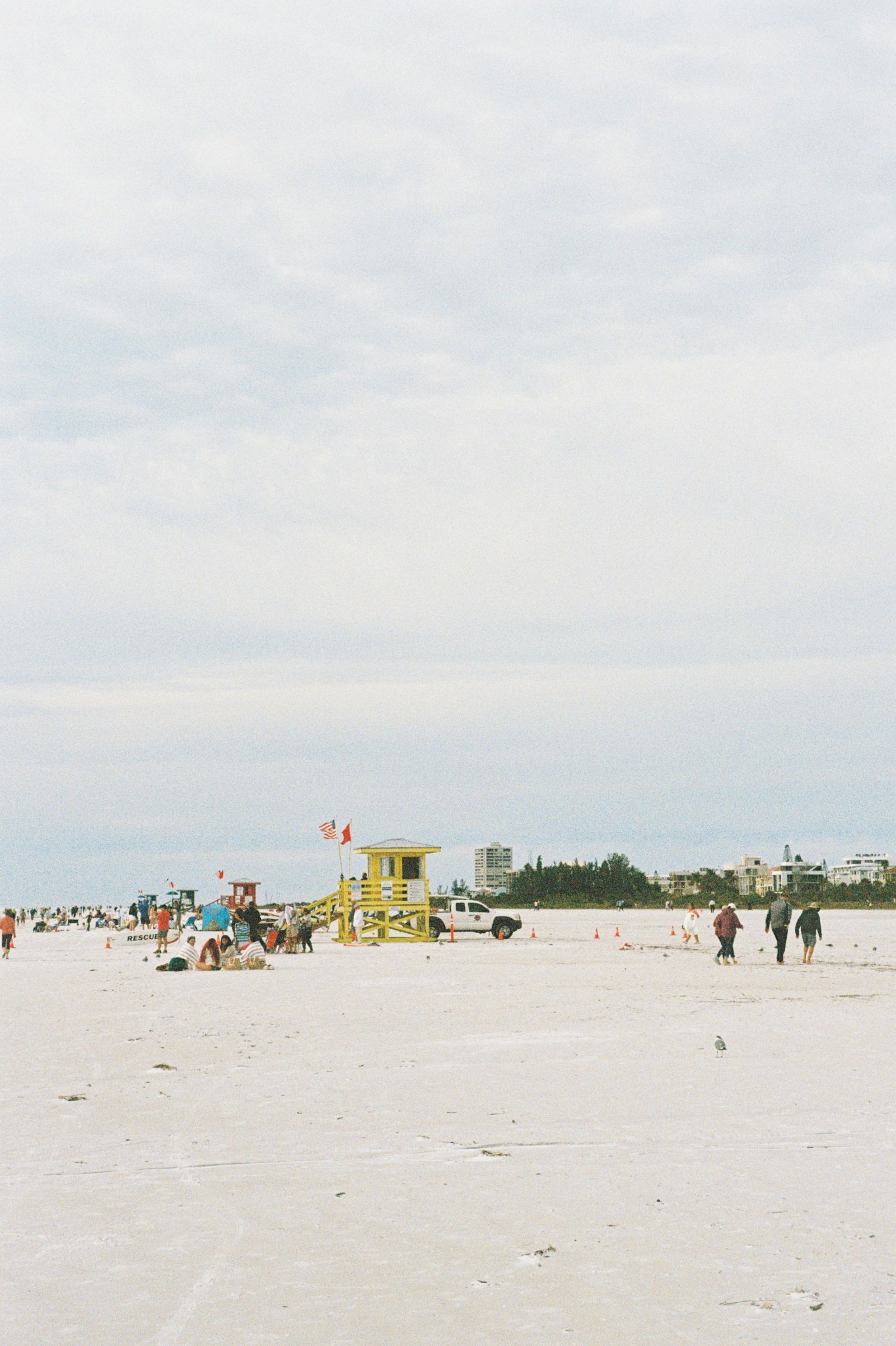
Siesta Beach is a useful starting choice when your group wants a substantial public beach with facilities rather than a small access path between private buildings. The main beach has restrooms, concessions, picnic areas, a playground, and lifeguards, making it easier to organize a family day.
Couples can enjoy the same setting by choosing a quieter time and pairing a beach visit with a village dinner. The popularity is the trade-off: accommodation and parking demand can be high, especially around school breaks and weekends.
| Detail | Practical planning information |
|---|---|
| Best fit | Families who want a substantial public beach with a useful range of everyday facilities. |
| Public starting point | The main Siesta Beach public area, with a route checked from the chosen parking or accommodation. |
| Suggested time | A full beach day, or several slower mornings during a three-to-five-night stay. |
| Useful base | Compare Siesta Key locations with Sarasota stays according to the journeys you will repeat. |
| Costs and bookings | Check the complete accommodation total, current parking arrangements, equipment hire, and any separate activities. |
| Comfort and access | The main beach lists toilets, concessions, a playground, picnic facilities, lifeguards, and beach-wheelchair availability; confirm operation. |
| Combine with | A village meal, pool break, or a separate Sarasota cultural outing on another part of the stay. |
| A slower alternative | Arrive for a manageable morning and return to the room before everyone's energy is exhausted. |
Families can make the most of the facilities by choosing a simple routine. Set up near the access that suits your needs, identify the toilets and a shaded break option, and decide where lunch will come from. A predictable return to the room can make a longer stay feel easier than a series of different beach-day arrangements.
Couples can use the same destination differently. Choose a quieter time for a walk and allow the rest of the day to unfold around a meal or town visit. A popular family beach can still suit a couple when the dates, room location, and pace match what they enjoy.
Plan your visit: Allow a full beach day or three to five nights in the area. Compare SRQ and other practical airports against the complete transfer cost. Check current access, lifeguard coverage, and beach-wheelchair arrangements before relying on a facility.
Useful tip: If you need a shaded midday break, choose your lodging for the actual walk back from the beach, not its straight-line map distance.
Open the location in Google Maps
2. Clearwater Beach
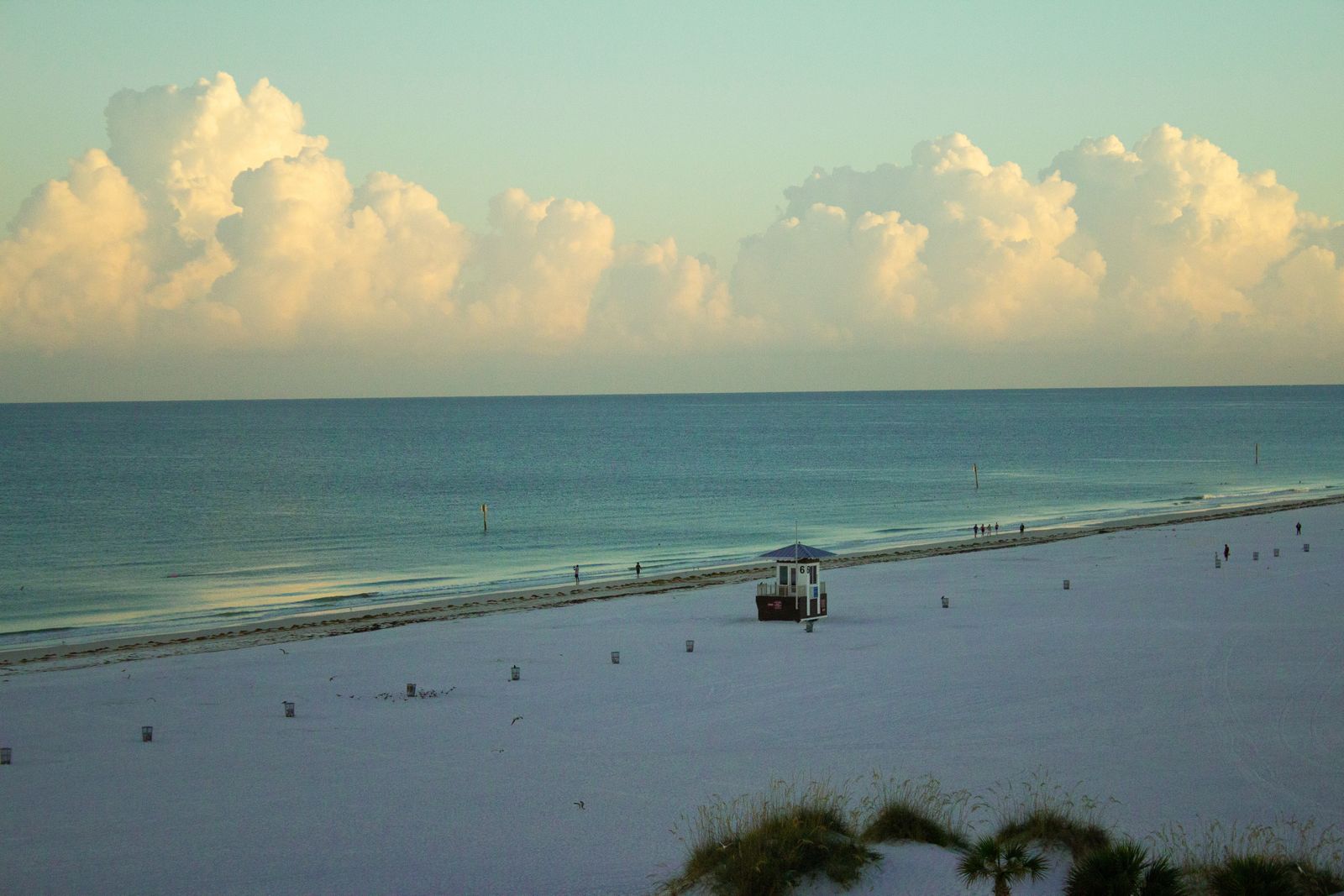
Clearwater suits travelers who want a developed beach setting with restaurants and activity nearby. It can be an easy place to combine sand time with an evening walk, a casual meal, and the energy around the pier area.
Families benefit when their lodging makes meals and rest breaks simple. Couples seeking complete seclusion may prefer another destination or a quieter accommodation area. A waterfront location can be convenient, but the room’s parking and mandatory charges need close attention.
| Detail | Practical planning information |
|---|---|
| Best fit | Couples and families who enjoy a developed beach area with restaurants and evening activity nearby. |
| Public starting point | Choose a named Clearwater Beach access around the area where you intend to spend the day. |
| Suggested time | Two to four nights supports a short break without needing a different beach every morning. |
| Useful base | A convenient beach-area room can reduce repeated parking and make midday breaks easier. |
| Costs and bookings | Include hotel parking, mandatory charges, any paid beach setup, meals, and a realistic airport transfer. |
| Comfort and access | Check street crossings, bathroom access, shade options, room-to-shore distance, and the current pier-area arrangements. |
| Combine with | An easy evening walk and a meal close to the room rather than another long drive. |
| A slower alternative | Favor a quieter room and local mornings instead of adding a busy attraction every afternoon. |
A room’s location is especially important in a busy beach district. Ask which entrance it is near, whether the route crosses a major road, and whether the quoted parking arrangement allows the movements you expect. With young children, the ease of returning for lunch or a rest can be more useful than an upgraded view.
For couples, look beyond the broad destination label. A property near evening activity may be convenient for dining but less suitable for someone who sleeps lightly. Read the room and neighborhood details, then decide whether the holiday should be lively throughout or quieter once you return indoors.
Plan your visit: Allow two to four nights for a short break. TPA and PIE are airports to compare, with the final choice depending on flights and onward transport. Budget for parking if driving to the beach; verify the current pier and public-facility status.
Useful tip: Check the property’s exact beach entrance and street crossings. ‘Near the beach’ can mean very different things with small children and equipment.
Open the location in Google Maps
3. Fort De Soto Park, Near St. Petersburg
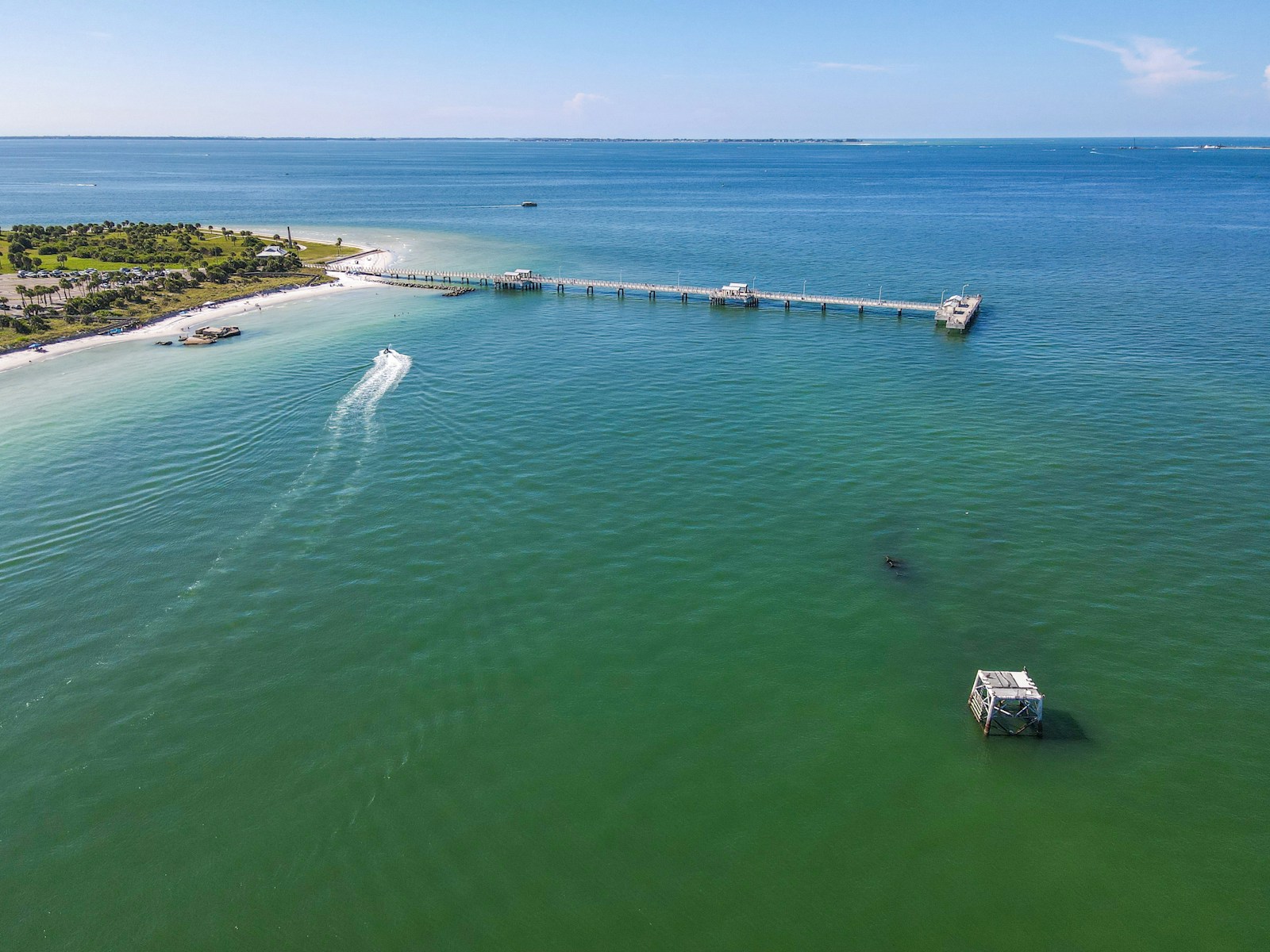
Fort De Soto works particularly well as a planned park day: beach time, a picnic, and room to enjoy the coastal setting. It offers a different rhythm from a tightly developed hotel strip and suits both nature-minded couples and families happy to bring supplies.
Choose the part of the park that fits your group rather than assuming every access has the same facilities. Walks from parking, shade, water conditions, and nearby bathrooms can vary. A natural beach should never be described as a supervised swimming pool.
| Detail | Practical planning information |
|---|---|
| Best fit | Nature-minded couples and families who are happy to prepare a picnic and spend time in a coastal park. |
| Public starting point | Select a specific Fort De Soto public beach area and check its route, parking, and facilities. |
| Suggested time | Most of a day, with enough time to travel, settle in, eat, and return without rushing. |
| Useful base | A St. Petersburg-area stay works well when the park is one purposeful day in a broader holiday. |
| Costs and bookings | Verify Pinellas County's current parking charge, road-work notices, camping arrangements, and any rental costs. |
| Comfort and access | Different park areas have different walks and facilities; confirm what is available where you will actually park. |
| Combine with | A permitted picnic and an appropriate short park walk rather than repeated trips outside for supplies. |
| A slower alternative | Choose one part of the park and enjoy it instead of trying to cover every coastal access. |
Preparing the day well is part of choosing a natural park setting. Bring enough water, an appropriate food plan, and sun protection, and think about how far each person can comfortably walk while carrying belongings. A long park day is easier when the practical details do not depend on leaving for repeated shopping trips.
Check the specific facility status shortly before visiting. Repairs and road work can change an entrance or the convenience of a route even when the park itself remains open. For a mixed-age group, make the plan around the most suitable open area rather than assuming the most photographed beach is automatically the best choice.
Plan your visit: Allow most of a day and use a nearby St. Petersburg-area base. Confirm current park access, parking charges, any road work, and facility openings with Pinellas County. Food, rentals, camping, and other services are separate costs.
Useful tip: Bring a picnic, drinking water, and a weather alternative. Leaving the park for a meal can interrupt an otherwise easy day.
Open the location in Google Maps
4. Henderson Beach State Park, Destin
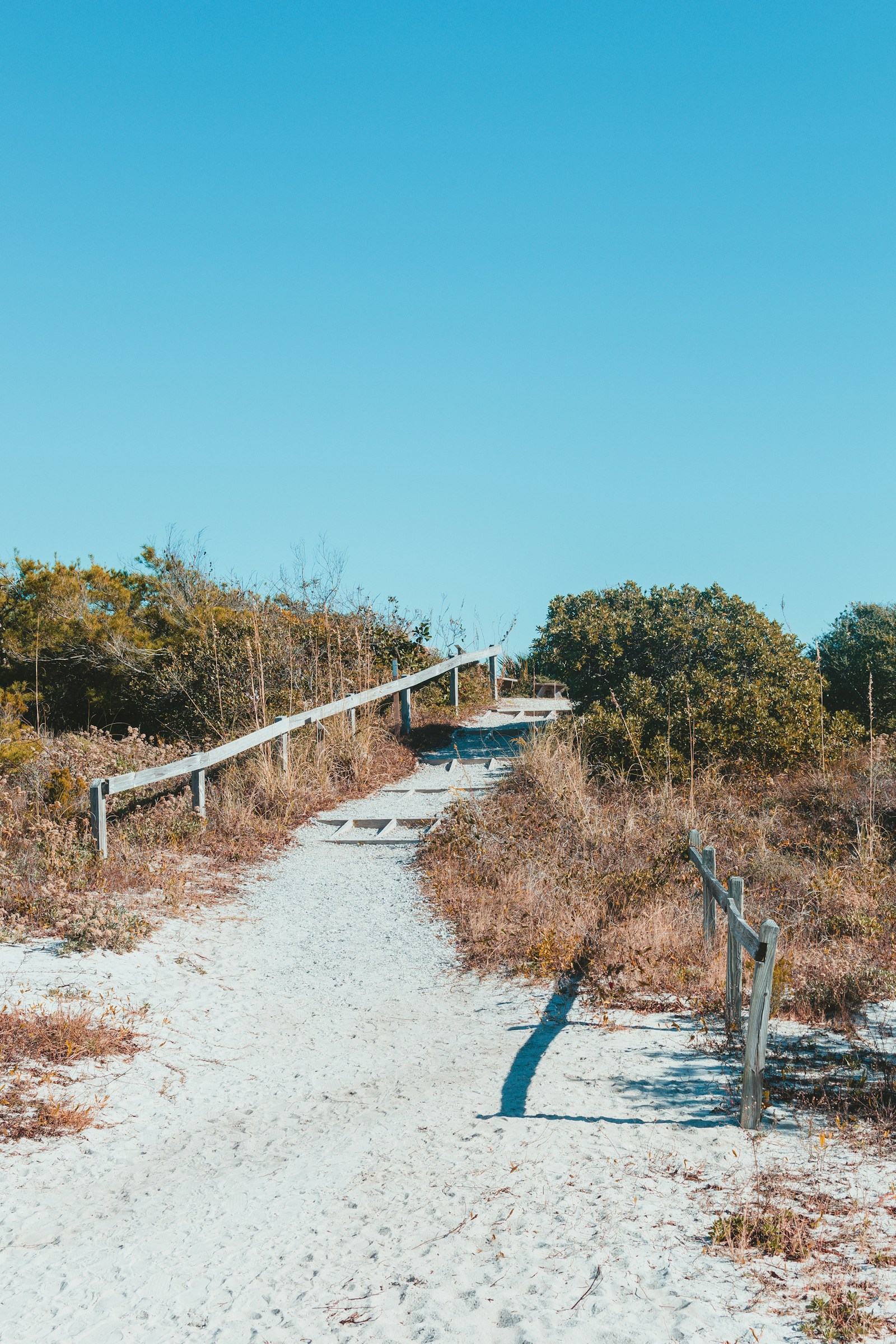
Henderson Beach offers a dune-backed setting within the busy Destin area. It is a good choice for a beach day with a more natural feel, especially if your accommodation elsewhere has a crowded or less convenient shoreline.
For couples, the appeal is the open coast and a slower day rather than nightlife at the access point. For families, practical planning means a manageable walk, sun protection, suitable conditions, and an honest look at the day’s facilities.
| Detail | Practical planning information |
|---|---|
| Best fit | Travelers who want a dune-backed beach day within a wider Destin-area stay. |
| Public starting point | Henderson Beach State Park's authorized day-use entrance and the current beach-access route. |
| Suggested time | Half a day or more for the beach; a longer stay is a separate camping arrangement. |
| Useful base | Compare a Destin-area room's final price and transport with the park visit you want to make. |
| Costs and bookings | State-park day admission, equipment, camping reservations, and overnight charges should be checked separately. |
| Comfort and access | Check the walking surface, open facilities, shade, and current swimming conditions before settling in. |
| Combine with | A simple picnic and an unhurried return to the accommodation rather than several additional beach stops. |
| A slower alternative | Visit for a shorter morning, then use a suitable indoor or pool option later. |
A park beach can provide a useful change of atmosphere from a busy accommodation strip. It does not remove the need to plan for heat, water, or the walk from the car. Choose the amount of equipment you bring around the route you will use rather than assuming everything can be left immediately beside the shore.
If camping is part of the holiday, treat it as its own booking decision. Confirm the exact site, facilities, arrival window, and complete nightly charges. A successful campsite booking does not guarantee good swimming weather, so the wider plan should include things you can comfortably enjoy when the beach conditions change.
Plan your visit: Set aside half a day or longer. Check the state park’s current entrance charge and service notices; campsite reservations are separate from day-use admission. VPS is an airport to compare for a Destin stay.
Useful tip: If the trip includes camping, confirm campsite availability and all nightly charges before booking transport. A day-use beach visit does not include an overnight site.
Open the location in Google Maps
5. Pensacola Beach
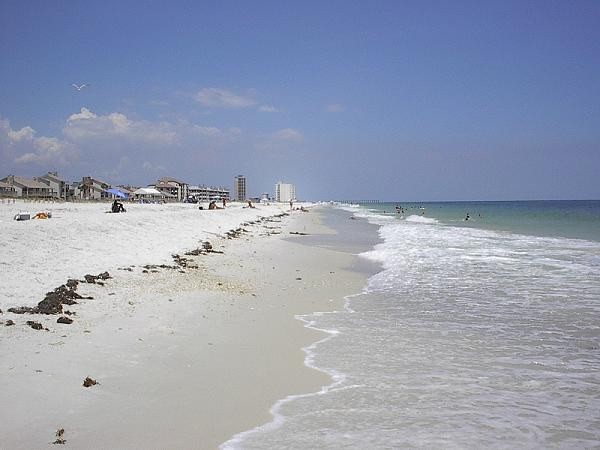
Pensacola Beach combines a barrier-island beach base with the wider Pensacola area’s restaurants and activities. The broad pale shoreline is appealing, but the most useful choice for a family is a specific public access point with the facilities and lifeguard coverage needed that day.
Couples can balance beach mornings with a meal or an outing on the mainland. Beach-area lodging and a mainland hotel create different transport patterns: a lower mainland room rate may mean more driving and parking.
| Detail | Practical planning information |
|---|---|
| Best fit | Families and couples who want a barrier-island beach base with the option of mainland outings. |
| Public starting point | Casino Beach or another named public access, checked for facilities and the day's lifeguard coverage. |
| Suggested time | Three to five nights allows beach time and one or two separate local interests. |
| Useful base | Compare Pensacola Beach lodging with mainland Pensacola after including repeated bridge journeys and parking. |
| Costs and bookings | Allow for beach-area demand, parking, meals, vehicle use, and any separate federal-seashore admission. |
| Comfort and access | Choose the access around toilets, shade, supervision, and a manageable walk for everyone in the party. |
| Combine with | A mainland meal or planned local attraction on a different part of the day or stay. |
| A slower alternative | Use a walkable island base and return to the same suitable access on several mornings. |
A mainland stay can be a good choice when the holiday includes town interests as well as the shore. A beach-area room can be a good choice when the party expects to return to the sand most days. Compare those real routines rather than deciding solely from a nightly rate before transport is added.
Families should choose the public access as carefully as the accommodation. A well-known beach name does not describe every part of a long shoreline. Check where staff and facilities are operating, how far the return walk will feel at midday, and what the group will do if the day’s sea conditions are unsuitable.
Plan your visit: Allow three to five nights. PNS is the natural airport to compare. For nearby Gulf Islands National Seashore outings, check NPS admission and operating notices separately from city or county beach arrangements.
Useful tip: Look for a walkable stay if you want several beach days. Repeated bridge journeys and parking searches can outweigh a modest room saving.
Open the location in Google Maps
6. Cocoa Beach and the Space Coast
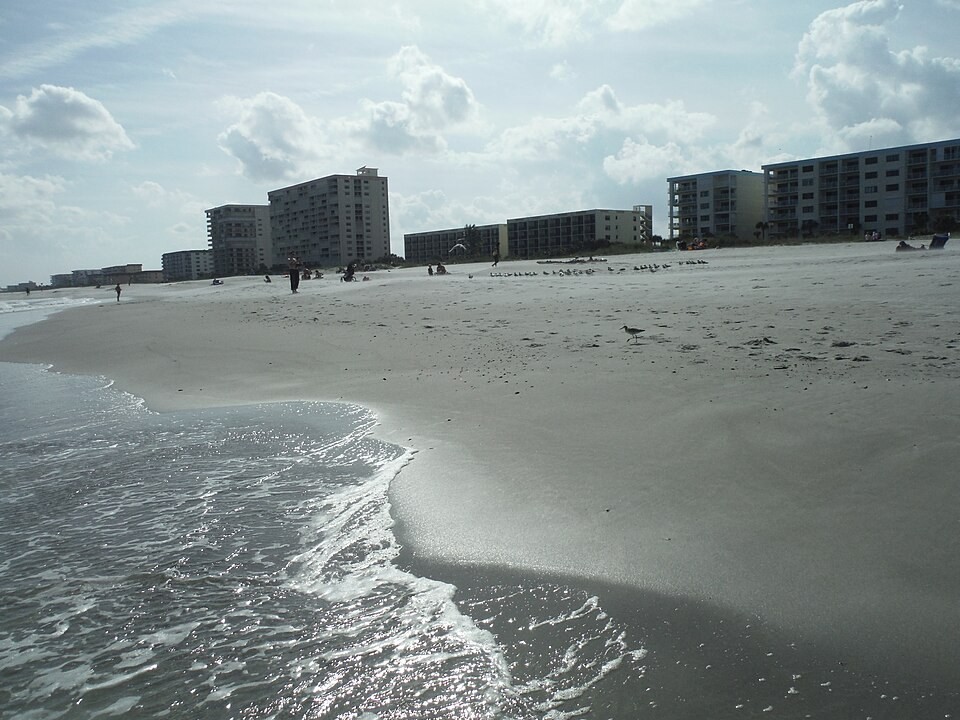
Cocoa Beach is a good match for travelers who like a surf-town atmosphere and want an optional Space Coast outing. A public park such as Lori Wilson provides a useful starting point for comparing access, while other beach entrances have their own parking and service arrangements.
Families can build a varied trip with beach time and a separately budgeted Kennedy Space Center visit. Couples may enjoy sunrise walks and a casual stay. Rocket launches are an exciting possibility, but schedules can slip, so a launch should not be the only reason the itinerary works.
| Detail | Practical planning information |
|---|---|
| Best fit | Travelers who enjoy a casual surf-town setting and an optional, separately planned Space Coast attraction. |
| Public starting point | Lori Wilson Park or another named Cocoa Beach entrance with current parking and service information. |
| Suggested time | Three or four nights gives a major attraction its own day and leaves time for the beach. |
| Useful base | A Cocoa Beach base works best when the shoreline and local routine remain a substantial part of the trip. |
| Costs and bookings | Price attraction tickets, airport transport, vehicle use, parking, and launch-related changes separately. |
| Comfort and access | Check surf, toilets, supervision, the access walk, and what shelter or indoor option is available. |
| Combine with | A dedicated Kennedy Space Center day or an easy local meal instead of a packed multi-attraction schedule. |
| A slower alternative | Enjoy a beach-focused stay that still works if a rocket launch is delayed or canceled. |
Choose the beach as a worthwhile destination in its own right. A launch can add excitement, but an altered schedule should not undo the holiday. If you hope to watch one, check the operator’s current information and keep the day flexible enough to handle traffic, changes, and a different use of your time.
For a family, a major attraction needs more than the admission price. Include the journey, meals, breaks, and the energy left afterward. Keeping the following morning simple can be more enjoyable than trying to recover the ticket cost by filling every available hour with another paid experience.
Plan your visit: Allow three or four nights if adding a major attraction. Compare MCO and MLB flights with car rental or transfers. Check surf, lifeguard coverage, park parking rules, and any launch-related traffic before the beach day.
Useful tip: Book the holiday for the beach and activities you would enjoy even if a launch moves to another date.
Open the location in Google Maps
7. Amelia Island and Fernandina Beach
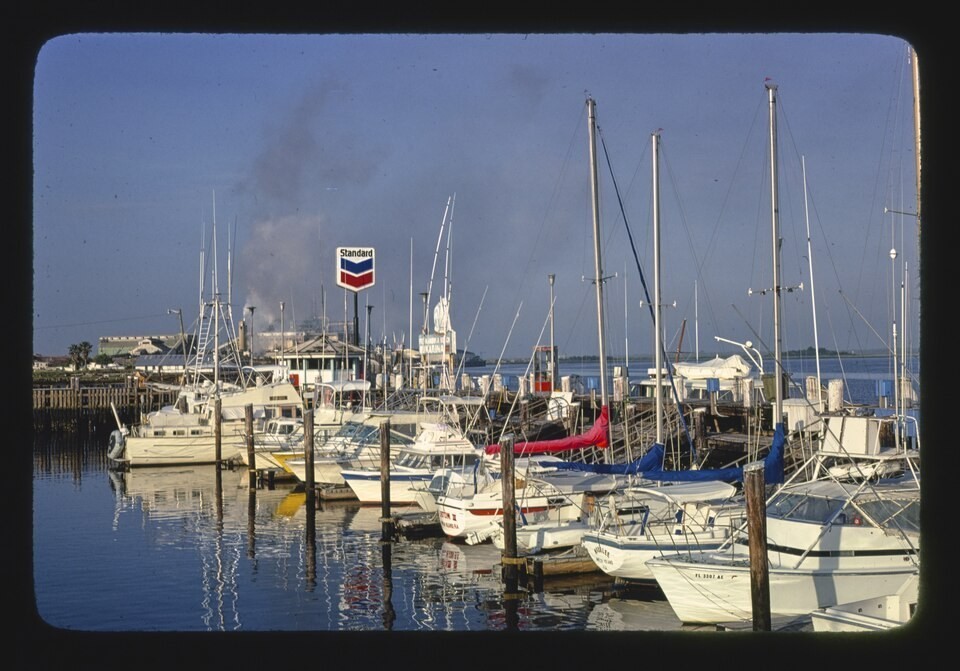
Amelia Island is a strong choice when you want a beach holiday with a real town to explore. Fernandina Beach’s historic center supports an evening of browsing and dinner, while the Atlantic shoreline offers a different setting for daytime walks and beach time.
For couples, the main decision is whether to stay near downtown or the ocean. Families may prefer a beach-area property with easy meals and room to spread out. Those two locations are not automatically within a convenient walk of one another.
| Detail | Practical planning information |
|---|---|
| Best fit | Couples and families who want Atlantic beach time with a historic town and a slower evening rhythm. |
| Public starting point | Main Beach Park, Peters Point, or a separately planned Fort Clinch visit, each checked on its own terms. |
| Suggested time | Three to five nights gives time for the shore, Fernandina Beach, and a suitable nature or history outing. |
| Useful base | Choose downtown convenience or an oceanfront routine, then plan transport to the other area. |
| Costs and bookings | Compare property fees, parking, equipment, meals, and any state-park or specialist-activity charges. |
| Comfort and access | Confirm the specific public entrance, open amenities, shade, and accessible equipment needed by your group. |
| Combine with | A Fernandina Beach meal, town walk, or a purposeful Fort Clinch day when conditions suit. |
| A slower alternative | Keep one base and alternate local beach mornings with town time instead of adding distant Florida stops. |
Amelia Island works particularly well when you accept that the town and the oceanfront supply different parts of the holiday. A room chosen for beach access can support relaxed mornings, while a downtown stay may simplify dinner and browsing. Map the connection between them instead of assuming every attractive address gives you both on foot.
For an activity such as a guided nature outing, horseback ride, or special meal, check the actual operator and suitability for each traveler. Keep it as an addition to a workable town-and-beach stay. That way the trip remains enjoyable if weather or availability changes the optional experience.
Plan your visit: Allow three to five nights. Compare JAX flights and the drive to the specific property. Main Beach Park, Peters Point, and Fort Clinch are different outings; confirm facilities and any park admission for the one you choose.
Useful tip: A late-spring or early-fall town-and-beach break can be appealing, but check weather risk and do not assume winter will be warm enough for swimming.
Open the location in Google Maps
8. Miami Beach
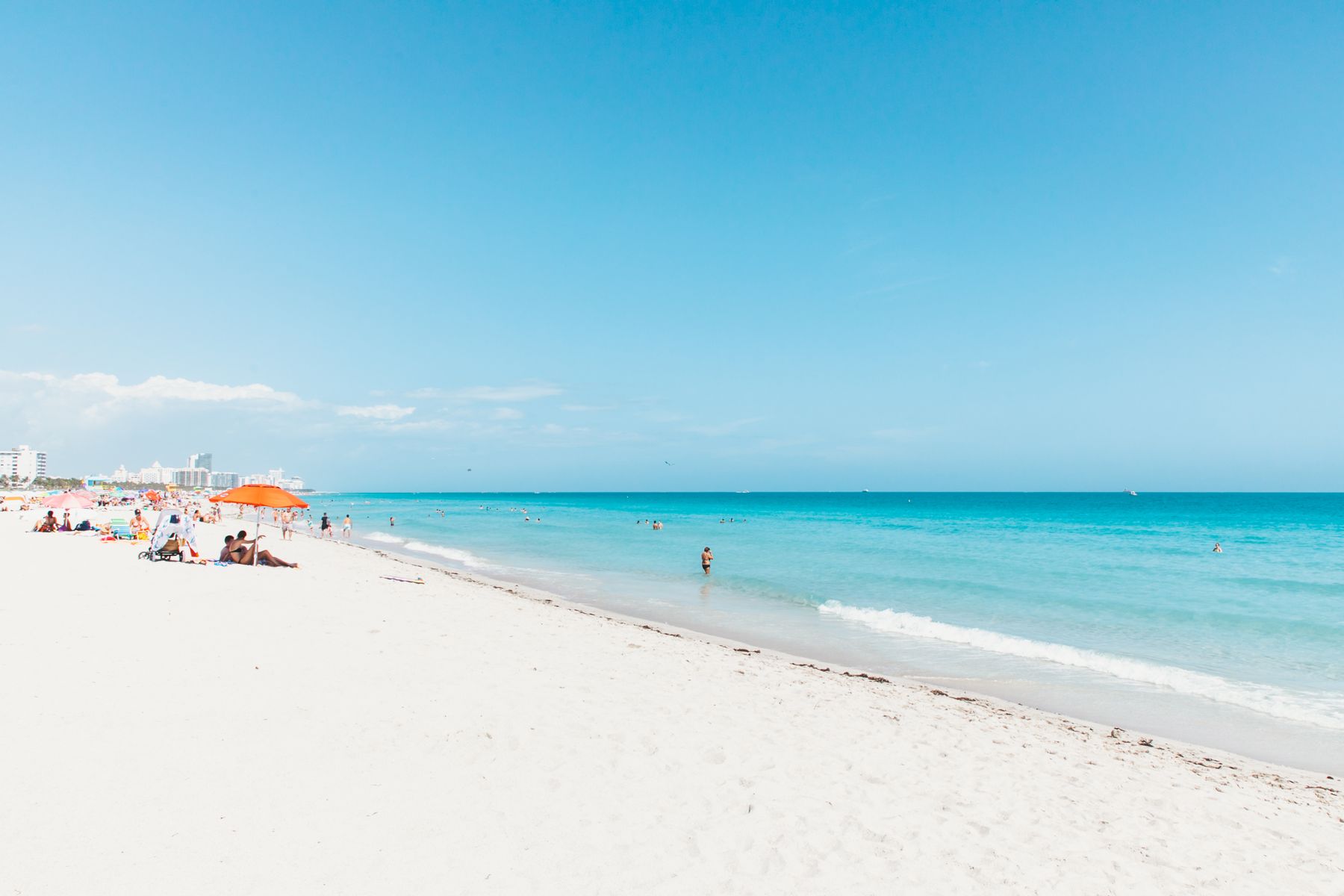
Miami Beach suits travelers who want the beach as part of a wider city holiday: restaurants, Art Deco architecture, art, and lively evenings. The accommodation neighborhood makes a major difference. A hotel beside late-night activity is a different choice from a quieter North Beach stay.
Families should compare room size, pool provision, shade options, street crossings, and noise. Couples can choose between an active dining scene and a calmer hotel, rather than assuming every Miami Beach stay offers the same atmosphere.
| Detail | Practical planning information |
|---|---|
| Best fit | Travelers who want beach time alongside dining, architecture, art, and more active city evenings. |
| Public starting point | Choose a named Miami Beach public entrance near the accommodation area you are actually considering. |
| Suggested time | Three to five nights allows separate beach and city periods without needing to change hotels. |
| Useful base | Compare South Beach, Mid-Beach, and North Beach locations around your preferred pace and transport needs. |
| Costs and bookings | Add mandatory property charges, parking or rides, restaurant spending, and separate cultural attraction tickets. |
| Comfort and access | Check nighttime noise, room layout, crossings, pool facilities, and the walk back from the public beach. |
| Combine with | An independently planned Art Deco, art, neighborhood, or museum outing at an appropriate pace. |
| A slower alternative | Choose a calmer room location and make one main city outing rather than filling every evening. |
Neighborhood choice changes the holiday substantially. Someone who wants late meals and a busy evening may welcome a location that a family with early bedtimes finds tiring. Ask what the room overlooks and read recent information about noise, rather than assuming the atmosphere shown in a hotel photograph describes every room.
A family can enjoy the wider city’s variety while keeping the routine manageable. Make the beach and one cultural outing separate focuses, allow time for transport, and choose meals that suit everyone’s needs. A couple can use the same approach with one special dinner and enough open time to explore a neighborhood comfortably.
Plan your visit: Allow three to five nights for a mix of beach and city activity. MIA and FLL are airports to price with onward transport. Include resort charges, parking, and the likely cost of meals in your comparison.
Useful tip: Read recent reviews specifically for nighttime noise and room location. A beautiful lobby does not tell you how well you will sleep.
Open the location in Google Maps
9. Key Biscayne and Bill Baggs Cape Florida State Park
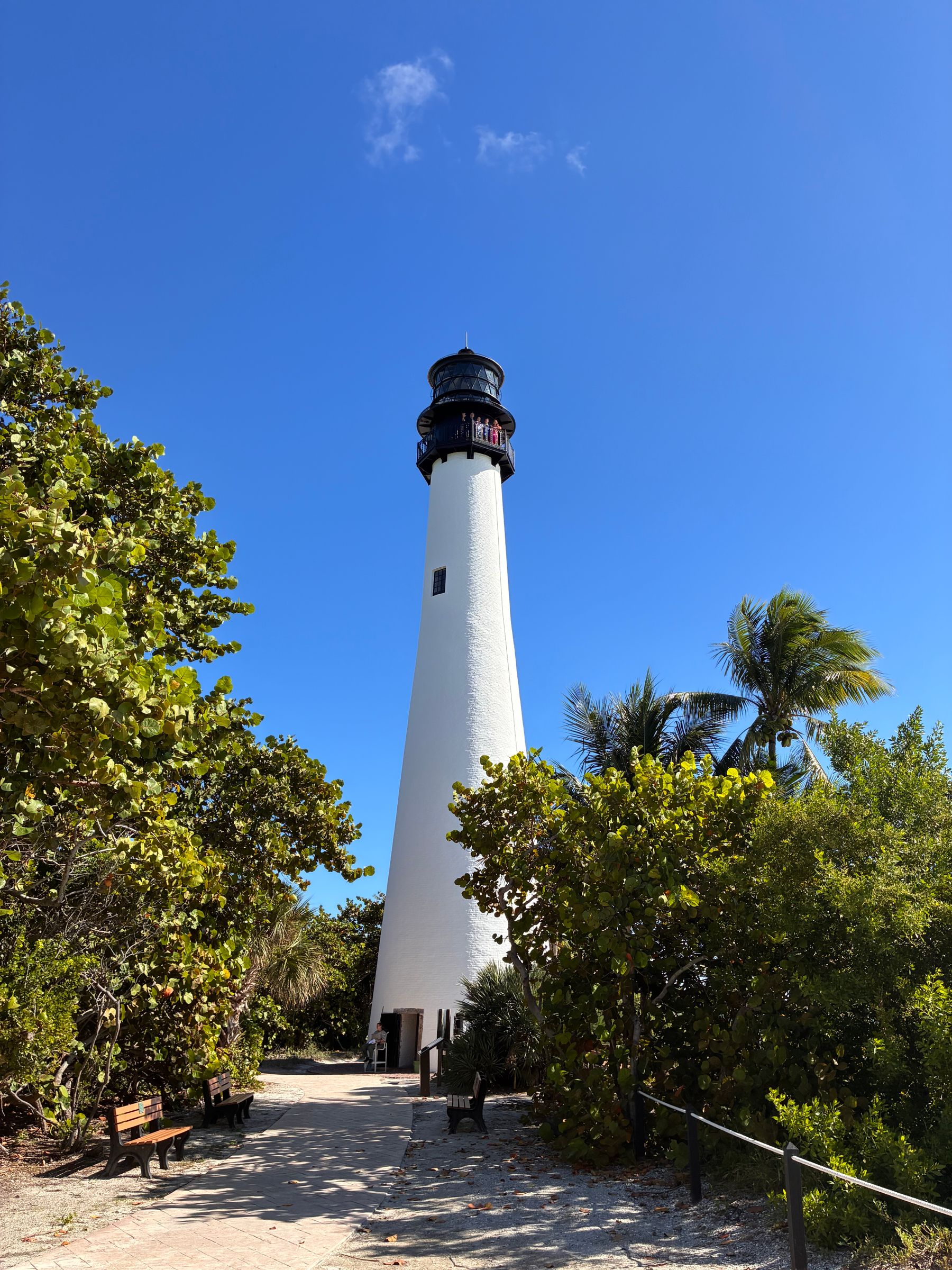
Key Biscayne can add a park-centered beach day to a Miami trip. Bill Baggs combines shoreline with the setting around the Cape Florida lighthouse; it is a useful option when your ideal day includes a walk or picnic as well as time near the water.
The island is connected to the mainland by road, but that does not make the park a quick add-on to any Miami schedule. Plan transport and food, and check which tours, facilities, and access routes are actually operating.
| Detail | Practical planning information |
|---|---|
| Best fit | Couples and families who want a park-centered coastal outing within a Miami-area trip. |
| Public starting point | Bill Baggs Cape Florida State Park's current authorized entrance and open beach-access areas. |
| Suggested time | Half a day or more once transport, a walk, beach time, food, and the return are included. |
| Useful base | A Miami or Key Biscayne stay should be compared by the actual drive and the rest of the itinerary. |
| Costs and bookings | Check current park admission, any separate activity charge, transport, and the availability of specific lighthouse programs. |
| Comfort and access | A park entrance does not establish step-free lighthouse access or confirm every beach path and pier is open. |
| Combine with | A permitted picnic, a suitable public walk, and time around the park's open areas. |
| A slower alternative | Spend a gentle park morning and keep the afternoon local instead of crossing the city repeatedly. |
Choose the open park route before setting out. Facility repairs can affect individual access points or activities without closing the entire park. Check the managing agency’s current notice, and make sure the part you want to use offers the facilities your group needs that day.
Treat the lighthouse as a separate activity decision. Opening, guided access, stairs, and conditions may affect who can visit and when. A beach-and-park outing can still work well when a lighthouse climb is unsuitable, so build in an alternative that does not require an improvised drive across Miami.
Plan your visit: Allow half a day or more. The state park has its own entrance arrangements and operating notices. Lighthouse access is a separate consideration from entering the park, and should not be assumed step-free or available on demand.
Useful tip: Keep the rest of the day local. Combining the beach, a major museum, and a long cross-city restaurant journey can turn a relaxed outing into a traffic exercise.
Open the location in Google Maps
Choose Beach Facilities by Your Children's Ages
The most useful facilities change as children grow. With babies and preschoolers, a short return to the room, a toilet, food storage, shade, and an easy rest period can shape the whole day. A family with older children may prefer space for appropriate activity and an optional outing beyond the beach. Ask each child what they would enjoy, then keep the adults responsible for the practical limits.
| Age or travel need | Prioritize | Check before booking |
|---|---|---|
| Babies and toddlers | Short walks, a rest routine, shade, and simple food | Room layout, fridge, laundry, stroller route, and a practical midday return |
| Preschool and early school years | Nearby toilets, a manageable public entrance, and close supervision | The day's staffed area, beach conditions, and a clear adult supervision plan |
| Older children | A suitable activity and some off-beach variety | Age limits, skill requirements, charges, and what happens in poor weather |
| Teenagers | Their interests and appropriate space within an agreed plan | Transport, return arrangements, and whether activities suit their ability |
| Mixed generations | Easy alternatives and a comfortable meeting point | Walking surfaces, shade, seating, bathroom access, and individual mobility needs |
Do not treat shallow-looking water or a family-friendly reputation as a substitute for supervision and current conditions. If the sea is unsuitable, a pool or land activity should already be available in the plan. Keeping the alternative pleasant makes the change easier for everyone.
Families also benefit from reducing the amount carried each day. Confirm what the accommodation supplies, what can be hired, and whether the access route makes a large setup sensible. A smaller, comfortable morning can be more successful than a long day built around heavy equipment.
Best Time to Visit and Weather to Plan Around
Northern Florida and the Panhandle can have cool winter days and water temperatures that do not suit a swimming-focused vacation. South Florida offers a different winter pattern but can have strong demand. Choose a season for the activities you want, not a promise of warm water across the whole state.
Summer brings heat, humidity, and the possibility of thunderstorms. Atlantic hurricane season runs from June through November, and disruption can affect flights and roads as well as the coast. For travel in that period, read cancellation and insurance terms and follow official local advisories.
Spring-break weeks and holiday weekends can change both prices and atmosphere. For couples seeking quieter evenings or families wanting fewer crowds, compare neighboring dates and check local event calendars before booking.
Where to Stay, Airports, and Getting Around
For a trip of four to six nights, choose one region. Siesta Key, Clearwater, Pensacola Beach, and Miami are not neighboring beach stops. A statewide beach checklist can consume most of a holiday on the road.
A beachfront hotel may reduce daily transport, while a condo with a kitchen can make family meals easier. Confirm cleaning fees, minimum stays, parking, beach equipment, and whether the advertised view includes direct public access. Downtown Amelia Island lodging is a different proposition from an oceanfront property.
If you plan to drive, price the rental for the full trip and add tolls, parking, fuel, and any child seats. If you prefer transfers and walking, choose a location that gives you reliable meal options without repeated taxi journeys.
Simple Florida Beach Itineraries
Five nights on the Sarasota coast
- Arrive, settle into one base, and keep the first evening local.
- Spend a full morning at Siesta Beach, then take a shaded midday break.
- Choose a Sarasota cultural or indoor activity, with beach time only if conditions suit.
- Keep one day flexible for another beach visit, a nature outing, or a canceled activity.
- Finish with a slow beach morning and an easy dinner close to the accommodation.
- Check out with time for the drive and airport.
Four nights around Amelia Island
Use one base. Alternate a suitable beach morning, time in Fernandina Beach, and a planned Fort Clinch or nature outing. Keep one afternoon free for weather. A couple can add a special dinner; a family can favor a picnic, pool, and early meal.
Three nights on the Space Coast
Give Kennedy Space Center most of a separate day if it is a priority. Use another day for Cocoa Beach and leave the remaining time flexible. Check launch traffic without making a launch essential to the trip.
A Couples' Weekend and a Longer Family Stay
Three nights for couples
Choose one base with a comfortable evening routine. Use the arrival day for the room and a simple meal. Give the first full day to a suitable beach period and one planned dinner. Keep the second full day open for town time, a park visit, or a rescheduled outdoor activity. A short break should not require driving to another distant coastline to feel complete.
Seven nights for a family
Build a repeatable routine around one or two suitable public entrances. Alternate beach mornings with a pool break, a town outing, and one substantial attraction day if the budget allows. Use the longest excursion earlier in the stay, leave a flexible day, and keep the final evening easy for packing and departure.
| Day type | Couples' version | Family version |
|---|---|---|
| Arrival | A walk near the room and an easy dinner | Buy essentials, find food, and keep bedtime manageable |
| Beach day | A comfortable morning and a relaxed meal | A suitable access, close supervision, and a planned rest break |
| Change of scene | A town, park, or cultural outing | One age-appropriate activity with enough time for meals |
| Weather alternative | A museum, indoor meal, or comfortable time at the property | A known indoor option rather than an improvised long drive |
| Departure | A slow breakfast when timing permits | Allow for packing, child seats, fuel, and the airport or road journey |
The difference is emphasis rather than a universal list of romantic or family-only destinations. A lively place can suit a couple, and a quieter place can suit children, when the accommodation, facilities, and pace are chosen carefully.
Sample Family Beach Vacation Budget
This six-day, five-night example is for two adults and two children sharing modest accommodation and a rental car. It is a planning model, not a hotel quote or a claim about the average Florida price. Accommodation and car targets include an assumed allowance for taxes and mandatory fees; check your actual checkout totals.
| Item | Calculation | Example total |
|---|---|---|
| Accommodation | 5 × $220 | $1,100 |
| Meals and groceries | 6 × $120 for four | $720 |
| Rental car | 6 × $65 | $390 |
| Parking and tolls | Trip allowance | $100 |
| Fuel | Trip allowance | $80 |
| Activities | Trip allowance | $200 |
| Beach supplies | Trip allowance | $60 |
| Subtotal | All above | $2,650 |
| Contingency | 10% | $265 |
| Ground-trip total | Subtotal plus reserve | $2,915 |
Flights, insurance, shopping, premium tours, and high-cost attractions are excluded. A Kennedy Space Center day, boat excursion, or resort stay can require a larger activities or accommodation allowance. Couples should rebuild the meal and room costs for two rather than simply halving the family total.
Another Budget Example: Three Nights for Two Adults
This is a separate four-day, three-night model for two adults, using a rental car and modest-to-midrange accommodation. It is an illustrative spending target, not a current Florida package. The room and car amounts include an assumed allowance for taxes and mandatory charges; verify the actual final quotes.
| Item | Calculation or allowance | Example total |
|---|---|---|
| Accommodation | 3 × $220 | $660 |
| Meals and groceries | 4 × $90 for two | $360 |
| Rental car | 4 × $65 | $260 |
| Parking and tolls | Trip allowance | $60 |
| Fuel | Trip allowance | $50 |
| Activities | Trip allowance | $100 |
| Subtotal | All items above | $1,490 |
| Contingency | 10% of subtotal | $149 |
| Ground-trip total | Subtotal plus reserve | $1,639 |
Flights, insurance, shopping, premium tours, and major incidental costs are excluded. If you will use transfers and walking instead of a car, replace the car, fuel, and parking lines with the real transfer and local-ride plan. Do not simply delete transport spending because you are not renting a vehicle.
Compare this model with the longer family example using the actual room, party size, and activity choices. A major attraction or boat trip may exceed the small general activities allowance. Include it explicitly before deciding the trip fits the budget.
Food, Dietary Needs, Free Activities, and Savings
For a family, a grocery breakfast and picnic lunch can make beach days easier as well as cheaper. Couples may prefer one memorable dinner with simpler meals around it. Beachfront dining often includes a location premium; look at the full menu before settling in.
For allergies, vegetarian, halal, or gluten-free needs, check specific restaurants and ask about sauces, frying oil, and cross-contact. Seafood-focused menus do not automatically provide suitable alternatives. A kitchen is useful only if the property allows the cooking you intend to do.
Public beaches, waterfront walks, town browsing, and suitable parks can fill a trip without daily paid attractions. Parking, beach tags where applicable, park admission, chairs, and umbrellas may still cost extra. Do not describe the whole day as free simply because there is no charge to stand on the sand.
A Step-by-Step Florida Beach Booking Checklist
- Choose the Florida region and confirm that the season suits your main activity.
- Pick the public beach entrance you expect to use and map the route from candidate rooms.
- Compare complete accommodation prices, including occupancy, resort charges, cleaning, and parking.
- Price flights or the regional drive, plus the airport transfer or vehicle arrangement.
- Check any essential attraction, equipment, dietary, or mobility requirement before committing to nonrefundable items.
- Reserve the room and transport with cancellation terms appropriate to the trip.
- Save confirmations and a pleasant weather alternative, then recheck current beach and park notices before travel.
Keep a record of what the provider has actually confirmed. A generic property photograph does not establish the room view, the presence of a working lift, or the easiest route to the public beach. If a feature is essential, ask about the exact booking category and retain the answer.
During the final week, confirm arrival details, the current facilities at your chosen entrance, local events, and any storm or water-quality notices. Adjust the plan early while alternatives are still convenient. A successful beach holiday depends on those everyday details as much as the destination name.
Practical Advice for Different Travelers and Accessible Visits
Families should choose manageable access and keep a named adult actively watching children near water. Build in shade, food, bathroom stops, and a safe place to wait out weather. A hotel pool can be useful when the sea is rough, but children still need supervision.
Couples can make a busy beach destination feel calmer by choosing an appropriate room location and keeping one evening free. Solo travelers may prefer a walkable beach district with convenient meals and a clear return-transport plan.
For mobility needs, ask about paved routes, beach mats, slopes, beach-wheelchair reservations, and accessible toilets at the exact access point. Confirm the route from the hotel room to the shore. A general ‘accessible beach’ label may not describe independent access to the water.
What to Do When the Water or Weather Changes Your Day
Choose the alternative before the day becomes difficult. A city or town visit, a suitable indoor attraction, a long lunch, or comfortable time at the property can preserve the holiday’s pace. Check opening days and admission in advance so the backup does not become another uncertain journey.
For summer travel, put outdoor plans where they fit the forecast and the group’s comfort rather than insisting on a fixed all-day beach timetable. Heat, thunderstorms, rough water, and water-quality advisories call for different adjustments. Follow the current managing agency and lifeguard instructions for the specific location.
A canceled paid activity also has a financial side. Know whether the provider offers a refund, a date change, or credit, and keep enough flexibility to use the option that fits the rest of the stay. Avoid buying an expensive replacement simply because time was already set aside for the original booking.
Packing, Beach Conditions, and Important Contacts
- Pack sun protection, a hat, drinking water, swimwear, a light rain layer, and comfortable walking shoes.
- Save accommodation details and a weather alternative offline.
- Check local beach flags, lifeguard instructions, water-quality notices, and red-tide information before swimming.
- Leave the beach when thunder or lightning threatens and use a substantial enclosed shelter or vehicle.
- Respect marked dunes, nesting areas, wildlife buffers, and posted beach rules.
- For an emergency call 911. For operational information use the relevant city or county parks office, Florida State Parks, or the National Park Service for federal sites.
Common mistakes include assuming the entire state has the same winter climate, choosing the wrong hotel neighborhood, ignoring mandatory charges, and planning several distant beaches in a short stay. A focused trip usually gives you more time on the coast.
Frequently Asked Questions
Which Florida beach is best for families?
Siesta Beach, Clearwater, Pensacola Beach, and suitable Cocoa Beach parks are useful starting comparisons because facilities and nearby accommodation can simplify a family trip. Choose the exact access point and assess conditions each day.
Which Florida beach is best for couples?
Amelia Island suits couples who like town walks and a gentler pace. Clearwater or Miami Beach can work well for those who want more activity and dining. Room location and travel dates make a major difference.
Are Gulf-side Florida beaches always calmer?
No. Wind, swell, storms, currents, and local geography change the conditions. Use the day’s flags and lifeguard advice rather than choosing a swimming area from a regional reputation.
Can I visit Florida beaches in winter?
Yes, but winter may suit walks and town time better than swimming, especially farther north. South Florida has a different climate pattern, and no destination guarantees warm-water conditions on a particular day.
Do I need a car for a Florida beach vacation?
A walkable beach district can work with transfers and occasional rides. A car is more useful for park days, multiple towns, and accommodation away from meals and public access. Compare the complete transport cost.
Are these destinations all-inclusive?
These are beach destinations, not verified all-inclusive packages. Check the written terms of a particular booking for meals, drinks, equipment, fees, and transfers.
Should I stay directly on the beach with young children?
It can be convenient, but check the actual route, room layout, and total price. A nearby room with a simple walk and useful facilities can work better than an expensive sea-view room with an awkward access route.
Is a natural park beach better than a resort beach?
They support different days. A park can offer a rewarding coastal setting with more preparation, while a suitable resort may simplify shade, meals, and rest breaks. Public conditions and access rules still apply in either setting.
How many beach destinations should I include in a week?
One region and one main base is a sensible starting point. Add nearby places only when the transport and timing improve the trip. A statewide checklist can consume much of the holiday on the road.
What should I confirm for accessible beach travel?
Check the room, airport or vehicle transfer, paved route, gradients, toilets, mats, equipment availability, and whether assistance is needed. Confirm the exact arrangements directly rather than relying on a broad destination label.
Final Planning Checklist
- Choose one Florida region and an appropriate season.
- Check the exact hotel neighborhood and beach access.
- Compare complete lodging and transport costs.
- Plan daily shade, meals, and a weather alternative.
- Check beach flags and advisories before swimming.
- Confirm any access equipment and park reservations.
- Keep time and money available for changes.
- Choose an entrance with facilities appropriate to the youngest and least mobile traveler.
- Keep attraction tickets, beach-day costs, and accommodation charges visible as separate budget items.
- Confirm a weather alternative that everyone would still enjoy.
Reader Questions and Travel Experiences
Does your ideal Florida beach holiday need a quiet town, lively evenings, a family pool, or a natural park setting? Share the access point or practical detail that made a trip work for you.
Explore More Travel Guides
- Best Family-Friendly Beach Destinations in America
- 25 Best Beaches in the United States
- Best Beach Vacations on the East Coast
- Affordable Beach Destinations in the United States
- Best Things to Do in Miami for First-Time Visitors
Leave a Reply
What would you like to know before you go?
Send us your question, feedback, or a place you would like to see covered.
Ask a travel question
Leave a Reply