Written by Ari Mayzick · Go Travel Box
Published November 14, 2026 · Updated November 14, 2026
The best Hawaiian island is the one that makes your preferred kind of day easy. For one traveler that means breakfast on foot, a museum, and a beach afternoon. For another it means a quiet resort, a volcano landscape, or an early start on a green coastal trail.
Oʻahu, Maui, Kauaʻi, Hawaiʻi Island, Lānaʻi, and Molokaʻi offer different experiences. This guide compares them around practical choices: how you will get around, what will fill your days, which compromises you can accept, and how much moving between islands adds to the trip.
These are editorial recommendations, not a scientific ranking. Weather, room prices, access rules, and personal preferences can change which island works best for your dates.
Choosing Your First Hawaiian Island? Start Here
- Write down your top two priorities before searching for hotels: beach time, culture, hiking, food, resort relaxation, or a particular landscape.
- Decide whether you want to drive most days. A Honolulu-centered Oʻahu stay is the strongest starting point for travelers avoiding a rental car.
- For a five-to-seven-night vacation, compare single-island itineraries first.
- Choose the accommodation area as carefully as the island; a long daily drive can undo a good island choice.
- Keep at least one flexible day for weather or a rescheduled outing.
Hawaiian Islands at a Glance
| Your main priority | Start by comparing |
|---|---|
| First visit with lots of choice | Oʻahu |
| Resort beaches and a couples' trip | Maui, then Kauaʻi |
| Green scenery and hiking | Kauaʻi, with current trail checks |
| Volcanoes and varied landscapes | Hawaiʻi Island |
| City dining and limited driving | Honolulu and Waikīkī on Oʻahu |
| A quiet trip with fewer services | Lānaʻi or Molokaʻi, planned carefully |
| A tighter budget | The complete cost of Oʻahu versus your alternatives |
Table of Contents
- Compare All Six Hawaiian Islands
- A Five-Question Test for Choosing Your Island
- The Six Islands and the Travelers They Suit
- 1. Oʻahu: Best Starting Point for Variety and Less Driving
- 2. Maui: Best for a Resort-Led Beach Vacation
- 3. Kauaʻi: Best for Green Landscapes and Unhurried Outdoor Days
- 4. Hawaiʻi Island: Best for Volcanoes and a Journey Through Contrasting Landscapes
- 5. Lānaʻi: Best for a Carefully Arranged Quiet Escape
- 6. Molokaʻi: Best for Rural Pace and Respectful, Community-Centered Travel
- Choose by the Kind of Vacation You Want
- Choose by the Ages and Needs of Your Travel Party
- Best Time to Visit and Seasonal Trade-offs
- Example Five-Day Rhythms on the Four Main Vacation Islands
- One Island or Two?
- When Two Islands Add Value and When They Add Work
- Transport, Bases, and Booking Priorities
- A Step-by-Step Island Shortlist and Booking Worksheet
- How to Compare Costs Without Misleading Island Rankings
- Quiet Does Not Automatically Mean Easier or Cheaper
- Food, Free Time, and Dietary Planning
- Families, Couples, Solo Travelers, and Accessibility
- Packing, Safety, and Common Mistakes
- Frequently Asked Questions
- Final Planning Checklist
- Reader Questions and Travel Experiences
- Explore More Travel Guides
- Leave a Reply
Compare All Six Hawaiian Islands
| Island | Best fit | Transport reality | Main compromise |
|---|---|---|---|
| Oʻahu | Variety, history, food, a first visit | Car-light in Honolulu; driving useful beyond it | Traffic and popular beaches |
| Maui | Resorts, couples, beach-focused stays | Car useful unless staying mainly at one resort | Higher-cost resort choices and long day trips |
| Kauaʻi | Outdoor scenery and a slower pace | A car is useful; roads do not circle the whole island | Rain and limited-entry access |
| Hawaiʻi Island | Volcanoes, road trips, contrasting landscapes | Car strongly useful; consider two bases | Large distances |
| Lānaʻi | A deliberate quiet escape | Arrange ferry or flight and onward transport | Limited inventory and potentially high costs |
| Molokaʻi | Rural travel and learning about place | Arrange flight, vehicle, and lodging early | Fewer services and limited visitor infrastructure |
A Five-Question Test for Choosing Your Island
Answer these questions before comparing hotel photographs. First, what would you enjoy doing on an ordinary holiday morning? Second, how often are you happy to drive? Third, what must be within walking distance of the room? Fourth, which single experience would disappoint you most to miss? Fifth, would a quiet evening feel restful or limiting?
| Your answer | What it suggests |
|---|---|
| I want to walk to breakfast and have choices later | Begin with Honolulu and Waikīkī on Oʻahu |
| The room, pool, and shoreline should be the holiday | Compare a suitable Maui property with the full daily cost |
| I want scenery even if the plan changes with weather | Compare Kauaʻi bases and the driving they create |
| Volcanic landscapes are the reason I am going | Build a Hawaiʻi Island route around the national park and chosen bases |
| I want a deliberately quiet extension | Investigate Lānaʻi's complete room-and-transfer arrangement |
| I want rural pace and am comfortable with fewer services | Research a respectful, well-prepared Molokaʻi stay |
Now imagine a disappointing day. If it involves being stuck at a remote property without restaurant choices, convenience may matter more than seclusion. If it involves traffic and a busy waterfront, a city base may be the wrong answer despite its practical advantages. Comparing both the ideal day and the likely frustration makes the decision more honest.
Finally, price two realistic options. A modest Oʻahu hotel with selected car days and a Maui resort with a full-time car are different products. Put their full costs beside the days they would give you. The better choice is the one you can comfortably enjoy after paying for it.
The Six Islands and the Travelers They Suit
The time allowances below are planning suggestions. Confirm current access, operating services, weather, and any reservation terms for your own travel dates.
1. Oʻahu: Best Starting Point for Variety and Less Driving
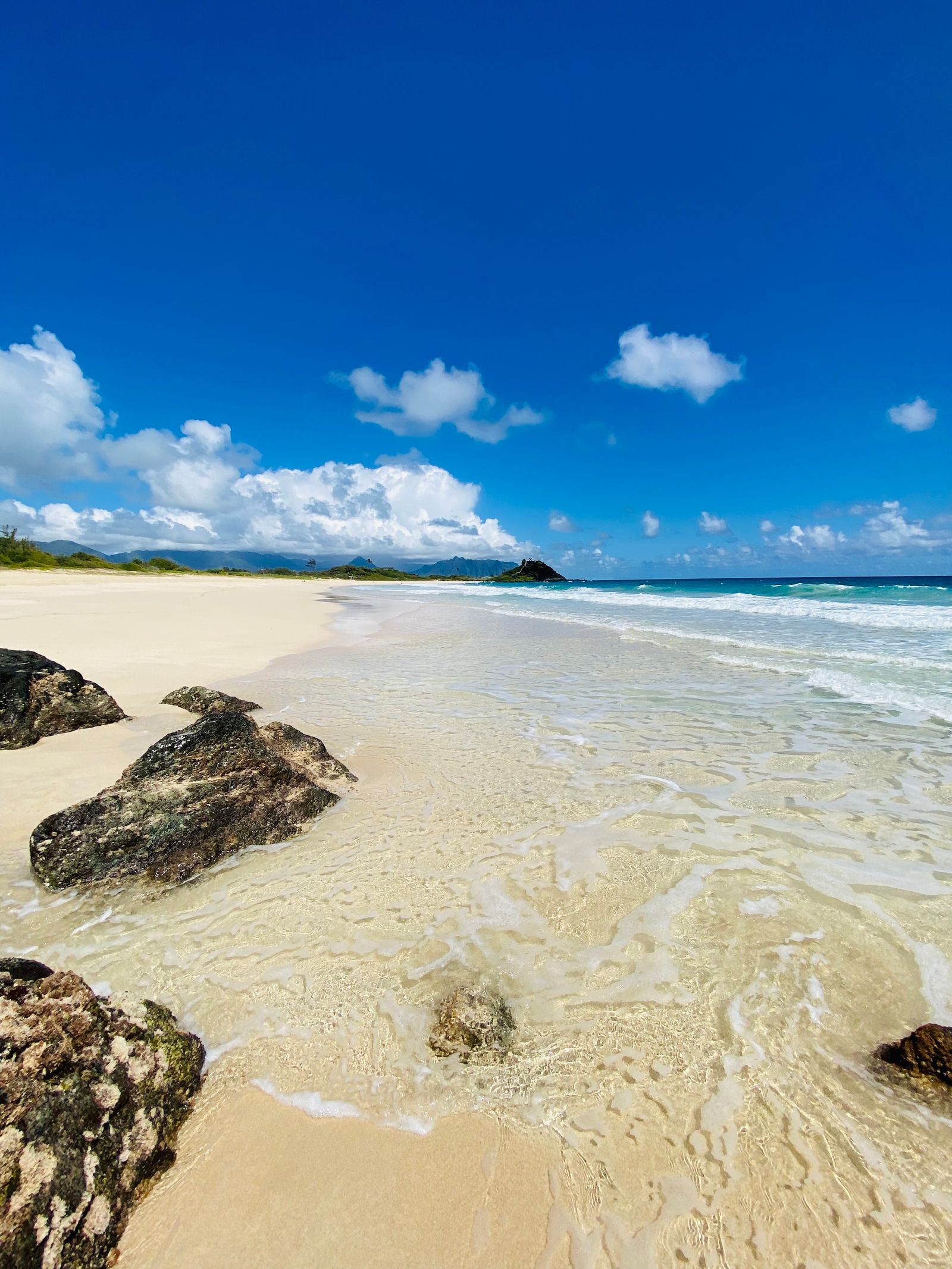
Oʻahu is an excellent place to begin if your group wants different things from the same trip. Honolulu brings museums, history, food neighborhoods, shopping, and a wide range of accommodation. Waikīkī makes it possible to walk to meals and the shoreline without planning every short journey.
The island also has a windward coast, surf communities, and inland scenery, but those outings take more time and organization. A trip without a rental car works best when you accept a Honolulu base and use selected transit journeys or tours. It does not mean every remote trail or beach becomes equally convenient.
Choose Oʻahu for a first Hawaii vacation, a solo city-and-beach break, a multigenerational group, or a trip where restaurant choice matters. Pick another island if your central requirement is a quiet setting far from urban development.
| Detail | Practical planning information |
|---|---|
| Best fit | First visits, mixed-interest groups, city dining, history, and a holiday with fewer necessary car journeys. |
| Public starting point | Waikīkī and central Honolulu for a walkable base; plan farther public beach and cultural visits separately. |
| Suggested time | Five to seven nights allows city time, suitable beaches, and a few purposeful wider-island outings. |
| Useful base | Choose a room near the meals and activities you expect to repeat, then map the airport journey. |
| Costs and bookings | Price resort charges, parking, attraction tickets, tours, and a shorter car rental against everyday taxi costs. |
| Comfort and access | Urban walking still involves heat, crossings, distances, and the exact route to the public shoreline. |
| Combine with | A city-focused day followed by a different day on the windward coast or another chosen region. |
| A slower alternative | Stay in one Honolulu base and make fewer, better-planned excursions beyond it. |
An Oʻahu trip can be built around a flexible daily menu. One traveler might enjoy a cultural visit while another prefers a local walk, with both meeting for lunch and the beach later. This is useful for groups whose interests or energy levels differ, because every alternative does not have to become another long car journey.
The convenience depends on the address. A room described only as ‘on Oʻahu’ tells you little about nearby meals or the return from an evening outing. Check the actual walk, transit route, and cost of getting back. For an airport bus plan, confirm current service and luggage rules before relying on it for a large suitcase.
Choose the wider-island days deliberately. A rental car may be useful for a windward outing or a route with several permitted stops, while a booked excursion can simplify a day when nobody wants to drive. Keep another day local so the holiday includes the conveniences that made you choose Oʻahu.
Plan your visit: Allow five to seven nights for a varied first stay. HNL is the main airport. Compare walkable lodging with the cost of parking and car rental; reserve limited-entry attractions separately.
Useful tip: Rent a car only for the days you need it after comparing pickup logistics and hotel parking with a longer rental.
Open the location in Google Maps
2. Maui: Best for a Resort-Led Beach Vacation
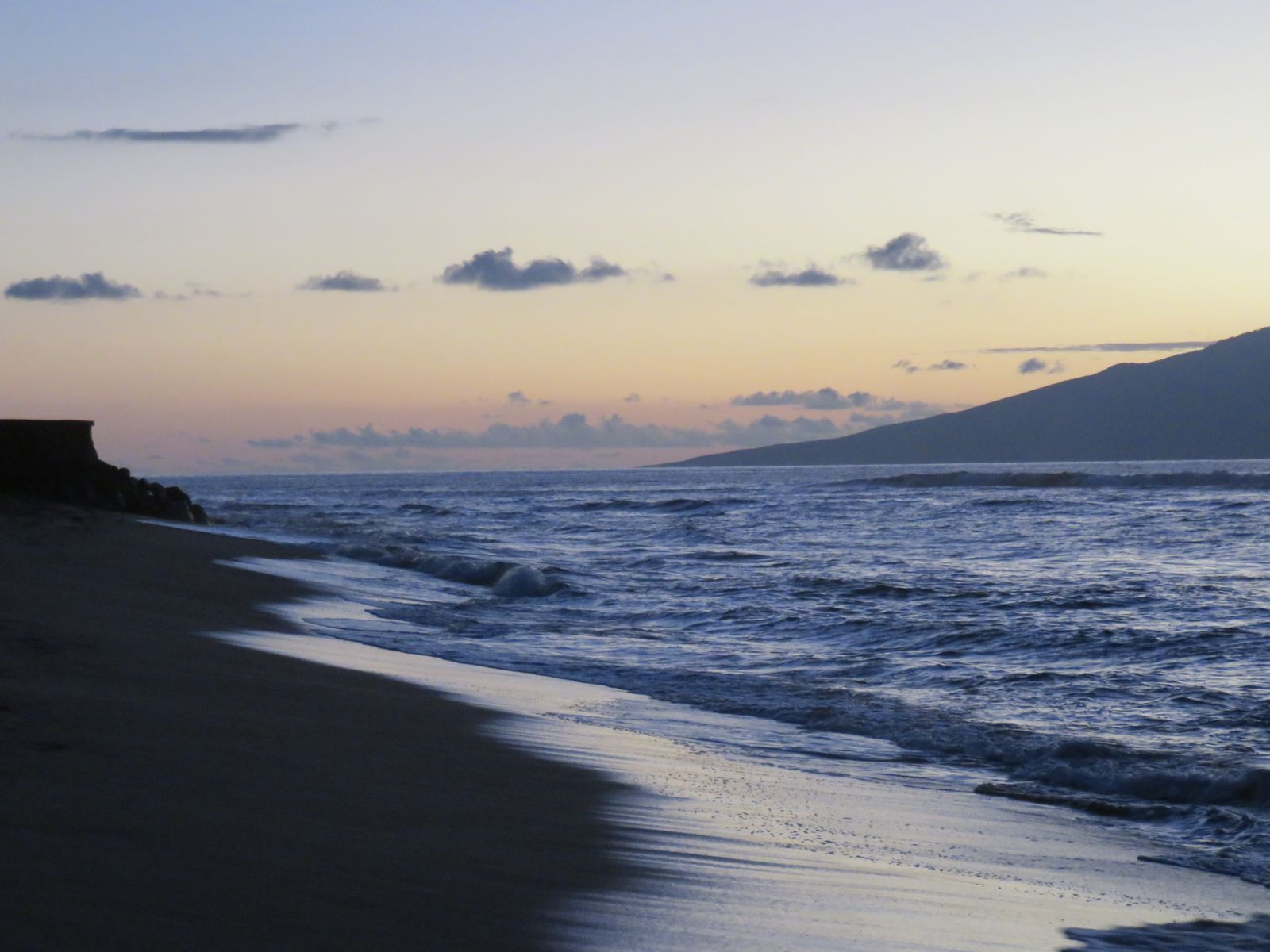
Maui suits travelers who want the hotel, pool, and shoreline to be part of the holiday rather than simply a place to sleep. West Maui and South Maui both offer beach-focused bases. The best choice depends on the exact property, budget, and outings you want.
Haleakalā and Hāna add memorable contrasts, but both can involve long drives from a resort. Give each its own space. Whale-watching opportunities are seasonal, and a boat experience depends on conditions and wildlife rather than a promise of a sighting.
Choose Maui for a honeymoon, anniversary, a family resort stay, or a vacation with several intentionally slow days. It is less attractive if you will spend every day far from an expensive hotel or if a low total budget is the main priority.
| Detail | Practical planning information |
|---|---|
| Best fit | Couples or families who want several comfortable days around a beach-area property, plus selected major outings. |
| Public starting point | Compare West Maui and South Maui accommodation areas with the public access and facilities near each room. |
| Suggested time | Six or seven nights is a useful starting point for resort time and two substantial excursions. |
| Useful base | Select the base around its local routine before adding the drives to Haleakalā, Hāna, or other regions. |
| Costs and bookings | Add taxes, resort charges, parking, meals, rentals, and any separate tour or sunrise booking. |
| Comfort and access | A view, a pool, sandy public access, and an independently accessible route are different room-selection criteria. |
| Combine with | Several easy local days with a carefully planned summit or coastal outing on separate days. |
| A slower alternative | Use the facilities you are paying for and reduce the number of cross-island excursions. |
Maui suits a traveler who is happy for accommodation to take a significant share of the budget. Before paying that premium, decide which facilities will improve a normal day. A comfortable pool area, meal choice, laundry, or a short return from the shore may matter more than an extensive list of services you will not use.
Keep the ambitious outings in proportion. A summit sunrise can affect the next day’s energy, while a Hāna drive takes attention and time. If both are essential, leave an easier day between them. Couples with only a few nights should decide whether a relaxing property stay or a road-heavy itinerary is the primary goal.
A family should compare the complete room configuration rather than the cheapest advertised occupancy. Confirm the sleeping arrangement, any child-related charges, pool access, and where food will come from when everyone is tired. The resulting convenience can be worth paying for when the trip is genuinely centered on the resort area.
Plan your visit: Allow six or seven nights if you want resort time plus two substantial outings. OGG is the principal airport for most visitors. Verify West Maui and Lahaina access with current local notices and confirm the harbor on boat bookings.
Useful tip: Before paying a premium for a resort, list which included facilities you will use and which activities still cost extra.
Open the location in Google Maps
3. Kauaʻi: Best for Green Landscapes and Unhurried Outdoor Days
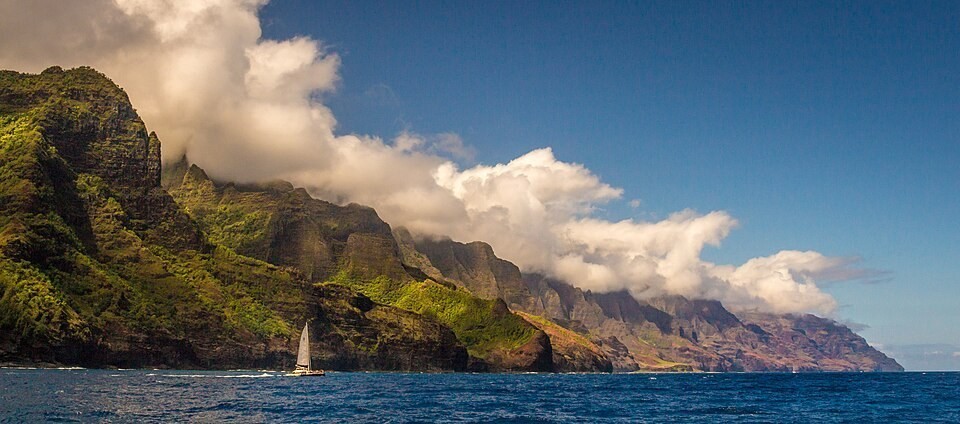
Kauaʻi suits a trip built around landscape: folded cliffs, lush valleys, a canyon drive, and beaches that change character with the weather. It rewards fewer hotel moves and a willingness to change plans when rain or sea conditions make an outing unsuitable.
The road network does not form a complete coastal loop. A north-shore base and a south-shore base can lead to very different daily drives. Hāʻena entry arrangements, Nāpali trail access, boat trips, and west-side lookouts each require their own planning.
Choose Kauaʻi for a nature-focused couples’ trip, photography, or a family that enjoys outdoor time and a quieter evening. Do not assume all visitors need a demanding hike: scenic drives and short walks can also shape a rewarding stay.
| Detail | Practical planning information |
|---|---|
| Best fit | Travelers who enjoy landscape-led days, quieter evenings, and enough flexibility for rain or changing sea conditions. |
| Public starting point | Choose a suitable public beach or lookout and arrange Hāʻena or other limited-entry visits separately. |
| Suggested time | Six or seven nights gives room for a canyon day, a northern outing, local time, and changes. |
| Useful base | Compare north, east, and south bases against the drives and activities you intend to repeat. |
| Costs and bookings | Check car rental, park entry or shuttle bookings, tours, and what happens when an outing is canceled. |
| Comfort and access | Wet paths, road distances, exposed viewpoints, and seasonal surf can change the best version of a day. |
| Combine with | A substantial scenic outing followed by a slower morning close to the accommodation. |
| A slower alternative | Enjoy shorter public walks and viewpoints rather than making every day depend on a demanding trail. |
Kauaʻi rewards a plan that can change direction without feeling defeated. A beach morning may become a garden, town, or lookout day. A cloudy viewpoint may encourage a shorter stop and a longer lunch. Choose the island because you enjoy that kind of outdoor holiday, not because one photograph must be recreated at a fixed time.
The road pattern is central to choosing a base. North-shore and south-shore accommodation can make different excursions convenient, and there is no simple road along the entire Nāpali coast. Map your real daily journeys before choosing a room that appears close to several places when viewed across a map of the island.
For active travelers, choose the trail for the least experienced member and the current conditions. Reserve the relevant entry arrangement, confirm that the onward route is open, and retain a shorter alternative. A scenery-focused holiday can still be excellent for someone who prefers a lookout and a gentle walk to a long hike.
Plan your visit: Allow six or seven nights. LIH is the main airport. A rental car is useful for most island itineraries. Confirm the specific trail’s operational status as well as any park reservation.
Useful tip: Put weather-sensitive activities earlier in the stay and retain a spare day. Do not replace a canceled boat tour with an unplanned strenuous trail.
Open the location in Google Maps
4. Hawaiʻi Island: Best for Volcanoes and a Journey Through Contrasting Landscapes
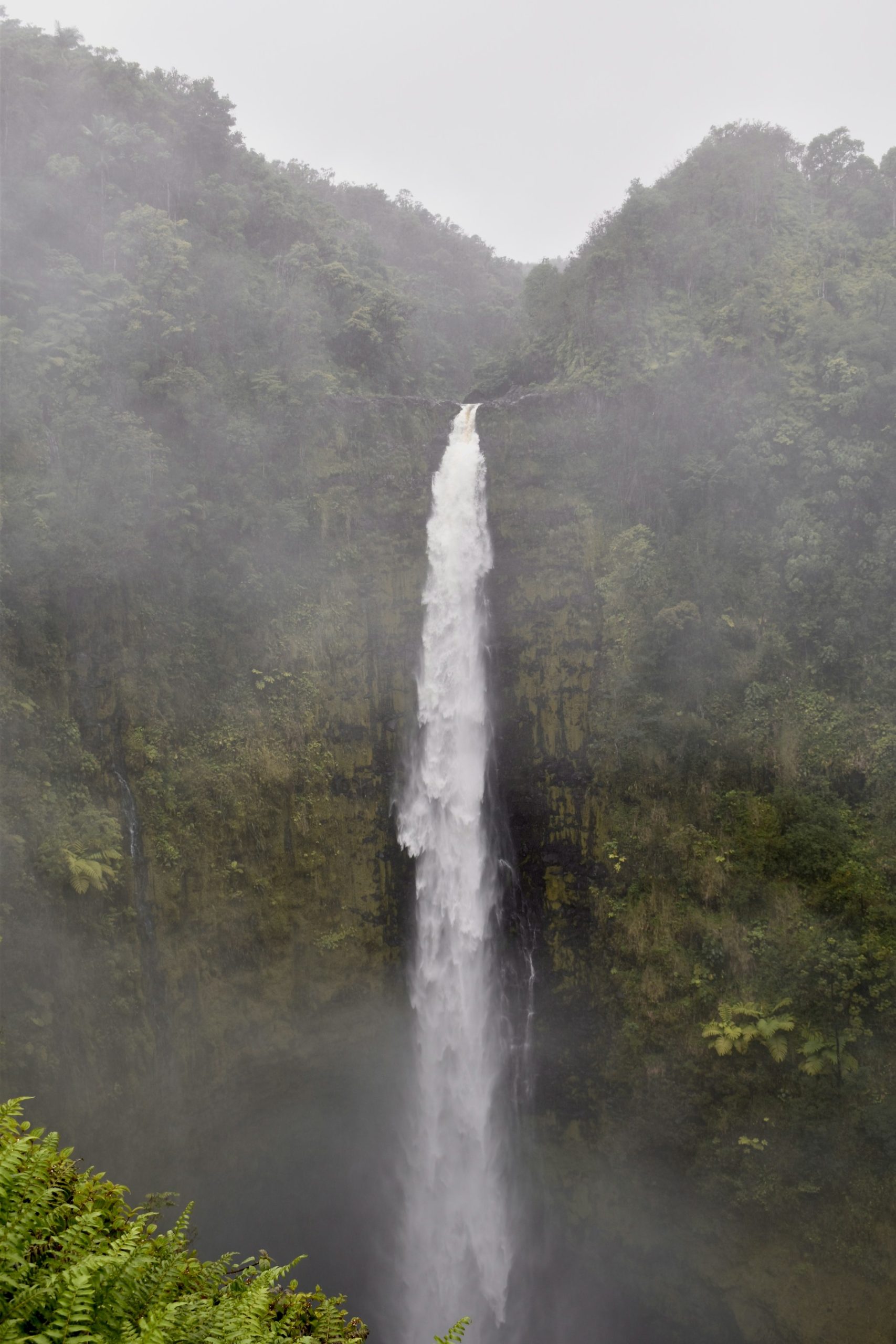
Hawaiʻi Island, often called the Big Island, is the strongest choice when volcanic landscapes are the reason for your trip. It also offers the different settings of the Kona-Kohala coast, Hilo, and the Volcano area. Distance is the central planning issue.
A hotel near Kona does not make a national-park day a short outing. If your itinerary gives substantial time to both sides of the island, two accommodation bases can be worth the packing. Compare arrival and departure airports before committing to a route.
Choose Hawaiʻi Island for travelers who enjoy driving between different landscapes, want a full day in Hawaiʻi Volcanoes National Park, or are comfortable with a trip that is not centered on a single sandy resort beach. Visible lava is not guaranteed.
| Detail | Practical planning information |
|---|---|
| Best fit | Visitors who want volcanic terrain, changing landscapes, and a road-based trip with time to explore. |
| Public starting point | Use current NPS guidance for the national park and named public access on other parts of the island. |
| Suggested time | Seven nights or more supports a broader first visit; shorter stays need a narrower geographic focus. |
| Useful base | Compare a Kona-Kohala stay with Hilo or Volcano when planning substantial time on both sides. |
| Costs and bookings | Include the appropriate park admission, vehicle, fuel, accommodation changes, and any separate specialist tours. |
| Comfort and access | Large driving distances and differing conditions matter more than an island-wide weather description. |
| Combine with | West-side time and a purposeful east-side stay, with a lightly scheduled day between the bases. |
| A slower alternative | Stay on one side and select fewer outings instead of repeatedly crossing the island. |
Hawaiʻi Island is a good match when the journey between landscapes is part of the enjoyment. It is a weaker match for someone who wants every attraction a short walk from one hotel. Discuss that distinction before booking: enthusiasm for volcanoes does not automatically mean enthusiasm for several long driving days.
Choose the airport arrangement with the route in mind. An arrival and departure on different sides may sometimes reduce backtracking, but flight prices and car-return terms need comparison. A same-airport itinerary can also work well if the bases and final night leave a comfortable departure journey.
The national park should remain worthwhile without a particular eruption view. Plan time for interpretation, safe open viewpoints, and a suitable walk. Check current notices again while staying nearby, and avoid making a distant cross-island drive depend on the assumption that a specific road or viewing area will remain open.
Plan your visit: Allow seven nights or longer for a broad first trip; a shorter stay needs a narrower focus. KOA and ITO serve different sides. Check NPS road, trail, and volcanic-condition notices before each park outing.
Useful tip: Count driving time from the actual accommodation, including the return. A second base may be better value than several very long day trips.
Open the location in Google Maps
5. Lānaʻi: Best for a Carefully Arranged Quiet Escape
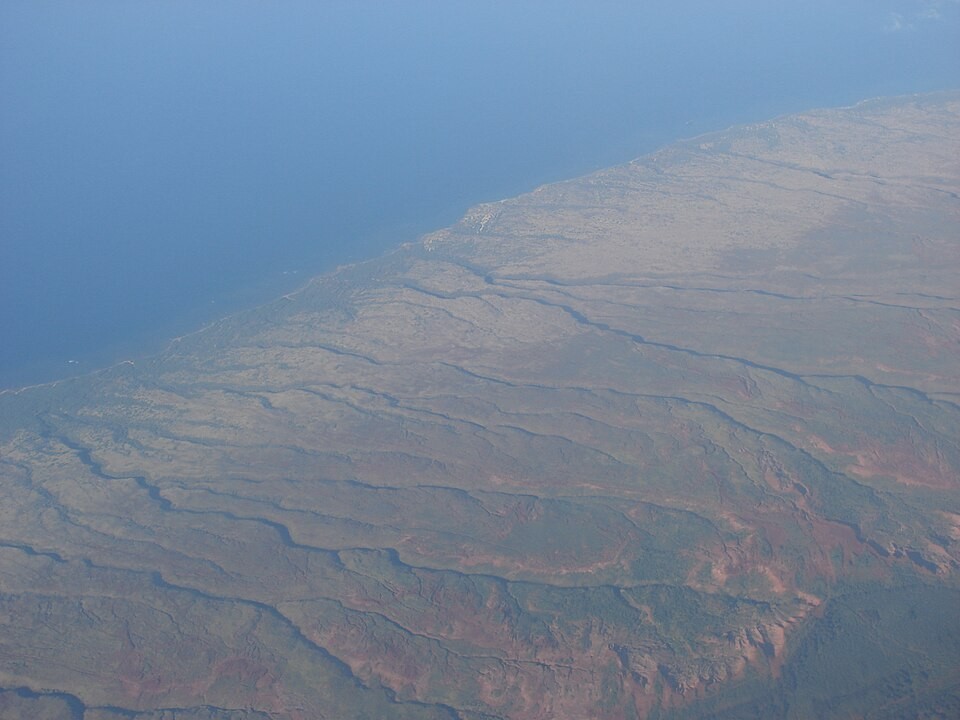
Lānaʻi appeals to travelers who want a smaller-scale trip and are comfortable arranging the details ahead of time. A resort stay and a town-based stay can be very different products, so decide which experience you want before comparing a headline room rate.
The limited number of accommodation and transport choices can make timing important. A ferry arrival does not automatically provide a convenient way to reach your hotel or explore the island. Remote roads may require a suitable authorized vehicle or guided outing.
Choose Lānaʻi for a quiet couples’ stay or a short extension that has a clear purpose. It is not automatically a budget alternative to Maui, and a day trip should include confirmed onward transport and the return crossing.
| Detail | Practical planning information |
|---|---|
| Best fit | Couples and repeat visitors who deliberately want quiet and can coordinate a limited set of services. |
| Public starting point | Arrange arrival at LNY or the booked ferry terminal, then confirm authorized onward transport. |
| Suggested time | Two or three nights can make a quiet extension more relaxed than a tightly timed day trip. |
| Useful base | Compare a town-based stay and a resort stay as separate products with different transport and dining needs. |
| Costs and bookings | Price the entire chain: room, flight or ferry, terminal rides, food, vehicle or guided excursions, and return. |
| Comfort and access | Limited inventory means a required room feature, transport service, or dietary arrangement should be confirmed early. |
| Combine with | A planned local day with enough time around the transport schedule rather than several hurried excursions. |
| A slower alternative | Remain near the accommodation and enjoy the setting instead of trying to cover remote roads. |
Choose Lānaʻi because the quieter version of the holiday appeals to you. It can be rewarding to spend more time in one place and make fewer decisions, but the practical work should happen before arrival. Confirm how you will reach the room, where you will eat, and how you will return to the terminal.
A resort quotation and a town-room quotation may include very different services. Compare meals, transfers, usable facilities, and the likely cost of exploring. A small island does not necessarily create a small bill, particularly when accommodation or transport choices are limited for the dates you need.
For a day trip, test the timetable from the hotel door and back again. Reaching the Maui terminal, checking in, crossing, arranging a Lānaʻi ride, and returning all reduce the available time. If the result feels hurried, an overnight or a simpler Maui day may better match the rest of the vacation.
Plan your visit: Consider two or three nights, or a well-planned day visit. Arrange LNY flights or the Maui passenger ferry, then confirm ground transport and dining. The ferry operator currently lists Māʻalaea–Mānele service; recheck your booking’s terminal.
Useful tip: Book the room, arrival connection, onward ride, and return journey as one coordinated plan.
Open the location in Google Maps
6. Molokaʻi: Best for Rural Pace and Respectful, Community-Centered Travel
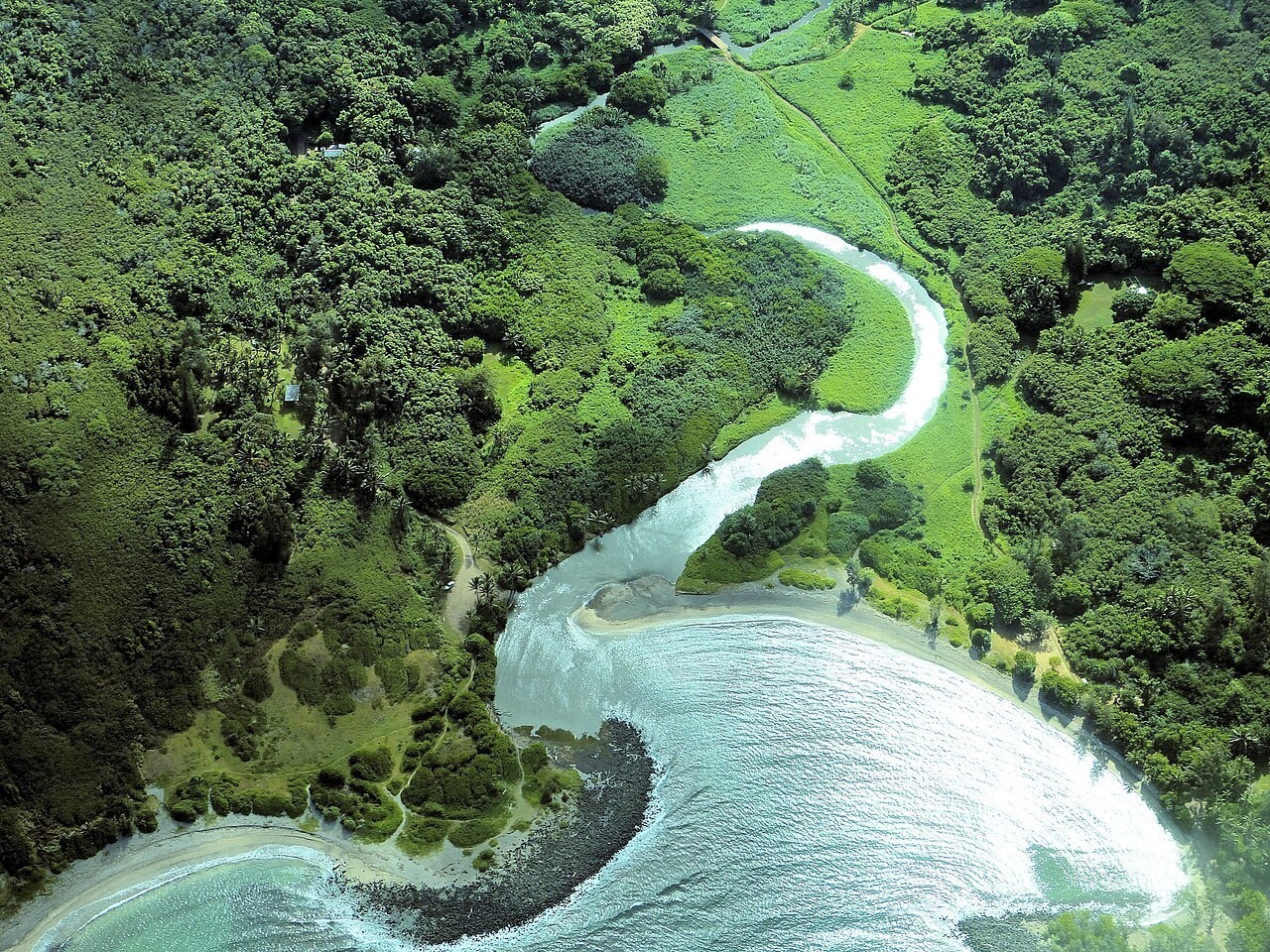
Molokaʻi is a place to approach with curiosity and respect for residents, rather than expectations of a conventional resort holiday. Rural landscapes, small communities, and a slower rhythm are the appeal. Services and organized visitor activities are limited compared with the four larger vacation destinations.
Travel here works best when you have researched appropriate public access and confirmed accommodation, flights, a vehicle, and meal options. Some important cultural and historic places have controlled or restricted access. As of this guide’s update, NPS has paused future public tours of Kalaupapa; do not plan around an old tour listing.
Choose Molokaʻi if a quiet rural visit is the reason you want to go and you are willing to adapt to the island. If your group wants extensive nightlife, daily resort entertainment, or many last-minute dining choices, another island is a better fit.
| Detail | Practical planning information |
|---|---|
| Best fit | Visitors who want rural pace, local context, and a stay prepared around limited visitor services. |
| Public starting point | Arrange MKK flights, a confirmed legal stay, and appropriate public outings before building the itinerary. |
| Suggested time | Several nights can support a slower visit when flights, vehicle, meals, and accommodation are coordinated. |
| Useful base | Choose a base for its real access to meals and the public places you are welcome to visit. |
| Costs and bookings | Check limited flight and vehicle inventory, room terms, groceries, opening days, and specialist services. |
| Comfort and access | A rural setting can have fewer last-minute alternatives for access equipment, food, transport, or weather changes. |
| Combine with | Small locally appropriate outings with time to learn about place and support businesses respectfully. |
| A slower alternative | Enjoy the pace and confirmed public setting rather than adding restricted or closed sites to a checklist. |
Molokaʻi deserves a trip motivated by more than its difference from the busier islands. Research the community and the places where public visits are appropriate. Ask local providers specific questions, respect their guidance, and avoid treating a rural setting as unrestricted land to explore.
Confirm the everyday routine before paying for flights. A limited meal choice or an early closing time may be perfectly comfortable when expected and inconvenient when discovered late at night. Travelers with dietary, mobility, or transport needs should resolve those arrangements while alternatives can still be considered.
Historic and culturally significant places can have controlled access. Current NPS information has paused future public Kalaupapa tours, so an old listing should not become the foundation of your booking. Choose an itinerary around places that are confirmed open and appropriate, and allow the island’s slower pace to be the purpose of the stay.
Plan your visit: Plan several nights only after confirming the essentials. MKK serves the island through commuter connections. Ask local operators about the suitability of each outing and respect closures and community guidance.
Useful tip: Treat limited opening hours and a slower pace as part of choosing the destination, not as a problem to solve after arrival.
Open the location in Google Maps
Choose by the Kind of Vacation You Want
| Vacation style | Suggested starting choice | Why it can work |
|---|---|---|
| First trip with mixed interests | Oʻahu | History, beaches, food, and transport choices in one base |
| Honeymoon with resort time | Maui | Room, pool, dining, and beach can anchor several slow days |
| Couples who prefer scenery | Kauaʻi | Outdoor days and quieter evenings, with weather flexibility |
| Family with varied ages | Oʻahu or a suitable Maui resort | Match facilities and travel time to the children and older adults |
| Volcano-focused trip | Hawaiʻi Island | Make the national park and varied terrain the main purpose |
| No rental car | Honolulu-focused Oʻahu | Walkable meals plus transit and selected tours |
| Quiet rural stay | Molokaʻi | For travelers prepared for limited services and local pace |
| Short quiet extension | Lānaʻi | Works when accommodation and every transfer are arranged |
For surfers, divers, and other activity-led travelers, the best answer also depends on season, skill, conditions, and the operators available for your dates. Choose the activity with a reputable local provider before assuming an island name guarantees suitability.
Choose by the Ages and Needs of Your Travel Party
The same island can suit two families for different reasons. A family with very young children may value a short walk, a kitchenette, laundry, and a pool. Older children may enjoy a cultural visit, an appropriate guided activity, or a scenic drive when enough breaks are included. Ask which facilities will improve most days rather than which island has the longest attractions list.
| Travel party | What to prioritize | How it affects the island choice |
|---|---|---|
| Infants and preschoolers | Simple meals, short transfers, rest space, and laundry | Favor the room and local routine before distant attractions |
| School-age children | A mix of beach, learning, and manageable activity | Oʻahu's variety or a suitable resort base may simplify the week |
| Teenagers | Their actual interests and appropriate independent time | Compare activity availability and the convenience of the accommodation area |
| Mixed generations | Rest options, mobility, transport, and different energy levels | A base with several nearby choices can reduce coordination work |
| A couple with different preferences | One shared priority plus choices close together | Town-and-beach convenience may work better than complete remoteness |
| A traveler with access requirements | Confirmed room, vehicle, route, and equipment | Resolve specific arrangements before relying on any island recommendation |
For a group, collect one must-have and one likely frustration from each person. A single highly demanding outing should not dictate an entire week if only one traveler wants it. Consider whether a guided day or some separate time would let everyone enjoy the same base without identical schedules.
A family-friendly island label is only a starting point. The beach conditions, room arrangement, transport, and supervision routine decide how the visit actually feels. Use the comparison to create a workable day, then check that day against the complete price.
Best Time to Visit and Seasonal Trade-offs
Start with your preferred dates, then compare the complete price across the islands. School holidays and major holiday periods can reduce availability. Spring and fall outside holiday peaks are useful periods to compare, but neither low prices nor dry weather are assured.
Winter’s large surf can make a north-shore beach a place for watching rather than swimming. Rainfall varies by coast and elevation, and an island with a green landscape may require more weather flexibility. Maui’s summit and Hawaiʻi Island’s higher elevations need a different clothing plan from the beach.
If a single seasonal experience matters, such as a whale-focused boat trip, check the operator’s dates and cancellation policy first. Keep the next day flexible where possible rather than planning the outing immediately before departure.
Example Five-Day Rhythms on the Four Main Vacation Islands
These examples compare the pattern of a stay rather than attempting to list every attraction. Each needs an arrival and departure plan, current access checks, and adjustments for the accommodation address. Use them to decide which ordinary holiday week sounds enjoyable.
| Island | An active day | An easy day | A useful flexible day |
|---|---|---|---|
| Oʻahu | One booked history visit or a purposeful wider-island outing | A Honolulu meal, a suitable beach period, and local walking | A second city interest or a rescheduled outdoor plan |
| Maui | A separately planned summit or Hāna outing | Time using the room, pool, and nearby public shoreline | A suitable tour or another local day if conditions change |
| Kauaʻi | A canyon drive, appropriate trail, or booked coast experience | A shorter outing near the chosen base | An alternative region or a gentler day when rain affects plans |
| Hawaiʻi Island | A full day centered on the national park or another chosen region | Local time near the overnight base | A weather-sensitive outing or an unhurried transfer between bases |
For a five-night trip, choose two substantial days, two easier days, and some flexibility around arrival and departure. If a planned day looks like several hours of driving followed by a tiring activity, put a gentler day next. Travelers who enjoy a faster pace can add optional stops once the essential route works.
The examples also show why an expensive room should have a purpose. On Maui, the facilities may be central to two or three easy days. In Honolulu, location may be the main benefit. On Hawaiʻi Island, a practical east-side room may improve a national-park visit more than a distant resort upgrade.
One Island or Two?
For five to seven nights, one island is the simplest starting point. For ten to fourteen nights, two islands can add contrast without turning the trip into repeated transfers. The right number is a planning recommendation, not a rule; travelers returning for a specific event may reasonably choose differently.
| Trip length | A workable approach | What to avoid |
|---|---|---|
| 4–5 nights | One base and two or three priority outings | Trying to sample several islands |
| 6–7 nights | One island with slow days and weather flexibility | Packing every morning with a timed activity |
| 10 nights | About five nights per island | Treating the transfer day as a full sightseeing day |
| 14 nights | Two islands, or one island explored slowly | Adding a third island only to collect names |
Oʻahu plus Kauaʻi gives an urban-and-green-landscape contrast. Oʻahu plus Hawaiʻi Island can combine history and food with volcanic terrain. Maui plus Kauaʻi may suit a resort-and-scenery trip. These are suggestions; price the actual flight sequence and vehicle arrangements before choosing.
When Two Islands Add Value and When They Add Work
A two-island trip works best when the second island supplies a different experience you genuinely want. A city-and-history stay followed by volcanic landscapes has a clear contrast. Two similar resort stays may still be enjoyable, but compare their benefit with the cost and disruption of moving.
| Pairing to investigate | Useful contrast | Planning cost to include |
|---|---|---|
| Oʻahu and Kauaʻi | City choice followed by a greener, scenery-led stay | Two local transport plans and flexibility for outdoor conditions |
| Oʻahu and Hawaiʻi Island | History and food followed by volcanic terrain | A larger driving plan and a possible second base on Hawaiʻi Island |
| Oʻahu and Maui | Urban variety followed by resort-led beach time | A resort budget plus an interisland travel day |
| Maui and Kauaʻi | Property-based relaxation and a second landscape-focused stay | Car rentals and the risk of overbooking outdoor outings |
| Maui and Lānaʻi | A main-island stay and a quiet smaller-island extension | The full terminal, ferry or flight, and onward-transfer chain |
Treat the move as a meaningful travel day. Check out, reach the airport or harbor, handle baggage, travel, collect transport, and find the next room. Even a short flight can consume enough time that a prepaid afternoon activity becomes an unnecessary risk.
If the total price is uncomfortable, compare the same length on one island. Another unhurried day, a better room location, and one well-chosen activity may provide more enjoyment than a second arrival. Keep the two-island option only when it improves the vacation you want.
Transport, Bases, and Booking Priorities
Most interisland travel is by air, with a specific passenger-ferry option between Maui and Lānaʻi. Allow for check-in, baggage, ground transfers, and another car pickup as well as the flight itself. Check the current baggage rules of every airline on the itinerary.
The same island can feel different from different bases. Honolulu versus the North Shore, South Maui versus West Maui, and Kona versus Hilo all change your daily transport. Look up directions from the actual hotel before describing an activity as nearby.
- Book accommodation that matches your priorities and cancellation needs.
- Confirm flights and rental vehicles, including all mandatory charges.
- Reserve essential limited-entry experiences such as a sunrise visit or selected state parks.
- Book special tours and meals after the transport plan is workable.
- Keep confirmations, terminal details, and operator contact information offline.
A Step-by-Step Island Shortlist and Booking Worksheet
- Choose two candidate islands from your top priorities rather than comparing all six indefinitely.
- Choose an accommodation area on each and map the same three kinds of outing from the actual address.
- Build a comparable full price for the same number of nights and travelers.
- Check any activity that could determine your travel dates or require limited-entry access.
- Compare cancellation terms and what remains enjoyable if a weather-sensitive outing is unavailable.
- Discuss the normal day, the longest travel day, and the likely frustration with everyone in the party.
- Book the stronger complete plan, then stop adding major items unless they solve a real gap.
Keep the worksheet simple enough to update. The point is to expose the few decisions that affect most days: location, vehicle use, meals, and the main experiences. A long list of minor attractions can distract from those more consequential choices.
Record which numbers are real quotes and which are estimates. For example, a confirmed hotel total is different from a meal allowance or a flight fare seen before entering passenger details. Update the final totals at checkout so a promising comparison does not rely on an expired offer.
How to Compare Costs Without Misleading Island Rankings
An island’s reputation does not tell you the price of your dates. Oʻahu can offer more accommodation and transport choices, but an oceanfront luxury stay can still cost more than modest lodging elsewhere. Rural islands can have fewer choices and higher transfer costs even when they look simple on a map.
Build the same basket for each option: the complete room bill, meals, a vehicle or transport plan, parking, fuel, admission, tours, and flights. Add the cost of an island transfer if applicable. Then compare totals for the same number of nights and similar comfort levels.
The example below is a five-night, six-day Oʻahu planning exercise for two adults, using a car for two days. It is not a live quote or an average island price. The assumed nightly room target includes taxes and mandatory property fees.
| Item | Calculation | Example |
|---|---|---|
| Room | 5 × $260 | $1,300 |
| Meals and groceries | 6 × $90 for two | $540 |
| Rental car | 2 × $95 | $190 |
| Parking | 2 × $35 | $70 |
| Airport transfers | Allowance | $80 |
| Fuel | Allowance | $40 |
| Activities | Allowance | $200 |
| Subtotal | All above | $2,420 |
| Reserve | 10% | $242 |
| Ground total | Subtotal plus reserve | $2,662 |
Flights, insurance, shopping, premium experiences, and major incidental costs are excluded. Replacing the room target, car days, and meals with your actual quotes is more useful than assuming one island will always be cheapest.
Quiet Does Not Automatically Mean Easier or Cheaper
A quiet destination can make the holiday feel calm after the practical arrangements are in place. Before then, fewer flights, rooms, vehicles, and restaurant choices can mean more coordination. This matters particularly for Lānaʻi and Molokaʻi, but it can also apply to a remote room on any island.
Compare the number of decisions you want to make after arrival. A walkable Honolulu base may feel easy because meals and alternatives are nearby. A carefully arranged resort can feel easy because you intend to spend time there. A rural stay can feel easy when you welcome limited services and have already planned the essentials.
For a short trip, a simple journey may matter more than the destination’s reputation for peace. A late arrival, an additional connection, and another vehicle pickup can consume a large share of a long weekend. Price the quiet experience together with the work required to reach it.
Food, Free Time, and Dietary Planning
Honolulu offers particularly broad dining choice. On quieter islands and in rural areas, check opening days, grocery access, and where you will eat after an excursion. A kitchenette helps only if you are happy to shop and prepare some meals.
Try locally owned places and ask about the dishes that matter to that community. For allergies, vegetarian, halal, or other dietary needs, check ingredients and preparation directly; a sauce, broth, or shared fryer can matter as much as the dish’s name.
Free beach time, town walks, and suitable public viewpoints can balance paid activities. Public access does not include private resort pools, chairs, or parking. A holiday with fewer tours can still be full when the destination fits your interests.
Families, Couples, Solo Travelers, and Accessibility
For families, room layout, a suitable pool, laundry, shade, and meals nearby can outweigh which island has the most famous attraction. Reduce long car days and confirm child-seat arrangements. For couples, decide whether romance means resort comfort, a quiet town, or shared outdoor days.
Solo travelers who enjoy walking to food and activities may favor a Honolulu base. Elsewhere, a guided day can simplify a remote outing and introduce local context. Choose a level of independence that fits your driving and activity confidence.
Accessible travel requires property-level and route-level checks. Ask about steps, slopes, bathroom access, shower configuration, transfer needs, and whether beach equipment must be reserved. Confirm the arrangements with the actual provider rather than relying on a general island description.
Packing, Safety, and Common Mistakes
- Bring accepted identification for domestic flights; a passport is not required for U.S. citizens traveling directly from another U.S. state.
- Pack sun protection, a refillable bottle, suitable walking shoes, a rain layer, and warm clothing for summit visits.
- Check ocean conditions daily; ask lifeguards before swimming and never assume a calm photograph describes today’s water.
- Give protected wildlife space and stay off coral, closed trails, and private land.
- Do not assume a resort package includes meals and unlimited drinks; read the inclusions.
- Do not build a short trip around several island changes or several long drives every day.
- For emergencies call 911. For operational questions use Hawaiʻi State Parks, NPS, your carrier, or the booked operator.
Frequently Asked Questions
Which island is best for a first Hawaii vacation?
Oʻahu is a useful starting choice for variety and transport options. Choose Maui for a resort-led trip, Kauaʻi for scenery, or Hawaiʻi Island when volcanoes and varied landscapes are your main reason for traveling.
Which Hawaiian island is best for couples?
Maui is a strong resort-and-beach choice. Kauaʻi suits couples who prefer outdoor scenery, while Lānaʻi can work for a quiet, carefully arranged stay. The right accommodation and pace matter as much as the island.
Which island is easiest without a car?
A Honolulu and Waikīkī stay on Oʻahu is usually the most practical starting point. Plan any farther outings separately with suitable transit, taxis, or tours.
Which island is cheapest?
There is no reliable answer for every travel date. Compare the same complete vacation basket across the islands; room totals, transport, and flights can change the result.
Is Kauaʻi better than Maui?
Kauaʻi favors a scenery-led, weather-flexible trip. Maui favors many travelers seeking a resort-led beach holiday. Neither is universally better; choose the version of a normal vacation day that you would enjoy more.
Can I take a ferry between the islands?
Do not plan around a general interisland ferry network. Most journeys are by flight. A specific Maui–Lānaʻi passenger ferry operates, with terminals and schedules to verify for your date.
Should a family always choose Oʻahu?
No. Oʻahu is a useful starting comparison for variety and convenience, while a suitable resort or a different landscape may suit a particular family better. The children’s ages, room setup, transport, and ordinary meal routine should drive the final choice.
Can I choose an island mainly for one attraction?
You can, but make sure the rest of the stay works if access or weather changes. A national park, coastal tour, or sunrise visit should sit within an enjoyable wider plan rather than carrying the entire vacation.
Is a quiet island a good last-minute trip?
Only when the room, arrival connection, onward transport, and food arrangements are available and suitable. Limited inventory can make a last-minute rural or small-island trip harder to coordinate than a more serviced base.
How do I know when to stop researching?
Stop when one complete option meets your priorities, fits the full budget, and has a workable alternative for uncertain activities. Another list of attractions rarely improves a decision after those main questions are resolved.
Final Planning Checklist
- Name the two experiences that matter most.
- Choose your preferred amount of driving.
- Compare accommodation areas, not just island names.
- Price the complete stay for your actual dates.
- Keep a one-island option for a short vacation.
- Reserve essential parks and transport.
- Retain weather flexibility and a spending reserve.
- Compare an ordinary enjoyable day and a likely frustrating day on each shortlisted island.
- Check the travel needs of the least mobile or least experienced member of the party.
- Keep quotes, estimates, and optional extras clearly separated in your budget.
Reader Questions and Travel Experiences
Which vacation day sounds most like you: a walkable city-and-beach day, a slow resort day, a scenic drive, or an outdoor adventure? Share your priorities or a practical lesson from choosing an island.
Explore More Travel Guides
- A Complete Travel Guide to Hawaii
- Beautiful Islands in the United States You Can Visit Without a Passport
- Best Places for a Romantic Coastal Getaway
- Best Family-Friendly Beach Destinations in America
- Affordable Beach Destinations in the United States
Leave a Reply
What would you like to know before you go?
Send us your question, feedback, or a place you would like to see covered.
Ask a travel question
Leave a Reply